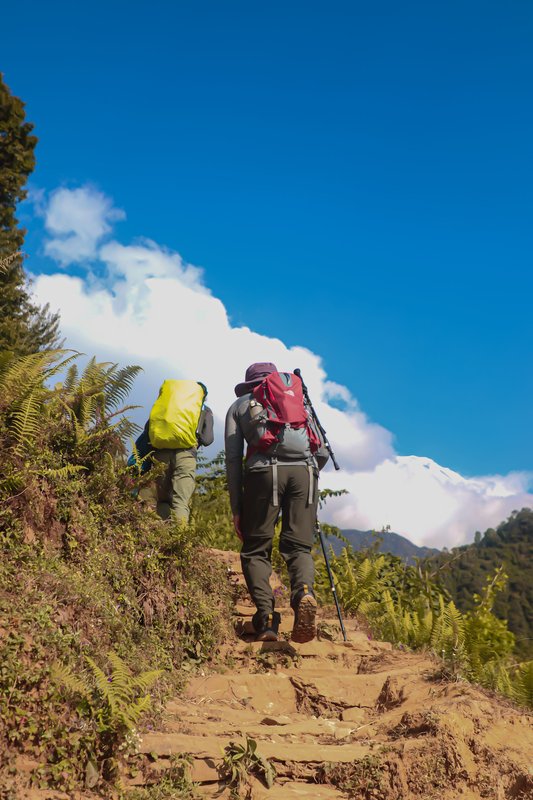
Nepal is one of the few places on earth where the world's greatest hiking terrain overlaps with its deepest meditation traditions. The same trails that lead to Everest Base Camp, Annapurna, and the sacred lakes of Gosaikunda also pass through monasteries, meditation caves, and pilgrimage sites that have hosted seekers for centuries. Combining meditation with hiking in Nepal is not a novelty or a wellness trend. It is a natural extension of how Nepali culture has always moved through the mountains: with intention, with awareness, and with reverence for the landscape. This guide shows you how to blend trail time with stillness, whether you are on a short day hike near Kathmandu or a multi-day trek through the high Himalaya.
For a comprehensive overview of meditation opportunities in this country, visit our meditation in Nepal activity page. For the broader cultural and spiritual context of travel in Nepal, see our cultural and spiritual tours guide. And if you are planning a trekking-focused trip, our complete trekking guide covers routes, permits, and logistics.


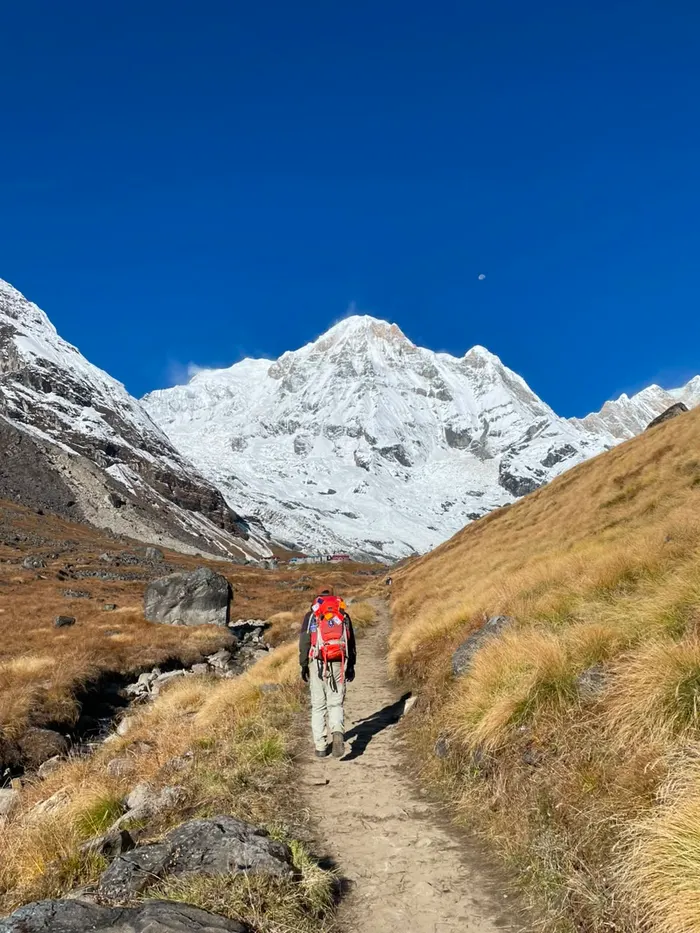

Why Combine Meditation and Hiking in Nepal?
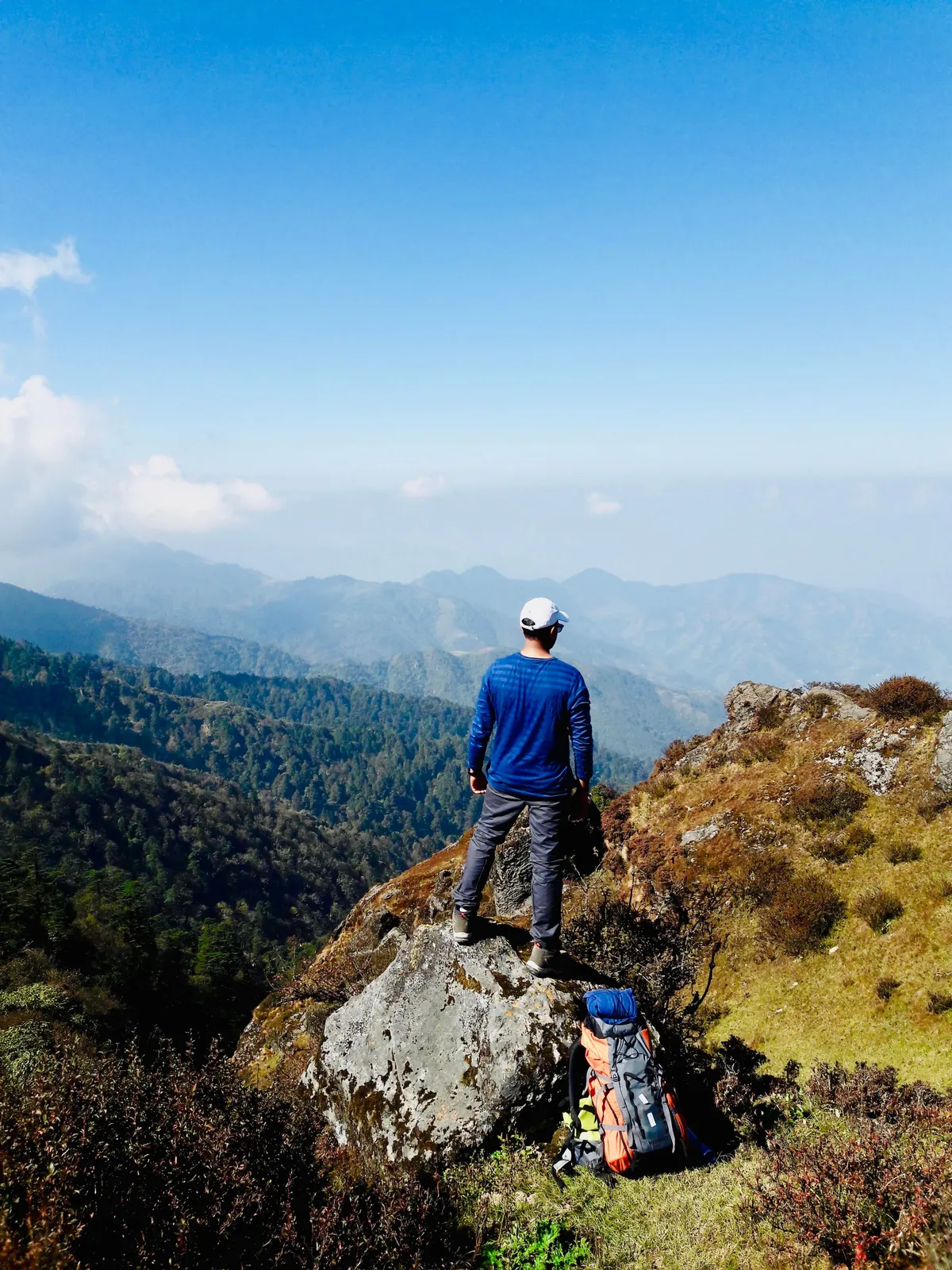
The combination of meditation and hiking addresses two needs that solo travelers and spiritual seekers often struggle to balance: the desire for movement and exploration, and the need for stillness and inner practice. When you meditate only in a retreat setting, you risk creating a separation between your spiritual life and your everyday experience. When you hike without any mindfulness framework, the trek can become a purely physical challenge, a checklist of viewpoints and summits. Combining the two integrates body and mind, movement and stillness, outer landscape and inner landscape.
In Nepal, this integration happens almost automatically. The pace of Himalayan trekking, with its long ascents and careful footing, naturally slows the breath and quiets the mind. The Buddhist and Hindu traditions that permeate the trail network provide a cultural framework for seeing hiking as a form of practice rather than merely exercise. Our slow trekking and mindfulness guide explores this philosophy in depth, and our walking meditation guide provides specific techniques for bringing meditative awareness to the trail.

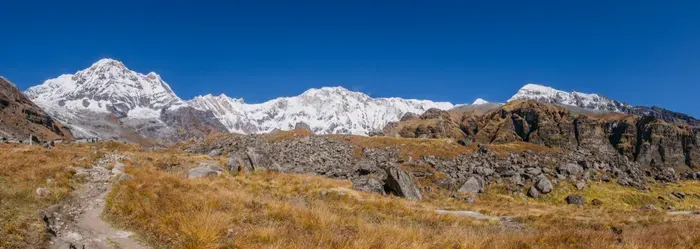


What Does a Meditation Hike Look Like in Practice?
A meditation hike in Nepal can take many forms, from a silent morning walk around a Kathmandu Valley hilltop to a multi-day trek with structured practice sessions at each stop. Here is what a typical day looks like on a meditation-focused trek.
You wake before dawn. The mountains are still dark, and the air is cold and sharp. You sit for 20 to 30 minutes of seated meditation, either inside your teahouse room or on a nearby rock or ledge. The silence of the pre-dawn Himalaya is profound; no traffic, no voices, just the occasional bird call and the wind. After meditation, you eat a simple breakfast and begin walking.
During the walk, you practice one of several approaches. You might focus on the sensation of each footstep, noting the contact between boot and ground, the shift of weight, the rhythm of breath. You might use a mantra, silently reciting "Om Mani Padme Hum" with each step, a practice common on Tibetan Buddhist pilgrimage routes. Or you might simply walk in silence, maintaining awareness of the surrounding landscape without judgment or narration. Our mantra meditation guide covers the chanting practices that translate naturally to the trail.
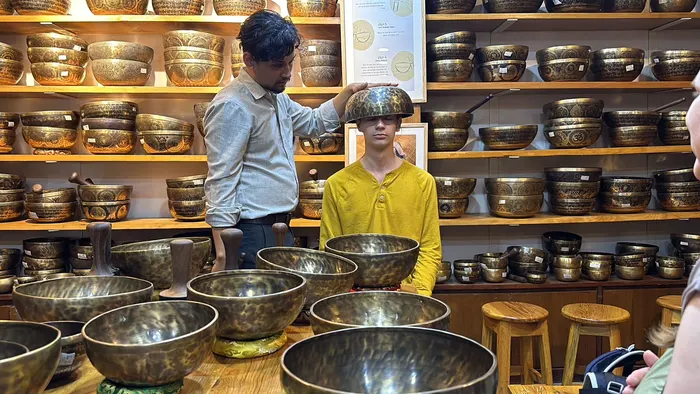
At rest stops, you pause for a few minutes of standing or seated meditation before eating. At the end of the day, after arriving at your teahouse, you sit for a longer session, often 30 to 45 minutes, processing the day's experience and settling into the evening quiet. This rhythm, repeated over several days, creates a cumulative depth that neither hiking alone nor retreat alone can achieve.
Which Trails in Nepal Are Best for Meditation and Hiking?
Not all trails are equally suited to meditation practice. The best meditation hiking trails share certain characteristics: they are relatively quiet, they pass through spiritually significant landscapes, and they offer a pace that allows for reflection rather than rushing. Here are the top options.
The Kathmandu Valley Rim
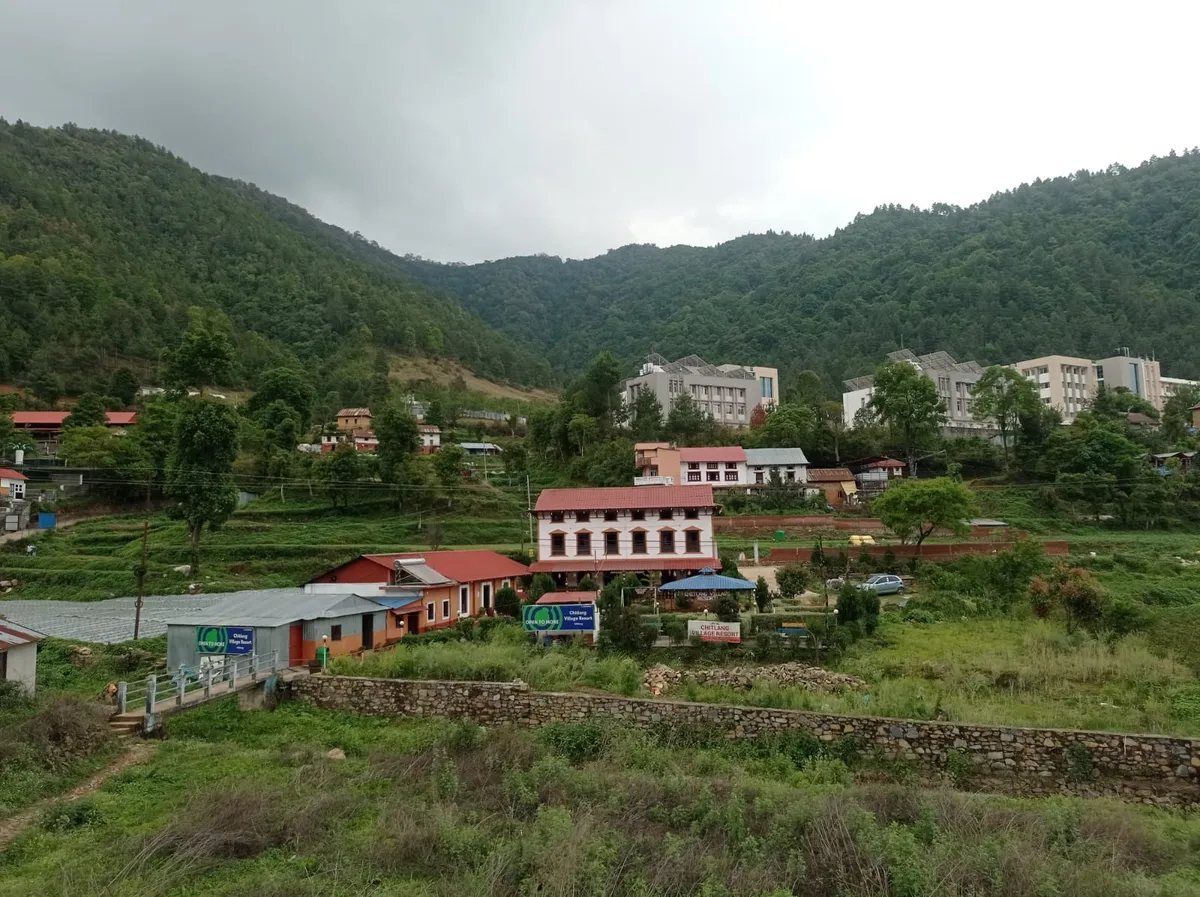
For short meditation hikes without the commitment of a multi-day trek, the Kathmandu Valley rim offers accessible trails that combine natural beauty with sacred sites. The route from Nagarkot to Dhulikhel passes through forests, ridgelines, and small villages, with panoramic Himalayan views on clear days. The Dhulikhel Namobuddha Spiritual Hike at $100 is a guided day hike that includes a visit to the sacred Thrangu Tashi Yangtse Monastery at Namobuddha, one of the most important pilgrimage sites in the Buddhist world.
The Jamacho hike on the Nagarjun Forest Reserve hill offers a quiet forest trail leading to a small monastery at the summit. The Shivapuri Nagarjun National Park, just north of Kathmandu, has multiple trails through dense forest where the only sounds are birdsong and wind. These are ideal for half-day meditation hikes, costing nothing but the park entry fee of about $5.
The Gosaikunda Sacred Lake Trek
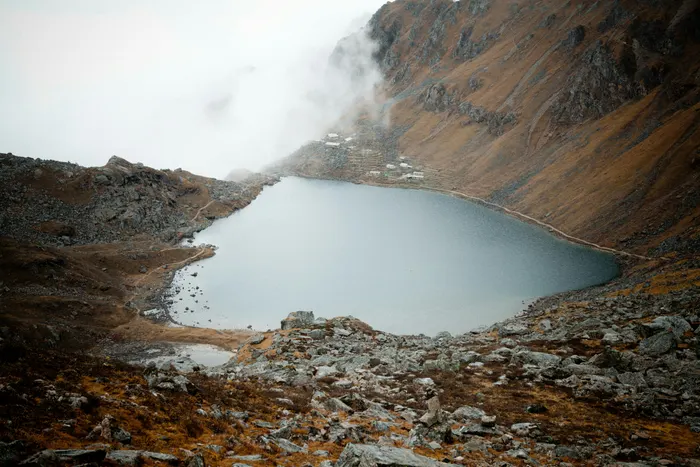
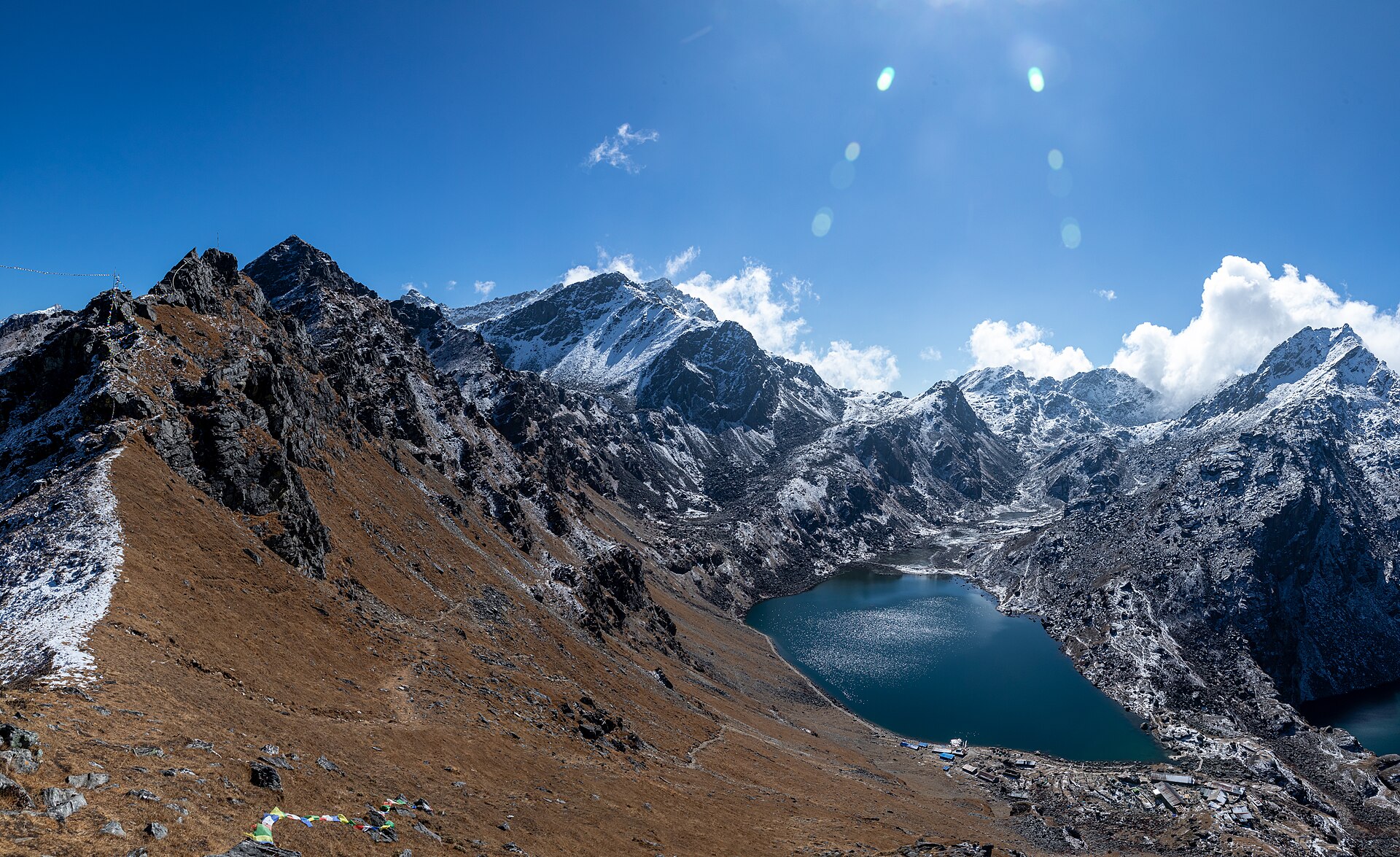
The Gosaikunda trek is perhaps the ideal meditation hiking route in Nepal. It combines moderate physical challenge with deep spiritual significance. The sacred lakes at 4,380 meters are a major Hindu pilgrimage site associated with Lord Shiva, and the trail passes through forests, alpine meadows, and dramatic high-altitude landscapes. The Gosaikunda Sacred Lakes Yoga Retreat Trek (5 Days) at $658 is a guided option that builds yoga and meditation sessions into the daily trekking schedule. For a more comprehensive guide to this sacred journey, see our Gosaikunda pilgrimage guide.
The Annapurna Region
The Annapurna region offers a range of meditation-friendly trails. The Ghorepani Poon Hill trek is a shorter option (5 to 7 days) that passes through rhododendron forests and traditional Gurung villages, with a famous sunrise viewpoint at Poon Hill. The 5-Day Yoga Retreat with Hiking at $518 combines daily yoga and meditation with guided day hikes in the Annapurna foothills. The longer Annapurna Base Camp trek passes through increasingly remote valleys where the silence deepens with every day of walking.

Lumbini and the Tarai
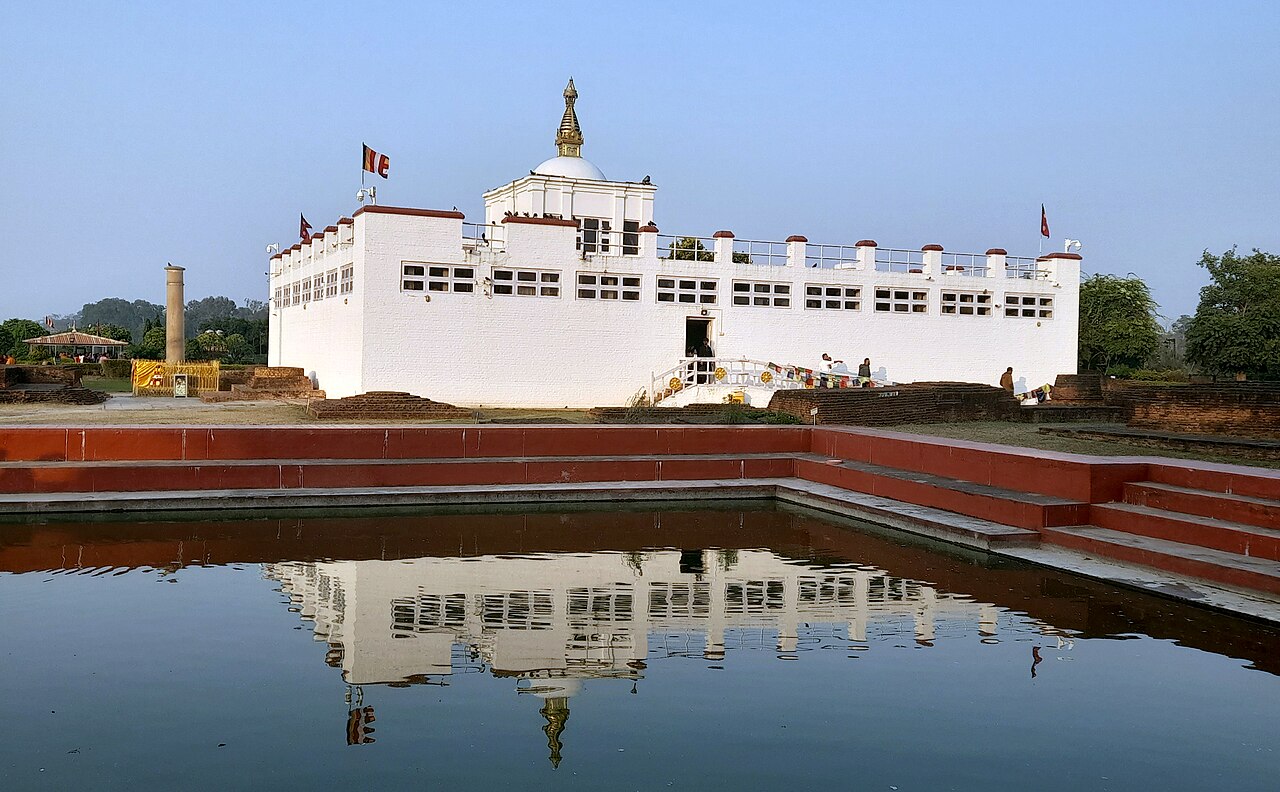
For flat, accessible walking meditation, the Lumbini monastic zone offers kilometers of peaceful paths between international monasteries. There are no hills, no altitude concerns, and no technical challenges. You simply walk between meditation sites, stopping to sit at each monastery or in the gardens. This is the most accessible meditation hiking option in Nepal and requires no special equipment.
How Do You Build a Meditation Practice on the Trail?
Building a sustainable meditation practice while hiking requires some structure. Here is a practical framework that works for both beginners and experienced meditators.
Morning Practice (20 to 30 minutes)
Before you start walking, sit for a short session. This sets the tone for the day and helps you transition from sleep to awareness. If the weather permits, sit outside facing the mountains. If it is cold, sit inside with a window view. Focus on your breath, counting inhalations and exhalations from 1 to 10, then starting over. When your mind wanders, gently return to the breath and the count. For beginners, our meditation for beginners guide covers the fundamentals.
Walking Practice (throughout the day)
During the hike, use one of three walking meditation techniques. First, breath-sync walking: match your steps to your breath, inhaling for three steps and exhaling for three steps. This creates a natural rhythm that calms the mind. Second, sensory awareness: maintain attention on whatever is most prominent in your experience at each moment, the sound of a stream, the feeling of wind, the sight of a prayer flag. When attention drifts to thought, return to the sensory field. Third, mantra walking: silently repeat a mantra with each step. "Om Mani Padme Hum" is the most natural choice on Himalayan trails, especially those with Buddhist communities. For more on this practice, see our daily meditation practice guide.
Evening Practice (30 to 45 minutes)
After arriving at your teahouse and before dinner, sit for a longer session. This is the time to process the day, release physical tension, and prepare for rest. A body scan meditation works well here: mentally move your attention from your feet to your head, noting sensations in each part of the body. This practice is particularly effective after a long day of hiking, as it actively releases the muscular tension that accumulates on the trail.
What Should You Pack for a Meditation Hiking Trip?
The gear for a meditation hiking trip is essentially the same as for a standard Nepal trek, with a few additions. You need a trail-worthy backpack, broken-in hiking boots, layered clothing for changing temperatures, and a sleeping bag rated to at least -10 degrees Celsius for high-altitude teahouses. For meditation specifically, pack a lightweight sitting cushion or folded blanket, earplugs for noisy teahouses, and a journal for reflection.
For a complete gear checklist, see our meditation retreat packing list. The main difference between a meditation hiking pack and a standard trekking pack is the cushion, which adds perhaps 200 grams but transforms any rock or ledge into a usable meditation seat.
What Are the Spiritual Sites You Can Visit on Meditation Hikes?
One of the great advantages of meditation hiking in Nepal is that the trails pass through living spiritual sites. You are not hiking to an archaeological ruin; you are hiking to active monasteries, temples, and pilgrimage lakes where practice is ongoing.
Namobuddha Monastery
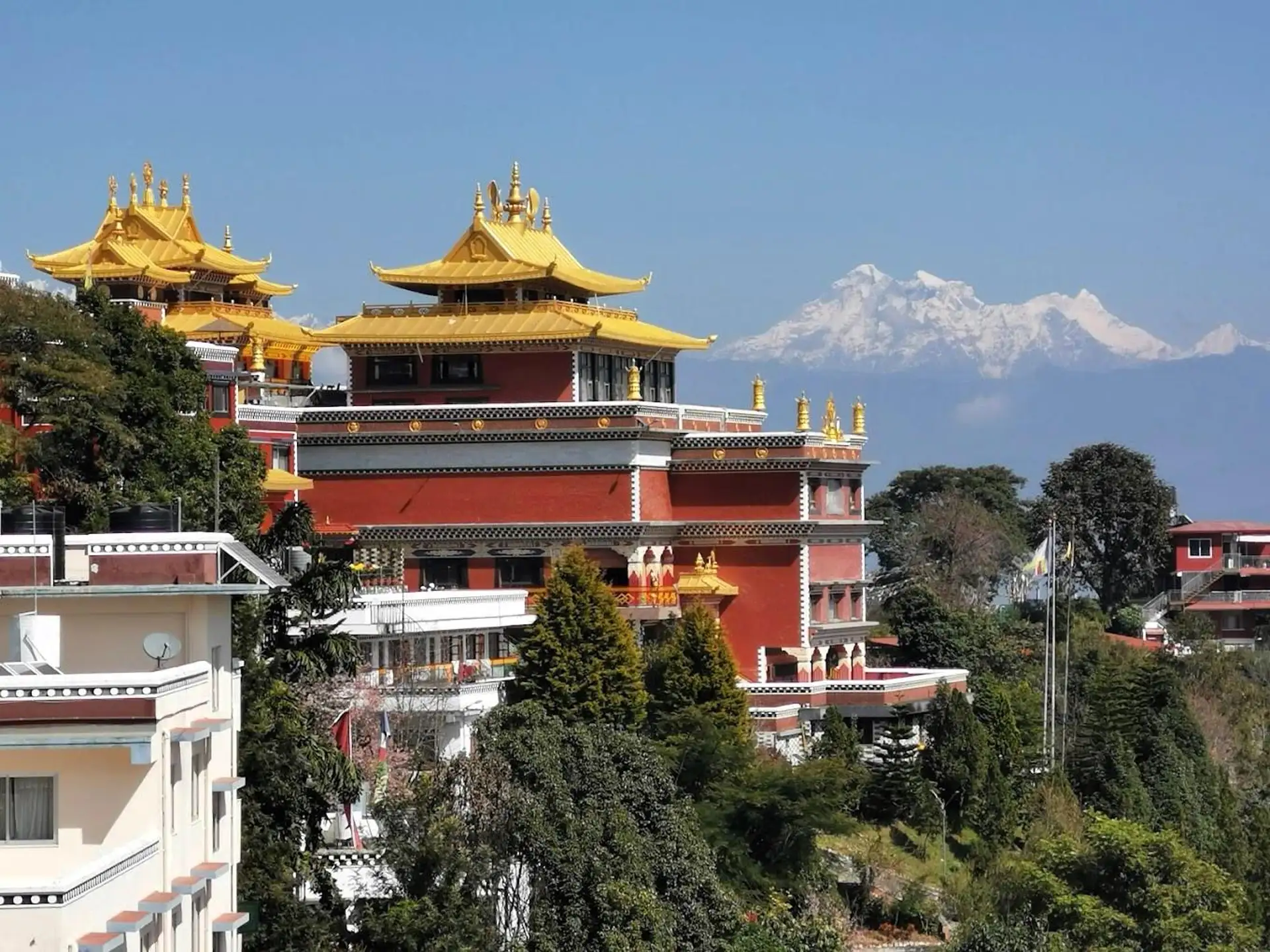
The Thrangu Tashi Yangtse Monastery at Namobuddha sits on a hilltop above the Kathmandu Valley and is accessible via a day hike from Dhulikhel. It is one of the three most important Buddhist pilgrimage sites in Nepal, marking the spot where the Buddha, in a previous life as a prince, offered his body to a starving tigress. The monastery welcomes visitors for meditation, and the hilltop setting offers panoramic views that enhance any practice. The guided spiritual hike at $100 includes transportation and a guide.
Boudhanath and Swayambhunath
Both great stupas of the Kathmandu Valley are accessible as short meditation walks. Boudhanath, in particular, is surrounded by monasteries and meditation centers. The kora (circumambulation) around the stupa is itself a walking meditation practice. For a structured visit, the Kathmandu spiritual circuit guide covers all three major sites in a day trip.
Gosaikunda Sacred Lake
At 4,380 meters, Gosaikunda is both a challenging hiking destination and one of Nepal's most sacred pilgrimage sites. Hindu devotees visit during the full moon of August (Janai Purnima) to bathe in the ice-cold lake waters. But the site is powerful at any time of year, and the combination of high-altitude silence, dramatic mountain setting, and spiritual significance makes it perhaps the deepest meditation hiking destination in Nepal. The Gosaikunda Yoga Retreat Trek at $658 includes guided meditation at the lake.
Muktinath Temple
In the Mustang region, Muktinath is a sacred site for both Hindus and Buddhists, featuring 108 water spouts and an eternal natural gas flame. The site sits at 3,800 meters and is accessible via the Annapurna Circuit trek. The combination of high altitude, spiritual architecture, and the unusual natural phenomena creates a meditation environment unlike any other. For those who cannot trek to Muktinath, a Muktinath pilgrimage guide describes the experience, and helicopter tours are available for those with limited time.
How Does Altitude Affect Meditation Practice?
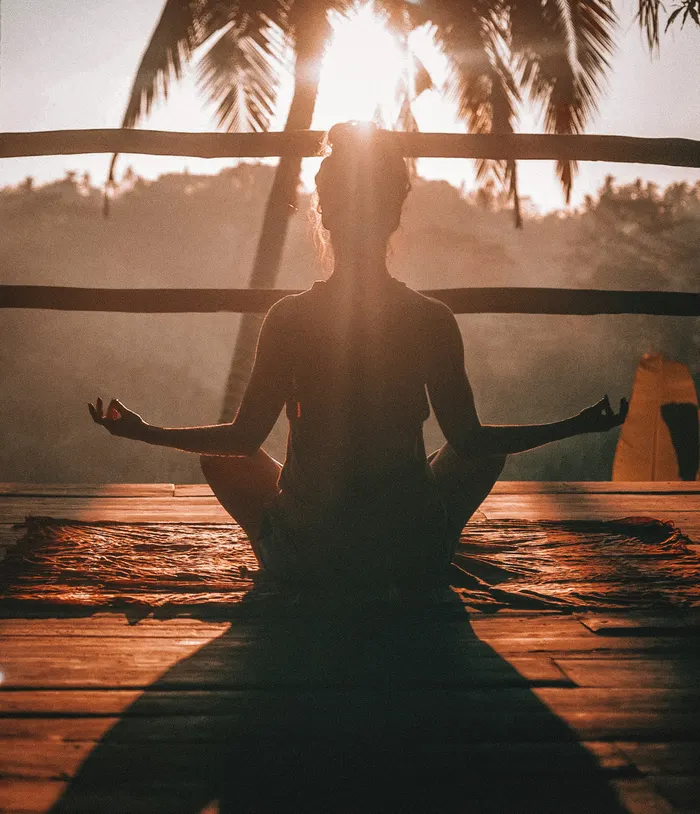
Meditation at altitude is a different experience from meditation at sea level, and understanding the differences helps you practice safely and effectively. At altitudes above 2,500 meters, the air is thinner and your breathing naturally deepens. This can actually enhance breath-awareness meditation, as the breath becomes more prominent and noticeable. However, the reduced oxygen can also make seated meditation more challenging, as the body is already working harder to maintain basic functions.
The key adjustment is to shorten your seated sessions at high altitude. If you normally sit for 45 minutes at sea level, reduce to 20 to 30 minutes above 3,000 meters. Focus on breathing practices (pranayama) that are gentle and non-forceful. Avoid breath retention practices, which can be dangerous at altitude. Our meditation and pranayama at altitude guide covers safe breathwork practices for high elevations in detail.
Most importantly, listen to your body. If you feel lightheaded, nauseous, or unusually tired during meditation, stop and rest. Altitude sickness is a serious condition that can develop rapidly, and meditation should never be practiced through symptoms of acute mountain sickness. If you experience headache, nausea, or dizziness, descend immediately.
Can You Join a Guided Meditation Hiking Retreat?
Several guided options combine structured meditation instruction with Himalayan hiking, eliminating the need to self-organize. These retreats handle logistics, provide experienced teachers, and create a group environment that supports deeper practice.
The 5-Day Yoga Retreat with Hiking at $518 is one of the most popular options. It combines daily yoga and meditation sessions with guided day hikes in the Annapurna foothills. The Gosaikunda Yoga Retreat Trek at $658 is a more adventurous option that takes you to a sacred high-altitude lake with daily practice along the trail. For a shorter, less expensive entry point, the 3-Day Yoga Sound Healing Retreat at $288 includes guided meditation sessions and can be combined with independent day hikes before or after the retreat.
What Are the Best Seasons for Meditation Hiking in Nepal?
The best seasons for meditation hiking are the same as for general trekking: autumn (October through November) and spring (March through April). In autumn, the skies are clear after the monsoon, the air is crisp, and the mountain views are at their best. The trails are busy but not overcrowded, and the teahouses are fully operational. In spring, the rhododendron forests bloom in the Annapurna and Langtang regions, adding extraordinary beauty to the walking practice.
Winter (December through February) is excellent for meditation hiking at lower elevations. The Kathmandu Valley rim, the lower Annapurna foothills, and the trails around Pokhara are quiet and peaceful. The cold mornings actually enhance the meditation experience, as the sharp air sharpens awareness. However, high-altitude treks above 4,000 meters become difficult due to snow and cold. For seasonal guidance across all spiritual activities, see our best time for spiritual travel guide.
How Is Meditation Hiking Different From Walking Meditation?
There is an important distinction between meditation hiking and formal walking meditation. Walking meditation, as practiced in Buddhist traditions, is a slow, deliberate practice usually done in a straight line or a small circuit. Each step is taken with full attention, often at a pace that is much slower than normal walking. The eyes are cast downward, the hands are still, and the focus is entirely on the physical sensation of each footfall.
Meditation hiking, by contrast, is a hybrid practice. You are hiking at a normal pace, navigating terrain, and taking in the landscape, but you maintain a meditative quality of awareness throughout. The focus is not exclusively on the feet but on the total experience: breath, body, landscape, sound, and thought. Both practices are valuable, and they complement each other. Our walking meditation guide covers the formal practice, while this guide focuses on the integrated hiking approach.
What Should You Know About Teahouse Meditation Etiquette?
When you meditate in a teahouse or lodge along a trekking route, you are in a shared space with other trekkers who may not be meditators. A few simple guidelines ensure harmony. First, meditate at times that do not conflict with common activity: early morning before breakfast, or in the evening after dinner. Second, find a quiet corner rather than the main dining area. Third, do not use incense or candles, as teahouse rooms are small and fire is a risk. Fourth, if someone asks what you are doing, answer simply and briefly without evangelizing. For broader guidance on respectful behavior in spiritual settings, see our monastery etiquette activity.
How to Combine Solo Meditation Hiking With Group Retreats
Many travelers find that the ideal Nepal meditation experience combines solo hiking with a structured group retreat. A common pattern is to start with a 3-day or 5-day guided retreat that establishes your practice, then set off on a solo trek with daily morning and evening sessions. The retreat gives you technique and structure; the solo hike gives you space and depth. For those interested in silent retreats as preparation, our silent retreats guide covers what to expect.
Conversely, some travelers start with a solo hike to settle the body and quiet the mind, then attend a retreat afterward with a foundation of physical tiredness and mental clarity that deepens the practice. Either sequence works. The key is to avoid treating them as separate experiences. The awareness you cultivate on the trail feeds directly into your seated practice, and the discipline of seated practice shapes how you walk the trail.
What Are the Health Considerations for Meditation Hiking?
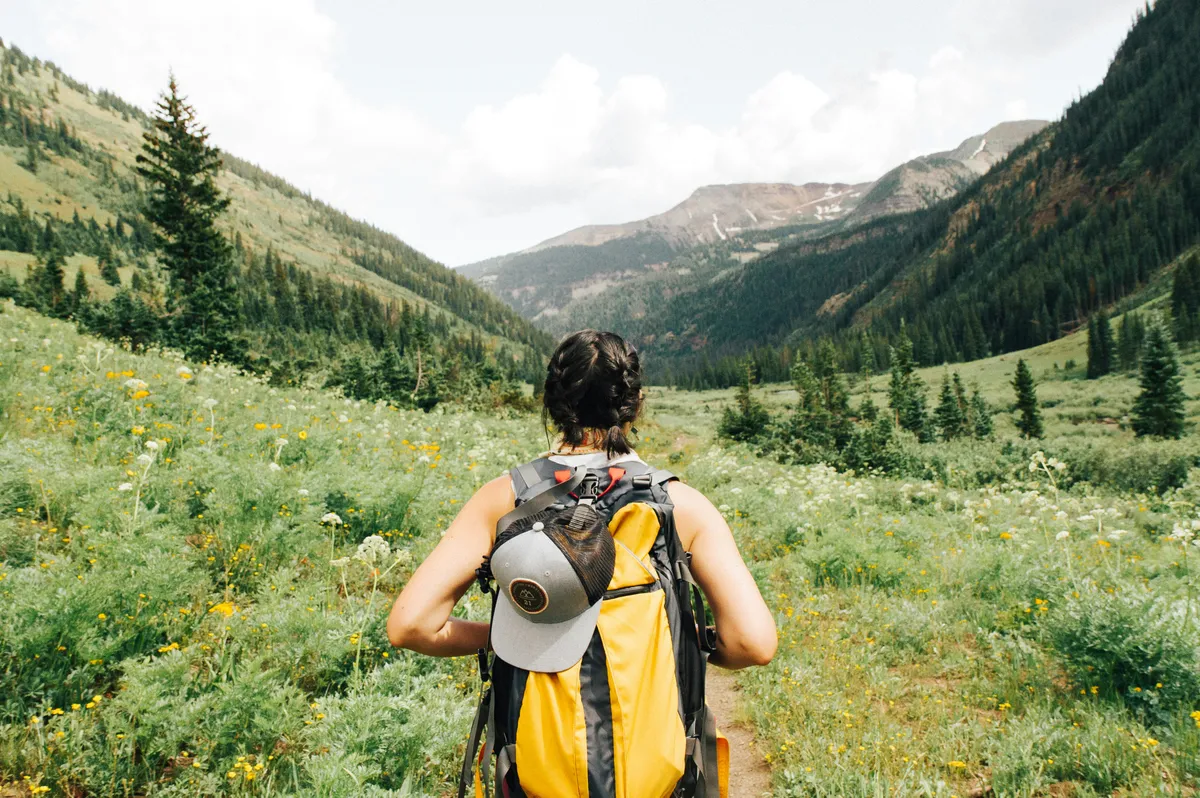
Meditation hiking is generally safe, but the combination of physical exertion and meditative absorption requires some awareness. First, do not meditate with closed eyes while actually hiking on technical terrain. Save closed-eye practice for rest stops and teahouses. On the trail, keep your eyes open and maintain spatial awareness even while in a meditative state.
Second, be aware of the interaction between meditation and hypothermia. When you sit still for extended periods at altitude, your body temperature drops. Always have a warm layer available for seated meditation, even if you felt warm while hiking. Sit on an insulating layer (a sit pad or your backpack) rather than directly on cold rock.
Third, hydration affects meditation quality. Dehydration causes headaches and difficulty concentrating, both of which undermine meditation. Drink regularly throughout the day, even when you do not feel thirsty. The cold, dry Himalayan air increases water loss through respiration, so you need more water than you might expect. For more on health practices while meditating in Nepal, see our meditation and Ayurveda guide for holistic health practices.
Related Guides for Your Meditation Hiking Journey
Meditation and hiking in Nepal are not two separate activities forced together. They are two expressions of the same impulse: to move through extraordinary landscape with full presence, and to discover that the stillness you seek is already present in every step. Whether you spend a day hiking to Namobuddha or a week trekking to Gosaikunda, the Himalayan trail is a meditation hall without walls. For more on planning your complete spiritual journey, explore our 7-day spiritual itinerary or 10-day pilgrimage circuit, and visit our meditation in Nepal activity page to start planning your practice on the trail today.