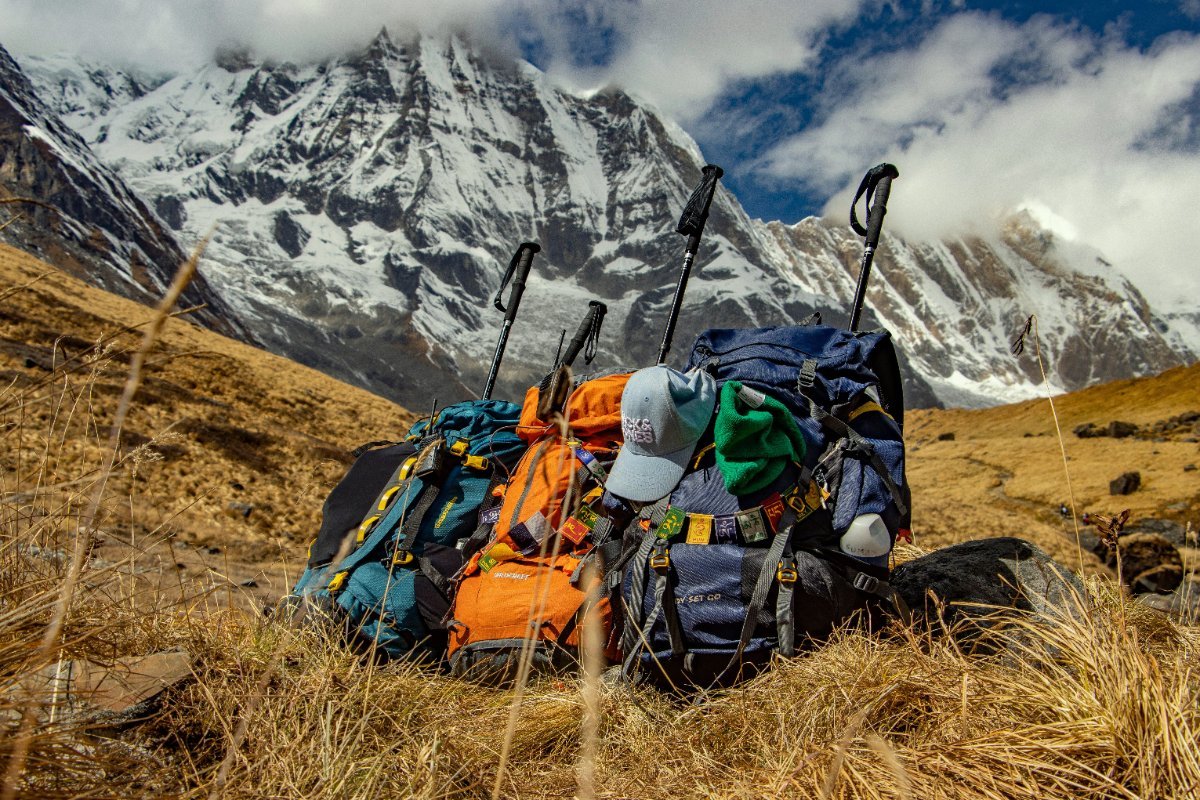
Walking meditation in Nepal offers something that no silent retreat hall can replicate: the slow rhythm of your footsteps on ancient Himalayan trails, the cool mountain air filling your lungs, and the profound stillness that comes from moving your body through some of the most sacred landscapes on Earth. For centuries, monks, pilgrims, and seekers have walked these paths not merely to reach a destination but to transform the journey itself into a spiritual practice. In Nepal, walking and meditation are not separate activities. They are two sides of the same coin, and the Himalayas provide the perfect monastery without walls.
Nepal has long been a destination for those seeking inner peace, from the Buddha's birthplace in Lumbini to the meditation caves of the Himalayan foothills. Whether you are an experienced meditator looking to deepen your practice or a trekker who senses there is something more to the trail than physical achievement, walking meditation in Nepal bridges the gap between movement and stillness. This guide explores how to practice mindful walking on Himalayan trails, where to go, what to expect, and how to prepare for a journey that nourishes both body and spirit. For a broader understanding of cultural and spiritual tours in Nepal, our complete 2026 guide covers the full spectrum of heritage, pilgrimage, and Himalayan soul journeys.
What Is Walking Meditation?
Walking meditation, known in the Buddhist tradition as kankin or jingyuan in various lineages, is the practice of bringing full awareness to the act of walking. Unlike seated meditation where the body is still, walking meditation uses deliberate, slow movement as the anchor for attention. Each step becomes an object of mindfulness. You notice the lifting of your foot, the movement through space, the placing down, and the shifting of weight. The breath synchronizes with the pace. The mind settles into the rhythm.
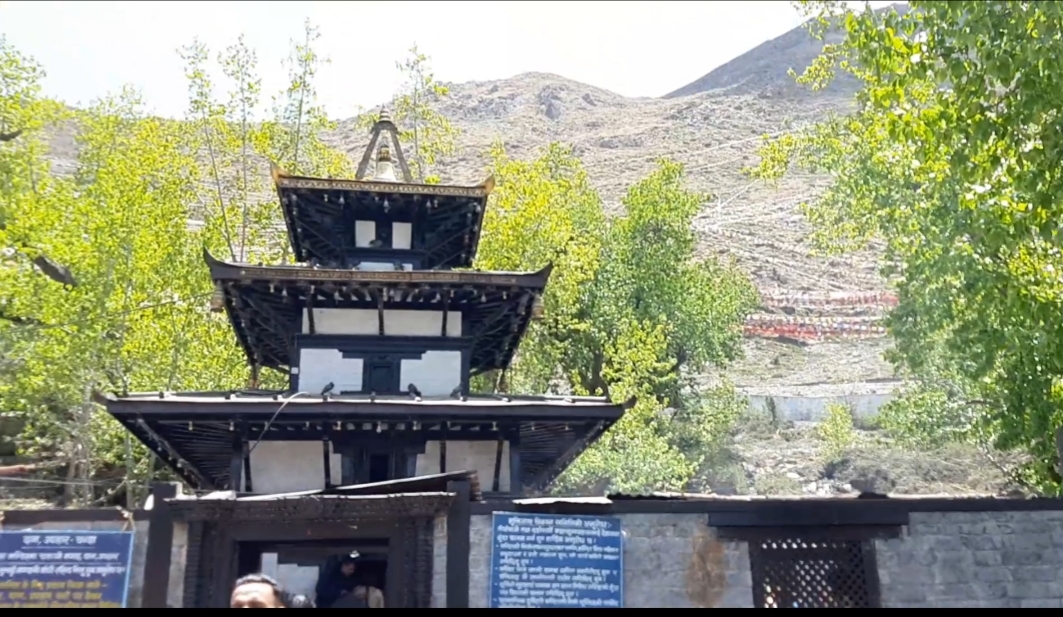
In Nepal, this practice takes on a unique dimension. The trails themselves are centuries old, worn smooth by generations of pilgrims, traders, and monks. Many paths pass through sacred sites, Buddhist stupas, Hindu shrines, and meditation caves. Walking these trails with intention transforms a simple trek into a spiritual journey. The meditation in Nepal experience encompasses this walking practice alongside seated meditation, sound healing, and yoga, creating a holistic approach to inner exploration.
Why Nepal Is the Perfect Place for Walking Meditation
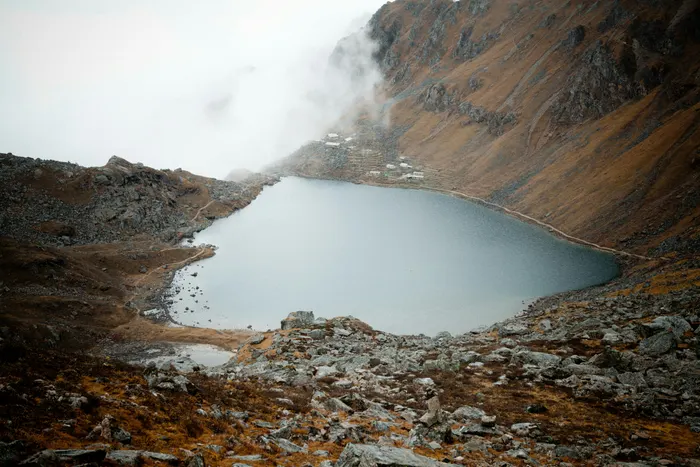
Nepal's geography makes it uniquely suited for walking meditation. The country has thousands of kilometers of trails connecting villages, sacred sites, and mountain passes, most of which are only accessible on foot. The terrain ranges from gentle valley paths suitable for beginners to high-altitude routes that challenge even seasoned trekkers. This diversity means you can match your walking meditation practice to your physical ability and spiritual goals.
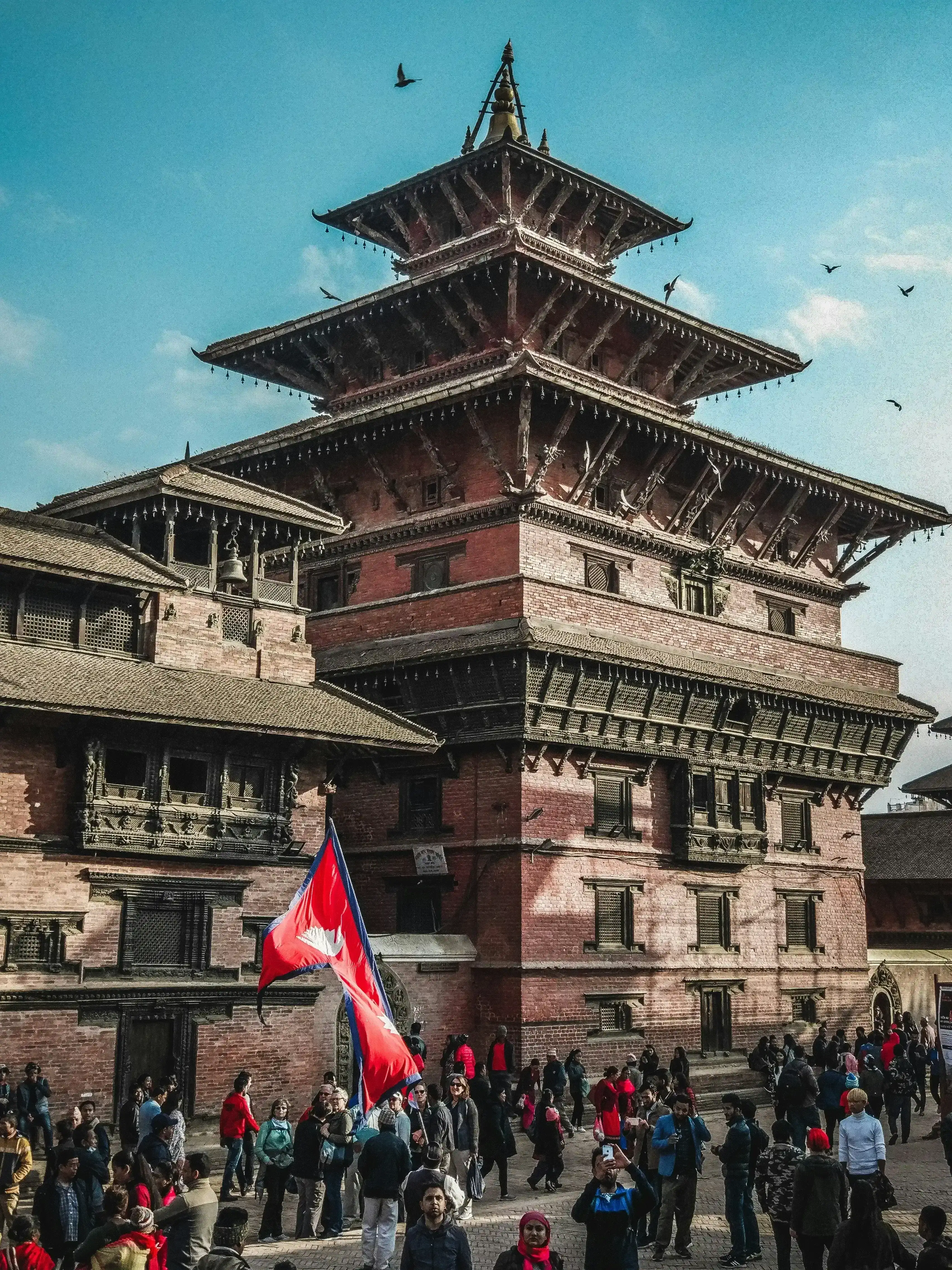
The cultural context deepens the experience. Nepal is a land where Hinduism and Buddhism have coexisted and intertwined for over two millennia. Prayer flags flutter from ridgelines, mani walls line the trails, and the sound of chanting drifts from monasteries along the route. Every step on a Himalayan trail carries the echo of countless pilgrims who walked before you. The landscape itself feels sacred, and walking meditation in this environment feels less like a technique you are applying and more like a natural response to the surroundings.
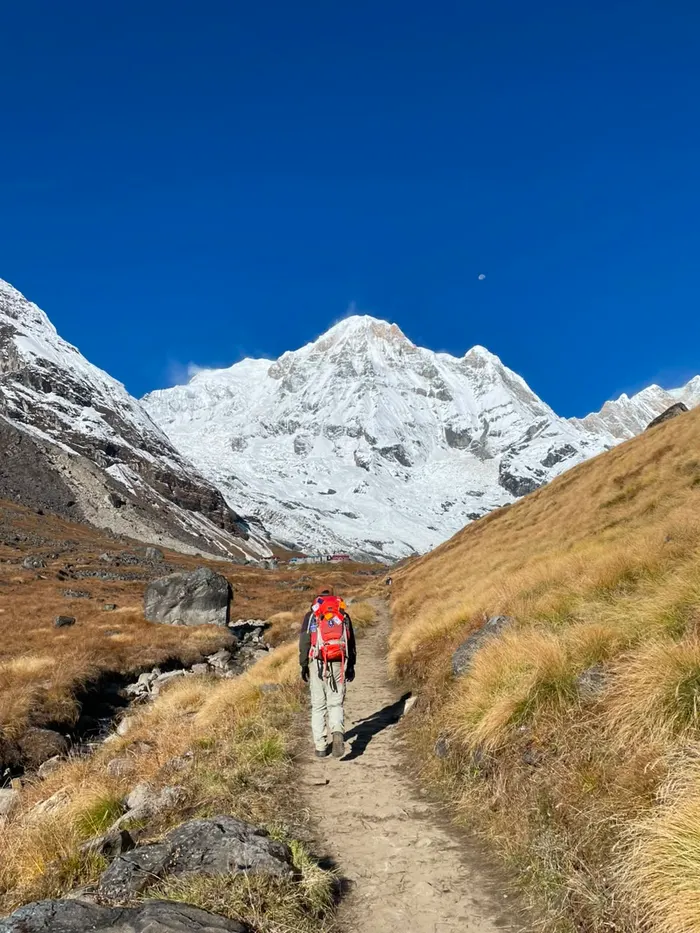
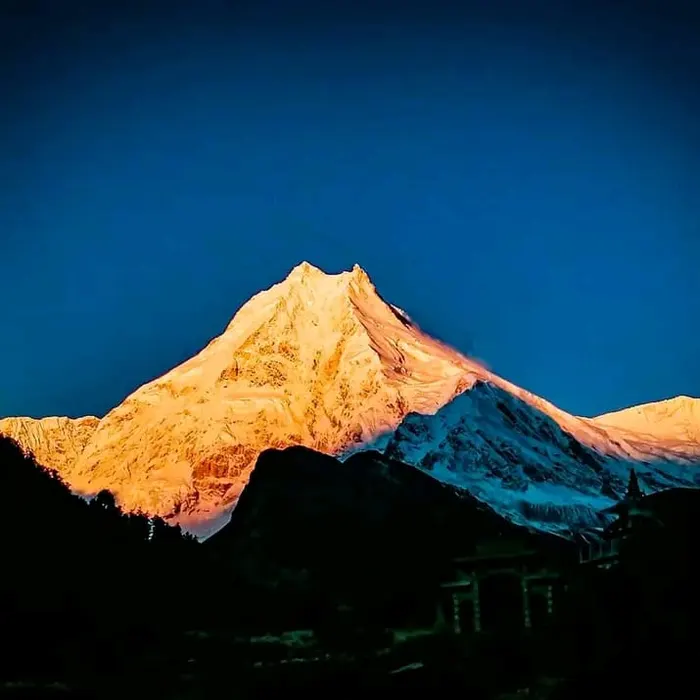
The altitude also plays a role. At higher elevations, the thinner air forces a slower pace, which naturally supports mindful walking. You cannot rush at 3,000 meters. Your body demands that you slow down, breathe deeply, and pay attention to each step. This biological imperative aligns perfectly with the intention of walking meditation. The mountain itself becomes your teacher, inviting you to walk not faster but deeper. For those planning a broader Himalayan trekking journey, the best trekking agency in Nepal guide offers essential planning advice for 2026.
How to Practice Walking Meditation on the Trail
Walking meditation on a Himalayan trail follows the same principles as a formal practice but adapts to the realities of trekking. Here is a step-by-step approach you can use on any trail in Nepal.
1. Set Your Intention Before You Start
Before taking the first step, pause. Stand still for a moment. Take three deep breaths. Silently set your intention for the walk. It might be as simple as "I will walk with awareness" or "May this walk bring peace to my mind and benefit to all beings." This brief pause marks the transition from ordinary walking to walking meditation and signals to your mind that something different is about to happen.
2. Find Your Natural Pace
Unlike formal walking meditation in a monastery, which can be almost unbearably slow, on a trekking trail you need to maintain a practical pace. Find a speed that feels sustainable for the altitude and terrain. The key is not slowness for its own sake but awareness. You can walk at a normal trekking pace and still practice mindfulness by paying attention to each step, each breath, and each shift in the landscape.
3. Anchor Your Attention
Choose a primary anchor for your attention. The most common is the sensation of your feet touching the ground. Notice the lifting, the moving, and the placing of each foot. When your mind wanders, and it will, gently bring it back to the sensation of walking. Other useful anchors on a Himalayan trail include the rhythm of your breath, the sound of your footsteps on the trail, or the visual field of the landscape ahead. Experiment with different anchors to find what works for you on a given day.
4. Use the Landscape as a Reminder
On Himalayan trails, the landscape itself offers natural mindfulness cues. A prayer flag appearing on the ridge ahead can remind you to check in with your breath. A mani stone with carved mantras invites you to recite Om Mani Padme Hum with each step. A river crossing asks you to slow down and pay attention to the placement of your feet. These features are not just scenery. They are part of a centuries-old system of sacred geography designed to support contemplative practice.
5. Alternate Walking and Sitting
One of the great advantages of walking meditation on a trek is the opportunity to alternate movement and stillness. After an hour or two of mindful walking, find a quiet spot beside the trail. Sit for ten or fifteen minutes of silent meditation. Let the movement settle into stillness. Then resume walking, carrying the quality of seated awareness into your steps. This alternation between walking and sitting is a traditional monastic practice, and on a Himalayan trek, the trail itself provides endless natural seats: a flat rock, a grassy meadow, a stupa courtyard.
Best Trails for Walking Meditation in Nepal
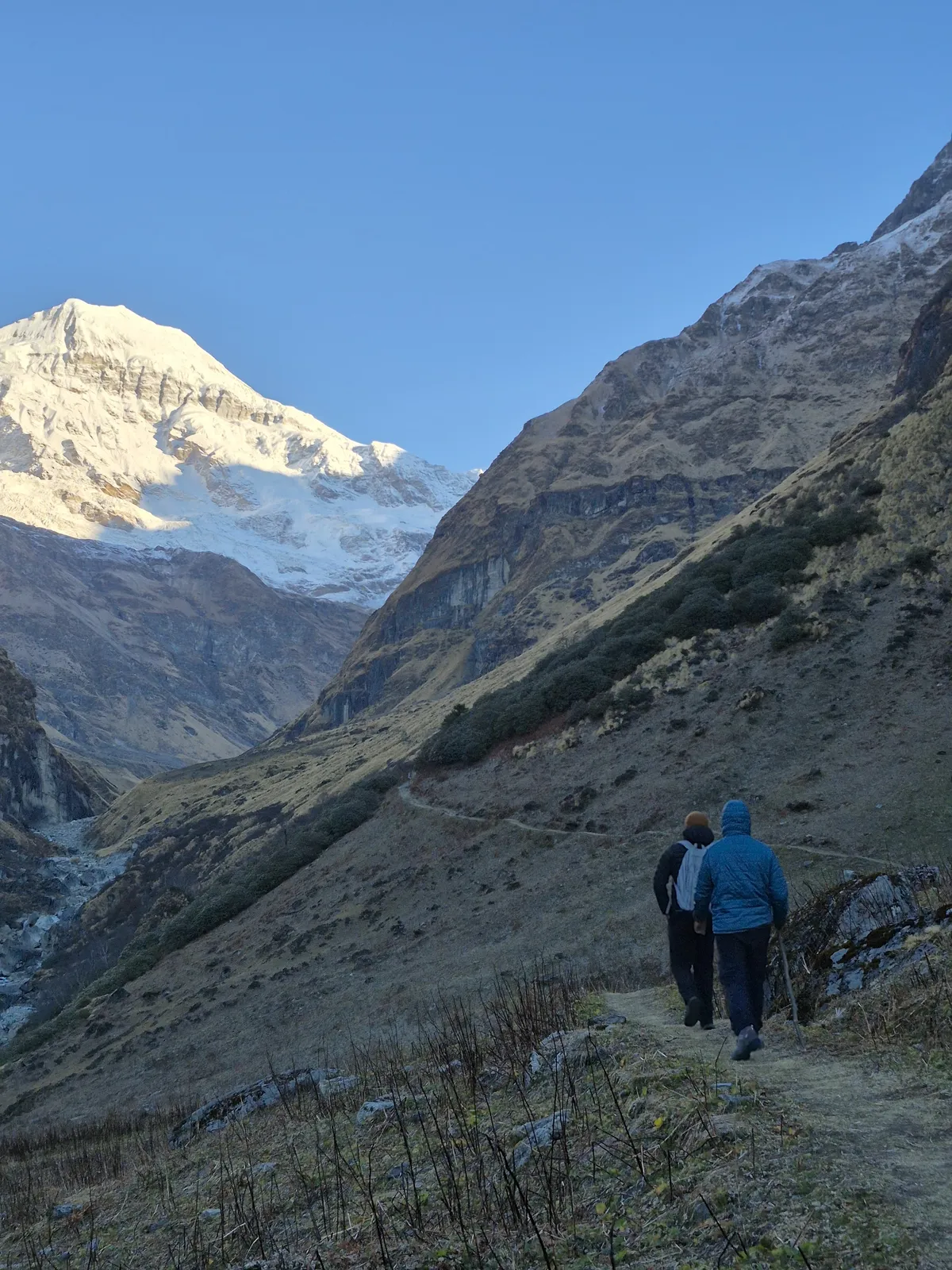
Not all trails are equally suited for walking meditation. Some are too crowded or too steep for contemplative practice. Others are perfect, offering quiet paths, sacred sites, and stunning natural beauty. Here are five trails that are ideal for combining trekking with meditation.
The Kathmandu Valley Rim
For those who want to experience walking meditation without committing to a multi-day trek, the Kathmandu Valley rim offers accessible day hikes through forests, past monasteries, and along ancient pilgrimage routes. The trail from Nagarkot to Dhulikhel via Namobuddha is particularly special. It passes through pine forests, small villages, and the sacred Buddhist site of Namobuddha, where the Buddha in a previous life offered his body to a starving tigress. The walk takes about five to six hours and can be done at a meditative pace with stops for sitting meditation at monasteries along the way.
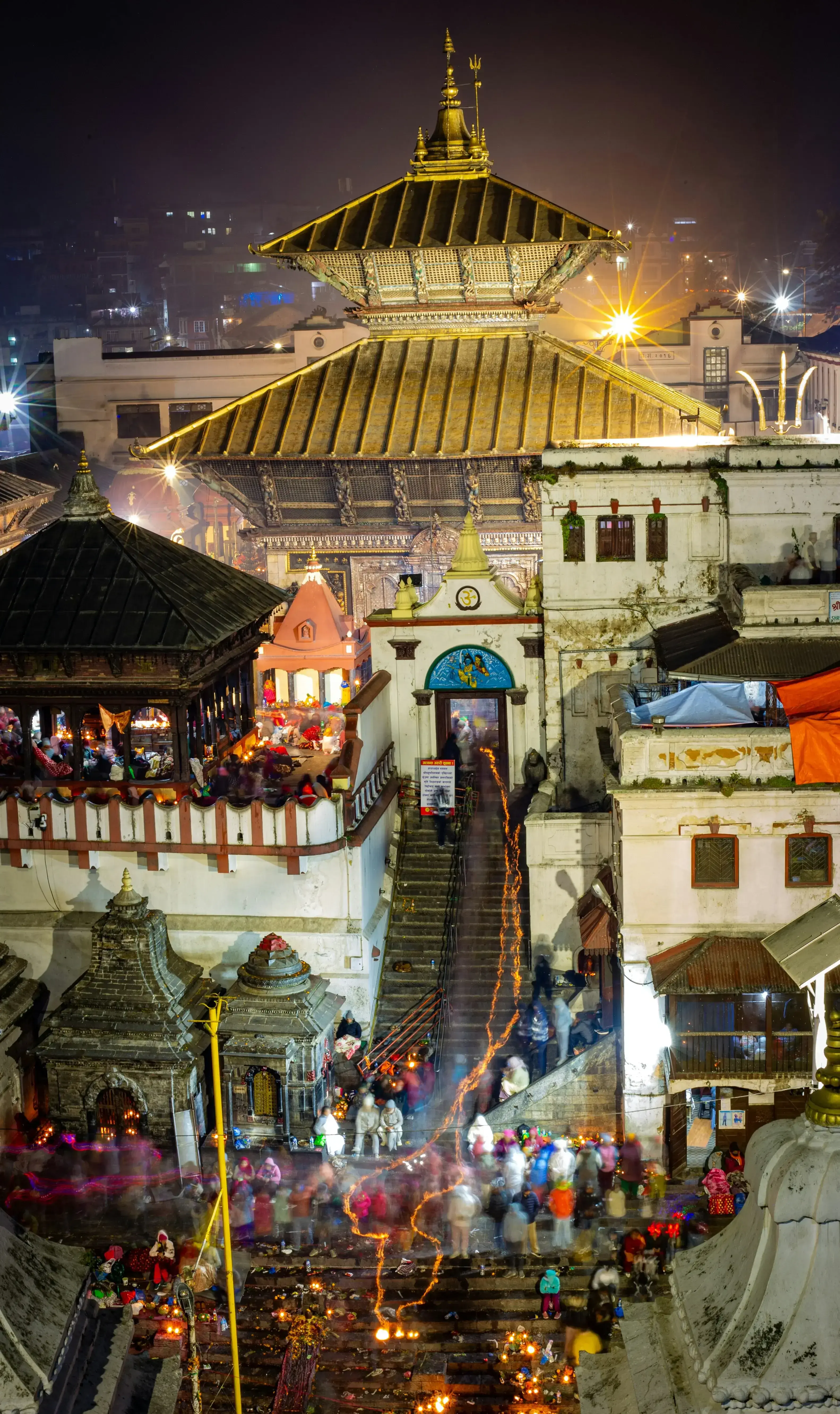
The Kathmandu spiritual circuit is another excellent option, combining walking between the major sacred sites of the valley with opportunities for seated meditation at Swayambhunath, Boudhanath, and Pashupatinath. For a deeper exploration, the 7-day spiritual itinerary covers the best of both valley and beyond.

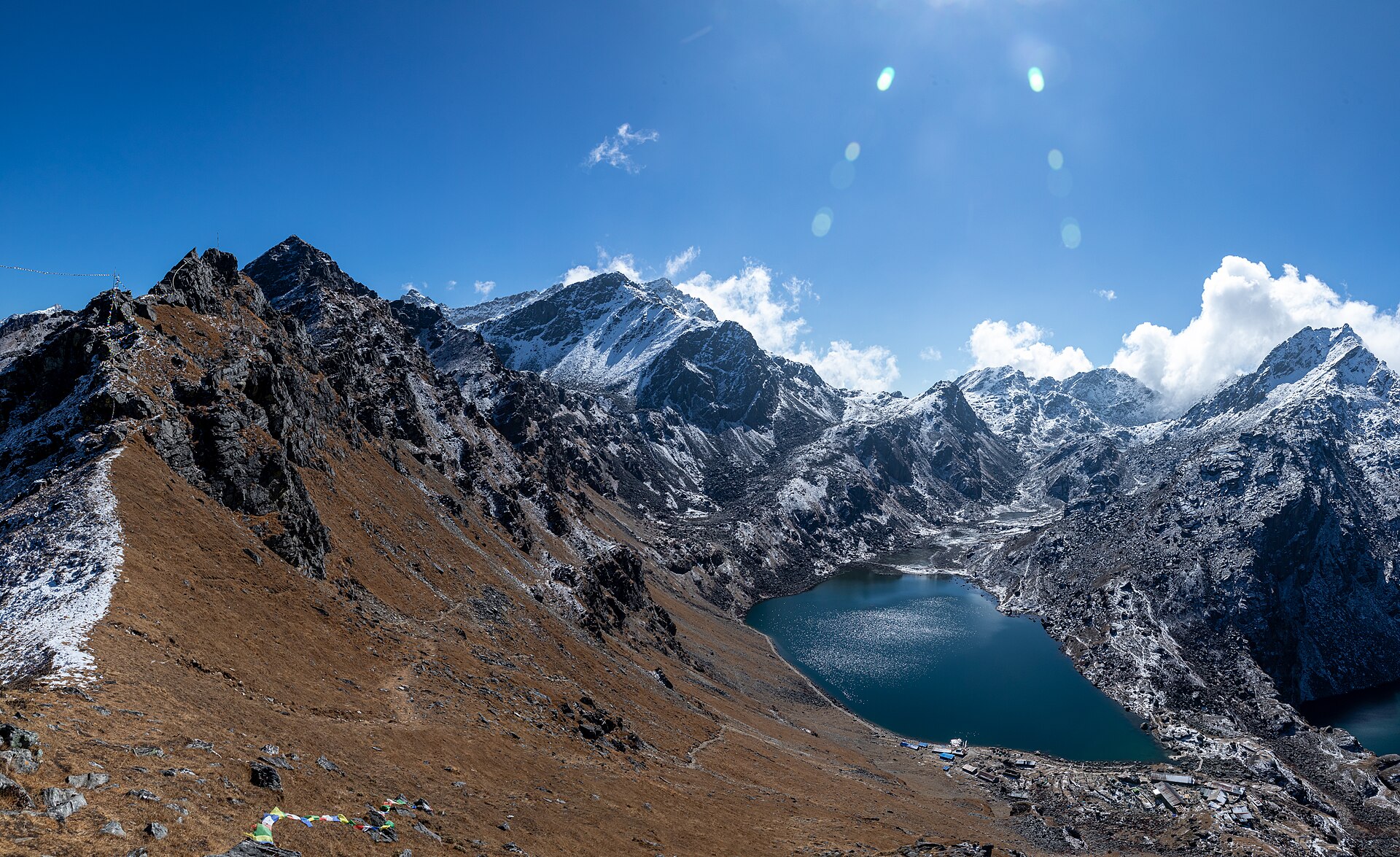
The Annapurna Foothills
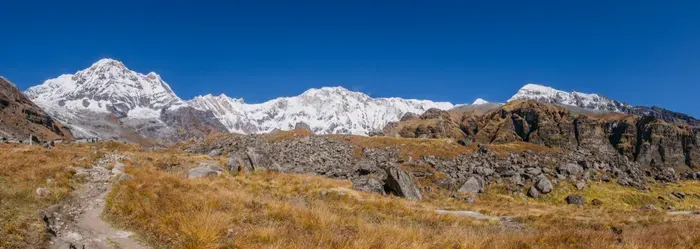
The Ghorepani to Poon Hill route in the Annapurna region is one of the most popular short treks in Nepal, and for good reason. The trail winds through rhododendron forests, past terraced fields, and up to ridge-top viewpoints where the Annapurna massif rises before you like a wall of white. The walking is moderate, the paths are well-maintained, and the early morning hike to Poon Hill for sunrise is an ideal walking meditation opportunity. The slow ascent in the predawn darkness, with the silhouette of Dhaulagiri appearing on the horizon, is a natural mindfulness practice.
For a more immersive experience, the 5-Day Yoga Retreat and Hiking package combines daily yoga sessions with guided hikes through the foothills, creating a structured environment for mindful movement. For those drawn to longer walking journeys, the 10-day pilgrimage circuit covers both Hindu and Buddhist sacred sites.

The Langtang Valley
The Langtang Valley trek, north of Kathmandu, is quieter than the Annapurna and Everest regions, making it ideal for walking meditation. The trail follows the Langtang River upstream through forests of oak and rhododendron, past yak pastures and cheese factories, to the high valley of Langtang Lirung. Along the way, you pass through Tamang and Sherpa villages with strong Buddhist traditions, and the trail is dotted with mani walls, chortens, and prayer flags. The relative quiet of this route allows for deeper meditative practice without the constant interruption of other trekkers.
The Helambu Circuit
Helambu, just north of the Kathmandu Valley, is another excellent choice for walking meditation. The circuit passes through Hyolmo villages, monasteries, and forests, with views of the Langtang and Ganesh Himal ranges. The trail is less crowded than the major trekking routes, and the cultural richness of the Hyolmo people, who are known for their meditation and healing traditions, adds a spiritual dimension to the walk. The slow trekking and mindfulness philosophy is particularly relevant here, as the Helambu circuit rewards those who take their time.
The Lumbini to Kapilavastu Walk
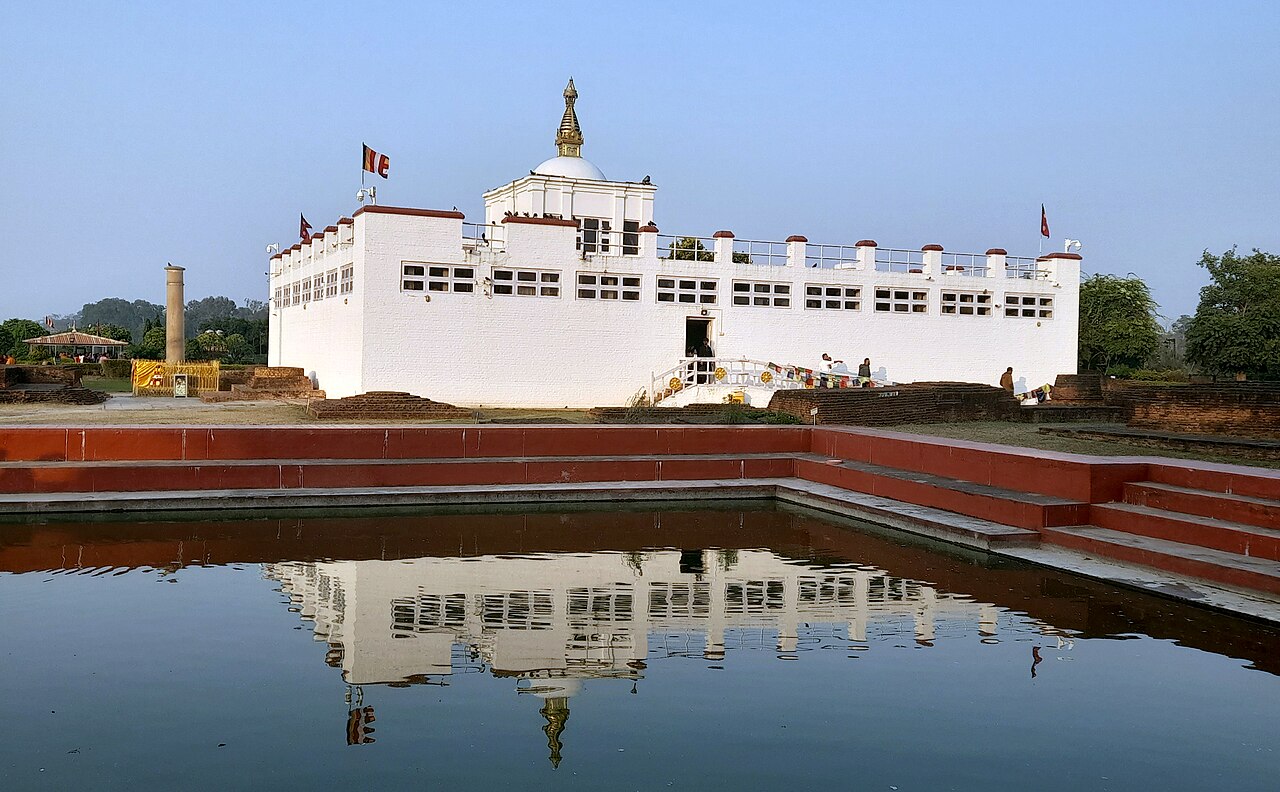
For Buddhist practitioners, walking from Lumbini, the birthplace of the Buddha, through the surrounding sacred sites is a pilgrimage of profound significance. The flat terrain of the Terai makes for easy walking, and the route passes through the Maya Devi Temple, the sacred pond, the monastic zones, and the nearby archaeological site of Tilaurakot, believed to be the ruins of ancient Kapilavastu. This is not a mountain trek but a lowland pilgrimage walk, ideal for those who want to combine walking meditation with Buddhist history and devotion. The meditation in Nepal beginner's guide offers additional context for those new to Buddhist practice.
How Is Walking Meditation Different From Regular Trekking?
Regular trekking in Nepal is primarily about reaching a destination: a viewpoint, a base camp, a high pass. The emphasis is on physical achievement, covering distance, and conquering altitude. Walking meditation turns this paradigm inside out. The destination becomes secondary. The quality of each step, each breath, each moment of awareness becomes the primary focus.
This shift changes everything. When you walk with meditation as your intention, you notice things that a regular trekker might miss: the texture of the trail under your boots, the changing temperature as you move from sun to shade, the sound of a bird calling from a rhododendron tree, the warmth of the sun on your back. You stop less frequently to check your watch or calculate how many hours remain to the next teahouse. You walk with the trail rather than against it.
Physically, the pace is slower, which actually makes trekking at altitude easier. Many trekkers find that walking meditation helps with acclimatization because the slower pace reduces the risk of altitude sickness. The deep, rhythmic breathing that accompanies mindful walking oxygenates the blood more effectively than the rapid, shallow breathing of a fast pace. The daily meditation practice guide offers practical tips for building a sustainable routine while on the trail.

What Should You Expect on a Walking Meditation Trek?
A walking meditation trek in Nepal differs from a standard trek in several practical ways. Understanding these differences before you go will help you prepare mentally and physically.
Daily Routine
A typical day on a walking meditation trek begins early, often before dawn. The first activity is usually a short sitting meditation session, about twenty to thirty minutes, followed by a light breakfast. Then the group begins walking, usually in silence for the first hour or two. This silent walking is the core of the practice. After a mid-morning break for tea, the walking continues, sometimes with guided meditation instructions or occasional group check-ins. The afternoon may include a longer sitting session at a scenic spot along the trail. Evenings at the teahouse often include a group discussion, a teaching, or a sound healing session before an early bedtime.
Silence on the Trail
Many walking meditation treks observe periods of noble silence, particularly during the morning walking session. This silence is not a rule but a support for practice. By not talking, you preserve the meditative quality of the walk and allow deeper awareness to develop. The silence is usually lifted during breaks and in the evening, so there is still plenty of opportunity for social connection and sharing experiences.
Group vs Solo
Walking meditation can be practiced solo or in a group. A group provides structure, guidance from an experienced teacher, and the support of shared practice. A solo walking meditation trek offers maximum freedom and introspection but requires more self-discipline. For first-timers, a group setting with a guide who understands both trekking and meditation is recommended. The guide to choosing a meditation retreat offers helpful criteria for selecting the right program.
Preparing for a Walking Meditation Trek
Physical Preparation
Even though walking meditation emphasizes awareness over speed, you still need a reasonable level of fitness for Himalayan trekking. Start walking regularly at least a month before your trip, ideally on trails rather than pavement. Build up to walking four to six hours comfortably. Add some uphill and downhill sections to strengthen your knees and ankles. Yoga and stretching help with flexibility, which is particularly important for the uneven terrain of Himalayan trails.
Mental Preparation
If you are new to meditation, start a daily sitting practice before you arrive in Nepal. Even ten minutes a day will help you develop the basic skill of noticing when your mind has wandered and bringing it back. The meditation for beginners guide covers the fundamentals. If you already have a meditation practice, spend some time specifically practicing walking meditation in your local environment before applying it on a Himalayan trail. The transition from walking on a flat sidewalk to walking on a rocky mountain path requires some adjustment in how you anchor your attention.
What to Pack
The packing list for a walking meditation trek is similar to any Himalayan trek, with a few additions. In addition to standard trekking gear such as broken-in boots, layered clothing, a sleeping bag rated for the season, and a first aid kit, consider bringing a lightweight sitting cushion or foldable meditation bench. A journal for recording insights and reflections is valuable. A small bell or chime can be used as a mindfulness timer. Noise-canceling earplugs help if you are sharing teahouse rooms with other trekkers who may not share your meditation schedule. Most importantly, bring an open mind and a willingness to let the trail teach you.
Combining Walking Meditation With Other Practices
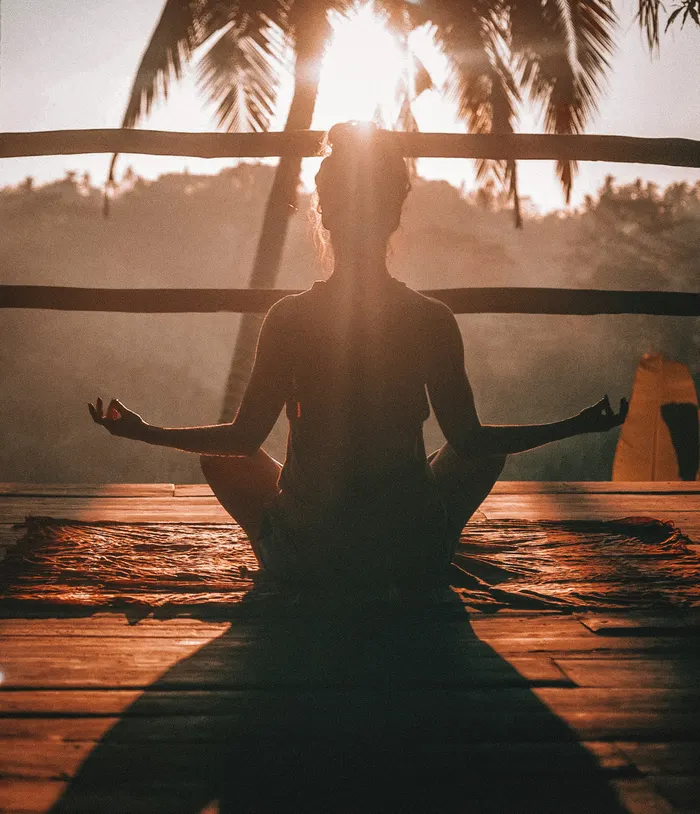
One of the strengths of a Nepal-based meditation retreat is the opportunity to combine walking meditation with other contemplative practices. Many programs offer a blend of seated meditation, yoga, sound healing, and walking meditation, creating a holistic experience that addresses body, mind, and spirit.
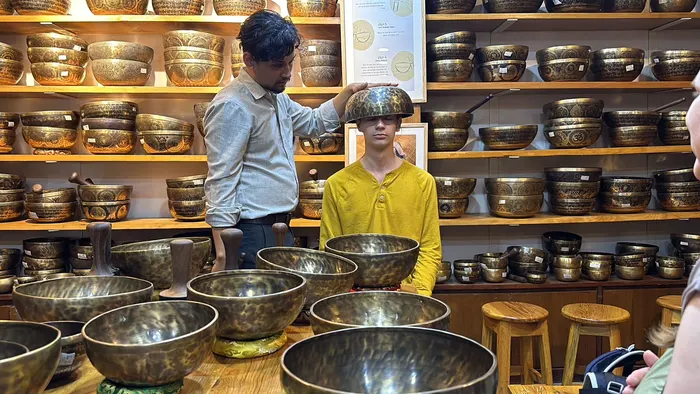
Yoga complements walking meditation by stretching and strengthening the muscles used in trekking, particularly the legs, hips, and back. A morning yoga session before walking loosens the body and prepares the mind for mindfulness. Sound healing, using Tibetan singing bowls and gongs, helps release tension and deepen the meditative state, especially after a long day on the trail. The sound healing meditation guide explores this practice in depth.
For those interested in Buddhist philosophy, many walking meditation treks include teachings on meditation technique, Buddhist psychology, and the significance of the sacred sites along the route. The Buddhist meditation guide covers monastery stays and teachings in more detail. The Vipassana retreat guide is also relevant for those considering a deeper silent practice.
Best Time of Year for Walking Meditation in Nepal
The best seasons for walking meditation in Nepal are autumn (October to November) and spring (March to May). Autumn offers clear skies, moderate temperatures, and the best mountain views after the monsoon has cleared the air. Spring brings blooming rhododendrons, warmer days, and longer daylight hours. Both seasons have stable weather that makes trail walking safe and enjoyable.
Winter (December to February) can be excellent for walking meditation at lower altitudes, as the trails are quiet and the air is crisp and clear. However, high-altitude routes may be blocked by snow. The monsoon (June to September) brings rain, leeches, and limited visibility, making most trekking routes challenging, though the rain-shadow regions of Mustang and Dolpo remain accessible. For a broader seasonal guide, the cost guide includes seasonal pricing information.
Walking Meditation for Different Levels of Experience
For Complete Beginners
If you have never meditated before, start with a gentle day hike on the Kathmandu Valley rim. The trail to Namobuddha or the walk around Swayambhunath hill are perfect introductions. Keep your walks short, two to three hours, and practice the basic technique of noticing your footsteps and your breath. Do not worry about achieving a particular state of mind. The practice is simply to notice what is happening, moment by moment. The mindfulness meditation guide offers a secular approach that is accessible to everyone.
For Experienced Meditators
If you have an established meditation practice, a multi-day trek on a quieter route like Helambu or Langtang will give you the space and solitude to deepen your walking practice. Consider combining your trek with a monastery stay, where you can alternate trail walking with formal sitting sessions in a traditional meditation hall. The silent meditation retreat guide offers insights into extended silent practice. The teacher training guide is relevant for those considering a deeper commitment to practice.
For Yoga Practitioners
If you already practice yoga, walking meditation is a natural extension. The body awareness and breath control developed through yoga translate directly to mindful walking. Consider a combined yoga and trekking retreat, where morning yoga sessions prepare the body for the day's walk and evening sessions help release tension. The yoga and meditation retreat guide covers these combined programs in detail.
The Spiritual Dimension of Walking in Nepal
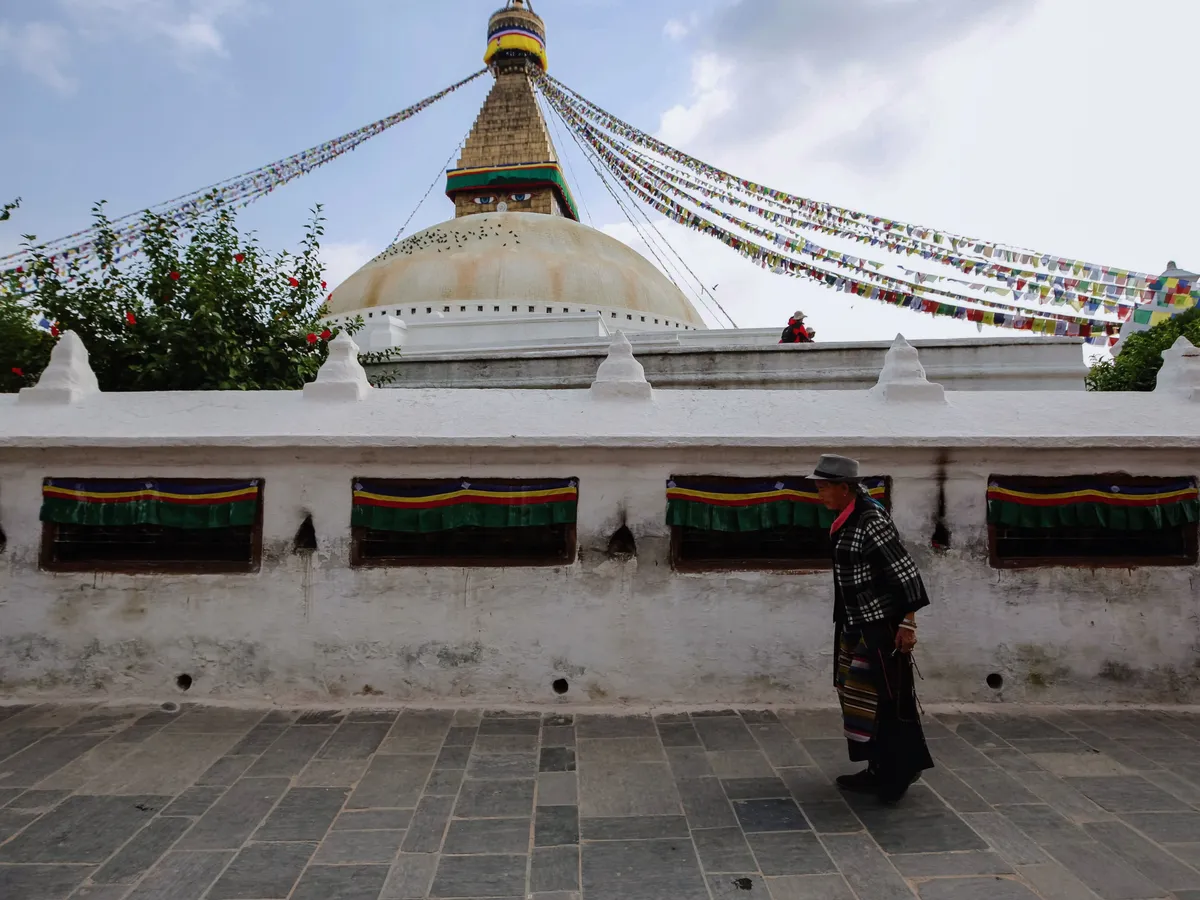 Walking in Nepal has always carried a spiritual dimension that goes beyond the physical act of moving from one place to another. The concept of padayatra, a foot pilgrimage, is deeply embedded in both Hindu and Buddhist traditions. The Buddha himself walked extensively through the plains and foothills of Nepal and northern India, teaching as he went. Tibetan Buddhist teachers have for centuries used walking as a practice, circumambulating sacred sites such as Boudhanath and Swayambhunath, or making pilgrimages to Mount Kailash.
When you practice walking meditation in Nepal, you are participating in this ancient tradition. The trails you walk have been used by pilgrims for thousands of years. The monasteries and temples along the way were built specifically to support contemplative practice. The mani walls and prayer flags are not decorations but functional tools for mindfulness, each one a reminder to return to the present moment. The history of meditation in Nepal provides rich context for understanding this heritage.
Even the natural environment supports practice. The Himalayas have a quality of vastness that naturally quiets the mind. When you stand on a ridge looking at a 7,000-meter peak, the scale of the landscape puts your concerns into perspective. The sound of a glacier-fed river below, the wind in the pine trees, the call of a Himalayan monal: these are the sounds of a natural meditation hall, and they are available to anyone who walks these trails with awareness.
Practical Tips for Walking Meditation on Himalayan Trails
Here are some practical tips to help you get the most out of your walking meditation practice on the trails of Nepal.
- Start small. If you are new to meditation, begin with 15-minute walking meditation sessions and gradually extend the time. Do not try to meditate for an entire six-hour trekking day on your first attempt.
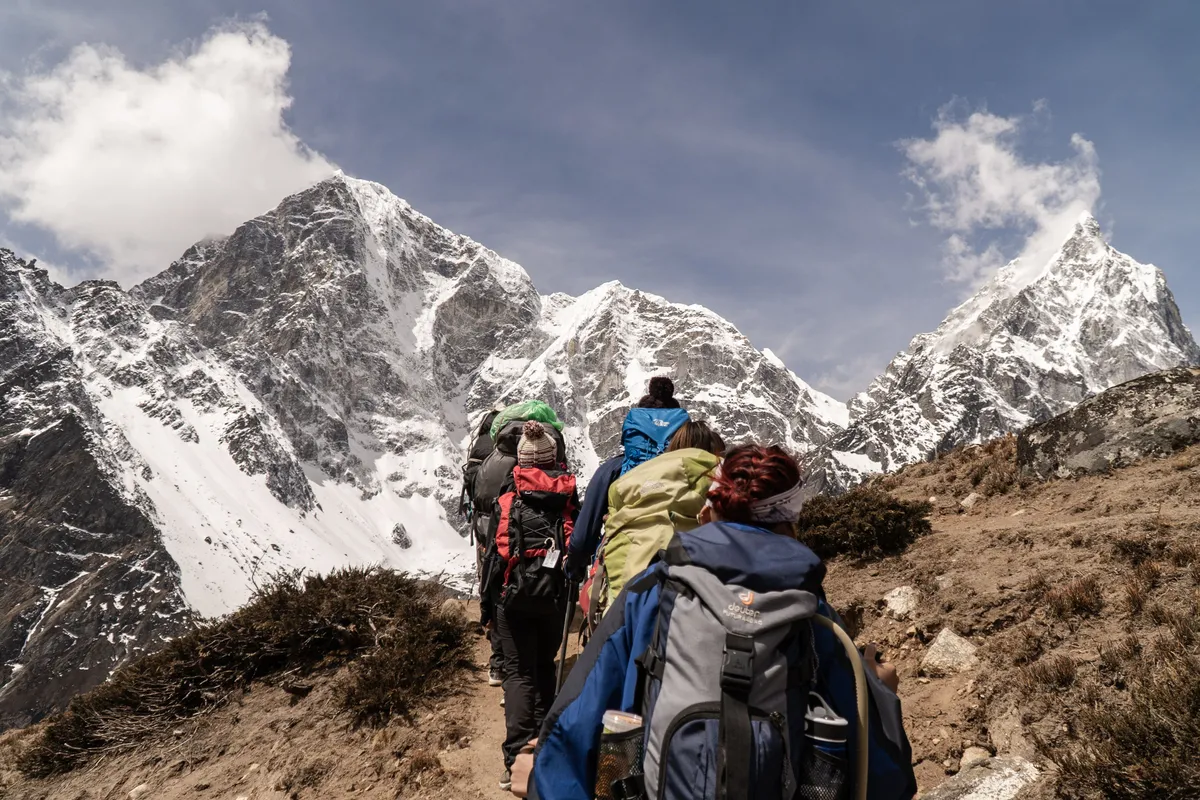
- Walk single file. On Himalayan trails, walking single file is both a safety practice and a meditation support. Following the person ahead of you at a steady pace naturally creates a meditative rhythm.
- Use trail features as mindfulness bells. Every time you see a prayer flag, hear a bird, or cross a stream, use it as a reminder to check in with your breath and your body.
- Be kind to yourself. Your mind will wander. That is normal. The practice is not about preventing thoughts but about noticing when you have drifted and gently returning to the present. Treat each return as a victory, not a failure.
- Stay warm. At altitude, the temperature can drop quickly, especially when you stop for a sitting session. Carry a warm layer in your daypack that you can put on immediately when you stop walking.
- Drink mindfully. Treat tea breaks as meditation too. Notice the warmth of the cup in your hands, the taste of the tea, the feeling of the liquid going down. Every moment is an opportunity for awareness.
- Respect the culture. When walking through villages and past sacred sites, maintain a quiet, respectful demeanor. The local communities have hosted pilgrims for centuries and understand the nature of your practice. The spiritual tour cost guide includes tips on cultural etiquette and responsible tourism.
Conclusion
Walking meditation in Nepal is more than a technique. It is an invitation to experience the Himalayas in the way they were meant to be experienced: slowly, mindfully, and with an open heart. The trails of Nepal have carried pilgrims, seekers, and sages for millennia. When you walk them with awareness, you join a lineage of practice that stretches back to the Buddha himself. The mountains do not change. What changes is you, one step at a time.
Whether you choose a gentle day hike around the Kathmandu Valley, a multi-day trek through the rhododendron forests of the Annapurna foothills, or a pilgrimage walk from Lumbini through the sacred sites of the Buddha's life, Nepal offers a walking meditation experience that is unmatched anywhere in the world. The combination of ancient trails, sacred landscapes, living spiritual traditions, and the raw beauty of the Himalayas creates an environment where meditation arises naturally, not as something you do but as something you become. For those ready to take the first step, meditation in Nepal awaits, and the trail is open.
To begin planning your mindful trekking journey, browse our tour packages or contact us to design a custom walking meditation itinerary. The Himalayas are calling, one step at a time.