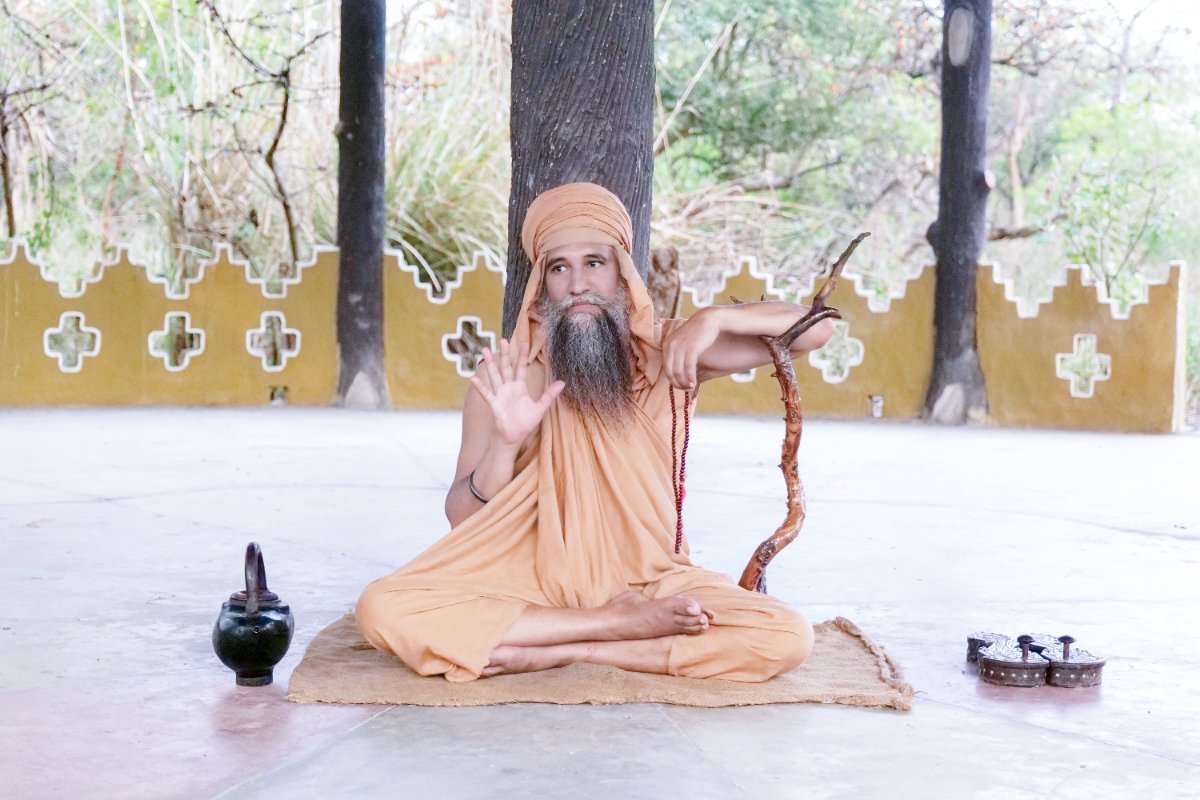
Nepal is not just a destination you visit. It is a place that invites you to slow down, breathe deeply, and reconnect with yourself. For centuries, seekers have journeyed to the Himalayas to sit in stillness, and today that tradition continues in meditation halls, monastery courtyards, mountaintop trails, and guesthouse gardens across the country. Building a daily meditation practice while traveling in Nepal is one of the most transformative things you can do, and this guide shows you exactly how to do it.
Whether you are a complete beginner or an experienced meditator looking to deepen your practice, Nepal offers the perfect environment. The meditation in Nepal experience ranges from guided retreats in Kathmandu to silent sits in remote monasteries. The key is creating a routine that works with your travel schedule rather than against it. If you are new to meditation, our meditation for beginners guide covers the basics, while this article focuses on sustaining a daily practice on the road.


This guide draws on the broader cultural and spiritual tours in Nepal tradition and complements our complete trekking in Nepal guide for travelers who want to combine outdoor adventure with inner exploration.



Why Nepal Is the Ideal Place for Daily Meditation
Nepal combines several elements that make it uniquely suited for meditation. The altitude, the spiritual heritage, the soundscape of chanting bells and singing bowls, and the culture of hospitality all contribute. When you step off the plane in Kathmandu, the air carries a different quality. Monasteries dot the hillsides. Prayer flags flutter over mountain passes. The rhythm of life here naturally encourages contemplation.
Nepal is home to both Hindu and Buddhist meditation traditions, often practiced side by side. The history of meditation in Nepal stretches back thousands of years, from the Buddha's enlightenment in Lumbini to the modern retreat centers scattered across the Kathmandu Valley. This living tradition means you are meditating in the same landscapes where countless practitioners have sat before you.
The affordability of Nepal also matters. A daily meditation routine does not require an expensive retreat. You can sit in a public monastery garden for free, join a donation-based group sit, or practice in your guesthouse room at no cost. The barrier to entry is remarkably low, which makes consistency achievable even on a backpacker budget.
How Do You Start a Daily Meditation Practice While Traveling?
The biggest challenge travelers face is not a lack of motivation but a lack of structure. When every day brings a new city, a new trail, or a new travel companion, routine feels impossible. The solution is to anchor your practice to something that never changes: your breath and your body. Here is a step-by-step approach to building a daily meditation routine on the road.
Pick a Time and Stick to It
Choose a time that works regardless of your travel plans. Early morning, before the day begins, is the most reliable window. In Nepal, sunrise happens around 5:30 to 6:30 AM depending on the season, and the pre-dawn hours are quiet everywhere. Even in bustling Thamel, the streets are calm before 6 AM. Set a simple alarm and sit for just ten minutes. You can always extend the session, but the goal is consistency over duration.
Some travelers prefer evening practice, sitting after dinner before bed. This works well if your days are physically demanding, such as on a trekking route. The key is choosing one time and committing to it for at least seven consecutive days. After a week, the habit starts to feel automatic.
Find Your Spot
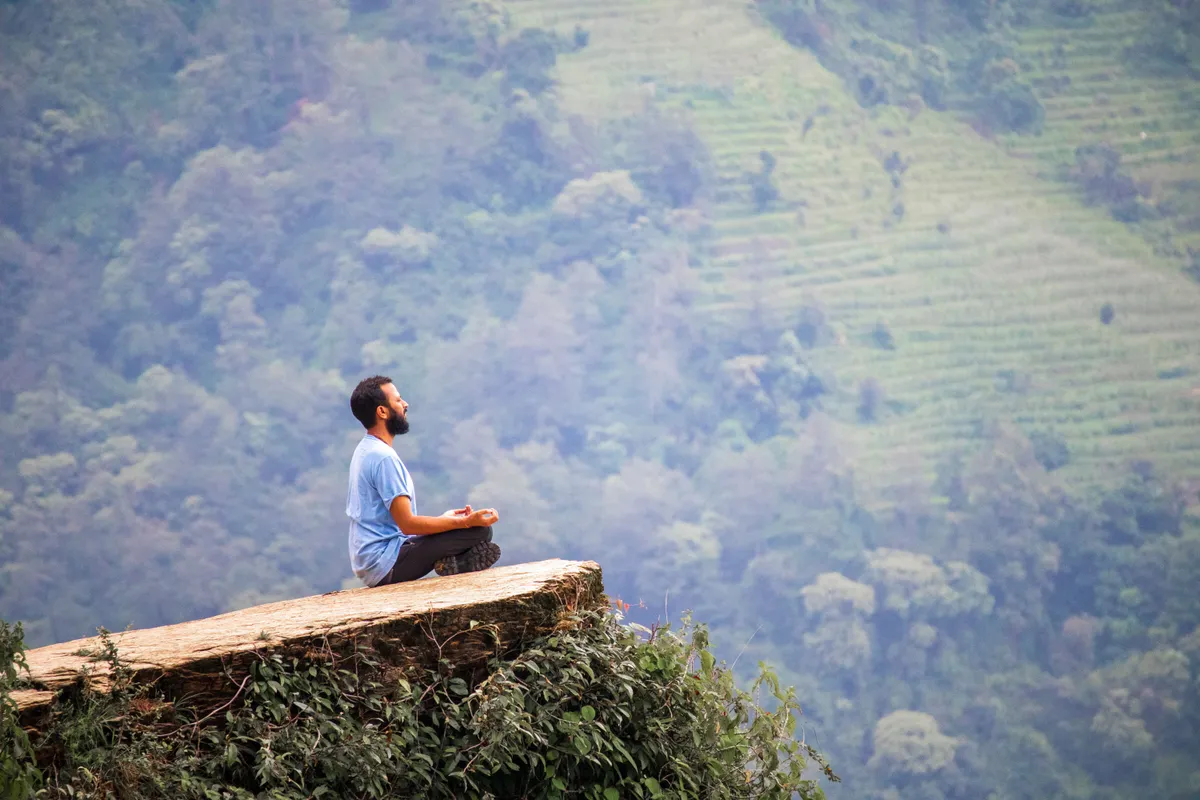
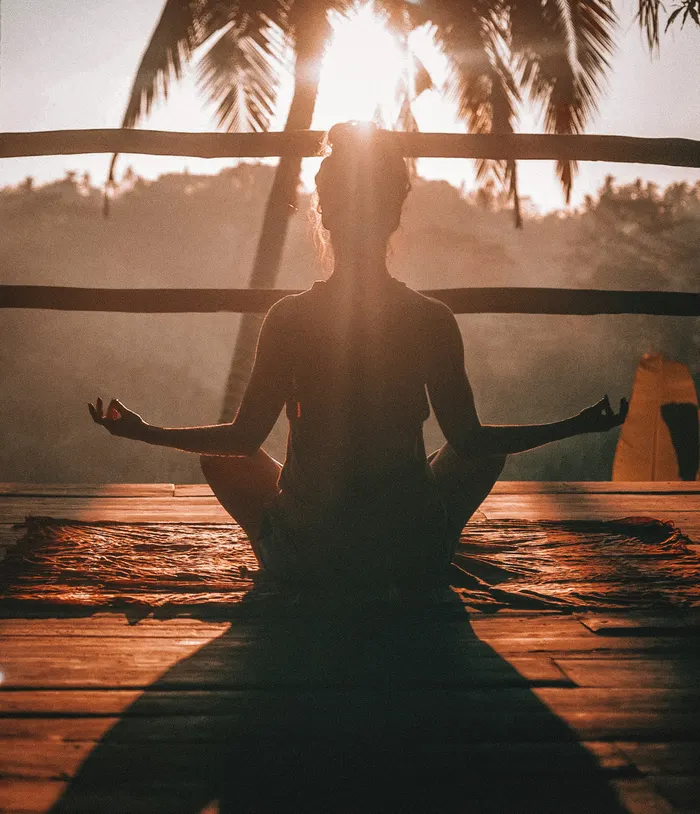
You do not need a dedicated meditation room. A guesthouse balcony, a hotel rooftop, a monastery garden, or even a quiet corner of a teahouse dining hall can serve as your practice space. In Nepal, rooftop terraces are common and offer sweeping views of the mountains or city skyline. The combination of fresh air and open sky creates a natural meditation environment.
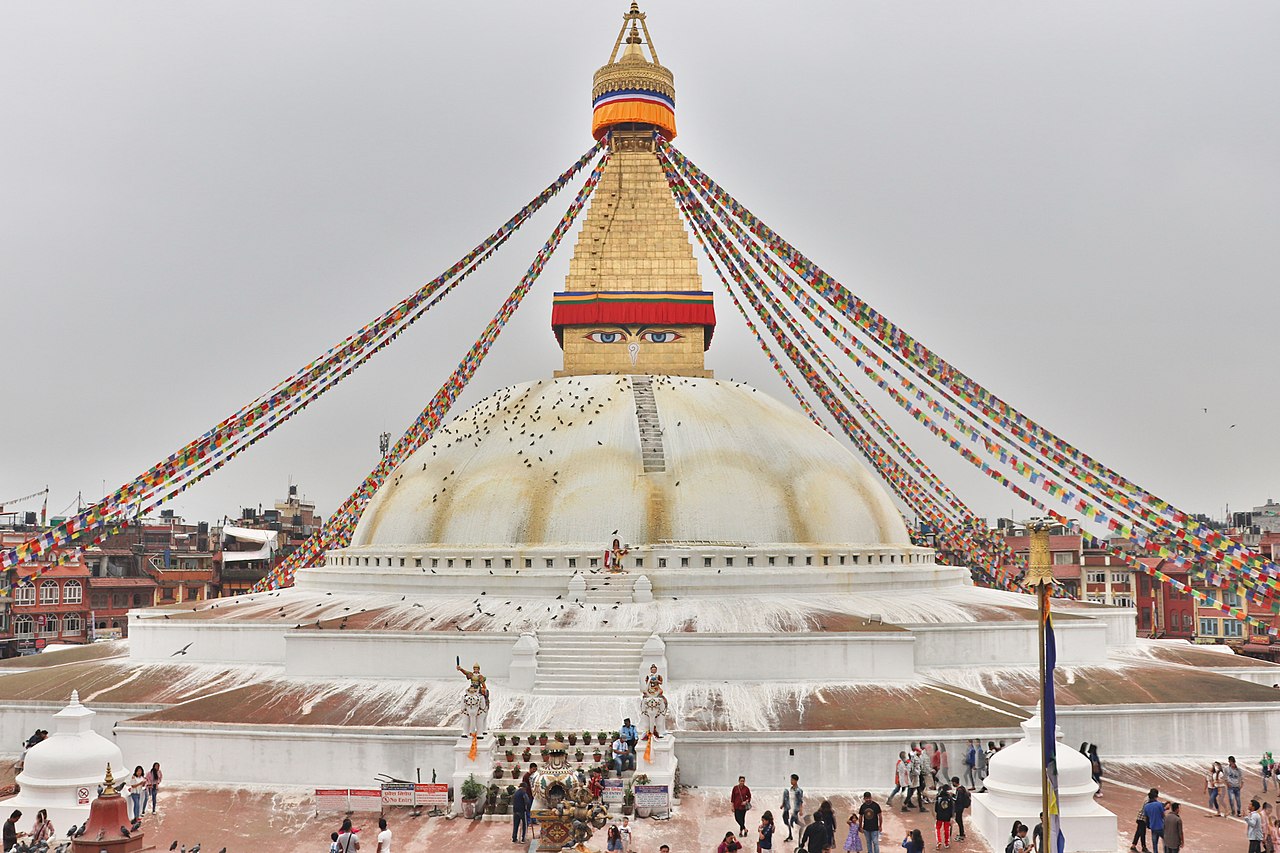
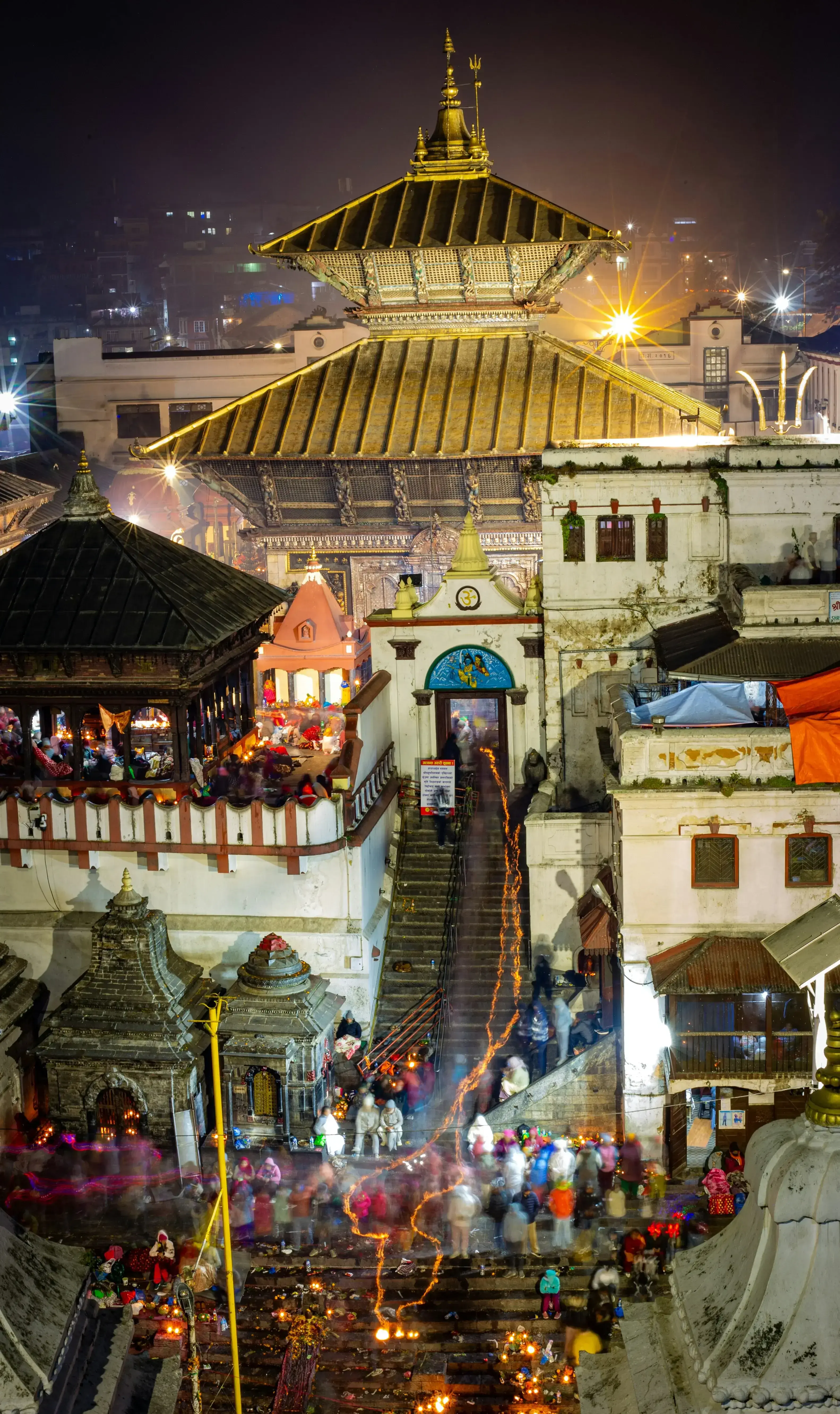
If you are staying in Kathmandu, visit Boudhanath Stupa in the early morning. Pilgrims circumambulate the stupa at dawn, and the energy of their practice can support your own. Our Kathmandu spiritual circuit guide covers the best sacred sites for meditation in the valley. For those exploring deeper, the Kathmandu healing traditions offer additional context on the city's wellness scene.
Start Small and Build Gradually
Begin with ten minutes. Not thirty, not sixty. Ten. The reason is simple: a ten-minute sit is easy to maintain even on a busy travel day, and the psychological barrier is low. After five days, increase to fifteen minutes. After ten days, try twenty. The goal is to never miss a day, even if some days are just a five-minute mindful breathing session. Consistency builds the neural pathways that make meditation easier over time.
What Should You Meditate On While Traveling in Nepal?
The type of meditation you practice matters less than the fact that you practice daily. However, Nepal offers specific themes and techniques that align naturally with the travel experience. Here are five approaches that work particularly well.
Mindful Breathing (Anapanana)
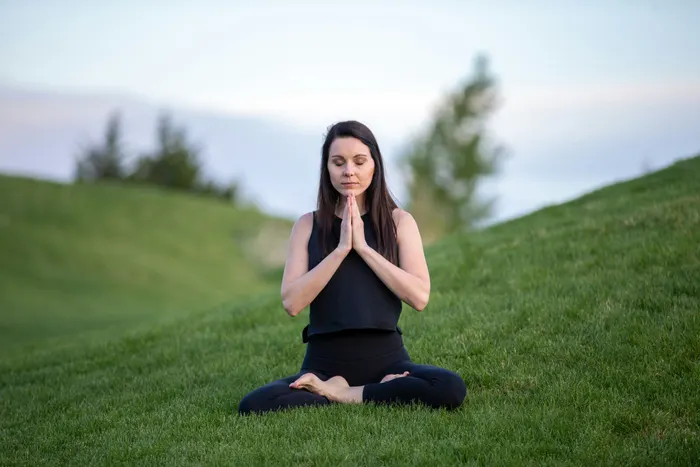
This is the most accessible technique and the foundation of most traditions. Simply observe the breath as it enters and leaves the body. When the mind wanders, gently return attention to the breath. This technique requires no equipment, no teacher, and no specific posture. You can practice mindful breathing on a bus to Pokhana, on a plane to Lukla, or sitting on a stone in a monastery garden. For a structured approach, our mindfulness meditation guide covers this technique in depth.
Walking Meditation
Traveling in Nepal means a lot of walking, which makes walking meditation a natural fit. Instead of rushing from temple to temple, slow down and bring full awareness to each step. Feel your foot touch the ground. Notice the shift of weight. Walking meditation turns the trail itself into a practice space. The slow trekking and mindfulness approach is perfectly suited for this, transforming a hike into a moving meditation.

Loving-Kindness (Metta)
Travel can be stressful, and encounters with unfamiliar cultures can sometimes create friction. Loving-kindness meditation helps cultivate compassion for yourself and others. Sit quietly and silently repeat phrases like "May I be happy, may I be healthy, may I be at peace." Then extend these wishes to others: fellow travelers, local people, all beings. This practice is especially powerful when done in places of spiritual significance.
Sound Meditation
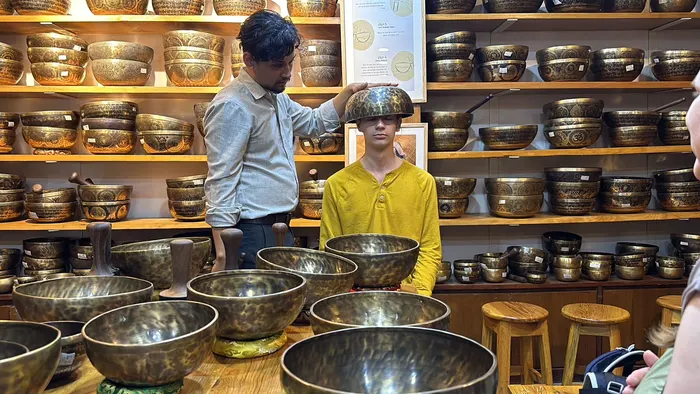
Nepal is famous for its singing bowl traditions, and sound meditation is deeply woven into the culture. You can incorporate sound into your daily practice by using a small singing bowl or simply by listening mindfully to the ambient sounds around you: temple bells, wind in prayer flags, chanting from a nearby monastery. For a deeper dive, our sound healing meditation guide explores this tradition thoroughly.
Vipassana (Insight Meditation)
For travelers with more time, a 10-day Vipassana retreat offers an immersive foundation. These retreats, available in Kathmandu and other locations, teach a structured technique that you can then continue daily on your own. Our Vipassana guide covers everything you need to know about these intensive programs.
How Do You Meditate at Altitude in Nepal?
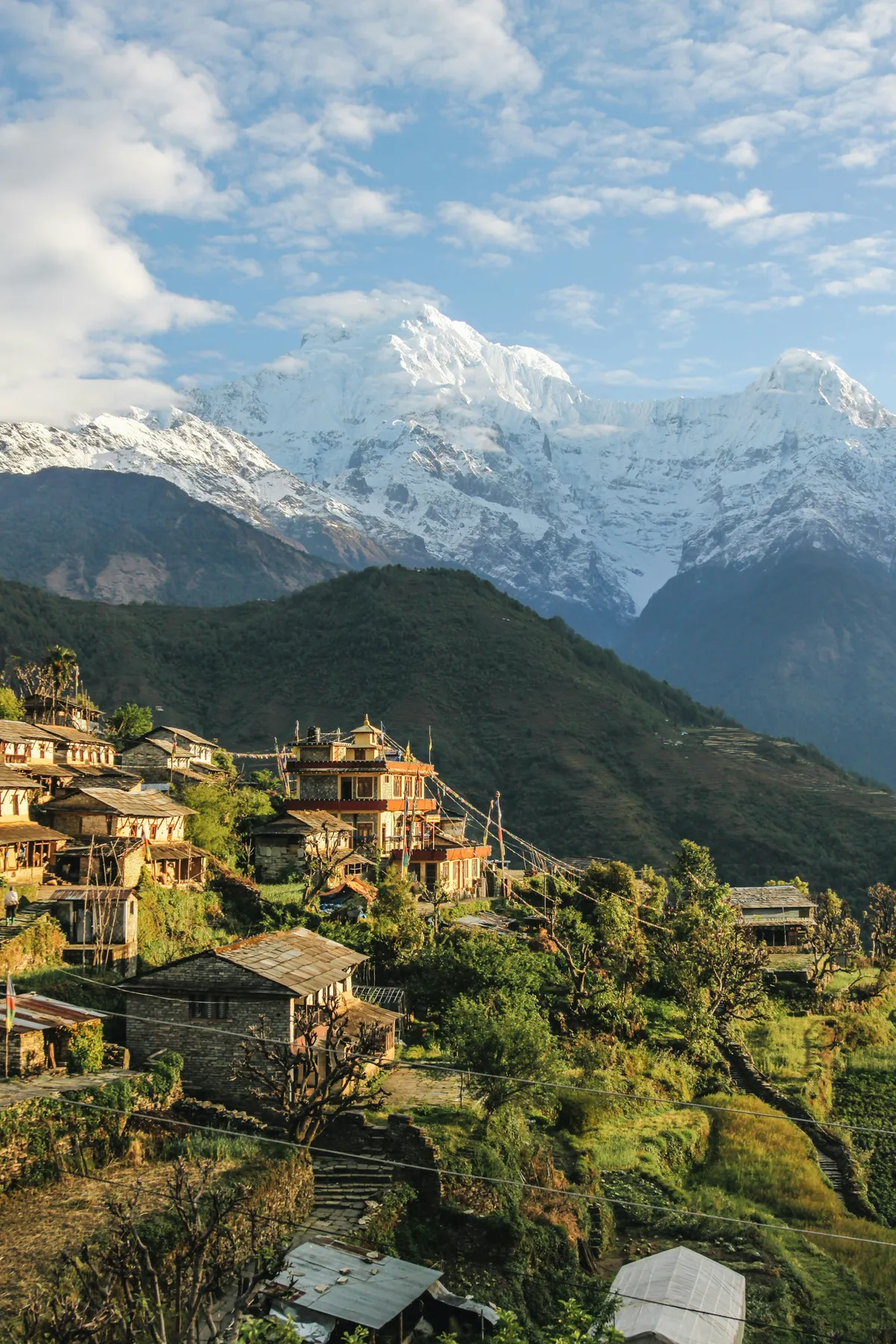
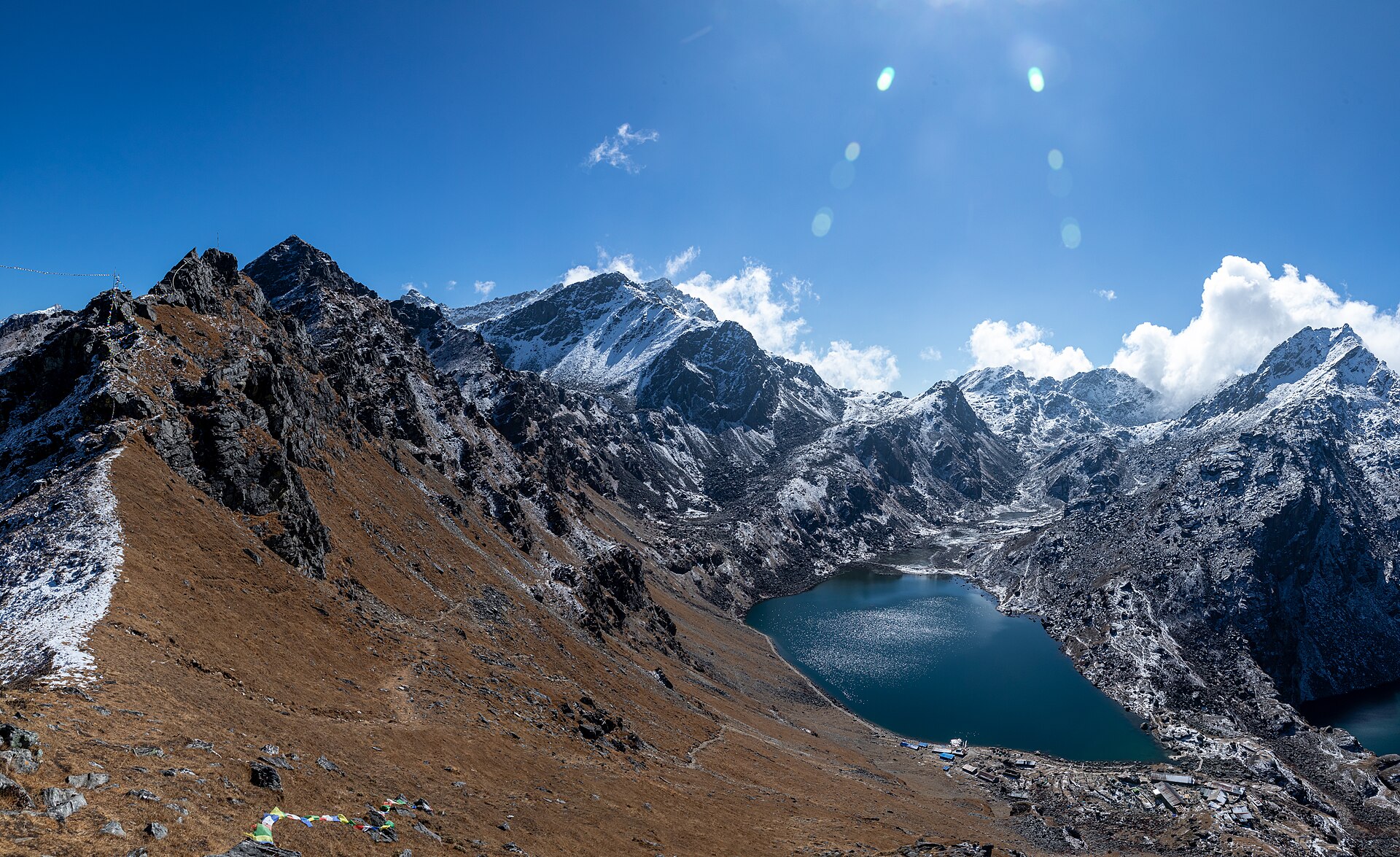
Meditating at altitude presents unique challenges. The air is thinner, breathing feels different, and your body is already working harder to oxygenate itself. If you are trekking in the Everest or Annapurna regions, you may be sitting at 3,000 to 5,000 meters above sea level. Here are practical tips for maintaining your practice at elevation.
First, accept that your meditation will feel different at altitude. The breath is shorter and faster. Rather than fighting this, use it as an object of observation. The sensation of breathing at altitude is actually a powerful teacher because it makes the breath more tangible and noticeable. You may find that ten minutes at 4,000 meters feels as profound as thirty minutes at sea level.
Second, meditate in the morning before physical exertion. After a long day of trekking, your body is tired and the mind may be too foggy for focused practice. A morning sit, even just five minutes, sets a mindful tone for the day ahead. If mornings are cold, wrap yourself in a shawl or sleeping bag and sit inside your teahouse room.
Third, be aware that altitude can amplify emotional states during meditation. If strong emotions arise, do not suppress them. Simply observe them with kindness. The Buddhist meditation tradition offers extensive guidance on working with difficult emotions, and many of these techniques apply directly to the altitude experience.
Where Are the Best Places for Daily Meditation in Nepal?
Nepal offers an extraordinary range of meditation environments, from urban centers to remote mountain monasteries. Here are the top locations for maintaining a daily practice.
Kathmandu Valley
The Kathmandu Valley is the spiritual heart of Nepal, with hundreds of monasteries, stupas, and temples. Boudhanath Stupa is the single best location for morning meditation in the city. The circular walkway around the stupa is alive with pilgrims at dawn, and the atmosphere is deeply conducive to practice. Swayambhunath (Monkey Temple) offers a hilltop setting with panoramic views. For a more structured environment, several meditation centers in the valley offer daily group sits and guided sessions.
If you prefer a guided experience, the meditation in Nepal activity offers structured sessions with experienced teachers. For those interested in the broader spiritual landscape, our 7-day spiritual tour itinerary includes meditation-friendly sites across the valley.
Lumbini
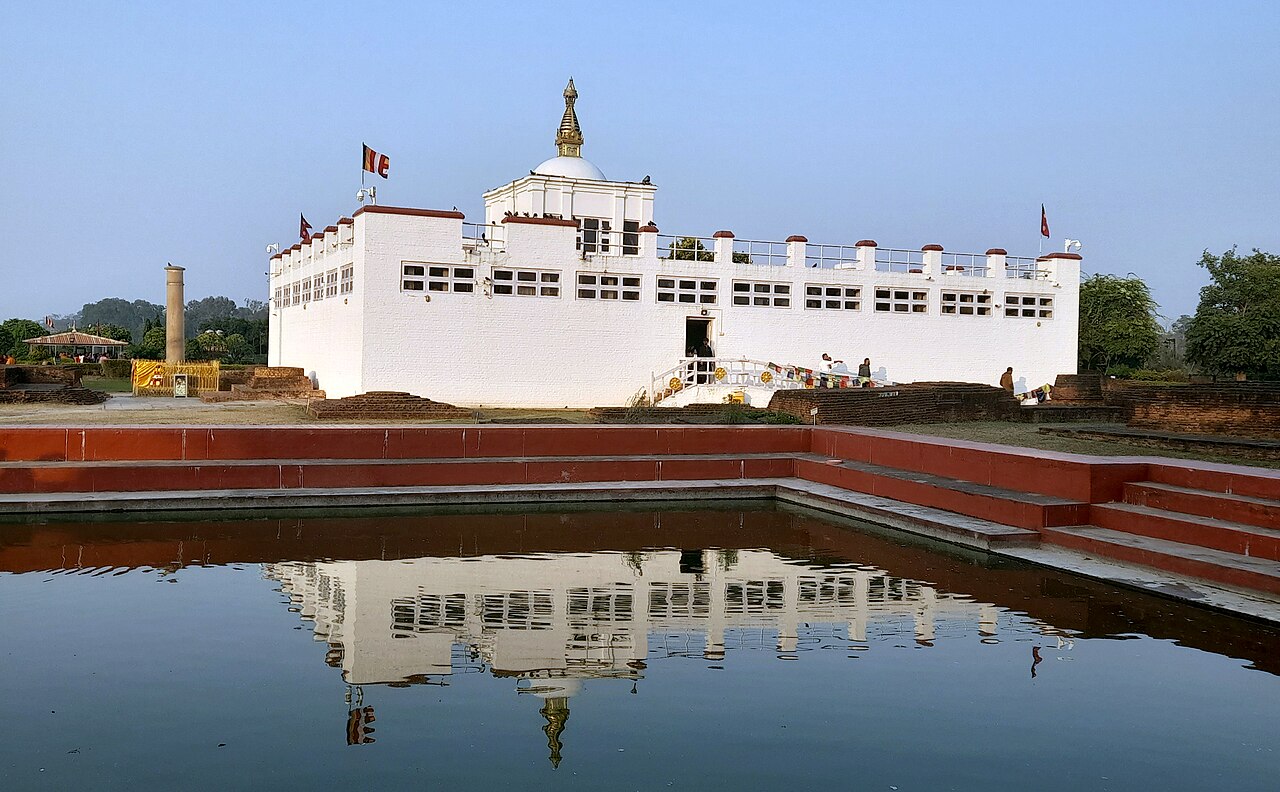
The birthplace of the Buddha is perhaps the most spiritually charged meditation site in Nepal. The Maya Devi Temple and the surrounding monastic zone offer gardens, ponds, and meditation halls where you can sit in the exact spot where Buddhist history began. Lumbini is quieter than Kathmandu, making it ideal for longer, deeper practice sessions. The monastic zone contains temples from Buddhist traditions worldwide, each offering a different atmosphere.
Pokhara
Pokhara's lakeside setting, with the Annapurna range reflected in Phewa Lake, creates one of the most visually stunning meditation environments in the world. Early morning meditation by the lake, before the tourist crowds arrive, is a highlight for many travelers. Pokhara also has several yoga and meditation centers that welcome drop-in visitors.
Monasteries and Retreat Centers
For a more immersive experience, consider staying at a monastery. Many Tibetan Buddhist monasteries in the Kathmandu Valley and beyond welcome guests who want to participate in daily practice sessions. The monastery etiquette and meditation activity in Kathmandu provides a structured introduction to monastery-based practice. If you are considering a longer stay, our guide to choosing a meditation retreat helps you evaluate options.
On the Trail
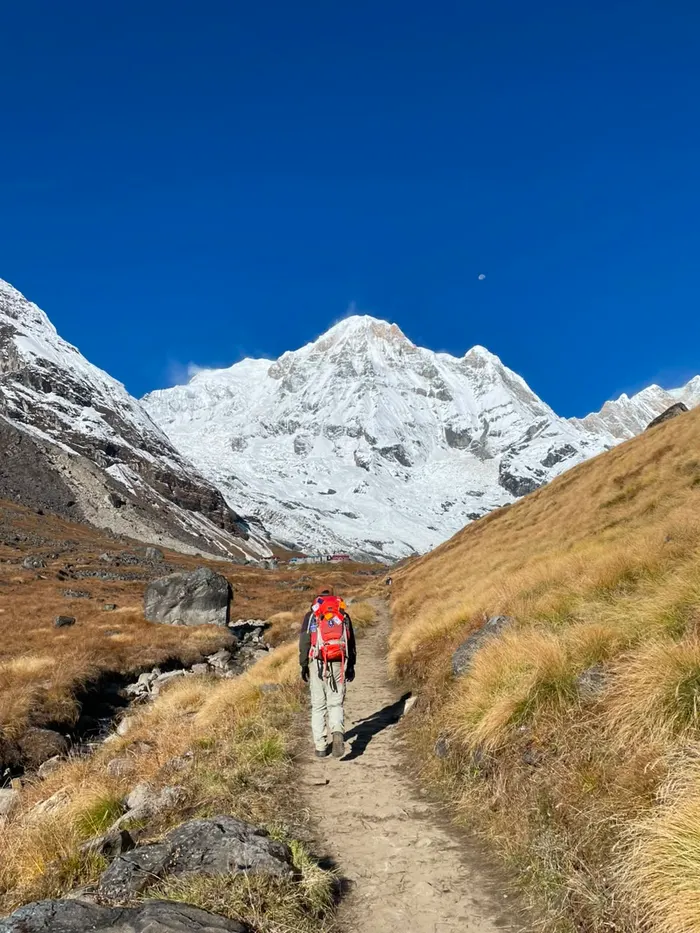
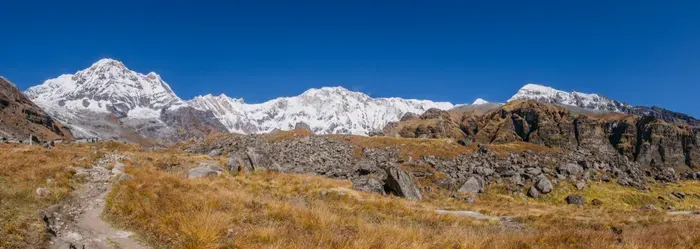
Trekking routes in Nepal are themselves meditation environments. The Annapurna Sanctuary, the Everest region, and the Langtang Valley all offer moments of profound stillness. Carrying a small cushion or sitting pad means you can pause at any viewpoint, sit for ten minutes, and continue. The combination of physical exertion and mental stillness creates a unique quality of awareness that is difficult to replicate elsewhere.
What Does a Daily Meditation Schedule Look Like While Traveling?
Here is a sample daily schedule that integrates meditation into a typical Nepal travel day. Adapt it to your own itinerary and energy levels.
5:45 AM: Wake up. Drink water. Sit for 10-15 minutes of mindful breathing on your guesthouse rooftop or balcony.
6:15 AM: Light stretching or yoga to wake the body. If near a stupa or temple, walk there for a second short sit.
7:00 AM: Breakfast (dal bhat, Tibetan bread, or porridge).
12:30 PM: Midday check-in. Even two minutes of mindful breathing before lunch helps maintain continuity.
5:00 PM: Arrive at destination. Rest, then sit for 10-20 minutes before dinner.
7:30 PM: Dinner. Eat mindfully, noticing flavors and textures.
8:30 PM: Optional evening sit or reading on meditation. Lights out by 9:30 PM.
This schedule totals about 25-35 minutes of formal practice per day, spread across three sessions. The midday check-in is short but crucial because it bridges morning and evening practice, preventing the mind from completely forgetting meditation during activity.
How Do You Handle Common Distractions While Meditating in Nepal?
Nepal is a vibrant, noisy, sensory-rich environment. Dogs bark, motorcycles rumble, temple bells ring, and prayer flags flap in the wind. Rather than seeing these as distractions, you can use them as meditation objects. Sound meditation, as practiced in the Nepali tradition, turns environmental noise into a tool for awareness.
Here are specific strategies for common Nepal-specific distractions:
- Noise: Instead of blocking out sounds, include them in your awareness. The distant hum of a generator, a rooster crowing, a monk chanting nearby: each sound arises and passes. This is the practice.
- Physical discomfort: Sitting on hard ground is common in Nepal. Use a folded blanket or small cushion. If your legs fall asleep, gently shift position without breaking concentration. Comfort is helpful but not essential.
- Temperature: Mornings can be cold, especially in the mountains. Wear layers, wrap a shawl, and meditate indoors if needed. A warm cup of ginger tea before sitting helps.
- Travel excitement: The mind wants to plan the next destination, the next meal, the next photo. When planning thoughts arise, acknowledge them ("planning mind") and return to the breath. This is normal and not a failure.
- Cultural curiosity: You may feel pulled to watch the fascinating rituals happening around you. Set a timer for your sit so you can fully engage with the culture afterward without feeling you are missing your practice.
For travelers interested in the evening aarati ceremony, this daily ritual is itself a form of moving meditation. Participating in or observing aarati can complement your sitting practice beautifully.
Can You Combine Meditation With Trekking in Nepal?
Absolutely. In fact, trekking and meditation are a natural pair. The rhythmic pace of walking, the focus required for difficult terrain, and the solitude of remote trails all support meditative awareness. Many trekkers report that their most profound moments of clarity happen not during formal sitting but during the walk itself.
Here is how to combine the two effectively. Meditate before you start walking each morning. Even five minutes of sitting before hitting the trail sets a mindful tone. During the trek, periodically check in with your body: Are you breathing rapidly? Are your shoulders tense? Are you rushing or savoring? These micro-check-ins transform a hike into a mindfulness practice.
The yoga and meditation retreats in Nepal combine movement and stillness in a structured way, and many travelers find that adding yoga to the mix enhances both their trekking and their meditation. For a deeper exploration of the mind-body connection in the mountains, the meditation and Ayurveda approach offers a holistic framework.
What Should You Pack for Meditation While Traveling in Nepal?
You need very little to meditate daily, but a few items can make your practice more comfortable and consistent:
- A small meditation cushion or folded blanket: Nepali guesthouses often have thin mattresses you can use, but a personal cushion ensures you always have a clean, familiar seat.
- A shawl or light blanket: Mornings are cool, especially at altitude. A shawl doubles as a meditation wrap and a travel accessory.
- Earplugs: Useful for noisy environments, though we recommend practicing with sounds rather than blocking them when possible.
- A timer app: A simple phone timer with a soft chime ending works well. Alternatively, many meditation apps offer timed sessions that you can use offline.
- A journal: Writing after meditation helps integrate insights and track your progress over the course of your trip.
- Comfortable, loose clothing: Nepal's climate varies by altitude and season. Layered, breathable clothing allows you to sit comfortably in any weather.
For travelers interested in a structured wellness itinerary, the 10-day spiritual tour circuit includes meditation-friendly locations across Nepal, and our cost guide for spiritual tours helps you budget for retreats and activities.
How Do You Maintain Your Practice After Leaving Nepal?
One of the most common experiences travelers report is that their meditation practice flourishes in Nepal but falters once they return home. The environment in Nepal naturally supports mindfulness, and recreating that support system at home requires intention. Here are strategies for carrying your practice forward.
First, establish a dedicated meditation space at home before you leave Nepal. Even a corner of a room with a cushion and a candle can serve as your practice spot. Having a physical location makes the habit more concrete. Second, maintain the time anchor. If you meditated at 6 AM in Nepal, choose a similar time at home and stick to it for at least two weeks upon return. Third, stay connected to the Nepali meditation tradition through online resources, books, or virtual group sits with centers you visited.
Fourth, plan a return trip. Many travelers find that knowing they will come back to Nepal helps them maintain their practice in the interim. Even a short annual retreat can serve as an anchor for year-round daily practice. Finally, share your experience. Teaching what you have learned, even informally to friends and family, reinforces your own understanding and commitment.
The broader meditation in Nepal beginner's guide includes additional resources for continuing your practice after travel, and the spiritual tour in Nepal overview can help you plan a return visit.
What Are the Benefits of Daily Meditation While Traveling?
The benefits of maintaining a daily meditation practice while traveling go beyond the meditation session itself. Travelers who meditate daily report several specific advantages:
Reduced travel anxiety: The unpredictability of travel, from delayed flights to lost luggage, can create stress. A daily meditation practice builds the mental resilience to handle these situations with equanimity. You learn to observe your reactions rather than be controlled by them.
Deeper cultural immersion: Meditation trains you to be present, and being present is the key to truly experiencing a new culture. Instead of viewing Nepal through a camera lens, you notice the texture of a temple wall, the warmth of a cup of butter tea, the sound of a monk's chant. Meditation turns sightseeing into a depth experience.
Better physical health: Regular meditation has been shown to lower blood pressure, improve sleep quality, and boost immune function. All of these are particularly valuable when traveling, especially at altitude where the body is under additional stress.
Enhanced trekking performance: The mental clarity and body awareness developed through meditation translate directly to the trail. Meditators often report better pacing, more efficient breathing, and a greater capacity to enjoy difficult sections of a trek rather than simply enduring them.
Lasting transformation: A daily practice established during travel often becomes a lifelong habit. The routines and insights you develop in Nepal can continue to serve you for years, long after the trip ends. This is the real gift of meditating in Nepal: not just the experience itself, but the foundation it creates for the rest of your life.
How Much Does a Meditation Routine in Nepal Cost?
One of the beauties of building a daily meditation practice in Nepal is that it can be completely free. You can sit in your guesthouse room, on a rooftop, or in a public monastery garden at no cost. However, if you want structured guidance, here is a rough cost breakdown:
- Self-directed daily practice: Free. Your only cost is your time and a comfortable place to sit.
- Donation-based group sits: Many meditation centers in Kathmandu offer daily group sessions on a donation basis. A typical offering is 100-500 NPR (about $1-4 USD) per session.
- Short guided retreats (3-7 days): $288 to $748 USD, depending on duration and inclusions. These typically include accommodation, meals, and instruction. See our CTA widgets above for specific packages.
- 10-day Vipassana retreats: Often donation-based after the course, though some centers charge a fixed fee for food and lodging.
- Monastery stays: Varies widely. Some monasteries welcome guests for a daily donation; others have fixed rates that include meals and a simple room.
For a comprehensive budget breakdown that includes meditation activities alongside trekking and cultural tours, our spiritual tour cost guide covers every price tier from backpacker to luxury.
Tips for Building a Sustainable Daily Practice
Here are the key principles that make a daily meditation practice sustainable while traveling in Nepal and beyond:
- Consistency over duration. Ten minutes every day is better than sixty minutes once a week. Never skip a day, even if your session is just three mindful breaths.
- Anchor to existing habits. Tie your meditation to something you already do daily, like brushing your teeth or drinking morning tea. The existing habit becomes a cue for the new one.
- Be flexible with location. Do not require perfect conditions. A noisy bus, a crowded teahouse, a windy mountaintop: all are valid meditation spaces.
- Track your streak. A simple checkmark on your phone calendar creates a visual chain that you will not want to break. This is a surprisingly powerful motivator.
- Practice self-compassion. Some days will be difficult. Your mind will wander more than usual. This is not failure; it is the practice. Simply begin again, as many times as needed.
- Connect with other practitioners. In Nepal, you will meet fellow meditators from around the world. Sharing experiences and sitting together strengthens commitment.
- Use the environment as your teacher. Nepal's landscapes, sounds, and spiritual traditions are all supports for practice. Let the mountains teach patience. Let the bells teach presence. Let the chants teach devotion.
Common Mistakes to Avoid When Meditating in Nepal
Travelers new to meditation in Nepal sometimes make mistakes that undermine their practice. Here are the most common ones and how to avoid them:
Mistake 1: Waiting for the perfect setting. Many travelers delay starting their practice because they are looking for the ideal monastery or retreat. Meanwhile, days pass with no meditation. Start where you are, even if it is your hotel room in Thamel. You can always seek better settings later.
Mistake 2: Trying to meditate too long too soon. Enthusiasm is wonderful, but sitting for an hour on day one often leads to frustration and abandonment. Start small. Build gradually. Patience is itself a meditation practice.
Mistake 3: Comparing your practice to others. In retreat centers and monasteries, you will see people who seem to meditate effortlessly for hours. Do not compare. Your practice is yours. The person sitting next to you may have years of experience or may be struggling just as much as you are.
Mistake 4: Treating meditation as another item on the itinerary. Nepal offers so many experiences that it is easy to turn meditation into another box to check. Instead, let it be the thread that runs through all your experiences. Meditation is not an activity you do; it is a quality you bring to everything.
Mistake 5: Ignoring the body. Meditation is not just mental. Trekking, altitude changes, and new foods all affect your body, which in turn affects your practice. Take care of your physical health as a foundation for mental practice. The Nepal wellness tourism movement recognizes this mind-body connection.
Resources for Continued Learning
Nepal offers abundant resources for deepening your meditation practice. Here are additional guides to support your journey:
- Meditation and Ayurveda in Nepal - holistic healing in the Himalayas
- Sound Healing in Kathmandu - courses, training, and prices
- Certified Ayurveda and Panchakarma - finding authentic healers
- Shamanic Healing Tour - the older spiritual current of the Himalayas
- Spiritual Tour in Nepal Pillar Guide - sacred sites, rituals, and wellness
For those drawn to the Ayurvedic massage and wellness spa experience, combining bodywork with meditation creates a powerful synergy. Physical relaxation supports mental clarity, and mental clarity deepens physical healing. The Kathmandu healing traditions guide covers this intersection in detail.
Building a daily meditation practice while traveling in Nepal is not about achieving perfect concentration or transcendent experiences. It is about showing up, day after day, to sit with whatever arises. The mountains teach patience, the monasteries teach devotion, and the simple act of sitting still teaches you who you are beneath the noise of travel. Begin with ten minutes tomorrow morning. The Himalayas will do the rest.