Choosing a meditation retreat in Nepal can feel overwhelming when you first encounter the sheer range of options. There are silent Vipassana courses in Budhanilkantha, Tibetan Buddhist monastery stays in Boudhanath, yoga-and-meditation wellness retreats in Pokhara, sound healing sessions in Kathmandu, and everything in between. Each tradition carries its own teaching style, daily schedule, accommodation standards, and spiritual framework, and picking the wrong one can leave you frustrated rather than transformed. This step-by-step guide walks you through every decision point so you can confidently choose the retreat that matches your experience level, intentions, budget, and travel style.
Nepal is uniquely positioned as a meditation destination because it offers authentic instruction across multiple living lineages within a compact geographic area. Whether you are a complete beginner looking for a gentle introduction or an experienced practitioner seeking deep solitary retreat, the meditation in Nepal landscape has something for you. The key is knowing how to navigate the options, and that is exactly what this guide provides.
Why Nepal for a Meditation Retreat?
Nepal stands apart from other meditation destinations for three reasons. First, it is the birthplace of meditation as an organized practice, where Siddhartha Gautama attained enlightenment and began teaching the techniques that would spread across the world. Second, the country maintains an extraordinary density of living meditation lineages, from Theravada Vipassana to all four schools of Tibetan Buddhism to the uniquely Nepali Newar Vajrayana tradition. Third, the physical environment, from the sacred gardens of Lumbini to the caves of Pharping to the lakes of Pokhara, carries an accumulated spiritual energy that practitioners can feel the moment they arrive.
Unlike retreat centers in Western countries, where meditation is often stripped of its cultural context, Nepali retreats are embedded in a living spiritual culture. Monks chant in the mornings, stupas are circumambulated by devoted practitioners, and the rhythm of valley life is punctuated by prayer bells and ritual. This cultural immersion deepens the retreat experience in ways that a sterile meditation studio cannot replicate.
Step 1: Identify Your Meditation Experience Level
Before browsing retreat options, honestly assess your meditation experience. This single factor determines which retreats will be accessible and which will be overwhelming. Retreat centers in Nepal cater to different levels, and choosing one that mismatches your experience is the most common mistake first-time visitors make.
Complete beginners should look for short introductory retreats of 2 to 5 days that include guided instruction, gentle schedules, and opportunities to ask questions. A 10-day silent Vipassana course is not appropriate for someone who has never meditated before, no matter how motivated they feel. If you are new to meditation, start with our guide for first-time retreatants in Nepal, which covers what to expect and how to prepare.


Intermediate practitioners with some meditation experience, even if informal, can consider 7 to 10 day retreats. These provide enough time to settle into the practice, work through initial restlessness, and experience deeper states of concentration. The complete beginner's guide to meditation in Nepal offers a broader overview that helps intermediate practitioners choose their next step.
Experienced practitioners with established daily practice and prior retreat experience can explore longer retreats, solitary cave retreats, or advanced teachings with specific lamas. These options require self-discipline, familiarity with the tradition, and the ability to manage one's own practice without constant guidance.
Step 2: Choose Your Meditation Tradition
Nepal offers meditation retreats across several major traditions, each with a distinct approach to practice, teaching style, and spiritual framework. Understanding the differences helps you choose a retreat that aligns with your interests and worldview.
Vipassana (Theravada) Retreats
Vipassana, meaning "to see things as they really are," is the meditation technique taught by the Buddha and preserved in the Theravada tradition. In Nepal, the Dhamma Shringa center in Budhanilkantha offers free 10-day residential courses following the method of S.N. Goenka. These courses are strict: 11 hours of meditation per day, complete silence, no reading, no writing, no eye contact. The technique involves observing the breath (anapana) for the first three days, then systematically scanning the body for sensations (Vipassana) for the remainder. Vipassana is ideal for those seeking a structured, technique-based approach with no religious ritual. Our complete guide to Vipassana retreats in Nepal covers the application process, daily schedule, and what to expect.
Tibetan Buddhist Retreats
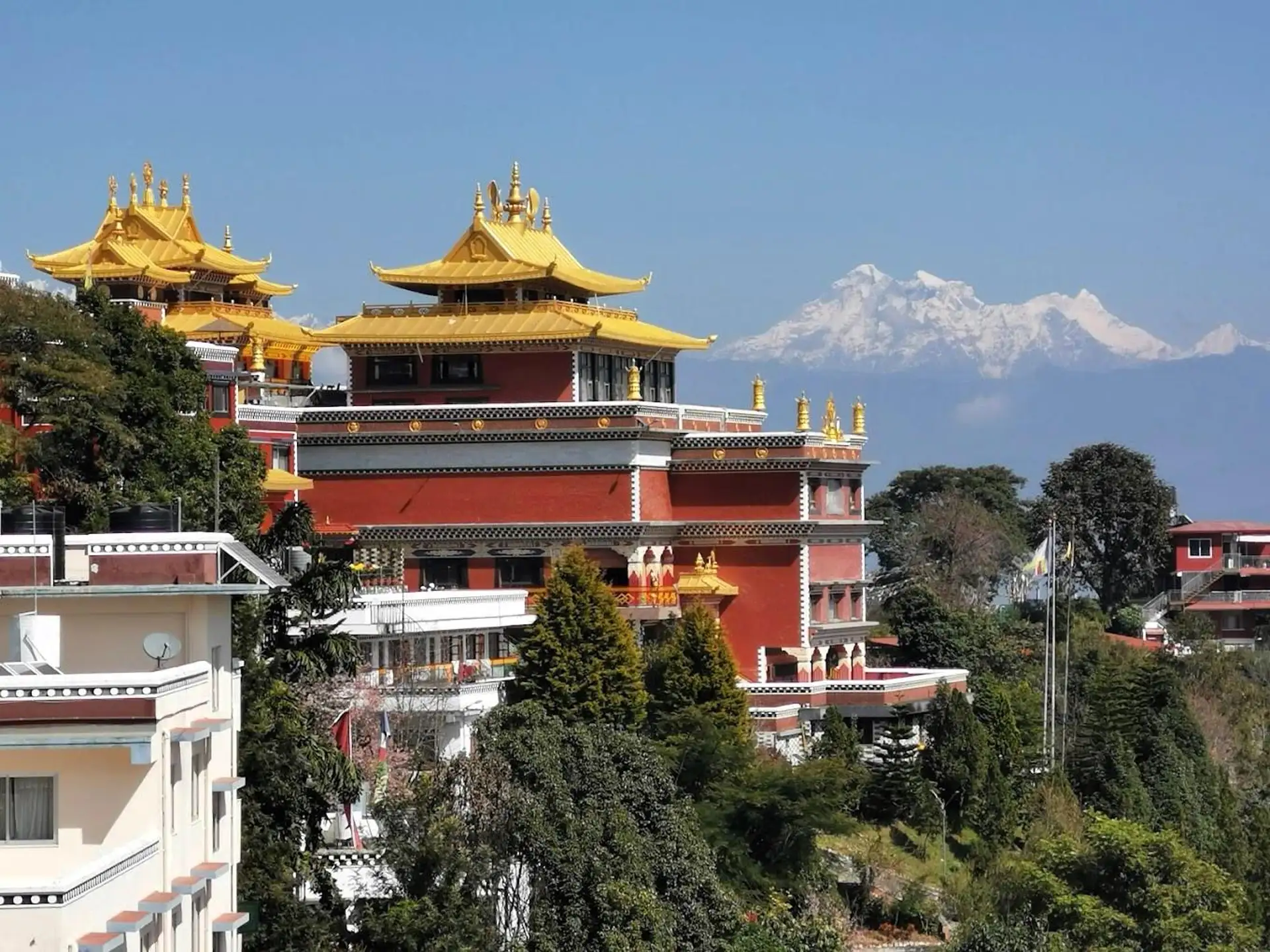
Tibetan Buddhist retreats in Nepal range from introductory weekend courses at Kopan Monastery to advanced multi-year retreats at centers in Pharping and the Helambu region. These retreats combine meditation with philosophical teachings, visualizations, mantra recitation, and ritual. The teaching style is more devotional than Vipassana, incorporating prostrations, offerings, and guru yoga. For those drawn to the rich symbolic world of Tibetan Buddhism, this approach can be deeply transformative. Explore our guide to Buddhist meditation and monastery stays in Nepal for a detailed overview.
Yoga and Meditation Retreats
Yoga and meditation retreats combine physical postures (asana), breath work (pranayama), and seated meditation into integrated wellness programs. These are typically the most accessible retreat type for Western visitors, with comfortable accommodation, vegetarian meals, and moderate schedules. Pokhara and the Kathmandu Valley are the main hubs. These retreats suit those who want a holistic approach that addresses body and mind together. Our guide to yoga and meditation retreats covers the best centers and programs.

Sound Healing Meditation
Sound healing uses Tibetan singing bowls, gongs, and mantras to induce meditative states through vibration. Sessions are typically shorter (1 to 3 hours) and can be combined with longer retreats. Sound healing is accessible to beginners and requires no prior meditation experience, making it an excellent entry point. The practice draws on both tantric Buddhist traditions and Himalayan shamanic heritage. Learn more in our guide to sound healing meditation in Nepal.
Secular Mindfulness Retreats
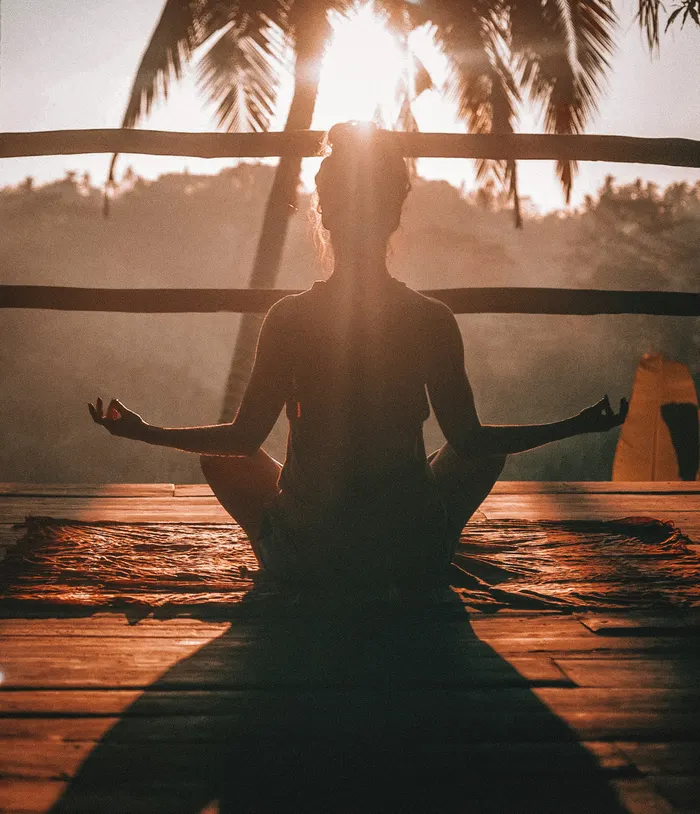
For those who prefer a non-religious framework, secular mindfulness retreats teach the same awareness techniques as Buddhist meditation but without the spiritual context. These programs focus on stress reduction, emotional regulation, and cognitive clarity. They are popular with professionals and those who want the benefits of meditation without engaging with religious traditions. See our mindfulness meditation guide for details.

Step 3: Determine the Right Duration for Your Retreat
Retreat duration is one of the most important practical decisions you will make. The right length depends on your experience, available time, and what you hope to achieve. Here is a breakdown of the common retreat durations available in Nepal and who each is best suited for.
Weekend Retreats (2-3 Days)
Short retreats of 2 to 3 days are perfect for beginners, travelers with limited time, or those combining meditation with a broader Nepal itinerary. These retreats typically include 4 to 6 hours of practice per day, with afternoons free for rest or exploration. They offer a taste of retreat life without the commitment of a longer program. The 3-Day Himalayan Sound Therapy Retreat in Kathmandu is an excellent example, offering sound healing sessions alongside meditation instruction in an accessible format.
Week-Long Retreats (5-7 Days)
5 to 7 day retreats are the sweet spot for most visitors. They provide enough time to settle into the practice, move through initial restlessness, and experience genuine shifts in awareness. The first two or three days involve adjusting to the schedule and calming the mind, and the remaining days are where the deeper work happens. The 6-Day Yoga Stress Management Retreat combines daily yoga, meditation, and stress-reduction techniques in a supportive environment.
10-Day Silent Retreats
The 10-day silent retreat, particularly the Vipassana format, is the gold standard for intensive meditation. These retreats are challenging but transformative. With 11 hours of meditation per day and strict silence, they force you to confront your mind in ways that shorter retreats cannot. The 10-day format is designed to be just long enough to learn the full technique and experience its benefits. However, these retreats are not recommended for complete beginners or those dealing with acute mental health issues.
Extended Retreats (14+ Days)
For experienced practitioners, extended retreats of two weeks or more offer the opportunity for deep practice. Tibetan Buddhist centers in Pharping and Helambu offer multi-month retreat possibilities. These require prior experience, a stable practice, and the ability to manage one's own psychological states during extended solitude. Understanding the history of meditation in Nepal can help you appreciate the depth of these longer retreats.

Step 4: Choose Your Retreat Location in Nepal
The location of your retreat profoundly affects your experience. Nepal offers several distinct meditation environments, each with its own character, climate, and spiritual atmosphere. Consider what kind of setting will best support your practice.
Kathmandu Valley
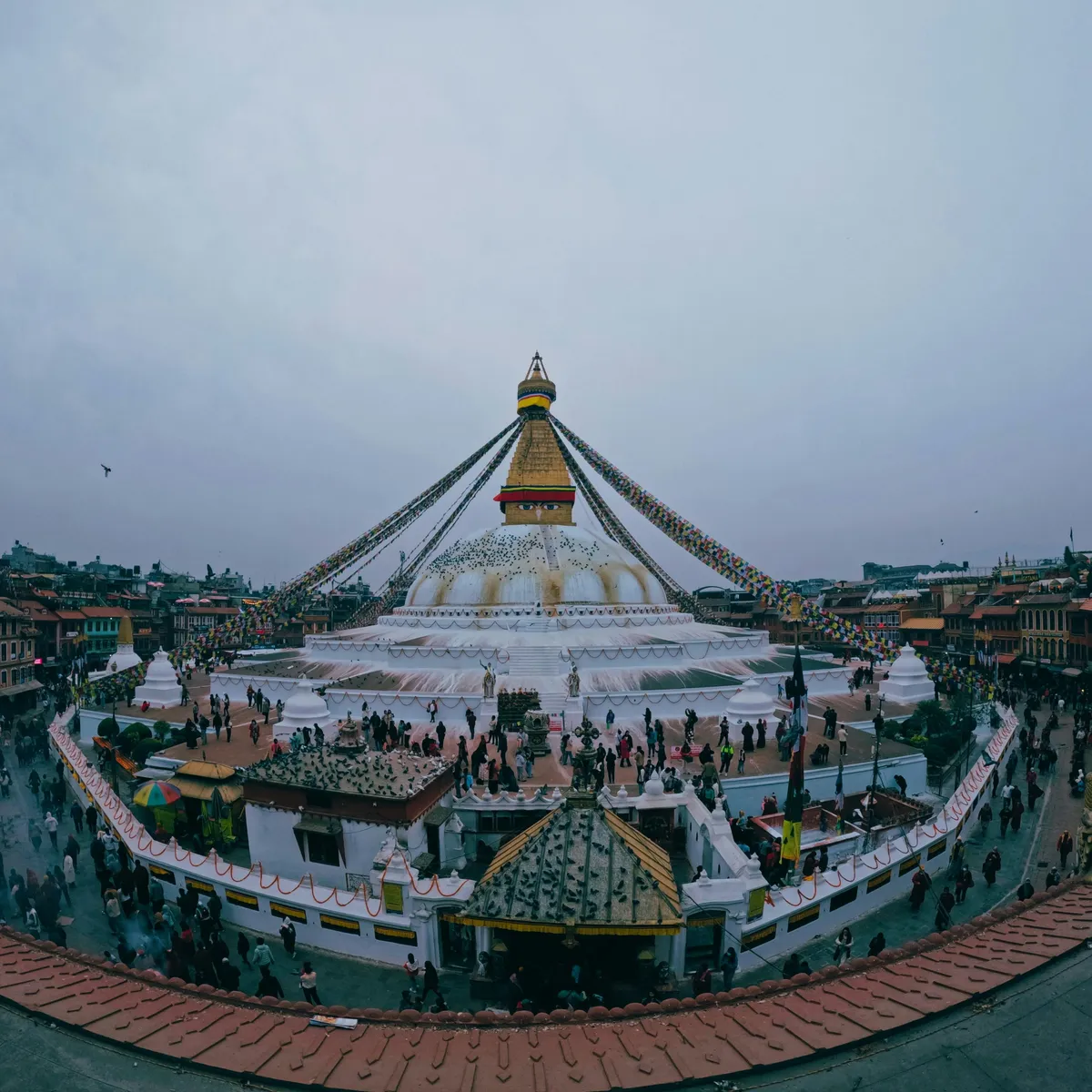
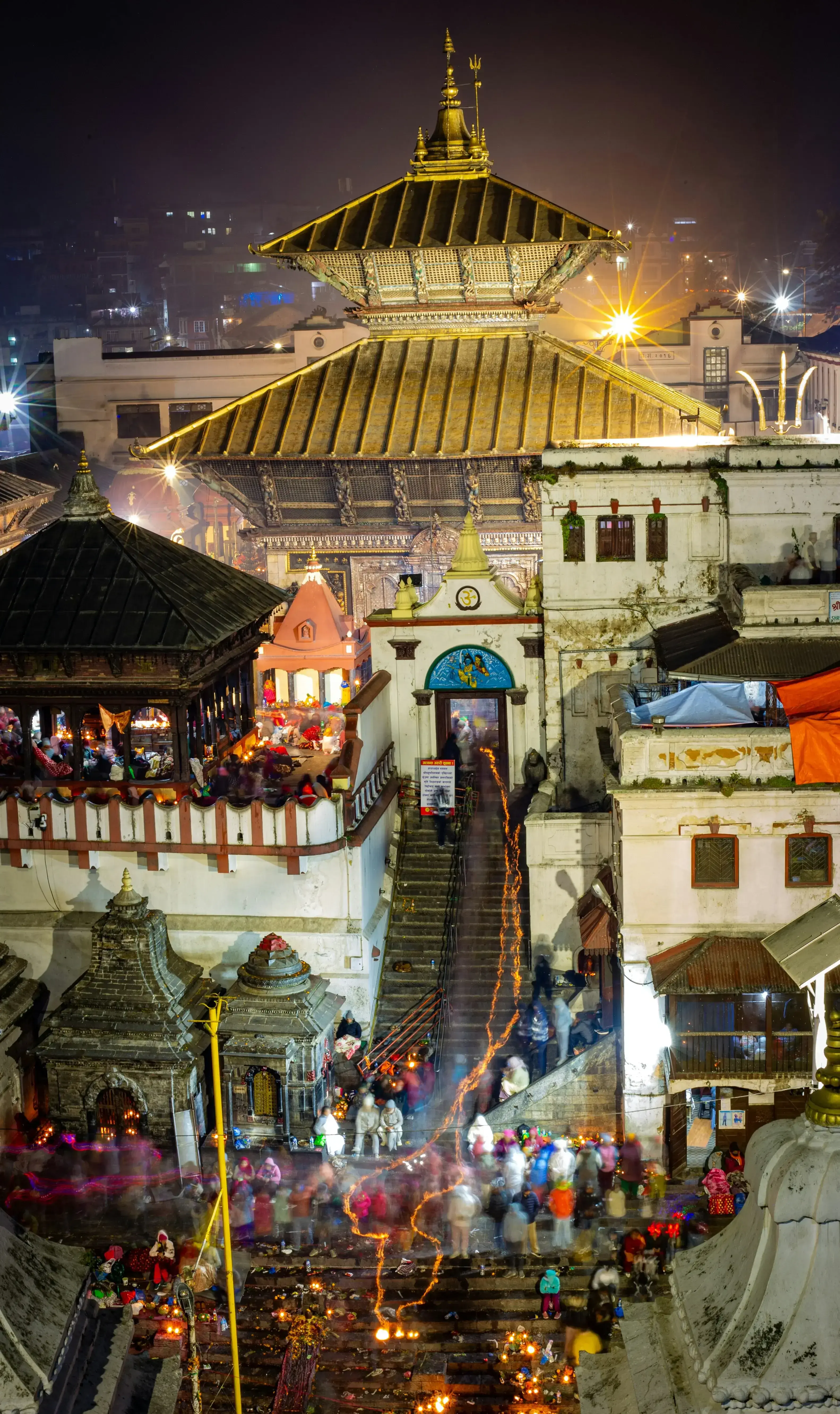
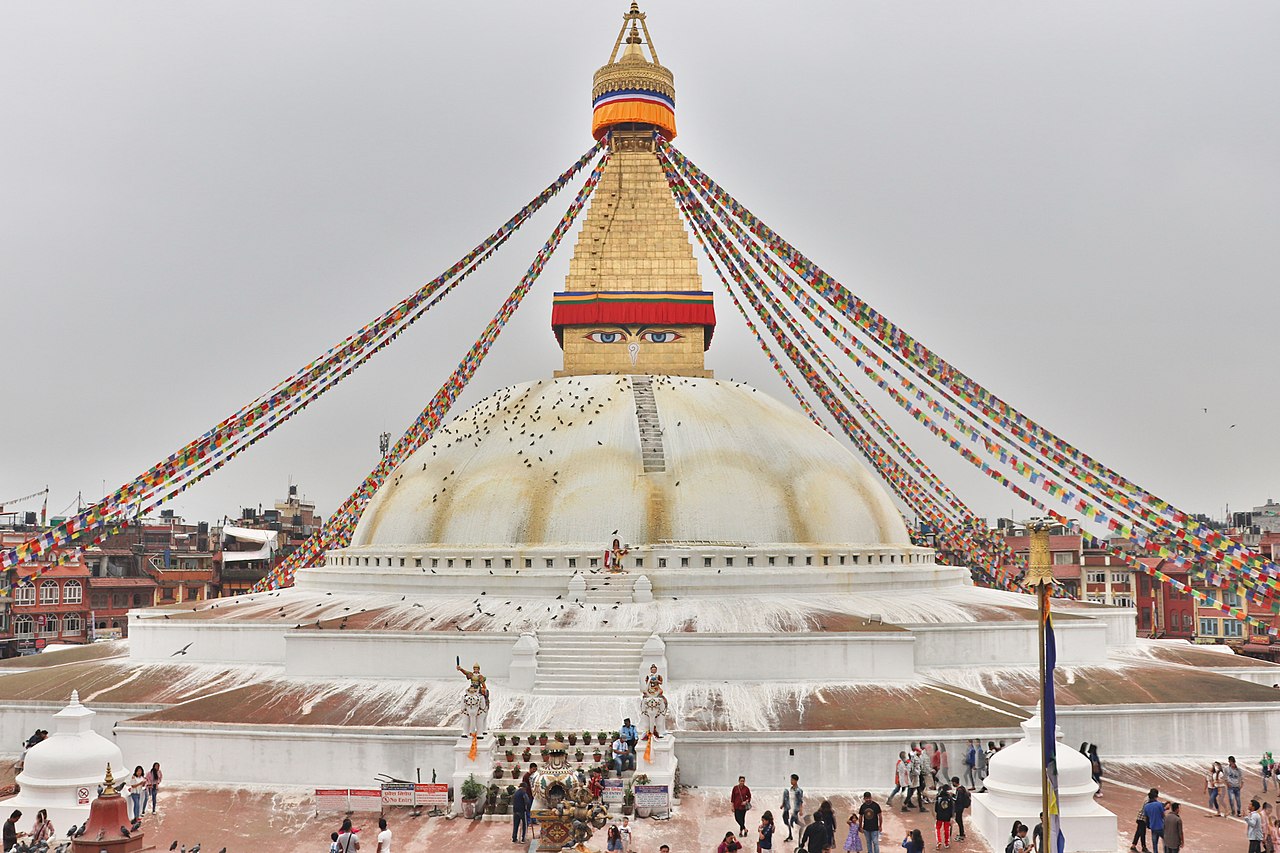
The Kathmandu Valley is the heart of Nepal's meditation landscape. Boudhanath, with its iconic white stupa and surrounding Tibetan monasteries, is the center of Tibetan Buddhist practice. Swayambhu, perched on a hilltop west of the city, offers both Buddhist and Hindu sacred sites. Pharping, south of the city, is where Padmasambhava meditated in caves and is now a major Tibetan retreat center. The valley offers the widest range of retreat options, from free Vipassana courses to luxury wellness resorts. The Kathmandu spiritual circuit visits the key sacred sites that surround many of these retreat centers.

Pokhara
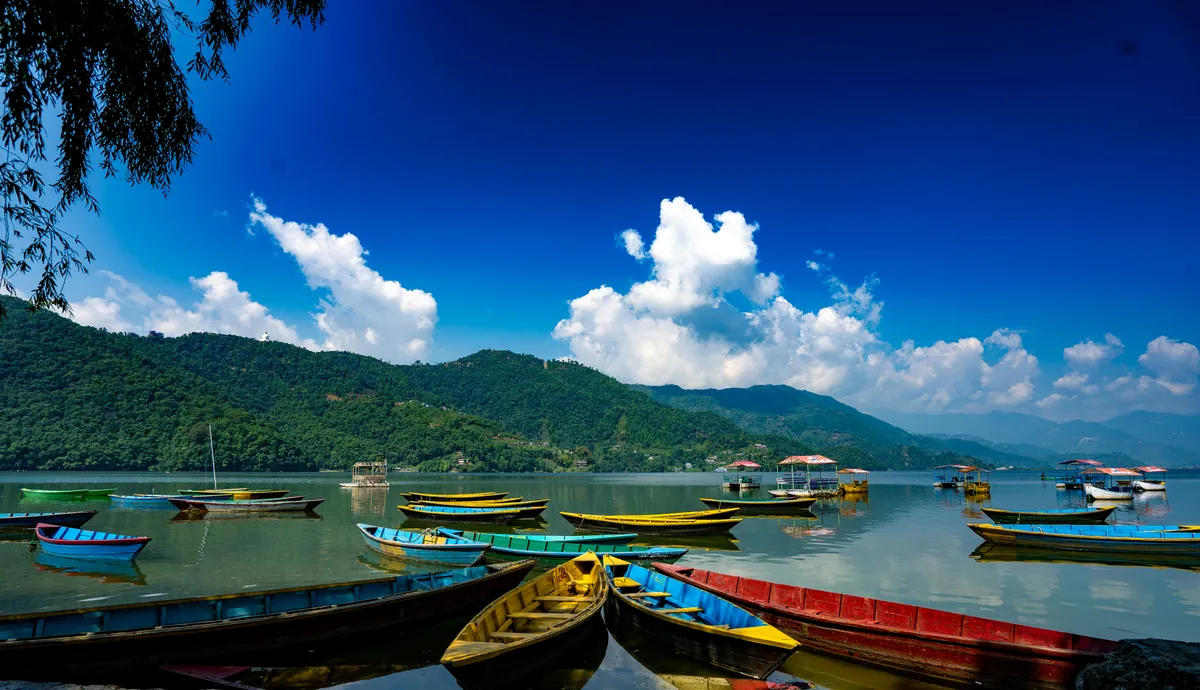
Pokhara, with its lakeside setting and dramatic mountain views, is Nepal's premier wellness retreat destination. The city's relaxed atmosphere, clean air, and proximity to trekking routes make it ideal for combining meditation with outdoor activity. Pokhara's retreat centers tend to be more wellness-oriented than those in Kathmandu, with comfortable accommodation and a focus on yoga, meditation, and holistic health. The Pokhara Yoga Wellness Retreat is a popular option for those seeking a balanced retreat experience.
Lumbini
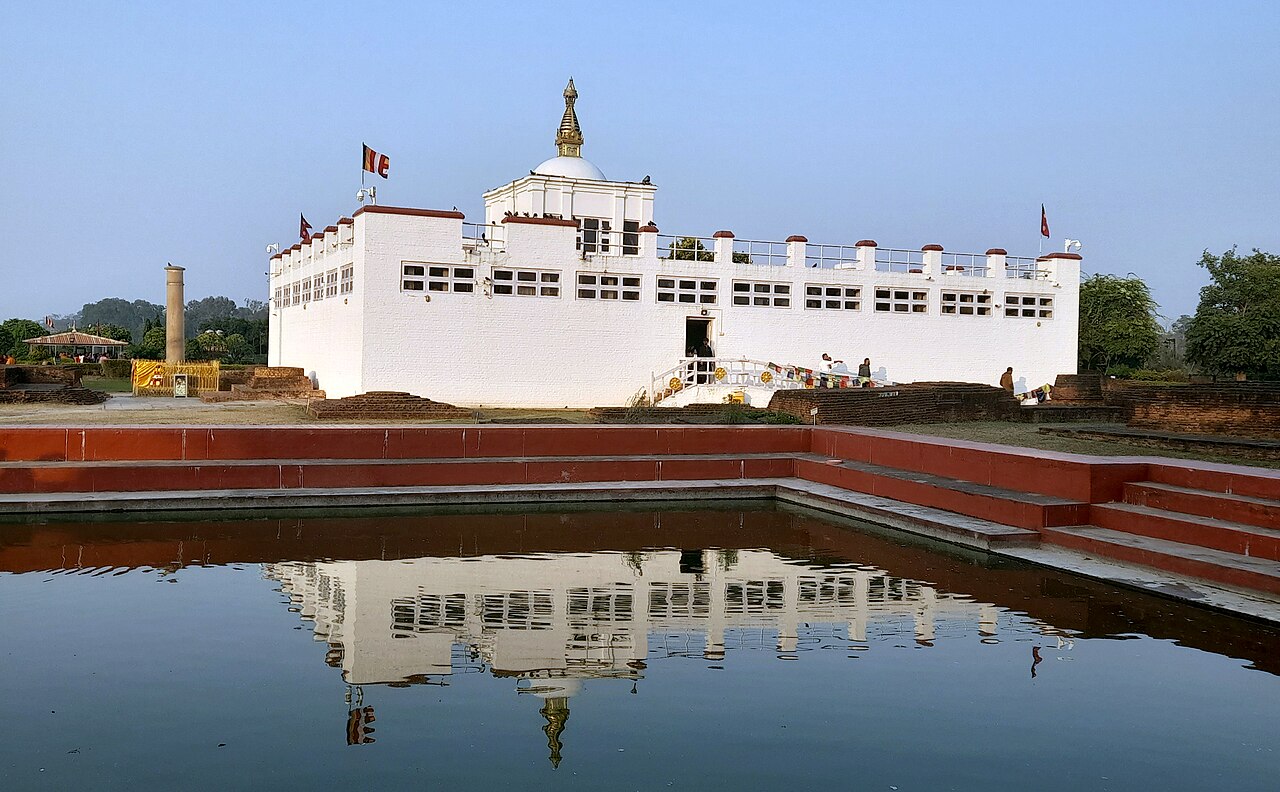
Lumbini, the birthplace of the Buddha, is the most spiritually significant meditation destination in Nepal. The sacred garden, Maya Devi Temple, and international monasteries create an atmosphere of profound peace. Lumbini is ideal for those who want to meditate at the source of the Buddhist tradition. The site is quieter and less commercialized than Kathmandu or Pokhara, making it suitable for deep practice. A 10-day pilgrimage circuit can include Lumbini alongside other sacred sites.

Remote Mountain Retreats
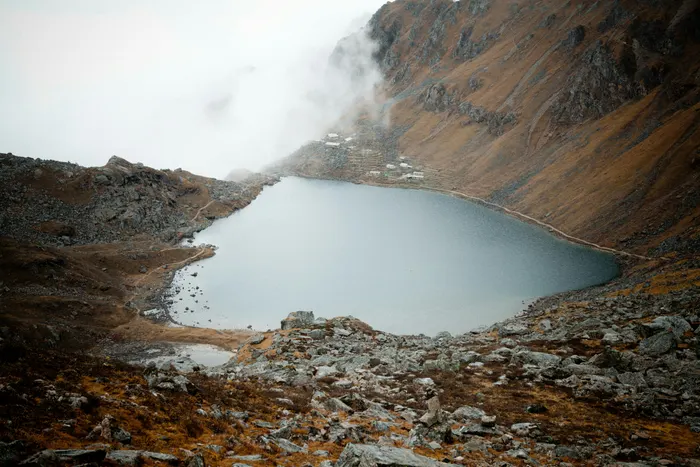
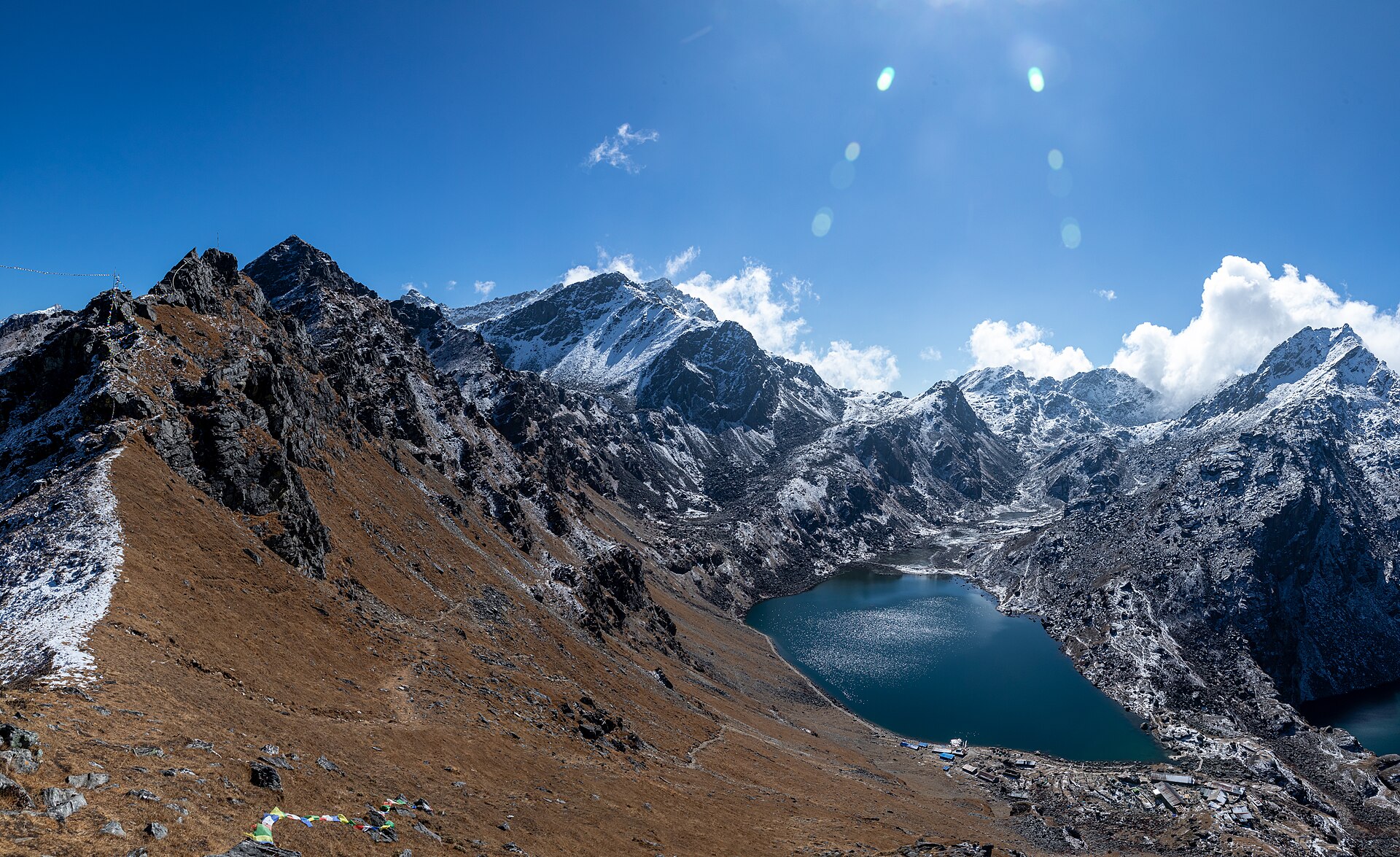
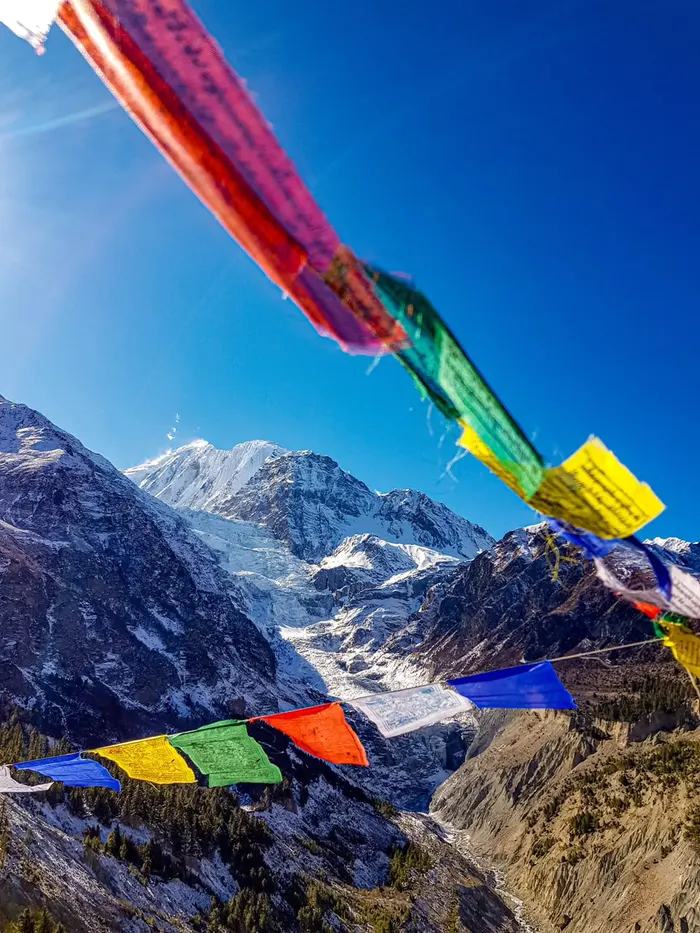
For those seeking solitude and immersion in nature, retreat centers in the Himalayan foothills offer a different kind of experience. The Helambu region, accessible from Kathmandu, has Tibetan Buddhist retreat centers in high-altitude settings. The Gosaikunda area combines sacred lakes with meditation and yoga. These locations require trekking to reach and offer basic accommodation, but the mountain environment is incomparable for practice. The Gosaikunda Yoga Retreat Trek combines trekking with daily yoga and meditation.
Step 5: Understand the Daily Schedule and Rules
Every meditation retreat has a structured daily schedule and set of rules that participants must follow. Understanding these before you arrive prevents culture shock and helps you prepare mentally. The strictness varies enormously between traditions.
Vipassana retreats follow the most rigorous schedule: a 4:00 AM wake-up gong, 11 hours of meditation with breaks for meals and rest, evening discourses, and lights out by 9:30 PM. Silence is absolute for the full 10 days, and all reading materials, writing implements, phones, and religious objects are confiscated. Meals are vegetarian, with no solid food after noon (tea and fruit at 5:00 PM).
Tibetan Buddhist retreats are less rigid but still structured. A typical day includes morning puja (chanting) at 6:00 AM, teaching sessions at 10:00 AM and 2:00 PM, meditation sessions in between, and evening practice. Silence may be observed during practice sessions but not necessarily throughout the day. Participants may read dharma texts and take notes.
Yoga and wellness retreats are the most relaxed. A typical day includes 6:00 AM morning yoga, breakfast, a meditation session, free time, afternoon workshops, evening yoga or sound healing, and an early night. Silence is usually observed during meals and evening hours. These retreats often include sightseeing excursions and cultural activities.
Regardless of the retreat type, respecting the schedule and rules is essential. These structures are not arbitrary, they are designed to support deep practice by removing distractions and creating a container for inner work.
Step 6: Compare Costs and Accommodation Standards
Meditation retreats in Nepal span a wide price range, from completely free to several thousand dollars. Understanding what you get at each price point helps you budget appropriately.
Free retreats: Vipassana courses are funded entirely by donations from past students. There is no charge for teaching, food, or accommodation. You can give a donation at the end if you wish. Accommodation is in simple single rooms with shared bathrooms. This is the most authentic and accessible option for those on a tight budget.
Budget retreats ($100-$300): Short yoga and sound healing retreats in Kathmandu and Pokhara fall in this range. Accommodation is in simple guesthouses or retreat centers with shared or private rooms and basic amenities. The Dhulikhel Namobuddha Spiritual Hike at $100 and the Kathmandu Half-Day Wellness Spa Escape at $138 are accessible entry points.
Mid-range retreats ($300-$700): These include 5 to 7 day yoga and meditation retreats with comfortable private accommodation, all meals, and multiple daily sessions. The 4-Day Yoga Reiki Healing Retreat at $403 and the 5-Day Yoga Retreat with Hiking at $518 offer good value with professional instruction.
Premium retreats ($700-$2,000+): Luxury wellness retreats offer high-end accommodation, gourmet vegetarian cuisine, spa treatments, and personalized instruction. The 7-Day Yoga Retreat with Sightseeing at $748 and the Annapurna Yoga Trek at $1,667 combine comfort with extended practice. The spiritual tour cost guide provides a broader budget breakdown for planning your trip.

Step 7: Consider the Season and Timing
Nepal's climate varies dramatically by season and altitude, and the timing of your retreat affects everything from comfort to flight availability. The main seasons for meditation retreats are spring (March to May) and autumn (September to November), when the weather is mild, the skies are clear, and mountain views are spectacular.
Spring brings warm days, cool nights, and blooming rhododendrons in the hills. This is an ideal time for retreats in the Kathmandu Valley and Pokhara. Autumn offers the clearest skies of the year and comfortable temperatures, making it the peak season for all types of retreats and trekking. Book well in advance for autumn retreats, as popular centers fill up months ahead.
Winter (December to February) is cold, especially in the mornings and evenings, but the skies are clear and crowds are thinner. Kathmandu Valley retreats are still comfortable with heating. Higher-altitude retreats in Helambu and around Gosaikunda may be inaccessible due to snow.
The monsoon season (June to August) brings heavy rain, high humidity, and leeches on trekking routes. However, this can be a good time for indoor retreats in Kathmandu and Pokhara, as centers are less crowded and prices are lower. The rainy season also has a contemplative quality that some practitioners find conducive to meditation.
For those planning a broader spiritual journey alongside their retreat, the 7-day spiritual tour itinerary can help you integrate retreat time with visits to sacred sites. Planning your trip well in advance is essential, and working with a knowledgeable trekking and tour agency in Nepal ensures that logistics like transportation and accommodation are handled professionally.
Step 8: Prepare Mentally and Practically
Preparation is the difference between a transformative retreat and a frustrating one. Mental preparation involves setting realistic expectations, understanding that the first few days will be difficult, and committing to staying for the entire retreat. Many first-time retreatants want to leave on day two or three, when the mind is most agitated. This is normal and passes if you stay.
Practical preparation includes arranging your visa, flights, and travel insurance before arriving. Pack modest, comfortable clothing that covers shoulders and knees, a warm layer for mornings and evenings, a water bottle, and any personal medications. Most retreat centers provide meditation cushions and mats, but you may bring your own if preferred. A reusable water bottle, natural insect repellent, and a small flashlight are also useful. Avoid bringing valuables, electronics (most retreats ask you to surrender phones), and anything that creates distraction.
If you have never meditated before, start a daily practice of 15 to 20 minutes at least two weeks before your retreat. This builds the basic mental fitness needed for longer sessions. Try to reduce caffeine, sugar, and social media consumption in the week leading up to your retreat, as the withdrawal from these can be a significant distraction during the first days. For those combining their retreat with a broader Nepal trip, the complete guide to cultural and spiritual tours in Nepal provides context for integrating retreat experiences with cultural exploration.
Step 9: Evaluate Teaching Quality and Lineage Authenticity
One of the advantages of meditating in Nepal is access to authentic teachers within unbroken lineages. But not every retreat center offers the same level of instruction, and evaluating teaching quality requires some research. Here are key indicators to look for.
Lineage transparency: Authentic teachers can trace their instruction back through a documented lineage. A Vipassana teacher in the Goenka tradition has completed multiple 10-day courses and served as a course manager before being authorized to teach. Tibetan Buddhist lamas can name their root teacher and the lineage of transmission. If a center cannot or will not explain its teaching lineage, proceed with caution.
Teacher experience: How long has the teacher been practicing and teaching? A teacher with 20 years of practice and 10 years of teaching experience will generally provide deeper guidance than someone who completed a 200-hour certification last year. This is not to dismiss newer teachers, but experience matters in meditation instruction.
Student-to-teacher ratio: Smaller groups allow more personal attention. A retreat with 10 students and one teacher offers opportunities for individual guidance that a 100-person course cannot. Vipassana courses handle large numbers through recorded discourses and assistant teachers who answer questions, but if you want personal interaction, look for smaller retreats.
Reviews and reputation: While meditation is an internal experience, the quality of a retreat center's organization, food, and teaching can be assessed by past participants. Look for reviews on independent platforms and ask in meditation communities. Be cautious of centers with no online presence or reviews, as this may indicate a new or unestablished operation.
Step 10: Assess Accommodation and Food Quality
The quality of your living conditions and meals directly affects your ability to meditate. Poor sleep, inadequate nutrition, or uncomfortable rooms create physical distractions that make practice harder. When evaluating a retreat, ask about these practical aspects.
Room type: Most retreat centers offer single rooms, which are preferable for silence practice. Shared rooms are cheaper but can be disruptive if a roommate snores or has different habits. Ask whether the room has heating (essential in winter), a fan (essential in summer), and natural light.
Bathroom facilities: Shared bathrooms are common in budget retreats and monasteries. Check whether hot water is available and whether toilets are Western-style or squat. At higher altitude retreats, water may be scarce and bathing may be limited.
Meals: Retreat food is typically vegetarian and simple. Ask whether the center can accommodate dietary restrictions (vegan, gluten-free, allergies). The quality of food varies enormously, from monastic dal bhat twice a day to gourmet vegetarian cuisine at wellness retreats. Adequate nutrition is essential for sustaining long meditation sessions.
Internet and phones: Most retreats ask you to surrender your phone or at least keep it off. Check whether the center has wifi available (usually only in designated areas and times) and whether there is an emergency contact number for family back home.
Common Mistakes to Avoid When Choosing a Retreat
After guiding many visitors through their Nepal meditation journeys, we have seen the same mistakes repeated. Here are the most common ones and how to avoid them.
Choosing a 10-day silent retreat as your first meditation experience. This is the number one mistake. Vipassana is designed for people who already have a basic meditation practice. First-timers who jump into 10 days of silence often leave feeling overwhelmed and discouraged. Start with a 3 to 5 day guided retreat and work your way up.
Underestimating the physical demands. Sitting for 11 hours a day is physically challenging, even for young, fit people. Knee pain, back pain, and stiffness are common. If you have existing joint issues, choose a retreat with shorter sitting periods or one that alternates sitting and walking meditation.
Not informing the center about medical conditions. Retreat centers need to know about physical or mental health conditions that might require special accommodation. Some conditions, such as acute anxiety or PTSD, may be exacerbated by intensive meditation. Be honest in your application so the center can advise you appropriately.
Combining too many activities. Trying to fit a retreat, a trek, and a tour into a 10-day trip leaves no time for integration. Meditation retreats create internal shifts that need time to settle. Plan at least 2 to 3 days after your retreat for rest and reflection before moving on to other activities.
Expecting immediate enlightenment. A meditation retreat is not a magic pill. It is a concentrated period of practice that, when combined with ongoing daily meditation, gradually transforms the mind. Expect insights and challenges, not miracles. The real work begins when you return home and try to maintain your practice in everyday life.
Combining Your Retreat With Other Nepal Experiences
Many visitors combine their meditation retreat with other Nepal experiences to create a richer journey. The key is sequencing: do the retreat first, while you are fresh, and save trekking and touring for after, when the clarity from your retreat enhances your appreciation of Nepal's landscapes and culture.
A popular combination is a meditation retreat followed by a spiritual tour of the Kathmandu Valley's sacred sites. After days of inner work, visiting Pashupatinath, Boudhanath, and Swayambhunath with a meditative awareness transforms sightseeing into pilgrimage. The spiritual tour guide for 2026 provides a comprehensive overview of sacred sites to visit.
For those who want to combine meditation with physical activity, the slow trekking and mindfulness approach treats the trail itself as a meditation practice. Walking in silence, observing the breath, and using the physical effort of hiking as an anchor for awareness creates a uniquely Nepali integration of body and mind. After a retreat, this kind of mindful trekking extends the meditative state into movement.
Others combine their retreat with healing practices like Ayurveda and Panchakarma or a shamanic healing tour, creating a comprehensive wellness journey. The Nepal wellness tourism movement has made these combined experiences increasingly accessible. For a deeper cultural immersion, explore the 2026/27 pillar guide to spiritual travel in Nepal.
Sound healing pairs particularly well with meditation. After a silent retreat, a sound healing session in Kathmandu can help integrate the meditative state through vibration. The healing traditions of Kathmandu represent a broad spectrum of modalities that complement meditation practice. And for those who want the full overview, the complete spiritual tour guide ties everything together.
Final Checklist Before You Book
Before committing to a meditation retreat in Nepal, run through this final checklist to make sure you have made the right choice for your needs.
- Does the retreat match my meditation experience level?
- Am I drawn to the specific tradition being taught (Vipassana, Tibetan Buddhist, yoga, sound healing, secular mindfulness)?
- Is the duration appropriate for my available time and mental readiness?
- Is the location conducive to the kind of experience I want (urban, lakeside, birthplace, mountain)?
- Can I handle the daily schedule and rules, including silence if required?
- Does the cost fit my budget, including flights, visa, and travel insurance?
- Have I checked the season and weather for my planned dates?
- Have I started a daily meditation practice to prepare?
- Have I allowed 2 to 3 days after the retreat for integration?
- Have I arranged travel and logistics through a reliable local operator?
If you can answer yes to all of these, you are ready to book. If not, take the time to adjust your plans. The right retreat, chosen carefully, can be one of the most meaningful experiences of your life. The meditation programs in Nepal offer a rare opportunity to practice in the land where meditation began, with authentic teachers in settings that have supported inner transformation for thousands of years.