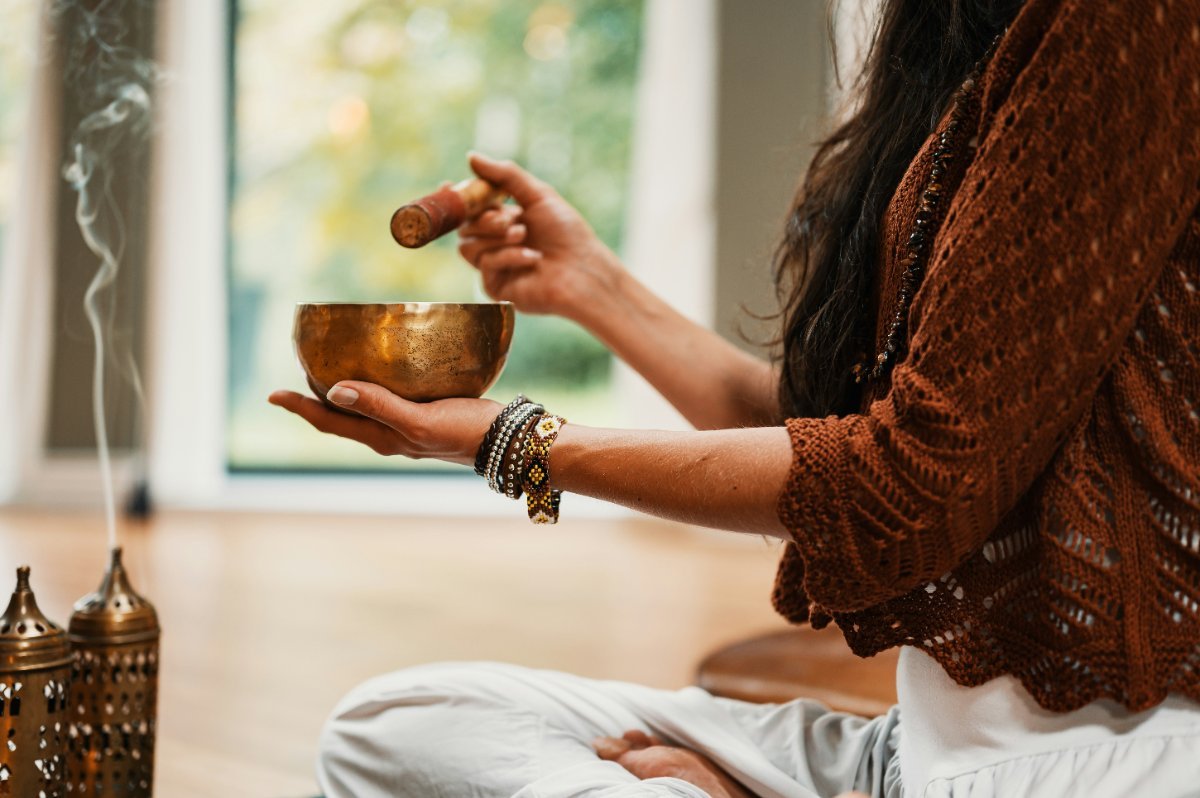
Sound healing meditation in Nepal is one of the most ancient and rapidly growing wellness practices in the Himalayas. For thousands of years, the resonant tones of Tibetan singing bowls, gongs, and bells have been used to shift consciousness, release deep tension, and restore harmony to body and mind. Today, sound healing has moved beyond the monasteries into dedicated healing centers across Kathmandu and Pokhara, where practitioners trained in traditional techniques offer group sound baths, private therapy sessions, and multi-day certification courses.
This guide covers everything you need to know about sound healing meditation in Nepal: the history and science behind vibrational therapy, the types of instruments used, what to expect in a session, the best healing centers, and how to choose a retreat that matches your needs. Whether you are a first-time visitor curious about a single sound bath or a serious seeker looking for practitioner training, this guide will help you navigate the landscape of Himalayan sound healing. For a broader overview, our meditation in Nepal activity guide connects you to the full spectrum of contemplative practices available across the country.
What Is Sound Healing Meditation?
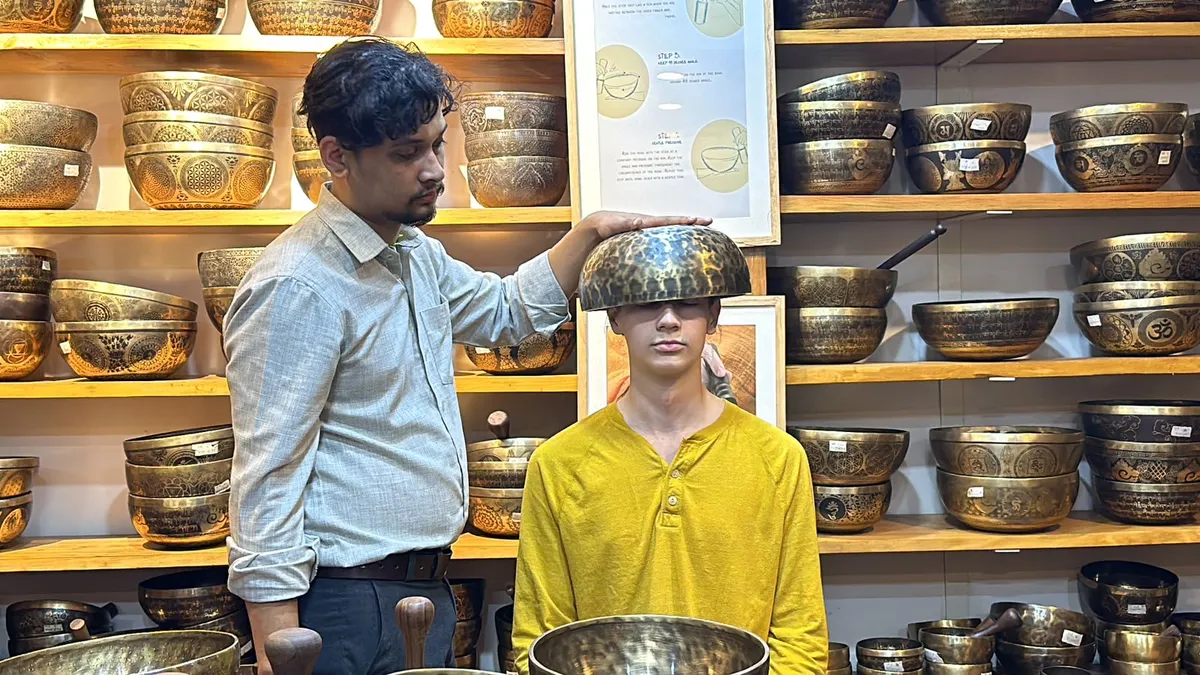
Sound healing meditation uses audible vibrations - produced by singing bowls, gongs, tuning forks, and the human voice - to guide the mind into deep states of relaxation and self-awareness. Unlike silent meditation, which requires the practitioner to actively focus attention, sound healing is largely a receptive practice. You lie down, close your eyes, and allow the frequencies to wash through you. The sounds act as an anchor for awareness, making it easier for beginners to enter meditative states without the frustration that often accompanies breath-based techniques.
The core principle is resonance. Every object, including the human body, has a natural frequency at which it vibrates. When the body is in a state of health, its frequencies are harmonious. Stress, illness, and emotional trauma can disrupt these frequencies, creating what sound healers call dissonance. The harmonious tones of singing bowls and gongs are believed to entrain the body back to its natural resonance, similar to how a tuning fork can bring an out-of-tune instrument back to pitch. Whether or not you accept the metaphysical framework, the physiological effects are measurable: sound therapy has been shown in clinical studies to lower cortisol levels, reduce blood pressure, and increase alpha and theta brainwave activity associated with deep relaxation.
Sound healing is not a replacement for medical treatment, but it is a powerful complementary practice. In Nepal, it sits at the intersection of Buddhist meditation, Vedic chanting, shamanic healing, and modern wellness - a uniquely Himalayan synthesis that you will not find anywhere else in the world.
The History of Sound Healing in Nepal
Sound as a healing tool is not a New Age invention. The use of resonant metal bowls in the Himalayan region dates back at least 2,500 years, with origins in the Bon tradition of Tibet and the shamanic practices of pre-Buddhist Nepal. When Buddhism spread through the Himalayas, it absorbed many of these indigenous sound practices. Monasteries across Tibet, Bhutan, and Nepal used bells, drilbu (ritual hand bells), and dungchen (long horns) in their ceremonies, not merely as symbolic instruments but as tools to alter consciousness during extended meditation sessions.
The singing bowls most commonly used in sound healing today are often called "Tibetan" singing bowls, though many of the finest antique bowls were actually crafted in the Kathmandu Valley by Newar artisans, whose metalworking traditions predate the arrival of Buddhism in Nepal. These bowls are made from a seven-metal alloy - copper, tin, zinc, iron, gold, silver, and sometimes mercury - and each metal is associated with a different planetary vibration in the Vedic astrological system. Antique bowls, some centuries old, are still traded in the markets of Thamel and Patan, though genuine antiques are increasingly rare and expensive.
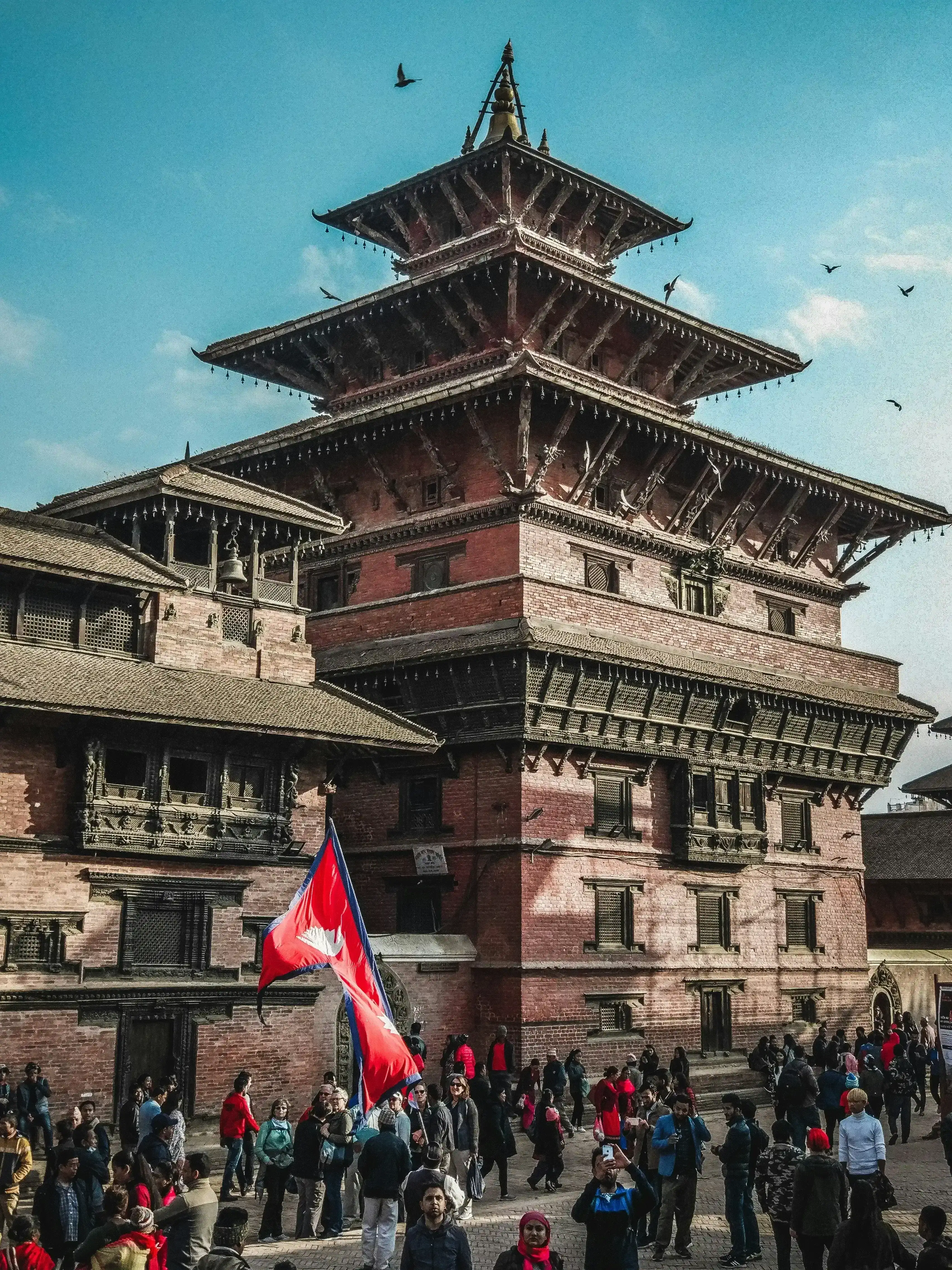
In the modern era, sound healing in Nepal has evolved into a structured wellness discipline. The first dedicated sound healing centers opened in Kathmandu in the early 2000s, offering group sessions alongside traditional massage and yoga. By 2026, the industry has matured: certified training programs, standardized curricula, and a growing body of international research have positioned Nepal as a global hub for sound therapy education. Our complete guide to cultural and spiritual tours in Nepal places sound healing within the wider landscape of Himalayan healing traditions.
The Instruments of Sound Healing
Tibetan Singing Bowls
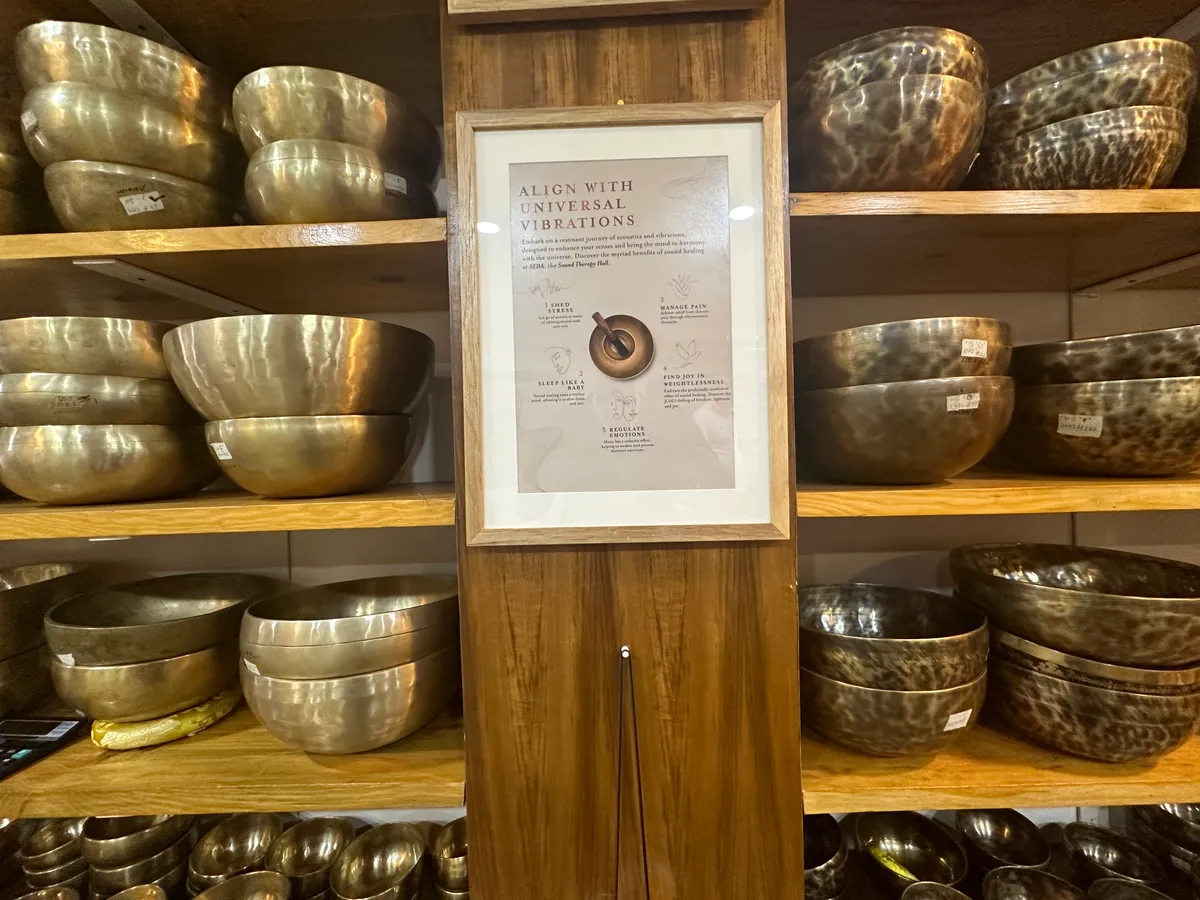 Singing bowls are the primary instrument of sound healing in Nepal. They come in a range of sizes, from small palm-sized bowls that produce high, clear tones to large basin-sized bowls that generate deep, resonant frequencies felt as much as heard. Each bowl produces a complex overtone: when struck or rimmed with a wooden mallet, the bowl emits a fundamental note plus multiple harmonic overtones that interact to create a rich, layered sound. This complexity is what distinguishes singing bowls from simple chimes or bells, and it is the reason the sound feels enveloping rather than directional.
In a typical session, the practitioner places bowls on and around the recipient's body. The direct contact allows the vibrations to travel through tissue, bone, and fluid - an experience that many describe as a sonic massage. Different bowls are chosen for different purposes: large bowls for grounding and releasing physical tension, medium bowls for emotional clearing, and small bowls for mental clarity and energetic activation.
Gongs
Gongs produce a broader, more immersive soundscape than singing bowls. A single gong strike generates a wall of sound that fills the entire room, and sustained playing creates cascading overtones that shift and evolve over time. Gong baths - sessions where participants lie down while the practitioner plays one or more gongs - are among the most powerful sound healing experiences available. The intensity of a gong bath can be overwhelming for first-timers, but many practitioners consider it the most effective tool for breaking through deep emotional blockages and accessing altered states of consciousness.
In Nepal, gongs are used in both group sessions and individual therapy. Some centers incorporate Nepali gongs made by traditional cymbal-makers in the Kathmandu Valley, while others use Chinese or Indonesian gongs prized for their tonal complexity. A well-played gong session can last 45 to 90 minutes, and the sound builds from a gentle whisper to a thunderous crescendo before returning to silence.
Tingshas and Bells
Tingshas are small cymbal-like instruments connected by a leather strap. When struck together, they produce a clear, high-pitched ring that is used to clear energy, mark transitions in a session, and focus attention. In Tibetan Buddhism, tingshas are used to open and close meditation periods and to clear space before rituals. In sound healing sessions, practitioners use tingshas to begin and end a sound bath and to scan the body's energy field for areas of imbalance.
Bells (drilbu) serve a similar function. The clear, penetrating tone of a ritual bell cuts through mental noise and brings the listener back to the present moment. Some sound healers use bells alongside bowls and gongs for their precision and clarity, while others use them as standalone tools for brief, focused meditation sessions.
The Human Voice
Vocal toning - the sustained sounding of vowels or sacred syllables - is an often-overlooked component of sound healing in Nepal. The human voice is the most intimate and direct healing instrument because the sound originates inside the body of the practitioner and is received by the body of the listener. Many Nepali sound healers incorporate mantra chanting, particularly "Om" and "Om Mani Padme Hum," into their sessions. The vibration of chanted mantra creates a resonant field that amplifies the effect of the bowls and gongs.
For those interested in the spiritual dimension of sound, our spiritual evening aarati experience offers a chance to witness devotional chanting in its traditional temple setting, while our guide to monastery etiquette and meditation helps you understand the broader context of sound within Buddhist practice.
How Sound Healing Works: The Science
While sound healing has roots in ancient spiritual traditions, modern neuroscience has begun to explain why it works. The key mechanism is brainwave entrainment. The human brain naturally synchronizes its electrical activity to external rhythmic stimuli - a phenomenon known as the frequency following response. When you listen to the steady, low-frequency tones of singing bowls, your brainwaves slow from the beta range (normal waking consciousness, 13 to 30 Hz) into alpha (relaxed awareness, 8 to 13 Hz) and sometimes theta (deep meditation, 4 to 8 Hz). This is the same shift that occurs during deep meditation, but sound healing can induce it more quickly and with less effort on the part of the listener.
A 2016 study published in the Journal of Evidence-Based Integrative Medicine found that a single sound bath session with Tibetan singing bowls reduced tension, anger, fatigue, and depressed mood in participants, with effects lasting up to 72 hours. Another study from 2020 showed that sound therapy with singing bowls significantly reduced anxiety in pre-operative patients compared to a control group. While more research is needed, the existing evidence supports what practitioners and recipients have reported for centuries: sound healing produces measurable relaxation and stress reduction.
At the physical level, the vibrations from singing bowls and gongs travel through the body's water content (the human body is approximately 60 percent water) and create a gentle massage effect at the cellular level. This vibrational massage is thought to stimulate circulation, reduce inflammation, and promote the release of endorphins. Some sound healers in Nepal also work with specific frequencies mapped to the body's chakras, or energy centers, using bowls tuned to different notes for each chakra.
What to Expect in a Sound Healing Session
If you have never experienced sound healing before, knowing what to expect can help you arrive relaxed and open. A typical session in Nepal follows this structure:
Arrival and settling in (5 to 10 minutes): You arrive at the healing center, remove your shoes, and are invited to lie down on a mat or futon. The practitioner may offer a blanket and pillow. Soft lighting and the scent of incense create a calm atmosphere. This is the time to set an intention for the session - whether it is releasing stress, healing a specific issue, or simply resting.
Opening (3 to 5 minutes): The practitioner begins with a brief grounding exercise, often using tingshas or a bell to clear the space. Some practitioners lead a short breathing exercise or guided visualization to help you arrive in your body.
Sound bath (30 to 60 minutes): This is the core of the session. The practitioner plays singing bowls, gongs, and sometimes other instruments in a sequence designed to guide you through layers of relaxation. Some bowls may be placed on your body, while others are played around you. The sound may start gentle and build in intensity, then return to stillness. Many people experience a state between waking and sleeping - not quite asleep, but deeply relaxed. Some people see colors, feel physical sensations, or have emotional releases. All of this is normal.
Closing and integration (5 to 10 minutes): The practitioner brings the session to a close with gentle sounds, then allows a period of silence for integration. You are invited to return to your body slowly, and there may be an opportunity to share your experience or ask questions.
Group sessions typically last 60 to 90 minutes and cost $15 to $40 in Nepal. Private sessions, which offer more personalized attention and the option of bowls placed directly on the body, range from $50 to $120. Multi-day retreats and certification courses are also available at the larger centers.
Best Sound Healing Centers in Nepal
Kathmandu Healing Centers
Kathmandu, particularly the Thamel and Boudhanath neighborhoods, has the highest concentration of sound healing centers in Nepal. The city's long tradition of Tibetan Buddhism and Newar metalworking makes it the natural home of singing bowl therapy. Several well-established centers offer daily group sound baths, private therapy, and professional training programs. When choosing a center, look for practitioners with formal training certification and at least three years of experience. Ask about the types of bowls used (genuine seven-metal alloy bowls produce richer overtones than mass-produced alternatives) and whether the center offers body-work sessions where bowls are placed directly on your body.
For a comprehensive guide to the sound healing landscape in Kathmandu, including specific courses, training programs, and pricing, see our detailed Sound Healing in Kathmandu guide. This covers everything from single-session sound baths to multi-week certification courses.

Pokhara Wellness Retreats
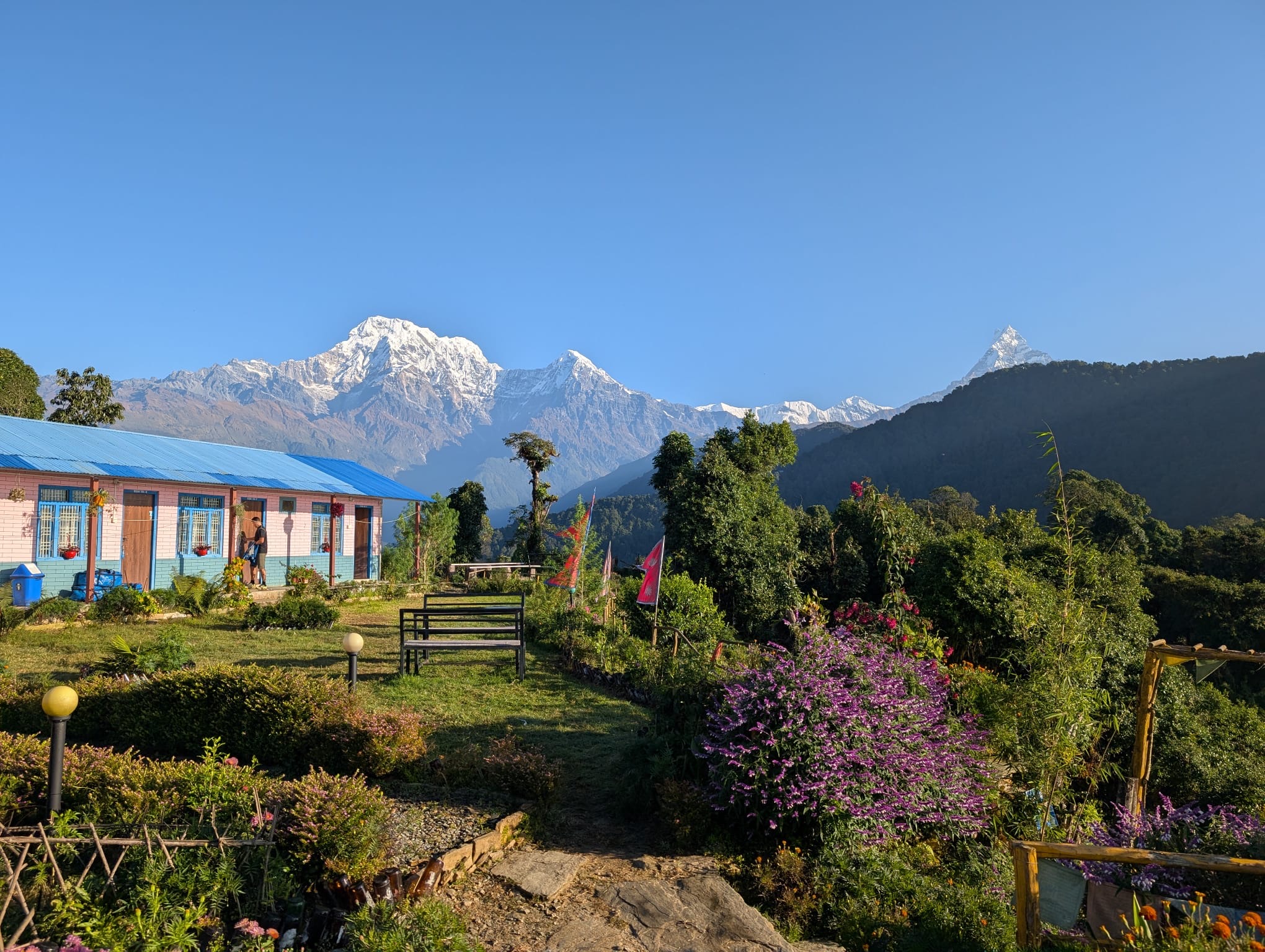
Pokhara, with its lakeside setting and views of the Annapurna range, has become a major center for yoga and sound healing retreats. The slower pace and natural beauty of Pokhara make it ideal for multi-day immersions. Several centers on Lakeside offer combined yoga and sound healing packages, where morning asana practice is complemented by evening sound baths. The quality varies, so check reviews and ask about the practitioner's background before booking.
Lumbini and Monastic Settings
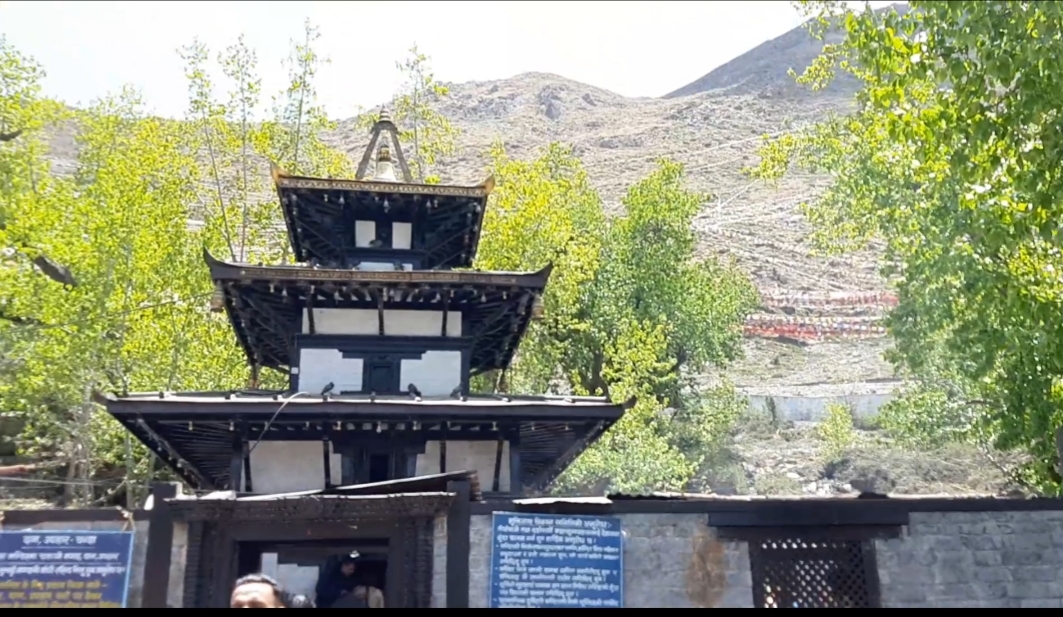
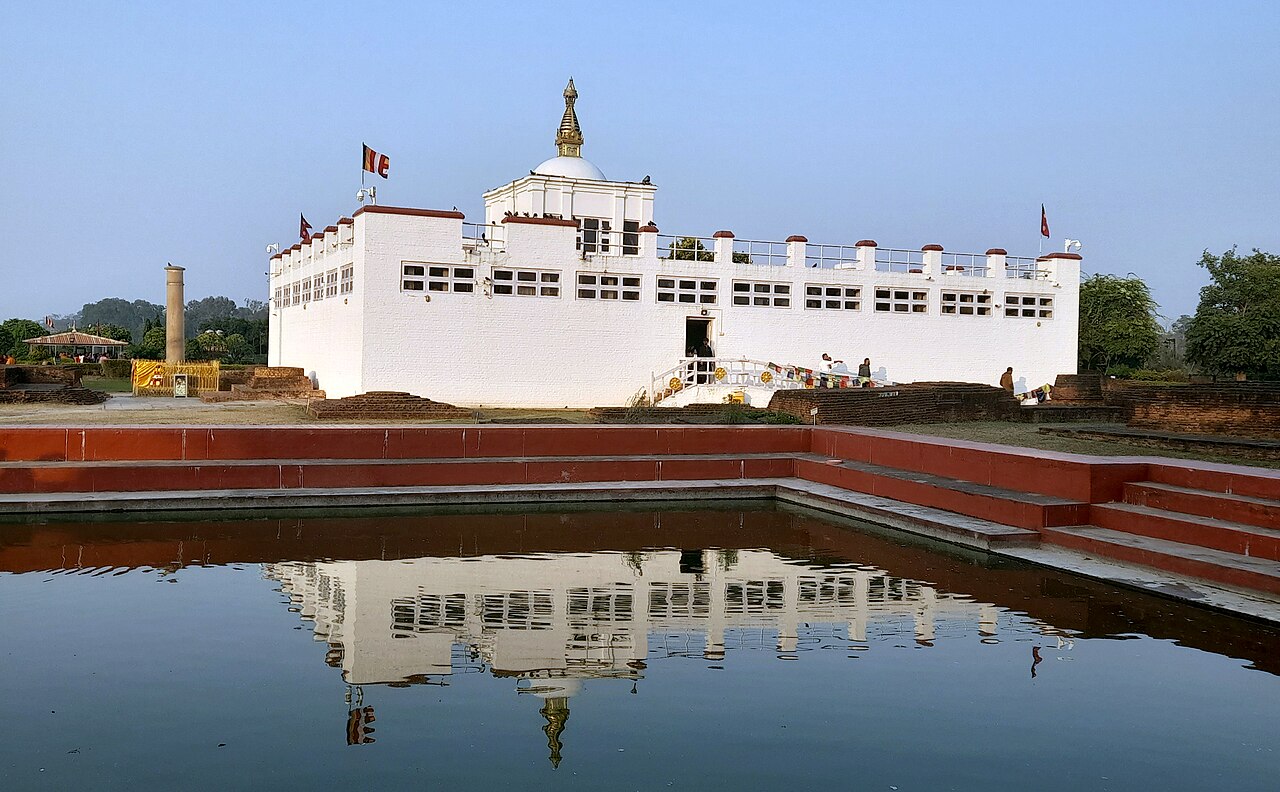
For those seeking a more spiritual context, some monasteries in Lumbini and the Kathmandu Valley occasionally offer sound-based meditation sessions as part of broader retreat programs. These are less structured than commercial sound healing centers and may focus more on chanting and ritual bells than on singing bowls. If you are interested in the Buddhist context of sound meditation, our Buddhist meditation in Nepal guide covers monastery stays and daily practice routines.

Types of Sound Healing Experiences Available
Group Sound Baths
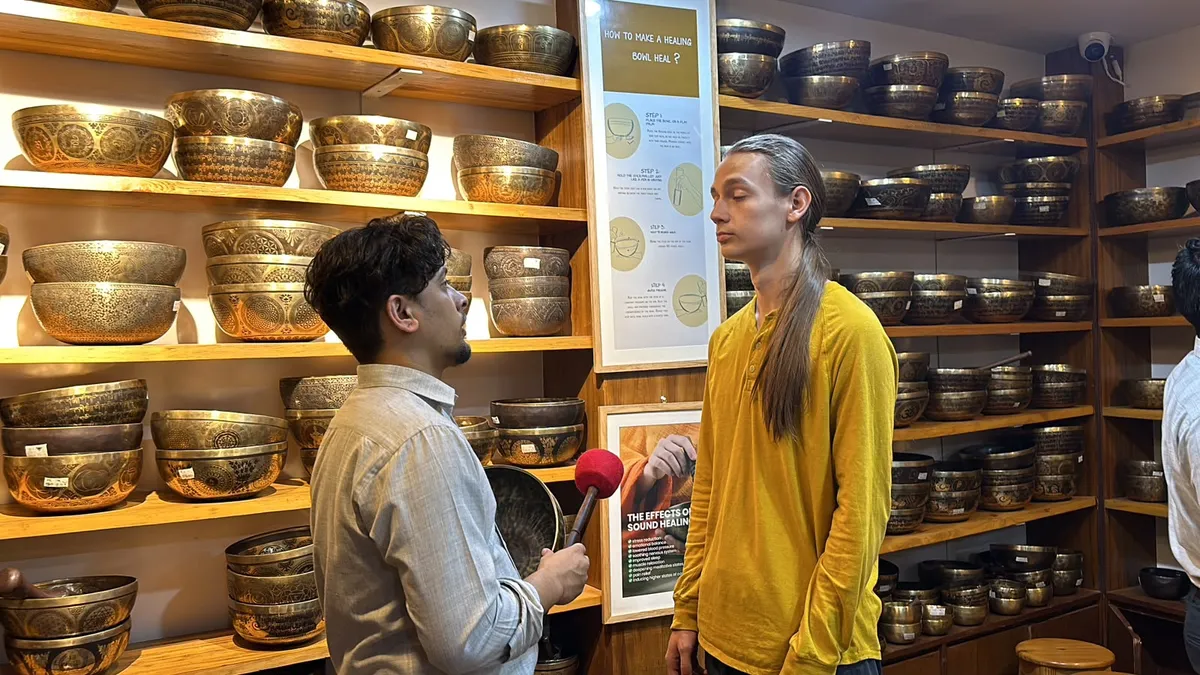
A group sound bath is the most accessible entry point. You join a small group (usually 5 to 15 people) in a dedicated space, lie down, and receive a collective sound session lasting 60 to 90 minutes. Group sound baths are offered daily at most major centers in Kathmandu, and prices range from $15 to $40 per person. The shared energy of a group can amplify the experience, though individual attention from the practitioner is limited.
Private Sound Therapy Sessions
Private sessions offer one-on-one attention with a trained practitioner. These sessions are tailored to your specific needs - whether that is physical pain, emotional release, anxiety, or spiritual exploration. The practitioner may place bowls on your body, focus on specific chakras, and use a combination of instruments selected for your situation. Private sessions typically last 60 to 90 minutes and cost $50 to $120 in Kathmandu.
Multi-Day Retreats
Multi-day sound healing retreats combine daily sound baths with yoga, meditation, nature walks, and healthy meals. These retreats range from 3-day weekend immersions to 9-day deep-dive programs. The extended format allows for cumulative healing - each session builds on the last, and the retreat environment removes the distractions of daily life. Nepal is one of the best-value destinations for multi-day retreats, with prices starting around $288 for a 3-day program including accommodation and meals.
Practitioner Certification Courses
For those who want to practice sound healing professionally, Nepal offers certification courses ranging from 7 to 21 days. These courses cover the theory and history of sound healing, bowl playing techniques, chakra systems, anatomy, ethics, and supervised practice sessions. The cost ranges from $800 to $2,500 depending on duration and certification level. Kathmandu is the primary location for certification training, with several internationally recognized programs.
Sound Healing and the Chakra System
In the Himalayan healing tradition, the body has seven primary energy centers, or chakras, aligned along the spine from the base to the crown. Each chakra is associated with a specific frequency, and sound healers use bowls tuned to these frequencies to balance and clear the chakras. This is not simply a matter of playing a certain note - the practitioner assesses which chakras are blocked or overactive and selects bowls accordingly.
The seven chakras and their commonly associated frequencies are: root (396 Hz, related to grounding and survival), sacral (417 Hz, creativity and emotion), solar plexus (528 Hz, personal power and will), heart (639 Hz, love and connection), throat (741 Hz, communication and expression), third eye (852 Hz, intuition and insight), and crown (963 Hz, spiritual connection). Whether or not you accept the chakra model, the experience of having a bowl placed on your chest and feeling its vibration resonate through your sternum is profound and unlike any other form of therapy.
For a deeper exploration of energy healing in the Himalayan context, our guide to Kathmandu as Nepal's center of healing covers Reiki, sound therapy, and the broader wellness ecosystem.


Sound Healing for Specific Conditions
Stress and Anxiety
Sound healing is particularly effective for stress and anxiety because it activates the parasympathetic nervous system - the body's rest-and-digest mode. The low-frequency vibrations of singing bowls stimulate the vagus nerve, which runs from the brainstem through the chest and abdomen, and help shift the body out of fight-or-flight mode. Many people who struggle with traditional meditation find sound healing more accessible because the sounds provide a passive anchor - you do not have to actively control your thoughts, just let the sound carry them.
Sleep Disorders
Insomnia and poor sleep quality are among the most common reasons people seek sound healing. A evening sound bath session can significantly improve sleep onset and quality by lowering cortisol and inducing theta brainwaves before bedtime. Some practitioners recommend a series of sessions over several days for chronic insomnia, as the cumulative effect appears to be more powerful than a single session.
Chronic Pain
The vibrational massage effect of singing bowls placed on the body can help with chronic pain by stimulating circulation and releasing endorphins. While sound healing is not a substitute for medical treatment, it is a valuable complementary therapy for conditions like fibromyalgia, arthritis, and tension headaches. The relaxation response it triggers also reduces the muscle tension that often exacerbates pain.
Emotional Release
Sound healing can unlock stored emotions that talk therapy may take months to reach. The combination of deep relaxation and vibration bypasses the analytical mind, allowing repressed feelings to surface and release. It is not uncommon for people to cry during a sound bath - this is a healthy release, and practitioners are trained to hold space for it. If you are processing grief, trauma, or major life transitions, sound healing can be a powerful adjunct to other therapeutic work.
Choosing the Right Sound Healing Experience
With so many options available, how do you choose? Here are the key factors to consider:
Experience level: If you are new to sound healing, start with a group sound bath at an established center. This gives you a baseline experience at a reasonable price. If it resonates with you, you can move on to private sessions or a multi-day retreat.
Time commitment: A single session lasts 60 to 90 minutes. A multi-day retreat requires 3 to 9 days. A certification course takes 1 to 3 weeks. Be honest about how much time you can dedicate and choose accordingly.
Location: Kathmandu offers the most options and the highest concentration of experienced practitioners. Pokhara is ideal for retreat-style immersions in a beautiful natural setting. Lumbini offers a more spiritual, monastic context.
Practitioner qualifications: Look for practitioners with formal training certification, at least three years of experience, and clear communication about their methods. The best practitioners will discuss your needs before the session and check in with you afterward.
Budget: Nepal offers exceptional value for sound healing. Group sound baths start at $15, private sessions at $50, and 3-day retreats at under $300. Compare this to equivalent services in Europe or North America, where a single private session can cost $150 or more.
Combining Sound Healing with Other Practices
Sound healing works synergistically with other wellness practices. Many visitors to Nepal combine sound therapy with yoga, meditation, Ayurvedic massage, and trekking. A morning yoga practice opens the body, an afternoon sound bath releases residual tension, and an evening meditation integrates the day's work. This combination - available at many retreat centers in Kathmandu and Pokhara - creates a holistic wellness experience that addresses body, mind, and spirit simultaneously.
For those interested in the Ayurvedic dimension, our guide to Ayurveda and Panchakarma in Nepal covers how to find authentic Ayurvedic practitioners. And if you are drawn to the more ancient shamanic traditions, our shamanic healing tour guide explores the pre-Buddhist healing practices that predate singing bowl therapy by millennia.
Practical Tips for Your Sound Healing Journey
What to wear: Comfortable, loose-fitting clothing. You will be lying down for extended periods, so avoid tight belts or restrictive garments. Layers are helpful, as body temperature can drop during deep relaxation.
What to bring: A water bottle. Most centers provide mats, blankets, and pillows, but if you have specific comfort needs, feel free to bring your own. Do not bring electronics - the session is a technology-free zone.
When to go: Sound healing is available year-round in Kathmandu. The spring (March to May) and autumn (September to November) seasons offer the best weather for combining sessions with outdoor activities. Winter (December to February) is quieter and offers more personalized attention at centers. Monsoon season (June to August) is less crowded, though outdoor activities are limited.
How many sessions: A single session gives you a taste. Three to five sessions over a week provides a deeper experience. A multi-day retreat is the most transformative option. For chronic conditions, a series of 10 to 15 sessions over 2 to 3 weeks is often recommended.
Eat lightly before: A heavy meal before a sound bath can make lying down uncomfortable. Eat lightly 1 to 2 hours before, and avoid caffeine, which can interfere with the relaxation response.
Sound Healing Retreats: What to Look For
When choosing a multi-day sound healing retreat in Nepal, consider these factors:
Daily schedule: A well-structured retreat should include at least one sound healing session per day, complemented by yoga, meditation, and free time. Avoid retreats that pack every hour with activity - integration time is essential for the healing process.
Practitioner-to-participant ratio: For retreats, a ratio of 1 practitioner per 8 to 12 participants is ideal. Smaller groups allow more personalized attention and better placement of bowls on the body.
Accommodation: Sound healing retreats range from basic monastery rooms to luxury wellness resorts. Consider your comfort needs - a quiet, clean room with natural light is more important than luxury amenities for a healing retreat.
Food: Most retreats include vegetarian meals. Check whether the food is organic, locally sourced, and accommodates dietary restrictions. The quality of food directly affects your healing experience.
Integration support: The best retreats offer post-session discussion circles, journaling prompts, and recommendations for continuing your practice at home. Sound healing can trigger powerful experiences, and having support to process them is valuable.
The Cost of Sound Healing in Nepal
Nepal is one of the most affordable destinations for sound healing in the world. Here is a general pricing guide:
- Group sound bath (60-90 min): $15 to $40
- Private sound therapy session (60-90 min): $50 to $120
- 3-day sound healing retreat (with accommodation): $288 to $450
- 7-day sound healing and yoga retreat: $700 to $1,200
- Sound healing certification course (7-21 days): $800 to $2,500
Prices vary by center, season, and the experience level of the practitioner. The centers in Thamel tend to be slightly more expensive than those in Boudhanath or Patan. Multi-day retreats offer the best value, as they include accommodation, meals, and multiple sessions.
For budget-conscious travelers, our spiritual tour cost guide breaks down the full range of wellness experiences in Nepal by price point, from free monastery meditations to luxury retreats.
Explore More Meditation and Wellness in Nepal
Sound healing is one strand in Nepal's rich tapestry of meditation and wellness traditions. Deepen your journey with these related guides:
- Meditation in Nepal: The Complete Beginner's Guide - the foundational guide to all meditation styles available in the Himalayas
- Vipassana Meditation in Nepal - 10-day silent retreats in the Goenka tradition
- Buddhist Meditation in Nepal - monastery stays and daily practice
- Yoga and Meditation Retreats in Nepal - the ultimate wellness combination
- Kathmandu Spiritual Circuit - explore the sacred sites of the Kathmandu Valley
- Spiritual Tour: 7-Day Itinerary - a week-long plan for first-time visitors
- 10-Day Pilgrimage Circuit - a deeper Hindu and Buddhist journey
- Spiritual Tour Cost Guide - budget to luxury pricing for every traveler
- Nepal Wellness Tourism Year 2027 - the national wellness tourism initiative
- Slow Trekking and Mindfulness in Nepal - mindful movement on the trail
- Spiritual Tour in Nepal 2026 - the uncensored guide to Himalayan awakening
- Spiritual Tour in Nepal Pillar Guide - the comprehensive guide to sacred sites and rituals
- Spiritual Tour in Nepal - the definitive overview
- 7-Day Itinerary for First-Time Visitors - step-by-step spiritual journey planning
For the adventurous traveler, our guide to the best trekking agency in Nepal helps you plan the physical adventure side of your journey, while our complete guide to cultural and spiritual tours maps every major pilgrimage site and sacred circuit. To explore the full range of meditation practices available across the country, visit our meditation in Nepal activity page.
Conclusion: The Resonant Path
Sound healing meditation in Nepal offers something that no other destination can: the combination of ancient Himalayan wisdom, authentic seven-metal singing bowls crafted by Newar artisans, living Buddhist and shamanic traditions, and a maturing wellness industry that makes high-quality care accessible at remarkable value. Whether you come for a single sound bath or a three-week certification course, the vibrations of these bowls - forged in the same valleys where the Buddha was born - carry a quality of resonance that you will not find anywhere else.
The path of sound healing is not about escaping your problems. It is about using vibration as a tool to meet yourself more deeply, to release what no longer serves you, and to return to a state of natural harmony. Nepal, with its millennia of spiritual practice and its modern commitment to wellness tourism, is the ideal place to begin or deepen that journey. The bowls are waiting. All you have to do is lie down and listen.