Nepal's spiritual heritage is not reserved for the young and the athletic. The country's most sacred sites, its ancient temples, its serene monasteries, and its living traditions of devotion, are accessible to travelers of every age and fitness level. A spiritual tour in Nepal for seniors can be one of the most rewarding journeys of a lifetime: unhurried, deeply meaningful, and supported by a tourism infrastructure that understands the needs of older travelers.
This guide is written for seniors planning a spiritual tour in Nepal, and for the families and companions who support them. We cover the most accessible sacred sites, gentle-paced itineraries that prioritize comfort and rest, health and safety considerations specific to older travelers, the best seasons for a senior-friendly visit, and the Enticing Himalayas packages that are best suited to travelers who value ease, comfort, and depth over speed and physical challenge. For the broader context, start with our complete guide to cultural and spiritual tours in Nepal and our overview of the best trekking agency in Nepal for 2026. The spiritual tour in Nepal hub connects all our spiritual content.


Why Nepal Is an Excellent Destination for Senior Spiritual Travelers
Nepal has several advantages as a destination for senior spiritual travelers. First, the country's most important sacred sites are concentrated in the Kathmandu Valley and the Terai plains, both of which are at low altitude and accessible by vehicle. You do not need to trek to experience the spiritual heart of Nepal. Pashupatinath, Boudhanath, Swayambhunath, and the living goddess Kumari are all within an hour's drive of central Kathmandu. Lumbini, the birthplace of the Buddha, is a short flight and drive from the capital, and the entire site is flat and walkable at a gentle pace.
Second, Nepal's tourism industry has matured significantly in recent decades. The country now offers a range of comfortable accommodation, from boutique heritage hotels in restored Newari buildings to international-standard chain hotels with elevators, air conditioning, and accessible bathrooms. Private vehicles with experienced drivers are readily available, eliminating the need to navigate public transport. English is widely spoken in tourist areas, and Nepali people are famously warm and respectful toward older visitors.
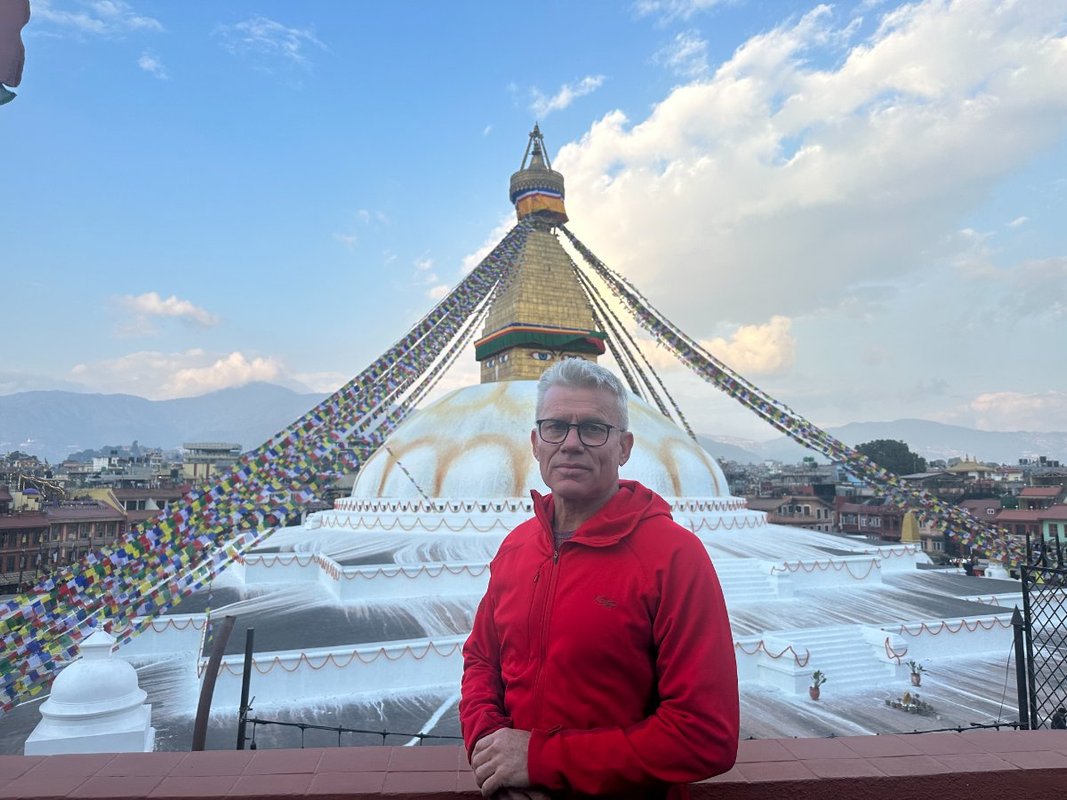
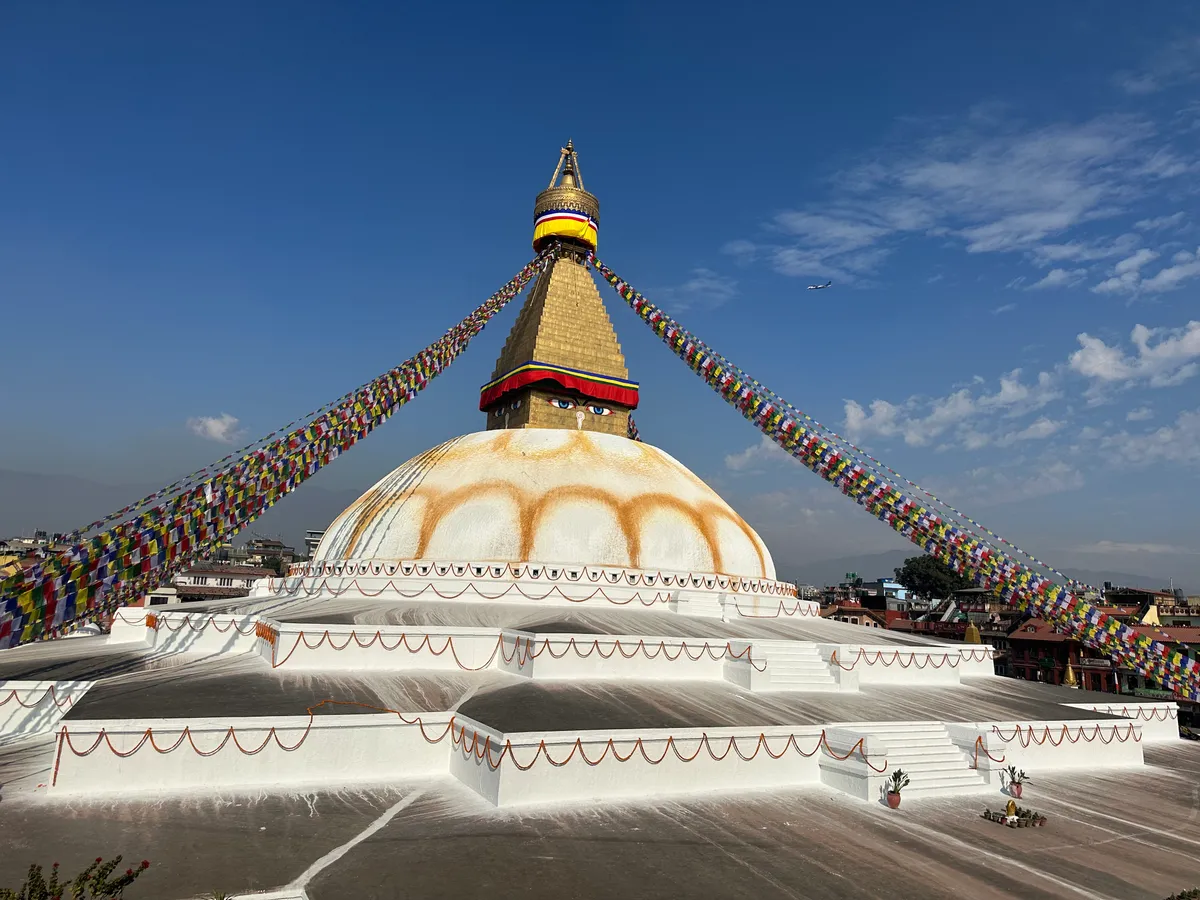
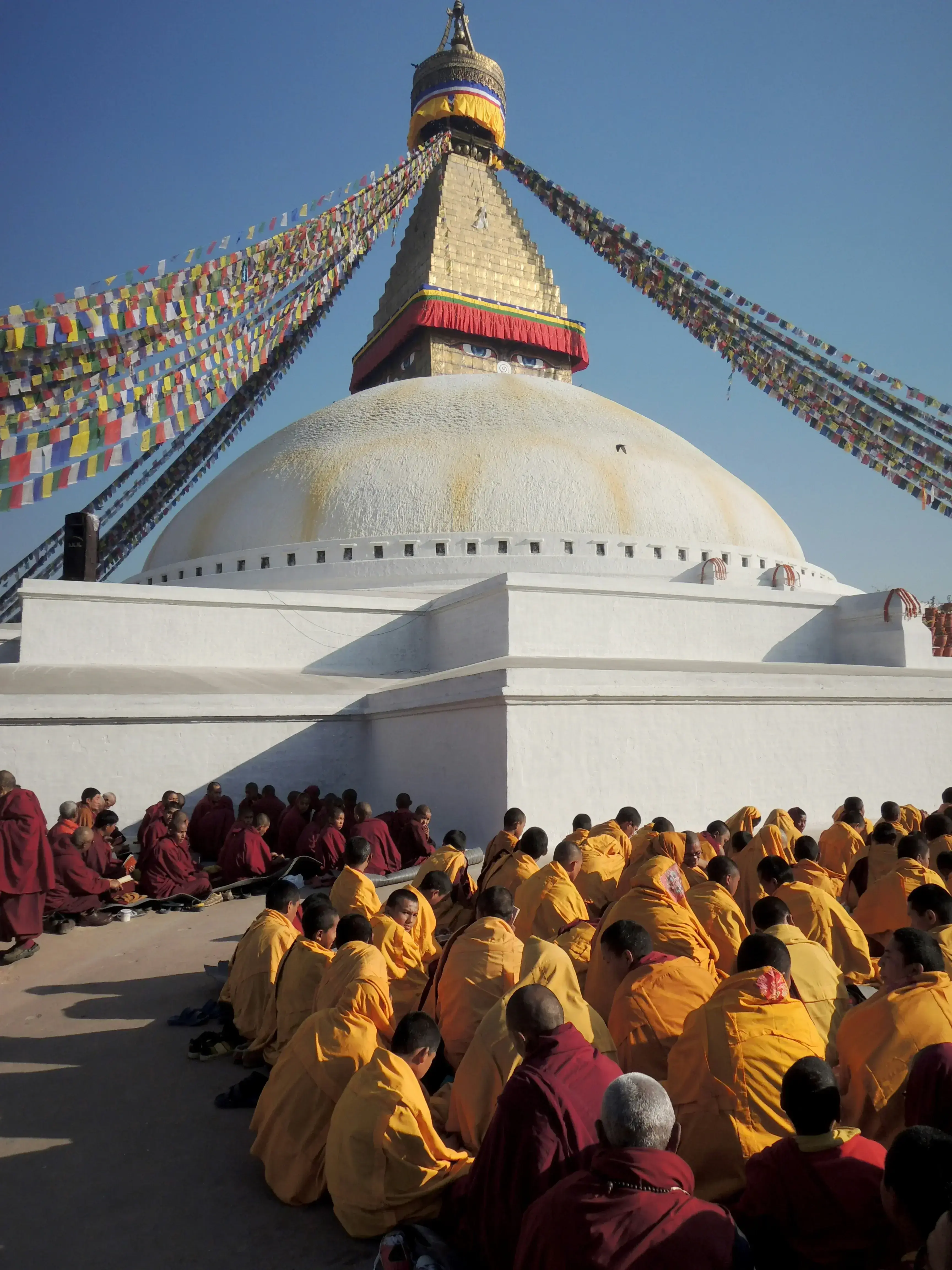
Third, the spiritual culture of Nepal is inherently suited to a slower pace. A visit to Boudhanath is not a checklist item to be ticked off; it is an experience that rewards sitting, watching, and absorbing. The kora path around the stupa is flat and paved, and there are benches and cafe terraces where you can rest and watch the world circumambulate. Monasteries welcome visitors to sit in their prayer halls for as long as they wish. The rhythm of a spiritual tour in Nepal aligns naturally with the rhythm that suits older travelers: slow mornings, meaningful encounters, and early evenings with time to rest and reflect.
Most Accessible Sacred Sites for Seniors
Boudhanath Stupa, Kathmandu
For a deeper exploration, read our Boudhanath Stupa guide.
Pashupatinath Temple, Kathmandu
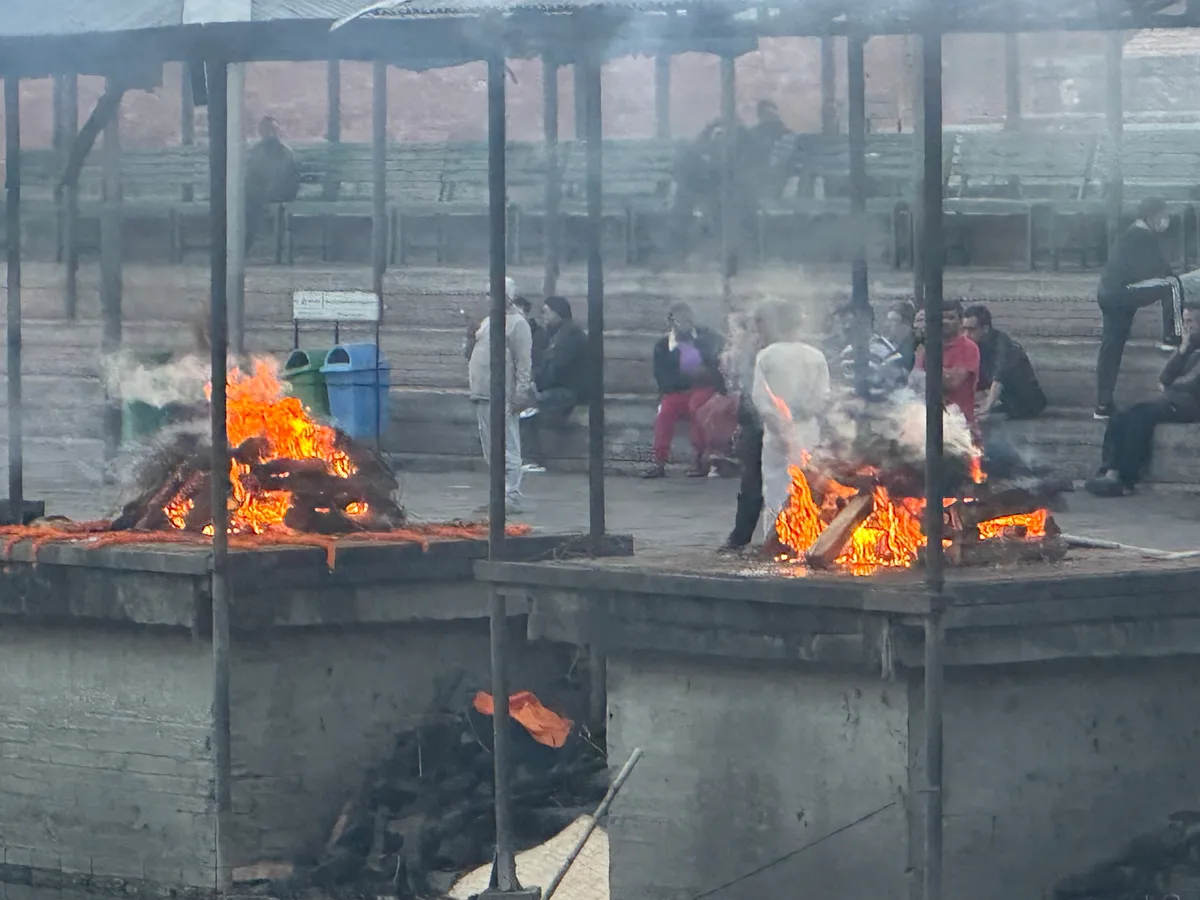
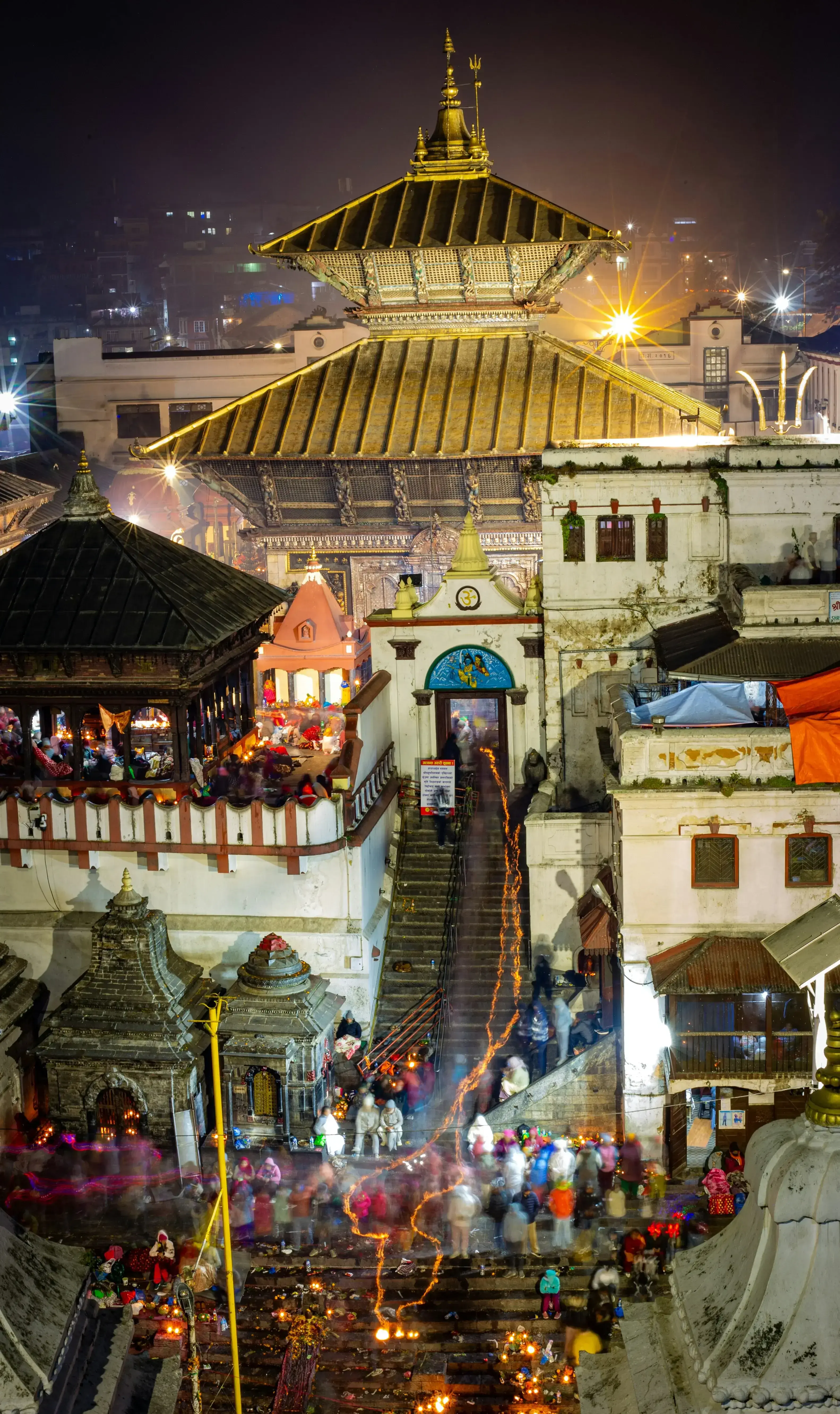
Pashupatinath is Nepal's holiest Hindu temple, and while the main temple interior is restricted to Hindus, the surrounding complex is rich with accessible experiences for all visitors. The best approach for seniors is to view the temple and the cremation ghats from the far side of the Bagmati River, where a series of raised platforms and seated areas provide excellent sightlines without requiring extensive walking. The evening aarti ceremony, held at sunset, is a powerful ritual of fire and chanting that can be watched from seated positions. The paths within the complex are mostly paved, though some sections have steps. A guide can plan a route that minimizes stairs and maximizes comfort.
Swayambhunath (Monkey Temple), Kathmandu
Swayambhunath presents the only significant accessibility challenge among the valley's major sites: the main approach is a staircase of 365 steps. However, there is a road that winds up the back of the hill, and vehicles can drop visitors at a parking area near the top, from which the stupa is a short, relatively flat walk. This is the recommended approach for seniors. Once at the top, the complex is compact and mostly flat, with benches and shaded areas where you can rest and take in the panoramic views of the Kathmandu Valley. The resident monkeys are entertaining but can be assertive; keep food and shiny objects out of sight.
Lumbini: The Birthplace of Buddha
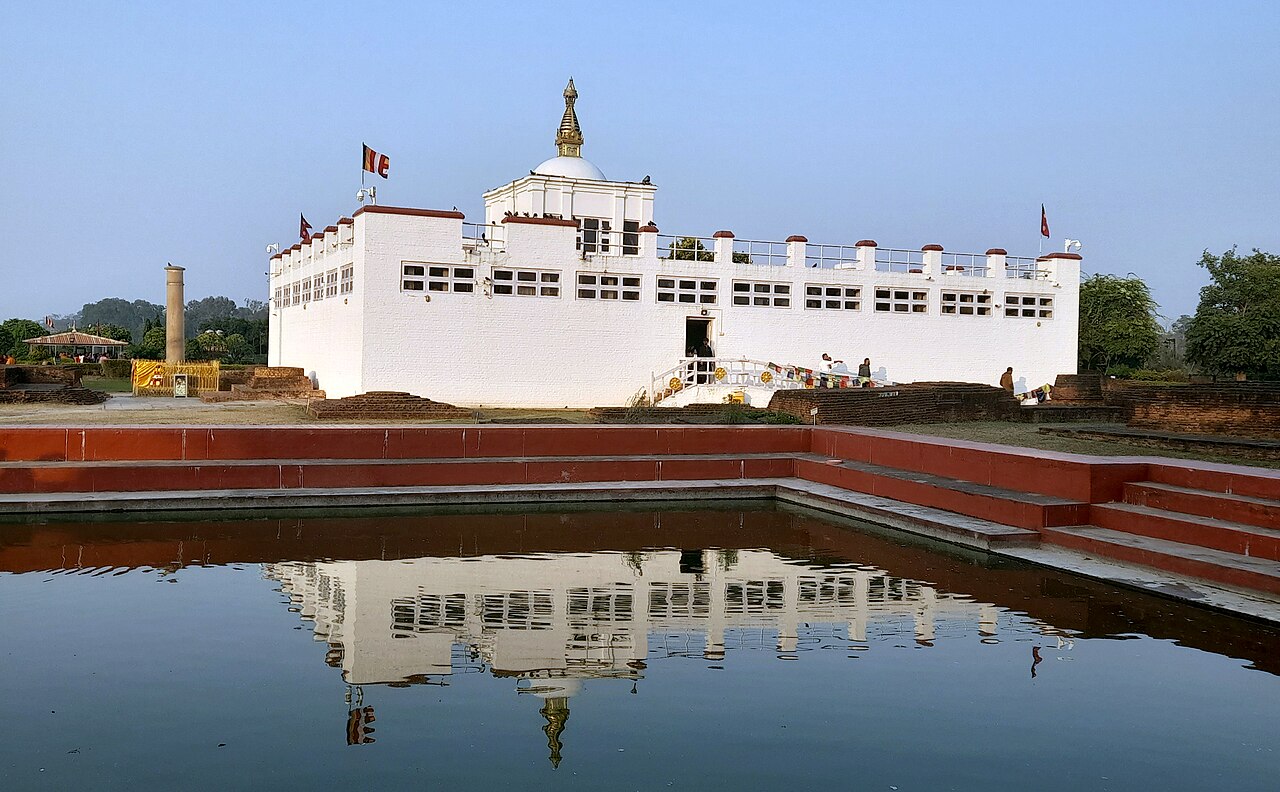
Lumbini is perhaps the most senior-friendly major pilgrimage site in South Asia. The entire Sacred Garden and the surrounding Lumbini Development Zone are flat, with wide, paved paths that are suitable for wheelchairs and walking aids. The Maya Devi Temple, which houses the marker stone indicating the exact birthplace of the Buddha, is accessible via a raised walkway that protects the archaeological remains below. The international monasteries are spread across a large area, but bicycles and electric rickshaws are available for rent, and private vehicles can access most of the monasteries directly. The atmosphere is quiet, contemplative, and unhurried, making it ideal for seniors who want to spend time in reflection without physical strain. Our Lumbini pilgrimage guide covers everything you need to plan your visit.
Kathmandu Durbar Square and the Kumari Bahal
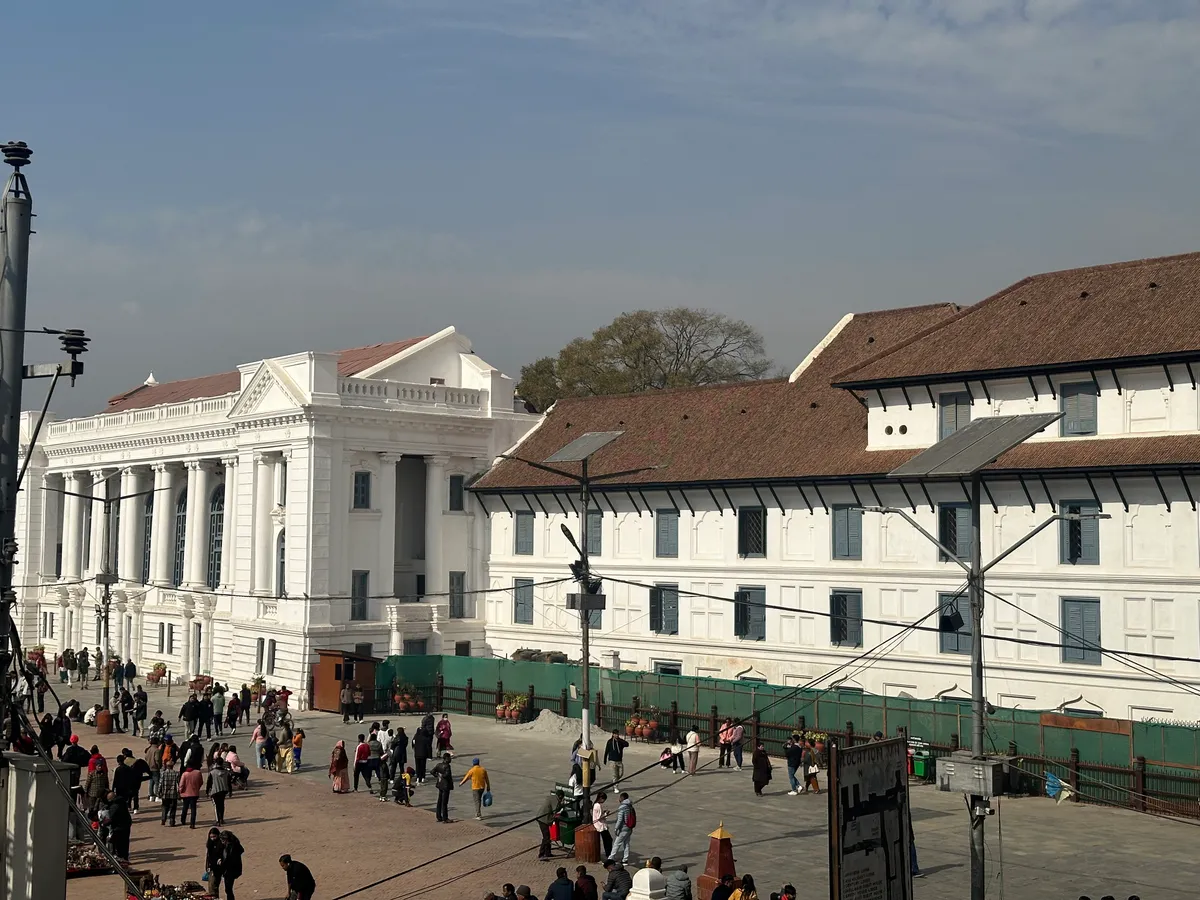
Kathmandu Durbar Square is a UNESCO World Heritage Site and the historic heart of the city. The square is flat and paved, with numerous benches and shaded areas. The highlight for spiritual travelers is the Kumari Bahal, the residence of the living goddess Kumari, a young girl revered as the embodiment of the goddess Taleju. The Kumari makes brief appearances at a window overlooking the courtyard, and visitors can gather to see her without any physical exertion. The square also contains the old royal palace, numerous temples, and the Kasthamandap, the wooden pavilion from which Kathmandu takes its name. A guide can tailor the visit to avoid the busiest times and ensure a comfortable pace.
Namobuddha Monastery
Namobuddha, about 40 kilometers east of Kathmandu, is a serene hilltop monastery that can be reached entirely by vehicle. Unlike the Dhulikhel to Namobuddha hike, which requires several hours of walking, the monastery is accessible by a paved road that leads directly to the entrance. The Thrangu Tashi Yangtse Monastery is an active center of Tibetan Buddhist practice, and visitors are welcome to sit in the prayer hall, walk the monastery grounds, and enjoy the panoramic views of the Himalayan range. The monastery has a clean, simple cafe and clean restrooms. A visit to Namobuddha can be combined with a drive through the scenic countryside around Bhaktapur, making for a gentle and rewarding day trip from Kathmandu.
Gentle-Paced Sample Itineraries for Seniors
5-Day Gentle Spiritual Tour: Kathmandu Valley
Day 1: Arrival and Rest. Arrive in Kathmandu and transfer to your hotel. We recommend a heritage hotel in the quieter Lazimpat or Durbar Marg areas, away from the noise of Thamel. Spend the afternoon resting and acclimatizing. In the evening, a short drive to Boudhanath for a gentle walk on the kora path and dinner at a rooftop restaurant overlooking the illuminated stupa.
Day 2: Boudhanath and Pashupatinath. Start the day at Boudhanath, arriving early when the morning prayers are in progress and the light is soft. Spend two to three hours here at a relaxed pace, with breaks at rooftop cafes. After lunch at your hotel, visit Pashupatinath in the late afternoon, viewing the temple from the far side of the river and staying for the evening aarti ceremony. Return to the hotel by early evening.
Day 3: Swayambhunath and Kathmandu Durbar Square. Drive to the top entrance of Swayambhunath, avoiding the steps. Spend the morning exploring the stupa complex and enjoying the valley views. After lunch, visit Kathmandu Durbar Square to see the Kumari Bahal and the old royal palace. The square is flat and easy to navigate. Return to the hotel by mid-afternoon for rest.
Day 4: Namobuddha Day Trip. A scenic drive through the countryside to Namobuddha Monastery. Spend the morning at the monastery, sitting in the prayer hall and enjoying the Himalayan panorama. Lunch at the monastery cafe or a local restaurant. Return to Kathmandu by late afternoon, with an optional stop in Bhaktapur for a brief walk through the medieval square.
Day 5: Free Morning and Departure. A relaxed morning with the option to revisit a favorite site or explore a local market. Transfer to the airport for departure.
7-Day Kathmandu and Lumbini Combo
For seniors with a little more time, adding Lumbini to the Kathmandu itinerary creates a journey that spans the Hindu and Buddhist spiritual traditions of Nepal. Days 1 through 3 follow the Kathmandu itinerary above. On Day 4, take a morning flight to Bhairahawa (35 minutes), followed by a 30-minute drive to Lumbini. Check into a comfortable hotel near the Sacred Garden. Spend the afternoon visiting the Maya Devi Temple and the Sacred Garden at a gentle pace. Day 5 is dedicated to exploring the international monasteries by electric rickshaw or private vehicle, with plenty of rest stops. Day 6 involves a morning flight back to Kathmandu and a free afternoon. Day 7 is departure.
10-Day Comprehensive Gentle Pilgrimage
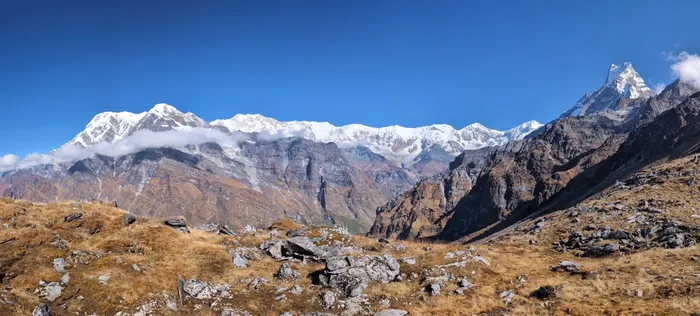
For seniors who want the full spiritual experience of Nepal without physical strain, a ten-day itinerary can include Kathmandu, Lumbini, and Pokhara. Days 1 through 3 cover the Kathmandu Valley as above. Days 4 and 5 cover Lumbini. Day 6 involves a flight or comfortable tourist bus to Pokhara, where the lakeside setting and views of the Annapurna range provide a stunning backdrop for rest and reflection. Days 7 and 8 in Pokhara include visits to the World Peace Pagoda (accessible by vehicle), the Bindhyabasini Temple, and the International Mountain Museum, with afternoons free for lakeside walks or boat rides on Phewa Lake. Day 9 is a flight back to Kathmandu, and Day 10 is departure.
Health Considerations for Senior Travelers in Nepal
Altitude
The Kathmandu Valley sits at approximately 1,400 meters (4,600 feet), an altitude at which most people experience no symptoms. Lumbini and Pokhara are lower, at around 150 meters and 800 meters respectively. For seniors with respiratory or cardiac conditions, even these moderate altitudes warrant a conversation with your doctor before travel. The key precaution is to take it easy on the first day, stay hydrated, and avoid alcohol. The itineraries above are designed with this in mind, building in rest on arrival day.
High-altitude sites like Muktinath (3,710 meters) are not recommended for seniors with cardiovascular or respiratory conditions, but the Muktinath helicopter pilgrimage involves only one to two hours at altitude, which is generally safe for healthy seniors. Consult your doctor and discuss your plans with the Enticing Himalayas team before booking any high-altitude component.
Mobility and Accessibility
Nepal's infrastructure is not as accessibility-friendly as Western countries, but the situation has improved significantly in recent years. The international airport in Kathmandu has wheelchair assistance on request. Major hotels have elevators and accessible rooms, though it is essential to confirm this at the time of booking. The sacred sites described above are generally accessible, but temple steps, uneven paving, and the absence of handrails in some areas are realities to be prepared for.
For seniors who use a wheelchair or walking aid, we recommend booking a private vehicle and guide for the entire trip. The guide can plan routes that avoid steps, assist with navigation, and ensure that rest stops are built into the day. Enticing Himalayas can arrange wheelchair-accessible vehicles and accommodation with advance notice. The key is to communicate your needs clearly at the booking stage so that every detail can be arranged in advance.
Food and Water Safety
Food and water safety is important for all travelers in Nepal, but seniors may be more vulnerable to gastrointestinal illness and its complications. Stick to bottled or filtered water, and avoid ice in drinks unless you are confident it is made from treated water. Eat at reputable restaurants and your hotel's dining room rather than street stalls. Dal bhat, the national dish of lentil soup and rice, is cooked fresh and generally safe. Avoid raw vegetables and salads unless you are certain of the kitchen's hygiene standards. Carry oral rehydration salts and a basic medical kit, and know the location of the nearest reliable clinic. Kathmandu has several international-standard clinics, including the CIWEC Clinic in Lazimpat, which specializes in travel medicine.
Medications and Insurance
Bring all prescription medications in their original packaging, along with a letter from your doctor describing your conditions and the medications you take. This is important for customs and for any medical care you may need in Nepal. Carry medications in your hand luggage, not in checked baggage. Pharmacies in Kathmandu are well-stocked, but specific brands may not be available, so bring enough for your entire trip plus a few extra days in case of delays.
Comprehensive travel insurance is essential. Your policy must cover medical treatment in Nepal, including hospitalization and medical evacuation. For seniors, premiums are higher, but the cost of medical care without insurance can be catastrophic. Ensure your policy covers pre-existing conditions if applicable, and carry the insurance emergency contact number with you at all times.
Best Seasons for a Senior Spiritual Tour
The best seasons for a senior spiritual tour in Nepal are spring (March to May) and autumn (September to November). These periods offer moderate temperatures, clear skies, and stable weather. Daytime temperatures in Kathmandu range from 20 to 28 degrees Celsius (68 to 82 degrees Fahrenheit), comfortable for walking and sightseeing. Evenings are cooler, and a light jacket or shawl is recommended.
Spring brings blooming rhododendrons and jacarandas to the valley, and the air is fresh and clear. Autumn offers the crispest mountain views after the monsoon rains have washed the dust from the atmosphere. Both seasons are busy with tourists, but the senior-friendly sites described in this guide are spacious enough to absorb the crowds without feeling overwhelmed.
Winter (December to February) is also viable for a spiritual tour focused on the Kathmandu Valley and Lumbini. Daytime temperatures are pleasant, though nights can be cold, and hotels with heating are worth the extra cost. The high-altitude sites are inaccessible, but the valley sites remain open and are significantly less crowded. The monsoon (June to August) is the least favorable season, with heavy rain, slippery paths, and an increased risk of gastrointestinal illness. We do not recommend monsoon travel for seniors unless there is a specific reason, such as attending the Janai Purnima festival at Gosaikunda, which is not a senior-friendly event due to the altitude and the trek required.
Festival timing can add a powerful dimension to a senior spiritual tour. The great festivals of Dashain, Tihar, and Indra Jatra transform the Kathmandu Valley into a living celebration of faith and culture. Seniors can experience these festivals from comfortable vantage points: watching the Indra Jatra chariot procession from a hotel balcony, observing Tihar's lamp-lighting from a rooftop, or visiting the Durbar Square during Dashain when the atmosphere is festive but not overwhelmingly crowded. Check the lunar calendar for exact dates, as they shift each year.
Recommended Packages for Seniors
Enticing Himalayas offers several packages that are particularly well-suited to senior travelers. These packages prioritize comfort, minimize physical strain, and allow for a pace that respects the needs of older travelers.
Kathmandu Spiritual Circuit (2 Days)
The Kathmandu Spiritual Circuit is the ideal introduction for seniors. Over two gentle days, a private vehicle and guide take you to Pashupatinath, Boudhanath, and Swayambhunath, with the vehicle accessing the top entrance at Swayambhunath to avoid the steps. The pace is unhurried, with plenty of time for rest, photography, and quiet reflection at each site. This package can be extended to three days by adding Kathmandu Durbar Square and the Kumari Bahal.
Lumbini Buddhist Pilgrimage (3 Days)
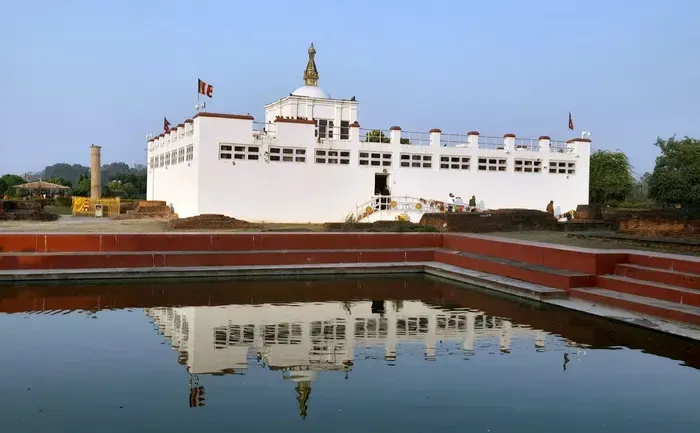 The Lumbini Buddhist Pilgrimage is perhaps the most senior-friendly package in our catalog. The entire site is flat and accessible, the flights are short, and the atmosphere is one of profound peace. Seniors particularly appreciate the electric rickshaw tours of the international monasteries, which allow you to cover ground without walking, and the quiet gardens of the Sacred Garden, where benches and shaded areas invite long periods of contemplation.
Sacred Valleys and Living Goddesses
The Sacred Valleys and Living Goddesses package is a deep cultural immersion that requires minimal physical exertion. The focus is on the living traditions of the Kathmandu Valley: the Kumari, the hidden shrines, the tantric temples, and the Newari spiritual culture. The guide is a scholar of Nepali religion, and the commentary is rich and engaging. This package appeals to seniors who value intellectual and cultural depth over physical activity.
Nepal Cultural Pilgrimage Himalayan Experience
The Nepal Cultural Pilgrimage Himalayan Experience is the comprehensive choice for seniors who want to see the full spectrum of Nepal's spiritual geography. The package can be customized to remove any physically demanding components and to build in additional rest days. With private vehicles, comfortable accommodation, and an experienced guide, this package delivers a rich spiritual journey without physical strain.
Muktinath Helicopter Pilgrimage (1 Day)
For healthy seniors who want to experience one of the Himalayas' most sacred sites, the Muktinath helicopter pilgrimage is a viable option. The helicopter flight eliminates the multi-week trek that would otherwise be required, and the time at altitude is limited to one to two hours. Seniors with cardiovascular or respiratory conditions should consult their doctor before booking. For those who are cleared to go, the experience of landing at Muktinath and walking beneath the 108 waterspouts is unforgettable. Read our guide to Muktinath and the Mustang spiritual circuit for more context.
Accommodation Tips for Senior Travelers
Choosing the right accommodation makes a significant difference to the comfort of a senior spiritual tour. In Kathmandu, we recommend hotels in the Lazimpat, Durbar Marg, or Boudha areas rather than Thamel. Thamel is the tourist hub and can be noisy, crowded, and difficult to navigate due to narrow streets and uneven paving. Lazimpat and Durbar Marg are quieter, with wider streets, better sidewalks, and a higher standard of accommodation. Boudha offers the unique experience of staying within sight of the stupa, with many guesthouses and hotels offering rooftop views.
Key features to look for in a hotel include an elevator (not all heritage buildings have them), an accessible bathroom with grab bars if needed, heating and air conditioning, an on-site restaurant, and 24-hour front desk service. Many of Kathmandu's heritage hotels are converted Newari mansions with beautiful courtyards and traditional architecture, but they may have steep stairs and no elevator. If mobility is a concern, a modern hotel is a safer choice.
In Lumbini, hotels within the Lumbini Development Zone offer proximity to the Sacred Garden and a quiet, contemplative atmosphere. The Lumbini Garden Lodge, the Buddha Maya Garden Hotel, and several monastery guesthouses provide comfortable, accessible accommodation. In Pokhara, the Lakeside area has dozens of hotels with lake and mountain views, most of which are modern and accessible.
Transport and Getting Around
For senior travelers, a private vehicle with a driver is the only practical way to get around Nepal. Public buses are crowded, uncomfortable, and unsafe. Taxis are available but vary in quality, and negotiating fares can be stressful. A private vehicle eliminates these concerns: the driver knows the routes, the vehicle is clean and well-maintained, and you can stop whenever you need a break.
All Enticing Himalayas packages include private vehicle transport as standard. For seniors, we recommend specifying a vehicle with good suspension, air conditioning, and easy entry and exit. SUVs and minivans are generally more comfortable than sedans for Nepal's roads. For domestic flights, Buddha Air and Yeti Airlines offer reliable service between Kathmandu, Bhairahawa (for Lumbini), and Pokhara. Flights are short, typically 25 to 35 minutes, and the aircraft are modern turboprops with good safety records.
Within the sacred sites, walking is generally minimal and on flat, paved surfaces. At Boudhanath, the kora path is a loop of about 500 meters, easily walked in 15 to 20 minutes at a gentle pace. At Lumbini, electric rickshaws and bicycles are available for rent, and private vehicles can access most areas. At Swayambhunath, the vehicle drop-off at the top entrance eliminates the need for the 365 steps. A guide can plan routes that minimize walking and maximize comfort at every site.
What to Pack for a Senior Spiritual Tour
Packing for a senior spiritual tour in Nepal is about comfort, preparedness, and cultural sensitivity. Comfortable walking shoes with good grip are essential, even for the gentle walking described in this guide. Temple courtyards and monastery paths can be uneven, and a sturdy shoe prevents slips and provides support. A lightweight, collapsible walking stick is useful for uneven terrain and can be purchased inexpensively in Kathmandu if you prefer not to pack one.
Layered clothing is the key to comfort in Nepal's variable climate. Mornings and evenings can be cool, even in spring and autumn, while midday sun can be warm. A lightweight fleece or cardigan, a sun hat, and a scarf or shawl that can cover your shoulders when entering temples are the essentials. The shawl also serves as a light blanket on flights and in air-conditioned vehicles. Sunscreen and insect repellent are important, as is a reusable water bottle.
A small daypack or cross-body bag keeps your essentials, water, medications, camera, and a light jacket, within easy reach while leaving your hands free. A photocopy of your passport and insurance documents should be carried separately from the originals. A basic medical kit with plasters, painkillers, antihistamines, oral rehydration salts, and any personal medications is essential. Finally, a journal and a good book: a spiritual tour in Nepal generates reflections worth capturing, and there will be quiet afternoons perfect for reading in a courtyard or on a rooftop.
Cultural Etiquette for Senior Visitors
Nepali culture is deeply respectful of age, and senior travelers often find that they are treated with particular warmth and deference. This respect is reciprocated by observing local customs. Dress modestly at all sacred sites, covering shoulders and knees. Remove your shoes before entering temples and monasteries, and never point the soles of your feet at a sacred object or a person. Walk clockwise around stupas and shrines. A small donation at temples and monasteries is appreciated but not obligatory.
Photography etiquette is important. At most sites, photography is permitted, but always ask before photographing monks, nuns, or sadhus. At Pashupatinath, photography of the cremation ghats is allowed from a respectful distance, but photographing the main temple interior is prohibited. At the Maya Devi Temple in Lumbini, photography of the marker stone is not allowed. Your guide will advise on what is appropriate at each site.
Interacting with monks and sadhus is one of the joys of a spiritual tour, and seniors often find these encounters particularly meaningful. Approach with respect and curiosity, and you will often be rewarded with genuine connection. If you wish to photograph a monk or sadhu, ask permission first and offer a small donation if they request one. These interactions are a highlight of many senior travelers' journeys, and they require no physical exertion, just an open heart.
Wellness and Gentle Yoga for Seniors
For seniors who want to incorporate wellness into their spiritual tour, Nepal offers gentle options that do not require the physical intensity of a full yoga retreat. Many hotels in Kathmandu and Pokhara offer private yoga sessions tailored to older practitioners, focusing on chair yoga, gentle stretching, and breathwork rather than vigorous asana practice. These sessions can be arranged through Enticing Himalayas and scheduled at times that suit your energy levels.
Meditation is universally accessible and deeply rewarding in Nepal's spiritual settings. A guided meditation session at Boudhanath, in a monastery overlooking the stupa, or in the quiet gardens of Lumbini requires no physical exertion and can be a highlight of the trip. Sound healing sessions, which involve lying down and receiving the vibrations of singing bowls and gongs, are also widely available and particularly popular with senior travelers.
For seniors who are fit and active, our 3-day yoga and sound healing retreat in Kathmandu can be adapted to a gentler pace, and our 6-day yoga stress management retreat emphasizes restorative practice over physical challenge. For a comprehensive overview of wellness options, see our guide to spiritual wellness travel in Nepal.


Companion Travel: Bringing Family or a Carer
Many seniors travel to Nepal with a spouse, an adult child, or a companion. This is an excellent arrangement that provides both practical support and shared experience. Enticing Himalayas can accommodate companions in all packages, with adjoining rooms, private vehicles sized for the group, and itineraries that balance shared activities with independent time.
For seniors who require a higher level of support, we can arrange for a dedicated assistant to accompany the trip. This person is not a medical professional but can help with mobility, luggage, and daily logistics, allowing the senior traveler to focus entirely on the spiritual experience. This service must be arranged in advance and is subject to availability.
For more on spiritual travel for different audiences, see our spiritual tour in Nepal 2026 guide and our guide to treks with a spiritual side.