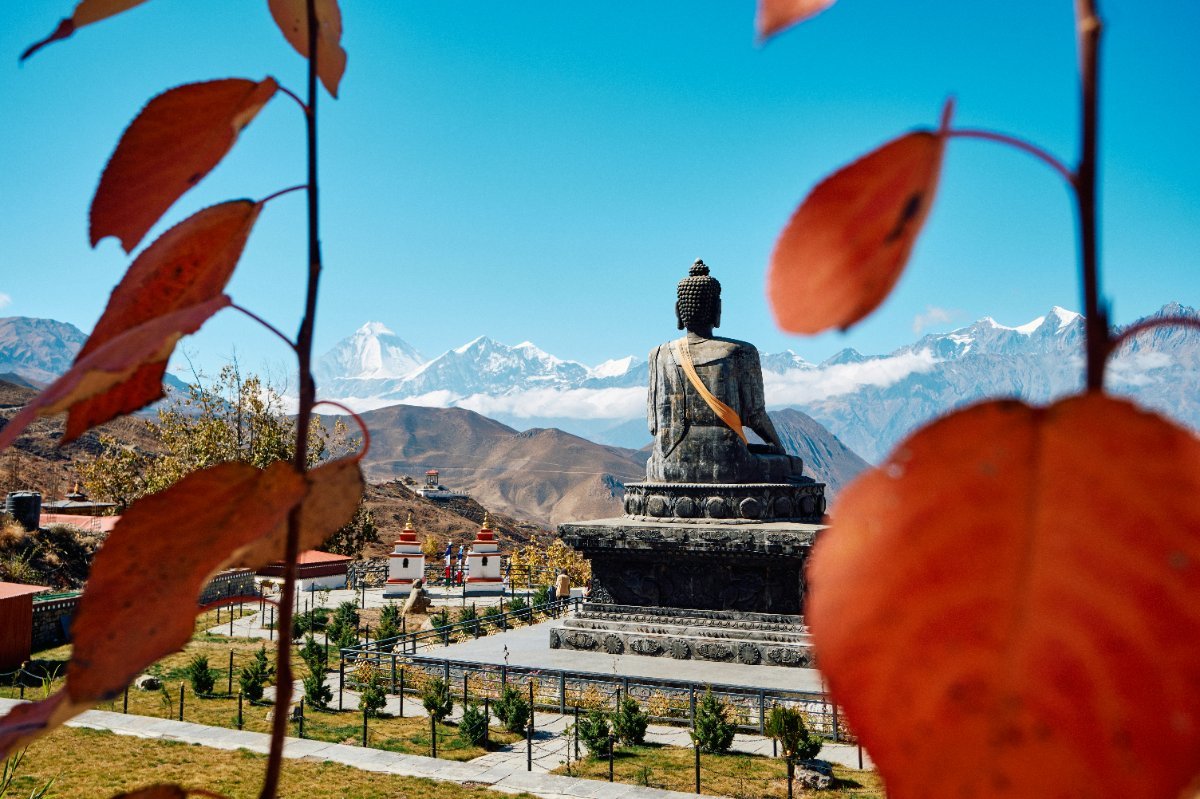
Nepal is not merely a destination where meditation is taught. It is the land where meditation was born as an organized spiritual practice, where Siddhartha Gautama sat beneath a tree in Lumbini and became the Buddha, and where generations of monks, yogis, and seekers have carried forward a living tradition that spans more than two and a half millennia. Today, travelers from every corner of the globe come to meditation in Nepal programs to sit in the same valleys and caves where sages once sat, breathing the same mountain air that has witnessed countless journeys of inner transformation.
This guide traces the complete history of meditation in Nepal, from its pre-Buddhist shamanic roots through the life of the Buddha, the flourishing of Vajrayana Buddhism in the Kathmandu Valley, the arrival of Tibetan refugees, and the modern wellness retreat movement that has made Nepal one of the world's premier meditation destinations. Whether you are planning your first retreat or deepening an established practice, understanding this history enriches every breath you take in the Himalayas.
Pre-Buddhist Roots: Shamanism and the Himalayan Oral Tradition
Long before the Buddha was born in Lumbini around 563 BCE, the peoples of the Himalayan foothills practiced forms of trance, ritual, and inner exploration that laid the groundwork for what would later become formalized meditation. The Bon tradition of pre-Buddhist Tibet, which had deep cultural ties to the Himalayan regions of Nepal, involved shamanic journeys, breath control exercises, and visualizations that bear a striking resemblance to later tantric practices. The Kirat people of eastern Nepal maintained their own animistic traditions that included silent communion with nature, a form of awareness practice that persists in some communities to this day.
The shamanic traditions of Nepal, which you can still encounter through a shamanic healing tour in the Himalayas
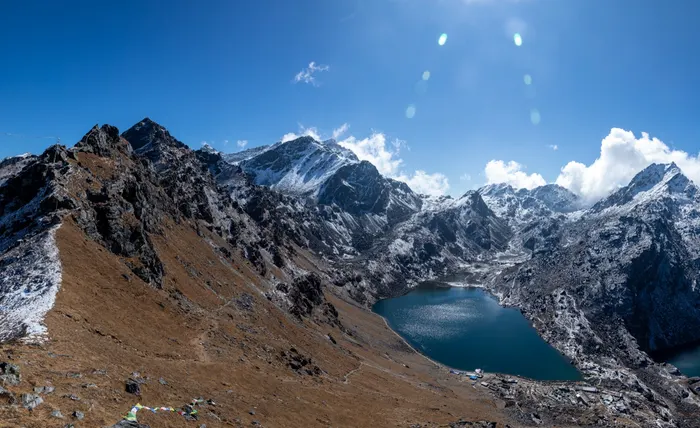
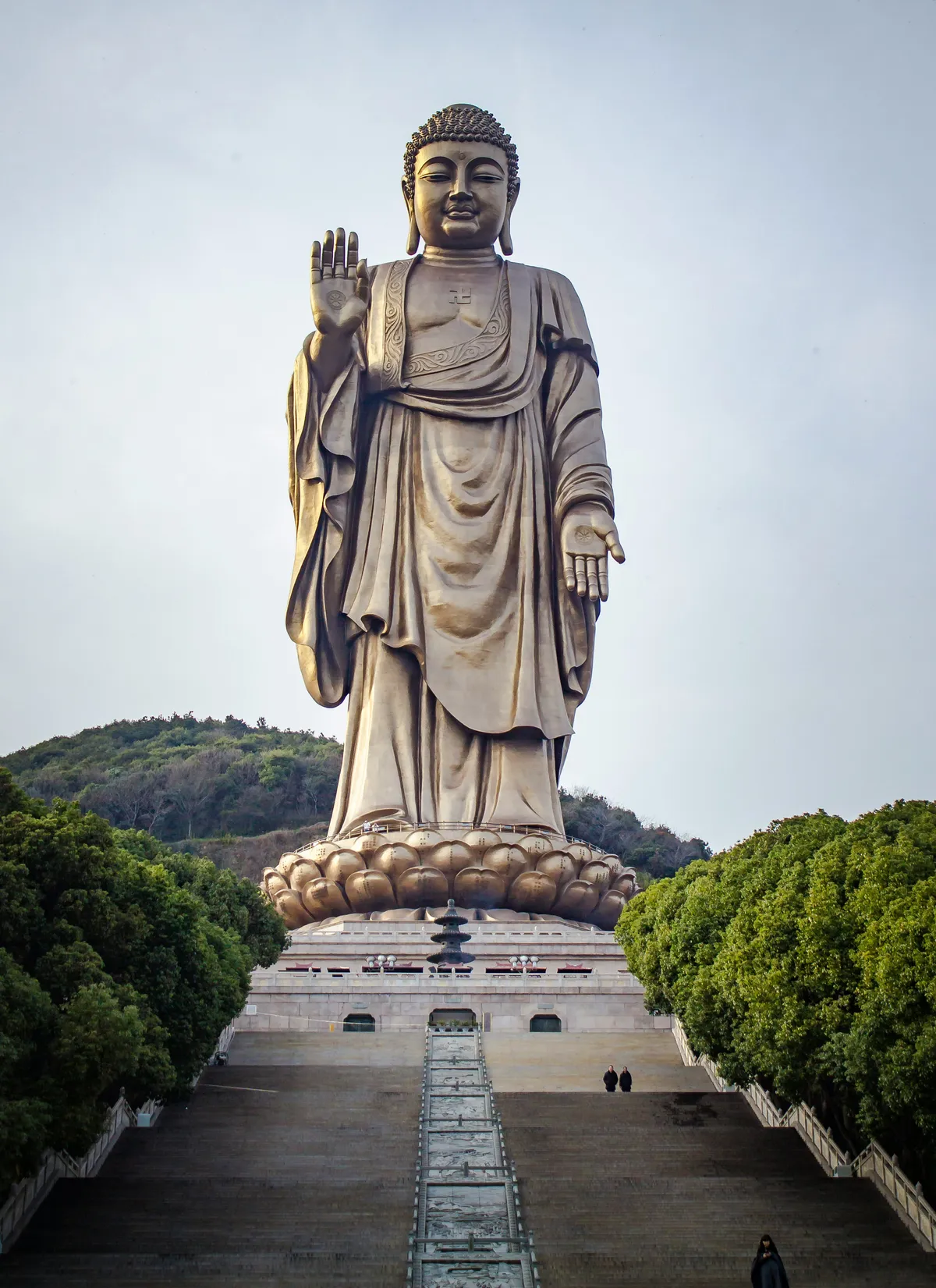
The Licchavi period marks the first great flowering of Buddhism in the Kathmandu Valley. The Licchavi kings, who traced their lineage to the same Vedic aristocracy as the Buddha, patronized both Hindu and Buddhist institutions. Monasteries (vihara) were established across the valley, and monks from India and Central Asia traveled to Nepal to study and practice. The Swayambhu stupa, one of the most sacred Buddhist sites in the world, was already an important pilgrimage destination by this period, and the Boudhanath stupa would follow in subsequent centuries.
During this era, meditation in Nepal was primarily a monastic practice. Monks followed the Vinaya code of discipline and practiced samatha (calm abiding) and vipassana (insight) as the core of their daily routine. The valley's natural environment, with its cool climate, clean water, and dramatic mountain vistas, was considered ideal for meditation. Caves in the hills around Swayambhu and the slopes of the Valley rim were used as retreat cells, a tradition that continues today.
The Licchavi period also saw the beginning of Nepal's unique tradition of combining Hindu and Buddhist practices. Many Licchavi rulers patronized both traditions simultaneously, and the spiritual culture of the valley developed a character in which a single family might have Hindu priests for lifecycle rituals and Buddhist lamas for meditation instruction. This syncretism, which persists to this day, is one of the most distinctive features of Nepal's meditation heritage. To explore this blended heritage, you can join a Kathmandu spiritual circuit that visits both Hindu and Buddhist sacred sites.
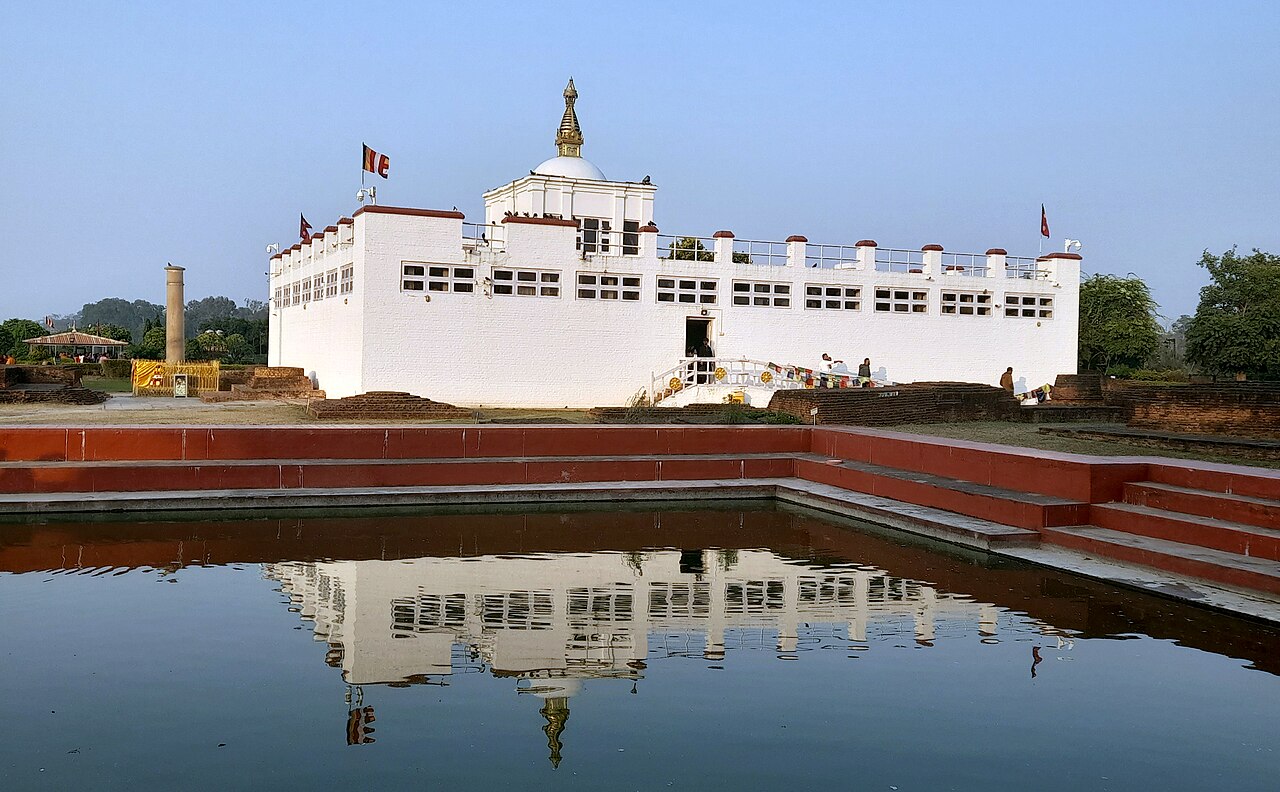
The Malla Era and the Flowering of Vajrayana (1200-1768 CE)
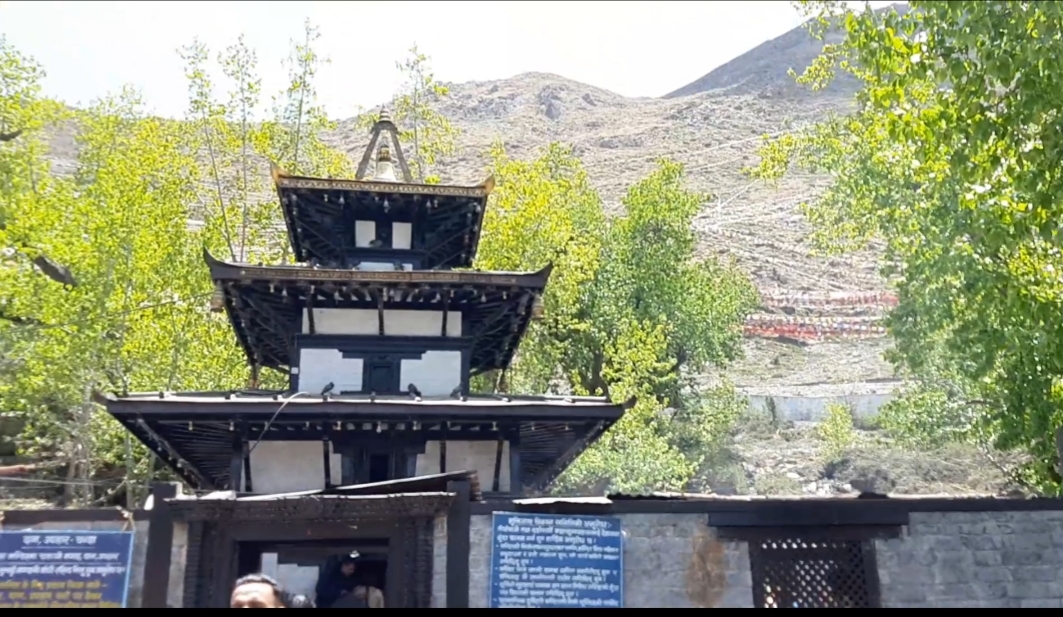
The Malla period saw the most extraordinary development of meditation traditions in Nepal's history. After the Muslim invasions of India in the 12th and 13th centuries destroyed the great Buddhist universities of Nalanda and Vikramashila, Buddhist scholars and meditation masters fled to the Kathmandu Valley, bringing with them the full corpus of Vajrayana (tantric) Buddhist teachings. Nepal became a refuge and a laboratory for some of the most sophisticated meditation techniques ever developed.
Vajrayana meditation in Nepal during the Malla era was characterized by several key practices. Deity yoga involved visualizing oneself as a specific buddha or bodhisattva, complete with mantras, mudras (hand gestures), and mandalas (sacred geometric diagrams). Tummo, or inner fire meditation, used breath retention and visualization to generate physical heat, a practice that remains central to the Himalayan yogic tradition. Dzogchen and Mahamudra, the highest meditation teachings of the Nyingma and Kagyu schools respectively, pointed directly to the nature of mind itself, beyond all conceptual frameworks.
The Newar Buddhists of the Kathmandu Valley developed their own unique form of Vajrayana, maintained by hereditary priestly castes (the Vajracharya and Shakya) who passed meditation instructions from father to son. This living tradition, which you can learn about through the ancient traditions of the Newars, is the only remaining unbroken lineage of Indian Vajrayana Buddhism in the world. Newar meditation masters still conduct initiations and retreats in the courtyards of Patan, Bhaktapur, and Kathmandu, preserving practices that would otherwise have been lost.
Padmasambhava and the Himalayan Caves
No history of meditation in Nepal would be complete without Padmasambhava, the legendary tantric master who brought Vajrayana Buddhism to Tibet in the 8th century. Before his journey to Tibet, Padmasambhava spent years meditating in the caves of the Kathmandu Valley and the surrounding Himalayan regions. The cave of Yanglesho (near Pharping, south of Kathmandu) is where he is said to have attained the level of a vidyadhara (knowledge-holder), and it remains a pilgrimage site for Tibetan Buddhists to this day.
Pharping has become one of Nepal's most important meditation sites, with monasteries and retreat centers belonging to multiple Tibetan Buddhist lineages clustered around the ancient caves. The Asura Cave, where Padmasambhava is said to have manifested mandalas, is now part of a thriving meditation community. Monks and lay practitioners from around the world come to Pharping for solo retreats, group practice, and instruction in Dzogchen, the Great Perfection teachings that represent the pinnacle of the Nyingma tradition.
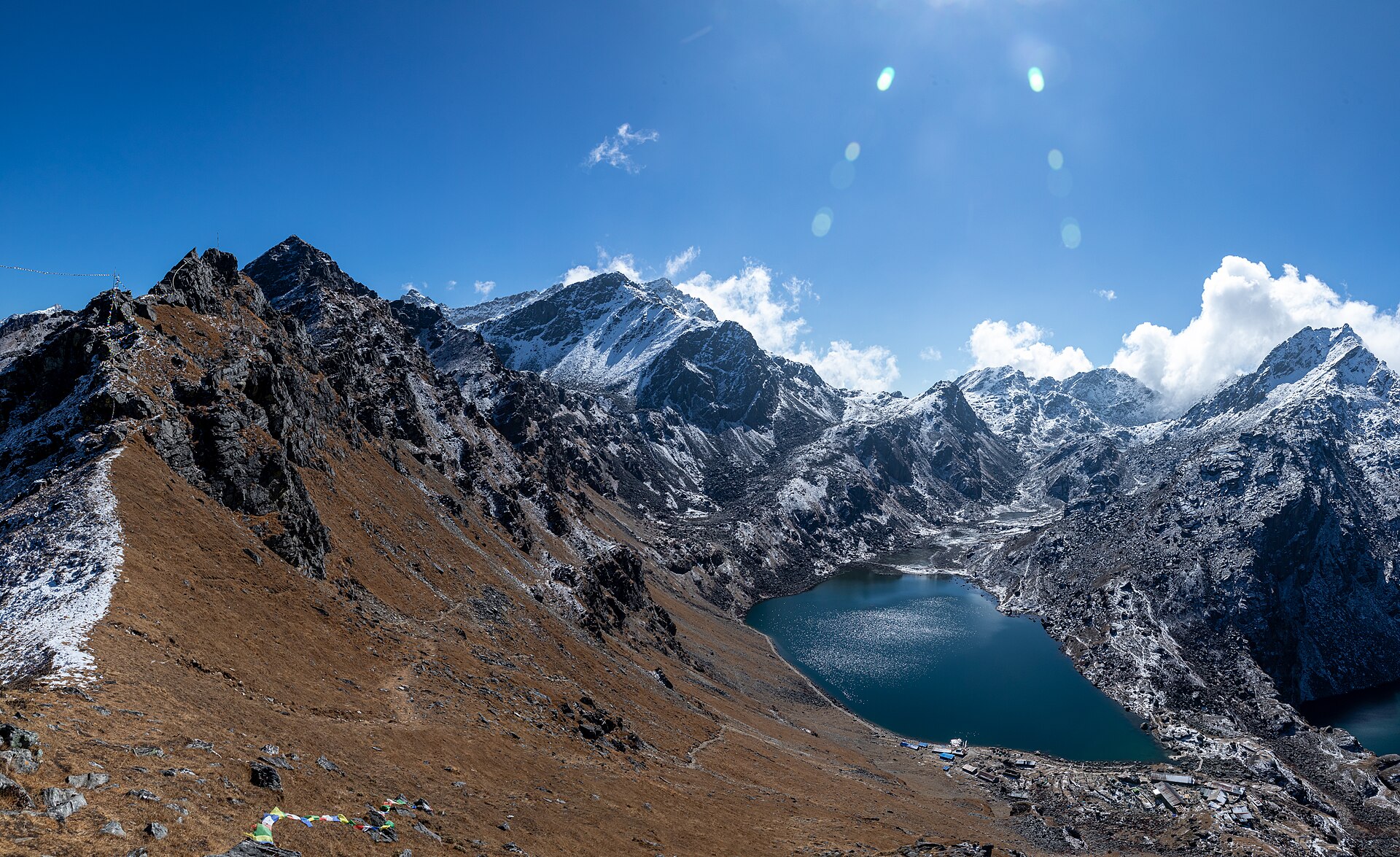
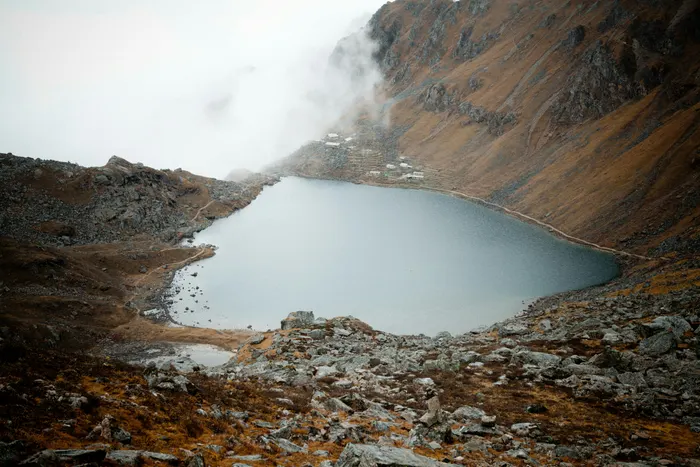
The tradition of cave meditation in Nepal extends far beyond Pharping. The Himalayan foothills are honeycombed with caves that have been used for meditation for over a thousand years. Some, like the Maratika Cave in the eastern hills, are associated with the attainment of longevity practices. Others, in the Langtang and Helambu regions, were used by Tibetan yogis who crossed the high passes to practice in solitude. The hidden hermitages of Nepal represent a living tradition of wilderness meditation that connects directly to the earliest days of Buddhist practice.
The Tibetan Diaspora and Nepal's Modern Meditation Boom (1959-Present)
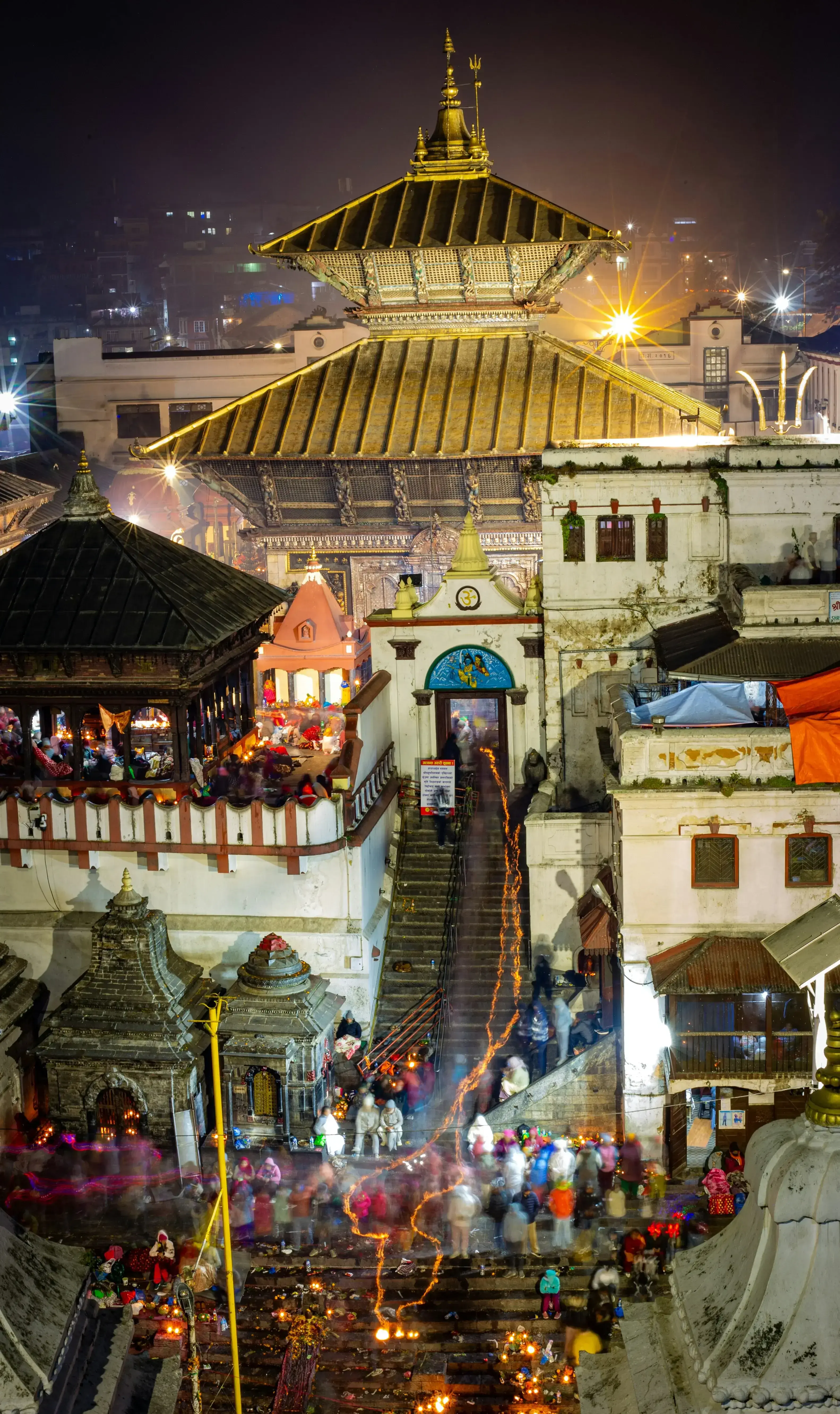
The year 1959 marked a turning point in the history of meditation in Nepal. Following the Tibetan uprising against Chinese rule, tens of thousands of Tibetan refugees crossed the Himalayan passes into Nepal, bringing with them the full spectrum of Tibetan Buddhist meditation traditions. The Tibetan refugee settlements that were established in the Kathmandu Valley, Pokhara, and other regions became centers for the preservation and transmission of meditation practices that had been suppressed in Tibet itself.
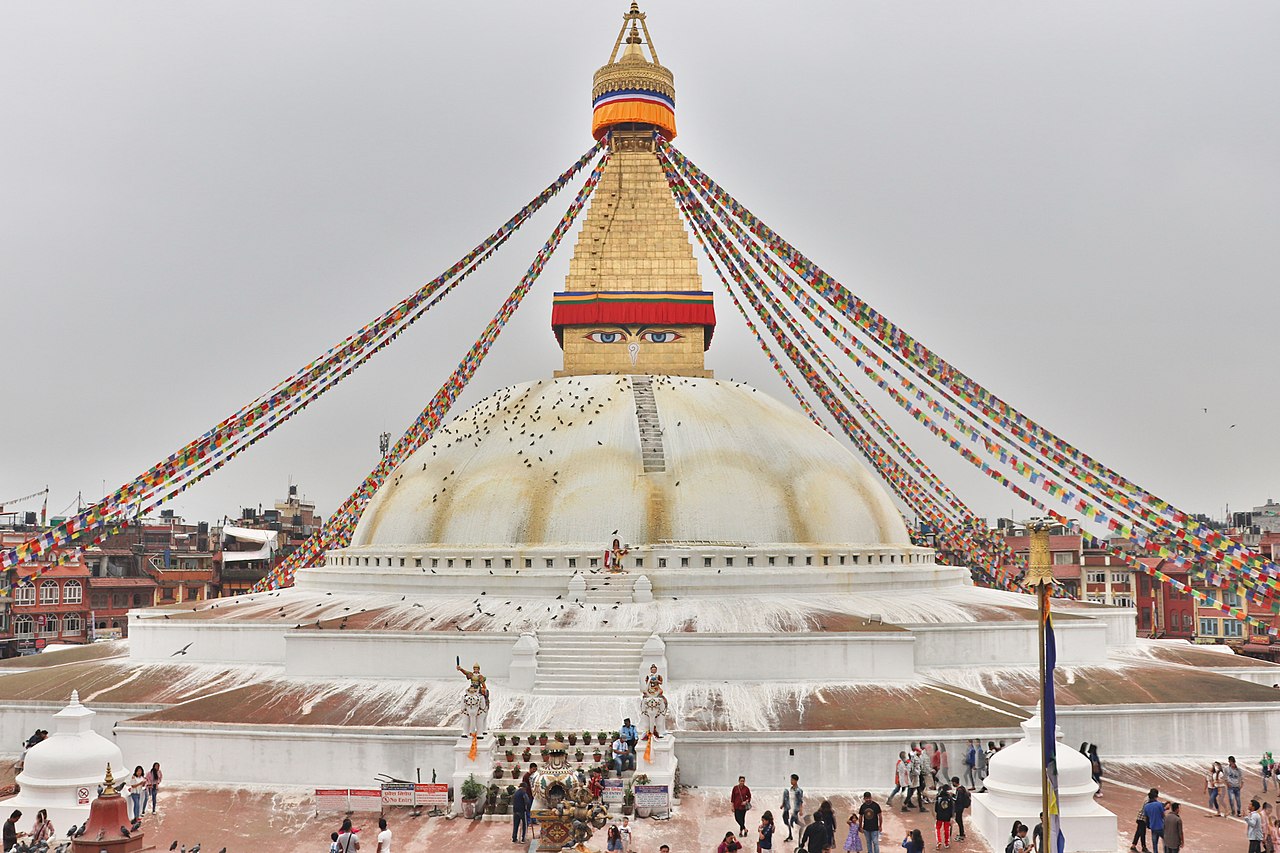
Boudhanath, the great stupa on the eastern edge of Kathmandu, became the heart of the Tibetan exile community. Monasteries sprang up around the stupa, and the area became a hub for meditation teaching in all four major Tibetan Buddhist schools: Nyingma, Kagyu, Sakya, and Gelug. Teachers who had previously been accessible only to monks in remote Himalayan monasteries began teaching Western students, and a new era of cross-cultural meditation transmission began.
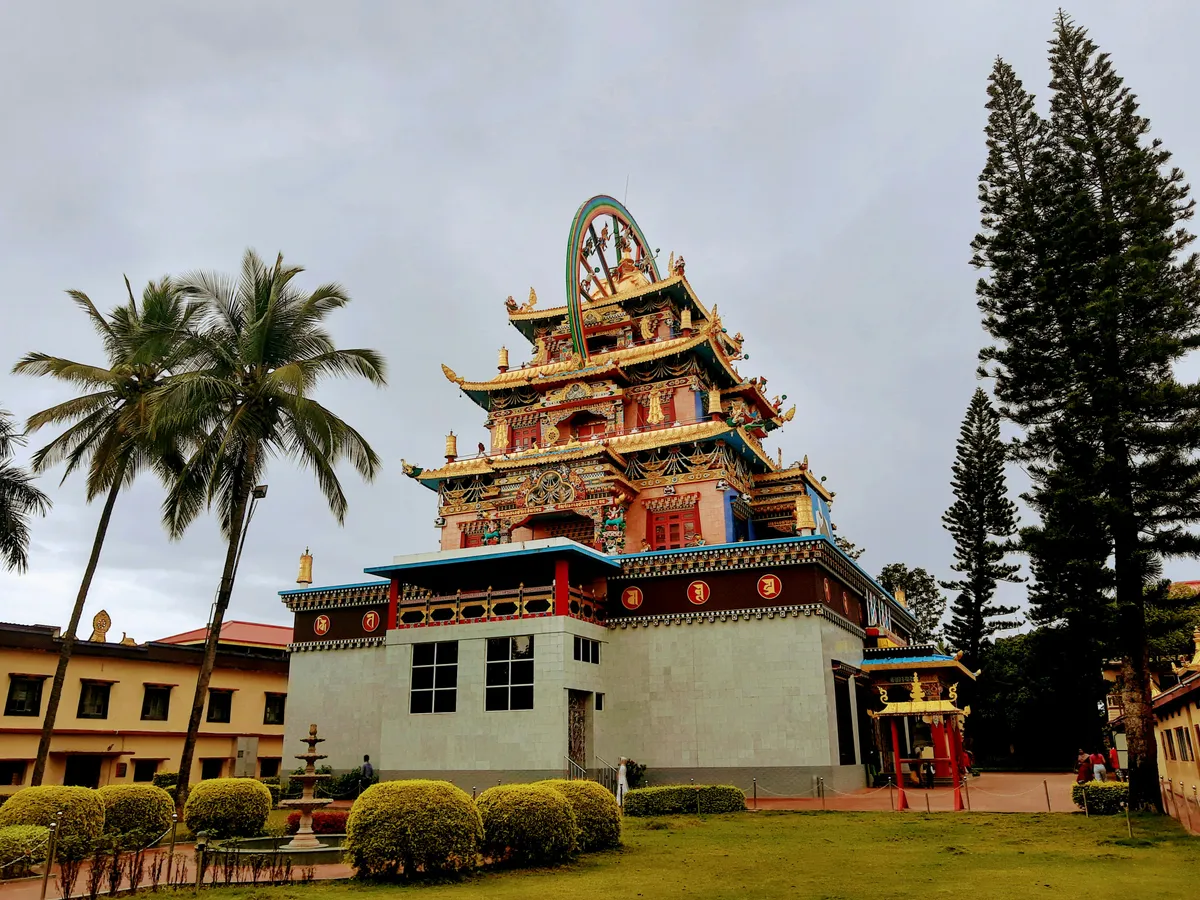
Kopan Monastery, established just north of Boudhanath by Lama Thubten Yeshe and Lama Zopa Rinpoche, became particularly influential. Since the 1970s, Kopan has offered month-long meditation courses that introduce students to the Lamrim (graduated path) teachings of Tibetan Buddhism. These courses, which combine philosophical study with guided meditation, have introduced thousands of Western students to the depth of the Tibetan meditation tradition. You can experience this tradition firsthand through Buddhist meditation monastery stays that welcome international visitors.

Vipassana Returns to Nepal
While Vipassana meditation originated with the Buddha in this very region, it had largely disappeared from Nepal as an organized practice during the centuries of Vajrayana dominance. The modern Vipassana movement, based on the technique taught by S.N. Goenka in the tradition of Sayagyi U Ba Khin, re-established itself in Nepal in the 1980s with the founding of the Dhamma Shringa Vipassana Center in Budhanilkantha, on the northern edge of the Kathmandu Valley.
The center offers 10-day silent residential courses that follow the exact format developed by Goenka: 10 days of silence, 11 hours of meditation per day, observation of breath (anapana) for the first three days, then systematic body-scanning (Vipassana) for the remainder. The technique is taught via audio and video recordings of Goenka's evening discourses, and the courses are offered free of charge, funded entirely by donations from past students. The center has grown to accommodate hundreds of students per course and has spawned additional centers in Lumbini, Pokhara, and other locations.
The return of Vipassana to Nepal completes a remarkable historical circle. The technique that the Buddha discovered in Nepal and taught throughout the Gangetic plain traveled to Myanmar (Burma) and Sri Lanka, where it was preserved in monastic lineages for 2,500 years, and has now returned to its birthplace through the global Vipassana movement. For a detailed guide to participating, see our complete guide to Vipassana meditation in Nepal.
The Modern Wellness Retreat Era (2000-Present)
The 21st century has seen meditation in Nepal evolve beyond its traditional Buddhist and Hindu contexts into a broader wellness and wellbeing movement. Yoga centers, wellness resorts, and retreat facilities have proliferated across the Kathmandu Valley, Pokhara, and the surrounding hills. These centers offer meditation programs that draw from multiple traditions, combining Buddhist mindfulness, Hindu yoga philosophy, sound healing, and modern psychology into accessible packages for international visitors.
Pokhara, with its lakeside setting and mountain views, has become a particular favorite for wellness-oriented meditation retreats. The city's relaxed atmosphere, clean air, and proximity to trekking routes make it ideal for combining meditation with outdoor activity. Centers like those described in our guide to yoga and spiritual healing in Pokhara offer programs ranging from weekend introductions to month-long immersions.

Sound healing, using Tibetan singing bowls, gongs, and mantras, has emerged as one of the most popular meditation modalities in modern Nepal. The practice draws on both the tantric Buddhist tradition of sound as a path to transformation and the shamanic heritage of using vibration for healing. The sound healing meditation tradition represents a uniquely Nepali synthesis of ancient and contemporary approaches to inner transformation.
Secular mindfulness, the stripped-down form of meditation that has become mainstream in the West, has also found a home in Nepal. Programs that teach mindfulness for stress reduction, focus enhancement, and emotional regulation draw on the same techniques the Buddha taught 2,500 years ago but present them in a non-religious framework. Our guide to mindfulness meditation in Nepal covers the best centers and programs for this approach.

Meditation Lineages Alive in Nepal Today
What makes Nepal unique among meditation destinations is the sheer density of living lineages that coexist within a small geographic area. A traveler can spend one week studying Theravada Vipassana at Dhamma Shringa, the next receiving Dzogchen instruction from a Nyingma lama in Pharping, and the third practicing deity yoga with a Newar Vajracharya priest in Patan. Nowhere else in the world offers this range of authentic meditation instruction within such easy reach.
The Theravada tradition in Nepal, while smaller than in Sri Lanka or Myanmar, has a dedicated community of Nepali monks and nuns who maintain meditation centers and offer retreats in Nepali and English. The Tibetan traditions are represented by all four major schools, with accessible teaching centers around Boudhanath, Swayambhu, and Pharping. The Newar Vajrayana tradition, unique to Nepal, offers a window into a form of Buddhist practice that has no parallel anywhere else in the world. The Hindu tantric traditions, maintained by Shaiva and Shakta practitioners, add yet another dimension.
For those just beginning their meditation journey, Nepal offers an unparalleled starting point. The beginner's guide to meditation in Nepal provides a comprehensive overview of the options available, while our guide for first-time retreatants covers practical considerations like what to pack, how to prepare mentally, and what to expect during your first silent retreat.

The Living Cave Tradition: Where History Meets Practice
One of the most remarkable aspects of meditation in Nepal is that the cave hermitage tradition is not a historical relic but a living practice. Yogis and practitioners continue to retreat to caves in the Himalayan foothills for months or years at a time, following the same pattern established by Padmasambhava, Milarepa, and countless other meditation masters. The caves around Pharping, the Asura Cave, the Guru Rinpoche Cave in Maratika, and numerous sites in the Helambu and Langtang regions are still used by serious practitioners today.
This continuity between past and present is what makes meditating in Nepal fundamentally different from meditating in a studio in New York or London. When you sit in a cave in Pharping, you are sitting where Padmasambhava sat. When you walk the circumambulation path at Swayambhu, you are walking where generations of Newar Buddhists have walked for over a thousand years. The land itself holds the energy of millennia of practice, and that accumulated presence is something you can feel in your own meditation.
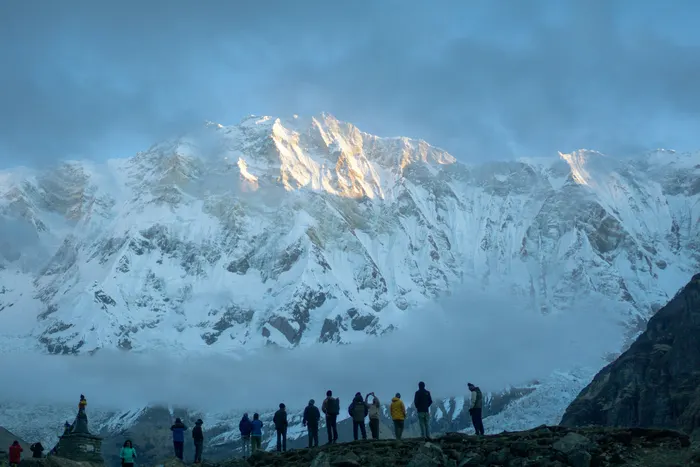
Combining meditation with trekking is a uniquely Nepali way to experience this continuity. The slow trekking and mindfulness approach treats the trail itself as a meditation path, walking in silence, observing the breath, and using the physical effort of the hike as an anchor for awareness. This practice draws on the Tibetan tradition of pilgrimage as meditation, where the journey to a sacred site is itself a form of practice.
Why Nepal Still Matters for Global Meditation
In an era when meditation apps deliver guided sessions to smartphones and corporate wellness programs offer mindfulness training in conference rooms, Nepal remains the source. The country's significance for global meditation is not merely historical. It is a living, evolving tradition that continues to produce teachers, transmit lineages, and offer an environment for practice that cannot be replicated anywhere else.
Three factors make Nepal irreplaceable. First, the density of living meditation lineages means that authentic instruction is available across traditions in a way that exists nowhere else. Second, the physical environment, from the caves of Pharping to the lakes of Pokhara to the birthplace gardens of Lumbini, provides settings that carry the accumulated energy of millennia of practice. Third, the culture itself supports meditation. In Nepal, a person who chooses to sit in silence for ten days is not regarded as eccentric but as someone engaged in a worthy and culturally respected activity.
The meditation in Nepal experience is thus not just a wellness activity. It is a participation in a 2,500-year unbroken tradition of inner exploration, a tradition that began with a prince sitting beneath a tree in Lumbini and continues today in the monasteries, caves, and retreat centers of the Himalayas. Every person who comes to Nepal to meditate becomes part of this history, adding their own breath to a stream of practice that flows from the Buddha through the generations to this very moment.
To understand how meditation fits within the broader landscape of Nepal's spiritual offerings, explore our complete guide to cultural and spiritual tours in Nepal and our guide to trekking in Nepal, which together cover the full spectrum of transformative travel in the Himalayas. For those interested in the wellness dimension, our complete guide to wellness tourism in Nepal provides a comprehensive overview of the healing modalities available.