Nepal has long been known as the roof of the world, a land of towering peaks and ancient temples. But in recent years, a quieter revolution has been unfolding across the country. Wellness tourism in Nepal is booming, drawing travelers who seek more than just adventure. They come for healing, for stillness, for the kind of transformation that only the Himalayas can offer. Whether you are a seasoned yogi, a stressed professional looking to reset, or someone navigating a life transition, Nepal's wellness landscape in 2026 and 2027 offers something genuinely rare: authentic healing traditions embedded in one of the most spiritually charged landscapes on earth.
This guide is your complete roadmap to wellness tourism in Nepal. We cover every major modality, from yoga and meditation retreats to sound healing, Reiki, spa therapies, and nature-based healing. We explain where to go, what to expect, how much to budget, and how to choose the right experience for your needs. By the end, you will have a clear picture of why Nepal is emerging as a global wellness destination and how to plan your own healing holiday in the Himalayas.
Why Nepal for Wellness Tourism
Nepal sits at a unique crossroads of geography and spirituality. The country is the birthplace of Lord Buddha in Lumbini and home to thousands of years of Hindu and Buddhist contemplative traditions. Meditation, mantra, and mindfulness are not imported wellness trends here. They are woven into daily life. You see it in the morning puja at Swayambhunath, in the spinning prayer wheels of Boudhanath, in the sadhus meditating along the Bagmati River at Pashupatinath. This is a place where the sacred and the everyday coexist without effort.
The natural environment amplifies the healing potential. The Kathmandu Valley sits at roughly 1,400 meters, a gentle altitude that energizes without straining. Pokhara, at 800 meters beside Phewa Lake, offers a subtropical climate with panoramic views of the Annapurna range. The air is cleaner than most Asian cities, the pace of life slower, and the cost of living remarkably affordable. A week-long yoga retreat in Nepal costs a fraction of what you would pay in Bali, Costa Rica, or Europe, often with more personalized attention and deeper cultural immersion.
Nepal also benefits from a growing community of internationally trained wellness practitioners. Many Nepali yoga teachers hold certifications from Indian ashrams and Western yoga alliances. Sound healers have studied under Tibetan masters. Reiki practitioners carry lineages from both Japanese and Western traditions. The result is a wellness ecosystem that blends ancient Himalayan wisdom with contemporary therapeutic standards, all delivered with the warmth and hospitality that Nepal is famous for.
Types of Wellness Experiences in Nepal
Wellness tourism in Nepal spans a wide spectrum. At one end are intensive residential retreats lasting a week or more, with structured daily schedules of yoga, meditation, and therapy sessions. At the other end are half-day spa escapes that fit into a busy sightseeing itinerary. Between these poles lies a rich middle ground of sound healing workshops, Reiki training courses, yoga and hiking combinations, and nature-based healing excursions. Here is a breakdown of the major categories.
Yoga and Meditation Retreats
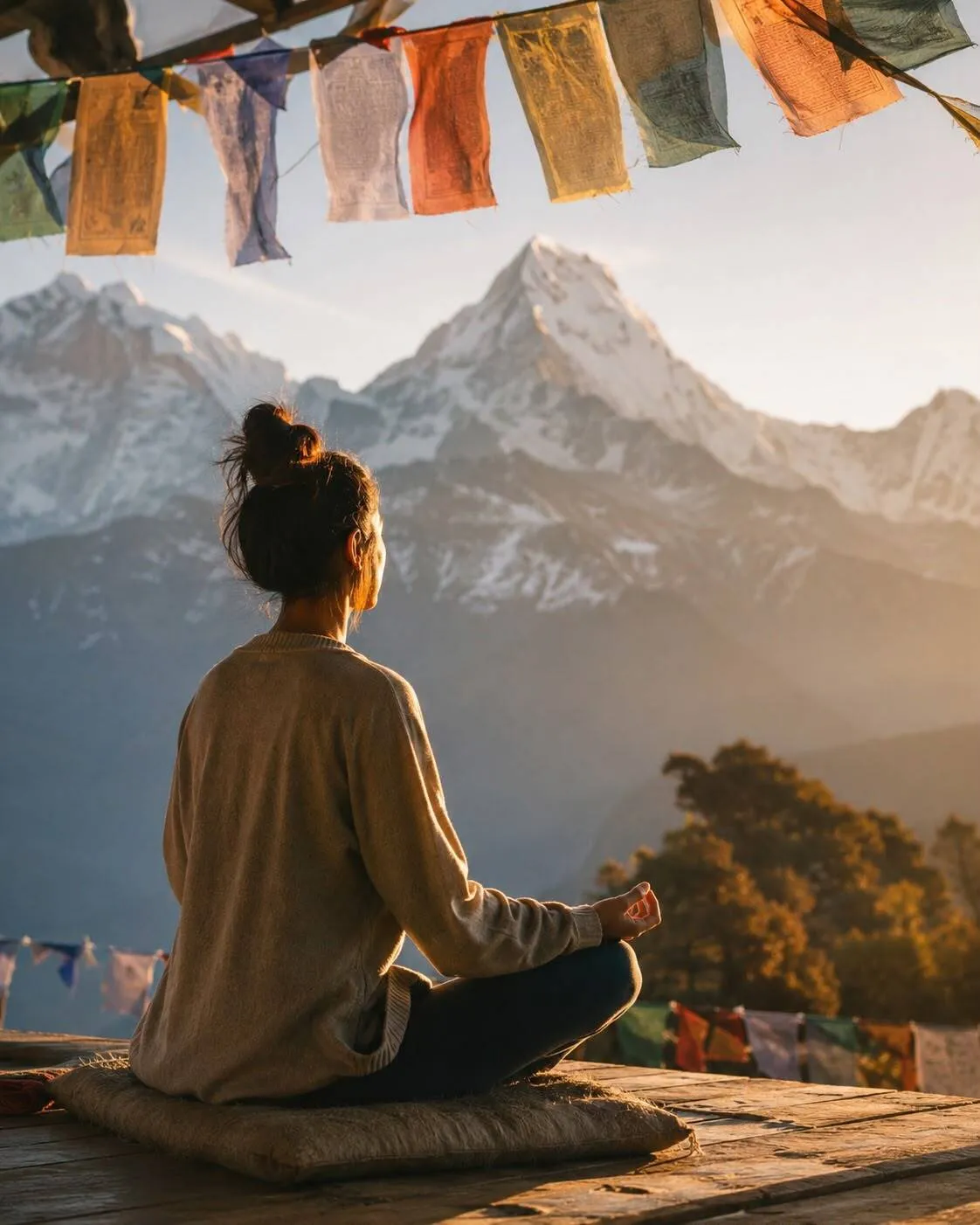
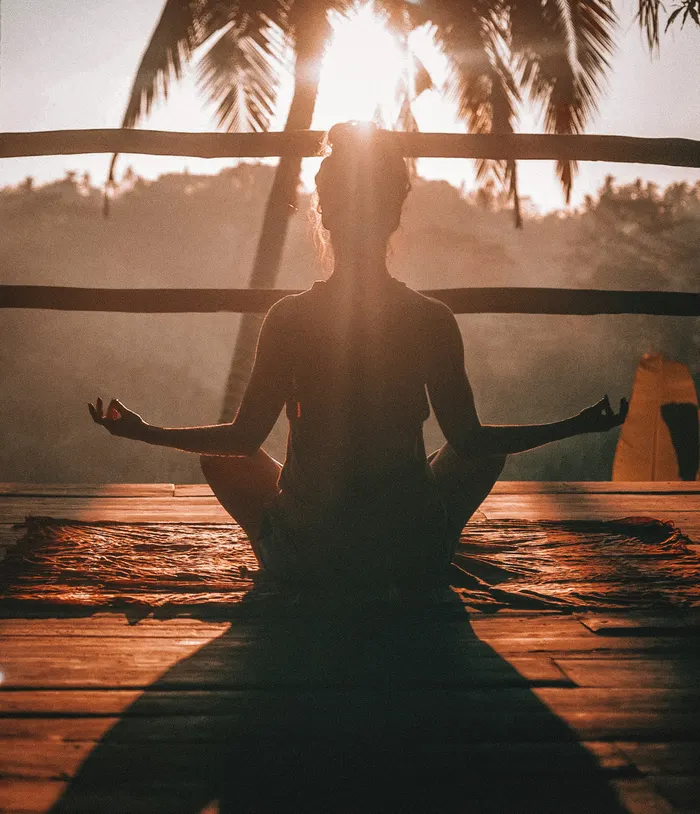
Yoga retreats are the backbone of Nepal's wellness tourism sector. Most are based in Kathmandu or Pokhara, with a growing number in more remote locations like Bandipur and the hills around Nagarkot. A typical retreat runs three to seven days and includes two daily yoga sessions, guided meditation, pranayama breathing exercises, and vegetarian meals. Many retreats also incorporate philosophy discussions, chanting, and workshops on yogic lifestyle. The 3-day yoga and sound healing retreat in Kathmandu is a popular entry point for beginners, while the 7-day yoga retreat with sightseeing combines practice with cultural exploration.


Sound Healing and Vibrational Therapy
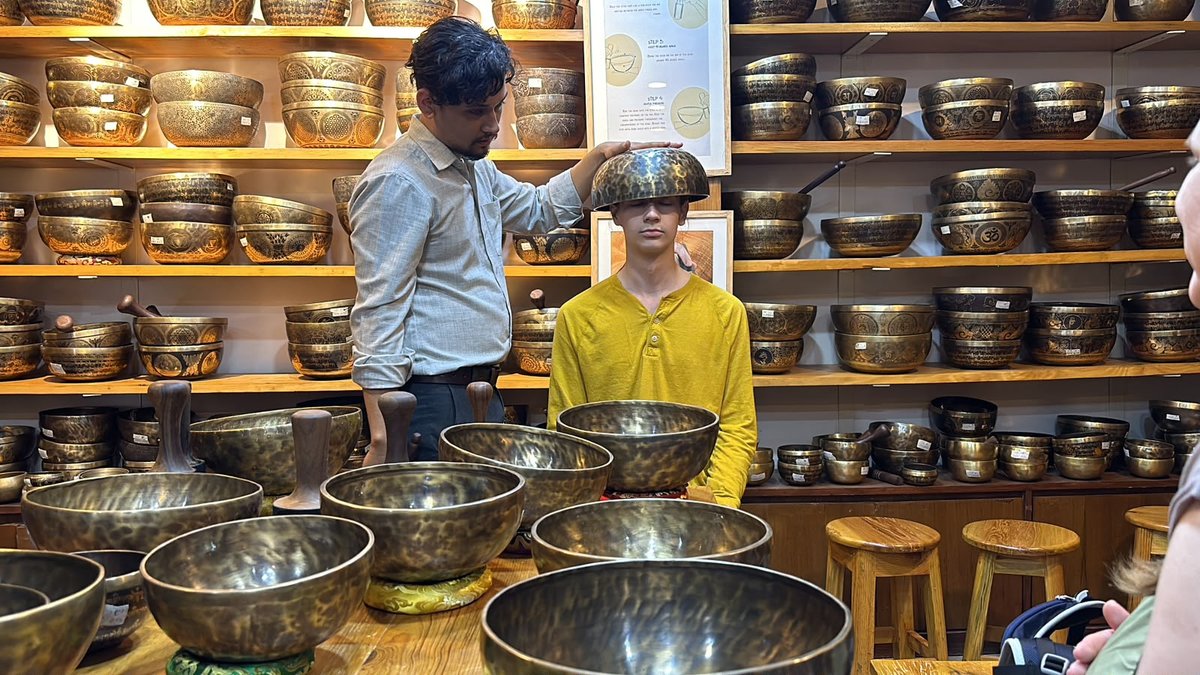
Sound healing has exploded in popularity across Nepal, particularly in the Thamel and Boudha neighborhoods of Kathmandu. Practitioners use Tibetan singing bowls, gongs, tuning forks, and vocal toning to induce deep relaxation and energetic balance. Sessions range from one-hour private treatments to multi-day training courses where you learn to play the instruments yourself. The 3-day Himalayan sound therapy retreat is one of the most booked wellness packages in the country. For a deeper dive, our complete guide to sound healing in Kathmandu covers courses, training, and prices in detail.
Reiki and Energy Healing
Reiki healing has found a natural home in Nepal, where the concept of prana, or life force energy, has been understood for millennia. Kathmandu now hosts dozens of Reiki masters offering treatments and certification courses from Level 1 through Master Teacher. Sessions typically last 60 to 90 minutes and involve gentle hands-on or hands-off energy channeling. Many travelers combine a Reiki attunement with their yoga retreat for a more comprehensive energetic reset. The 4-day yoga and Reiki healing retreat packages both modalities into a single transformative experience.

Spa and Bodywork Therapies
Kathmandu and Pokhara now boast world-class spa facilities that rival those in Thailand and India. Treatments draw on Ayurvedic traditions, Thai massage techniques, and Himalayan herbal remedies. A full-day trekker's spa retreat in Kathmandu is the perfect recovery after a long trek, with deep tissue massage, hot stone therapy, and herbal steam baths. For those with less time, the half-day wellness spa escape delivers a concentrated dose of relaxation.

Nature-Based Healing
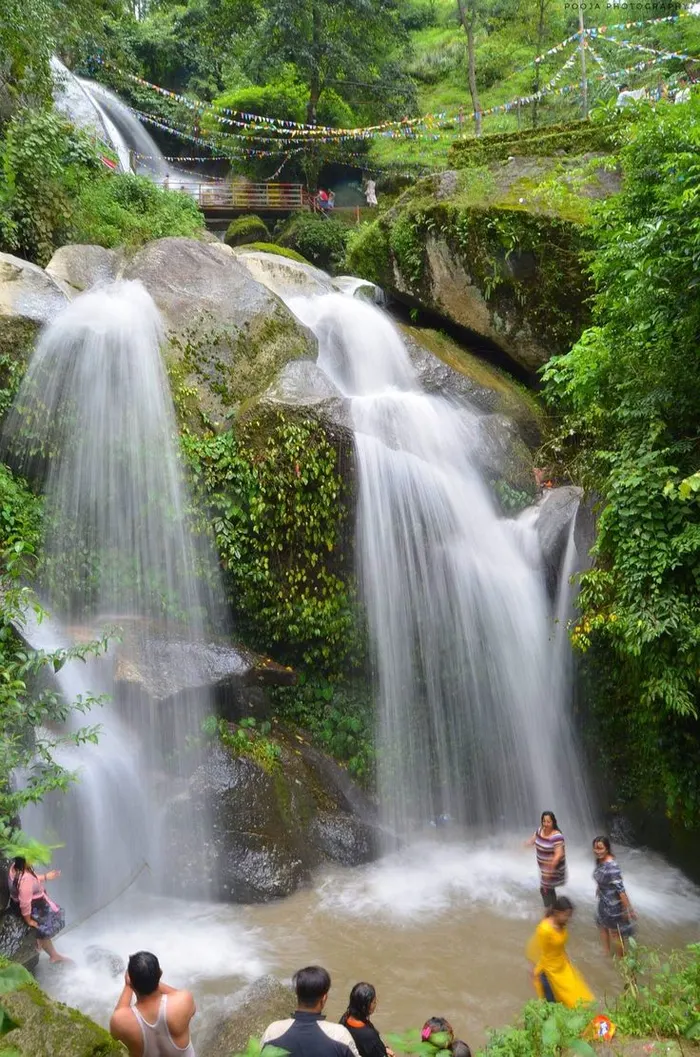
An emerging trend in Nepal's wellness scene is nature-based therapy. This includes forest bathing, or shinrin-yoku, in the pine forests of Shivapuri Nagarjun National Park, waterfall meditation near Kathmandu, and riverside yoga along the Trishuli. The healing tour to nature takes you to waterfalls and rivers for a day of immersion in Nepal's pristine natural environment. The waterfall and river bathing experience near Kathmandu is another popular option for those seeking the therapeutic benefits of cold water immersion and forest air.
Where to Go: Nepal's Wellness Destinations
Kathmandu: The Urban Wellness Hub
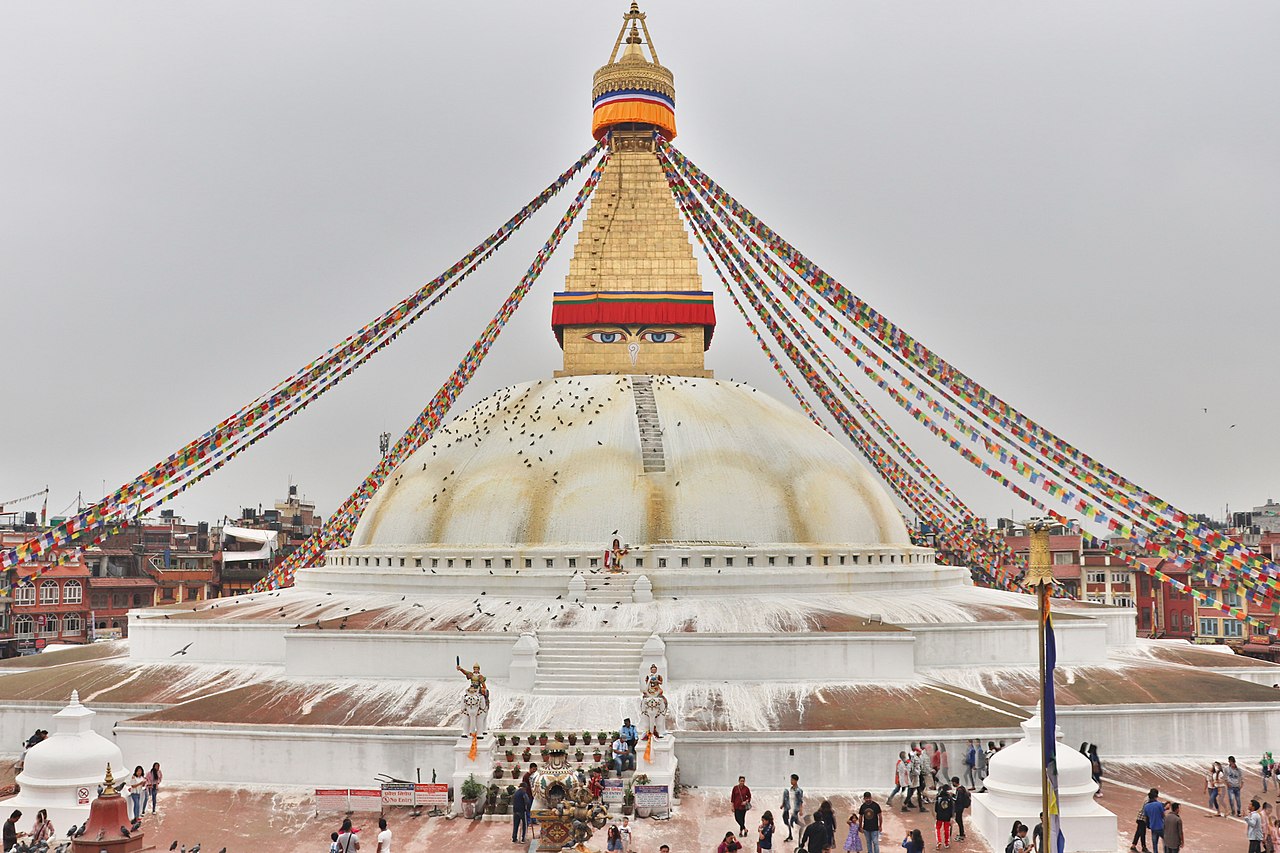
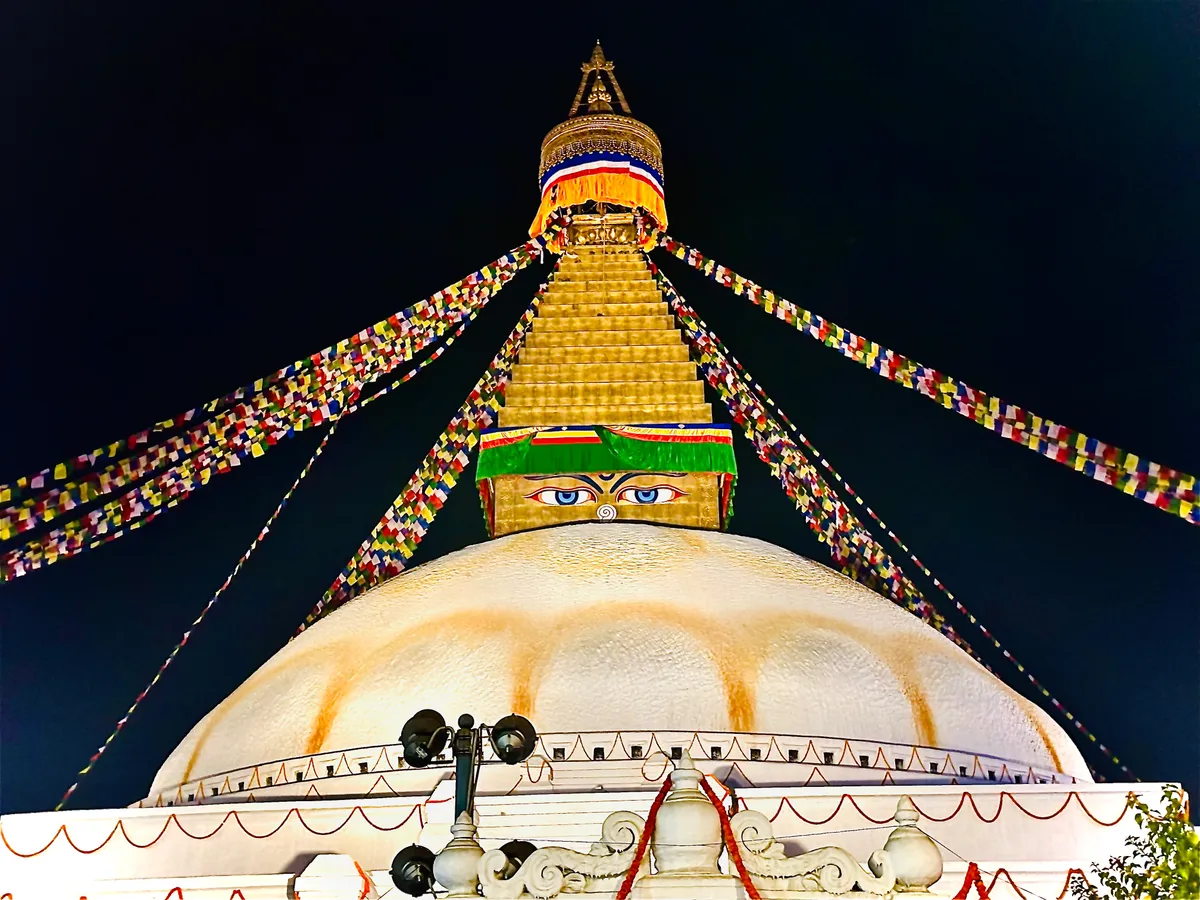
Kathmandu is the epicenter of Nepal's wellness tourism industry. The Thamel district alone hosts dozens of yoga studios, sound healing centers, Reiki clinics, and day spas. Boudhanath, with its magnificent stupa and Tibetan refugee community, is the spiritual heart of the city and home to some of the most authentic meditation and sound healing experiences. The Kathmandu healing guide covers the city's wellness landscape in depth. Kathmandu works well as a base: you can do a morning yoga session, visit UNESCO World Heritage sites in the afternoon, and end the day with a sound bath or Reiki treatment.
Pokhara: Lakeside Serenity
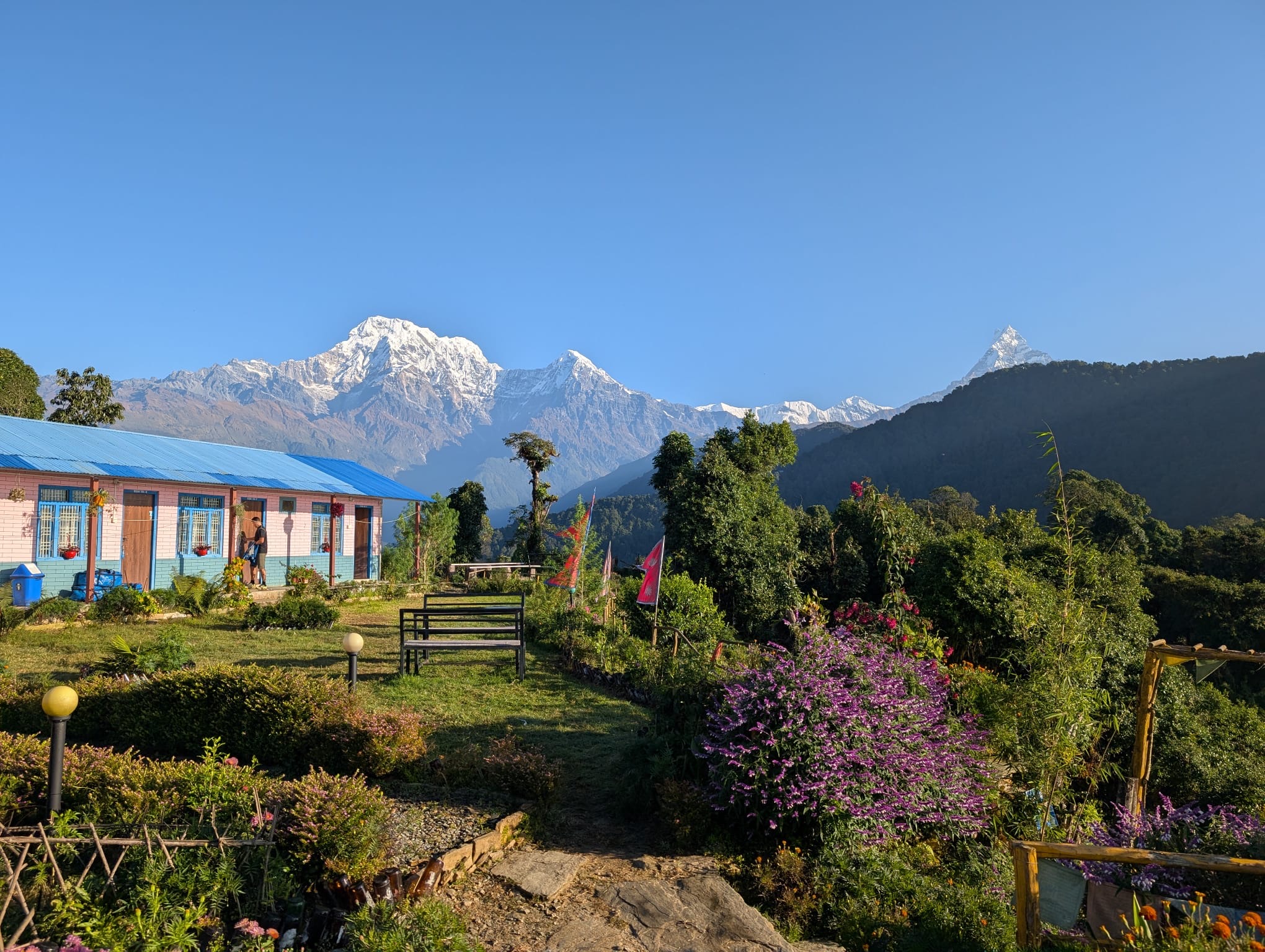
Pokhara is Nepal's premier lakeside wellness destination. The combination of Phewa Lake, the Annapurna panorama, and a relaxed tourist infrastructure makes it ideal for retreats. Yoga shalas with mountain views are common, and the lakeside area is filled with cafes serving organic, vegetarian, and vegan food. The 4-day Pokhara yoga and wellness retreat is a perfect introduction to the city's healing energy. Pokhara also serves as the gateway to the Annapurna trekking region, making it easy to combine a wellness retreat with a short trek.
Lumbini: The Birthplace of Buddha
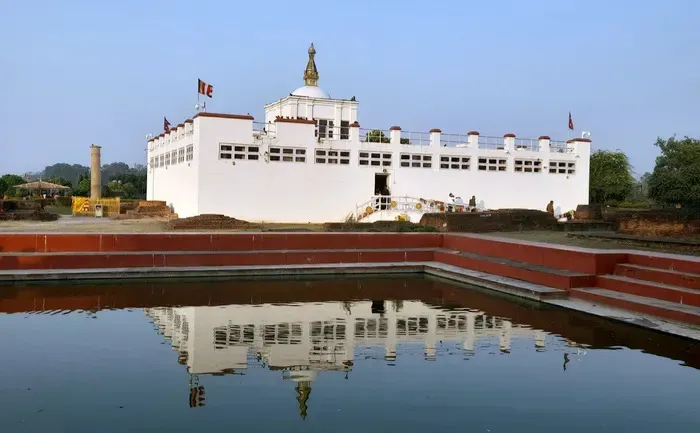
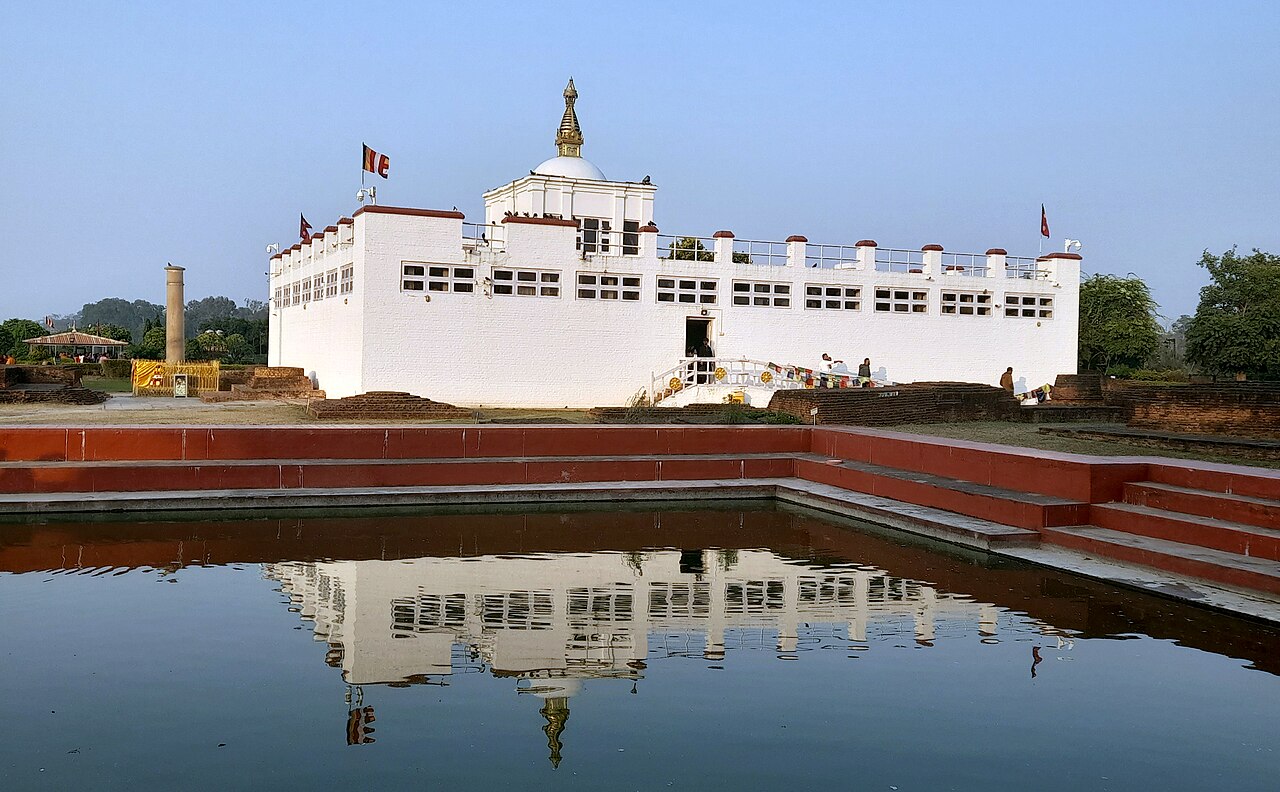
Lumbini, the birthplace of Lord Buddha, is a UNESCO World Heritage Site and a profound destination for meditation and spiritual reflection. The Lumbini Garden houses monasteries built by Buddhist communities from around the world, each offering meditation halls and retreat facilities. While Lumbini has fewer commercial wellness retreats than Kathmandu or Pokhara, the sheer spiritual gravity of the place makes it a powerful destination for self-guided meditation and contemplation.
Bandipur and the Hills
Bandipur, a beautifully preserved Newari hill town between Kathmandu and Pokhara, is emerging as a quiet wellness escape. The town's car-free main street, panoramic Himalayan views, and restored heritage buildings create an atmosphere of timeless calm. Several small retreat centers have opened here, offering yoga and meditation in a setting far removed from the bustle of the cities.
What to Expect: A Typical Day at a Nepal Wellness Retreat
While every retreat has its own rhythm, most follow a structure designed to support deep rest and inner work. A typical day begins early, around 6:00 AM, with morning meditation or pranayama. This is followed by a 90-minute yoga session, often Hatha or Vinyasa style, adapted to the group's level. Breakfast is usually a simple vegetarian meal: fresh fruit, porridge, Tibetan bread, or dal bhat, Nepal's staple lentil and rice dish.
Mid-morning might bring a workshop or therapy session. This could be a sound healing treatment, a Reiki session, a philosophy talk, or a guided journaling exercise. Lunch follows, then a free period for rest, reading, or exploring the local area. The afternoon yoga session is typically gentler, focusing on restorative poses, yin yoga, or yoga nidra. Dinner is light, and evenings often close with chanting, a sound bath, or silent contemplation. By 9:00 PM, most retreats are winding down for the night.
What distinguishes Nepal's retreats from those in other countries is the cultural context. You might begin your morning meditation to the sound of temple bells. Your afternoon walk might take you past ancient stupas and spinning prayer wheels. The very air feels different here, charged with centuries of spiritual practice. This is not something that can be manufactured. It is simply what Nepal is.
How to Choose the Right Wellness Experience
With so many options, choosing the right wellness experience in Nepal can feel overwhelming. Start by clarifying your intention. Are you seeking physical recovery after a trek? A trekker's spa day or a stress management retreat might be the best fit. Are you looking to learn a new healing modality? Consider a sound healing training course or a Reiki certification program. Are you craving a complete lifestyle reset? A 7-day or 9-day residential retreat with structured programming will give you the immersion you need.

Next, consider your budget. Wellness tourism in Nepal spans a wide price range. A half-day spa escape might cost $40 to $80 USD. A 3-day retreat with accommodation and meals typically runs $150 to $400. A week-long luxury retreat with private rooms, multiple daily therapies, and gourmet meals can range from $800 to $2,000. Compared to equivalent experiences in the West, these prices represent extraordinary value.
Also think about location. If you want access to cultural sites, restaurants, and other travelers, Kathmandu or Pokhara are the obvious choices. If you want solitude and silence, look for retreats in the hills around Nagarkot, Bandipur, or the outskirts of the Kathmandu Valley. The 5-day yoga and hiking retreat combines the best of both worlds: structured practice with daily walks through Nepal's stunning hill country.

Finally, research the teachers and practitioners. Look for certified yoga instructors with Yoga Alliance credentials. For Reiki, ask about lineage and training background. For sound healing, inquire about where the practitioner studied and what instruments they use. Reputable operators like Enticing Himalayas work only with qualified, experienced practitioners and are transparent about their team's credentials.
When to Go: Seasons for Wellness Travel in Nepal
Nepal's wellness retreats operate year-round, but the experience varies with the seasons. Autumn, from September to November, is the peak season. The weather is stable, the skies are clear, and the mountain views are at their most spectacular. This is also the busiest time for trekking, so Kathmandu and Pokhara are lively with travelers. Spring, from March to May, is the second peak, with warm temperatures, blooming rhododendrons, and excellent visibility.
The monsoon season, from June to August, brings rain and humidity but also lush green landscapes and fewer tourists. This can be a wonderful time for an inward-focused retreat. The rain creates a cocooning effect, and the sound of monsoon downpours on a tin roof during a meditation session is an experience in itself. Winter, from December to February, is cold in the mornings and evenings but offers crisp, clear days. Retreat centers are quieter, and you may receive more personalized attention.
Combining Wellness with Cultural and Trekking Experiences
One of the unique advantages of wellness tourism in Nepal is how easily it integrates with the country's other offerings. You can spend three days in a yoga retreat in Kathmandu, then join a spiritual tour of Nepal to visit Pashupatinath, Boudhanath, and Swayambhunath. You can complete a sound healing course and then head to the Annapurna region for a trek that includes monastery visits and pilgrimage sites, as described in our guide to treks with a spiritual side.

For those who want a comprehensive cultural and spiritual immersion, the complete guide to cultural and spiritual tours in Nepal is an essential resource. It covers heritage sites, pilgrimage routes, and the deep spiritual traditions that make Nepal such a powerful destination for inner work. If trekking is part of your plan, consult the guide to the best trekking agency in Nepal to find a reputable operator who can handle the logistics while you focus on your wellness journey.


The ultimate guide to spiritual wellness travel in Nepal ties all of these threads together, offering a holistic framework for planning a healing journey that spans yoga, meditation, cultural immersion, and Himalayan adventure. For those planning a trip specifically in 2026, the spiritual tour in Nepal 2026 guide provides updated information on festivals, events, and seasonal considerations.
Practical Tips for Wellness Travelers
Pack light, breathable clothing suitable for yoga and meditation. Layers are essential, as mornings and evenings can be cool even in warmer months. Bring a reusable water bottle with a filter, as tap water is not safe to drink. Most retreat centers provide yoga mats and props, but if you have a preferred mat or meditation cushion, bring it. A journal is invaluable for processing the insights that often arise during retreat.
Travel insurance is strongly recommended. While wellness retreats are low-risk activities, Nepal's healthcare infrastructure is limited, and medical evacuation can be expensive. Ensure your policy covers the activities you plan to do, including any trekking components. Wi-Fi is generally available in Kathmandu and Pokhara, but more remote retreat centers may have limited connectivity. Consider this a feature rather than a bug: digital detox is one of the most powerful aspects of a wellness retreat.
Respect local customs. Nepal is a conservative country, and modest dress is appreciated, especially around temples and monasteries. Remove your shoes before entering temples and retreat spaces. Ask permission before photographing people, particularly monks and sadhus. A small donation to monasteries you visit is a kind gesture and supports the communities that make Nepal's spiritual landscape so rich.
The Future of Wellness Tourism in Nepal
Wellness tourism in Nepal is still in its early stages compared to established destinations like India, Thailand, and Bali. But this is precisely its appeal. The industry here feels genuine, not commodified. Practitioners are passionate rather than transactional. The infrastructure is improving rapidly, with new retreat centers, spa facilities, and training programs opening each year. The Nepali government has identified wellness tourism as a priority sector, and investment is flowing in.
For travelers in 2026 and 2027, this means you can experience Nepal's wellness offerings before they become crowded and commercialized. You can study with masters who still teach small groups. You can meditate in monasteries that have been doing this for centuries, not decades. You can receive healing in a context where the sacred is still alive, not curated. This is the window of opportunity that makes wellness tourism in Nepal so compelling right now.
The 2026/27 pillar guide to sacred sites, rituals, and wellness provides an even deeper exploration of how Nepal's spiritual heritage and wellness offerings intersect, with detailed coverage of specific temples, festivals, and ritual practices that can enrich your healing journey.