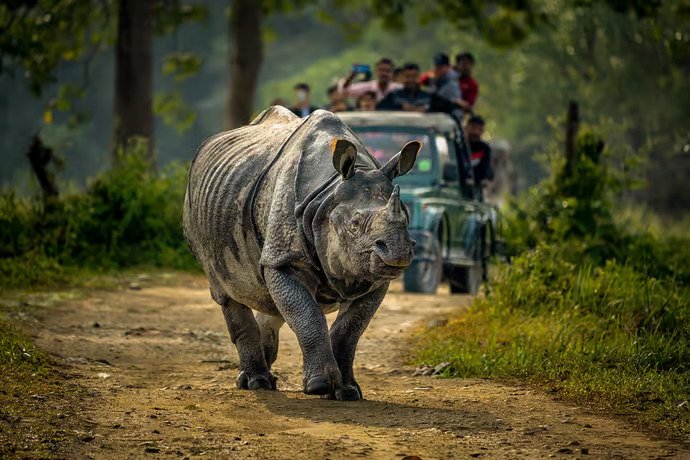
Nepal is famous for the Himalayas, but south of the towering peaks lies a completely different world: the flat, steamy Terai lowlands, where subtropical forests shelter rhinos, tigers, elephants, crocodiles, and over 850 bird species. A wildlife safari in Nepal is one of the most rewarding experiences you can add to your itinerary, whether you are a dedicated naturalist, a family with kids, or a trekker looking for a rest day at low altitude. This guide covers everything you need to plan an unforgettable jungle adventure in 2026: where to go, what to expect, how much it costs, and how to combine your safari with the cultural and spiritual highlights that make Nepal so unique.
If you are planning a broader Nepal journey, this wildlife guide pairs perfectly with our complete guide to cultural and spiritual tours in Nepal and our Nepal trekking planning guide for 2026. Together they cover the three pillars of Nepal travel: mountains, wildlife, and heritage.



Why Nepal Is a Top Wildlife Destination
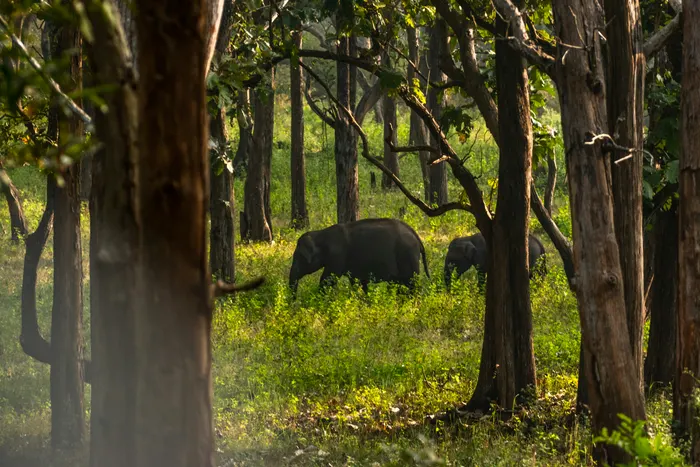
Most travellers do not realise that Nepal protects over 23 percent of its land area in national parks and conservation areas. The country sits at the crossroads of two biogeographic realms: the Palearctic realm of the high Himalaya and the Indo-Malayan realm of the subtropical lowlands. This overlap creates an extraordinary diversity of habitats in a very compact country, from alpine meadows at 5,000 metres to tropical grasslands barely 100 metres above sea level.
For safari-goers, the star attractions are the Terai national parks at the southern edge of the country. Chitwan National Park, established in 1973 and inscribed as a UNESCO World Heritage Site in 1984, is the most accessible and popular. Bardia National Park, farther west and much less visited, offers a wilder, more remote experience with higher tiger sighting odds. Both parks protect populations of the greater one-horned rhinoceros, Bengal tiger, Asian elephant, sloth bear, gharial crocodile, and hundreds of bird species.
Nepal has achieved remarkable conservation successes in recent years. The rhino population has grown from fewer than 100 in the 1960s to over 750 today. In 2022, Nepal recorded a doubling of its wild tiger population ahead of the global target, with over 355 tigers in the wild. These numbers make Nepal one of the best places in Asia to see endangered megafauna in their natural habitat.
Chitwan National Park: The Accessible Safari
Chitwan is the gateway safari for most visitors. Located about 150 kilometres southwest of Kathmandu, it can be reached by a 25-minute flight to Bharatpur airport or a scenic five-to-six-hour drive through the hills and into the Terai. The park covers 952 square kilometres of sal forest, grassland, and riverine habitat, bordered by the Narayani and Rapti rivers.
The town of Sauraha sits just outside the park boundary and serves as the main tourist hub. Here you will find lodges ranging from budget guesthouses to luxury resorts, restaurants, and the offices of safari operators. A second, quieter cluster of lodges has grown around the Tharu village of Meghauli, west of Sauraha, where higher-end properties offer a more exclusive experience.
What to See in Chitwan
The flagship species is the greater one-horned rhinoceros. These massive herbivores graze the grasslands and are frequently spotted on jeep safaris and jungle walks. Seeing a rhino from the back of an elephant or from a 4WD jeep, with nothing between you and the animal but tall elephant grass, is a heart-pounding experience that stays with you for life.
Bengal tigers are present but elusive. Tiger sightings in Chitwan happen perhaps one in every ten to fifteen jeep safaris, and your chances improve significantly if you spend multiple days and head into the core zone early in the morning. Leopards are more commonly seen, especially in the buffer zone areas.
Other wildlife includes sloth bears, wild boars, spotted deer (chital), sambar deer, barking deer, hog deer, rhesus macaques, and langur monkeys. The rivers are home to gharial crocodiles (the long-snouted fish-eater) and marsh mugger crocodiles. Bird life is spectacular, with over 550 recorded species including the giant hornbill, peafowl, kingfishers, egrets, and many species of eagles and vultures.
Activities in Chitwan
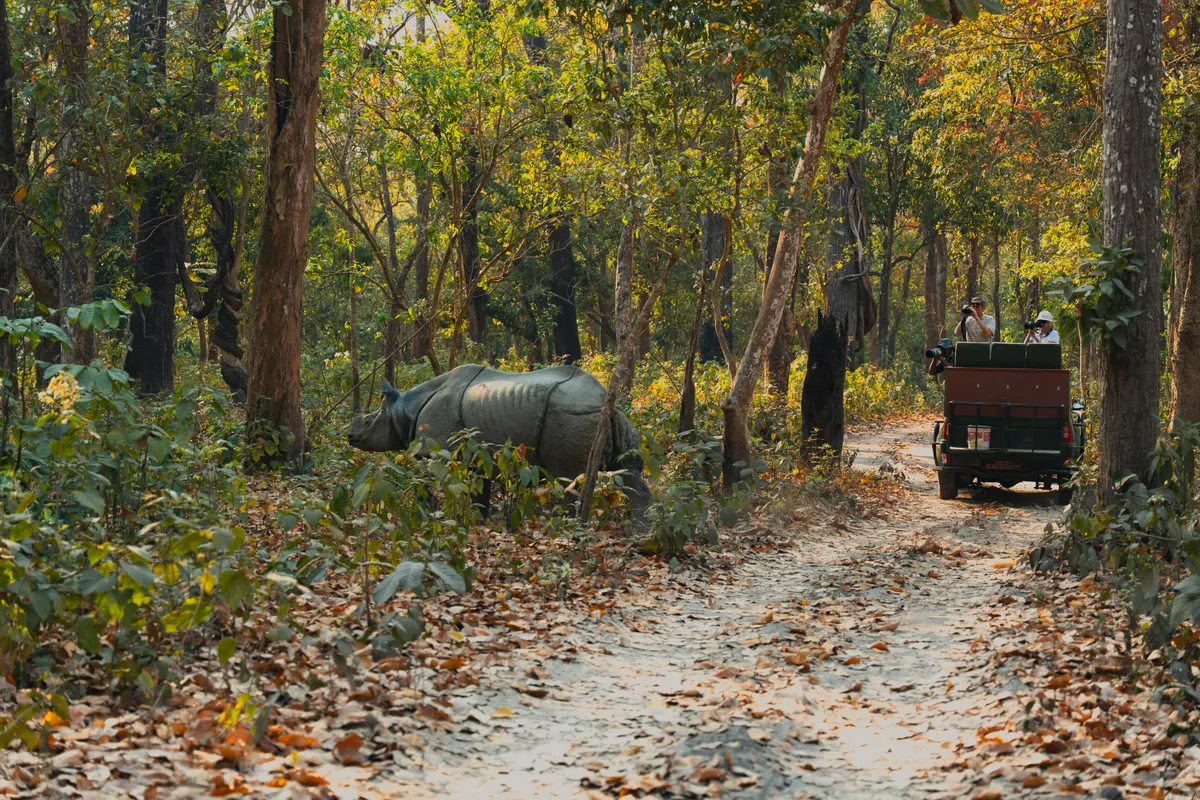
Jeep safari: The most popular activity. Shared jeeps depart early morning and late afternoon, lasting about three to four hours. Private jeeps offer more flexibility and are recommended for serious photographers. The jeep traverses grasslands, riverbanks, and forest trails, with a naturalist guide pointing out tracks, calls, and sightings.
Jungle walk: For the adventurous, a guided walk through the grassland and forest is the most thrilling way to experience the park. Walking safaris are led by armed park rangers and naturalist guides, and you may encounter rhinos, deer, and even bears on foot. The pace is slow and quiet, and the focus is on tracking, bird watching, and learning about the ecosystem.
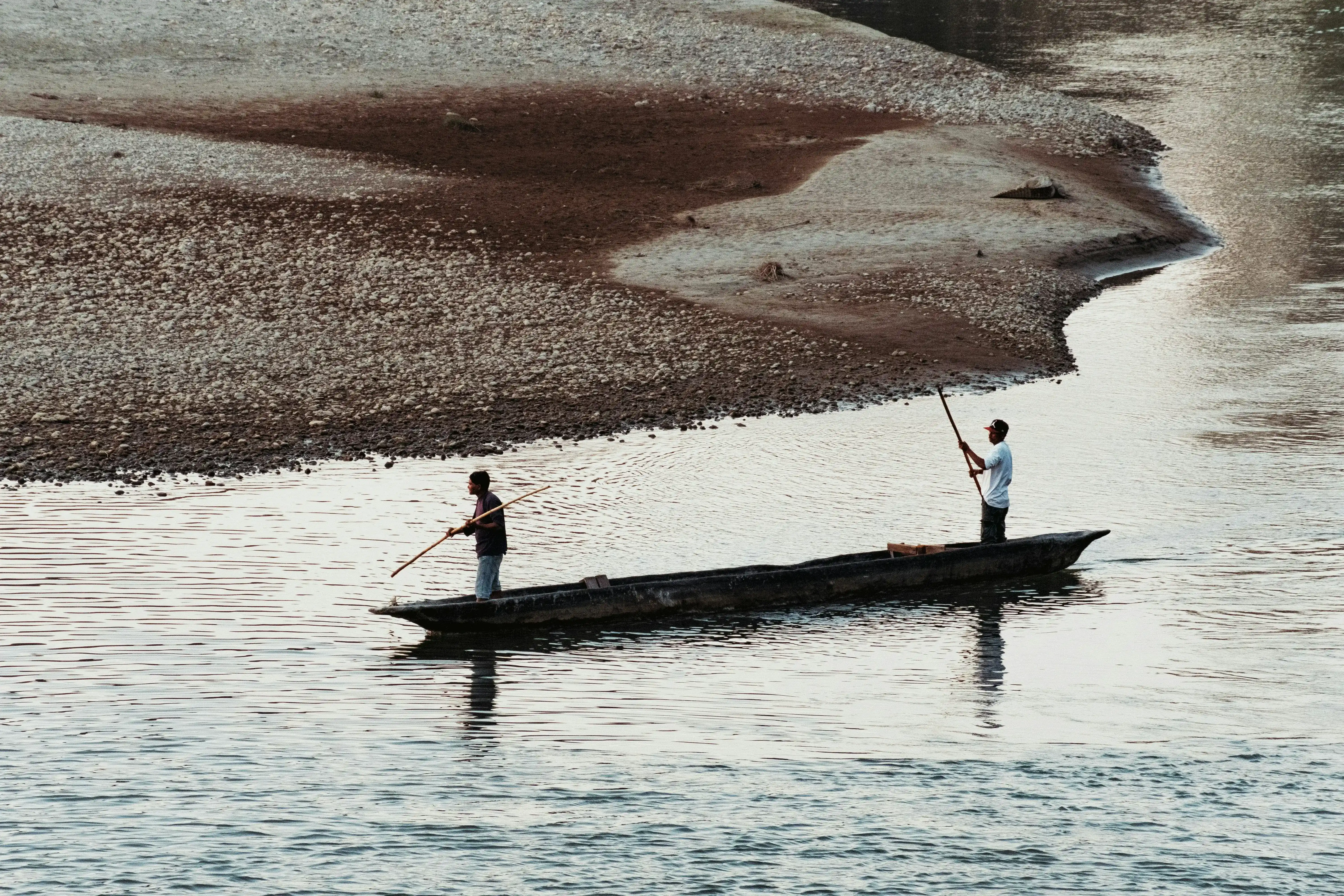
Canoe ride: A traditional dugout canoe trip on the Rapti or Narayani river offers a peaceful way to watch crocodiles basking on the banks, birds fishing overhead, and the forest reflected in the water. Most canoe rides last about an hour and are combined with a jungle walk or a visit to the elephant breeding centre.
Bird watching: Chitwan is a paradise for birders, especially during the winter months when migratory species arrive from Siberia and Central Asia. Dedicated bird-watching walks can yield 80 to 100 species in a single morning during peak season. The Chitwan Bird Watching Expedition is a specialised package for serious enthusiasts.
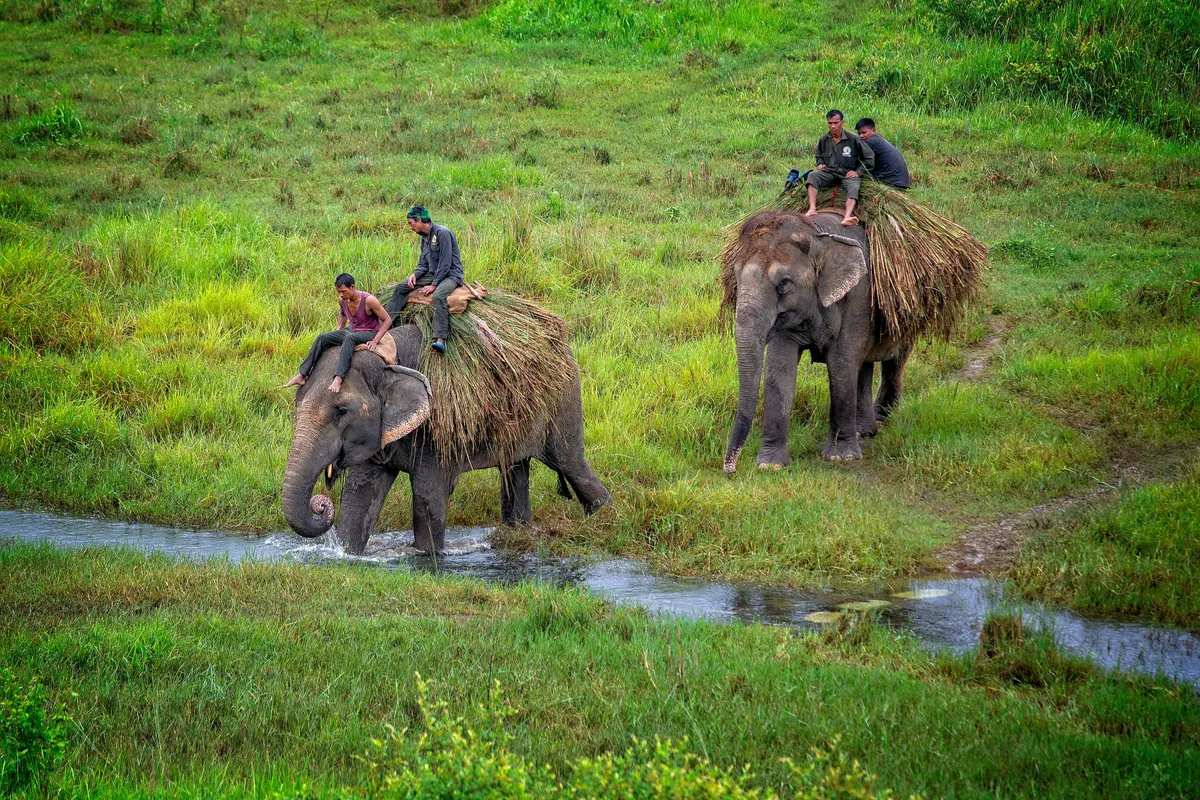
Elephant bathing and interaction: Historically, elephant-back safaris were the main activity in Chitwan, but Nepal has phased out elephant-back rides in favour of more ethical alternatives. You can still watch elephants being bathed in the river, and some lodges offer responsible elephant encounters that focus on feeding and observation rather than riding.
Tharu cultural village visit: The indigenous Tharu people have lived in the Chitwan valley for centuries, developing a rich culture adapted to the malarial lowlands. A village walk takes you through traditional mud-and-thatch houses, introduces you to Tharu cuisine, and often includes a cultural dance performance in the evening. The stick dance (Danda Phangna) is particularly energetic and memorable.
Bardia National Park: The Remote Wilderness
If Chitwan is the accessible safari, Bardia is the wild one. Located in the far western Terai, about 400 kilometres from Kathmandu, Bardia requires more effort to reach but rewards you with a far more pristine and uncrowded experience. The park covers 968 square kilometres of untouched sal forest and grassland, making it the largest wilderness area in the Terai.
Getting to Bardia takes either a 16-hour overland journey from Kathmandu, a 1-hour flight to Nepalgunj followed by a 2-hour drive, or a combination of flights and road travel. The extra effort means you will share the park with very few other tourists. Where Chitwan might have dozens of jeeps on the same track, in Bardia you may be the only vehicle for kilometres.
Why Choose Bardia Over Chitwan?
Higher tiger sighting rate: Bardia has a lower visitor density and a relatively high tiger population, which means your odds of seeing a tiger are significantly better here than in Chitwan. Some lodges report tiger sightings on 30 to 40 percent of multi-day safaris.
Authentic wilderness: Bardia feels like a true expedition. The forest is denser, the grasslands taller, and the sense of being deep in nature is palpable. There is no cell phone coverage in the park, and the lodges are small and intimate.
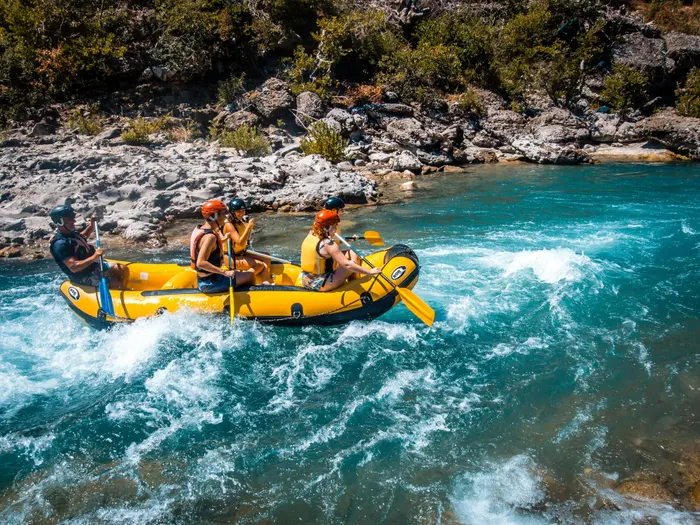
River rafting inside the park: One of Bardia's unique activities is a rafting trip down the Karnali River, which flows through the park. This is not whitewater rafting but a gentle float that lets you watch wildlife coming to drink on the banks, including rhinos, deer, and occasionally tigers.
Freshwater dolphin: The Karnali River is one of the last refuges of the endangered Ganges river dolphin. While sightings are not guaranteed, a river trip offers the chance to spot these rare mammals surfacing briefly in the murky water.
Wildlife in Bardia
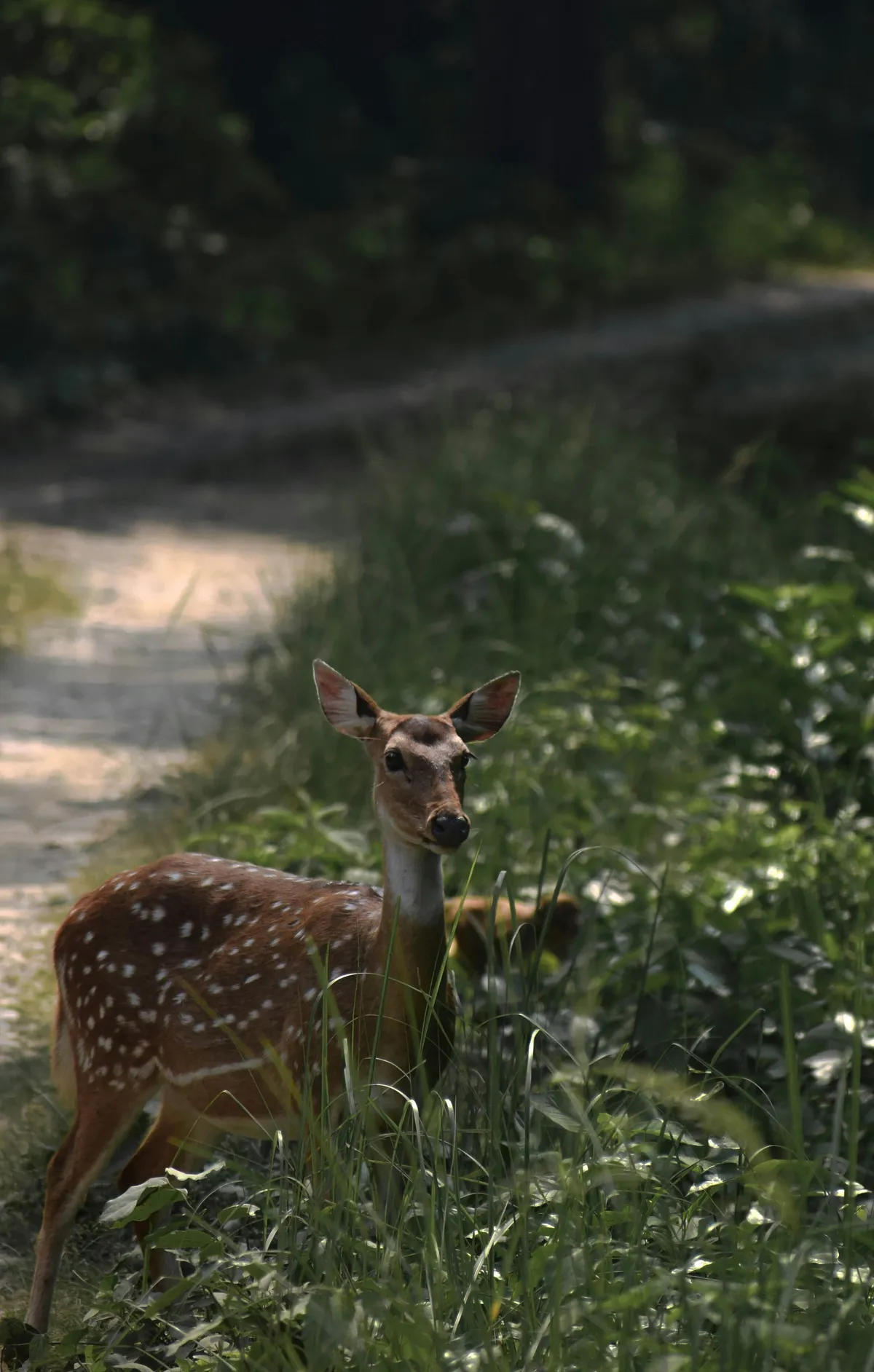 Bardia shares most of its wildlife with Chitwan: rhinos, tigers, elephants, sloth bears, and various deer species. However, Bardia also has a small population of wild water buffalo (arnaa), which are not found in Chitwan. The bird life is similarly rich, with over 400 species recorded, including the endangered Bengal florican and the Sarus crane.
The park is also known for its healthy population of gharial crocodiles in the Karnali River. Fishing cats, jungle cats, and otters can be spotted along the riverbanks, particularly during the dry season when water levels recede.
Other Wildlife Destinations in Nepal
Beyond Chitwan and Bardia, Nepal has several other protected areas worth considering for wildlife enthusiasts:
Koshi Tappu Wildlife Reserve: Located in the eastern Terai, this reserve is Nepal's premier wetland and a Ramsar site. It is famous for its population of wild water buffalo and as a critical stopover for migratory birds. The Koshi Barrage area can yield spectacular bird watching during the winter migration, with flocks of ducks, storks, and waders numbering in the thousands.
Parsa National Park: Adjacent to Chitwan on the east, Parsa is a lesser-visited park that extends the same habitat. It is quieter than Chitwan and offers a more solitary safari experience, though facilities are more basic.
Suklaphanta National Park: In the far west, near Bardia, Suklaphanta is known for its extensive grasslands (phanta) and a healthy population of tigers and rhinos. It is even less visited than Bardia, making it a true off-the-beaten-path destination.
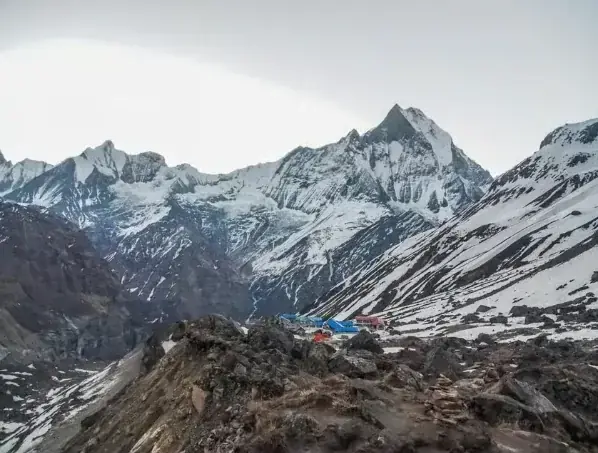
Annapurna Conservation Area: While primarily a trekking destination, the ACA also protects significant wildlife at lower elevations. For a different perspective on Nepal's biodiversity, see our guide to the Annapurna region, which covers the full range of habitats from subtropical valleys to alpine meadows.
Best Time for a Wildlife Safari in Nepal
The timing of your safari dramatically affects what you will see and how comfortable the experience will be. The safari season is broadly opposite to the trekking season, which makes wildlife a perfect complement to a mountain itinerary.
October to March: Prime Safari Season
The dry months from October through March are the best time for wildlife viewing. As the dry season progresses, the grasslands are cut back by park staff (usually in January), improving visibility. Animals concentrate around remaining water sources, making them easier to find. The weather is pleasant, with warm days and cool mornings, and migratory birds arrive from the north, boosting species counts.
October and November are peak season. The air is clear after the monsoon, the vegetation is still lush, and the temperatures are ideal. However, the grass is tall at this time, which can make spotting smaller animals more challenging.
December and January are cooler, with morning temperatures sometimes dropping to 5 degrees Celsius in Chitwan. The grass is shorter after the annual cutting, visibility is excellent, and tiger sightings tend to peak. Pack warm layers for early morning jeep rides.
February and March are warming up, and the sal forest begins to flower. This is a good time for bird watching as resident species become active and migrants are still present. Rhinoceros sightings are very reliable.
April to June: Hot but Rewarding
The pre-monsoon months are the hottest time in the Terai, with temperatures regularly exceeding 38 degrees Celsius. However, this is also when wildlife is most concentrated around water holes and rivers, making sightings potentially spectacular. If you can handle the heat, April and May offer the best tiger sighting chances of the year.
June to September: Monsoon Season
The monsoon brings heavy rain to the Terai from June through September. Most parks close during this period or restrict activities significantly. Roads become impassable, leeches are abundant, and the tall grass makes wildlife viewing nearly impossible. This is not a recommended time for a safari. However, it is the perfect time for trekking in the rain-shadow regions, as covered in our guide to the best time to visit Nepal month by month.
Safari Costs and Budget in 2026
A Nepal wildlife safari is relatively affordable compared to African safaris, though costs vary depending on the level of comfort and the park you choose.
Park entry fees: Chitwan National Park charges approximately NPR 2,000 per person per day for foreign visitors (about $15 USD). Bardia charges a similar amount. These fees are usually included in package prices.
Jeep safari: A shared jeep safari in Chitwan costs about $25 to $35 per person. A private jeep costs $100 to $150 for a half-day trip. In Bardia, private jeeps are more common and cost $120 to $200 per trip due to the longer distances involved.
Jungle walk: Guided jungle walks cost $15 to $25 per person for a half-day, including the guide and park entry. These can be booked through your lodge or a local operator in Sauraha.
Canoe ride: A canoe ride costs about $10 to $15 per person and is often combined with a jungle walk or a visit to the elephant breeding centre.
Lodging: Budget guesthouses in Sauraha start at $15 to $25 per night. Mid-range lodges with air conditioning and a pool cost $40 to $80. Luxury lodges in the Meghauli area or in Bardia can range from $150 to $400 per night, including meals and some activities.
Full package: A 3-day, 2-night Chitwan safari package including accommodation, all meals, park entry, two jeep safaris, a jungle walk, a canoe ride, and a Tharu village visit typically costs $150 to $300 per person, depending on the lodge category. The Nepal Heritage and Wildlife Experience package at $500 combines cultural sites with wildlife for a longer, richer itinerary. For a comprehensive cost analysis of Nepal travel in general, see our guide to trekking in Nepal which includes budgeting principles that apply to all Nepal trips.
How to Get to Chitwan and Bardia
Getting to Chitwan
By flight: The fastest option is a 25-minute flight from Kathmandu to Bharatpur airport, followed by a 30-minute drive to Sauraha. Daily flights are operated by Buddha Air, Yeti Airlines, and Simrik Airlines. Fares cost approximately $110 to $140 one way. During peak season, book well in advance as flights fill up quickly.
By road: The drive from Kathmandu to Chitwan takes about 5 to 6 hours via the Prithvi Highway and Narayanghat. Tourist buses depart daily from Kantipath in Kathmandu at 7:00 AM and cost about $10 to $15. Private cars and taxis are also available for $80 to $120. The road is scenic but winding, passing through river gorges and hill towns.
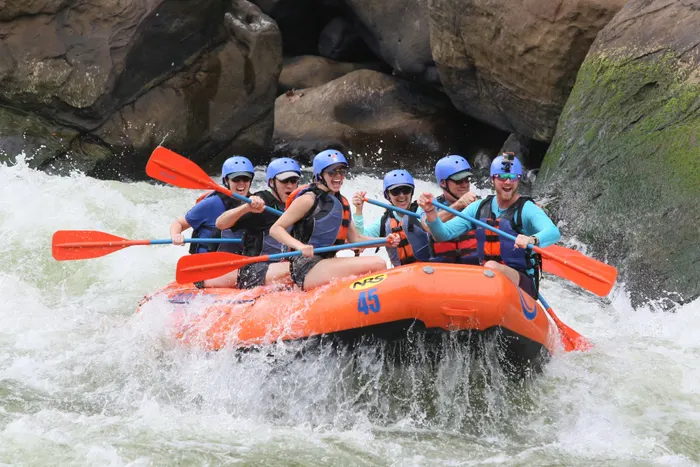
By raft: For a truly memorable approach, some operators offer a 2-day rafting trip on the Trisuli River from Kathmandu to Chitwan. This combines whitewater fun with wildlife, though it adds a day to your journey.
Getting to Bardia
By flight: Fly from Kathmandu to Nepalgunj (about 1 hour), then drive 2 hours to the park lodges. Flights cost $120 to $160 one way. This is the recommended route for most travellers.
By road: The drive from Kathmandu to Bardia takes about 16 hours on the Mahendra Highway. While long, it is a fascinating cross-section of Nepal, passing through the hills, the Terai towns, and the western lowlands. Overnight buses are available for $20 to $30.
What to Pack for a Nepal Safari
Packing for a safari in the Terai is quite different from packing for a trek in the mountains. The key challenges are heat, humidity, insects, and dust.
Clothing: Light, breathable long-sleeve shirts and long trousers in neutral colours (khaki, olive, brown). Avoid bright colours and white, which can startle wildlife. Bring a warm fleece or jacket for early morning jeep rides in winter. A wide-brimmed hat and sunglasses are essential.
Footwear: Closed-toe walking shoes or boots for jungle walks. Sandals are fine for the lodge but not for the bush. Leech socks are highly recommended during and just after the monsoon.
Insect protection: Strong insect repellent (DEET 30 percent or higher), a mosquito net if your lodge does not provide one, and antihistamine cream for bites.
Optics: Binoculars are the single most important item for a safari. A pair of 8x42 or 10x42 binoculars will transform your experience. A camera with a telephoto lens (at least 300mm) is essential for wildlife photography.
Health: Sunscreen, a basic first aid kit, any personal medications, and a water bottle. Malaria is very rare in Chitwan and Bardia but consult your doctor about prophylaxis if you plan extended time in the Terai.
Combining Wildlife with Culture and Spiritual Travel
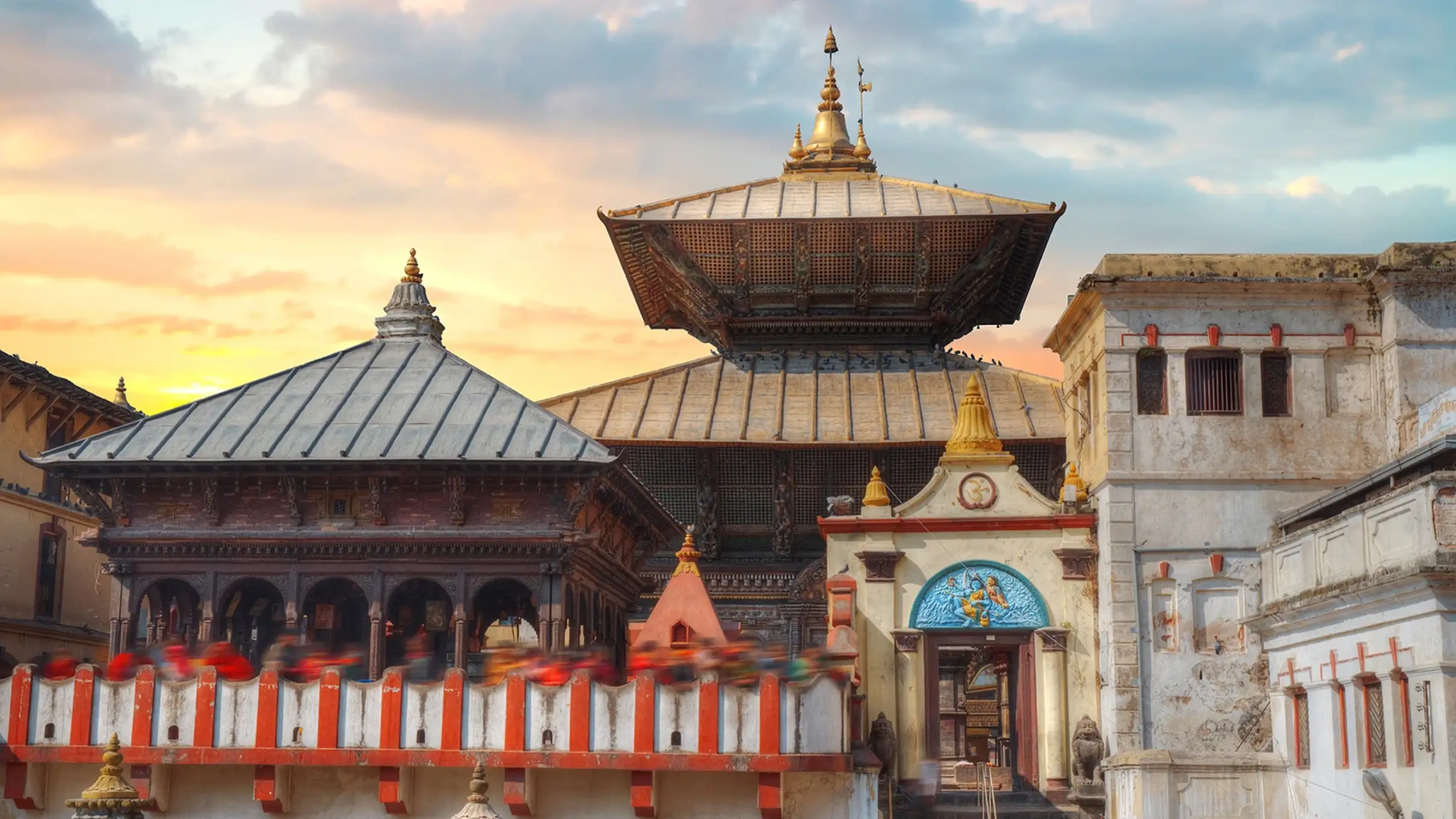
Nepal's geography makes it remarkably easy to combine a wildlife safari with cultural and spiritual experiences. A typical 10-to-14-day Nepal itinerary might include three days in Kathmandu visiting temples and heritage sites, a week of trekking in the Annapurna or Everest region, and two to three days on safari in Chitwan. The transitions are seamless because the country is compact and the transport links are well established.
The spiritual dimension of Nepal's wildlife should not be overlooked. In Hindu tradition, many animals are sacred. The rhinoceros is associated with Lord Vishnu's avatar Varaha (the boar). The peacock is the mount of Lord Kartikeya. Snakes (nagas) are worshipped during Nag Panchami. Monkeys are revered as representatives of Hanuman. Understanding these connections adds a layer of meaning to wildlife viewing that you will not find in any other safari destination.
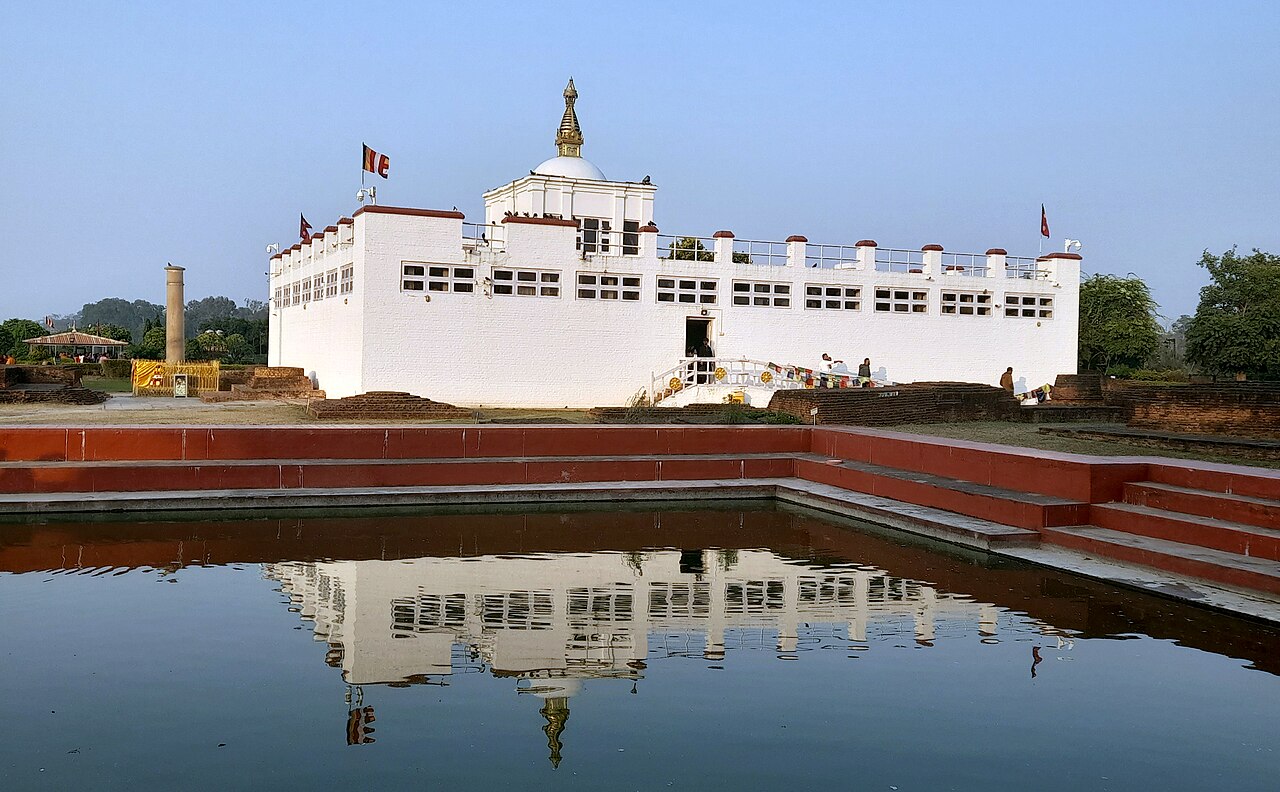
For travellers interested in the spiritual side of Nepal, the birthplace of Buddha at Lumbini is just a 3-hour drive from Chitwan. You can easily combine a safari with a pilgrimage to the Maya Devi Temple and the monasteries built by Buddhist communities from around the world. Our Lumbini pilgrimage guide covers everything you need for this extension. Alternatively, our guide to the 10 UNESCO World Heritage Sites in Nepal provides a broader cultural framework for your trip.
If you are travelling as a family, the combination of wildlife and culture is ideal. Children are captivated by rhinos and elephants, while parents appreciate the educational value of the Tharu culture and the UNESCO heritage sites. For more family-oriented advice, see our guide to short treks near Kathmandu which includes family-friendly options.
Responsible Wildlife Tourism in Nepal
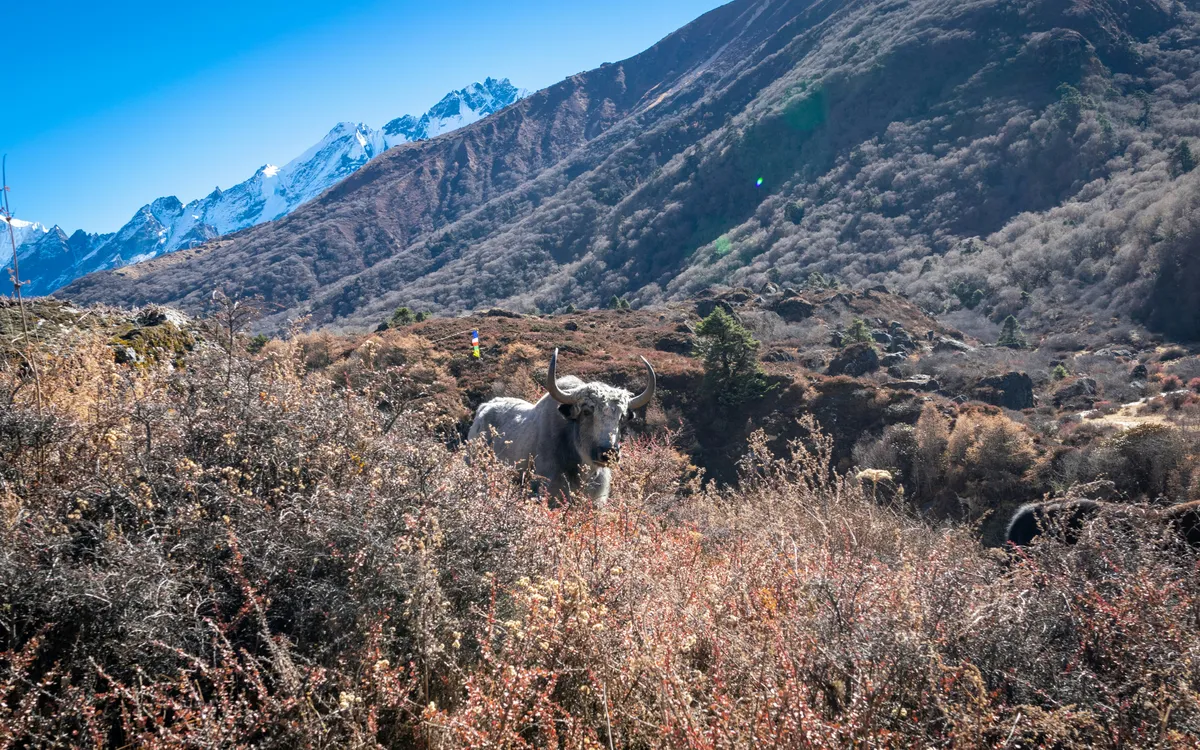
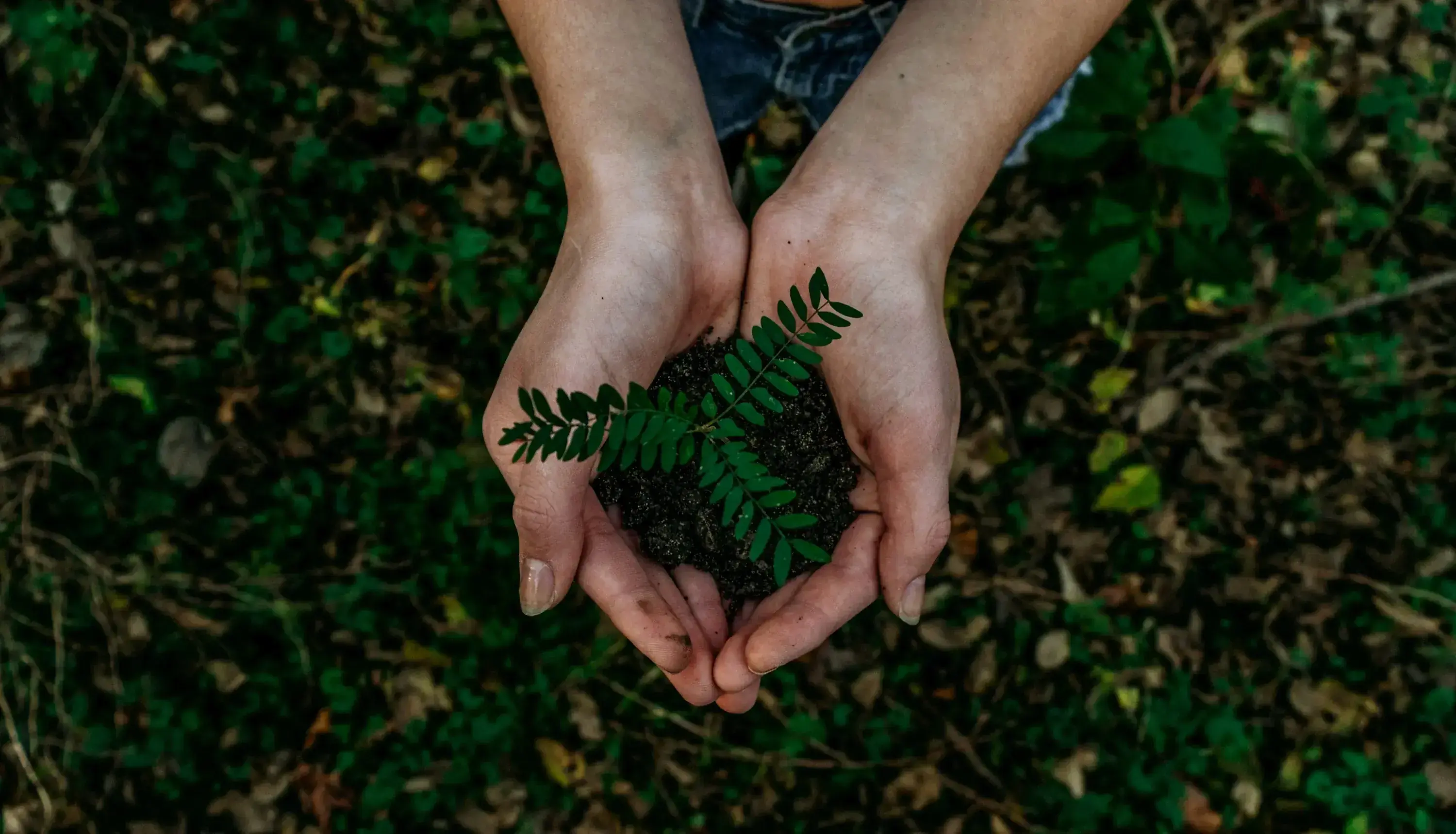
Nepal has made significant strides in promoting responsible wildlife tourism, but as a visitor, your choices matter. Here are the key principles to follow:
Choose ethical operators: Avoid any operator that offers elephant-back rides or promotes chasing, cornering, or harassing wildlife. Reputable operators maintain a respectful distance from animals and follow park regulations. Look for operators that employ local Tharu guides, as this ensures tourism benefits the communities that live closest to the parks.
Respect park rules: Stay inside your vehicle during jeep safaris, keep voices low, do not use flash photography, and never feed wild animals. On jungle walks, follow your guide's instructions exactly, especially regarding distance from rhinos and other large mammals.
Support community tourism: Many lodges in the Chitwan and Bardia buffer zones are community-owned or employ local people. Staying at these lodges directly supports conservation by giving communities an economic stake in protecting wildlife. For more on this topic, see our guide to responsible and community tourism in Nepal.
Avoid single-use plastics: Bring a reusable water bottle and refill it at your lodge. The Terai is hot and you will drink a lot, but plastic waste is a major problem in Nepal's national parks.
Tip fairly: Safari guides, drivers, and lodge staff in Nepal earn modest wages. A tip of 10 to 15 percent of the safari cost, distributed at the end of your stay, is greatly appreciated and makes a real difference.
A Sample 3-Day Chitwan Safari Itinerary
Here is a practical day-by-day plan for a typical 3-day, 2-night Chitwan safari:
Day 1: Arrival and village walk. Arrive at your lodge in Sauraha or Meghauli by early afternoon. After lunch, take a guided walk through a Tharu village to learn about the indigenous culture, see traditional houses, and visit the elephant stable. In the evening, enjoy a Tharu cultural dance performance and dinner at the lodge.
Day 2: Full day of safari activities. Start early with a morning jeep safari into the park core zone, departing at 6:30 AM. Look for rhinos, deer, and bird life as the forest wakes up. Return to the lodge for lunch. In the afternoon, take a canoe ride on the Rapti River followed by a short jungle walk to the elephant breeding centre. Return for sunset on the riverbank.
Day 3: Bird watching and departure. An early morning bird-watching walk (5:30 AM) along the river and forest edge can yield 50 to 80 species. Return for breakfast, check out, and depart for your next destination.
For a longer stay, add a second jeep safari on Day 3 or a full-day jungle walk with a packed lunch. Multi-day stays significantly improve your chances of seeing tigers and other rare species.
Other Activities to Combine with Your Safari
The Terai region offers several other activities that pair well with a wildlife safari:
Chitlang wine tasting tour: The Chitlang valley, on the drive between Kathmandu and Chitwan, is home to Nepal's only winery. The Chitlang Wine Tasting Tour makes a pleasant stopover, offering local wine, fresh organic food, and a glimpse of rural Newari life.
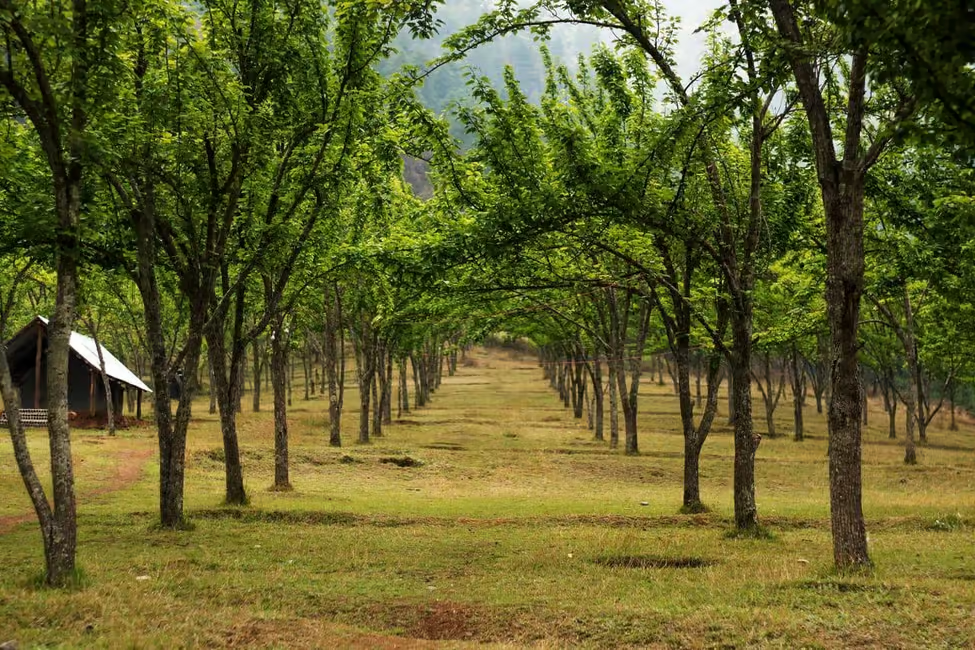
Paddy planting festival: If you travel during the monsoon onset (late June to July), you can experience the Paddy Planting Festival, a celebration of the rice planting season with traditional music, mud wrestling, and a community feast.

Mustang cultural adventure: For a dramatic contrast to the tropical lowlands, the Mustang Cultural Adventure package takes you to the arid, high-altitude desert of upper Mustang, a completely different landscape and culture.
Kathmandu food and culture tour: If you want to explore Nepali cuisine more deeply, the Kathmandu and Chitwan 6-Day Food and Culture Tour combines culinary experiences in the capital with wildlife activities in Chitwan. You can also read about the broader food scene in our guide to traditional Nepali food.
Conservation Success Stories: Why Nepal Stands Out
Nepal's conservation record is genuinely remarkable, especially for a developing country with limited resources. Several factors have contributed to its success:
Community-based conservation: Nepal pioneered the model of involving local communities in park management through Buffer Zone Management Committees and Community Forest User Groups. These bodies receive a share of park revenue, creating a direct economic link between conservation and community welfare. As a result, communities that once poached wildlife now protect it.
Zero-poaching years: Nepal has celebrated multiple zero-poaching years for rhinos, meaning not a single rhino was killed by poachers in those calendar years. This achievement is the result of intensive anti-poaching patrols, intelligence networks, and army deployment in the parks.
Tiger population recovery: In 2010, Nepal committed to the TX2 goal of doubling wild tiger populations by 2022. Nepal achieved this target ahead of schedule, with the 2022 census recording 355 tigers, up from 121 in 2009. Bardia alone saw its tiger population grow from 18 to 125 in the same period.
Rhino translocation: Nepal has successfully translocated rhinos from Chitwan to Bardia and other parks to establish new populations and reduce pressure on a single habitat. This is a complex operation involving darting, transport, and monitoring, and its success demonstrates Nepal's technical capacity in wildlife management.
These stories matter to you as a visitor because they mean your tourism dollars are contributing to a system that works. By visiting Nepal's national parks, you are supporting a conservation model that is studied and admired worldwide. To learn more about how responsible travel supports these efforts, see our guide to responsible tourism in Nepal.
Conclusion: Why a Nepal Safari Belongs on Your 2026 Itinerary
A wildlife safari in Nepal is not an afterthought to a trekking trip. It is a world-class wildlife experience in its own right, offering the chance to see rhinos, tigers, crocodiles, and hundreds of bird species in a setting of extraordinary natural beauty. The combination of accessible national parks (Chitwan), remote wilderness (Bardia), community-based conservation, and seamless integration with cultural and spiritual itineraries makes Nepal unique among safari destinations.
Whether you have two days or two weeks, whether you are a dedicated birder or a family with children, whether you want luxury or budget, Nepal's Terai has a safari experience tailored for you. The conservation success stories give hope that these animals will be here for generations to come, and your visit is part of that story.
As you plan your 2026 Nepal adventure, remember that the best trips combine multiple dimensions of this remarkable country. Pair your safari with a guided wildlife activity, a cultural tour of Kathmandu Valley, and a trek in the mountains. The result will be a journey that engages every sense and creates memories that last a lifetime. For help planning the full itinerary, reach out to us through our contact page, and our local experts will craft a personalised adventure that brings together the very best of Nepal's wildlife, culture, and Himalayan grandeur.