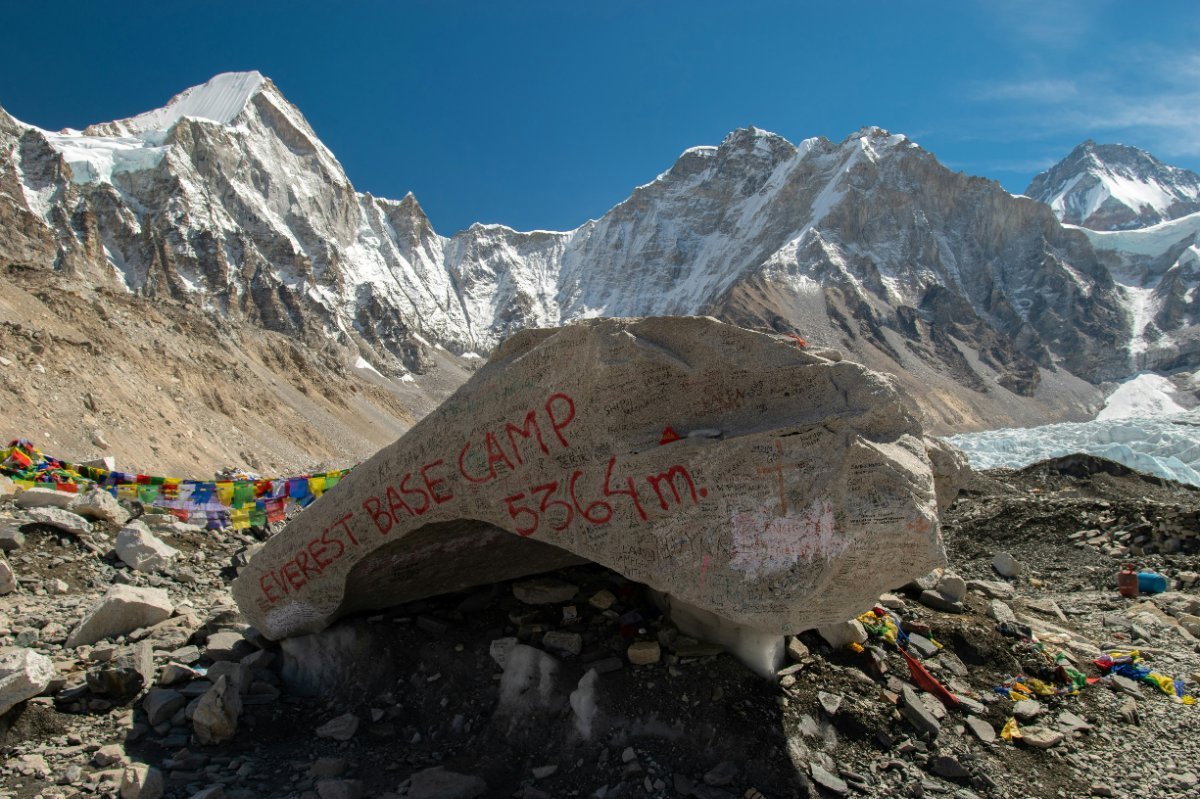
Everest Base Camp Trek for Beginners: A First-Timer Guide 2026
The Everest Base Camp trek is the dream that brings thousands of first-time trekkers to Nepal every year. You do not need to be a mountaineer, an athlete, or a seasoned Himalayan veteran to reach base camp at 5,364 metres. What you need is preparation, the right information, and a realistic understanding of what the journey demands. This guide is written specifically for beginners, covering everything from fitness preparation and packing to permits, costs, altitude safety, and what to expect on the trail each day.
Whether you are planning your first multi-day trek or your first trip to Nepal, this article walks you through every decision a first-timer faces. We have drawn on the experience of our local guides, the lessons from over a decade of operating treks in the Khumbu region, and the real questions beginners ask before booking. By the end, you will know exactly what it takes to stand at the foot of the world's highest mountain.
Is the Everest Base Camp Trek Suitable for Beginners?
Yes, the Everest Base Camp trek is suitable for beginners who are willing to prepare. The trail does not require technical climbing skills, ropes, crampons, or prior mountaineering experience. You walk on established footpaths through Sherpa villages, alpine meadows, and glacial moraine. The challenge is not technical difficulty but sustained physical effort over 12 to 14 days at progressively higher altitudes.
Beginners successfully complete this trek every season. The key factors that determine success are cardiovascular fitness, pacing, hydration, and acclimatisation discipline. If you can walk 4 to 6 hours a day on hilly terrain with a 5 to 8 kilogram daypack for two consecutive weeks, you have the physical baseline. The mental side, patience on long acclimatisation days and the discipline to ascend slowly, matters just as much as physical readiness. For a detailed fitness and difficulty assessment, read our honest assessment of EBC trek difficulty.
How Fit Do You Need to Be for Your First EBC Trek?
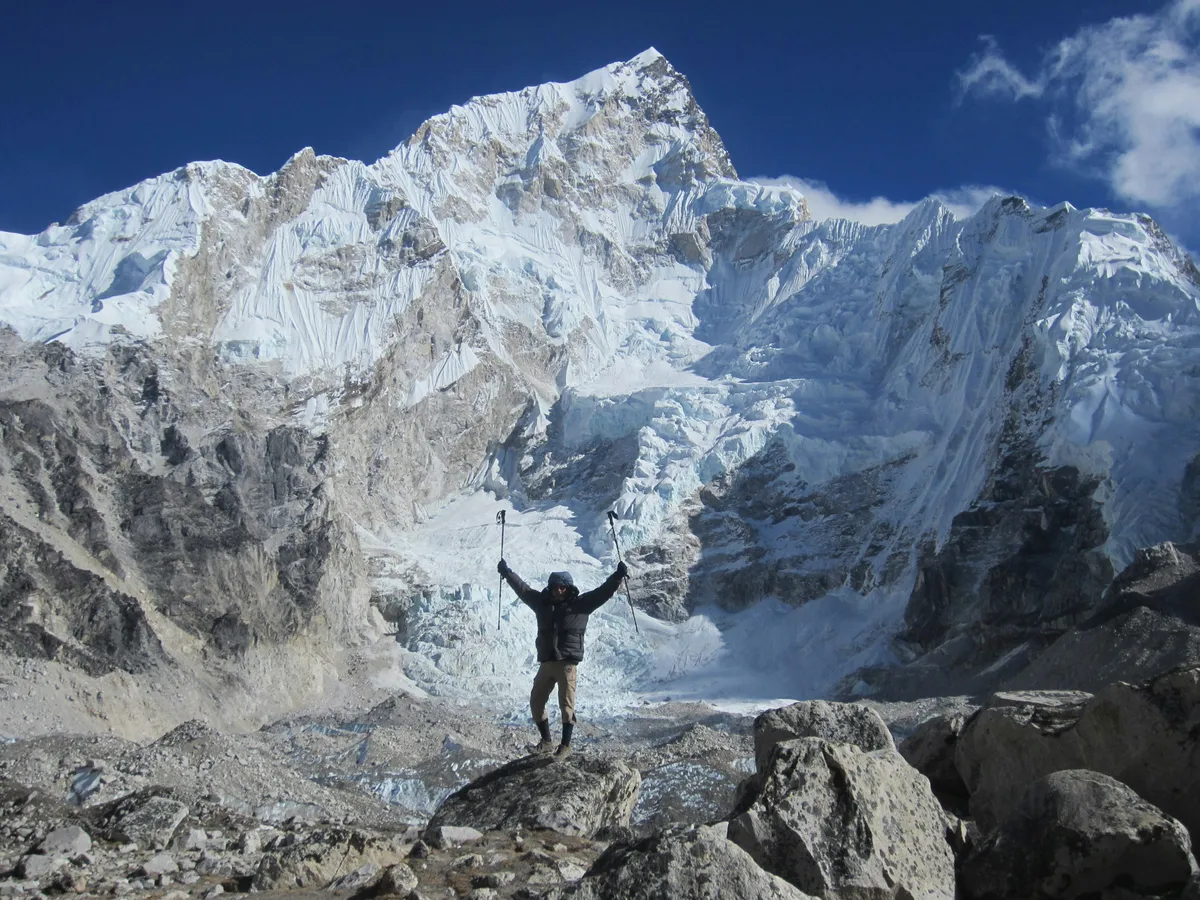
You need moderate-to-good cardiovascular fitness, not elite athleticism. The trek involves 5 to 7 hours of walking per day with elevation gains of 300 to 800 metres on most active days. You do not need to run marathons, but you should be comfortable walking uphill for extended periods without stopping every few minutes.
Beginners should start a fitness programme 8 to 12 weeks before departure. Focus on three areas: aerobic endurance (hiking, jogging, cycling, or swimming for 45 to 60 minutes, 4 times per week), leg strength (squats, lunges, step-ups, and calf raises to build the muscles that carry you uphill for hours), and core stability (planks and back exercises to support a loaded backpack on uneven terrain). The single best preparation is hiking on real trails with a loaded pack, gradually increasing distance and elevation gain over your training period. If you can complete a 6-hour hike with 800 metres of elevation gain carrying 8 kilograms and feel tired but not destroyed, you are ready.
Age is not a barrier. Trekkers in their 50s, 60s, and 70s reach base camp every season. The factors that matter are fitness, health, and acclimatisation discipline, not the number on your birth certificate. If you have underlying health conditions, particularly cardiovascular or respiratory issues, consult your doctor before booking.
How Long Does the Everest Base Camp Trek Take for Beginners?
The standard beginner-friendly itinerary is 14 days from Lukla to base camp and back, including two dedicated acclimatisation days. This pace gives your body time to adapt to altitude and includes buffer days for weather-related Lukla flight delays. Some operators offer 12-day itineraries, but for first-timers, the extra acclimatisation day in Dingboche is worth its weight in safety.
A typical 14-day beginner itinerary looks like this: Day 1 fly to Lukla and trek to Phakding (2,610 m), Day 2 trek to Monjo and enter Sagarmatha National Park, Day 3 trek to Namche Bazaar (3,440 m), Day 4 acclimatise in Namche with a hike to Everest View Hotel, Day 5 trek to Tengboche (3,860 m), Day 6 trek to Dingboche (4,410 m), Day 7 acclimatisation hike to Nangkartshang Peak (5,083 m), Day 8 trek to Thukla (4,620 m), Day 9 trek to Lobuche (4,910 m), Day 10 trek to Gorak Shep (5,140 m) and hike to Everest Base Camp (5,364 m), Day 11 early morning hike to Kala Patthar (5,545 m) and trek to Pheriche, Day 12 trek to Namche Bazaar, Day 13 trek to Lukla, Day 14 fly to Kathmandu. For a complete day-by-day breakdown, see our 14-day EBC itinerary guide.
What Is the Best Time for a Beginner to Trek to EBC?
The best seasons for first-timers are spring (March to May) and autumn (September to November). Both offer stable weather, clear mountain views, and teahouses that are fully open. Autumn is the most popular season because the monsoon has cleared the air, making for the sharpest mountain views and the most reliable Lukla flights. Spring is slightly warmer and famous for rhododendron blooms at lower elevations, though the haze from pre-monsoon air can reduce visibility at higher altitudes.
For beginners, October is the single best month. The weather is settled, the trails are busy with fellow trekkers (which means safety in numbers and social support), and teahouses are well-stocked. November is also excellent but colder at night. If you prefer fewer crowds and do not mind cooler temperatures, late September or early December are good alternatives.
Winter (December to February) is possible but not recommended for first-timers because the high camps become extremely cold, some teahouses close, and the risk of flight cancellations increases. Monsoon (June to August) brings heavy rain, slippery trails, and obscured views, making it the least suitable season for a first trek. For a detailed month-by-month breakdown, read our best time for EBC trek guide.
How Much Does the EBC Trek Cost for a Beginner in 2026?
The total cost for a guided EBC trek as a beginner ranges from $1,200 to $2,500 depending on the level of service you choose. A basic package with a local guide, shared teahouse accommodation, and standard meals costs around $1,200 to $1,500. A mid-range package with better teahouses, an English-speaking guide, and a porter costs $1,500 to $2,000. A premium package with luxury lodges, private guide, and helicopter return from base camp costs $2,500 or more.
The major cost components are: flights to Lukla ($180 to $340 round trip depending on whether you fly from Kathmandu or Ramechhap), Sagarmatha National Park entry permit ($35), Khumbu Pasang Lhamu Rural Municipality permit ($25), guide fee ($25 to $35 per day), porter fee ($20 to $25 per day), teahouse accommodation ($5 to $15 per night for basic, $30 to $80 for deluxe), meals ($15 to $25 per day for basic, $30 to $50 for premium), travel insurance with helicopter evacuation ($120 to $200), and tipping ($100 to $150 total for guide and porter). For a detailed cost breakdown with hidden fees, read our EBC trek cost guide.
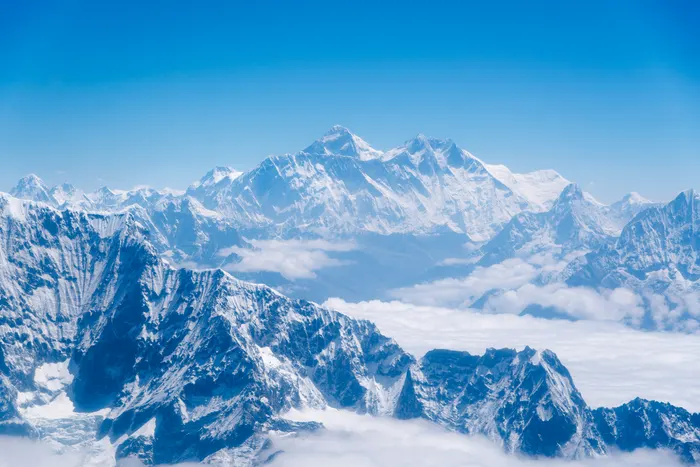
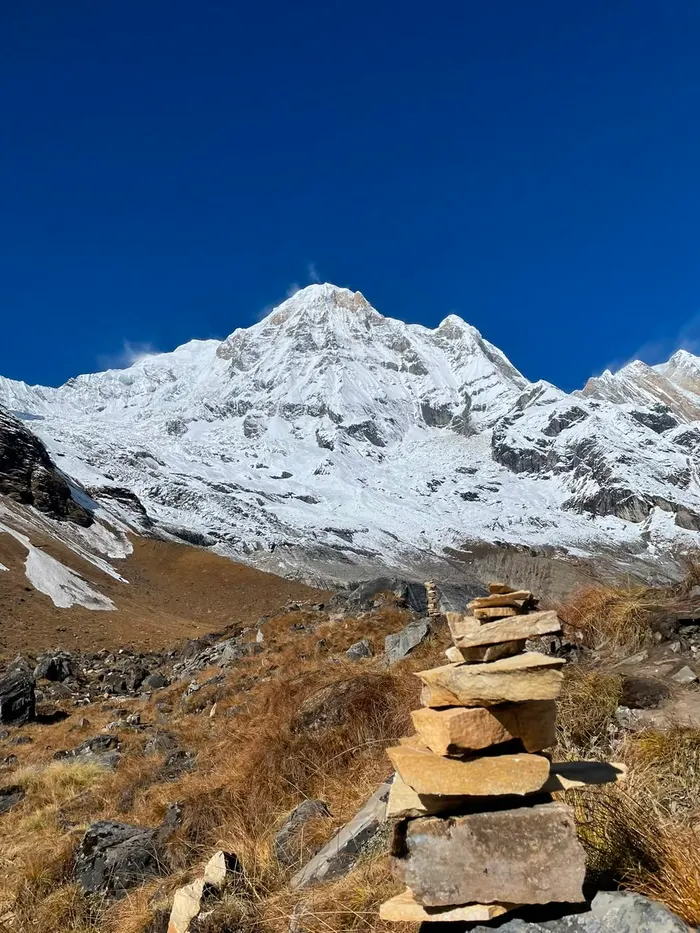
Beginners should not attempt the trek independently on their first visit to Nepal. A guide provides navigation, cultural translation, altitude monitoring, emergency support, and peace of mind. The cost difference between independent and guided is small when you factor in the safety and logistical benefits. To understand the full comparison, see our solo vs guided EBC trek analysis.
What Permits Do Beginners Need for the EBC Trek?
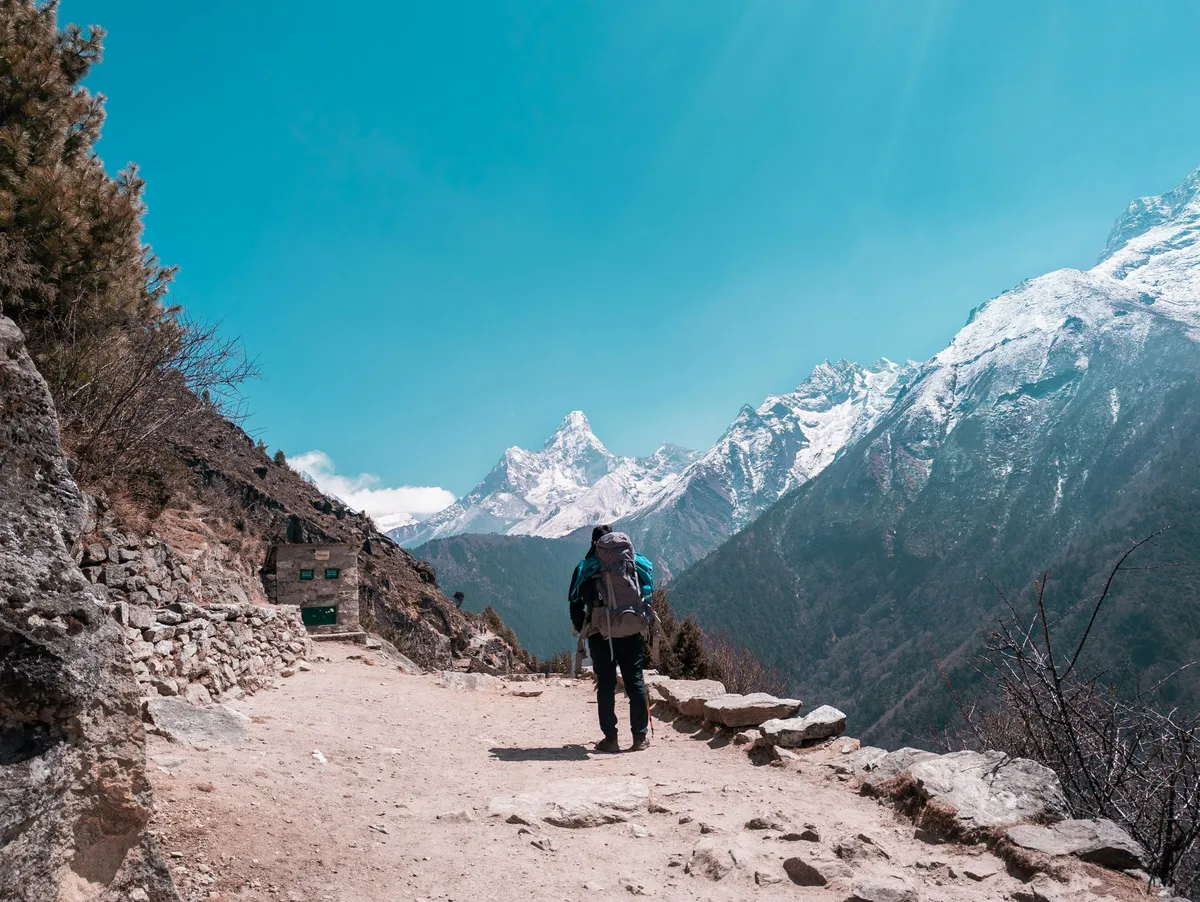
You need two permits for the Everest Base Camp trek. The first is the Sagarmatha National Park entry permit, which costs approximately $35 and is obtained in Monjo at the park entrance gate. The second is the Khumbu Pasang Lhamu Rural Municipality permit, which costs approximately $25 and is obtained in Lukla or at the entrance to the municipality. Your guide or trekking agency will arrange both permits for you, so beginners rarely need to worry about the logistics.
Carry your passport with you on the trail because permit checks occur at Monjo and again at various points along the route. If you are trekking without a guide (not recommended for first-timers), you can purchase both permits in Kathmandu at the Nepal Tourism Board office or at the entry gates on the trail. For a comprehensive guide to all Nepal trekking permits including TIMS, ACAP, MCAP, and restricted-area fees, see our Nepal trekking permits guide.
What Should a Beginner Pack for the EBC Trek?
The packing strategy for beginners is to carry less, not more. Your porter (if you hire one) carries your main duffel up to 15 kilograms, and you carry a 5 to 8 kilogram daypack with water, snacks, extra layers, camera, and essentials. Over-packing is the most common beginner mistake, and every extra kilogram matters at 5,000 metres.
The essential packing list for a beginner includes: a 30 to 40 litre daypack, a 60 to 80 litre duffel bag (for the porter), a four-season sleeping bag rated to -15 degrees Celsius (teahouse blankets are thin), a down jacket (essential above Namche), base layers (merino wool tops and bottoms), a fleece mid-layer, a waterproof and windproof shell jacket, trekking trousers (two pairs), thermal gloves and a warm hat, a sun hat and sunglasses with UV protection, trekking boots broken in before the trip (not new), camp shoes or sandals for teahouse evenings, a headlamp with extra batteries, a 1 to 2 litre water bottle or hydration bladder, water purification tablets or a filter, a basic first aid kit (bandages, blister plasters, paracetamol, ibuprofen, throat lozenges, rehydration salts), altitude sickness medication (Diamox, consult your doctor), sunscreen SPF 50+, lip balm with SPF, a quick-dry travel towel, and toiletries. For the full seasonal packing breakdown, read our EBC packing list guide.
How Do You Prevent Altitude Sickness on Your First EBC Trek?
Altitude sickness is the biggest risk for beginners on the EBC trek, and it is the primary reason trekkers fail to reach base camp. The key to prevention is gradual ascent, which is why the 14-day itinerary with two acclimatisation days is the standard recommendation. The golden rule is to ascend no more than 500 metres of sleeping altitude per day once you are above 3,000 metres, and to include a rest day every 600 to 900 metres of elevation gain.
Practical prevention steps for beginners: drink 3 to 4 litres of water per day (dehydration mimics and worsens altitude symptoms), eat carbohydrate-rich meals (rice, pasta, potatoes, dal bhat) even when you lose your appetite at altitude, avoid alcohol and sedatives (they suppress breathing during sleep when you are already hypoxic), walk slowly from day one (the Sherpa pace is deliberately slow, and you should never feel out of breath), sleep at a lower altitude than your highest point of the day if possible (the climb-high, sleep-low principle), and consider taking Diamox (acetazolamide) as a prophylactic after consulting your doctor. For the complete ACAPS altitude sickness prevention guide, read our altitude sickness prevention guide.
Recognise the early symptoms of acute mountain sickness (AMS): headache, nausea, loss of appetite, fatigue, dizziness, and difficulty sleeping. Mild symptoms are common and manageable with rest, hydration, and paracetamol. If symptoms worsen (vomiting, severe headache that does not respond to painkillers, loss of coordination, confusion, or breathlessness at rest), you must descend immediately. HACE (high altitude cerebral edema) and HAPE (high altitude pulmonary edema) are life-threatening and require immediate descent by at least 500 to 1,000 metres. A helicopter evacuation is the last resort, not the first.
What Are the Teahouses Like on the EBC Trail?
Teahouses are the mountain lodges that line the EBC trail, and they are where you will sleep, eat, and socialise every evening. For beginners, they are a pleasant surprise: clean, warm, and communal, with a dining hall heated by a yak-dung or wood stove where trekkers gather to eat, play cards, and share stories. Rooms are basic twin-share with a mattress on a wooden frame, a blanket (bring your own sleeping bag for warmth and hygiene), and occasionally a small table. Bathrooms are shared squat toilets, though some lodges at lower elevations have Western-style flush toilets and even hot showers for a fee.
The food in teahouses is surprisingly good and varied. The staple is dal bhat (rice, lentil soup, vegetables, and pickles, with free refills), but menus also include momos (dumplings), noodle soups, fried rice, pasta, porridge, pancakes, and even apple pie at some lodges. As you climb higher, prices increase and freshness decreases because all supplies are carried up by porters or yaks. Budget $15 to $25 per day for meals in lower-altitude teahouses and $25 to $40 at higher elevations. For a comprehensive guide to accommodation options along the trail, see our EBC teahouse guide.
How Do You Get to Lukla as a Beginner?
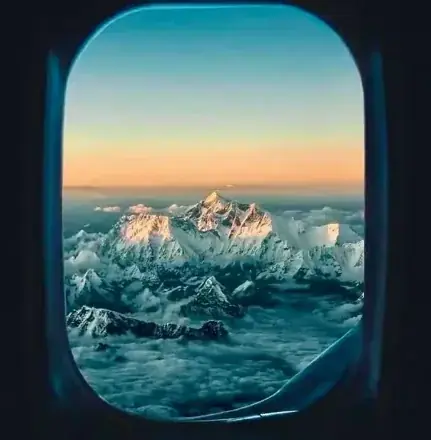
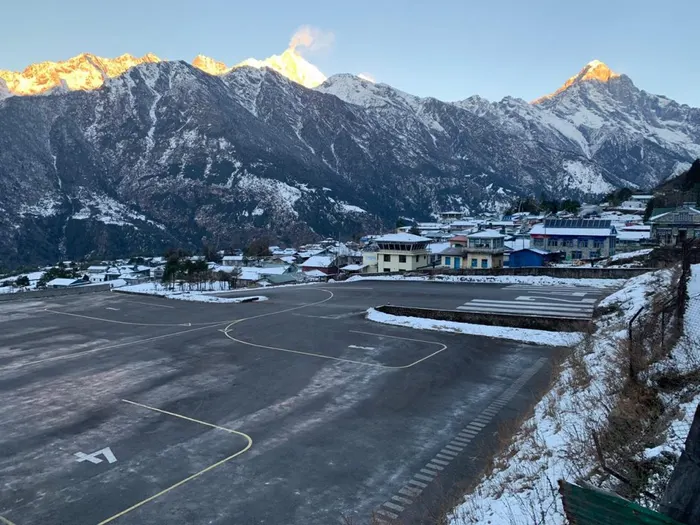
The adventure begins with the flight to Lukla, one of the most famous short airstrips in the world. The 35-minute flight from Kathmandu covers 136 kilometres and climbs from 1,400 metres to 2,860 metres, landing on a 527-metre runway that slopes uphill and ends at a stone wall. For beginners, the flight is part of the experience: the views of the Himalaya are stunning, and the landing is a story you will tell for years.
During peak trekking seasons, flights often depart from Ramechhap (Manthali) instead of Kathmandu, a 4 to 5 hour drive from the capital. This diversion reduces air traffic congestion at Kathmandu's domestic terminal. Your trekking agency will arrange the drive and the flight as part of your package. Weather delays are common, especially in the afternoon, so morning flights are preferred and buffer days in your itinerary are essential. For everything you need to know about Lukla flights, schedules, and the Ramechhap option, read our Lukla flights guide.
What Is the Weather Like on the EBC Trek?
The weather on the EBC trek varies dramatically by altitude and season. In the valleys below Namche, daytime temperatures range from 15 to 25 degrees Celsius in spring and autumn, dropping to 5 to 10 degrees at night. Above 4,000 metres, daytime temperatures are 5 to 15 degrees, and nights drop to -5 to -15 degrees. At base camp and Kala Patthar, even in peak season, nights can reach -20 degrees.
For beginners trekking in October or November, expect cold but manageable conditions. A down jacket, a four-season sleeping bag, and thermal base layers are non-negotiable above Namche. The sun is intense at altitude due to the thin atmosphere, so sunscreen and sunglasses are essential even on cold days. Weather can change quickly in the mountains, so always carry a waterproof shell and an extra warm layer in your daypack. For a complete month-by-month weather guide, see our EBC weather guide.
Should a Beginner Hire a Guide and Porter?
Yes, without hesitation. For your first Himalayan trek, a guide and a porter are not luxuries but essentials. A guide provides navigation on unmarked sections, monitors your health for altitude symptoms, translates with teahouse owners, manages permits, handles emergencies, and enriches your experience with local knowledge about Sherpa culture, mountain history, and Buddhist traditions. A porter carries your heavy duffel, saving your energy for the walk and dramatically reducing the risk of exhaustion and injury.
The combined cost of a guide and porter is $45 to $60 per day, which for a 14-day trek adds $630 to $840. This is money well spent for a beginner. Trekking independently on your first visit to Nepal means carrying 15 kilograms yourself, navigating without local knowledge, managing altitude symptoms without a trained eye, and dealing with emergencies alone in a remote region with no mobile signal for large stretches. The choice between solo and guided is not just about cost but about safety, experience quality, and peace of mind.
What Does a Typical Trekking Day Look Like for a Beginner?
A typical day on the EBC trek follows a gentle rhythm that beginners quickly adapt to. You wake at 6:00 to 6:30 AM, pack your duffel for the porter, and head to the dining hall for breakfast. Breakfast is usually porridge, eggs with toast, or pancakes with tea or coffee. By 7:30 AM you are on the trail, walking at a steady pace for 2 to 3 hours before stopping for lunch at a teahouse along the route. Lunch is typically dal bhat, fried rice, or noodle soup, with a 45 to 60 minute rest.
After lunch, you walk another 2 to 3 hours to reach the day's teahouse by 3:00 to 4:00 PM. This early arrival is deliberate: it gives your body time to rest, hydrate, and adjust to the altitude before the cold evening sets in. You settle into your room, change into dry clothes, and gather in the dining hall around the stove for tea and conversation. Dinner is ordered by 6:30 PM (meals take time to cook on a wood stove), and most trekkers are in bed by 8:30 PM. The early schedule maximises daylight walking and allows for a full night's sleep, which is critical for altitude acclimatisation.
What Are the Biggest Mistakes Beginners Make on the EBC Trek?
The most common beginner mistake is walking too fast, especially in the first three days. Adrenaline and excitement push new trekkers to race ahead, burning energy and raising their heart rate unnecessarily. The result is faster fatigue, higher altitude risk, and a miserable experience. The correct pace is slow enough that you can hold a conversation without gasping. If you cannot talk, you are walking too fast. The Sherpa saying "bistari, bistari" (slowly, slowly) is not just cultural advice, it is physiological wisdom.
Other common mistakes include: not drinking enough water (aim for 3 to 4 litres per day, and your urine should be clear or pale yellow), skipping acclimatisation days to save time (this is how altitude sickness happens), not carrying enough cash (there are no ATMs above Namche, and you need cash for meals, hot showers, charging devices, and Wi-Fi), not breaking in trekking boots before the trip (blisters on day 2 can end your trek), packing too much (every kilogram counts at altitude), ignoring early altitude symptoms (denial is dangerous, and descending is not failure), and underestimating the cold at night (a good sleeping bag is the most important piece of gear you bring). For a broader guide to choosing the right trek and avoiding common pitfalls, read our how to choose a trek in Nepal guide.
How Do You Prepare Mentally for Your First EBC Trek?
Mental preparation is as important as physical preparation, and beginners often overlook it. The EBC trek is not just a physical challenge but a psychological one. You will be away from home for two to three weeks, sleeping in basic rooms, eating repetitive food, dealing with cold nights and squat toilets, and pushing through days when your body says stop. The mental skills you need are patience, adaptability, and the ability to find joy in discomfort.
Practical mental preparation tips: set realistic expectations (the trail is hard, and there will be tough days, but reaching base camp is achievable for anyone who perseveres), practise long walks in training (not just fitness but mental conditioning for hours of repetitive effort), read about the region before you go (understanding Sherpa culture, Buddhist traditions, and the history of Everest expeditions enriches the journey), talk to people who have done the trek (their reassurance is valuable), and embrace the unknown (the unexpected moments, the kindness of strangers, the sudden mountain views, are what you will remember). For inspiration on the cultural and spiritual dimensions of Nepal that you will encounter on the trail, explore our cultural and spiritual tours guide.
Can Beginners Combine EBC with Other Treks or Tours?
Many beginners combine the EBC trek with other experiences in Nepal to make the most of their trip. The most popular combination is EBC plus a short Annapurna trek, giving you two very different Himalayan landscapes in one visit. The Annapurna vs Everest comparison can help you decide whether to add a second trek. If you prefer not to trek again, a cultural tour of Kathmandu Valley, a wildlife safari in Chitwan, or a few days in Pokhara by the lake are excellent ways to recover and see more of Nepal.
For beginners who find the full EBC trek too daunting, there are shorter alternatives that still deliver spectacular Himalayan views. The best beginner treks in Nepal include Ghorepani Poon Hill (3 to 4 days, max 3,210 m), the Helambu Trek (5 to 7 days, max 3,650 m), and the Langtang Valley Trek (7 to 10 days, max 4,300 m). These treks offer a gentler introduction to Himalayan trekking and build confidence for a future EBC attempt. The Everest region guide also covers shorter route options within the Khumbu.
What Insurance Do Beginners Need for the EBC Trek?
Travel insurance for the EBC trek must include helicopter evacuation and medical coverage up to at least 6,000 metres altitude. Standard travel insurance policies often exclude trekking above 3,000 or 4,000 metres, so you must verify that your policy covers high-altitude trekking and emergency helicopter rescue. This is not optional: a helicopter evacuation from base camp to Kathmandu costs $3,000 to $5,000, and you cannot pay for it on the spot.
Recommended insurance providers for high-altitude trekking include World Nomads, IMG, Allianz, and local Nepali insurers. Check the altitude limit, the helicopter evacuation clause, and the medical repatriation coverage. Carry your insurance details and emergency contact numbers in your daypack and give a copy to your guide. For a comprehensive guide to planning your Nepal trip including insurance, permits, and seasonal timing, see our month-by-month Nepal planning guide.
What Cultural Experiences Will a Beginner Encounter on the EBC Trail?
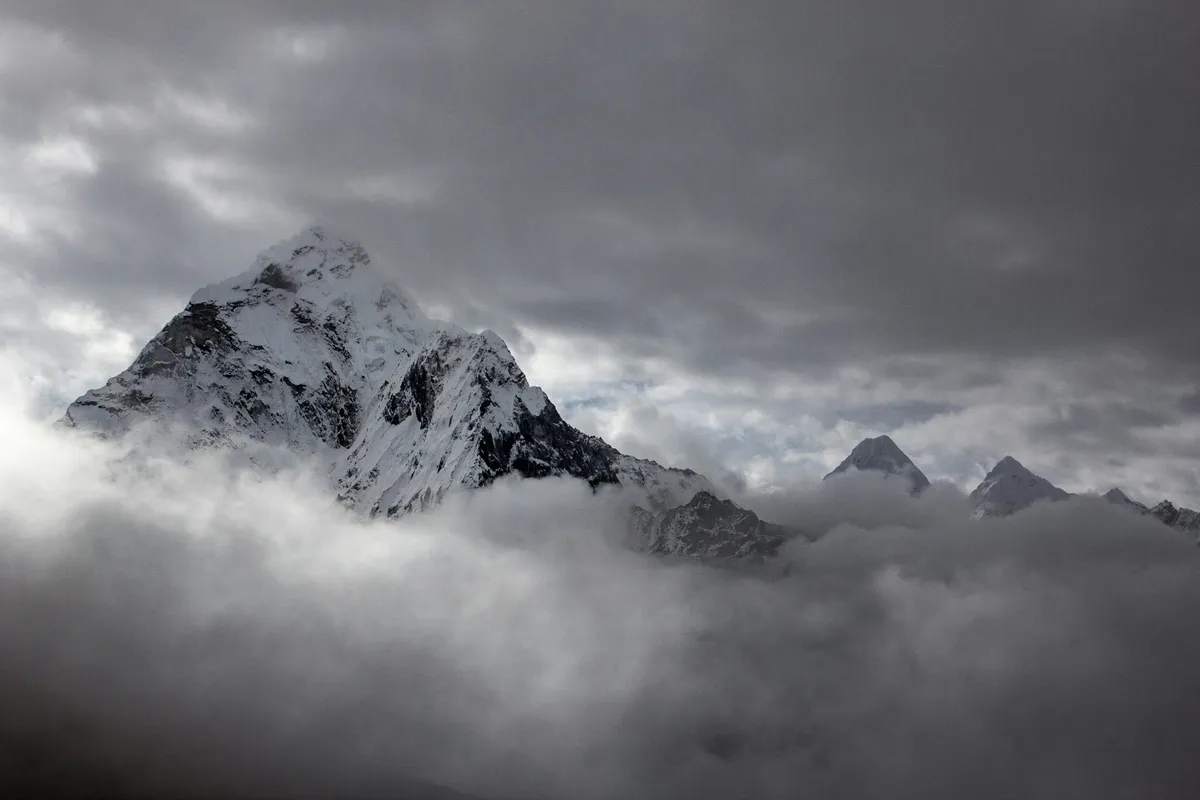
The EBC trail is not just a mountain path but a cultural corridor through Sherpa homeland. Beginners encounter a living Buddhist culture that is deeply intertwined with the mountains. You will pass prayer flags, mani walls (stones carved with Buddhist mantras that you walk clockwise around), chortens (stupas), and monasteries. The Tengboche Monastery at 3,860 metres is the spiritual heart of the Khumbu and worth a visit for its morning puja ceremony. Namche Bazaar, the Sherpa capital, has a vibrant Saturday market where traders from Tibet and lower Nepal sell goods.
Respecting local culture is essential. Always ask before photographing people, remove shoes before entering monastery halls, do not point your feet at sacred objects, walk clockwise around mani walls and chortens, and dress modestly (cover shoulders and knees in villages). The Sherpa people are warm and welcoming, and a few words of Nepali or Sherpa language (namaste for hello, dhanyabad for thank you) go a long way in building goodwill. For deeper context on the cultural and spiritual traditions of Nepal, including the significance of stupas, monasteries, and pilgrimage sites, read our cultural and spiritual tours guide.
Conclusion: Your First Everest Base Camp Trek Awaits
The Everest Base Camp trek is one of the world's great journeys, and it is within reach of any beginner willing to prepare. You do not need to be an elite athlete or a seasoned mountaineer. You need cardiovascular fitness, a good attitude, the right gear, a guide who knows the trail, and the discipline to walk slowly and acclimatise properly. The reward is standing at 5,364 metres at the base of the highest mountain on Earth, surrounded by glaciers and peaks that have drawn explorers for a century.
Nepal is a country that rewards preparation but also embraces the unexpected. The friendships you form in teahouse dining halls, the sudden view of Everest from the top of Kala Patthar at dawn, the sound of yak bells on the trail, and the warmth of Sherpa hospitality are experiences no guidebook can fully capture. Your first trek to Everest Base Camp is not just a physical achievement but a life-changing encounter with a landscape and culture unlike any other. If you have ever dreamed of seeing the Himalaya up close, 2026 is the year to make that dream real. And if time or fitness is a concern, an Everest Base Camp helicopter tour offers an unforgettable alternative that lands you at base camp in a single day. Start planning your journey with a trusted Nepal trekking agency and turn the dream into a plan.