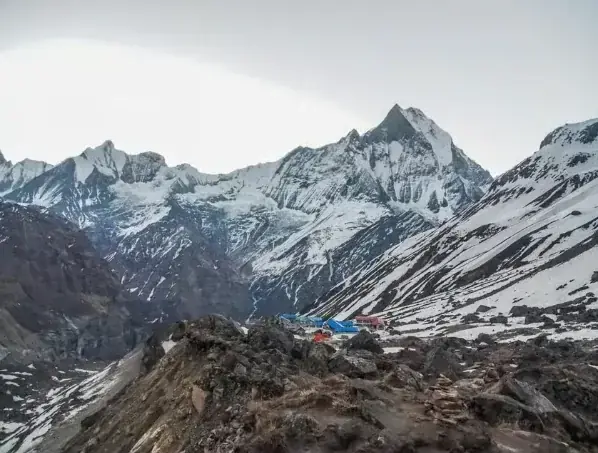
Most trekkers in the Annapurna region walk the same two trails. They climb to Poon Hill for sunrise, or they push on to Annapurna Base Camp. Both are excellent, and both are busy. The Khopra Ridge Trek exists in the quiet space beside them: a seven-day community trail through Magar villages, rhododendron forest and high pastures that ends, if you choose, at a sacred lake most visitors have never heard of.
Khopra Ridge sits at roughly 3,660 metres in the Annapurna foothills, facing Dhaulagiri across the Kali Gandaki gorge. Above it, at about 4,600 metres, lies Khayer Lake, a glacial tarn revered by local communities for generations. Between the ridge and the lake you will meet more goats than trekkers. That is the point.
This guide covers the full route, the real day-by-day itinerary, the cost of the trip in 2026, permit rules, teahouse culture, altitude planning and the honest question every trekker asks before booking: is Khopra Ridge right for me? If you are building a wider Nepal trekking plan, our complete guide to trekking in Nepal sets the context, and the cultural and spiritual tours in Nepal guide explains why the sacred dimension of these trails matters so much.
Why the Khopra Ridge Trek Is Nepal's Quietest Annapurna Trail
Khopra is what the Annapurna region looked like before the crowds. The trail receives a fraction of the foot traffic that Ghorepani and the Annapurna Sanctuary see, and it was developed with a deliberate, community-first philosophy. The lodges on the ridge are owned and run by local families through a cooperative model, so your teahouse fees support village schools and health posts rather than outside operators.
That changes the feel of the trek. Where the main routes have dining halls full of trekking groups and menus printed in five languages, Khopra has a handful of stone-and-timber lodges, a wood stove, and dal bhat cooked to order. You will almost certainly sit with the same small group of trekkers each evening, and by day three you will know their names.
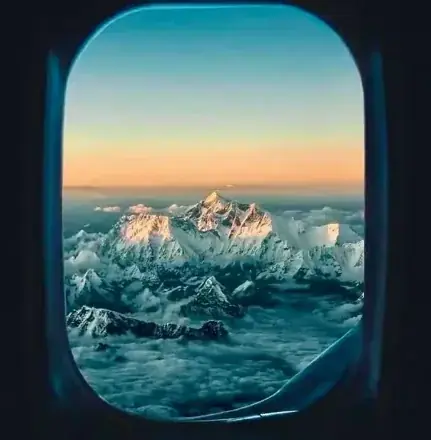
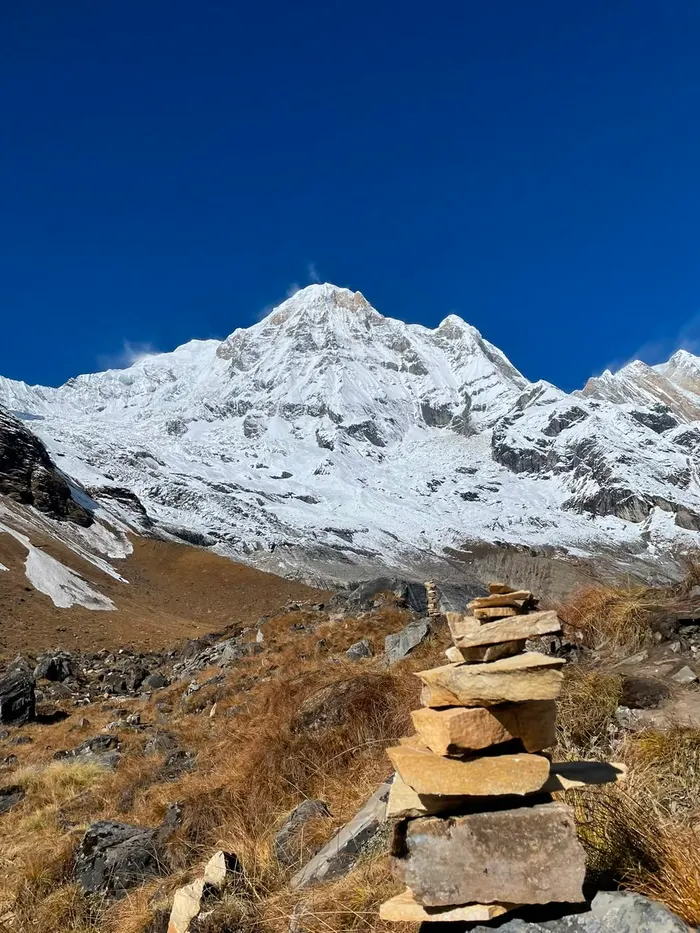
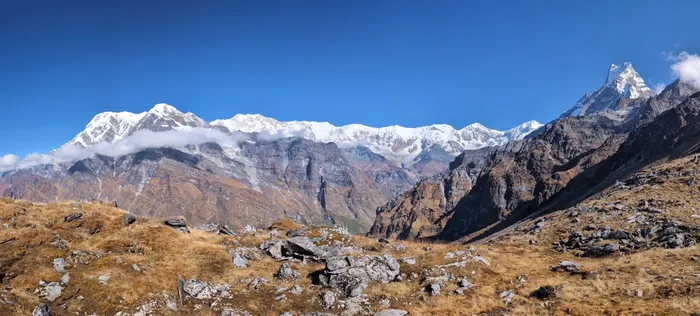
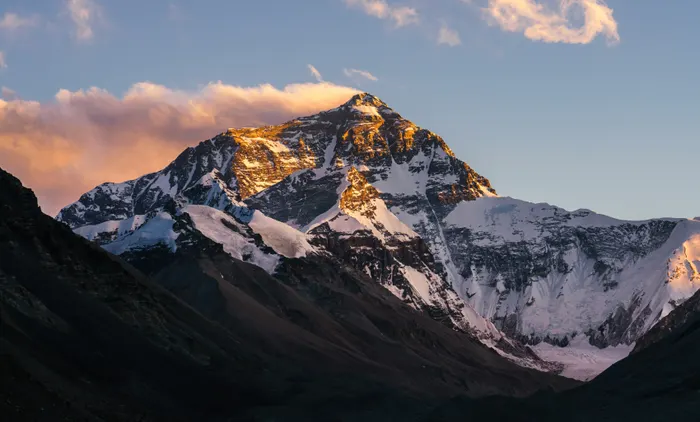
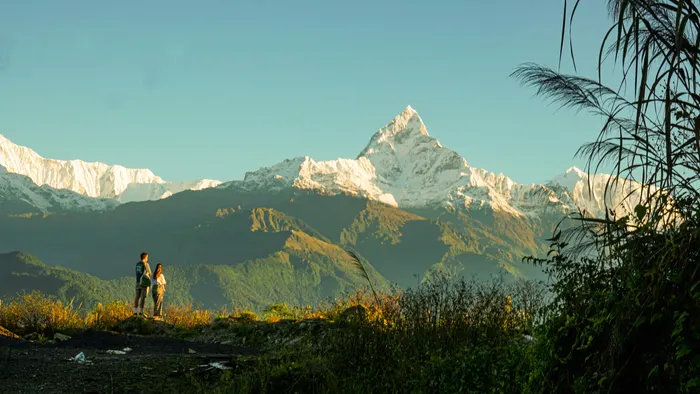
The scenery is the other reason to come. From the ridge you look straight across at Dhaulagiri, the seventh-highest mountain on earth, and along the Annapurna massif to Annapurna South and Machapuchare. Because nothing blocks the view and the ridge runs north to south, sunrise and sunset both land on the peaks rather than behind them. Photographers tend to fall in love with this trail quickly.
Where Is Khopra Ridge and How Do You Reach the Trailhead?
Khopra Ridge lies in the Annapurna foothills of Myagdi and Kaski districts, northwest of Pokhara and southwest of the Annapurna Sanctuary. The standard trailhead is Nayapul, about an hour and a half by road from Pokhara, which is where almost every Annapurna trek begins. You do not need a domestic flight to start this trek, which keeps both cost and logistics simple.
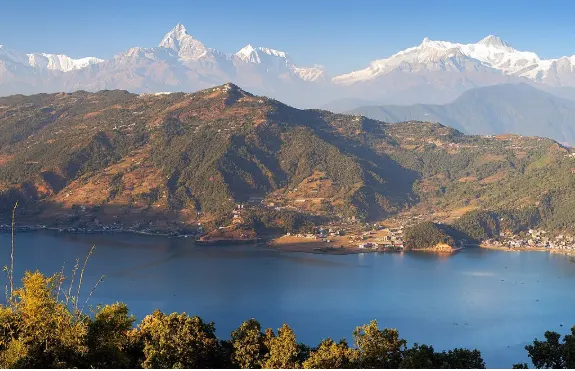
From Nayapul the route climbs through terraced farmland and forest to Khopra, then detours to Khayer Lake, and returns via Swanta and Ulleri to finish back at Nayapul. Because the trail forms a loop rather than an out-and-back, no section is repeated. Trekkers usually arrive in Pokhara the day before departure, sleep by Phewa Lake, and start walking the following morning. Pokhara itself is worth an extra day: the Pokhara travel guide covers the lake, the viewpoints and the town's relaxed trekking culture.
The Khopra Ridge Itinerary: Seven Days, Day by Day
Our 7-day Khopra Trekking Adventure from Pokhara follows the classic loop with full lodge accommodation and all meals on the trail. The day-by-day shape looks like this.
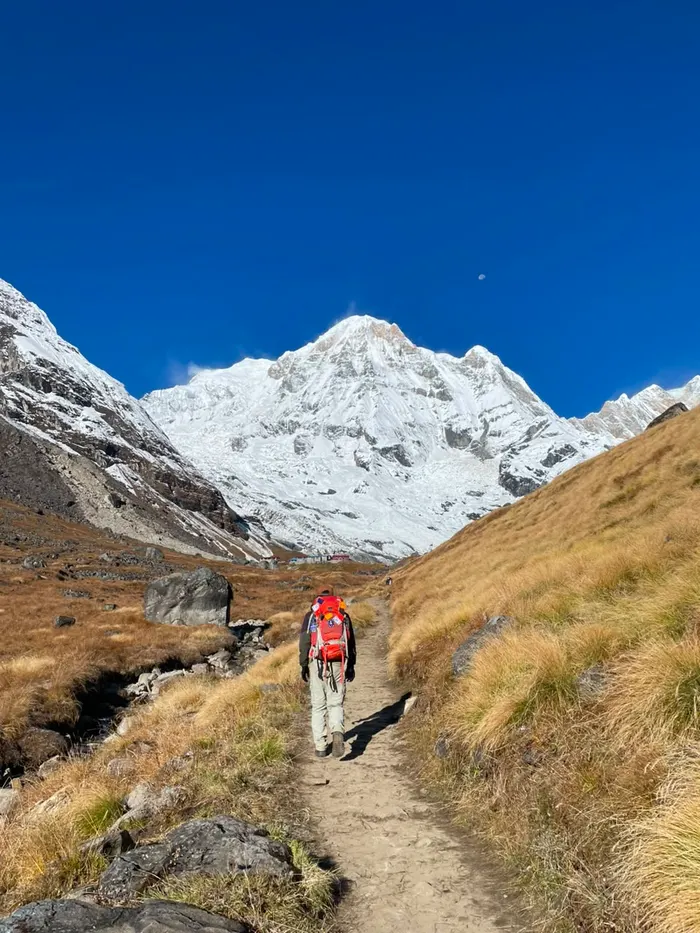
Day 1: Pokhara to Nayapul to the first lodge. A scenic drive from Pokhara brings you to Nayapul, the official start of the trek. The trail then climbs gradually through terraced farmlands and small settlements, with the Annapurna foothills rising ahead. This is a gentle introduction day, deliberately short, so your legs and lungs adjust before the real climbing begins.
Day 2: Into the wilderness. The route leaves the villages behind and enters dense forest and alpine pasture. This stretch is quiet and less crowded than anything on the main Annapurna routes, and the day is as much about atmosphere as altitude. Expect moss, orchids in spring, and the sound of the trail underfoot rather than conversation.
Day 3: The climb to Khopra Ridge. A rewarding ascent brings you out of the trees and onto the ridge itself, the highlight of the trek. The forest opens, Dhaulagiri appears across the valley, and the lodges come into view. Arrive early enough to walk a little further along the ridge for sunset, when the whole Annapurna wall turns amber.
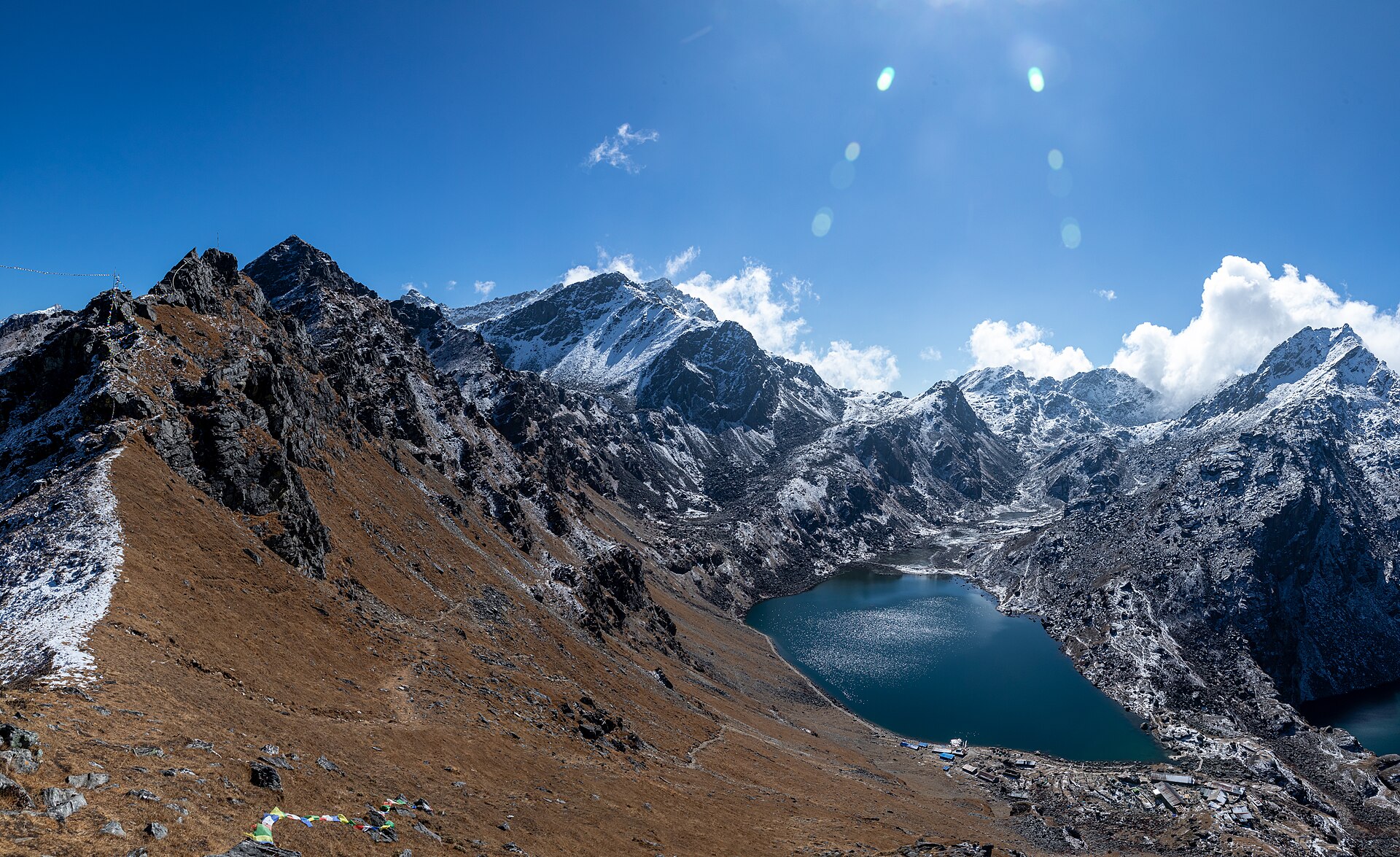
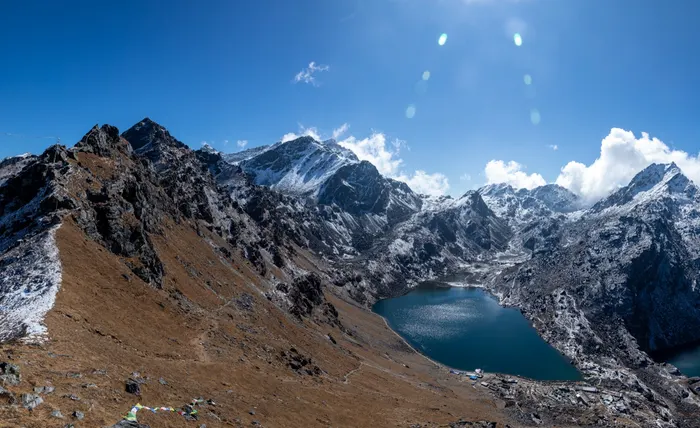
Day 4: The hike to sacred Khayer Lake. This day is dedicated to an adventurous side trip to Khayer Lake, a high-altitude lake revered by local people and set among dramatic mountain scenery. The trail is steep and the altitude is serious, so it is a long, demanding day, but it is the experience that makes this trek unlike any other in the region.
Day 5: Descent to Swanta Village. After the high point, the trail drops gradually through forest to Swanta, a Magar farming village with terraced fields and a very different rhythm from the ridge. It is a day for recovery, and for noticing how much warmer the air feels.
Day 6: On to Ulleri. The route continues across the hillsides toward Ulleri, a well-known village in the Annapurna region perched above the Modi Khola valley. The stone staircase country begins here, and the views back toward the ridge you crossed two days earlier are excellent.
Day 7: Back to Nayapul. The final day descends from Ulleri to Nayapul, where transport waits to return you to Pokhara. Most trekkers arrive back in the afternoon feeling pleasantly wrung out, with the ridge and the lake already filed away as the part they will talk about most.
What Is the Hike to Khayer Lake Really Like?
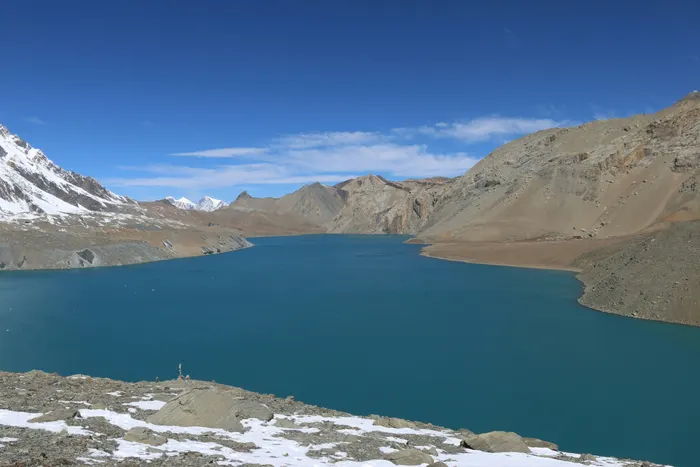
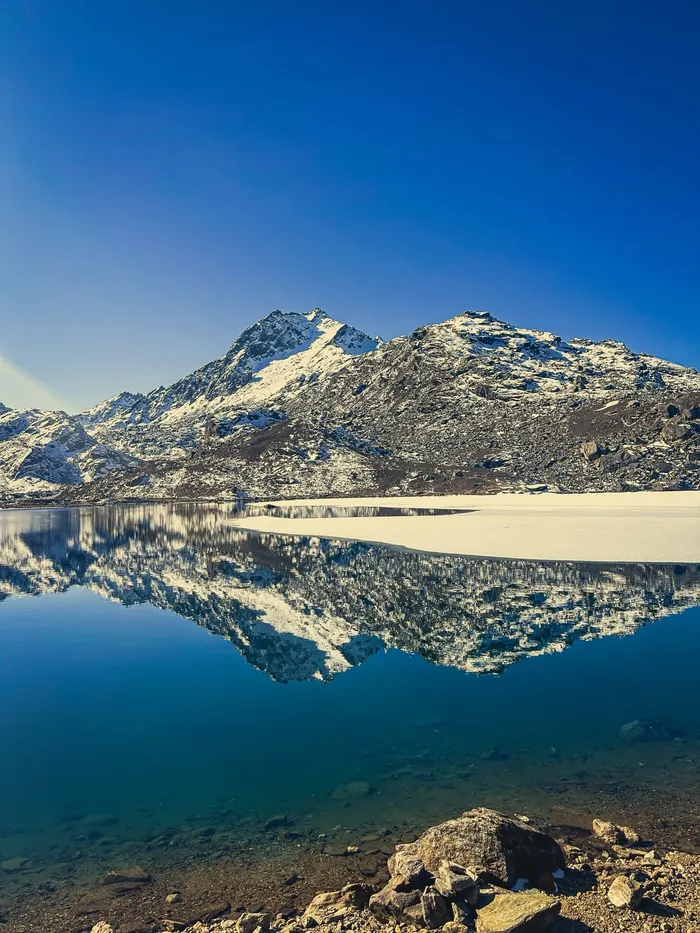
Khayer Lake is the reason many trekkers choose Khopra over other foothill routes. The lake sits at roughly 4,600 metres, a sacred glacial tarn that local Hindu and Buddhist communities have visited for generations. The climb from the ridge adds around 900 metres of altitude gain and takes most walkers four to six hours return, with a steep, rocky final section.
Because the lake is a place of worship, not a viewpoint, the etiquette matters. Walk clockwise around the shoreline, keep voices low, do not touch or disturb the offerings left at the water's edge, and ask before photographing anyone. Locals will tell you the lake is protected by a deity, and the calm that settles over a group standing quietly at 4,600 metres makes that easy to believe.
The altitude is the real challenge rather than the distance. Many trekkers feel the thin air on the climb, so start early, walk slowly, drink steadily and turn back without regret if a headache or nausea sets in. There is no prize for reaching the water's edge. Our guide to altitude sickness on the Everest and Annapurna treks explains the symptoms to watch and how to acclimatise properly.
How Hard Is the Khopra Ridge Trek?
Khopra Ridge is a moderate trek, sitting between the gentle Ghorepani Poon Hill circuit and the longer Annapurna Base Camp route in difficulty. The daily walking is roughly four to six hours, the trail is well formed, and the lodges are comfortable, but the Khayer Lake day adds a genuinely demanding, high-altitude side trip.
You do not need technical skills, ropes, crampons or prior mountaineering experience. You do need a reasonable base of fitness: the ability to walk steadily uphill for several hours with a day pack, recover overnight, and repeat. If you are comfortable hiking in hilly country at home, you are ready. If you are coming off a long sedentary stretch, give yourself six to eight weeks of walking and stair training before departure.
Group size stays small on this trail, which means your guide can adjust pace to the slowest member without pressure. That flexibility, more than any fitness metric, is what makes the route achievable for a wide range of trekkers.
When Is the Best Time to Trek Khopra Ridge?
The best months for the Khopra Ridge Trek are October and November, then March and April. Autumn brings the clearest skies and the sharpest mountain views after the monsoon has washed the dust out of the air. Spring adds rhododendron blossom at lower altitudes and warmer walking days, though the haze builds slightly toward May.
Winter treks are possible and quiet, but snow can close the Khayer Lake path and lodges on the ridge sometimes shut between December and February. The monsoon, from June to early September, brings leeches, cloud and slippery trails, and is best avoided on this route. If quiet is more important to you than guaranteed views, our Annapurna winter trek covers what a December to February departure involves, and the guide to choosing a trek in Nepal digs into how seasons shape every route.
Do You Need Permits and TIMS for Khopra Ridge?
Yes. Any trek inside the Annapurna Conservation Area requires two documents: an ACAP entry permit and a TIMS card. The ACAP permit costs USD 30 for foreign nationals, USD 10 for SAARC nationals and NPR 100 for Nepali citizens, with children under ten free. The TIMS card is a separate safety and tracking document, and there are two versions: green for trekkers booked through a registered agency, and blue for independent walkers.
You will show these documents at multiple checkpoints on the trail, so carry the originals rather than photocopies. If you book through a licensed operator, which is the norm on this route, your guide arranges the TIMS card, the ACAP permit and the local fees before you leave Pokhara, which removes almost all of the administrative friction. Our detailed breakdown of Nepal trekking permits and TIMS lists every fee table and office location.
what Are the Teahouses and Food Like on the Khopra Trail?
The accommodatTrail?ion on Khopra Ridge is the trek's quiet superpower. Instead of the large multi-storey lodges that line the Poon Hill and Annapurna Base Camp routes, the ridge has a small number of family-run houses built in stone and timber, heated by wood stoves and lit by solar power. Bedrooms are simple twin rooms with blankets, and bathrooms are shared. Wifi is unreliable to non-existent, which most trekkers come to see as a feature rather than a fault.
Meals follow the standard teahouse menu: dal bhat with seasonal vegetables, noodle soup, fried rice, Tibetan bread, eggs, potatoes and hot lemon or ginger tea. On the ridge, the vegetarian options tend to be more interesting than the meat, and portions are generous because everything is cooked to order. If you are weighing up lodge versus tent life, our comparison of teahouse versus camping trekking in Nepal explains the trade-offs.
The community model also means a higher proportion of your spending stays local. Because the Khopra lodges are cooperative-owned, teahouse revenue funds school support and health posts in the surrounding villages, and porters and guides are hired from the communities the trail passes through. If responsible travel matters to you, this is one of the clearest examples in Nepal of trekking money reaching the people who live along the route.
What Does the Khopra Ridge Trek Cost in 2026?
A seven-day guided Khopra Ridge trek with lodge accommodation, all meals on the trail and permits arranged costs from USD 720 per person with Enticing Himalayas. That figure covers the trek itself; you will also budget for transport to Pokhara, a night's hotel before and after, personal gear, tips and spending money.
For a realistic total, most trekkers add roughly USD 150 to 300 for domestic travel, meals in Pokhara and incidentals, bringing the whole trip to somewhere between USD 870 and 1,050. Cheaper self-organised versions exist, but the saving is smaller than people expect once permits, transport, food and lodges are itemised, and the community lodges benefit more from a guided booking.
Packing permits into a package is where the maths shifts most in your favour, because the ACAP permit, TIMS card and any local municipality fees are handled for you. If you want to compare this route against longer or more expensive alternatives, the Annapurna region complete trekking guide lays every major route and price band side by side.
What Should You Pack for the Khopra Ridge Trek?
Pack for four seasons in one week. The Annapurna foothills can be warm and humid in the valleys and close to freezing on the ridge, often on the same day. Bring a layered system: a moisture-wicking base layer, a fleece or light down mid layer, and a windproof, waterproof shell. Add a warm hat, gloves and a buff for the lake day, and a sun hat and high-factor sunscreen for the exposed ridge sections.
Footwear matters most. Wear broken-in, waterproof hiking boots with good ankle support, plus a spare pair of socks for each day on the trail. Bring a three-season sleeping bag for the lodges, a headlamp with spare batteries, a reusable water bottle with a filter or purification tablets, a basic first-aid kit including blister care, and a power bank because charging points are scarce on the ridge.
Finally, carry a small amount of cash in Nepali rupees. There are no ATMs above Nayapul, and while your package covers meals and lodging, tea, chocolate and a well-earned beer or two are all cash purchases. Keep documents, permits and a photocopy of your passport in a waterproof bag.
How Should You Prepare for the Altitude?
Altitude is the single variable that decides how much you enjoy Khopra. The ridge sits at about 3,660 metres and the Khayer Lake detour reaches roughly 4,600 metres, which is high enough for genuine altitude illness in an unacclimatised walker. The itinerary handles this sensibly by climbing gradually over the first three days, so your body gains height slowly before the lake day.
Support that schedule with the basics: drink three to four litres of water daily, avoid alcohol at altitude, eat even when your appetite dips, and walk at a pace that lets you breathe through your nose. If you develop a persistent headache, nausea, dizziness or breathlessness at rest, stop climbing, tell your guide, and descend if symptoms worsen. Descent is the only real treatment.
Preventive medication is worth discussing with a travel doctor before you fly, particularly if you have reached 4,000 metres or more before. Our dedicated altitude sickness prevention and acclimatisation guide covers dosing, symptoms and when to turn around in far more detail.
Who Is the Khopra Ridge Trek Best For?
Khopra suits trekkers who want a genuine Himalayan experience without the crowds, and who value community-owned tourism over polished resort lodges. It is a strong choice for fit first-timers who have trained for hill walking, for photographers chasing Dhaulagiri light, for small groups of friends, and for anyone who has already done Poon Hill and wants the region's quieter sequel.
Families with older children who hike regularly can manage the main loop, though the Khayer Lake day is often skipped or shared with a porter. Solo women travellers do well here too, because the trail is quiet but the lodges are small and sociable, and a licensed guide provides both safety and local access. Our round-up of treks for beginners, families and solo women sets Khopra against other gentle options.
The route is less suitable for trekkers who want high passes, glacier crossings or technical terrain. For that, look at the Annapurna Circuit or the languages of the Everest region. Khopra is about ridge light, sacred water and village life, and it rewards a slower pace.
Khopra Ridge, Poon Hill or Annapurna Base Camp: Which Should You Choose?
Choose Khopra Ridge if you want empty trails, a sacred lake and community lodges, and you are comfortable with a moderate challenge. Choose Ghorepani Poon Hill if you want the famous sunrise panorama with maximum comfort and minimum effort. Choose Annapurna Base Camp if your goal is standing inside the sanctuary amphitheatre at 4,130 metres surrounded by 7,000 and 8,000-metre walls.
A useful way to decide is by what you want to remember. Poon Hill gives you a view. ABC gives you an amphitheatre. Khopra gives you a story: the morning you walked to a lake that locals have protected for centuries and saw nobody else on the trail. Many trekkers combine routes instead of choosing, adding Khopra as an extension to a Poon Hill circuit for a nine or ten-day trip.
If you are still mapping out the region, the step-by-step guide to choosing a trek walks through difficulty, seasons and budget side by side, and our Annapurna family trek shows how the foothills can be strung together with village stays.
Khopra Ridge as a Sacred Walk Through Living Culture
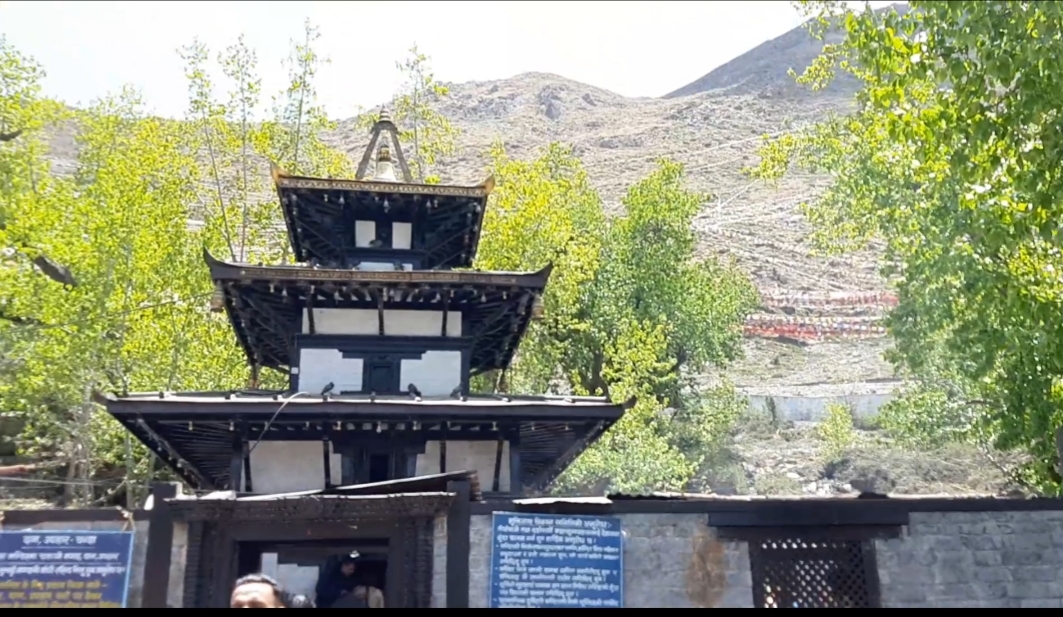
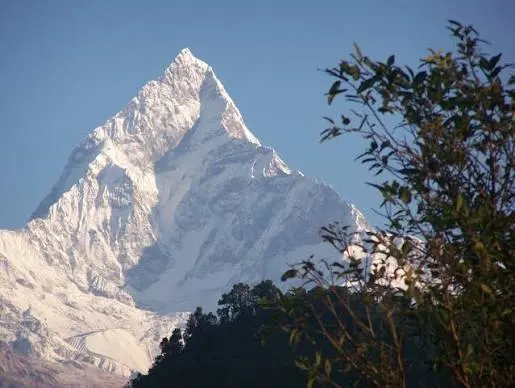
The Khopra trail is a landscape of belief as much as a route on a map. Khayer Lake is worshipped by both Hindu and Buddhist communities, and the ridge itself carries shrine stones, prayer flags and small offerings at the passes. The Magar villages you walk through maintain their own festivals, language and agricultural calendar, and the terraced fields you cross are worked rather than decorative.
Trekking here with an open curiosity and a few words of Nepali will be repaid. Ask before photographing people or shrines, remove your shoes before entering a lodge's prayer room, walk clockwise around stupas and mani walls, and accept tea when it is offered. These small courtesies are the difference between passing through a place and being welcomed into it.
This is also why the route pairs so naturally with Nepal's wider pilgrimage geography. If the spiritual side of the Himalayas is what draws you, the complete 2026 guide to cultural and spiritual tours in Nepal shows how a trek like this fits into a longer journey through temples, monasteries and sacred lakes, from Gosaikunda's high tarns to Lumbini's monasteries. Treks and pilgrimage in Nepal are not separate holidays; they are the same journey described in different words.
Plan Your Khopra Ridge Trek with a Local Team
Khopra Ridge rewards preparation more than almost any trek in Nepal, because the lodges are small, the lake day is serious and the community model works best when visitors come through operators who pay fairly. Enticing Himalayas is a licensed, Nepal Tourism Board registered operator with local guides, and our Khopra package includes inclusive meals, lodge accommodation, permits, ground transport and a guide who has walked this ridge many times.
Tell us your dates, your fitness level and whether Khayer Lake is on your list, and we will shape the itinerary around them. If you would like to compare against other foothill options first, browse our Nepal tours, or look at the Mardi Himal ridge adventure and the gentle Annapurna senior trek for two very different ways to see the same massif.
Exploring More of Nepal After Khopra
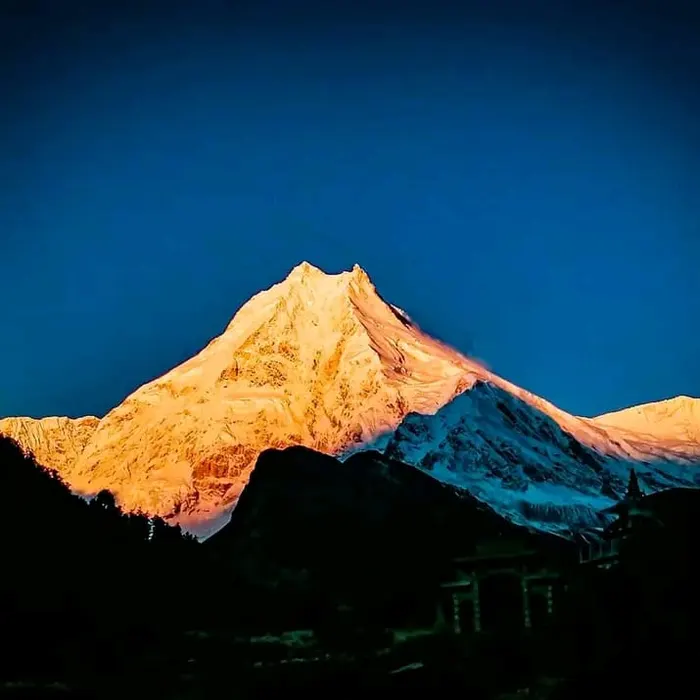
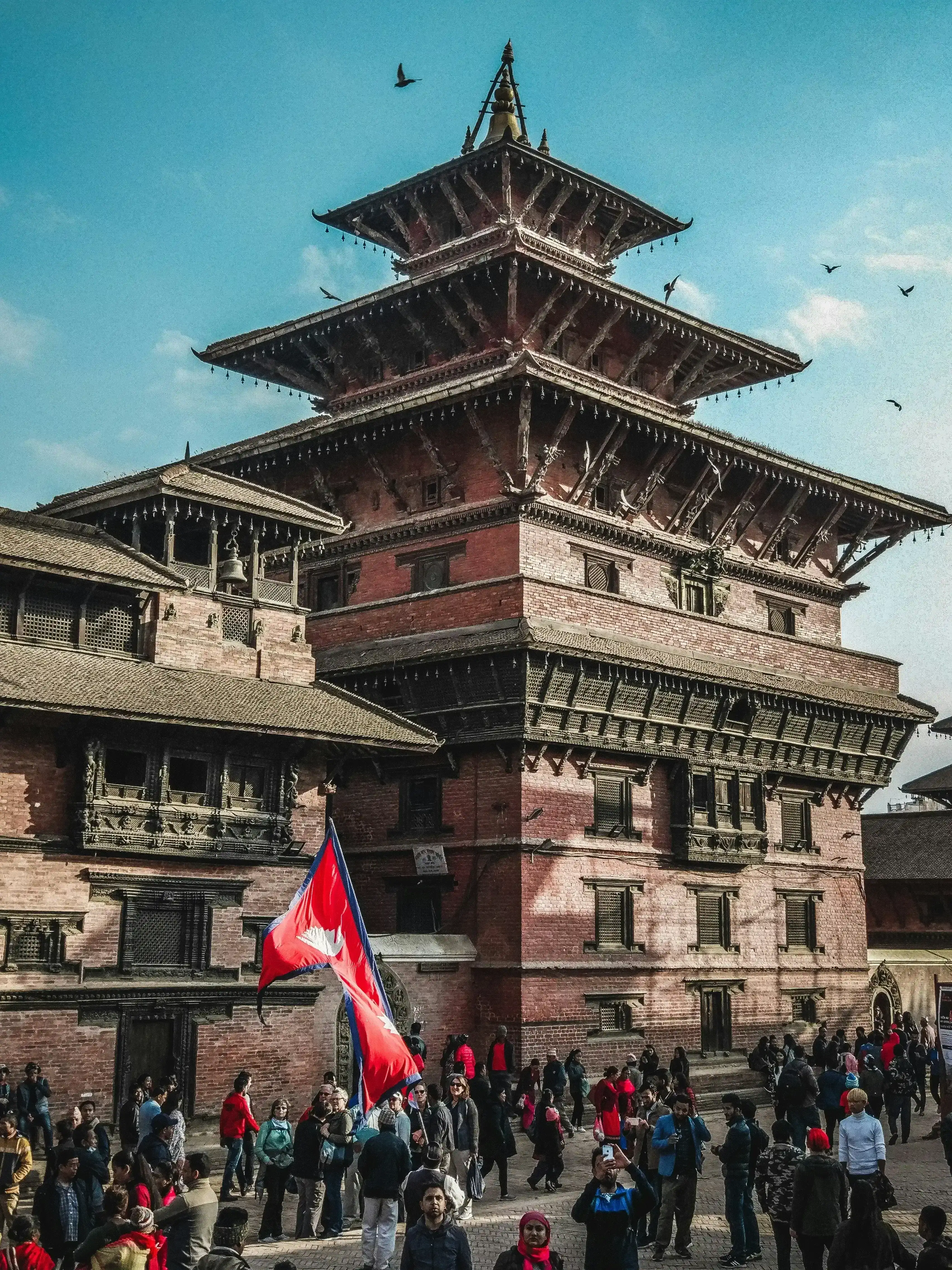
The Khopra Ridge loop is short enough to sit inside a two-week Nepal itinerary without rushing. Trekkers often pair it with a few days in the Kathmandu Valley for UNESCO heritage sites, or extend north into Langtang's glaciers and Tamang villages. Our Langtang region guide and the Gosaikunda sacred lake trek guide cover two of the best add-ons, while the Tsum Valley trek guide takes you to the far side of the Manaslu range for an even quieter sacred valley.
If your travel window is shorter, the short treks near Kathmandu list fits a three or four-day escape around the capital. And if you want to mix trail days with river days, our rafting in Nepal guide and the mountain biking trails guide show how to add whitewater or singletrack to an Annapurna foothills trip.