Nepal Trekking Permits & TIMS Explained (2026): ACAP, MCAP, Restricted Area Fees
Planning a trek in Nepal is the easy part. Figuring out the paperwork is where most travellers get stuck. If you are searching for clear answers about Nepal trekking permits, you are in the right place. This guide breaks down every permit you might need in 2026: the TIMS card, the ACAP permit, the MCAP permit, and the restricted area permit Nepal requires for far flung regions like Upper Dolpo. We explain who issues each one, what it costs, where to get it, and which treks actually require which documents. By the end you will know exactly what to carry, what it costs, and how to avoid the fines and turnarounds that spoil an otherwise perfect Himalayan trip.
Permit rules changed several times over the past decade, and a few old blog posts floating around the internet still list prices that no longer apply. We have refreshed every figure for the 2026 season. Prices are given in US dollars because that is how Nepal's immigration and conservation offices quote them, though you will pay in rupees at the counter. When in doubt, treat your licensed guide and the official counters in Kathmandu and Pokhara as the source of truth, and let Enticing Himalayas tours handle the paperwork so you can focus on the mountains.
Why Nepal Trekking Permits Matter
Nepal trekking permits are not bureaucratic busywork. They fund the conservation areas that keep trails clean, bridges safe, and wildlife protected. They also give the authorities a record of who is in the mountains, which is genuinely important for rescue operations when weather turns bad. Carrying the right permit is mandatory. Check posts are common on popular routes, and rangers can turn you back or fine you if your papers are missing.
There are two broad categories. Conservation area and national park entry permits are issued by the relevant management authority and apply to a geographic zone. The TIMS card, short for Trekkers' Information Management System, is a separate safety and tracking document issued jointly by Nepal's tourism bodies. Restricted area permits are a third, stricter layer that applies only to designated border zones closed to independent travel.
If you book with a licensed operator such as Enticing Himalayas, your guide will typically arrange the TIMS card and conservation permits as part of the package. Even so, it helps to understand what you are paying for, so read on.
The TIMS Card: What It Is and Who Needs It
The TIMS card is the Trekkers' Information Management System card. It was introduced to keep a central record of trekkers for safety and statistical purposes. Almost every trek in Nepal's managed areas requires one, with a few exceptions we note below. There are two types:
- Blue TIMS for individual trekkers going independently (self guided is only allowed in certain areas, and many regions now require a licensed guide regardless).
- Green TIMS for trekkers going through a registered agency as part of a group.
TIMS Card Fees in 2026
| Trekker Type | TIMS Card Fee (USD) |
|---|---|
| Foreign individual trekker (blue) | $30 |
| Foreign group trekker via agency (green) | $10 |
| SAARC national individual | $15 |
| SAARC national group via agency | $5 |
| Children under 10 | Free |
Note that since 2023, Nepal has required a licensed guide for most solo treks in national parks and conservation areas, which means most visitors end up using the cheaper group rate through an agency. The classic teahouse routes such as the Ghorepani Poon Hill trek and the Annapurna Base Camp trek both need a TIMS card plus the relevant conservation permit.
ACAP Permit: Annapurna Conservation Area
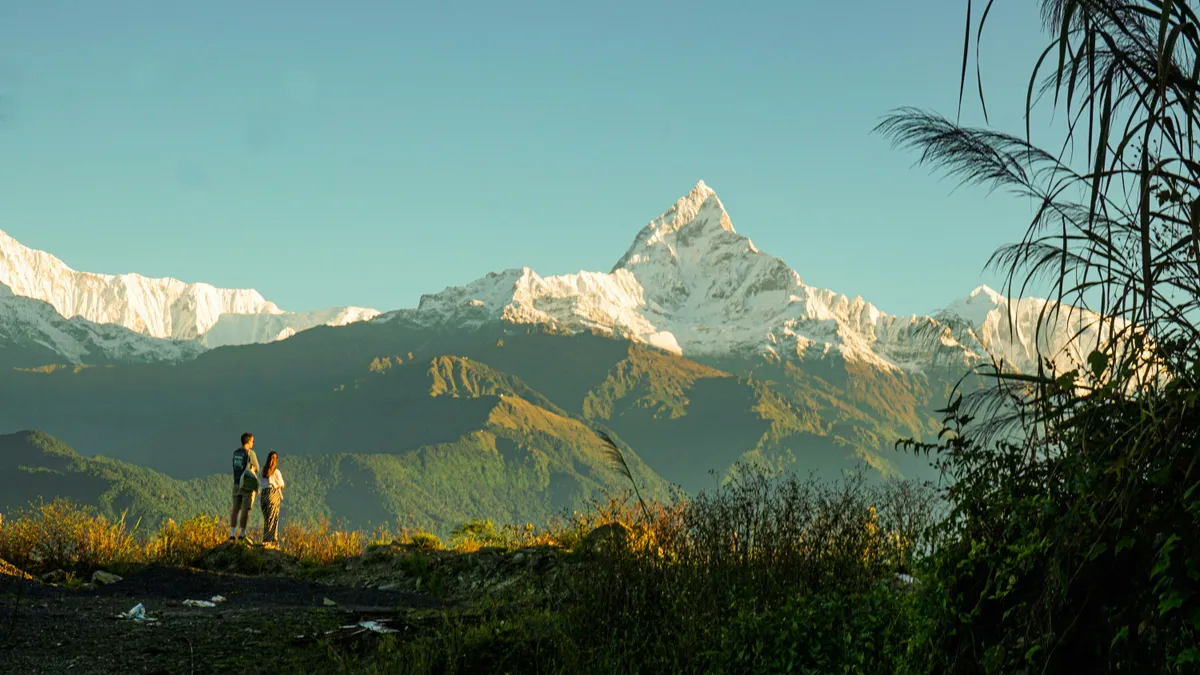
The ACAP permit is the Annapurna Conservation Area Project entry permit. It covers the entire Annapurna region, from the low hills around Pokhara up to the high Thorong La pass on the Annapurna Circuit. ACAP is managed by the National Trust for Nature Conservation. You need it for almost every trek west of Kathmandu in this zone.
ACAP Permit Fees in 2026
| Visitor Category | ACAP Fee (USD) |
|---|---|
| Foreign nationals | $30 |
| SAARC nationals | $10 (NPR 1000 approx) |
| Nepali citizens | NPR 100 |
| Children under 10 | Free |
ACAP is required for the Annapurna Base Camp trek, the Annapurna Circuit with Tilicho Lake, the Ghorepani Poon Hill trek, and many more. If your itinerary crosses into Mustang or Manang, ACAP is your baseline permit and the restricted fees stack on top where applicable.
MCAP Permit: Manaslu Conservation Area
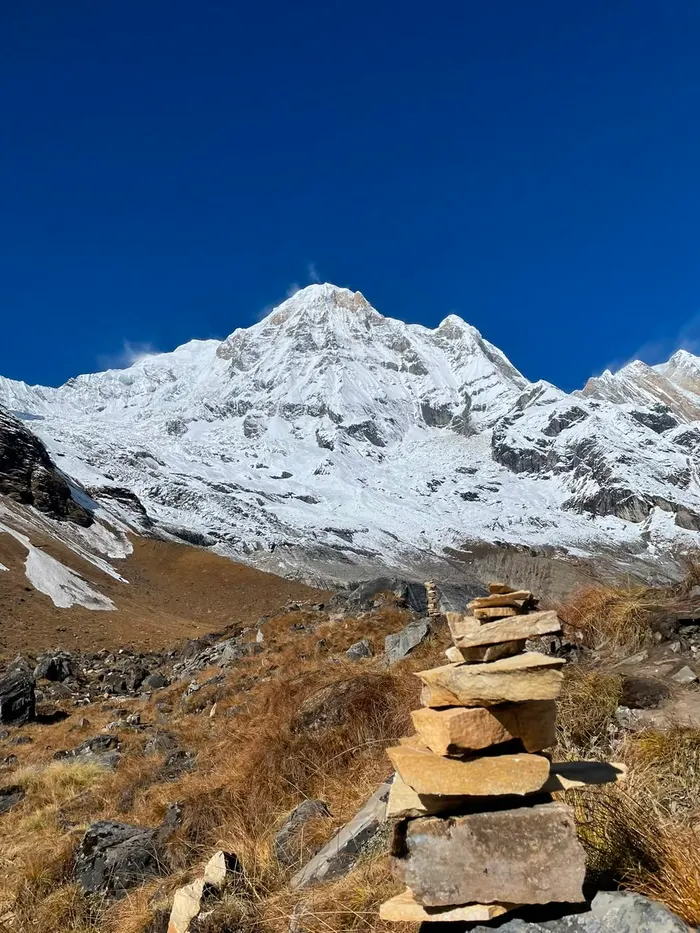
The MCAP permit is the Manaslu Conservation Area Project entry permit, covering the trails around Mount Manaslu in northern Gorkha. Manaslu is also a restricted area, so trekkers there need both the MCAP entry fee and a restricted area permit, plus a licensed guide and a minimum group size. The MCAP fee alone is modest:
| Visitor Category | MCAP Fee (USD) |
|---|---|
| Foreign nationals | $30 |
| SAARC nationals | $10 |
| Nepali citizens | NPR 100 |
Manaslu is a spectacular alternative to the crowded Annapurna Circuit, but the extra red tape means it is best done with a registered operator. While our current published packages focus on Annapurna and Langtang, the same permit logic applies, and our team can arrange custom Manaslu itineraries on request through our tours page.
Restricted Area Permit Nepal: The Special Fees
A restricted area permit Nepal requires is the strictest layer of paperwork. These zones sit along sensitive borders with Tibet and India and were opened to foreigners only recently, often with limits on group size and a mandatory licensed guide. You cannot get these permits as a solo walker. A minimum of two trekkers accompanied by a registered guide is the standard rule.
Where Restricted Area Permits Apply
- Upper Mustang (beyond Kagbeni)
- Upper Dolpo including Shey Gompa
- Manaslu (lower region, with MCAP)
- Humla, Limi Valley, and the far northwest
- Tsum Valley (often combined with Manaslu)
- Kanchenjunga and Lower Dolpo
Restricted Area Fee Structure (2026)
| Region | First 7 Days (USD) | Additional Day (USD) |
|---|---|---|
| Upper Mustang | $500 | $50 |
| Upper Dolpo / Shey Gompa | $500 | $50 |
| Manaslu | $100 (Sept-Nov) / $75 (Dec-Aug) for first 7 days | $15 / $10 |
| Tsum Valley | $40 (Sept-Nov) / $30 (Dec-Aug) for first 7 days | $7 / $5 |
| Lower Dolpo | $100 for first 7 days (Sept-Nov) | $10 |
| Kanchenjunga | $100 for first 7 days (Sept-Nov) | $10 |
| Humla / Limi | $50 per week | pro rata |
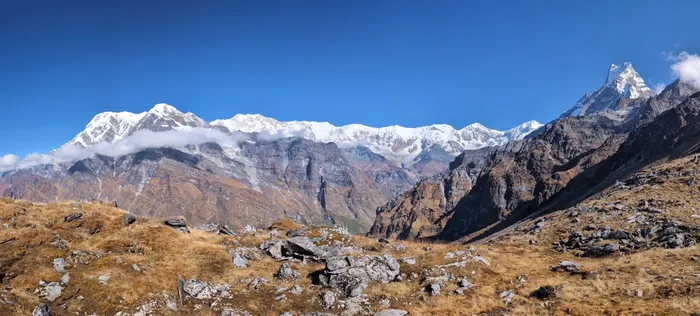
These fees are charged per person and are non negotiable. They are the reason a journey such as our Upper Dolpo Shey Gompa expedition carries a higher price tag than a standard teahouse trek. The money supports fragile ecosystems and communities that see very few outsiders.
Other Local Permits You Might Encounter
Beyond TIMS, ACAP, MCAP, and restricted fees, a few more local permits show up on specific routes:
- Langtang National Park entry permit for the Langtang and Gosaikunda region. Foreigners pay $30, SAARC nationals $15, children under 10 free.
- Khumbu Pasang Lhamu Rural Municipality permit for the Everest region, replacing the old Everest National Park card in that zone at $20 for foreigners.
- Gaurishankar Conservation Area permit for the Rolwaling side, around $20 for foreigners.
- Local rural municipality fees that have appeared in recent years on a few trails, usually a small NPR charge collected at a village checkpoint.
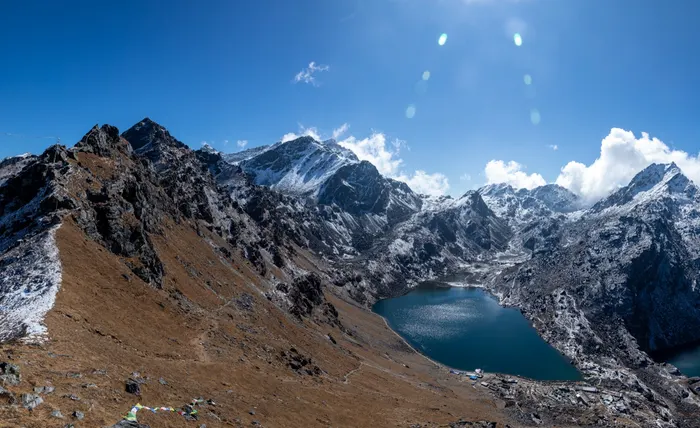
For the Langtang Gosaikunda Lake trek, the Langtang Valley Tserko Ri summit challenge, and the Gosaikunda sacred lake pilgrimage, the Langtang National Park permit plus TIMS is what you need.
Trek Permit Cost: Full 2026 Comparison Table
Here is the consolidated trek permit cost picture for 2026 so you can budget at a glance. All figures are per person in US dollars unless noted.
| Permit | Applies To | Foreign Fee (USD) | Notes |
|---|---|---|---|
| TIMS card (group) | Most managed areas | $10 | $30 solo; SAARC lower |
| ACAP permit | Annapurna region | $30 | SAARC $10 |
| MCAP permit | Manaslu region | $30 | Plus restricted fee |
| Langtang NP permit | Langtang / Gosaikunda | $30 | SAARC $15 |
| Restricted (Upper Mustang / Dolpo) | Border zones | $500 / first 7 days | $50 per extra day |
| Restricted (Manaslu) | Manaslu region | $100 or $75 / 7 days | Seasonal |
| Khumbu Rural Municipality | Everest region | $20 | Replaces old ENP card locally |
As a rough rule, a standard Annapurna or Langtang teahouse trek will cost you about $40 to $60 in permits per person. A restricted area journey like Upper Dolpo starts at $500 plus the conservation entry. The difference explains a lot about why restricted regions feel so remote.
How and Where to Get Your Permits
You can obtain most permits in person at two main offices in Kathmandu: the Nepal Tourism Board (NTB) counter at Bhrikutimandap, and the immigration office for restricted area permits. In Pokhara, the ACAP counter near the tourism board office handles Annapurna permits and TIMS. You will need:
- Your original passport plus a couple of photocopies of the photo page.
- Two recent passport sized photographs.
- Cash in Nepali rupees (the counters rarely take cards).
- For restricted permits, a completed application through a registered agency with guide details.
Timings are generally Sunday to Thursday, roughly 10 am to 4 pm, with shorter hours on Fridays and closure on public holidays. Restricted area permits can take a day or two to process, so build buffer time into your arrival in Kathmandu. The simplest path is to let your operator handle it. With Enticing Himalayas, permits are arranged ahead of your departure so you start walking on day one.
Practical Tips to Avoid Permit Problems
- Carry the originals. A phone photo is not accepted at check posts. Keep the physical card or slip in a dry pouch.
- Check posts are real. On the Annapurna and Langtang routes you will be asked to show permits multiple times. Have them handy.
- Match the dates. Restricted permits are dated. Entering before or staying after the window is a serious offence.
- Book guides early for restricted zones. Upper Dolpo and Upper Mustang need a licensed guide and a minimum group, so plan months ahead.
- Keep receipts. If a fee looks unfamiliar at a village checkpoint, ask for a written receipt.
- Don't assume old prices hold. Fees are revised periodically. Confirm current rates before you travel.
Which Permits Each Popular Trek Needs
| Trek | Required Permits |
|---|---|
| Annapurna Base Camp 10 days | TIMS + ACAP |
| Annapurna Circuit with Tilicho Lake 13 days | TIMS + ACAP (plus restricted if entering Upper Mustang side) |
| Langtang Gosaikunda Lake trek | TIMS + Langtang NP |
| Langtang Valley Tserko Ri summit challenge | TIMS + Langtang NP |
| Ghorepani Poon Hill trek 7 days | TIMS + ACAP |
| Gosaikunda sacred lake pilgrimage 5 days | TIMS + Langtang NP |
| Upper Dolpo Shey Gompa | TIMS + Lower/Upper Dolpo restricted + conservation entry |
| Muktinath helicopter pilgrimage | ACAP (Muktinath lies in the Annapurna zone); no trekking TIMS needed for a flight |
For a pilgrimage that skips the walking entirely, our Muktinath helicopter pilgrimage from Kathmandu lands you at the sacred site without a multi day permit requirement, though the Annapurna conservation entry still applies at the destination.

Plan Your Permitted Trek with Enticing Himalayas
Figuring out Nepal trekking permits is the least exciting part of a Himalayan adventure, but it is the part that keeps your trip legal, safe, and stress free. Whether you want the classic Annapurna Base Camp trek, the high passes of the Annapurna Circuit with Tilicho Lake, the sacred shores of Gosaikunda, or the remote magic of Upper Dolpo, our licensed guides handle every permit so you can walk with a clear mind.

Browse all routes on our tours page, or read our two pillars on cultural and spiritual tours and on choosing the best trekking agency in Nepal to plan the journey that fits you.

About Enticing Himalayas
Enticing Himalayas is a licensed Nepal trekking and tour operator, registered with the Nepal Tourism Board (NTB) and recognised on GetYourGuide. We specialise in small group and private treks across Annapurna, Langtang, and the restricted regions of Dolpo and Mustang, with a focus on safety, fair guide wages, and responsible tourism.
- Registered with the Nepal Tourism Board (NTB)
- Listed on GetYourGuide (GYG) with verified reviews
- Licensed, experienced local guides on every trek
- Transparent pricing with permits handled for you
Enticing Himalayas — Your trusted Himalayan companion.