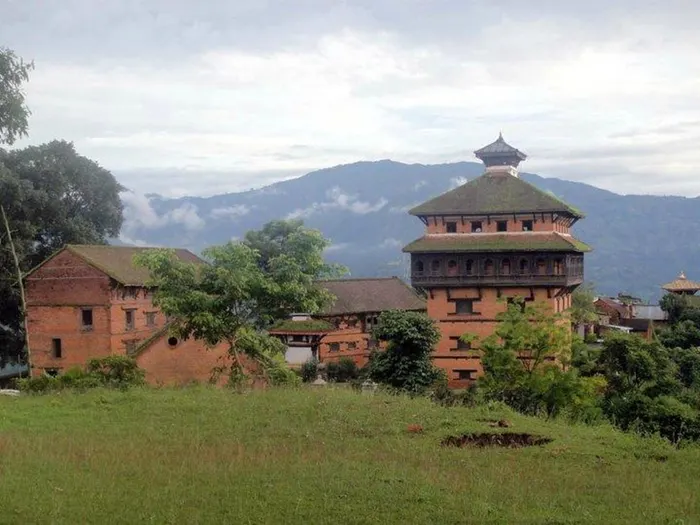
Just 75 kilometers from Kathmandu, yet a world away from the valley's urban intensity, Nuwakot stands as one of Nepal's most underappreciated heritage destinations. This hilltop fortress town, whose name means "nine forts" in Nepali, was the strategic gateway to the Kathmandu Valley for centuries and the site of a pivotal battle that shaped modern Nepal. Today, Nuwakot offers travelers a rare combination of well-preserved 18th-century architecture, sweeping Himalayan panoramas, and the unhurried rhythms of a traditional hill town, all within a comfortable day trip from the capital.
This guide covers everything you need to know about visiting Nuwakot on a heritage hills tour. From the magnificent seven-story palace to the terraced fields and mountain viewpoints that surround it, we explore why this historic fortress deserves a place on every Nepal cultural itinerary. To see how Nuwakot fits into the bigger picture of sacred sites and living traditions across the country, the complete guide to cultural and spiritual tours in Nepal is the ideal companion volume, while the Nepal cultural and heritage tour guide covers every temple town and royal city in one place.


Why Is Nuwakot One of Nepal's Most Important Heritage Sites?
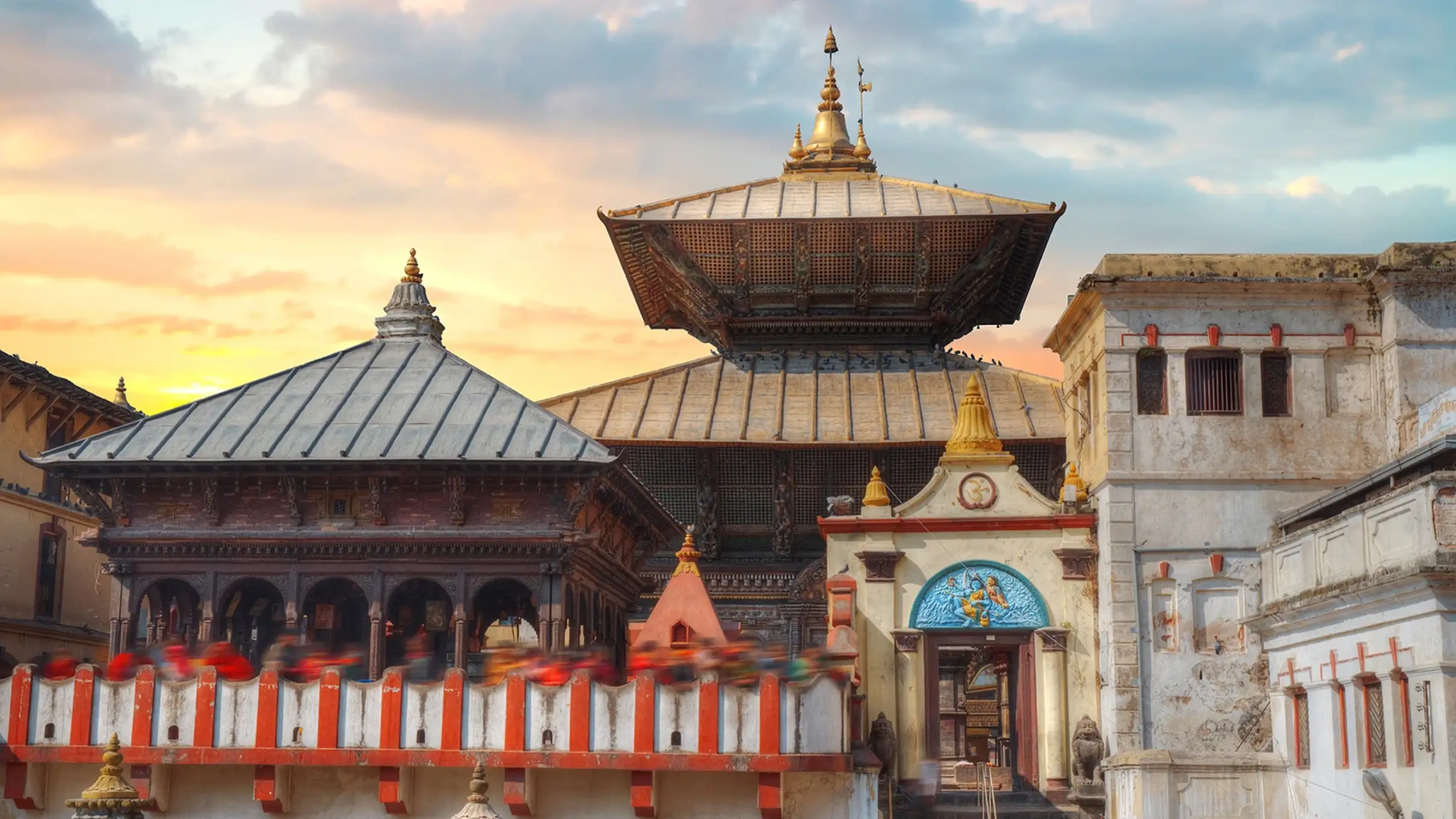
Nuwakot matters because it is where modern Nepal began. The fortress guarded the main trade route between the Kathmandu Valley and Tibet, and its capture by Prithvi Narayan Shah in 1744 launched the unification campaign that created the Nepali state. The seven-story palace he built afterward still crowns the ridge today.
Nuwakot occupies a pivotal place in Nepal's history. Before the unification of Nepal in the 18th century, the Kathmandu Valley was divided among three warring kingdoms: Kathmandu, Patan, and Bhaktapur. Nuwakot, perched on a ridge overlooking the Trishuli River, controlled the main trade route between the valley and Tibet. Whoever held Nuwakot controlled the flow of salt, wool, and other goods that were the lifeblood of the valley's economy.
In 1744, Prithvi Narayan Shah, the king of the small hill state of Gorkha, launched his campaign to conquer Nuwakot. The fortress fell after a fierce battle, and its capture marked the beginning of the Gorkha expansion that would eventually unify dozens of small kingdoms into modern Nepal. Prithvi Narayan Shah recognized Nuwakot's strategic value immediately and made it his western capital, building the magnificent seven-story palace that still dominates the town today.
The palace, known as Nuwakot Durbar or the Saat Tale Durbar (Seven-Story Palace), was completed in 1762 and served as a royal residence, administrative center, and military stronghold. Its design reflects the fusion of Newari craftsmanship with the military pragmatism of the Gorkha kings. The lower floors are built of stone, thick-walled and fortress-like, while the upper floors feature the intricate woodcarving and brickwork characteristic of Newari architecture. The palace was heavily damaged in the 2015 earthquake, but a meticulous restoration project, supported by international heritage organizations, has brought much of its former grandeur back.
How Do You Get to Nuwakot from Kathmandu?
The drive from Kathmandu to Nuwakot takes three to four hours each way, roughly 75 kilometers along the Pasang Lhamu Highway through Kakani and Trishuli Bazaar. A private vehicle with an experienced driver is strongly recommended; public buses from Balaju exist but are slow and crowded for a day trip.
The drive from Kathmandu to Nuwakot takes approximately three to four hours, depending on road conditions. The route follows the Pasang Lhamu Highway north from Kathmandu, passing through the towns of Kakani and Trishuli Bazaar. The road climbs steadily from the valley floor, and the air grows noticeably cooler and cleaner as you gain elevation.
The journey itself is part of the experience. The road winds through terraced hillsides, past small villages where farmers work their fields with the same methods their ancestors used. On clear days, the Ganesh Himal and Langtang ranges are visible from the road, their snow-capped peaks rising above the green hills. The final approach to Nuwakot is dramatic: the road climbs a steep ridge, and the seven-story palace suddenly appears on the skyline, its ochre walls and dark wooden windows unmistakable against the sky.
For travelers who prefer not to drive themselves, the Nuwakot heritage hills tour package includes private transportation with an experienced driver who knows the route and can stop at the best viewpoints along the way. The tour typically departs early in the morning and returns to Kathmandu by evening, making it a comfortable day trip that leaves the afternoon free for rest or a second stop such as Kakani on the return leg.
What Can You See in Nuwakot Durbar Square?
Nuwakot Durbar Square holds the seven-story palace, the Bhairab Temple with its three-tiered pagoda roof, the Taleju Temple, and a cluster of smaller shrines, stone spouts and rest houses. Unlike the valley's crowded royal squares, this one is a living neighborhood where residents cross on daily errands and temples stay in active worship.
Nuwakot Durbar Square is the heart of the town and the primary destination for heritage visitors. Unlike the durbar squares of the Kathmandu Valley, which can feel like open-air museums crowded with tourists, Nuwakot's square retains the atmosphere of a living community. Local residents cross the square on their daily errands, children play in the courtyards, and the temples are active places of worship rather than monuments behind ropes. To compare the character of all the royal squares in one read, the legendary durbar squares of Kathmandu Valley guide is a useful companion.
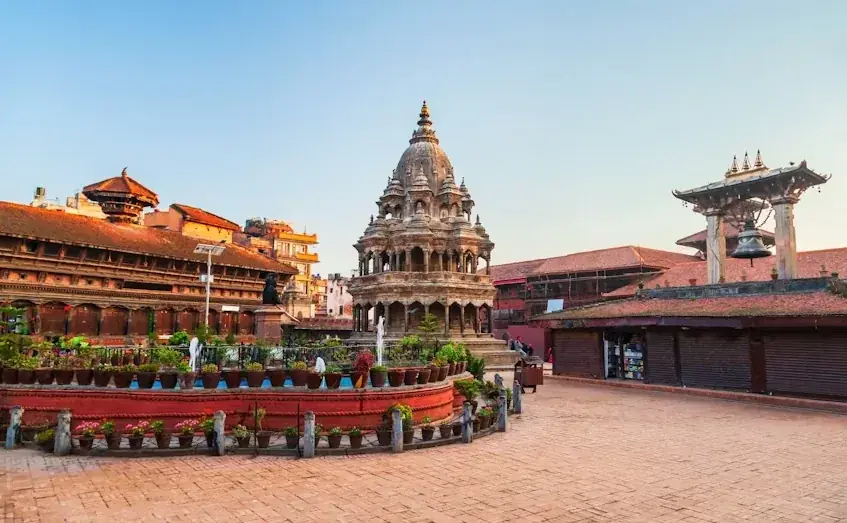
The seven-story palace is the centerpiece. Its architecture is unique in Nepal: no other palace in the country has seven stories, and its design, with its narrow, fortress-like lower floors and ornate upper levels, reflects its dual role as military stronghold and royal residence. The restoration work has been careful to preserve original materials and techniques, and visitors can see the intricate woodcarving on the windows and struts that is characteristic of 18th-century Newari craftsmanship.
Adjacent to the palace is the Bhairab Temple, dedicated to the fierce form of Shiva. The temple's three-tiered pagoda roof and its carved wooden struts depicting various deities are fine examples of Newari temple architecture. The temple is still actively used for worship, and visitors may witness local devotees making offerings of flowers, rice, and vermilion powder.
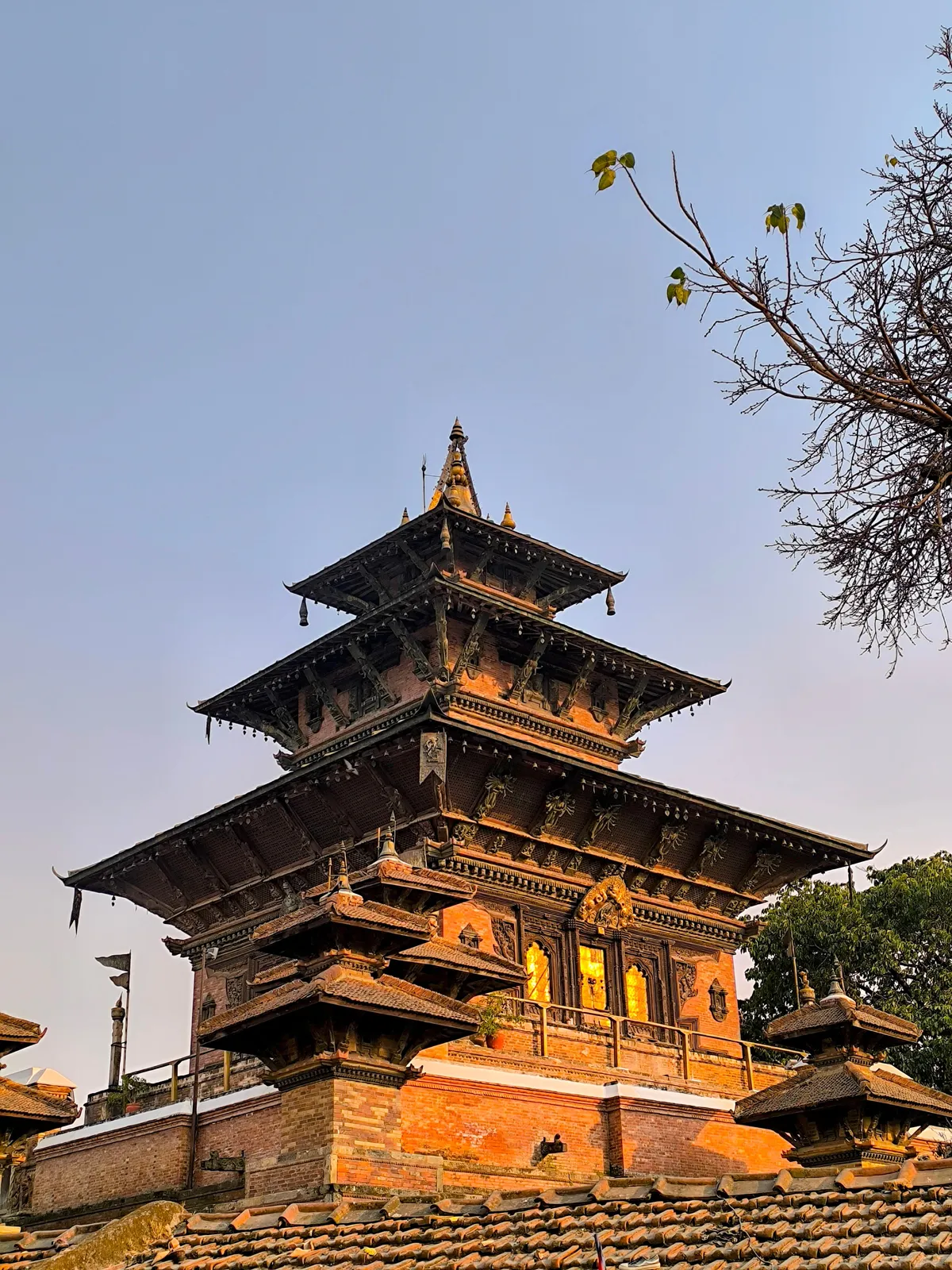
The Taleju Temple, another important shrine in the square, is dedicated to the patron goddess of the Malla and Shah kings. Like the Bhairab Temple, it features the tiered pagoda design that is the signature of Nepali religious architecture. The square also contains several smaller shrines, stone water spouts, and rest houses that together form a complete medieval urban ensemble, one that rewards an unhurried loop of an hour or more.
Where Can You Enjoy the Best Himalayan Views in Nuwakot?
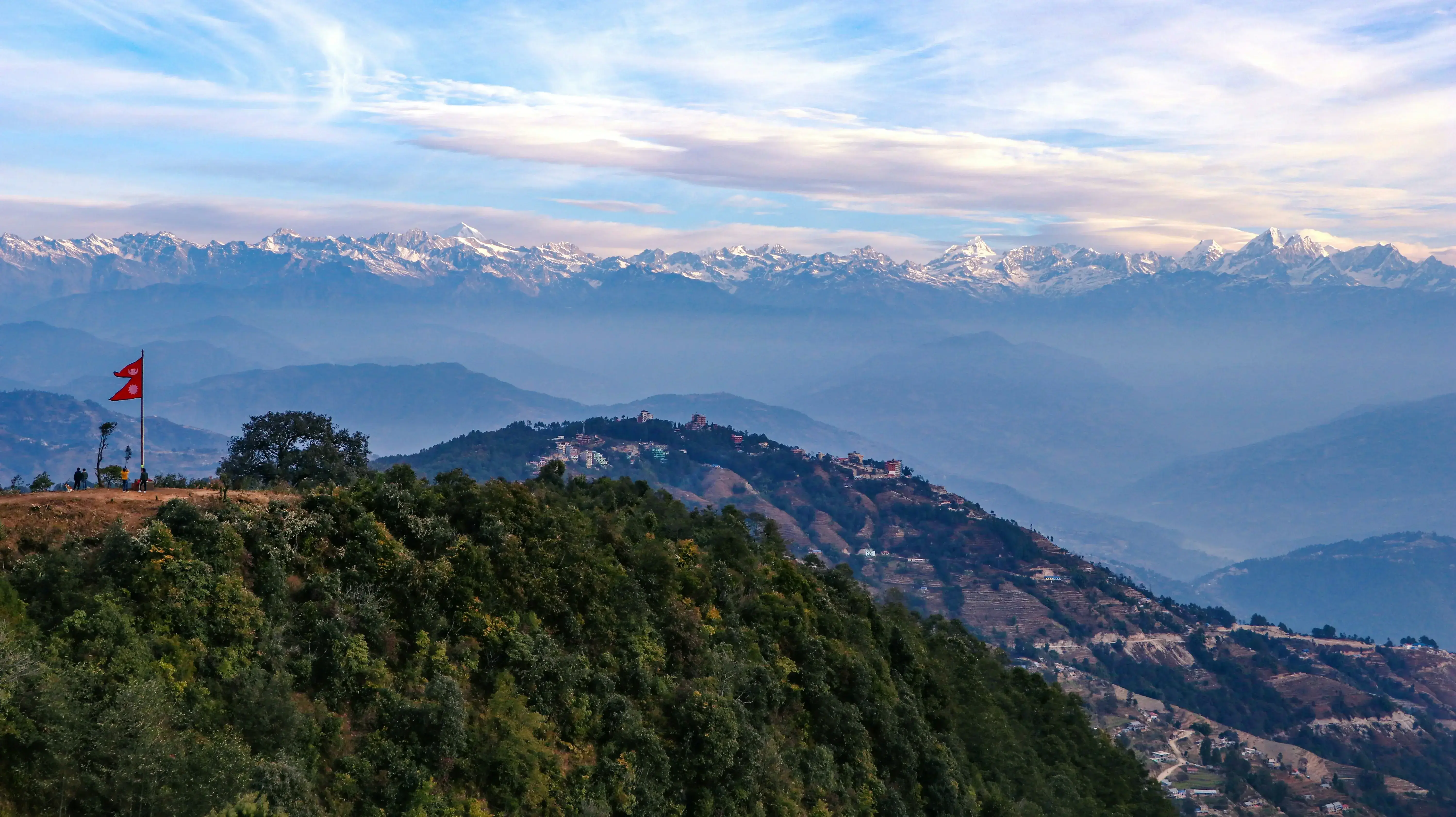
The best views are from the upper floors of the seven-story palace, where fortress windows frame the Ganesh Himal, Langtang and Manaslu ranges like paintings, and from the hilltop above town, a 30-minute hike with a full 360-degree panorama. Sunrise and sunset turn the snow peaks pink and gold.
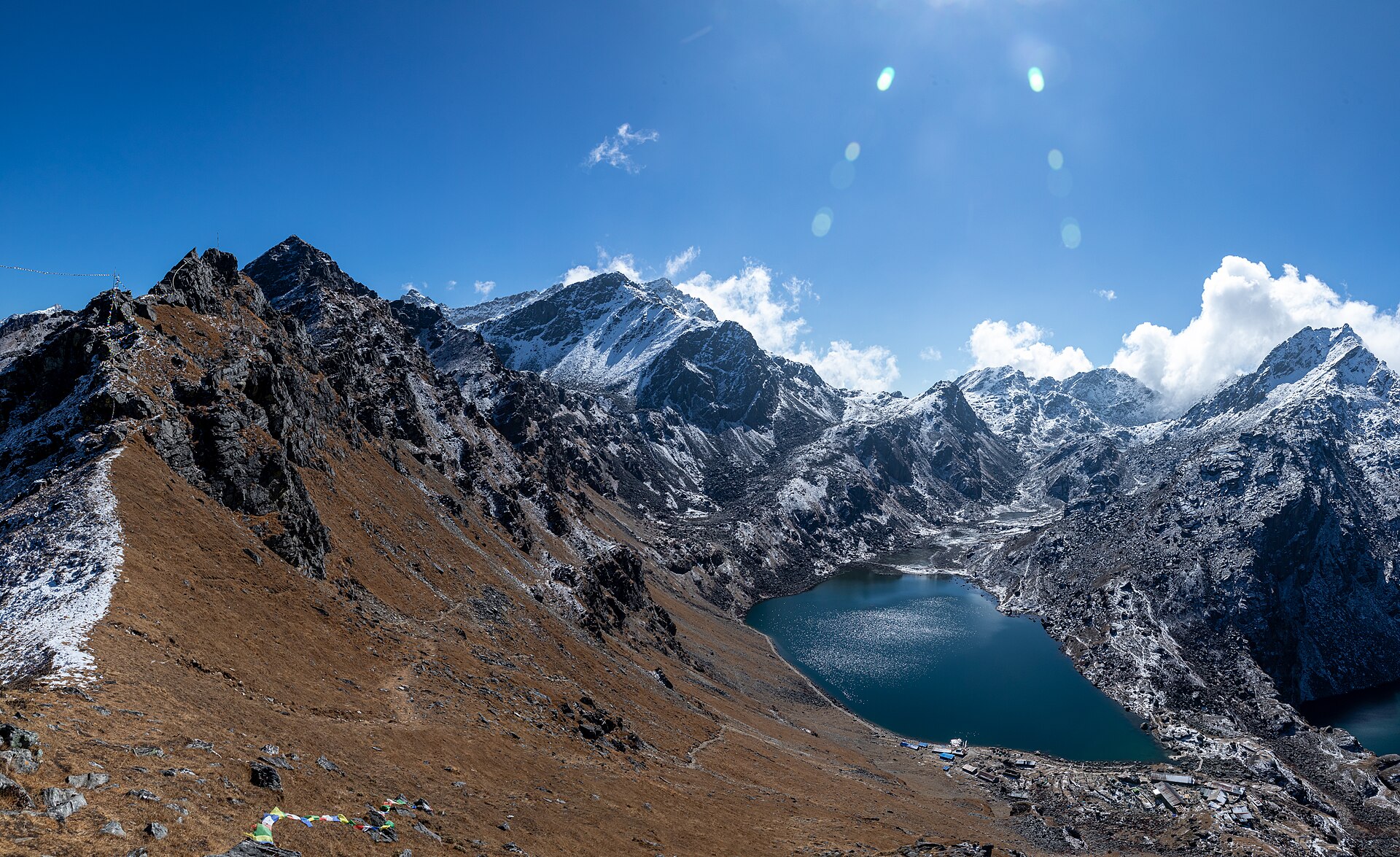
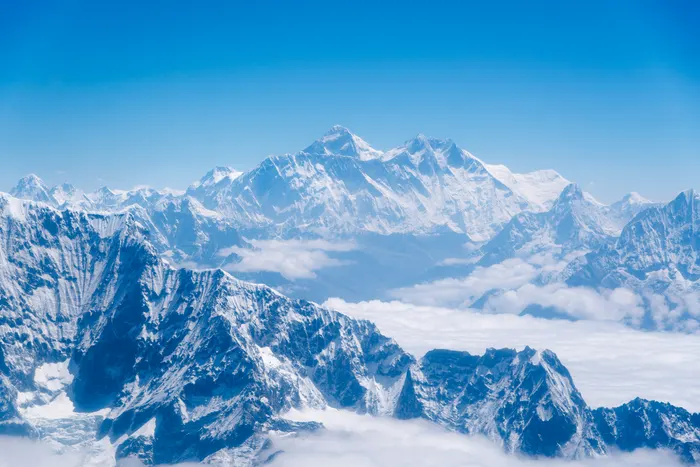
One of Nuwakot's greatest assets is its location. The town sits on a ridge at approximately 900 meters, with views that stretch across the Trishuli Valley to the Ganesh Himal, Langtang, and Manaslu ranges. On clear mornings, the panorama is spectacular: a wall of snow-capped peaks rising above terraced hills that descend in green steps to the river below.
The best viewpoint is from the upper floors of the seven-story palace, where the windows frame the mountains like paintings. The palace was deliberately positioned to command views of the surrounding valleys, a strategic necessity for a fortress that needed to spot approaching armies. Today, those same windows offer visitors some of the finest Himalayan views accessible on a day trip from Kathmandu.
For a different perspective, a short hike to the hilltop above the town offers a 360-degree panorama that includes the palace, the town, the river valley, and the mountains. The hike takes about 30 minutes and is well worth the effort, especially at sunrise or sunset when the light turns the snow peaks pink and gold. Photographers should bring a longer lens for the distant ranges and a wide lens for the palace rising from its ridge.
What Is Daily Life Like in the Old Town?
Daily life in Nuwakot still runs on traditional rhythms: women fill vessels at stone water spouts each morning, farmers terrace the slopes with rice and millet, and temple bells and incense drift through the narrow lanes. The town is mainly home to Newars and Brahmins, and traditional ways of life remain visibly strong.
Beyond its monuments, Nuwakot's appeal lies in its living culture. The town is predominantly inhabited by Newars and Brahmins, and traditional ways of life remain strong. In the mornings, women gather at the stone water spouts to fill their vessels, just as their ancestors have done for centuries. Farmers tend their terraced fields on the slopes below the town, growing rice, millet, and vegetables. The sound of temple bells and the smell of incense drift through the narrow lanes.
Nuwakot's festivals offer another window into local culture. The Bhairab Jatra, held in August or September, is the town's most important festival, featuring masked dances, processions, and ceremonies that draw visitors from surrounding villages. The festival is a vibrant expression of the syncretic Hindu-Buddhist traditions that characterize Nepali religious life, and travelers who time a visit to coincide with it see the fortress town at its most animated.
The surrounding district is also known for its oranges, grown in the lower valleys and counted among the sweetest in Nepal. If you visit in winter, the orange harvest is in full swing, and you can buy fruit fresh from the growers beside the road, a small detail that captures the agricultural wealth of these hills.
What Should You Eat in Nuwakot?
Expect a simple, generous, farm-to-table style of eating: dal bhat with rice and vegetables grown in the fields you can see from the table, seasonal greens, homemade pickles and, in winter, the district's famous sweet oranges. Small local eateries serve the most authentic plates.
The local cuisine is a highlight of any visit. Nuwakot is known for its organic produce, and the dal bhat served in local homes and small eateries is made with rice and vegetables grown in the surrounding fields. The flavors are earthy and fresh, and portions are generous in the Nepali style, with refills offered as a matter of hospitality rather than exception.
For a sit-down meal with a view, the guesthouses around the ridge serve fixed menus built around what the kitchen garden and the weekly village market provide. Breakfasts of flatbread, honey from local hives and strong hill coffee are a quiet pleasure after a sunrise viewpoint session. In season, do not leave without trying the oranges; vendors sell them from cane baskets at the roadside, and a bag of them makes the drive back to Kathmandu sweeter in every sense.
Nuwakot and the Birth of Modern Nepal
Understanding Nuwakot requires understanding its role in the unification of Nepal. Before Prithvi Narayan Shah's conquest, the territory that is now Nepal consisted of dozens of small, independent kingdoms. The Kathmandu Valley, with its rich agricultural land and control of the Tibet trade, was the prize that all the hill kingdoms coveted.
Nuwakot was the key that unlocked the valley. By capturing it, Prithvi Narayan Shah gained control of the trade route and a base from which to launch his final assault on the valley kingdoms. The campaign that began at Nuwakot ended in 1769 with the conquest of Kathmandu, and the modern nation of Nepal was born. For history-minded travelers, standing in the same rooms from which that campaign was directed is the kind of connection that few sites in the country can offer.
Visitors to Nuwakot can still see the strategic logic that made the fortress so important. From the palace windows, you can trace the old trade route as it follows the Trishuli River north toward Tibet. The ridge on which the palace stands commands the river valley in both directions, making it an ideal defensive position. Standing there, it is easy to understand why Prithvi Narayan Shah chose this spot for his western capital, and why the town remains a point of pride for Nepalis who know their history.
When Is the Best Time to Visit Nuwakot?
The best seasons are autumn (October to November) and spring (March to May), with clear weather and full Himalayan visibility. Winter brings crisp air and excellent mountain views but cold mornings, while the monsoon (June to September) paints the hills lush green at the cost of occasional road disruptions.
Nuwakot is accessible year-round, though the best seasons for visiting are autumn (October to November) and spring (March to May), when the weather is clear and the mountain views are at their best. Winter (December to February) is also pleasant, with cool, crisp days and excellent visibility, though mornings can be cold enough to demand a warm layer for the sunrise viewpoint. The monsoon (June to September) brings rain and the possibility of road disruptions, but the landscape is lush and green, and the terraces are at their most photogenic.
Season also shapes the experience on the ground. Autumn coincides with the festival calendar, when the square is at its liveliest. Winter is orange season, with roadside vendors out in force. Spring clears the haze that builds toward April, so serious photographers should aim for the earlier weeks. Whenever you go, an early start from Kathmandu buys you the clearest light of the day on the ridge.
How Much Does a Nuwakot Heritage Tour Cost?
A private Nuwakot day trip for two typically costs between $150 and $250 in total, covering the vehicle, driver, fuel and a local lunch, with guiding either included by the package or added for a modest fee. Group departures and overnight versions change the math, usually downward per person.
The cost of a Nuwakot heritage hills tour depends on three variables: transport, guiding, and whether you stay the night. The drive is the largest single component, since the round trip covers roughly 150 kilometers of hill road, which is why joining an organized departure is usually cheaper than hiring a private vehicle solo. A licensed guide who can unpack the unification history and the palace architecture adds real depth here; Nuwakot rewards context in a way that viewpoint stops do not.
Compared with other heritage day trips from Kathmandu, Nuwakot delivers strong value. There are no expensive permit zones, no cable car queues and no entrance fees on the scale of the valley's UNESCO sites; the palace charges a modest local entry. What you are paying for is the drive, and what you get for it is a fortress town that most visitors to Nepal never see, plus a full arc of Himalayan viewpoints along the way. Travelers assembling a multi-day cultural itinerary can fold Nuwakot into broader circuits such as the Nepal cultural pilgrimage experience or the 7 UNESCO Wonders four-day cultural tour, pairing one valley-heavy block with one day in the hills.
Staying Overnight: Guesthouses and Heritage Stays
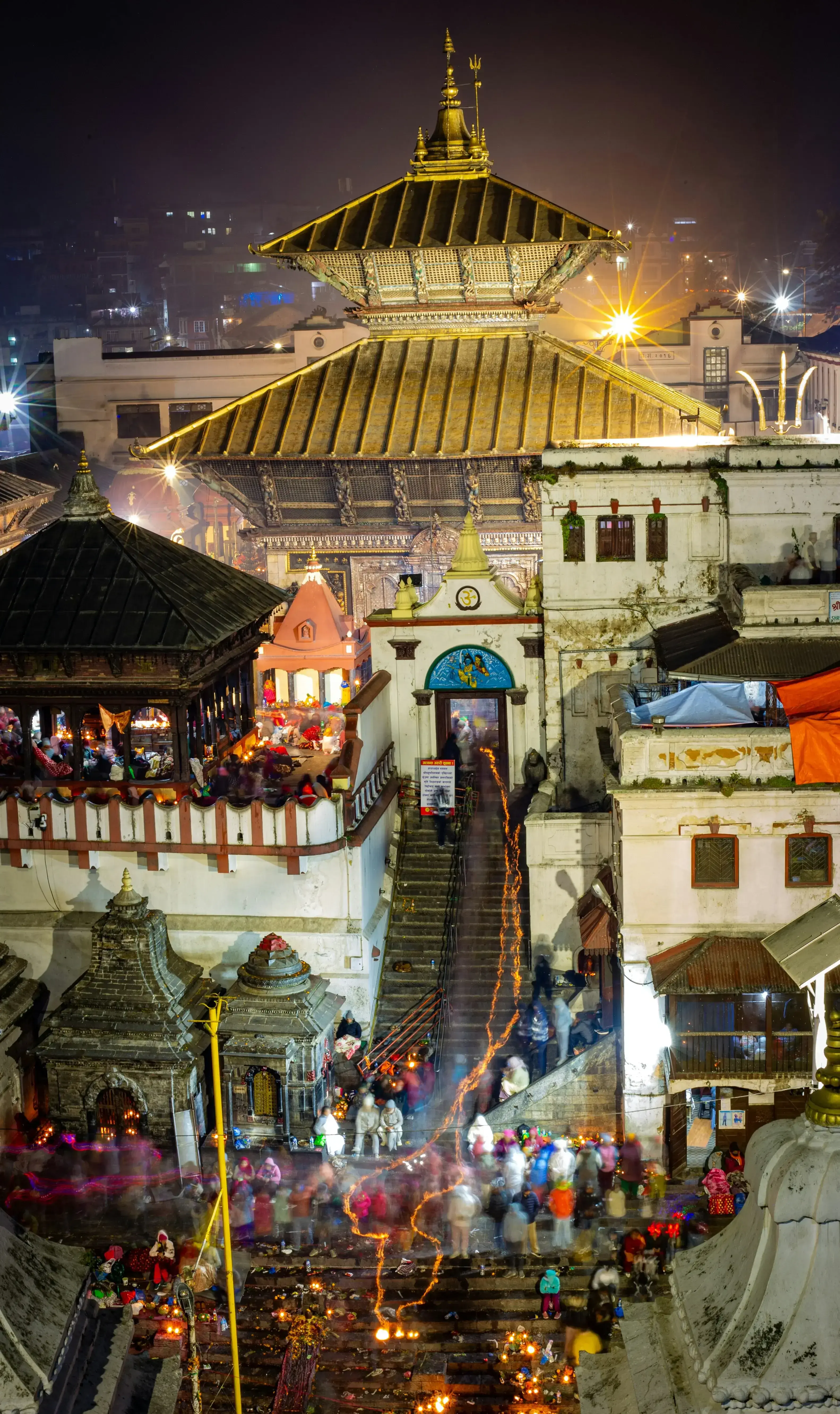
There are a few simple guesthouses in Nuwakot for travelers who want to stay overnight, as well as a couple of restored heritage properties that offer comfortable accommodation in traditional buildings. Staying overnight allows you to experience the town in the early morning and evening, when the light is most beautiful and the day-trippers have gone. The Nuwakot heritage hills tour can be arranged as either a day trip or an overnight stay.
An overnight also unlocks the experiences a day tripper cannot reach: the sunrise hike to the hilltop viewpoint, a slow evening walk through lanes that empty of traffic after dark, and dinner on a terrace with the ridge lights of distant villages below. For travelers connecting Nuwakot with the Langtang road corridor, an overnight here breaks the long drive north into two gentle halves.
How Does Nuwakot Combine with Other Destinations?
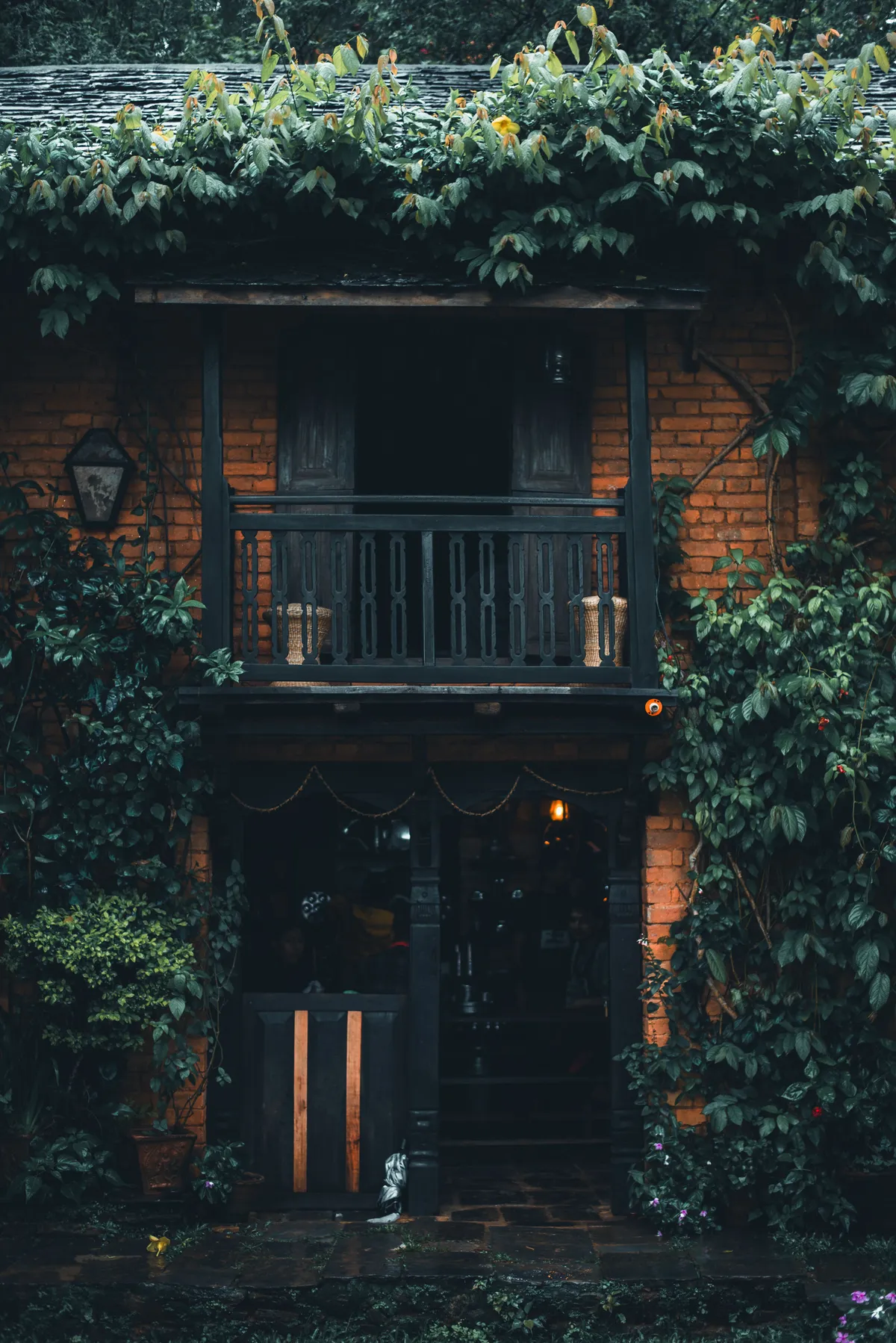
Nuwakot pairs naturally with Kakani on the outbound or return leg, with the Langtang road corridor for trekkers heading north, and with the Kathmandu Valley's sacred sites for a multi-day heritage itinerary. It also slots cleanly into wider cultural circuits that link the capital with Pokhara and Chitwan.
Nuwakot works well as a standalone day trip from Kathmandu, but it can also be combined with other destinations for a longer heritage itinerary. The town lies on the route between Kathmandu and the Langtang region, and travelers heading to Langtang for trekking often stop at Nuwakot on the way. The contrast between the cultural heritage of the fortress town and the natural grandeur of the Langtang Valley makes for a rich and varied journey, and the complete guide to trekking in Nepal covers how to plan the trekking half of that pairing.
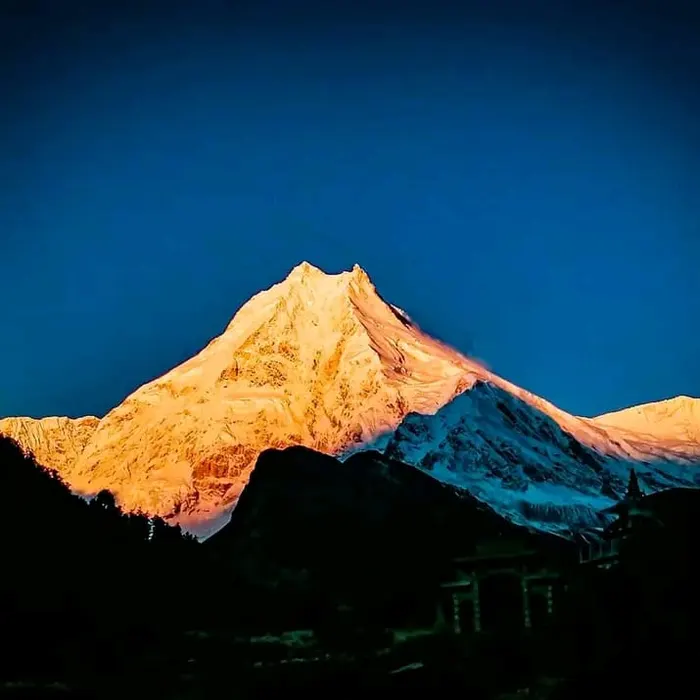
For travelers interested in Nepal's spiritual heritage, Nuwakot can be combined with visits to the Kathmandu Valley's sacred sites. The spiritual tour in Nepal and the spiritual tour in Nepal 2026 guides explore the country's pilgrimage circuits, and Nuwakot's Bhairab and Taleju temples are part of a broader network of sacred sites that extends across the hills.
For those planning a comprehensive Nepal journey, the Nepal Unveiled tour and the 8-day Nepal highlights tour offer curated itineraries that cover the country's cultural, natural, and scenic highlights. The Nepal cultural scenic tour focuses on the Kathmandu-Pokhara corridor, with opportunities to add side trips to destinations like Nuwakot. Travelers who want the capital's monuments covered in depth can add the 5-day Kathmandu Valley tour or the 3-day Kathmandu tour, either of which extends naturally with a Nuwakot day.
Practical Information: Tickets, Guides and Timing
Plan on a 7 AM departure from Kathmandu, arrival before 11 AM, three to four unhurried hours in the square and palace, a local lunch, and a return to the capital by early evening. Bring layers for the ridge, sun protection, and cash in small notes for the palace entry, offerings and roadside oranges.
The road to Nuwakot is paved for most of the route, though the final section can be rough. A private vehicle with a driver who knows the road is recommended. Public buses run from Kathmandu's Balaju bus station, but they are slow, crowded, and not recommended for a day trip.
Dress modestly if you plan to enter the temples, and remove shoes at temple thresholds as marked. Carry water for the ridge walk and the hilltop hike, and keep a light rain layer in your bag outside the winter months. Mobile coverage in the town is good, but speeds are slow, which many visitors come to regard as part of the point.