Introduction to Spiritual Nepal
Nepal is not merely a destination for the adventurous or the curious, it is a sanctuary for the soul. Nestled in the lap of the towering Himalayas, this land serves as a profound crossroads where faith, philosophy, and nature converge in a timeless dance of devotion. For centuries, seekers from across the globe have traveled to these high altitudes to find clarity, peace, and a deeper connection with the divine. Whether you are drawn by the resonant chants of Tibetan monks, the aromatic incense of Hindu temples, or the silent majesty of the snow-capped peaks, a spiritual journey in Nepal offers a transformative experience that transcends the ordinary.
At Enticing Himalayas, we believe in the philosophy of Explore, Heal, Thrive. We understand that a spiritual tour is not just about visiting monuments, it is about an internal shift. The air here is thick with the energy of millennia of prayer, and the landscape itself is viewed as a manifestation of the sacred. From the birthplace of Lord Buddha in Lumbini to the high-altitude shrines of Muktinath, Nepal provides a diverse spectrum of spiritual paths. By choosing to book a spiritual tour in Nepal, you are stepping into a world where the boundary between the physical and the metaphysical becomes thin, allowing for a genuine awakening.
This ultimate guide is designed to be the cornerstone of your spiritual exploration. We will navigate the intricate layers of Nepali spirituality, exploring the synergy between Hinduism and Buddhism, the importance of pilgrimage, and the practicalities of organizing a journey that respects both the land and the spirit. As you read, we invite you to consider how these ancient traditions can integrate into your modern life, providing a blueprint for a more mindful and compassionate existence.
The Essence of Spiritual Travel in the Himalayas
To understand spirituality in Nepal, one must first understand the geography of the soul. The Himalayas are not just mountains, they are considered the abode of the gods. In the Hindu tradition, the peaks are the home of Lord Shiva, the destroyer and transformer. In Buddhism, the mountains are seen as places of retreat and intense meditation, where the thin air and profound silence facilitate the movement toward enlightenment. This geographical sacredness creates a natural environment for spiritual growth, where the physical act of climbing or traveling to a remote shrine mirrors the internal struggle to overcome the ego.
The concept of the Yatra, or pilgrimage, is central to the Nepali experience. A Yatra is more than a trip, it is a ritual of purification. Every step taken toward a sacred site is believed to shed a layer of karmic burden. Whether it is a trek to the holy lake of Gosaikunda or a visit to the temples of the Kathmandu Valley, the intention is always the same: to move closer to the truth. This is why we encourage our guests to approach their travel with a spirit of humility and openness. When you engage with a cultural and spiritual tour in Nepal, you are participating in a tradition that has remained vibrant for thousands of years.


Spirituality in Nepal is also characterized by an extraordinary syncretism. Unlike many parts of the world where different religions may clash, in Nepal, Hinduism and Buddhism have coexisted and influenced one another for eons. It is common to find a Buddhist stupa standing adjacent to a Hindu shrine, or to see practitioners of both faiths offering prayers at the same altar. This harmony reflects a deeper understanding that while the paths may differ, the destination of peace and liberation is the same. This inclusivity makes Nepal one of the most welcoming places for spiritual seekers of all backgrounds, regardless of their specific faith or lack thereof.
Furthermore, the role of the guru and the lama is pivotal. The transmission of wisdom in Nepal is often oral and personal, passed from teacher to student. Visiting monasteries and ashrams allows travelers to glimpse this living lineage of wisdom. The guidance of a spiritual teacher can turn a simple sightseeing trip into a profound psychological journey. By integrating these encounters into your itinerary, you move beyond the role of a tourist and become a student of life, learning the art of presence and the power of compassion from those who have dedicated their lives to these virtues.
The Primary Spiritual Hubs of Nepal
While the entire country is imbued with spiritual energy, there are specific hubs that act as anchors for the spiritual experience. These locations are not only destinations in themselves but also gateways to deeper understanding.
The Kathmandu Valley: The Living Heart of Faith
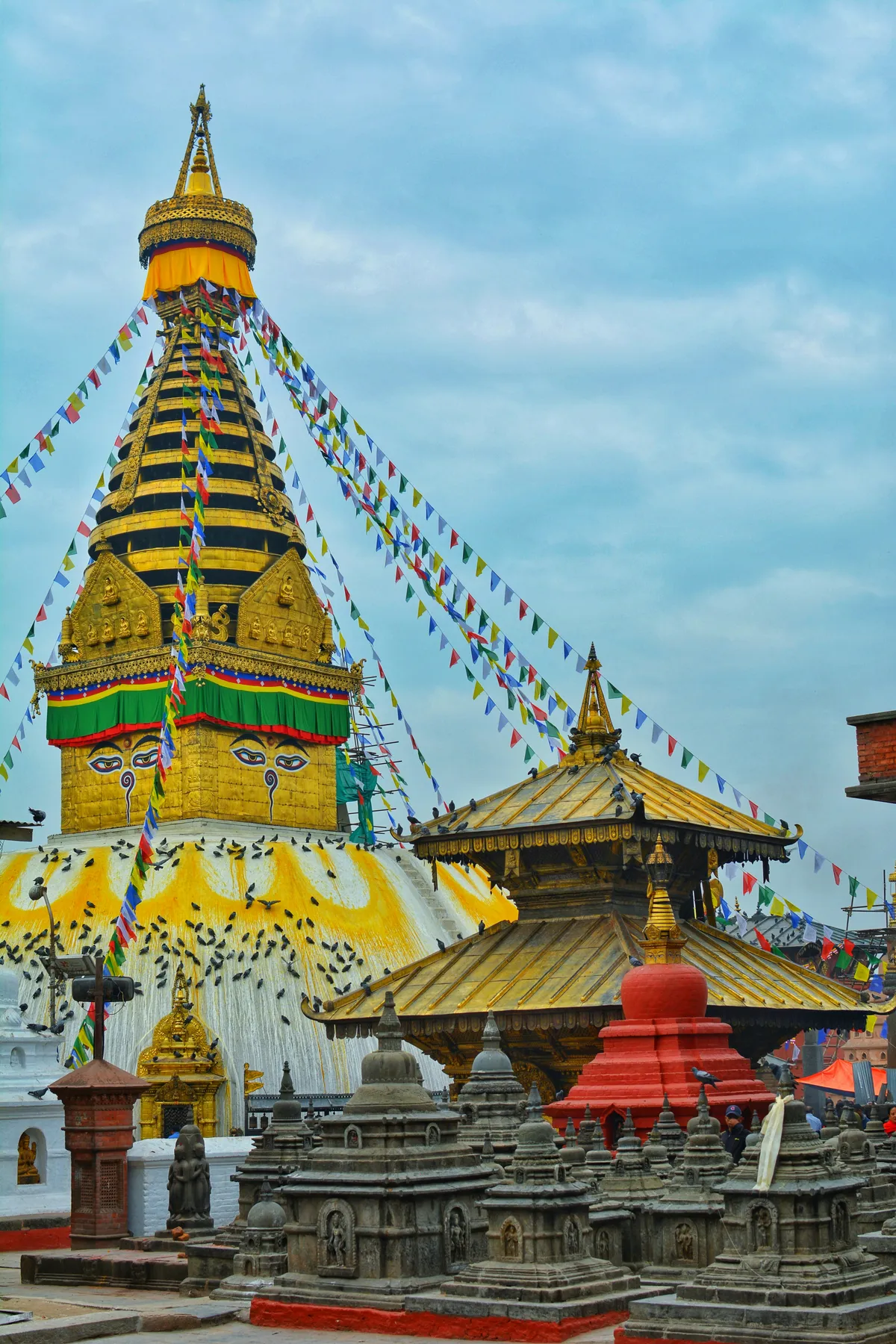
The Kathmandu Valley is a concentrated epicenter of spirituality. Here, the city is an open-air museum of faith. The valley is anchored by three major spiritual pillars: Pashupatinath, Boudhanath, and Swayambhunath. Each represents a different facet of the spiritual journey. Pashupatinath deals with the cycle of life and death, Boudhanath embodies the path to enlightenment through the Dharma, and Swayambhunath represents the awakening of the mind. Walking through the narrow alleys of Kathmandu, you will encounter countless small shrines and hidden courtyards, each reminding you that the divine is present in every corner of everyday life.
Lumbini: The Cradle of Enlightenment
Located in the plains of the Terai, Lumbini is the birthplace of Siddhartha Gautama, who became the Buddha. For any spiritual seeker, Lumbini is a place of profound silence and reflection. The Maya Devi Temple marks the exact spot of the Buddha's birth, and the surrounding monastic zone features temples built by various Buddhist nations, each reflecting their unique architectural and spiritual interpretations. Visiting Lumbini is an exercise in peace. The wide open spaces and the serene atmosphere encourage a meditative state, allowing visitors to contemplate the Buddha's core teachings of non-violence, mindfulness, and the cessation of suffering.
Pokhara: The Gateway to Tranquility
Pokhara is often seen as a hub for adventure, but its spiritual value is immense. The city sits on the shores of Phewa Lake, with the Annapurna range providing a dramatic backdrop. The World Peace Pagoda, perched on a hill overlooking the city, is a testament to the global desire for harmony. Pokhara is the ideal place for those looking to combine a spiritual journey with physical wellness. The abundance of yoga retreats and meditation centers makes it a prime location for those who wish to combine trekking with spiritual growth, using the natural beauty of the mountains to deepen their internal practice.
Deep Dives into the Most Sacred Sites
To truly grasp the spiritual landscape of Nepal, one must look closer at the individual sites that define the national identity and draw millions of pilgrims annually.
Pashupatinath: The Lord of Animals and the Cycle of Life
Pashupatinath is one of the most sacred Hindu temples in the world, dedicated to Lord Shiva. Located on the banks of the Bagmati River, it is a place where the raw reality of existence is on full display. The cremation ghats, where bodies are burned in open fires, serve as a stark reminder of the impermanence of the physical body. For many, this is a challenging sight, but for the spiritual seeker, it is a lesson in detachment. To visit Pashupatinath is to confront mortality and to understand that death is not an end, but a transition. The evening Aarti ceremony, with its flickering lamps and rhythmic chanting, creates a powerful atmosphere of devotion that can be felt deep within the chest.
Boudhanath: The Great Stupa and the Infinite Circle
Boudhanath is the center of Tibetan Buddhism in Nepal. The massive white dome of the stupa represents the mind of the Buddha, and the four pairs of eyes staring out in all directions symbolize the all-seeing nature of enlightenment. The practice of the kora, where devotees walk clockwise around the stupa while spinning prayer wheels and chanting mantras, is a physical manifestation of a spiritual orbit. The surrounding neighborhood is a maze of Tibetan shops and monasteries, creating a sensory experience of butter lamps, singing bowls, and deep maroon robes. The energy at Boudhanath is one of collective peace and an unwavering commitment to the path of the Dharma.
Swayambhunath: The Ancient Awakening
Swayambhunath, often called the Monkey Temple, is one of the oldest spiritual sites in the Kathmandu Valley. Perched atop a hill, it offers a panoramic view of the city, symbolizing the ascent from the mundane to the spiritual. The stupa here is believed to have been formed naturally, meaning the enlightenment it represents is inherent in the earth itself. The climb to the top, via a long series of stone steps, is a metaphor for the effort required to reach a higher state of consciousness. The presence of both Hindu and Buddhist shrines within the complex reinforces the shared spiritual heritage of the region.
Muktinath: The Temple of Liberation
Muktinath is a high-altitude sanctuary that attracts pilgrims from both the Hindu and Buddhist faiths. Located in the Mustang region, it is renowned for its 108 spout-shaped water sources, which are believed to wash away the sins of the devotee. For Hindus, it is a place where Lord Vishnu resides, while for Buddhists, it is the site of a sacred monastery. The journey to Muktinath is an adventure in itself, involving rugged terrain and thin air, which prepares the mind for the spiritual liberation that the site promises. It is a place where the physical hardship of the journey meets the spiritual reward of the destination.
Gosaikunda: The Holy Lake of Lord Shiva
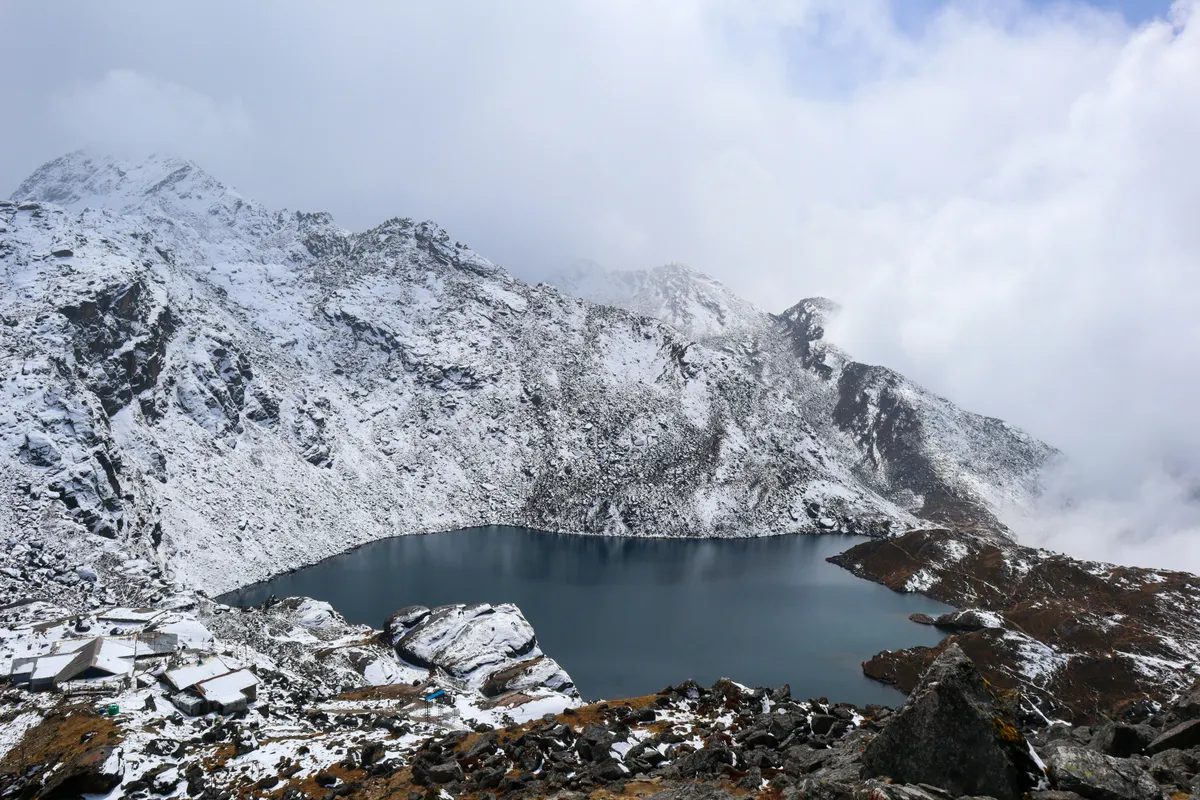
High in the mountains lies Gosaikunda, a turquoise lake that is believed to have been created by Lord Shiva. This is a true pilgrimage, requiring a trek through alpine meadows and steep ridges. The lake is a site of intense devotion, especially during the full moon of Shrawan. Bathing in the icy waters of Gosaikunda is seen as an act of extreme purification. The silence of the high mountains, combined with the purity of the water and the devotion of the pilgrims, makes Gosaikunda one of the most potent energy centers in the Himalayas. It is a place where the human spirit is stripped of its pretensions and faced with the raw power of nature and the divine.
Namobuddha: The Path of Compassion
Namobuddha is a site of profound emotional and spiritual weight. It is here that a previous incarnation of the Buddha is said to have given his body to a starving tigress, an act of ultimate compassion. The monastery is built around the cave where this event occurred. Visiting Namobuddha is a lesson in selflessness and empathy. The quiet atmosphere of the monastery and the surrounding forest provide an ideal setting for those wishing to practice Metta, or loving-kindness meditation. It is a reminder that the highest form of spirituality is not found in isolation, but in the active practice of compassion toward all living beings.
Spiritual Practices and Healing Activities
A spiritual journey is not complete without engaging in practices that allow the internal energy to flow and the mind to settle. Nepal offers a wealth of opportunities for those seeking healing and holistic wellness.
Meditation and Mindfulness
From the structured silence of a Zen monastery to the spontaneous meditation of a mountainside retreat, Nepal is a playground for the mindful. We recommend beginning your journey with a guided meditation session to help you acclimate to the high-energy environment of the cities. Mindfulness practices in Nepal often involve the use of singing bowls and incense, which help to anchor the senses and quiet the mental chatter. By learning to observe the present moment without judgment, travelers find that the external beauty of Nepal becomes a mirror for their own internal peace.
Yoga in the Heart of the Himalayas
Yoga is not just physical exercise, it is a spiritual discipline. Practicing yoga in the shadow of the Himalayas adds a layer of power to the experience. The alignment of the body and breath in such a majestic setting allows for a deeper state of relaxation and awareness. We offer specialized packages that combine yoga and spirituality, ensuring that your physical practice supports your mental and spiritual goals. Whether you are a beginner or an advanced practitioner, the energy of the land enhances the flow of prana and accelerates the process of healing.
Vedic Astrology and Ancient Healing
Nepal has a rich tradition of Vedic astrology and Ayurveda, the ancient science of life. Many spiritual seekers visit local pundits to gain insight into their life path and karmic patterns. Ayurveda focuses on balancing the three doshas (Vata, Pitta, and Kapha) through diet, herbal medicine, and lifestyle changes. Integrating an Ayurvedic consultation into your tour can provide you with a personalized roadmap for health and wellness, ensuring that your spiritual journey is supported by a healthy and balanced body.
Participating in Pujas and Aarti
To truly feel the pulse of Nepali spirituality, one must participate in the rituals. A Puja is a prayer ritual performed to host, honor, and worship deities. Participating in a guided Puja allows you to experience the rhythmic beauty of the mantras and the symbolic power of the offerings. The Aarti, the ritual of light, is particularly moving at the riverside temples of Kathmandu. The combination of fire, sound, and devotion creates a powerful shift in consciousness, bridging the gap between the individual and the cosmic.
The Spiritual Calendar: Festivals and Timing
Timing is everything when planning a spiritual journey. While the sacred sites are open year-round, the energy shifts dramatically during the various festivals of the Nepali calendar.
Maha Shivaratri: The Great Night of Shiva
Occurring usually in February or March, Maha Shivaratri is one of the most important festivals for Hindus. Thousands of devotees flock to Pashupatinath to spend the night in fasting and prayer. The atmosphere is electric, filled with the sound of drums and the scent of incense. For a visitor, it is a chance to witness the peak of human devotion and the collective energy of a community united in faith.
Buddha Jayanti: Celebrating the Light of Asia
Buddha Jayanti marks the birth, enlightenment, and passing of Lord Buddha. This is the most significant time to visit Lumbini and Boudhanath. The temples are decorated with colorful flags, and the air is filled with the chanting of the Triple Gem. It is a time of immense joy and reflection, providing an ideal opportunity to engage with the monastic community and learn more about the path to enlightenment.
Holi and Dashain: The Celebration of Life and Victory
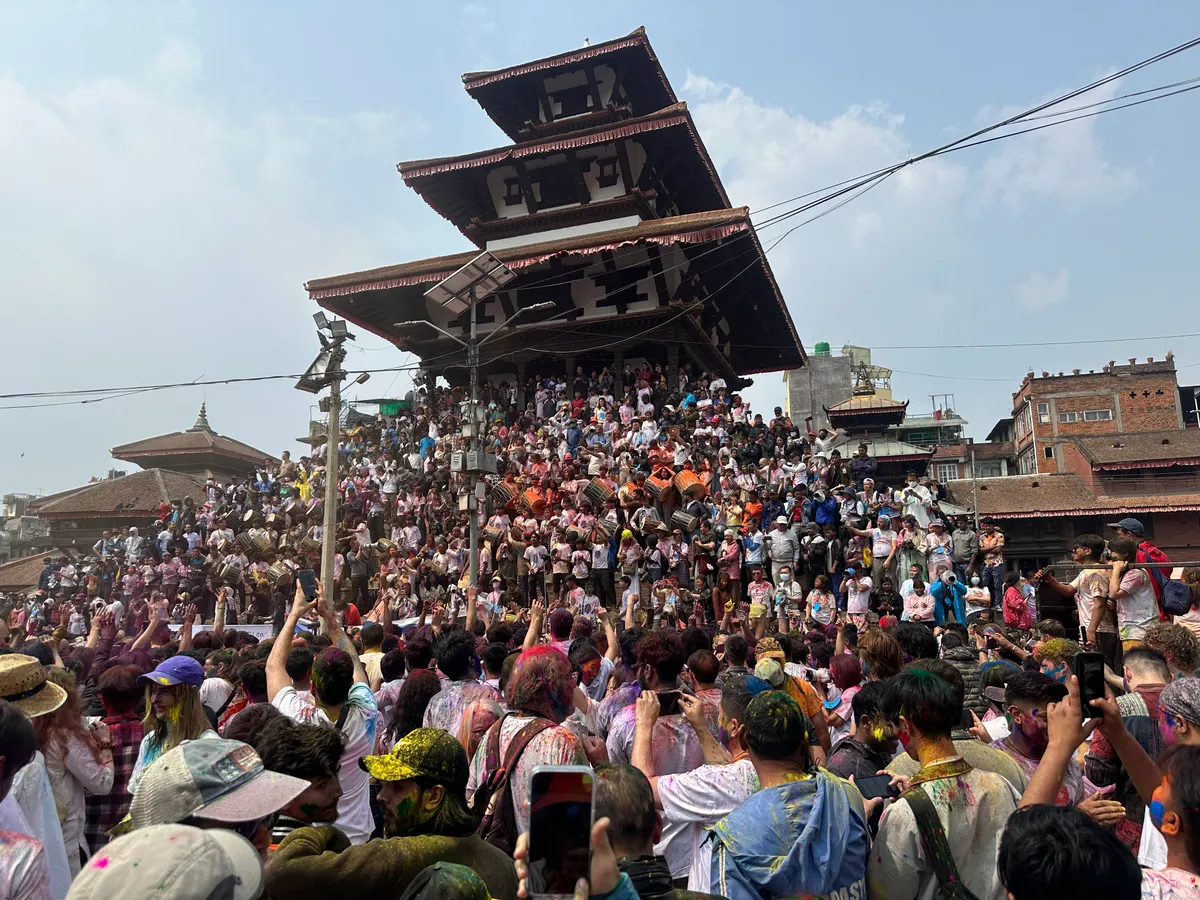
Holi, the festival of colors, represents the arrival of spring and the victory of good over evil. It is a time of spontaneous joy and social cohesion. Dashain, the most important national festival, celebrates the victory of goddess Durga over the demon Mahishasura. During Dashain, families gather, and elders provide blessings to the younger generation. Experiencing these festivals provides a glimpse into the social fabric of Nepal, where spirituality is not confined to temples but is lived every day in the home and the street.
Best Time to Visit for Spiritual Seekers
For those seeking tranquility and clarity, the autumn months (September to November) and the spring months (March to May) are ideal. The skies are clear, the mountains are visible, and the weather is mild, making the treks to high-altitude shrines like Gosaikunda and Muktinath more accessible. However, if you are looking for the intense energy of mass pilgrimage, planning your trip around the festivals mentioned above will provide a more visceral experience of faith.
How to Book Your Spiritual Journey in Nepal
Organizing a spiritual tour requires more than just a hotel and a flight, it requires a curated approach that respects the sanctity of the sites and the needs of the seeker. This is where the expertise of a local operator becomes invaluable.
Why Choose Enticing Himalayas?
We don't just provide tours, we facilitate transformations. Our approach is grounded in the belief that every traveler has a unique spiritual frequency. We work with you to customize an itinerary that aligns with your specific goals, whether you are seeking deep meditation, a rigorous pilgrimage, or a gentle introduction to Himalayan culture. By choosing us, you are ensuring that your journey is handled with the utmost respect for local traditions and the environment.
Best Pilgrimage Packages and Customization
We offer a variety of best pilgrimage packages that cater to different levels of physical and spiritual readiness. From a 5-day urban circuit in Kathmandu to a 21-day deep dive into the remote monasteries of Mustang, our packages are designed to provide a balanced flow of activity and reflection. If you have a specific shrine or a particular practice you wish to explore, our team can customize your tour to include private meditation sessions, visits to lesser-known hermitages, and meetings with authentic spiritual teachers.
Practical Tips for the Spiritual Traveler
To make the most of your journey, we suggest a few preparatory steps. First, approach the trip with an open mind. Some rituals may seem strange or overwhelming at first, but they are designed to break down the ego and open the heart. Second, dress modestly. Covering your shoulders and knees is a sign of respect in sacred spaces. Third, practice mindfulness even during the travel transitions. The journey is as important as the destination. By treating the flight, the drive, and the trek as part of the ritual, you maintain a state of presence that enhances the overall experience.
Comparing Spiritual Journey Types
Depending on your goals, you may choose a different style of spiritual engagement. The table below helps you decide which path is right for you.
| Journey Type | Primary Focus | Physical Intensity | Ideal Duration | Key Destinations |
|---|---|---|---|---|
| Urban Spiritual Circuit | Culture, Rituals, History | Low to Moderate | 5 to 7 Days | Kathmandu, Patan, Bhaktapur |
| High-Altitude Pilgrimage | Purification, Endurance, Faith | High | 10 to 15 Days | Gosaikunda, Muktinath |
| Wellness and Zen Retreat | Healing, Yoga, Mindfulness | Low | 7 to 14 Days | Pokhara, Lumbini |
| Cultural Deep Dive | Philosophy, Traditions, Art | Moderate | 12 to 20 Days | Mustang, Kathmandu, Lumbini |