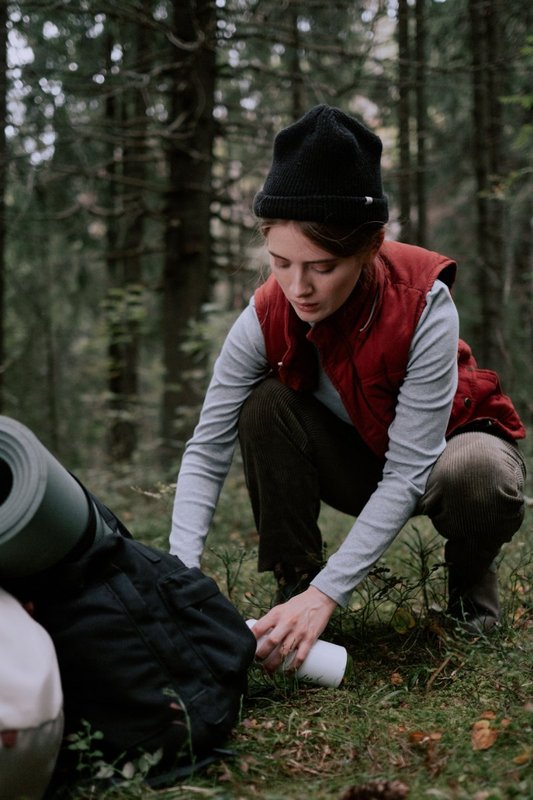
Packing for a meditation retreat in Nepal is different from packing for a regular trek or cultural tour. You need clothing that works for long hours of seated practice, layers that adapt to chilly Himalayan mornings and warm afternoons, and a small set of personal items that support your inner journey without weighing you down. Whether you are heading to a Vipassana center in the Kathmandu Valley, a monastery stay in the Himalayan foothills, or a yoga and sound healing retreat in Kathmandu, this packing list covers everything you need and nothing you do not.

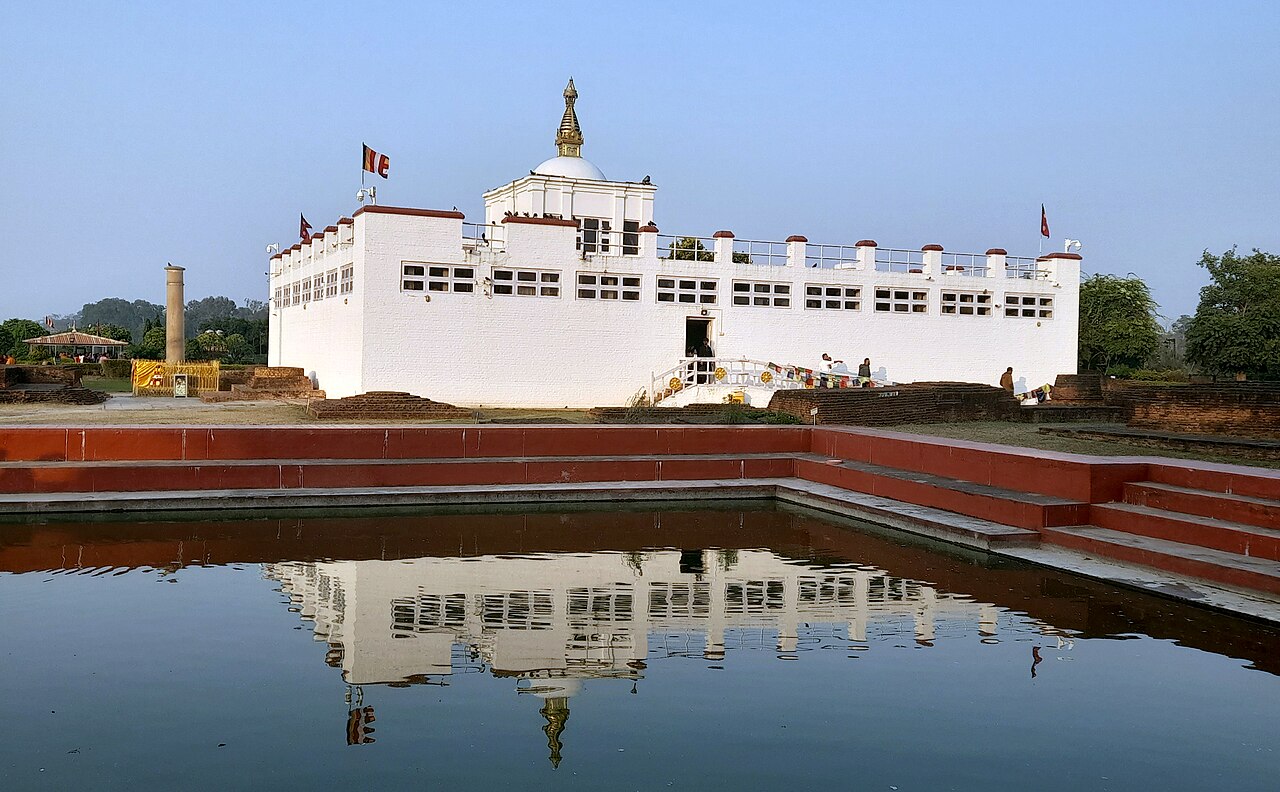
Nepal draws meditators from around the world because it offers authentic practice environments that are hard to find elsewhere. From the birthplace of Buddha in Lumbini to the meditation caves of the Himalayas, the land itself supports inner work. But to get the most out of your retreat, you need to arrive prepared. After attending multiple retreats across Nepal and speaking with teachers, monastics, and fellow practitioners, I have refined this list into what truly matters. The goal is simple: pack light enough to travel easily, but thoroughly enough that nothing missing distracts you from your practice.
Why Packing Right Matters for a Meditation Retreat
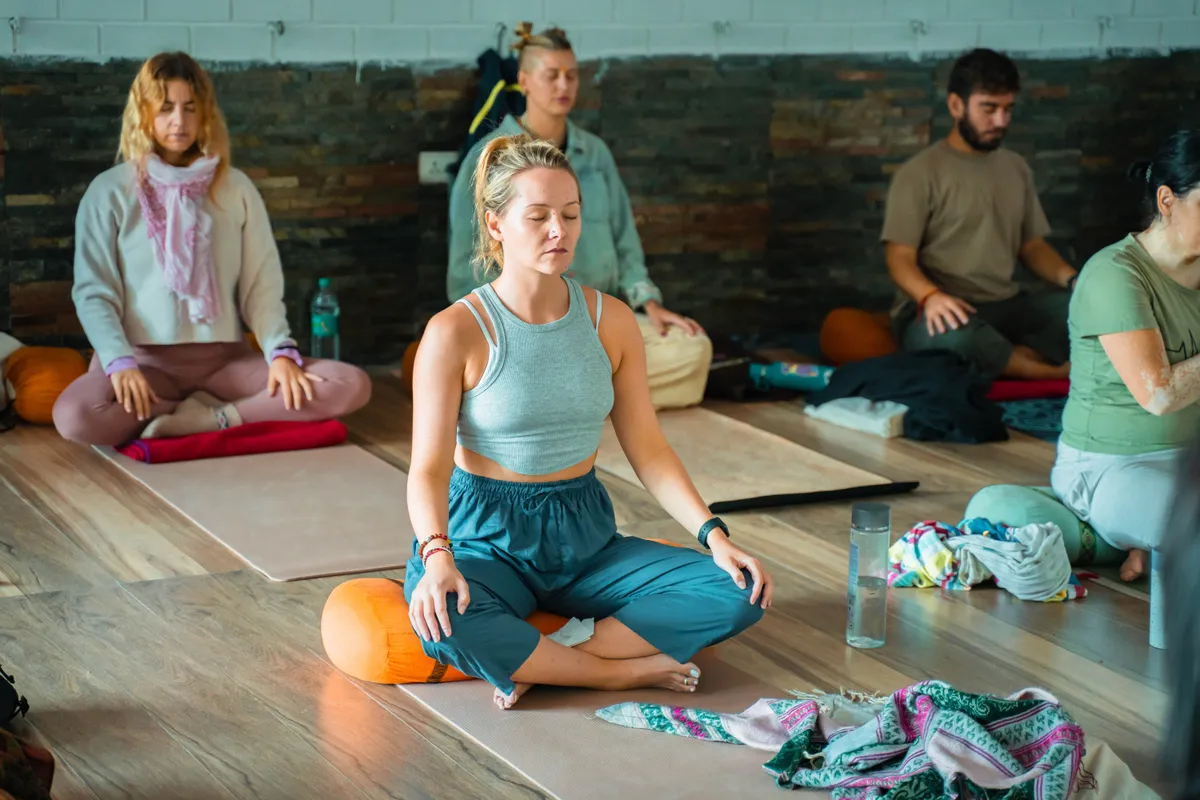
A meditation retreat is not a vacation. You will sit for extended periods, walk mindfully, eat simple meals, and follow a structured schedule that may begin before dawn and end after sunset. The right clothing and gear remove friction from your day. When your body is warm, comfortable, and supported, your mind can settle more easily into the practice. When you are constantly adjusting a scratchy scarf or shivering through a morning session because you forgot a warm layer, your attention stays on discomfort instead of the breath.
Nepal adds its own considerations. Altitude affects how cold it feels, even in spring and autumn. Monsoon season (June to September) brings humidity and rain. Winter mornings in the Kathmandu Valley can drop to near freezing. Monasteries and retreat centers often have basic heating at best. Understanding what to pack for each season and setting is essential.
What Should You Pack for a Meditation Retreat in Nepal?
Pack for comfort, modesty, and layering. You need loose-fitting clothing that does not restrict breathing or circulation, warm layers for early morning sessions, modest attire that respects local cultural norms, and a few personal items that support your practice. The full list below breaks everything down by category.
Clothing: The Foundation of Comfort
Your clothing is the most important part of your packing list. Meditation involves long periods of sitting, sometimes on the floor, sometimes on a cushion, and occasionally on a bench. Everything you wear should allow freedom of movement, breath naturally, and layer easily.
Base Layers (3 to 4 sets)
- Loose cotton or linen trousers - 2 pairs. Avoid jeans or tight leggings. Drawstring waistbands are ideal because they do not press into your abdomen during seated practice.
- Long-sleeve shirts - 3 to 4. Choose breathable natural fabrics. Light colors are traditional and reflect sunlight if you are in a sunny courtyard.
- Short-sleeve t-shirts - 2. For warmer afternoons or indoor sessions. Avoid tank tops or sleeveless shirts, as many monasteries require shoulders to be covered.
- Long-sleeve thermal base layer - 1 set. Essential for winter, early spring, and late autumn retreats. Merino wool or synthetic moisture-wicking fabric works best.
Warm Layers
- Fleece jacket or warm pullover - 1. This is your most-used item during morning and evening sessions. Choose something soft that does not rustle when you move.
- Lightweight down jacket - 1. For retreats at altitude or in winter. Compresses small for travel. A complete guide to trekking in Nepal can help you choose gear that works for both retreats and trekking.
- Warm shawl or wrap - 1. Versatile for draping over shoulders during sitting, covering your lap, or wrapping around your neck. A pashmina or wool blend is ideal. Many practitioners consider this their most essential item.
- Warm socks - 2 to 3 pairs. Wool or thick cotton. Cold feet are one of the most common distractions during meditation, and a warm pair of socks makes a surprising difference.
Outerwear and Rain Gear
- Lightweight waterproof jacket - 1. Essential during monsoon season (June-September) and useful year-round for unexpected mountain weather.
- Poncho or umbrella - 1. For walking meditation outdoors during light rain. A compact travel umbrella weighs almost nothing.
Modesty and Cultural Considerations
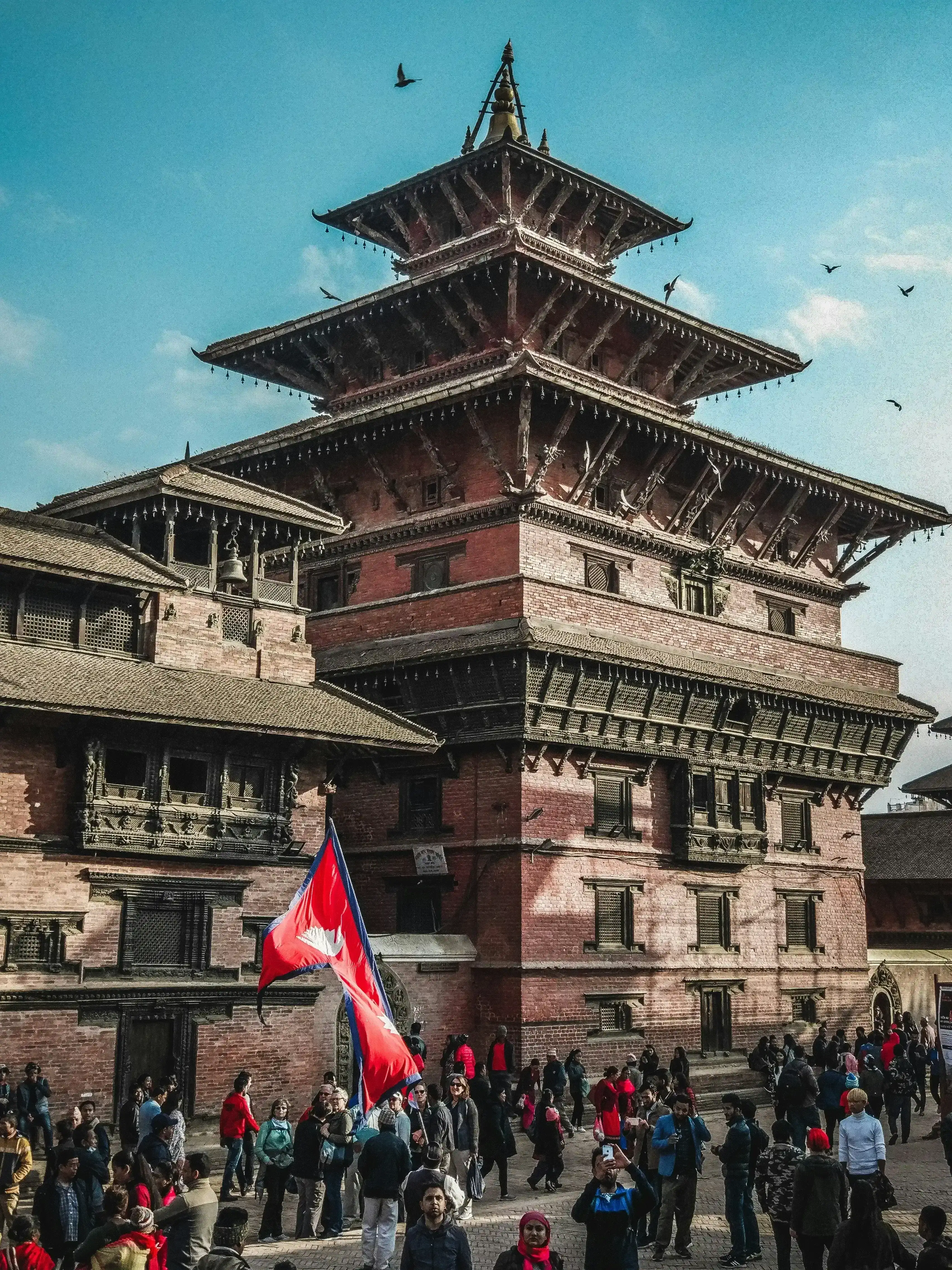
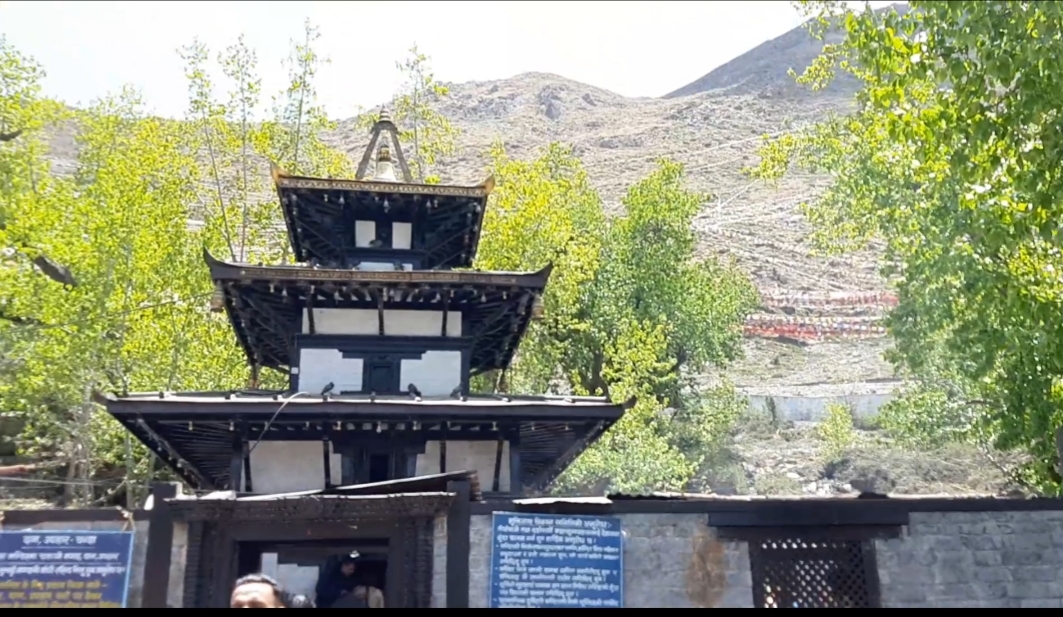
Nepal is a deeply spiritual country, and most retreat centers are attached to or located near religious sites. Both Buddhist and Hindu traditions value modesty in dress. Avoid shorts, short skirts, low-cut tops, and transparent fabrics. Long trousers and long-sleeve shirts are the standard. If you plan to visit temples before or after your retreat, bring at least one outfit that fully covers your shoulders and knees. This respect for local culture is also covered in our cultural and spiritual tours guide.
What Footwear Do You Need for a Meditation Retreat?
You will remove your shoes frequently at monasteries, temples, and retreat centers. Slip-on shoes or sandals are far more practical than lace-up boots. Inside most meditation halls, you will be barefoot or in socks.
- Slip-on sandals or flip-flops - 1 pair. For everyday use around the retreat center. Easy to remove when entering halls.
- Comfortable walking shoes - 1 pair. For any walking meditation outdoors, arrival and departure days, or excursions. Something you can walk in for an hour without discomfort.
- Warm indoor socks - 1 to 2 pairs. For inside the meditation hall. Gripped bottoms help if the floor is smooth.
Meditation Gear: What to Bring vs What Is Provided
Most established retreat centers in Nepal provide basic meditation equipment: cushions (zafu), mats (zabuton), benches, and sometimes kneeling stools. However, bringing your own small items can make your practice more consistent and comfortable.
Bring Your Own
- Personal meditation cushion or pillow - A travel-sized zafu or inflatable cushion. Not required if the center provides one, but many practitioners prefer their own.
- Meditation shawl or blanket - A light blanket to drape over your lap and legs during long sits. Cold legs are a common distraction that a simple blanket eliminates.
- Eye mask or soft eye pillow - Optional but helpful for maintaining focus in brightly lit halls. A soft cloth band works well.
- Mala beads or rosary - If you use them in your practice. A mantra meditation practice often involves a mala for counting recitations.
- Journal and pen - For recording insights between sessions. Choose a small notebook that fits in your bag. Many practitioners find that building a daily routine includes written reflection.
Usually Provided by the Center
- Meditation cushions and mats
- Benches or chairs (for those who cannot sit on the floor)
- Blankets (though quality varies, so bringing your own is safer)
- Drinking water and tea
- Basic toiletries at some centers
Check with your specific retreat center before departure. Most are happy to answer questions about what they provide. If you are unsure, our guide on how to choose a meditation retreat in Nepal includes a section on what to ask before booking.

How Do You Pack for Different Types of Retreats?
Not all retreats require the same gear. A 10-day silent Vipassana course at a dedicated center has different requirements than a monastery stay in a remote valley or a luxury wellness retreat in Pokhara.
Silent Retreats (Vipassana, 10-day)
Silent retreats are the most minimalist. You will not have access to your phone, books, or writing materials for most of the course. Pack only essentials. The focus is entirely on practice, so comfort items that support sitting are your priority. Bring enough clothing for the full duration without needing laundry. A Vipassana guide for Nepal covers the specific rules and daily schedule.
Monastery Stays
Monastery stays often involve simple shared accommodation, early morning puja (prayer ceremony), and communal meals. Pack modest clothing, a sleeping bag liner for cleanliness, a towel, and a small water bottle. Monasteries at altitude (such as those in the Everest or Annapurna regions) will be cold, so thermal layers are essential. Learn about monastery stays and Buddhist meditation to understand the daily routine.
Wellness and Yoga Retreats
These retreats are more comfortable and may include yoga sessions, sound healing, massage, and sightseeing alongside meditation. Pack yoga clothing (stretchy but modest), a reusable water bottle, natural toiletries, and comfortable walking shoes for any excursions. A yoga and meditation retreat guide can help you prepare.


High-Altitude Retreats
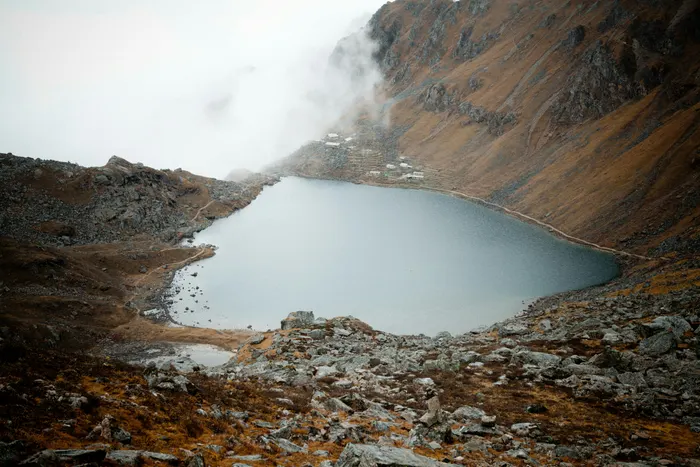
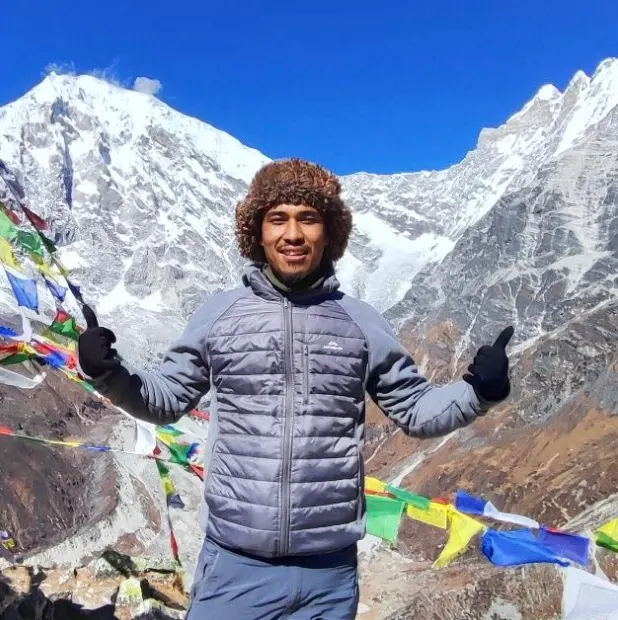
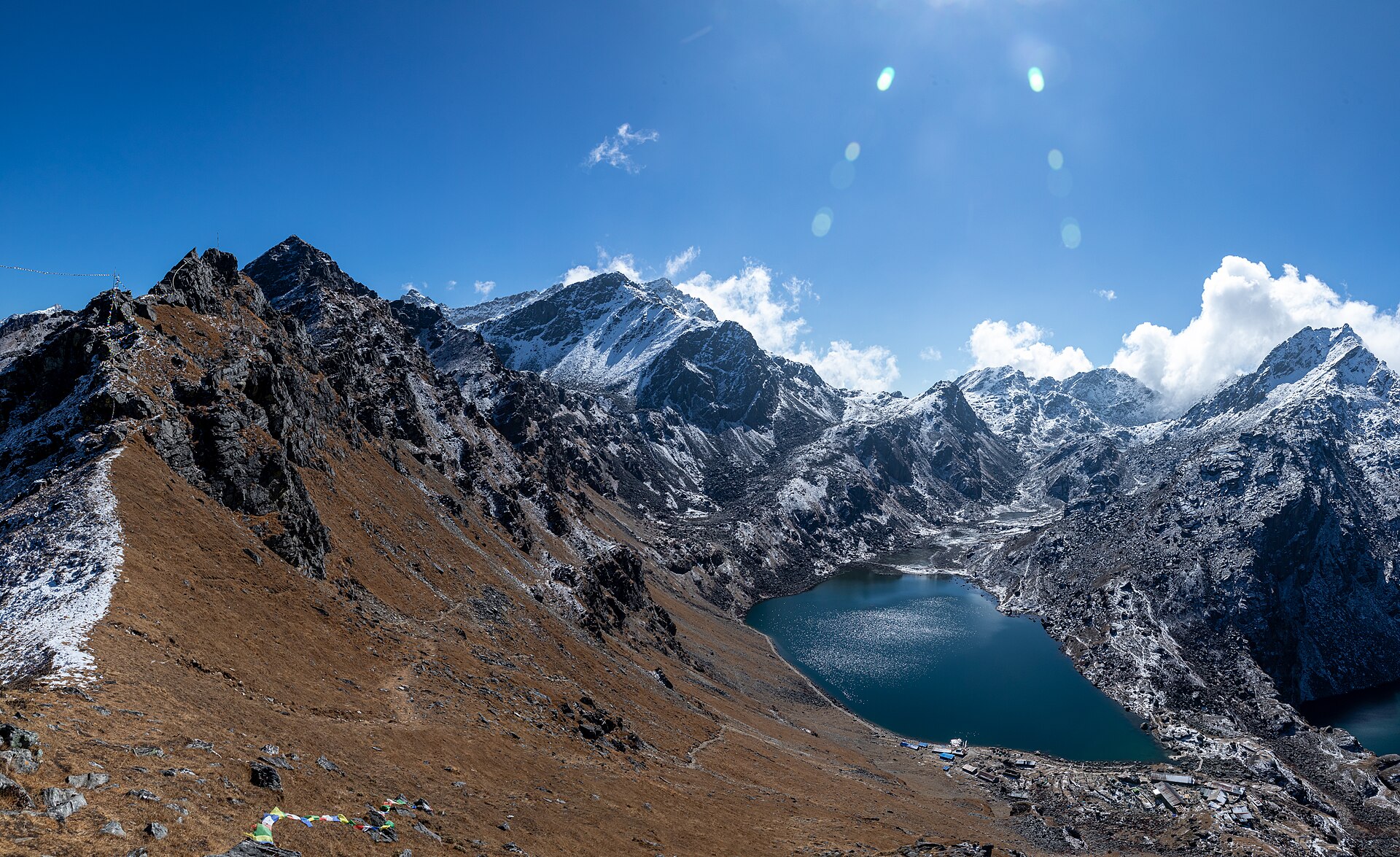
Some meditation experiences combine retreat with trekking, such as a Gosaikunda Sacred Lakes yoga trek. For these, you need trekking gear in addition to meditation clothing. Sturdy hiking boots, a daypack, trekking poles, altitude medication (consult your doctor), and a sleeping bag rated to -10 degrees Celsius are essential. Layer your clothing so you can strip down to a light base layer during afternoon meditation and bundle up for evening sessions.
Toiletries and Personal Care
Keep your toiletry kit small and simple. Retreat life is about reducing external stimulation, and a compact kit supports that mindset.
- Natural, unscented soap and shampoo - Many retreat centers request unscented products out of respect for fellow practitioners who may be sensitive to fragrances.
- Toothbrush and toothpaste - Travel-sized.
- Deodorant - Unscented. Avoid strong fragrances.
- Quick-dry travel towel - 1. Microfiber towels pack small and dry fast, which matters in humid monsoon conditions.
- Sunscreen and lip balm with SPF - The sun is strong at altitude, even on overcast days.
- Moisturizer - Small tube. Mountain air and indoor heating dry skin quickly.
- Menstrual supplies - If applicable. Bring enough for your entire stay, as specific brands may not be available near remote centers.
- Basic first aid kit - Band-aids, blister pads, pain relievers, antihistamines, anti-diarrheal medication, and any personal prescriptions. Include altitude medication if your retreat is above 2,500 meters.
What Electronics Should You Bring to a Meditation Retreat?
Most retreats ask you to surrender your phone upon arrival. Some allow limited use during designated breaks. Pack electronics minimally and with the understanding that you may not use them for days.
- Phone and charger - For travel days and emergencies. A silent retreat experience means your phone will be stored away for the duration.
- Power bank - For travel days when outlets are unavailable. Small capacity (5,000 to 10,000 mAh) is sufficient.
- Headphones - For travel, not for the retreat itself.
- Adapter - Nepal uses Type C, D, and M plugs at 230V. Most modern chargers handle 100-240V automatically, but you may need a plug adapter.
- Kindle or e-reader - Only if your retreat allows reading material. Many do not during the intensive period.
Consider a simple digital watch or alarm clock that is not a phone. You will need to wake for early morning sessions, and relying on a phone (which you may not have access to) is risky. A basic alarm watch is one of the most practical items you can bring.
What Should You NOT Bring to a Meditation Retreat?
Just as important as what to pack is what to leave behind. Carrying unnecessary items adds weight and mental clutter, both of which work against the purpose of a retreat.
- Valuable jewelry or accessories - There is no need for them, and shared accommodation means security is basic.
- Strong perfumes or scented products - Disruptive to others in close quarters.
- Laptop or tablet - Unless specifically required for your work-study retreat.
- Loud or attention-grabbing clothing - Retreats value simplicity and blending in.
- Alcohol and recreational substances - Prohibited at all serious retreat centers and monasteries.
- Meat snacks - Most retreat centers are vegetarian. Bringing meat products is disrespectful.
- Excessive snacks - Most centers provide three meals a day. A small amount of trail mix or energy bars is fine, but do not overpack food.
Seasonal Packing Adjustments
Nepal has four distinct seasons, and your packing list should adjust accordingly.
Spring (March to May)
Warm days, cool mornings and evenings. Pack light layers with one warm fleece and a light jacket. Rhododendron blooms make this a beautiful season for outdoor walking meditation. A walking meditation journey is ideal in spring.

Summer/Monsoon (June to September)
Hot, humid, and rainy. Pack breathable fabrics, a reliable rain jacket, waterproof sandals, and a waterproof bag liner for your backpack. Quick-dry clothing is essential because nothing dries fast in monsoon humidity.
Autumn (October to November)
The best season for retreats. Clear skies, moderate temperatures, and comfortable conditions. Pack standard layers: light clothing for daytime, warm fleece and shawl for early morning and evening sessions.
Winter (December to February)
Cold, especially in the mornings and at altitude. Pack thermal base layers, a warm down jacket, gloves, a warm hat, and multiple pairs of warm socks. Some retreat centers lack heating, so prepare for indoor temperatures that may drop to 5 to 10 degrees Celsius at night.
Practical Tips for Packing Light
The temptation when packing for an unfamiliar environment is to bring everything you might possibly need. Resist this. A heavy bag adds stress to travel days and creates unnecessary choices during the retreat. Here are strategies for keeping your pack light without sacrificing comfort.
Use the Layering Principle
Instead of packing a heavy winter coat and a light jacket, pack multiple thin layers that you can combine. A thermal base layer, long-sleeve shirt, fleece, and shawl together provide more warmth than a single thick coat and can be adjusted as temperatures change throughout the day.
Choose Multi-Purpose Items
A shawl that doubles as a meditation blanket. A quick-dry towel that works as a yoga mat cover. Sandals that work for both indoor and outdoor use. Every item that serves two purposes is one less thing to carry.
Pack in a Soft Duffel or Backpack
Hard-shell suitcases are difficult to transport on Nepal's narrow roads and rough paths. A 40 to 50 liter backpack or soft duffel is ideal. If you are combining your retreat with trekking, a proper backpack is essential, and consulting a trekking agency guide for Nepal can help you choose the right pack.
Roll Your Clothing
Rolling clothes instead of folding them saves space and reduces wrinkles. Use packing cubes or compression sacks to organize categories (base layers, warm layers, toiletries) so you can find what you need without rummaging through your entire bag.
What Documents Do You Need for a Meditation Retreat in Nepal?
Beyond clothing and gear, certain documents are essential for entering Nepal and attending a retreat.
- Passport - Valid for at least six months from your date of entry.
- Nepal visa - Available on arrival at Tribhuvan International Airport or online via the Nepal immigration portal. Tourist visas cover retreat attendance.
- Travel insurance - Ensure it covers medical evacuation if you are attending a retreat at altitude. Standard travel insurance may not cover activities above 3,000 meters.
- Retreat confirmation letter - Print or save a digital copy of your registration confirmation. Some centers require this for entry.
- Emergency contact information - Carry a card with your emergency contacts, blood type, and any medical conditions.
- Passport photos - 2 to 4. Needed for visa processing and sometimes for retreat center registration.
- Cash - Nepali rupees for small purchases, donations at monasteries, and tips. ATMs are available in Kathmandu and Pokhara but may not be accessible near remote retreat centers.
How Much Does a Meditation Retreat in Nepal Cost?
Retreat costs vary widely. A 10-day Vipassana course is typically donation-based (you give what you can at the end). Monastery stays may cost $10 to $30 per day including meals. Organized wellness retreats range from $138 for a half-day spa experience to $2,300 for an 11-day guided wellness trek. Our spiritual tour cost guide for 2026/27 breaks down expenses across budget, mid-range, and luxury tiers.
When budgeting, factor in your visa fee, travel insurance, flights to Nepal, ground transportation to the retreat center, and any pre- or post-retreat accommodation. Most meditators spend one or two days in Kathmandu before heading to their retreat, using the time to adjust to the time zone and pick up any last-minute items.
What Health Preparations Should You Make Before a Retreat?
Your physical health directly affects your meditation practice. Sitting for long periods, eating simple vegetarian meals, and adjusting to altitude all place demands on the body.
- Consult your doctor - Especially if you have existing conditions, take medication, or plan to attend a retreat above 2,500 meters.
- Vaccinations - Check current recommendations for Nepal. Hepatitis A and B, typhoid, and routine boosters are commonly advised.
- Altitude medication - If your retreat is in a high-altitude location, discuss diamox or other options with your doctor.
- Water purification - Bring water purification tablets or a filter bottle. Bottled water is available but creates plastic waste.
- Probiotics - Consider starting probiotics a week before travel to support digestive health during the dietary change.
Mental health preparation is equally important. If you are dealing with grief, trauma, or a mental health condition, speak with a therapist before attending an intensive silent retreat. The structured environment can surface difficult emotions, and having support in place is wise. Some practitioners find that breathwork practices help prepare the body and nervous system before a longer retreat.
Arriving in Nepal: First Days Before Your Retreat
Most meditators arrive in Kathmandu a day or two before their retreat begins. Use this time to adjust to the time zone, hydrate, and gather any last-minute supplies. Thamel, the main tourist district in Kathmandu, has shops selling warm clothing, trekking gear, and meditation supplies at reasonable prices. You can buy a shawl, warm socks, or a water filter here if you forgot them.
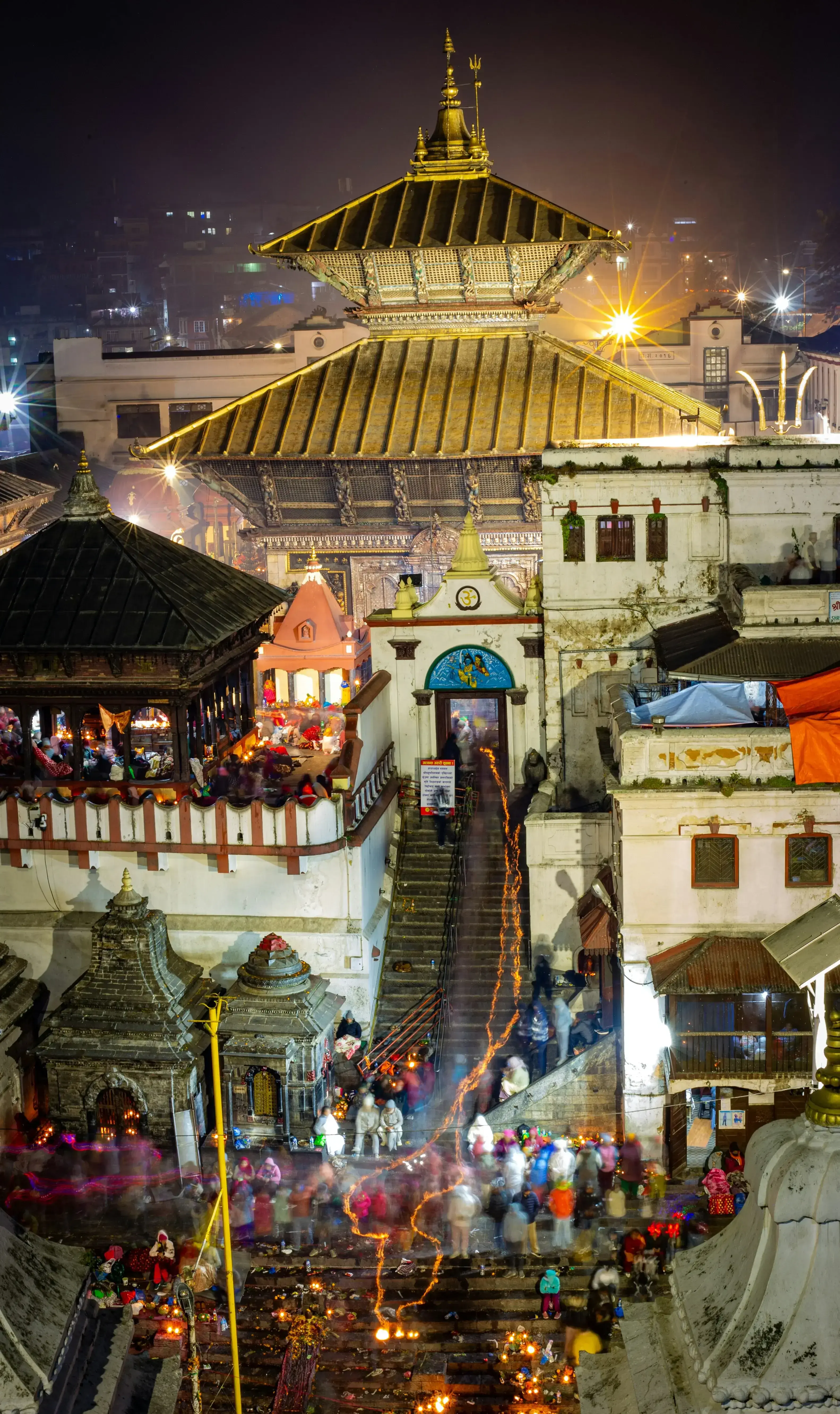
Consider visiting a few of Kathmandu's sacred sites before entering retreat. Boudhanath Stupa, Swayambhunath, and Pashupatinath are all within the valley and help set the mental tone for your practice. A Kathmandu spiritual circuit guide covers how to visit these sites respectfully. The energy of these places, alive with centuries of devotion, is a powerful preparation for the inner work ahead.
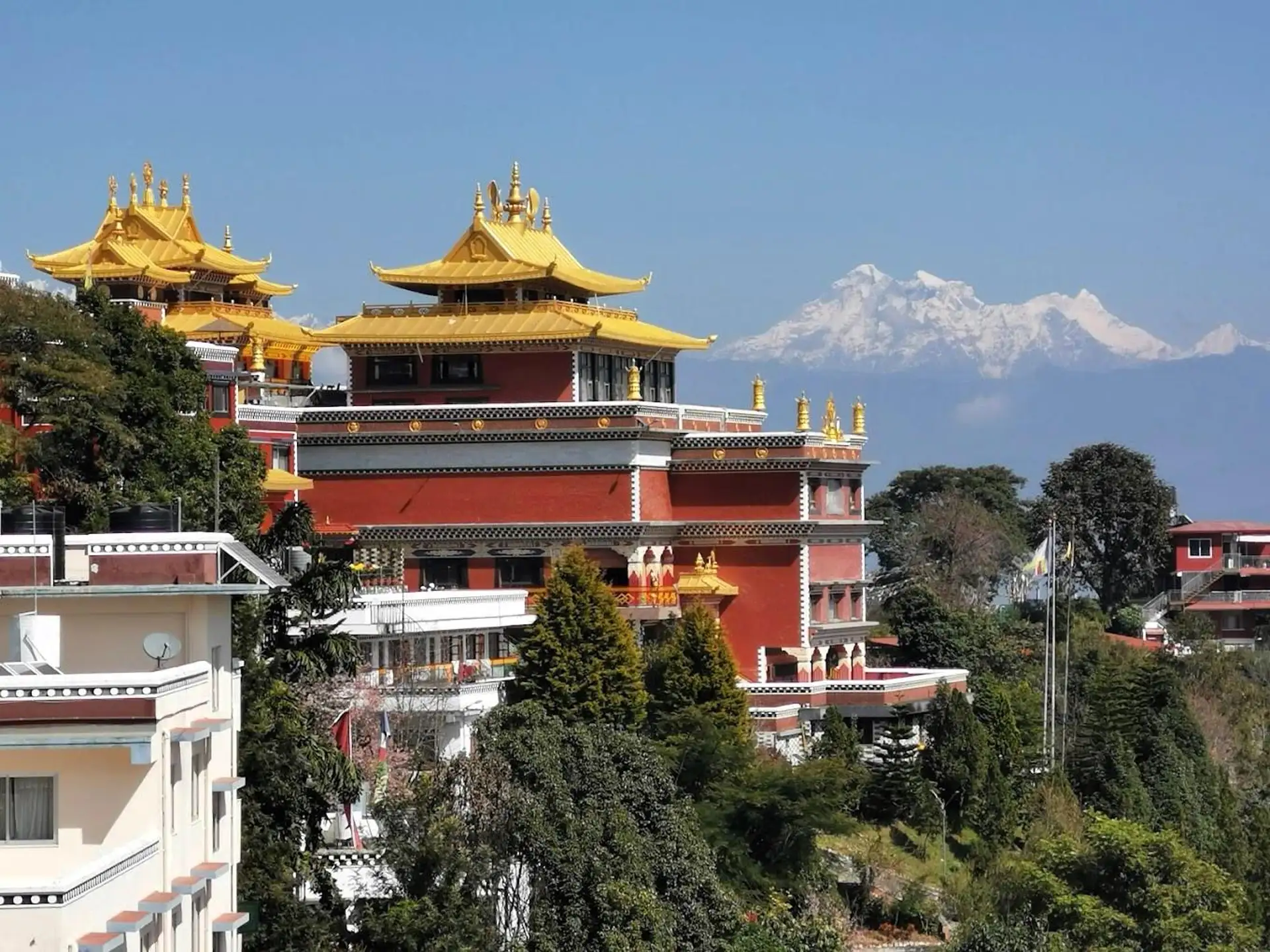
If you have time, a short Dhulikhel to Namobuddha spiritual hike is a gentle way to transition from travel mode to retreat mode. The trail passes through villages and forests, ending at the beautiful Thrangu Tashi Yangtse Monastery, one of the most important Buddhist sites near Kathmandu.
Final Thoughts: Travel Light, Practice Deeply
The most important thing you can pack for a meditation retreat in Nepal is an open mind. Everything else is secondary. Your clothing, your gear, your toiletries - they exist to remove distractions so that your attention can turn inward. When you are warm enough, comfortable enough, and prepared enough, the conditions for deep practice are in place.
Nepal has been a destination for spiritual seekers for thousands of years. The mountains, the monasteries, and the living traditions of Buddhist and Hindu practice create an environment that supports inner transformation in ways that few other places can. By packing thoughtfully, you honor both the place and your own commitment to the path. Arrive prepared, settle in, and let the practice do the rest.
If you are ready to begin, explore our meditation activities in Nepal or reach out through our contact page to plan your retreat. The mountains are waiting.