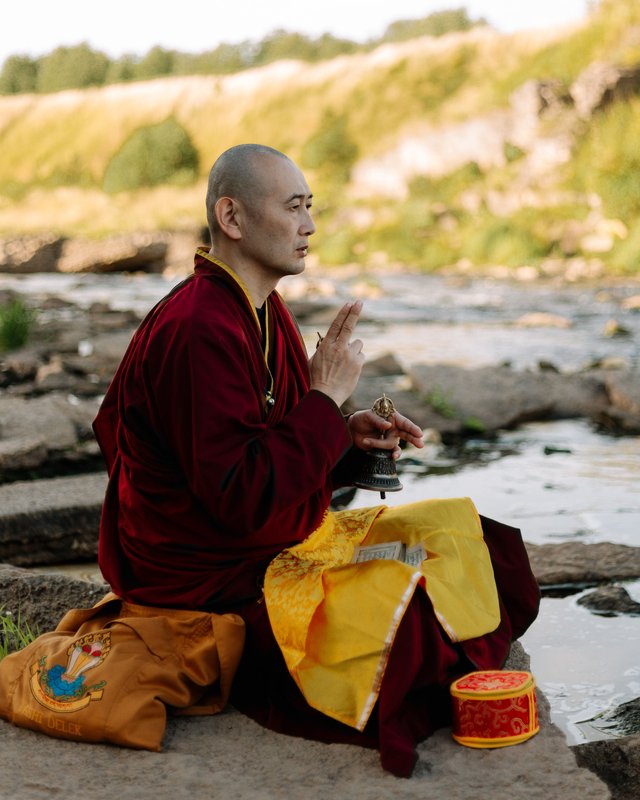
Nepal has long been regarded as a sacred landscape where the physical and metaphysical worlds converge. Among the many spiritual practices that flourish in this Himalayan nation, chakra meditation holds a special place. The concept of energy centers within the human body resonates deeply with Nepals ancient traditions of Buddhism, Hinduism, shamanic healing, and Tantric philosophy. Whether you are a seasoned meditator or a curious traveler seeking inner balance, Nepal offers an unparalleled environment to explore chakra meditation amidst the worlds most majestic mountains.
This guide walks you through everything you need to know about chakra meditation in Nepal: what the seven chakras are, how Himalayan traditions interpret them, where to practice, and how to plan a retreat that aligns your energy centers in the shadow of the Himalayas. For a broader introduction to meditation in Nepal, explore our dedicated meditation activity page, and for the wider spiritual landscape, read our complete guide to cultural and spiritual tours in Nepal.


What Are the Seven Chakras?
The word "chakra" comes from Sanskrit and means "wheel" or "disk." In yogic and Tantric traditions, chakras are energy centers that run along the spine, from the base to the crown of the head. Each chakra corresponds to specific physical, emotional, and spiritual functions. When these centers are open and balanced, energy flows freely. When blocked, practitioners believe it can manifest as physical discomfort, emotional distress, or spiritual stagnation.
The seven main chakras are:
- Muladhara (Root Chakra): Located at the base of the spine, associated with survival, grounding, and stability. Its element is earth, and its color is red.
- Svadhisthana (Sacral Chakra): Found below the navel, linked to creativity, pleasure, and emotional flow. Its element is water, and its color is orange.
- Manipura (Solar Plexus Chakra): Situated above the navel, governing personal power, confidence, and willpower. Its element is fire, and its color is yellow.
- Anahata (Heart Chakra): Centered in the chest, connected to love, compassion, and forgiveness. Its element is air, and its color is green.
- Vishuddha (Throat Chakra): Located at the throat, associated with communication, truth, and self-expression. Its element is ether, and its color is blue.
- Ajna (Third Eye Chakra): Found between the eyebrows, linked to intuition, insight, and inner wisdom. Its color is indigo.
- Sahasrara (Crown Chakra): Situated at the top of the head, representing spiritual connection, consciousness, and enlightenment. Its color is violet or white.
Understanding these seven centers is the foundation of chakra meditation. In Nepal, practitioners often combine this knowledge with traditional healing techniques, mantra recitation, and visualization practices passed down through generations of spiritual teachers. To deepen your practice, consider joining a structured program through our meditation in Nepal activity, which connects you with verified retreats and teachers.
How Does Nepal Connect to Chakra Meditation?
 Nepal occupies a unique position in the spiritual geography of South Asia. The Kathmandu Valley alone contains hundreds of temples, stupas, and meditation sites that have been used for energy work for over two millennia. The valley sits at the crossroads of Hindu Tantric and Buddhist Vajrayana traditions, both of which place enormous emphasis on chakra systems.
In Hindu Tantra, the chakras are visualized as lotus flowers along the spinal column, and meditation techniques involve awakening the dormant serpent energy known as Kundalini. In Buddhist Vajrayana practice, the chakras (called "wheels" or "khorlo" in Tibetan) are used in advanced meditation practices such as Tummo (inner fire) and Phowa (transference of consciousness). Both traditions agree that Nepal sacred geography makes it an ideal place to work with subtle energy.
The Himalayan landscape itself is believed to support chakra activation. Many practitioners report that the thin mountain air, the proximity to snow-capped peaks, and the vibration of ancient mantras chanted in monasteries create a heightened awareness that makes chakra meditation more tangible and immediate. If you are planning a trekking and meditation combination, our complete guide to trekking in Nepal covers everything you need to know about navigating the trails safely.

Where Can You Practice Chakra Meditation in Nepal?
Nepal offers a wide range of locations for chakra meditation, each with its own energetic signature and practical considerations. Here are the most popular destinations:
Kathmandu Valley
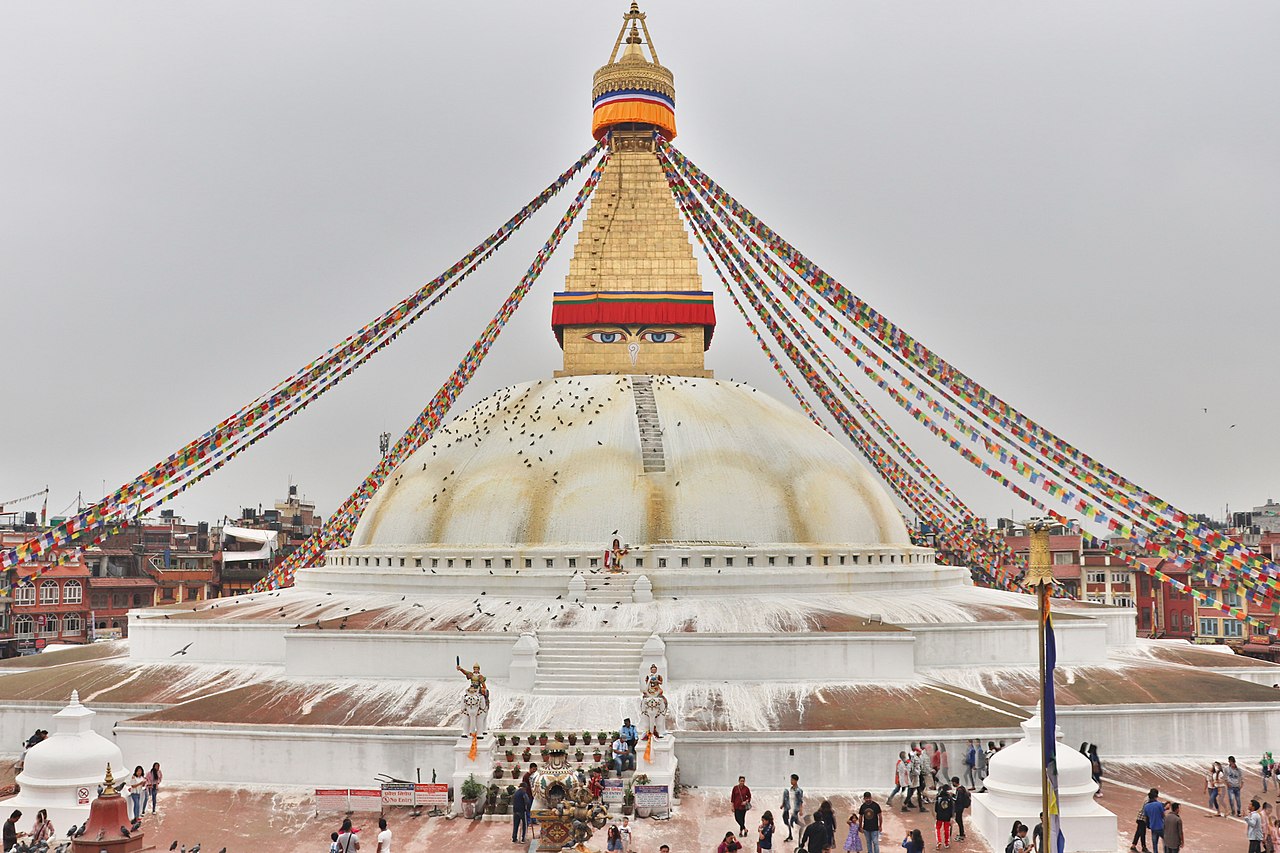
The Kathmandu Valley is the spiritual heart of Nepal and home to seven UNESCO World Heritage Sites. The valley contains major energy centers: Swayambhunath (the Monkey Temple) sits atop a hill believed to be a self-arisen stupa, Boudhanath is one of the largest stupas in the world and a center of Tibetan Buddhism, and Pashupatinath is the holiest Hindu temple dedicated to Lord Shiva. Each of these sites is associated with specific chakras in local tradition.
Many meditation centers in Kathmandu offer chakra-focused courses. The Kathmandu healing scene includes Reiki, sound therapy, and energy healing practitioners who incorporate chakra balancing into their sessions. For a structured spiritual tour of the valley, the Kathmandu Spiritual Circuit guide covers the key sites in detail.

Pokhara
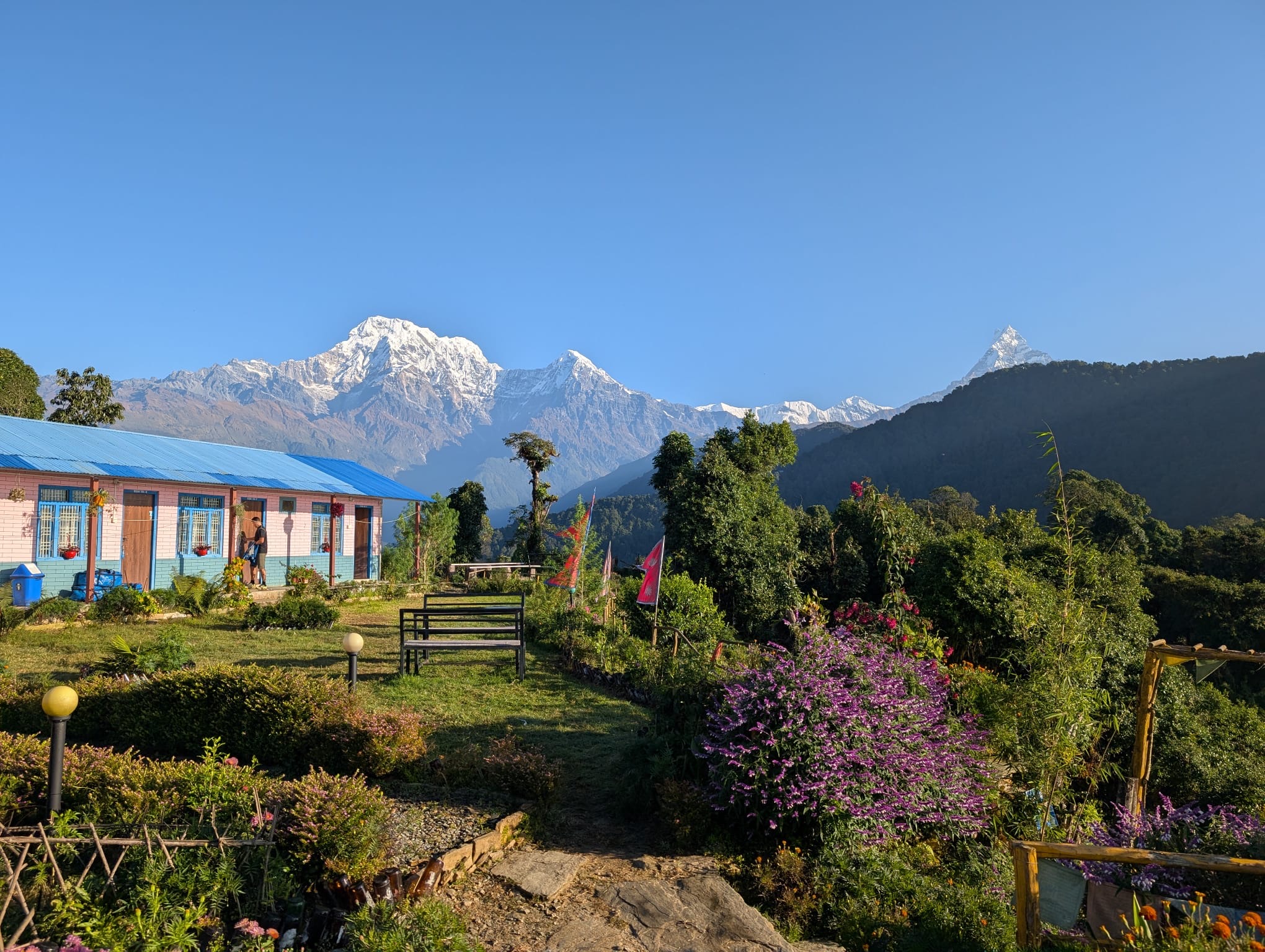
Pokhara, nestled beside Phewa Lake with the Annapurna range rising behind, offers a more serene environment for chakra meditation. Several yoga and wellness retreats in Pokhara incorporate chakra work into their daily schedules. The peaceful lakeside setting and mountain views create a naturally meditative atmosphere. The Pokhara wellness retreat is a popular option for those seeking a structured program.
Lumbini
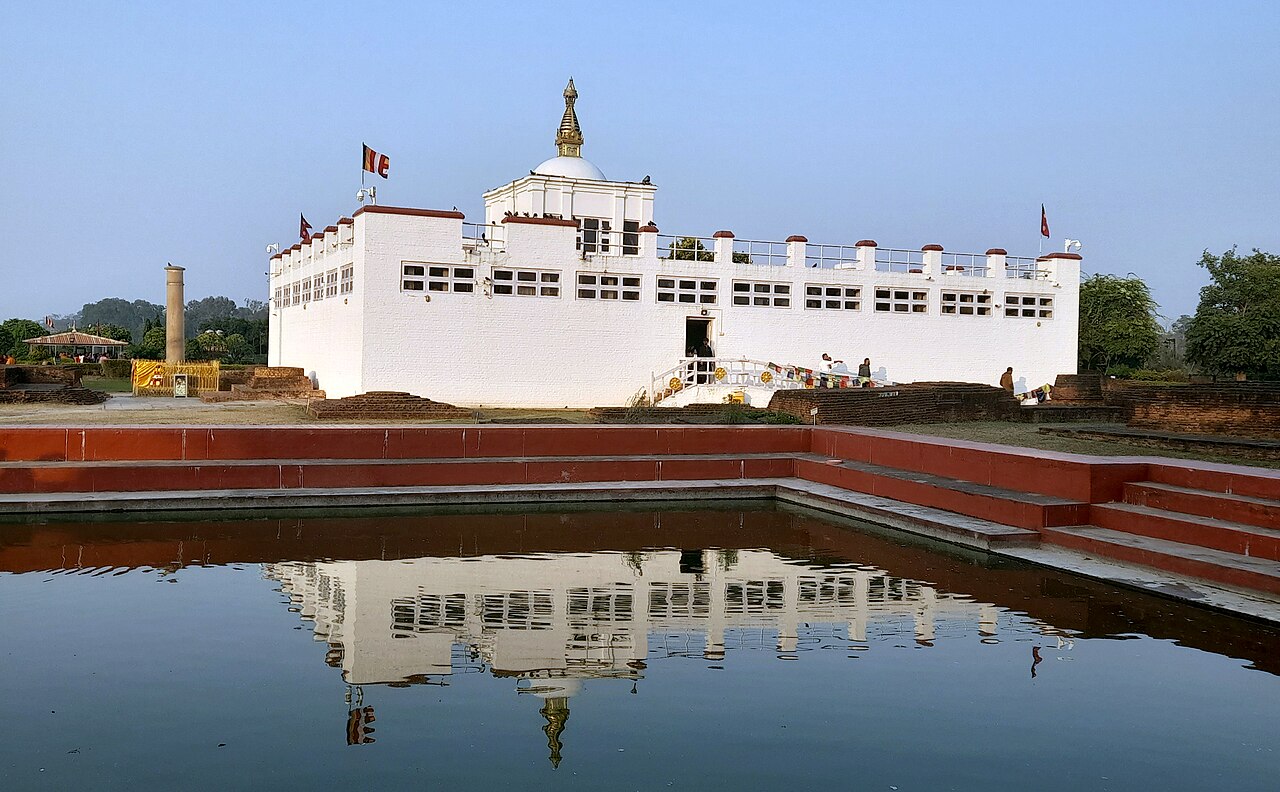
The birthplace of the Buddha, Lumbini is perhaps the most spiritually charged site for meditation in Nepal. The Maya Devi Temple, the sacred pond, and the monasteries built by nations from around the world create a truly universal spiritual environment. Many practitioners find that meditating in Lumbini naturally activates the crown chakra (Sahasrara), associated with enlightenment and universal consciousness.
Muktinath and the Himalayas
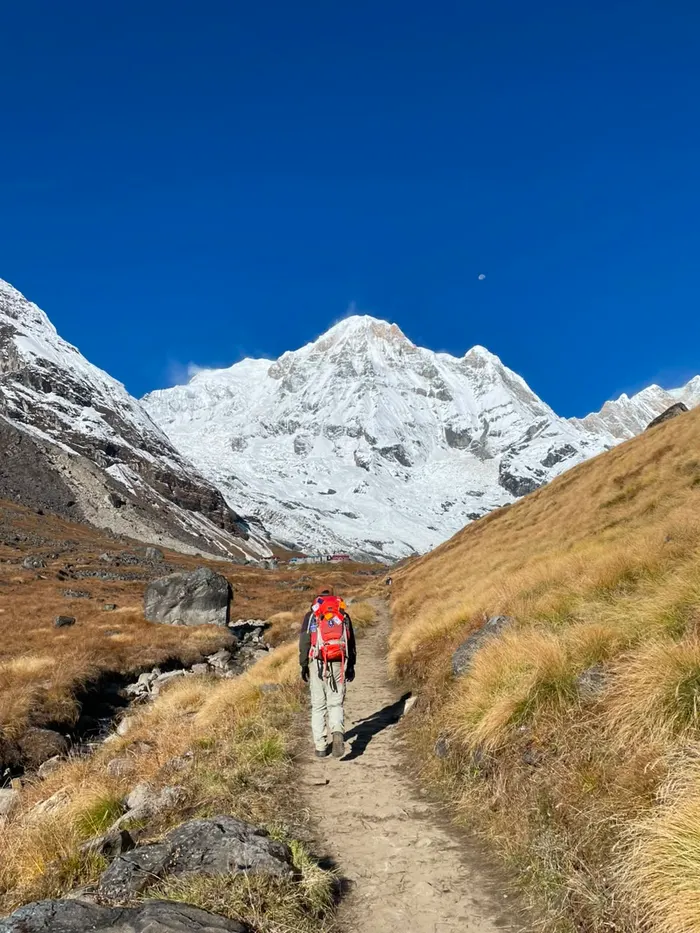
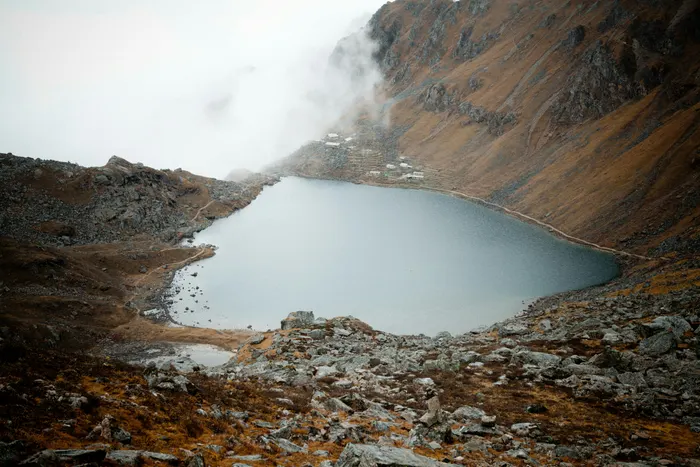
For advanced practitioners, the high Himalayas offer a powerful environment for chakra work. Muktinath, at 3,800 meters in the Mustang region, is sacred to both Hindus and Buddhists. The site features 108 water spouts and an eternal flame, representing the reconciliation of opposing elements. Many practitioners believe that high-altitude meditation accelerates chakra activation. A mantra meditation practice combined with mountain pilgrimage can be transformative.

What Happens During a Chakra Meditation Session?
A typical chakra meditation session in Nepal combines several elements drawn from yogic, Tantric, and Buddhist traditions. While each teacher and retreat may have their own approach, most sessions follow a similar structure:
1. Grounding and Centering: The session begins with grounding exercises to connect with the earth. This often involves focusing on the Root Chakra (Muladhara) through visualization, breathing, or physical contact with the ground. In Nepal, this practice feels especially powerful when done outdoors on sacred ground.
2. Breath Awareness (Pranayama): The practitioner directs breath (prana) through the energy channels (nadis) to clear blockages. Specific breathing techniques such as alternate nostril breathing (Nadi Shodhana) are used to balance the left and right energy channels, which correspond to the feminine (Ida) and masculine (Pingala) energies.
3. Chakra Visualization: The practitioner moves attention up the spine, visualizing each chakra as a spinning wheel or lotus flower in its corresponding color. At each center, they may pause to observe sensations, release tension, or repeat a seed syllable (bija mantra) associated with that chakra.
4. Mantra Recitation: Each chakra has a specific seed mantra: LAM for the root, VAM for the sacral, RAM for the solar plexus, YAM for the heart, HAM for the throat, OM for the third eye, and silence or AUM for the crown. In Nepal, these mantras are often chanted in their original Sanskrit, carrying the vibrational quality that has been preserved through millennia of oral transmission.
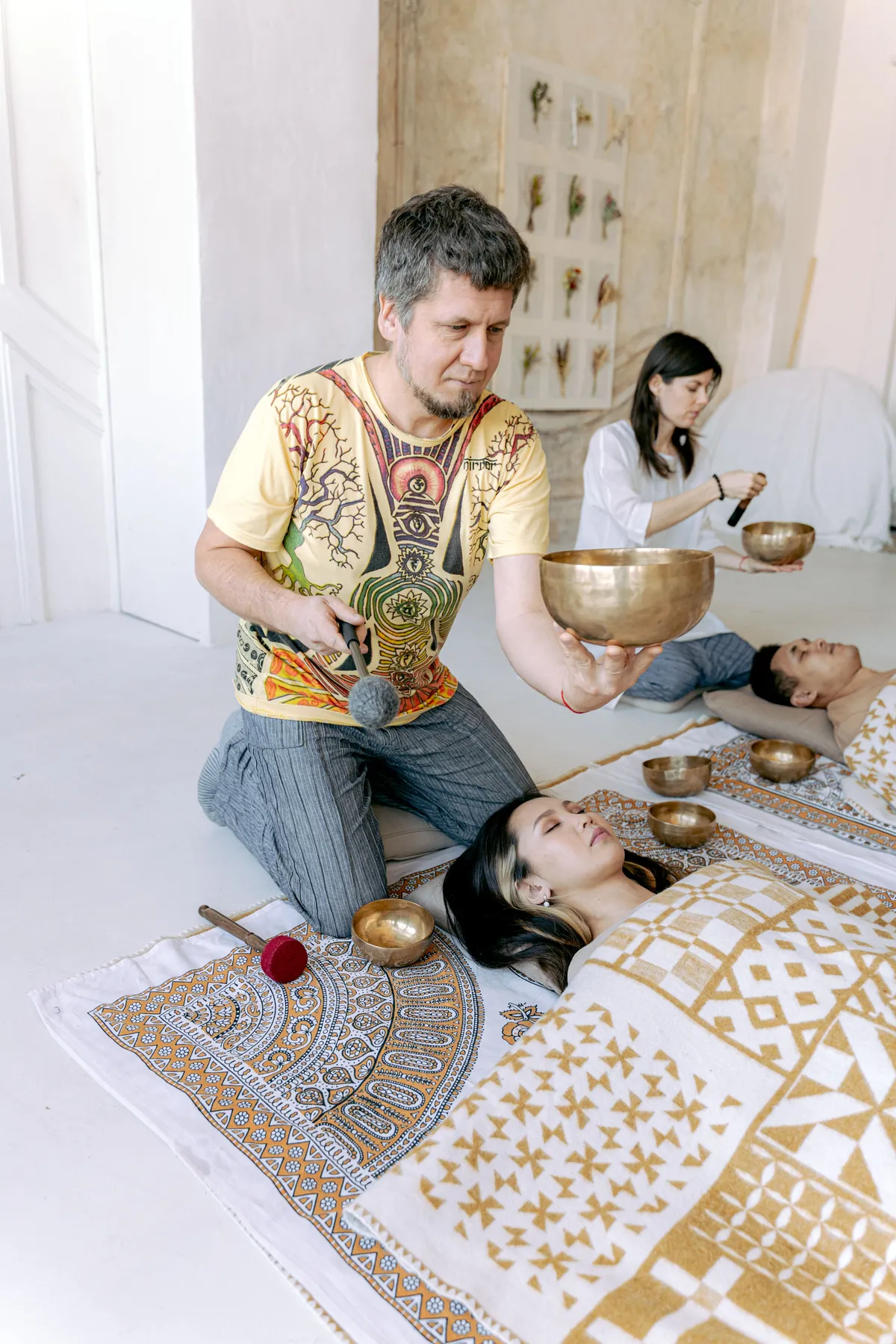
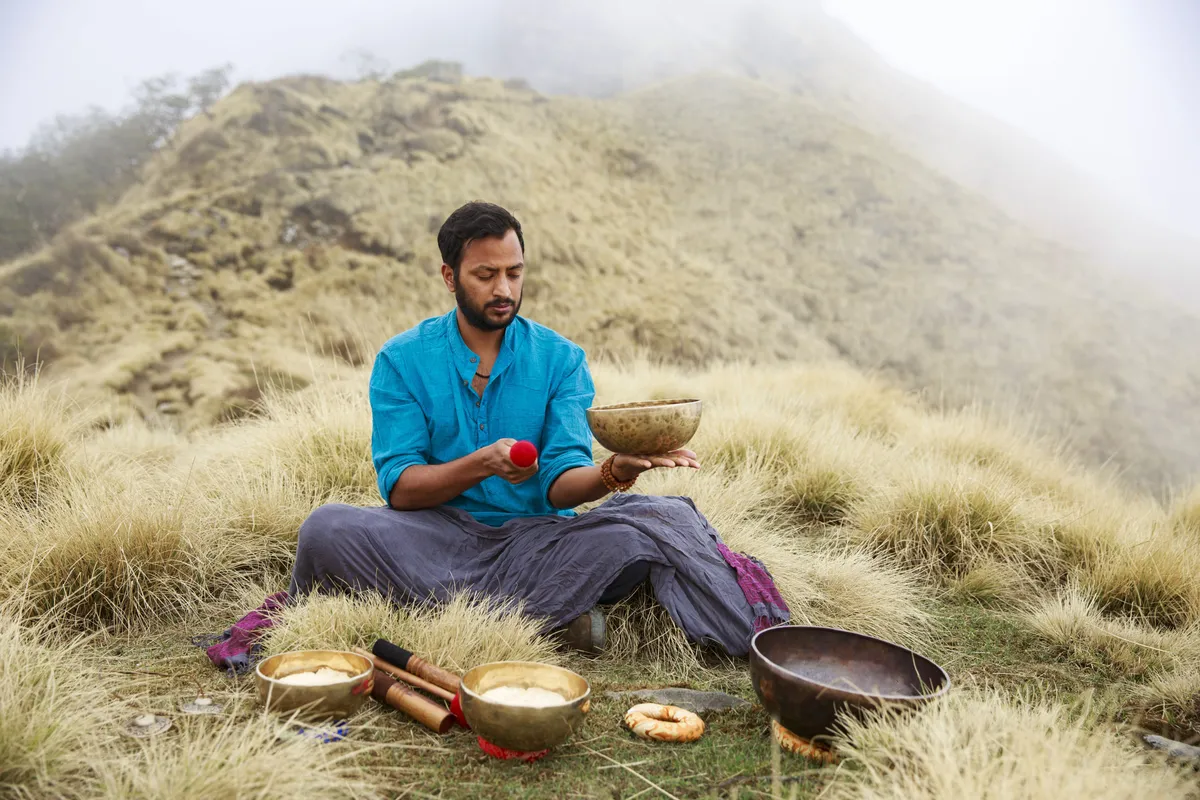
5. Sound Healing Integration: Many Nepali retreats incorporate singing bowl sound healing into chakra meditation. The vibrations of Tibetan singing bowls are believed to resonate with specific chakras, helping to clear blockages through sound frequency. This combination of sound and silence is a hallmark of Himalayan healing.
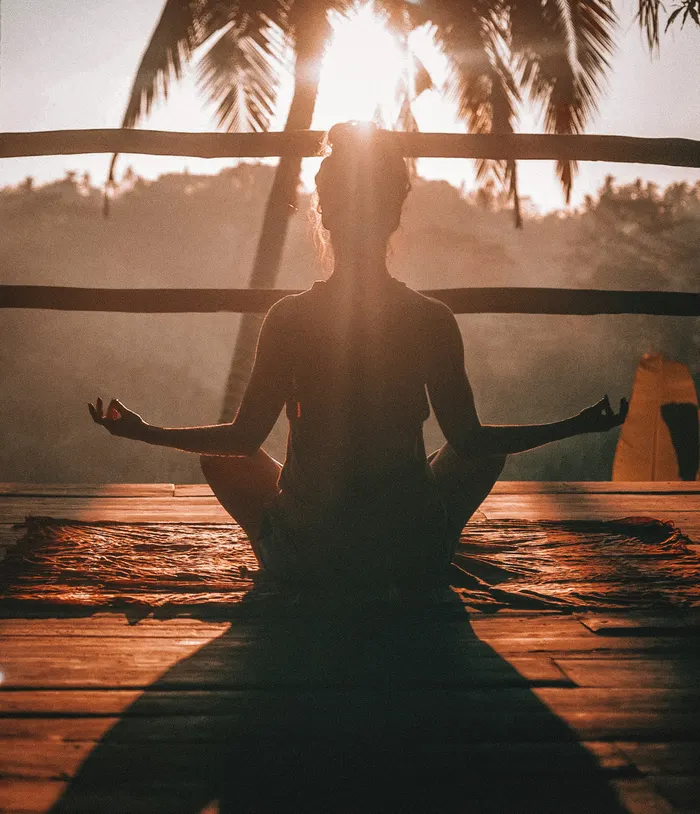
6. Closing and Integration: The session ends with a period of silence, allowing the practitioner to absorb the shifted energy. Teacherjs often guide students to set an intention for carrying the balanced state into daily life.
How Do Himalayan Traditions Interpret the Chakras?
 Nepal is unique in that it preserves both Hindu and Buddhist interpretations of the chakra system, often blending them in practice. Understanding these traditions enriches your meditation experience and helps you appreciate the cultural depth behind the techniques.
Hindu Tantric Perspective
In Hindu Tantra, the chakras are part of a subtle body system that includes 72,000 nadis (energy channels). The central channel, Sushumna, runs along the spine, while Ida and Pingala spiral around it. The goal of Tantric practice is to awaken Kundalini energy dormant at the base of the spine and guide it upward through each chakra until it reaches the crown. This process, called Kundalini awakening, is considered one of the most powerful spiritual experiences a practitioner can have.
In Nepal, Tantric Hinduism has been practiced for centuries, particularly in the Kathmandu Valley. Many Newar priests and Tantric teachers preserve oral traditions that are difficult to find elsewhere. The history of meditation in Nepal traces these lineages from ancient times to modern retreat centers.
Buddhist Vajrayana Perspective
In Tibetan Buddhism, which is widely practiced in Nepals Himalayan regions, the chakras are called "wheels" (khorlo). The Vajrayana system recognizes four main chakras (root, heart, throat, and crown) rather than seven, though some traditions identify additional centers. Advanced practices like Tummo (inner fire meditation) focus on generating heat at the navel chakra to burn through spiritual obstacles.
Nepal is home to many Tibetan Buddhist monasteries, particularly in Boudhanath and the Solu Khumbu region. Monastery stays offer an immersive way to experience Vajrayana chakra practices. Our guide to Buddhist meditation in Nepal covers monastery programs in detail. You may also benefit from understanding monastery etiquette before your visit.
Shamanic and Indigenous Perspectives
Nepals indigenous shamanic traditions (Jhakri practices) also work with energy centers, though they use different terminology. Shamans may refer to spirit entry points or power spots rather than chakras, but the underlying concept of energy flow through the body is remarkably similar. The shamanic healing traditions of the Himalayas predate organized religion and offer yet another lens through which to understand energy work in Nepal.

Which Chakra Meditation Techniques Are Taught in Nepal?
Retreats and teachers in Nepal offer a variety of chakra meditation techniques. Here are the most commonly taught methods:
Kundalini Meditation
This powerful practice focuses on awakening the serpent energy at the base of the spine and guiding it upward. It involves intense breathwork, chanting, and physical movements designed to move energy through the chakras. Kundalini meditation should only be practiced under the guidance of an experienced teacher, as premature awakening can cause psychological and physical distress.
Chakra Dhyana
A gentler approach where the practitioner sits in meditation and focuses attention on each chakra in sequence. At each center, they visualize the corresponding color, repeat the seed mantra, and observe any sensations or emotions that arise. This technique is suitable for beginners and can be practiced independently once the basics are learned. Our meditation for beginners guide provides a solid foundation.
Yantra Meditation
Yantras are sacred geometric diagrams that represent specific deities or energy centers. In Nepal, practitioners meditate on yantras associated with each chakra to activate and balance that center. The Sri Yantra, which represents the union of divine masculine and feminine energies, is particularly popular. This visual meditation technique engages the Third Eye Chakra (Ajna).
Sound and Vibration Therapy
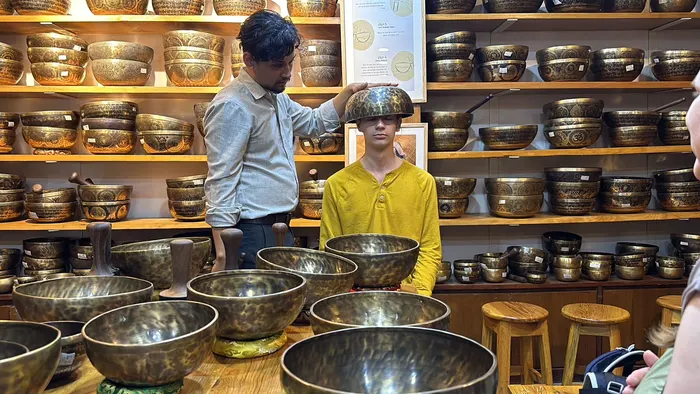
Using singing bowls, bells, and chanting, sound therapy practitioners target specific chakras with frequencies believed to resonate with each energy center. The root chakra responds to lower frequencies, while the crown chakra vibrates at higher frequencies. This technique is deeply embedded in Nepali healing traditions and is often combined with other meditation methods. The sound healing scene in Kathmandu is well-developed with courses available for all levels.

Walking Meditation with Chakra Awareness
Combining walking meditation with chakra awareness is a distinctly Himalayan practice. As you walk through sacred landscapes, you focus on each chakra in turn, drawing energy from the earth through your feet (root chakra) and allowing it to rise through your body. This practice is especially powerful on pilgrimage routes and nature trails.

How to Prepare for a Chakra Meditation Retreat in Nepal?
Preparing for a chakra meditation retreat involves both practical and spiritual readiness. Here are the key steps:
Physical Preparation
Nepals altitude and climate can affect your body and energy. If you are visiting Kathmandu (1,400m) or Pokhara (800m), acclimatization is relatively easy. For higher-altitude retreats, allow a few days to adjust. Eat lightly, stay hydrated, and avoid alcohol before and during your retreat. Light yoga and stretching help keep the energy channels open.
Mental Preparation
Chakra meditation can bring up strong emotions as energy blocks are released. Approach the retreat with an open mind and a willingness to sit with discomfort. Journaling before your trip can help you identify which chakras feel blocked. If you already have a daily meditation practice, maintain it before the retreat to build momentum.
Choosing the Right Retreat
When selecting a chakra meditation retreat in Nepal, consider these factors:
- Teacher qualifications: Look for teachers with verifiable lineages and experience in chakra work, not just general meditation.
- Duration: Chakra work benefits from sustained practice. A minimum of 3 to 5 days is recommended for meaningful progress.
- Setting: Decide whether you prefer an urban center (Kathmandu), a lakeside retreat (Pokhara), or a remote mountain setting.
- Group size: Smaller groups allow more personal attention. Ask about the maximum number of participants.
- Integration support: Chakra meditation can trigger emotional releases. Ensure the retreat offers support for processing these experiences.
For a comprehensive framework on selecting the right program, our guide to choosing a meditation retreat in Nepal covers all the essential criteria.
What Are the Benefits of Chakra Meditation in Nepal?
Practitioners of chakra meditation report a wide range of benefits, from physical healing to spiritual awakening. While scientific research on chakras specifically is limited, studies on meditation consistently show positive effects on mental and physical health. In the Himalayan context, the benefits are amplified by the environment, the cultural support for spiritual practice, and the expertise of local teachers.
Physical Benefits
Each chakra is associated with specific glands and organs. Practitioners believe that balancing the root chakra improves elimination and lower back health, the sacral chakra supports reproductive health, the solar plexus chakra aids digestion, the heart chakra strengthens cardiovascular function, the throat chakra supports respiratory health, the third eye chakra relates to brain function, and the crown chakra connects to the endocrine system. While these associations are not medically validated, the stress reduction from regular meditation is well documented.
Emotional Benefits
Chakra meditation helps practitioners identify and release stored emotions. The root chakra holds fear, the sacral chakra holds guilt, the solar plexus holds shame, the heart chakra holds grief, the throat chakra holds unexpressed truths, the third eye holds illusions, and the crown chakra holds attachments. Working through these emotions in a supportive retreat setting can lead to profound emotional release.
Spiritual Benefits
For many, the ultimate goal of chakra meditation is spiritual awakening. The process of moving energy from the root to the crown chakra mirrors the journey from physical existence to spiritual liberation. Nepal, with its unbroken spiritual traditions and sacred geography, provides an ideal container for this journey. Many practitioners report experiences of unity consciousness, deep peace, and heightened intuition during retreats.
For those interested in combining chakra work with broader wellness practices, meditation and Ayurveda in Nepal offers an integrated approach to healing body and mind. The mindfulness meditation tradition also complements chakra work by training the attention needed for sustained energy awareness.
Can Beginners Practice Chakra Meditation in Nepal?
Yes, beginners can absolutely practice chakra meditation in Nepal. Many retreat centers offer introductory programs that teach the basics in an accessible way. The key is to start with a gentle approach rather than diving into intense Kundalini practices. A beginner-friendly chakra meditation session might involve:
- Learning the locations and names of the seven chakras
- Practicing simple breath awareness at each center
- Listening to singing bowl frequencies tuned to each chakra
- Gentle yoga postures that correspond to each energy center
- Guided visualization with a teacher
The complete beginners guide to meditation in Nepal is an excellent starting point. From there, you can progress to more specialized practices like Vipassana or silent retreats that deepen your capacity for inner awareness.
What Should You Pack for a Chakra Meditation Retreat?
Packing for a meditation retreat in Nepal requires balancing comfort with simplicity. Here are the essentials:
- Comfortable meditation clothing: Loose, breathable layers in natural fabrics. Avoid synthetic materials that trap energy.
- Warm layers: Mornings and evenings can be cold, especially in the mountains. A down jacket and thermal base layers are essential for higher altitudes.
- Meditation cushion or mat: While most retreats provide these, bringing your own ensures familiarity and comfort.
- Journal and pen: Chakra meditation often produces insights worth recording. A journal is also useful for tracking your energy states.
- Water bottle: Stay hydrated to support energy flow. A reusable bottle with a filter is ideal for Nepal.
- Natural mosquito repellent: If visiting during warmer months, especially in the lowlands.
- Open mind: The most important item. Come with curiosity and a willingness to explore unfamiliar concepts.
How Much Does a Chakra Meditation Retreat Cost in Nepal?
Nepal is one of the most affordable destinations for meditation retreats in the world. Costs vary depending on location, duration, accommodation quality, and teacher expertise. Here is a general breakdown:
- Budget retreats (3-5 days): $150 to $350, including basic accommodation, meals, and daily meditation sessions. These are often offered by monasteries or community centers.
- Mid-range retreats (5-7 days): $400 to $800, with comfortable rooms, experienced teachers, and additional activities like sound healing or yoga.
- Luxury retreats (7-14 days): $1,500 to $3,000, featuring premium accommodations, personalized instruction, spa treatments, and curated excursions to sacred sites.
For a detailed cost breakdown of spiritual and meditation tours in Nepal, refer to the spiritual tour cost guide. If you are considering a longer stay, the 7-day spiritual itinerary and the 10-day pilgrimage circuit provide day-by-day planning frameworks that can incorporate chakra meditation sessions.
When Is the Best Time for Chakra Meditation in Nepal?
The best seasons for meditation retreats in Nepal are spring (March to May) and autumn (September to November). During these months, the weather is mild, the skies are clear, and the mountain views are spectacular. Spring brings blooming rhododendrons and a sense of renewal that aligns beautifully with chakra work. Autumn offers crisp air and major festivals like Dashain and Tihar, which add cultural richness to your experience.
Winter (December to February) can be cold, especially at higher altitudes, but lower valley retreats in Kathmandu and Pokhara remain comfortable. Monsoon season (June to August) brings rain and humidity, but indoor meditation sessions are largely unaffected. Some practitioners find the monsoon rains create a naturally introspective atmosphere. The Nepal wellness tourism overview provides seasonal insights for planning your visit.
How Does Chakra Meditation Compare to Other Practices in Nepal?
Chakra meditation is one of many contemplative practices available in Nepal. Understanding how it relates to other traditions helps you choose the right approach for your needs:
- Vipassana: Focuses on body sensations and impermanence rather than energy centers. Chakra meditation is more visualization-based, while Vipassana is purely observational.
- Mindfulness meditation: Trains present-moment awareness without specific energy work. Chakra meditation adds an energetic dimension to the mindfulness foundation.
- Mantra meditation: Uses sacred sounds to focus the mind. Chakra meditation incorporates mantras (seed syllables) as one tool among several.
- Yoga and meditation retreats: Combine physical postures with meditation. Chakra meditation is often integrated into yoga retreats as an energetic complement to asana practice. The yoga and meditation retreat guide covers combined programs.
Many practitioners find that combining chakra meditation with these other approaches creates a well-rounded spiritual practice. The key is to find what resonates with your personal path and goals.
Is Chakra Meditation Safe?
Chakra meditation is generally safe when practiced under qualified guidance. However, there are important precautions to keep in mind:
- Kundalini awakening: Intense chakra practices can trigger Kundalini energy, which may cause physical sensations, emotional releases, or psychological distress if it happens prematurely. Always work with an experienced teacher.
- Emotional releases: As energy blocks dissolve, repressed emotions may surface. This is a normal part of the process, but it can be overwhelming without proper support.
- Physical discomfort: Long meditation sessions can cause physical strain. Stretch between sessions and listen to your body.
- Altitude considerations: If meditating at high altitude, acclimatize properly and watch for altitude sickness symptoms. Meditation can sometimes mask physical discomfort, so stay vigilant.
For those seeking a meditation teacher training in Nepal, understanding these safety considerations is essential, as you will be guiding others through similar experiences.
Start Your Chakra Meditation Journey Today
Nepal calls to those who seek deeper understanding of themselves and the universe. Chakra meditation in this sacred land is not just a practice but a pilgrimage into your own energy system, guided by ancient wisdom and supported by the Himalayas themselves. Whether you spend three days in a Kathmandu wellness center or two weeks on a mountain retreat, the experience of working with your chakras in Nepal will stay with you long after you return home.
The path begins with a single step. Explore the meditation in Nepal activity page to find your starting point, read our spiritual tour pillar guide for the wider sacred landscape, and plan your spiritual tour in Nepal for 2026 with confidence. The mountains are waiting, and your energy centers are ready to awaken.
For travelers who want to combine their spiritual journey with responsible tourism, the spiritual tour in Nepal overview connects you with ethical operators and community-based programs. And if you are seeking evening aarati ceremonies to complement your chakra practice, Nepal offers nightly rituals at Pashupatinath and Boudhanath that resonate with the throat and heart chakras.