Nepal has long been a sanctuary for seekers of inner peace, drawing meditators from around the world to its monasteries, ashrams, and mountain retreats. But there is a dimension of practice here that many travellers overlook: the profound synergy between pranayama (the ancient yogic science of breath control) and the rarefied air of the Himalayas. At altitudes ranging from 1,400 metres in Kathmandu to over 3,000 metres in the high valleys, every breath becomes more precious, more conscious, and more transformative. In this guide, we explore why Nepal is the ideal place to combine meditation with pranayama, what happens to your body and mind when you practice breathwork at altitude, and how to plan a journey that deepens both your practice and your connection to the world's most sacred mountain range.
Whether you are a seasoned yogi or a curious beginner, the marriage of meditation in Nepal with disciplined pranayama practice offers a pathway to clarity and calm that is difficult to replicate anywhere else on Earth. The thin mountain air, the vibration of ancient mantras, and the stillness of Himalayan dawn create conditions where breath awareness becomes not just a technique but a way of being.
What Is Pranayama and Why Does It Matter for Meditation?
Pranayama is the fourth limb of Patanjali's eight-limbed system of yoga, described in the Yoga Sutras as the regulation of the incoming and outgoing flow of breath. The word itself comes from two Sanskrit roots: prana, meaning life force or vital energy, and ayama, meaning expansion or control. Together, pranayama is the practice of expanding and directing life force through deliberate breathing techniques.
For meditators, pranayama serves as a bridge between the physical body and the subtle mind. Before you can sit in stillness and observe the breath naturally, you often need to regulate it first. Agitated breath creates agitated mind; smooth, rhythmic breath creates a calm, focused mind. This is why every traditional meditation session in Nepali monasteries and ashrams begins with some form of breath awareness or breath control.
The key pranayama techniques you will encounter in Nepal include:
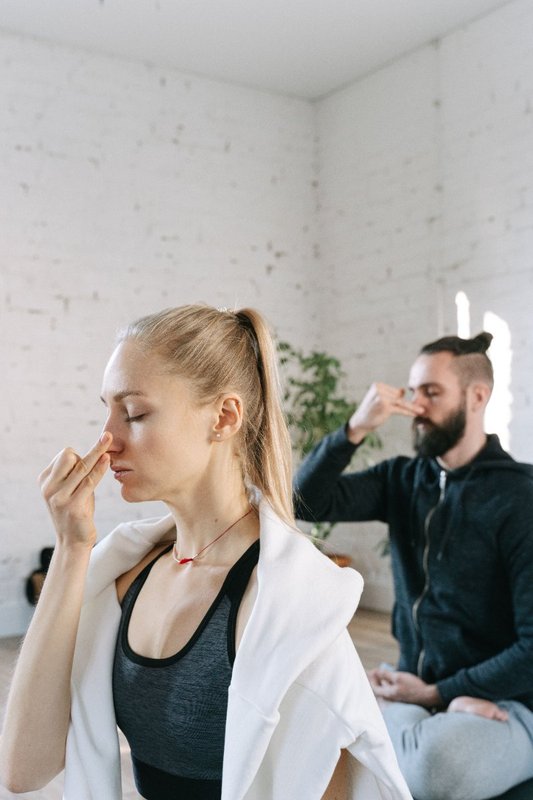
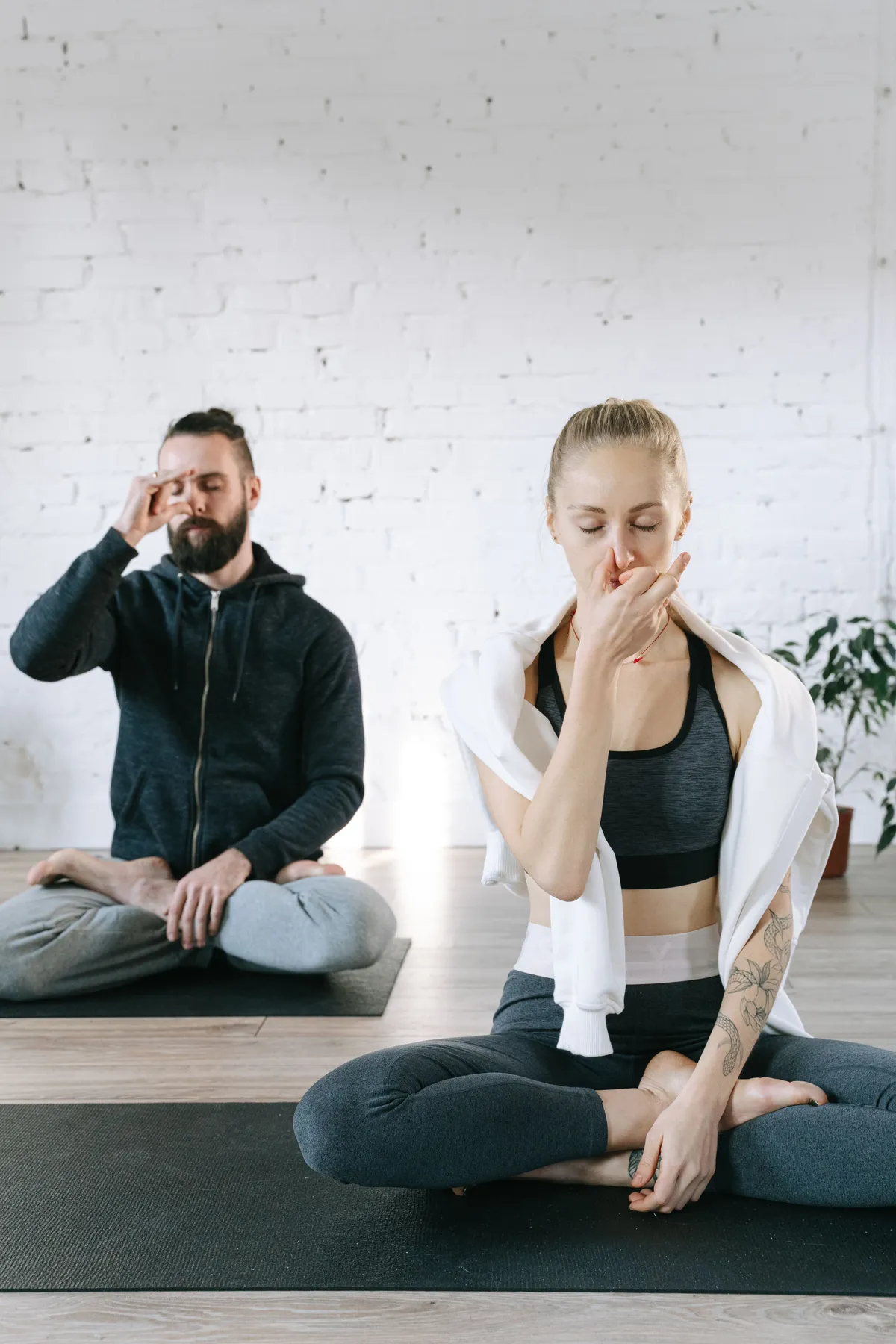
- Nadi Shodhana (alternate nostril breathing): Balances the left and right energy channels, calming the nervous system and preparing the mind for meditation.
- Kapalabhati (skull-shining breath): A cleansing technique involving rapid abdominal exhalations that clears the nasal passages and energises the mind.
- Bhramari (humming bee breath): Produces a gentle internal vibration that soothes the nervous system and withdraws awareness from external distractions.
- Ujjayi (victorious breath): A slow, ocean-sounding breath that builds internal heat and concentration, often used during seated meditation.
- Sheetali (cooling breath): Involves inhaling through a curled tongue to cool the body and calm the mind, particularly useful in warm weather or after physical exertion.
Each of these techniques has a specific physiological and psychological effect. When practiced consistently in the Himalayan environment, their benefits are amplified in ways that low-altitude practitioners rarely experience.
How Does High Altitude Affect Your Breath and Meditation?
The Himalayas present a unique physiological context for breathwork. At elevations above 1,500 metres, the air pressure drops and each lungful of air contains fewer oxygen molecules per volume. This does not mean there is less oxygen in the air (the percentage remains roughly 21 percent), but the lower pressure means your lungs must work harder to extract the same amount of oxygen.
For pranayama practitioners, this has several important consequences:
1. Heightened breath awareness. Because each breath requires slightly more effort, you naturally become more conscious of your breathing. The breath is no longer a background process; it moves to the foreground of your awareness. This is precisely the state that pranayama seeks to cultivate, and altitude accelerates the process.
2. Slower, deeper breathing patterns. The body compensates for reduced oxygen by increasing respiratory rate initially, but as you acclimatise, your breathing tends to become slower and deeper. This mirrors the effect of deliberate pranayama practice, creating a natural alignment between your body's instinctive response and the techniques you are learning.
3. Increased red blood cell production. Over days and weeks at altitude, the body produces more red blood cells to improve oxygen transport. This enhances overall vitality and can make meditation feel more energising once you return to lower elevations.
4. Enhanced mental clarity. Many practitioners report that the thin, clean mountain air produces a distinctive quality of mental sharpness. Whether this is a physiological effect of mild hypoxia or a psychological response to the dramatic natural environment, the experience is widely described as "clear" and "spacious" in a way that city practice rarely matches.
It is important to note that altitude also poses risks. Above 2,500 metres, acute mountain sickness can develop if you ascend too quickly. Symptoms include headache, nausea, and shortness of breath, all of which can interfere with meditation. The golden rule is to ascend gradually, stay hydrated, and avoid strenuous pranayama during the first 24 to 48 hours at a new elevation. For a deeper understanding of how your body adapts to mountain environments, our guide to trekking in Nepal covers acclimatisation principles that apply equally to retreat-goers and trekkers.
Where to Practice Pranayama in Nepal: Top Destinations
Nepal offers a range of settings for combining meditation with pranayama, each with its own altitude, atmosphere, and tradition. Here are the most rewarding destinations:
Kathmandu Valley (1,400 metres)
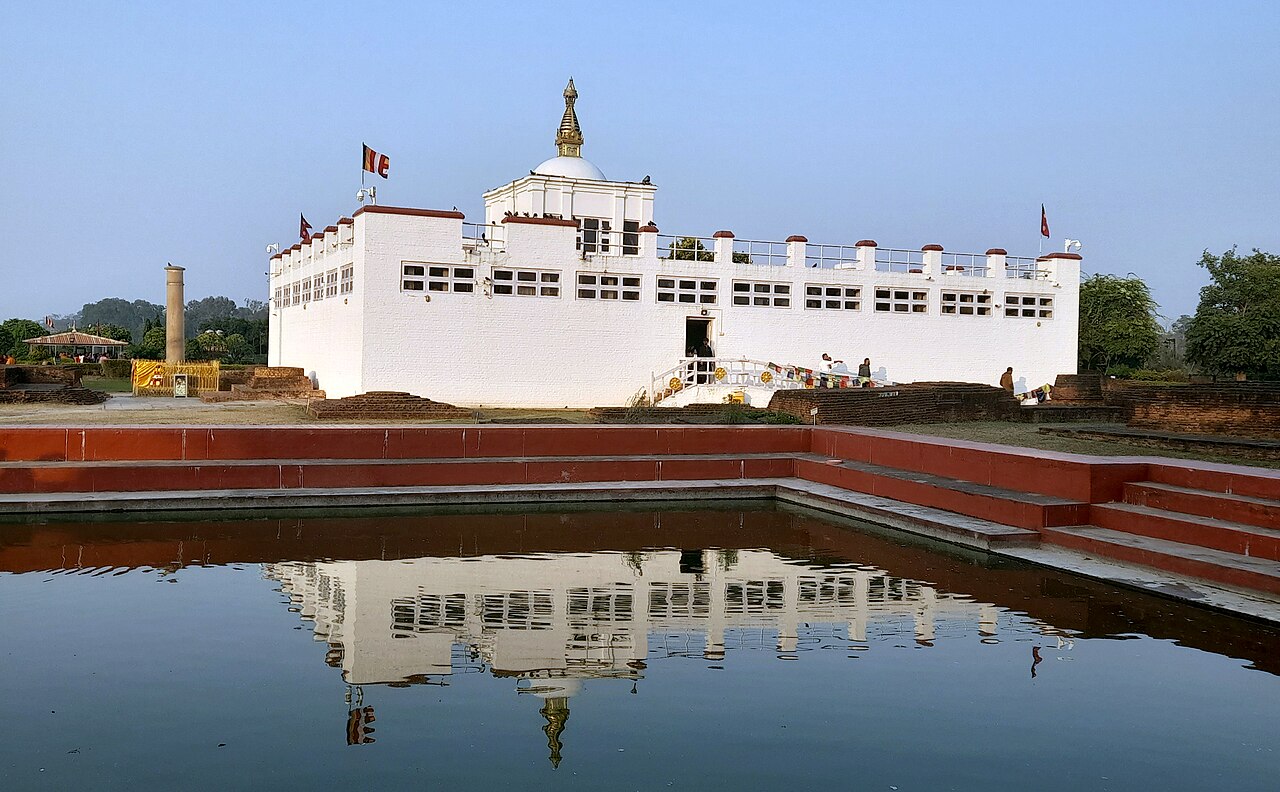
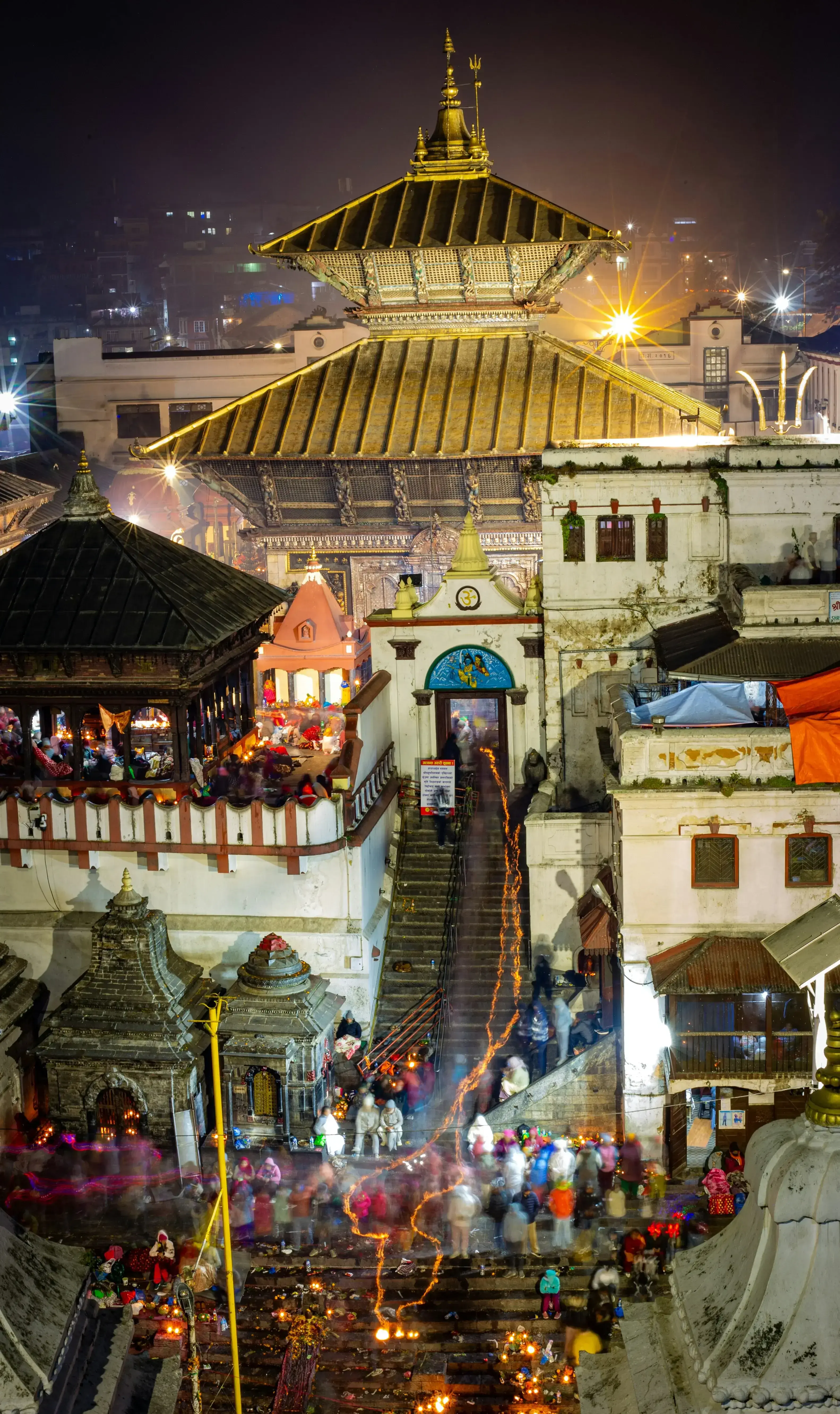
The Kathmandu Valley is the cultural and spiritual heart of Nepal, home to ancient stupas, Hindu temples, and numerous meditation centres. At 1,400 metres, the altitude is mild enough for beginners while still offering a slight elevation benefit. The valley's spiritual circuit of Pashupatinath, Boudhanath, and Swayambhunath provides ideal settings for dawn pranayama sessions, with monasteries offering daily group practice. For those interested in a structured experience, the monastery etiquette and meditation activity in Kathmandu offers hands-on instruction in traditional breathwork within a monastic setting.
Pokhara and Lakeside (800 to 1,600 metres)
Pokhara sits at a lower elevation than Kathmandu but offers stunning Annapurna views and a more relaxed pace. Several yoga and wellness retreats around Phewa Lake incorporate pranayama into their daily schedules. The Pokhara Yoga Wellness Healing Retreat is a popular option that combines breathwork sessions with lakeside meditation.
Kopan and Pharping Monasteries (1,400 to 1,500 metres)
Just outside Kathmandu, Kopan Monastery is renowned for its introductory courses on Tibetan Buddhism, which include guided breathing meditation sessions. Pharping, a sacred site associated with Padmasambhava, offers cave meditation retreats where pranayama is practiced in the same Himalayan caves where yogis have meditated for centuries. These locations are deeply connected to Buddhist meditation traditions in Nepal.

Upper Mustang and Himalayan High Valleys (2,500 to 4,000 metres)
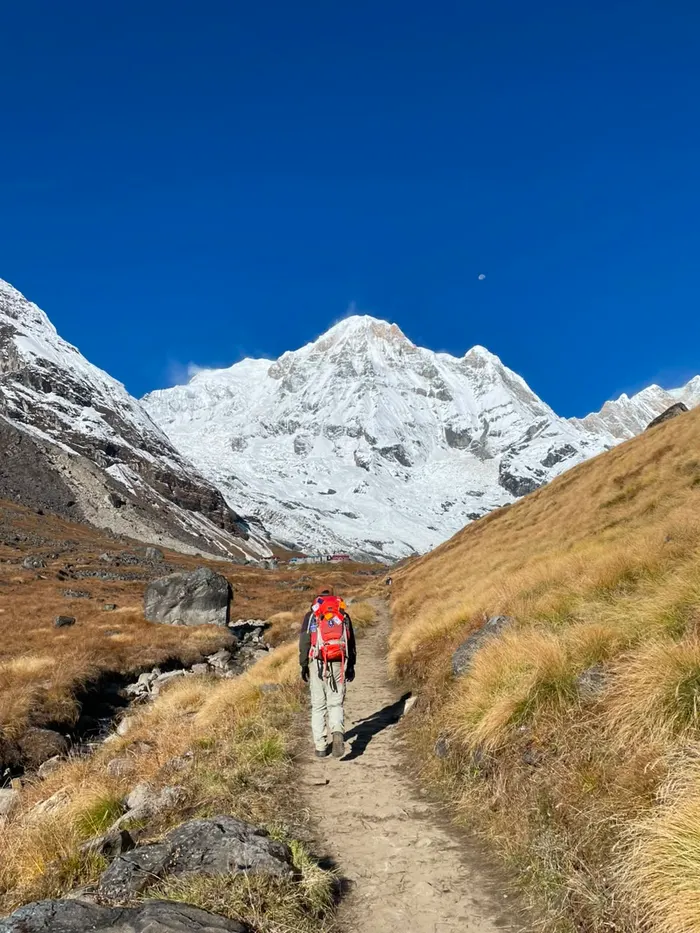
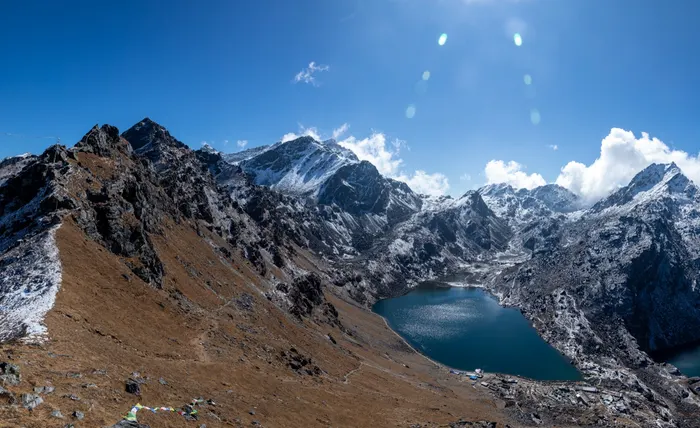
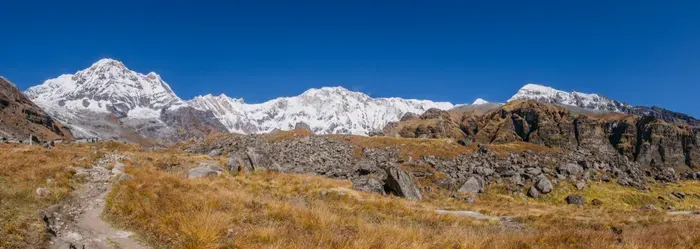
For experienced practitioners seeking the ultimate altitude experience, the high valleys of Mustang, Langtang, and the Annapurna region offer retreat settings at significant elevation. Here, pranayama takes on a new dimension: the air is thin, the silence is profound, and the landscape itself becomes a teacher. These locations require careful acclimatisation and are best suited for meditators with prior experience. The slow trekking and mindfulness approach is an excellent way to combine gradual ascent with daily breathwork practice.
How Should You Adapt Pranayama Techniques for Altitude?
Practicing pranayama at altitude requires some adjustments. The thinner air means that techniques involving breath retention (kumbhaka) should be approached with extra caution. Here are practical guidelines for adapting your practice:
Start gently. In the first few days at any new altitude, focus on natural breath observation rather than forceful techniques. Let your body acclimatise before attempting kapalabhati or extended breath retentions. A simple practice of watching the breath flow in and out for 10 to 15 minutes is ideal for the initial period.
Reduce retention times. If you normally hold your breath for 10 seconds, reduce to 5 seconds at altitudes above 2,000 metres. The goal is to maintain comfort, not to push. Overexertion at altitude can trigger headaches and nausea that set back your practice by days.
Practice at dawn. The early morning air in the Himalayas is cool, fresh, and relatively humid, making it the ideal time for pranayama. Dawn is also when the mountain atmosphere is most still, which supports both the physical and meditative dimensions of breathwork. Many practitioners find that combining dawn pranayama with the evening aarati ceremony creates a powerful daily rhythm of breath and devotion.
Stay hydrated. Altitude increases respiratory water loss, and dehydration makes breathwork more difficult. Drink warm water with lemon or ginger before and after practice. Avoid cold water immediately after pranayama, as it can constrict the respiratory passages.
Listen to your body. If you feel lightheaded, develop a headache, or experience unusual shortness of breath during practice, stop immediately and rest. These are signs that your body has not yet adapted to the altitude, and pushing through them will only delay acclimatisation.
What Are the Benefits of Combining Meditation and Pranayama in Nepal?
The synergy of meditation and pranayama in the Himalayan environment produces benefits that extend far beyond the retreat period. Practitioners consistently report the following outcomes:
Deeper concentration. The combination of thinner air, natural silence, and breath regulation creates ideal conditions for one-pointed focus. Many meditators find that their practice deepens more in one week in Nepal than in months of urban practice. The mindfulness meditation techniques learned in Nepal can be sustained long after returning home.

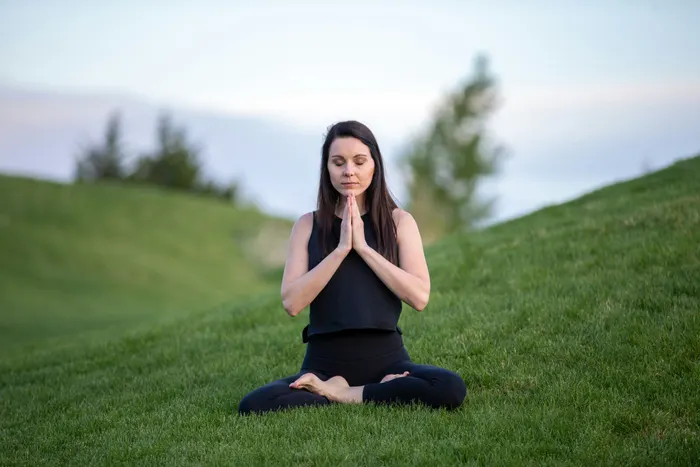
Improved respiratory capacity. Regular pranayama at altitude trains the diaphragm and intercostal muscles, increasing lung capacity and efficiency. This benefit persists after you descend, making everyday activities feel easier and more energising.
Reduced stress and anxiety. Slow, rhythmic breathing activates the parasympathetic nervous system, lowering cortisol levels and inducing a state of calm. At altitude, this effect is amplified because the body is already working to maintain equilibrium, and breath regulation provides a clear, accessible lever for shifting from stress to relaxation.
Spiritual opening. Nepal's sacred geography, with its centuries of accumulated practice energy, creates an atmosphere that supports inner exploration. Whether you are sitting in a monastery courtyard or on a hillside overlooking the Annapurnas, the sense of connection to something larger than yourself is palpable. This is why Nepal is considered one of the world's premier destinations for cultural and spiritual tours.


Physical vitality. The combination of clean mountain air, regular pranayama, and moderate physical activity (walking to monasteries, hiking to viewpoints) produces a noticeable increase in energy levels. Many practitioners describe feeling "lighter" and more alive after a week of Himalayan breathwork.
Can Beginners Practice Pranayama at Altitude?
Yes, beginners can absolutely practice pranayama at altitude, provided they start gently and choose an appropriate elevation. Kathmandu Valley at 1,400 metres is an excellent starting point: the altitude is mild, access to instruction is easy, and the cultural environment is deeply supportive of breathwork.
For beginners, the recommended approach is:
- Begin with breath observation. Before attempting any technique, spend several days simply watching your natural breath. Notice the temperature of the inhaled air, the movement of your abdomen, and the pause between inhalation and exhalation.
- Learn one technique at a time. Start with nadi shodhana, which is gentle, balancing, and safe at mild altitude. Practice for 5 to 10 minutes daily before your meditation session.
- Join a guided session. Many centres in Kathmandu and Pokhara offer daily group pranayama classes. Learning from an experienced teacher ensures correct technique and prevents common mistakes. The beginner's guide to meditation in Nepal covers what to expect from your first sessions.
- Keep a practice journal. Note how your breath feels at different times of day, after different foods, and at different elevations. This builds self-awareness and helps you tailor your practice to your body's needs.
What Is the Connection Between Pranayama and Tibetan Buddhist Practice?
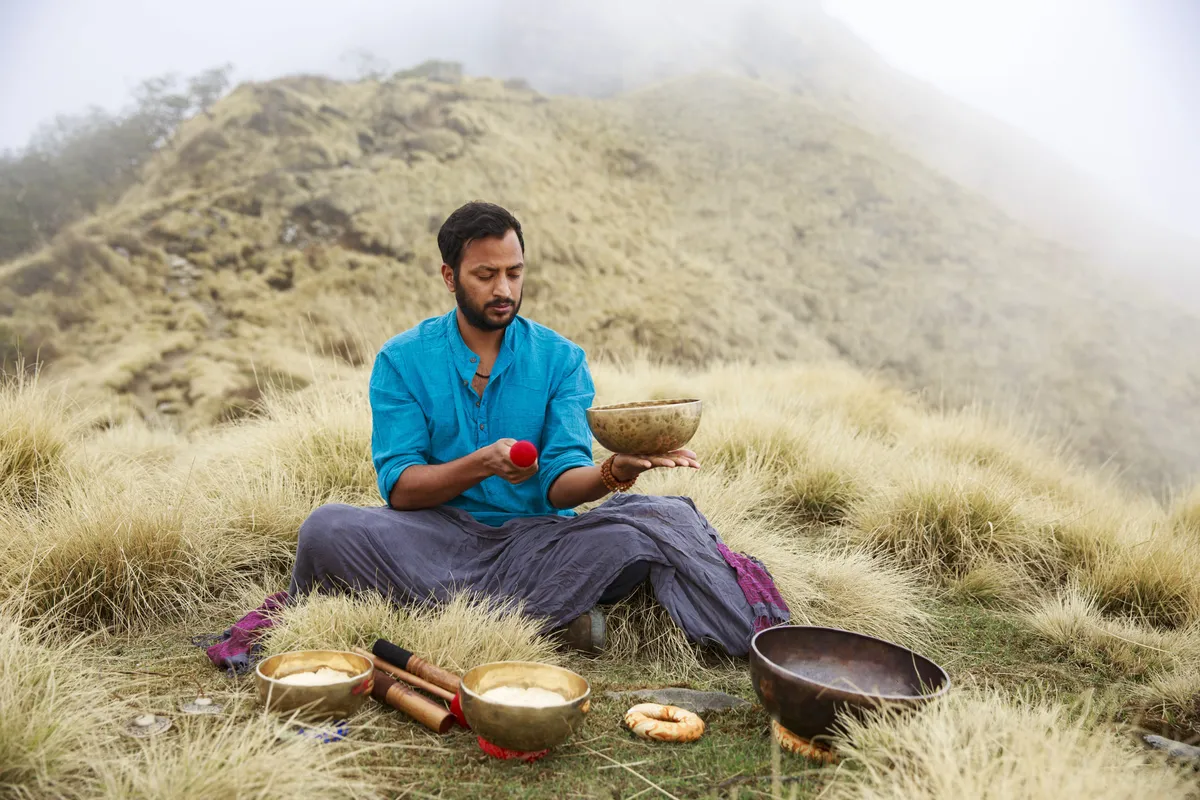 While pranayama is traditionally associated with Hindu yoga, breath awareness is equally central to Tibetan Buddhist meditation. The Tibetan word lung corresponds to the Sanskrit prana and refers to the subtle energy that flows through the body's channels. Tibetan meditation practices, particularly those in the Dzogchen and Mahamudra traditions, use breath as a primary anchor for awareness.
In Nepali monasteries, you will encounter both traditions side by side. Hindu ashrams teach classical pranayama from the yogic texts, while Buddhist monasteries teach breathing meditation as part of shamatha (calm-abiding) practice. The two approaches are complementary: yogic pranayama offers structured techniques for regulating the breath, while Buddhist breathing meditation emphasises natural awareness and letting go.
For a deeper dive into the monastic dimension, our guide to Buddhist meditation in Nepal covers monastery stays, teaching schedules, and what to expect from daily practice. You might also explore the Vipassana retreat guide for an intensive breath-awareness experience rooted in the Theravada tradition.
How to Plan a Pranayama Retreat in Nepal
Planning a pranayama-focused retreat in Nepal requires attention to timing, location, and your own experience level. Here is a step-by-step approach:
1. Choose the right season. Autumn (October to November) and spring (March to May) offer the clearest weather and most comfortable temperatures. Winter can be excellent for valley-based retreats but limits access to higher elevations. Monsoon (June to September) brings rain but also lush greenery and fewer crowds. For seasonal planning, see our month-by-month Nepal weather guide.
2. Select your altitude wisely. If you are new to altitude, start in Kathmandu Valley (1,400 metres) or Pokhara (800 metres). If you have experience, consider retreats in the Annapurna foothills or Helambu region (2,000 to 2,500 metres). Only attempt high-altitude retreats (above 3,000 metres) after proper acclimatisation.
3. Book a structured retreat. Rather than arranging everything independently, choose a retreat package that includes accommodation, meals, daily pranayama instruction, and guided meditation. This removes logistical stress and allows you to focus entirely on practice.
4. Prepare your body. In the weeks before your trip, begin a daily breathing practice at home. Even 10 minutes of nadi shodhana each morning will prepare your respiratory system and nervous system for the more intensive work at altitude.
5. Pack appropriately. Bring loose, comfortable clothing for sitting practice; a shawl or light blanket for early morning sessions when temperatures can be cool; and a personal meditation cushion if you have one (most retreats provide cushions, but having your own supports consistency).
What Are the Best Pranayama Retreats and Packages in Nepal?
Nepal offers a growing number of retreats that explicitly incorporate pranayama into their curriculum. Based on our verified packages, here are the top options:
3-Day Yoga Sound Healing Retreat in Kathmandu (from $288): A compact introductory retreat that combines daily yoga, pranayama, and sound healing sessions. Ideal for travellers with limited time who want a taste of Himalayan breathwork. The 3-day retreat package includes accommodation and all sessions.
6-Day Yoga Stress Management Retreat (from $633): A deeper immersion that systematically teaches pranayama techniques alongside yoga and meditation. The extended duration allows for progressive practice, with each day building on the previous one. The 6-day stress management package is designed for those dealing with chronic stress or burnout.
Pokhara Yoga Wellness Healing Retreat, 4 Days (from $405): Combines lakeside meditation with daily pranayama and yoga sessions. The lower altitude and serene Phewa Lake setting make this an excellent choice for beginners. Book the Pokhara wellness retreat for a gentle introduction to Himalayan breathwork.
4-Day Yoga Reiki Healing Retreat (from $403): Integrates pranayama with energy healing practices, offering a unique combination of breath regulation and subtle-body work. The Reiki healing retreat is suitable for practitioners interested in the energetic dimension of breathwork.
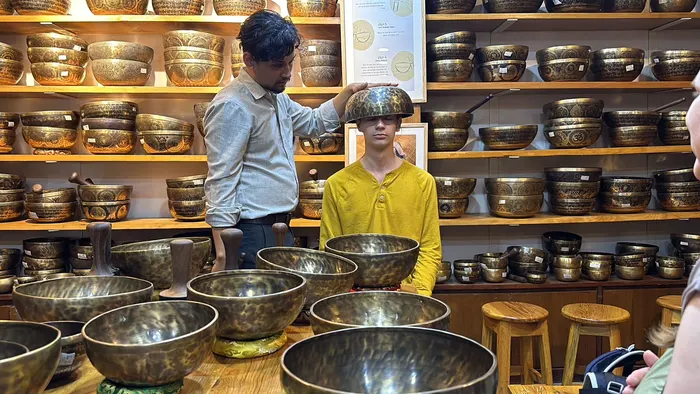
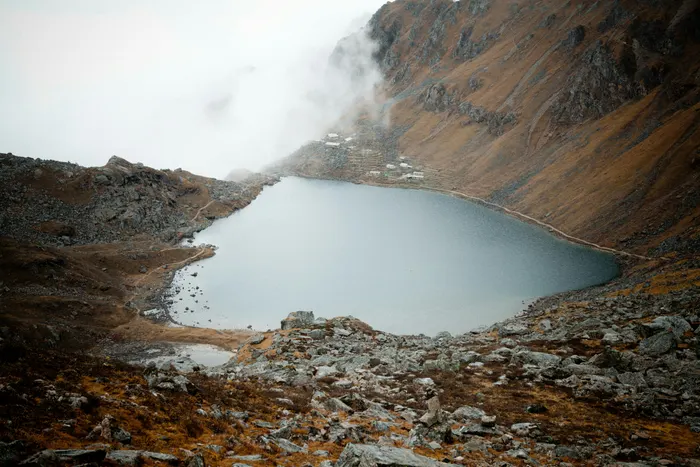
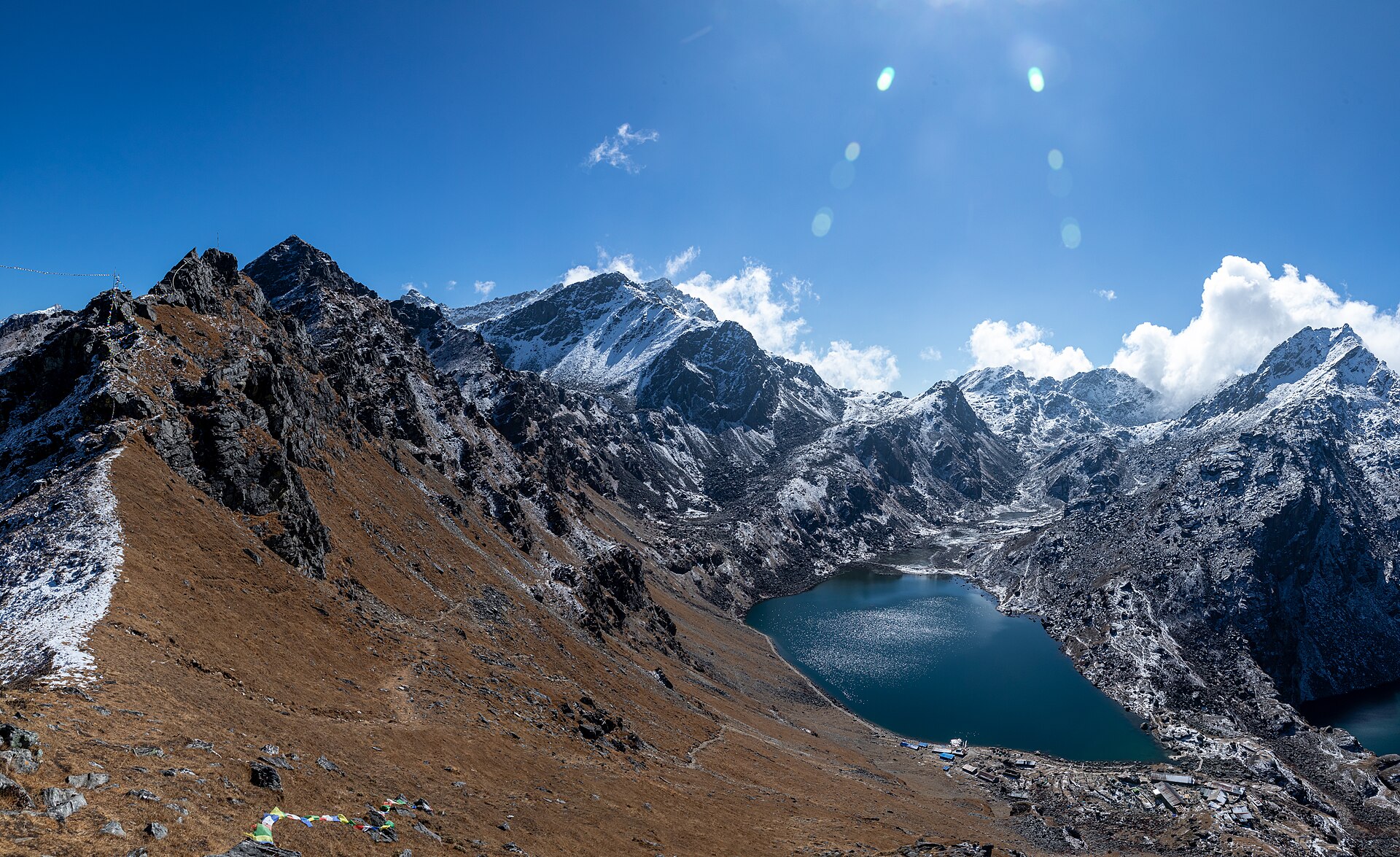
Gosaikunda Sacred Lakes Yoga Retreat Trek, 5 Days (from $658): For those who want to combine pranayama with high-altitude trekking, this retreat takes you to the sacred Gosaikunda lakes at 4,380 metres. Daily pranayama sessions are held at progressively higher elevations, making it a true breathwork-at-altitude experience. The Gosaikunda yoga trek requires good fitness and prior acclimatisation.
How Does Pranayama Support Spiritual Awakening in the Himalayas?
In the yogic and Buddhist traditions, the breath is not merely a physiological function but a vehicle for spiritual transformation. The Himalayas, with their centuries of meditation practice and sacred geography, are considered an ideal environment for this transformation to unfold.
Pranayama supports spiritual awakening in several ways. First, it purifies the energy channels (nadis in Sanskrit, tsa in Tibetan), allowing vital energy to flow freely. Second, it steadies the mind, creating the conditions necessary for insight to arise. Third, it connects the practitioner to the subtle dimension of reality that the Himalayan masters have explored for millennia.
Many practitioners find that combining pranayama with mantra meditation or chakra meditation creates a powerful synergy. The breath carries the vibration of the mantra through the body, while the chakras respond to the directed flow of prana. This multi-layered practice is at the heart of the Himalayan spiritual tradition.
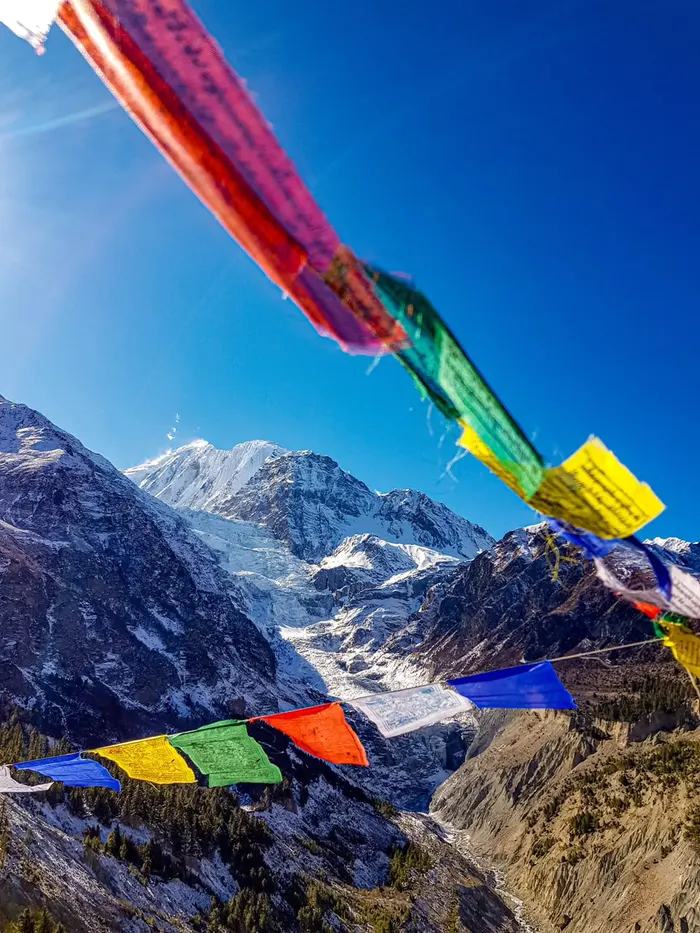
For those drawn to the devotional path, combining breathwork with pilgrimage creates a deeply moving experience. The 10-day spiritual circuit and the 7-day spiritual itinerary both include time for personal practice at sacred sites, allowing you to integrate pranayama into a broader journey of spiritual discovery.
What Do Science and Tradition Say About Breathwork at Altitude?
Modern science has begun to validate what Himalayan yogis have known for centuries: breath regulation has profound effects on the autonomic nervous system, cardiovascular health, and cognitive function. Studies on intermittent hypoxic exposure (brief periods of reduced oxygen) have shown benefits including improved oxygen utilisation, reduced inflammation, and enhanced mitochondrial function.
Interestingly, many pranayama techniques produce effects similar to those of deliberate hypoxic training. Kapalabhati, with its rapid exhalations, creates brief periods of reduced oxygen that stimulate the body's adaptive responses. Nadi shodhana, with its alternating nostril pattern, has been shown to balance the autonomic nervous system by alternately stimulating the left (parasympathetic) and right (sympathetic) branches.
The Himalayan altitude adds a natural layer of mild hypoxic exposure, which may amplify these effects. However, it is essential to distinguish between mild, beneficial hypoxia and dangerous hypoxia. The key is gradual adaptation and listening to your body. If you are interested in the scientific dimension, our history of meditation in Nepal traces how ancient practices are being validated by modern research.
How to Build a Daily Pranayama Routine While Traveling in Nepal
One of the greatest gifts of a Nepal retreat is the opportunity to establish a sustainable daily practice that you can continue at home. Here is a sample routine that works well in the Himalayan environment:
Morning (before sunrise):
- Drink a glass of warm water.
- Find a quiet spot with fresh air (a rooftop, garden, or monastery courtyard).
- Begin with 5 minutes of natural breath observation.
- Practice nadi shodhana for 5 to 10 minutes (reduce retention if at altitude).
- Practice bhramari for 3 to 5 minutes.
- Sit in silent meditation for 15 to 30 minutes, letting the breath flow naturally.
Evening (before sunset):
- Practice sheetali or gentle ujjayi for 5 minutes to unwind.
- Sit in meditation for 10 to 20 minutes.
- Dedicate the merit of your practice to all beings (a traditional Tibetan closing).
This simple routine, practiced consistently during your time in Nepal, creates a foundation that you can maintain after returning home. Even 20 minutes a day is enough to sustain the benefits. For more on building a travel-friendly practice, see our guide to daily meditation practice while traveling.
What Should You Know About Pranayama and Ayurveda in Nepal?
In the Ayurvedic tradition, pranayama is considered one of the key practices for balancing the doshas (constitutional types). Different breathing techniques have different effects on vata, pitta, and kapha:
- Vata types (air/space constitution) benefit from slow, grounding practices like nadi shodhana and bhramari.
- Pitta types (fire/water constitution) benefit from cooling practices like sheetali and chandra bhedana (left-nostril breathing).
- Kapha types (earth/water constitution) benefit from energising practices like kapalabhati and surya bhedana (right-nostril breathing).
Many retreats in Nepal combine pranayama with Ayurvedic treatments such as massage, herbal steam, and dietary recommendations. This holistic approach addresses both the physical and subtle bodies, creating a more complete healing experience. The meditation and Ayurveda guide provides a detailed overview of how these traditions complement each other, and the Ayurvedic massage and wellness spa activity offers hands-on experience of Ayurvedic bodywork.
Nepal is one of the few places on Earth where the ancient science of breath has been practiced continuously for thousands of years, and a dedicated meditation in Nepal experience gives you direct access to this living tradition. From the yogis of the Kathmandu Valley to the monks of the high Himalayan monasteries, the breath has always been recognised as the most accessible and powerful tool for transformation. Whether you come for a weekend retreat or a month-long immersion, the combination of pranayama and altitude in Nepal offers an experience that will change the way you breathe, think, and live. Begin your journey with an open mind and a willing breath, and the Himalayas will do the rest.