What Is a Spiritual Tour in Nepal Really Like?
Kathmandu is loud. The air smells of incense, dust, and diesel exhaust. Horns blare constantly. Yet a few steps off the main ring road, ancient stone courtyards hold a quiet gravity that drops your resting heart rate instantly. If you are planning a Spiritual Tour in Nepal 2026, you need to drop your expectations of a perfectly silent, pristine sanctuary right now. Nepal is messy. It is profoundly holy. The sacred and the ordinary exist side by side here. You will step over sleeping street dogs to spin copper prayer wheels. You will hear ancient Sanskrit chants drowning out the roar of passing motorcycles.
This guide strips away the travel brochure clichés. We break down the exact logistics, the essential sacred sites, and the unspoken rules of undertaking a Himalayan spiritual journey this year. The friction of travel here is the actual meditation. Sitting in a calm room back home is easy. Finding your center while trapped in a delayed jeep on a dusty mountain pass is the real practice. Explore, Heal, Thrive is not just our tagline. It is the lived experience of a Nepal spiritual journey.
Why Does 2026 Require a Different Approach to Spiritual Travel in Nepal?
The travel landscape in the Himalayas shifted heavily over the last five years. Backpacker routes became paved roads. Remote monasteries now have satellite internet. The year 2026 represents a critical window. You can still access deep, untouched spiritual traditions, but you have to know exactly where to look. Following outdated guidebooks will lead you to crowded tourist traps where the spiritual atmosphere has been diluted by mass tourism.
We see travelers arrive with rigid expectations. They want a movie-version of enlightenment. They break down when their flight to Pokhara gets delayed by monsoon clouds. Nepal does not care about your itinerary. The country forces you into presence in ways that no meditation retreat center ever can. This is the real teaching. For a broader overview, read our complete guide to cultural and spiritual tours in Nepal.


What Are the Key Hindu Pilgrimage Sites in Nepal?
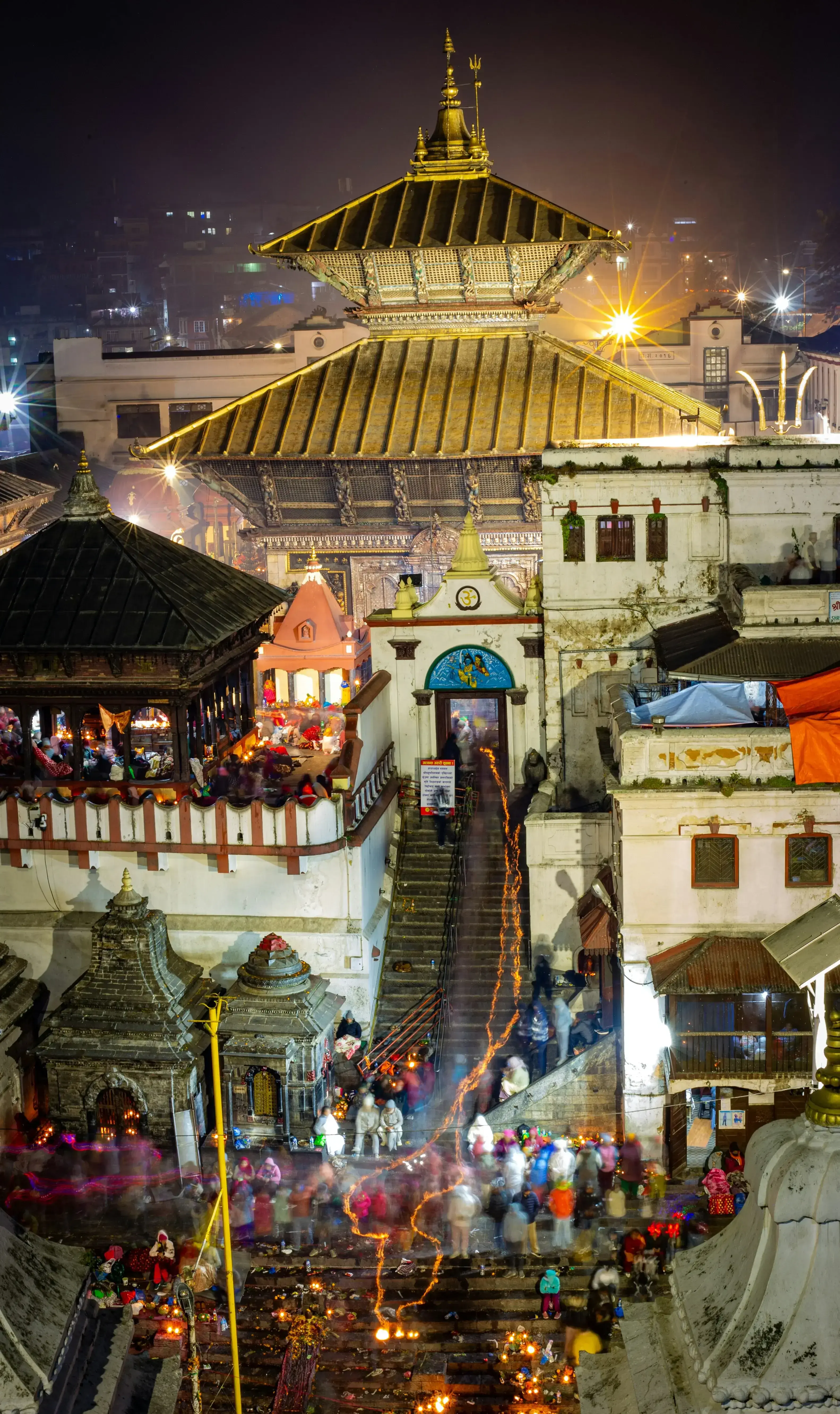
Hinduism in Nepal is raw. It deals directly with creation, preservation, and destruction. You will not find sanitized religious experiences here. You will face life and death directly. The three most important Hindu sites are Pashupatinath in Kathmandu, Muktinath in Mustang, and Janakpur in the Terai plains.
Pashupatinath is the absolute epicenter of Hindu devotion in Nepal. It sits on the banks of the Bagmati River. Open-air cremations happen all day on the stone ghats. You watch families say goodbye to their loved ones while sadhus, holy men covered in pale ash, meditate just yards away. Visit during the evening Aarti ceremony when priests perform synchronized fire rituals as hundreds of devotees sing in unison. The energy is massive and unforgettable.
Muktinath sits at 3,710 meters in the Mustang region. The air is incredibly thin. This temple is sacred to both Hindus and Buddhists. Hindus call it Mukti Kshetra, the place of liberation. Bathing in the 108 icy water spouts outside the temple washes away negative karma. The cold forces you entirely into the present moment. Janakpur is the mythical birthplace of Goddess Sita, with the stunning Janaki Mandir temple shining bright white against the dusty southern plains.
What Are the Essential Buddhist Sites on the Nepal Circuit?
Buddhist practice in Nepal ranges from quiet Vipassana meditation to the heavy ritualism of Tibetan Vajrayana. A true Nepal Buddhist Circuit Tour exposes you to both extremes. The four essential sites are Boudhanath Stupa, Swayambhunath (Monkey Temple), Lumbini, and the monasteries of the Khumbu and Tsum regions.
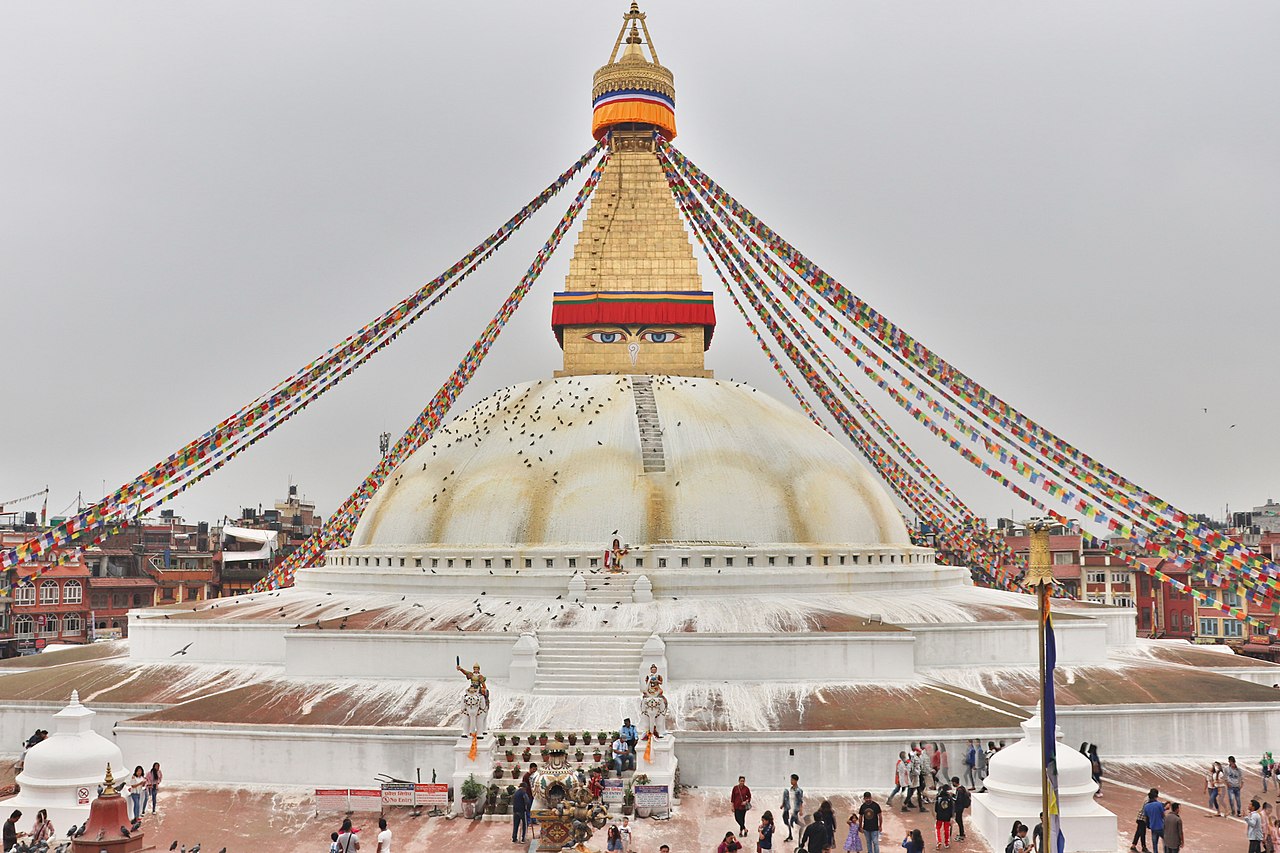
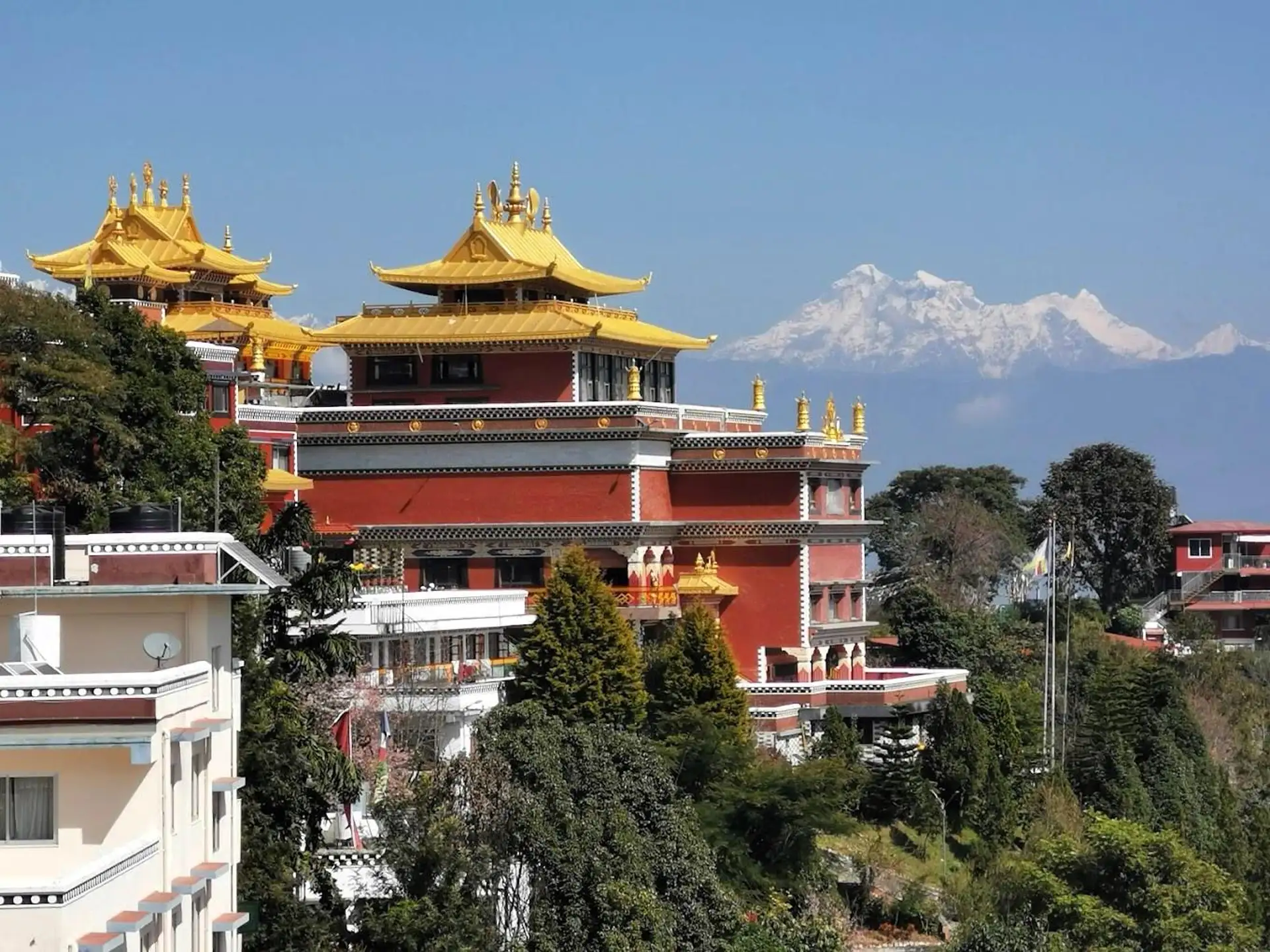
Boudhanath is massive. The white dome rises above the Kathmandu skyline and draws thousands of Tibetan Buddhists daily. Walking clockwise around the stupa, a practice known as kora, becomes hypnotic. You smell burning juniper. You hear the rhythmic clacking of wooden prayer beads. Find a rooftop cafe overlooking the square, drink mint tea, and watch the devotion unfold below you. Swayambhunath requires climbing 365 steep stone steps, with rhesus macaques watching you the entire way. The top offers a panoramic view of the Kathmandu Valley.
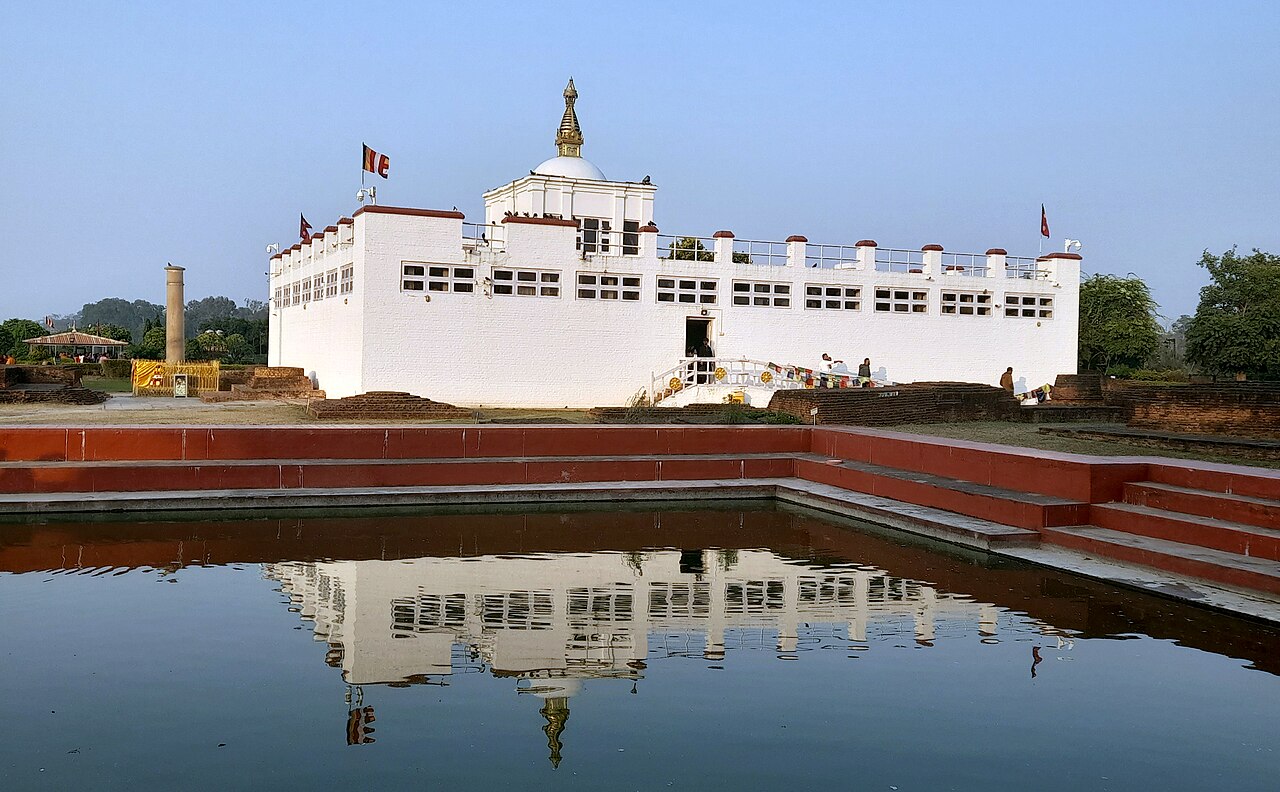
Lumbini demands your time. This is where Queen Maya Devi gave birth to Siddhartha Gautama. The exact spot of his birth sits inside the Maya Devi Temple. Outside, you find the sacred pond and the Ashokan Pillar erected in 249 BC. The surrounding monastic zone stretches for miles, with temples built by nations from all over the world. Rent a bicycle and ride through the heavy southern heat to explore them all. For remote Buddhist hermitages, read our guide to Nepal's hidden hermitages.
Where Can You Find Genuine Meditation Retreats in Nepal?
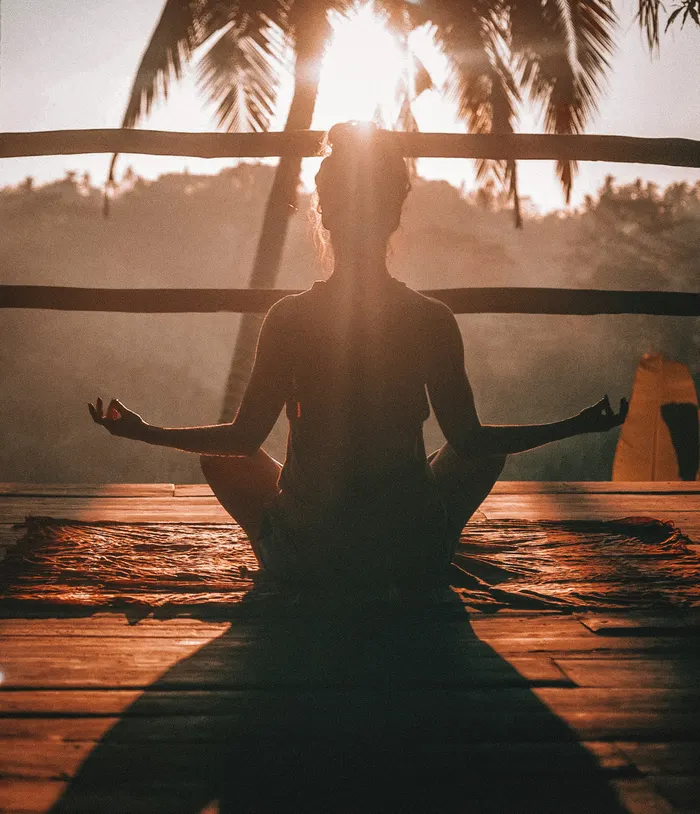
You need time to process everything you see. Kathmandu offers several serious meditation centers for structured silence. A quick visit to a temple provides a spark. A formal retreat builds the fire. The Kopan Monastery on the edge of Kathmandu offers structured Vipassana and Lam Rim courses ranging from weekend introductions to month-long deep dives. In Pokhara, several centers combine meditation with yoga and ayurvedic treatments.
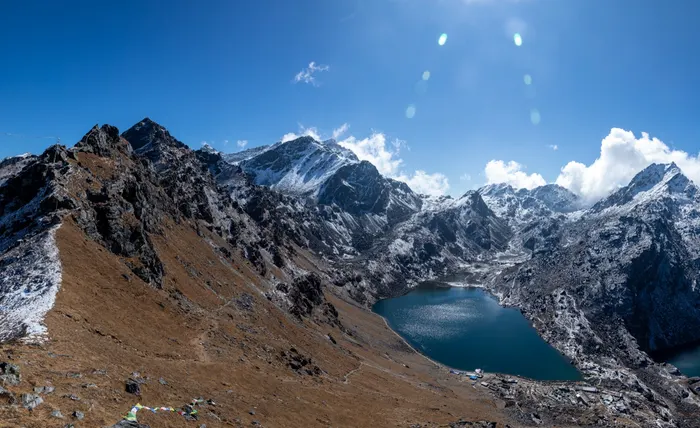
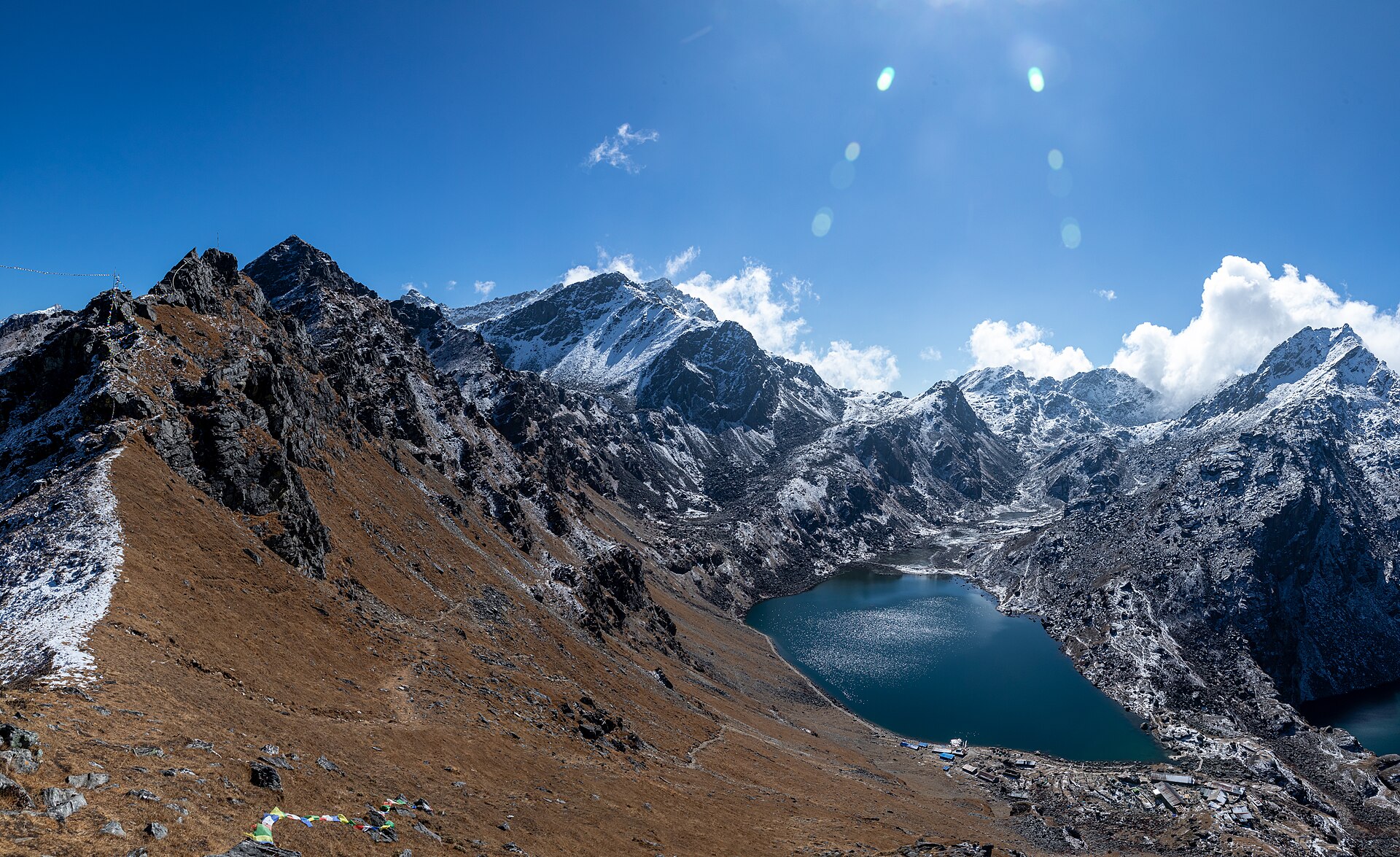
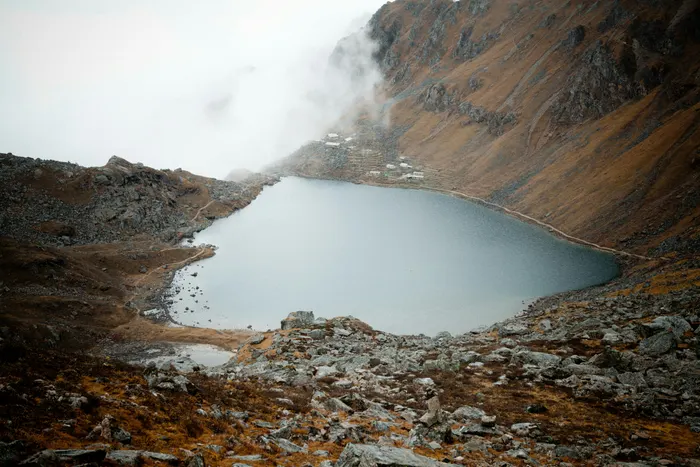
For a deeper immersion, the Gosaikunda Lake trek combines spiritual pilgrimage with alpine trekking. The sacred lakes at 4,380 meters are a major Shiva pilgrimage site. Similarly, the Tsum Valley trek takes you through one of the most culturally intact Tibetan Buddhist regions in Nepal. Read our guide to yoga and meditation retreats for specific center recommendations and pricing.

How Do You Combine Spiritual Sites with Trekking?
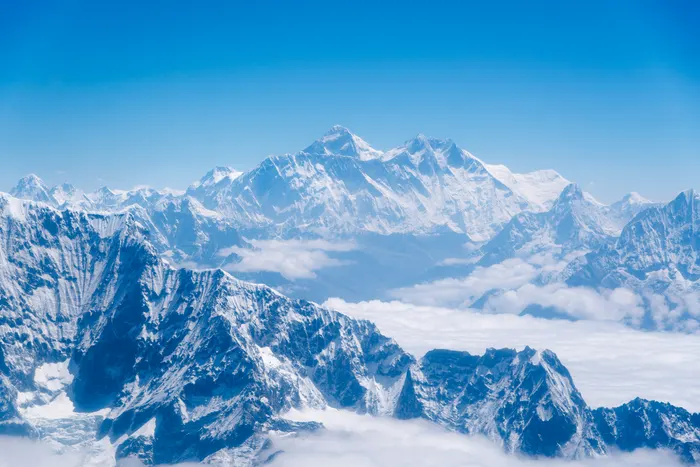
The best spiritual tours in Nepal combine sacred site visits with trekking through landscapes that are themselves considered sacred. The 10-Day Langtang Valley and Gosaikunda Lake Trek takes you to sacred Hindu lakes. The Everest Base Camp Trek passes through Buddhist Sherpa villages with ancient monasteries at every stage. The Manaslu region and Tsum Valley are deeply Buddhist.
Our spiritual and adventure combos guide details how to combine trekking with pilgrimage. For seniors or those wanting a gentler pace, read our spiritual tour for seniors guide. If you are traveling alone, our solo spiritual travel safety guide covers the best routes and sites for independent travelers.
What Wellness Experiences Complement a Spiritual Tour?
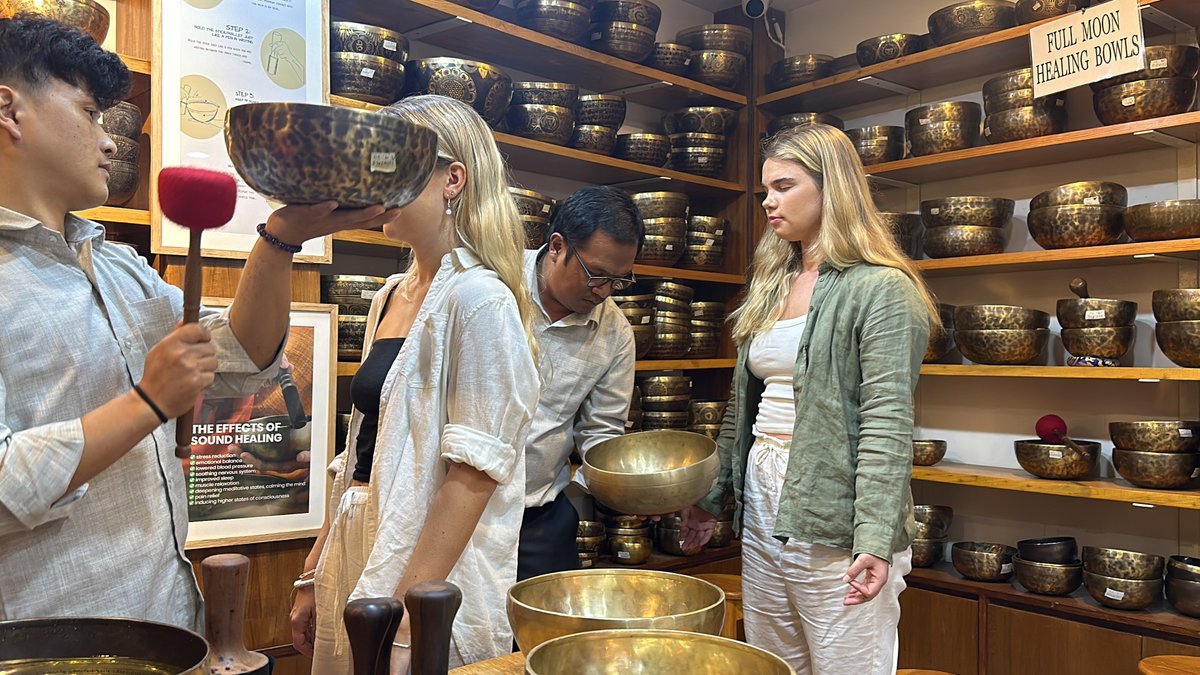
Nepal's wellness traditions are ancient and deeply intertwined with spiritual practice. Ayurvedic massage, sound healing, yoga therapy, and herbal medicine are available across Kathmandu and Pokhara. The Kathmandu Full-Day Trekkers Spa and Wellness Retreat integrates Ayurvedic treatments with meditation. The Kathmandu Half-Day Wellness Spa Escape is perfect for a shorter immersion.

For a complete healing journey, visit our heal page. The wellness tourism guide covers the full spectrum of healing holidays in Nepal. Ayurvedic massage and spa treatments are covered in detail in our Ayurvedic massage guide. These wellness experiences complement the spiritual sites beautifully, giving your body and mind time to integrate what you have witnessed.


How Should You Choose a Spiritual Tour Package in Nepal?
Not every spiritual tour package is the same. Some focus on Hindu pilgrimage sites, others on Buddhist monasteries, and others on meditation retreats. The right choice depends on your background, your interests, and your physical fitness level. A package that includes high-altitude sites like Muktinath requires acclimatization time. A package focused on the Kathmandu Valley is accessible to almost anyone. Read our spiritual tour packages comparison guide to find the right fit.
Our tour list includes spiritual and cultural packages for every fitness level and interest. Whether you want a 3-day Kathmandu Valley temple circuit or a 15-day Himalayan pilgrimage combining trekking with monastery stays, we can build the right itinerary. Visit our explore page for curated inspiration, and read about responsible community tourism to understand how your visit supports local communities.
What Should You Know About Spiritual Etiquette in Nepal?
Spiritual sites in Nepal are living places of worship, not museum exhibits. Dress modestly, covering shoulders and knees. Remove shoes before entering temple interiors and monastery halls. Walk clockwise around stupas, prayer wheels, and sacred monuments. Do not point your feet at sacred objects or people. Ask permission before photographing worshippers, ceremonies, or the interior of sacred spaces. Many monasteries have specific photography rules that you must respect.
At Pashupatinath, do not photograph cremations from close range. At Boudhanath, you can join the kora walk but maintain a respectful pace. At Lumbini, the monastic zone is quiet. Loud conversation disrupts the atmosphere. The sacred dawn guide explains the spiritual significance of sunrise at Himalayan temples and viewpoints, which is often the most powerful time to visit.
What Should You Pack for a Spiritual Tour in Nepal?
Packing for a spiritual tour depends on the season and the sites you plan to visit. For Kathmandu Valley and lowland sites like Lumbini and Janakpur, lightweight clothing with layers for cool mornings works well. If you plan to visit high-altitude sites like Muktinath or go on a pilgrimage trek to Gosaikunda Lake, you need full trekking gear including a warm jacket, thermal layers, and sturdy hiking boots. A scarf or shawl is essential for covering shoulders at temples. Comfortable slip-on shoes are ideal because you will remove them frequently at temple entrances.
Bring a journal. The spiritual experiences in Nepal are intense and processing them through writing helps integrate the journey. A small offering bag with incense, candles, or flowers (available locally) is useful if you want to participate in puja ceremonies. Avoid expensive camera gear at crowded sites like Pashupatinath, where discretion is more appropriate. A reusable water bottle with a filter is essential for trekking portions. Visit our sacred dawn guide for what to expect at sunrise ceremonies.
How Does a Spiritual Tour in Nepal Differ from One in India or Tibet?
Nepal's spiritual landscape is unique because it blends Hinduism and Buddhism in a way that no other country does. In India, Hindu sites dominate. In Tibet, Buddhist sites dominate. In Nepal, the two traditions coexist at the same sites, with the same temples, and often the same rituals. Muktinath is sacred to both Hindus and Buddhists. Swayambhunath has both Buddhist stupas and Hindu shrines. The living goddess Kumari is worshipped by both communities. This syncretism is not a museum piece. It is daily life.
Nepal is also more accessible than Tibet (which requires a Chinese visa and organized tour) and less intense than India (which can be overwhelming for first-time visitors). The scale is human, the people are warm, and the infrastructure for spiritual tourism is well developed. Our explore page covers the full range of cultural and spiritual itineraries available. Explore, Heal, Thrive.
Related Articles
- Yoga and Meditation Retreats in Nepal: The Ultimate Wellness Combination
- Spiritual Tour Packages in Nepal Compared: Which One Is Right for You
- Solo Spiritual Travel in Nepal: Complete Safety Guide