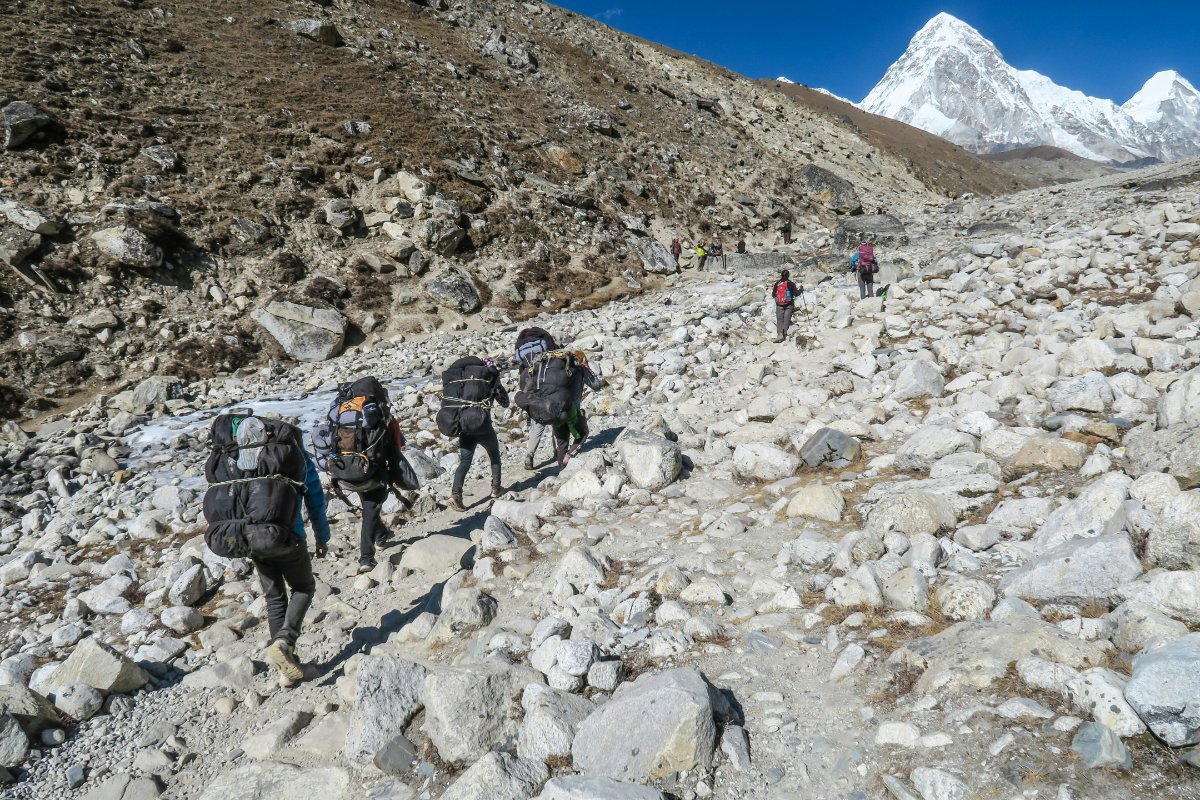
Packing for the Everest Base Camp trek is one of the most important pre-trip decisions you will make. The Khumbu region experiences temperature swings from +20 degrees Celsius in lower valley daytime to -25 degrees Celsius at Base Camp on a winter night. Bring too little and you risk frostbite, hypothermia or a forced turnaround. Bring too much and your porter carries unnecessary weight, your duffel strains at the seams, and you pay excess baggage fees on the Lukla flight. This guide gives you a verified, season-by-season packing list refined over years of guiding trekkers to Base Camp at 5,364 metres.
Whether you are trekking in the busy autumn season or the quiet winter months, the same core principles apply: layering, moisture management, and redundancy for critical items. We break down every category from base layers to electronics, with specific brand-agnostic recommendations and weights. Before diving in, you may want to review our 14-day Everest Base Camp trek itinerary to understand the daily stages and what conditions to expect at each altitude.
The Layering System: Your Foundation for EBC
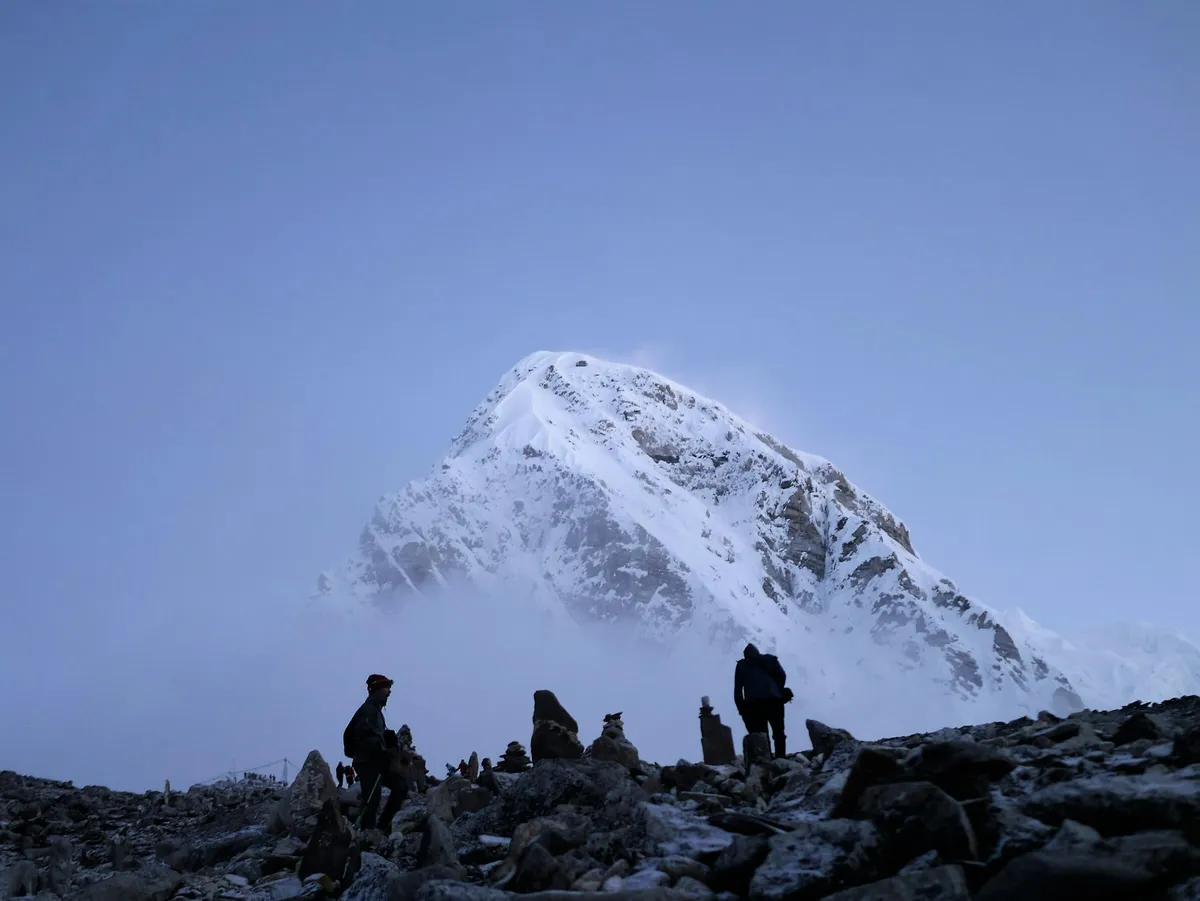
The single most important concept in high-altitude trekking gear is the three-layer system. You do not wear one thick jacket. You wear a moisture-wicking base layer, an insulating mid layer, and a windproof, waterproof shell. This combination lets you add or remove layers as temperatures shift throughout the day, from warm valley mornings in Phakding to freezing ridge crossings at Nangkartshang Peak.
Base Layer (Next to Skin)
Your base layer has one job: move sweat away from your skin so it can evaporate. Cotton is the enemy here because it traps moisture and cools you rapidly when you stop moving. Choose merino wool or synthetic moisture-wicking tops and bottoms.
- 2x merino wool base layer tops (long sleeve, 200-250 gsm weight)
- 1x merino wool base layer bottoms (for cold nights and high-altitude days)
- 1x short-sleeve synthetic trekking shirt for lower, warmer days
- 3-4x merino wool or synthetic underwear
- 2-3x merino wool trekking socks (cushioned sole, seamless toe)
Merino wool is the gold standard because it regulates temperature in both warm and cold conditions, resists odour for multiple days of wear, and is naturally fire-resistant. A 200-weight merino top works from Lukla to Lobuche. Above 4,500 metres, layer the 250-weight version under your mid layer. For a deeper understanding of how altitude affects your body and clothing needs, read our guide on altitude sickness prevention on the EBC trek.
Mid Layer (Insulation)
The mid layer traps warm air against your body. You need two pieces: a lightweight fleece for active trekking and a down or synthetic puffer jacket for rest stops, evenings, and high-altitude mornings.
- 1x fleece jacket (Polartec 200 or equivalent, 300-400g)
- 1x down jacket (800-fill, rated to -15 degrees Celsius, 400-600g)
- 1x lightweight fleece or wool sweater as backup insulation
The down jacket is non-negotiable for EBC. Even in peak autumn season, morning temperatures at Gorak Shep are regularly -10 to -15 degrees Celsius. Your down jacket goes on over everything during breakfast, comes off when you start walking, and goes back on at every rest stop above 4,000 metres. Look for one with a hood and a windproof outer shell.
Outer Shell (Wind and Waterproof)
The outer shell protects you from wind, rain, and snow. The Khumbu is generally dry, but afternoon squalls and winter snowstorms happen without warning. Your shell must be breathable enough to hike in without overheating.
- 1x waterproof breathable jacket (Gore-Tex or equivalent, 10,000mm+ rating)
- 1x waterproof trousers (side zips for easy on/off over boots)
- 1x lightweight windbreaker (optional, for lower valley days)
Footwear: The Most Critical Decision You Make
More trekkers cut their EBC trip short due to blister problems than due to altitude sickness. Your boots are the single most important item on this packing list. Do not buy new boots right before the trek. Break them in for at least 100 kilometres of walking before you fly to Lukla.
Trekking Boots
You need mid-cut, waterproof, supportive trekking boots with a stiff sole. Trail running shoes are not sufficient for the rocky, uneven terrain above Namche Bazaar. The trails include loose scree, granite slabs, and frozen patches in winter. A boot with a Vibram or equivalent outsole and ankle support prevents rolled ankles on the descent from Base Camp.
- 1x waterproof trekking boots (B0 or B1 rated, 800-1,100g per pair)
- 1x camp shoes (lightweight trainers, sandals, or Crocs for teahouse evenings)
- 4-5x pairs trekking socks (2 lightweight, 2 midweight cushioned, 1 heavy expedition weight for high camps)
- 1x pair gaiters (short, to keep scree and snow out of boots)
Camp shoes are essential. After 6-8 hours in trekking boots, removing them at the teahouse and slipping into lightweight shoes is one of the best feelings on the trail. They also serve as backup if your boots get wet. For more on what to expect at the teahouses themselves, see our teahouse and lodge guide for the EBC trek.
Sock Strategy
Never wear two pairs of socks simultaneously inside your boots. It restricts circulation and causes blisters. Instead, rotate between lightweight socks for lower, warmer days and cushioned midweight socks for higher, colder sections. Change socks at every rest stop. Carry a dedicated dry pair in a ziplock bag for sleeping only, so your feet are warm and dry overnight. Wash the day's socks and hang them in the teahouse dining room where the stove heat dries them.
Head and Hand Protection: Small Items, Big Consequences
Your head and hands are the most vulnerable extremities on the EBC trek. Wind chill at Kala Patthar can make -15 degrees Celsius feel like -30. Losing a glove on the trail between Lobuche and Base Camp is a trip-ending emergency if you do not have a backup pair.
Head Gear
- 1x warm beanie or wool hat (fleece-lined, covers ears)
- 1x sun hat or cap (broad brim for UV protection)
- 1x buff or neck gaiter (multi-use: face cover, scarf, headband)
- 1x balaclava or face mask (for winter treks and high-altitude wind protection)
UV radiation intensifies by approximately 10 percent for every 1,000 metres of altitude gain. At 5,000+ metres on the EBC trail, the sun is fierce even when the air is freezing. A broad-brimmed sun hat and SPF 50+ sunscreen are as important as your beanie. Many trekkers get sunburned on Day 1 in Lukla because they underestimate the valley sun. For weather expectations by month, check our complete weather-by-month guide for EBC.
Hand Protection
- 1x lightweight fleece or liner gloves (for trekking in mild conditions)
- 1x insulated waterproof gloves or mittens (for high altitude and winter)
- 1x backup pair of liner gloves (in case the primary pair gets wet or lost)
Mittens are warmer than gloves at the same weight because fingers share heat inside a single compartment. If you run cold, consider a modular system: liner gloves inside a waterproof shell mitt. This gives you dexterity when you need it and warmth when you stop.
Sleep System and Night Gear
Tea houses along the EBC route provide beds with foam mattresses, but the heating in dining rooms shuts off around 9 PM. Above Namche Bazaar, room temperatures drop well below freezing at night. Your sleeping bag is your personal heating system.
Sleeping Bag
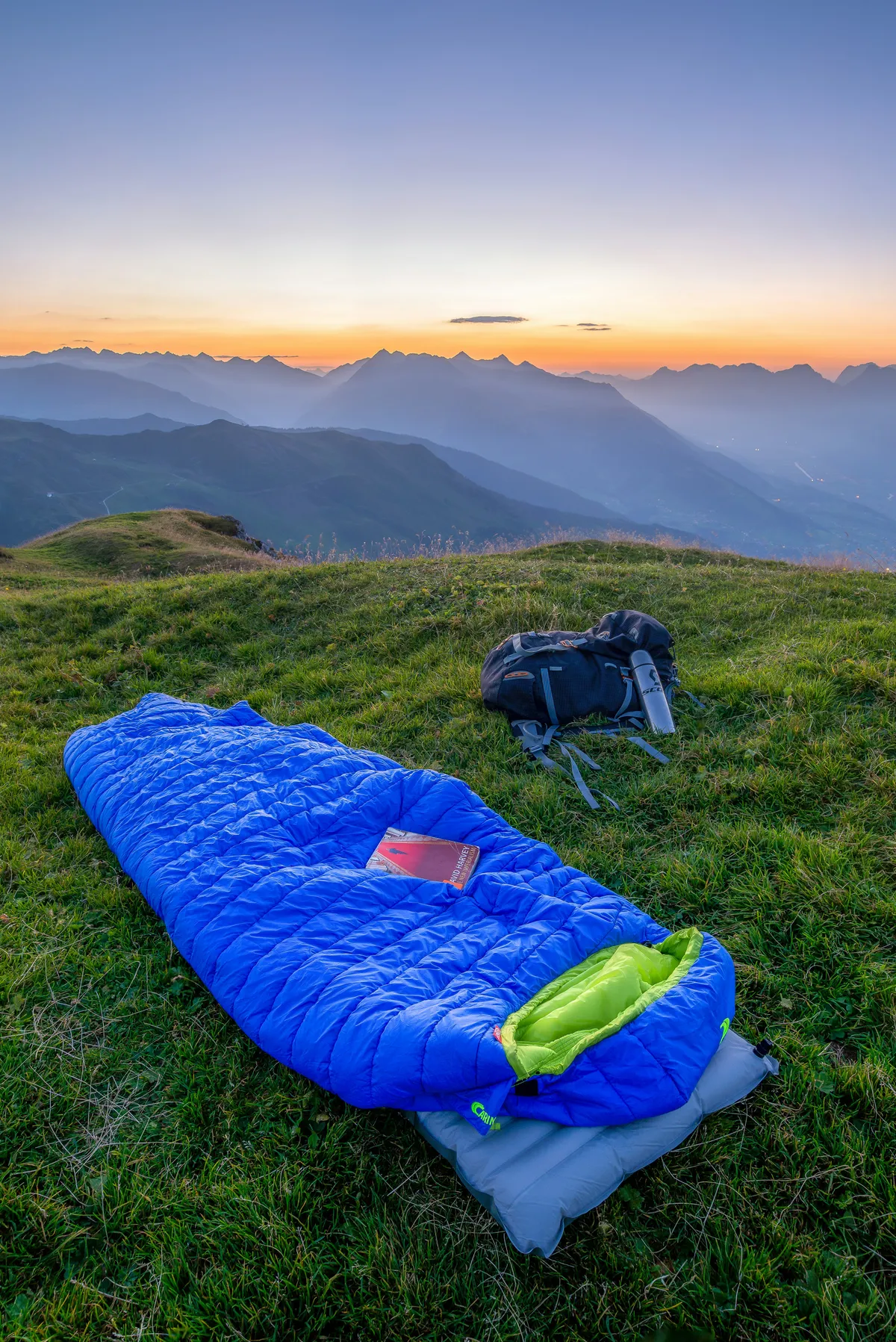 Bring a sleeping bag rated to at least -15 degrees Celsius comfort, -20 degrees Celsius for winter treks. Down sleeping bags offer the best warmth-to-weight ratio. A 600-800 fill down bag weighing 1.2-1.5 kg is ideal for EBC.
- 1x sleeping bag (-15C to -20C comfort rating, down fill, compression sack)
- 1x silk or fleece sleeping bag liner (adds 5-8 degrees of warmth, keeps bag clean)
- 1x inflatable sleeping pad (optional, for extra insulation on cold teahouse mattresses)
The liner serves double duty: it extends your sleeping bag's temperature rating and creates a hygienic barrier between you and teahouse blankets. Many trekkers skip the liner and regret it by Night 3.
Rest Clothing
- 1x lightweight down or synthetic puffy trousers (for evenings above 4,000m)
- 1x comfortable long-sleeve top for teahouse wear
- 1x lightweight tracks or leggings (for sleeping and rest days)
- 1x warm pair of thick socks dedicated to sleeping only
The puffy trousers are a luxury many trekkers skip, then wish they had. Sitting in a 0-degree teahouse room in just your trekking trousers is miserable. Down trousers compress to the size of a water bottle and weigh about 300g.
Backpack and Duffel System
You will carry two bags on the EBC trek: a daypack on your back and a duffel carried by your porter. Understanding the division of gear between these two bags is critical for daily comfort.
Daypack (30-40 litres, 1-1.2 kg empty)
Your daypack carries everything you need during the 5-7 hours of daily walking. It should weigh no more than 6-8 kg fully loaded. A hip belt is essential to transfer weight off your shoulders.
Pack your daypack with: water (2-3 litres), snacks, rain jacket, extra mid layer, sunscreen, first aid kit, headlamp, camera, passport and permits, and one set of base layers in a dry bag as backup. Everything else goes in the porter duffel.
Porter Duffel (80-100 litres, 1.5-2 kg empty)
The duffel carries your sleeping bag, spare clothing, boots (if wearing trail shoes for river crossings), toiletries, and bulkier items. Porter weight limits are typically 15 kg per trekker. A waterproof, lockable duffel with reinforced straps is non-negotiable. YKK zippers and a rain cover extend the life of your gear through monsoon showers and river crossings.
- 1x waterproof duffel bag (80-100L, 1.5-2kg, with shoulder strap and lockable zippers)
- 1x daypack (30-40L, with hip belt and rain cover)
- 2-3x dry bags or stuff sacks (for organising wet, dry, and electronics)
- 1x pack cover (rain cover for daypack)
Electronics and Power Management
The Khumbu region runs on hydroelectric and solar power above Namche Bazaar. Electricity is unreliable and costs 200-500 Nepali rupees per hour to charge devices at higher teahouses. A power bank is one of the most important items in your pack.
Power and Lighting
- 1x power bank (20,000-30,000 mAh, USB-C output, 2A+ for fast charging)
- 1x headlamp (waterproof, 200+ lumens, with red light mode for teahouse use)
- 2x spare headlamp batteries (lithium, cold-resistant)
- 1x Nepal plug adapter (Type C/D/M, 220V)
- 1x USB charging cable set (for phone, headlamp, power bank)
Store batteries inside your sleeping bag at night in cold weather. Lithium batteries lose charge rapidly in sub-zero temperatures. A headlamp left in a side pocket at Gorak Shep will be dead by morning. For a primer on what the flight to Lukla is like (and what electronics you can carry on), read our complete Lukla flights guide.
Camera and Navigation
- 1x smartphone (primary camera, GPS, maps)
- 1x camera (optional, DSLR or mirrorless with 1-2 lenses, max 800g total)
- 1x microSD or SD cards (64-128 GB, enough for 14 days without offloading)
- 1x lightweight tripod (optional, 300-400g, for sunrise shots at Kala Patthar)
Download offline maps in Maps.me or Gaia GPS before departing Kathmandu. There is no reliable cellular data above Namche Bazaar, though Wi-Fi is available at most teahouses for a fee (200-500 NPR per device).
First Aid and Health Kit
Your first aid kit should cover the most common trail ailments: blisters, gastrointestinal issues, headaches, muscle soreness, and minor cuts. Your guide carries a comprehensive group medical kit, but you need personal supplies for day-to-day issues.
Personal First Aid
- Blister kit: Compeed or moleskin, antiseptic wipes, small scissors
- Pain relief: ibuprofen 400mg (20 tablets), paracetamol 500mg (20 tablets)
- Stomach medication: loperamide (10 tablets), rehydration salts (10 sachets)
- Antihistamines: cetirizine or loratadine (10 tablets)
- Throat lozenges (20, for dry high-altitude air)
- Antibiotic ointment (tube, for cuts and scrapes)
- Assorted plasters and bandages
- Any personal prescription medications (bring extra, in original packaging)
Altitude and Hygiene
- Diamox (acetazolamide) 250mg (consult your doctor before the trek)
- SPF 50+ sunscreen (2 tubes, 50g each)
- SPF lip balm (2 tubes)
- Wet wipes (1 large pack, unscented, for no-shower days)
- Hand sanitiser (2 small bottles, 100ml each)
- Toothbrush, toothpaste, and dental floss
- Travel towel (microfibre, quick-dry, 200g)
- Biodegradable soap and shampoo
- Toilet paper (4-6 rolls, removed from cardboard tubes to save space)
Diamox is the most commonly used medication for altitude acclimatisation. It helps your body adjust to reduced oxygen by promoting deeper breathing. Discuss dosage and suitability with your doctor. Our altitude sickness prevention guide covers the full protocol in detail.
Seasonal Additions: What Changes by Season
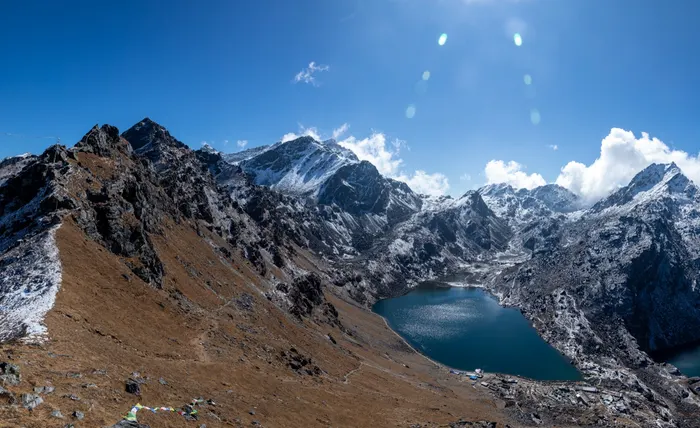
The base packing list above covers the essentials for any season. However, each season on the EBC trail has specific demands that require additions or modifications. Here is what changes by season, and why it matters for your packing decisions.
Spring (March to May)
Spring is the second most popular EBC season. Days are warm in the valleys, nights are cold but not extreme, and the rhododendron forests between Lukla and Tengboche are in full bloom. Expect daytime temperatures of 10-15 degrees Celsius at lower elevations and -5 to -10 degrees at Base Camp.
- Standard three-layer system is sufficient
- Lighter weight base layers (200 gsm merino is adequate)
- Standard -15C sleeping bag is warm enough
- Bring a wide-brimmed sun hat: spring sun is strong and UV index is high
- Lightweight trekking trousers (convertible pants work well in spring)
Monsoon (June to August)
Monsoon season on the EBC trail is wet, muddy, and leech-infested below 3,500 metres. Above Namche, the rain decreases but clouds often obscure mountain views. The advantage is solitude: you will have teahouses and trails almost entirely to yourself. Pack for heavy rain and mud.
- Gore-Tex jacket with fully taped seams (minimum 10,000mm waterproof rating)
- Waterproof over-trousers (essential, not optional)
- Gaiters (tall, for mud and leeches)
- 2x dry bags (one for sleeping bag, one for electronics)
- Extra pairs of socks (wet feet are unavoidable in monsoon)
- Umbrella (lightweight, for valley sections: guides swear by this)
- Leech socks or salt pouch (for lower trail sections)
A trekking umbrella sounds unusual but is one of the most effective monsoon gear hacks. It keeps your upper body dry while allowing maximum ventilation, which a rain jacket cannot do. Guides in the Annapurna region have used this trick for decades.
Autumn (September to November)
Autumn is the premier EBC trekking season. Skies are clear, temperatures are moderate, and the trails are busy. Expect daytime highs of 8-12 degrees at lower elevations, dropping to -10 to -15 degrees at Base Camp. This is the most forgiving season for packing: standard gear works perfectly.
- Standard three-layer system
- 800-fill down jacket (rated -15C, sufficient for autumn nights)
- Standard -15C sleeping bag
- Sun protection remains critical at altitude
- Light gloves for mornings, warm gloves for high-altitude sections
For a full breakdown of what to expect during the peak season, check our best time for EBC trek guide. It covers crowds, visibility, and weather patterns month by month.
Winter (December to February)
Winter on the EBC trail is for experienced trekkers only. Temperatures at Base Camp drop to -25 degrees Celsius at night. Many teahouses above Dingboche close for the season. The reward is absolute solitude and crystal-clear mountain views. Winter packing requires serious cold-weather upgrades.
- Heavyweight base layers (250+ gsm merino wool)
- 800-fill down jacket rated to -25C or lower (expedition weight, 600-800g)
- Down trousers or insulated trousers (essential above Lobuche)
- Expedition-weight sleeping bag rated -25C to -30C comfort
- Insulated boots (B2 rated, compatible with light crampons)
- Light crampons or microspikes (for frozen trail sections)
- Balaclava or face mask (for wind chill at Kala Patthar)
- Expedition-weight mittens (not just gloves)
- Extra fuel canister for personal stove (teahouses may be closed)
Winter trekkers should also read our honest difficulty assessment of the EBC trek before committing. The cold adds a significant layer of challenge beyond the standard trek.
Trekking Poles: Yes, Bring Them
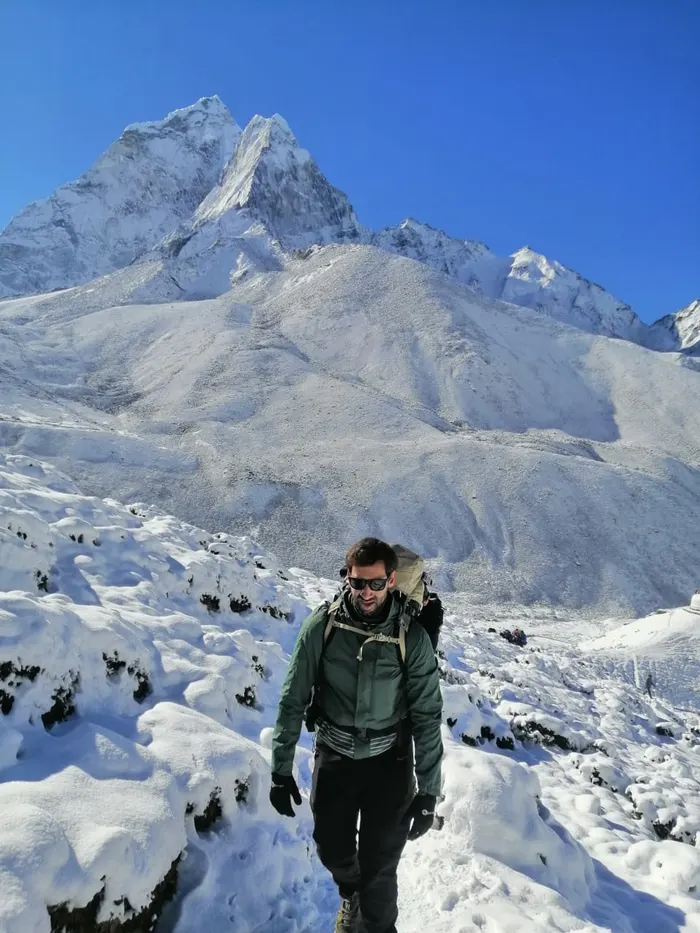
Trekking poles are mandatory for the EBC trek. They reduce knee impact on descents by 25-30 percent, improve balance on uneven terrain, and provide upper body support on steep ascents. The descent from Base Camp to Gorak Shep, and then down to Pangboche, takes a severe toll on knees without poles.
- 1x pair trekking poles (adjustable, collapsible, with carbide tips and rubber ferrules)
- 1x pair pole baskets (small, to prevent poles sinking into soft ground)
Choose aluminium or carbon fibre poles that collapse to under 40 cm for packing. Locking mechanisms should be external levers (flick-lock), not twist-locks, which freeze and jam in cold weather. Two poles are better than one: the dual-pole rhythm reduces fatigue and provides symmetrical support.
Water and Hydration System
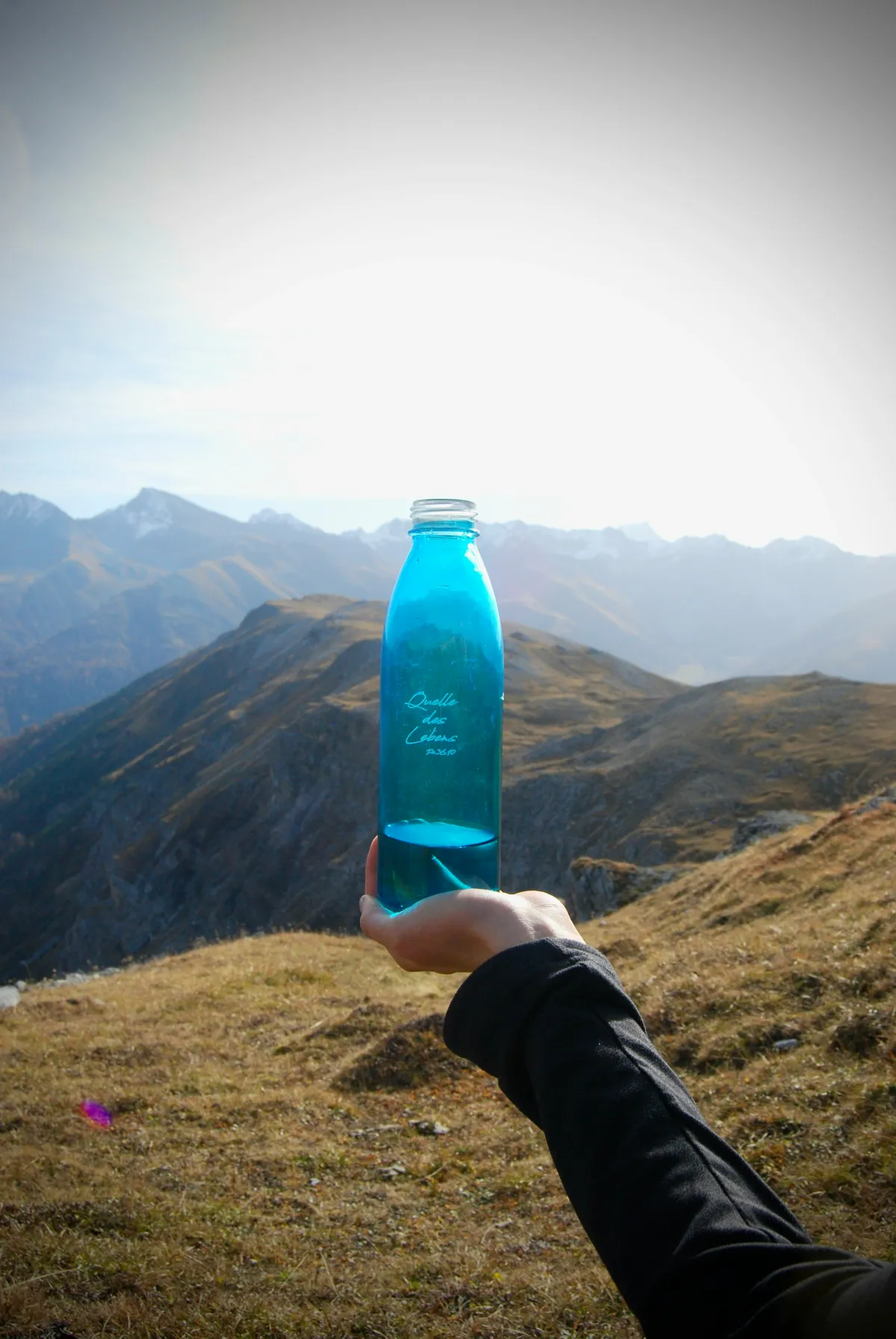
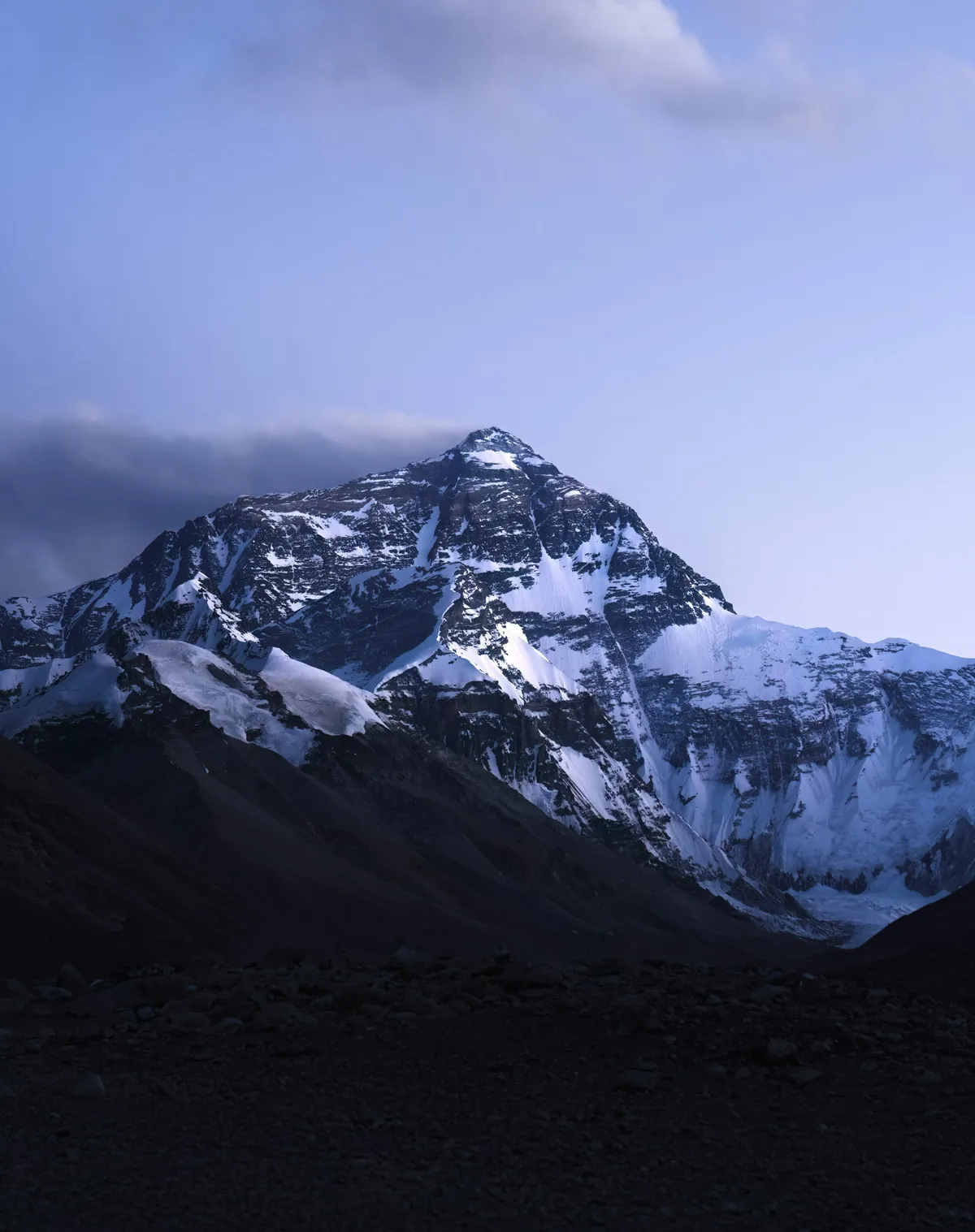 Hydration is critical at altitude. You should drink 3-4 litres of water per day on the EBC trek. Dehydration is a primary contributor to altitude headaches and accelerates fatigue. Your water system must be reliable, easy to use, and safe.
- 2x 1-litre Nalgene or wide-mouth water bottles (BPA-free, leak-proof)
- 1x hydration bladder (2-3 litres, optional, but prone to freezing in winter)
- 1x water purification system: Aquatabs (chlorine dioxide tablets, 100 tablets) OR a LifeStraw or Katadyn filter
- 1x insulated bottle cover (for winter, to prevent freezing)
Boiled water is available at every teahouse for a small fee (100-300 NPR per litre). Many trekkers rely entirely on boiled water and skip purification tablets. However, purification tablets are a cheap insurance policy for the days when you need to fill from a stream between villages. Aquatabs are the most widely used: one tablet per litre, 30-minute wait, and the water is safe to drink.
Documents and Permits
You need three permits for the EBC trek: the Sagarmatha National Park entry permit, the Khumbu Pasang Lhamu Rural Municipality entry card, and your TIMS card. Your guide handles the permit acquisition at the checkpoints, but you must carry the documents yourself.
- Passport (valid for at least 6 months beyond your return date)
- 2-3x passport-size photos (for permits and TIMS card)
- Travel insurance certificate (must cover helicopter evacuation to 6,000 metres)
- Printed copies of trekking permits (carried by your guide)
- Cash (Nepali rupees: 30,000-40,000 NPR for 14 days, for hot showers, Wi-Fi, charging, boiled water, and snacks)
Travel insurance that covers helicopter evacuation is mandatory for the EBC trek. A rescue flight from Lobuche to Kathmandu costs $3,000-5,000. Without insurance, you pay out of pocket. Verify your policy explicitly covers trekking to 5,500+ metres altitude. Our complete Nepal trekking permits guide covers all permit types, costs, and requirements.
Miscellaneous Items That Make Life Better
These items are not strictly necessary, but they make the 14-day trek significantly more comfortable. Pack them if you have space and weight allowance.
- 1x packable daypack for side hikes (folds to fist size, 80g)
- 1x quick-dry travel towel (microfibre, 200g, for occasional hot showers)
- 1x journal and pen (for recording the experience)
- 1x deck of cards or small travel game (for long evenings in teahouses)
- 1x lightweight reading book (swap with other trekkers along the route)
- 1x stuff sack of snacks from Kathmandu (chocolate bars, trail mix, energy gels)
- 1x earplugs and eye mask (teahouse rooms are thin-walled and dawn comes early)
- 1x small sewing kit (for gear repairs on the trail)
- 1x duct tape (wrap 2 metres around a trekking pole: saves weight, solves many problems)
The duct tape trick is a classic among experienced trekkers. Wrapped around a pole section, it adds zero noticeable weight and provides repair material for torn packs, blown boots, cracked water bottles, and dozens of other trail emergencies.
Packing Strategy: How to Divide Your Gear
Successful EBC packing is not just about what you bring, but how you organise it. Here is the recommended distribution:
In Your Daypack (6-8 kg total)
- Water bottles (2 litres minimum)
- Rain jacket and one warm mid layer
- First aid kit and personal medications
- Headlamp with spare batteries
- Snacks for the day
- Camera and phone
- Passport, permits, and insurance documents
- Sunscreen and lip balm
- One pair of dry socks in a ziplock bag
In the Porter Duffel (15 kg maximum)
- Sleeping bag and liner
- All base layers and spare clothing
- Down jacket and puffy trousers
- Boots (if wearing camp shoes during river crossings)
- Toiletries and towel
- Power bank and charging cables
- Extra socks and underwear
- Books, journal, entertainment
Worn on Your Body
- Trekking boots (broken in)
- Trekking trousers and short-sleeve base layer
- Lightweight fleece
- Sun hat and sunglasses
- Trekking poles (in hand)
What NOT to Bring: Common Mistakes
Over-packing is the most common mistake on the EBC trek. Here are items trekkers frequently bring that they should leave at home:
- Cotton clothing: Jeans, cotton t-shirts, and cotton hoodies trap moisture and are useless on the trail.
- Multiple pairs of trousers: One trekking pair and one rest pair is enough. Three is excess.
- Full-size toiletries: Decant into 50ml travel bottles. Full-size shampoo adds 300g for no reason.
- Hair dryer or straightener: Yes, trekkers have packed these. No, there are no reliable power outlets for them.
- Heavy DSLR with 3+ lenses: Unless photography is the primary purpose of your trip, a modern smartphone produces excellent images at 1/10th the weight.
- Multiple guidebooks: One is enough. Better yet, download the PDF to your phone.
- Excessive snacks: You can buy Snickers, Pringles, and cookies at every teahouse. Bring a few from Kathmandu but do not pack 14 days of food.
- A massive first aid kit: Your guide carries the group kit. Bring personal items only, not a field hospital.
Buying vs Renting Gear in Kathmandu
Kathmandu's Thamel district is packed with trekking gear shops. You can buy or rent almost everything on this list in Kathmandu, often at a fraction of Western prices. Here is what works and what does not:
Worth Buying in Kathmandu
- Sleeping bag rental (down, -15C to -20C, $1.50-3 per day)
- Down jacket rental ($1.50-2 per day)
- Trekking poles (buy cheap, $15-25 per pair)
- Water bottles and purification tablets
- Snacks and trail food
- Duffel bag (if yours is too small or too worn)
- Warm hat and gloves (if you forgot them)
Buy at Home Before You Fly
- Trekking boots (break in before the trek, do not rent)
- Base layers (merino wool, personal fit matters)
- Backpack (needs to fit your torso correctly)
- Rain shell (quality matters, do not skimp)
- Power bank (genuine brands only, counterfeits are common in Thamel)
Renting a sleeping bag and down jacket in Kathmandu saves 1.5-2 kg of luggage weight and $200-400 in purchase costs. Most rental shops in Thamel offer clean, well-maintained gear. Inspect the zippers and loft before accepting. For more planning tips, see our EBC trek cost guide which includes gear rental line items.
Final Packing Checklist
Before zipping your duffel shut, run through this quick checklist. Every item here has been on this list because a trekker needed it and did not have it, or brought it unnecessarily.
Critical Items (Do Not Trek Without)
- Broken-in waterproof trekking boots
- Down jacket rated to -15C minimum
- Sleeping bag rated to -15C minimum
- Waterproof shell jacket
- Passport, insurance, and permits
- First aid kit with personal medications
- Headlamp with spare batteries
- Water bottles and purification tablets
- Trekking poles
Important Items (Strongly Recommended)
- Merino wool base layers (2 tops, 1 bottom)
- 4-5 pairs of quality trekking socks
- Warm beanie and sun hat
- Two pairs of gloves (liner + insulated)
- 20,000+ mAh power bank
- SPF 50+ sunscreen and lip balm
- Camp shoes
- Dry bags for electronics and sleeping bag
Nice to Have (If Weight Allows)
- Down trousers for high camps
- Sleeping bag liner
- Camera and tripod
- Travel towel
- Earplugs and eye mask
- Trail snacks from Kathmandu
- Journal and pen
Conclusion: Pack Smart, Trek Confidently
The Everest Base Camp trek is a journey that rewards preparation. Every item on this packing list exists because it solves a real problem on the trail, from blistered feet to frozen water bottles to sunburned faces at 5,000 metres. The key is balance: bring enough to stay warm, dry, and safe, but not so much that your porter struggles or your Lukla flight baggage gets rejected. When in doubt, remember that every teahouse along the route sells basic supplies. You can buy a hat in Namche Bazaar. You cannot buy broken-in boots.
Start your packing process 4-6 weeks before departure. Lay everything out on your floor, weigh it, and ruthlessly remove anything that does not earn its place. Test your layering system on a local hike in cold conditions. Charge your power bank fully and verify it holds charge over 48 hours. Print your insurance certificate and pack it in a waterproof sleeve. When you step off the plane at Lukla, your pack is ready, your boots are broken in, and you can focus on the trail ahead rather than what you forgot to bring.
If the packing list feels like too much gear for your first Himalayan adventure, consider an Everest Base Camp helicopter tour instead. You get the same jaw-dropping views of the Khumbu Glacier and Nuptse face with just a warm jacket and a camera. For a complete trekking planning resource, our guide to choosing the best trekking agency in Nepal covers what to look for in a guiding company, and our cultural and spiritual tours guide helps you extend your Nepal journey beyond the mountains. You can also experience the Himalayas from the air on a mountain flight from Kathmandu, which requires no trekking gear at all. Safe trekking, and we will see you at Base Camp.