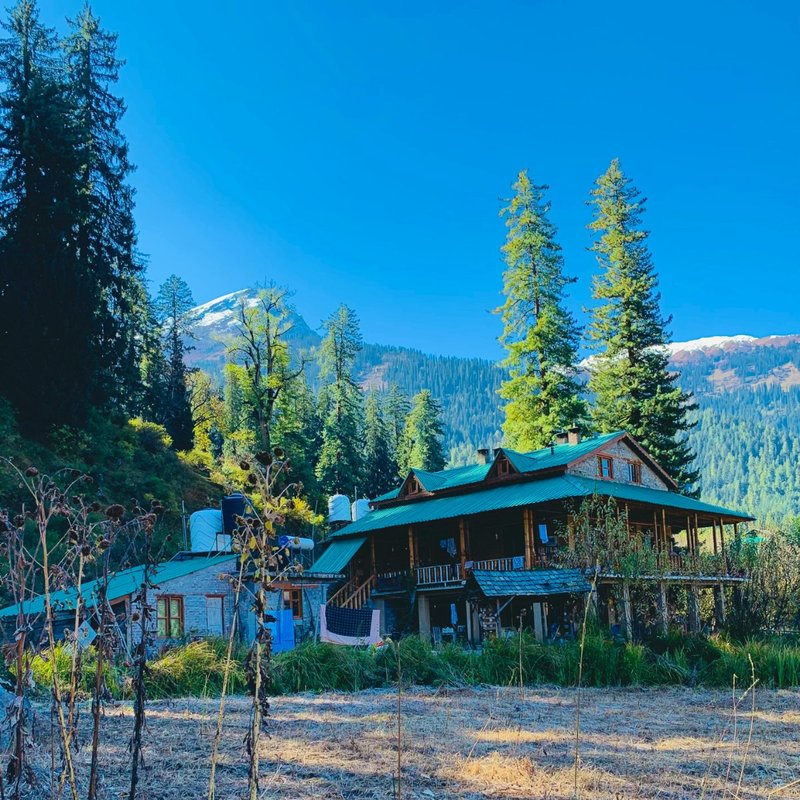
The Everest Base Camp trek is a journey through the world's most spectacular mountain scenery, and each night you will sleep in a teahouse or lodge perched along the trail. These family-run guesthouses are the backbone of trekking infrastructure in the Khumbu region, offering warm meals, a bed, and a window into Sherpa hospitality. But not every teahouse is the same. Some have attached bathrooms and Wi-Fi, while others offer little more than a foam mattress on a wooden plank in a shared dormitory. Knowing where to stay, what to expect, and how to choose the right lodge at each stop can make the difference between a restful acclimatization night and a miserable one.
This guide walks you through every overnight stop on the classic EBC route, from Lukla to Gorak Shep, with specific lodge recommendations, room types, pricing, amenities, food options, and booking strategies. Whether you are trekking independently or with a guide through the best trekking agency in Nepal, this is your go-to accommodation reference for the 2026 spring and autumn seasons.
Understanding Teahouse Culture in the Khumbu
Teahouses are family-operated lodges that line the trekking routes of Nepal. The name comes from the original purpose: a place where trekkers could stop for a cup of tea. Over decades, these humble tea stops evolved into full-service guesthouses offering meals, beds, and increasingly modern amenities. In the Khumbu (Everest) region, the Sherpa families who run these teahouses have refined the experience over generations, and the quality of accommodation is noticeably higher than in other trekking regions of Nepal.
Most teahouses follow a simple economic model: room rates are kept low (often free or a few dollars) on the condition that you eat your meals at the same lodge. The real income comes from the food and drinks you purchase. This is not a scam but a sustainable arrangement that keeps accommodation affordable for trekkers while ensuring the host family earns enough to maintain the property. If you sleep at one teahouse and eat at another, the first lodge may charge a higher room rate or ask you to move. Always plan to eat dinner and breakfast where you sleep.
The teahouse experience is communal by nature. You will share a dining hall with other trekkers in the evening, swap stories around the stove (typically a yak dung or wood burner), and retire to a small private room for the night. Bathrooms are usually shared and consist of a squat toilet, though higher-end lodges now offer western-style toilets and occasionally hot showers for an extra fee. The teahouse vs camping comparison breaks down the broader differences, but in the Khumbu, teahouse trekking is the default and preferred option for nearly all EBC trekkers.
Room Types: What You Actually Get
Teahouse rooms fall into three broad categories. Understanding the differences helps you set expectations and budget accordingly.
Standard Twin-Share Room
The most common room type. A small wooden room with two single beds, each with a foam mattress about 5 to 8 centimetres thick. You will get a pillow and sometimes a blanket, though you should always bring your own sleeping bag rated to at least minus 10 degrees Celsius. Walls are thin plywood or tongue-and-groove planking. You can hear your neighbours, and they can hear you. There is no heating in the rooms. The dining hall is the only heated space, and trekkers typically retire to their rooms only when the stove goes out around 9 PM.
Room with Attached Bathroom
Available at mid-range and higher-end teahouses from Lukla through Namche Bazaar and at select lodges above. These rooms have a private western-style toilet and sometimes a shower. The shower may be solar-heated or gas-heated, and hot water is not guaranteed in the evening or at higher altitudes. Rooms with attached bathrooms cost significantly more than standard rooms, sometimes three to five times the price. At altitudes above 4,000 metres, attached bathrooms become rare because water pipes freeze.
Dormitory Room
Some teahouses, particularly at higher altitudes or in busier seasons when private rooms are full, offer dormitory beds. These are large rooms with four to eight mattresses on the floor or on bunk frames. Dormitories are the cheapest option but offer the least privacy and the most noise. Earplugs and an eye mask are essential if you end up in a dorm. Solo trekkers and budget-conscious groups often take this option at stops like Lobuche and Gorak Shep where lodge capacity is limited.
Nightly Stops on the Classic EBC Route: Lodge-by-Lodge Breakdown
The standard 12 to 14 day EBC trek includes the following overnight stops. Each has its own character, lodge quality range, and considerations. The 14-day EBC itinerary covers the full day-by-day schedule, but here we focus on where you will sleep each night.
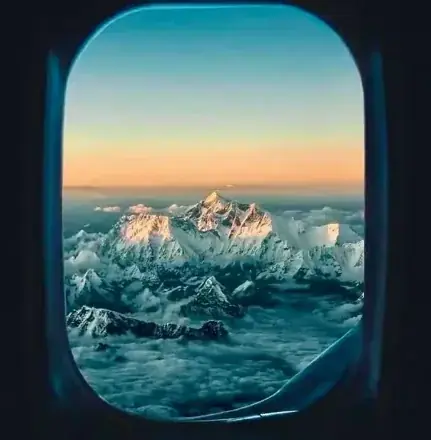
Lukla (2,840 m): The Gateway
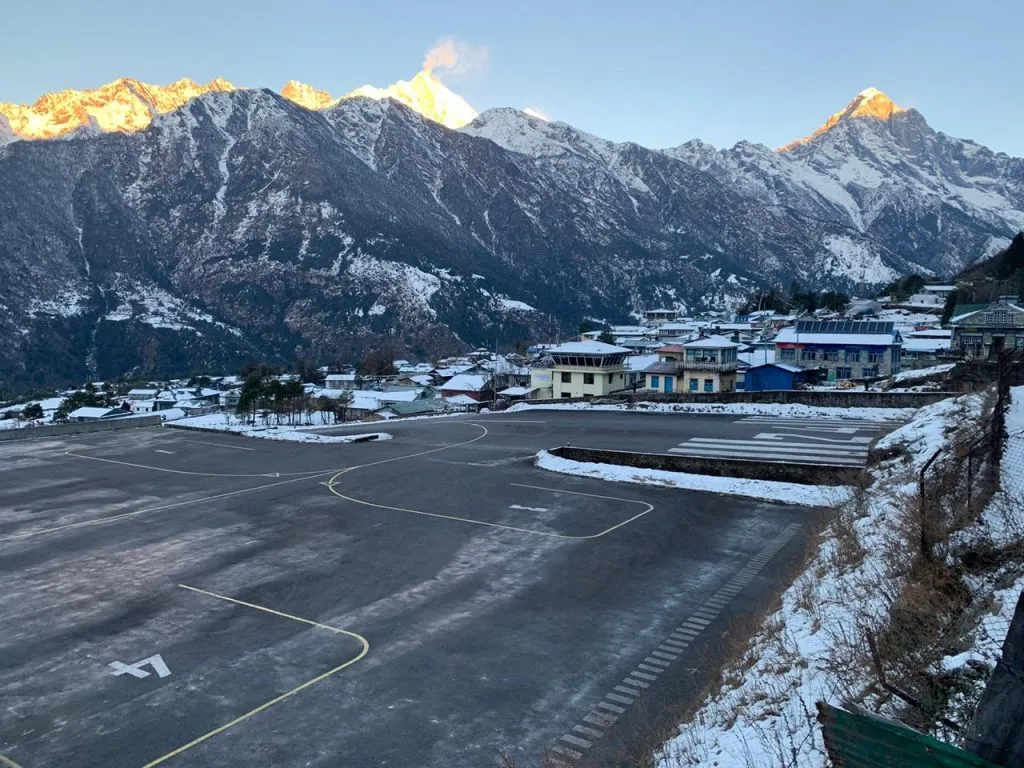
Lukla is where the trek begins after your Lukla flight lands at Tenzing-Hillary Airport. There are dozens of teahouses and lodges ranging from basic to surprisingly comfortable. This is one of the few places on the trail where you can get a proper hotel room with an attached bathroom, hot shower, and reliable Wi-Fi. Many trekkers spend their first night here before heading to Phakding the next morning.
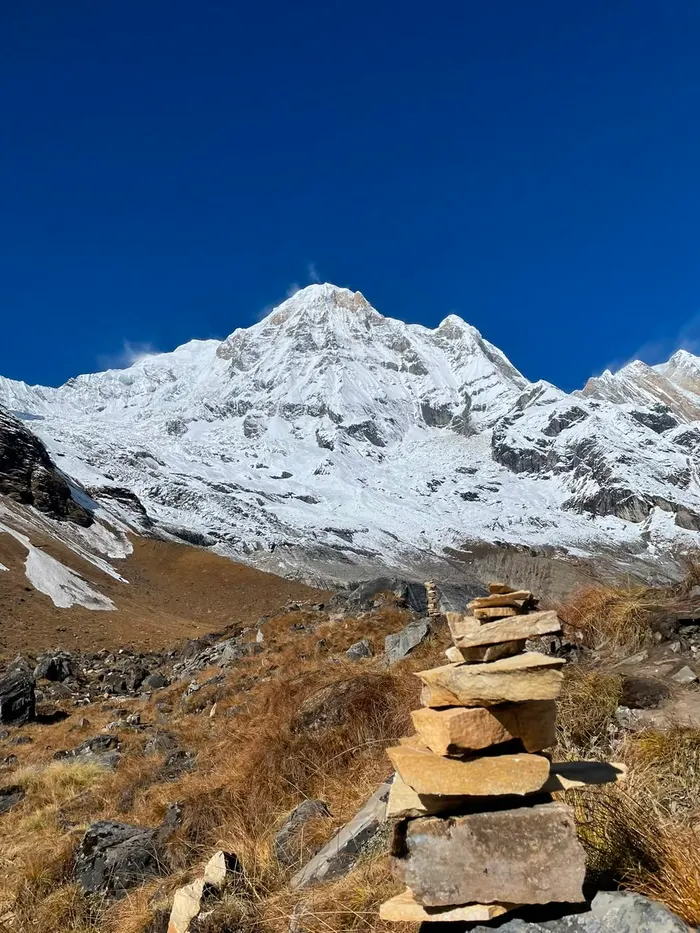
Recommended lodges in Lukla include the Khumbu Resort Lodge, the Sherpa House, and the Sunrise Lodge. Room rates: 500 to 1,500 NPR (roughly $4 to $12) for a standard twin room. Attached bathroom rooms: 1,500 to 3,000 NPR. Wi-Fi is widely available, sometimes free and sometimes via the Everest Link card system. Hot showers are available at most lodges for 300 to 500 NPR extra. Food is extensive: pizzas, pastas, mozzarella sticks, and the full gamut of Nepali dishes.
Phakding (2,610 m): Riverside Relaxation
Phakding is a gentle 3 to 4 hour walk from Lukla along the Dudh Koshi river. The village is small and picturesque, with lodges strung along both sides of the trail. The altitude is actually lower than Lukla, making it an ideal first night for gentle acclimatization. There are about 15 to 20 teahouses here.
Top picks: the Mountain Lodge, the Sherpa Guide Lodge, and the River Lodge. Rooms are clean and comfortable, most with shared bathrooms. A few lodges now offer attached bathroom rooms. Room rates: 300 to 800 NPR. Hot showers available at some lodges for 400 NPR. The dining halls here often have stoves lit by early evening, and the food quality is good, though the menu is simpler than in Lukla. Try the vegetable fried rice or the sherpa stew.
Monjo (2,835 m): Quiet Alternative to Namche
Some itineraries skip Phakding and walk directly to Monjo, or pass through Monjo on the way to Namche. Monjo is the entry point to Sagarmatha National Park, where you will register your permits. It is quieter than Namche and a good place to break up the climb if you prefer shorter days. There are about 10 teahouses.
The Beni Lodge and the Thamserku View Lodge are reliable choices. Rooms are basic but clean. Room rates: 300 to 600 NPR. The Sagarmatha National Park entrance checkpoint is just above the village, so spending the night here lets you get an early start the next morning and beat the queue at the permit office.
Namche Bazaar (3,440 m): The Sherpa Capital
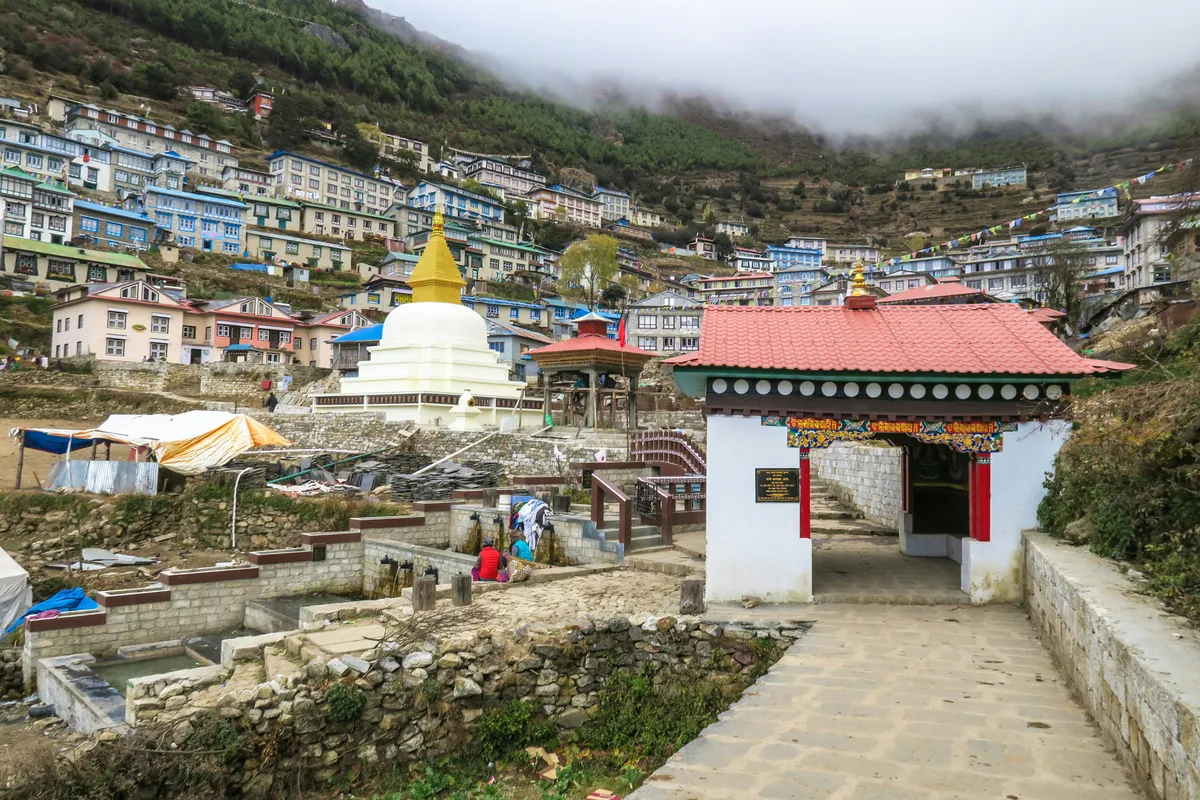
Namche is the largest settlement in the Khumbu and the most important acclimatization stop on the trek. Most itineraries include two nights here. The village is built in an amphitheatre shape on the mountainside, with lodges terraced up from the main square. There are over 50 teahouses and lodges, ranging from budget dormitories to luxury hotels that would not look out of place in a ski resort town.
For budget and mid-range: the Khumbu Lodge, the Hotel Namche, and the Trekker's Lodge offer clean twin-share rooms at 500 to 1,000 NPR. For comfort: the Hotel Everest View (perched above Namche with a panoramic mountain view), the Namche Hotel, and the Hotel Sherpa Land offer attached bathrooms, hot showers, and even electric blankets. Rates for comfort lodges: 2,000 to 5,000 NPR. Wi-Fi is strong here, and many cafes offer satellite internet for a fee. Namche is also where you will find bakeries, gear shops, a pharmacy, and even an Irish pub. The Saturday market is a weekly highlight where traders from lower regions come to sell produce and goods.
Acclimatization is the primary reason for two nights in Namche. Use the extra day to hike to the Everest View Hotel for a cup of tea and a view of Everest, or walk up to the Syangboche airstrip. These short hikes at higher altitude followed by descent back to Namche follow the proven acclimatization principle of climb high, sleep low. The altitude sickness prevention guide explains the physiology in detail.
Tengboche (3,860 m): Monastery Views
Tengboche is famous for its monastery, the largest in the Khumbu, and for the jaw-dropping view of Ama Dablam that dominates the skyline. There are only a handful of lodges here, and capacity is limited. The most popular is the Tengboche Lodge, run by the family of the monastery's head lama. Rooms are basic and cost 300 to 500 NPR. The dining hall has a stove and a panoramic window facing the mountains. There is no attached bathroom option and no hot shower. The simplicity of the accommodation is more than compensated by the spiritual atmosphere and the mountain views.
If Tengboche lodges are full, the nearby settlement of Deboche (3,820 m, about 20 minutes downhill) has a couple of lodges that are equally charming and slightly warmer due to the lower altitude and sheltered position. The Debuche Lodge and the Ama Dablam Garden Lodge are good alternatives.
Dingboche (4,410 m): The Wheat Field Village
Dingboche is the last permanent settlement before the upper Khumbu, and most trekkers spend two nights here for acclimatization. The village is sheltered by stone walls that protect the barley and potato fields from wind. There are about 15 teahouses, and the quality is generally good. Popular lodges include the Hotel Bright Star, the Good Luck Lodge, and the Hotel Peaceful Lodge.
Room rates: 300 to 800 NPR. A few lodges offer attached bathroom rooms with solar-heated showers, but these are not reliable above 4,000 metres. Wi-Fi is available via Everest Link cards. The dining halls are warm, and the food is hearty. Dingboche is where the menu starts to narrow: fresh vegetables become scarce, and prices rise as everything must be portered or flown in. Expect to pay 500 to 700 NPR for a plate of fried rice and 600 to 900 NPR for a pizza.
Use your acclimatization day in Dingboche to hike up to Nangkartshang Peak (5,083 m) for stunning views of Makalu, the fifth highest mountain in the world. This is also an excellent test of how your body is responding to altitude before pushing higher. The EBC difficulty assessment explains why this acclimatization hike matters.
Pheriche (4,240 m): Alternative Acclimatization Stop
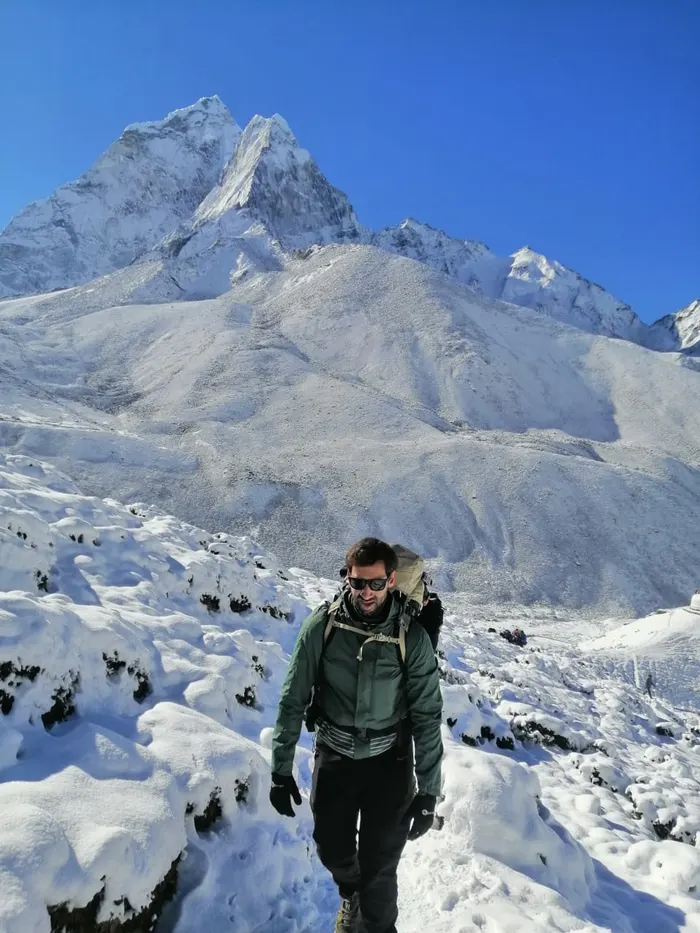
Some itineraries route through Pheriche instead of Dingboche. Pheriche sits in a wide valley and is home to the Himalayan Rescue Association clinic, which offers daily altitude sickness talks during the spring and autumn seasons. Attending the talk is highly recommended for all trekkers. There are about 10 lodges here, including the Himalayan Lodge and the Pheriche Guest House. Rooms are similar to Dingboche: basic twin-share, shared squat toilet, no shower. The advantage of Pheriche is the HRA clinic and the flat walking approach, which some find easier than the hillier route to Dingboche.
Thukla (4,620 m): The Pass Stop
Thukla (also called Dughla) is a small cluster of lodges at the base of the moraine that leads to the Thukla Pass and the Everest memorials. It is a short walking day from either Dingboche or Pheriche, and some groups choose to spend the night here to shorten the next day's climb to Lobuche. There are only 3 to 4 lodges, all basic. Rooms: 300 to 500 NPR. No attached bathrooms, no showers, limited food menu. The stoves are lit in the evening, and the atmosphere is convivial as trekkers share stories about the climb ahead.
The Everest memorials are just above Thukla, on the pass. This is a moving stop: stone cairns and chortens dedicated to climbers who died on Everest, including Scott Fischer and Babu Chiri Sherpa. The view of the glacier and surrounding peaks from the memorial site is one of the most dramatic on the trek.
Lobuche (4,940 m): The High Camp
Lobuche is the last proper settlement before Base Camp. It sits on the lateral moraine of the Khumbu Glacier, and the air is thin. There are about 5 to 7 lodges, all fairly basic. The most popular are the Himalayan Hotel, the Mother Earth Lodge, and the Eco Lodge. Rooms are small, cold, and shared. Room rates: 500 to 1,000 NPR. No attached bathrooms, no showers. The toilet is typically an outhouse over the glacier edge, a memorable if chilly experience at night.
Food at this altitude is simple and expensive. Dal bhat is the most reliable option, costing 600 to 800 NPR. Bottled water is costly (200 to 400 NPR per litre), so most trekkers use a water purifier or purification tablets. The dining hall is small and fills up quickly in the evening. Arrive early to secure a spot near the stove. Sleeping at nearly 5,000 metres is challenging for many trekkers. You may wake up several times during the night, and your breathing may feel irregular. This is normal at this altitude, but if you experience severe headache, nausea, or confusion, descend immediately. The altitude sickness guide covers symptoms and response in detail.

Gorak Shep (5,170 m): The Last Night Before Base Camp
Gorak Shep is the final stop before Everest Base Camp and Kala Patthar. It is a tiny settlement of just 3 to 4 lodges on a sandy plain beneath the massif of Pumori. The lodges are the most basic on the entire route: small rooms, shared squat toilets, no running water, no showers, and a limited food menu. The two main lodges are the Hotel Himalaya and the Snow Land Lodge. Room rates: 500 to 1,000 NPR.
Despite the simplicity, spending a night at 5,170 metres is a remarkable experience. The dining hall stove is lit in the evening, and trekkers huddle together in a spirit of camaraderie. The stars at this altitude are extraordinary on a clear night, with zero light pollution. Most trekkers go to bed early because the next morning starts before dawn for the climb to Kala Patthar (5,545 m), which offers the best sunrise view of Everest and the Khumbu Glacier.
At this altitude, Wi-Fi is extremely slow or non-existent. Batteries drain faster in the cold, so keep your devices and power bank inside your sleeping bag at night. The lodges have solar charging stations, but they charge 200 to 500 NPR per device. The EBC weather guide explains what temperatures to expect at different months.
How Much Does Teahouse Accommodation Cost?
The total cost of accommodation on the EBC trek depends on whether you book a package trek or trek independently. For independent trekkers, room rates alone are low, but the real cost is in meals and incidentals. The EBC cost breakdown provides a full budget analysis, but here is a summary of teahouse-specific costs:
- Room rate (standard twin-share): 300 to 1,500 NPR per night ($2.50 to $12)
- Room with attached bathroom (Lukla to Namche only): 1,500 to 5,000 NPR ($12 to $40)
- Hot shower: 300 to 500 NPR per use ($2.50 to $4)
- Wi-Fi (Everest Link card): 1,200 NPR for 20 GB ($9)
- Charging devices: 100 to 500 NPR per charge ($0.80 to $4)
- Dinner at your teahouse: 500 to 1,200 NPR ($4 to $9)
- Breakfast at your teahouse: 400 to 800 NPR ($3 to $6)
- Bottled water: 100 to 400 NPR per litre ($0.80 to $3)
For a 12-day trek, independent teahouse accommodation plus meals and incidentals typically totals $350 to $600 per person. Guided packages that include teahouse accommodation, meals, guide, porter, and permits typically cost $1,200 to $2,000 per person, depending on the level of service and the quality of lodges selected. The solo vs guided comparison helps you decide which approach suits you best.
Booking vs Walk-In: How Teahouse Allocation Works
In the spring (March to May) and autumn (September to November) peak seasons, the trail is busy and the best lodges fill up by early afternoon. If you are trekking independently, you have two options: book ahead or walk in.
Booking Ahead
If you are trekking with a guide, the guide typically calls ahead to the next teahouse during your lunch stop or the previous evening. Guides have relationships with specific lodge owners, and this network ensures you get a room. If you are trekking independently, you can ask your current teahouse owner to call ahead for you. Most lodge owners are happy to do this and have phone numbers for lodges at the next stop. There is no online booking platform for Khumbu teahouses, so this phone-based system is the only way to reserve ahead.
Walk-In
If you arrive at a village without a reservation, start at the first lodge and ask if they have a room. If they are full, move to the next one. In peak season, you may need to check 3 or 4 lodges before finding a vacancy, particularly in Namche, Dingboche, and Lobuche. Arrive by 2 PM to maximize your chances. If you arrive after 4 PM in peak season and everything is full, lodge owners will usually find you a space in a dormitory or even set up a mattress in the dining hall. You will not sleep outside, but you may not get your preferred room type.
Food at Teahouses: What to Expect on the Menu
The teahouse menu is remarkably consistent across the Khumbu, thanks to decades of trekking traffic. The menu thickens and diversifies at lower altitudes (Lukla to Namche) and narrows as you climb higher. Here is what you can expect at each stage:
Lukla to Namche (Below 3,500 m)
Full menus with pizzas, pastas, mozzarella sticks, spring rolls, yak burgers, apple pie, and a wide range of Nepali dishes. Fresh vegetables are available. Bakeries in Namche serve cinnamon rolls, apple crumble, and cappuccinos. This is the most varied food on the trek.
Namche to Dingboche (3,500 to 4,400 m)
Menus still offer pizzas and pastas, but the variety narrows. Fresh vegetables become limited to potatoes, cabbage, and seasonal greens. Dal bhat (rice and lentil soup) is the most popular and reliable option, and most teahouses offer unlimited refills on dal bhat. Tibetan bread, momos (dumplings), and thukpa (noodle soup) are also widely available.
Lobuche to Gorak Shep (Above 4,900 m)
Menus are minimal: dal bhat, fried rice, chapati with jam, instant noodles, and soup. Eggs are available but limited. The food is more expensive at this altitude because every ingredient must be portered up from lower villages or flown to Lukla. Dal bhat remains the best value and the most satisfying meal after a long day of trekking.
Drinking Water and Hydration
Staying hydrated is critical at altitude. The general recommendation is 3 to 4 litres of water per day. Bottled water is available at every teahouse but becomes increasingly expensive and environmentally problematic at higher altitudes (plastic waste is a major concern in the Khumbu). The recommended approach is to use a water purifier (such as a SteriPen UV purifier or a filter bottle like LifeStraw) or purification tablets (chlorine dioxide or iodine). Boiled water from the teahouse is also available for 100 to 300 NPR per litre and is safe to drink.
Do not drink tap or stream water without treatment, even if it looks clean. The risk of bacterial contamination is real, and getting sick on the trek is a serious inconvenience at best and a dangerous situation at worst. The beginner trekking guide covers hydration and other essentials for first-time trekkers in Nepal.
Charging, Wi-Fi, and Electricity
Electricity in the Khumbu is primarily hydroelectric and solar. Below Namche, power is generally reliable. Above Namche, it becomes intermittent, and above Dingboche, it is primarily solar and available only during daylight hours. Here is what to expect:
Charging Devices
Most teahouses offer charging in the dining hall for a fee. Below Namche, this is 100 to 200 NPR per charge. Above Namche, it rises to 300 to 500 NPR. Solar charging stations are common at higher altitudes. Bring a high-capacity power bank (20,000 mAh minimum) and charge it whenever you have access to power. Keep your power bank inside your sleeping bag at night in cold rooms to prevent rapid discharge.
Wi-Fi
Two Wi-Fi systems operate in the Khumbu. Everest Link is a paid card-based system available at most lodges above Lukla. Cards cost approximately 1,200 NPR for 20 GB or 2,500 NPR for 50 GB and are valid for 30 days. Speed is adequate for messaging and email but not for video calls or streaming. The second system is lodge-owned Wi-Fi, which is sometimes free for guests and sometimes charged at 200 to 500 NPR per session. Above 4,500 m, connectivity is unreliable and may not work at all.
Electric Blankets and Heating
A few higher-end lodges in Lukla and Namche offer electric blankets for an extra fee (500 to 1,000 NPR). Above Namche, electric blankets are rare. The dining hall stove (heated with yak dung or wood) is the primary heat source and is typically lit from 5 PM to 9 PM. Rooms are unheated, and nighttime temperatures routinely drop below freezing from Dingboche upward. A good sleeping bag is non-negotiable.
What to Pack for Teahouse Nights
Packing smart makes teahouse nights comfortable. Here are the essentials beyond your standard trekking gear:
- Sleeping bag rated to minus 15 degrees Celsius (down is best for weight-to-warmth ratio)
- Inner sleeping bag liner (silk or fleece) for extra warmth and hygiene
- Earplugs and eye mask (walls are thin and dorms are noisy)
- Headlamp with spare batteries (for nighttime bathroom trips; lodges have no corridor lighting)
- Toilet paper (teahouses do not always provide it; bring your own and dispose of it properly)
- Wet wipes and hand sanitizer (showers are rare above Namche)
- Power bank (20,000 mAh minimum, kept warm in sleeping bag at night)
- Slip-on camp shoes or sandals (for walking to the bathroom at night)
- Thermal base layers for sleeping (long johns and long-sleeve top)
- Down jacket for dining hall use (stoves go out by 9 PM and the dining hall gets cold fast)
The trek choosing guide has a broader packing list, and the permits guide covers the paperwork you need for the Khumbu region.
Choosing the Right Teahouse: Practical Tips
Here are the factors to consider when selecting a teahouse each evening:
Location Within the Village
If you arrive early, pick a lodge near the centre of the village for easy access to bakeries, shops, and other services. If you arrive late, take what is available. In Namche, higher-up lodges have better views but require a steep climb at the end of the day. Lower lodges are closer to the main square but may be noisier.
Stove and Dining Hall
The quality of the dining hall stove is the single most important factor for comfort. Ask the lodge owner if the stove will be lit in the evening. Some budget lodges charge extra for stove fuel and may not light it if there are too few guests. Mid-range and higher lodges always light the stove in peak season.
Room Condition
Check the room before committing. Look for a clean mattress, a functioning door latch, a window that closes properly, and a relatively draft-free position. Corner rooms with two exterior walls are colder than rooms sandwiched between other rooms. Ask to see a second room if the first one is unsatisfactory.
Cleanliness of Toilet
The state of the shared toilet is a good indicator of overall lodge hygiene. If the toilet is clean and has toilet paper, the lodge is well managed. If it is overflowing or smells terrible, look elsewhere. This matters more than you might think when you are making three or four trips to the toilet overnight at altitude.
Food Quality
Since you are required to eat where you sleep, food quality matters. Ask other trekkers in the village about which lodge has the best food. Guides are also excellent sources of this information. The Everest region guide includes recommendations from experienced guides.
Seasonal Differences in Teahouse Availability
The EBC trek has two peak seasons and two off-seasons, and the teahouse experience varies dramatically between them.
Spring (March to May)
The busiest season on the EBC trail. Lodges fill up by early afternoon, and you should plan to arrive by 2 PM. The weather is warming, rhododendrons bloom at lower altitudes, and the climbing season brings expedition teams to Base Camp. Book ahead if possible, especially for Namche and Gorak Shep.
Autumn (September to November)
Equally busy, with the clearest skies of the year. October is the single busiest month. The same booking advice applies: arrive early or book ahead. The weather is cooling, and by November, nighttime temperatures at Gorak Shep can drop to minus 20 degrees Celsius. The best time for EBC guide breaks down each month.
Winter (December to February)
The trail empties out. Many teahouses above Dingboche close for the winter because the owners migrate to lower altitudes. Only a few lodges remain open at Lobuche and Gorak Shep, and you may find yourself the only guest. This is an adventure for experienced trekkers only, as temperatures are extreme and the risk of altitude sickness is higher because cold stresses the body. Book ahead by phone to confirm lodges are open.
Monsoon (June to August)
The trail is wet, cloudy, and leech-infested below Namche. Above Namche, the rain is less frequent but clouds obscure mountain views. Most teahouses remain open, and you will have no problem finding a room. Prices may be slightly negotiable. The advantage is solitude and lush green landscapes. The disadvantage is limited visibility and slippery trails. The Annapurna vs Everest comparison covers seasonal trade-offs between the two regions.
Etiquette and Responsible Teahouse Stay
Staying in a Sherpa home is a privilege, and following basic etiquette ensures a good experience for you and for the trekkers who come after you:
- Always remove your shoes before entering the dining hall. Most teahouses provide slippers for indoor use.
- Do not waste food. Order what you can finish. At altitude, appetite decreases, so order smaller portions.
- Respect quiet hours. Most trekkers go to bed by 9 PM. Keep your voice down in the dining hall after dinner.
- Ask before taking photos of the lodge owner or their family. Some are happy to oblige, others are not.
- Do not use the lodge's towels or bedding without asking. Bring your own sleeping bag and liner.
- Tip appropriately at the end of your trek if the service was good. 10 to 15 percent of the total bill is customary.
- Dispose of toilet paper in the provided bin, not in the toilet. Squat toilets cannot handle paper.
- Conserve electricity. Turn off lights when you leave the dining hall, and do not charge devices unnecessarily.
The cultural dimension of the EBC trek is as important as the physical one. The cultural and spiritual tours guide provides deeper context on Sherpa culture, Buddhist traditions, and how to engage respectfully with the communities you pass through.
Common Mistakes to Avoid with Teahouse Accommodation
Not Bringing a Sleeping Bag
Some trekkers assume the blankets provided by the teahouse will be sufficient. They will not. Above Namche, room temperatures drop well below freezing, and the thin blankets on the bed are inadequate. A proper sleeping bag rated to minus 15 degrees Celsius is essential. Renting one in Kathmandu is possible but inspect it for cleanliness and zipper function before taking it.
Refusing to Eat at Your Lodge
If you sleep at a teahouse and then walk to another lodge for dinner, the first lodge may charge you double the room rate or ask you to leave. The teahouse economy depends on meal income. Always eat where you sleep. If the food at your lodge is genuinely bad (rare in the Khumbu), explain politely to the owner and pay a higher room rate instead.
Arriving Late in Peak Season
If you arrive at a village after 4 PM in October or April, the best lodges will be full. You may end up in a dormitory or a substandard room. Plan your walking days to arrive by 2 PM, especially at Namche, Dingboche, Lobuche, and Gorak Shep. The cost guide explains how rushing to save a day costs more in comfort.
Expecting Hot Showers Above 4,000 m
Hot showers at altitude are a luxury, not a guarantee. Solar heating works only on sunny days, and gas heating is expensive. Most trekkers go 4 to 6 days without a shower, using wet wipes instead. Embrace it. A bucket of warm water can sometimes be arranged for 500 to 800 NPR at Namche or Dingboche, but do not count on it higher up.
Teahouse Trekking with a Guide vs Solo
The quality of your teahouse experience is significantly better with a guide. Guides handle lodge bookings, ensure you get the best available room, negotiate any issues with the lodge owner, and translate the menu if needed. They also know which lodges have the cleanest toilets, the warmest stoves, and the best food at each stop. For solo trekkers, managing lodge logistics adds a layer of stress that is eliminated when a guide handles it. The trade-offs of solo vs guided trekking are covered in detail in the solo vs guided EBC guide.
If you choose to trek solo, arrive early at each stop, bring a phrasebook or translation app, and be prepared to walk between lodges to find a room. Solo trekkers often end up in the less desirable rooms at each lodge because the better rooms are pre-booked by guided groups who arrived earlier through their guide's phone network.
Related Guides
Teahouse accommodation on the Everest Base Camp trek is far more than just a place to sleep. It is an integral part of the trekking experience, offering a window into Sherpa hospitality, a warm meal after a hard day on the trail, and a community of fellow trekkers from around the world. By understanding what to expect at each stop, packing the right gear, and following basic etiquette, you will turn each overnight into a memorable part of your journey rather than just a logistical necessity. The trail to Everest is challenging, but the teahouses that line it make the challenge not just bearable but genuinely enjoyable.