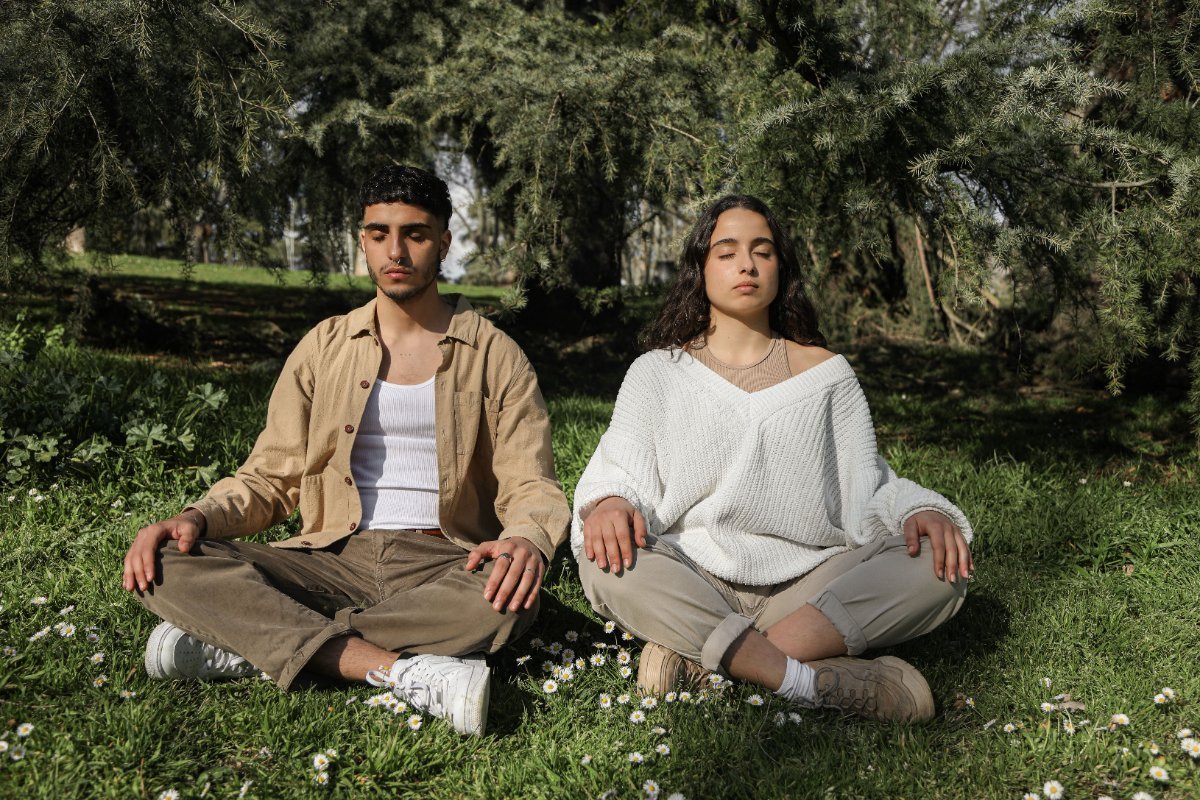
Nepal has long been a magnet for individual seekers drawn to its monasteries, ashrams, and Himalayan silence. But increasingly, couples are discovering that meditating together in this sacred landscape creates a bond that dinner dates and beach holidays simply cannot match. A couples meditation retreat in Nepal offers something rare: the chance to step away from daily routines, breathe the same mountain air, and explore inner stillness as a pair. Whether you are celebrating a honeymoon, marking an anniversary, or simply feeling the pull to grow together, Nepal provides the ideal container for shared spiritual transformation.
The country's unique blend of Buddhist and Hindu traditions, its landscape of temples and snow-capped peaks, and its affordable retreat infrastructure make it one of the world's most compelling destinations for partners who want to meditate side by side. From short three-day immersions in Kathmandu to extended yoga-and-meditation combos in Pokhara, the options are diverse enough to suit any schedule and budget. This guide walks you through everything you need to know to plan a couples meditation retreat in Nepal that you will both remember for a lifetime.
Why Choose Nepal for a couples meditation retreat?
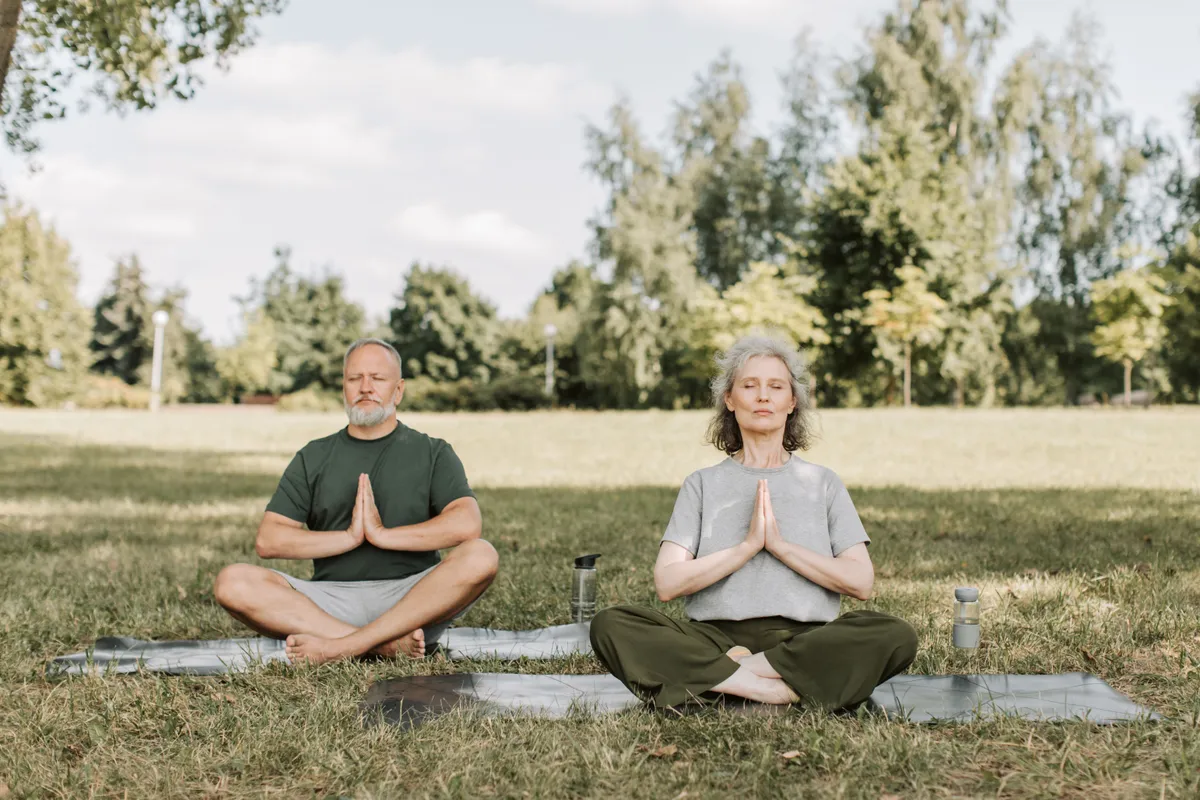
Nepal sits at the crossroads of two of the world's most contemplative traditions: Tibetan Buddhism and Hindu devotional practice. The Kathmandu Valley alone contains seven UNESCO World Heritage Sites within a 30-kilometer radius, many of them active centers of meditation and prayer. When you and your partner sit in meditation at Boudhanath Stupa at dawn, or walk together through the sacred gardens of Lumbini, you are tapping into centuries of accumulated spiritual energy that no purpose-built retreat center in the West can replicate.
Beyond the spiritual heritage, Nepal offers practical advantages. Retreat costs are a fraction of what you would pay in Europe or North America. A three-day yoga and sound healing retreat in Kathmandu starts at around $288 per person, while a six-day stress management program runs about $633. The lower cost means you can stay longer, go deeper, and combine multiple experiences without breaking the bank. For couples wondering how to choose a meditation retreat in Nepal, the range of options from budget to luxury is one of the strongest draws.


There is also something about the Himalayan landscape itself that deepens meditation. The mountains demand presence. The altitude sharpens awareness. The simplicity of life outside the city strips away the mental clutter that accumulates back home. When two people experience that stripping-away together, the result is often a profound sense of shared clarity. Many couples report that a retreat in Nepal helped them communicate more openly, listen more patiently, and return home with a renewed sense of partnership.
What Can Couples Expect from a Shared Meditation Retreat?
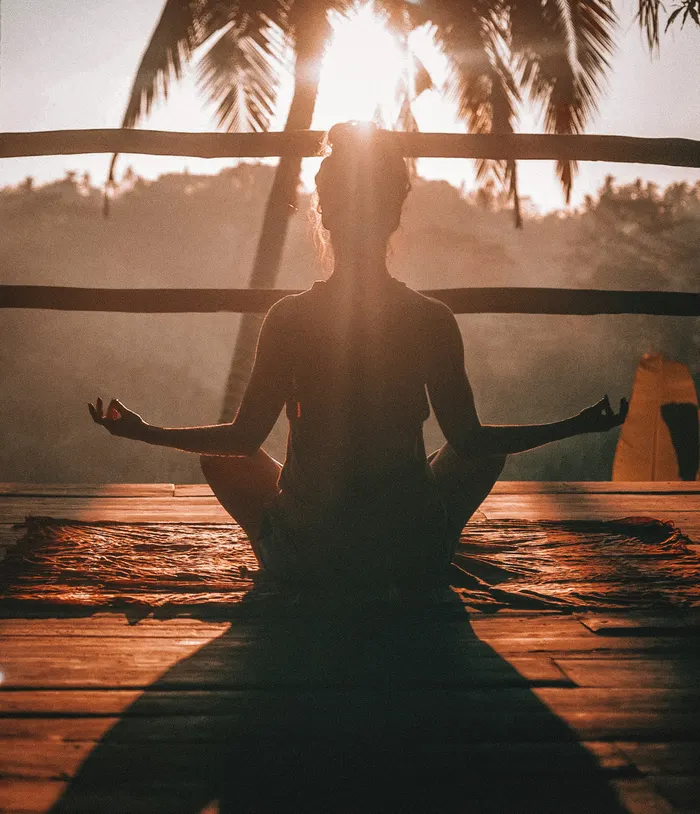
A couples meditation retreat is not couples therapy, though it can have therapeutic effects. Instead, it is structured time for both partners to practice meditation, yoga, and mindfulness in a supportive environment, with the added dimension of doing it together. Most retreats in Nepal include a combination of guided sitting meditation, gentle yoga, breathing exercises (pranayama), sound healing sessions, and periods of noble silence. Some also incorporate chanting, nature walks, and teachings from experienced instructors.
The daily schedule typically begins early, around 5:30 or 6:00 AM, with a morning meditation session. This is followed by yoga, breakfast, a mid-morning session, free time in the afternoon, an evening session, and an early bedtime. The structure is designed to regulate the nervous system and create a rhythm of stillness that both partners settle into together. If you are new to meditation, you might find the schedule intense at first, but most people adapt within two to three days. For a deeper understanding of what beginners should expect, our meditation for beginners in Nepal guide covers the basics in detail.

One of the most powerful aspects of a couples retreat is the shared silence. In everyday life, couples often fill every moment with words, sometimes out of habit, sometimes to avoid difficult feelings. A retreat that includes periods of noble silence creates space for each person to turn inward, process emotions, and return to the relationship with fresh eyes. Breaking silence together after a day or two of quiet can be a surprisingly intimate experience. Couples who have done silent meditation retreats in Nepal often describe this moment as one of the most connected they have ever felt.
Top Destinations for Couples Meditation in Nepal
Kathmandu Valley: Accessible and Rich in Tradition
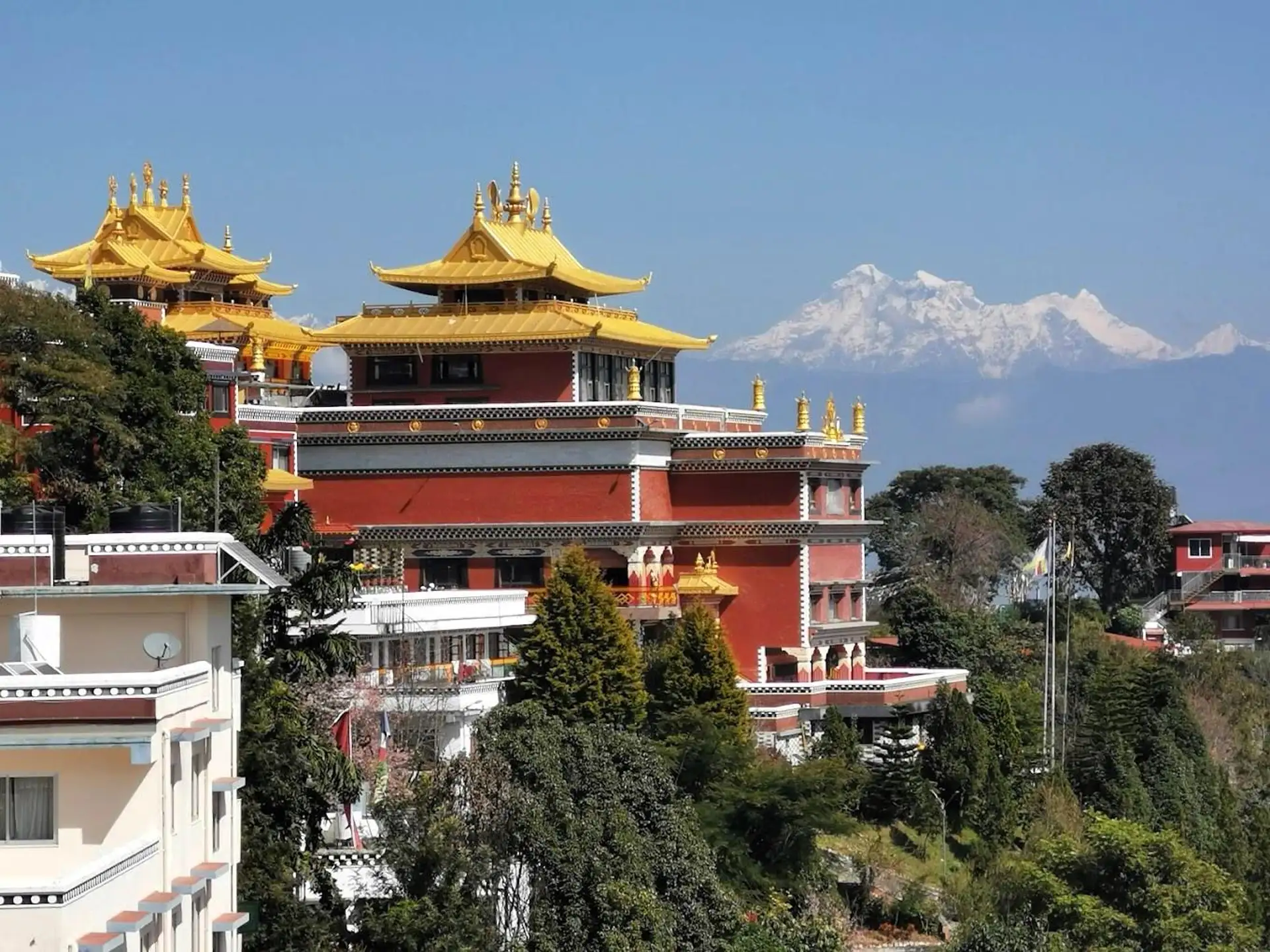
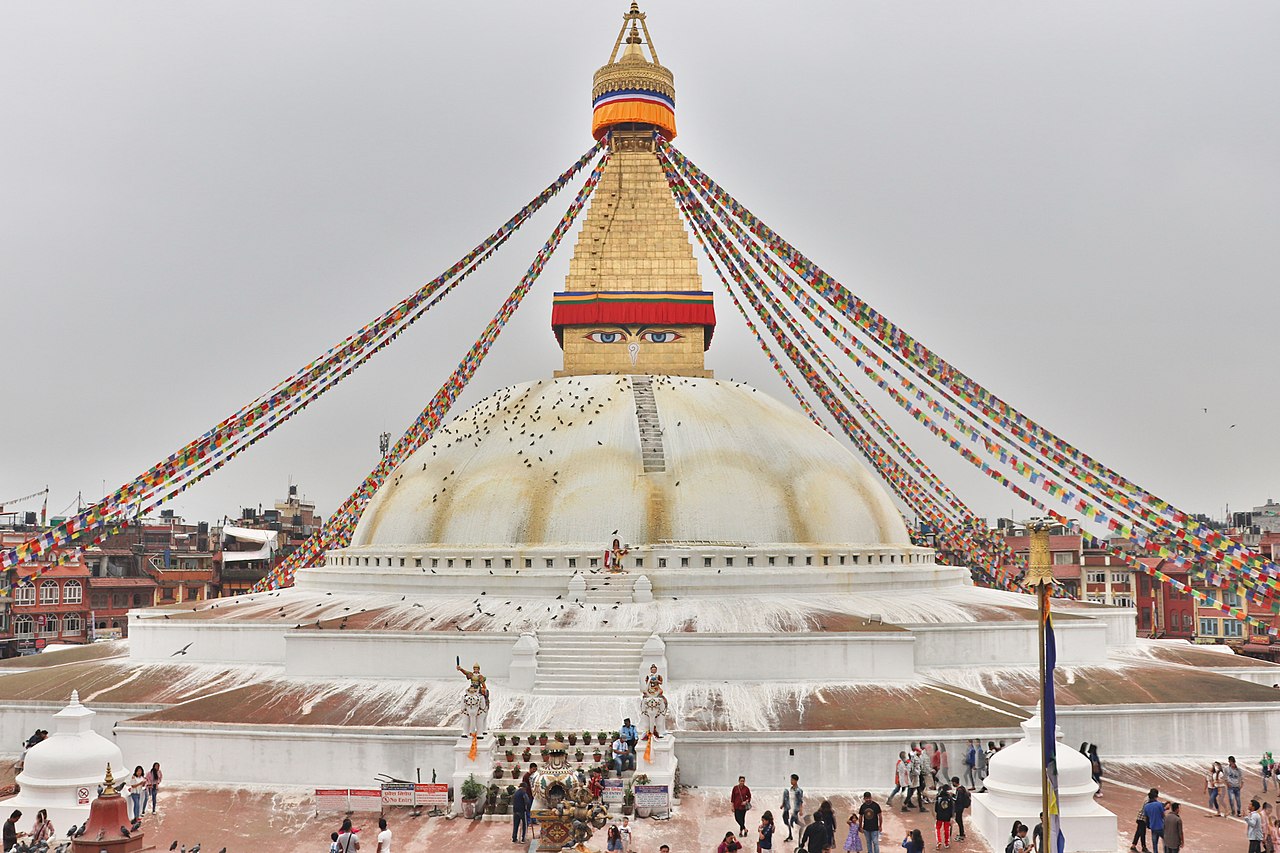
The Kathmandu Valley is the most accessible destination for couples, with direct international flights and a concentration of retreat centers, monasteries, and temples. Boudhanath, with its massive white stupa and surrounding Tibetan monasteries, is the heart of Buddhist practice in the valley. Swayambhunath, perched on a hilltop overlooking the city, offers sunrise meditation with panoramic views. Pashupatinath, the great Hindu temple complex along the Bagmati River, provides a powerful setting for contemplation on impermanence.
For couples, the advantage of Kathmandu is variety. You can attend a structured retreat at a dedicated center and still visit sacred sites during free time. The Kathmandu spiritual circuit covers the three most important sites in a single day, which is ideal for couples who want to combine retreat time with sightseeing. Many retreat centers in the valley also offer sound healing sessions, which can be a deeply relaxing shared experience. Our guide to sound healing meditation in Nepal explains what to expect from a singing bowl session.

Pokhara: Lakeside Serenity and Mountain Views
If Kathmandu is the spiritual heart, Pokhara is the soul of relaxation. Set beside Phewa Lake with the Annapurna range rising behind, Pokhara is where couples go when they want meditation with a view. The pace is slower, the air is cleaner, and the atmosphere is less chaotic than the capital. Several yoga and wellness retreats operate along the lakeside, offering programs that combine meditation, yoga, and nature activities like boating and gentle hiking.
The natural beauty of Pokhara makes it particularly suited to couples who want to blend meditation with romantic downtime. Imagine meditating at sunrise on a lakeside deck, spending the afternoon paddling together on Phewa Lake, and returning for an evening sound bath as the sun sets behind the mountains. The combination of yoga and meditation retreats in Pokhara is well-established, with options ranging from four-day wellness escapes to nine-day luxury immersions.


Lumbini: The Birthplace of Buddha
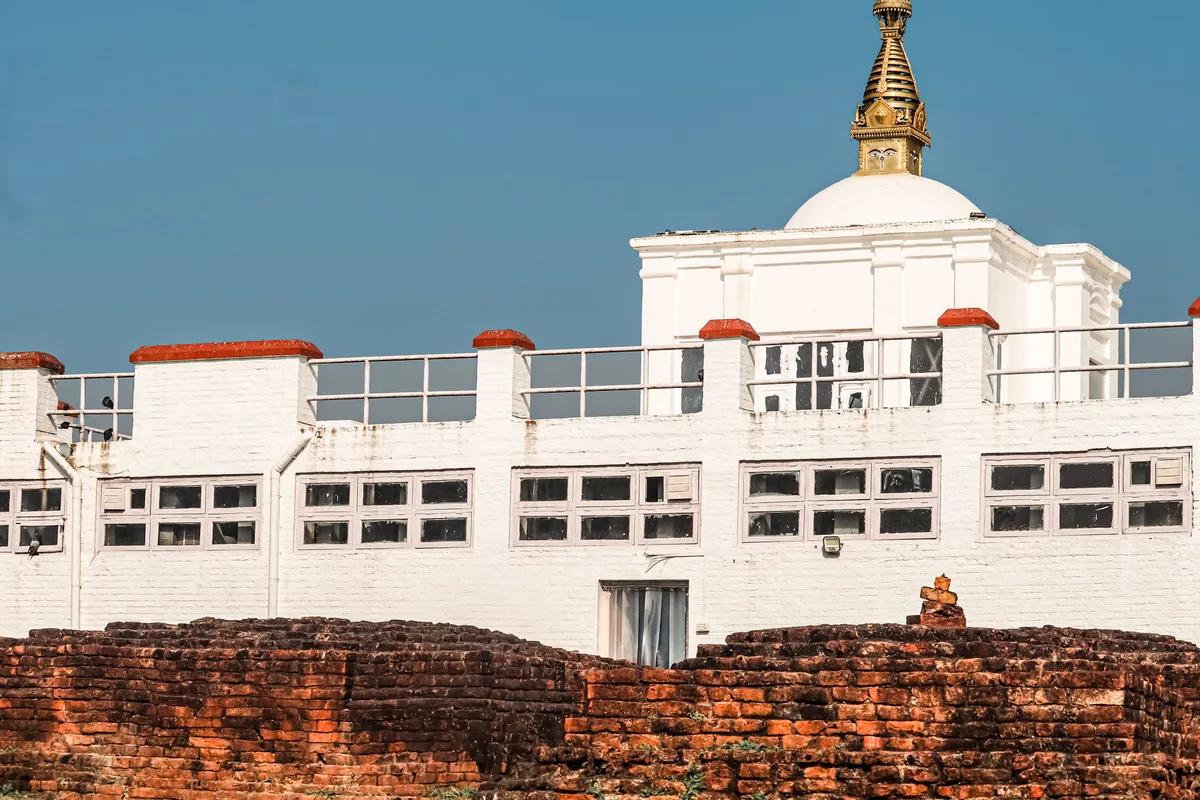
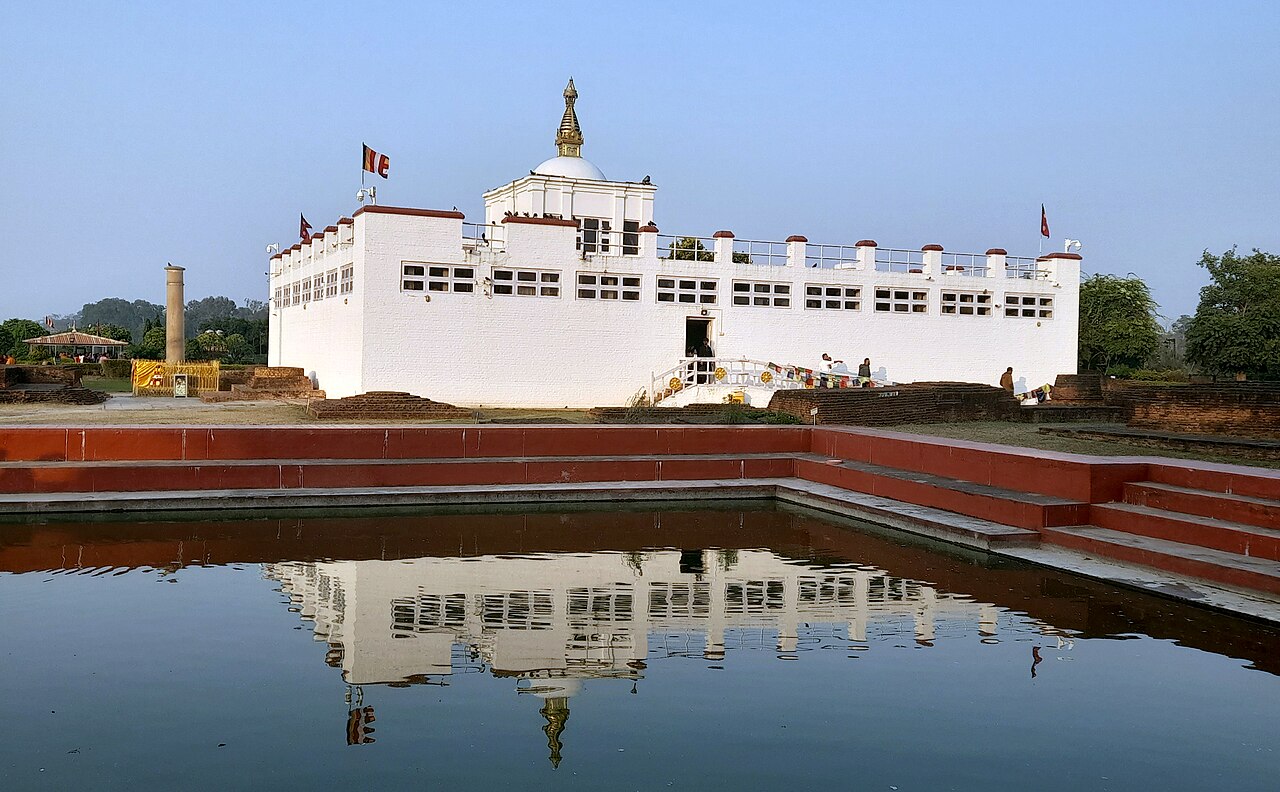
For couples drawn to Buddhist meditation, Lumbini is a destination like no other. This is where Siddhartha Gautama was born, and the site is now a UNESCO World Heritage Site with monasteries from dozens of countries built around the sacred garden. Walking together through the Maya Devi Temple complex, meditating under the Bodhi tree, and visiting monasteries representing traditions from Thailand to Japan to France creates a shared experience of the global Buddhist community.
Lumbini is quieter than Kathmandu and Pokhara, with fewer tourists and a more contemplative atmosphere. Couples who want to go deep into Buddhist practice will find monasteries that accept guests for multi-day stays. Our Buddhist meditation in Nepal guide covers monastery stays, daily practice, and teachings in detail. The simplicity of Lumbini is its gift: there is nothing to do but meditate, walk, and be present together.
Best Meditation Styles for Couples
Not every meditation style is equally suited to a couples retreat. Some are inherently solo practices, while others naturally lend themselves to shared experience. Here are the styles that work best when two people practice together.
Guided Loving-Kindness (Metta) Meditation
Loving-kindness meditation, or metta, is a Buddhist practice in which you systematically direct wishes of wellbeing toward yourself, loved ones, and all beings. When practiced as a couple, metta meditation can be extraordinarily powerful. Partners sit facing each other or side by side and silently repeat phrases like "May you be happy, may you be peaceful, may you be free from suffering." The practice cultivates emotional warmth and helps dissolve accumulated resentments that daily life can build up. Many retreat centers in Nepal include metta as part of their evening sessions.
Partner Yoga and Breath Synchronization
Some retreats incorporate partner yoga, where two people support each other in poses and synchronize their breathing. This is not about acrobatic double poses but about simple movements that require trust and communication. Partner yoga naturally breaks down physical barriers and creates a sense of playfulness that can balance the seriousness of long sitting sessions. The practice also teaches couples to move and breathe as one, which is a metaphor that carries into daily life.
Walking Meditation Together
Walking meditation, or kinhin, is the practice of bringing mindfulness into movement. In a couples retreat, walking meditation can take on a special quality as two people walk slowly and silently side by side through a garden, along a lakeside, or around a stupa. There is no need to talk, plan, or decide where to go next. The simplicity of placing one foot in front of the other, together, in full awareness, can be one of the most intimate experiences of a retreat. Our guide to walking meditation in Nepal explores this practice in depth, including how it combines with trekking for longer journeys.
Sound healing with Tibetan singing bowls is a signature Nepali experience that works beautifully for couples. Both partners lie down, close their eyes, and allow the vibrations of singing bowls and gongs to wash over them. The experience is deeply relaxing and requires no effort or technique, which makes it accessible even to partners who have never meditated before. Many couples find that a shared sound bath creates a sense of harmonization that lingers for days. You can learn more about this practice in our guide to Kathmandu as Nepal's center of healing.
How Long Should a Couples Retreat Be?
The ideal length depends on your experience level, schedule, and goals. Here is a practical breakdown:
3 days (weekend getaway): A three-day retreat is the minimum for a meaningful experience. It allows one day to settle in, one full day of practice, and one day to integrate before returning home. This is perfect for couples trying meditation together for the first time or those with limited vacation days. The meditation activity in Nepal includes several short-format options that fit this timeframe.
5 to 7 days (immersion): A five-to-seven-day retreat gives both partners enough time to move past the initial restlessness and access deeper states of stillness. By day three or four, the mind begins to quiet, and the shared experience deepens. This length also allows for a combination of retreat time and exploration, perhaps three days of structured practice followed by two days of pilgrimage or gentle hiking. Couples who want to build a daily meditation practice benefit from this duration because it establishes a sustainable rhythm.
10+ days (deep dive): For couples with the time and inclination, a ten-day Vipassana retreat or a two-week combined yoga and meditation program can be genuinely transformative. The extended silence and structure allow deep patterns to surface and release. However, this length is not recommended for first-timers or for couples in active conflict. Our Vipassana meditation guide covers what a ten-day silent retreat involves and how to prepare.
Practical Tips for Couples on Retreat
Set Shared Intentions Before You Arrive
Before the retreat begins, sit down together and discuss what each of you hopes to gain. One partner might want stress relief, while the other is seeking spiritual depth. Neither goal is wrong, but naming them helps you support each other. Write your intentions down if that feels right. The act of articulating shared purpose before entering a retreat container creates alignment that carries through the entire experience.
Respect Different Paces
It is common for one partner to take to meditation more easily than the other. If your partner is struggling with restlessness or boredom, do not push. If your partner is having deep experiences and you feel like nothing is happening, do not compare. A retreat is not a competition. The mindfulness meditation approach is particularly good for this because it emphasizes non-judgmental awareness of wherever you are right now.

Use Silence Intentionally
Many retreats include periods of noble silence, typically from the evening session until after breakfast the next day. Honor these periods fully. Silence is not a punishment or an avoidance strategy. It is a container that allows the nervous system to rest and the mind to settle. Couples who use silence well often find that when they do speak again, their words carry more weight and their listening is more attentive.
Create a Reintegration Plan
The hardest part of a meditation retreat is often the return to normal life. The contrast between the stillness of the retreat and the noise of emails, traffic, and obligations can be jarring. Before you leave Nepal, talk about how you will maintain the sense of connection you found. This might mean sitting together for ten minutes each morning, keeping a shared journal, or simply agreeing to check in with each other before reaching for phones. Our history of meditation in Nepal shows that the practice has always been about integration, not isolation.
Combining Your Retreat with Other Nepal Experiences
One of the joys of a Nepal retreat is that it does not have to exist in isolation. Many couples combine a meditation retreat with other experiences to create a richer, more balanced journey. Here are some proven combinations.
Meditation Plus Pilgrimage
After a retreat, visiting sacred sites takes on a different quality. You arrive with a quieter mind and a more open heart. Combining a few days of retreat with a pilgrimage to Muktinath, a sacred site revered by both Hindus and Buddhists, creates a journey that is both inner and outer. The 10-day spiritual tour circuit covers the major pilgrimage sites and can be customized to include retreat days.
Meditation Plus Trekking
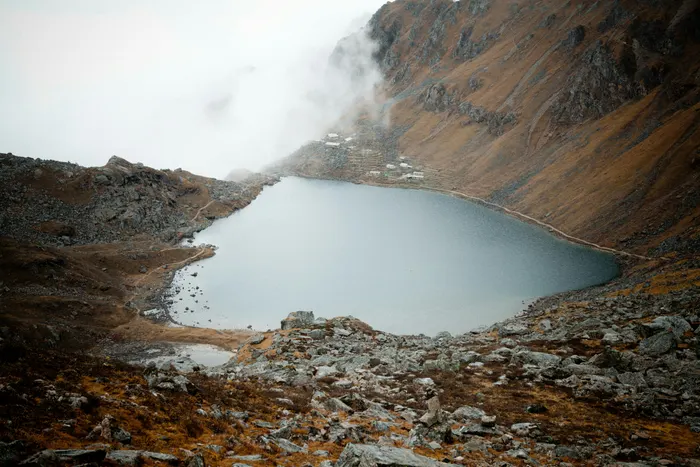
For active couples, combining meditation with a short trek is an ideal way to balance stillness and movement. The Gosaikunda Sacred Lakes trek, for example, takes you through beautiful Himalayan landscapes to a high-altitude lake sacred to Lord Shiva. Adding a yoga and meditation component turns a trek into a moving retreat. The 7-day spiritual itinerary is a good template for combining trekking with spiritual practice.
Meditation Plus Ayurveda
Nepal has a growing Ayurvedic wellness scene, and combining meditation with Ayurvedic massage and treatments creates a holistic body-and-mind experience. After morning meditation, spend the afternoon receiving herbal oil massages or consulting with an Ayurvedic doctor about your constitution. Our guide to meditation and Ayurveda in Nepal covers how these two traditions complement each other for couples.
Meditation Plus Mantra and Chanting
For couples who respond to sound and music, a retreat that includes mantra chanting can be deeply moving. The practice of chanting "Om Mani Padme Hum" or other sacred phrases together creates a shared vibration that resonates on a physical and emotional level. Our mantra meditation guide explores the history and practice of sacred chanting in Nepal, including how couples can incorporate it into their daily routine.
What Does a Couples Meditation Retreat in Nepal Cost?
The cost of a couples meditation retreat in Nepal varies widely depending on length, location, and level of luxury. Here is a rough breakdown based on current package prices:
- 3-day retreat (budget): $288 to $405 per person. Includes accommodation, meals, daily meditation and yoga sessions. Example: the 3-Day Yoga Sound Healing Retreat in Kathmandu at $288.
- 5 to 6-day retreat (mid-range): $518 to $633 per person. Includes more structured programming, additional therapies like Reiki or sound healing. Example: the 6-Day Yoga Stress Management Retreat at $633.
- 7 to 9-day retreat (premium): $658 to $2,100+ per person. Includes luxury accommodation, private sessions, trekking components, and gourmet meals. Example: the 9-Day Luxury Yoga Wellness Escape.
- Monastery stays (donation-based): Many monasteries accept guests on a donation basis. Expect to contribute $15 to $30 per day per person for simple accommodation and meals.
For a comprehensive breakdown of costs across different retreat types and durations, see our spiritual tour cost guide for 2026/27. Couples traveling on a budget can also explore our guide to meditation and pranayama in Nepal for free or low-cost practice options.
Best Time of Year for a Couples Meditation Retreat
Nepal has four distinct seasons, and each offers a different retreat experience for couples:
Spring (March to May): The weather is warm, rhododendrons bloom in the hills, and the air is clear after winter. This is peak trekking season, so if you plan to combine meditation with a short trek, spring is ideal. Retreat centers are busy, so book early.
Monsoon (June to August): The rains transform the landscape into lush green, and the atmosphere is deeply contemplative. Retreat centers are quieter, and you will often have sessions with very few participants. The downside is limited mountain views and occasional travel disruptions. For couples who want privacy and introspection, monsoon can be surprisingly perfect.
Autumn (September to November): This is the most popular season for retreats. The skies are clear, the temperatures are comfortable, and the mountain views are spectacular. Kathmandu and Pokhara are bustling, and retreat centers are fully operational. Book well in advance for autumn dates.
Winter (December to February): The air is crisp and cold, especially in the mornings and at higher elevations. Retreat centers in Kathmandu and Pokhara remain open, though some high-altitude options close. Winter is excellent for couples who want a quiet, introspective experience with fewer other guests. Pack warm layers and plan for indoor meditation spaces.
Packing for Your Couples Meditation Retreat
Packing for a meditation retreat in Nepal is simpler than you might think, but a few key items make a big difference for couples. Both partners should bring modest, comfortable clothing that covers shoulders and knees (required at monasteries and temples). Layers are essential, as mornings can be cold and afternoons warm. Each person should have their own meditation cushion or pillow if the retreat center does not provide one. A shared journal can become a treasured record of your journey. For a comprehensive checklist, see our meditation retreat packing list for Nepal.
Other essentials include a reusable water bottle, natural insect repellent for monsoon season, a headlamp for early morning sessions, and any personal medications. If you are combining your retreat with trekking, add proper hiking boots, a daypack, and weatherproof gear. Couples should also bring a small first aid kit with basics like band-aids, ibuprofen, and stomach medication, as dietary changes can affect both partners differently.
Choosing the Right Retreat Center
Not every retreat center is suited to couples. Some are strictly monastic and separate genders. Others are commercial wellness resorts that offer meditation as an add-on rather than a core practice. When choosing a retreat center for your couples experience, look for these qualities:
- Couples-friendly policies: Some centers require separate accommodation for men and women. Confirm that couples can share a room before booking.
- Experienced instructors: Look for centers with teachers who have at least 10 years of meditation experience and who can guide both beginners and experienced practitioners.
- Structured schedule: A good retreat has a clear daily schedule with designated meditation, yoga, teaching, and rest periods. Avoid centers that are vague about their programming.
- Small group sizes: Retreats with fewer than 15 participants allow more personal attention from instructors and a more intimate atmosphere for couples.
- Natural setting: The best retreat centers in Nepal are set in gardens, forests, or lakeside locations that support contemplation. Avoid centers in noisy urban areas unless you are specifically drawn to city-based practice.
For a deeper exploration of retreat selection criteria, our guide on chakra meditation in Nepal includes additional perspectives on finding the right energetic environment. And if you are interested in the broader context of spiritual travel in Nepal, the complete guide to cultural and spiritual tours in Nepal is an essential resource. For couples who also enjoy trekking, the best trekking agency guide helps you find reliable partners for combining retreat with adventure.
Building a Shared Practice After the Retreat
The retreat is just the beginning. The real work, and the real joy, comes from integrating the practice into your daily life as a couple. Here are some proven strategies:
Morning sit: Agree to sit together for 10 to 20 minutes each morning before checking phones or starting the day. This sets a tone of presence that carries through everything that follows.
Weekly check-in: Set aside time each week for a mindful check-in. Each partner shares what they noticed in their practice, what challenges arose, and what they are grateful for. This is not a problem-solving session but a listening practice.
Annual retreat: Make a retreat an annual tradition. Returning to Nepal each year, or exploring retreat centers in your home country, creates a rhythm of renewal that keeps the practice alive. Many couples find that the anticipation of the next retreat sustains their daily practice for months.
Read together: Choose a book on meditation or spirituality and read it together, a chapter at a time. Discussing what you read deepens understanding and creates shared language for your inner experiences.
Is a Couples Meditation Retreat Right for You?
A couples meditation retreat is not for everyone. If your relationship is in acute crisis, a retreat is not a substitute for professional therapy. If one partner is deeply resistant to meditation, forcing it can create more tension than it relieves. And if you are looking for a relaxing vacation with a few yoga classes tacked on, a structured retreat may feel too demanding.
But if both partners are curious about meditation, even if only one has prior experience, a retreat in Nepal can be a defining shared experience. It offers something that few other experiences can: the chance to be fully present with each other, without distraction, in a setting that has supported spiritual practice for thousands of years. The mountains, the monasteries, the chanting, the silence, all create a container that helps two people see each other freshly and connect on a level that everyday life rarely allows.
Nepal is waiting. The retreat centers are open. All that is needed is the willingness to sit down together and begin.