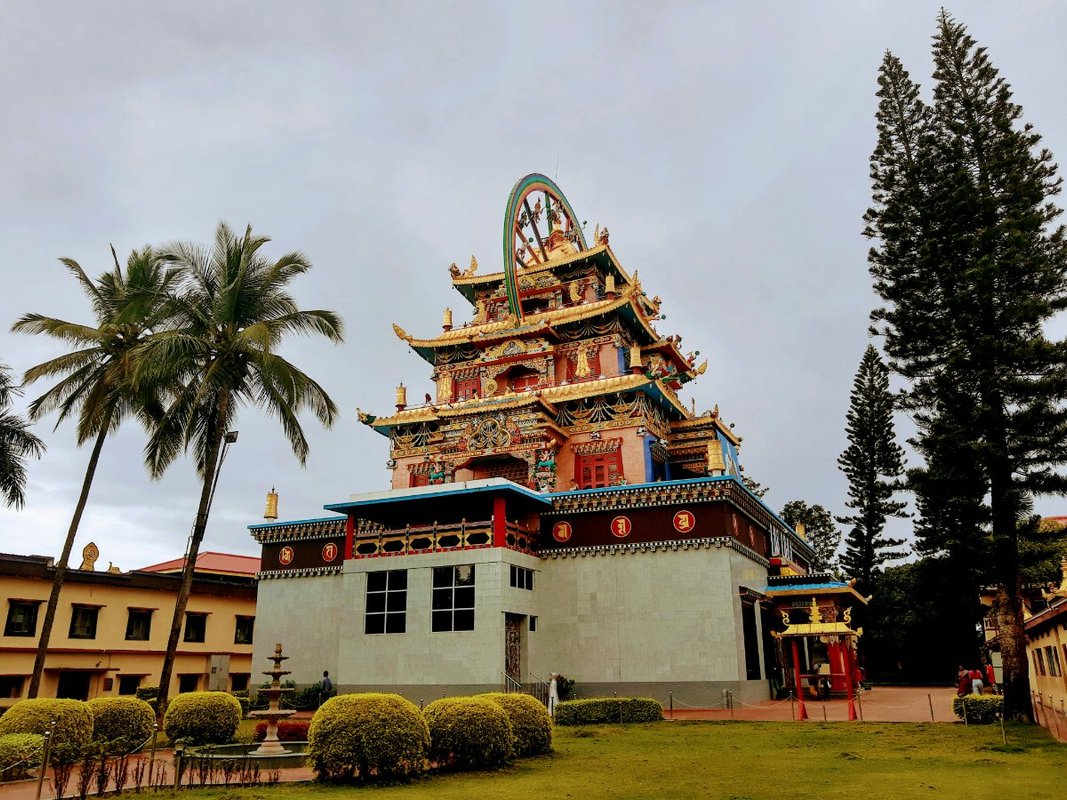
Walking into a Buddhist monastery in Kathmandu for the first time can feel overwhelming. The scent of juniper incense, the low hum of chanting monks, the glow of butter lamps, and the centuries-old murals on every wall create an atmosphere unlike anywhere else in the world. But for many visitors, that awe is mixed with anxiety. What should you wear? Can you take photos? Should you bow? How do you sit during a meditation session without causing offence? This guide answers every one of those questions and more, giving you the confidence to enter any monastery in the Kathmandu Valley with respect, awareness, and genuine curiosity.
Kathmandu is home to some of the most sacred Buddhist sites in the world, from the great stupa at Boudhanath to the hilltop shrine of Swayambhunath and the monastic communities of Kopan, Pullahari, and Shechen. Whether you are planning a short visit or a longer meditation retreat, understanding monastery etiquette is not just about avoiding social blunders. It is about entering a space where centuries of spiritual practice have shaped every gesture, every silence, and every ritual. When you know how to behave, you do not just observe the monastery. You begin to participate in it.
This guide covers everything from dress codes and circumambulation to offering rituals, photography rules, and basic meditation techniques you can practise inside a monastery setting. It also links you to the monastery etiquette and meditation activity in Kathmandu, where you can book a guided experience with a local expert who will walk you through every step. If you have ever felt unsure about how to conduct yourself inside a sacred space in Nepal, this is your starting point.
Why Monastery Etiquette Matters in Nepal
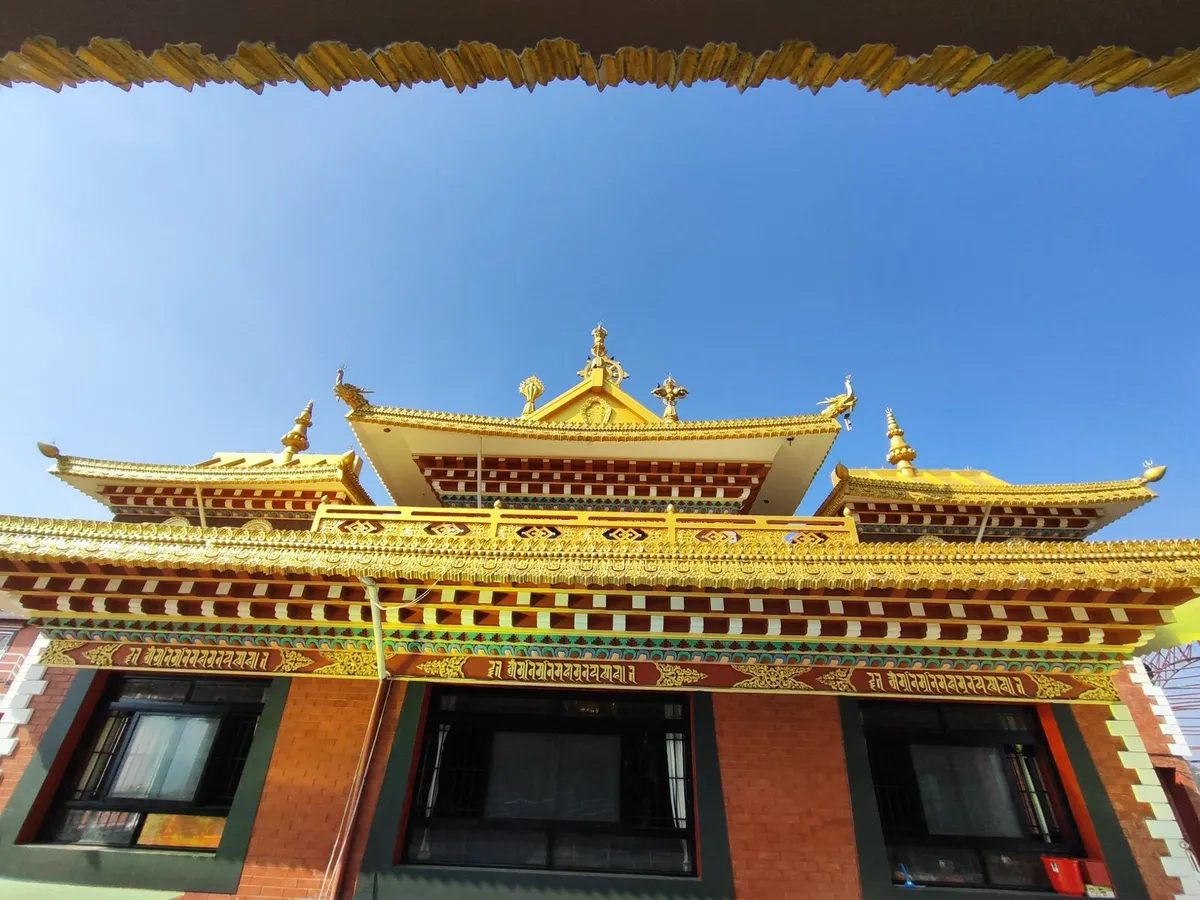
Nepal is the birthplace of Buddhism, and the Kathmandu Valley has been a centre of Buddhist learning and practice for over two thousand years. The monasteries here are not museums. They are living institutions where monks and nuns dedicate their lives to study, meditation, and service. When you enter a monastery, you are stepping into someone's home, their place of work, and their spiritual sanctuary all at once.
Respecting monastery etiquette is a way of honouring that. It shows the monastic community that you value their way of life and that you are not there simply to consume a cultural experience. In a world where sacred sites are increasingly treated as photo backdrops, taking the time to learn proper conduct sets you apart as a mindful traveller. It also deepens your own experience. When you know how to bow, how to offer a kata (silk scarf), and how to sit in the meditation hall, you move from being a spectator to being a participant. That shift changes everything.
For a broader understanding of how spiritual travel fits into the Nepali cultural landscape, the complete guide to cultural and spiritual tours in Nepal offers a comprehensive overview. And if you are planning a wider journey that includes trekking, the guide to choosing the best trekking agency in Nepal covers everything from permits to safety.


Dress Code: What to Wear Inside a Monastery
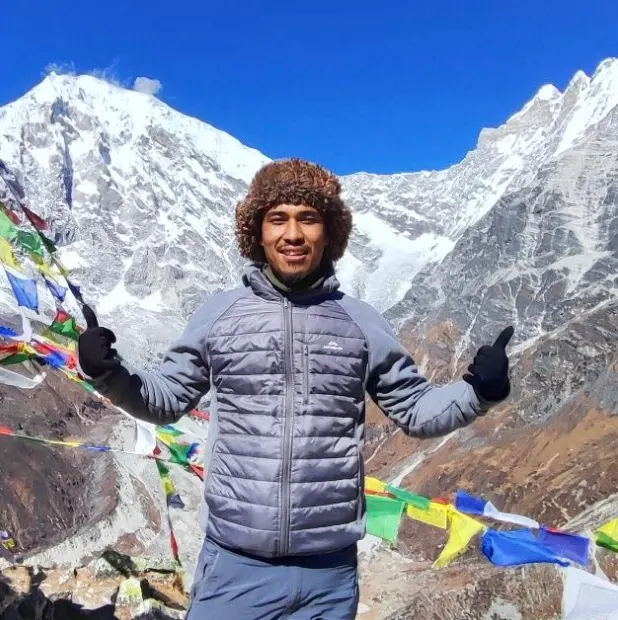
The single most important rule of monastery etiquette is dress. Monasteries are conservative spaces, and the monastic community expects visitors to dress modestly. This applies to both men and women, regardless of the weather or the season.
Basic Dress Guidelines
- Shoulders and knees covered: Avoid sleeveless tops, tank tops, shorts, and short skirts. Long trousers, long skirts, or loose-fitting clothing are ideal.
- No revealing or tight clothing: Leggings worn as pants, low-cut tops, and sheer fabrics are not appropriate. Choose breathable cotton or linen in warm weather.
- Remove your hat: Hats and caps should be removed before entering the monastery grounds, not just the prayer hall. This is a sign of respect.
- Clean and tidy: You do not need formal clothing, but your clothes should be clean. Monasteries are places of purity, and arriving in dirty or torn clothing is considered disrespectful.
- Neutral colours preferred: While there is no strict colour rule, very bright or flashy clothing can feel out of place in a monastic setting. Earth tones, white, and muted colours are a good choice.
If you are visiting in summer and the Kathmandu Valley is hot, lightweight cotton trousers and a long-sleeved shirt will keep you comfortable while meeting the dress requirements. Many monasteries have a cloakroom where you can leave bags and shoes, but do not rely on borrowing a scarf or sarong. Come prepared.
Shoes and Socks
Removing your shoes before entering a prayer hall or meditation room is mandatory. In most monasteries, there is a designated shoe rack or shelf near the entrance. Leave your shoes there, not outside in the rain. Socks are generally fine to keep on, especially in winter when the stone floors can be very cold. If you are uncomfortable walking barefoot, bring clean socks for this purpose. Do not enter the prayer hall with shoes on under any circumstance.
Entering the Monastery: Threshold and Direction
When you step through the monastery gate, you are crossing a threshold between the ordinary world and a sacred space. Many Tibetan Buddhists pause at the doorway, bow slightly, and mentally offer a prayer of gratitude before entering. You do not need to be Buddhist to do this. A simple moment of stillness and respect is enough.
Circumambulation: Walking the Sacred Path
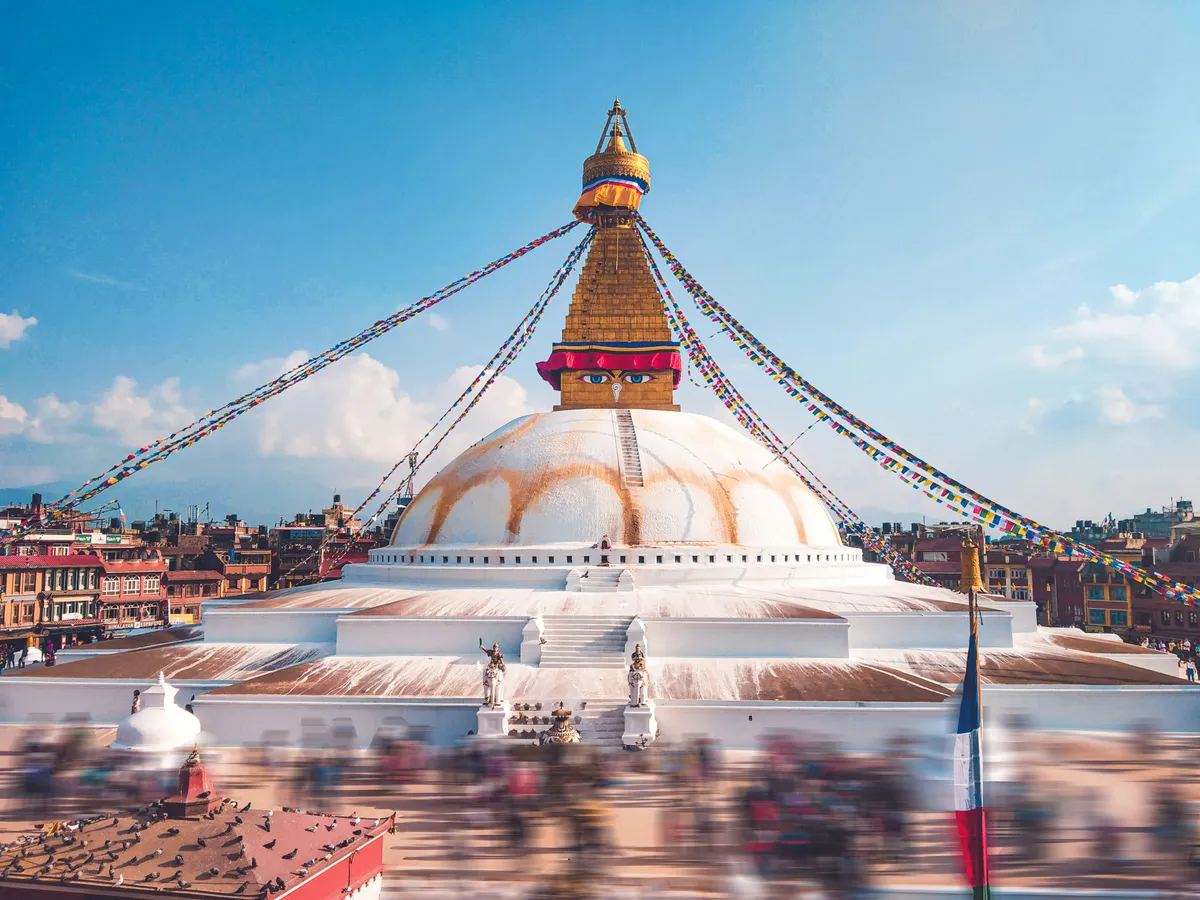
One of the most important practices in Buddhist monasteries is circumambulation, the act of walking clockwise around a sacred object such as a stupa, temple, or prayer hall. At Boudhanath Stupa, for example, pilgrims walk clockwise around the great stupa, spinning prayer wheels as they go. This practice is believed to accumulate merit and focus the mind.
If you are unsure which direction to walk, watch the locals. In Tibetan Buddhism, the rule is always clockwise. If you see people walking in the opposite direction, they may be from a different tradition, but in Nepal, clockwise is the standard. Do not walk counter-clockwise around a stupa or prayer hall. It is not a serious offence, but it is noticed.
Doorway Etiquette
When entering a prayer hall, step over the threshold, not on it. The threshold is considered sacred, and stepping on it is seen as disrespectful in many Himalayan traditions. Do not block the doorway. Step inside and move to the side to allow others to enter behind you. If the hall has a central aisle, do not walk straight down the middle unless you are a monastic or have been invited to. Walk along the sides.
Inside the Prayer Hall: How to Sit, Stand, and Move
The prayer hall (sometimes called the lhakhang or gompa) is the heart of the monastery. It is where chanting, meditation, and teachings take place. The energy in this room is palpable, and the way you conduct yourself here matters more than anywhere else.
Seating Posture
If you are invited to sit, choose a spot on the floor along the sides of the hall. Do not sit in the rows reserved for monks unless you are explicitly invited. The preferred posture is cross-legged on a cushion. If you cannot sit cross-legged, kneeling or sitting with your legs tucked to one side is acceptable. Do not stretch your legs out toward the altar or any sacred image. Pointing your feet at a Buddha statue, a lama, or a shrine is considered deeply disrespectful in Buddhist culture.
If you have a physical condition that makes floor sitting difficult, ask if a chair is available. Many monasteries have a few chairs for elderly visitors. Do not bring your own without asking first.
Movement and Noise
Move slowly and deliberately inside the prayer hall. Avoid sudden gestures, loud whispering, or any disruptive behaviour. If you need to stand up, do so quietly. If you are with a group, agree on a meeting point outside the hall so you do not have to call out to each other inside.
Do not walk between a monk and the altar during a prayer session. If you need to cross the hall, walk behind the seated monks, not in front of them. If a teaching or chanting session is in progress and you need to leave, wait for a natural pause if possible, or exit as quietly as you can.
Offerings and Rituals: How to Participate Respectfully
One of the most beautiful aspects of visiting a monastery is the opportunity to make offerings. Offerings are not bribes or fees. They are expressions of reverence and gratitude. In Buddhist practice, offerings also help cultivate generosity, one of the core virtues on the path to enlightenment.
Butter Lamps and Incense
Lighting a butter lamp is one of the most common offerings in Tibetan Buddhist monasteries. The light of the lamp symbolises wisdom dispelling the darkness of ignorance. You will find rows of small brass lamps in front of the altar, and visitors are welcome to light one. Use a long wick or match, and do not touch the flame with your bare hand. Place a small offering (usually 5 to 20 rupees) in the donation box nearby.
Burning juniper incense is another traditional offering. The fragrant smoke is believed to purify the environment and please the local deities. If you want to offer incense, ask a monk or a local guide to show you how. Do not simply grab a handful of incense and light it yourself.
Kata: The Offering Scarf
A kata is a white silk scarf offered as a sign of respect, gratitude, or devotion. Offering a kata to a lama or monk is a deeply meaningful gesture. Hold the scarf in both hands, fold it in half lengthwise, and offer it with both arms extended. The recipient will usually take it and place it around your neck as a blessing. Do not be surprised if this happens. It is a standard response.
You can buy katas at any Tibetan shop near the monastery for a few rupees. Do not offer a dirty or wrinkled scarf. If you are visiting a high lama, ask the monastery office in advance about the proper protocol, as some traditions have specific colours or folding methods.
Prostrations
Prostrations are full-body bows performed in front of a sacred image or shrine. While visitors are not expected to do full prostrations, you may see monks and pilgrims performing them and want to try. If you do, follow the basic form: stand upright, place your hands together in prayer position at your heart, lower to your knees, then bring your forehead to the floor with your arms stretched forward. Rise and repeat. Do not feel obligated to do a specific number. Even one prostration offered with sincere intention is meaningful.
If you are not comfortable doing prostrations, a simple bow from the waist with your hands at your heart is perfectly acceptable. The sincerity of the gesture matters more than its physical form.
Photography Rules: When and Where You Can Take Photos
Photography is one of the most sensitive areas of monastery etiquette. The general rule is: always ask before you photograph. Even if you see other people taking photos, do not assume it is allowed. Rules vary from monastery to monastery and even from room to room within the same complex.
Where Photography Is Usually Allowed
- Outdoor courtyards and monastery exteriors
- Prayer wheels and circumambulation paths
- Garden areas and viewpoints
Where Photography Is Usually Prohibited
- Inside the main prayer hall during chanting or meditation
- Of monks in private quarters or during study sessions
- Of sacred objects being used in ritual (not just displayed)
- Of any person without their permission, especially nuns and monks
If you are unsure, ask. The phrase "Can I take a photo?" in Nepali is "Photo khichnu milt?" and most monks in the Kathmandu Valley understand enough English to answer yes or no. When in doubt, put your camera away and simply be present. Some of the most profound monastery experiences happen when you are not looking through a lens.
Never use a flash inside a prayer hall. The sudden light can disrupt meditation and damage ancient murals. If you must take a photo inside, use natural light and keep your shutter silent.
Meditation in a Monastery Setting: A Beginner's Guide
Many visitors to Kathmandu monasteries want to do more than observe. They want to sit down and meditate. This is entirely possible and encouraged, but it helps to know what kind of meditation is practised and how to join in. The monastery etiquette and meditation activity offers a structured introduction, but if you are going on your own, here is what you need to know.
Shamatha: Calm Abiding Meditation
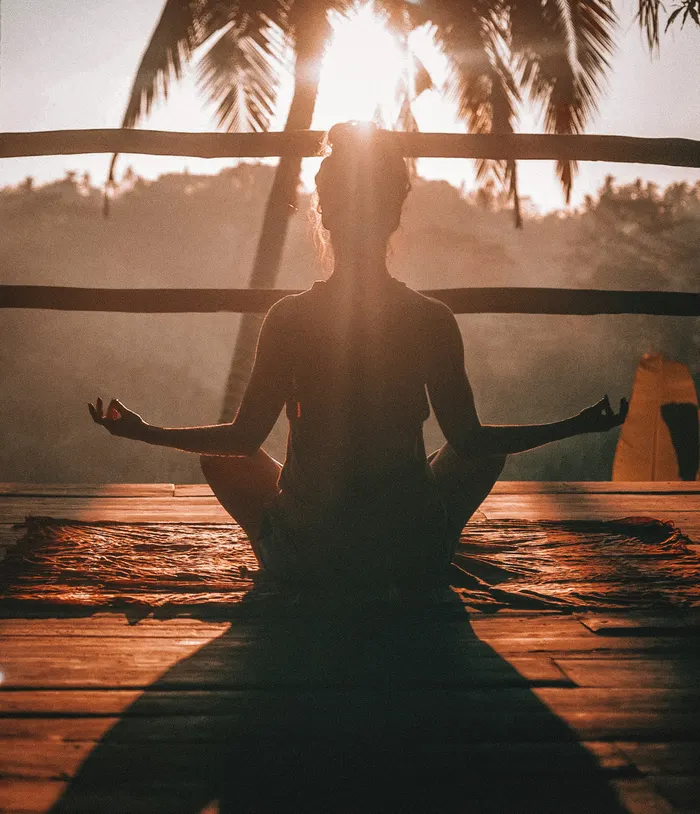
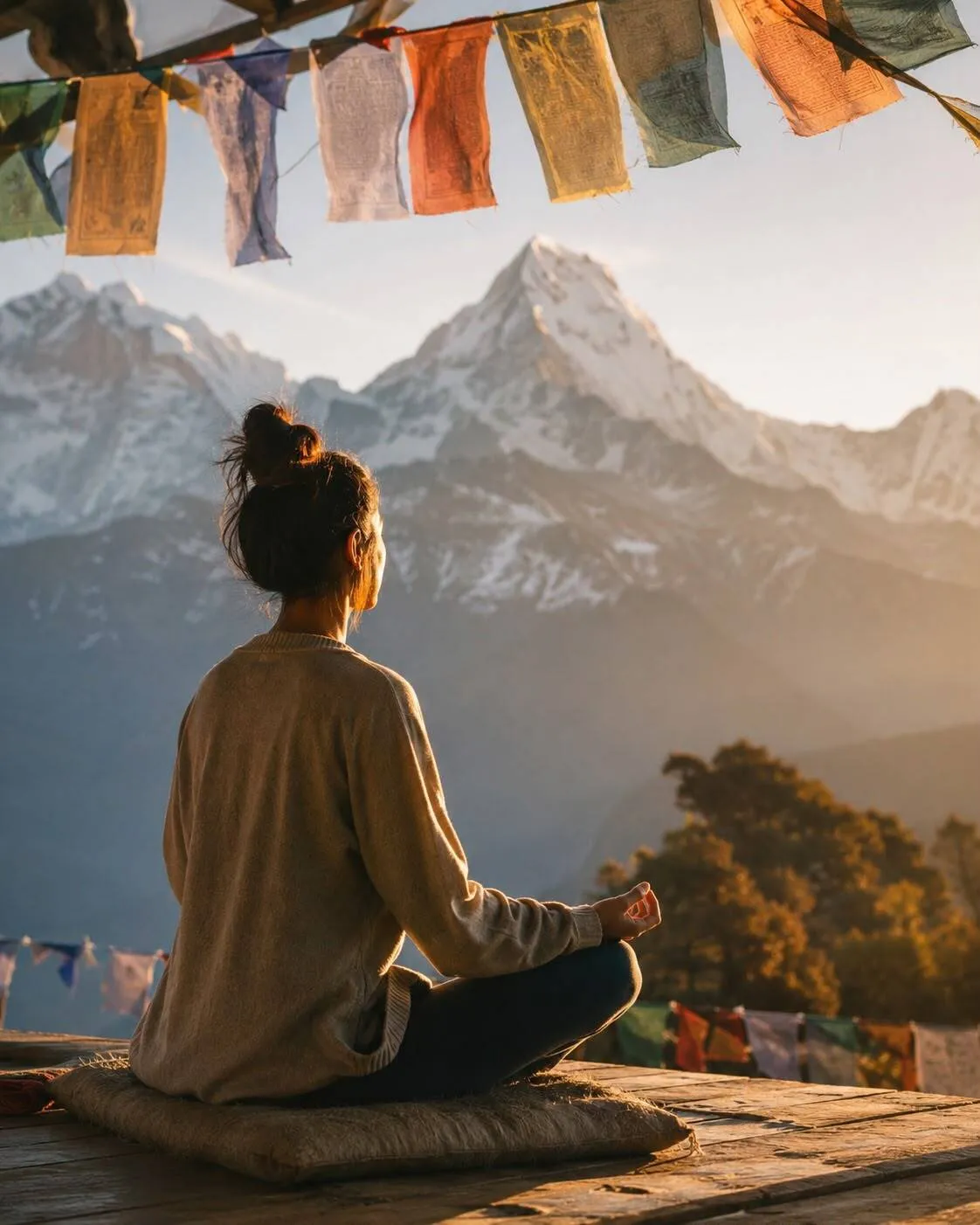
The most common form of meditation in Tibetan Buddhist monasteries is shamatha, or calm abiding. The practice is simple in concept but profound in depth. You sit in a comfortable cross-legged position, rest your hands in your lap, and focus your attention on the breath. When thoughts arise, and they will, you simply notice them and return your attention to the breath. The goal is not to stop thinking but to develop a stable, clear mind.
Find a quiet corner of the prayer hall or a garden bench. Sit for 10 to 15 minutes to start. Do not force anything. Just breathe and observe. If you are used to guided meditation apps, the silence of a monastery can feel intimidating at first. Give it time. The environment itself helps settle the mind.
Vipassana: Insight Meditation
Vipassana, or insight meditation, goes a step further. Instead of simply resting the mind, you investigate the nature of your experience. You observe sensations, emotions, and thoughts as they arise and pass away, developing insight into the impermanent nature of all things. For a deeper dive into this practice, the meditation retreats guide covers Kopan, Vipassana, and monastery stay options in detail.


Mantra Recitation
In Tibetan Buddhist monasteries, mantra recitation is a core practice. The most common mantra is Om Mani Padme Hum, the mantra of Chenrezig (Avalokiteshvara), the bodhisattva of compassion. You will hear monks chanting it throughout the day. As a visitor, you are welcome to join in silently or aloud if you know the mantra. If you do not, simply sitting and listening is a form of meditation in itself. The vibration of the chanting is believed to benefit all beings in the vicinity.
When to Meditate
Early morning is the best time for meditation in a monastery. Most monasteries begin their day before dawn, and the atmosphere at sunrise is charged with spiritual energy. If you can, arrive at the monastery by 6 AM. The light is soft, the air is cool, and the monks are already in the prayer hall. Find a quiet spot, sit, and breathe. You will not be disturbed.
For those interested in a more structured experience, the Buddhist meditation guide covers monastery stays, daily practice schedules, and how to arrange a longer retreat.
Interacting with Monks and Nuns
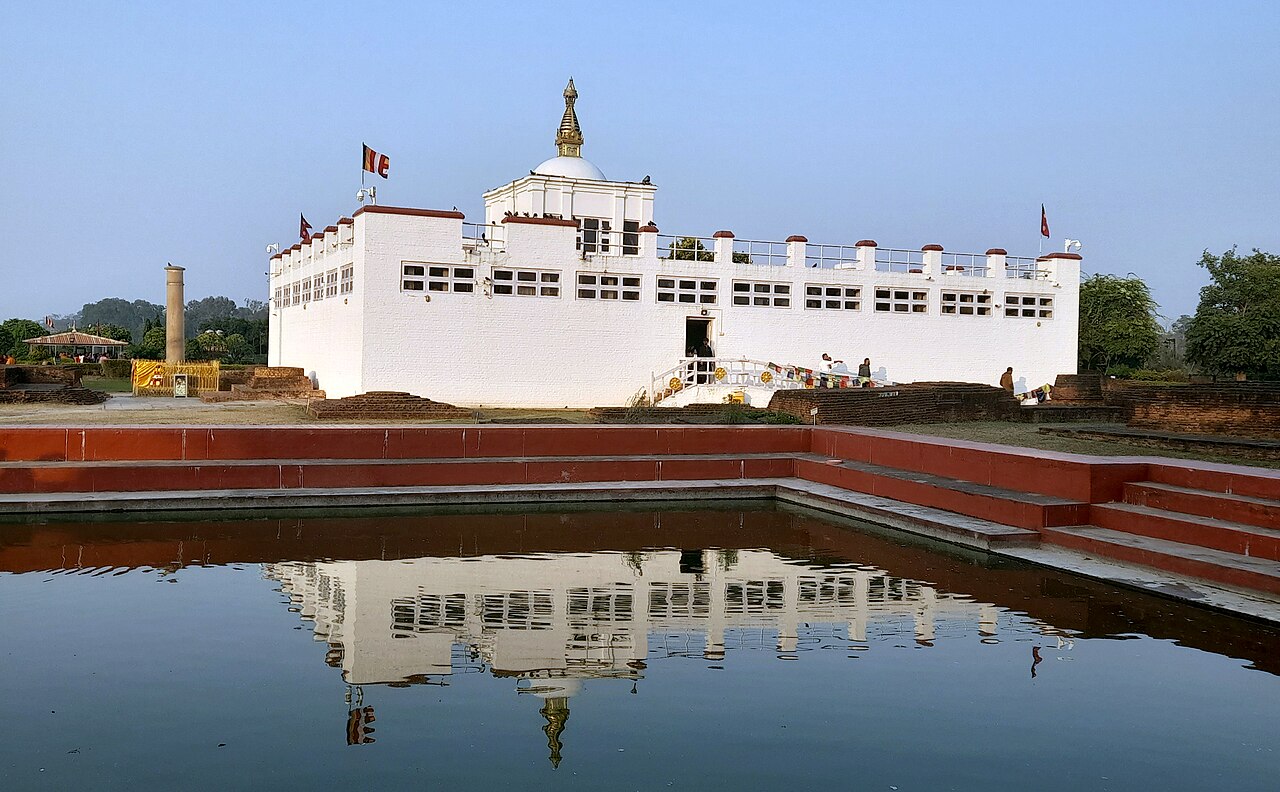
Monks and nuns in Kathmandu are generally warm and welcoming to visitors, but there are protocols to follow when interacting with them. These are not rigid rules but cultural norms that show respect for their way of life.
Greeting a Monk or Nun
The standard greeting is to place your hands together at your heart and bow slightly. You can say "Tashi delek" (a Tibetan greeting meaning "auspicious blessings") or "Namaste" (the Nepali greeting). Do not shake hands unless the monk extends his hand first. Many monastics prefer not to have physical contact with the opposite sex, so do not be offended if a monk or nun does not shake your hand.
Receiving a Blessing
If you want to receive a blessing from a lama or senior monk, approach with a kata and place it in their hands or on the table in front of them. Bow your head. The lama will typically place the kata around your neck and may touch your head with their hand or a sacred object. This is a powerful moment. Receive it with your eyes closed and your mind still.
Asking Questions
Many monks, especially those who speak English, are happy to answer questions about Buddhism, meditation, or monastery life. However, avoid asking overly personal questions about why they became monks, their family background, or their political views. Stick to questions about practice, philosophy, and the monastery itself. If a monk seems busy or uninterested, do not push. They may be in the middle of a practice session or simply not in a conversational mood.
Do Not Touch the Head
In Himalayan culture, the head is considered the most sacred part of the body. Never touch a monk's or nun's head, even as a friendly gesture. This is deeply offensive. Similarly, do not point your feet at a monk or sacred object. If you are sitting on the floor, tuck your legs under you or to one side.
Key Monasteries to Visit in the Kathmandu Valley
Boudhanath Stupa and Surrounding Monasteries
The Boudhanath area is the centre of Tibetan Buddhism in Nepal. The great stupa is surrounded by dozens of monasteries, including Shechen, Ka-Nying Shedrub Ling, and Pullahari. Each has its own character and schedule. Most are open to visitors during the day, and many offer meditation sessions and teachings. Start at the stupa, walk clockwise, and explore the monasteries that feel most inviting. The Kathmandu Spiritual Circuit guide covers all three major sites in one itinerary.
Kopan Monastery
Kopan, perched on a hill north of Boudhanath, is one of the most famous monasteries in Nepal. It offers regular introductory courses on Buddhism and meditation, ranging from weekend workshops to month-long retreats. Even if you are not doing a course, you can visit the grounds, walk the circumambulation path, and enjoy the panoramic views of the valley. Kopan also has a guesthouse where visitors can stay and participate in the daily schedule.
Namobuddha
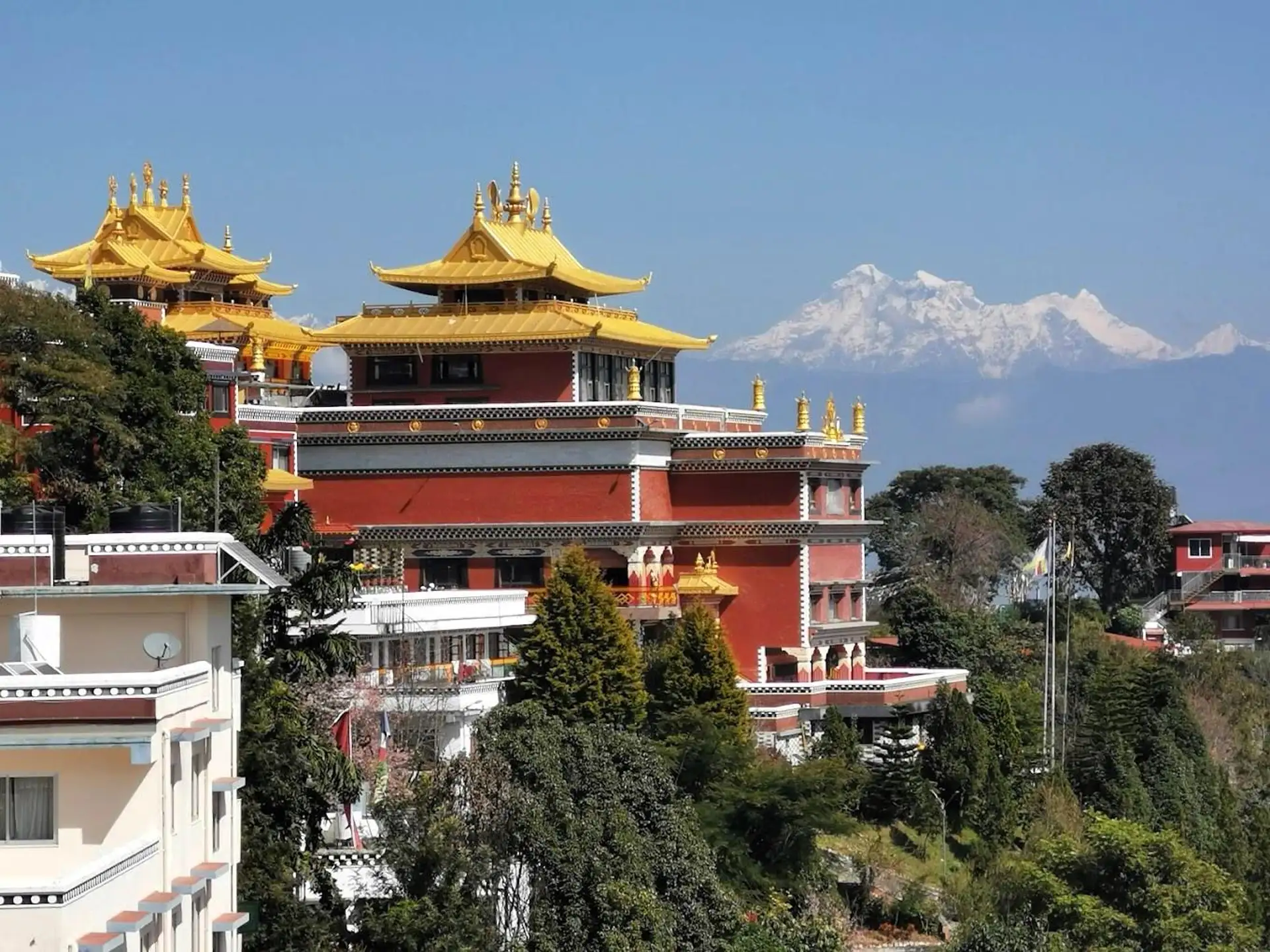
About 40 kilometres east of Kathmandu, Thrangu Tashi Yangtse Monastery at Namobuddha is one of the most peaceful monastic sites in the valley. It marks the place where, according to legend, the Buddha in a previous life offered his body to a starving tigress. The monastery is relatively new but stunningly beautiful, and the setting is serene. It is worth the drive or the guided hike to get there.

Swayambhunath
Swayambhunath, also known as the Monkey Temple, is one of the oldest religious sites in Nepal. While it is more of a stupa complex than a monastery, it has several small shrines and monastic buildings around it. Arrive early to avoid crowds and enjoy the sunrise views. The monkeys are territorial, so keep your distance and do not carry food in open bags.
Hidden Monasteries and Hermitages
For those who want to go beyond the well-known sites, the hidden hermitages guide explores remote caves and monasteries across the Himalayas where serious practitioners have spent decades in retreat. These are not tourist destinations, but knowing about them enriches your understanding of the depth of Buddhist practice in Nepal.
Practical Tips for Monastery Visits in 2026
Best Time to Visit
The best months for monastery visits in the Kathmandu Valley are October through November and March through April. The weather is clear, the skies are blue, and festival seasons often coincide with these months. Avoid the monsoon season (June through September) if you want clear mountain views and dry walking paths. For a detailed seasonal breakdown, the best time for a spiritual tour guide covers festivals, weather, and peak seasons.
What to Bring
- A lightweight scarf or shawl to cover your shoulders if needed
- A small water bottle (but do not drink inside the prayer hall)
- Cash for offerings and donations (small notes, 10 to 100 rupees)
- A kata if you plan to receive a blessing
- A notebook if you want to jot down insights after your visit
What Not to Bring
- Leather goods (some monasteries prohibit leather inside the prayer hall due to the principle of non-violence)
- Alcohol or tobacco (strictly prohibited on monastery grounds)
- Loud electronics or music players
- Large backpacks (leave them at your hotel or in the cloakroom)
Festival Timing
If you want to witness the most vibrant monastery life, plan your visit around a major Buddhist festival. Saga Dawa (May or June), Lhabab Duchen (October or November), and Losar (February or March) are the biggest celebrations. Monasteries hold special ceremonies, butter lamp festivals, and chanting marathons during these periods. The atmosphere is electric, and visitors are usually welcomed with extra warmth.
For a broader understanding of spiritual practices in the valley, the Newar spiritual heritage guide explores the indigenous Buddhist and Hindu traditions of the Kathmandu Valley, which predate the Tibetan monasteries by centuries.
Common Mistakes to Avoid
Even with the best intentions, visitors make mistakes. Here are the most common ones and how to avoid them:
- Wearing shorts or revealing clothing. This is the number one issue. Always carry a lightweight pair of trousers or a long skirt in your day bag if you are unsure.
- Pointing your feet at the altar. When sitting, always tuck your feet behind you or to the side. If you are sitting on a chair, keep your feet flat on the floor.
- Taking photos during prayer. Even if no sign prohibits it, use your judgment. If monks are chanting or meditating, put your camera away.
- Talking loudly or laughing inside the prayer hall. Save your conversations for the courtyard.
- Walking counter-clockwise around a stupa. Always follow the flow. If everyone is going right, go right.
- Touching sacred objects without permission. Prayer wheels, statues, and ritual objects are not souvenirs. Ask before you touch.
- Entering restricted areas. Some parts of the monastery are private quarters. Respect closed doors and signs.
Meditation Practices You Can Take Home
One of the most valuable things about visiting a monastery is the inspiration to continue your practice at home. You do not need to be in a Himalayan monastery to meditate, but the experience of sitting in that sacred space can transform your daily practice. Here are three simple techniques you can carry with you:
1. Breath Awareness (Shamatha)
Sit comfortably, close your eyes, and bring your attention to the natural rhythm of your breath. Do not control it. Just observe. When your mind wanders, gently bring it back. Start with 10 minutes a day and gradually increase. This is the foundation of all Buddhist meditation.
2. Loving-Kindness (Metta)
Silently repeat: "May I be happy. May I be healthy. May I be at peace." Then extend this to others: "May all beings be happy. May all beings be healthy. May all beings be at peace." This practice cultivates compassion, which is at the heart of the spiritual journey in Nepal.
3. Mantra Recitation
Choose a mantra that resonates with you. Om Mani Padme Hum is a good starting point. Sit quietly and repeat it silently or aloud. Let the sound fill your mind. When thoughts arise, return to the mantra. This practice is especially powerful when combined with the use of a mala (prayer beads), which you can purchase at any monastery gift shop.
For those who want to explore sound as a meditation tool, the sound healing guide covers singing bowls, mantras, and vibrational therapy in depth. And for energy healing practices that complement meditation, the Reiki healing guide offers a complete overview.
Combining Monastery Visits with Other Spiritual Experiences
A monastery visit does not need to be a standalone experience. Many travellers combine it with other spiritual activities in the Kathmandu Valley. Here are some natural pairings:
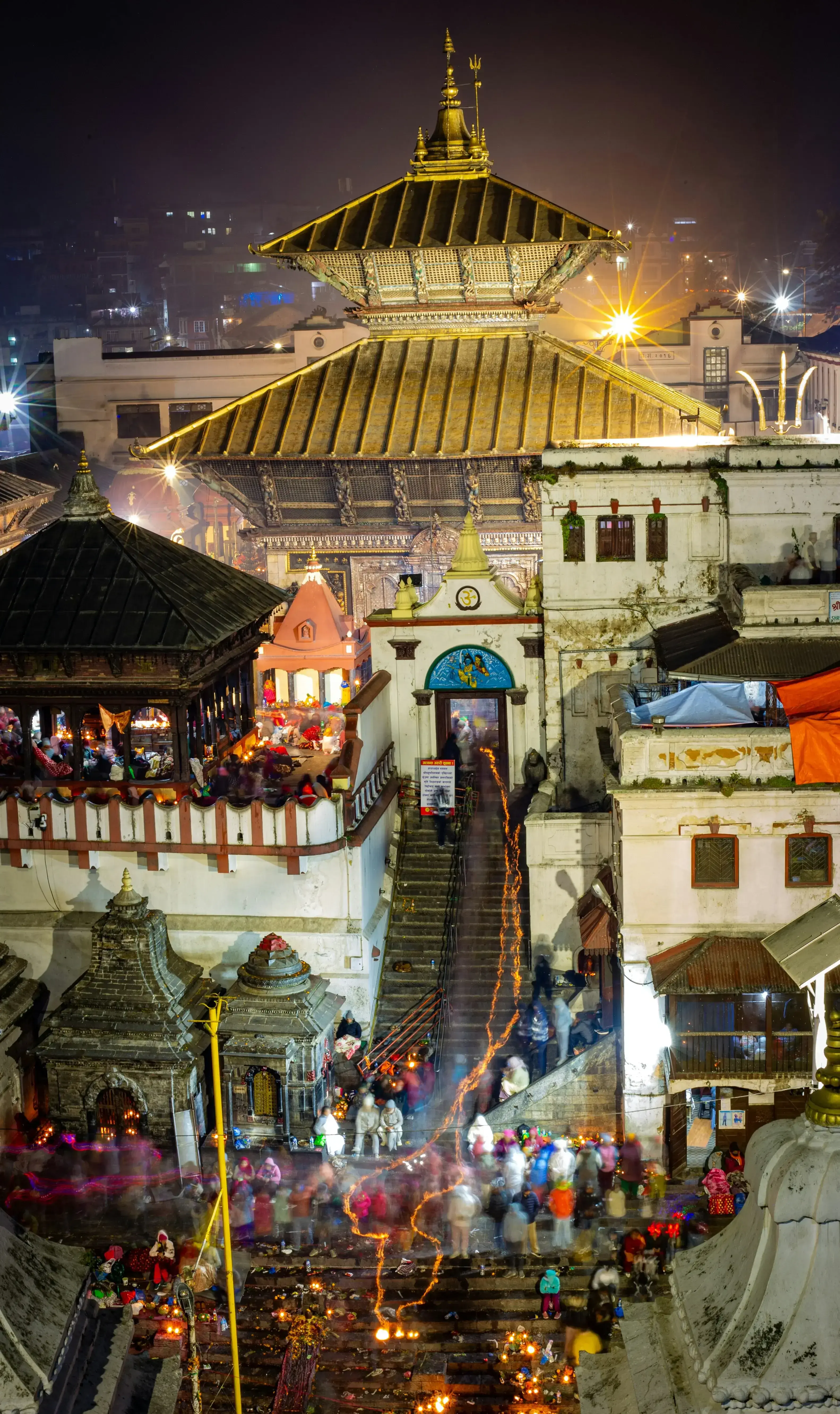
- Monastery visit plus evening aarati: After a day at Boudhanath, attend the evening aarati at Pashupatinath, where the Bagmati River comes alive with fire, chanting, and devotion every evening at sunset.
- Monastery visit plus yoga retreat: Combine a monastery experience with a yoga retreat in Pokhara for a complete mind-body-soul journey.
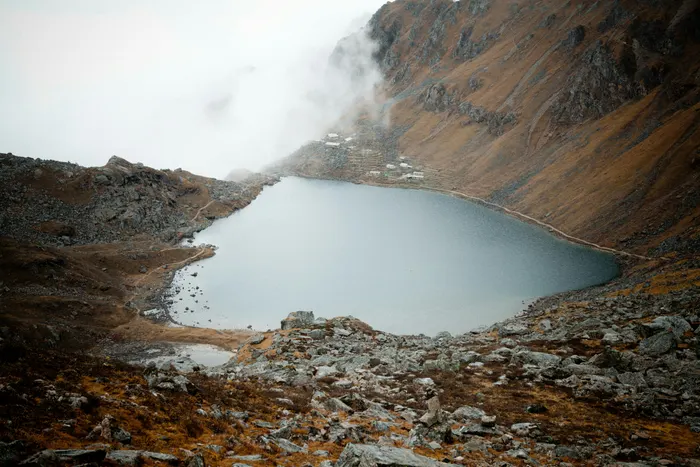
- Monastery visit plus sacred lake trek: Follow your monastery experience with a pilgrimage to Gosaikunda Sacred Lake, where Hindu and Buddhist traditions converge at 4,380 metres.
- Monastery visit plus meditation retreat: After learning the basics of etiquette, deepen your practice with a combined yoga and meditation retreat.
For those exploring the spiritual dimension of Himalayan travel more broadly, the mindfulness meditation guide offers a secular approach that complements the Buddhist practices you will encounter in monasteries. And if you are just starting out, the meditation for beginners guide provides a gentle entry point.
A Final Word on Respect and Presence
The essence of monastery etiquette is not a list of rules. It is an attitude of respect, humility, and presence. When you enter a monastery with the intention to learn rather than to judge, to participate rather than to consume, and to be still rather than to be entertained, everything else falls into place. The monks notice. The locals notice. And most importantly, you notice. The silence speaks. The butter lamps glow. The chanting fills the hall. And for a few minutes, you are part of something much larger than yourself.
That is the real gift of monastery etiquette. It is not about getting it right. It is about being open enough to be changed by the experience. When you book the monastery etiquette and meditation experience in Kathmandu, you are not just learning rules. You are opening a door to a deeper, richer, more authentic encounter with one of the world's oldest spiritual traditions. Walk through that door with your eyes open, your heart humble, and your mind ready to receive.
Nepal's monasteries have been welcoming seekers for centuries. In 2026, they are waiting for you.
Browse all Nepal tours and activities or contact us to plan your custom monastery and meditation journey.