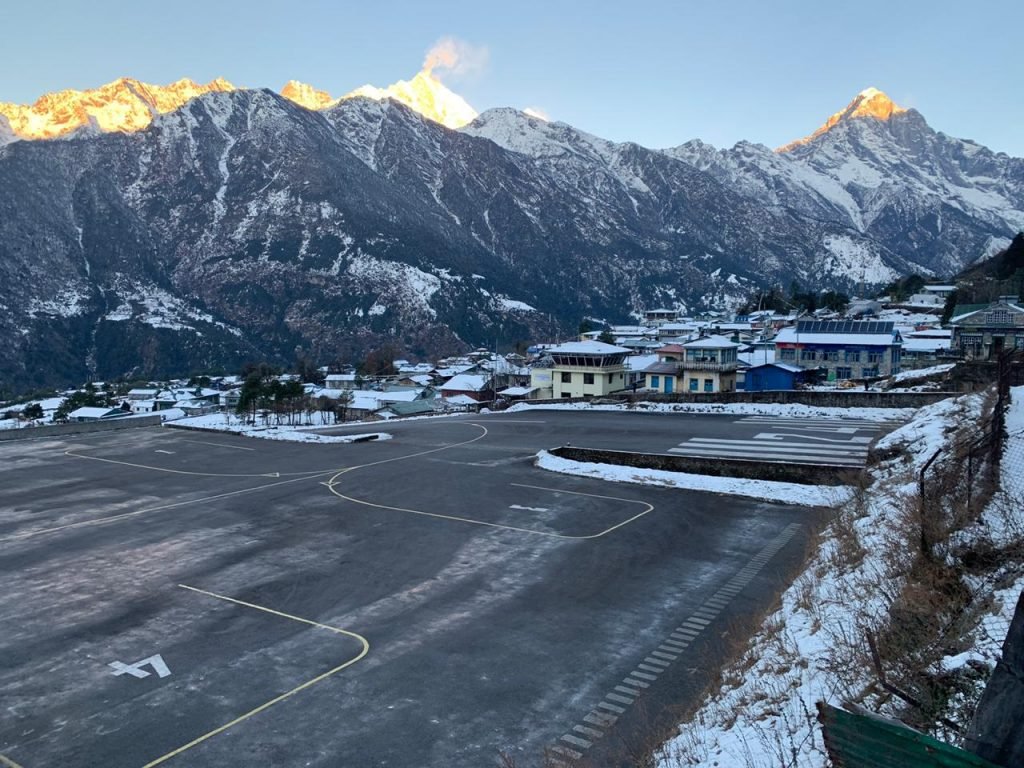
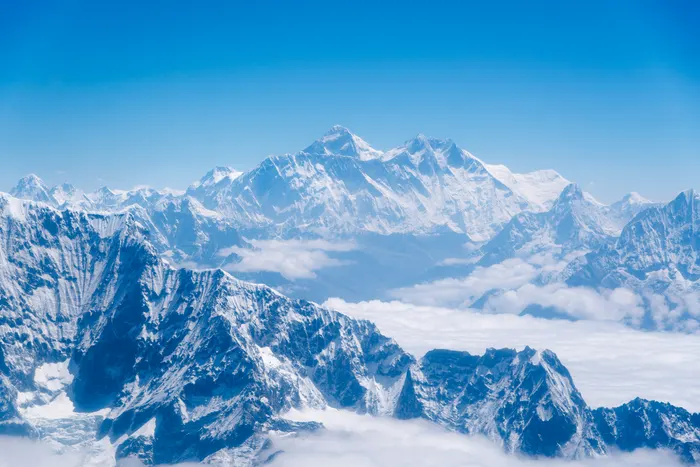
Sagarmatha National Park is the highest national park on earth. Established in 1976 and inscribed as a UNESCO World Heritage Site in 1979, it protects 1,148 square kilometres of the Khumbu: the summit of Mount Everest at 8,848.86 metres, the deep glacier valleys of the Dudh Koshi and Bhote Koshi rivers, Sherpa villages stacked like balconies above the clouds, and the sacred landscapes of Solu Khumbu, the Everest region of Nepal. Walking to Everest Base Camp means walking the entire length of a World Heritage park, from the gate at Monjo to the kharka meadows beneath the Khumbu Icefall. This guide covers what the park actually is, what the verified 2026 permits cost, where you sleep, and how to plan a trek that respects both the mountain and the people who live inside it.
It is the third in our park-by-park series after the complete guide to Nepal's 13 national parks, and it follows our Chitwan safari deep-dive. Where those guides covered Terai jungle, this one goes the other way: up, into alpine desert, glaciers and 5,000 metre passes.
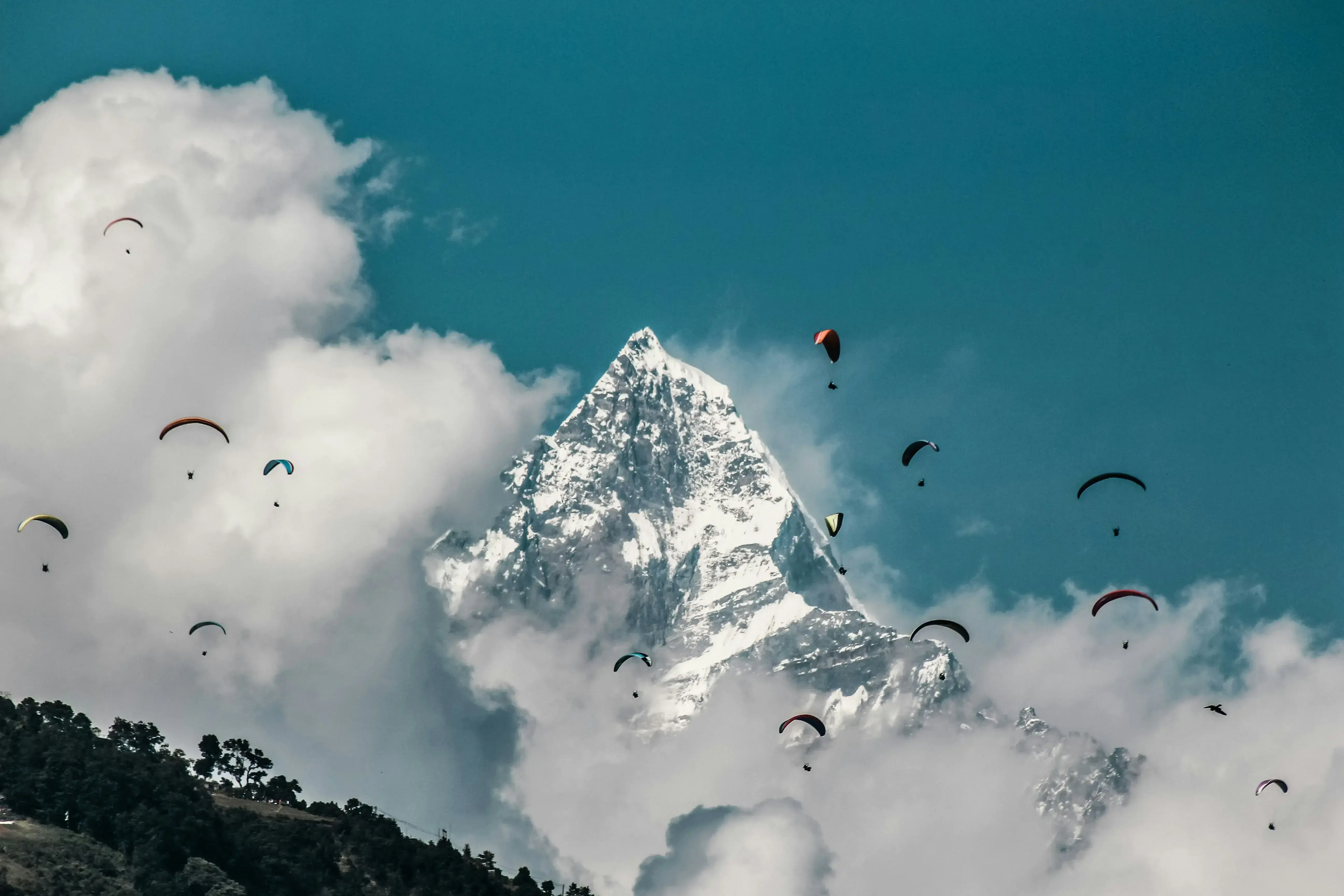
What Exactly Is Sagarmatha National Park?
Sagarmatha National Park (SNP) is a 1,148 square kilometre protected area in Nepal's Solukhumbu District, established on 19 July 1976 and named a UNESCO World Heritage Site in 1979 for its outstanding natural and cultural values. It spans elevations from 2,845 metres at Jorsale to 8,848.86 metres at the summit of Everest, making it the highest protected area on the planet. Roughly 69 percent of the park is barren land above the tree line, 28 percent is grazing land and just 3 percent is forested, which is why the landscape shifts so dramatically from rhododendron and juniper near the entrance to bare rock, ice and glacial moraine higher up.
The park's full statement of significance at UNESCO includes both the natural dimension, exceptional beauty and the highest mountains on earth, and the cultural one: the Sherpa people, whose villages, gompas and festivals within the park boundary are part of the inscription itself. In other words, the World Heritage status protects not just a mountain but a living culture; you can read how that Sherpa heritage threads through wider Nepal travel in our guide to cultural and spiritual tours in Nepal.


A Vertical Range of 6,004 Metres in One Park
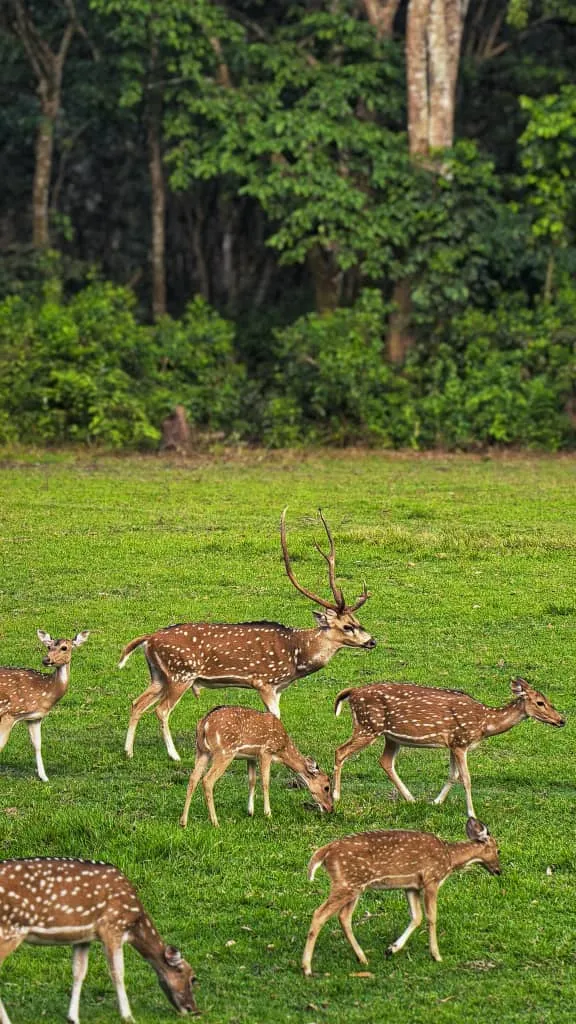
Sagarmatha rises from 2,845 metres at its entrance near Jorsale to 8,848.86 metres at the summit of Everest, a vertical range of exactly 6,004 metres inside a single park boundary. For a trekker, that means you pass through five distinct ecological zones on one walk: mixed forest of rhododendron, birch and pine; sub-alpine shrubs and juniper; alpine meadow where yaks graze; sub-nival moraine and glacier; and finally the nival zone of bare rock and permanent ice. No other national park trek in the world moves through such a complete spectrum of altitude.
What Permits Do You Need to Trek in the Park in 2026?
Three permits cover the classic Lukla-to-EBC route in 2026, and your trekking agency normally arranges all of them before you leave Kathmandu. The Sagarmatha National Park entry permit costs NPR 3,000 plus VAT (about USD 30) for foreign nationals and NPR 1,500 for SAARC nationals, and is issued either at the NTB office in Kathmandu or at the park gate in Monjo, where most trekkers buy it on Day 2 of the walk. The Khumbu Pasang Lhamu Rural Municipality permit, which replaced the old TIMS requirement for the region in 2018, costs NPR 2,000 (about USD 15 to 20) and is bought in Lukla or at the Monjo checkpoint. Add the standard TIMS card (USD 20) if your itinerary enters any other region of Nepal. Budget approximately USD 70 to 90 per person for the full permit stack.
Verified 2026 permit stack, at a glance
- Sagarmatha National Park entry: NPR 3,000 + VAT (about USD 30) foreign nationals; NPR 1,500 SAARC nationals; children under 10 free.
- Khumbu Pasang Lhamu Rural Municipality permit: NPR 2,000 (about USD 15-20), Lukla or Monjo checkpoint.
- TIMS card (if needed): USD 20, issued in Kathmandu at the NTB or TAAN office.
- Where the money goes: park entry fees fund the Sagarmatha National Park office and community projects under the buffer zone program, which returns a share of revenue to local villages.
Fees change annually, so treat these figures as planning estimates from recently posted rates and confirm final amounts when booking. The budgeting rule in our complete Nepal trekking planning guide applies here too: carry a 15 percent margin for any permit and entry budget.
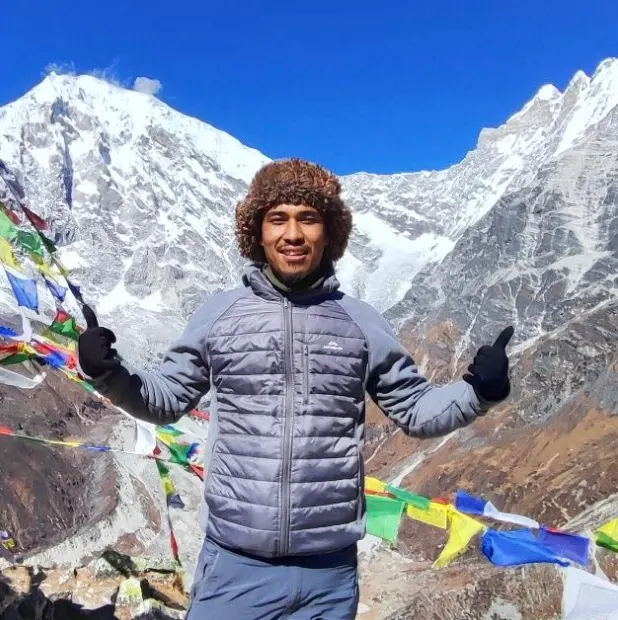
Where Does the Trek Start: Lukla or Jiri?
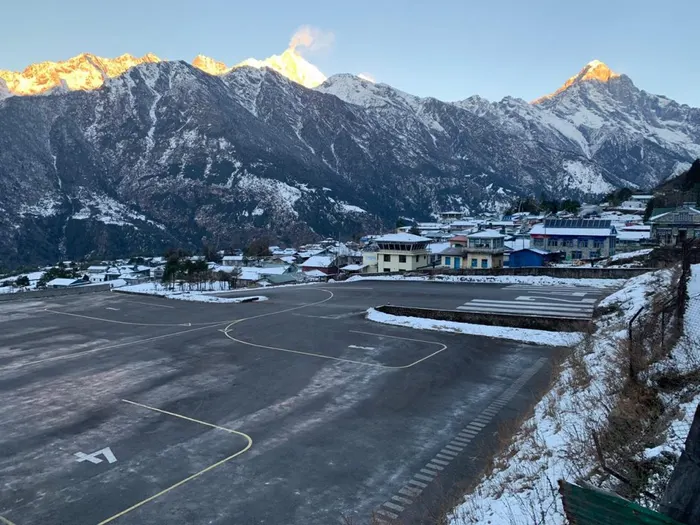
The classic gateway is the 35-minute flight from Kathmandu (Ramechhap in peak season) to Lukla at 2,840 metres, from which the trail drops to the Dudh Koshi and enters the park at Monjo, two walking days later. The alternative is the old Hillary route from Jiri, a 21-day pilgrimage through Solu that adds roughly 6 to 8 days of walking and forested ridges before Lukla; our Everest Base Camp via Jiri guide covers that classic approach in detail. A third option, growing fast in popularity, is the shorter viewpoint treks that reach Everest panoramas without going all the way to base camp: our Pikey Peak viewpoint guide covers the best of lower Solu.
How Many Days Do You Need Inside the Park?
Count the park walk itself as 8 to 10 days from Lukla to base camp and back, and add flight days on each end. The standard acclimatization-smart rhythm is two nights in Namche Bazaar (3,440 m) and one in Dingboche (4,410 m), which puts you on the trail to EBC on Day 7 or 8 with a body that has adapted to 4,000 metres. Rush the acclimatization days and the odds of altitude sickness climb sharply; we explain the physiology and the ACAPS medication guidance in our guide to preventing altitude sickness on the EBC trek. The full route description, day by day, lives in our Everest region guide from Lukla to Kalapatthar.
Why Is Namche Bazaar So Important to the Trek?
Namche Bazaar, at 3,440 metres, is the Sherpa capital of the Khumbu and the trek's single most important acclimatization stop. It sits inside the park as a natural amphitheatre of stone houses, bakeries with espresso, gear shops, a mountaineering museum and a Saturday market that draws traders from as far as Tibet. The two-night Namche rule exists because the village sits at the altitude where acclimatization becomes real work: climb high by day to Khumjung or the Everest View Hotel, sleep low in Namche, and your red blood cell count begins the adaptation that everything above 4,000 metres depends on. Budget an extra day here if the Lukla flight schedule slips, which it often does in mountain weather.
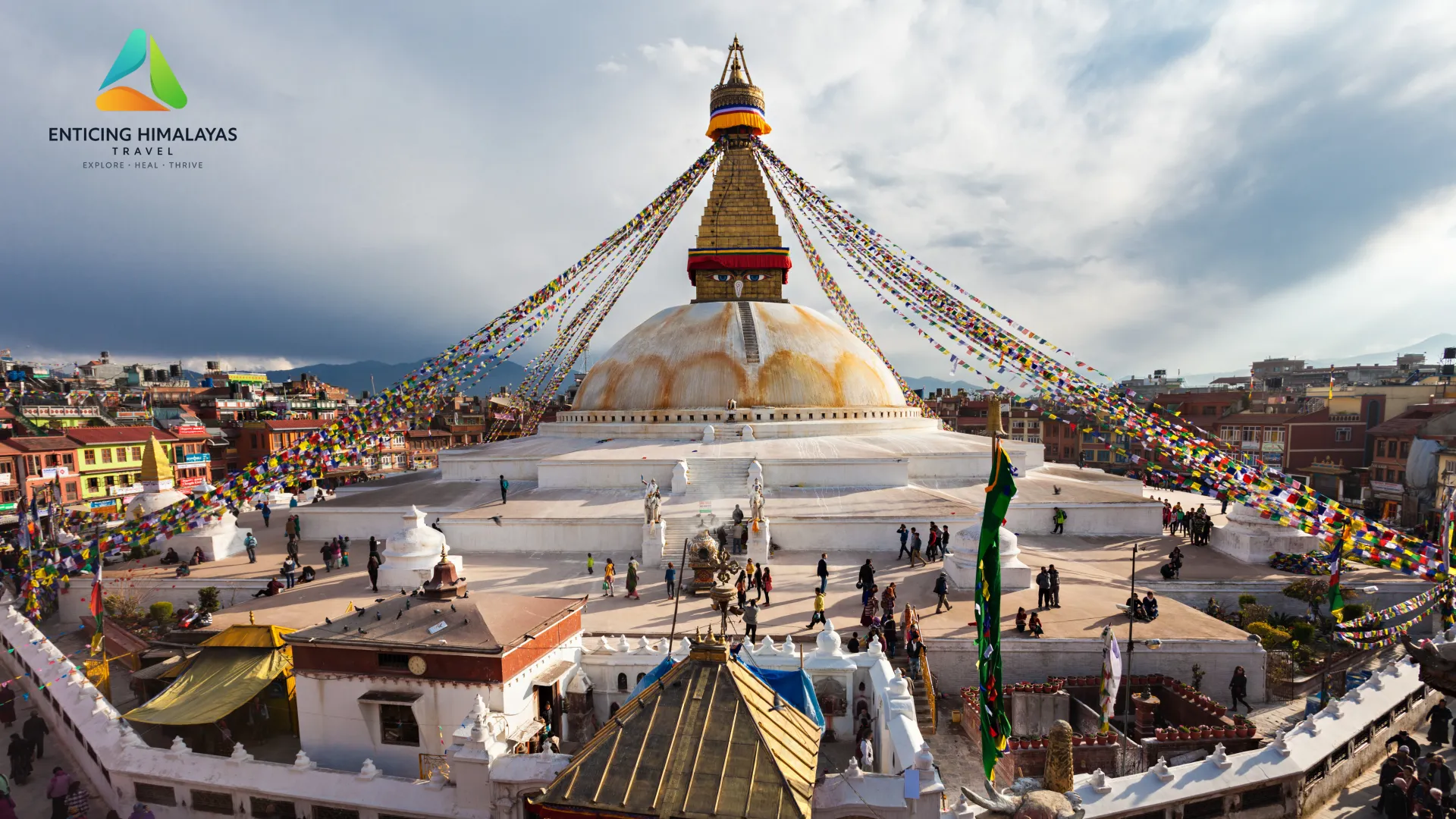
The culture around Namche also explains what makes this park different from every other trekking area in Nepal: monasteries at Tengboche and Khumjung, prayer flags on every ridge, and the Mani Rimdu festival in autumn, which we cover in our cultural and spiritual tours guide.
What Will You Actually See Inside the Park?
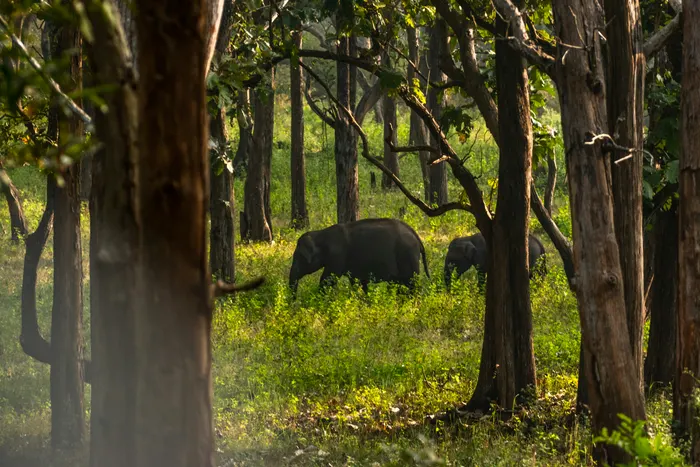
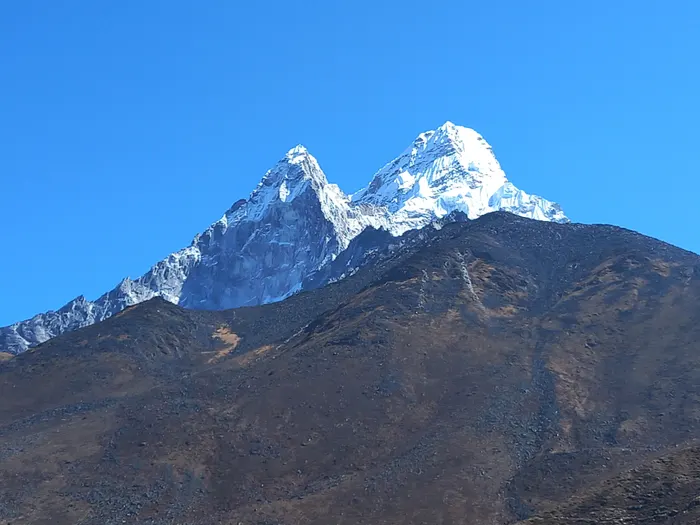
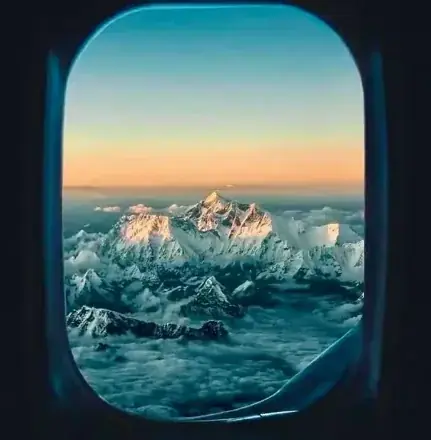
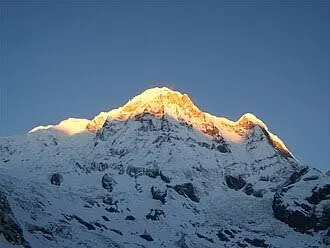
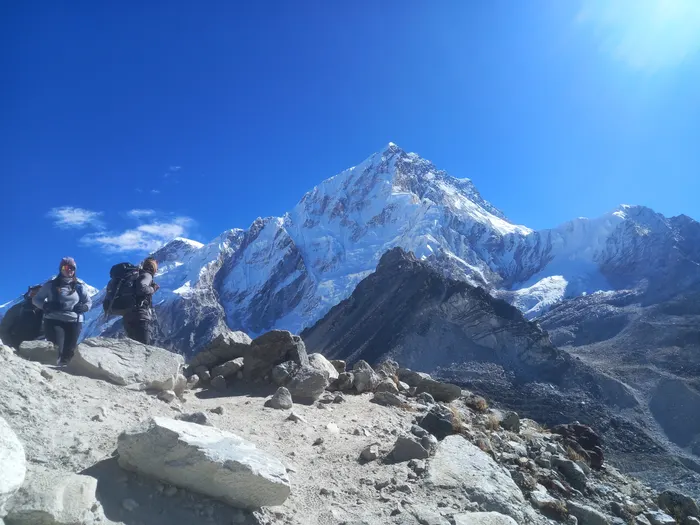
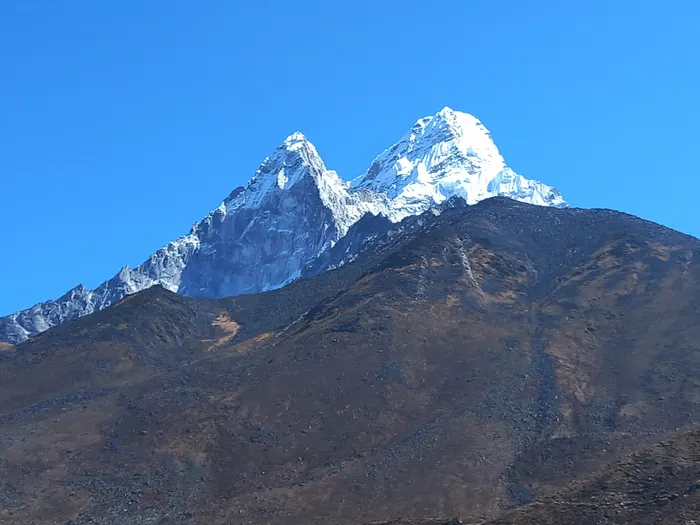
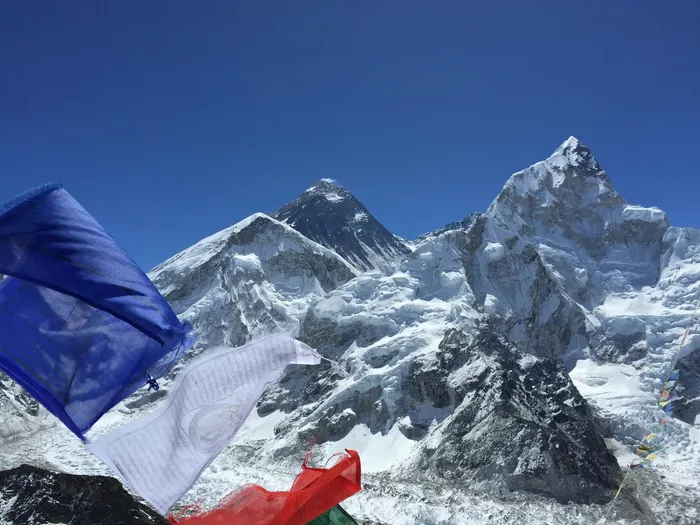
Wildlife in Sagarmatha is subtle compared with the Terai parks, but the park protects some genuinely Himalayan species: the musk deer and Himalayan tahr on the high slopes, blood pheasant and Himalayan monal (the national bird of Nepal) in the scrub zones, and the rare and elusive snow leopard, present in the park but almost never seen. What you will certainly see is geography: the Ama Dablam, Lhotse and Nuptse wall above Dingboche, the Khumbu Icefall spilling from the Western Cwm, the Gokyo lake complex if you take that side trail, and Everest itself from Kala Patthar, the classic sunrise viewpoint at 5,644 metres. Birders can cross-reference species and seasons in our bird watching in Nepal guide.
Gokyo Lakes versus Everest Base Camp
The EBC trail and the Gokyo valley are the park's two great walks, and choosing between them is a real decision. Gokyo delivers six turquoise lakes, the Ngozumpa glacier (Nepal's largest), and the summit of Gokyo Ri at 5,357 m with arguably the best single panorama of Everest and three 8,000ers. Base Camp delivers the mountaineering theatre of the icefall, Gorak Shep, and Kala Patthar. The Gokyo Lakes and EBC trek via the Cho La pass combines both over 16 days, and is our recommendation if you have the time; the snow conditions on Cho La are covered in our three passes trek guide, which stitches together all the high routes of the park.
When Is the Best Time to Trek Sagarmatha?
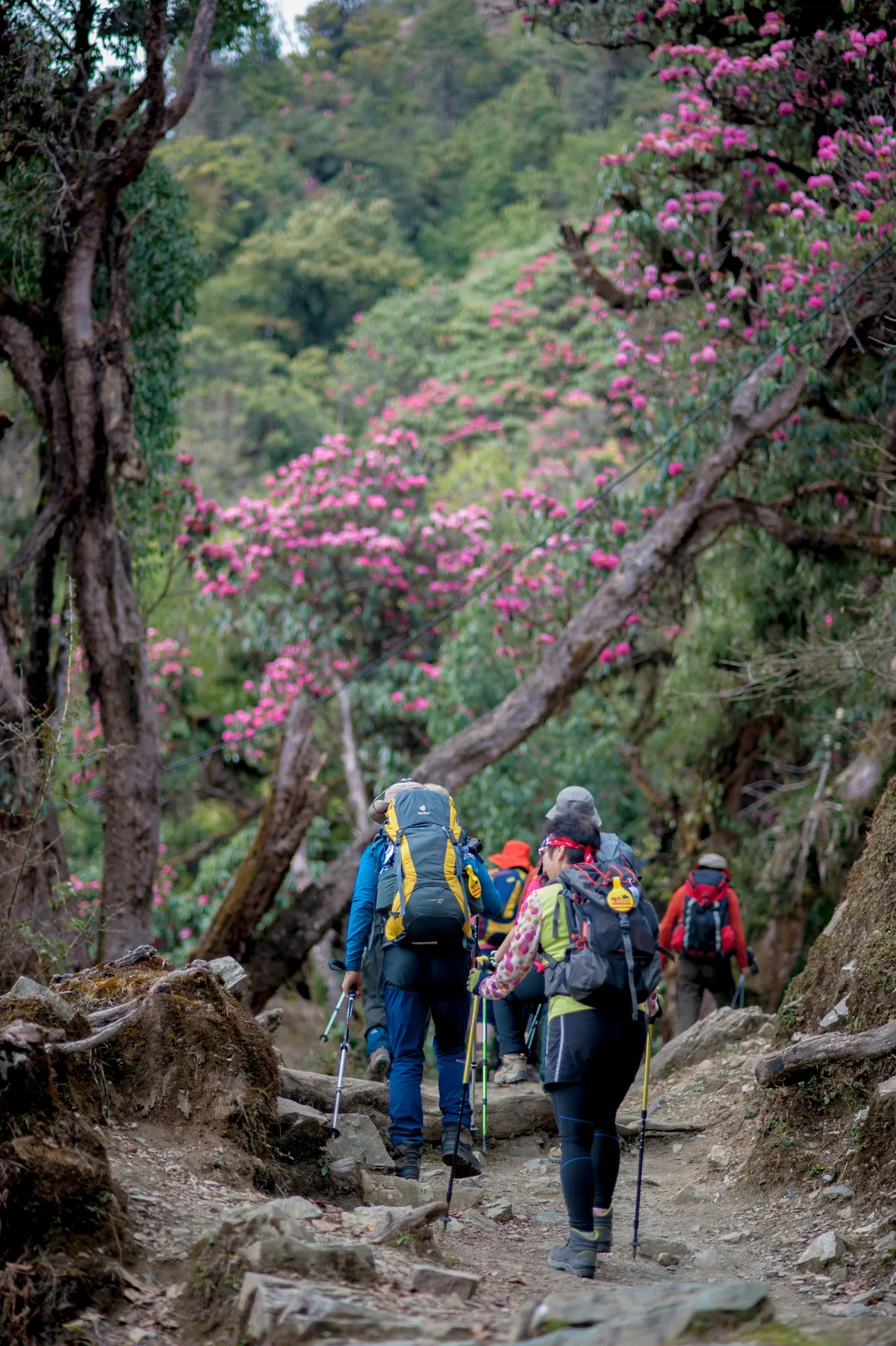
The two peak seasons are pre-monsoon (March to May) and post-monsoon (October to November), each about four to five months long in total. Autumn is the busiest and most stable: clear skies, warm days at altitude, and the Mani Rimdu festival at Tengboche in October or November. Spring brings rhododendron bloom in the lower valleys, longer daylight, and the Everest climbing season crowds at base camp in May, but also more afternoon cloud and the occasional pre-monsoon storm. Winter (December to February) is quiet, cold and spectacular, with clear air and frozen waterfalls; our winter EBC guide covers the December to February window in detail. June to September is monsoon, when clouds bury the peaks and leech-infested trails make the lower forested sections miserable.
How Much Does an EBC Trek Inside the Park Cost in 2026?
Expect USD 1,200 to 2,000 for a supported 14-day trek from Kathmandu, depending on guide and porter arrangements, teahouse standard, and how many internal flights slip into the itinerary. Budget trekkers can do it for less by joining a group and sharing resources; luxury lodge treks in the park cost significantly more. The two biggest variables are the Lukla flight (USD 180 to 200 each way) and the teahouse-and-meal stack, which runs USD 30 to 50 per day inside the park where everything above Namche is carried in by yak, porter or helicopter. The full cost breakdown, line by line, lives in our EBC trek cost guide for 2026.
Teahouses, Lodges and Where You Sleep
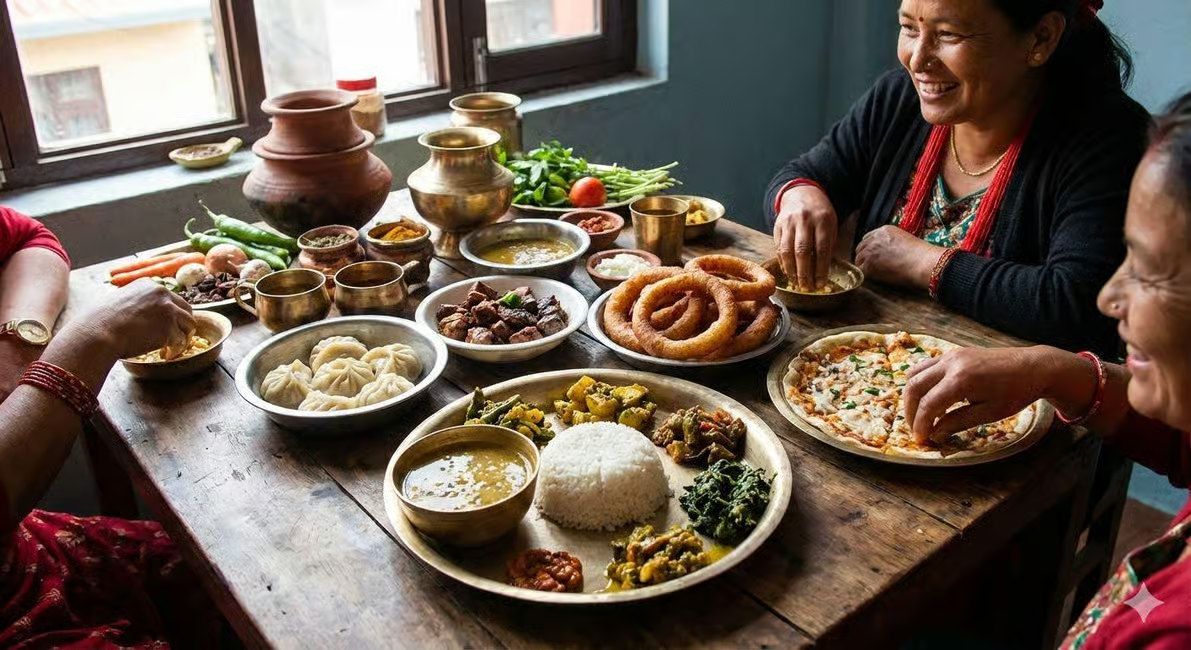
Accommodation inside the park is teahouse-based: family-run lodges with twin rooms, communal dining rooms heated by yak-dung stoves, and menus that get more expensive and less fresh with every 500 metres of altitude. Standards range from basic (shared bathroom, foam mattress) to surprisingly comfortable upgraded lodges in Namche, Khumjung and Dingboche, some with attached bathrooms and wi-fi. Where to stay, night by night and village by village, is mapped in our teahouse and lodge guide for the EBC trek.
Is the Park Getting Too Crowded?
Honest answer: the Everest trail is the busiest in Nepal, with over 40,000 trekkers buying permits in a good year and traffic jams above Namche in October. But the crowds concentrate on the main artery, Lukla to EBC, while the side valleys, Gokyo, and the three-passes routes stay dramatically quieter. The responsible tourism practices we advocate for Nepal apply doubly inside a World Heritage park: stay in locally owned lodges, carry out what you carry in, and remember that the lodge owner in Dingboche is a park stakeholder, not a service provider.
How Do You Book a Sagarmatha Trek That Supports the Park?
Book through a licensed Nepali agency that lists park fees and Pasang Lhamu permits explicitly in the package, employs local Sherpa guides, and can show where its teahouse money goes. Our guide to choosing the best trekking agency in Nepal walks through the vetting questions in detail, from insurance requirements to porter welfare standards. If the full 14-day walk is more time than you have, the shorter Everest viewpoint treks such as the Everest View Short Trek, 5 days, Namche panorama deliver the park's lower and mid-altitude highlights in a compact window, and the women-only guided EBC group trek is a fully supported option for solo female travellers.
If you want the complete classic, the 14-day Everest Base Camp trek from Kathmandu is the full traverse of the park, gate to gate, with acclimatization days built in.
The Park-Ready Packing List
The packing logic for a Sagarmatha crossing is the layered Himalayan kit: broken-in waterproof boots, merino base layers, an insulated down jacket for the 4,500 metre nights, a four-season sleeping bag for Gorak Shep, and a good sun kit because UV at altitude is savage even when the air is freezing. The complete seasonal gear list, item by item, lives in our EBC packing list guide. One park-specific addition: carry a small sealable bag for waste, because there are no bins between Monjo and base camp, and the park's clean-up campaigns have enough to carry already.
First-Timers, Families and Older Trekkers: Is It Realistic?
Yes, with honest expectations. The trail itself is non-technical, a well-graded footpath the whole way, but it is long, high and cold, and altitude, not terrain, is the filter. First-timers should read our beginner's guide to the EBC trek and our honest difficulty assessment of the EBC trek before committing. Fitness matters less than acclimatization discipline: we have guided fit marathoners into trouble at Dingboche and steady 65-year-olds onto Kala Patthar.
Do You Need Special Travel Insurance for Sagarmatha?
Yes, and ordinary travel insurance usually is not enough. Because the trek crosses 5,000 metres and helicopter evacuation from the Khumbu is the only realistic rescue mode, your policy must explicitly cover trekking to 6,000 metres and include helicopter evacuation in Nepal. Policies sold as "hiking" cover often cap at 3,000 or 4,000 metres, which leaves you uninsured for exactly the part of the park where you need it most. Carry a printed copy of the policy and the 24-hour assistance number, because teahouse wi-fi cannot be trusted in an emergency, and check the insurance guidance in our Nepal trekking planning guide before you buy.
What About the Lukla Flight and Weather Delays?
The flight into Lukla is the single most schedule-sensitive part of any Sagarmatha itinerary. The airstrip sits at 2,840 metres on a steep shelf, operations run only from early morning to early afternoon, and when cloud fills the valley, flights simply do not fly. In peak season, many departures shift to Ramechhap, a 4 to 5 hour drive from Kathmandu, to relieve congestion. The practical rules: book the earliest flight slot possible, build at least one buffer day into your itinerary at the Kathmandu end, and never plan an international departure the day after your trek ends. A weather-delayed Lukla return is the most common reason trekkers miss connections, and no airline rebooks you onto a flight that does not exist. If the schedule feels tight, the Everest Base Camp helicopter trek, trek up and fly back removes the return-flight gamble entirely.
Photography in the World's Highest Park
Sagarmatha is one of the great photography destinations on earth, and the light behaves differently at altitude: the air is thin and dry, midday glare is brutal, and the golden hours around dawn and dusk produce the alpenglow that makes Ama Dablam turn copper. The classic frames are the mani walls and prayer flags of Tengboche at dawn, the Everest summit pyramid from Kala Patthar at first light, yak trains crossing the Dudh Koshi suspension bridges, and the Gokyo lakes mirroring Cho Oyu. For a dedicated photo itinerary with a professional guide, the Everest photography trek, 12 days is built around the light, not the mileage.
How Does Sagarmatha Compare with Nepal's Other Big Treks?
The honest comparison: the Khumbu has the most dramatic high-mountain theatre of any walk in Nepal, but it is also the most expensive to reach and the busiest on the ground. The Annapurna region trades 8,000-metre walls for variety, villages and a road-linked flexibility, and we break down that trade-off in our Annapurna versus Everest comparison. The Langtang valley, covered in our Langtang region guide, is the quiet middle path: glaciers and a 7,000-metre skyline at a fraction of the Khumbu's cost and crowd. For a first trek in Nepal, all three work, and our round-up of the best treks for beginners, families and solo women ranks them by experience level, not just by scenery.
What Sagarmatha offers that nowhere else can: a UNESCO World Heritage landscape that is also a living Sherpa homeland, and the chance to stand at the foot of the highest mountain on earth. If you are pairing the park visit with the cultural side of Nepal, our day-by-day guide to Nepal's 10 UNESCO World Heritage Sites shows how the Kathmandu Valley monuments and the Khumbu trails fit into one itinerary.
The Verdict: A World Heritage Park You Walk Through
Sagarmatha National Park is not a park you visit; it is a park you traverse, on foot, over eight to twelve days, from the monkey-filled river gorge at Monjo to the frozen moraine of Gorak Shep. The 2026 permit stack is modest, the teahouse network is one of the most developed in the Himalaya, and the cultural depth, Sherpa villages, gompas and festivals, is written into the World Heritage inscription itself. Treat the altitude with respect, book through an agency that supports local communities, and the highest national park on earth will hand you the trek of a lifetime. Start planning with the 14-day Everest Base Camp trek from Kathmandu, or talk to our team about a custom Sagarmatha itinerary.