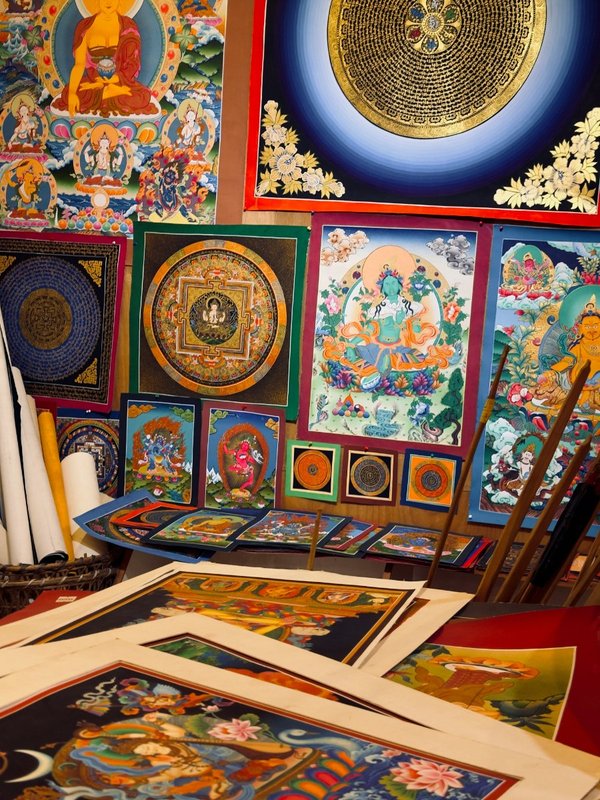
Thangka painting is one of the most revered artistic traditions in the Himalayas, a meticulous practice where every brushstroke carries spiritual meaning. For centuries, Nepali artisans have created these painted scrolls depicting Buddhist deities, mandalas, and cosmic diagrams, serving as objects of meditation, teaching tools, and sacred offerings. Today, visitors from around the world come to Kathmandu to learn this ancient craft directly from master painters in intimate workshop settings.
If you are planning a cultural or spiritual journey in Nepal, a cultural and spiritual tour in Nepal offers the perfect framework to combine sacred art workshops with temple visits, monastery stays, and heritage exploration. This guide covers everything you need to know about Thangka painting and handicraft workshops in Nepal for 2026 and 2027, including where to study, what it costs, what to expect, and how to choose the right workshop for your interests and schedule.
What Is a Thangka and Why Does It Matter in Nepali Culture
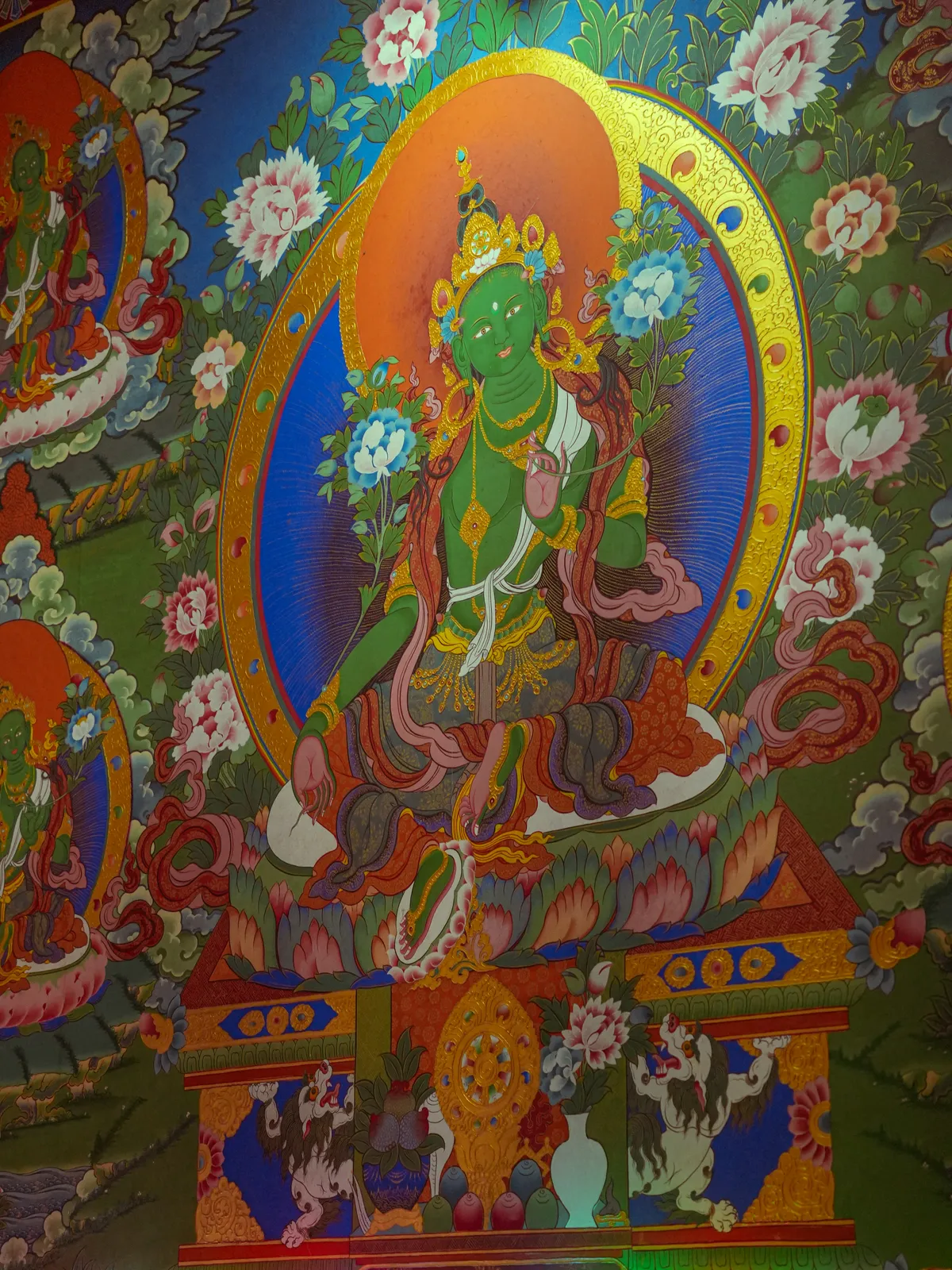
A Thangka (also spelled tangka or thangka) is a Tibetan Buddhist painting on cotton or silk applique, usually depicting a Buddhist deity, scene, or mandala. The word itself comes from the Tibetan term meaning "thing that one unrolls." Thangkas serve multiple purposes in Himalayan Buddhism: they are used as teaching tools when narrating the life of the Buddha or illustrating complex philosophical concepts, as meditation aids that help practitioners visualize deities, and as ceremonial objects displayed during religious festivals and rituals.
In Nepal, Thangka painting has deep roots in the Newar Buddhist tradition, which predates the arrival of Tibetan Buddhism in the region. The Newars of the Kathmandu Valley developed their own paubha painting style, which is the Nepali counterpart to the Tibetan Thangka and is considered by many art historians to be the ancestor of the Tibetan form. Newar paubha paintings were highly prized in Tibet, and Nepali artisans were invited to Tibetan monasteries to paint murals and create portable devotional images. This cross-cultural exchange enriched both traditions and established Kathmandu as a center of sacred art production that continues to this day.
The spiritual significance of Thangka painting cannot be overstated. Each painting follows strict iconographic rules laid out in ancient texts, specifying the proportions, colors, postures, and attributes of every deity. A properly executed Thangka is considered a sacred object, not merely a decorative one. The process of painting is itself a form of meditation and devotion, with the artist reciting mantras and maintaining a pure state of mind throughout the work. To learn more about the spiritual dimensions of Himalayan practice, read our guide to meditation retreats in the Himalayas
The History of Sacred Art in the Kathmandu Valley
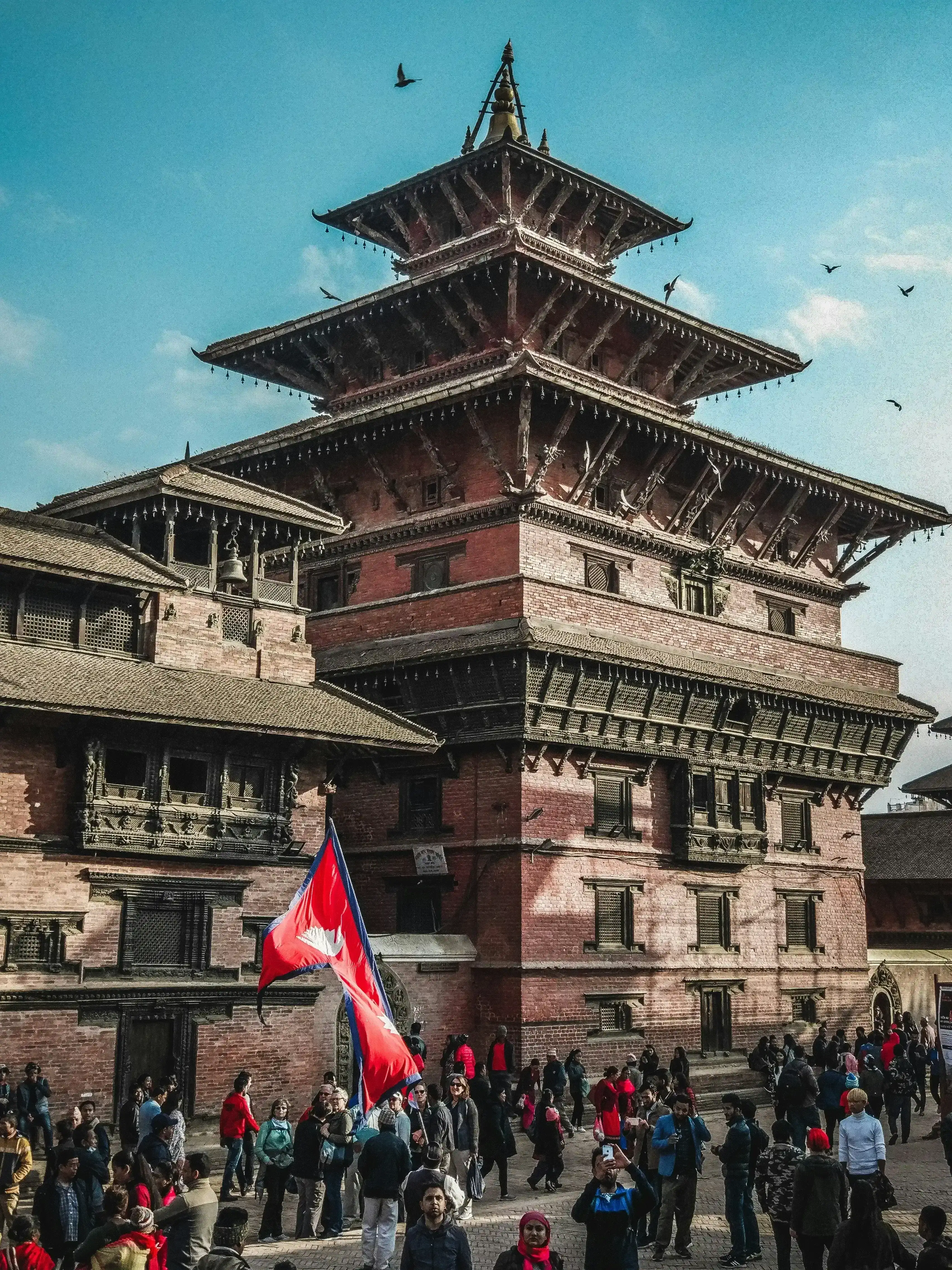
The Kathmandu Valley has been a cradle of sacred art for over two millennia. The Licchavi period (circa 400-750 CE) saw the first flowering of stone sculpture and metal casting in the valley, with artisans producing exquisite images of Hindu and Buddhist deities that still stand in temple courtyards today. The Malla period (1200-1768 CE) brought an explosion of artistic production, with the three Malla kingdoms of Kathmandu, Patan, and Bhaktapur competing to build the most magnificent temples, palaces, and public squares. This rivalry drove innovation in architecture, wood carving, metalwork, and painting, creating a legacy that earned the valley its UNESCO World Heritage status.
Thangka and paubha painting evolved alongside these other art forms, borrowing techniques from mural painting and manuscript illumination. The Newar painter's guild, known as the Chitrakar community, has passed down painting techniques through hereditary lineages for generations. Many of the master Thangka painters teaching workshops in Kathmandu today belong to this traditional artisan community, though the field has opened up to students from all backgrounds in recent decades. For a deeper exploration of the Newar artistic and spiritual heritage, see our guide to Newar spiritual heritage in Kathmandu Valley
The connection between sacred art and the broader cultural landscape of Nepal is profound. Thangka paintings are not isolated art objects; they exist within a living tradition that encompasses temple architecture, ritual music, dance, sculpture, and textiles. When you participate in a Thangka workshop, you are entering this rich ecosystem, learning not just a painting technique but a worldview in which art, spirituality, and daily life are inseparable. Our complete guide to trekking in Nepal covers the broader travel context for those who want to combine sacred art study with Himalayan trekking.
Where to Learn Thangka Painting in Kathmandu
Kathmandu is home to numerous Thangka painting schools and workshops, ranging from informal sessions in an artist's studio to structured courses at established institutions. Here are the main options for visitors who want to learn Thangka painting:
Boudhanath Stupa Area
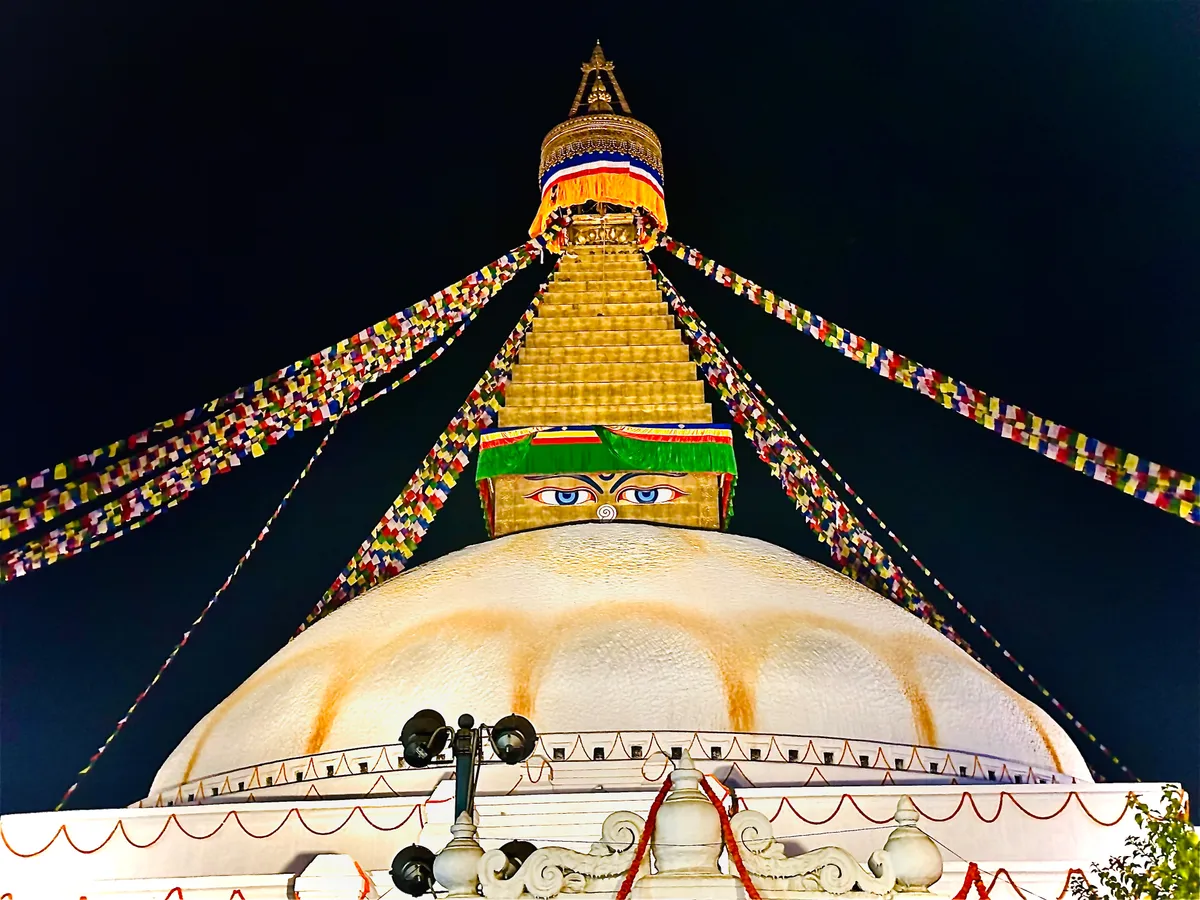
The Boudhanath stupa neighborhood is the heart of Tibetan Buddhism in Kathmandu and the most popular area for Thangka study. The area is surrounded by monasteries, dharma centers, and Thangka shops, many of which offer short courses for visitors. The atmosphere here is deeply spiritual, with the massive white dome of the stupa providing a constant visual anchor. Studying in Boudhanath means you are immersed in the living tradition, with pilgrims circumambulating the stupa, monks chanting in nearby gompas, and the smell of incense and butter lamps filling the air. Several workshops around Boudhanath offer half-day introductory sessions and multi-day intensive courses.
For those interested in the broader spiritual circuit around Kathmandu, the Kathmandu spiritual circuit covering Pashupatinath, Boudhanath, and Swayambhunath provides an excellent complement to a Thangka workshop, combining three of the most sacred sites in the valley.
Swayambhunath and the Old City
The area around Swayambhunath (Monkey Temple) and the old city quarters of Kathmandu also hosts several Thangka studios. These tend to be smaller, more intimate operations run by individual artists who teach in their own workspaces. The advantage of studying here is the proximity to the historic heart of Kathmandu, with its narrow lanes, hidden courtyards, and ancient temples. You can combine a morning Thangka session with an afternoon walking tour of Asan Bazaar, Kathmandu Durbar Square, or the traditional artisan quarters of the city.
Patan (Lalitpur)
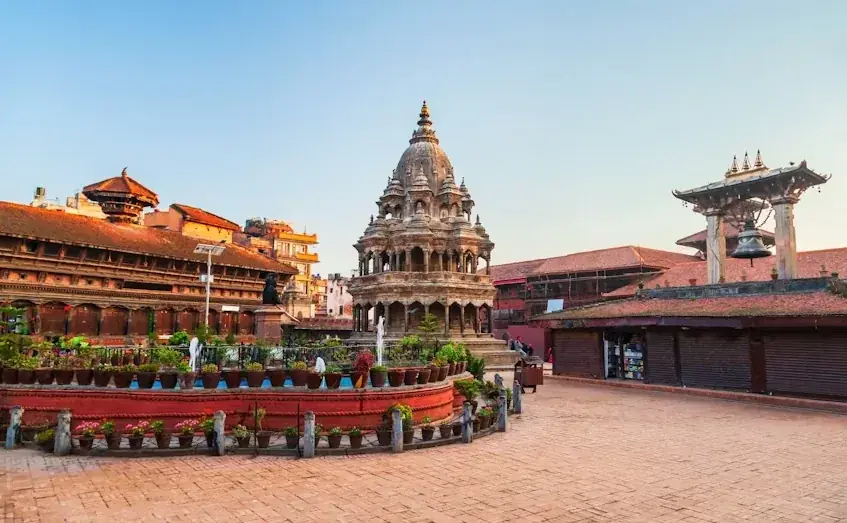
Patan, the third city of the valley, is renowned for its fine arts tradition and is home to some of the most skilled metalworkers, woodcarvers, and painters in Nepal. The Patan Museum, housed in a former Malla palace, has an excellent collection of sacred art and is a great place to study the iconography before trying your hand at painting. Several workshops in Patan offer courses in both Thangka and paubha painting, often with a focus on the Newar tradition. Patan is quieter and less touristy than Thamel or Boudhanath, making it ideal for those who want a more contemplative learning environment.
Bhaktapur
Bhaktapur, the best-preserved of the three Malla capitals, offers a unique setting for handicraft workshops. The city is a living museum of medieval Newar architecture, with pottery squares, weaving workshops, and painting studios scattered through its car-free old town. A Bhaktapur day tour - from $120 can be combined with a short Thangka or pottery workshop for a full day of cultural immersion. Bhaktapur's artisan community is smaller than Kathmandu's but deeply rooted in tradition, and the slower pace of life here makes it a pleasant place to spend a creative afternoon.
Types of Handicraft Workshops Available in Nepal
Beyond Thangka painting, Nepal offers a rich variety of traditional handicraft workshops that visitors can join. These workshops provide hands-on experience with techniques that have been practiced for centuries in the Kathmandu Valley and beyond.
Paubha Painting
Paubha is the Newar Buddhist painting tradition that predates and influenced Tibetan Thangka painting. Paubha works are characterized by their symmetrical compositions, rich red and gold color palettes, and central deity images surrounded by smaller figures and ornamental borders. Learning paubha offers a distinctly Nepali perspective on sacred art, one that is rooted in the valley's indigenous Buddhist tradition rather than the Tibetan form. Several workshops in Patan and Kathmandu teach paubha alongside or instead of Thangka.
Pottery in Bhaktapur
Bhaktapur's Pottery Square is one of the most photographed spots in Nepal, with rows of clay pots drying in the sun. Visitors can join pottery workshops where they learn to shape clay on traditional wooden wheels, a technique unchanged for generations. The potters of Bhaktapur produce everything from water vessels and cooking pots to ritual objects used in Hindu and Buddhist ceremonies. A pottery workshop is an excellent complement to a Thangka session, giving you a broader picture of the valley's craft traditions.
Wood Carving
Nepali wood carving is legendary, with the intricately carved windows, doors, and roof struts of the Malla-era temples standing as testament to the skill of traditional carvers. Wood carving workshops in Patan and Bhaktapur teach basic carving techniques, allowing visitors to create simple decorative pieces while learning about the symbolism of traditional Newar architectural ornamentation.
Metalwork and Statue Casting
The lost-wax casting technique used to create Buddhist and Hindu metal statues is one of Nepal's most sophisticated craft traditions. Patan is the center of this craft, with foundries that have been producing bronze and copper statues for centuries. Some workshops offer demonstrations of the casting process, and a few allow visitors to try basic metalworking techniques under supervision. The statues produced in Patan are used in temples and monasteries throughout the Himalayan region and are exported worldwide.
Singing Bowl Making
Nepal is famous for its singing bowls, which are used in sound healing practices and meditation. Some workshops in the Kathmandu area teach the traditional methods of hammering and casting singing bowls. This is a unique opportunity to learn about the metallurgy and acoustics of these instruments while creating your own bowl. For more on the healing aspects of sound in Nepal, see our guide to traditional sound healing with singing bowls and mantras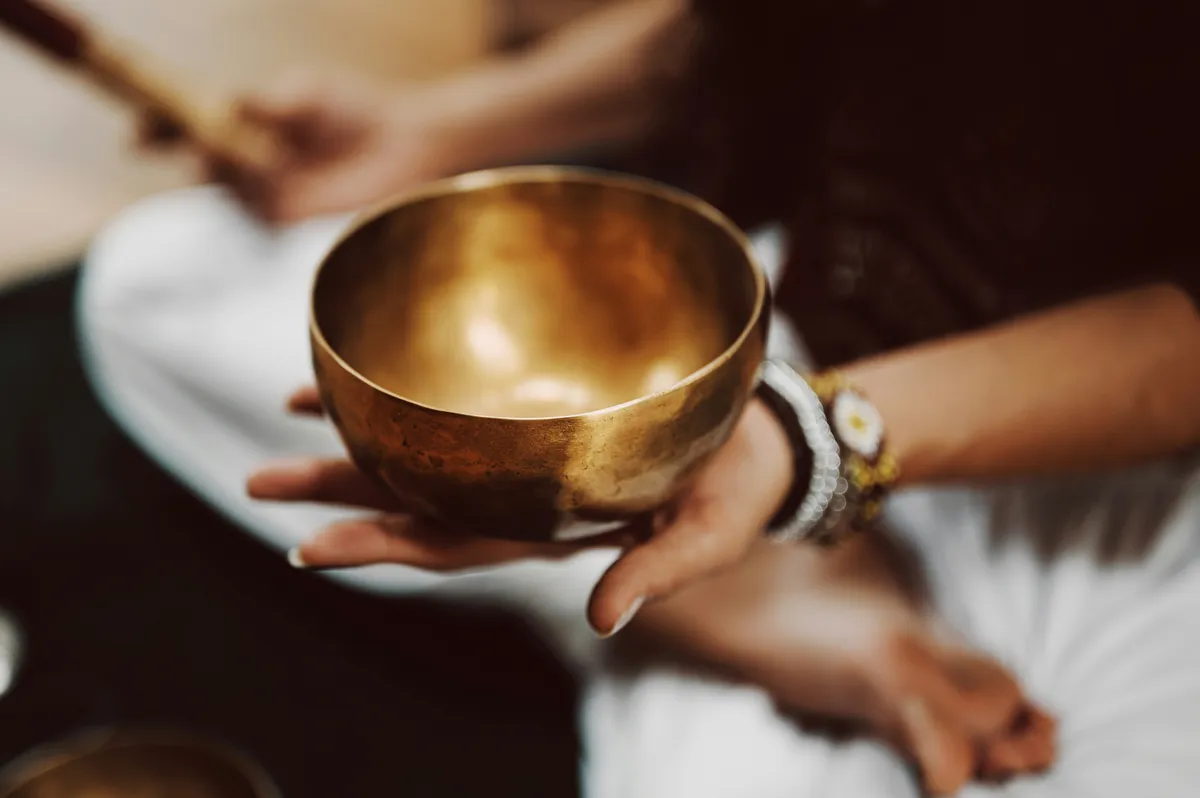

What to Expect in a Thangka Painting Workshop
A typical Thangka painting workshop in Kathmandu follows a structured progression, whether it is a half-day introduction or a multi-week intensive course. Understanding what to expect will help you prepare and get the most out of your experience.
Introduction and Materials
Most workshops begin with an introduction to the history and spiritual significance of Thangka painting. The master painter will explain the iconographic rules, the meaning of different deities, and the symbolic vocabulary of colors, gestures, and attributes. You will then be introduced to the materials: cotton canvas (sometimes silk), mineral pigments, bamboo brushes, gold powder, and the various tools used in the painting process. Traditional Thangka paints are made from ground minerals such as lapis lazuli for blue, cinnabar for red, and malachite for green, mixed with a binder of animal glue and water.
Canvas Preparation
Preparing the canvas is the first practical step in Thangka painting. The cotton cloth is stretched on a wooden frame, coated with a mixture of chalk and animal glue, and polished with a smooth stone until the surface is perfectly smooth and white. This process can take several hours and is itself considered part of the meditative practice. In shorter workshops, pre-prepared canvases may be provided so that students can focus on the painting itself.
Drawing the Grid and Deity
The most distinctive feature of Thangka painting is the geometric grid system used to establish the proportions of the deity. Every Buddha, bodhisattva, and wrathful deity has a specific proportional system laid out in traditional texts. The master will teach you how to draw this grid using a ruler and compass, and then how to sketch the deity within it. This is the most technically demanding part of the process and requires patience and precision. The grid ensures that the deity is depicted with the correct proportions, which is essential for the painting to be considered a valid sacred object.
Color Application
Once the drawing is complete, color is applied in a specific sequence: background colors first, then the deity's body, and finally the details and gold highlights. The paint is applied in thin layers, with each layer allowed to dry before the next is added. This creates a depth and luminosity that is characteristic of fine Thangka work. Students in short workshops typically complete a small section of a pre-drawn Thangka, experiencing the meditative quality of the painting process without the full technical commitment.
Finishing and Blessing
In traditional practice, a completed Thangka is blessed by a lama in a consecration ceremony that activates its spiritual power. While workshop pieces are not formally consecrated, many master painters will offer a brief blessing or dedication for students who wish it. This underscores the spiritual dimension of the practice and reinforces that Thangka painting is not merely an art class but an engagement with a living spiritual tradition. Those interested in the broader spiritual context can explore our guide to Namobuddha and the power of silence on a spiritual hike
Costs and Duration: Thangka Workshop Pricing in 2026/27
Thangka painting workshops in Kathmandu are available at a range of price points, from informal half-day sessions to multi-week intensive courses. The following pricing information is based on current rates offered by established workshops and art schools in the Kathmandu Valley for the 2026/27 season.
Half-Day Introduction (2-3 hours)
Half-day workshops typically cost between $25 and $45 per person, including materials. These sessions provide a basic introduction to Thangka painting, with students working on a small pre-drawn section. You will learn about the history, materials, and basic techniques, and take home a small painted section as a souvenir. This is ideal for travelers with limited time who want a taste of the tradition.
Full-Day Workshop (5-6 hours)
Full-day workshops range from $50 to $80 per person and go deeper into the process. You will learn canvas preparation, grid drawing, and color application, completing a larger section or a small simple Thangka. Lunch is often included. This is the most popular option for visitors who want a meaningful hands-on experience without committing to multiple days.
Multi-Day Intensive (3-7 days)
Multi-day courses cost $150 to $400 depending on duration and the complexity of the Thangka you choose to paint. Over several days, you will go through the entire process from canvas preparation to finished painting, learning the full iconographic system and working closely with the master painter. These courses are suited for serious students and artists who want to develop real skill in the tradition.
Private Master Classes
Private sessions with renowned master painters can cost $100 or more per day, offering one-on-one instruction at the highest level. These are typically arranged directly with the artist and are ideal for advanced students or those with specific learning goals.
For budget-conscious travelers, note that workshop fees often do not include accommodation or meals. However, Kathmandu offers a wide range of lodging options from budget guesthouses to luxury hotels, and the cost of living in Nepal is generally low compared to Western destinations. Combining a workshop with a cultural and scenic tour of Kathmandu and Pokhara - from $275 can provide excellent value while covering more ground.
How to Choose the Right Workshop
With so many options available, choosing the right Thangka workshop can feel overwhelming. Here are the key factors to consider:
Teacher Qualifications
The most important factor is the quality of the teacher. Look for workshops led by artists who have trained in the traditional lineage system, have years of experience, and can explain both the technical and spiritual aspects of the practice. Ask about the teacher's background, their lineage, and their experience teaching foreign students. A good teacher is not just a skilled painter but also a communicator who can bridge cultural and linguistic gaps.
Group Size
Smaller groups mean more individual attention. Look for workshops with a maximum of 6 to 8 students per teacher. Private or semi-private sessions are more expensive but offer the best learning experience, especially for multi-day courses.
Materials Quality
Authentic Thangka painting uses mineral pigments and traditionally prepared canvases. Some budget workshops use synthetic paints, which are easier to work with but do not produce the same depth of color or spiritual authenticity. If the quality of materials matters to you, ask about this before booking.
English Instruction
Most established workshops in Kathmandu offer instruction in English. However, the level of English proficiency varies. If detailed philosophical explanations are important to you, confirm that the teacher can communicate complex concepts clearly in English.
Location and Atmosphere
Consider the setting of the workshop. A studio overlooking Boudhanath stupa offers a very different experience from one in a quiet Patan courtyard. Both can be excellent, but the atmosphere will shape your overall experience. Think about whether you prefer the energy of a pilgrimage site or the quiet concentration of a residential neighborhood.
Combining Thangka Workshops with Spiritual Travel in Nepal
A Thangka workshop is most rewarding when combined with broader spiritual and cultural exploration of Nepal. The Kathmandu Valley offers a dense concentration of sacred sites, and understanding the religious context of Thangka painting enriches the learning experience. Here are some ways to combine your workshop with other activities:
Spiritual Circuit Tours
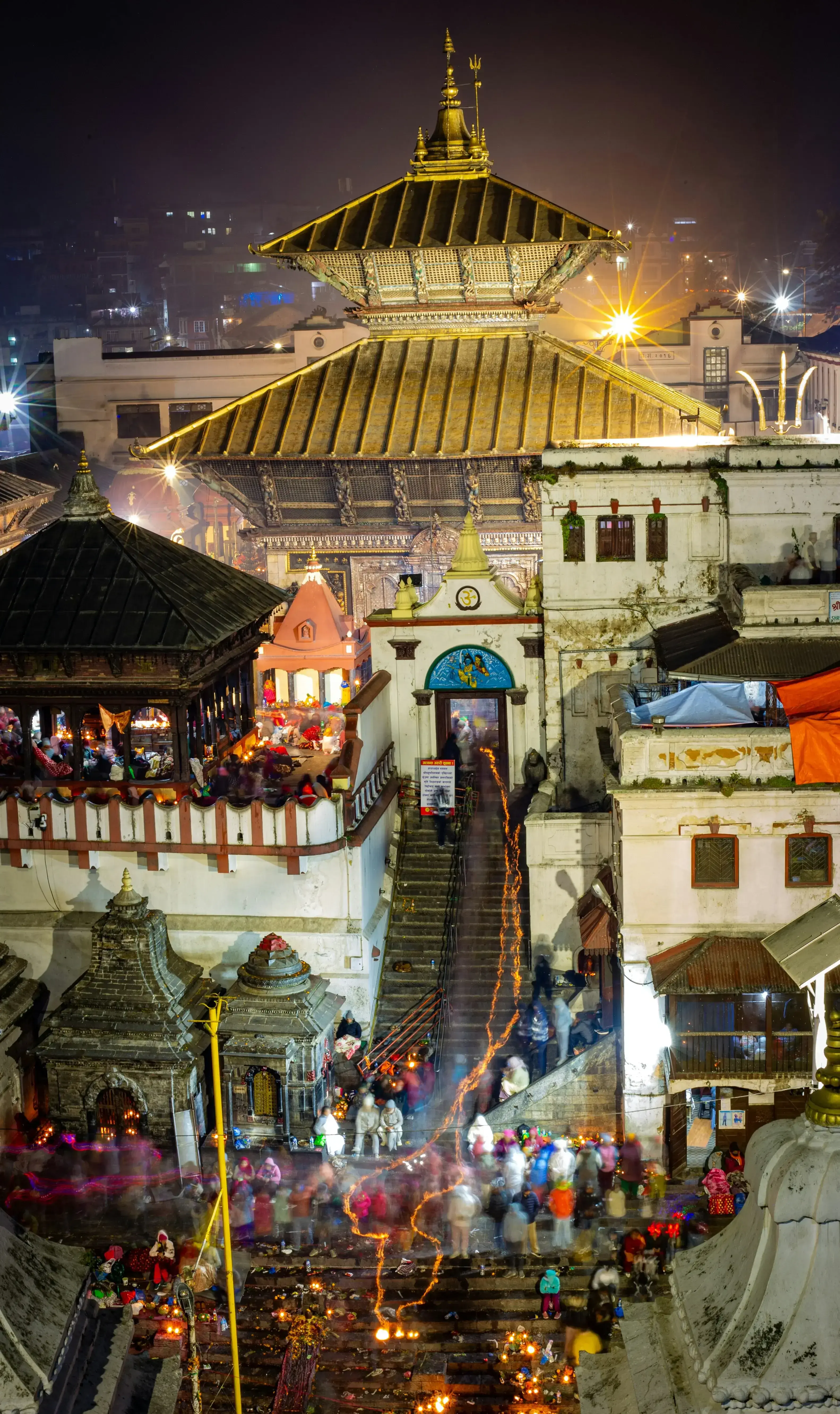
Before or after your workshop, visit the major sacred sites of Kathmandu: Pashupatinath (the holiest Hindu temple in Nepal), Boudhanath (the largest stupa in Nepal and a center of Tibetan Buddhism), and Swayambhunath (the ancient hilltop stupa with panoramic valley views). A Kathmandu spiritual circuit tour - from $189 covers all three in a structured 2-day itinerary with expert guides who can explain the iconography you will be painting.
Buddhist Pilgrimage to Lumbini
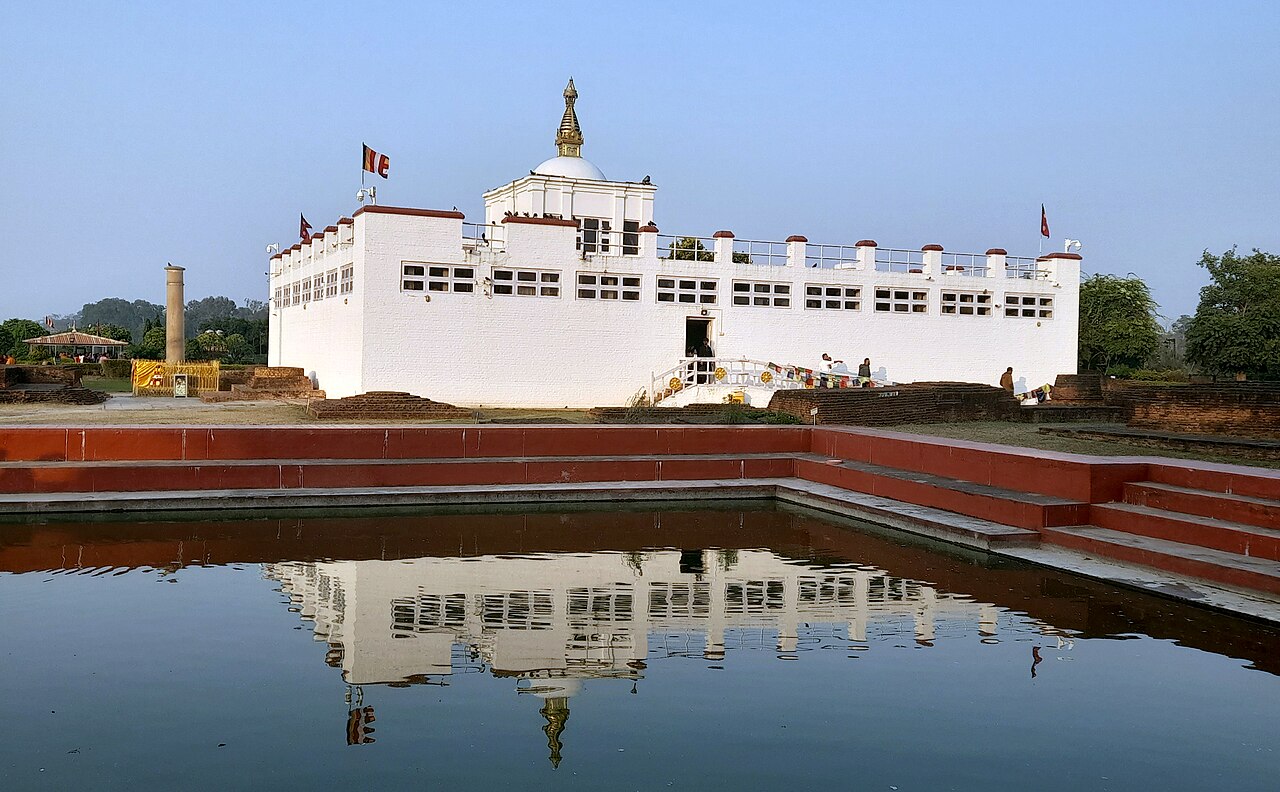
Lumbini, the birthplace of the Buddha, is a natural extension of a Thangka workshop. The Maya Devi Temple, the sacred pond, and the international monasteries built by Buddhist communities from around the world make Lumbini a place of deep reflection. Our Lumbini pilgrimage guide covers everything you need to know, and you can book a 3-day Lumbini Buddhist pilgrimage - from $354 directly from Kathmandu.
Muktinath Pilgrimage
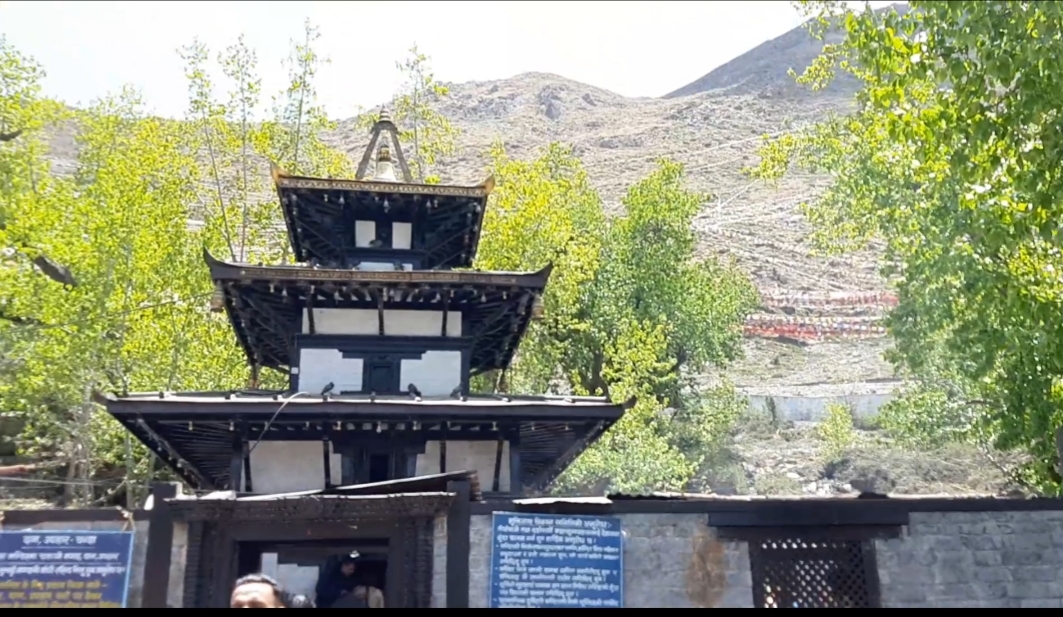
For those who want to go deeper into the Himalayan pilgrimage tradition, Muktinath is one of the most sacred sites for both Hindus and Buddhists. Located in the Mustang region at 3,800 meters, it features 108 sacred water spouts and an eternal flame that burns from natural gas. A Muktinath helicopter pilgrimage - from $1707 makes it accessible even to those with limited time. Learn more in our Muktinath pilgrimage guide to the 108 sacred waters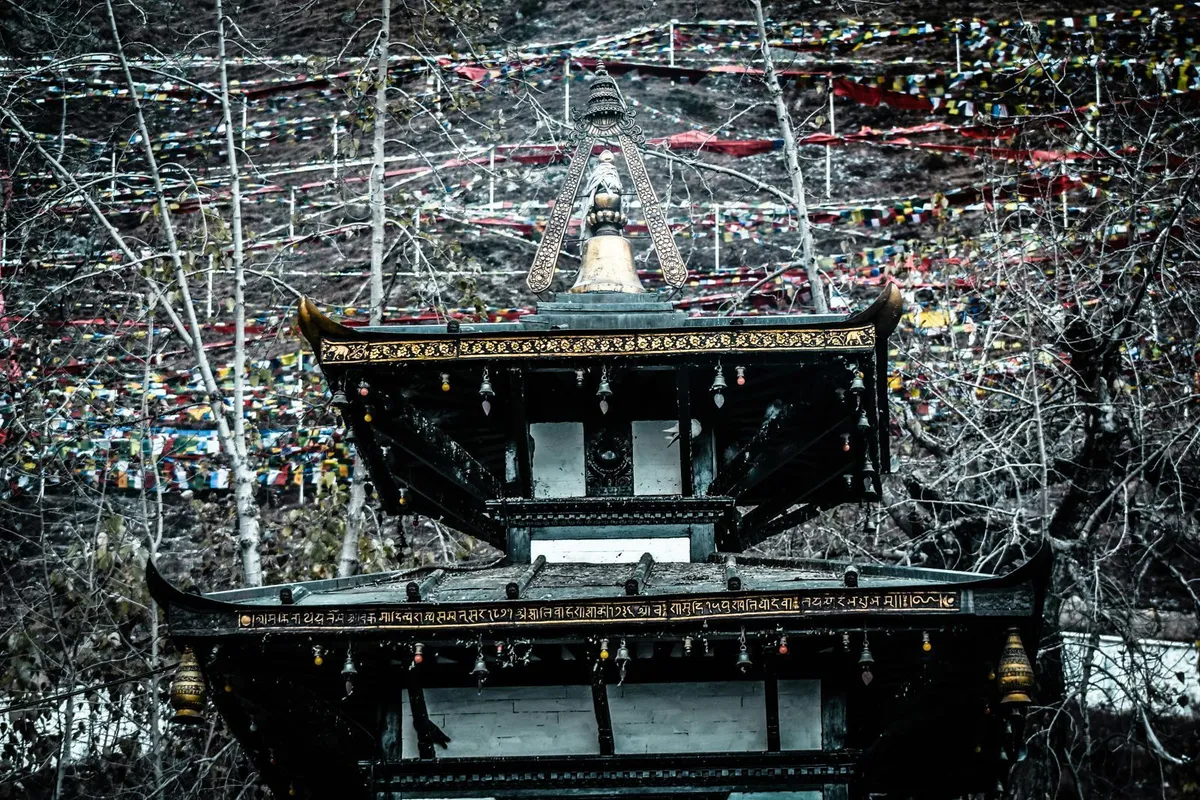

Yoga and Meditation Retreats
Thangka painting is closely connected to meditation practice, as both require focused concentration and a calm mind. Combining a workshop with a yoga or meditation retreat can create a powerful inner journey. Our guides to yoga and spiritual healing in Pokhara and Reiki healing in Nepal offer starting points for planning a wellness-focused trip. A 3-day sound healing retreat in Kathmandu - from $288 pairs beautifully with a Thangka session, as both engage the meditative dimensions of Nepali spiritual culture.
Heritage and Culture Tours
For a broader cultural experience, combine your workshop with a heritage tour of the Kathmandu Valley's seven UNESCO World Heritage sites. The 7 UNESCO Wonders of Kathmandu 4-day tour covers all the major sites, while a Bhaktapur day tour - from $120 focuses on the best-preserved medieval city. If you have more time, a Nepal cultural pilgrimage tour - from $520 takes you beyond the valley to sacred sites across the country.
The Spiritual Dimension of Sacred Art Practice
Learning Thangka painting is not just about acquiring a skill; it is an engagement with a spiritual practice that has been refined over centuries. The process of painting a Thangka is considered a form of meditation, with the artist cultivating the same qualities of mindfulness, concentration, and devotion that are developed in formal meditation practice. The iconographic rules are not arbitrary constraints but a sacred grammar that connects the painter to a lineage of practitioners stretching back to the Buddha himself.
When you sit down to paint in a Kathmandu workshop, you are entering a stream of tradition that includes the great Newar painters of the Malla era, the Tibetan masters who carried Thangka painting across the Himalayas, and the countless anonymous artists who decorated the temples and monasteries of the region. This sense of continuity and connection is part of what makes a Thangka workshop such a powerful experience for many visitors. It is not just an art class; it is an initiation into a way of seeing and being that is fundamentally different from the modern Western approach to art.
For those interested in exploring the spiritual dimensions further, our ultimate guide to spiritual journeys in Nepal provides a comprehensive overview of the many paths available, from monastery stays to energy healing. The evening aarati ceremony at Pashupatinath is another powerful experience that complements the meditative focus of Thangka painting.
Responsible Tourism and Supporting Local Artisans
When choosing a Thangka workshop, consider the impact of your participation on the local artisan community. Nepal's traditional crafts face significant challenges in the modern era, from the influx of cheap mass-produced replicas to the emigration of young people seeking work abroad. By participating in a workshop taught by a local master painter, you are directly supporting the preservation of an endangered tradition.
Here are some principles for responsible engagement with Nepal's craft traditions:
- Choose workshops run by local artisans rather than large tour companies that subcontract to artists at reduced rates. The artist should be the primary beneficiary of your workshop fee.
- Buy authentic artwork directly from the artist when possible. Many workshop teachers also sell their own Thangkas, and purchasing one provides crucial financial support.
- Respect the spiritual nature of the work. Thangka painting is a sacred practice, not just a commercial product. Approach your workshop with an open and respectful attitude.
- Learn about the tradition before you arrive. A basic understanding of Buddhist iconography and the history of the Kathmandu Valley will enrich your experience and show respect for the teacher's expertise.
- Share your experience thoughtfully. If you post about your workshop on social media, credit the teacher and the school, and avoid representing yourself as having mastered the tradition after a single session.
Responsible tourism in Nepal goes beyond craft workshops. Our guide to the broader sacred sunrise and sunset traditions in Nepal offers additional perspectives on how to travel with cultural sensitivity and spiritual awareness.
Practical Information for Visitors
Best Time to Visit
The best time for a Thangka workshop in Kathmandu is during the dry seasons: October to November (autumn) and March to May (spring). During these months, the weather is pleasant, the skies are clear, and the light is excellent for painting. The winter months (December to February) are also good, though it can be cold in the mornings and evenings. The monsoon season (June to September) brings rain and humidity, which can affect the drying of paints and the comfort of working in unheated studios.
What to Bring
Most workshops provide all materials, but you should bring the following:
- Comfortable clothing that you do not mind getting paint on
- A notebook and pen for taking notes during the theory sessions
- A camera or phone for documenting the process (ask permission before photographing the teacher's work or the studio)
- Patience and an open mind - Thangka painting is slow, meticulous work that rewards concentration
Booking a Workshop
You can book a Thangka workshop through our Thangka and Handicraft Workshop activity page, which offers a structured experience with a verified master painter in Kathmandu. Alternatively, you can arrange a workshop on arrival in Kathmandu by visiting the Thangka shops around Boudhanath or Patan and asking about classes. However, booking in advance ensures you get a place with a reputable teacher and avoids the risk of arriving during a busy period when all workshops are full.
For a seamless experience that combines your workshop with temple visits, heritage tours, and accommodation, consider booking a 3-day Kathmandu tour - from $800 or a Kathmandu day tour of landmarks - from $700 through our platform. These packages can be customized to include a Thangka workshop as part of the itinerary.
Language and Communication
Most established workshops in Kathmandu offer instruction in English, and many teachers also speak Tibetan, Hindi, or Newari. If you require instruction in another language, it is best to arrange this in advance. Some workshops can provide a translator for an additional fee.
Accessibility
Thangka painting requires steady hands and good eyesight, as the work involves fine detail. However, the intellectual and spiritual aspects of the workshop are accessible to everyone, regardless of physical ability. If you have specific accessibility needs, discuss them with the workshop provider when booking.
Exploring More Spiritual and Cultural Journeys in Nepal
A Thangka painting workshop is just one of many ways to engage with Nepal's rich spiritual and cultural heritage. Here are additional guides to help you plan a comprehensive journey:
- Hidden Hermitages: Remote Caves and Monasteries of the Himalayas - explore the meditation caves and secluded monasteries where sacred art traditions originated
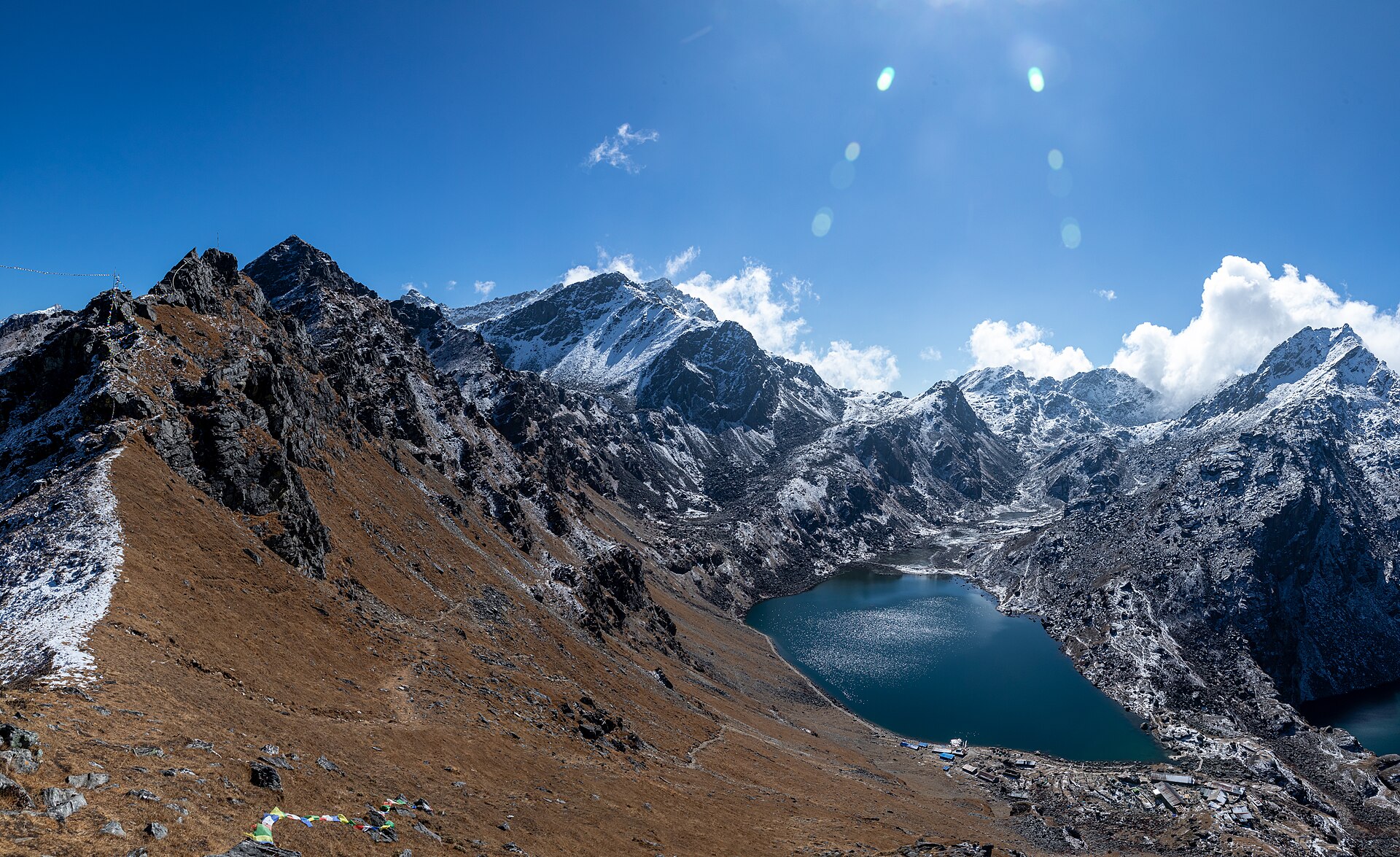
- Gosaikunda Sacred Lake Pilgrimage - trek to the high-altitude lake sacred to Lord Shiva
- Chandragiri Cable Car and Monkey Temple Tour - a sacred hilltop day trip from Kathmandu
- Ayurvedic Massage and Wellness Spa in Nepal - complement your creative practice with traditional healing therapies
- Reiki Healing in the Himalayas - explore energy healing practices in the world's most spiritual mountains
- Sacred Sunrise and Sunset in Nepal - discover the spiritual significance of dawn and golden hour in the Himalayas
- Spiritual Evening Aarati at Pashupatinath - witness the sacred flame ceremony on the banks of the Bagmati
- Namobuddha and the Power of Silence - a guided spiritual hike to one of the most important Buddhist sites in Nepal
Each of these journeys offers a different window into the spiritual traditions that have shaped Nepal's art, culture, and daily life for centuries. Whether you are a serious artist, a spiritual seeker, or a curious traveler, the Kathmandu Valley offers an unparalleled depth of experience. To plan your complete journey, start with our guide to cultural and spiritual tours in Nepal and our guide to choosing the best trekking agency in Nepal for 2026, which together cover the full spectrum of travel in this remarkable country.
For those ready to experience the meditative art of Thangka painting firsthand, book your Thangka and handicraft workshop in Kathmandu through our platform and take the first step on a creative and spiritual journey that will stay with you long after you leave Nepal.