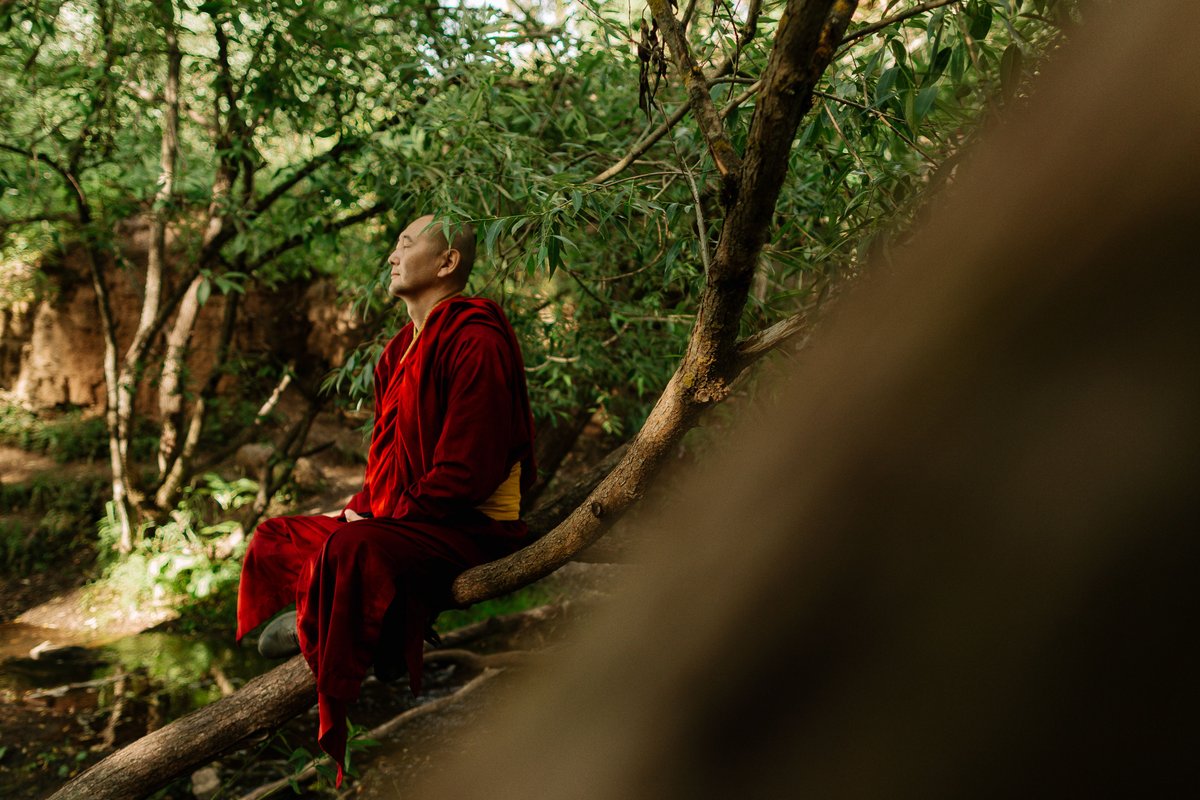
Preparing for a meditation retreat in Nepal means balancing comfort, simplicity, and respect for the sacred spaces you will enter. Whether you are heading to a 10-day Vipassana retreat in the Kathmandu Valley or a yoga and meditation retreat in Pokhara, what you carry shapes your entire experience. Pack too much and you feel burdened; pack too little and you may struggle with cold monastery nights or lack essential practice items. This guide walks you through every item you need, organized by category and season, so you arrive ready to sit, breathe, and be present.

Nepal has been a pilgrimage destination for meditators since the time of the Buddha himself. The history of meditation in Nepal stretches from ancient forest hermitages to modern wellness centers, and the infrastructure for retreatants has evolved alongside it. Today you can find everything from bare-bones monastery stays to chakra meditation retreats in luxury settings. But no matter the style, the mountain climate and cultural norms remain constant, and your packing list should reflect both.


What Should You Pack for a Meditation Retreat in Nepal?
A meditation retreat packing list for Nepal should cover five core categories: clothing for sitting and layering, personal practice items, toiletries and health supplies, monastery etiquette essentials, and travel documents. The goal is to be self-sufficient without excess, since most retreat centers have limited storage and encourage simplicity. You will also need to account for Nepal's varied climate, which can shift from warm days to near-freezing nights depending on altitude and season. A well-chosen retreat will usually provide a packing suggestions list, but this guide gives you the complete picture.
Clothing: Layering for Mountain Mornings and Sitting Comfort
Clothing is the most important category on your packing list. Meditation involves long periods of sitting still, which means your body temperature drops. Kathmandu Valley mornings in winter (December-February) can dip to 2 degrees Celsius, while Pokhara stays milder but still chilly at dawn. Layering is the solution: start with a base layer, add a mid-layer for insulation, and top with a shell for wind or rain.
Base Layers and Undergarments
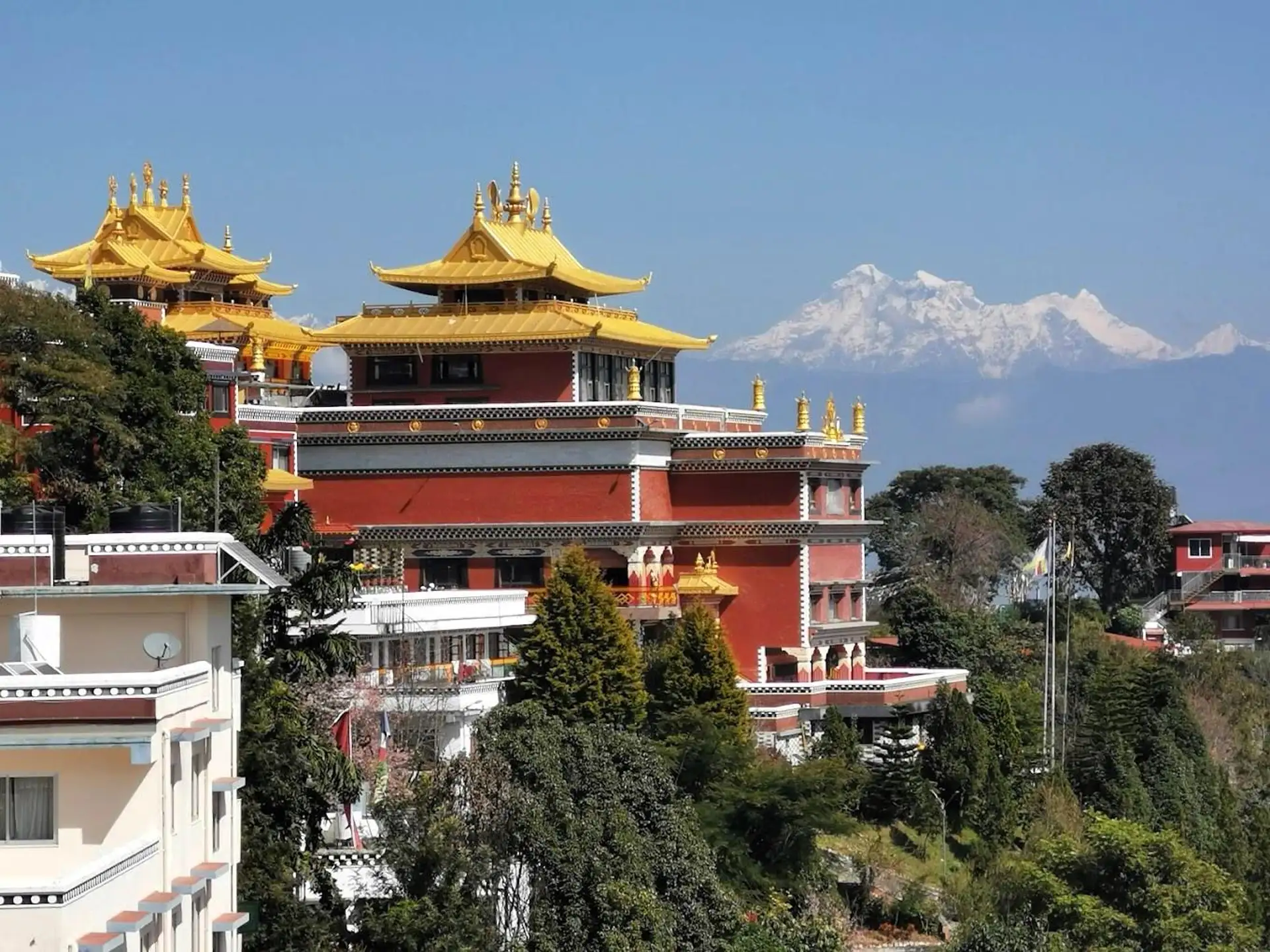
Pack 5-7 days of undergarments even if your retreat is longer, since most centers offer laundry service or you can hand-wash. Choose breathable cotton or moisture-wicking synthetic fabrics. For women, bring comfortable, non-restrictive bras suitable for long sitting sessions. For cooler months, thermal base layers (top and bottom) are essential, especially for monastery stays in hilltop locations like Kopan or Namobuddha.

Loose-Fitting Sitting Clothes
Meditation requires clothing that does not constrict circulation around the waist or knees. Pack 3-4 pairs of loose trousers, yoga pants, or meditation trousers (often available for purchase in Boudhanath and Thamel). Avoid jeans entirely. For tops, choose 3-4 loose-fitting shirts or tunics that allow deep breathing without tightness around the chest. Natural fabrics like cotton and bamboo are preferable for their breathability and odor resistance during multi-day retreats.
Warm Layers for Dawn and Dusk Sitting
A fleece jacket or wool sweater is indispensable. Many retreatants find the 5:00 AM and 6:00 PM sitting sessions the coldest. A shawl or large scarf (pashmina or wool) serves double duty: warmth during sitting and a cover for shoulders when entering temples. Pack a lightweight down jacket if you are visiting between November and March, or if your retreat center is above 1,500 meters elevation. The silent retreat centers in the hills around Kathmandu get particularly cold at night.
Outer Shell for Rain and Wind
A lightweight waterproof jacket is essential during monsoon season (June-September) and useful year-round. Afternoon showers can appear suddenly in the foothills, and walking meditation may happen in light rain. Choose a breathable shell with a hood, not a heavy raincoat, as the latter causes sweating in Nepal's humidity.
Footwear
You will remove your shoes frequently when entering shrines, meditation halls, and monasteries. Pack shoes that slip on and off easily: sandals or flip-flops for warm months, and slip-on sneakers or loafers for cooler weather. For indoor use, bring a pair of thick socks or meditation socks (available in local markets). If your retreat includes walking meditation outdoors, include lightweight trail shoes with good grip for uneven monastery grounds.

Personal Meditation Practice Items
While most retreat centers provide cushions (zafu and zabuton) or kneeling benches, having your own items can deepen your practice and provide familiarity in a new environment. If you are traveling from abroad, these small items take minimal space but make a significant difference in comfort during long sits.
Meditation Cushion or Bench
A travel meditation cushion (inflatable or buckwheat-filled) is optional but helpful if you have a preferred sitting posture. Many meditators bring a small inflatable zafu that weighs under 200 grams. If you use a kneeling bench, consider a folding travel version. Monastery cushions in Nepal tend to be firm and may not suit everyone, especially those with knee or hip sensitivity. The beginner meditation guides we publish often mention this.
Mala Beads and Practice Journal
A mala (prayer beads) is both a practice tool and a meaningful souvenir. You can purchase high-quality malas in Boudhanath or Swayambhunath upon arrival, often blessed by a lama. If you already have a mala, bring it. A small notebook for journaling your experience is also recommended, especially for longer retreats where insights arise that you want to capture. Choose a simple unlined notebook rather than a structured planner, as retreat life follows its own rhythm.
Timer or Watch
Most retreat centers ring bells for session changes, but a silent vibrating wristwatch helps you track personal sitting periods during breaks. Avoid phones as timers during retreat; the temptation to check messages is counterproductive, and many retreats require phones to be stored away. A simple digital watch with a vibrating alarm is sufficient.
Eye Pillow and Small Blanket
An eye pillow (silk or cotton with flaxseed filling) helps with deep relaxation during lying-down meditation or Yoga Nidra sessions. A small throw blanket or lap blanket is invaluable for keeping your legs warm during long sits, especially in unheated meditation halls. Many retreatants also use a shawl for this purpose.
What Toiletries and Health Supplies Do You Need?
Nepal's retreat centers range from fully equipped wellness resorts to basic monastery rooms with shared bathrooms. Pack for the simpler end of the spectrum and you will be prepared for anything. Health supplies are particularly important, as pharmacy access may be limited in remote retreat locations.
Basic Toiletries
Pack travel-sized: toothbrush and toothpaste, biodegradable soap and shampoo, deodorant, and a quick-dry towel. Many eco-conscious retreat centers in Nepal now require biodegradable products to protect local water systems. A reusable water bottle with a built-in filter (LifeStraw or similar) is essential, as tap water is not safe to drink. Include a small packet of wet wipes for freshening up when showers are not available, and a nail clipper (nails grow fast in mountain air and are part of monastery hygiene expectations).
First Aid and Health Kit
Your health kit should include: altitude sickness medication (Diamox) if your retreat is above 2,500 meters, rehydration salts (ORS), basic pain relievers (paracetamol or ibuprofen), anti-diarrheal medication, band-aids and antiseptic cream, any personal prescription medications, and throat lozenges (dry mountain air can cause sore throats). If you are coming from low altitude, read our guide on the cultural and spiritual tours in Nepal for acclimatization context. Probiotics are also recommended to support gut health during dietary changes.

Altitude and Climate Considerations
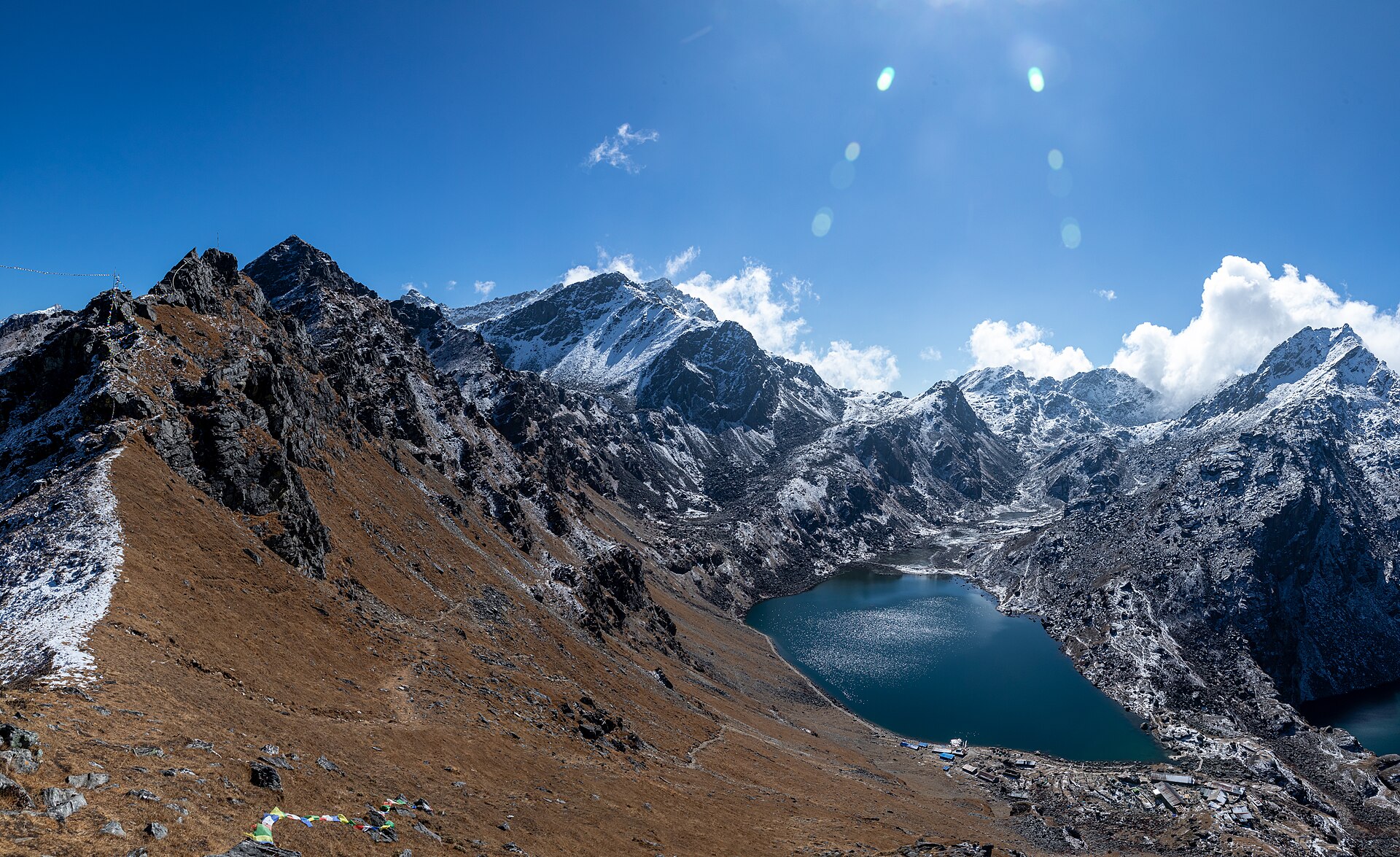
If your retreat involves elevation, such as a mantra meditation retreat at a monastery above 2,000 meters, acclimatization matters. Kathmandu sits at 1,400 meters, which is generally fine for most people. But retreats in Helambu, Solu-Khumbu, or Upper Mustang require careful altitude planning. Pack ginger candies for nausea, electrolyte packets, and consider bringing a pulse oximeter (small, lightweight) to monitor oxygen levels if you are sensitive to altitude.
Women's Health Items
For women travelers, pack adequate supplies of menstrual products. While pads and tampons are available in Kathmandu and Pokhara, rural areas may have limited options. A menstrual cup is an eco-friendly and space-saving alternative that many retreatants prefer. Include any herbal supplements or remedies you rely on, as familiar brands may not be available in Nepal.
Monastery Etiquette Essentials
Nepal's meditation retreats often take place in or near active monasteries. Understanding and packing for monastery etiquette is not just about respect; it is about being welcomed into spaces that have hosted seekers for centuries. The monastery etiquette activity in Kathmandu offers hands-on guidance, but your packing list should include items that support proper conduct.
Modest Clothing for Temple Visits
Pack at least one set of clothing that covers shoulders and knees for entering sacred spaces. A long-sleeved tunic and loose trousers, or a long skirt with a shawl, work well. Avoid sleeveless tops, shorts, or tight leggings for temple visits, even in hot weather. A lightweight scarf to drape over your shoulders is the most versatile item you can pack for this purpose. Monasteries in Nepal follow centuries-old traditions of modest dress.
Offering Items
Many retreatants bring small items for offerings: incense sticks (available locally), candles or butter lamps, and kata (ceremonial white scarves) for presenting to teachers. These are all available inexpensively at Boudhanath and Swayambhunath, so you can purchase them upon arrival. Bringing a small offering from your home country (such as a candle or incense from your local practice center) adds a personal touch that teachers often appreciate.
Head Covering Options
Some monasteries require head coverings for certain ceremonies, particularly in Tibetan Buddhist traditions. Pack a simple scarf or beanie that can serve this purpose. In Hindu contexts like Pashupatinath, covering the head may also be expected in certain areas. Research your specific retreat center's denomination and requirements beforehand.
Electronics and What to Leave Behind
One of the core principles of a meditation retreat is reducing distractions. Most retreats will ask you to surrender your phone, laptop, and other devices upon arrival. However, some items are worth bringing, particularly for the travel portions before and after the retreat.
What Electronics to Bring
A simple digital camera (if you want to document your journey outside retreat hours), a reading light or headlamp for early morning sessions when electricity may be limited, and a power bank for your phone during travel days. If you use a meditation app for guidance and your retreat allows it, download content in advance as Wi-Fi at retreat centers is often unreliable. A universal power adapter (Nepal uses Type C, D, and M plugs) is essential.
What to Leave at Home
Leave behind: expensive jewelry, large cameras, laptops (unless required for work that can be done outside retreat hours), drones, and anything that requires constant charging. Retreats are about simplicity. The less you carry, the more mental space you have for practice. Consider this an opportunity to digitally detox, which is one of the benefits highlighted in mindfulness meditation practice.
Seasonal Packing Adjustments for Nepal
Nepal has four distinct seasons that dramatically affect what you should pack. The best trekking agency in Nepal resources often discuss seasonal weather, but for meditation retreats the considerations differ slightly since you will be mostly stationary.
Spring (March-May): The Sweet Spot
Spring is the most popular time for meditation retreats in Nepal. Temperatures are pleasant (15-25 degrees Celsius in Kathmandu), rhododendrons bloom in the hills, and skies are generally clear. Pack standard layers: light base, fleece for mornings and evenings, and a light rain shell for occasional showers. This is the ideal season for outdoor walking meditation, so include comfortable walking shoes.
Summer/Monsoon (June-September): Wet and Warm
Monsoon brings heavy rainfall, high humidity, and lush green landscapes. Pack: a reliable waterproof jacket, quick-dry clothing (avoid cotton which stays damp), extra pairs of socks, a waterproof bag liner for electronics and documents, and mosquito repellent (DEET-based or natural lemon eucalyptus). Leeches can be an issue on forested retreat grounds, so pack salt or leech socks if your retreat is in a rural area. Indoor meditation halls are comfortable, but dampness is a constant companion.
Autumn (October-November): Clear and Cool
Autumn offers the clearest mountain views and comfortable temperatures. Pack similar to spring but add a warmer mid-layer (wool sweater or heavier fleece) as November nights can be cold. This is peak season for retreats, so book well in advance. The air quality is at its best, making outdoor practice particularly enjoyable.
Winter (December-February): Cold and Clear
Winter in Nepal is cold, especially in the hills. Pack a warm down jacket, thermal base layers (top and bottom), a warm hat, gloves, and thick socks. Monastery rooms are often unheated, so a sleeping bag liner (silk or fleece) adds warmth without bulk. Daytime sun is strong and warm, but once it sets, temperatures drop rapidly. If you are doing a silent winter retreat, prioritize warmth above all else.
Travel Documents and Practical Items
Before you think about cushions and clothing, make sure your travel documents are in order. Nepal requires a visa for most foreign visitors, obtainable on arrival at Tribhuvan International Airport or online via the Nepal immigration portal. Your passport must be valid for at least six months from your entry date. Print copies of your retreat booking confirmation, travel insurance policy, and a list of emergency contacts. Carry passport-size photos (at least 4) for visa and permit applications.
Travel Insurance
Comprehensive travel insurance is non-negotiable. Ensure your policy covers medical evacuation, especially if your retreat is at altitude. Standard travel insurance may not cover meditation retreats specifically, so check the fine print or consider adventure travel insurance. Keep both digital and printed copies of your policy.
Cash and Cards
Nepal is largely a cash economy outside major hotels. Bring some USD or EUR to exchange upon arrival, and withdraw Nepali Rupees from ATMs in Kathmandu or Pokhara before heading to your retreat. Inform your bank of your travel plans to avoid card blocks. Most retreat centers accept cash payment, and tips for staff are appreciated in cash.
Specialized Items for Different Retreat Types
Not all meditation retreats in Nepal are the same. A Vipassana retreat has different requirements than a sound healing session or a meditation and Ayurveda program. Here are specialized items to consider based on your retreat type.
Vipassana and Silent Retreats
For 10-day silent retreats, comfort during long sits is paramount. Bring: a meditation cushion you are familiar with, a lap blanket, earplugs (snoring roommates are common in shared dormitories), an eye mask for afternoon rest, and comfortable slip-on shoes for walking meditation on the grounds. The Vipassana retreat guide covers the schedule and expectations in detail. Do not bring reading material; Vipassana retreats prohibit it.
Yoga and Meditation Combined Retreats
If your retreat combines yoga with meditation, add a yoga mat (travel-weight), strap, and comfortable yoga clothes that allow movement. Many centers provide mats, but bringing your own ensures hygiene and familiarity. Pack 2-3 sets of yoga clothes so you always have a dry set, as sessions may happen twice daily.
Sound Healing Retreats
For sound healing retreats, the main additional item is a comfortable lying-down mat or thick blanket, as many sessions are in savasana (corpse pose). An eye pillow enhances the experience. You may also want a small recorder (if permitted) to capture sound sessions for home practice, though check with your retreat leader first.
Monastery Stay Retreats
Monastery stays require the most preparation in terms of etiquette items. In addition to modest clothing, bring: a small flashlight or headlamp for navigating dark corridors during early morning sessions, a sleeping bag liner for basic bedding, slippers for indoor use (shoes are removed at the entrance), and a thermos or insulated water bottle for hot tea, which monasteries serve at set times. If you are doing a teacher training program at a monastery, add notebooks and pens for lecture sessions.
How Much Should You Pack for a Nepal Meditation Retreat?
The short answer: less than you think. A medium-sized backpack (40-50 liters) or a small rolling suitcase plus a daypack is sufficient for retreats up to 30 days. The principle of simplicity that underpins meditation practice applies equally to your luggage. If you are combining your retreat with trekking, such as a mindful trekking experience, use a trekking backpack and keep total weight under 12 kilograms.
For retreatants staying in Kathmandu Valley centers, you can purchase almost anything you forget in Thamel, Boudhanath, or Patan. Pokhara also has well-stocked shops. The items hardest to find locally are: specific medications, specialty meditation cushions, and high-quality thermal wear in unusual sizes. Prioritize packing these items from home.
What Not to Bring to a Meditation Retreat in Nepal?
Just as important as what to pack is what to leave behind. Certain items are inappropriate or disruptive in retreat settings:
- Loud or strong-scented perfumes: Many retreatants are sensitive to smells, and strong fragrances are discouraged in meditation halls. Pack unscented deodorant instead.
- Revealing clothing: Tank tops, shorts, and low-cut tops are not appropriate in Nepal's retreat centers, especially in monasteries. Even if the weather is warm, choose modest, loose-fitting clothes.
- Meat snacks: Many retreat centers are strictly vegetarian. Bringing meat products, even packaged, may cause offense. Pack nuts, dried fruit, and energy bars instead.
- Alcohol and recreational substances: All meditation retreats in Nepal prohibit these. Do not pack them.
- Work materials: Laptops, work documents, and anything that pulls your attention to unfinished tasks. This is your time to disconnect.
- Expensive electronics: Security at shared accommodation is basic. Leave your tablet, expensive camera, and jewelry at home.
Packing Checklist: The Complete List
Here is a consolidated checklist you can use as your final reference before departure. Print this section and tick off each item as you pack.
Clothing
- 3-4 loose-fitting trousers or meditation pants
- 3-4 breathable shirts or tunics
- 1 fleece jacket or wool sweater
- 1 lightweight down jacket (winter or high altitude)
- Thermal base layers (top and bottom) for cool months
- 1 waterproof jacket with hood
- 5-7 days of undergarments
- 2-3 pairs of warm socks
- 1 shawl or large scarf (shoulder cover and warmth)
- Slip-on shoes or sandals
- 1 set of modest temple clothing (shoulders and knees covered)
Practice Items
- Travel meditation cushion or folding bench (optional)
- Mala beads (or purchase locally)
- Small notebook and pen for journaling
- Eye pillow for relaxation sessions
- Small lap blanket or throw
- Digital watch with vibrating alarm
Toiletries and Health
- Toothbrush, toothpaste, biodegradable soap and shampoo
- Quick-dry travel towel
- Deodorant (unscented)
- Reusable water bottle with filter
- Wet wipes and hand sanitizer
- Basic first aid kit (pain relievers, band-aids, antiseptic)
- Anti-diarrheal medication and rehydration salts
- Altitude medication (if applicable)
- Personal prescription medications
- Throat lozenges and lip balm
- Menstrual products
- Insect repellent (monsoon season)
Travel and Documents
- Passport (valid 6+ months)
- Nepal visa (on arrival or online)
- Retreat booking confirmation (printed)
- Travel insurance policy (printed and digital)
- 4 passport-size photos
- Cash (USD/EUR to exchange) and debit/credit cards
- Universal power adapter
- Headlamp or reading light
- Power bank
- Reusable shopping bag (plastic bags are banned in Nepal)
Monastery and Etiquette
- Flashlight or headlamp for early morning navigation
- Sleeping bag liner (silk or fleece for monastery stays)
- Indoor slippers
- Insulated water bottle or thermos
- Offering items (incense, kata, butter lamps - purchase locally)
Packing for a meditation retreat in Nepal is the first step of your practice. Every item you choose to bring and every item you choose to leave behind is a small act of intention. As you fold your clothes, roll your meditation cushion, and zip your bag, remember that the most important thing you carry is an open mind. The Himalayas have hosted seekers for thousands of years, and the mountains are ready to welcome you too. When you arrive, take a deep breath, settle into the rhythm of the retreat, and let Nepal do what it has always done: remind you of the stillness that was already there.