
Reconnect, Refresh and Rebalance in the Himalayas: A Guide
There is a moment that most burned-out travelers know well. You finally get away from the office, the notifications, the hundred small obligations, and you arrive somewhere beautiful, and nothing happens. The view is stunning. The mind is still at the office. The body sits in the mountains while the nervous system runs its old loops of email, unfinished tasks and low-grade alarm. Rest, it turns out, is not something a landscape does to you automatically. It is something you have to relearn how to receive.
This is exactly the problem Nepal's healing traditions were designed to solve, centuries before anyone used the word burnout. The Himalayas are not only the world's highest mountains; they are the world's most developed laboratory of stepping away. The practice of retreat, of deliberately leaving the velocity of ordinary life for stillness in a protected place, was refined here by yogis, hermits, monks and village healers over two and a half thousand years. Today that inheritance is available to ordinary travelers through curated programs, most accessibly through the Reconnect, Refresh and Rebalance in the Himalayas experience built on our HEAL philosophy: one immersive day that bridges profound inner work with the quiet of the mountains, refreshing the body and rebalancing the mind through nature, stillness and intentional practice.
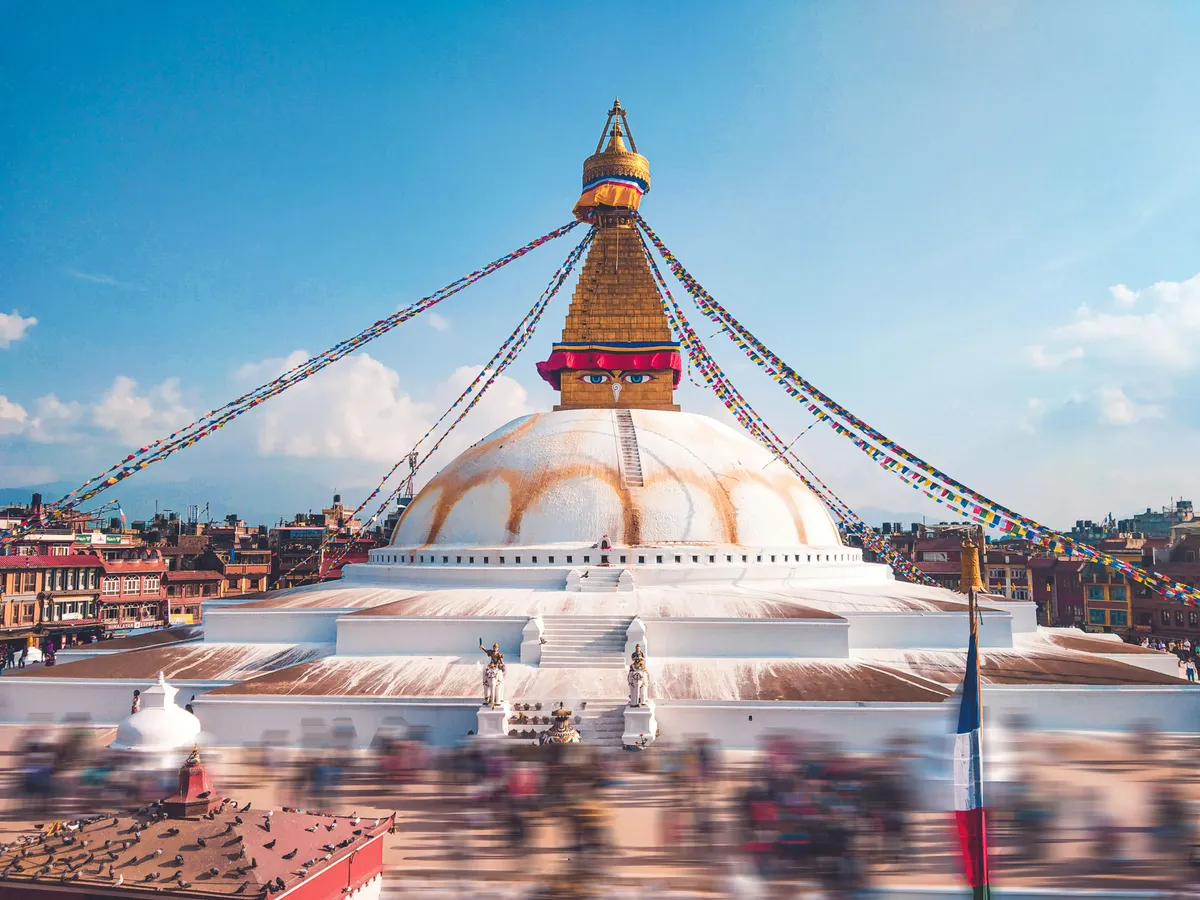
This guide explains what actually happens to a modern nervous system when it is taken out of its habitual noise and placed in Himalayan silence, what the Reconnect, Refresh and Rebalance day contains, how to choose the setting and season, and how to extend the reset into a longer journey. It is written for the traveler who is tired in a way that a vacation has failed to fix.
Why Can't We Rest Anymore? The Modern Exhaustion Problem
The honest starting point is understanding why rest stopped working. Modern exhaustion is rarely a lack of leisure time. It is a nervous system that has forgotten how to stand down. Three mechanisms drive it.
First, attention fragmentation. The average knowledge worker now switches tasks every few minutes, and each switch leaves a residue of unfinished attention that psychologists call the Zeigarnik effect: open loops that the mind keeps rechecking. A week at the beach does not close those loops; it merely pauses them, which is why the second day of a vacation so often feels worse than the first.
Second, environmental overstimulation. Cities are engineered to capture attention: screens, traffic, notifications, background noise. The brain's orienting reflex, the ancient mechanism that drags awareness toward anything sudden or bright, is triggered hundreds of times a day. There is no off switch at will. The system resets only when the environment itself goes quiet.
Third, the loss of restorative rhythm. Traditional life was structured by rhythms: day and night, work and festival, effort and rest. Modern life flattens them into a continuous, evenly lit, evenly urgent middle. The result is a kind of temporal jet lag: the body no longer knows when to be tired or when to be restored. The mountain-silence practices of Nepal's middle hills directly address this by returning the nervous system to natural cues: real darkness, real dawn, real quiet.
The insight behind every serious healing tradition in the Himalayas is that these three mechanisms cannot be argued with. You cannot think your way out of a fragmented nervous system. You have to remove the inputs, hold the person in genuinely quiet conditions, and let biology do what it does when it is allowed: repair.
What Is the Reconnect, Refresh and Rebalance Philosophy?
The Reconnect, Refresh and Rebalance day is built on a simple, sequential theory of restoration, drawn from our HEAL philosophy of holistic healing: before you can feel better, you must first reconnect with something real; reconnection lets the body refresh; and only a refreshed body can rebalance. Each stage has its own practices, and the order matters.
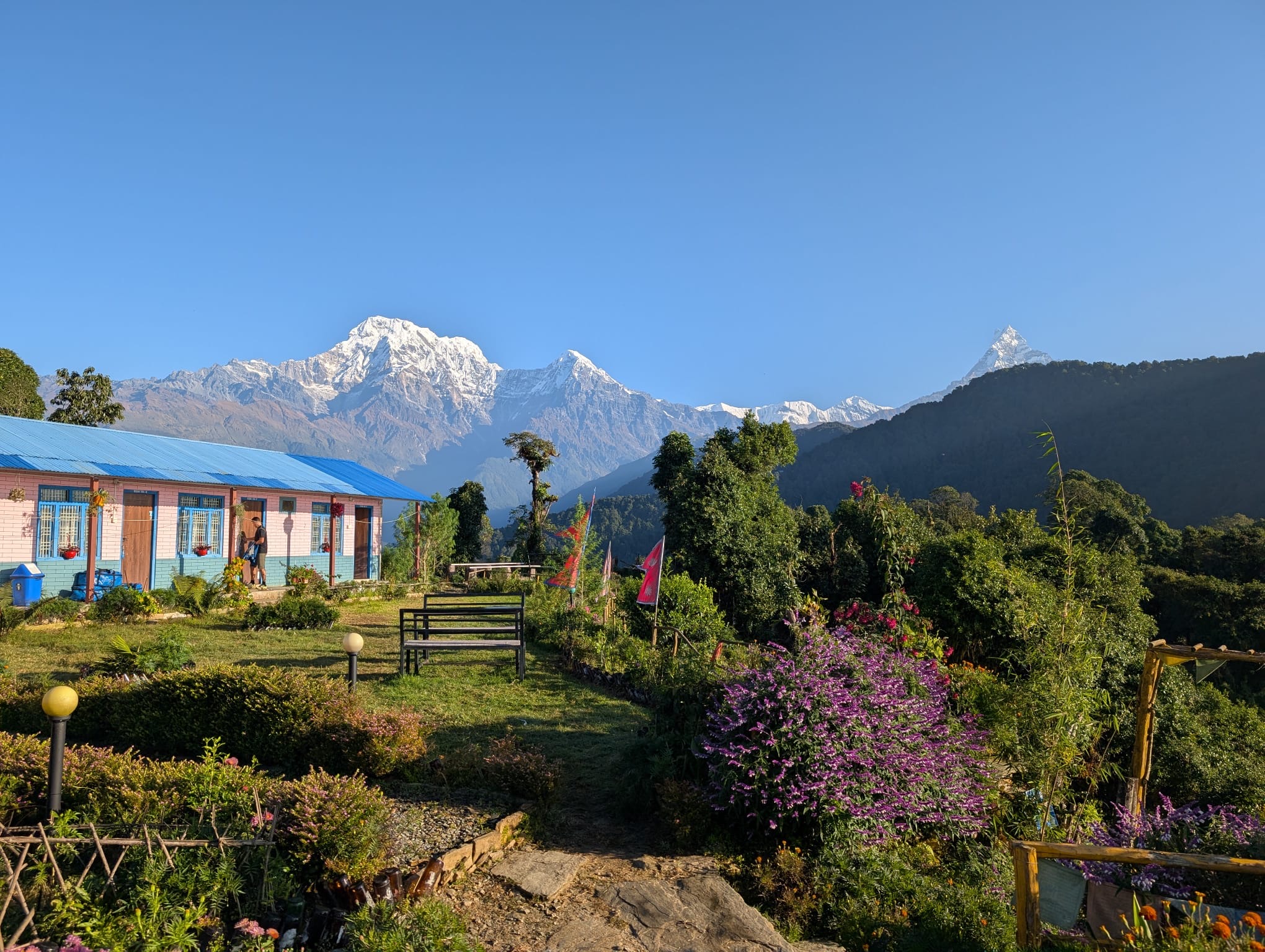
Reconnect is the foundation. The day begins by removing the ordinary inputs: devices surrendered, schedule surrendered, even the obligation to talk surrendered for stretches of time. In their place come the oldest inputs there are: forest air, birdsong, the sound of a river, the sight of snow peaks. The practices here are gentle and sensory: slow walking, quiet sitting in a natural spot, guided noticing of the actual environment rather than the mental one. This is deliberately unglamorous. Reconnection is not a peak experience; it is the patient rebuilding of contact between a person and the world their body evolved within.
Refresh is what becomes possible once contact is restored. With the mind no longer managing a hundred inputs, the body's maintenance systems come back online. Slow walks lengthen, appetite returns, sleep deepens, and the specific practices of the day, including breathwork, restorative yoga and warm meals from local kitchens, give the recovery a direction. The team designs this around the traveler's actual energy level, not an idealized schedule: some guests need movement, others need a long quiet afternoon. Refreshing is nourishment plus permission.
Rebalance is the integration stage, and it is the most practical. Through guided stillness practices, sound healing sessions and structured reflection, the day helps each guest identify the two or three patterns they brought with them that most need rebalancing: the work loop, the news loop, the self-criticism loop. The goal is not a personality transplant. It is a set of small, concrete adjustments to daily rhythm that can survive re-entry into ordinary life: a ten-minute morning practice, an evening walk without a phone, a weekly half-day of deliberate quiet. The Himalayas do the heavy lifting; rebalancing makes sure something of the day travels home with you.
The Sanctuaries of the Kathmandu Valley Rim
The experience is set in the pristine sanctuaries of the Kathmandu Valley rim and nearby middle hills, where untouched nature meets ancient wisdom. These are working landscapes of forest, terraced farmland and small villages, sitting between roughly 1,500 and 2,200 meters, high enough for clean air and big horizons, low enough that oxygen and comfort are never a concern.
The valley rim has a specific quality that makes it ideal for this work: it is quiet without being remote. A guest can stand in a forest clearing above Kathmandu with nothing audible but wind and birds, yet be back in a comfortable hotel within the hour. This balance matters for restoration, because exhaustion is often accompanied by anxiety, and anxious nervous systems need to know that escape is easy. The safety of nearness allows the depth of stillness.
The sites themselves carry centuries of practice. Many of the quietest forest groves and hilltop shrines on the valley rim are places where hermits and practitioners have sought silence for as long as anyone can remember. You are not the first person to sit quietly there, and something about that continuity, the feeling of joining a very long line of people who stepped away from the noise, is itself settling. For travelers drawn to that lineage, our guide to Nepal's hidden hermitages explores the tradition in depth.
What Does the Science Say About Nature and Stillness?
The claims of the healing traditions are now matched by a surprisingly strong body of research. The most useful framework is attention restoration theory, developed by environmental psychologists Rachel and Stephen Kaplan. Their finding: the directed attention we spend all day is a depletable resource, and natural environments restore it through a combination of effortless fascination, coherent extent and compatibility with what we actually want to be doing. Water, birds, forest canopy and mountain horizons all produce soft fascination, attention held without effort, which is precisely the condition directed attention needs to recover.
The measurements are striking. Studies of forest walks show reduced cortisol, lowered blood pressure and improved mood within fifteen to twenty minutes. Multi-day nature immersion studies show effects that persist for days afterward. In Japan, forest bathing, or shinrin-yoku, is prescribed by physicians, and the research behind it found that slow time under forest canopy measurably increases natural killer cell activity and lowers stress hormones. Nepal's middle hills offer the forest-bathing environment at its purest: native oak and rhododendron forest, car-free trails, and silence deep enough that you can hear a leaf fall.
Stillness practices carry their own evidence base. Regular meditation is associated with reduced amygdala reactivity, improved attention, and measurable changes in brain structure over eight-week programs. Sound healing with singing bowls, a Himalayan specialty, works partly through slow rhythmic entrainment of breath and heart rate. Our guides to the science of meditation and sound healing with singing bowls cover what is established and what remains speculative, honestly.


The synthesis is the point. The Himalayan healing day is not mysticism. It is the deliberate combination of three evidence-backed interventions, nature exposure, stillness practice and rhythmic sound, delivered in an environment where all three are unusually pure. The mountains do not have magic. They have conditions.
What Does a Reconnect, Refresh and Rebalance Day Look Like Hour by Hour?
While each day is tailored to the group, the arc is consistent: an early start to catch the clear morning air, three movement-stillness-meal cycles through the middle of the day, and a closing integration session before the return drive. Here is a representative shape.
Morning: pickup from your Kathmandu hotel around eight, a drive of forty to seventy minutes up onto the forested rim, and arrival at the day's sanctuary with the valley haze still below you. The first hour is unplugged arrival: tea, a short orientation, phones into the basket. Guests then take a slow, silent walk to the day's base point, a forest clearing or ridge meadow. The silence of this first walk is part of the design; it begins the downshift faster than any instruction could.
Late morning: guided breathwork and gentle, restorative movement suitable for any fitness level, followed by a long stillness sit, on a bench or mat, with instruction available for beginners. This is the reconnect heart of the day. Many guests report that the first twenty minutes are restless and the last twenty are the quietest hours they have had in years. That arc, from fidget to settled, is the nervous system literally changing state.
Midday: a slow farm-to-table lunch, food from the local community cooked the traditional way, eaten together and unhurried. After lunch there is open quiet time: napping is explicitly permitted and many do, reading, or sitting with tea watching the ridge light change. This unstructured afternoon block is deliberately protected; it is where the refresh stage consolidates, and it is the single element guests most often say they had forgotten they needed.
Afternoon: a sound healing session with singing bowls, gentle walking meditation on the trails, and a closing integration circle where each guest names one small rhythm they will keep at home. Return to Kathmandu before evening traffic, typically by five. Guests are advised to keep the evening light: early dinner, no screens, early sleep, so that the rebalanced state is not immediately overwritten. The immediate follow-on, many guests pair the day with our 3-day Himalayan sound therapy retreat for a deeper reset, or the half-day wellness spa escape for body work between travel days.
Who Is This Day For?
The short answer is anyone whose inner life has been flattened by velocity, but several profiles benefit most. Executives and founders who cannot switch off: the structured container of the day, with its phone basket and held silence, does externally what willpower has failed to do internally. Burned-out professionals on a longer Nepal trip: the day serves as a recalibration point, resetting the nervous system before a trek or tour so that the rest of the journey is received rather than survived. Grieving or transitioning travelers: major life changes respond to held quiet in a way that busy itineraries actively obstruct. And couples who have run out of conversation: the shared silence of the day, followed by the integration circle, reliably restarts the deeper conversations.
The day is deliberately accessible. No meditation experience is required, and none of the practices assume flexibility, fitness or belief. The stillness sits are short and supported, the walks are gentle, and the sound healing is simply received. Travelers with mobility considerations should raise them when booking; the team adapts sites and sequences, and the philosophy is that the mountain should be met where the guest actually is. Our guide to gentle spiritual travel for seniors covers the wider accessible options across Nepal.


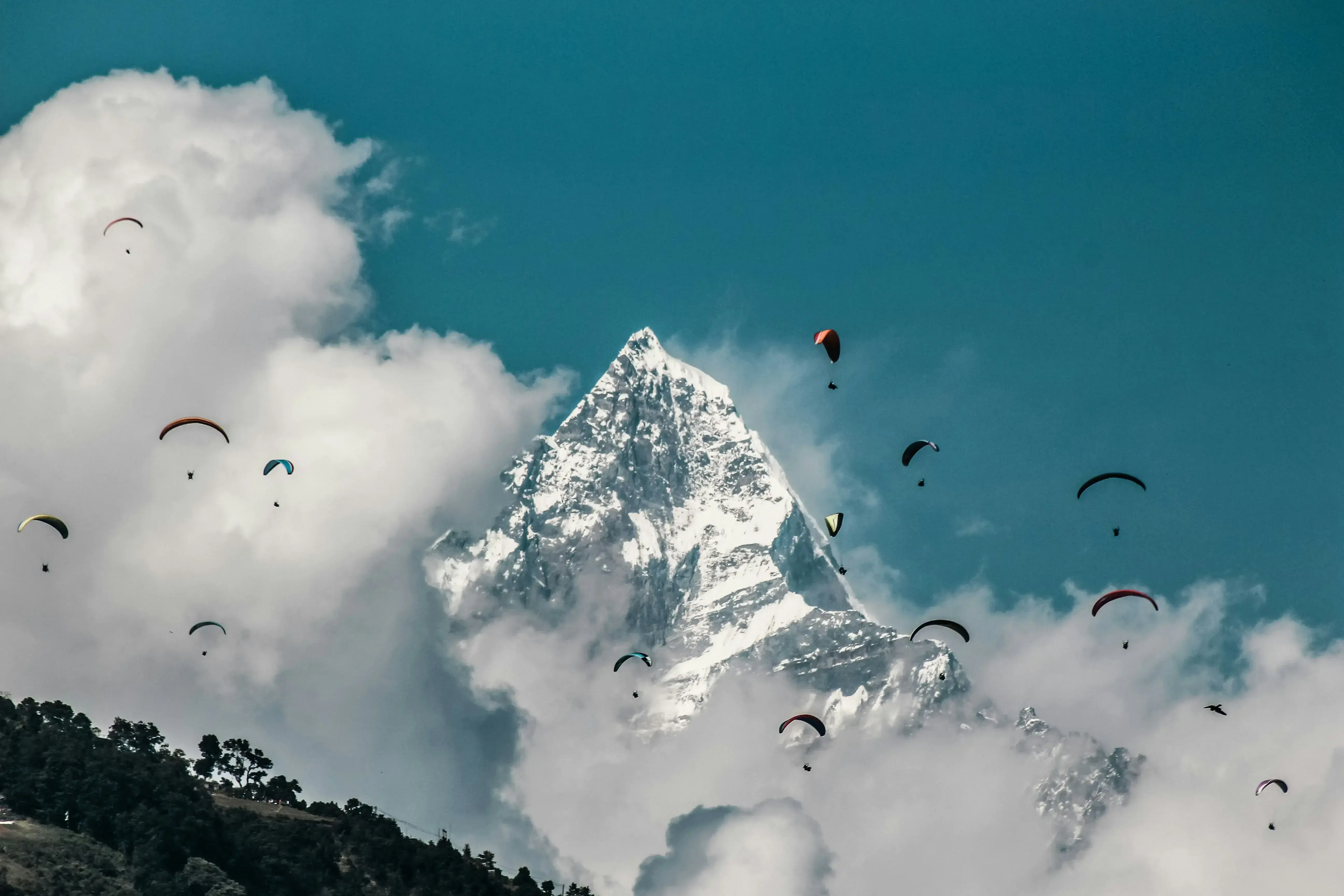
Who should choose something else? Travelers seeking adrenaline should head to the rivers and skies; the healing day is deliberately slow. Travelers wanting deep therapy for acute mental health conditions need clinical care, not landscape, and the team will say so honestly. And travelers who cannot imagine surrendering a phone for six hours might better begin with an evening aarati ceremony, described in our guide to cultural and spiritual tours in Nepal, which offers contemplative atmosphere without the full commitment.

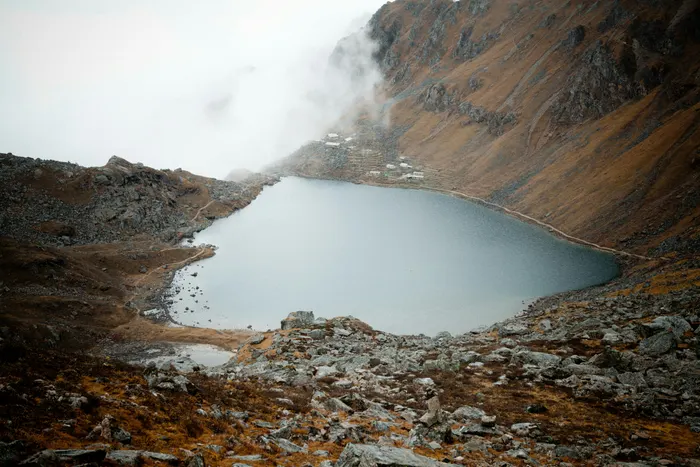
Trekking du lac Gosaikunda : Pèlerinage sacré de l’Himalaya et lacs alpins (5 jours)
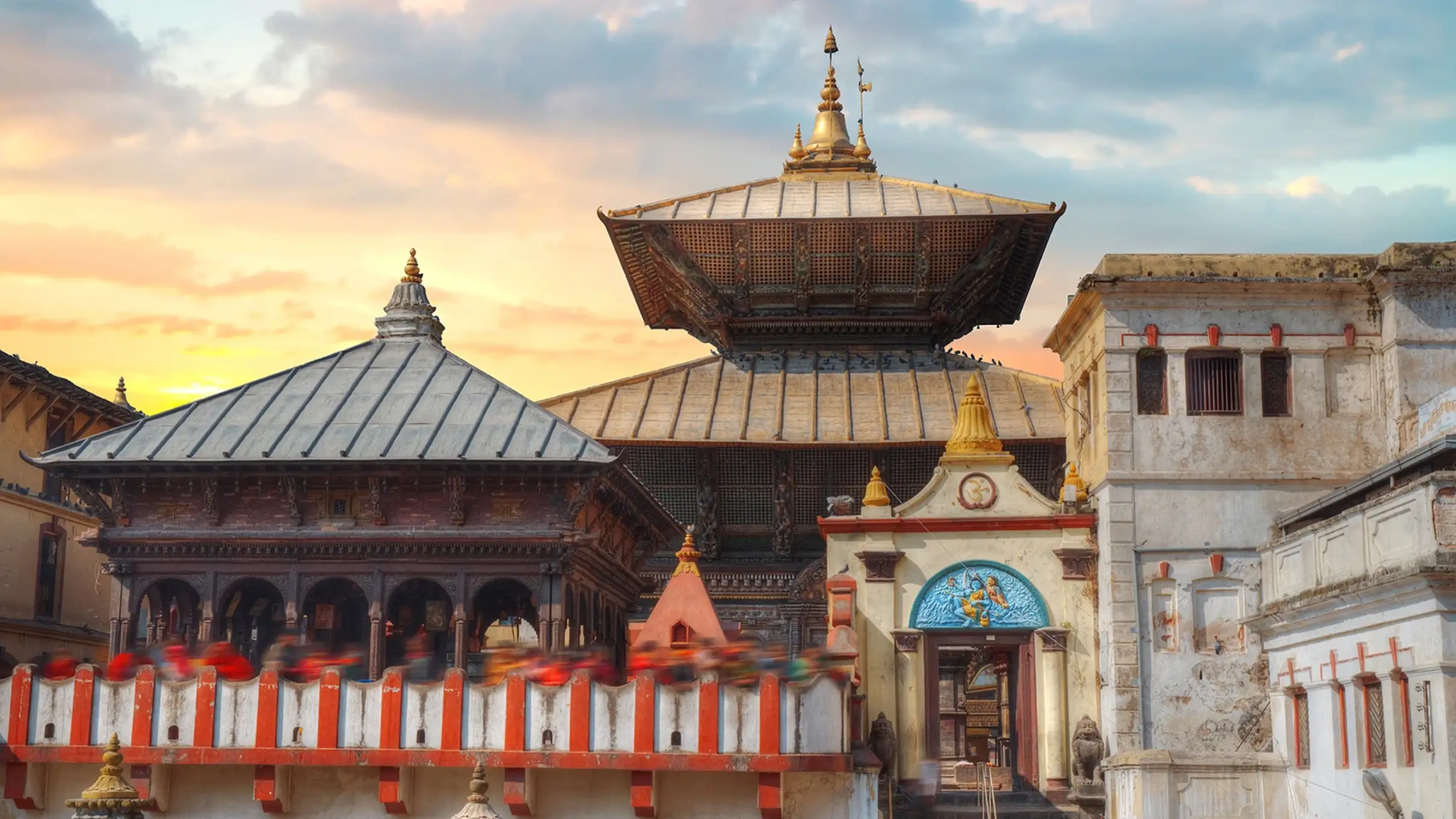
Les 7 merveilles de Katmandou inscrites au patrimoine mondial de l'UNESCO : un circuit de 4 jours à la découverte du patrimoine culturel.
How Should You Prepare for a Healing Day?
Preparation is minimal, which is part of the design: the day is engineered so that arriving exhausted is acceptable. Three practical notes.
First, taper your inputs the evening before if you can. A normal night's sleep, a light dinner and no late screens mean you arrive with a nervous system already leaning toward quiet, and the first hours go deeper. This is not required, but it upgrades the day noticeably. Our guide to meditation for sleep and overcoming insomnia has useful protocols for the traveling nights before.

Second, pack simple. Comfortable walking shoes, layered clothing for a ridge that can move from warm sun to cool wind, a water bottle, sun protection, and if you use reading glasses, bring them. Leave the laptop. The packing philosophy is covered in our meditation retreat packing list, which applies to the day format as well: the less you carry, the easier it is to put things down.
Third, decide in advance who you will tell. Guests who announce a quiet day at home, no messages until evening, report a better experience than those who leave the door open for interruption. One short message to close contacts, sent from the car on pickup morning, is the proven pattern.
Seasons: When to Schedule Your Himalayan Reset
The healing day runs year-round, and each season changes the texture of the experience. Autumn, October to November, is the classic window: post-monsoon clarity, warm days, crisp nights, and the sharpest mountain visibility of the year. The forests are washed clean, and the light on the ridges has the definition that photographers chase. Spring, March to April, brings rhododendron bloom across the middle hills, the trails bright with red and pink, and warming temperatures. Winter, December to February, offers the deepest silence of the year: absolute clarity, empty trails, and quiet so complete that the sound sessions carry further. Days are shorter and ridge mornings are cold, so layers matter. Summer, June to September, is the monsoon: green, moody, and contemplative in its own way, with rain on the canopy as a listening practice, though views are intermittent and walks adapt to showers.
For restoration specifically, the team's experience favors the shoulder edges of these windows: late September into October, and late February into March, when the combination of clear skies, mild temperatures and quiet trails is at its best. Whenever you come, the advice is the same as in our guide to planning travel in Nepal with the right partner: build the healing day early in your trip, not as a final treat. A recalibrated nervous system receives everything that follows, from heritage walks to high trails, differently.
How Does the Day Compare with a Longer Retreat?
The healing day is the entry point of a ladder, not a competitor to longer formats. Its role is to demonstrate, within one sunrise-to-sunset arc, what restoration actually feels like in your body, so that the longer retreats become an informed choice rather than a leap.
The next rung is the weekend wellness format: three to four days that combine the day's practices with residential quiet, such as our 3-day yoga and sound healing retreat in Kathmandu or the 4-day Pokhara yoga wellness retreat. These add the element a single day cannot supply: successive nights of deep sleep in silence, which is where much of the actual repair happens. For travelers who want to pair wellness with gentle exploration, the 6-day Nepal cultural, nature and Himalayan experience blends valley heritage, forest sanctuaries and lakefront calm, and our guide to yoga and meditation retreats combined walks through the full decision tree.


The rungs above those are the intensive formats: ten-day silent Vipassana retreats, residential stays at working monasteries, and the deeper teacher-training pathways. The healing day is honestly positioned as the first step, not a substitute for any of them. What it offers that they cannot is fit: one day, no prior experience, no special clothing, no belief system, schedulable inside any Nepal itinerary.
What Makes Nepal Different from Other Wellness Destinations?
Wellness travel is now a global industry, and the honest question is what Nepal specifically brings. Three things, and they compound.
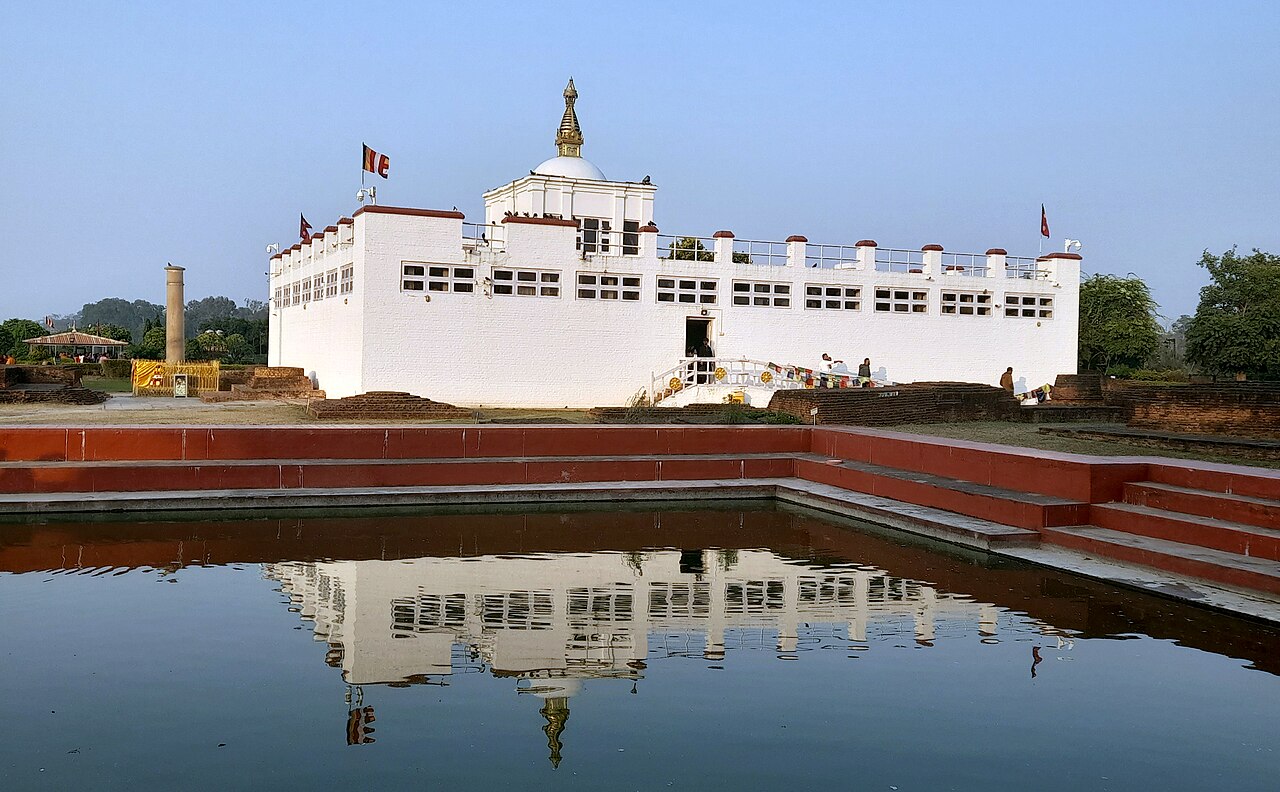
First, lineage. The practices taught in Nepal's quiet places are not recent inventions. This is the country where the Buddha was born, where the techniques of meditation, breathwork and contemplative retreat were systematized and transmitted over millennia. When a guide on the valley rim teaches a breathing practice, the instruction has been passed hand to hand for generations. That continuity is not sentiment; it shows up as depth of instruction, awareness of pitfalls, and a lack of improvisation. You can read the wider context in our history of meditation in Nepal.
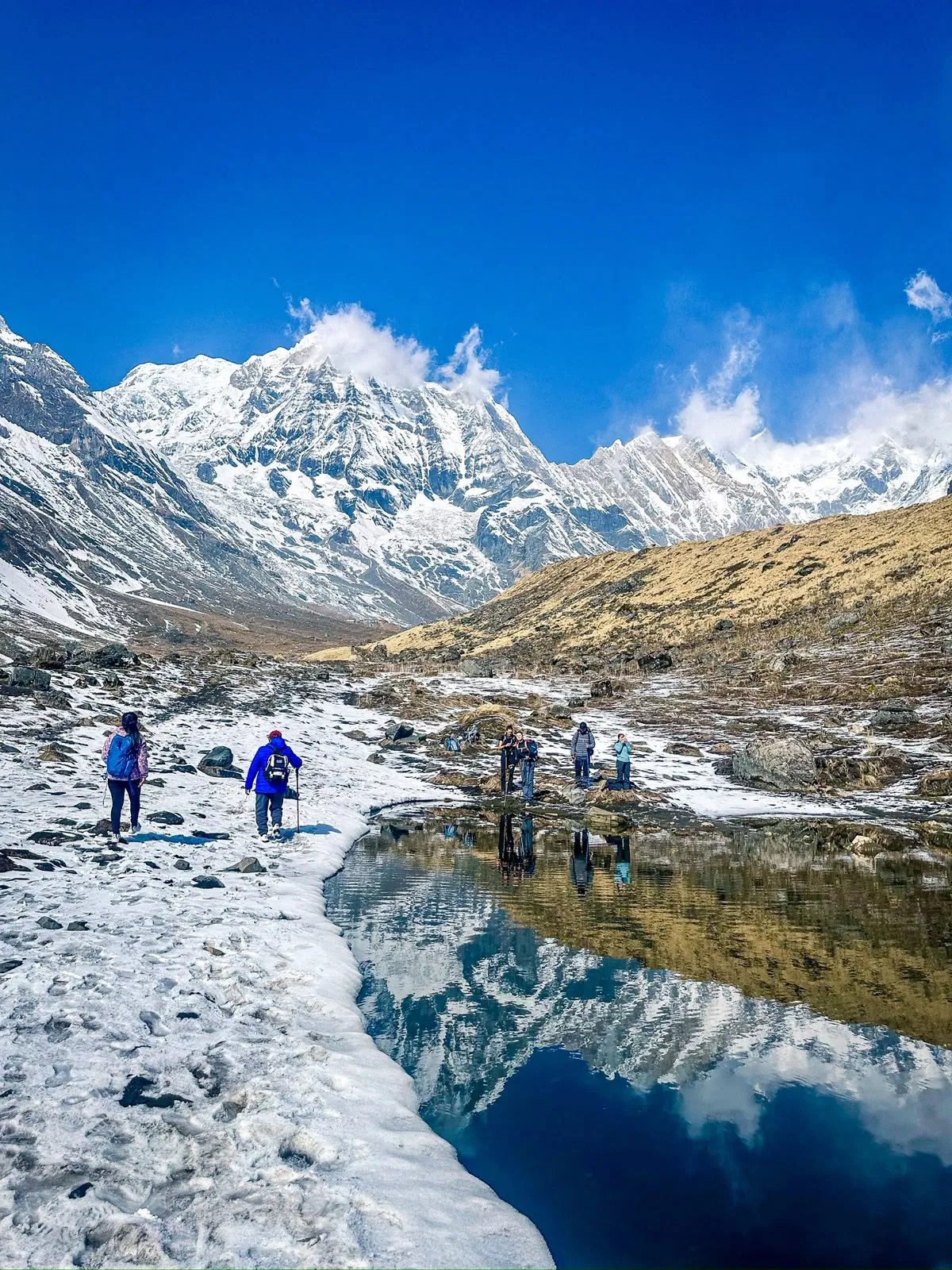
Second, environment. Most global wellness destinations offer either luxury or nature, rarely both in working order. Nepal's middle hills offer functional silence at a scale that is hard to find anywhere: car-free village trails, minimal light pollution, air that smells of forest rather than traffic. The silence is not curated; it is simply what remains when the terrain has always been difficult to pave.
Third, integration. Nepal does not segregate wellness from life. The healing day ends in a village kitchen; the sound healer's bowls sit beside farming tools; the walk home passes working terraces and shrines in daily use. Restoration that is wrapped in cotton wool rarely survives contact with home. Restoration practiced inside a living landscape, among people whose ordinary week already contains stillness, tends to travel better. This is the HEAL philosophy in practice: healing not as escape from the world but as recalibration within it, so that you return to your world with the Himalayas' quiet still installed.
How Do You Book and What Does It Cost?
Booking the Reconnect, Refresh and Rebalance day is direct and simple: contact our team through the booking page with your dates, and the specialists who curate the program will confirm availability, pick the season-appropriate sanctuary site, and tailor the arc to your group. Private departures for individuals, couples and small groups run year-round, and corporate or retreat groups can arrange custom formats. As with everything we operate, the guidance in our complete guide to choosing a Nepal travel partner applies: named people, published schedules, honest answers to hard questions.
Costs scale with format: the day experience itself is a fraction of what comparable programs charge in Western wellness resorts, and pairing packages bring the per-day cost down further. Current pricing for each companion package is listed on its page, and the team will quote the private day format directly. What the price buys is the combination that is genuinely rare: unbroken lineage, genuinely quiet land, and guides whose own practice is the source of the day's content.
One planning note from experience: guests who treat the healing day as the anchor of their Nepal trip, scheduling it on day two or three and building outward, report the strongest outcomes. The mountains recalibrate you first; everything you do afterward, the heritage squares, the pilgrim trails, the lakeside evenings, lands on a quieter nervous system. That sequencing, more than any single practice, is the secret of reconnect, refresh and rebalance.
Bringing the Quiet Home: Making the Reset Stick
The last stage of the day is deliberately practical, because the hard part of any reset is re-entry. Four patterns from the integration circles have proven durable.
Anchor a morning practice before you leave Nepal, ten minutes of breath and quiet, attached to an existing habit like first tea or coffee. The practices are introduced in our meditation for beginners guide, and the habit-attachment method is detailed in building a daily practice while traveling. Second, protect one weekly half-day of deliberate quiet, the single most reported keep-home commitment. Third, keep a version of the integration circle: a weekly written reflection, ten unedited lines, which converts the day's insights into retrievable instructions; our guide to journaling as a spiritual practice teaches the format. Fourth, if the loops that drove you here were heavy ones, worry, anxiety, sleeplessness, take the specific tools home too: meditation for anxiety relief and meditation for sleep cover the protocols.
And plan the return. The guests who keep the reset are overwhelmingly the ones who book their next quiet day before leaving Nepal. The mountain will be here, and so will the silence; the only question is whether you will come back and let it work on you again.
The velocity of modern life is not going to slow down on its own. What the Himalayas offer is older and simpler: a place that has always known how to hold a person still long enough for them to hear themselves again. Reconnect with what is real, refresh the body that carries you, rebalance the mind that steers you. That is not a vacation. That is maintenance for being human, and there is no better place on earth to schedule it.