
For thousands of years, meditators in the caves, monasteries and forest hermitages of the Himalayas made a bold claim: sustained training of the mind changes the person who does it. For most of the twentieth century, scientists were skeptical. The brain was considered fixed after childhood, and reports of transformed awareness were filed under religious experience rather than biology. That assumption collapsed in the last two decades, when neuroimaging tools finally caught up with the contemplative traditions. Today, studies from Harvard, the University of Wisconsin and dozens of other institutions confirm that meditation produces measurable, structural and functional changes in the brain.
Nepal sits at a fascinating junction of this story. It is the birthplace of the Buddha, home to living meditation lineages in the Kathmandu Valley, and a country where a traveler can move in a single day from a neurology lecture hall to a monastery courtyard where monks have practiced these exact techniques for generations. Whether you are a secular skeptic or a devoted practitioner, understanding the science of meditation in Nepal will change how you approach your next retreat. This guide walks through what researchers have actually found, how different techniques affect the brain differently, and why practicing in the Himalayan environment amplifies the effects.
What Does Meditation Actually Do to Your Brain?
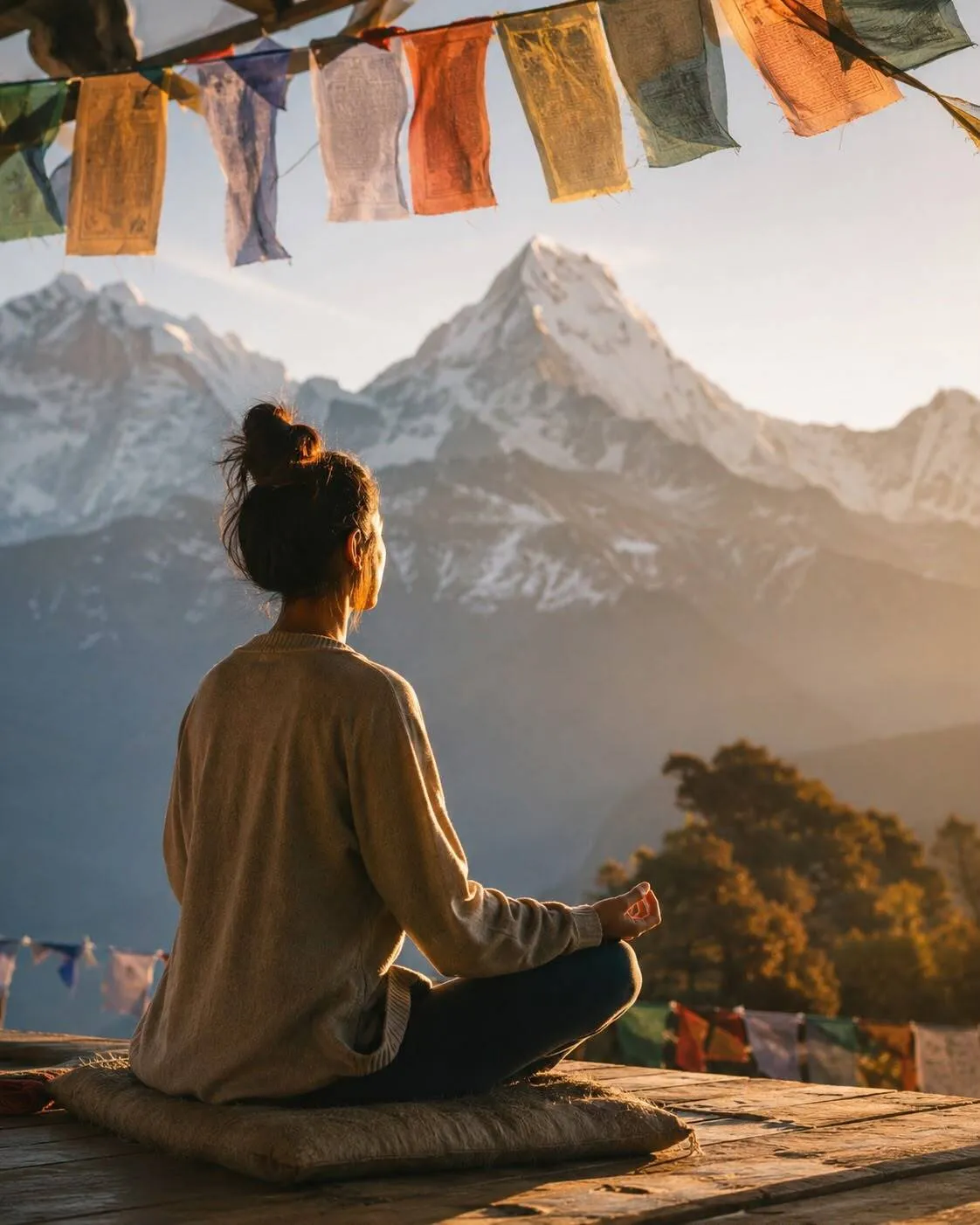
In short: regular meditation is associated with increased gray matter density in regions that control attention, learning and emotional regulation, and reduced density in regions that drive threat responses. The technical term for the underlying mechanism is neuroplasticity, the brain's lifelong ability to reorganize its structure in response to repeated experience.
The landmark study came from Dr. Sara Lazar's laboratory at Harvard Medical School in 2005. Her team compared brain scans of experienced meditators with a control group and found increased cortical thickness in the prefrontal cortex and insula, areas involved in attention, interoception and the integration of thought and feeling. The changes were more pronounced in older practitioners, which intrigued researchers because cortical thickness normally declines with age.
A follow-up study published in 2011 went further. It took participants with no prior meditation experience, put them through an eight-week Mindfulness-Based Stress Reduction course, and scanned them before and after. The result: measurable increases in gray matter density in the hippocampus, a region central to learning and memory, alongside density decreases in the amygdala, the brain's threat-detection hub. Importantly, the amount of amygdala change correlated with how much stress participants reported, suggesting a dose-response relationship between practice and outcome.
A 2014 meta-analysis led by Kilian Fox and colleagues reviewed more than a dozen structural imaging studies and found consistent patterns: differences in areas supporting attention, sensory awareness and self-regulation in long-term meditators. The overall picture from two decades of research is that meditation behaves less like relaxation and more like physical training. Repeated mental practice sculpts the circuits it exercises, the same way repeated weight training sculpts muscle.
How Does Meditation Rewire the Stress Response?
Meditation dampens the body's threat system. Practitioners show reduced amygdala reactivity to stressors and lower reported anxiety, and structured programs like MBSR have produced measurable reductions in stress symptoms within eight weeks.
The physiology here is well understood. When your brain perceives a threat, physical or psychological, a circuit called the hypothalamic-pituitary-adrenal axis activates. The hypothalamus signals the pituitary gland, which signals the adrenal glands to release cortisol and adrenaline. Heart rate rises, muscles tense, digestion slows and immune activity shifts. This cascade is brilliant for escaping a landslide. It is corrosive when triggered continuously by emails, traffic and uncertain travel plans.
Chronic, low-grade activation of this system is linked to elevated blood pressure, impaired sleep, weakened immunity and accelerated cognitive aging. Meditation intervenes at the top of the cascade. Studies of focused-attention practice show decreased activity in the amygdala during and after training. As the amygdala quiets, the prefrontal cortex, which performs context and long-term judgment, exerts more top-down control over the threat response. You literally retrain the brain's smoke detector to stop confusing burnt toast with a house fire.
For readers dealing with persistent worry, our guide to meditation for anxiety relief in the mountains explores how this mechanism plays out in retreat settings. The key insight from the research is consistency: brief daily practice outperforms occasional long sessions, because the stress system is retrained through repetition rather than intensity.


Why Does the Default Mode Network Matter?
The default mode network is a set of connected brain regions that activates when your mind is not focused on a task: during daydreaming, self-reflection, rumination and mind-wandering. Meditation reduces activity in this network, and experienced practitioners show a fundamental shift in how it behaves even at rest.
In 2011, psychiatrist Judson Brewer published a study in the Proceedings of the National Academy of Sciences comparing experienced meditators with novices across three different techniques. Across all techniques, the experienced practitioners showed markedly less default mode network activity during meditation. The practical meaning is significant. The default mode network is heavily implicated in the mental time travel that dominates unhappiness: replaying the past, rehearsing the future, and the endless narrative of self that psychologist call rumination.
When researchers talk about meditation quieting the mind, this is largely what they mean at the neural level. The network does not shut off permanently, nor should it; it supports autobiographical memory and planning. But practitioners develop what researchers call meta-awareness: the ability to notice when the narrative machinery has taken over and to step back from it. Experienced meditators in Brewer's study also showed stronger connectivity between cognitive-control regions and the default mode network, suggesting they were not suppressing mind-wandering but relating to it differently.
This matches what meditators have reported for centuries in the Himalayan traditions: thoughts do not stop, but their grip loosens. The secular vocabulary is new. The observation is old. Our guide to mindfulness meditation as a secular practice covers the day-to-day techniques that train this exact shift.
Can Meditation Really Improve Focus and Attention?
Yes. Multiple imaging studies show that attention training strengthens the anterior cingulate cortex and the prefrontal-parietal networks that sustain concentration, and long-term practitioners display attentional stability that novices cannot match even on their best day.
Attention is not a single faculty. Neuroscientists distinguish alerting, orienting and executive attention, each with its own circuitry, and meditation appears to train all three. The anterior cingulate cortex, which sits at the boundary between the emotional and rational brain, monitors conflicts: the chatter in the teahouse, the aching knees, the to-do list at home. Sustained practice strengthens this conflict-monitoring system, which is why even short training periods improve performance on attention tests.
The most striking attentional data come from the laboratories of neuroscientist Richard Davidson, who has studied Tibetan Buddhist practitioners for decades. A 2004 study co-authored with Antoine Lutz recorded remarkably high-amplitude gamma-band synchronous oscillations in long-term practitioners during meditation. Gamma synchrony is associated with the binding of distributed neural activity into coherent perception and attention. These were among the highest readings reported in the literature at the time, and they hinted that very long practice produces brain states outside the ordinary range.
Most travelers will not reach that level on a ten-day retreat, and that is fine. The encouraging finding for beginners is that attention benefits appear early. Studies of two weeks of daily practice already show improved sustained attention and working memory. For a structured introduction that respects both the science and the tradition, our meditation for beginners guide covers realistic starting points.

What Happens to Your Brain at Himalayan Altitude?

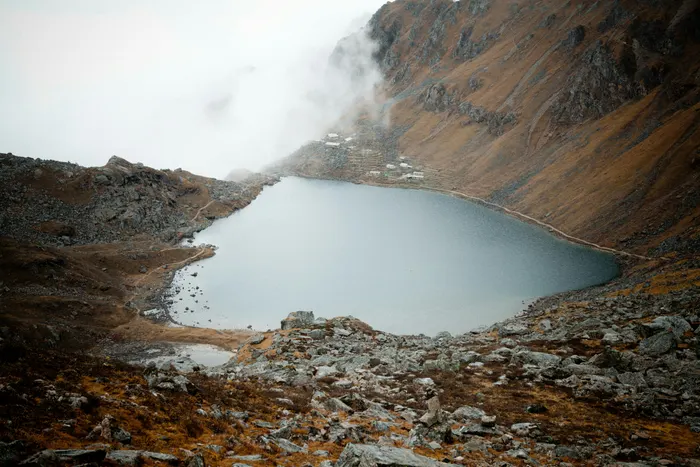
Altitude changes the conditions under which you practice, not the meditation itself. Kathmandu sits around 1,400 meters, a mild elevation where cognition is essentially unaffected. Higher practice environments, above 3,000 meters, introduce mild hypoxia that affects attention and sleep, which is why retreat centers cluster at comfortable elevations in the middle hills.
There is a practical science to where Nepal's meditation venues sit. The classic contemplative settings of the Kathmandu Valley, the Bhaktapur countryside and the lakefront of Pokhara all lie between roughly 800 and 1,500 meters. At these elevations, blood oxygen saturation stays essentially at sea-level values for healthy travelers, and the main environmental change is sensory: cleaner air, less noise, darker nights. Sleep researchers consistently find that quiet, dark environments improve slow-wave sleep, the stage during which the glymphatic system clears metabolic waste from the brain. A retreat in the middle hills gives your brain better recovery conditions, not just better scenery.
Higher up, above 2,500 meters, the physiology changes. Acute exposure to hypoxia can transiently impair attention, reaction time and sleep architecture, and altitude sickness remains a genuine medical risk for unacclimatized visitors. This is not mystical terrain to push through in the name of intensity. The contemplative traditions themselves made the same judgment centuries ago: the great practice centers of Nepal and Tibet occupy valleys, not summits. Intensive breathing practices require particular caution at altitude, and our guide to pranayama and breathwork at altitude covers the safety principles.
If your vision of Nepal involves combining trail and cushion, our article on combining hiking with meditation shows how to sequence altitude, walking and practice safely.

From Buddha to Brain Scans: Why Nepal Matters
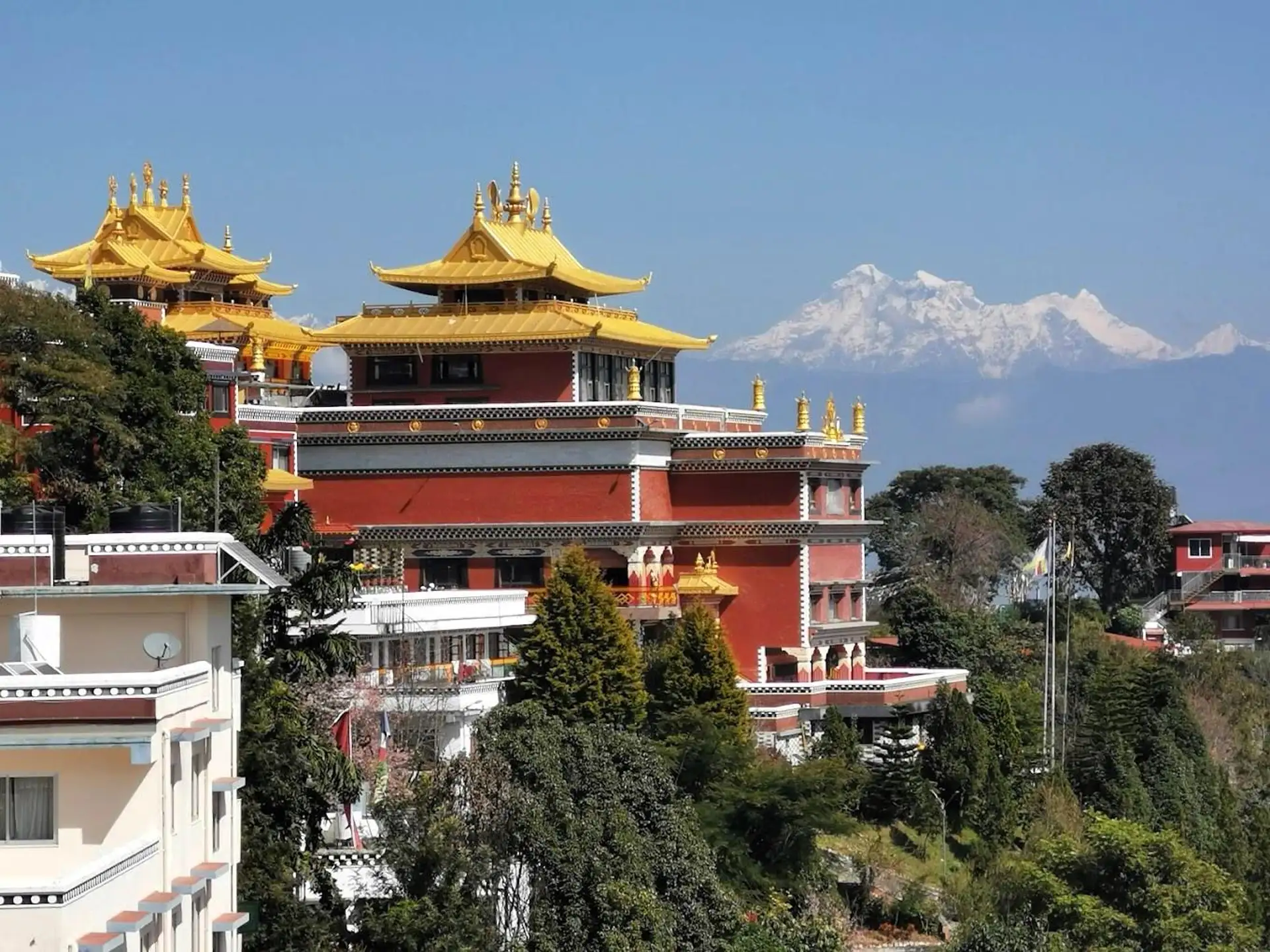
Nepal is where the tradition under study was born, and where it is still transmitted. The historical Buddha was born at Lumbini in southern Nepal, and the meditation techniques now studied in Western laboratories are descendants of practices systematized in this region and carried across Asia.
This heritage creates a practical advantage for the modern student. In Nepal you can learn meditation in an unbroken cultural context: a teacher in a monastery in the Kathmandu Valley is likely teaching a technique whose instructions, safeguards and known failure modes have been refined over generations of practitioners. That depth matters, because research increasingly shows that the tradition's warnings about unsupervised intensive practice, including guidance about when and how to deepen, map onto real clinical observations.
It also creates a bridge for secular travelers. Nepal's wellness sector has integrated the science respectfully: retreat programs combine evidence-based mindfulness curricula with settings that give the nervous system exactly what it needs to settle, including quiet gardens, early sleep rhythms and simple schedules. If you are planning a first visit that blends heritage, wellness and gentle activity, our guides to cultural and spiritual tours in Nepal and the practical side of choosing the right trekking and tour partner cover the logistics. The history of how these practices traveled from Himalayan hermitages to hospital programs is traced in our history of meditation in Nepal.



How Do Different Meditation Techniques Affect the Brain?
Different families of practice train different circuits. Focused-attention methods strengthen attention control networks, open-monitoring practices alter how salience is processed, and compassion-based practices engage emotional and social circuitry in distinctive ways. The style you choose should match the change you are seeking.
Researchers commonly sort major techniques into three or four families. Focused-attention practice, such as breath concentration in the Theravada tradition and its secular derivatives, trains the ability to notice distraction and return. Imaging consistently shows effects in the anterior cingulate and lateral prefrontal cortex, the conflict-monitoring and task-control systems described earlier. Vipassana, the insight practice taught on ten-day silent retreats across Nepal, develops open monitoring: sustained, non-reactive awareness of whatever arises. Studies associate it with changes in sensory processing regions and the insula.
Compassion and loving-kindness practices engage different territory again: the insula, the temporal-parietal junction and regions involved in emotional empathy. Practitioners show stronger responses to distress signals from others, which is the neural counterpart of the tradition's claim that compassion is trainable. Mantra recitation, central to Himalayan Buddhism and covered in our guide to Om Mani Padme Hum and sacred chanting, appears to combine attentional stabilization with the parasympathetic slowing that comes with slow, rhythmic vocalization. Sound-based practices work partly through the same mechanism: sustained tones entrain slow breathing, and our guide to singing bowls and vibrational therapy explains what is established and what remains speculative in that field.


The honest scientific caveat is that most comparison studies are small, and much of the enthusiastic literature mixes strong findings with weak ones. A widely cited 2014 review in JAMA Internal Medicine led by Madhav Goyal concluded that mindfulness programs had moderate evidence for improving anxiety, depression and pain, and insufficient evidence for the more sweeping claims sometimes made. Moderation is not failure. It means the effects are real, measurable and proportional to the discipline you invest.
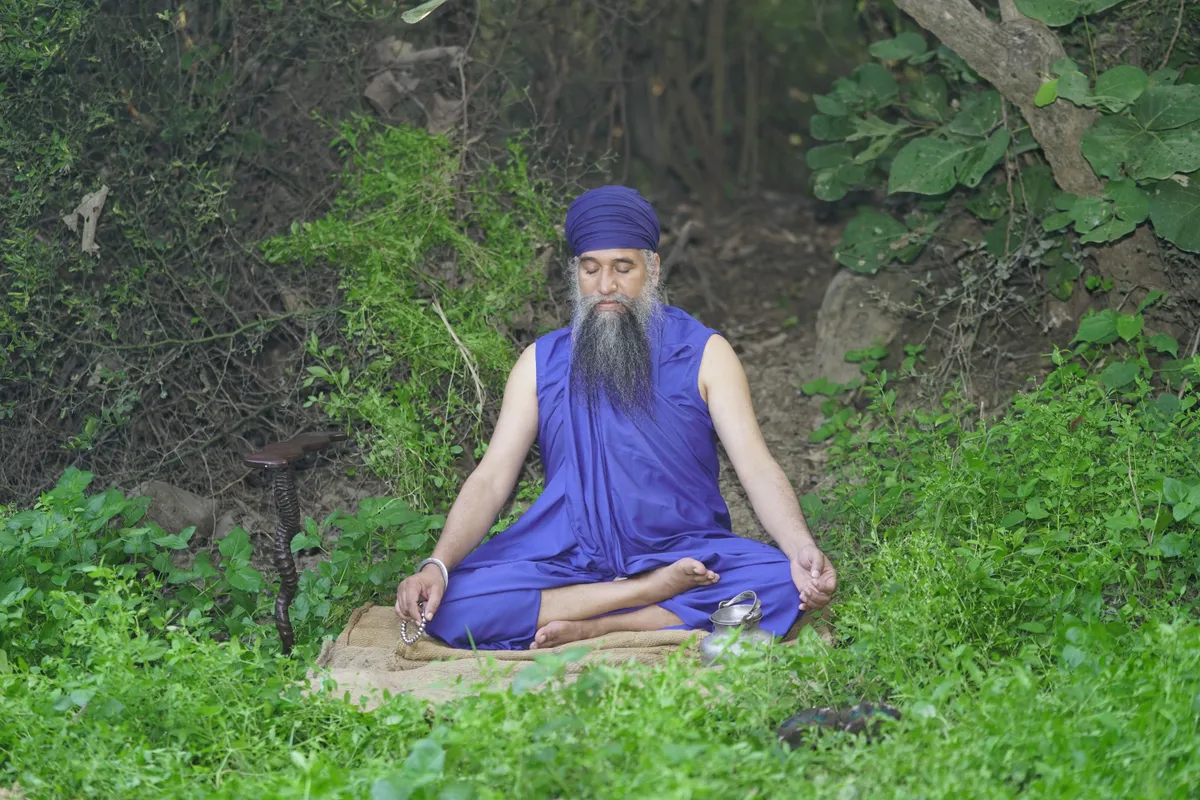
How Long Until You Can Measure the Changes?
Functional changes in attention and stress markers appear within two to eight weeks of regular practice. Structural changes in gray matter have been measured after eight-week introductory courses, while the striking brain signatures reported in long-term practitioners take years or decades.
The eight-week figure deserves explanation because it recurs constantly in the literature. It is not a mystical number; it is the length of the Mindfulness-Based Stress Reduction course that Jon Kabat-Zinn developed at the University of Massachusetts in 1979, which became the template for most secular mindfulness research. When Lazar's group found hippocampal growth in beginners, the participants had averaged about twenty-seven minutes of daily practice across those eight weeks, roughly thirty hours in total. That is a modest investment producing a measurable structural effect.
Practically, the research suggests a realistic arc. In the first week or two, most practitioners notice more clearly how unruly their attention is, which often feels like getting worse. Weeks two to six typically bring the first reliable gains: fewer rumination spirals, faster recovery after emotional spikes, slightly improved sleep. From roughly two months onward, people close to you start noticing changes you have not mentioned. Long-term practitioners show the large effects, but the entry cost is low, which is the actual takeaway from the dose-response data.
Retreats compress this arc. A residential retreat removes the distractions that normally interrupt practice, so a week of structured retreat can deliver the practice hours of several ordinary weeks. Our guide on building a daily meditation routine while traveling covers how to carry the retreat effect home.
What Does Research Say About Meditation and Sleep?
Meditation reliably improves subjective sleep quality, and several controlled trials show it can reduce the time it takes to fall asleep and lessen insomnia severity, particularly mindfulness programs structured around the pre-sleep period.
The mechanisms are complementary. First, sleep suffers when the stress system is active at bedtime; meditation lowers pre-sleep arousal, measured through heart rate and cortisol, making the descent into sleep physiologically easier. Second, rumination is the signature cognitive cause of insomnia, and the meta-awareness described earlier weakens the grip of the thought spirals that keep people awake. Third, several practices act directly on the physical correlates of relaxation: slow exhale-biased breathing activates the vagal brake, slowing heart rate in a way that mimics the body's natural preparation for sleep.
For travelers specifically, there is a well-documented phenomenon of first-night sleep disruption in new environments, driven by one hemisphere sleeping lighter in an unfamiliar setting. Meditation appears to blunt this effect, likely because the practice reduces the vigilance that drives it. Combine that with the dark, quiet nights of a Himalayan valley guesthouse and you have unusually good conditions for recovery. Our dedicated guide to overcoming insomnia naturally with meditation walks through the evening protocols, and our meditation retreat packing list covers the practical items, from eye masks to earplugs, that protect sleep in shared retreat accommodation.
Silence, Mountains and the Rested Brain
Environmental psychology adds a complementary layer to the meditation research. Attention restoration theory, developed by Rachel and Stephen Kaplan, holds that directed attention, the effortful focus we spend all day, fatigues like a muscle, and that natural environments restore it through a combination of fascination, extent and compatibility. The Himalayan environment supplies all three in unusual concentrations.
This is why the setting of a retreat is not a luxury detail. In the research on nature exposure, even short walks in green environments produce measurable improvements in working memory and mood, with larger effects from multi-day immersion. Nepal's middle hills offer something most study sites cannot: minimal light and noise pollution, car-free village trails, and an horizon of snow peaks that holds soft attention without demanding effort. The silence traditions deepen the effect. On a silent meditation retreat, the withdrawal of speech and social signaling removes a whole class of attentional demands, which is one reason practitioners report the first two days as difficult and the following days as unusually clear.
Practices that embrace the environment rather than retreat from it seem to benefit twice: once from the restoration and once from the training. Walking meditation on Himalayan trails and the forest-based practices described in our guide to forest bathing and mountain silence are the natural bridges between the neuroscience of attention and the landscape you came for. The town of Bandipur, with its ridge-top trails and vehicle-free old quarter, is a good place to try both without logistical complexity.
Where Can You Experience Science-Informed Meditation in Nepal?
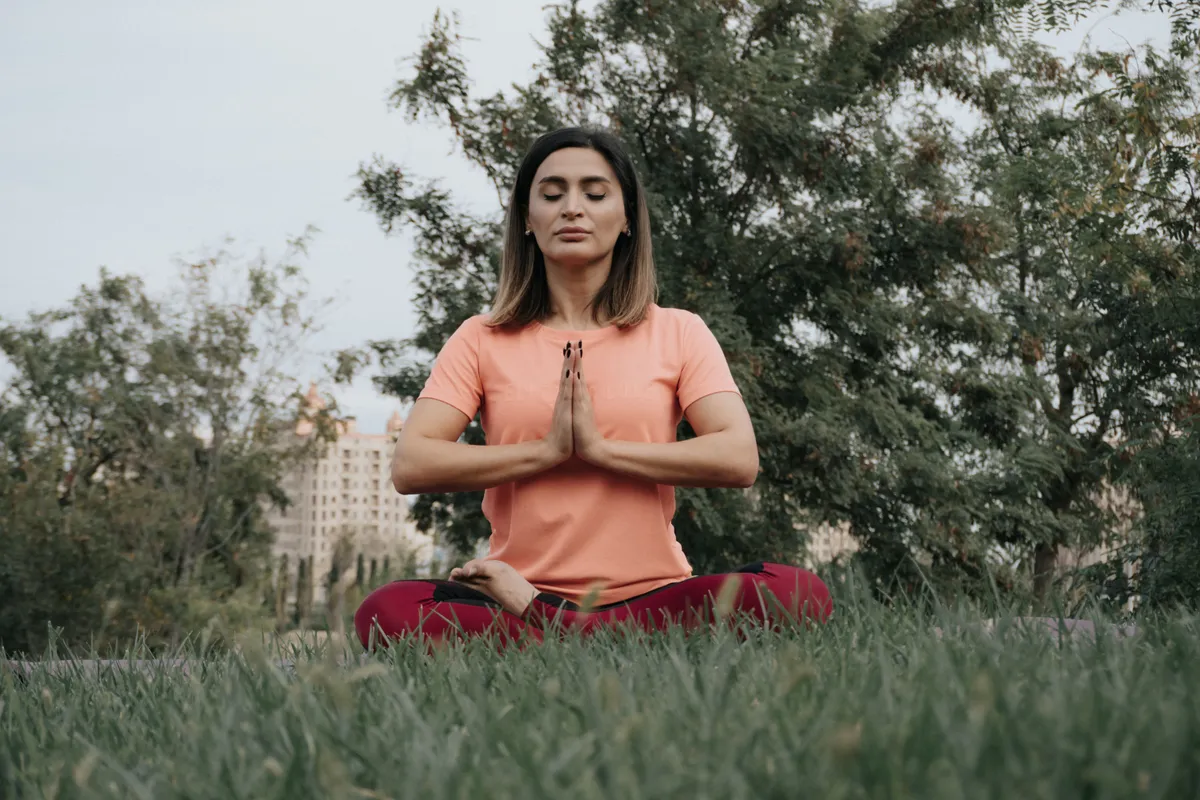
Nepal offers settings for every level of interest, from a half-day monastery session in Kathmandu to month-long residential retreats. The practical choice is between city-based programs that fit a short trip and immersion retreats in the hills that fit a dedicated journey.
For a first taste, half-day and full-day programs work well. Monastery etiquette sessions, including the option to sit with resident communities, introduce the environment and the basics in a single morning; our guide to monastery stays and daily practice covers what to expect. Evening observances such as the lamp-lighting ceremonies on the Kathmandu riverbank, described in our overview of the spiritual evening aarati experience, suit travelers who want the contemplative atmosphere without formal instruction.
For structured multi-day learning, the market in Nepal divides cleanly by budget and depth. Free or donation-based programs, including monastery-run courses, are covered in our guide to affordable meditation retreats. At the comfortable end, professionally staffed centers combine private rooms, guided sessions and wellness services, and our luxury meditation retreat guide reviews what the premium tier actually includes. Couples can explore shared programs in our couples retreat guide, and solo travelers will find safety and logistics advice in the solo meditation travel guide. If you want to go deeper than a retreat, a structured pathway exists: the certification route is explained in our guide to meditation teacher training in Nepal.
The essential advice is to book through established centers with named teachers and published daily schedules. The complete comparison criteria, including red flags, are collected in our guide to choosing a meditation retreat in Nepal.
Bringing the Science Home: A Practice That Sticks
The research favors a simple formula: ten to twenty minutes of daily practice, in any technique you will actually sustain, beats an ambitious plan abandoned in a fortnight. Choose the practice that matches your temperament, anchor it to an existing habit, and let the retreats be intensives rather than the whole training.
Three practical applications follow directly from the neuroscience. First, consistency over intensity: the structural findings were based on daily practice measured in minutes, not marathons. Second, pair your practice with adequate sleep, because memory consolidation and the emotional regulation you are training depend on it. Third, use writing to consolidate insight: keeping a practice journal converts fleeting observations into retrievable learning, and our guide to journaling as a spiritual practice explains the method. Travelers who want to integrate body and mind further can explore the traditional pairings: meditation with Ayurveda, or the cleansing routines in our guide to meditation and detox in Nepal.
And when you return to Nepal, or plan your first meditation experience in Nepal, do it with the confidence that the tradition and the laboratory now agree on the essentials: the mind is trainable, the training changes the brain, and few places on earth offer better conditions to begin than the quiet valleys where these practices were first systematized.
Nepal offers something rare: a place where the questions the laboratories are now asking have been asked, and answered in lived experience, for twenty-five centuries. Come with your skepticism. It survives the trip intact. What changes is what you understand about your own mind.