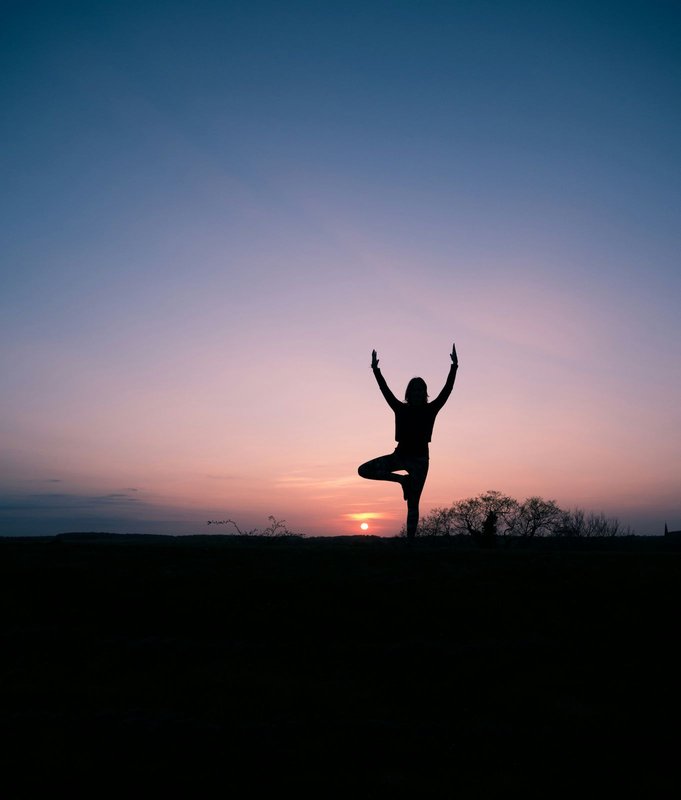
Meditation and Journaling in Nepal: Writing as a Spiritual Practice
You flew a long way to sit still. You learned to follow the breath at a monastery in Kathmandu, on a hillside above Pokhara, or in the thin quiet of a teahouse morning above the tree line. And somewhere in that stillness, things started to surface: old grief, unexpected gratitude, a clarity about your life that you had been too busy to notice at home. The problem every meditator eventually meets is that insight is slippery. It arrives whole in the sitting and dissolves by breakfast. This is where a notebook changes everything, and it is why meditation and journaling in Nepal belong together like two halves of a single practice.
Nepal is also, quietly, one of the most writing-saturated countries on earth. Sacred words are carved into mani stones at 4,000 meters, printed on prayer flags that carry sentences across the sky, and copied by hand onto palm-leaf manuscripts in a tradition older than most nations. In the Himalayan view, writing has never been mere record-keeping. It is an act that generates merit. When you sit down with a pen after meditation in this landscape, you are plugging into a very old current, not inventing a new habit.
This guide weaves the two practices together in a practical way: the science of why writing after sitting works, the Nepali roots of sacred writing, a step-by-step method for starting a meditation journal, the best places in Nepal to write, prompts tuned to the journey, and how to bring the whole thing home without losing it.
Why Do Meditation and Journaling Work So Well Together?
Meditation stills the mind so honest thoughts can surface; journaling captures them before they dissolve. Practiced together in Nepal's monasteries, lakesides and mountain villages, they turn fleeting insight into lasting self-knowledge that survives the flight home.
Think of what happens in a ten-minute sit. The mind settles, and beneath the everyday noise you notice something real: a fear you have been carrying, a decision that has actually already been made, a simple happiness you had not registered. Then the bell, the bus, the breakfast, and the insight thins out like morning mist over Fewa Lake. Meditation without writing is a door that opens and closes. The notebook keeps it ajar.
The reverse is equally true. Writing without stillness tends to become venting, list-making, or performance for an imaginary audience. Anyone who has doom-scrolled their own anxieties onto a page at midnight knows the difference between processing and rehearsing. When you write immediately after meditating, the observations arrive with less drama attached. You are writing from the observer's seat rather than from inside the storm, and the sentences land differently.
There is a third, less romantic reason the pairing works so well specifically for travelers. On the road, everything changes daily: the bed, the altitude, the food, the faces. A notebook is the only constant. Within a week it becomes the place where your journey is actually happening, the thread that connects a smoky teahouse in Langtang with a marble courtyard in Patan. If you are just beginning both practices at once, start with our complete beginner's guide to meditation in Nepal, and treat the journal as its natural companion. The two practices also reinforce the routine-building habits covered in our guide to daily meditation practice while traveling.


What Does Science Say About Expressive Writing?
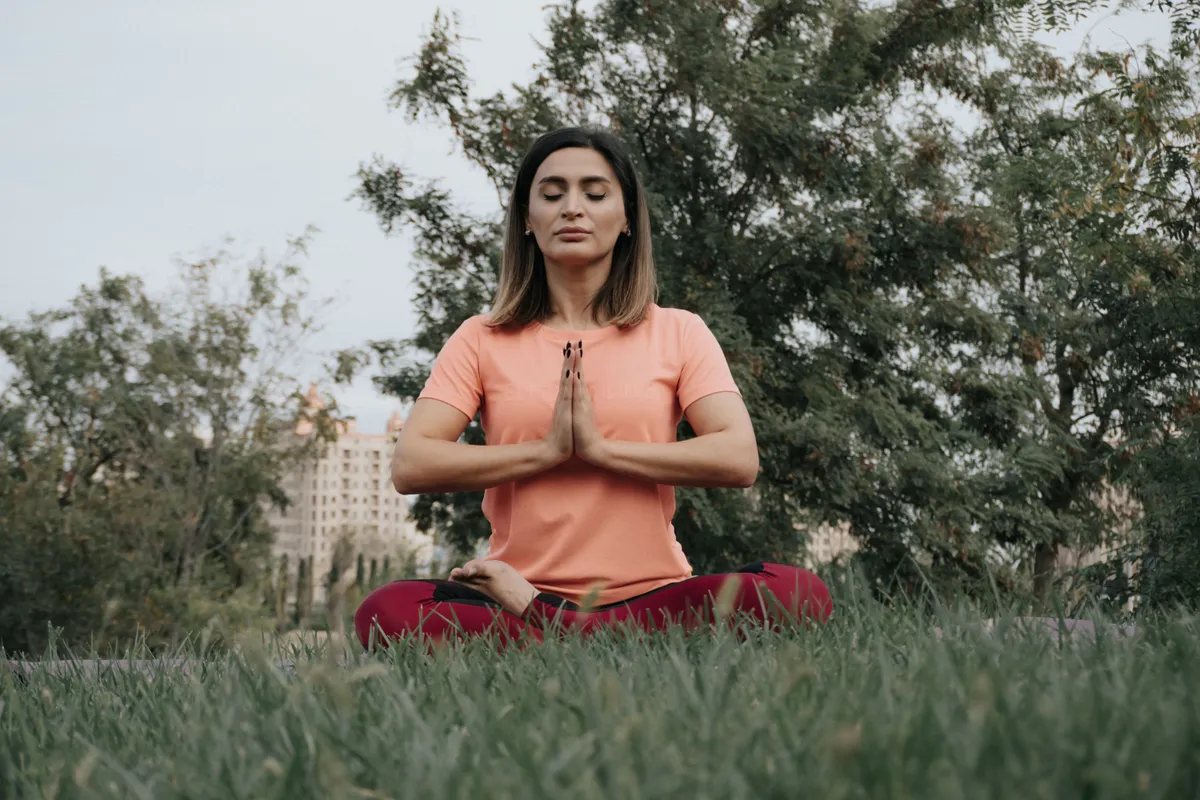
Research begun by psychologist James Pennebaker in the 1980s found that fifteen to twenty minutes of honest, unedited writing about emotional experiences, done on four consecutive days, measurably improved wellbeing and even immune function. Naming an emotion in words, called affect labeling, separately reduces the brain's threat response.
Pennebaker's expressive writing paradigm remains one of the most replicated findings in health psychology. The protocol is strikingly modest: private writing, no editing, no grammar worries, no audience, done for less than half an hour a day. What matters is honesty on the page rather than craft. Participants who used more insight words like realize and understand, and more causal words like because and therefore, showed the strongest benefits over the following months. The writing was not venting; it was sense-making.
The second strand of research, affect labeling, explains why the meditation-journaling order matters so much. Neuroscience studies led by Matthew Lieberman showed that simply putting a feeling into words lowers activity in the amygdala, the brain's alarm system. Naming a feeling, in other words, is not just describing it. It is partially defusing it. Meditation trains you to notice feelings earlier, with less reactivity, so that when you write them down you are labeling small weather systems instead of hurricanes.
Two honest caveats belong here. First, diving into raw traumatic material unprepared can do more harm than good; Pennebaker himself found that timing and readiness matter, and if heavy material is surfacing, a qualified teacher or therapist is a better companion than a notebook alone. Second, most travel journaling is not trauma work. It is joy-processing and wonder-consolidation, and the research on savoring suggests that writing about positive experiences deepens and extends them. If you want the secular, stress-focused side of the practice first, read our guide to mindfulness meditation in Nepal for stress relief, which pairs naturally with the writing method in this article.
The Nepali Roots of Writing as a Sacred Act
Long before bullet journals, the Kathmandu Valley was one of South Asia's great scribal workshops. Newar copyists spent lifetimes reproducing Buddhist sutras by hand, believing that each correctly formed letter of a sacred text generated merit for the copyist, the sponsor and every reader to come. The Perfection of Wisdom literature, among the most copied texts in the region, was not merely preserved; it was worshipped, recited and enshrined. Copying was practice. Ink was offering.
Travel a few hours in any direction and the same idea appears in stone, cloth and metal. Mani walls stacked with slabs carved in Tibetan script carry the syllables of compassion, Om Mani Padme Hum, stacked meter upon meter at passes and village entrances. Prayer flags send printed mantras across the ridgelines on the wind. At Lumbini, the Ashoka pillar stands as what you might call the oldest travel journal in Nepal: an emperor's inscription, raised around the third century BCE, recording his own pilgrimage to the Buddha's birthplace. Writing, in this landscape, is how devotion moves through the world.
This lineage matters for a modern traveler because it reframes what your notebook is. You are not keeping records; you are participating in a tradition where writing is itself a spiritual act. Chanting the same syllables carved into the trail stones is one side of that tradition, explored in depth in our guide to mantra meditation in Nepal. Tracing the full arc from the Buddha's birthplace to the modern retreat scene is the story told in our history of meditation in Nepal. And if this devotional dimension of travel is what draws you, our complete guide to cultural and spiritual tours in Nepal maps the sacred geography in full.
How Do You Start a Meditation Journal?
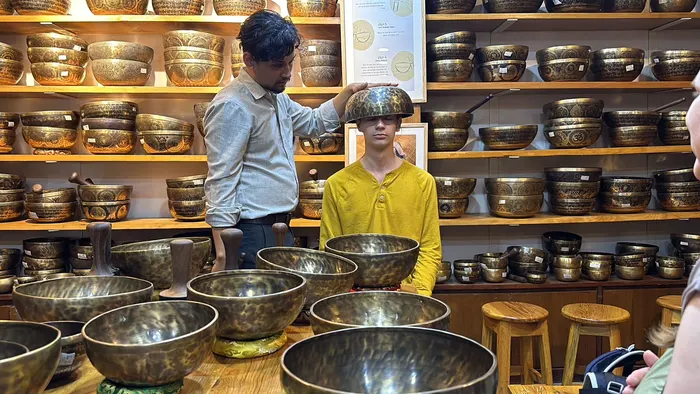
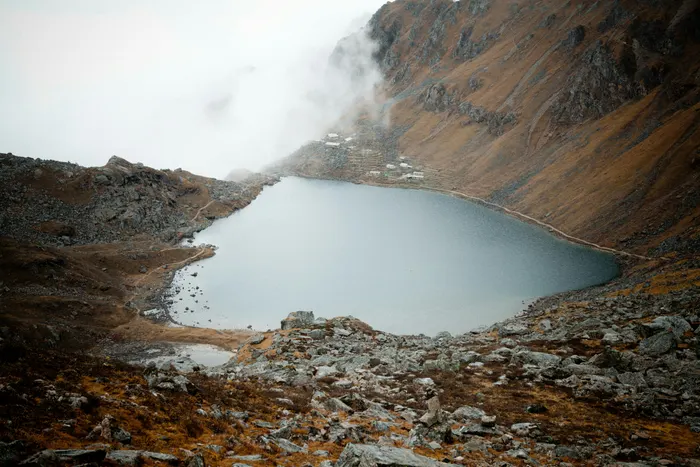
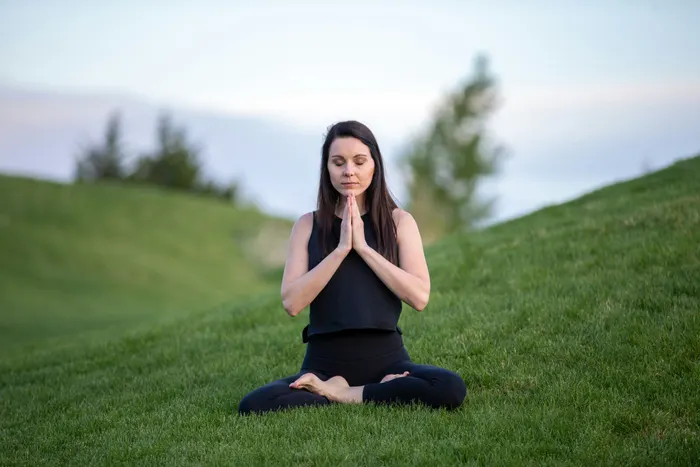
Start with one notebook, one pen and a single rule: write for three minutes after every sit, beginning with what you noticed rather than what you achieved. Date and place every entry, so the journal doubles as a record of your Nepal journey.
The method below is deliberately minimal, because elaborate systems collapse on the road.
- Choose paper over phone. A cheap ruled notebook from any Kathmandu stationery shop beats an app. Paper never pings you, never dies at altitude, and the slower pace of handwriting gives thoughts time to finish forming.
- Write one intention line before you sit. A single sentence: what am I here to look at today? This turns the sit from generic relaxation into directed attention.
- Sit for ten minutes. Follow the breath, or use whatever technique you have learned. If you are new, the guided sessions described on the meditation in Nepal activity page are the easiest way to learn a technique properly rather than guessing.
- Capture for three minutes afterward. Three questions: What arose? Where did the mind keep going? What is one thing I noticed that I want to keep? Answer in fragments; nobody is grading this.
- Re-read weekly. Once a week, read the week's entries in one sitting and underline anything that repeated. Repetition is how the quiet mind signals what actually matters.
That is the entire system. Everything else in this guide is enrichment. If you want the writing to happen inside a structured container instead of on your own, choose your container with care: our guide to how to choose a meditation retreat in Nepal includes questions to ask before booking, and if deep silence calls you, read what to expect in our article on silent meditation retreats in Nepal. Retreats that allow a single notebook but no phones, incidentally, are where many travelers write the most honest pages of their lives. Budget note: some of the deepest programs cost nothing at all, as our guide to budget meditation in Nepal explains.

What Should You Write After Meditating?
Write observations, not verdicts: the sounds you heard, the emotion that kept returning, the question you cannot answer yet. Post-meditation writing works best in the first person and present tense, like a weather report filed from your own mind.
Four formats cover almost everything, and you can rotate them freely.
The sensory download. List the first ten things you heard during the sit: a dog two streets away, bells, someone sweeping, your own pulse. This looks pointless and is not. It trains attention to detail and reliably produces the most vivid travel record you will ever reread. The Buddhist meditation tradition explored in our guide to monastery stays and daily practice places enormous value on this kind of bare noticing for good reason.

The emotion label. One line per feeling, with no story attached: "restlessness, 7 out of 10, located in the chest." You are doing affect labeling on paper, which is why this format pairs so well with sitting. Extended at night, the same practice feeds into the wind-down routine described in our article on meditation for sleep in Nepal.
The continuity question. Where did my attention keep returning to, and what was it looking for? Asked honestly for a week, this question has a way of finding the actual subject of your journey.
The unanswerables list. Keep a running page of questions you cannot answer yet. Do not try. In Nepal the list fills fast: why did the old woman at the stupa look so completely at peace; what am I actually afraid of at 38; what would I do if I were not afraid. Unanswered questions ripen; forced answers rot. A journal full of ripening questions is a richer souvenir than any object you could buy.
What to avoid: scorecard journaling ("sat 20 min, mind very calm, winning") and audience-pleasing prose. The moment you start writing for a reader, the meditation advantage evaporates. This notebook has an audience of one, and that audience was you, today, briefly quiet.
Where Are the Best Places to Journal and Meditate in Nepal?
Boudhanath at dusk, Lumbini's sacred garden at opening time, Pokhara's lakeside at dawn and the courtyard of any monastery on a clear morning: these are the places travelers name most often when describing where their writing went deepest.
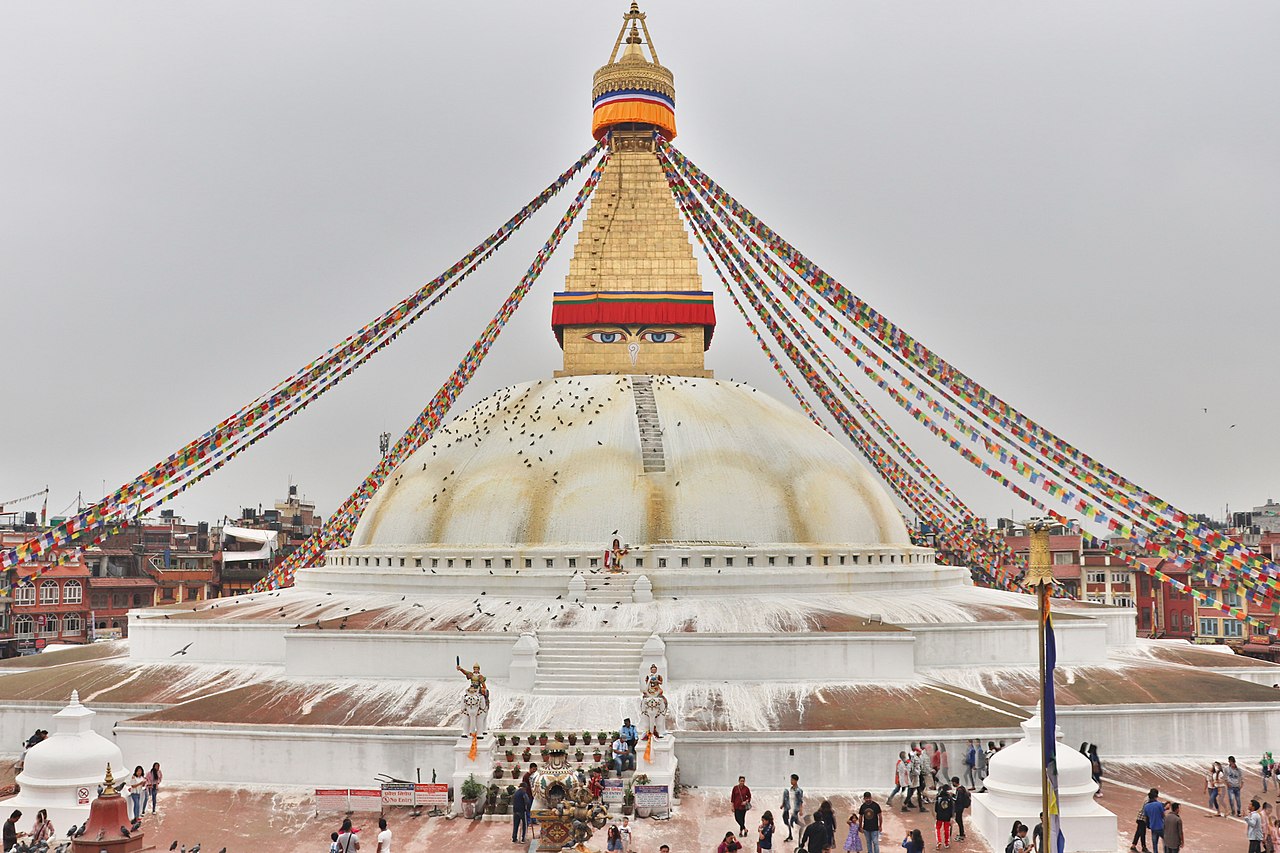
Boudhanath, Kathmandu. The great white dome is encircled by a kora path walked by thousands daily, and the rules of circumambulation themselves encourage a slow, observational walk. Sit for one circuit at dusk, listening, then take a rooftop table overlooking the stupa and write while the evening aarati begins below. The ritual and its rhythm are described in the spiritual evening aarati experience, and if you want the full immersion, the Kathmandu spiritual circuit covers Pashupatinath, Boudhanath and Swayambhunath in a structured two days. For deeper context on the valley's sacred sites, see our full guide to trekking and travel in Nepal, which includes how to pace city days between temples. General travel context for the capital is in our Kathmandu destination guide.
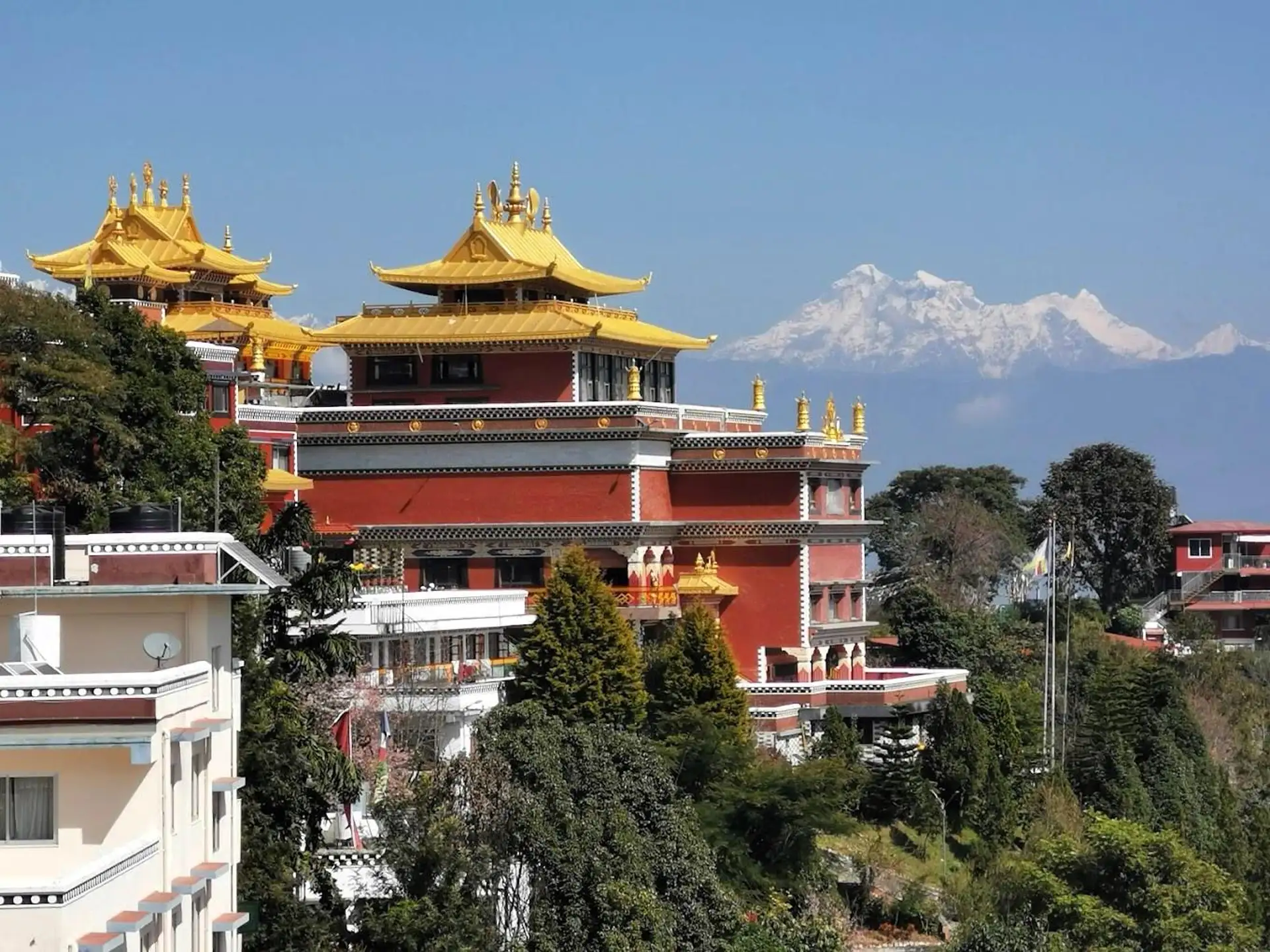
Monastery courtyards. Kopan above Kathmandu, and dozens of smaller monasteries across the valley, offer mornings of almost engineered quiet. If you plan to sit or write inside an active monastery, spend ten minutes with our guide to monastery etiquette and meditation first; the courtesies matter, and knowing them will change what you notice, which will change what you write.
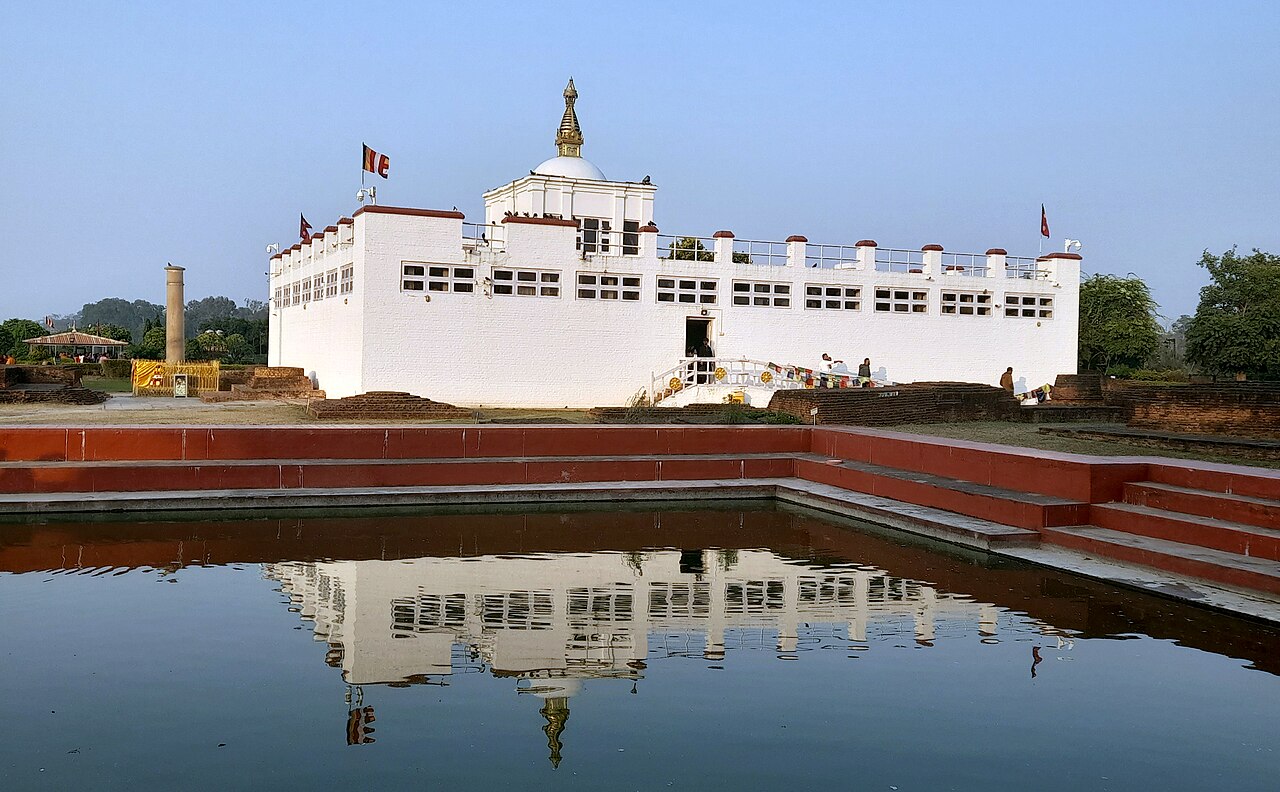
Lumbini. The sacred garden at opening time is the quietest large sacred space in Nepal. Walk the length of the Ashoka pillar, find shade near the Maya Devi Temple, and write with the birthplace of the tradition a hundred meters away. The monastic zone's meditation centers, several of which run drop-in sessions, are covered in our Lumbini destination guide.
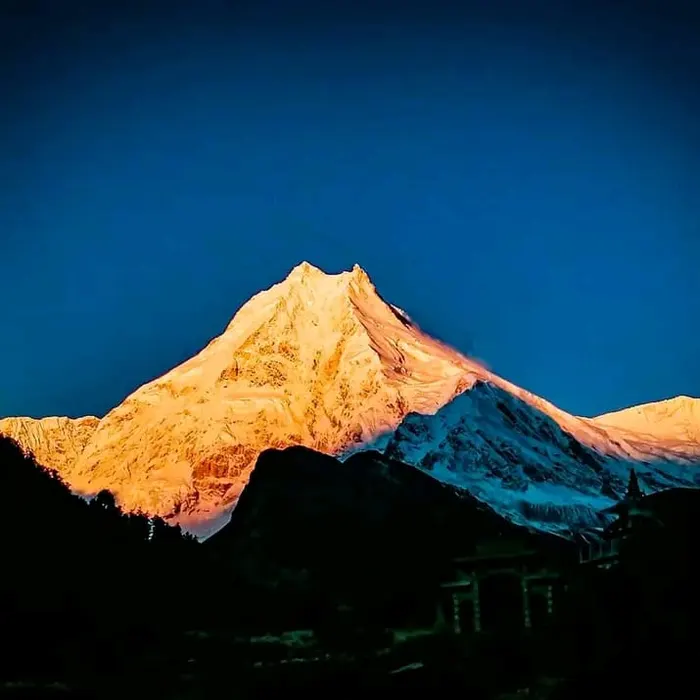
Pokhara lakeside. Dawn over Fewa Lake, with the Annapurnas standing above the water, is the easiest profound writing hour in Nepal. The city's wellness scene makes a multi-day base worthwhile; the yoga and meditation retreats guide covers what to expect, and travelers writing from the more refined end of the spectrum tend toward the properties profiled in our article on luxury meditation retreats in Nepal. Practical orientation lives in our Pokhara destination guide.
Bandipur and the hill towns. The restored hilltop town of Bandipur trades Pokhara's energy for car-free lanes and a valley-view lawn that empties completely by early evening. Our Bandipur destination guide covers where to stay. Bring the notebook to the parapet at dusk; the writing does itself.
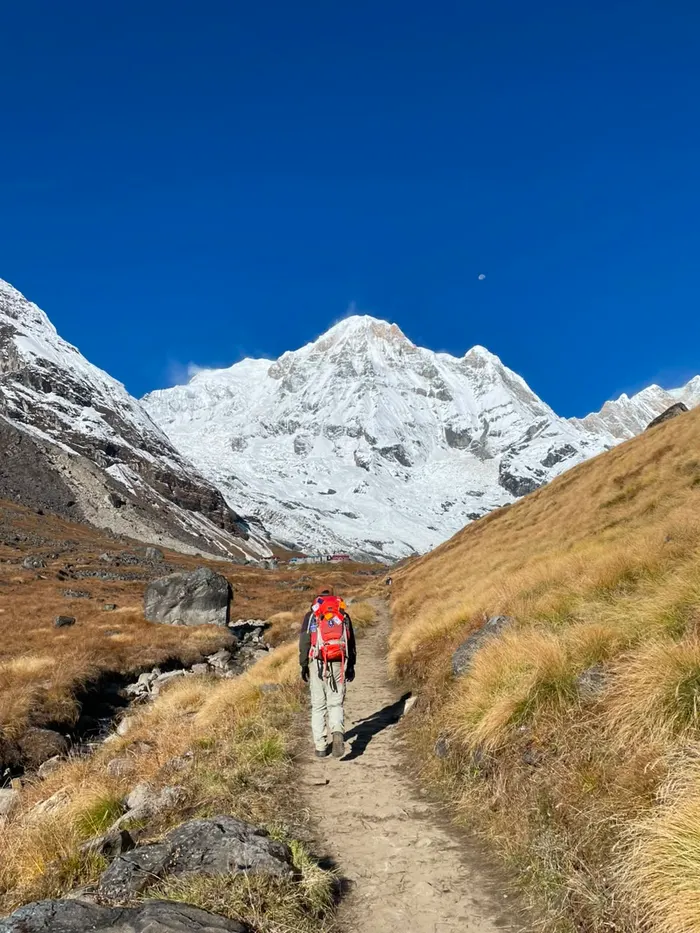
Teahouse mornings on trek. The most underrated writing rooms in Nepal are the plank tables of Langtang and Annapurna teahouses at 6:30 AM: a pot of milk tea, a notebook, and the sound of the first mule train on the trail below. The walking itself becomes a long meditation, which is precisely the philosophy of slow trekking and mindfulness, and pace planning matters if you want mornings free to write.
Trekking Journals and Mountain Morning Pages
The trail version of this practice borrows from the "morning pages" tradition: three longhand pages, first thing, before the day begins. On trek, the format compresses beautifully. You wake before the kitchen fires, wrap yourself in every layer you own, and write while the kettle heats. The altitude does not make thoughts sharper, despite the romance; cold and thin air blunt the edges of everything. What the mountains provide instead is simplification. With only one task ahead of you, walk, the mind has nothing to hide behind, and the pages that come out of that simplicity are often startlingly direct.
Three trail-tested formats:
- The pass page. At every high point, before photos, write one paragraph. Passes compress emotion; the page records what the summit selfie cannot.
- The evening trail note. Before sleep, three lines: the day's single best moment, its hardest moment, and one sentence you want to remember. Three lines at 3,800 meters feel like plenty, and are.
- The breathing log. On long climbs, note where the breath became rhythm and thought went quiet. This is walking meditation with a paper trail, and it connects directly to the practices in our guides to walking meditation in Nepal and combining hiking with meditation.
Breathwork matters more, not less, as you climb, and the techniques in our guide to pranayama at altitude pair naturally with a written log of how each technique actually felt on the trail. If you are arranging a trek specifically to protect slow mornings and writing time, our guide to choosing the best trekking agency in Nepal walks through exactly which questions to ask about pacing and rest days.
How Much Time Do You Need Each Day?
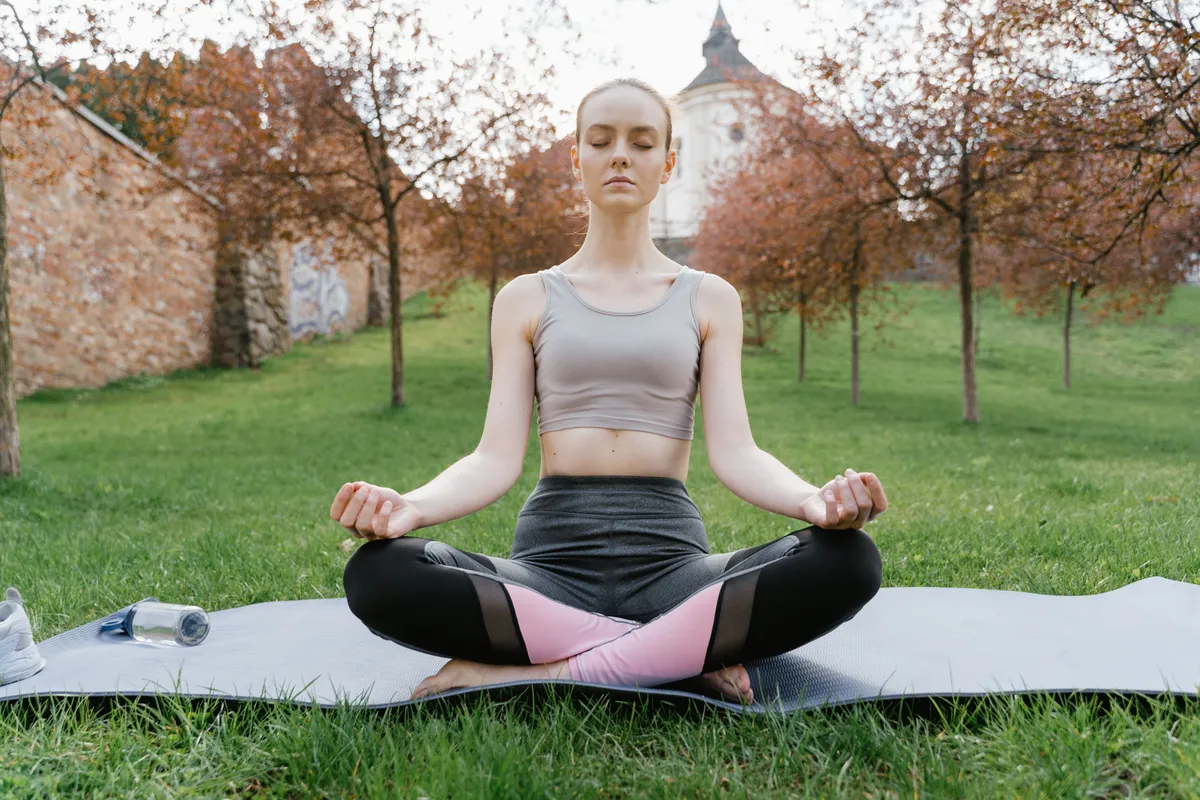
Fifteen minutes is enough: ten for the sit, three for the capture, and two for tomorrow's intention line. Travelers who extend to forty minutes a day, twenty sitting and twenty writing, usually report the deepest shift by the second week.
Three realistic rhythms, depending on your trip:
- The fifteen-minute floor. Ten minutes of sitting, three of capture, two of intention-setting. Doable on any itinerary, including group tours with 6 AM departures.
- The forty-minute standard. Twenty sitting, twenty writing, ideally split: sit-and-write at dawn, then a longer evening reflection. This is the rhythm most retreat schedules approximate naturally.
- The retreat day. On a structured retreat, the schedule does the work for you; between sittings, fill margins and napkins. The ten-day format described in our guide to Vipassana's ten-day silent retreats is the extreme end: no reading, no writing in most centers, which is why notebook-based travelers often prefer the monastery-stay style programs instead.
One scheduling note: writing at night is not a failure of the morning ideal. The evening mind is softer, more honest about the day, and less ambitious. Many travelers find the sit belongs at dawn and the longer pages at night, and the two entries read like different authors by the end of a trip, which is itself the most interesting finding the notebook will hand you.
Which Journaling Prompts Work Best for a Nepal Journey?
The prompts that work best in Nepal anchor you to a specific sensation: a bell, a smell of juniper smoke, a face at a monastery window. Start with one prompt per entry and resist answering it completely; the best questions stay open for days.
Rotate through this bank as needed. Each one is designed for the specific texture of a Nepal journey rather than generic self-improvement.
- What did I hear in the first ten seconds of this sit?
- Which moment today asked nothing of me?
- What am I carrying that this landscape is slowly taking?
- If my restlessness were weather, what kind would it be, and where is it heading?
- What did the person I met today teach me without knowing it?
- Where did my mind go when it left the breath, and what was it looking for?
- What would I write on this page if nobody, ever, were going to read it?
- Which sight from today do I want to be able to see again with my eyes closed?
- What did the mountains say that I have not yet let myself hear?
- What has this journey made simpler, and what has it made complicated?
Use the sensory prompts on ordinary days and the bigger questions on rest days, passes and long bus rides, when the mind is already loosened. One prompt per entry is the discipline; a page answering three prompts thoughtfully is worth ten pages answering thirty superficially.
Can Journaling Help You Process Difficult Emotions?
Yes, when it follows stillness rather than replaces it. Writing right after meditation lets you observe grief, fear or loneliness with some distance; writing in the middle of an emotional spiral tends to sharpen the spiral instead of resolving it.
Travel in Nepal stirs more than wonder. Altitude, distance from home, the sheer scale of the mountains and the intimacy of poverty and devotion on the same street can surface grief, loneliness, comparison and a strange grief-adjacent homesickness for a life you have not even left yet. All of this is normal, and all of it is journalable material, provided the order is right: sit first, write second. If you cannot sit, walk first, write second; the walking meditation described earlier serves the same settling function.
Three safeguards worth writing into the front cover of your notebook. First, the 48-hour rule: for anything raw and enormous, note it in one line and give it two days before writing in depth; strong experiences keep, and they keep better. Second, if the same painful page keeps repeating for a week without any shift, that is not a writing problem; talk to a teacher at your retreat, or to a professional, and let the notebook rest. Journaling deepens the work you do with people; it does not replace it. Third, keep a joy ledger going alongside the hard pages: one line of gratitude per entry, minimum. The practices in our guide to meditation for anxiety relief in Nepal cover the sitting side of exactly this territory.
Bringing the Practice Home
The real test of a Nepal journal is the first entry written at your kitchen table. Re-entry is where most travel insights die: the routine reasserts itself, the notebook goes in a drawer, and within a month the mountains feel like something that happened to someone else. The antidote is to treat the first 24 hours home as the final leg of the journey. Write the first home entry before unpacking, even three lines, and the thread stays unbroken.
After that, three habits carry the practice forward. Keep the same notebook until it is finished; a new notebook is a new contract, and you do not need a new contract, you need one page. Re-read on the first of each month, underlining repeats, exactly as you did on the road; the repetition-spotting is the practice, and it works identically on kitchen-table entries. And if the rhythm needs rebuilding with guidance rather than willpower, the sessions listed on the meditation in Nepal activity page are a reminder that instruction matters at every level, not just the beginning.
Two companions for the long tail of the journey: the combined meditation and detox approach for when you want a full physical reset, and the gentle, all-ages practices in our guide to family meditation retreats in Nepal if the notebook habit is one you want to share rather than guard. However the practice evolves, the rule from the first page still holds: write what you noticed, not what you achieved. The noticing was the point in Kathmandu, and it is the point at home.