Meditation and Detox in Nepal: Cleansing Body and Mind
Most travelers arrive in Nepal carrying more than a backpack. They carry deadlines, screens, processed food, poor sleep and a nervous system that has forgotten how to be quiet. A meditation and detox retreat in Nepal addresses both layers at once: the body that has accumulated too much, and the mind that never stops processing it. This guide explains how combining stillness practice with gentle cleansing works, where in Nepal to do it, what a typical retreat day involves, what it costs in real numbers, and how to prepare so the benefits follow you home.
Nepal is uniquely suited to this work. The country sits at the crossroads of two great healing traditions, Ayurveda from the south and Buddhist mind-training from the north, both of them matured in the thin, clean air of the Himalaya. Monasteries that have run continuous practice schedules for centuries sit within an hour of Ayurvedic therapy centers offering warm oil treatments and herbal cleanses. Few places on earth let you move between these worlds so easily.
What Does a Meditation and Detox Retreat in Nepal Actually Involve?
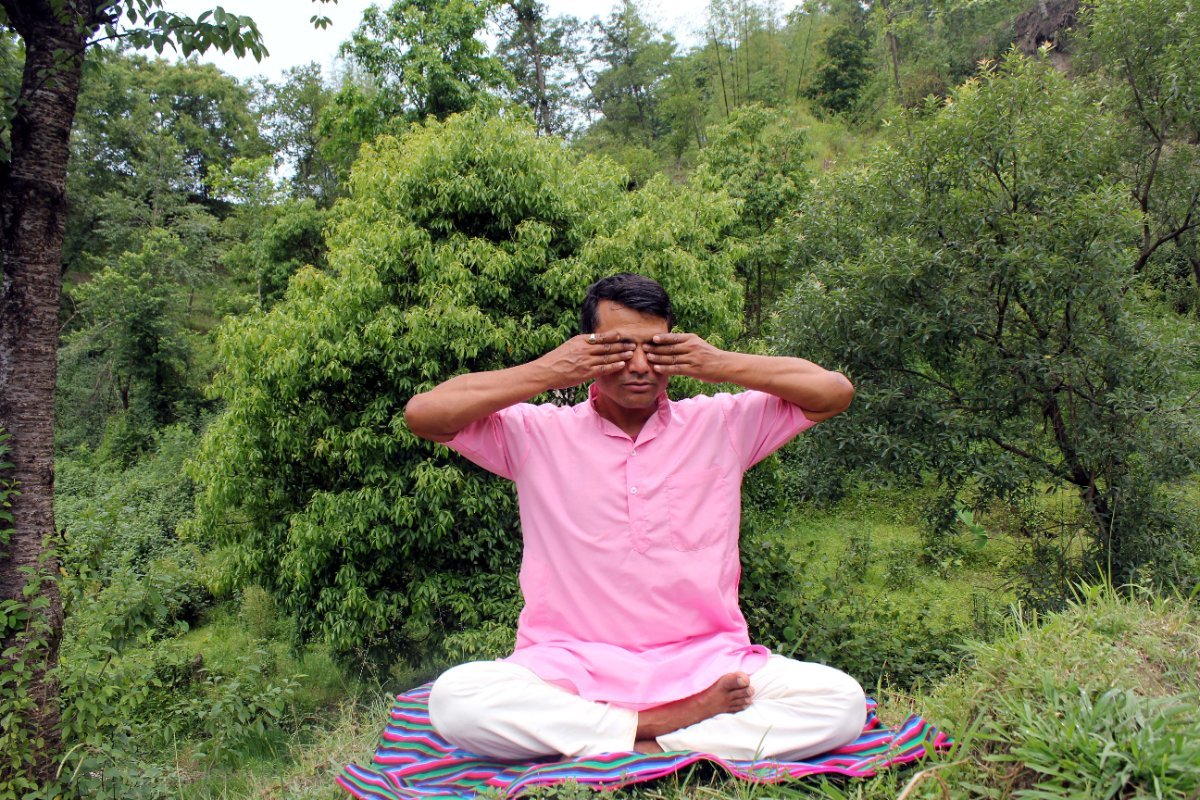
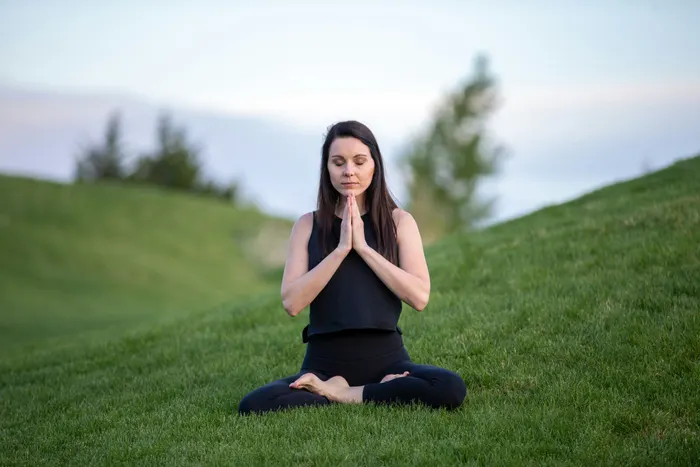
A typical program pairs two hours of guided sitting and walking meditation with a structured cleansing protocol: light vegetarian meals, herbal teas, daily Ayurvedic massage or steam therapy, early sleep, and a deliberate break from alcohol, caffeine, news feeds and social media. The retreat does the hard scheduling work for you, so the only thing left to do is rest and notice.
Do not picture a clinical spa week or an extreme fast. In the Nepali tradition, cleansing is gradual and warm. Meals are simple but real: rice, lentils, seasonal vegetables, soups and spiced teas. Meditation is taught in the local idiom, often with a teacher who has practiced in the same lineage for decades. The meditation in Nepal programs run by local operators typically blend instruction, gentle yoga and free hours for reflection. The overall effect is less like a boot camp and more like a reset button that a competent local team presses for you, one calm day at a time.
Why Do Meditation and Detox Work So Well Together?
Cleansing and stillness reinforce each other physiologically. Lighter meals and earlier nights steady your blood sugar, which reduces the mental chatter that makes sitting practice difficult. In return, a daily meditation habit lowers stress hormones that drive cravings, poor digestion and shallow sleep. Each practice makes the other easier, which is why retreats that combine them tend to report deeper results than programs that offer only one.
Think of it in plain terms. Toxins and tension are stored in the same body. When you release one, you often stir up the other. A person who begins a cleanse without a stillness practice frequently feels irritable, foggy and restless by day two or three, because the body is reorganizing while the mind has nowhere to put its surplus energy. Meditation gives that energy somewhere to go. It teaches you to observe a craving or a mood swing without obeying it, which is exactly the skill a changing body asks of you. This is also why experienced practitioners treat a cleanse as a mental undertaking as much as a physical one, a theme we explore further in our guide to mindfulness meditation for stress relief.

How Does Ayurveda Approach Cleansing in the Himalayas?
Ayurveda, the classical healing system of the subcontinent, frames health as a balance of forces and describes toxins by a specific word, ama, the heavy residue of incomplete digestion. Cleansing in this tradition means strengthening digestive fire, simplifying food, and using oils, herbs and steam to move stagnation out of the tissues. In Nepal, this framework is not a wellness import, it is a living practice with local herbal pharmacies and lineage healers.
The formal deep cleanse of Ayurveda is panchakarma, a multi-day supervised protocol of preparatory oils, therapeutic vomiting or purgation depending on constitution, and restorative finishing therapies. It is powerful medicine, and it should only be done under a qualified practitioner, which is why we explain how to find certified Ayurveda and panchakarma healers in Nepal in a dedicated guide. For most travelers, however, a retreat-level version is more appropriate: shortened, food-based and supportive rather than purgative. You can read how meditation and Ayurveda interlock in practice in our article on meditation and Ayurveda as one holistic path.

Between the two poles sits a middle ground that Nepali wellness centers have refined for visitors: warm sesame-oil massage, herbal steam, salt scrubs, simple spiced meals and rest. A half-day Ayurvedic massage and wellness spa session is an honest taste of this tradition, and many travelers book one on their first or second day in Kathmandu to shake off jet lag before a longer program.
What Does a Typical Day on a Cleanse Retreat Look Like?
A well-run retreat day starts before sunrise and ends before nine in the evening, holding a rhythm that almost no traveler would maintain alone. Below is a representative schedule drawn from typical Kathmandu Valley programs, exact timings vary by center.
- 6:00 - Wake to warm lemon water or herbal tea; short silent walk in the garden.
- 6:45 - Guided sitting meditation, 30 to 45 minutes, focused on breath counting or body scanning.
- 7:30 - Gentle yoga or joint-loosening sequence; slow walking meditation for those who find sitting hard.
- 8:30 - Breakfast: warm porridge, stewed fruit, herbal tea. Coffee, sugar and cold drinks are off the menu.
- 10:00 - Therapy block: Ayurvedic massage, steam, or salt scrub on alternating days.
- 12:30 - Main meal of the day, the largest and warmest: rice, dal, seasonal greens, spiced vegetable curry.
- 14:00 - Rest hour, then a teaching session on posture, hindrances or cleansing basics.
- 16:30 - Walking meditation or an easy outdoor loop; tea and a light snack of roasted grain or soup.
- 18:30 - Light dinner or broth-only evening on deeper cleanse days.
- 19:30 - Evening practice: chanting, loving-kindness session or guided body scan, then sleep by 21:00.
Notice what is absent: screens, news, deadlines and choice. The power of the schedule is that it removes negotiation. By the third day, most guests report that sleep deepens, the tongue clears, mornings feel lighter and sitting for 45 minutes stops being a battle. If the silent version of this rhythm appeals to you, read our guide to silent meditation retreats and what happens when you stop talking; many detox programs include partial silence days.
Which Foods Support a Cleanse in Nepal?
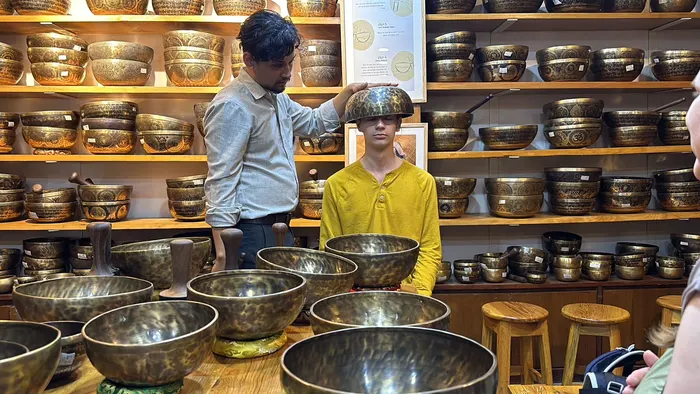
The Nepali kitchen is already close to a cleansing diet when it is prepared simply. The national plate, dal bhat, is lentil soup, rice and seasonal vegetables, easy to digest, warm and balanced. A cleanse retreat keeps this foundation and removes the heavy or stimulating additions: no fried snacks, no momos dunked in chili sauce every evening, minimal sugar and no caffeine.
Centres typically structure meals around three ideas from Ayurvedic cooking. First, warm and cooked beats raw and cold at altitude, so salads give way to soups and stews. Second, digestion is strongest at midday, so the main meal sits at noon and the evening plate is light. Third, spices work as medicine in small doses: ginger and cumin for digestive fire, turmeric for inflammation, fennel and cardamom to settle the stomach. Between meals you drink hot water or herbal teas rather than snacking, giving the digestive system real rest for the first time in years. Travelers who want to understand the philosophical backdrop of eating and practice in Nepal will find it in our complete guide to cultural and spiritual tours in Nepal, which covers the festivals, foods and rituals that shape daily life.


Where Are the Best Places to Detox and Meditate in Nepal?
The right location depends on what kind of cleanse you want. Nepal offers four distinct settings, each with a different texture of quiet.
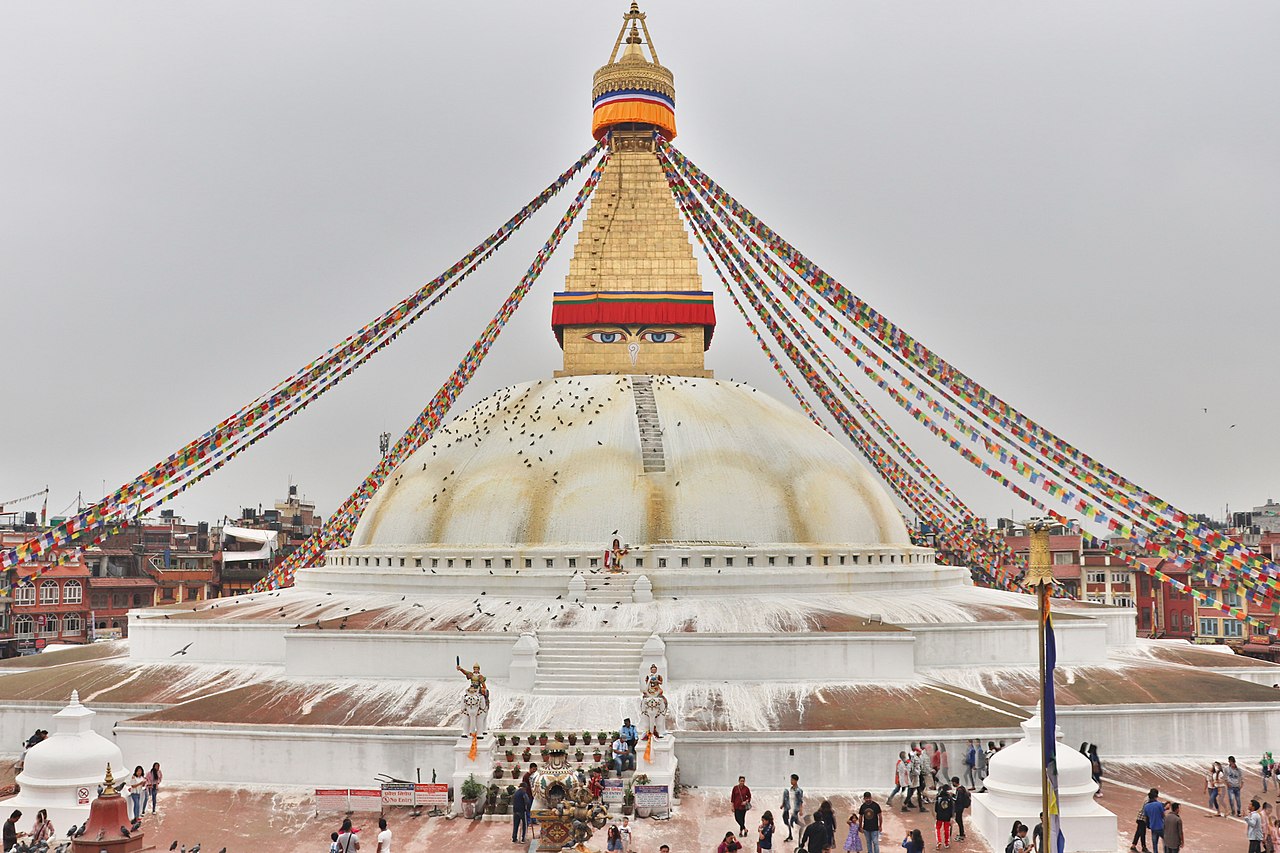
Kathmandu Valley concentrates the most options. The valley holds the country's deepest bench of Ayurvedic physicians, spa therapists and meditation teachers, plus the sacred geometry of stupas and temples that makes an evening walk feel ceremonial. Our guides to Kathmandu as Nepal's center of healing and sound healing courses and prices in Kathmandu map the practical landscape. The trade-off is noise and dust, so choose a center on the valley rim, in Nagarjun's forest edge or the southern hills, rather than beside a main road.


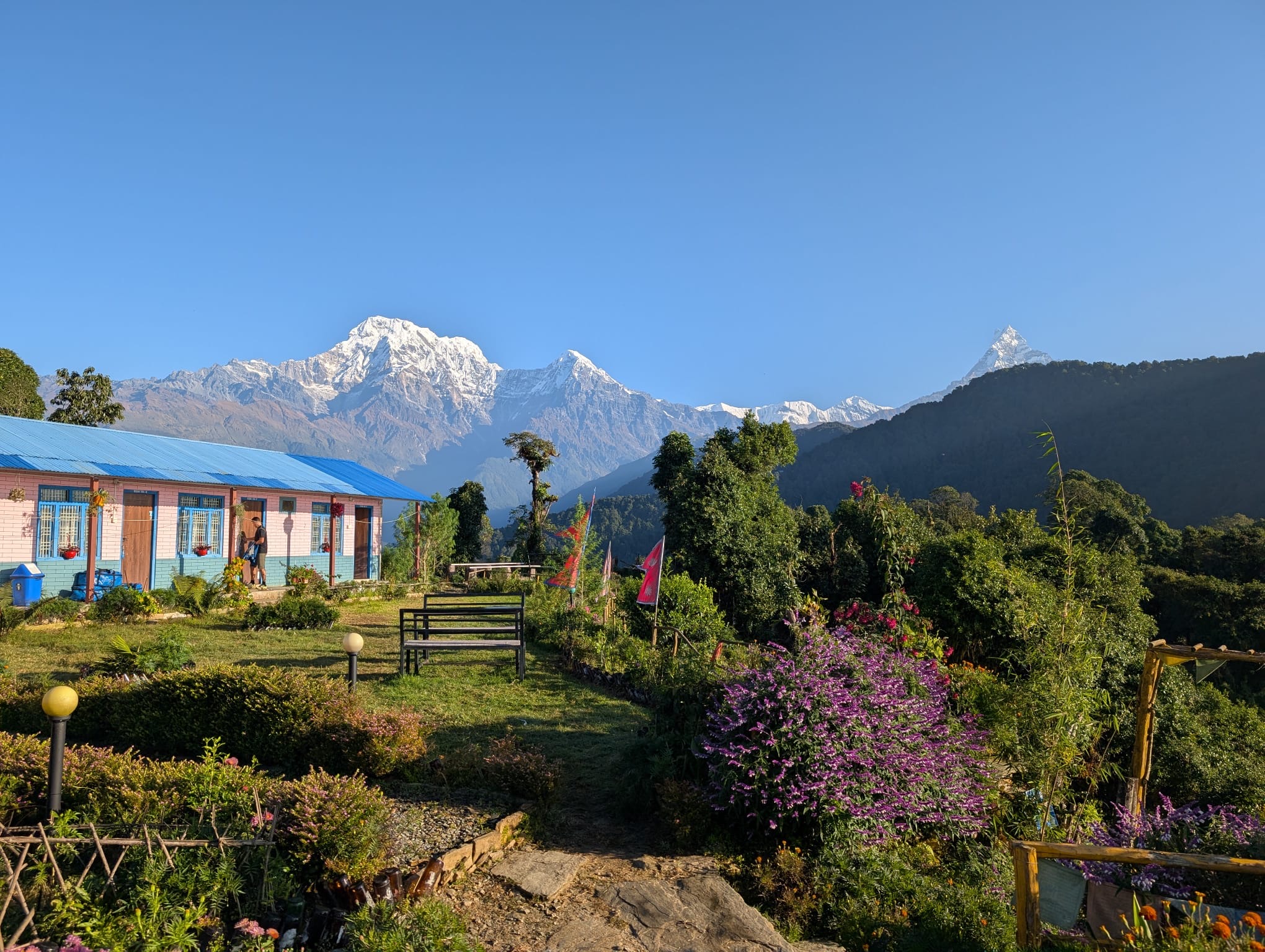
Pokhara pairs lake air with a slower pace. Programs here lean toward yoga-plus-meditation formats with mornings on the water and afternoons in the forested hills above Pokhara. The lakeside yoga wellness healing retreat is a popular four-day entry point.
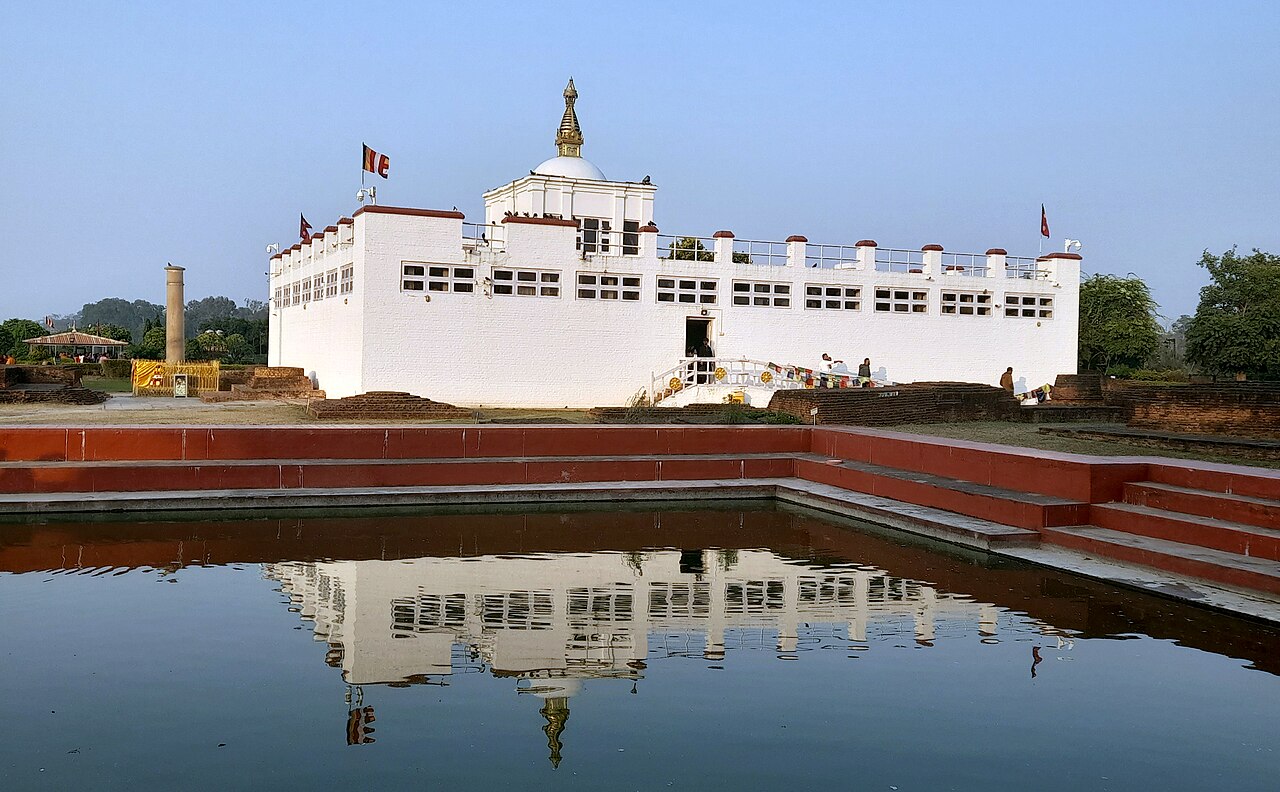
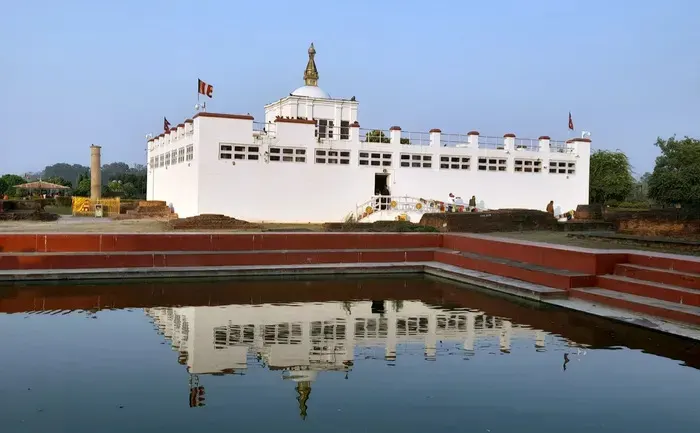
Lumbini and the monastic belt offer the deepest quiet. Around the birthplace of the Buddha, the monasteries are spacious, the land is flat and agricultural, and the atmosphere is meditative by design. Programs here emphasize practice over therapy, which suits travelers whose primary goal is mental rather than physical cleansing. See our Lumbini pilgrimage guide for how to move between the monasteries.
Hilltop retreat settings such as Nagarkot or Dhulikhel combine forest air with sunrise views, and many trekkers use them for acclimatization days that double as cleanse days. If your cleanse is one thread of a longer mountain trip, read the complete guide to planning a Nepal trip with the best trekking agency to see how rest days fit into a trekking itinerary.

How Long Should Your Detox Meditation Retreat Be?
Duration is the single biggest decision you make, and honest retreat operators will tell you that shorter is often wiser for a first cleanse. Three days is enough to break screen habits, steady sleep and give the digestive system a holiday without triggering a healing crisis. Five to seven days allows the body to actually reorganize, and is the minimum for a food-based cleanse that includes massage therapies. Ten days or more belongs to experienced practitioners or those working with a physician on a specific protocol.
A practical pattern that works for many visitors: arrive, take a full-day spa and wellness retreat in Kathmandu to shake off the flight, then move into a multi-day program in your chosen setting. From there, the ladder of options is straightforward. A three-day yoga and sound healing retreat or a three-day Himalayan sound therapy retreat sits at the accessible end. Four-day formats such as the Pokhara yoga wellness healing retreat or the four-day yoga and Reiki healing retreat add depth. The six-day stress management retreat is the classic full reset, while the seven-day yoga retreat with sightseeing blends practice with the valley's sacred sites.
Can You Cleanse Gently While Still Traveling Nepal?
Not everyone can pause a whole trip for a retreat week. The good news is that a lighter version travels well, and the habits that matter most are small ones. Keep the shape of a retreat day, early rise, main meal at midday, light evening, no screens after dinner, and simply do it at trekking pace.
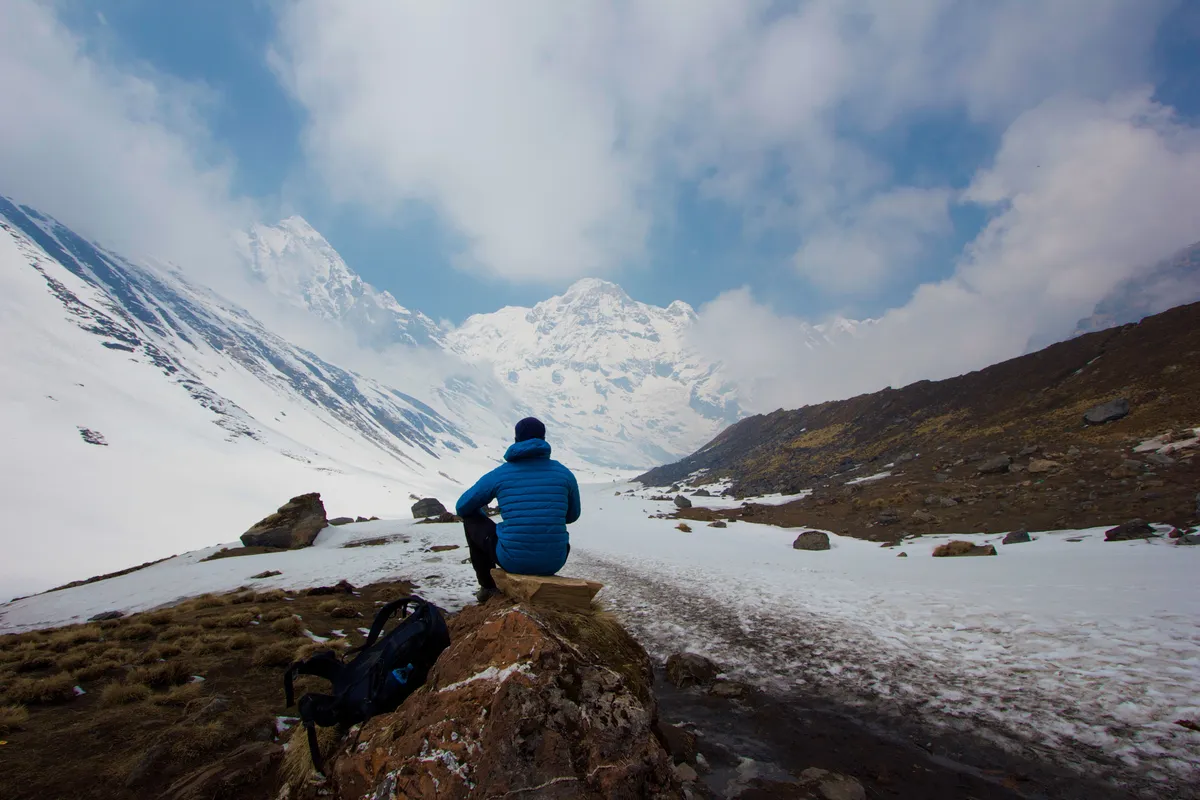
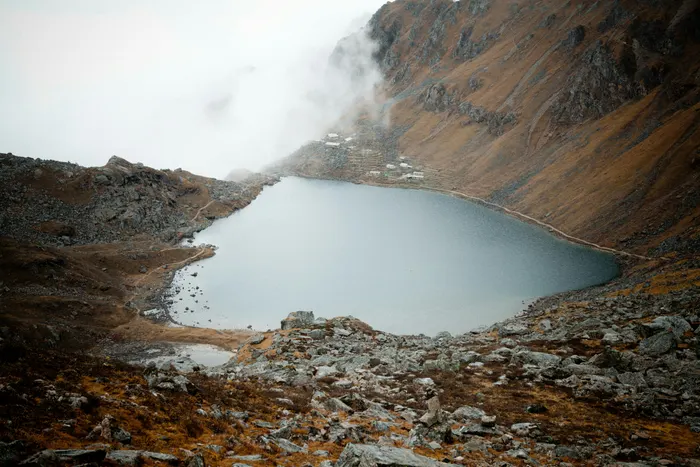
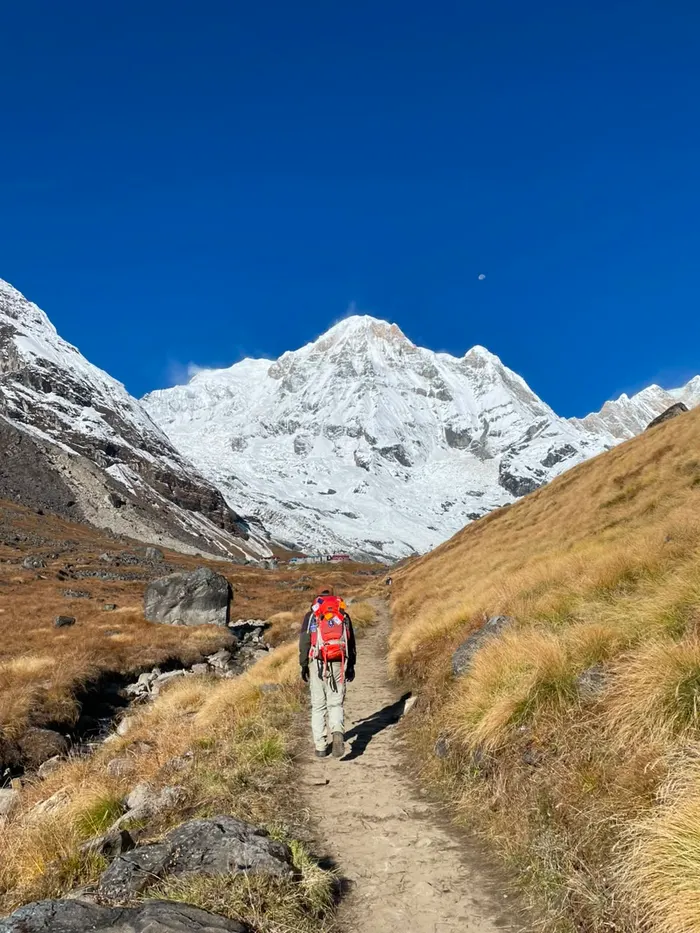
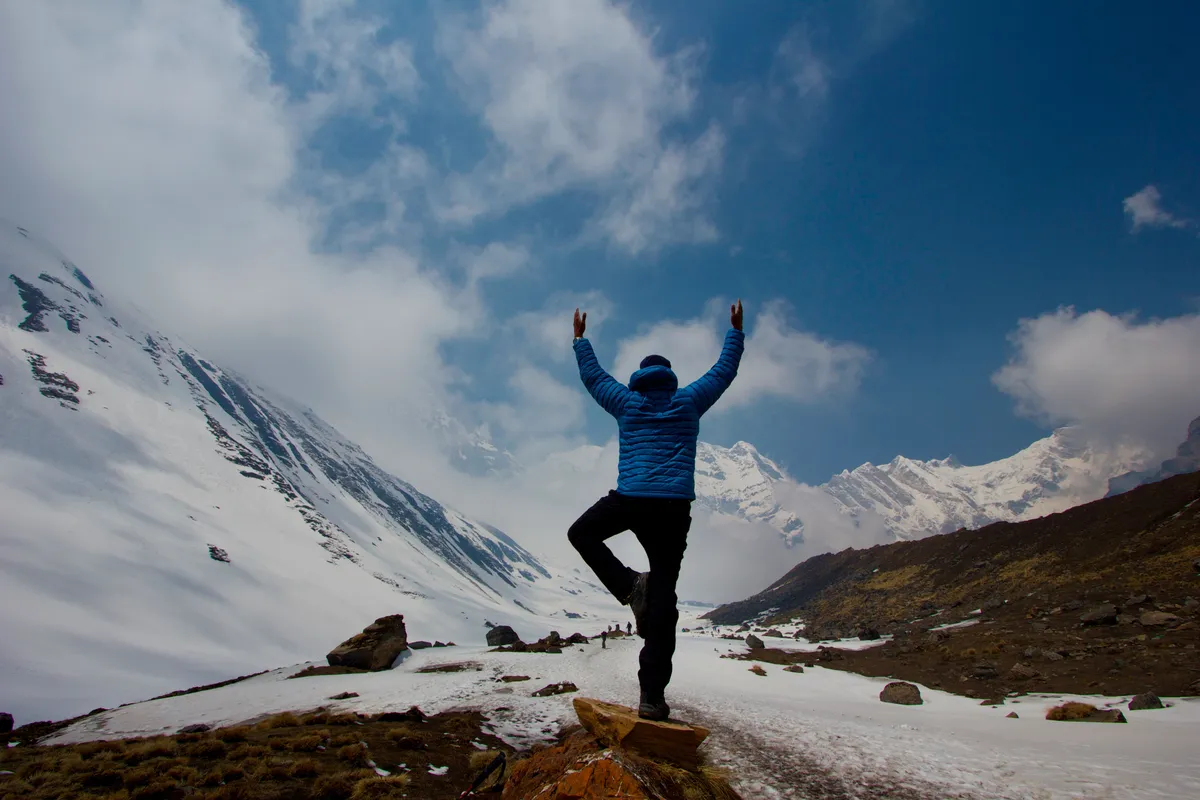
Trekkers already live half the cleanse without noticing: fixed mealtimes, dal bhat twice a day, early nights, hours of rhythmic walking and no signal for days. Add ten minutes of breath-aware walking and you have a moving meditation practice; our articles on walking meditation and mindful trekking and slow trekking and the journey rather than the summit cover exactly how. Treks with rest days in villages, like the Gosaikunda sacred lakes yoga trek or the five-day yoga retreat and hike, build stillness into the trail itself. What to cut on the road: alcohol, evening pastries, energy drinks and doom-scrolling on the rare wifi nights. What to keep: water, warm meals, sleep before ten. For building a daily practice around this rhythm, our guide to building a daily meditation routine while traveling is the practical companion.

What Does Science Say About Meditation and Cleansing?
The evidence for meditation itself is solid and growing: regular practice measurably reduces stress markers, improves sleep quality, dampens inflammatory signalling and strengthens attention. Trials on mindful eating show it changes food behavior too, slower meals, better hunger recognition and reduced binge episodes, which is precisely the behavioral shift a cleanse asks for.
Be more careful with detox claims. The body already clears metabolic waste through the liver, kidneys and sweat; there is no evidence that any tea or retreat "flushes toxins" in the literal sense. What a structured retreat genuinely does is remove the incoming load, alcohol, processed food, stimulants, late nights and stress, and let the body's own clearance systems run at full efficiency. Meanwhile the honest research on fasting is interesting but narrow, mostly short-duration and mostly on healthy adults, and extreme fasts at altitude or while traveling are a bad idea. Nepal's own contemplative tradition includes fasting as a devotional practice, which our article on meditation for sleep and overcoming insomnia touches on in relation to rest. The balanced position, and the one most Nepali teachers hold, is simple: rest deeply, eat simply, sit daily, and let the body do what it already knows how to do.
How Much Does a Meditation and Detox Retreat in Nepal Cost?
Nepal remains one of the most affordable places in the world for a well-run wellness retreat. Real prices from current EHT packages give an honest ladder: a half-day Kathmandu wellness spa escape starts at $138, a full-day spa retreat at $184, the two-day Kathmandu spiritual circuit at $189, three-day retreats at $288, the four-day Pokhara yoga wellness retreat at $405, and the six-day stress management retreat at $633. Even the premium tier stays reasonable by international standards, a point our guide to luxury meditation retreats in Nepal explores in detail.
Budget travelers can go lower still. Monastery-affiliated programs and community teaching sessions often run on donation, some retreat centers offer work-exchange places, and a self-guided cleanse, simple room, dal bhat, early nights, monastery visits, free group sits, can cost under thirty dollars a day. We map the full free-and-cheap landscape in budget meditation in Nepal: affordable retreats and free programs. Whatever tier you choose, book through an operator that names its teachers, publishes daily schedules and tells you exactly what the price covers. The full EHT tours collection is a good benchmark for what transparent pricing looks like in Nepal.
Is a Meditation and Detox Retreat Right for You?
Honesty first: a cleanse retreat is powerful for the right person and wrong for a few. It suits you if you feel foggy and heavy from work stress, if sleep has gone shallow, if meals have become chaotic, or if you want to begin or deepen a meditation practice in a supportive container. It also suits travelers using Nepal as a transition point, between jobs, after a loss, before a new chapter, who need somewhere structured to land.
Skip or postpone the cleansing element, and consult a doctor first, if you are pregnant, managing a chronic condition such as diabetes, recovering from an eating disorder, or taking regular medication, since herbal therapies and changed meals interact with treatment. Altitude adds its own rule: do not attempt an intensive cleanse above 2,500 meters, and never combine vigorous fasting with trekking. It is also worth being clear-eyed about emotional load: removing stimulants and distractions can surface grief or anxiety that busyness had buried. That is part of the process, not a malfunction, and it is exactly what a qualified teacher helps you hold; our article on meditation for anxiety relief in the mountains covers the emotional arc travelers commonly meet. If you are entirely new to sitting practice, start with meditation for beginners in Nepal or the complete beginner's guide to meditation in Nepal, and treat the cleanse as a supporting habit rather than the headline.
How Should You Prepare Before You Arrive?
Preparation determines half the outcome. Two weeks before your retreat, begin tapering caffeine and sugar rather than stopping cold on day one, because withdrawal headaches during a cleanse are preventable. Tell your bank and phone plan you will be off-grid so no alarm bells interrupt your silence. Pack for comfort and warmth, valley mornings are cool year-round, and a clean retreat moves slower than you expect.
The practical items are modest: loose natural-fiber clothing you can sit cross-legged in, a warm layer and socks, a refillable water bottle, a journal and pen, slip-on shoes for therapy rooms, and any personal medications in original packaging. Leave the laptop, and consider leaving the phone with reception on arrival day. Our meditation retreat packing list for Nepal and the companion guide on what to pack for a meditation retreat itemize everything, including the small things guests always forget. And if you want to try the water-only digital detox before committing to a full program, a weekend experiment at home tells you a surprising amount about your own readiness.
A Simple Closing Thought on Cleanliness and Stillness
The Nepali word for meditation retreat culture could well be translated as making space, and that is the honest summary of everything in this guide. You are not adding a miracle to your body, you are subtracting the excess: the heavy meals, the stimulants, the scrolling, the noise. In the space that opens, sleep deepens, digestion steadies, and the mind becomes quiet enough to hear itself think, which for many travelers is the first time in years.
Start smaller than your ambition suggests. A half-day spa session, a weekend of simple meals and early nights, a three-day retreat in the valley, then longer if the first round leaves you lighter. Our guided meditation programs in Nepal are a good first step, and the team at Enticing Himalayas can shape a cleanse-and-stillness itinerary around your dates, budget and energy. Come heavy, leave light.