
What Is the Everest Base Camp Trek in Winter Really Like?
Trekking to Everest Base Camp in winter (December through February) means fewer trekkers on the trail, crystal-clear skies, and deep snow from Namche upward. Daytime temperatures at altitude hover around minus 5 to minus 10 degrees Celsius, and nights drop well below minus 15. Many lodges above Dingboche close for the season, so accommodation options thin out significantly. It is absolutely doable for fit, well-equipped trekkers traveling with a knowledgeable guide, but the margin for error is smaller than in peak seasons.
Why Choose Winter for the Everest Base Camp Trek?
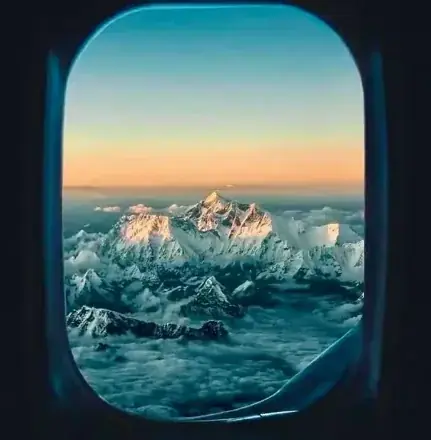
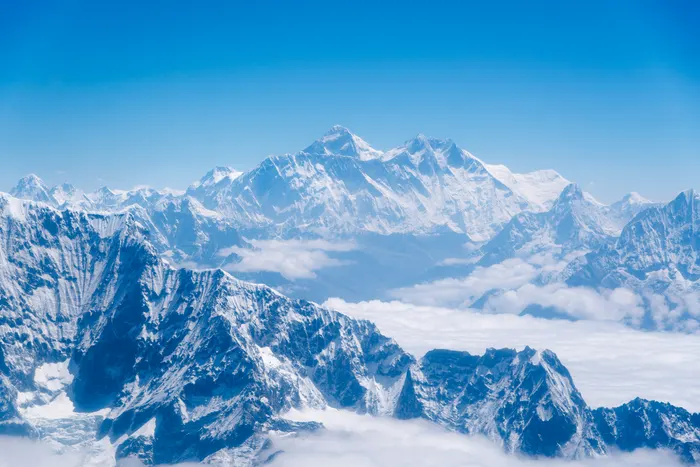
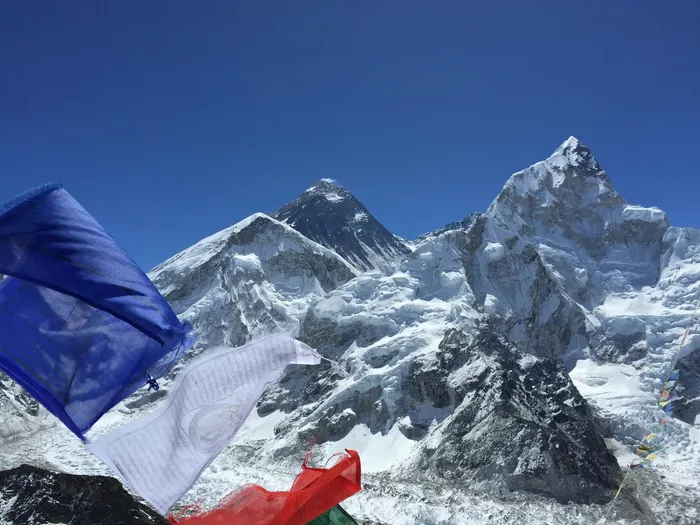
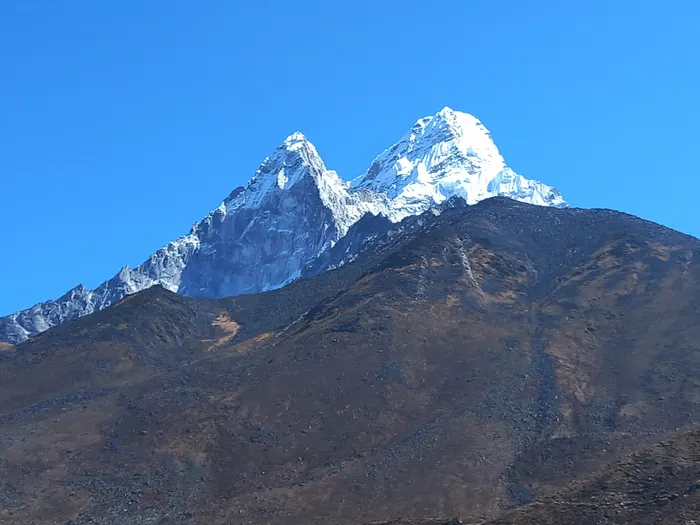
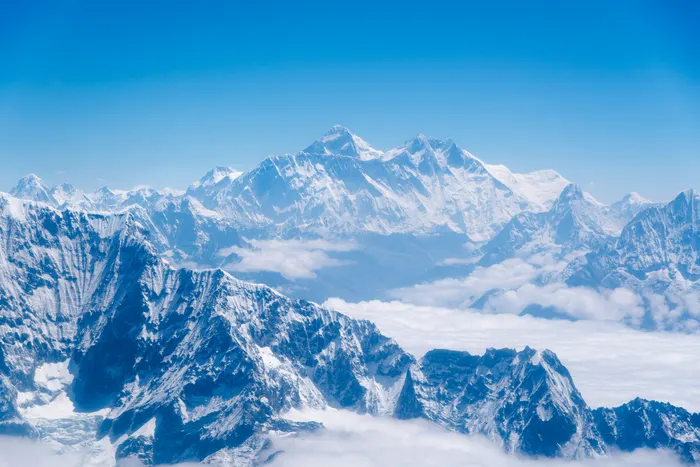
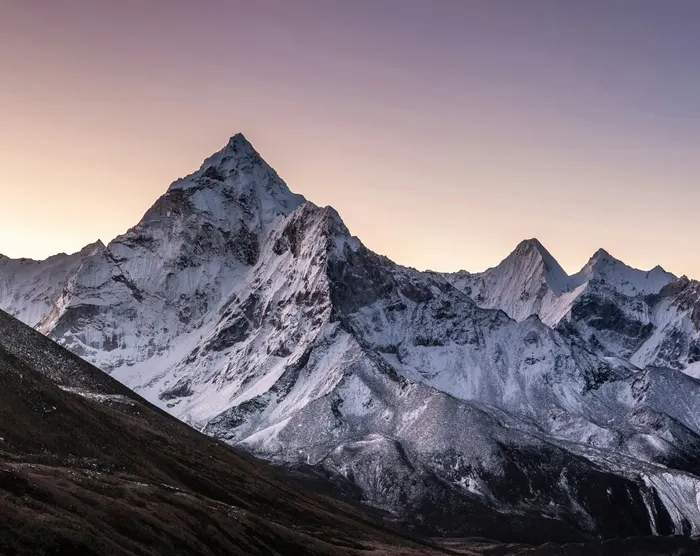
The biggest draw of a winter EBC trek is solitude. Lobuche, Gorak Shep, and the base camp itself, which are mobbed in October, can feel entirely private in January. The air is the clearest of the entire year, so Ama Dablam, Nuptse, and the summit of Everest stand razor-sharp against blue sky. Tea-house prices are softer, and the early-morning Kala Patthar climb for sunrise is uncrowded. For photographers and quiet-seekers, winter is the secret season that delivers an intimate experience of the Khumbu that autumn and spring simply cannot match.
What Are the Temperature and Weather Conditions on the Winter EBC Trail?
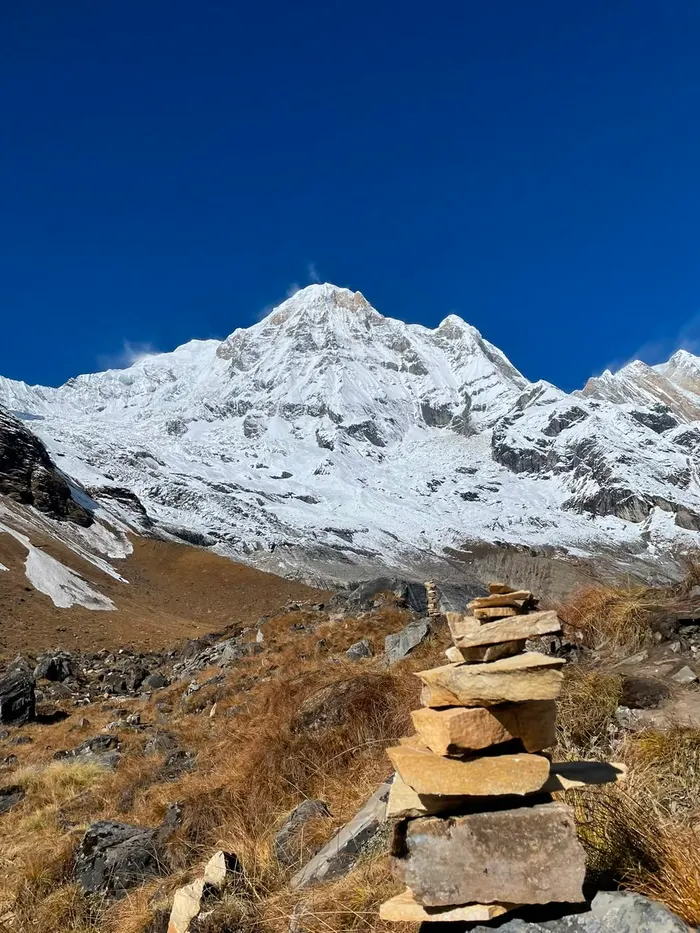
Below Namche Bazaar the trail is cold but dry, with daytime temperatures around 5 to 10 degrees. Above 3,500 meters snow settles and stays through January and February. From Dingboche upward it is a white world with frozen streams and deep drifts on the higher sections. Daytime temperatures at base camp (5,364 meters) often sit around minus 5 to minus 10 degrees Celsius, and nights drop to minus 15 or lower. Wind chill can make it feel significantly colder, especially on exposed ridges near Lobuche and Kala Patthar.
How Does Winter Compare to Autumn and Spring on the EBC Trek?
Autumn (October to November) is the warmest and driest season, but also the busiest. Spring (March to May) brings rhododendron blooms and slightly warmer days, with moderate crowds. Winter (December to February) trades comfort for emptiness and the most panoramic views of the year. Monsoon (June to August) is the worst time for high-altitude trekking, with leeches low down, clouds obscuring the peaks, and no real advantage. If you want the classic social teahouse buzz, avoid winter. If you want the mountain to yourself, choose it.
What Does the Winter Trail Actually Look Like Day by Day?
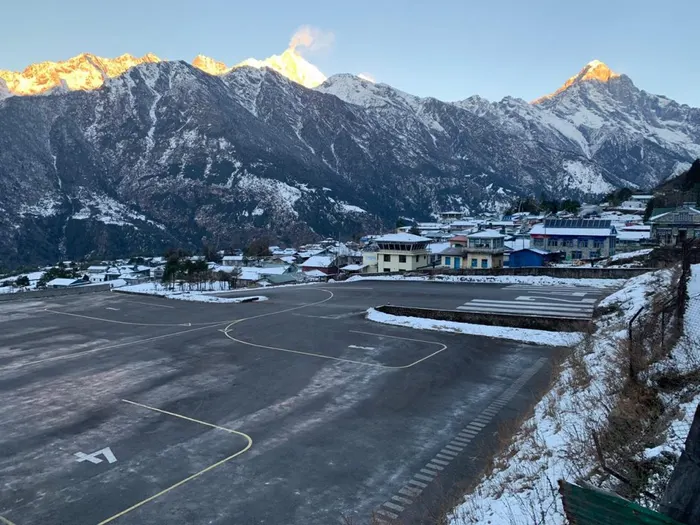
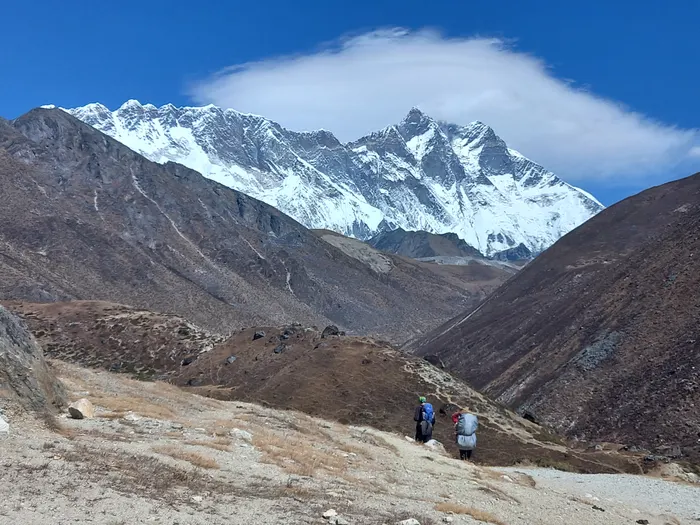
The journey begins with the flight to Lukla, where the cold mountain air hits immediately. The walk to Phakding follows the Dudh Koshi through bare birch and pine, with frost on the suspension bridges. Namche Bazaar is quieter than any other time of year, with fewer shops open but enough lodges operating. Above Namche, snow begins to accumulate. Tengboche Monastery sits in a frozen meadow, its prayer flags cracking in the wind. Dingboche is the last reliably full-service village. From there to Lobuche, Gorak Shep, and base camp, the landscape is stark, white, and silent.
Is the Lukla Flight Safe in Winter?
The Lukla flight is weather-dependent year-round, and winter fog or snow can cancel it for days at a stretch. Build 2 to 3 buffer days into your Kathmandu schedule. A helicopter option exists but is also weather-bound and significantly more expensive. The mountain weather in winter is actually quite stable once you are on the trail, with long stretches of clear skies, but the initial flight in and the flight out are the riskiest logistics. Plan for the real chance of a delayed start and a delayed return.
For a detailed breakdown of flight schedules, alternative airstrips, and weather delay strategies, read our complete Lukla flights guide. For month-by-month weather data on the entire EBC route, see our Everest Base Camp weather guide.
Which Lodges Stay Open on the EBC Trail in Winter?
Lower lodges from Lukha to Namche and Tengboche generally stay open year-round, keeping dining rooms warm with bukhari stoves fueled by wood or gas. Bedrooms are unheated, so a rated four-season sleeping bag is essential. Menus shrink in winter, with dal bhat, noodle soup, potato dishes, and tea dominating the offerings. Above Dingboche several lodges close, so your guide must pre-book the ones that remain operational. Carrying some high-calorie snacks like energy bars, nuts, and chocolate covers the slim pickings at higher elevations where supply lines are disrupted by snow.
What Gear Do You Need for a Winter Everest Base Camp Trek?
You need a real four-season sleeping bag rated to minus 20 degrees Celsius, insulated waterproof mountaineering boots, a high-quality down jacket, a layered merino wool base layer system, a windproof and waterproof shell jacket, two pairs of warm gloves (one spare in case one gets wet), a balaclava or face mask, and snow goggles for glare protection. Trekking poles are essential for stability on icy patches. Crampons are rarely needed on the main trail but are useful if ice forms on the steep sections near Lobuche. A guide carries the group safety gear; you carry the personal warmth.
What Is a Realistic Winter EBC Itinerary?
Allow 14 to 16 days including buffer days. Fly to Lukla on day one, trek to Phakding, then Namche Bazaar where you spend two nights for acclimatization. Continue to Tengboche, then Dingboche for a second acclimatization day. From Dingboche the trail climbs to Lobuche, then Gorak Shep, from where you hike to Everest Base Camp and climb Kala Patthar for the classic sunrise view of Everest. The descent follows the same route back to Lukla. The extra buffer days absorb weather delays and give your body time to adjust in the cold. Rushing a winter EBC is the main cause of failure and illness.
Our 14-Day Everest Base Camp Trek from Kathmandu is the most popular winter option, or consider the 14 Days Everest Base Camp Budget Trek for a group-joining departure. If you prefer a faster pace, the 10-Day Everest Base Camp Express Trek works for experienced trekkers.
How Do You Handle Acclimatization and Health in Winter?
Altitude sickness does not care about the season. Winter adds cold stress, which can mask fatigue and dehydration. Build acclimatization days exactly as you would in autumn. Follow the climb-high-sleep-low rule, hydrate aggressively (cold reduces thirst but you still lose water through respiration and sweat), and eat even when appetite drops. Know the symptoms of AMS (headache, nausea, dizziness, loss of coordination) and have a plan to descend immediately if they worsen. A guide watches for both cold injury and AMS, two different risks that compound in winter conditions.
What About Photography on the Winter EBC Trek?
Winter light is flat and bright, which is ideal for mountain photography. Use a polarizer to cut glare off snow, expose for the highlights to protect detail in bright conditions, and protect your camera batteries because cold drains them rapidly. Keep spare batteries inside your jacket close to your body warmth. The pre-dawn Kala Patthar climb in still, clear air is the photographic peak of the entire trip. Ama Dablam from Tengboche in winter, with fresh snow on every ridge, produces images that look impossible. The quiet trails also mean you can set up tripods without crowds walking through your frame.
Should You Combine Your Winter Trek with a Helicopter Return?
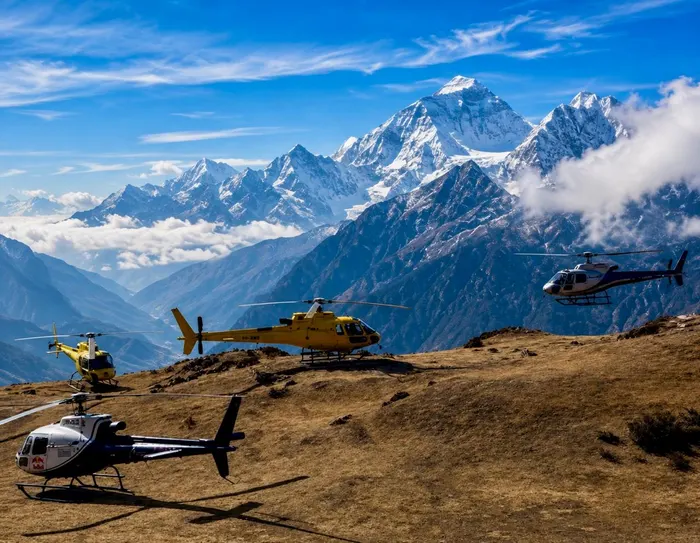
Many winter trekkers walk up and fly back by helicopter from Gorak Shep or Kala Patthar, saving the cold descent and dodging Lukla weather on the way out. It costs more but removes the riskiest logistics of the entire trip. The flight takes about 40 minutes to Kathmandu versus two days of walking plus a Lukla flight that might be cancelled. For winter trekkers with the budget, this is the smartest exit strategy. The Everest Base Camp Helicopter Trek (Trek Up, Fly Back) package handles this combination seamlessly.
What Permits Do You Need for the Winter EBC Trek?
You need the Khumbu Pasang Lhamu Rural Municipality permit and the Sagarmatha National Park entry permit. Both can be arranged in Kathmandu through your trekking agency or obtained at the checkpoint in Monjo. The permits cost roughly 3,000 Nepali rupees each. In winter the permit offices are less crowded, which is a small bonus. Book lodges and flights through a guide in winter because walk-in choice is thin and pre-booking is essential. Our tour packages handle all permits, flights, and a vetted guide as part of the arrangement.
What Are the Most Common Winter EBC Mistakes?
Rushing the itinerary is the number one mistake. Under-packing for cold is the second. Skipping buffer days for Lukla flights is the third. Ignoring early AMS signs because you think the headache is just from cold is the fourth. Each of these failures compounds the others. The trail is the same as autumn, but the margin for error is smaller. Trekkers who respect the cold, carry proper gear, build buffer days, and listen to their guide complete the trek successfully. Those who cut corners do not.
Why Does a Guide Matter More in Winter?
In peak season you are never alone on the EBC trail. In winter a stretch between villages can be completely empty, and if weather or health turns, self-reliance is thin. A local guide knows which lodges are open, reads the snow conditions on the trail, and makes the call to turn back when conditions deteriorate. Guides also handle lodge pre-booking, which is critical when only a few rooms are available above Dingboche. For a winter EBC trek, a guide is not optional. It is the single most important safety decision you make.
If you prefer a more comfortable experience, the Everest Base Camp Luxury Lodge Trek or the Everest Comfort Trek (10 Days) provide upgraded accommodation. For seniors or families, the Everest Panorama Senior Trek and Everest Panorama Family Trek offer gentler alternatives that still deliver spectacular views.
Is the Winter EBC Trek Right for You?
It suits fit trekkers who have done altitude before, who are comfortable with cold, and who value quiet over comfort. First-time high-altitude trekkers, anyone with circulation or heart issues, or travelers who hate the idea of frozen mornings should choose autumn or spring instead. Honesty about your tolerance saves the trip. If you have never trekked above 4,000 meters, winter is not the time to start. If you have done EBC in autumn and want to experience it in a completely different way, winter is unforgettable.
How Do You Choose the Right EBC Winter Package?
Not every Everest Base Camp package is suited for winter conditions. The standard 14-day trek works well, but you need a guide who knows which lodges are open and has the experience to make weather calls. Budget group treks are available but make sure the group size is small enough for safe winter travel. The Everest Base Camp Trek for Women offers a women-only guided option that works well in winter. For those wanting a gentler experience, the 5-Day Everest View Short Trek stays at lower altitudes where winter conditions are manageable for almost anyone.
For a more challenging winter adventure, the Everest Three Passes Trek (18 Days) and the Gokyo Lakes and EBC Trek (16 Days) are both possible in winter for highly experienced trekkers, but they require even more careful planning due to high pass crossings that may be snow-covered. Browse our full tour list or visit the Everest region page for all options.
Related Articles
- Best Time for Everest Base Camp Trek: Weather, Crowds and Visibility
- Everest Region Guide: Lukla to Kalapatthar Routes, Permits, Seasons
- Everest Base Camp Trek in December: A Magical Winter Adventure