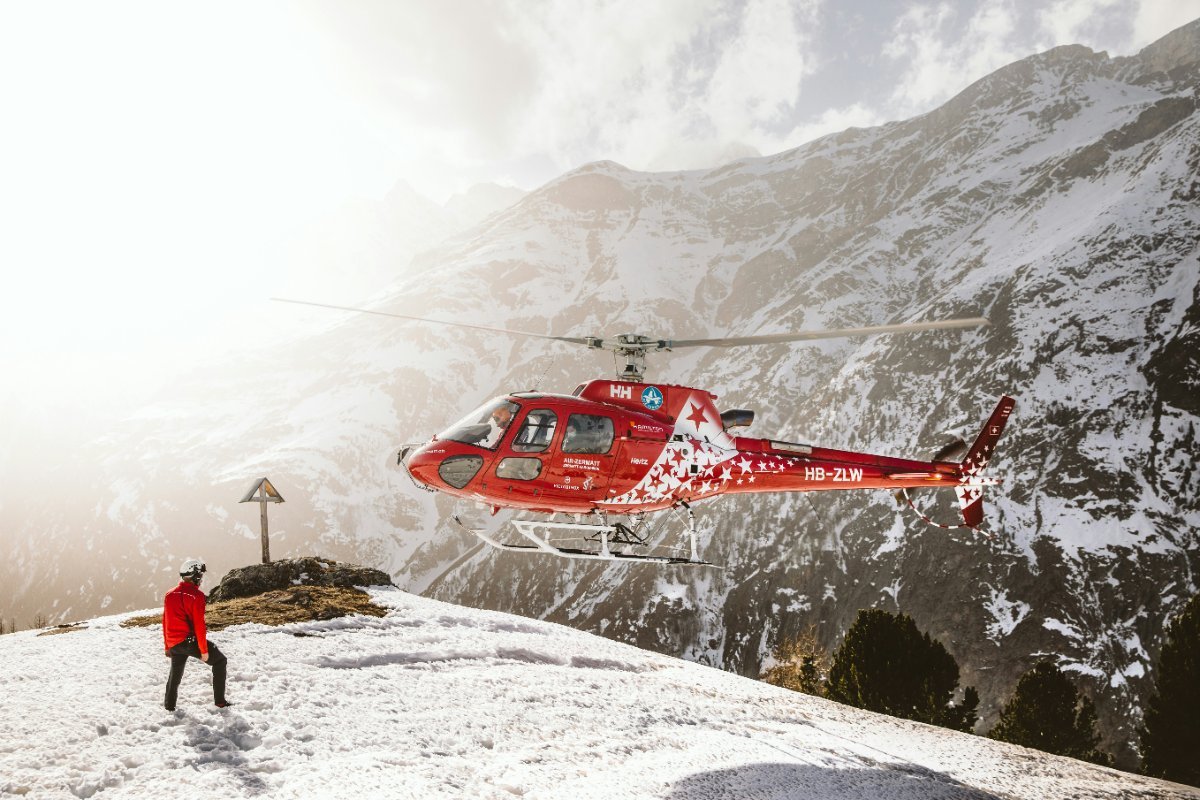
Pokhara sits at the gateway to the Annapurna massif, a lakeside city where the Himalaya rises directly from Phewa Tal to form one of the most dramatic mountain backdrops on earth. While most travellers know Pokhara as the starting point for the Annapurna Circuit or the trek to Annapurna Base Camp, fewer realise that this same city serves as an exceptional launchpad for scenic helicopter flights. A helicopter tour in Nepal from Pokhara lets you reach vantage points that would otherwise demand five to fourteen days of trekking, all within a single morning or afternoon. Whether your goal is the 360 degree amphitheatre at Annapurna Base Camp, the sacred pilgrimage site of Muktinath in the rain shadow of Mustang, or a closer look at the Dhaulagiri and Annapurna II ranges from above, a Pokhara-based flight puts you there in minutes.
This guide walks through every practical angle: the routes you can fly, what each one delivers, seasonal timing, pricing tiers, safety protocols, and the logistics of booking from Pokhara rather than Kathmandu. If you are planning a broader Nepal itinerary that includes cultural sites and trekking, this guide also links to our complete guide to cultural and spiritual tours in Nepal for 2026 and our guide to choosing the best trekking agency in Nepal in 2026. For the full helicopter tour landscape across the country, see our hub guide: Nepal Helicopter Tours: Everest, Annapurna and Gosaikunda Aerial Guide 2026/27.
Why Start Your Helicopter Tour from Pokhara?
Most helicopter tours in Nepal depart from Kathmandu, and for Everest region flights that makes sense: Tribhuvan International Airport is the only airport with the fuel facilities and helicopter operators needed to reach the Khumbu. But for the Annapurna and Dhaulagiri ranges, Pokhara is actually the closer and more efficient departure point. The flight time from Pokhara to Annapurna Base Camp is roughly 25 to 30 minutes, compared to about 90 minutes from Kathmandu. That translates directly into lower fuel costs, lower charter prices, and more time spent hovering over or landing at the destination rather than in transit.
Pokhara also offers a distinctly different atmospheric environment. The Kathmandu Valley is frequently affected by smog and particulate pollution, which can reduce visibility and sometimes delay morning departures. Pokhara, sitting at 820 metres on the shore of Phewa Lake, generally enjoys clearer air and more reliable visibility, especially during the autumn and spring trekking seasons. Pilots operating out of Pokhara report fewer weather-related cancellations than their Kathmandu counterparts, which matters when you have a tight travel schedule and a narrow weather window.
For travellers already in Pokhara for trekking, paragliding, or lakeside relaxation, a helicopter tour is a natural add-on. Rather than returning to Kathmandu for a flight, you can book a scenic departure directly from Pokhara Airport (PKR) and be back at your hotel by lunchtime. This is especially appealing for older travellers or those with mobility constraints who want to experience the high Himalaya without committing to a multi-day trek. Our guide on helicopter tours in Nepal for seniors and elderly travellers covers this angle in depth.
The Routes: What You Can See from Pokhara by Helicopter
Annapurna Base Camp Helicopter Tour from Pokhara
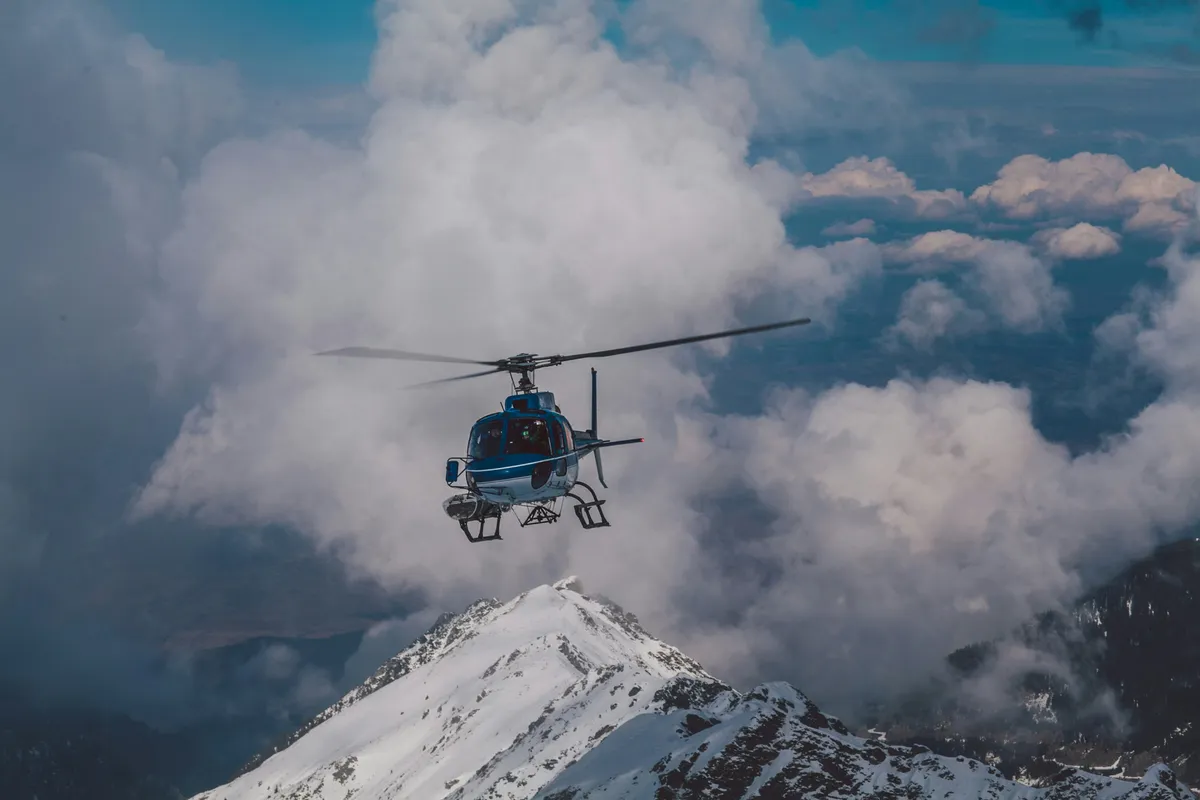
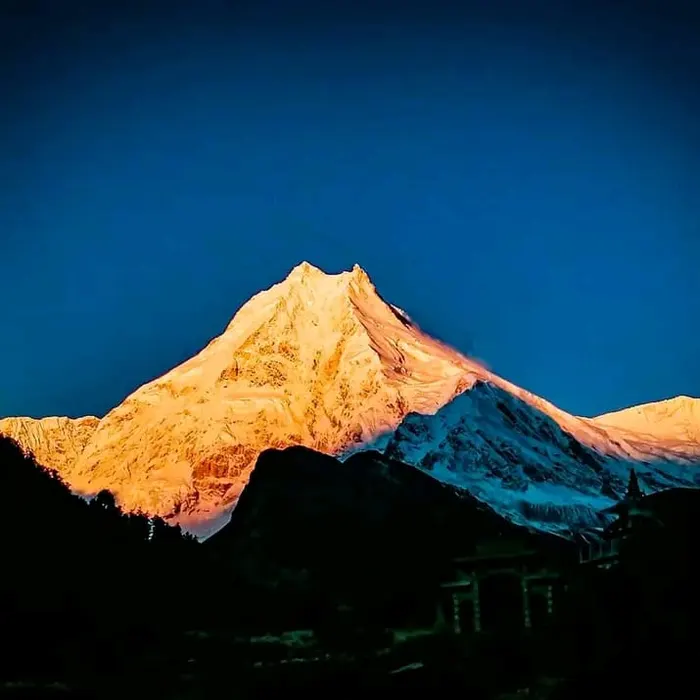
The most popular Pokhara-based helicopter route flies to Annapurna Base Camp (ABC), the glacial basin at 4,130 metres ringed by some of the most iconic peaks in the Himalaya: Annapurna I (8,091 m), Hiunchuli, Gangapurna, and the fishtail pyramid of Machapuchare. From Pokhara, the helicopter climbs north over the Modi Khola valley, passing the terraced hills around Dhampus and Landruk before entering the deep gorge that leads to the sanctuary. The flight path itself is a visual journey from subtropical foothills to alpine glacial terrain, compressed into a single ascent.
At ABC, the helicopter lands on the flat ground near the lodge cluster, weather permitting, giving you approximately 10 to 15 minutes on the ground. This is enough time to step out, feel the thin air at 4,130 metres, take photographs from the heart of the amphitheatre, and absorb the silence of one of the most spectacular mountain basins on the planet. The return flight retraces the gorge descent, and on a clear day you can see Phewa Lake glinting in the distance as you approach Pokhara.
For those departing from Kathmandu rather than Pokhara, our Luxury Annapurna Base Camp Helicopter Tour from Kathmandu with Landing covers the same destination with a longer transit flight. Departing from Pokhara instead saves roughly 45 minutes of transit each way, meaning more time at the landing site and lower overall cost.
Muktinath Helicopter Pilgrimage from Pokhara
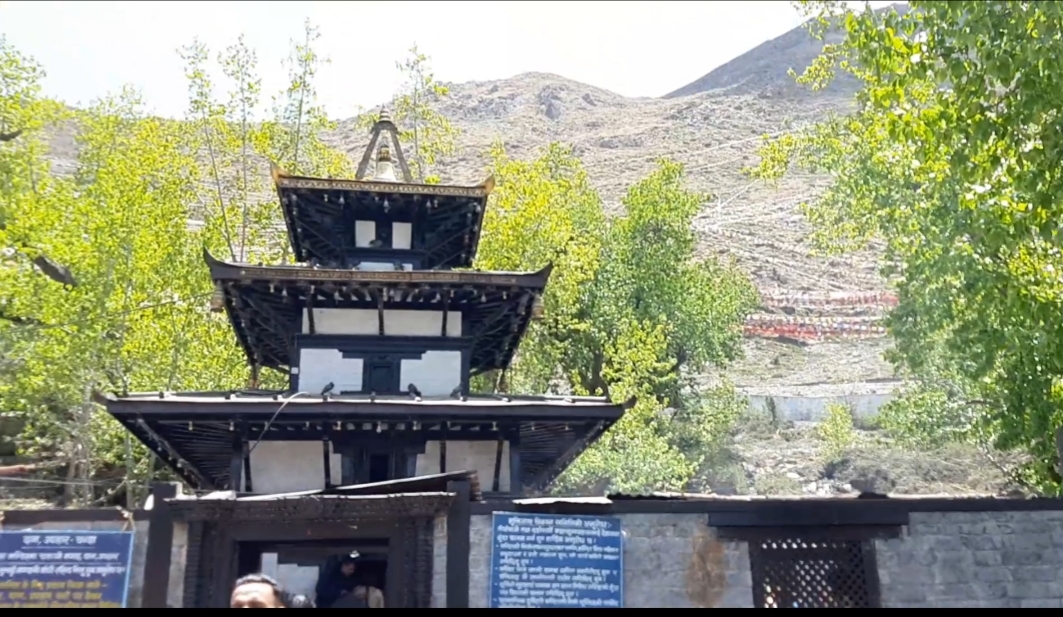
Muktinath is one of the most sacred sites in the Himalaya, revered by both Hindus and Buddhists. Located at 3,710 metres in the Mustang district, beyond the Thorong La pass on the Annapurna Circuit, it is home to 108 sacred water spouts and an eternal natural gas flame that burns alongside a Buddhist monastery. Reaching Muktinath by road and trail takes two to three days from Pokhara via Jomsom and Kagbeni. By helicopter, the flight is approximately 35 to 40 minutes each way.
From Pokhara, the helicopter follows the Kali Gandaki gorge, the deepest river valley in the world, climbing past the towns of Beni, Tatopani, and Lete before entering the rain shadow landscape of Mustang. The transition is striking: green terraced hills give way to arid, ochre-coloured cliffs and wind-carved rock formations that resemble the Tibetan plateau. The helicopter lands at the Jomsom airport or a nearby helipad, and from there a short drive or walk takes you to the Muktinath temple complex.
Pilgrims typically spend 45 to 60 minutes at the temple, bathing in the 108 spouts, visiting the eternal flame, and receiving blessings. The return flight follows the Kali Gandaki back to Pokhara, with the Annapurna and Dhaulagiri massifs towering on either side of the gorge. This route is particularly popular during the festival seasons of Janai Purnima and Yartung, when pilgrim traffic on the ground route can create long delays. For a full pilgrimage package, see our Muktinath Helicopter Pilgrimage package, which can be arranged from Pokhara on request.
Dhaulagiri and Annapurna II Scenic Flight
For travellers who want the aerial perspective without a landing, Pokhara offers a shorter scenic flight that loops around the western Annapurna range and the massive east face of Dhaulagiri (8,167 m). This route does not land at any destination; instead, the helicopter flies a circuit that passes over the Poon Hill viewpoint, the Kali Gandaki valley headwaters, and the glacier fields beneath Annapurna II (7,937 m) and Annapurna IV (7,525 m). Flight time is approximately 30 to 40 minutes total.
This route is ideal for photographers and travellers who want a comprehensive aerial overview without the altitude concerns of landing at 4,000+ metres. Because there is no landing, the flight can operate at slightly lower altitudes where oxygen levels are less of a factor, and the overall charter cost is lower than a base camp landing flight. Our helicopter tour cost guide breaks down the pricing for scenic versus landing flights in detail.
Gosaikunda Sacred Lake Flight
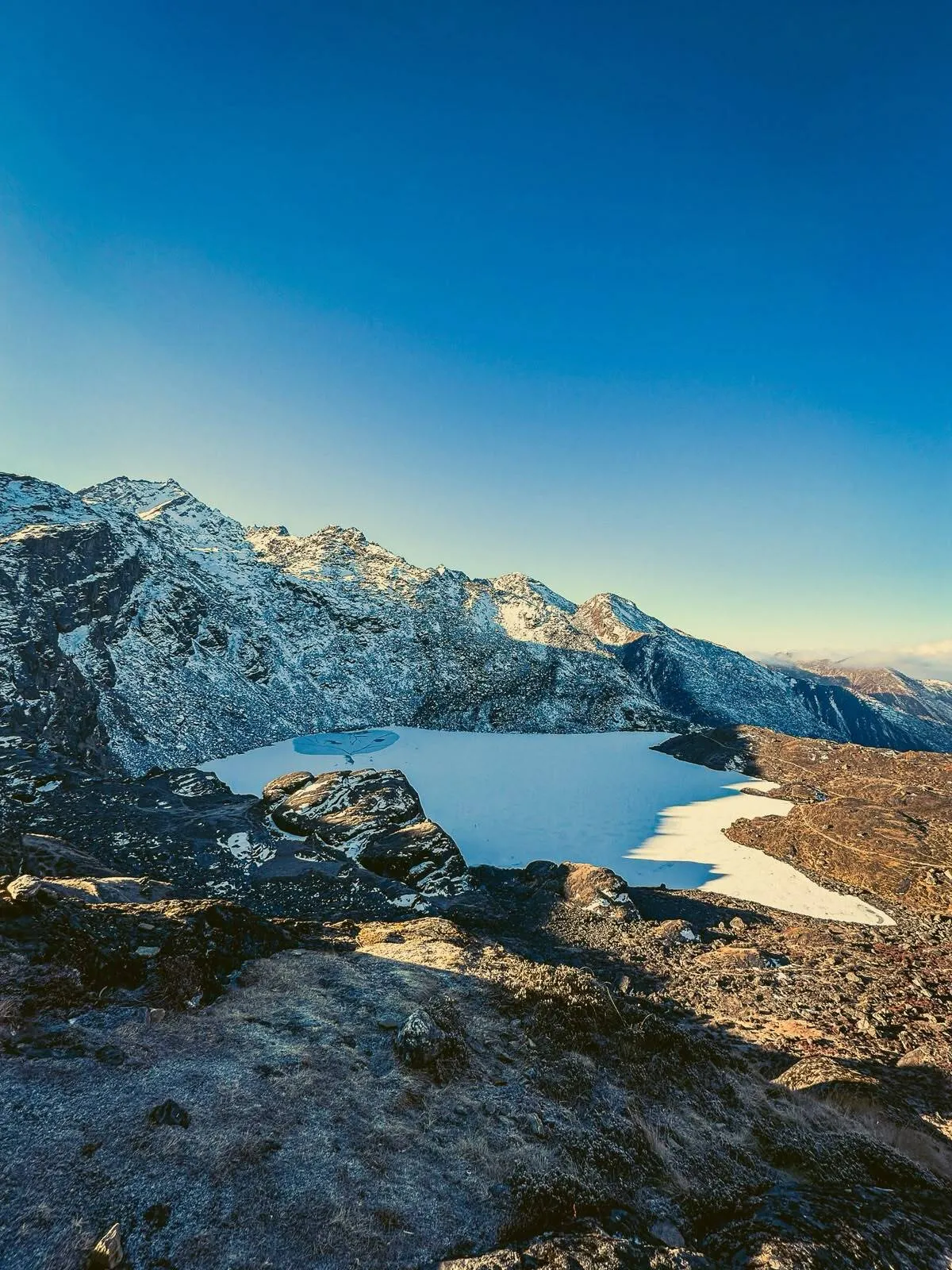
Gosaikunda, the sacred alpine lake at 4,380 metres associated with Lord Shiva, is more commonly reached from Kathmandu, but some operators offer a combined route from Pokhara that flies north over the Ganesh Himal range to the lake basin. The flight time from Pokhara is longer than from Kathmandu, roughly 40 minutes each way, and the landing is weather-dependent due to the high altitude and exposed nature of the lake basin. For travellers whose itinerary is Pokhara-centric and who do not want to return to Kathmandu for this flight, it is a viable option during the autumn and spring windows. The dedicated Gosaikunda Helicopter Tour: Sacred Lake Aerial Pilgrimage 2026/27 activity page has details on the Kathmandu departure version.
Pricing: What Does a Pokhara Helicopter Tour Cost?
Because Pokhara is closer to the Annapurna range than Kathmandu, charter costs are lower for Annapurna region flights. The pricing structure depends on three factors: the route, whether the flight includes a landing, and whether you are booking a private charter or a shared seat.
Private Charter vs Shared Seat
Most helicopter tours from Pokhara operate as private charters, meaning you book the entire helicopter regardless of how many seats you fill. A standard AS350 B3e or Ecureuil helicopter carries 5 to 6 passengers plus the pilot. The charter rate for an Annapurna Base Camp landing flight from Pokhara is typically in the range of USD 1,000 to USD 1,300 for the full helicopter, depending on the operator and season. This breaks down to roughly USD 200 to USD 260 per person if you have a full group of five.
Shared seat flights, where you purchase a single seat on a flight that other travellers also join, are less commonly available from Pokhara than from Kathmandu, but some operators offer them during peak trekking seasons (October-November and March-April). A shared seat to ABC from Pokhara typically costs USD 250 to USD 350 per person. Our guide on shared vs private helicopter tours in Nepal covers the trade-offs in detail.
Muktinath Flight Pricing
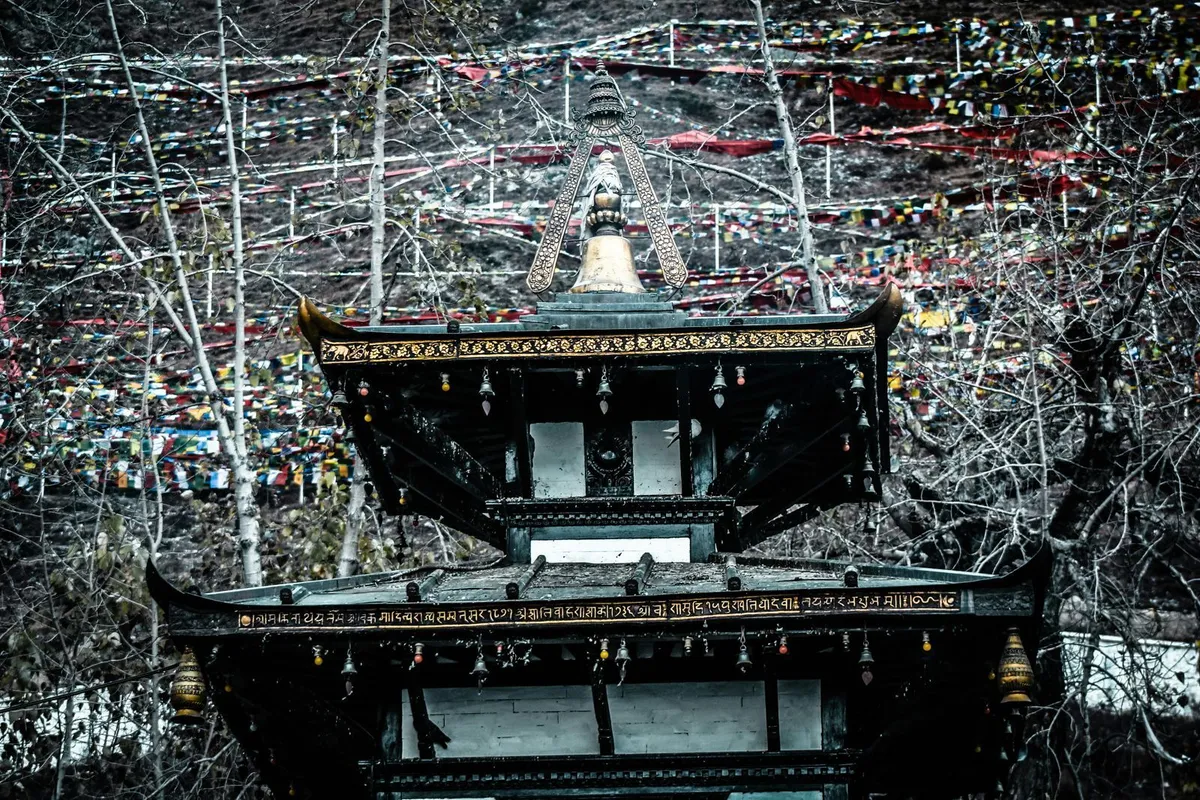
The Muktinath helicopter pilgrimage from Pokhara is a longer flight, approximately 40 minutes each way with a ground visit, and therefore costs more than the ABC flight. Private charter pricing is typically in the range of USD 1,500 to USD 1,800 for the full helicopter. The package that includes temple visit arrangements, ground transfers at Jomsom, and a guide typically adds USD 100 to USD 200 per group. Because this is a pilgrimage route, demand is highest during Hindu festival periods, particularly around Janai Purnima (August) and the full moon days of autumn.
Scenic Flight (No Landing) Pricing
The shorter Dhaulagiri and Annapurna II scenic loop, with no landing, is the most affordable option. Private charter pricing ranges from USD 600 to USD 800 for the full helicopter, making it approximately USD 120 to USD 160 per person with a full group. This is an excellent entry-level option for travellers who want the aerial experience without the altitude or cost of a landing flight.
For a complete breakdown of helicopter tour pricing across all routes in Nepal, including the Everest flights from Kathmandu, see our comprehensive helicopter tour in Nepal cost guide for 2026/27.
Best Seasons for a Pokhara Helicopter Tour
The weather windows for helicopter flights from Pokhara follow the same seasonal pattern as trekking in the Annapurna region, with two primary seasons and two shoulder seasons.
Autumn: October and November (Peak Season)
Autumn is the most reliable season for helicopter flights from Pokhara. The monsoon clears by late September, leaving crisp, dry air and stable high-pressure systems that produce the clearest mountain visibility of the year. Morning flights in October and November almost always depart on schedule, and the light on the Annapurna massif during the golden hour shortly after sunrise is exceptional for photography. Temperatures at ABC during autumn landings are cold but manageable, typically ranging from minus 5 to plus 5 degrees Celsius. This is also peak trekking season, so Pokhara is busy and helicopter availability is tighter; book at least two to three weeks in advance.
Spring: March and April (Second Peak Season)
Spring brings the rhododendron bloom to the Annapurna foothills, and the sight of entire hillsides covered in red and pink flowers from the air is a distinctive experience unavailable in autumn. Visibility is generally very good, though spring mornings can have more haze than autumn due to dust and pollen. Temperatures are milder, making the ground visit at ABC more comfortable. The risk of afternoon cloud buildup is slightly higher in spring than autumn, so morning departures are strongly recommended. Our month-by-month weather and visibility guide covers the seasonal nuance in detail.
Winter: December to February (Shoulder Season)
Winter flights from Pokhara are possible and offer some advantages: the air is extremely clear, there are fewer tourists, and charter prices may be negotiable. However, the high-altitude landing sites at ABC and Muktinath are very cold, with temperatures at ABC dropping to minus 15 degrees Celsius or below. Snowfall can close landing zones for days at a time, and the risk of flight cancellation due to weather is higher. If you are travelling in winter, consider the scenic no-landing flight as a more reliable alternative.
Monsoon: June to September (Off Season)
The monsoon brings heavy cloud cover, rain, and unstable air masses to the Annapurna region, making helicopter flights risky and frequently cancelled. Most operators do not offer scheduled scenic flights during the peak monsoon months of July and August. The exception is the Muktinath route, which enters the rain shadow of Mustang and can sometimes operate when other routes cannot, but even this route is weather-dependent during the monsoon. If your travel window falls in the monsoon, contact operators close to your travel date for a realistic assessment.
Altitude and Health Considerations
The most significant health consideration for a Pokhara helicopter tour is the rapid altitude gain. You depart from Pokhara at 820 metres and, on the ABC route, land at 4,130 metres within 30 minutes. This is a faster ascent than any trek and does not allow time for acclimatisation. For most healthy adults, a 10 to 15 minute ground visit at this altitude is tolerable, but some people experience mild symptoms: shortness of breath, slight headache, or lightheadedness. The key is to move slowly, stay hydrated, and avoid exertion during the ground visit.
Travellers with known cardiovascular conditions, severe asthma, or a history of altitude sickness should consult a physician before booking a high-altitude landing flight. The scenic no-landing route, which stays below 3,500 metres, is a safer alternative for those with altitude concerns. Our helicopter tour safety guide covers the full health and safety protocol, including pilot qualifications, aircraft specifications, and insurance requirements.
For the Muktinath route, the landing altitude is 3,710 metres, which is slightly lower than ABC and generally better tolerated. However, the ground visit lasts 45 to 60 minutes, which means more time at altitude. If you are flying from Pokhara directly to Muktinath without having spent time at altitude in the Annapurna region, be aware that the transition from 820 metres to 3,710 metres in 40 minutes is a significant jump.
How to Book a Helicopter Tour from Pokhara
Booking a helicopter tour from Pokhara follows a similar process to booking from Kathmandu, with a few location-specific differences. The key steps are outlined in our step-by-step booking guide, but the Pokhara-specific notes are worth highlighting.
Booking Channels
There are three main ways to book a helicopter tour from Pokhara. First, through a registered trekking or tour agency with established helicopter operator partnerships. This is the most reliable path, as the agency handles logistics, weather monitoring, and contingency planning. Second, directly with a helicopter operator that has a base at or near Pokhara Airport. Third, through your hotel or guesthouse, which typically acts as an intermediary with a local operator. Hotel-arranged bookings may carry a markup of 10 to 20 percent.
Whichever channel you choose, confirm that the operator holds a valid Air Operator Certificate from the Civil Aviation Authority of Nepal (CAAN), that the helicopter is registered and insured, and that the pilot has high-altitude mountain flying experience. Our safety guide lists the specific certifications to ask for.
Timing Your Booking
During peak seasons (October-November and March-April), book at least two weeks in advance. Helicopter availability in Pokhara is more limited than in Kathmandu because fewer operators maintain a permanent base there. If you are booking a private charter, you have more flexibility on departure time; shared seat flights typically depart at fixed times in the early morning when weather is most stable.
Weather Contingencies
Mountain weather in the Annapurna region can change rapidly. Operators monitor conditions continuously and may delay or cancel a flight even at the departure point. Most operators offer a full refund or a rebooking at no extra cost if the cancellation is weather-related. It is wise to build a buffer day into your Pokhara itinerary so that a cancelled flight can be reattempted the following morning. Do not book a flight for the last day of your Nepal trip, as a cancellation would mean missing the experience entirely.
What to Wear and Pack
For flights from Pokhara, the temperature differential between the lakeside departure point and the high-altitude landing site can be dramatic: 20 degrees Celsius or more. Dress in layers, with a warm down or synthetic jacket, a hat, gloves, and sunglasses. Avoid loose items that could be blown away by rotor wash during boarding and deplaning. Our complete packing checklist for helicopter tours in Nepal covers every item in detail, including photography gear and altitude-specific considerations.
Pokhara Departure Logistics: Airport, Transfers, and Timing
Helicopter tours from Pokhara depart from Pokhara Airport (PKR), located in the eastern part of the city, approximately 10 to 15 minutes by car from Lakeside. The airport shares its runway with scheduled domestic flights to Jomsom, Bharatpur, and Bhairahawa, so helicopter operations are slotted around the scheduled flight windows. Most scenic helicopter departures are scheduled for the early morning, between 6:30 and 8:30 AM, when weather is most stable and air is smoothest.
On the day of your flight, arrive at the airport at least 30 minutes before the scheduled departure. You will need to present your passport at the security checkpoint, and your operator will handle the flight permit and passenger manifest. There is a small domestic terminal with a waiting area, but facilities are basic; bring water and any snacks you might want. After the flight, you are typically back at the airport within 90 minutes to 3 hours, depending on the route.
If you are staying in Lakeside or Damside, arrange a taxi or hotel transfer to the airport in advance. Early morning taxis are readily available, but confirming the night before removes any stress. The transfer cost is minimal, typically NPR 300 to 500 (USD 2 to 4) from Lakeside.
Comparing Pokhara vs Kathmandu Departures
If you are debating whether to book your helicopter tour from Pokhara or Kathmandu, the decision largely depends on which destination you want to see and where you are already based. For Annapurna region destinations (ABC, Muktinath, scenic Dhaulagiri loop), Pokhara is the better departure point: shorter flight time, lower cost, and generally clearer air. For Everest region destinations (EBC, Kala Patthar, Gokyo), Kathmandu is the only practical departure point; no operator runs Everest flights from Pokhara due to the distance and fuel requirements.
For the Gosaikunda sacred lake, both departure points are viable, but Kathmandu is closer and more commonly used. For a comprehensive comparison of the Everest and Annapurna helicopter experiences, our Everest vs Annapurna helicopter tour comparison guide breaks down every factor: scenery, flight time, landing experience, cost, and seasonal timing.
The table below summarises the key differences for Annapurna region flights:
| Factor | From Pokhara | From Kathmandu |
|---|---|---|
| Flight time to ABC | 25-30 min each way | 60-90 min each way |
| Charter cost (ABC) | USD 1,000-1,300 | USD 1,200-1,500 |
| Flight time to Muktinath | 35-40 min each way | 60-75 min each way |
| Air quality | Generally clear | Frequent haze/smog |
| Operator availability | Limited (fewer bases) | Wide (major hub) |
| Weather cancellation rate | Lower | Slightly higher |
Photography Tips for Pokhara Helicopter Flights
A helicopter tour from Pokhara offers some of the most dramatic aerial photography opportunities in Nepal. The Annapurna Sanctuary flight, in particular, takes you from terraced foothills through a deep river gorge and into a glacial amphitheatre, all within 30 minutes. Here are the key considerations for getting the best images.
Camera Settings and Gear
Shoot in RAW format for maximum post-processing flexibility, particularly for the high-contrast lighting conditions of snow and rock at altitude. A fast shutter speed of at least 1/1000 second is essential to freeze motion when the helicopter is moving or hovering; slower speeds will produce blurred images due to vibration. Set your ISO to 400-800 for the flight, as the light at altitude can be intense but the interior of the helicopter is relatively dark.
For lenses, a versatile zoom in the 24-105mm or 24-70mm range is ideal. You will not need a telephoto for the mountains, which are massive and close; instead, a wide-to-standard zoom lets you capture both the sweeping landscape and tighter compositions. Avoid changing lenses in the helicopter, as dust and vibration make it impractical. Bring a polarising filter to manage glare from snowfields and the lake surface on the Muktinath route.
Window and Seat Considerations
Most helicopter scenic flights from Pokhara use AS350 B3e aircraft, which have forward-facing passenger seats and a rear bench. The front co-pilot seat offers the best panoramic view but is typically reserved for the pilot or a premium-fee passenger. The seats behind the pilot on the right side (when flying north) generally have the best mountain views. Request a window seat when booking; some operators charge a premium for guaranteed window seats on shared flights.
Shoot through the window glass, but be aware of reflections. A lens hood pressed gently against the glass helps block stray light. Avoid resting the camera directly on the helicopter frame, which transmits engine vibration; instead, hand-hold and let your body absorb the vibration.
Combining Your Heli Tour with a Pokhara Itinerary
One of the advantages of a Pokhara-based helicopter tour is that it fits naturally into a broader Pokhara and Annapurna itinerary. Most travellers spend at least two to three days in Pokhara, and a morning heli tour leaves the afternoon free for other activities. Consider pairing your flight with a visit to the World Peace Pagoda for sunset views over Phewa Lake, a boat ride on the lake itself, or a paragliding session from Sarangkot for a slower-paced aerial experience.
If you are interested in the cultural and spiritual dimensions of Nepal alongside your heli adventure, Pokhara is home to several Tibetan refugee settlements where you can visit monasteries and carpet-weaving workshops. The Bindhyabasini Temple, one of the oldest in Pokhara, is an active Hindu worship site with views of the mountains on clear days. For a broader cultural and spiritual itinerary that connects Pokhara to other regions, see our complete guide to cultural and spiritual tours in Nepal.
Explore More Helicopter Tour Guides
This guide is part of a comprehensive cluster of helicopter tour resources. Each one covers a specific angle to help you plan the perfect aerial Himalayan experience:
- Nepal Helicopter Tours Hub Guide - the complete overview of all helicopter tour options across Nepal
- Everest Base Camp Helicopter Tour 2026: The Definitive One-Day Guide - everything you need to know about the EBC heli flight from Kathmandu
- Helicopter Tour in Nepal Cost 2026/27 - full pricing breakdown for every route and operator tier
- Best Time for a Helicopter Tour in Nepal - month-by-month weather and visibility guide
- Everest vs Annapurna Heli Tour - side-by-side comparison to help you choose your destination
- Helicopter Tours for Seniors - accessible Himalayan viewing without trekking
- Shared vs Private Heli Tours - which booking option gives you the best value
- How to Book a Helicopter Tour - step-by-step booking process from inquiry to takeoff
- Helicopter Tour Safety Guide - pilot qualifications, aircraft specs, weather protocols and insurance
- What to Wear and Pack - complete checklist for clothing and gear
- Helicopter Tour with Landing - why touching down at base camp changes the experience
- Helicopter Tours for Honeymooners - romantic Himalayan flights for couples
When you are ready to plan your helicopter tour from Pokhara, contact us through our booking page . Our team will help you choose the right route, confirm availability with our partner operators, and handle all logistics from permit to takeoff. Every flight is operated by CAAN-certified pilots with thousands of Himalayan flight hours, and every itinerary is backed by the experience of a registered trekking and tour agency in Nepal. The Annapurna massif is waiting, and from Pokhara, it is only a 30-minute flight away.