If you have been scrolling through Nepal travel forums, watching drone footage of Everest on YouTube, and wondering whether spending hundreds or thousands of dollars on a one-hour flight is money well spent, you are not alone. The question "is a helicopter tour in Nepal worth it?" comes up in almost every trekking group, every travel planning session, and every conversation with returning trekkers who wish they had seen the Himalayas from above. This guide gives you an honest, no-hype breakdown based on what real travellers report, what you actually get for your money, and how to decide whether a heli tour fits your Nepal itinerary and budget.
We are not here to sell you a flight. We are here to help you make an informed decision. That means looking at the good, the bad, the genuinely transformative, and the occasionally underwhelming. By the end of this article, you will know exactly whether to book that helicopter seat or spend your travel budget elsewhere.
What Exactly Is a Helicopter Tour in Nepal?
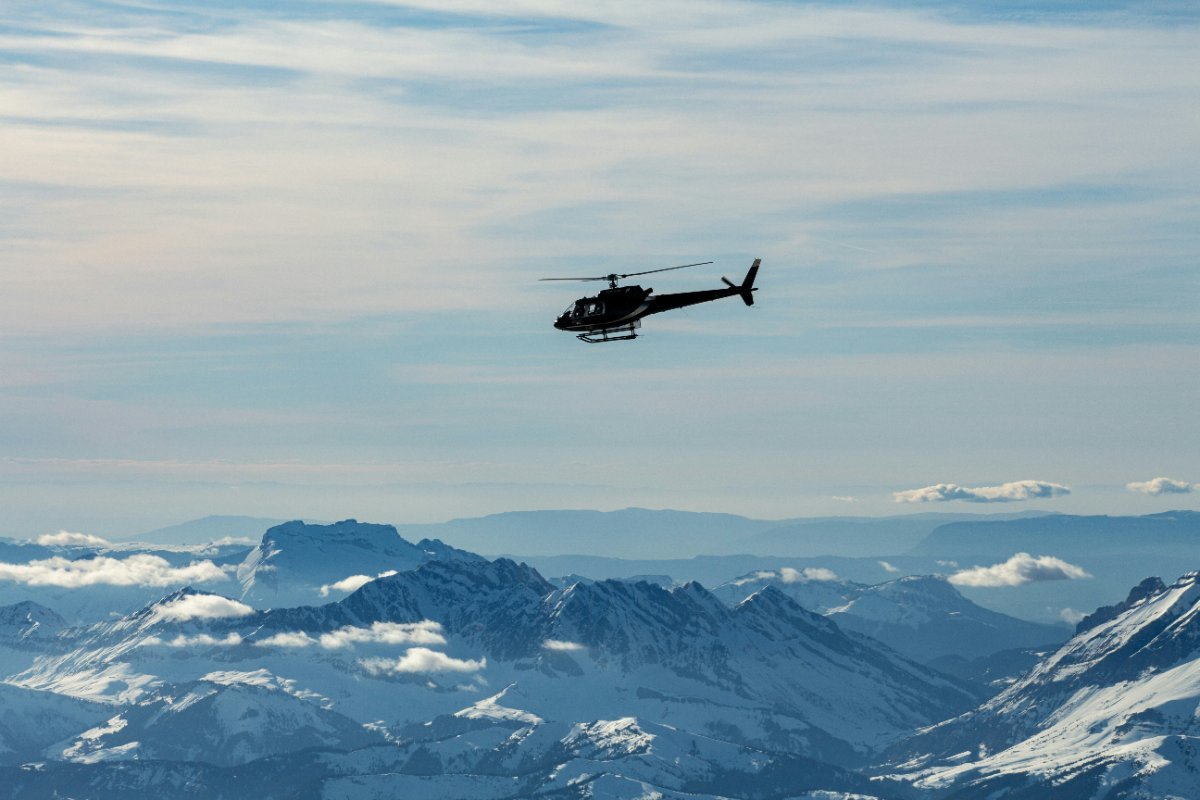
A helicopter tour in Nepal is a scenic flight that takes you over the Himalayan range, typically departing from Kathmandu or Pokhara, and flying toward iconic landmarks like Everest Base Camp, Annapurna Base Camp, Gosaikunda Lake, or Muktinath. Some tours include a landing at a high-altitude viewpoint or base camp, while others remain aerial fly-bys. The duration ranges from 45 minutes to 4 hours depending on the route and whether you land.
The most popular helicopter tour in Nepal is the helicopter tour in Nepal activity, which covers several route options including Everest sightseeing, Annapurna aerial tours, and pilgrimage flights to sacred sites. Travellers choose these flights for different reasons: some want to see Everest without trekking for two weeks, some want a luxury add-on to an existing trek, and others use helicopters as a time-saving transfer between trailheads.
Understanding what you are buying is the first step in deciding whether it is worth it. A helicopter tour is not a trekking replacement. It is a completely different experience with its own set of pros, cons, and ideal use cases.
The Honest Case For "Yes, It Is Worth It"
1. Views You Cannot Get Any Other Way
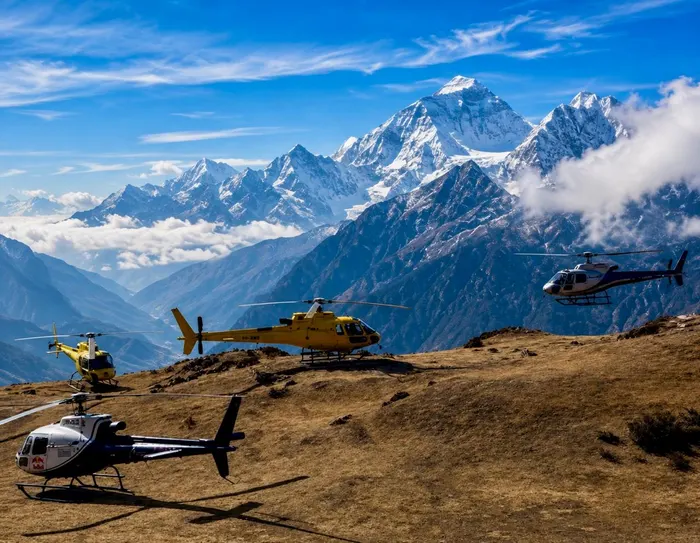
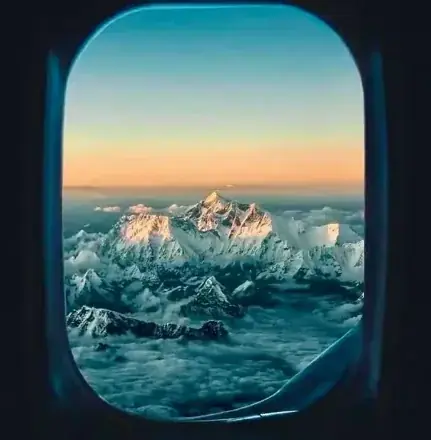
Even if you trek to Everest Base Camp, you spend most of your time inside the valleys, looking up at the peaks. A helicopter tour puts you above and alongside the giants. You see the full sweep of the Himalayan range, the dramatic drop from the Tibetan plateau to the Nepali foothills, and the sheer scale of mountains like Lhotse, Nuptse, and Ama Dablam in a way that no ground-level viewpoint can match. Travellers consistently describe this as the single most memorable visual experience of their Nepal trip.
One traveller on a recent Everest Base Camp helicopter tour described it as "like standing on the roof of the world and looking at a postcard, except the postcard is real and you are inside it." That sentiment is echoed across hundreds of reviews on travel platforms.
2. Time Efficiency That Unlocks Nepal for More People
Not everyone has 14 days to trek to Everest Base Camp. Not everyone has the fitness level for high-altitude hiking. Not everyone wants to spend their Nepal holiday walking when they could be experiencing the mountains from the air and still have time for cultural sites, wildlife safaris, or wellness retreats. A helicopter tour compresses what would be a two-week trek into a single morning. For professionals with limited vacation time, families with young children, or older travellers, this is not a luxury. It is the difference between seeing the Himalayas and not seeing them at all.
As our guide to trekking in Nepal explains, ground trekking remains the gold standard for immersion, but it is not the only path to witnessing the Himalayan giants. Helicopter tours serve a genuine need for accessibility.
3. The Landing Experience Changes Everything
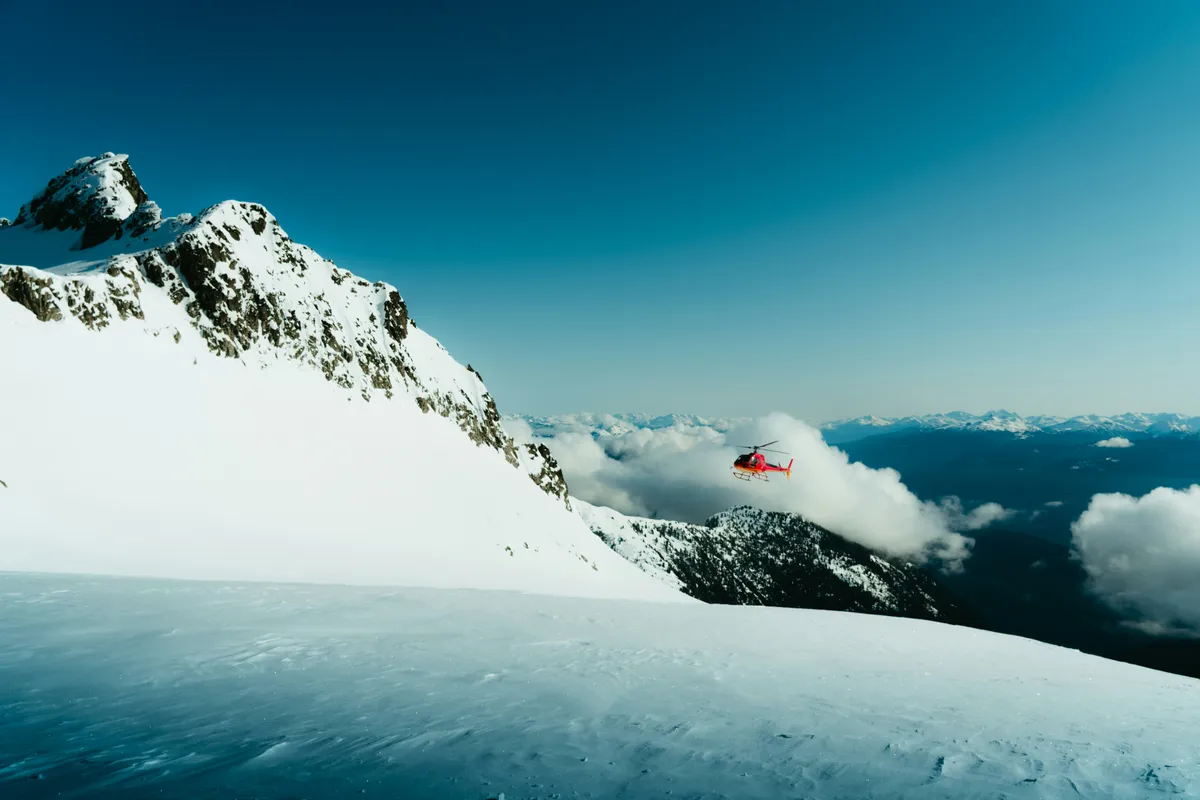
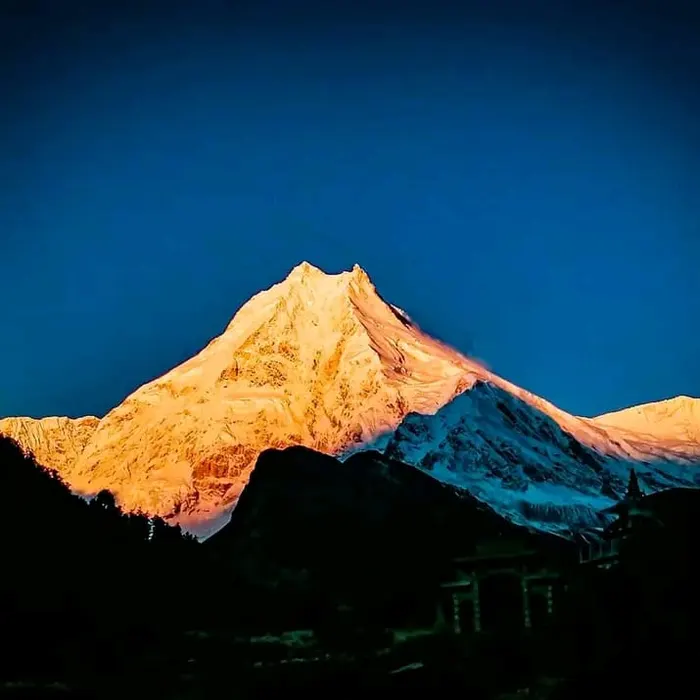
A fly-by is impressive. A landing is transformative. Setting down at Kala Patthar (5,164m) or Syangboche and stepping out to feel the Himalayan wind on your face, with Everest looming directly above you, is something very few people on Earth will ever experience. Our detailed breakdown of helicopter tours with landing covers why this specific variant delivers dramatically more value than an aerial-only flight. If you are going to spend the money, the landing option is where the experience tips from "nice to have" to "once in a lifetime."
4. Accessibility for Seniors and Mobility-Limited Travellers
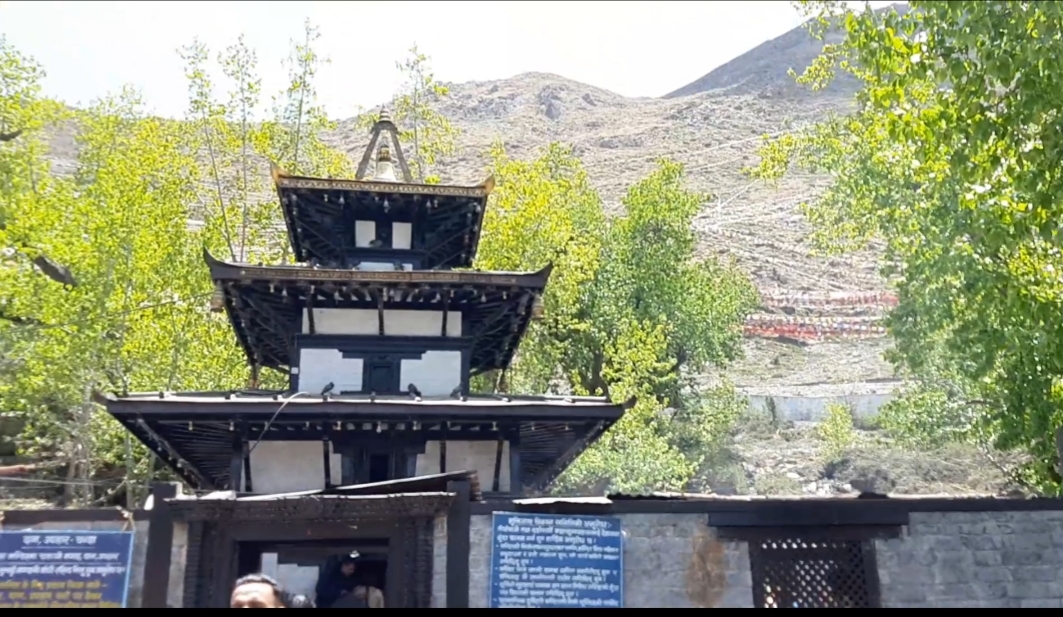
For travellers over 65, those with joint issues, or anyone who cannot handle multi-day trekking at altitude, a helicopter tour is the only realistic way to experience the Himalayan high country. Our guide specifically for seniors and elderly travellers shows how helicopter tours open doors that would otherwise be permanently closed. If you are in this demographic, the question is not "is it worth it?" but "what is the alternative?" For many, there is none.
5. The Photographic Opportunity Is Unmatched
If photography is a priority, a helicopter tour gives you angles and compositions that are simply impossible from the ground. Aerial shots of glacial rivers, panoramic ridge lines, and the interplay of cloud and summit light are all accessible from a helicopter window. Our photography guide for helicopter tours covers camera settings, seat selection, and shot planning in detail, but the short version is: no ground photographer gets these shots.
The Honest Case For "No, It Is Not Worth It"
1. The Cost Is Significant
There is no way around it: helicopter tours in Nepal are expensive. A shared Everest sightseeing flight starts around $200 to $300 per person for a fly-by without landing. A private landing tour at Everest Base Camp can run $3,000 to $5,000 for the helicopter. For context, that same amount could fund a 14-day Annapurna Circuit trek with a guide, porter, accommodation, and meals, plus a wildlife safari in Chitwan. Our complete cost breakdown gives you the exact pricing for every route, but the bottom line is that a helicopter tour is a premium experience at a premium price.
If you are on a tight budget, the question becomes opportunity cost. Is one hour in a helicopter worth more than four days of trekking? For some travellers, absolutely. For others, the math does not work.
2. Weather Can Cancel Your Flight
Mountain weather is unpredictable. Cloud cover, high winds, or poor visibility in the Everest region can ground flights for days. Some travellers book a helicopter tour for the last day of their Nepal trip, only to have it cancelled with no rescheduling option. You need buffer days in your itinerary, and even then, there is no guarantee. Our month-by-month best time for helicopter tours guide helps you pick the season with the highest probability of clear skies, but even in peak season, cancellations happen.
Most reputable operators offer full refunds or rescheduling for weather cancellations, but the disappointment of not getting your flight after planning for it is a real downside that travellers report frequently.
3. Short Duration Relative to Cost
An Everest fly-by lasts 45 to 60 minutes. Even a landing tour is typically 2 to 4 hours total including ground time. When you calculate the cost per hour, helicopter tours are among the most expensive travel experiences on the planet. Some travellers feel that the experience, however breathtaking, does not justify the price-to-duration ratio. This is a personal value judgment, and it depends heavily on your travel budget and how much you value the specific experience of seeing Everest from the air.
4. If You Are Already Trekking, It May Feel Redundant
If you are already committed to a 12-day Everest Base Camp trek, adding a helicopter tour on top may feel like overkill. You will see the mountains up close for two weeks. Do you also need to see them from above? Some trekkers say yes, it added a completely different perspective. Others say they wished they had spent that money on a different region of Nepal instead. If you are trekking and considering a helicopter return flight from Base Camp to Kathmandu instead of walking out, that is a different calculation: it saves 2-3 days of walking and is often worth it for time-pressed trekkers.
What Real Travellers Actually Say
Rather than relying on marketing copy, let us look at what travellers report across review platforms, travel forums, and direct feedback collected by tour operators in Nepal.
The Overwhelmingly Positive Majority
Across major travel review platforms, helicopter tours in Nepal consistently receive 4.5 to 5 star ratings. The most common themes in positive reviews are:
- "Best decision of our Nepal trip" - This phrase appears in a striking number of reviews. Travellers who were on the fence about spending the money overwhelmingly report being glad they did it.
- "The landing made it worth every penny" - Reviews of landing tours are even more enthusiastic than fly-by tours. The ability to step out at Everest Base Camp or Kala Patthar is repeatedly cited as the tipping point.
- "I cried when I saw Everest" - Emotional reactions are common and genuine. The scale of the Himalayas from above triggers powerful responses that travellers do not anticipate.
- "Wish I had booked the longer tour" - A common regret is booking the shortest, cheapest option and wishing for more time in the air.
The Critical Voices
Negative reviews are rare but they do exist, and they tend to cluster around specific issues:
- "Clouds blocked the view" - Weather-related disappointment is the number one complaint. This is avoidable with proper season selection and buffer days.
- "Felt rushed" - Some operators maintain tight schedules to fit multiple flights per day. Choosing a quality operator with flexible timing mitigates this.
- "Too expensive for the duration" - A minority of travellers feel the cost-per-hour is not justified. This is almost always from fly-by tours, not landing tours.
- "Shared flight was crowded" - Shared helicopter tours cram 5-6 people into a small cabin, and window access is limited. Our guide to shared vs private helicopter tours helps you decide which option fits your needs and budget.
The Verdict from Reviews
The consensus among real travellers is clear: if you can afford it and the weather cooperates, a helicopter tour in Nepal is worth it. The landing tours receive near-universal praise. The fly-by tours are more mixed but still overwhelmingly positive. The key is choosing the right tour for your expectations and budget.
Key Factors That Determine Whether It Is Worth It For YOU
Your Budget and Travel Priorities
If you have a $2,000 Nepal budget and want to maximize experiences, a helicopter tour will consume a large chunk of that. But if your budget is $5,000+ and you want one unforgettable highlight, the helicopter tour is arguably the best single experience you can buy in Nepal. The value calculation depends on what else you are giving up to afford it.
Your Physical Condition and Trekking Plans
If you are already trekking to Everest Base Camp, a helicopter return is a practical time-saver that also gives you aerial views. If you cannot trek at all, a helicopter tour is your only path to the high Himalayas. If you are trekking a different region (Annapurna, Langtang), a helicopter tour in a separate region adds diversity to your mountain experience. Each scenario has a different value proposition.
Landing vs Fly-By
This is the single biggest value differentiator. A fly-by gives you great views from the air. A landing gives you a physical, embodied experience of standing in the high Himalayas. The price difference is significant, but so is the experience difference. If you are going to spend the money, most travellers and our analysis point toward the landing option as the better value. Compare the Everest landing tour against a basic fly-by to see the difference.
Shared vs Private
A shared flight costs less per person but means 5-6 people sharing window space, with the middle seats having poorer views. A private flight costs more but gives everyone a window and full control over routing and timing. For couples and small groups, the private option often delivers better value when split 2-4 ways. For solo travellers, the shared option is usually the only affordable path.
Season and Weather Probability
Booking in October or November gives you the highest chance of clear skies. Booking in June or July means a high probability of cancellation. The value of a helicopter tour is partly the value of actually getting to fly. If you are visiting in monsoon season, the expected value drops significantly because you may never leave the ground.
Price vs Value: Breaking Down What You Actually Pay For
Let us be concrete about the numbers. Here is what you can expect to pay for different helicopter tour options in Nepal for 2026/27:
| Tour Type | Duration | Price Range (per person) | Value Rating |
|---|---|---|---|
| Everest fly-by (shared) | 45-60 min | $200 - $350 | Good intro, limited immersion |
| Everest landing tour (shared) | 2-3 hours | $600 - $1,200 | Best value for the experience |
| Everest landing tour (private) | 3-4 hours | $3,000 - $5,000 total | Premium experience, best for groups |
| Annapurna landing tour | 2-3 hours | $900 - $1,500 | Great alternative to Everest |
| Gosaikunda pilgrimage flight | 1.5-2 hours | $500 - $800 | Unique cultural + scenic combo |
| Muktinath pilgrimage helicopter | Full day | $1,800 - $2,500 | Worth it for Hindu/Buddhist pilgrims |
| Rara Lake helicopter tour | Full day | $2,000 - $3,500 | Remote wilderness, exclusive experience |
For a deeper dive into every cost factor, read our complete helicopter tour cost guide, which covers shared vs private pricing, group discounts, and hidden fees.
The value rating column reflects what travellers report. The Everest landing tour (shared) at $600 to $1,200 is consistently cited as the sweet spot: enough money to feel like a serious investment, but an experience that lives up to the price tag. The private Everest tour at $3,000 to $5,000 is a harder sell unless you are splitting it among a group of 4-5 people, which brings the per-person cost down to shared-tour territory.
Who Should Book a Helicopter Tour in Nepal (and Who Should Skip It)
You Should Book If:
- You have limited time in Nepal and want to see Everest without a 12-day trek
- You are a senior, have mobility limitations, or are travelling with young children who cannot trek
- You are a photographer who needs aerial compositions
- You are on a honeymoon or celebrating a milestone and want a bucket-list experience. Our honeymoon helicopter tour guide covers the most romantic flight options.
- You are a Hindu or Buddhist pilgrim wanting to visit Muktinath or Gosaikunda without a grueling trek. The Muktinath helicopter pilgrimage package is designed exactly for this.
- You have already trekked to base camp and want to see the region from a new perspective
- You want to combine mountain viewing with cultural and spiritual exploration, as covered in our cultural and spiritual tours guide
You Should Skip It If:
- Your total Nepal budget is under $1,000 and the helicopter tour would eat half of it
- You are already doing a 14-day Everest trek and are indifferent to aerial views
- You are visiting during monsoon season (June-August) with no flexibility on dates
- You are prone to motion sickness and have not tested your tolerance for helicopter flight
- You expect a long, leisurely experience rather than a concentrated 1-4 hour flight
How to Maximize the Value of Your Helicopter Tour
If you decide to book, here are practical strategies to get the most value from your investment:
1. Choose the Landing Option Over Fly-By
The price difference between a fly-by and a landing tour is typically $300 to $600 per person. The experience difference is enormous. If your budget can stretch to the landing option, do it. Every traveller who has experienced both says the landing is worth the extra cost.
2. Book in the Right Season
October, November, and March through May offer the clearest skies. December and January are cold but often crystal clear. June through September is monsoon season with low visibility. Booking in the right season dramatically increases the probability that your flight actually happens, which is the most basic form of value: getting what you paid for.
3. Build in Buffer Days
Schedule your helicopter tour for 2-3 days before your departure from Nepal. If it gets cancelled, you have time to reschedule. If you book it for your last day and it cancels, you leave Nepal without your flight and without a refund of your time.
4. Choose a Reputable Operator
Safety standards vary. Our safety guide covers what to look for: experienced pilots, well-maintained aircraft, clear weather protocols, and proper insurance. A cheaper operator is not a better value if the experience is rushed, the aircraft is old, or the pilot is inexperienced.
5. Pack Correctly
Wearing the right clothing and bringing the right gear makes the difference between a comfortable, enjoyable flight and a freezing, miserable one. Our packing checklist tells you exactly what to wear and bring for every season and route.
6. Consider the Annapurna Option
Everest gets all the attention, but the Annapurna helicopter tour is significantly cheaper and offers equally dramatic mountain scenery. If budget is a factor, the Annapurna Base Camp helicopter tour delivers outstanding value. Our comparison of Everest vs Annapurna helicopter tours breaks down the differences in detail.
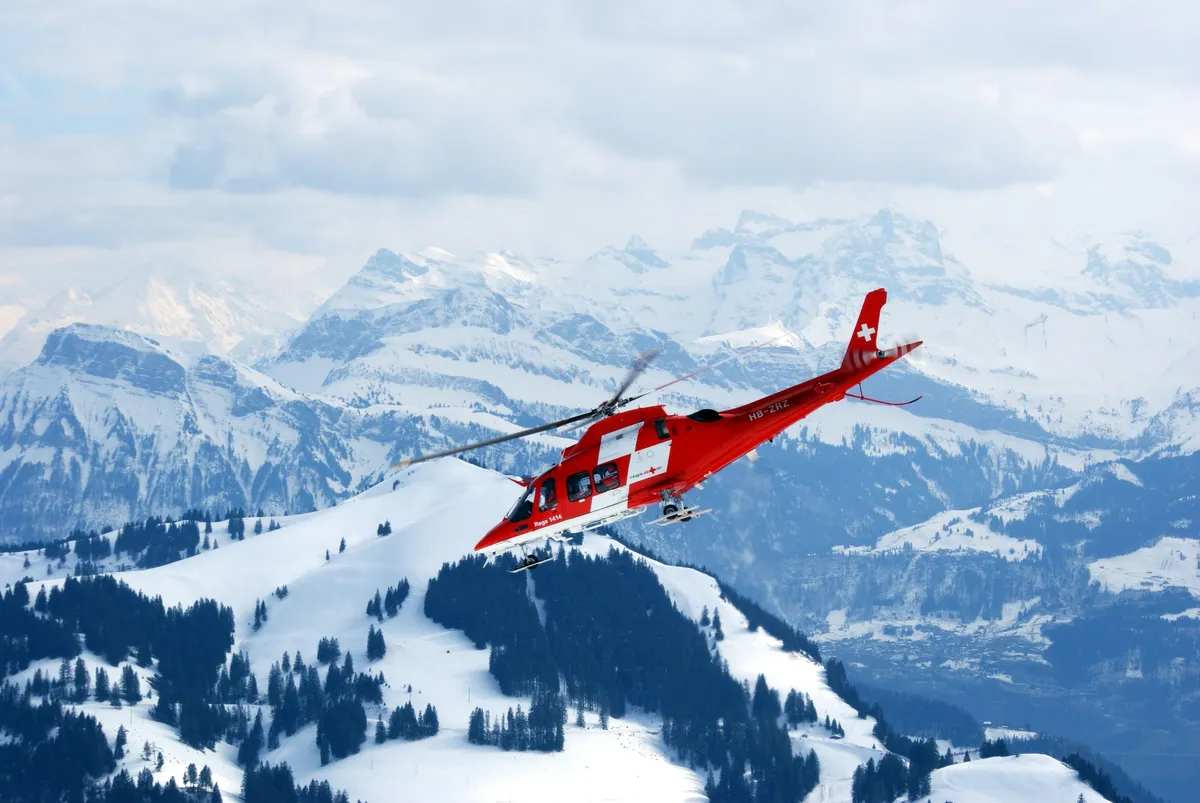 The Final Verdict: Is a Helicopter Tour in Nepal Worth It?
After analysing traveller reviews, cost-to-experience ratios, accessibility factors, and the practical realities of mountain weather, here is our honest verdict:
Yes, a helicopter tour in Nepal is worth it for the majority of travellers who can afford it, provided you choose the right tour type and travel in the right season. The landing tours at Everest Base Camp and Annapurna Base Camp consistently deliver an experience that travellers rank among the most memorable of their lives. The value proposition is strongest for:
- Travellers with limited time who want to see the high Himalayas
- Seniors and those who cannot trek
- Photographers seeking aerial perspectives
- Couples celebrating a special occasion
- Pilgrims visiting Muktinath or Gosaikunda
No, it is not worth it if you are on a very tight budget, already trekking the same route, visiting during monsoon, or expecting a long leisurely experience. In those cases, your money and time are better spent on a multi-day trek, a cultural tour, or a wildlife safari.
The decision ultimately comes down to what you value most. If seeing the highest mountains on Earth from a perspective that very few humans will ever experience is something that matters to you, then a helicopter tour in Nepal is not just worth it. It is one of the best travel investments you can make.
For practical next steps, read our step-by-step booking guide to understand the process from inquiry to takeoff, or explore the full range of helicopter tour options on our helicopter tour activity page. If you are planning a broader Nepal trip and want to understand how a helicopter tour fits into the bigger picture, our Nepal helicopter tours overview covers all routes, operators, and logistics.