 Meditation in Nepal: The Complete Beginner's Guide to Finding Inner Peace in the Himalayas
Nepal is the birthplace of Lord Buddha and a land where meditation has been practiced for over 2,500 years. From the ancient monasteries perched on Kathmandu's hilltops to the silent Vipassana centers tucked into the Himalayan foothills, this small country offers one of the world's richest environments for anyone seeking to learn meditation or deepen an existing practice. Whether you are a complete beginner wondering where to start, or an experienced practitioner looking for an authentic retreat, meditation in Nepal delivers an experience that no studio in a Western city can replicate.
This guide covers everything you need to know: the types of meditation available, where to go, what to expect, how much it costs, and how to choose the right experience for your goals. By the end, you will have a clear roadmap for your meditation journey in the Himalayas.
Why Meditate in Nepal?
There is a reason seekers have traveled to Nepal for centuries. The country sits at the intersection of Hindu and Buddhist traditions, both of which place meditation at the center of spiritual practice. The energy is tangible: prayer flags flutter in the mountain wind, temple bells echo through medieval squares, and the simple rhythm of life encourages stillness. Unlike a meditation app or a weekend workshop at home, practicing in Nepal immerses you in a living culture where mindfulness is not a trend but a way of life.
Three factors make Nepal uniquely suited for meditation. First, the environment: clean mountain air, forested hills, and the visual anchor of the Himalayas create a natural setting for turning inward. Second, the teachers: many of the world's most respected meditation masters live and teach here, often in centers that have operated for decades. Third, the cost: compared to retreats in North America or Europe, meditation in Nepal is remarkably affordable, with many monastery programs operating on a donation basis.
Types of Meditation You Can Practice in Nepal
Vipassana Meditation
Vipassana, meaning "insight" or "clear seeing," is one of India's most ancient meditation techniques, rediscovered by Gautama Buddha more than 2,500 years ago. In Nepal, Vipassana is taught in dedicated centers that offer rigorous 10-day silent retreats. These courses are completely free, funded by donations from previous students. You will wake at 4:00 AM, meditate for roughly 10 hours a day, eat two simple vegetarian meals, and observe noble silence throughout. It is intense, transformative, and not for the faint of heart. The main Vipassana center near Kathmandu is Dhamma Shringa in Budhanilkantha, on the northern edge of the valley.
Tibetan Buddhist Meditation
Tibetan Buddhism flourishes in Nepal, particularly in the Kathmandu Valley's Boudhanath area, home to a large Tibetan exile community. Monasteries such as Kopan, Shechen, and Ka-Nying Shedrub Ling offer structured courses ranging from a few days to several months. These programs typically combine sitting meditation with teachings on Buddhist philosophy, visualization practices, and mantra recitation. Kopan Monastery's famous November course attracts hundreds of international students each year and is an excellent introduction to the Tibetan tradition.
Mindfulness and Guided Meditation
For those who prefer a less doctrinal approach, a growing number of centers in Pokhara and Kathmandu offer secular mindfulness programs. These draw from the Mindfulness-Based Stress Reduction (MBSR) tradition and are well suited to beginners who want practical tools for managing stress, improving focus, and cultivating presence without committing to a religious framework. Sessions are typically guided by an English-speaking instructor and last 30 to 60 minutes.
Yoga and Meditation Combined
Many retreats in Nepal pair daily yoga practice with meditation sessions. This combination is especially popular in Pokhara, where lakeside studios offer morning Hatha or Vinyasa flow followed by guided sitting meditation. The physical practice of yoga helps prepare the body for extended sitting, while meditation deepens the mental benefits of the asana practice. These retreats typically run 3 to 7 days and include accommodation and vegetarian meals.
Sound Healing and Singing Bowl Meditation
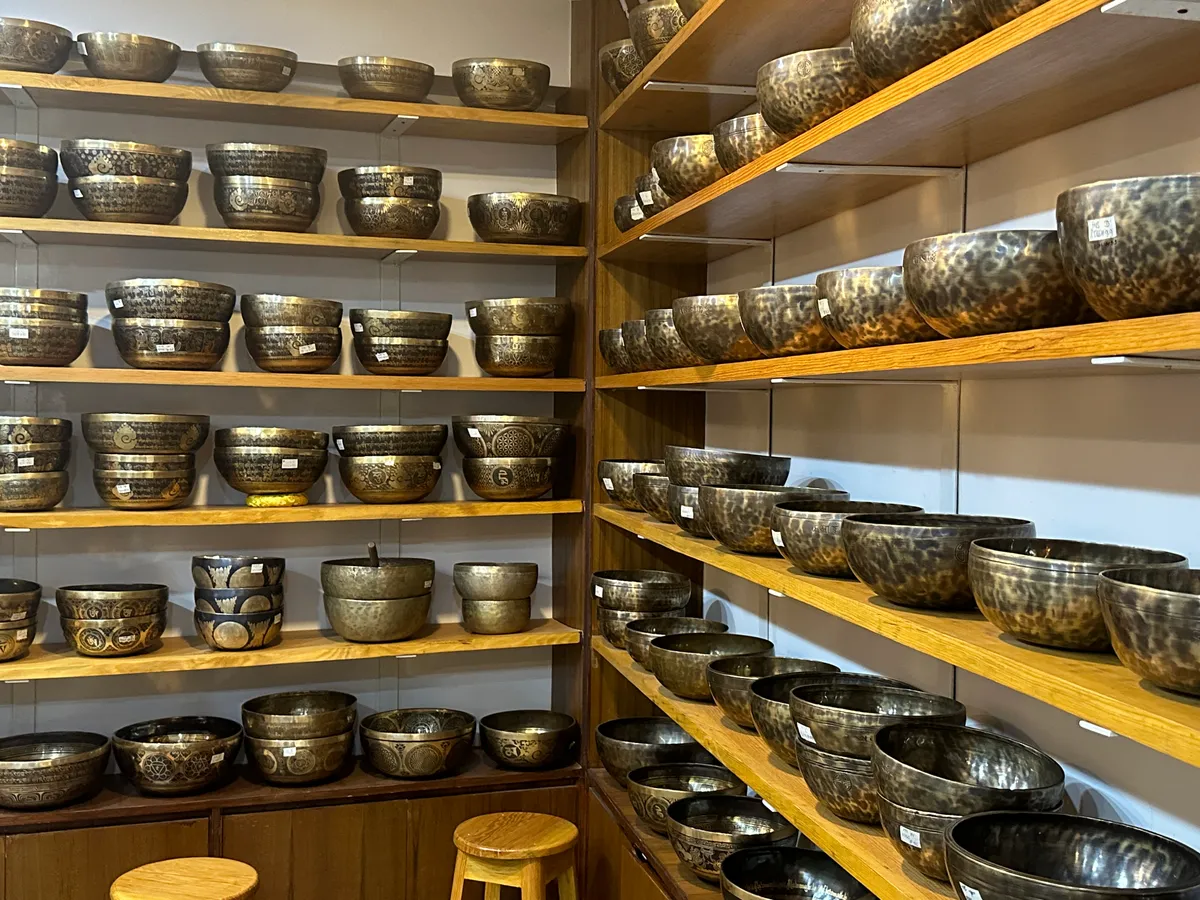
The Himalayan singing bowl tradition originated in this region, and Nepal remains one of the best places to experience sound-based meditation. Practitioners place metal bowls on or around the body and strike them gently, producing vibrations that induce a deep meditative state. Sound healing in Kathmandu has grown significantly, with Thamel now hosting dozens of certified practitioners offering individual sessions and training courses. A typical session lasts 60 to 90 minutes and costs between NPR 2,000 and NPR 5,000.

Best Places for Meditation in Nepal
Kathmandu Valley
The Kathmandu Valley is the undisputed meditation capital of Nepal. Boudhanath Stupa, one of the largest spherical stupas in the world, is surrounded by over 50 monasteries, many of which welcome visitors for meditation sessions. The Kopan Monastery on a hill above Boudhanath offers residential courses ranging from 1 to 30 days. For a shorter experience, the monastery etiquette and meditation half-day program introduces you to the basics of monastery protocol and sitting practice in a single morning or afternoon.
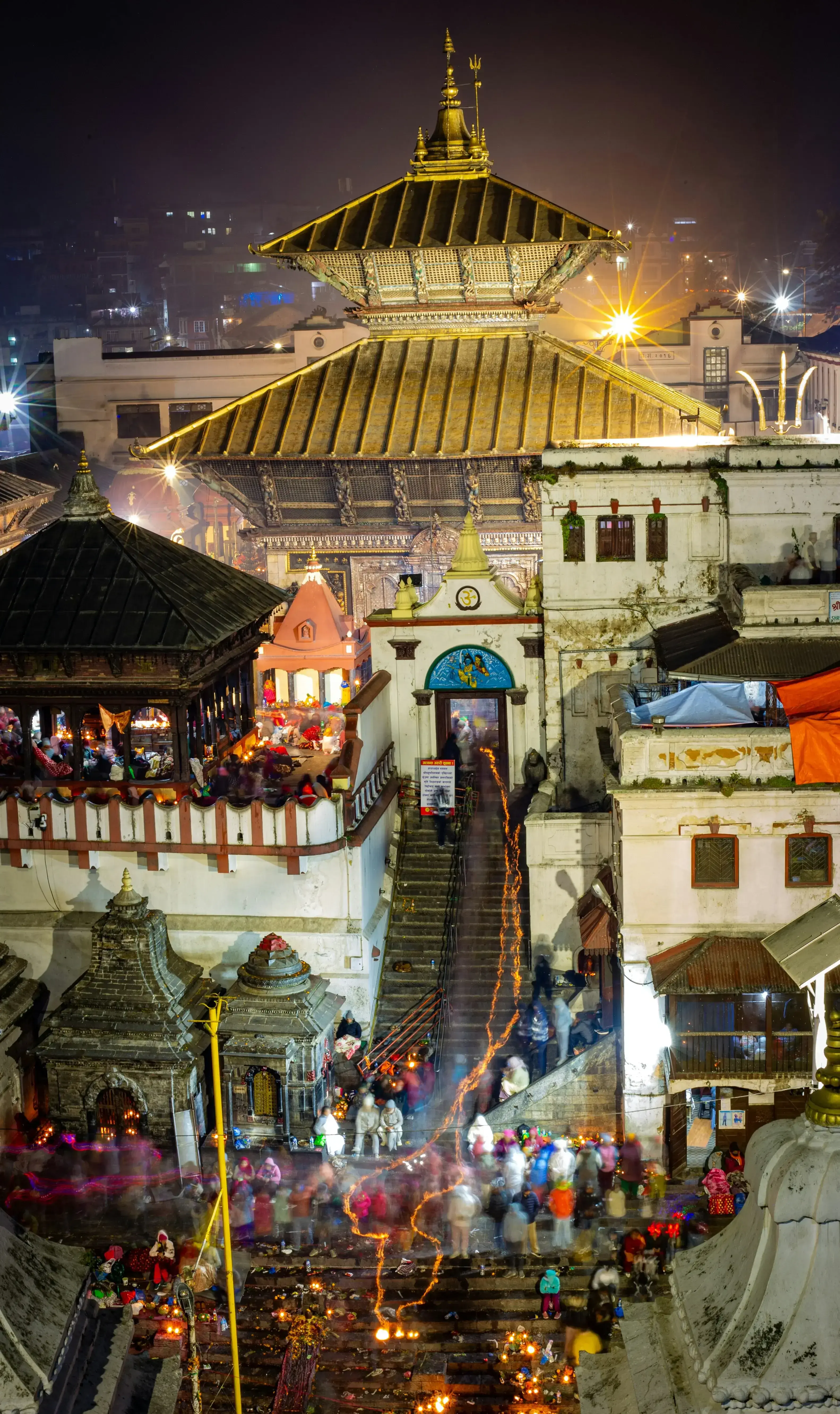
The Swayambhunath Stupa, known as the Monkey Temple, is another powerful meditation site. Early mornings here, before the tourist crowds arrive, offer a uniquely peaceful atmosphere. The Pashupatinath Temple complex along the Bagmati River is a center for Hindu meditation and yoga, with several ashrams offering short-term stays.
Pokhara
Pokhara's combination of lakeside tranquility and Annapurna mountain views makes it Nepal's most popular destination for yoga and meditation retreats. The Lakeside area is lined with studios offering drop-in meditation classes, multi-day retreats, and teacher training programs. The nearby World Peace Pagoda overlooking Phewa Lake is a favorite spot for silent morning meditation with panoramic Himalayan views. Many retreat centers in the surrounding hills offer week-long programs that combine meditation, yoga, and nature walks.
Lumbini
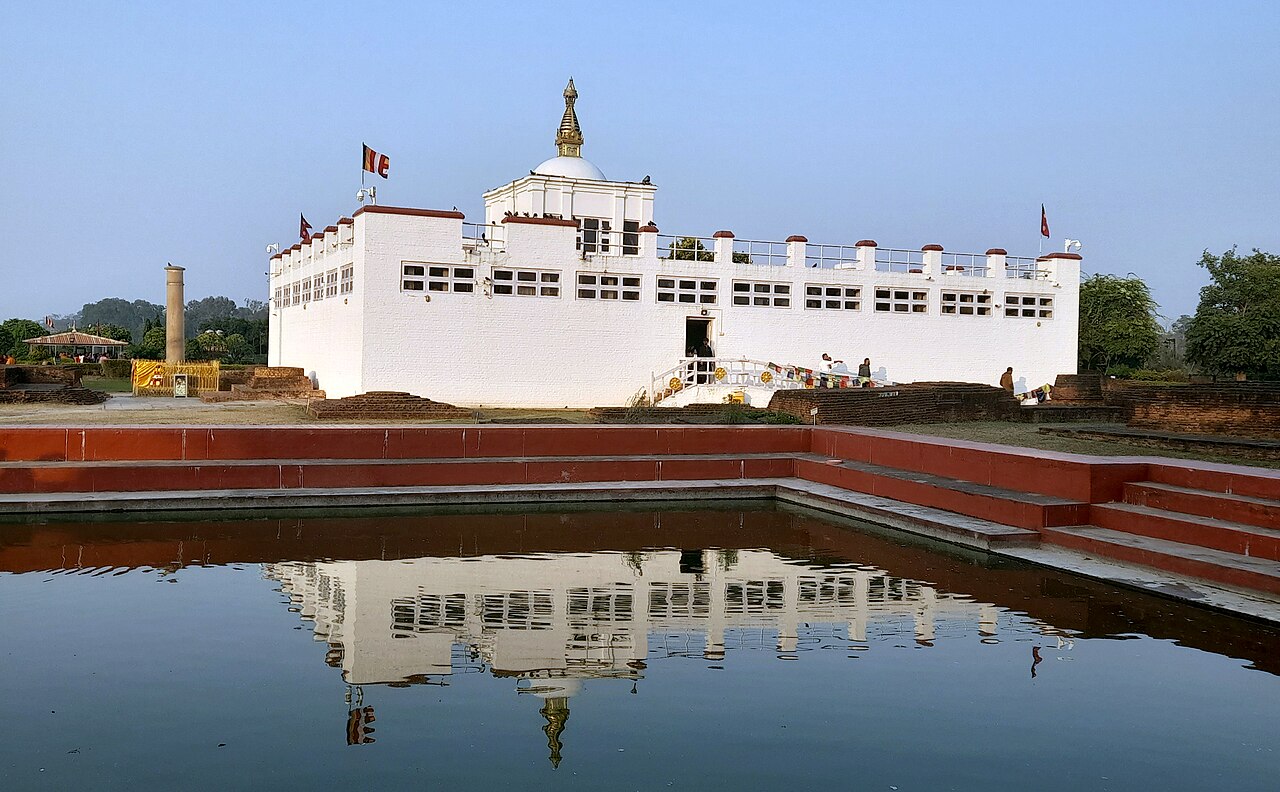
As the birthplace of Lord Buddha, Lumbini holds unparalleled significance for meditators. The Sacred Garden, centered on the Maya Devi Temple marking the exact spot of Buddha's birth, is a UNESCO World Heritage Site. Monasteries built by Buddhist communities from around the world , Thailand, Myanmar, China, Japan, Korea, Germany, and more , ring the central canal, and many offer meditation sessions and short retreats. Meditating under the Bodhi tree in the Sacred Garden at dawn is an experience that stays with you for life.
Pharping and Namobuddha
About an hour south of Kathmandu, Pharping is a sacred site associated with Guru Rinpoche (Padmasambhava), who is said to have attained enlightenment here. Several monasteries and retreat centers in the area offer meditation caves and solitary retreat facilities. Namobuddha, a few hours east of Kathmandu, is another major Buddhist pilgrimage site with a beautiful monastery atop a hill offering panoramic views and a deeply peaceful atmosphere for meditation.
What to Expect at a Meditation Retreat in Nepal
If you have never attended a meditation retreat, the prospect can feel intimidating. Here is what a typical experience looks like. Most retreats begin with an orientation session where the schedule, rules, and practice instructions are explained. Days are structured: early wake-up (often 4:00 to 5:00 AM), alternating periods of sitting and walking meditation, meal breaks, and an evening discourse or Q&A session. Silence is a common feature, especially in Vipassana and intensive Buddhist retreats, though shorter programs may allow limited speaking during meals.
Accommodation ranges from simple dormitories in monastery guesthouses to comfortable private rooms in dedicated retreat centers. Meals are almost always vegetarian, often following the local dal bhat tradition of rice, lentil soup, and vegetable curry. The daily schedule leaves little free time, which is intentional: the structure supports the practice by removing decision fatigue and distraction.
How Much Does Meditation in Nepal Cost?
One of the most appealing aspects of meditation in Nepal is the cost. Vipassana courses are entirely free, including accommodation and meals, funded by donations. Monastery courses at places like Kopan charge a modest fee, typically USD 5 to 15 per day for basic accommodation and meals. Private retreat centers in Pokhara and Kathmandu range from USD 20 to 80 per day depending on the level of comfort and the program's intensity. Drop-in meditation classes in Pokhara's Lakeside area cost around NPR 500 to 1,000 (USD 4 to 8) per session. Individual sound healing sessions in Thamel run NPR 2,000 to 5,000 (USD 15 to 38).
For context, a 7-day meditation retreat in Nepal typically costs between USD 150 and USD 600 all-inclusive, compared to USD 1,000 to 3,000 for a comparable program in the United States or Europe. The spiritual tour cost guide breaks down pricing across budget, standard, and luxury tiers in detail.

When Is the Best Time for a Meditation Retreat in Nepal?
The best seasons for meditation in Nepal are spring (March to May) and autumn (September to November). These periods offer clear skies, moderate temperatures, and stable weather, making travel comfortable and outdoor meditation sessions pleasant. Spring brings blooming rhododendrons and mild warmth; autumn delivers crisp air and the clearest mountain views of the year.
Winter (December to February) is colder, especially in the Kathmandu Valley where temperatures can drop near freezing at night, but retreat centers are heated and the smaller crowds mean a more intimate experience. The monsoon (June to August) brings heavy rain, which can make travel difficult, but the lush green landscapes and dramatic cloud formations create their own meditative beauty. Some practitioners specifically seek out monsoon retreats for the deep quiet and reduced number of tourists.
How to Prepare for Your Meditation Retreat
Preparation makes a significant difference in your retreat experience. Start by establishing a daily sitting practice at home, even if only for 10 to 15 minutes. This builds the mental muscle of sitting still and observing the mind, which makes the transition to longer sessions much smoother. Bring comfortable, loose-fitting clothing in layers, as meditation halls can be cool in the morning and warm by midday. A meditation cushion or bench is usually provided, but if you have a preferred one, bring it. A shawl or blanket is useful for early morning sessions.
Mentally, approach the retreat with an open mind and realistic expectations. The first few days can be physically uncomfortable and mentally restless. This is normal and part of the process. Avoid setting rigid goals like "I will achieve enlightenment" or "I will fix my anxiety." Instead, simply commit to showing up for each session and observing whatever arises.
Health Benefits of Meditation: What the Research Says
Meditation is not just a spiritual practice; it is one of the most extensively studied mental health interventions in modern science. Research published in JAMA Internal Medicine found that mindfulness meditation programs significantly reduce anxiety, depression, and pain. Neuroimaging studies show that regular meditation increases gray matter density in brain regions associated with learning, memory, and emotional regulation, while decreasing activity in the amygdala, the brain's fear center.
Specific benefits documented in peer-reviewed research include reduced blood pressure, improved sleep quality, enhanced focus and attention span, decreased symptoms of PTSD, and slower cognitive decline with aging. A retreat in Nepal amplifies these benefits by removing you from the triggers and distractions of daily life, allowing the practice to take root more deeply than it might in a 20-minute daily session at home.
Combining Meditation with Trekking in Nepal
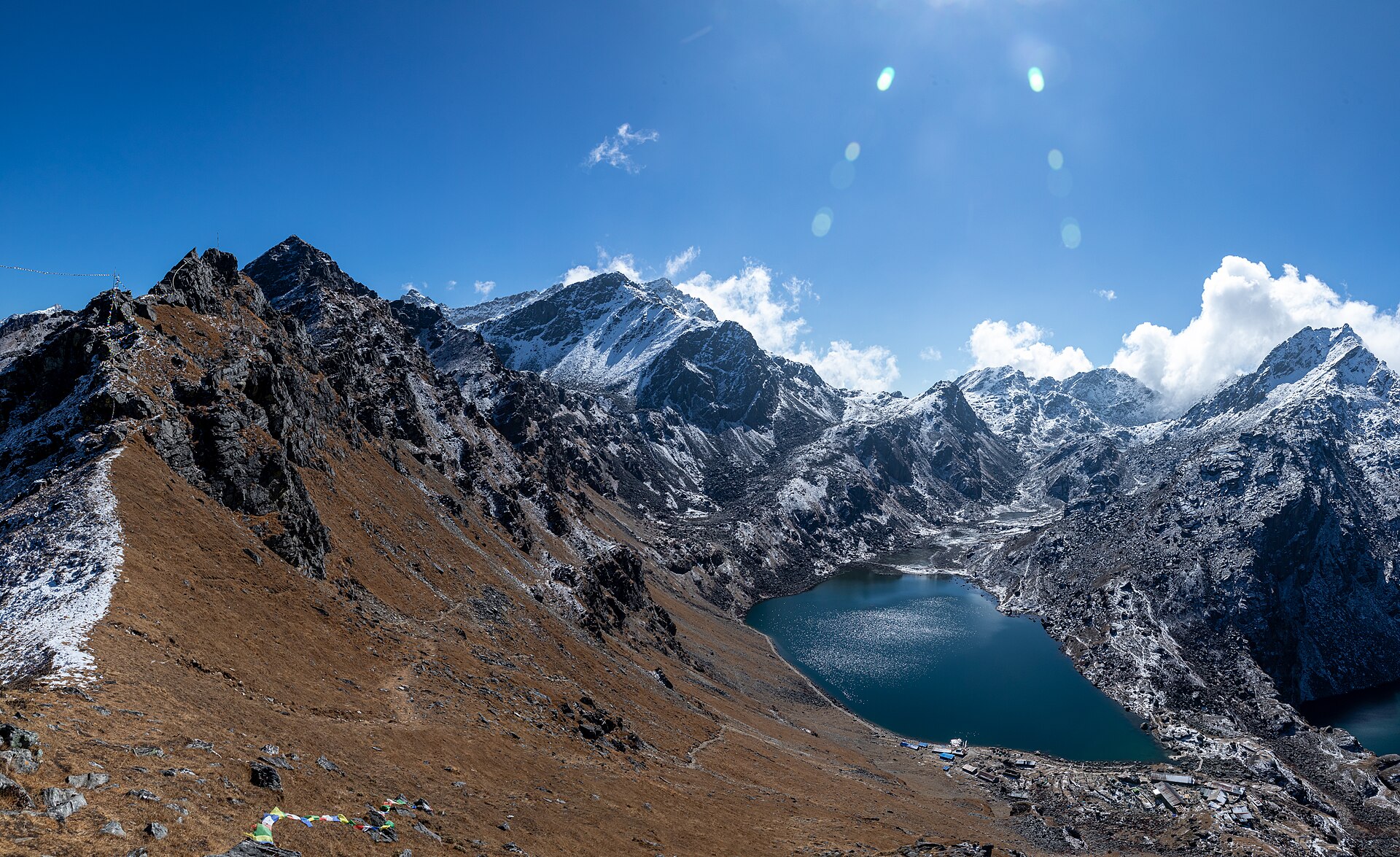
One of Nepal's unique offerings is the ability to combine meditation with trekking. Several itineraries weave monastery visits and meditation sessions into Himalayan trekking routes. The treks with a spiritual side guide covers routes that pass through ancient monasteries, sacred lakes, and pilgrimage sites. The Langtang Valley trek, for example, passes through Tamang villages with active Buddhist monasteries where trekkers are often welcomed for evening puja and meditation. The Gosaikunda Lake trek leads to a sacred high-altitude lake that is a major pilgrimage site for both Hindus and Buddhists.
For those who prefer a gentler pace, slow trekking and mindfulness in Nepal explores the philosophy of walking meditation on the trail, where the journey itself becomes the practice rather than the destination.

Cultural Etiquette for Meditation in Nepal
Respecting local customs enhances your experience and shows appreciation for the culture that has preserved these practices for millennia. When entering a monastery or temple meditation hall, remove your shoes and hat. Dress modestly, covering shoulders and knees. Walk clockwise around stupas and prayer wheels. Do not point your feet toward the altar, Buddha statues, or the teacher; sit cross-legged or tuck your feet under you. Photography is often prohibited inside meditation halls; always ask before taking pictures. A small donation to the monastery or center at the end of your stay is appreciated and helps sustain these institutions.
Getting Started: Your First Step
The hardest part of any meditation journey is the first step. If you are in Nepal or planning a trip, start with a half-day introduction. The monastery meditation half-day program in Kathmandu is designed for complete beginners and covers the basics of posture, breathing, and monastery protocol in a supportive environment. From there, you can progress to a weekend retreat, a week-long course, or even a 10-day Vipassana intensive.
If you are still in the planning phase, browse our complete spiritual tour guide for a broader overview of Nepal's spiritual offerings, or explore the Kathmandu spiritual circuit for a focused look at the valley's sacred sites. For those interested in the wellness dimension, the Nepal Wellness Tourism Year 2027 guide explains how the country is positioning itself as a global wellness destination.
Meditation in Nepal is not just an activity to tick off a bucket list. It is an invitation to slow down, turn inward, and discover something that has been waiting for you all along. The Himalayas have held this space for thousands of years. They are ready when you are.
About Enticing Himalayas

Enticing Himalayas is a leading tour operator based in Kathmandu, Nepal, specializing in cultural tours, spiritual journeys, trekking adventures, and wellness retreats. Our team of local experts crafts authentic experiences that connect travelers with Nepal's rich heritage, breathtaking landscapes, and living spiritual traditions.
Our Services
- Cultural and heritage tours across the Kathmandu Valley, Pokhara, Lumbini, and beyond
- Spiritual and pilgrimage journeys to Buddhist monasteries, Hindu temples, and sacred sites
- Meditation and yoga retreats with experienced local teachers
- Trekking and adventure travel in the Annapurna, Everest, Langtang, and Mustang regions
- Customized itineraries tailored to your interests, budget, and schedule
- Helicopter tours for pilgrimage, mountain views, and remote access
Our Accreditations


About the Author
This guide was written by the Enticing Himalayas content team, drawing on years of firsthand experience organizing meditation retreats and spiritual tours across Nepal. Our writers have practiced meditation in monasteries from Kopan to Lumbini and have guided hundreds of travelers on their mindfulness journeys in the Himalayas.
Why Trust Enticing Himalayas
- Licensed by the Nepal Tourism Board and the Government of Nepal
- Rated 4.8 on Google, 4.7 on Trustpilot, and 4.6 on TripAdvisor by thousands of satisfied travelers
- Local team based in Kathmandu with deep knowledge of Nepal's spiritual traditions and meditation centers
- Transparent pricing with no hidden fees
- 24/7 support during your trip
Frequently Asked Questions About Meditation in Nepal
Do I need prior meditation experience to attend a retreat in Nepal?
No prior experience is required for most meditation programs in Nepal. Many centers offer beginner-friendly courses that start with the fundamentals of posture, breathing, and basic techniques. The half-day monastery meditation program in Kathmandu is specifically designed for first-timers. Even intensive Vipassana courses accept complete beginners, though the 10-day silent format is demanding and requires strong commitment.
How much does a meditation retreat cost in Nepal?
Costs vary widely. Vipassana 10-day courses are free (donation-based). Monastery courses like Kopan charge USD 5 to 15 per day for basic room and board. Private retreat centers in Pokhara and Kathmandu range from USD 20 to 80 per day. A typical 7-day retreat costs USD 150 to 600 all-inclusive, significantly less than comparable programs in Western countries. Drop-in classes cost NPR 500 to 1,000 (USD 4 to 8) per session.
What is the best time of year for a meditation retreat in Nepal?
Spring (March to May) and autumn (September to November) offer the best weather with clear skies, moderate temperatures, and stable conditions. These seasons are ideal for combining meditation with travel and outdoor practice. Winter (December to February) is colder but less crowded. The monsoon (June to August) brings rain but also lush landscapes and deep quiet, which some practitioners prefer for intensive retreats.
Can I combine meditation with trekking in Nepal?
Yes, combining meditation with trekking is one of Nepal's unique offerings. Several trekking routes pass through active Buddhist monasteries and sacred sites where meditation sessions are available. The Langtang Valley trek, Gosaikunda Lake pilgrimage, and shorter routes near Kathmandu all offer opportunities to practice meditation in mountain settings. Some operators offer dedicated mindful trekking itineraries that integrate daily sitting practice with walking meditation on the trail.
What should I pack for a meditation retreat in Nepal?
Pack comfortable, loose-fitting clothing in layers for temperature changes throughout the day. Bring a shawl or light blanket for early morning sessions, modest attire covering shoulders and knees for monastery visits, a reusable water bottle, a journal and pen, and any personal meditation cushion if you have a strong preference. Most centers provide cushions, mats, and basic bedding. Leave valuables, laptops, and distracting items at home or in your hotel safe.
Is meditation in Nepal safe for solo female travelers?
Yes, Nepal is generally safe for solo female travelers, and meditation centers and monasteries are among the safest environments in the country. Many retreat centers have female dormitories and female teachers. Standard precautions apply: choose well-reviewed centers, inform someone of your whereabouts, and trust your instincts. The structured, communal nature of retreat life provides a built-in support system that many solo female travelers find reassuring.