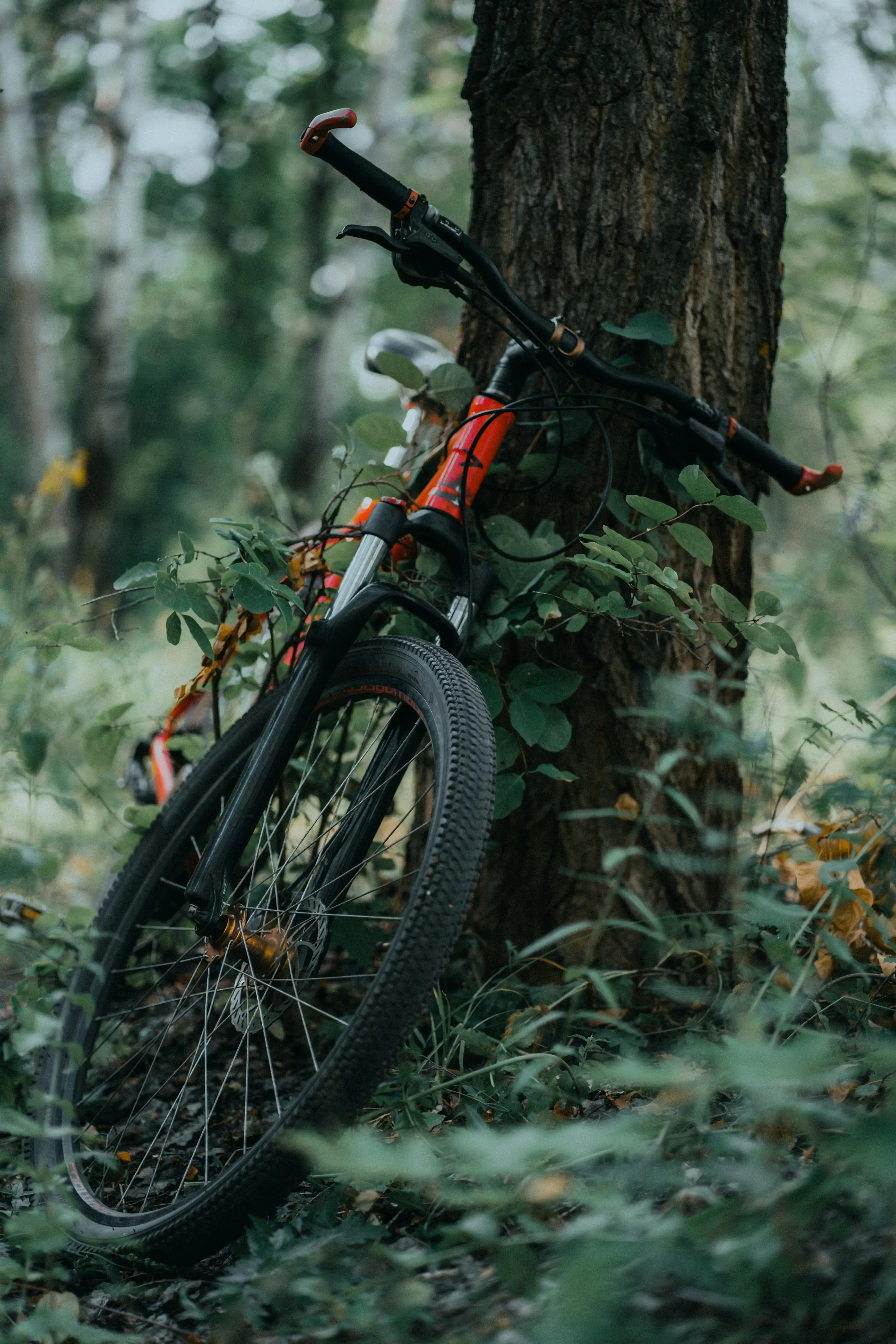
Nepal is usually pictured as a country of boots, prayer flags and walking poles, yet some of the finest mountain biking terrain on earth hides between its trails and jeep tracks. From the forested single track of the Kathmandu Valley to the high desert of Upper Mustang, mountain biking in Nepal serves up everything from gentle temple circuits to full-throttle Himalayan expeditions. The country's network of stone paths, dirt roads and old salt-trade routes was never designed for vehicles, which is exactly why it rides so beautifully on two wheels.
This guide walks you through the best riding regions, the difficulty you should honestly expect, real cost ranges, permits, seasons and packing. It also explains how to combine a biking trip with treks, whitewater rafting, wildlife safaris and cultural sightseeing so one Nepal visit can hold several adventures. If you are researching a supported ride rather than a self-guided one, start with the Himalayan cycling adventure program, which covers guided trips across the classic regions.
Why Is Nepal One of the World's Great Mountain Biking Destinations?
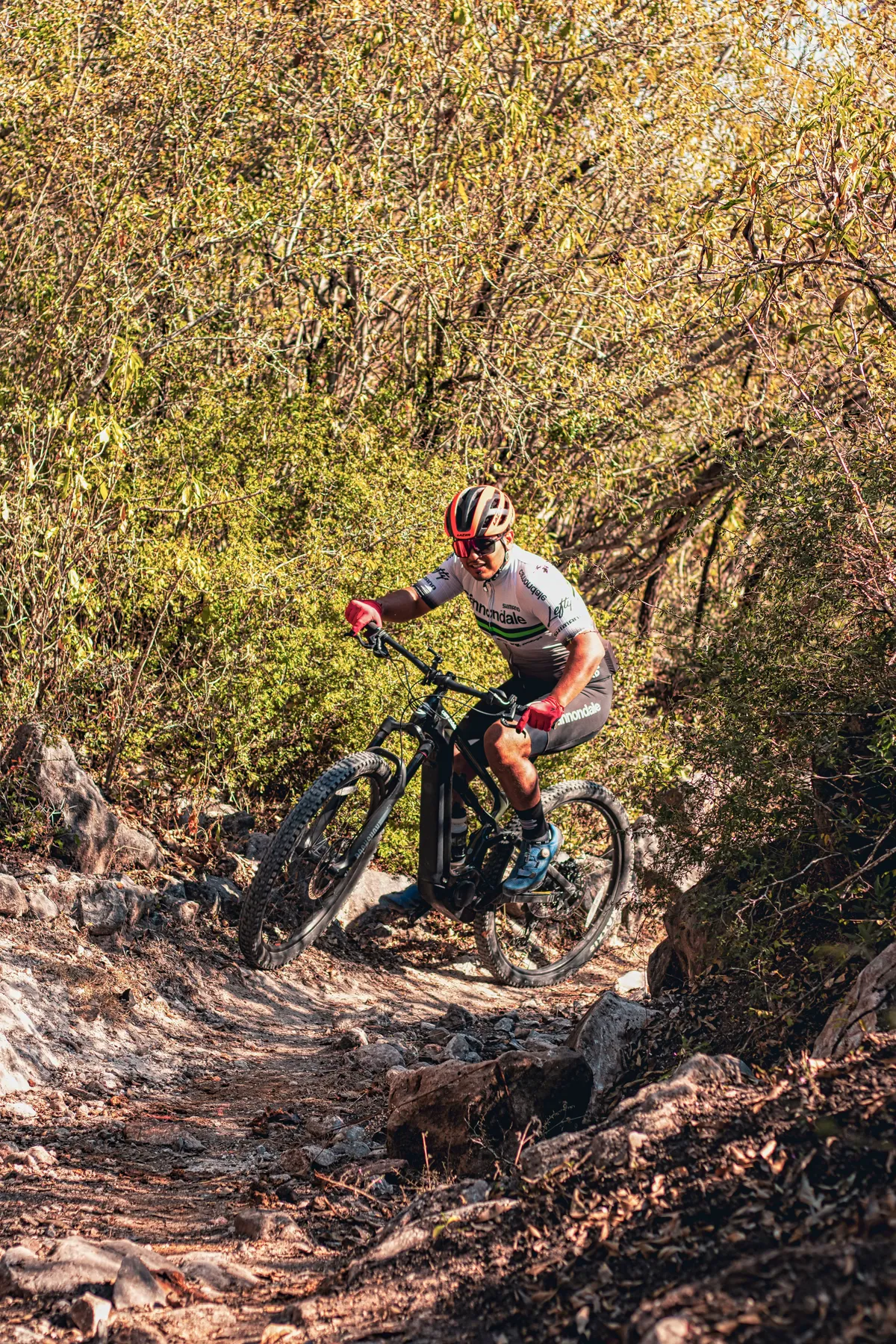
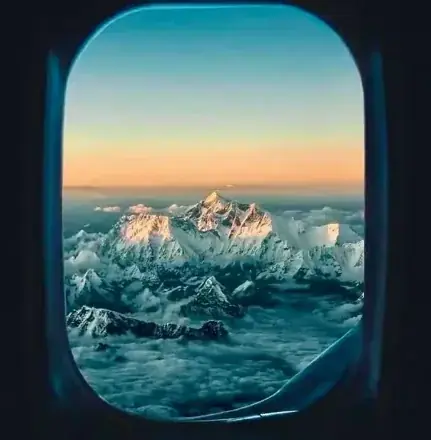
Nepal offers an unmatched spread of vertical terrain, traffic-free dirt routes, a dry rain-shadow desert and rides that pass UNESCO monuments, rhododendron forests and 8,000-meter summits, all within a country you can cross in a day of driving. Few places stack that much variety into such a compact landscape.
Three things make the country special for riders. First, geography: the terrain climbs from roughly 100 meters above sea level near the Indian border to above 5,000 meters at high passes, so you can pick almost any difficulty and any climate. Second, infrastructure: generations of footpaths, pilgrim trails and jeep tracks link every valley, giving you endless route combinations without ever meeting a highway. Third, culture: a day of riding can begin with a Kathmandu Kathmandu Valley heritage circuit past pagodas and stupas and end at a farmhouse dinner of dal bhat.
The riding scene has matured too. Local bike shops in the capital and in Pokhara now rent quality hardtails and full-suspension bikes, and guided trips have grown from improvised expeditions into properly supported tours with backup vehicles, mechanics and trained guides. For a sense of how the whole adventure ecosystem fits together, from treks to scenic flights, skim the complete guide to trekking in Nepal and the cultural and spiritual tours guide; the same logistics that make Nepal a trekking powerhouse feed directly into mountain biking.


What Are the Best Mountain Biking Trails in Nepal?
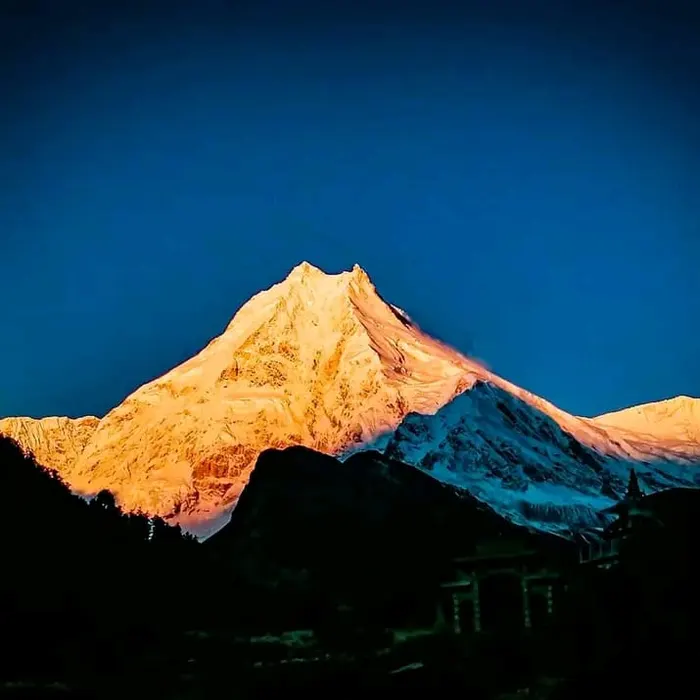
The five headline regions are the Kathmandu Valley, Pokhara and the Annapurna foothills, the Annapurna Circuit, Upper Mustang and the far-west wilderness around Rara Lake. Each suits a different rider: beginners thrive on valley circuits, intermediates on foothill single track, and expedition-minded riders on Mustang and the circuit.
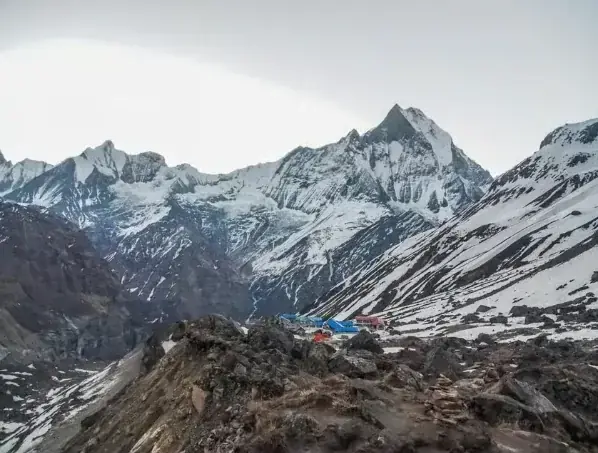
Pokhara and the Annapurna foothills. The lake city is Nepal's adventure capital and its most accessible riding base. Classic outings include the Sarangkot ridge descent with the Annapurna range filling your view, the loop around Phewa Lake, the climb to the World Peace Pagoda and forest trails toward Kalikasthan. Rides here can be half-day tasters or multi-day traverses, and the trailhead-to-teahouse rhythm makes it easy for families and mixed-ability groups. The Annapurna region guide covers the same mountains on foot if someone in your group prefers walking.
The mid-hills and Bandipur. Between Kathmandu and Pokhara, the restored Newari hill town of Bandipur makes a superb overnight stop, with ridge-top rides over farmland and to viewpoints above the Marsyangdi valley. The town is compact enough that even novice riders can enjoy a sunset loop and still be back for dinner.
Far-west frontier. Serious expedition riders are beginning to explore the trails around Rara Lake in Mugu and the ridgelines of the far west, where you can ride for days through pine forest with barely another tourist in sight. These trips need full self-sufficiency or a guided setup, but they represent the final frontier of Nepali riding.
If you want to sample mountain scenery without multi-day commitment, a mountain flight over Everest or a helicopter tour pairs naturally with a valley bike ride for a full Himalayan experience in a single week.
Kathmandu Valley Riding: Temples, Forests and Single Track
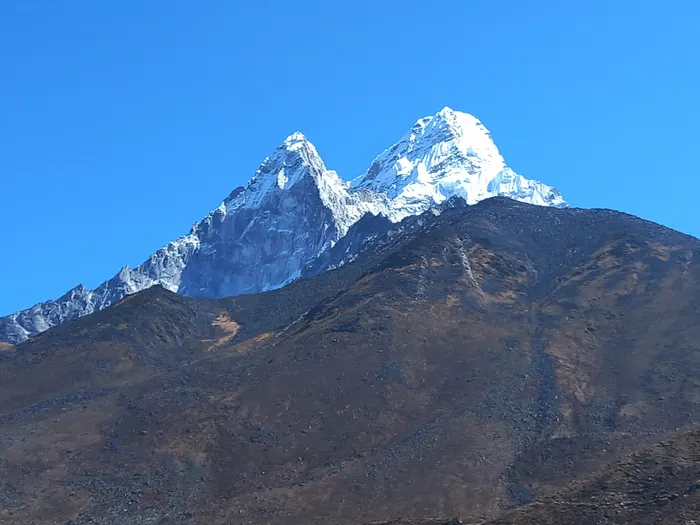
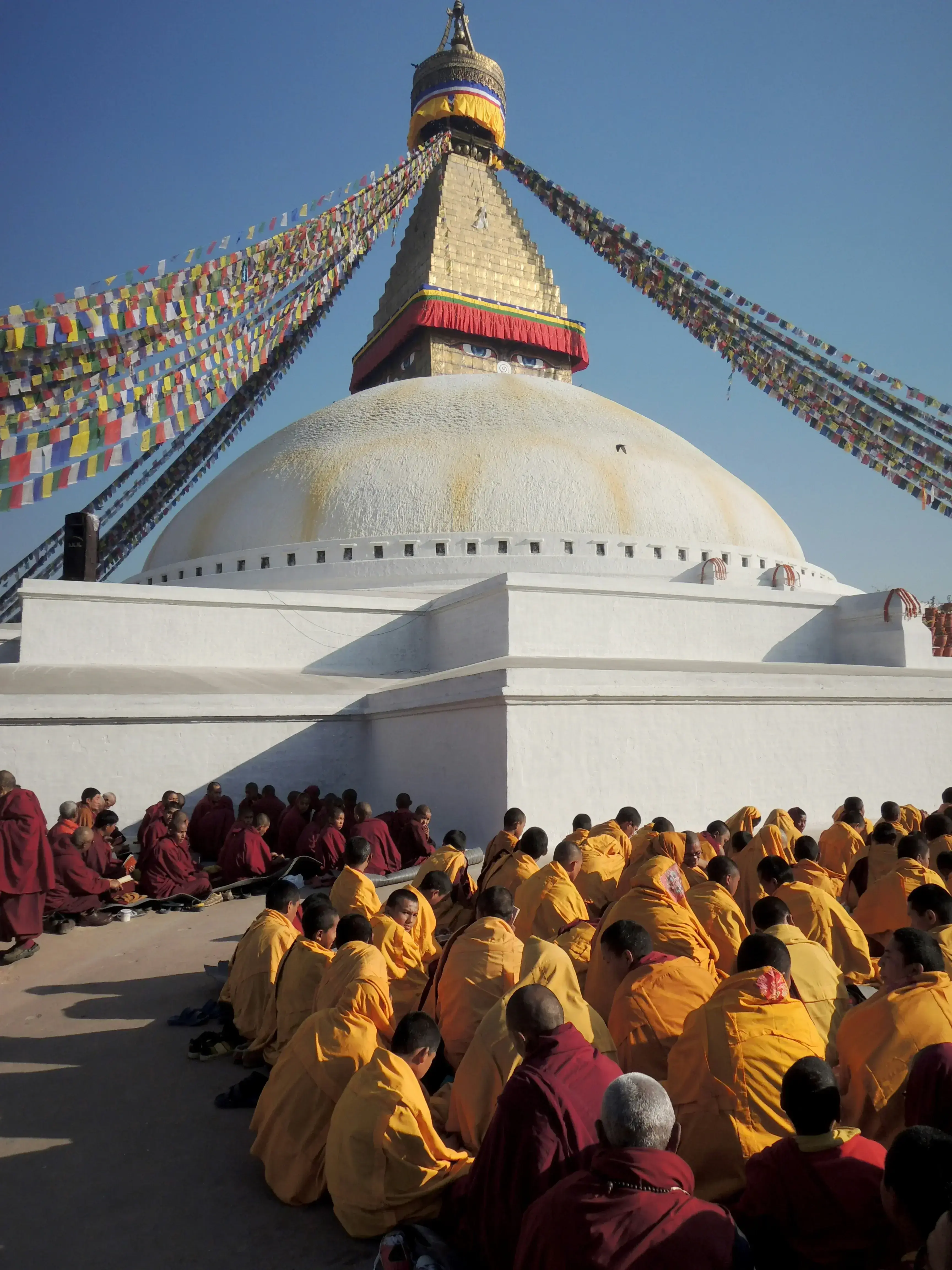
The valley rim is a natural playground. Shivapuri Nagarjun National Park protects a dense forest ridge on the north side where jeep tracks and hand-built single track wind beneath the peaks; Godavari and the Phulchowki foothills serve the southern side; and Kakani's fire roads look out toward Ganesh Himal. Local favorites include the Bungamati and Khokana circuit, which threads medieval Newari farming villages, and the long descent from the Chandragiri ridge, whose cable car you can read about in the cable car and ropeways guide.
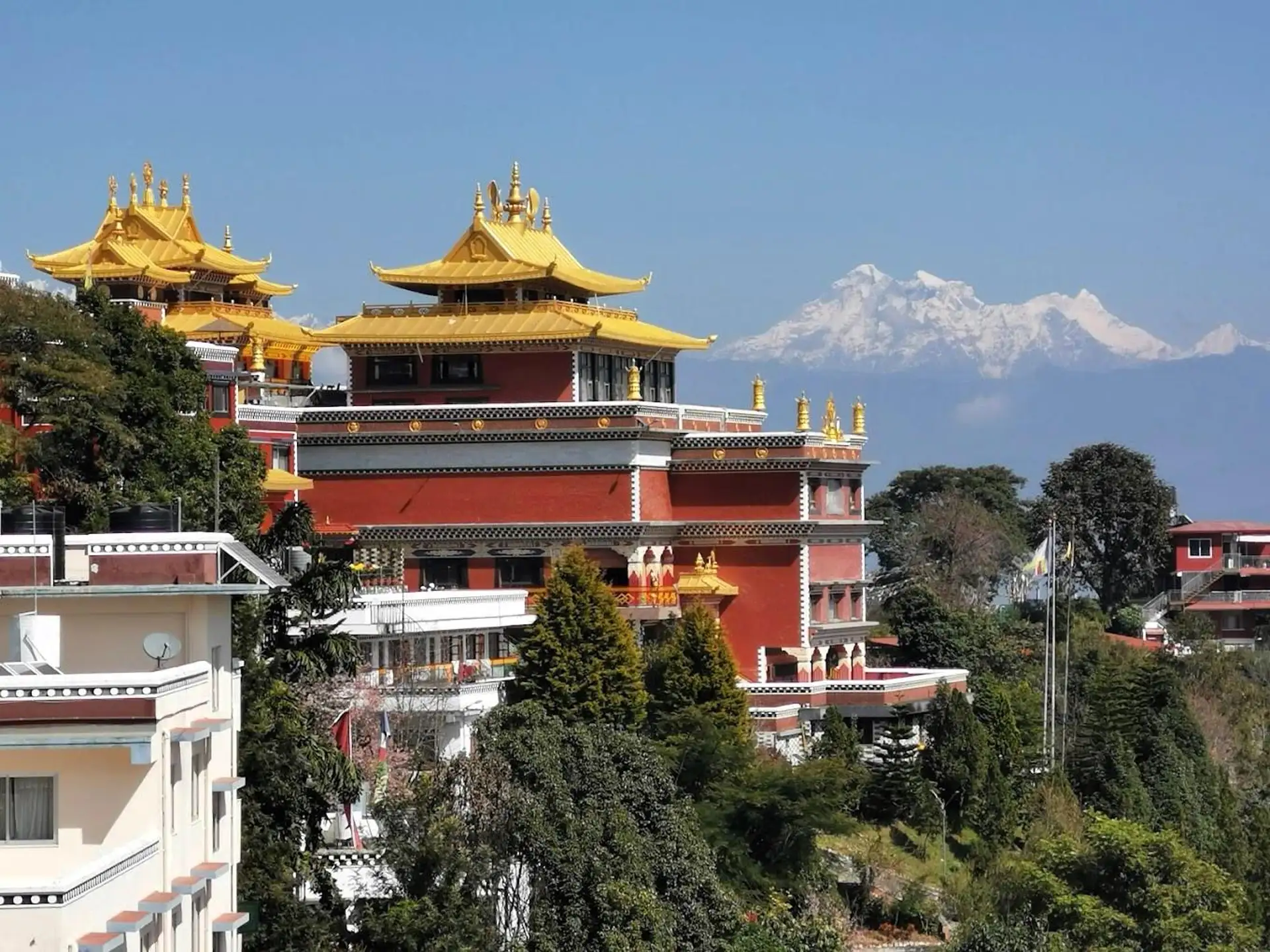
What makes valley riding unique is the culture packed into every kilometer. A single morning loop can pass Swayambhunath's hilltop stupa, paddy fields, brick-and-timber village squares and quiet forest, then drop you back into the city for lunch. Riding here is also the easiest way to understand the valley's layering of Hindu and Buddhist sacred sites, which the 2026 heritage and pilgrimage guide explores stop by stop.
Traffic is the one honest caveat: the valley's arterial roads are busy, so plan routes on the rim trails and back lanes rather than city streets, and time airport transfers and village connectors for early morning. A guided day ride, like the Swayambhunath and scenic hilltops bike tour, handles all of that route-finding for you.
How Difficult Is Mountain Biking in Nepal?
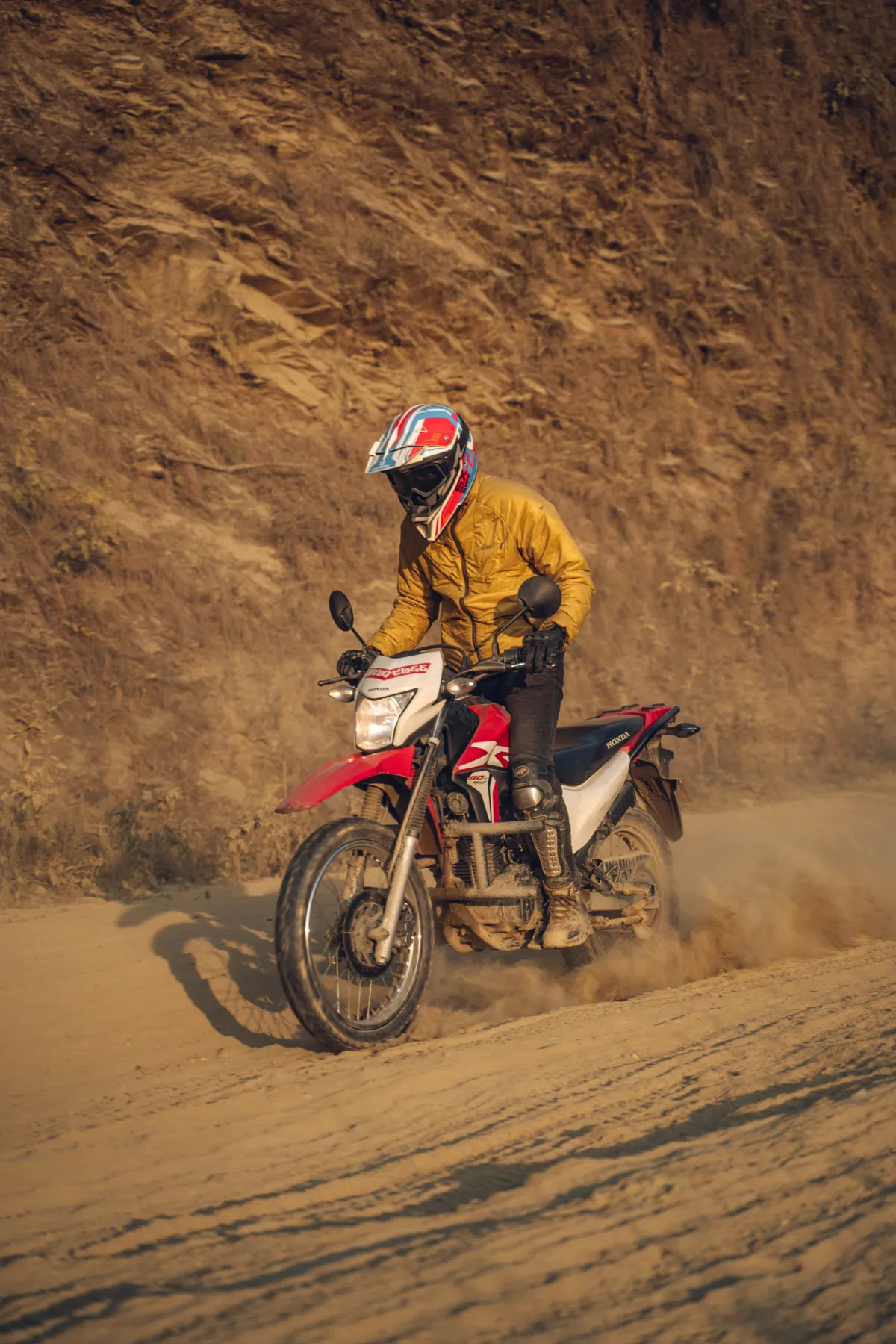
Difficulty depends almost entirely on the route you choose. Valley and Pokhara rides suit confident beginners, the Annapurna Circuit is a demanding multi-day undertaking with long climbs and high passes, and Upper Mustang sits somewhere in between technically but adds remoteness and altitude.
A realistic way to grade yourself: if you can ride three to four hours of hilly dirt track at home with breaks, you are ready for Nepal's intermediate itineraries. If multi-day rides with 1,000-meter climbs excite rather than intimidate you, the foothill traverses and Mustang will reward you. Technical descents exist, especially monsoon-rutted sections and high-side rock steps, but most guided routes can be adjusted on the fly, and nothing obliges you to ride a section you would rather walk.
Fitness matters more than skill. Horses for courses: strong lungs beat fearless descending in the Himalaya, because the altitude makes every climb cost more than it does at sea level. If you are building toward a bigger objective like the circuit, combine training rides with general hiking in Nepal, and read how the mountain's thinner air affects every trekker in the altitude sickness prevention guide.
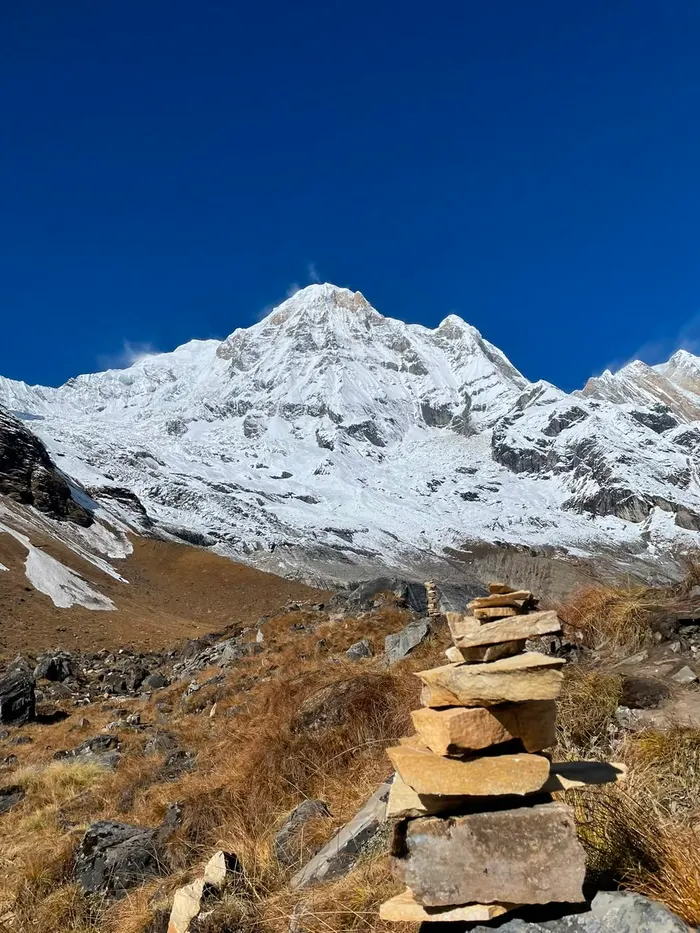
Families should not be scared off either. Gentle loops around Pokhara's lakeshore or the Bungamati villages work for teenagers and reasonably fit parents, and pairs well with a walking itinerary such as the family-friendly Annapurna treks covered elsewhere on this site.
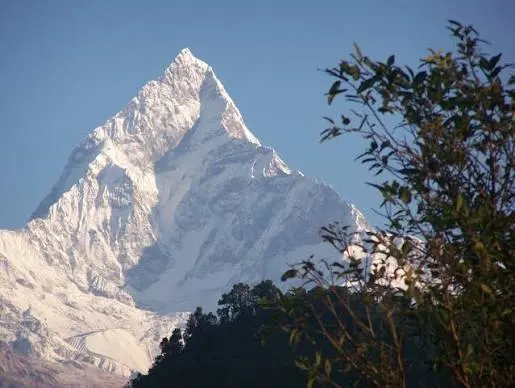
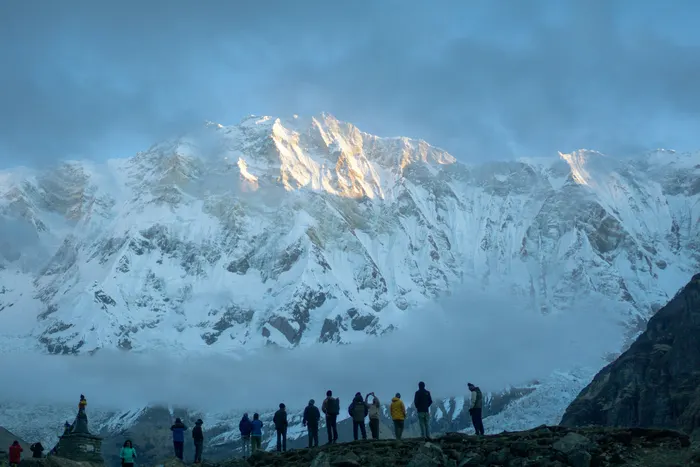
The Annapurna Circuit by Bike
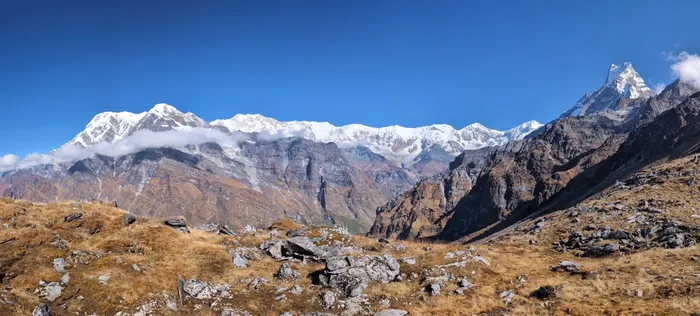
Riding the Annapurna Circuit is the bucket-list objective that draws most expedition riders to Nepal. The classic itinerary circles the entire Annapurna massif over roughly two weeks of cycling, climbing through subtropical valleys, pine forest and alpine desert to the 5,416-meter Thorong La pass before descending to the temple town of Muktinath and the deepest valley in the world at Kali Gandaki. Sections of the upper route involve pushing or carrying the bike, which most riders accept as the fair price of the terrain.
Road construction has reshaped the circuit over the past two decades, and itineraries now mix dirt and tarmac, which is why most cyclists ride it as a supported trip with a jeep carrying luggage and, on the hardest days, the riders themselves. The route remains extraordinary: no other bike trip on the planet passes under Annapurna I, Dhaulagiri and Machhapuchhre while linking Hindu and Buddhist pilgrimage villages. The Annapurna region trekking guide covers the same route for walkers, and the altitude acclimatization guide is essential pre-trip reading for the high sections.
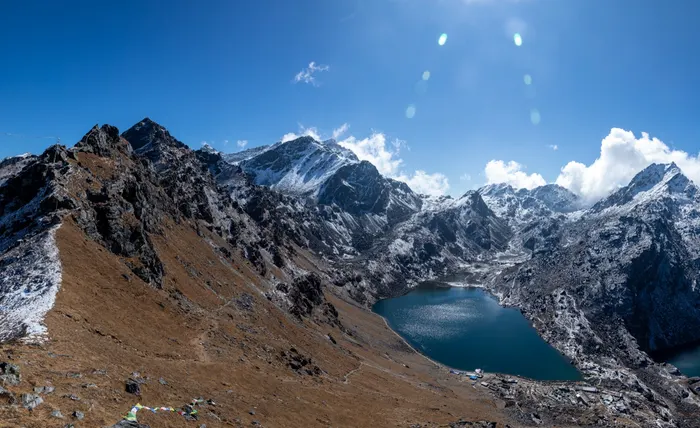
After the pass, many riders link the descent with a side trip toward Tilicho Lake or roll all the way down to Pokhara, where a recovery day of lakeside food and massage awaits; the full logistics, permit and cost picture for the walking version lives in the region guide linked above.
Upper Mustang: Riding the Tibetan Plateau
Upper Mustang, the restricted former kingdom behind the Annapurna and Dhaulagiri ranges, is arguably the single best mountain biking destination in Nepal. Because it sits in the Himalayan rain shadow, its high desert is rideable even in the middle of the monsoon, when the rest of the country is soaked. Wide jeep tracks, cliff-hugging trails and the walled capital of Lo Manthang make it feel like mountain biking through a medieval Tibetan kingdom, which culturally it is.
The classic ride runs about a week from Kagbeni up to Lo Manthang and back, crossing passes above 4,000 meters and passing sky caves, eroded canyons and villages where horse caravans still move salt and grain. The full trekking picture, including the restricted-area permit that all visitors must carry, is laid out in the Upper Mustang trek guide; the same rules apply to riders. A softer way to taste Mustang culture on a budget is the Nepal cultural adventure and Mustang experience package, which explores the lower Mustang villages.
Because Mustang is a restricted area, independent riding is not permitted; trips must be organized through a licensed operator with a guide, which is one reason the best trekking agency in Nepal guide is worth consulting before you book anything in the region.
What Does a Mountain Biking Trip in Nepal Cost?
Expect roughly $15 to $45 per day for a rental hardtail or $60-plus for good full suspension, $60 to $100 for a guided day ride with bike and guide, and $150 to $250 per person per day for fully supported multi-day trips with jeep, mechanic, meals and lodging. Two-week circuit or Mustang expeditions typically land between $2,000 and $4,000 including permits and internal transport.
Line items worth budgeting separately: the restricted-area permit for Upper Mustang, which is the single largest cost in any Mustang itinerary; conservation-area entry for the Annapurna and Manaslu regions; flights or jeeps to trailheads such as Pokhara or Jomsom; and tips for guides and drivers, which follow the same 10 to 15 percent convention as trekking. The permit framework is explained plainly in the trekking permits and TIMS guide, which covers ACAP, MCAP and restricted-area fees that bikers pay just like trekkers.
Ways to keep costs down: ride the Kathmandu Valley and Pokhara circuits as day trips instead of committing to an expedition; share a jeep with a small group to split support costs; and travel in the shoulder months of March or late November, when lodges discount and guides have open calendars. Budget riders should also look at short guided products such as the Kathmandu hilltops bike tour at $75, which bundles bike, guide and temple stops at a day-trip price.
For context on how Nepal trip budgets break down across activities, the cost structure mirrors what you will find in the walking world, where a well-planned itinerary balances guiding quality, permit overhead and the number of moving days, a tradeoff the 2026 agency guide walks through in detail.
When Is the Best Time to Mountain Bike in Nepal?
The prime windows are October to November and March to May. Autumn brings post-monsoon clarity, stable trails and moderate temperatures; spring adds rhododendron bloom at mid-elevations but hazier mountain views and building afternoon heat.
The monsoon from June to early September transforms most of Nepal into a slick, leech-flecked mud garden, with landslides occasionally closing hill roads. The two smart exceptions are Upper Mustang, which stays dry because of the rain shadow, and the far west, which sees a shorter, weaker wet season. Winter from December to February is excellent for valley and Pokhara riding on crisp mornings but shuts down high passes and can snow in the mid-hills. Timing your visit against festival calendars can elevate a trip too, a factor worth reading about in the best-time guides for other activities, such as the helicopter tour seasons guide, whose weather windows apply to high riding as well.
Whenever you ride, check trail conditions locally: monsoon aftermath can leave autumn routes rutted in the first weeks of October, and a single heavy snowfall can delay high pass openings in spring. Local guides adjust itineraries daily for exactly this reason.
Do You Need Permits for Mountain Biking in Nepal?
For most rides, no special bike permit is needed; ordinary park entry and conservation fees apply. The exceptions are restricted areas such as Upper Mustang, Manaslu and Nar Phu, where a licensed guide and a restricted-area permit are mandatory for everyone, cyclists included.
In practice: Kathmandu Valley rides involve only a small national park entry fee where you ride through Shivapuri; Annapurna-region riding requires the Annapurna Conservation Area entry that trekkers pay; and Mustang requires the full restricted-area package arranged in advance. The complete fee table, including where each permit is purchased and which offices issue them, lives in the permits and TIMS explained guide. If your itinerary crosses into a national park such as Shivapuri or Sagarmatha, expect the standard park entry ticket at the gate, the same one shown in the heritage and wildlife experience write-up.
One rule of thumb saves headaches: if a region requires a guide for trekkers, it requires one for bikers as well, so build guided support into your plan from the start rather than discovering the rule at a checkpoint.
What Should You Pack for a Himalayan Bike Trip?
Pack for four climates at once: breathable riding kit for the valley, warm layers for passes, rain protection for moving between them, and sun defense for high-altitude glare. A well-chosen 30 to 40 liter duffel covers a supported trip, since the jeep or porter carries it while you ride light.
- Bike kit: helmet, padded shorts, gloves, spare tubes, a pump, a multitool, brake pads and a chain lube that suits dry or wet conditions depending on the season.
- Layers: a merino base layer, a fleece or light insulated jacket, a windproof shell and tights for high rides; most valley riding is done in a jersey by mid-morning.
- Sun and recovery: high-SPF sunscreen, lip balm, sunglasses, electrolyte tablets and blister care, because sunburn and dehydration cause more abandoned rides than crashes do.
- Documents: passport with validity, permit copies, insurance details and a card listing your guide's contact, carried in a dry bag rather than a jersey pocket.
Rental fleets in Kathmandu and Pokhara cover most mechanical needs, but bring your own pedals, saddle and shoes if you have a shaped preference; swapping them onto a rental takes minutes and prevents the misery of a week on ill-fitting equipment. For ideas on how a full packing philosophy works for Himalayan travel generally, the weekend escape guide includes a light-and-fast kit list that applies just as well to day rides.
How Do You Handle Altitude on a Himalayan Ride?
Altitude is the invisible difficulty of Himalayan riding. Above 3,000 meters every pedal stroke costs more, and above 4,000 meters the risk of acute mountain sickness becomes a genuine planning constraint. Build itineraries with rest days, sleep low after riding high and never race a symptom.
Practical habits that work for bikers: arrive in Kathmandu a day or two before riding to shake off travel fatigue, treat the first two riding days as easy spins regardless of fitness, hydrate more than feels necessary, and keep a steady conversational pace on climbs. Guides carry pulse oximeters on supported trips and monitor clients the same way trekking guides do, a protocol summarized well in the altitude sickness prevention guidelines. If you feel headache, nausea or unusual fatigue, the correct move is the same as on foot: stop climbing, descend if symptoms worsen and never push through to a pass.
Most valley and Pokhara riding stays below 2,000 meters, where altitude is a non-issue, which is another reason those regions make the ideal first half of any Nepal biking progression before you graduate to Mustang or the circuit.
Guided Bike Tours or Independent Riding?
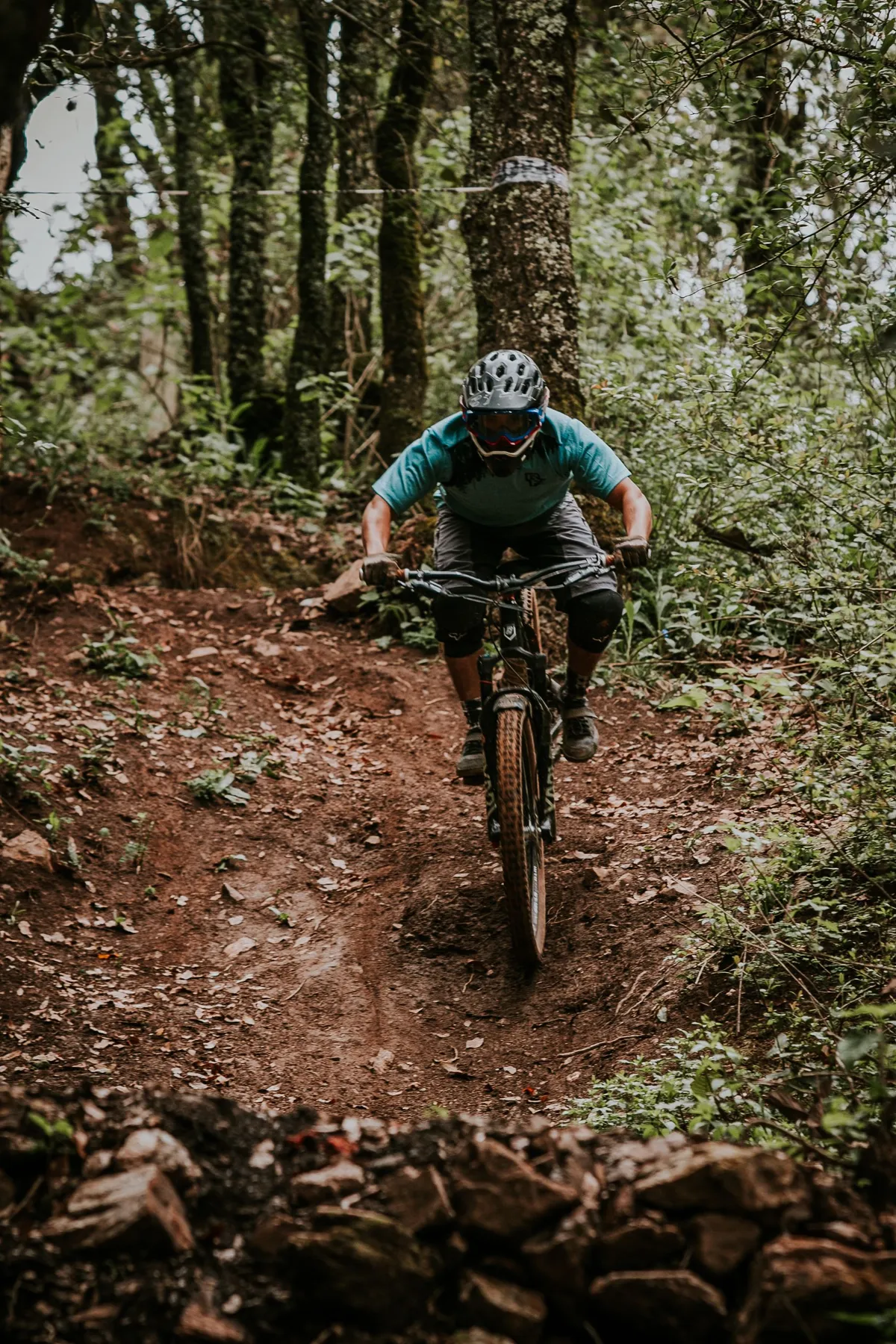
Independent riding is realistic and rewarding in the Kathmandu Valley and around Pokhara: rental fleets are good, distances are short and getting lost is part of the fun. As soon as you aim higher, at Mustang, the Annapurna Circuit or any restricted region, organized support stops being a luxury and becomes the framework that keeps the trip safe, legal and enjoyable.
A good guided trip includes a bike or bike transport, a guide who reads both trail and weather, a support jeep on expedition routes, arranged permits and teahouse bookings, and the daily judgment calls that come from local knowledge, like rerouting around a landslide washout or moving a pass crossing two hours earlier to beat the wind. Choosing the operator deserves the same diligence you would apply to a trekking agency, and the checklist in the guide to choosing a Nepal operator transfers directly to biking outfitters.
The middle path many riders choose is a guided start and an independent finish: book a supported first week to learn the terrain and logistics, then rent locally for valley loops once you know the road rhythm.
Can You Combine Mountain Biking With Other Nepal Adventures?
Nepal rewards trip-stacking, and biking pairs unusually well with almost everything else on offer. A classic two-week arc runs: three days of valley riding and sightseeing, a rafting day on the Trishuli River while transferring toward Pokhara, a week of foothill riding or a supported Annapurna traverse, then a wildlife finale in Chitwan.
Specific combinations that work well: pairing Pokhara rides with a paragliding flight over the lake, which the paragliding guide covers in full; adding a Trishuli or Bhote Koshi rafting day, detailed in the rafting rivers guide; swapping one riding week for a trek such as the 7-day Annapurna Base Camp express trek so your legs meet the mountains both ways; and finishing with jungle wildlife, covered in the Chitwan and Bardia safari guide. Riders who love quiet mornings can even merge bird watching into valley loops, following the bird watching sites guide.
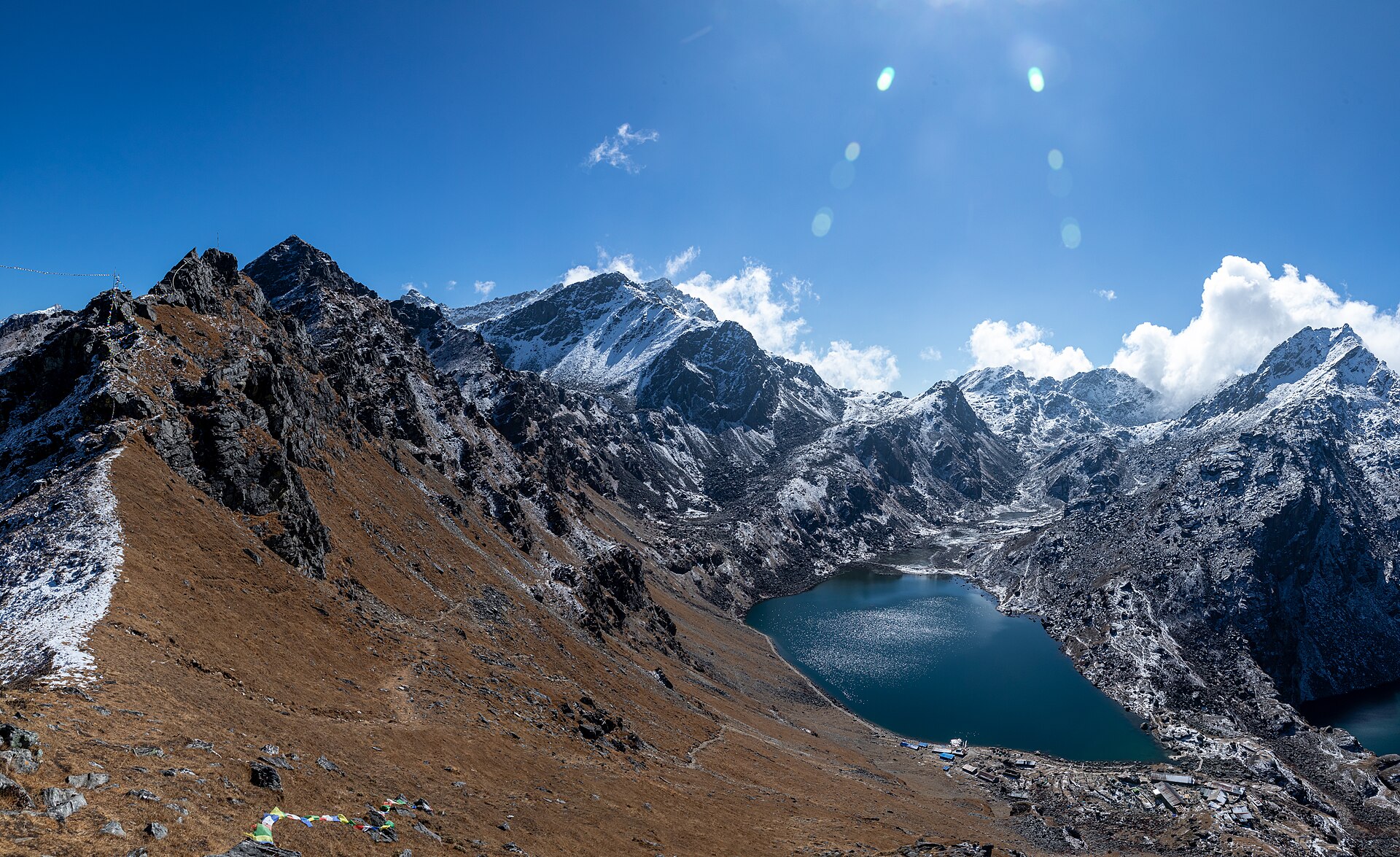
Wellness combinations are equally natural: a hard week of descending deserves a recovery block, and a program such as the 4-day Pokhara yoga and healing retreat is designed for exactly that reset. Sacred detours fit too, like the lake pilgrimage described in the Gosaikunda pilgrimage guide, which some riders reach as a hike-and-bike overnight.
The point is that Nepal's small size is a strategic advantage: no two highlights sit more than a day's drive apart, so a single visit can legitimately hold riding, trekking, rafting and a safari without any internal flights.
Riding Responsibly in Nepal's Villages and Trails
Trails in Nepal are working infrastructure: they carry porters, schoolchildren, livestock and pilgrims. Riding them well means sharing them well. Slow to walking pace through villages, greet people in Namaste rather than with a bell, give way to uphill traffic and animals, and never ride through a monastery courtyard or temple compound without checking that it is welcome.
The same ethics that shape responsible tourism in Nepal apply on two wheels: eat and sleep in family-run teahouses so money stays in the valleys, buy snacks from village shops rather than hauling everything from the city, carry out every wrapper you carry in, and leave the trail as you found it, which in practice means no cutting switchbacks and no widening tracks through fields. Mountain bikers are still a novelty in many mid-hill villages, and every interaction shapes how the next group is received.
A quiet bonus of riding rather than driving is that you hear the country: temple bells, forest birds and kitchen fires. Travel at that speed tends to make the responsible choices feel automatic rather than performative.
How Do You Plan Your Nepal Mountain Biking Trip?
Start by matching ambition to experience: first-timers should book three to five days split between the Kathmandu Valley and Pokhara; confident riders can aim for a Mustang week in the monsoon or an Annapurna Circuit expedition in autumn; and mixed groups do best with a valley-plus-foothill itinerary that lets strong riders add distance while others shortcut by jeep.
Then line up the practical sequence: choose a season and check the permit needs for every region on your route; decide between rental and bringing your own bike, remembering that airlines treat bikes as sporting luggage and a good domestic fleet removes that hassle entirely; and lock a guide or support plan for anything above the valley. The Himalayan cycling adventure activity page lists current guided options and is the fastest way to see what is running in your dates.
Finally, build buffer into the itinerary. Flights to trailhead towns such as Jomsom are weather-dependent, passes open late in big snow years, and the best days of a Nepal trip are frequently the unplanned ones, the village festival, the extra rest morning, the long lunch with a mountain view. Plan the frame tightly and let the days breathe.