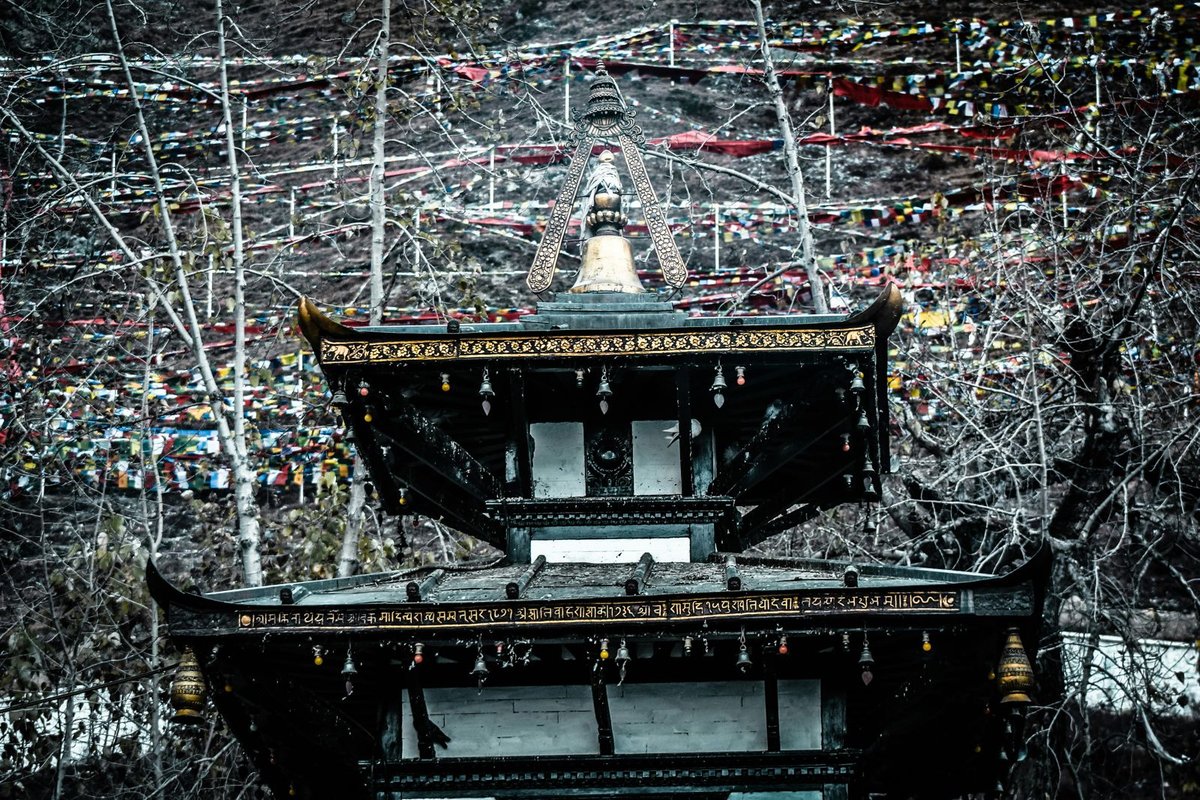
For centuries, the high altitude plains of Mustang have held a secret that draws thousands of seekers from across the globe. Muktinath, known as the Place of Liberation, stands as one of the most profound spiritual intersections on Earth. Here, the thin air of the Himalayas carries the scent of incense and the echoes of ancient mantras, creating an atmosphere where the veil between the physical and spiritual worlds feels remarkably thin. Whether you are a devotee seeking moksha, a practitioner of mindfulness, or a traveler drawn to the raw beauty of the Tibetan plateau, the journey to Muktinath is more than a trip: it is a transformation. The physical ascent mirrors the spiritual climb, stripping away the trivialities of urban existence and replacing them with a raw, unfiltered connection to the elements and the divine.
The allure of this sacred site lies in its unique confluence of elements: the 108 sacred water spouts that cleanse the soul and the eternal flame that symbolizes the enduring spirit of divinity. In a world increasingly defined by digital noise and urban chaos, the Muktinath pilgrimage offers a rare opportunity to disconnect and rediscover the internal silence. This silence is not merely an absence of sound but a presence of clarity, a state of being where the noise of the ego is dampened by the majesty of the mountains. By integrating the wisdom of the cultural and spiritual tours in Nepal, travelers can navigate this complex landscape with a deep understanding of its heritage, moving beyond simple tourism into the realm of authentic pilgrimage.


The pilgrimage to Muktinath is an exercise in endurance and faith. From the bustling streets of Kathmandu to the windswept plateau of Mustang, every mile traveled is a step closer to a profound realization of the self. The landscape transforms from lush river valleys to the stark, lunar vistas of the rain shadow, preparing the mind for the austerity and purity of the shrine. It is a place where the material world ends and the spiritual world begins, a threshold where the boundaries of identity dissolve into the vastness of the Himalayan horizon. For those who approach this journey with a humble heart, the rewards are immeasurable, offering a peace that transcends understanding and a clarity that lasts long after the journey home.
What is Muktinath? The Place of Liberation
Muktinath is located in the Mustang District of Nepal, perched at an elevation of approximately 3,710 meters. The name itself is derived from the Sanskrit words Mukti, meaning liberation, and Nath, meaning lord. Thus, it is literally the Lord of Liberation. For Hindus, it is one of the 108 shrines dedicated to Lord Vishnu, specifically representing the aspect of the preserver who grants freedom from the cycle of birth and death. This site is not just a temple but a cosmic energy center, where the alignment of the earth and the heavens is said to facilitate a faster path to enlightenment. The devotion felt here is palpable, manifesting in the thousands of prayer flags that flutter in the wind, sending intentions of peace and liberation across the peaks.
For Buddhists, the site is known as Chumig Gyatsa, meaning the Hundred Waters. It is revered as a site where the great sage Milarepa meditated, cementing its place as a cornerstone of Himalayan Buddhism. The Buddhist tradition views the site as a place of intense purification, where the elements of nature work in harmony to strip away the illusions of the ego. The presence of the Buddhist community in the region has added a layer of serene discipline to the site, with the rhythmic chanting of monks providing a soundtrack to the spiritual labors of the pilgrims. The synergy between these two great traditions creates a spiritual atmosphere that is inclusive and expansive, welcoming all who seek the truth regardless of their origin.
The geography of the area is as striking as its spirituality. Surrounded by the arid, wind swept landscapes of the rain shadow region, the temple complex appears as an oasis of faith. The sheer remoteness of the site has historically added to its prestige, as the difficulty of the journey was seen as a testament to the pilgrim's devotion. In ancient times, reaching Muktinath required weeks of treacherous travel through gorges and over mountain passes, a process that forced the traveler to shed their worldly attachments long before they reached the shrine. Today, while access is easier, the spiritual weight of the location remains unchanged, continuing to serve as a beacon for those who feel a calling to the heights of the Himalayas.
Visiting Muktinath today requires a balance of logistical planning and spiritual openness. The landscape is a stark contrast to the lush greens of the lower foothills, offering a lunar beauty that prepares the mind for the austerity of the pilgrimage. The gray stone, the white stupas, and the deep blue of the high altitude sky create a visual palette of purity and clarity. To truly appreciate the depth of this experience, one should explore the broader spiritual tour in Nepal to understand how Muktinath fits into the wider mosaic of Himalayan enlightenment. It is not an isolated destination but a peak in a larger mountain range of spiritual discovery, connecting the dots between the urban shrines of Kathmandu and the remote hermitages of the high peaks.
The 108 Sacred Waters: Rituals of Purification
The most iconic feature of the Muktinath temple is the array of 108 water spouts, carved into the stone wall and flowing from a natural spring. In Vedic tradition, the number 108 is sacred, representing the wholeness of existence. It is the product of 9 and 12, and it appears in everything from the beads of a mala to the number of days in a complete spiritual cycle. The act of bathing under these spouts is believed to wash away the sins of a lifetime, purifying the physical body and the astral shell in preparation for spiritual ascent. This is not merely a physical bath but a ritualistic erasure of the past, allowing the pilgrim to enter the presence of the divine as a clean slate.
The ritual is performed with precision and devotion. Pilgrims typically enter the water one by one, allowing the freezing mountain water to cascade over their heads. The sudden shock of the cold is said to wake the consciousness and snap the mind back into the present moment, breaking the hypnotic spell of daily worries and mental noise. Many devotees believe that if one can bathe in all 108 spouts, they are granted immediate liberation from the mundane world. This act of endurance is a physical manifestation of the desire for liberation, where the shivering of the body is eclipsed by the heat of faith. The experience is often described as a rebirth, where the water acts as a midwife, delivering the soul into a new state of awareness.
The water is not merely a physical cleanser but a conduit for divine energy. As the water flows from the earth, it is believed to carry the blessings of the mountains and the prayers of millions who have come before. The chemical purity of the spring water, filtered through layers of Himalayan rock, is matched by its spiritual purity. This process of purification is a central pillar of the cultural and spiritual tours in Nepal, where external cleansing precedes internal awakening. Without the removal of the external grime, the internal light cannot shine with full intensity.
For the observer, the sight of hundreds of pilgrims, shivering yet smiling, as they move through the spouts is a powerful image of human resilience and devotion. There is a collective energy in the air, a shared sense of purpose that binds the strangers together. The splashing of the water, the murmurs of prayer, and the distant sound of bells create a sensory symphony of faith. The ritual of the 108 waters teaches the pilgrim about the necessity of surrender: surrendering to the cold, surrendering to the ritual, and ultimately, surrendering the ego to the will of the divine. It is in this moment of total surrender that the true liberation of Muktinath is found.
The Eternal Flame of Jwala Mai: A Divine Paradox
Adjacent to the water spouts is one of the most fascinating natural phenomena in the world: the Jwala Mai, or the eternal flame. Here, natural gas leaks from the earth and ignites, creating a steady, flickering flame that never goes out. This paradox of fire existing alongside the sacred waters represents the union of opposites: heat and cold, creation and destruction, the masculine and the feminine. In the philosophy of non duality, the existence of these two opposing elements in one space proves that the ultimate truth encompasses all contradictions. The fire does not dry the water, and the water does not extinguish the fire; they coexist in a perfect, divine equilibrium.
Spiritually, the eternal flame represents the undying light of the soul. While the waters cleanse the past, the flame ignites the future, symbolizing the spark of consciousness that guides the seeker toward truth. Devotees offer butter lamps and incense at the flame, praying for the removal of ignorance and the birth of wisdom. The visual of the golden flame dancing against the gray stone of the mountains is a powerful reminder of the persistence of faith in the face of adversity. Just as the flame persists despite the wind and the cold, the human spirit can persist through the hardships of life if it is fueled by a divine purpose.
From a scientific perspective, the flame is a result of the complex geological activity of the Himalayas, where tectonic shifts create fissures that allow methane to escape. But for the pilgrim, the science is secondary to the experience. The flame is a living entity, a manifestation of the goddess Jwala Mai. The heat emanating from the flame provides more than just physical warmth; it provides a spiritual warmth that melts the frozenness of the heart. Many visitors report feeling a sudden surge of energy and inspiration as they stand before the flame, as if the light of the fire is illuminating a path that was previously hidden in shadow.
The interaction between the water and the fire at Muktinath is a lesson in balance. The water represents the lunar, cooling, and receptive energy, while the fire represents the solar, heating, and active energy. By experiencing both, the pilgrim achieves a state of wholeness. One cannot have liberation without both purification and ignition. The waters remove the obstacles, and the flame provides the drive to move forward. This duality is the heart of the Muktinath experience, turning the shrine into a cosmic laboratory for the soul, where the elements are used to refine the human spirit into a diamond of pure consciousness.
The Intersection of Faith: Hinduism and Buddhism
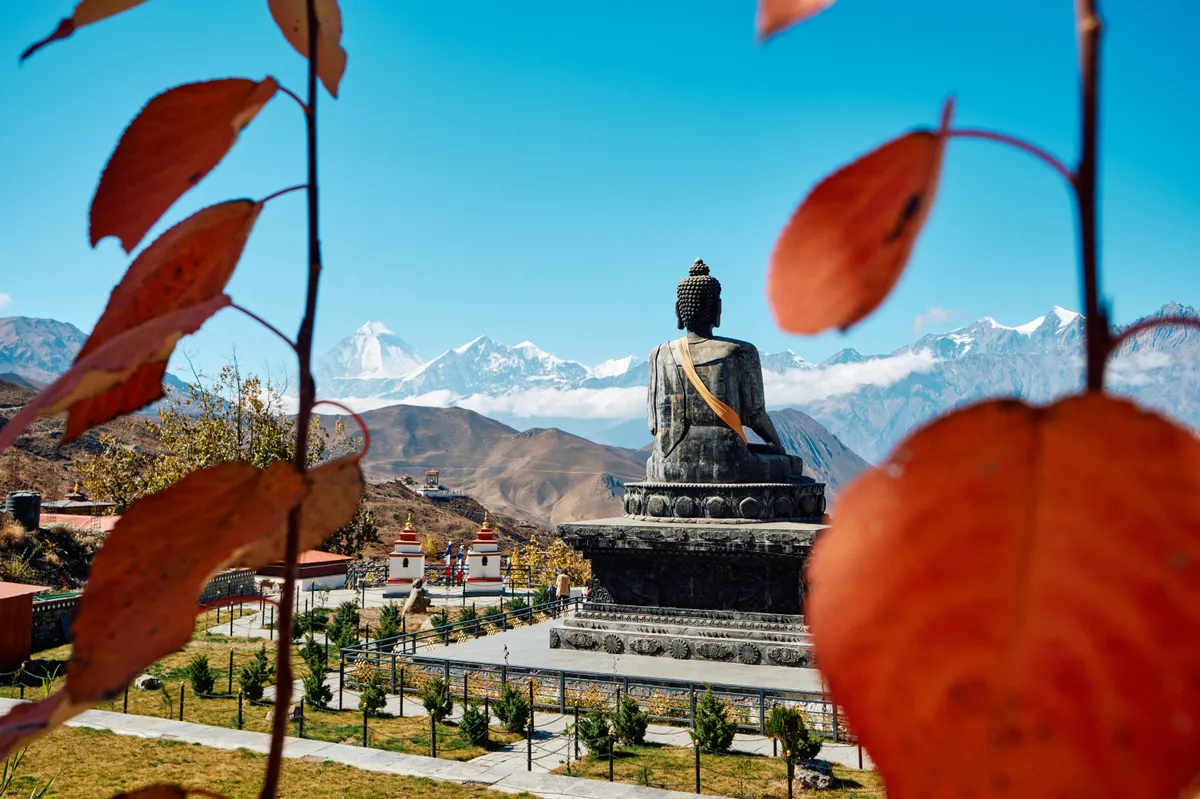
Muktinath is a rare example of seamless spiritual coexistence. In most parts of the world, different religious traditions may compete or diverge, but here, they flow together like the rivers of the Kali Gandaki valley. The temple is managed in a way that respects both the Hindu and Buddhist interpretations of the site. A visitor will see Hindu priests performing Vedic pujas while Buddhist monks chant mantras and spin prayer wheels in the same courtyard. This is not a forced tolerance but a natural harmony, born from the shared realization that the mountain is larger than any single doctrine. The altitude of the Himalayas has a way of humbling all beliefs, reducing them to their core essence: the search for peace.
This intersection is not merely a social arrangement but a theological one. Both traditions recognize the importance of the site as a place of liberation. The Hindu focus on Lord Vishnu as the preserver aligns with the Buddhist focus on the void and the cessation of suffering. Both paths lead toward the same goal: the transcendence of the ego. The presence of the Tibetan style monasteries nearby further blends the architectural and spiritual landscape, creating a sanctuary of peace. The stupas and the shrines stand side by side, their different forms pointing toward the same sky, suggesting that while the paths may differ, the destination is identical.
For those who enjoy exploring different paths to enlightenment, this harmony is a key reason to integrate Muktinath into a larger itinerary. By combining the site with other best trekking agency in Nepal options, travelers can see how various landscapes inspire different forms of spiritual practice, from the meditative silence of a monastery to the rigorous discipline of a high altitude trek. The journey becomes a study in diversity and unity, proving that spirituality is not a set of rules but a relationship with the infinite.
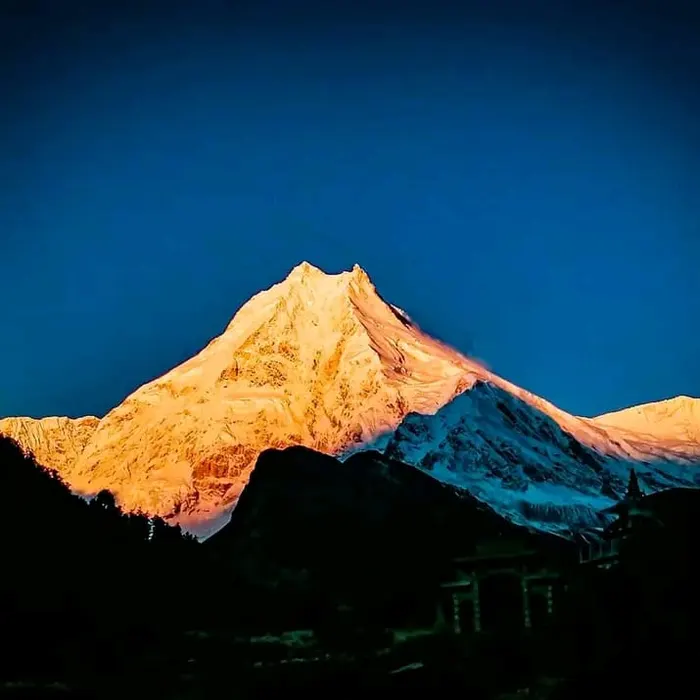
The shared veneration of the site also extends to the local people of Mustang. The Thakali and Loba communities have historically acted as the custodians of this intersection, blending their own indigenous beliefs with the formal structures of Hinduism and Buddhism. This syncretism is visible in the local art, the festivals, and the way the people interact with the land. To visit Muktinath is to step into a world where faith is fluid and inclusive, reminding us that the boundaries we draw between religions are often artificial constructions that vanish in the presence of true holiness. The harmony at Muktinath serves as a model for the world, demonstrating that peace is possible when the focus shifts from the label of the faith to the essence of the devotion.
Physical and Spiritual Preparation for High Altitude
The journey to Muktinath is not without its challenges. At 3,710 meters, the air is thin, and the risk of Acute Mountain Sickness (AMS) is real. Proper physical preparation is essential. We recommend a gradual ascent and a high intake of fluids. Dehydration mimics the symptoms of altitude sickness, making it crucial to drink more water than you think you need. Eating a diet rich in carbohydrates provides the necessary fuel for the body to operate in a low oxygen environment, and avoiding alcohol or smoking during the ascent helps the body adapt to the lower oxygen levels. Many pilgrims find that a few days in Pokhara or Jomsom helps acclimate their systems, allowing the red blood cells to increase and the lungs to adjust to the thin air.
Equally important is the spiritual preparation. A pilgrimage is not a vacation; it is an intentional movement toward a sacred center. We suggest practicing mindfulness and setting a clear intention (Sankalpa) before beginning the journey. A Sankalpa is a seed of intention planted in the heart, a vow that gives the journey meaning. Whether your goal is the healing of a loved one, the resolution of a personal conflict, or a deeper connection with the divine, having a focused intention transforms the physical exertion of the trip into a spiritual exercise. When the legs grow tired and the breath becomes shallow, the Sankalpa provides the mental strength to continue, turning the struggle into a form of meditation in motion.
Clothing is another practical consideration that can make or break the experience. The weather in Mustang is unpredictable, often shifting from bright sunlight to freezing wind in a matter of minutes. Layering is the only effective strategy. Thermal innerwear provides the base layer of warmth, a fleece or wool mid layer traps the heat, and a high quality windproof jacket protects against the biting gusts of the plateau. Sturdy hiking boots with ankle support are non negotiable, as the paths can be rocky and uneven. Remember that the waters of Muktinath are freezing, so bringing a quick drying towel and warm clothes to change into immediately after the bath is crucial to prevent hypothermia. The transition from the icy waters back to warm clothing is a critical moment in the ritual that requires preparation.
Finally, mental preparation involves embracing the unpredictability of the mountains. In the Himalayas, schedules are suggestions and weather is the ultimate authority. A pilgrim must develop a sense of patience and flexibility. If a flight is delayed or a path is blocked, it is often seen as a lesson in detachment. Learning to flow with the circumstances rather than fighting them is part of the liberation process. By letting go of the need to control the journey, the traveler opens themselves to the spontaneous grace of the mountains, discovering that the most meaningful experiences often happen in the unplanned moments of the trip.
Trekking vs. Helicopter: Choosing Your Path
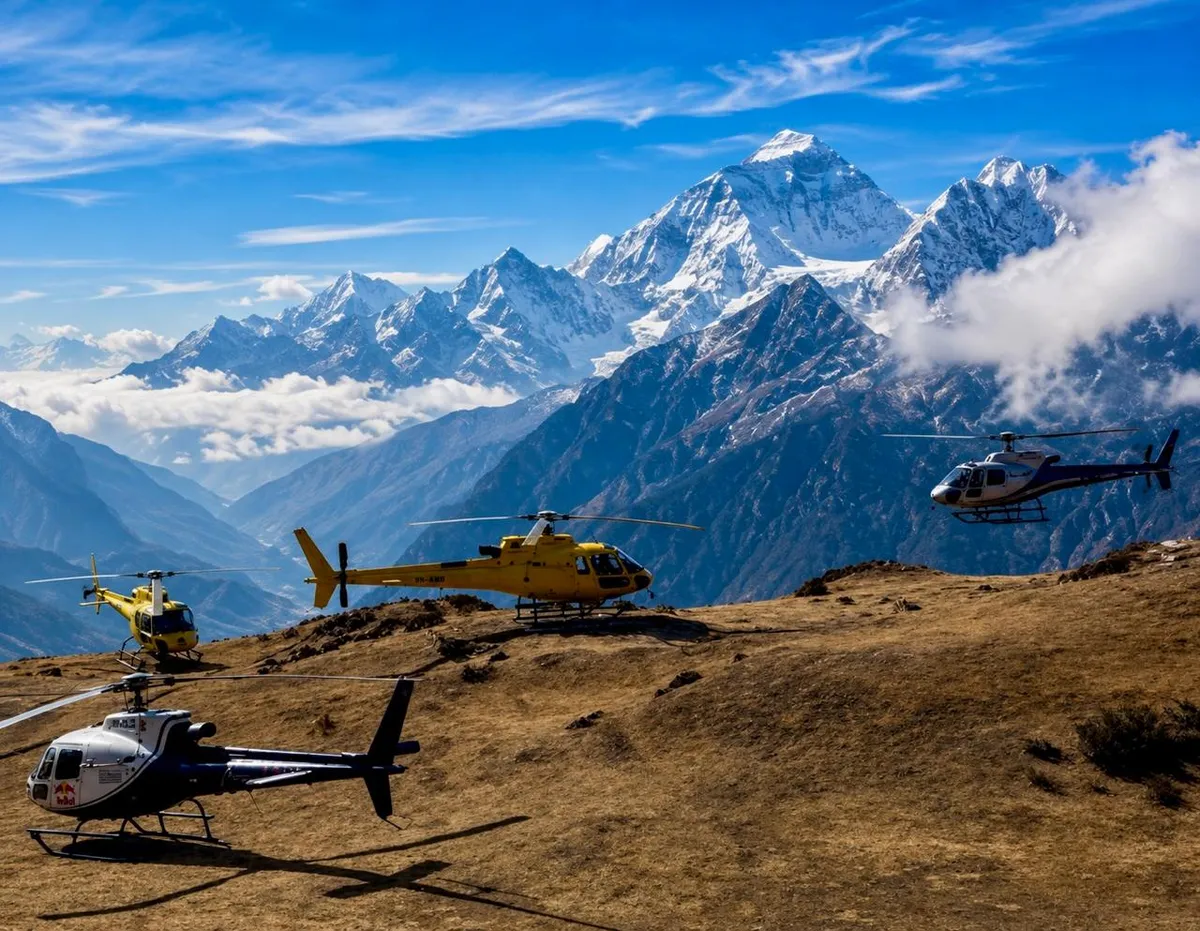
There are two primary ways to reach the sacred shrine of Muktinath, and the choice between them depends entirely on your physical condition, your spiritual goals, and the amount of time you can dedicate to the journey. Trekking to Muktinath is the traditional path, the way of the ascetic. It involves traveling through the Kali Gandaki gorge, the deepest in the world, and crossing the rugged terrains of the Mustang region. This path is for the adventurer, the disciplined, and those who believe that the struggle of the journey is as important as the destination itself. The act of walking for days on end is a form of moving meditation, where each step is a prayer and each mountain pass is a milestone in the internal landscape.
Trekking allows for a slow absorption of the landscape. You encounter remote villages where the architecture is carved from stone, ancient mani walls inscribed with the 108 syllables of the mantra, and the legendary hospitality of the Thakali people. You witness the changing vegetation, from the forests of the lower hills to the stark, wind blown shrubs of the high plateau. However, this path requires several days of commitment, high physical endurance, and a willingness to endure basic accommodations in teahouses. For some, the physical hardship is a form of penance that makes the eventual arrival at the 108 spouts far more rewarding. The contrast between the exhaustion of the trek and the purity of the shrine creates a powerful emotional release.
On the other hand, the helicopter pilgrimage is the modern answer to a timeless need. It is designed for those who may have physical limitations, tight schedules, or a preference for luxury and efficiency. The flight bypasses the grueling days of walking, transporting you from the urban center of Kathmandu directly into the heart of the mountains. This option removes the physical barrier to spiritual access, allowing the elderly, the infirm, or the time constrained to experience the divine energy of Muktinath without the risk of severe exhaustion. It is a democratic approach to pilgrimage, ensuring that the grace of the shrine is available to all, regardless of their physical strength.
Choosing between these two is essentially a choice between two different types of spiritual experience. The trekker finds liberation through endurance and integration with nature, while the helicopter passenger finds liberation through focus and efficiency. Neither path is superior; they simply serve different needs. The trekker arrives at the temple with a body that is tired but a spirit that has been forged in the fire of effort. The helicopter passenger arrives with a body that is fresh and a mind that is ready to dive straight into the rituals without the distraction of physical pain. Both paths lead to the same 108 waters, proving that there are many ways to reach the center of the soul.
The Muktinath Helicopter Pilgrimage Experience
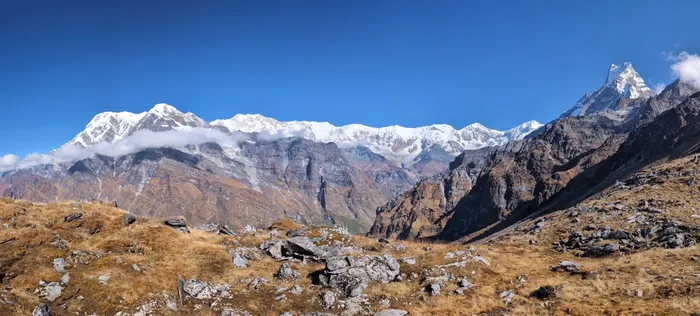
For those seeking the ultimate blend of comfort and spirituality, the Muktinath Helicopter Pilgrimage from Kathmandu is the gold standard. This meticulously curated experience eliminates the logistical stress of mountain travel, replacing it with a breathtaking aerial tour of the Himalayas. The journey begins with a sunrise departure from Kathmandu, where you soar over the Annapurna and Dhaulagiri massifs, witnessing the world's highest peaks from a bird's eye view. The perspective from the air is transformative, revealing the scale of the mountains and the insignificance of human worries. It is a visual meditation that prepares the heart for the spiritual encounter to follow.
The helicopter lands at Ranipauwa, the gateway to the temple. From here, it is a short, manageable walk to the main shrine. This approach allows pilgrims to dedicate their full energy to the rituals rather than the road. You can spend your time in deep meditation, engage in detailed puja ceremonies, and absorb the silence of the mountains without the distraction of physical fatigue. The efficiency of the helicopter means you can complete the entire pilgrimage in a single day, returning to your hotel in Kathmandu by evening, spiritually renewed and physically refreshed. This is particularly beneficial for international travelers who may only have a few days in Nepal but feel a deep pull toward the energy of Muktinath.
This package is specifically designed for those who view their pilgrimage as a focused spiritual mission. By removing the variables of weather delayed trekking or grueling road trips, Enticing Himalayas ensures that your focus remains on the 108 waters and the eternal flame. The luxury of the transport is not for the sake of vanity but for the sake of serenity. When the logistics are handled with precision, the mind is free to wander into the depths of contemplation. The flight itself becomes a transition ritual, a bridge between the chaos of the city and the silence of the shrine, allowing the passenger to enter a state of receptivity long before they touch the ground at Ranipauwa.
Furthermore, the helicopter experience provides a level of safety and security that is paramount in the high Himalayas. Using state of the art aircraft and experienced pilots, the journey minimizes the risks associated with mountain travel. The ability to quickly exit the region in case of sudden weather shifts provides a peace of mind that is invaluable. For many, this is the only way they can realistically visit the shrine, making the helicopter service a vital link between the modern world and the ancient sacred sites. It is an investment in a life changing experience, providing a safe, secure, and luxurious conduit to one of the most sacred spots on the planet.
Best Time to Visit Muktinath
Timing is everything when planning a trip to the high Himalayas. The window for visiting Muktinath is narrower than for other parts of Nepal due to its extreme altitude and location in the rain shadow of the Annapurna range. There are two primary seasons for the pilgrimage, each offering a different atmospheric and spiritual quality. Understanding these windows is key to ensuring that your journey is defined by discovery rather than struggle.
Spring (March to May): This is perhaps the most beautiful time to visit. As the winter snow melts, the landscape awakens, and the rhododendrons bloom in the lower valleys, painting the hills in vibrant shades of red and pink. The weather is generally stable, and the temperatures are mild, making the walk from Ranipauwa to the temple pleasant. This is an ideal time for those who want to experience the awakening of nature alongside their own spiritual awakening. The air is fresh, the skies are often clear, and the energy of the region is one of renewal and growth. It is a season of hope, where the returning warmth of the sun mirrors the opening of the heart.
Autumn (September to November): Following the monsoon, the air becomes exceptionally crisp and clear. This is the best time for photography and for those flying via helicopter, as the visibility of the peaks is at its maximum. The autumn colors of the Mustang region are stunning, with the arid landscape taking on golden and ochre hues. The atmosphere is charged with the energy of the post monsoon season, and many devotees prefer this window as it aligns with several important Hindu festivals. The stability of the weather in autumn makes it the most reliable time for flights, ensuring that the pilgrimage can be completed according to the planned itinerary.
Visiting during the winter (December to February) is possible but challenging. The region is gripped by an intense cold, and some access points may be blocked by snow. While the solitude of winter can be spiritually rewarding, it requires specialized gear and a high level of resilience. The shrine is much quieter during this time, offering a level of stillness that is rare in the other seasons. However, the extreme temperatures can be a deterrent for those not accustomed to alpine conditions. Similarly, the monsoon season (June to August) is generally avoided due to the risk of landslides and heavy rain, which can disrupt flights and trekking routes, making the journey unpredictable and potentially hazardous.
For those who cannot choose a specific month, we recommend consulting with the Enticing Himalayas team to align your trip with the current weather patterns. Each year is different, and the mountains have their own logic. By monitoring the conditions in real time, we can suggest the optimal window for your specific needs, whether you prioritize the floral beauty of spring or the crystalline clarity of autumn. Regardless of the season, the spirit of Muktinath remains constant, waiting to welcome those who venture into its embrace with an open heart and a prepared mind.
Rituals and Puja at the Shrine
A visit to Muktinath is incomplete without the performance of a formal Puja. While a personal prayer is powerful, a structured ritual led by a qualified priest allows the pilgrim to connect with the divine using traditional Vedic and Buddhist protocols. These rituals typically involve the offering of flowers, incense, and fruits, accompanied by the chanting of sacred mantras that resonate through the thin mountain air. The sound of the mantras is believed to vibrate at a frequency that aligns the human consciousness with the cosmic vibration of the universe, creating a bridge between the individual and the infinite.
The core of the ritual is the Darshan, the act of seeing and being seen by the deity. As you stand before the shrine of Lord Vishnu, the priest guides you through the process of surrender. This is where the external purification of the 108 waters meets the internal fire of the Jwala Mai. The puja is designed to align your individual energy with the cosmic energy of the site, clearing mental blockages and opening the heart to higher wisdom. For many, this is the moment of peak experience, where the physical journey ends and the spiritual realization begins. The feeling of being witnessed by the divine is a powerful catalyst for emotional healing and spiritual growth.
For those using the helicopter package, Enticing Himalayas can arrange for a priest to accompany the group or meet them at the site. This ensures that the ritual is performed correctly and with the appropriate spiritual intent. Having a guide to explain the significance of each gesture and mantra transforms the experience from a simple visit into a profound initiation into the mysteries of the Himalayas. The priest acts as a translator, not just of language, but of spiritual meaning, helping the visitor understand the deep symbolism of the offerings and the purpose of the chants.
The rituals at Muktinath also include the offering of butter lamps, which symbolize the light of knowledge overcoming the darkness of ignorance. Lighting a lamp at the shrine is a commitment to maintain the light of truth within oneself long after leaving the mountains. This act of devotion is a reminder that the liberation found at Muktinath is not a destination to be reached once, but a state of being to be cultivated daily. By engaging in these ancient practices, the modern traveler connects with a lineage of seekers that stretches back thousands of years, realizing that the quest for truth is a universal human journey that transcends time and geography.
Exploring the Greater Mustang Region
While the shrine is the focal point, the surrounding Mustang region is a treasure trove of culture and history. The area is often referred to as the Forbidden Kingdom, a place where time seems to have stopped. The architecture of the villages, with their flat roofs and white washed walls, reflects a Tibetan influence that has persisted for centuries. A visit to Jomsom, the regional hub, offers a glimpse into the life of the Thakali people, who are renowned for their hospitality and delicious cuisine. The blend of trade, agriculture, and spirituality in Jomsom creates a vibrant community that welcomes the traveler with warmth and generosity.
Beyond Jomsom lies Kagbeni, a village that serves as the gateway to Upper Mustang. Walking through the narrow alleys of Kagbeni, one can feel the ancient energy of the trade routes that once connected India and Tibet. The village is a mosaic of mud brick houses and ancient shrines, where the wind carries the scent of juniper and the sound of distant bells. The region is dotted with caves used by ancient meditators, proving that the spirit of Muktinath extends far beyond the temple walls. These caves of meditation are evidence of a long history of spiritual rigor, where seekers spent years in isolation to achieve a higher state of consciousness.
The entire valley is a living museum of Buddhist art, with monasteries housing centuries old thangkas and sculptures. The art of Mustang is characterized by its raw power and spiritual depth, reflecting the harshness of the environment and the strength of the faith. Exploring these monasteries allows the visitor to see the intersection of art and devotion, where every painting and every sculpture is a tool for meditation. The monks of Mustang are the guardians of this knowledge, preserving the teachings of the past for the generations of the future.
Integrating a visit to these villages adds a layer of cultural depth to the spiritual journey. It allows the pilgrim to see how the belief in liberation is woven into the daily lives of the mountain people. By observing the simple, devoted lives of the Mustang residents, the visitor learns that enlightenment is not just found in a temple, but in the quiet acceptance of nature and the kindness shown to strangers. The resilience of the people of Mustang, who thrive in one of the most challenging environments on Earth, is a lesson in the power of faith and the strength of the human spirit. Their connection to the land and the divine is a reminder that true spirituality is rooted in the earth and elevated by the sky.
Practical Travel Tips for Pilgrims
To ensure your pilgrimage is focused on spirituality rather than stress, keep these practical tips in mind. First, always carry a reusable water bottle and stay hydrated. Dehydration is a common cause of altitude sickness and can lead to fatigue and headaches that distract from the spiritual experience. We recommend drinking water with a pinch of salt or electrolytes to maintain mineral balance in the high altitude environment. Second, be mindful of the local customs. Muktinath is a sacred site, and modest dress is required. Covering your shoulders and knees is a sign of respect for the deities and the local community. A simple shawl or scarf can be used to ensure appropriate coverage while remaining comfortable.
Regarding currency, while major hotels and the helicopter service accept cards or digital payments, carrying a sufficient amount of Nepalese Rupees in cash is essential for small offerings, tips, and local purchases in the Mustang villages. Many of the small shops in Ranipauwa and the teahouses along the trail do not have electronic payment systems. Having small denominations of cash allows you to make offerings at the shrine and support the local artisans and vendors who provide essential services to the pilgrims.
Finally, consider the environmental impact of your visit. The Himalayas are a fragile ecosystem, and the high altitude plains of Mustang are particularly susceptible to pollution. We encourage all pilgrims to follow a leave no trace policy. Avoid using single use plastics and dispose of your waste responsibly. The purity of Muktinath should be preserved for future generations of seekers. A mindful approach to travel is, in itself, a form of spiritual practice, reflecting the Buddhist principle of ahimsa or non violence toward all living beings and the earth. By treating the land with respect, you honor the spirit of the mountain and the deities that dwell within.
Health and safety should always be a priority. If you feel the onset of altitude sickness, do not hesitate to inform your guide or the pilot. The only cure for AMS is descent or oxygen, and early detection is key to a safe journey. Carry a basic medical kit with pain relievers and altitude medication as prescribed by your doctor. Most importantly, listen to your body. The goal of the pilgrimage is liberation, not a race to the top. If your body needs a moment of rest, allow it. The mountains will still be there when you are ready to move forward, and the grace of Muktinath is available to those who approach it with patience and self care.
Comparative Analysis of Pilgrimage Modes
Choosing the right mode of transport is the most critical decision in planning your visit to Muktinath. The following table provides a clear comparison to help you align your choice with your goals, your budget, and your physical capacity. Whether you seek the raw challenge of the trail or the seamless efficiency of a flight, understanding these differences is the first step toward a successful journey.
| Feature | Helicopter Pilgrimage | Trekking Pilgrimage |
|---|---|---|
| Duration | 1 Day (Round trip from KTM) | 7 to 14 Days |
| Physical Effort | Low (Short walk at destination) | High (Daily hiking 5 to 8 hours) |
| Accessibility | Ideal for all ages and health levels | Best for fit, active individuals |
| Landscape View | Aerial panoramic views of peaks | Immersive, ground level cultural experience |
| Cost | Premium / Luxury | Budget to Mid range |
| Risk of AMS | Moderate (Rapid ascent) | Low (Gradual acclimation) |
As the table suggests, the helicopter option is designed for those who value time and comfort, ensuring that the spiritual encounter is the primary focus. The trekking option, conversely, is for those who value the process and the physical journey. Both paths are valid and lead to the same sacred destination. The choice depends on what you believe is necessary for your own liberation: the silence of a swift flight or the rhythm of a thousand steps.
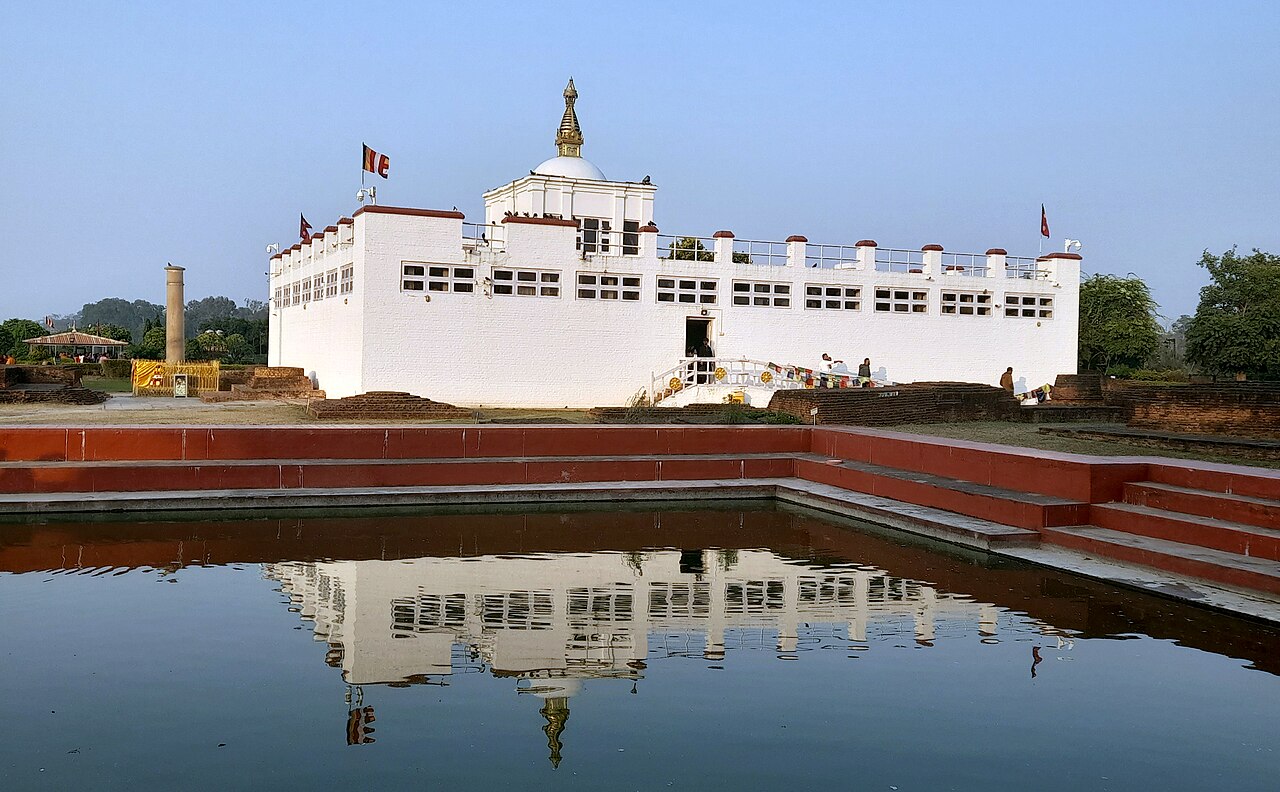
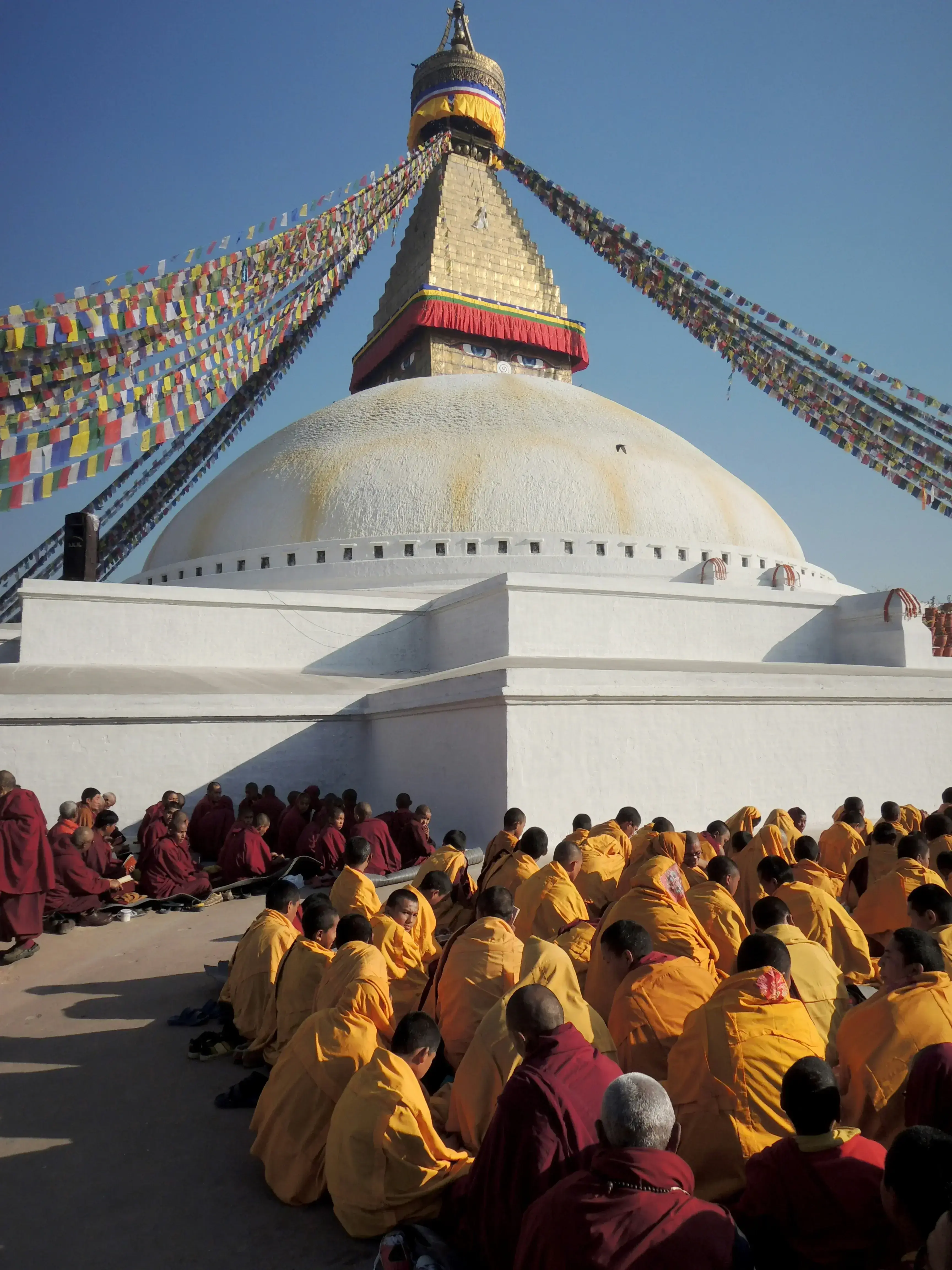
For those looking to extend their spiritual exploration beyond Muktinath, Enticing Himalayas offers a family of related journeys. Our Lumbini pilgrimage guide takes you to the birthplace of the Buddha, while the Muktinath Mustang circuit covers the full Kali Gandaki valley. For trekking enthusiasts, treks with a spiritual side combines Himalayan trails with monastery visits, and our helicopter pilgrimage and trek combos offer hybrid adventures. Cultural seekers will appreciate the major festivals of Nepal, the Boudhanath Stupa guide, and the spiritual tour in Nepal hub along with our spiritual wellness travel guide.
The Role of Enticing Himalayas in Your Journey
A pilgrimage to Muktinath is a journey of the heart, but it requires the precision of a professional operation to be successful. Enticing Himalayas specializes in bridging the gap between luxury travel and deep spirituality. We do not just provide a flight or a guide: we provide a curated pathway to peace. From the moment you land in Kathmandu, our team ensures that every detail, from your dietary needs to your ritual requirements, is handled with care. We believe that the logistics of the trip should be invisible, allowing the spiritual experience to take center stage. When you are not worrying about permits, transport, or accommodation, your mind is free to engage with the divine.
Our expertise in the Mustang region allows us to navigate the complexities of weather and logistics, ensuring that your focus remains on your inner journey. We have spent years building relationships with the local communities and the temple authorities, which allows us to provide an authentic experience that goes beyond the surface. Whether you choose the rapid ascent of the helicopter or the slow path of the trek, our guides are trained in both mountain safety and cultural interpretation. They are not just navigators but companions who can share the stories, the myths, and the spiritual significance of every landmark along the way.
We believe that a pilgrimage should be devoid of anxiety, allowing you to enter the sanctuary of Muktinath with a clear and open mind. Our commitment to quality extends to every aspect of the journey, from the safety checks of our helicopters to the selection of the most serene accommodations. By handling the mundane details, we create the space for you to experience the extraordinary. The journey to Muktinath is a profound investment in your spiritual well being, and we are honored to be the stewards of that investment.
By choosing Enticing Himalayas, you are partnering with a team that respects the sanctity of the mountains and the traditions of the people. We are committed to providing an experience that is not only high in authority and quality but also high in spiritual integrity. We avoid the pitfalls of mass tourism, focusing instead on the individual journey and the personal transformation. Let us handle the logistics, so you can handle the liberation. Together, we will navigate the path to the 108 waters and the eternal flame, ensuring that your encounter with the divine is as seamless as it is profound.
To help you plan your ideal pilgrimage, we offer a range of curated packages. The Kathmandu spiritual circuit covers the capital's sacred sites, while the Lumbini Buddhist pilgrimage explores the Buddha's birthplace. For high-altitude seekers, the Gosaikunda sacred lake trek and Gosaikunda yoga retreat trek combine alpine beauty with spiritual practice. The Dhulikhel Namobuddha spiritual hike offers a gentle introduction, and the Sacred Kathmandu heritage tour deepens your cultural immersion. For those seeking comprehensive experiences, our Nepal cultural pilgrimage, Sacred Valleys & Living Goddesses, 3-day yoga sound healing retreat, 6-day yoga stress management retreat, and 9-day luxury yoga wellness escape provide transformative journeys.
