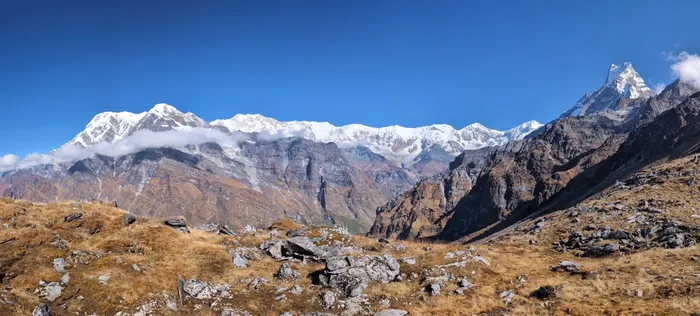
Shey Phoksundo National Park in Dolpa is Nepal's largest national park, a 2,712 square kilometre sweep of Trans-Himalayan desert, turquoise water and Bon Buddhist monasteries that covers more ground than Sagarmatha and Langtang put together. It holds the deepest lake in Nepal, one of the deepest alpine lakes anywhere on earth. And its northern valleys, Upper Dolpo, form a restricted area where Tibetan culture survived the twentieth century more completely than almost anywhere else on the planet. This is the fourth article in our park-by-park series after the complete guide to Nepal's 13 national parks, and it covers what the park protects, what the verified 2026 permits really cost, what the Phoksundo Lake trail from Juphal involves, and how to plan an expedition north of the lake to Shey Gompa and Crystal Mountain, the journey at the heart of our Upper Dolpa and Shey Gompa 2026/27 package.
Start with the Phoksundo destination guide for the map-level view, then use this page for the planning depth: permits, seasons, budget and route decisions. Where Chitwan gave us jungle and Sagarmatha gave us ice, Dolpo gives us something rarer: silence on a geological scale.
What Is Shey Phoksundo National Park?
Shey Phoksundo National Park is a 2,712 square kilometre protected area in Dolpa District of Karnali Province, gazetted in 1984 and named for its two anchors: Shey, the sacred Crystal Mountain in the north, and Phoksundo, the great turquoise lake at its heart. It is the largest national park in Nepal and one of only two that span the full Trans-Himalayan zone, the high-altitude desert belt that lies beyond the monsoon wall of the greater Himalaya.
The park protects an extraordinary stack of landscapes and cultures: the deepest lake in Nepal at roughly 145 metres, the ancient Bon Buddhist monasteries of Upper Dolpo, the sacred Crystal Mountain whose kora pilgrims walk, and snow leopard and blue sheep country made famous far beyond Nepal by Peter Matthiessen's The Snow Leopard, the classic account of a 1973 search for the cat in exactly these valleys. The salt-trade caravans of the Dolpo-pa later reached global cinema screens in Eric Valli's film Himalaya, shot in these villages. The Great Himalaya Trail, the full-length walking route across Nepal's high country, threads through the park, which is one reason serious trekkers keep finding their way here.
How Big Is Nepal's Largest National Park?
At 2,712 square kilometres, Shey Phoksundo is comfortably Nepal's largest national park: more than double the size of Sagarmatha National Park at 1,148 square kilometres and roughly a thousand square kilometres bigger than Langtang at 1,710. Only the Annapurna Conservation Area, at 7,629 square kilometres, protects more ground under a single management plan.
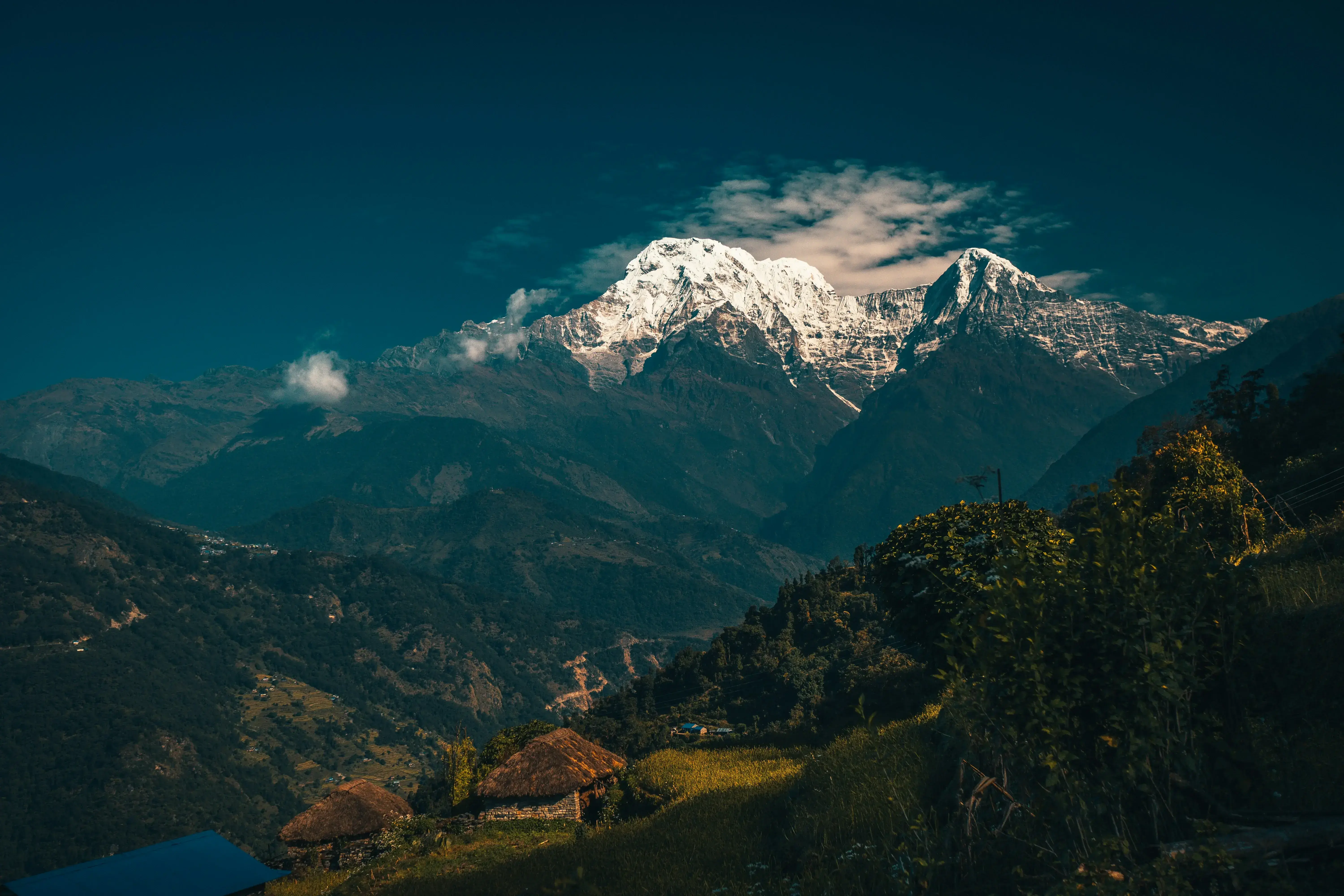
The scale matters in practice. The park stretches from the Suligad gorge in the south, where the Bheri river system drains the massif, to the Tibetan border in the north. Walking from the southern gate to the far valleys takes the better part of a week even on the direct line, and the park's shape means most visitors see either the lake basin or Upper Dolpo on a first trip, rarely both. Our Everest region guide describes the busy end of Nepal's trekking spectrum; Dolpo is the opposite end, where a trekking day can pass without seeing another group. For the mid-sized alternative between the two, the Langtang region guide covers the valley that most first-time Nepal trekkers actually start with.

Why Is Phoksundo Lake So Remarkable?
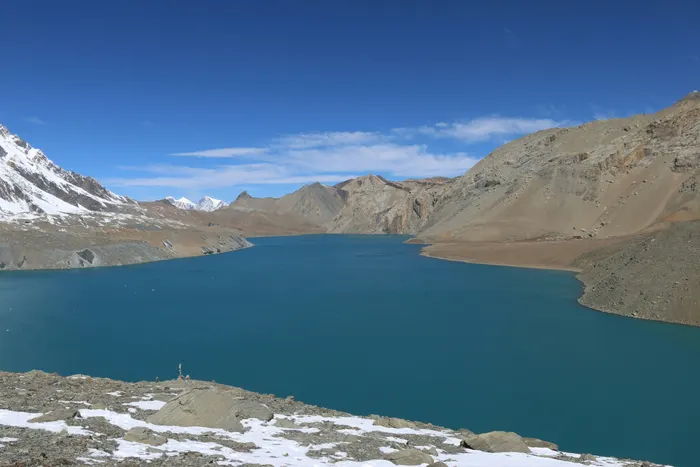
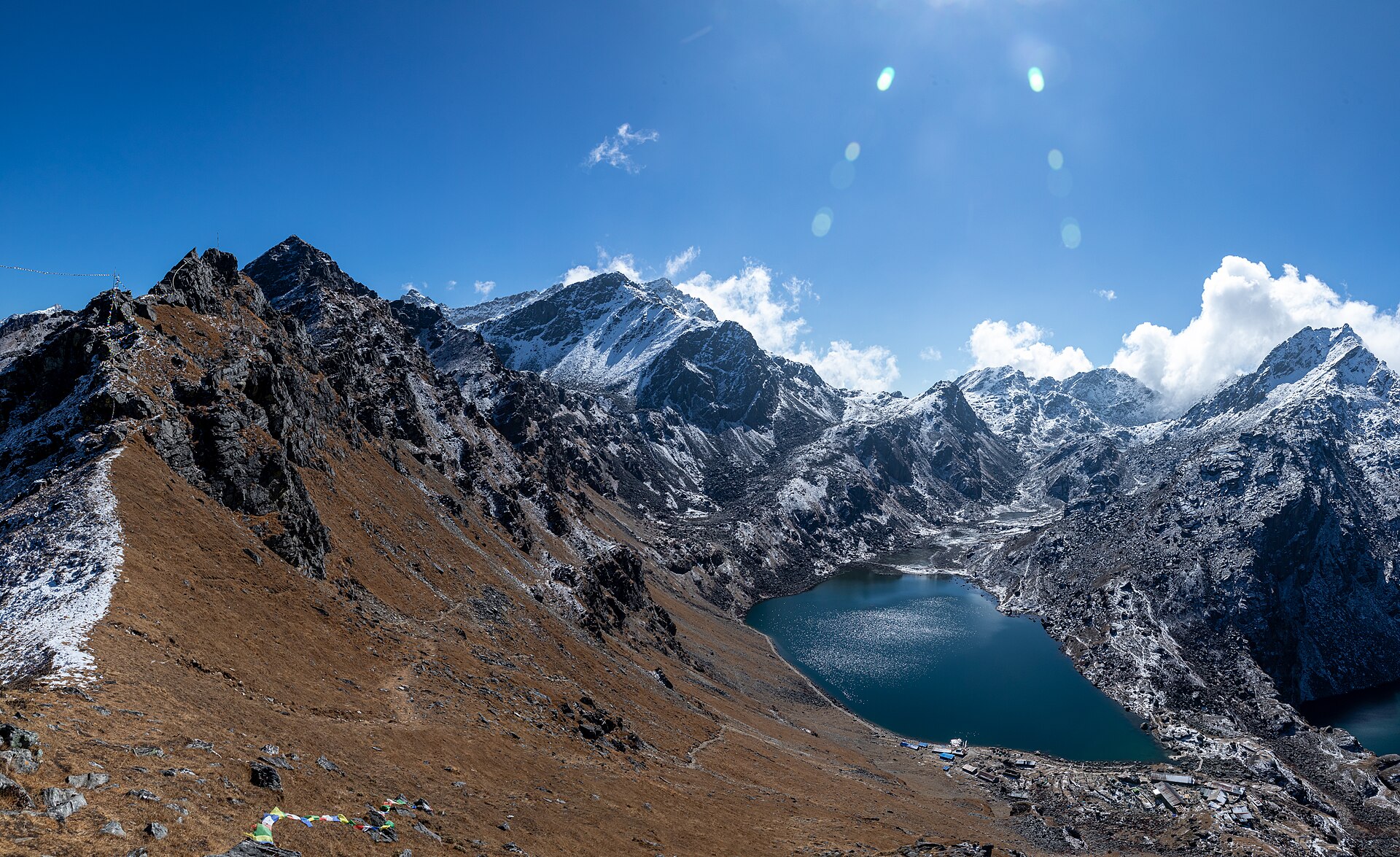
Phoksundo Lake is the deepest lake in Nepal at roughly 145 metres, an improbably turquoise sheet of glacial water around 3,600 metres up, hemmed by dark cliffs and the old village of Ringmo at its outlet. It is one of the deepest alpine lakes in the Himalaya and appears so saturated a blue that first-time visitors routinely assume the colour is artificial.
Local Bon legend says otherwise in the best way: the story tells of a woman who tricked a village out of its dyer's vat and was punished when the village flooded, leaving the lake and its electric colour behind. Geology gives the practical explanation, glacial rock flour scattering sunlight, but walking the final cliff-edge trail above the lake, with Ringmo's barley terraces below and the Kanjiroba wall above, you understand why the legend stuck. Below the lake the Suligad river drops through a gorge in a series of falls that rank among the tallest in Nepal, and the trail to the lake runs right past them. If your Nepal list is built on water as much as mountains, the Rara Lake helicopter tour reaches the other great Karnali lake in a single day.

What Permits Do You Need for Shey Phoksundo and Upper Dolpo in 2026?
Two layers apply. Everyone entering the park needs the Shey Phoksundo National Park entry ticket, and anyone continuing north of the lake into Upper Dolpo needs a restricted-area permit that starts at USD 500 and legally requires travelling with a licensed guide. The lake trail alone is the affordable option; the forbidden kingdom beyond it is the expensive one.
Verified 2026 permit stack, at a glance
- Shey Phoksundo National Park entry: Nepal's national park entry fees run from NPR 1,000 to 3,500 (about USD 8 to 26) for foreign visitors depending on the park, with Himalayan parks at the upper end of the band; fees are payable at the gate in Nepali rupees.
- Upper Dolpo restricted-area permit: starts at USD 500 for the initial block, with additional days billed on top, the same ten-day-block structure used in Upper Mustang; it is issued only to trekkers with a licensed guide and the paperwork of a registered agency.
- TIMS card: USD 10 for trekkers booked through an agency, USD 30 as an individual.
- Where the money goes: restricted-area fees are conservation revenue for one of Nepal's most fragile cultural landscapes, which is the explicit trade the permit system offers: pay properly, trek lightly.
The full Nepal-wide picture, every permit for every region with current rates, lives in our Nepal trekking permits and TIMS guide. Fees change annually, so treat these as planning figures from recently posted rates and confirm the final amounts when booking, with the usual 15 percent margin any experienced trekking agency will tell you to carry.
Restricted Areas: Why Upper Dolpo Needs Extra Paperwork
Upper Dolpo sits on a short list of Nepali border zones where movement is regulated by the immigration authorities rather than just the parks: Upper Mustang beyond Kagbeni, Upper Dolpo including Shey Gompa, the Manaslu region, Humla and the Limi Valley, Tsum Valley and Kanchenjunga. The system exists to protect fragile high-desert environments and living borderland cultures from mass traffic, and the fees are deliberately set high enough to keep numbers small.
The practical consequences are worth understanding before you budget. You cannot trek Upper Dolpo independently, the permit is issued only through a registered agency with a licensed guide, and solo travellers are grouped to satisfy the minimum-party rules. Our Manaslu Circuit permits guide walks through the same machinery on a cheaper, more accessible restricted route, and the Upper Mustang trek guide covers the third great forbidden kingdom on the Tibetan plateau's southern rim. If the permit cost changes your plans, those two alternatives deliver 80 percent of the cultural payoff at a lower price point.
How Do You Reach the Trailhead at Juphal?
The classic Dolpo approach is a two-flight chain: Kathmandu to Nepalgunj on the Terai plain, an overnight in Nepalgunj, then a dawn flight in a small aircraft to the dirt airstrip at Juphal, perched above the Bheri river. From Juphal it is a half-day walk down to Dunai, the park headquarters town, and onward up the Suligad valley toward the lake.
Roads have been pushing deeper into Karnali for years and overland itineraries now exist via Surkhet and the Jumla side, the route our Rara Lake overland adventure uses to reach Nepal's largest lake without flying. But flight logistics still rule Dolpo planning: Juphal flights are weather-dependent, seats are scarce in the May to October season, and a missed connection can cost a day in Nepalgunj. Build one buffer day at each end of the itinerary, the same rule we apply to Lukla flights in the Everest region, and never book an international departure for the day your Dolpo trek ends.
The Classic Trail to Phoksundo Lake
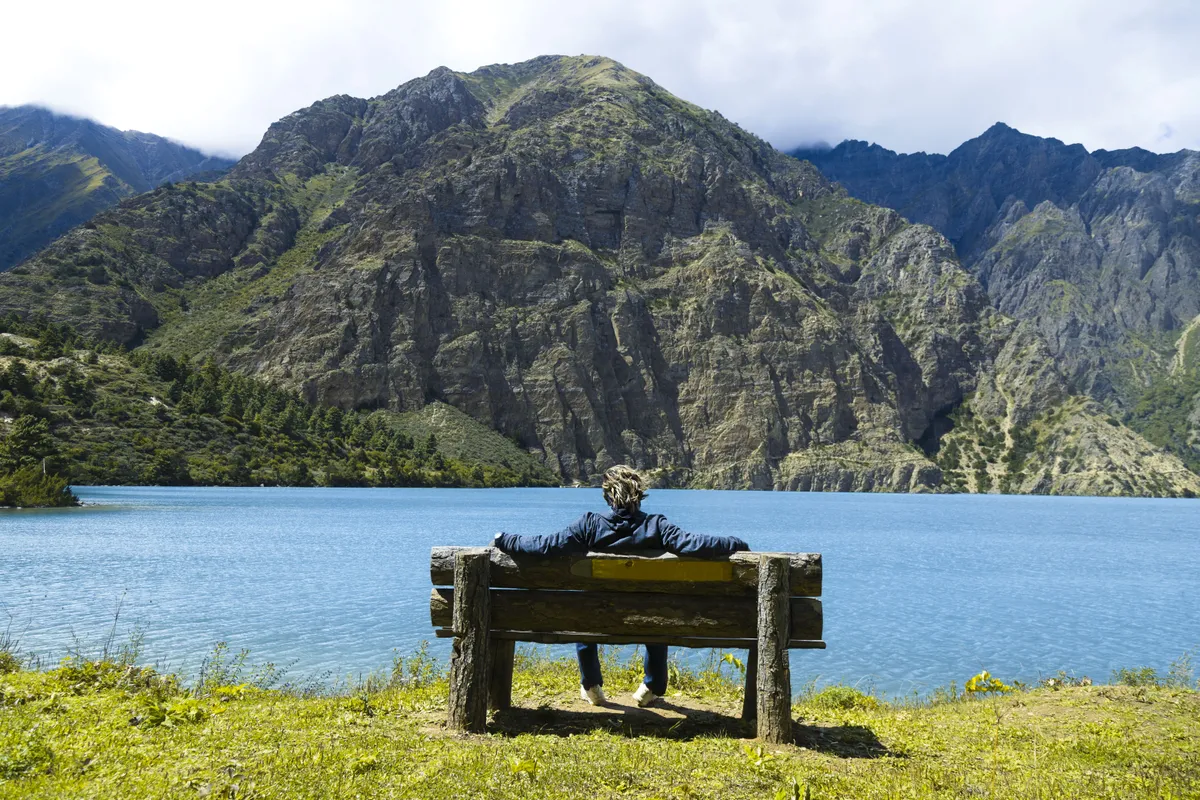
The walk to the lake is the moderate half of the park and needs no restricted-area permit. From Dunai the trail follows the Suligad river upstream through the gorge, past the great waterfall and the village of Chhepka, where a traditional Amchi clinic keeps alive the Tibetan medical tradition of the region. Two or three days of gentle climbing later the trail makes its most famous move: a path cut into the cliff face above the lake, with the full turquoise expanse opening below in a single stride. Ringmo village, at the lake outlet, is the night stop, and most itineraries run five to seven days from Juphal back to Juphal, with a rest morning on the lakeshore.
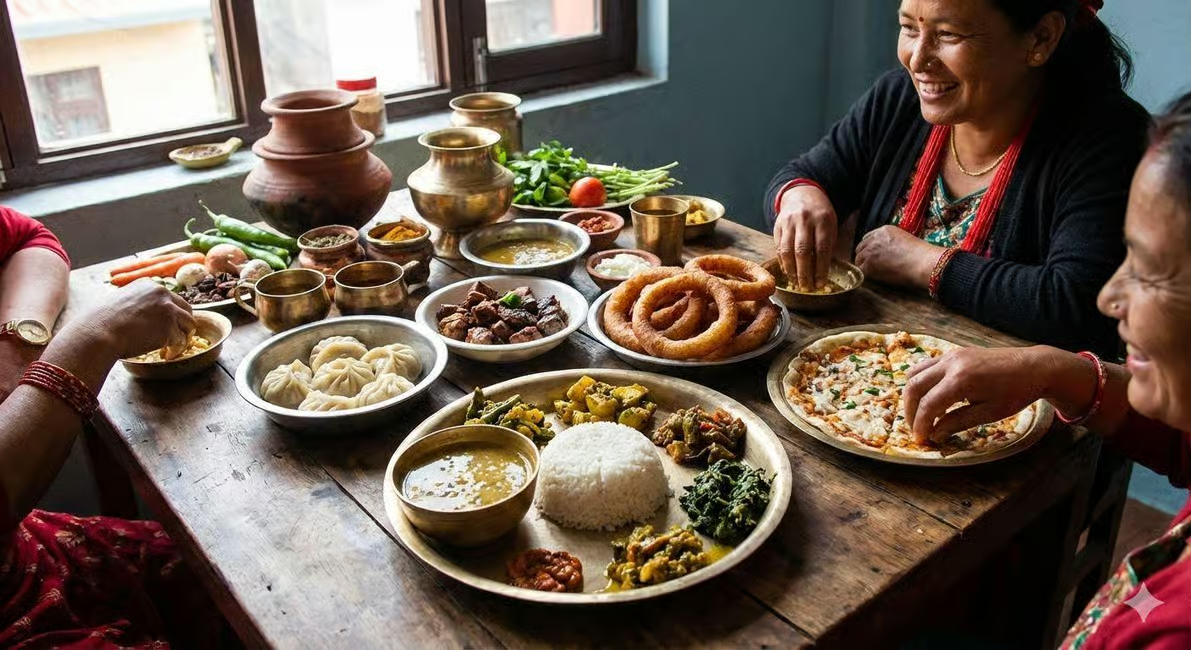
Teahouses along the Suligad are basic but real: dal bhat, bed, and the slow farm rhythm described in our guide to Nepali food and dal bhat. Beyond the lake it is a different world: Upper Dolpo is a camping expedition, mule-supported, with a full crew, and the crossings of the Numa La and Baga La passes above 5,000 metres that define the full circuit. Families and less ambitious walkers can absolutely do the lake trek; the circuit beyond demands expedition fitness and a taste for real remoteness.
Shey Gompa and Crystal Mountain: The Heart of Upper Dolpo
North of Phoksundo Lake the trail crosses the Kang La, and the park changes character completely: from turquoise water and fir forest to a high desert of ochre ridges, eroded cliffs and valley floors planted with barley. This is Upper Dolpo, the region the restricted permit exists to protect. Its spiritual centre is Shey Gompa, a monastery below Crystal Mountain, the striped peak Dolpo-pa walk around on pilgrimage in much the way Tibetans circumambulate Mount Kailash.
The kora around Crystal Mountain, the crystal kora as it is known, is one of the great sacred walks of the Himalaya and the centrepiece of the Upper Dolpa and Shey Gompa expedition. Villages along the way, Saldang, Dho Tarap, Tinje, are living Tibetan settlements: mud-brick houses, mani walls, chortens, and a rhythm of farming, herding and caravan trading that survived the twentieth century because the valleys were simply too remote for anything else. Matthiessen arrived in 1973 searching for a snow leopard and left writing about the landscape of the mind; trekkers still follow his route past the same gompas, and most come home talking about the same thing, the silence.
What Is Bon Buddhism and Why Does It Survive in Dolpo?
Bon is the pre-Buddhist religion of Tibet, and Dolpo is its heartland. When Buddhism became the state faith of Tibet, Bon traditions survived at the edges of the plateau, and Dolpo's isolation preserved monasteries, rituals and texts that vanished elsewhere. That survival is the cultural reason the region matters, and it is why the spiritual dimension of a Dolpo trek is not decoration but the main event.
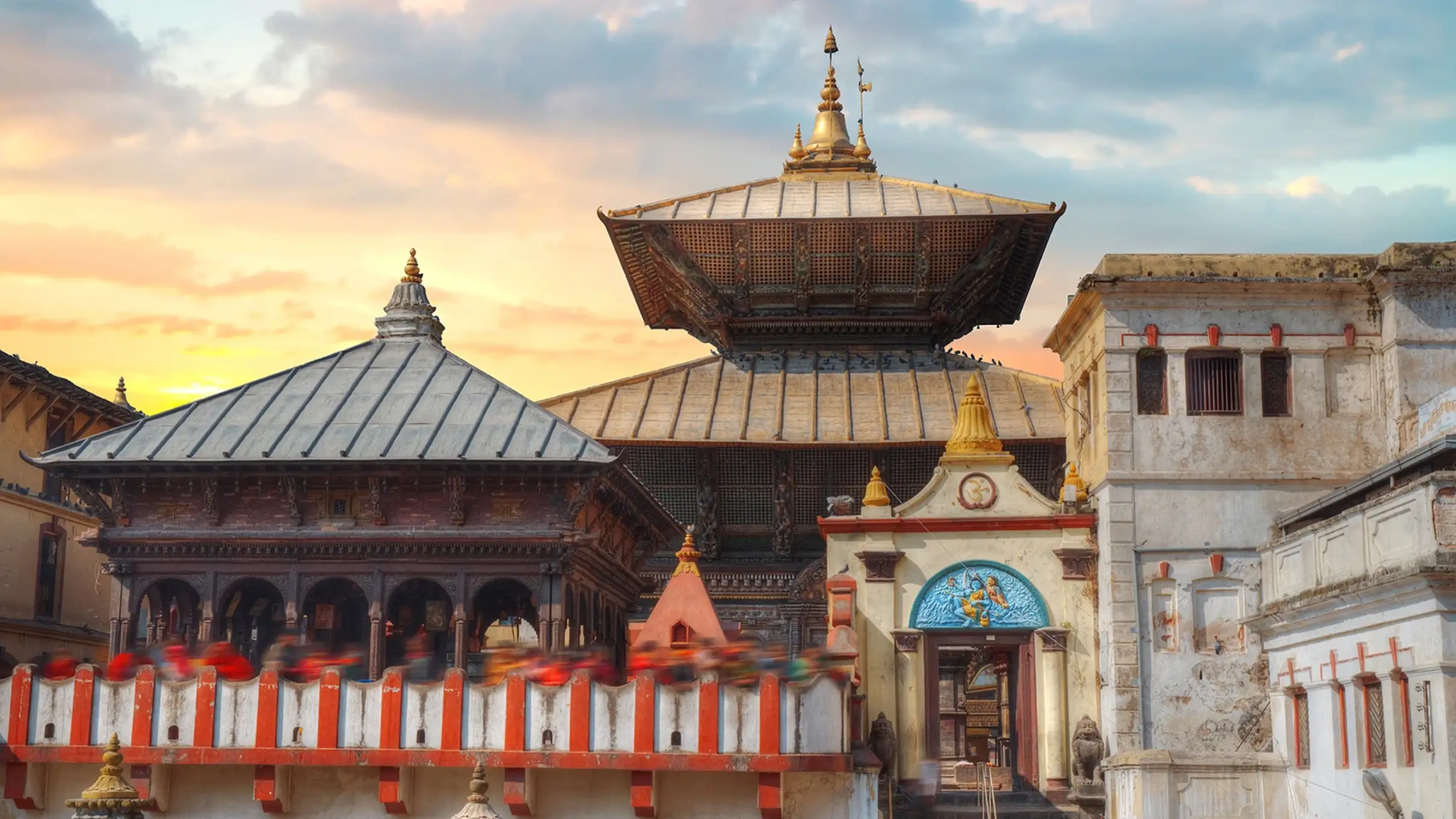
The great Bon gompas of the region, among them Thashung Gompa on the Phoksundo shore and the monasteries of the Dho Tarap valley, remain active, and the amchi healers of villages like Chhepka carry medical lineages that go with them. If that cultural thread is what draws you to Nepal generally, our complete guide to cultural and spiritual tours in Nepal maps how the living traditions of the Kathmandu Valley, the Buddhist heartland of Lumbini and the shamanic and Bon traditions of the high country connect into one journey. Dolpo is the deepest layer of it.

What Wildlife Lives in the Trans-Himalaya?
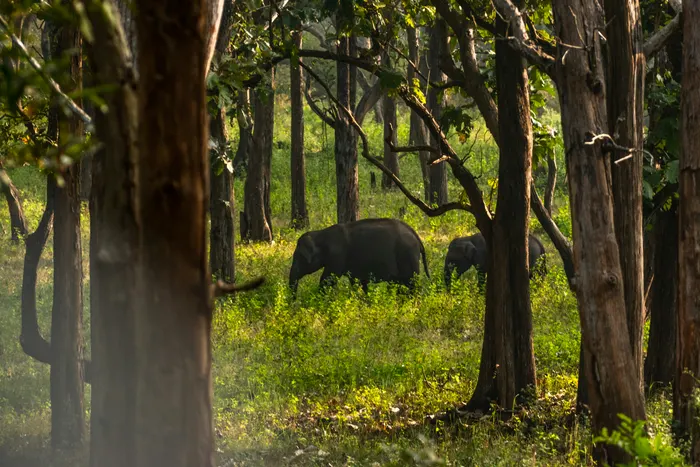
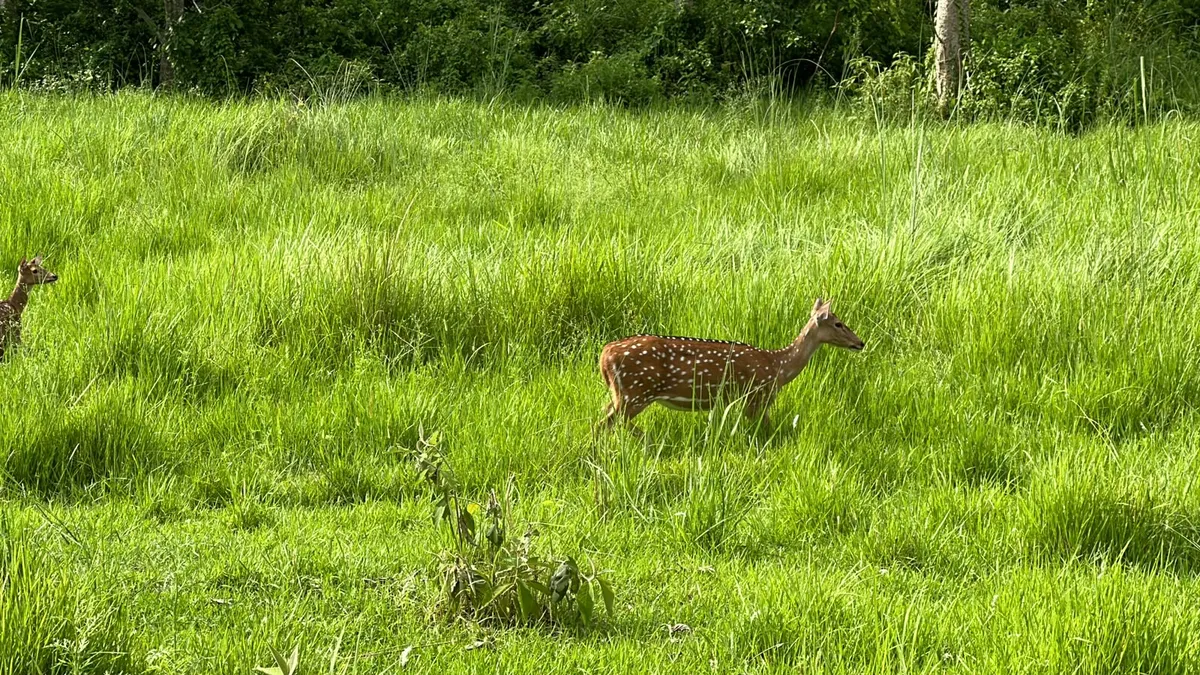
The park's wildlife is the classic Trans-Himalayan cast: blue sheep on the high slopes in herds of dozens, snow leopards hunting them, musk deer and Himalayan tahr on the transition zones, and raptors riding the thermals above the Suligad gorge. The snow leopard is the emblem species and the rarest prize in Nepali wildlife, present across the park's 2,712 square kilometres but seen by a lucky handful of trekkers each season. Wolves and lynx roam the northern valleys.
Birdlife shifts with the altitude: Himalayan monal and blood pheasant in the wooded south, choughs and snow pigeons on the passes, and the river gorges along the Suligad hosting a mixed community of forktails, dippers and kingfishers. The full species-by-species and season-by-season picture, including which Nepal habitats hold which birds, lives in our bird watching in Nepal guide.
How Many Days Do You Need in Dolpo?
Three itineraries cover almost every visit. The Phoksundo Lake trek, Juphal to the lake and back, runs five to seven days including the walk in from the airstrip, needs no restricted permit, and suits walkers who want the turquoise lake, the waterfall and the Suligad gorge without high passes. The Upper Dolpo circuit, lake plus the northern valleys via Numa La and Baga La and out through Dho Tarap, runs 18 to 22 days and is a full expedition. The Shey Gompa focus, Juphal to the lake, over the Kang La to Shey and back, splits the difference at around 14 to 16 days.
The honest planning answer: most first-time Dolpo trekkers should take the lake trek, and most people who dream of Dolpo actually dream of the north, in which case the Shey Gompa itinerary is the right first expedition because it reaches the heart of the region without committing to the full three-week crossing. If you are still calibrating trek length against fitness and experience, our guide to choosing a trek in Nepal ranks the country's routes by difficulty, permits and budget.
When Is the Best Time to Trek in Dolpo?
Dolpo inverts the standard Nepal trekking calendar, and understanding why is the single most useful piece of planning knowledge for this park. The region lies beyond the main Himalayan barrier, in the rain shadow where the monsoon largely fails: the same geography that gives Upper Mustang under 200 millimetres of annual rain makes June to September a workable, even prime, season in Upper Dolpo, exactly when the Everest and Annapurna trails close. The full northern circuit season therefore runs from May to early October, with the crossover months of May to June and September to October giving the most stable weather.
The Phoksundo valley sits closer to the monsoon edge, so for the lake trek the classic windows are better: late March to May in spring and October to November in autumn, which is the same October-to-November post-monsoon clarity the national parks guide recommends for Nepal's Himalayan parks generally. Winter closes the north completely: snow seals the passes from November, and flights into Juphal thin out to a trickle. Whatever window you choose, keep a buffer day for the Nepalgunj to Juphal flight, because Karnali weather does not negotiate with itineraries.
How Much Does a Dolpo Trek Cost in 2026?
The lake trek and the northern expedition are two different budgets. The lake trek is essentially a standard teahouse-and-camp walk: park entry, TIMS, guide and porter, food and lodging, plus the Nepalgunj and Juphal flights, which puts it in the range of a mid-length teahouse trek elsewhere in Nepal. The Upper Dolpo expedition adds the restricted-area permit that starts at USD 500, a camping crew with mule support for the villages without lodges, and a longer calendar, all of which stacks the total well above the USD 2,700 to 3,800 benchmark that a full Upper Mustang package commands, before accounting for the flight chain.
Three cost facts matter more than any single number. First, the restricted permit is priced per person and by the day, so a longer route is a linearly more expensive route. Second, everything in Dolpo is carried in, so the daily food cost is higher than on the road-linked trails. Third, the guide requirement is not optional in the north, it is a condition of the permit, so independent-budget tactics do not apply. Our trekking permits guide holds the full Nepal fee table for cross-checking every line.
Insurance for Dolpo's High Passes: What Your Policy Must Cover
The passes of the Upper Dolpo circuit, Numa La and Baga La, both sit above 5,000 metres, and Dho Tarap and the northern villages are days from any road head. Ordinary travel insurance is not built for this. Your policy must explicitly cover trekking to 6,000 metres, must include helicopter evacuation in Nepal, and must name remote-area rescue, because a serious illness above Saldang is not a taxi ride, it is a multi-day logistics problem that starts with a satellite call. Policies sold as hiking cover often cap at 3,000 or 4,000 metres, which leaves you uninsured at exactly the altitude you are paying to reach.
Carry a printed copy of the policy and the 24-hour assistance number, and register the details with your agency before the mule train leaves Dunai. The vetting questions that separate agencies who actually handle Karnali evacuations from those who merely claim to are listed in our guide to choosing the best trekking agency in Nepal; read it before you sign anything, because in Dolpo your agency is your infrastructure.

How to Trek Dolpo Responsibly
Dolpo is fragile in every direction: ecology, culture, economy. The principles that govern responsible and community tourism in Nepal apply here with unusual force. Stay in village lodges and camps that put money inside the communities you walk through rather than outside them. Buy barley, tsampa and yak products locally instead of persuading mule trains to carry in more packaged food. Do not buy wildlife products, full stop, and do not ask for them. Carry out every scrap of packaging you carry in, because there is no waste management above Dunai.
Culturally, ask before photographing ceremonies, walk clockwise around mani walls and chortens, and treat the amchi and the gompas as living institutions rather than attractions. The permit fees you pay are the conservation budget; the behaviour you bring is the rest of it. Trekkers who follow those two rules leave Dolpo the way they found it, which is the only way a place this remote stays worth the flight chain.
Dolpo versus Mustang: Which Forbidden Kingdom Is Right for You?
The two great restricted regions of Nepal attract the same kind of traveller, and the comparison is fair. Upper Mustang is closer, cheaper to reach, lower, and semi-arid rather than alpine desert; its culture is Tibetan Buddhist with a living walled city at Lo Manthang, and the full guide to that route is our Upper Mustang trek guide. Upper Dolpo is farther, higher, wilder and more expensive, with Bon culture, the deepest lake in Nepal, and a scale, remember, of 2,712 square kilometres of park, that Mustang simply does not have.
The shortcut answer: choose Mustang if you want the forbidden-kingdom experience in two weeks from Pokhara; choose Dolpo if you want the last one, and have three weeks and the patience for Karnali logistics. Trekkers who fall for the rain-shadow zone often end up doing both, a few years apart, in the order that their calendar and budget dictate in any given year.
Related Guides for Your Dolpo Plans
The Verdict: Nepal's Largest, Quietest Wonder
Shey Phoksundo is the park for trekkers who have already done the famous ones, or who want to skip the crowds from day one. The verified 2026 permit stack is high, the logistics are Karnali-slow, and the passes are serious, but the return is the deepest lake in Nepal, a Bon Buddhist culture that survived the modern world by outlasting its roads, and a 2,712 square kilometre silence that exists nowhere else in the country. Walk the lake if you have a week, and walk to Shey Gompa if the forbidden kingdom is the dream: the Upper Dolpa and Shey Gompa 2026/27 expedition is where that dream starts, and our team can build the rest of the Karnali calendar around it.