After a long flight into Tribhuvan International Airport, or a grueling two-week trek through the Annapurna range, or simply a few days navigating the sensory intensity of Kathmandu's streets, your body knows what it needs. It needs a skilled pair of hands to work the knots out of your shoulders. It needs the penetrating heat of a herbal steam bath. It needs an hour of stillness in a quiet room with soft music and the scent of lemongrass oil. Kathmandu's spa and wellness scene has evolved rapidly to meet these needs, and today the city offers a range of day spas and wellness retreats that rival those in far more established destinations.
This guide covers the best spa and wellness retreats in Kathmandu for travelers. We cover everything from quick, affordable massage spots in Thamel to full-day luxury spa experiences, Ayurvedic treatments, and integrated wellness packages that combine bodywork with yoga and meditation. Whether you have an hour between sightseeing or a full day dedicated to self-care, Kathmandu has a spa experience that fits your schedule and budget.
How Did Kathmandu's Spa Scene Evolve?
Kathmandu's spa scene has grown from a backpacker stopover into a professional wellness destination in roughly two decades. Dozens of spas now employ therapists trained in Thailand, India and beyond, blending international technique with Ayurvedic and Tibetan traditions, at prices far below Western equivalents.
Twenty years ago, the idea of a spa day in Kathmandu would have seemed incongruous. The city was a backpacker hub, a base camp for trekkers, a place you passed through on your way to the mountains. But as Nepal's tourism industry has matured, so has its wellness infrastructure. Today, Kathmandu is home to dozens of professional spas, many staffed by therapists trained in Thailand, India, and beyond. The quality of treatments has risen dramatically, while prices remain a fraction of what you would pay in Europe, North America, or even neighboring India.
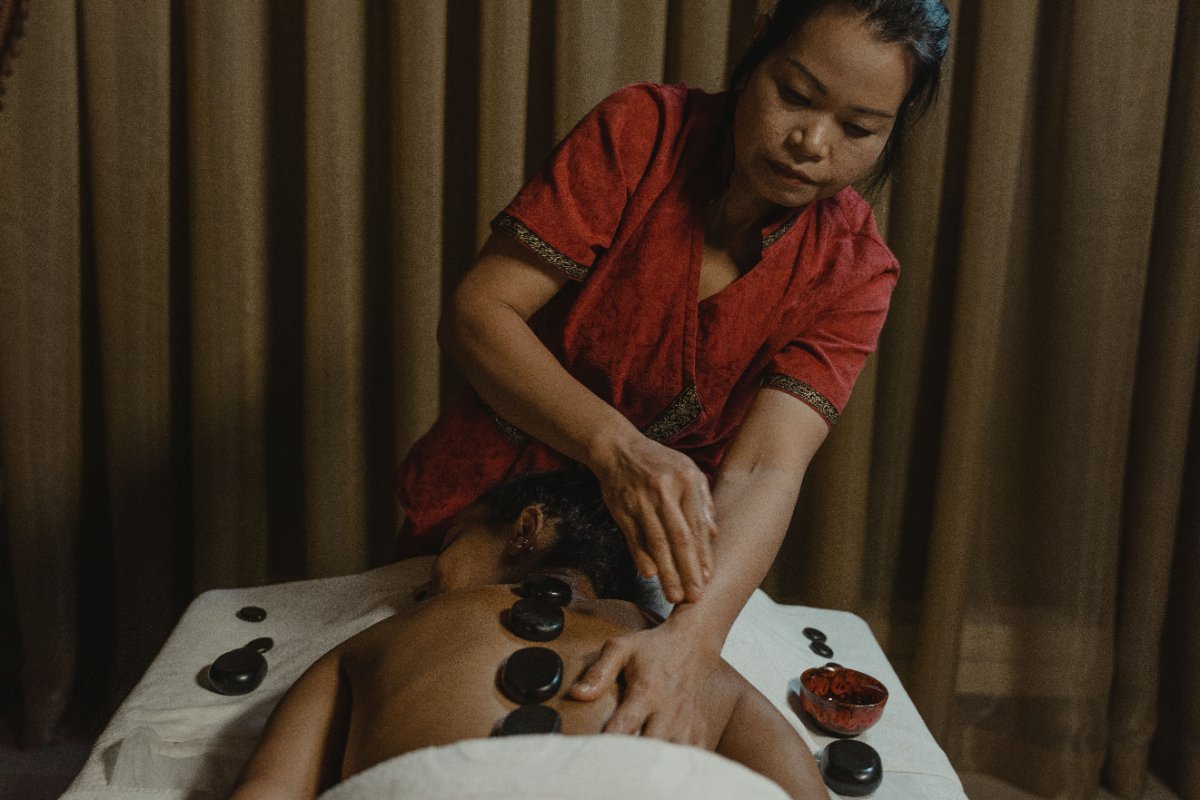
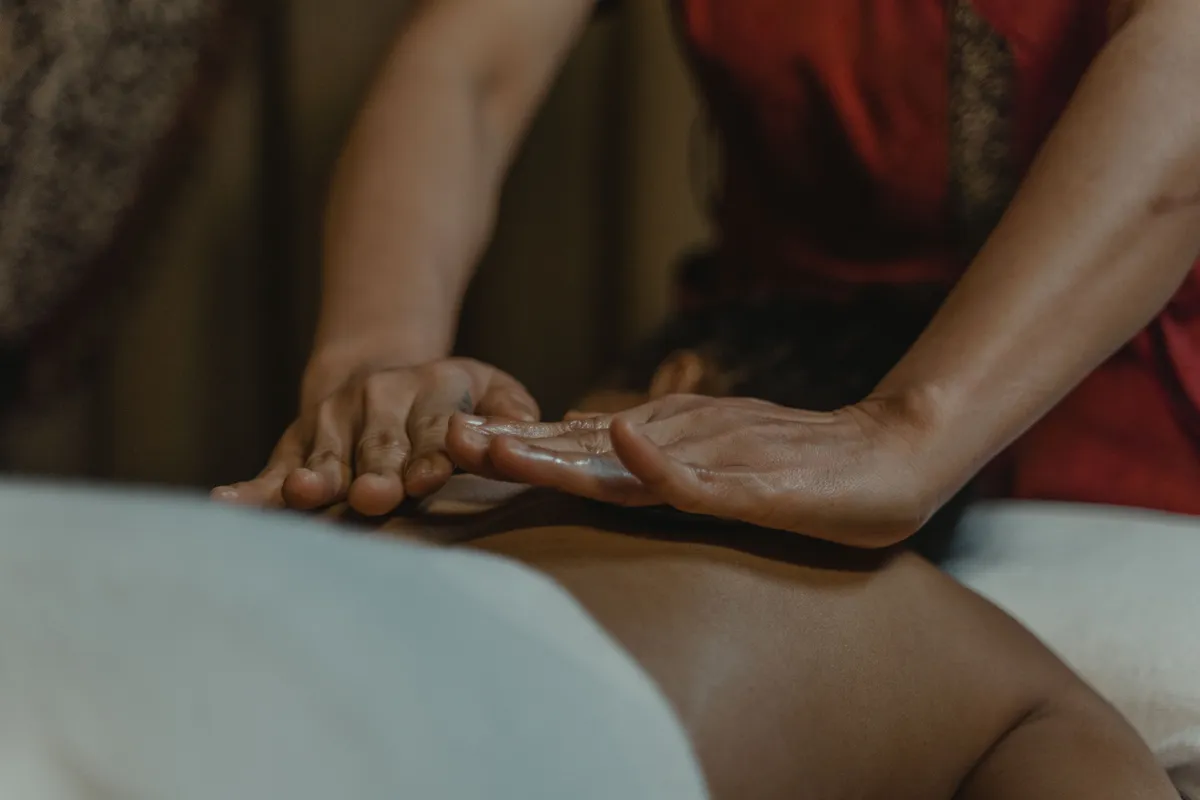
What makes Kathmandu's spa scene distinctive is its integration with local healing traditions. Many spas incorporate Ayurvedic principles, using herbal oils and treatment protocols that draw on thousands of years of South Asian medical knowledge. Others blend Himalayan ingredients, such as sea buckthorn oil, rhododendron extracts, and high-altitude herbs, into their treatments. You can find a standard Swedish massage, but you can also find a traditional Ayurvedic abhyanga, a Tibetan ku nye massage, or a hot stone treatment using river stones from the Trishuli. This cultural specificity gives Kathmandu's spas a character that cookie-cutter international hotel spas cannot replicate.
What Types of Spa Experiences Can You Find in Kathmandu?
Kathmandu offers three broad tiers of spa experience: quick express massages in Thamel from about $15 per hour, mid-range day spas charging $30 to $60 with steam rooms and combination packages, and luxury hotel spas offering Ayurvedic consultations and multi-hour rituals from $80 to $200.
Quick Massage and Express Treatments
If you have limited time, Thamel is filled with small massage centers offering 30-minute and 60-minute treatments at very affordable prices. A one-hour full-body oil massage typically costs between $15 and $25 USD. A 30-minute head, neck, and shoulder massage might cost $8 to $12. These are not luxury experiences. The rooms are often simple, the ambiance functional rather than atmospheric. But the quality of the massage itself can be excellent, and for a traveler with tired muscles and a tight budget, they deliver exactly what is needed.
When choosing a quick massage spot in Thamel, look for cleanliness and professionalism. A reputable center will have clean linens, private treatment rooms, and therapists who ask about your pressure preferences and any areas of concern. Avoid places that seem sketchy or that offer services that feel inappropriate. The legitimate massage centers are easy to identify: they have clear signage, posted price lists, and a professional atmosphere.
Mid-Range Day Spas
For a more polished experience, Kathmandu has a growing number of mid-range day spas that offer a wider range of treatments in a more serene environment. These spas typically charge $30 to $60 USD for a one-hour treatment and offer packages that combine multiple services. A typical package might include a one-hour massage, a 30-minute facial, and a steam bath for $50 to $80. The half-day wellness spa escape is a curated package that delivers this level of experience, with professional therapists and a tranquil setting.
These mid-range spas often feature treatment rooms with heated massage tables, soft lighting, and calming music. Many have steam rooms, saunas, and relaxation lounges where you can rest before and after treatments. The product lines used tend to be natural and often locally sourced, with Himalayan herbs, essential oils, and Ayurvedic preparations. This is the sweet spot for most travelers: a genuinely relaxing, professional experience at a price that feels like extraordinary value.
Luxury Spa Experiences
At the high end, Kathmandu's luxury hotels and dedicated wellness centers offer spa experiences that are world-class. These facilities feature beautifully designed treatment rooms, experienced international and Nepali therapists, and comprehensive treatment menus that include Ayurvedic consultations, body wraps, hydrotherapy, and multi-hour ritual treatments. Prices range from $80 to $200 USD for individual treatments, with half-day and full-day packages available.
The full-day trekker's spa retreat is designed specifically for trekkers recovering from the physical demands of Himalayan trekking. It includes deep tissue massage, hot stone therapy, herbal steam, and a nourishing meal, all in a serene environment. For those seeking the ultimate indulgence, the 9-day luxury yoga and wellness escape combines daily spa treatments with yoga, meditation, and cultural excursions in a comprehensive luxury wellness program.
Which Ayurvedic Treatments Are Worth Booking?
The Ayurvedic treatments most worth booking in Kathmandu are abhyanga, a warm herbal oil full-body massage matched to your dosha, and shirodhara, a steady stream of warm oil poured on the forehead that eases stress and insomnia. Udvartana, an herbal powder massage, suits detoxification goals.
Ayurveda, the traditional medical system of the Indian subcontinent, has a strong presence in Kathmandu's spa scene. Ayurvedic treatments are based on the concept of doshas, three fundamental energies that govern physiological and psychological processes. A proper Ayurvedic treatment begins with a consultation to determine your dosha constitution and any current imbalances, followed by treatments tailored to your specific needs.
The most common Ayurvedic treatment offered in Kathmandu spas is abhyanga, a full-body oil massage using warm herbal oils selected for your dosha type. Shirodhara, where a steady stream of warm oil is poured onto the forehead, is another popular treatment, particularly effective for stress, anxiety, and insomnia. Other Ayurvedic offerings include udvartana, an herbal powder massage for detoxification, and nasya, nasal administration of herbal oils for sinus and respiratory issues.
Several spas in Kathmandu offer authentic Ayurvedic consultations with practitioners trained in India. These are more than just spa treatments. They are therapeutic interventions grounded in a coherent medical philosophy. If you are dealing with a specific health concern, stress, digestive issues, joint pain, skin problems, an Ayurvedic consultation and treatment series in Kathmandu can be a valuable complement to conventional medical care.
Why Do Trekkers Need a Post-Trek Spa Day?
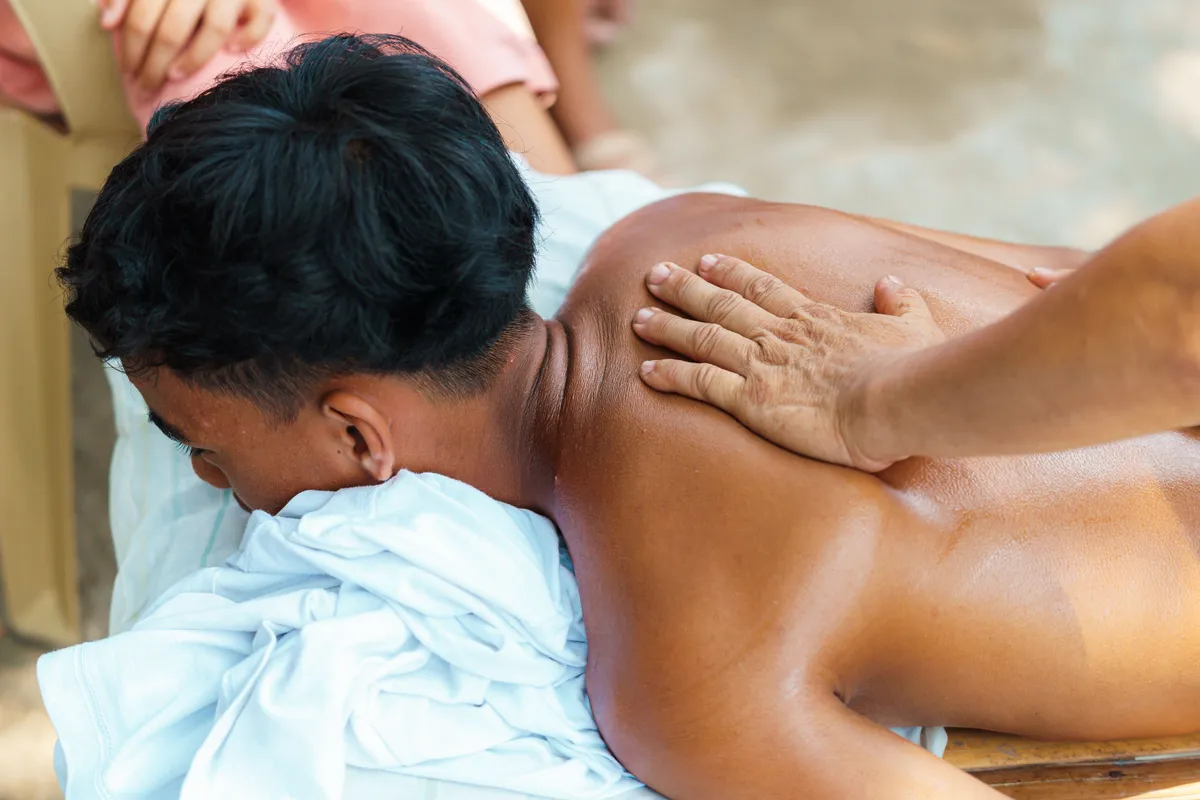
Trekkers need a post-trek spa day because weeks of descents pack muscles with knots, adhesions and strain. Deep tissue massage, hot stone therapy and herbal steam accelerate recovery, while foot reflexology addresses the toll of thousands of stone steps, turning a rest day into genuine physical repair.
If you have just completed a trek in the Annapurna, Langtang, or Everest regions, your body has earned some serious care. Days of carrying a pack, sleeping on thin mattresses, and descending thousands of stone steps take a toll on muscles, joints, and connective tissue. A post-trek spa day is not an indulgence. It is a recovery strategy.
The most effective post-trek treatments are deep tissue massage, which works out the knots and adhesions that form in overworked muscles, hot stone therapy, which uses heated stones to penetrate deep into muscle tissue and promote circulation, and herbal steam baths, which open pores, flush toxins, and soothe aching joints. The full-day trekker's spa retreat packages all three of these into a single day of recovery, with a nourishing meal included.
Many trekkers also benefit from foot reflexology, which addresses the specific strain that days of walking places on the feet, and Thai massage, which incorporates passive stretching to restore range of motion in tight hips and legs. If you have specific injuries or areas of concern, communicate these to your therapist before the treatment begins. A skilled therapist will adapt their approach to work safely around injuries while still providing relief to surrounding areas.
What Do Wellness Packages Beyond a Spa Day Include?
Wellness packages in Kathmandu go beyond a single treatment by combining spa therapies with yoga, meditation and other healing modalities. Options range from half-day experiences to multi-day retreats, addressing the whole person rather than tired muscles alone.
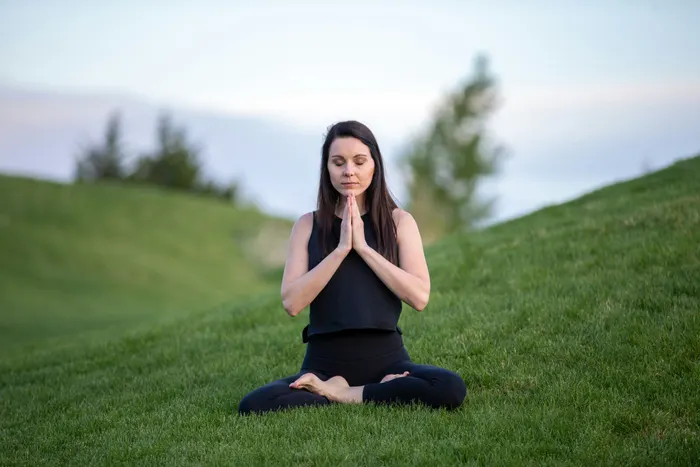
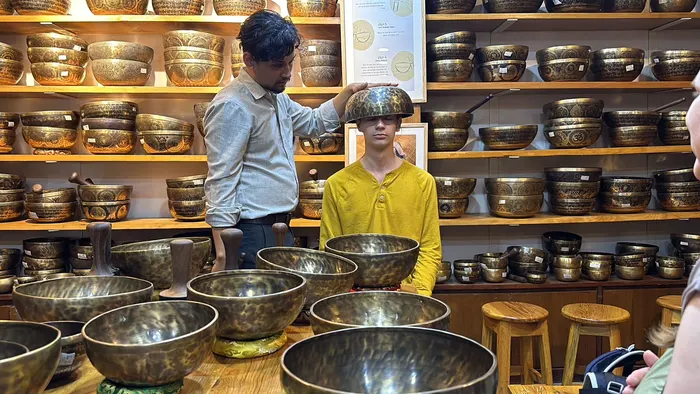
The 3-day yoga and sound healing retreat includes daily yoga sessions, sound healing treatments, and spa therapies in a structured program. The 4-day yoga and Reiki retreat adds energy healing to the mix. For those dealing with burnout or chronic stress, the 6-day stress management retreat provides a comprehensive reset with yoga, meditation, spa treatments, and lifestyle coaching.

These integrated packages are particularly valuable because they address the root causes of tension and imbalance, not just the symptoms. A massage can release tight muscles, but if the underlying stress pattern remains, the tension will return. By combining bodywork with practices that cultivate mental and emotional resilience, these packages create the conditions for lasting change.
What Should You Look for in a Kathmandu Spa?
Look for fresh linens, private treatment rooms, certified therapists who ask about injuries and pressure preferences, and posted price lists. A proper intake conversation is the strongest quality signal. Budget $25 to $40 for a one-hour treatment; prices far below that usually mean compromised training or cleanliness.
With so many options, choosing the right spa in Kathmandu requires some discernment. Here are the key factors to consider.
Cleanliness is non-negotiable. A reputable spa will have clean treatment rooms, fresh linens for each client, and therapists who wash their hands before and after each treatment. Do not be shy about asking to see the treatment room before booking if you have any concerns. Professionalism matters. Therapists should be trained and certified, and the spa should be able to tell you about their qualifications. They should ask about your health history, any injuries or conditions, and your preferences for pressure and focus areas.
Ambiance contributes significantly to the experience. A good spa creates an environment that signals to your nervous system that it is safe to relax. This means quiet, clean, pleasantly scented spaces with soft lighting and calming music. It does not need to be luxurious, but it should feel peaceful. Price is a factor, but the cheapest option is rarely the best. In Kathmandu, you can get an excellent one-hour massage for $25 to $40 USD. Spending less than $15 often means compromising on training, cleanliness, or both.
The Kathmandu healing guide provides additional context on the city's broader wellness landscape, including sound healing and energy work that can complement your spa experience. For those interested in the spiritual dimension of wellness, the spiritual tour in Nepal guide covers sacred sites that pair beautifully with a spa-focused itinerary.

Combining Spa Visits with Kathmandu Sightseeing
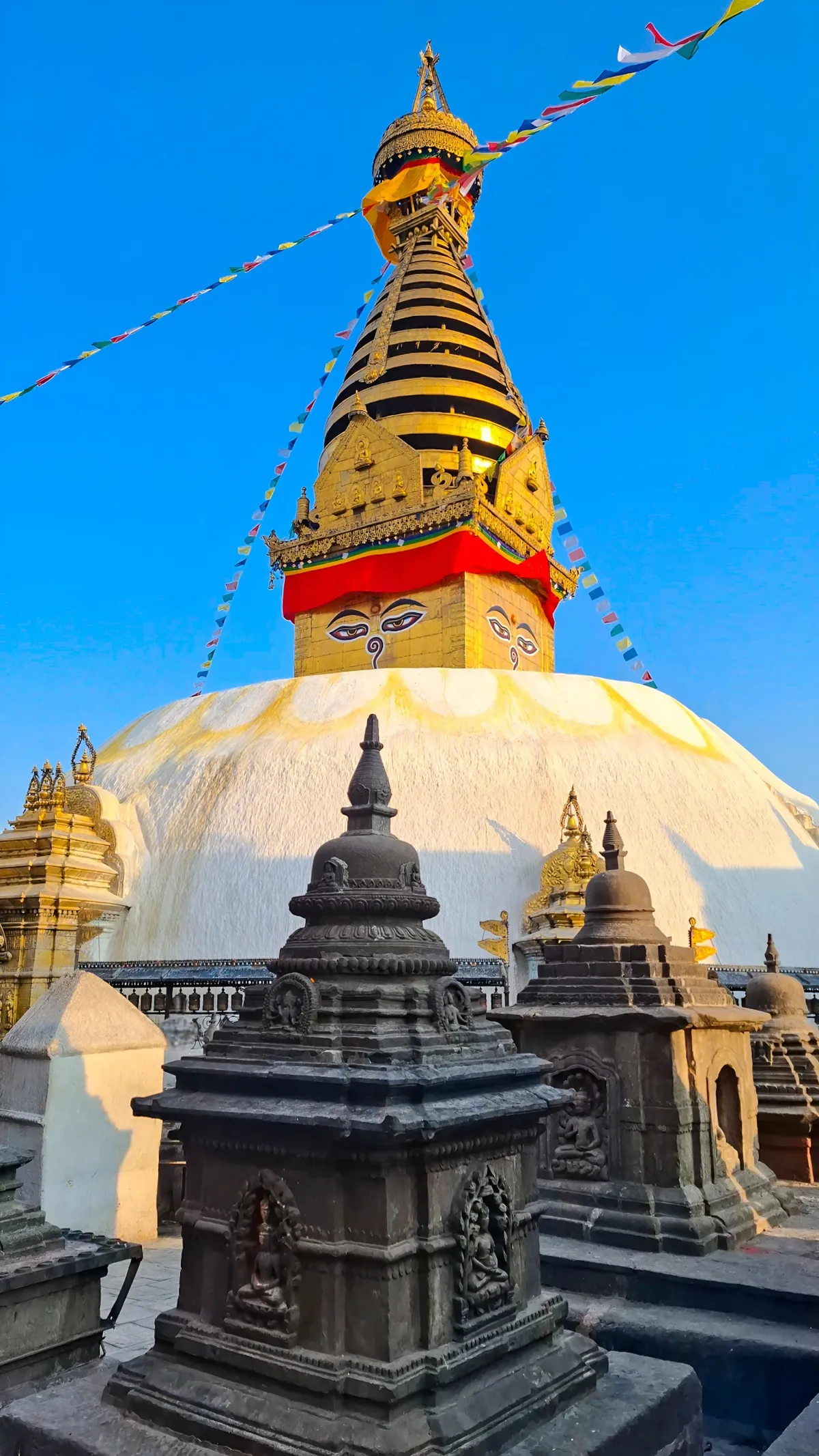
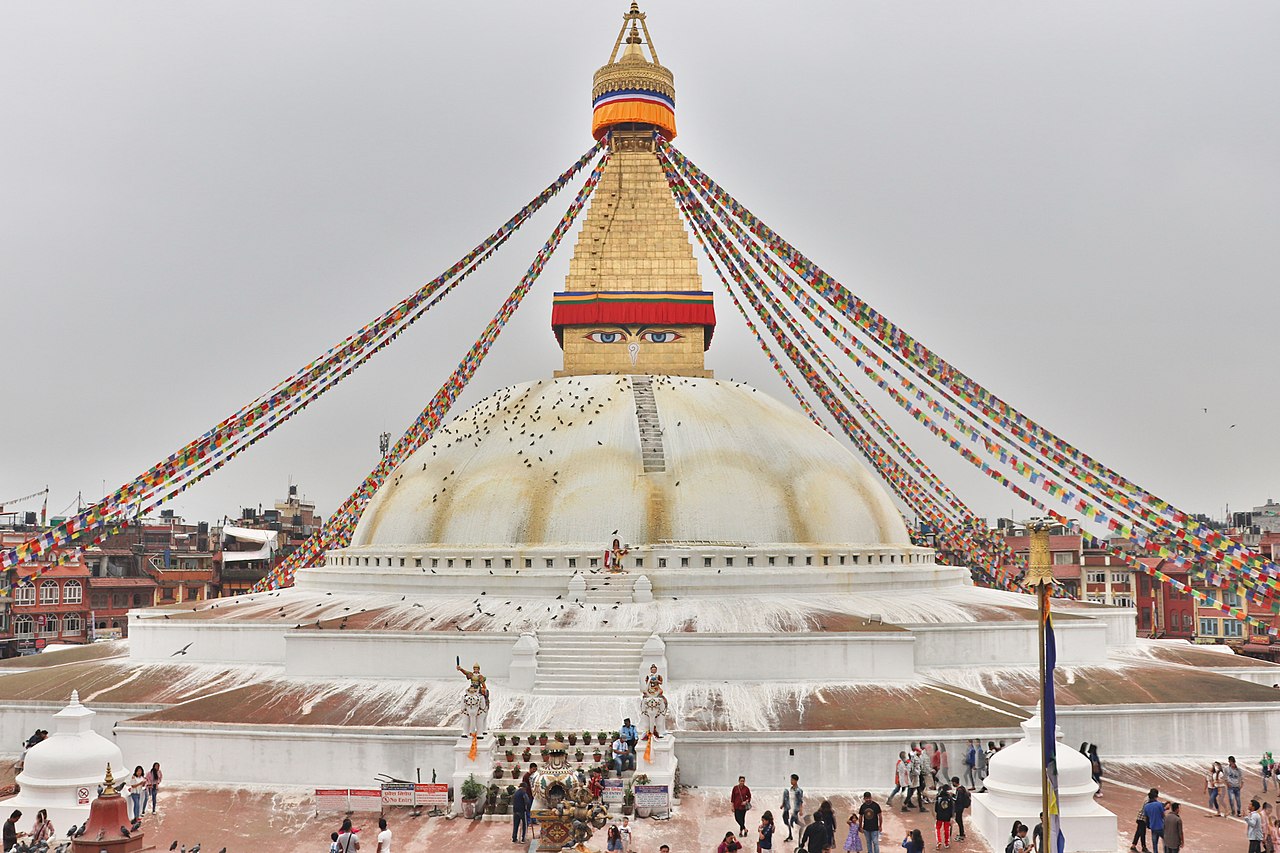
One of the pleasures of a spa day in Kathmandu is how easily it integrates with the cultural offerings of Kathmandu. You can spend the morning exploring the UNESCO World Heritage sites of the Kathmandu Valley, Swayambhunath, Boudhanath, Pashupatinath, and Bhaktapur Durbar Square, and then spend the afternoon in a spa, letting the impressions of the day settle into your body. Or you can reverse the order: start with a morning spa treatment to arrive at the temples feeling open, relaxed, and receptive.
The complete guide to cultural and spiritual tours in Nepal provides detailed information on the major heritage sites, including practical tips on timing, entry fees, and what to expect. The spiritual wellness travel guide offers a framework for weaving spa experiences into a broader healing journey through Nepal.




If you are heading to Pokhara after Kathmandu, consider saving some spa budget for the lakeside. Pokhara's spas offer the same quality of treatments with the added benefit of mountain views and lakeside serenity. The 4-day Pokhara wellness retreat is an excellent way to experience the best of Pokhara's spa and wellness scene. For those planning a trek, the guide to Nepal's best trekking agency will help you find a reputable operator, and the guide to slow trekking and mindfulness shows how to trade summit-chasing for contemplative depth on the trail.
Practical Tips for Spa Visits in Kathmandu
Book in advance, especially during peak trekking seasons, October to November and March to May, when Kathmandu fills with trekkers seeking post-trek recovery. Many spas accept walk-ins, but the best therapists and time slots fill quickly. If you have a specific therapist you want to see, book several days ahead.
Arrive early. Give yourself at least 15 minutes before your treatment to fill out any intake forms, use the steam room or sauna if available, and begin to shift out of travel mode and into relaxation mode. Rushing into a treatment undermines its effectiveness. Communicate with your therapist. Let them know about any injuries, areas of tension, pressure preferences, and whether you prefer conversation or silence during the treatment. A good therapist will check in with you, but it helps to set expectations at the start.
Hydrate before and after. Massage and steam treatments release toxins and metabolic waste from muscle tissue, and water helps flush these from your system. Avoid alcohol and heavy meals immediately before and after treatments. Give yourself time after the treatment to rest and integrate. The post-treatment glow is part of the experience, and rushing back into the noise of Kathmandu's streets can undo some of the benefit.
For those interested in a deeper dive into Nepal's wellness offerings, the 2026/27 pillar guide to sacred sites, rituals, and wellness provides comprehensive coverage of how spa and bodywork traditions fit into Nepal's broader spiritual and healing landscape.
Kathmandu's spas reward every kind of traveler: the trekker limping off the trail, the culture lover needing a mid-temple reset, the burned-out professional planning a longer retreat. Start with a half-day wellness spa escape in Kathmandu to sample the city's healing touch, then decide how deep the journey goes.