Yoga Retreats in Nepal 2026: Best Centers, Prices and What to Expect
Nepal has long been a magnet for spiritual seekers, and in 2026 its yoga retreat scene is more vibrant than ever. From ancient monastery courtyards in Kathmandu to lakeside shalas in Pokhara and high-altitude sanctuaries in the Himalayas, the country offers a depth of practice that few destinations can match. Whether you are a seasoned yogi looking to deepen your asana practice or a complete beginner seeking a reset, a yoga retreat in Nepal delivers something beyond the mat: a genuine encounter with the traditions that gave birth to yoga and meditation in the first place.
This guide covers everything you need to know about planning a yoga retreat in Nepal in 2026. We walk through the types of retreats available, review the best centers, break down realistic price ranges, describe what a typical day looks like, and offer practical advice on how to choose the right program. By the end, you will have a clear picture of what awaits and how to book with confidence.
Why Nepal for a Yoga Retreat
Nepal sits at the crossroads of Hindu and Buddhist spiritual traditions, and yoga has been practiced here for centuries, not as a fitness trend but as an integrated path of body, breath, and mind. The Himalayan backdrop adds a dimension that no indoor studio can replicate: morning sun salutations with the Annapurna range on the horizon, pranayama sessions in pine-scented mountain air, and meditation walks through rhododendron forests. The country is also home to some of the world's most respected meditation and yoga teachers, many of whom trained in Indian ashrams before returning to establish centers in Nepal.
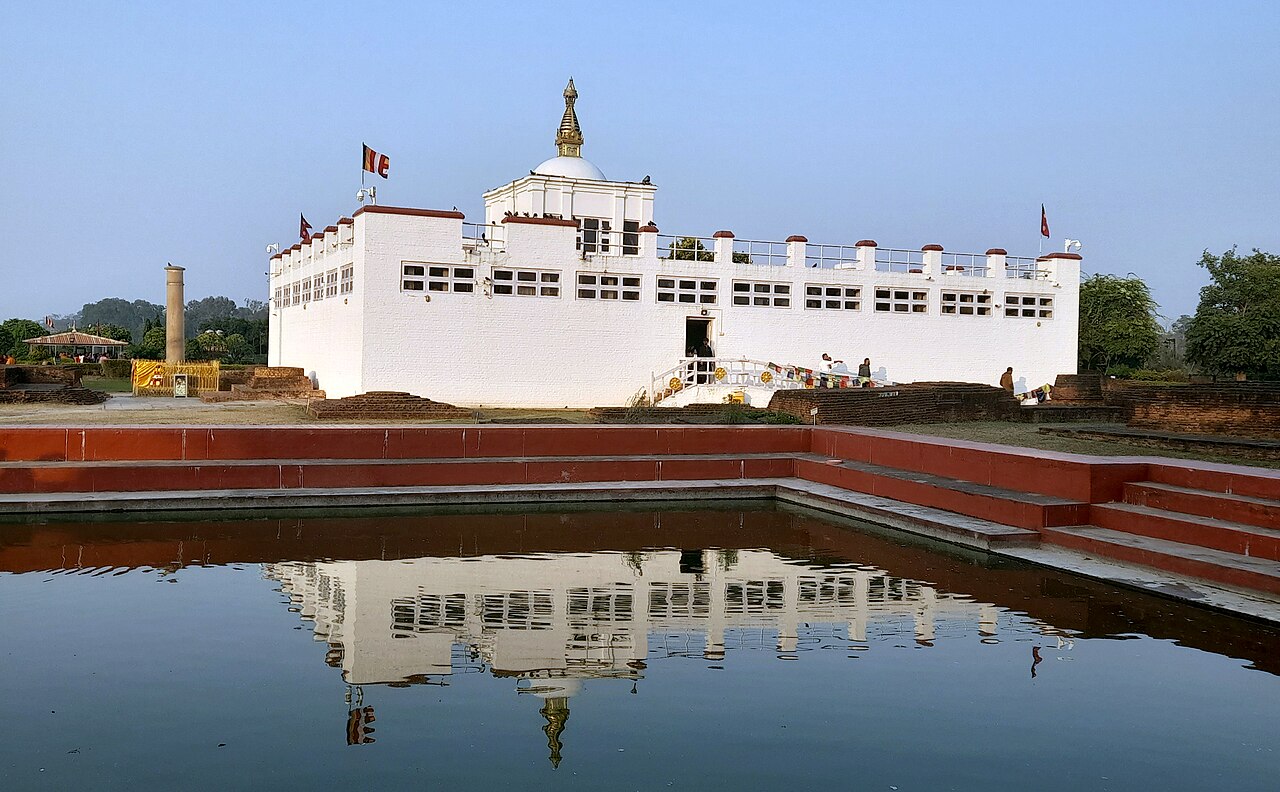
Beyond the practice itself, a yoga retreat in Nepal is also a cultural immersion. You will likely share meals with monks, walk through medieval temple squares, and encounter living traditions of devotion that have shaped the subcontinent's spiritual landscape. For travelers who want more than a resort-style wellness vacation, Nepal offers authenticity at a fraction of the cost of comparable retreats in Europe or North America. Our complete guide to spiritual wellness travel in Nepal explores this intersection of healing and Himalayan culture in greater depth. If your journey includes sacred sites beyond the yoga shala, our Lumbini pilgrimage guide and Boudhanath Stupa guide cover two of Nepal's most powerful spiritual destinations.

Types of Yoga Retreats in Nepal
Not all yoga retreats are the same, and Nepal's diversity means you can find a program tailored to almost any intention. Understanding the categories will help you narrow your search quickly.
Hatha and Ashtanga Intensive Retreats
These are the most common format, typically running 3 to 14 days with two daily asana sessions, pranayama, and meditation. Hatha-focused retreats move at a slower, alignment-oriented pace and are ideal for beginners and intermediate practitioners. Ashtanga intensives follow the Mysore-style or led-primary-series format and demand more physical stamina. Centers like Kopan Monastery and the Nepal Yoga Academy in Kathmandu run regular Hatha intensives, while Pokhara has several Ashtanga-focused shalas that attract dedicated practitioners from around the world.
Yoga and Meditation Combined Retreats
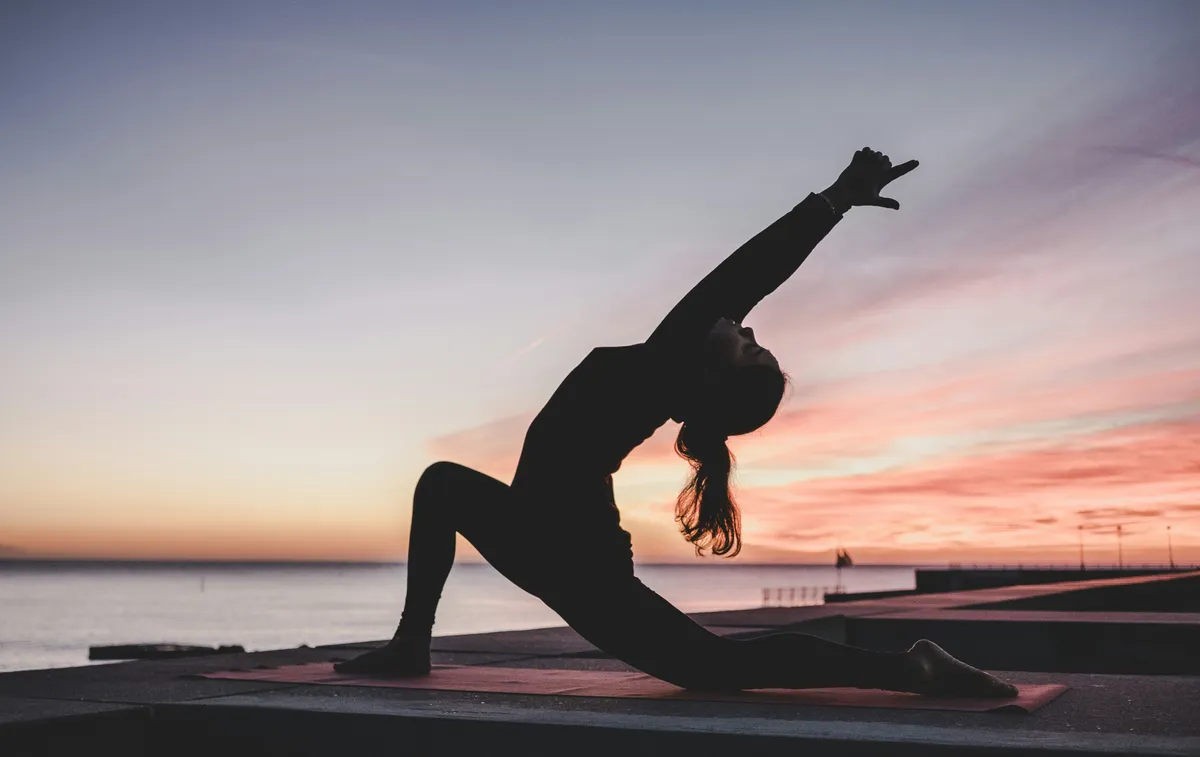
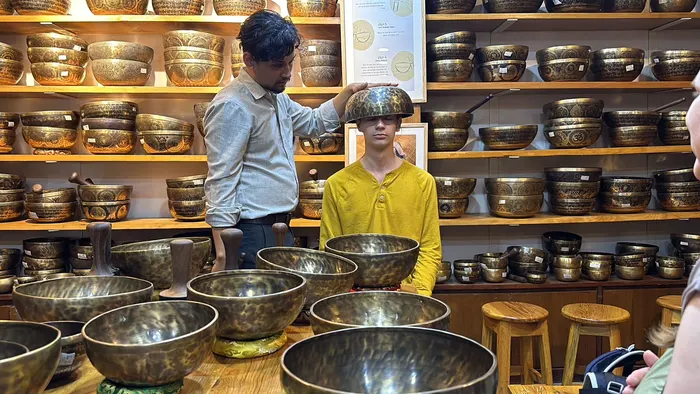
Many retreats in Nepal blend asana with sitting meditation, often drawing on Vipassana or Tibetan Buddhist techniques. A typical day might include a morning Hatha session, an afternoon meditation sit, and evening chanting or dharma talks. These programs suit practitioners who want to develop both the physical and contemplative dimensions of their practice. The 3-day yoga and sound healing retreat in Kathmandu is a popular entry point for travelers with limited time who still want a meaningful taste of this combined approach.
Yoga Trekking Retreats
Unique to Nepal, yoga trekking retreats combine daily trail walking with morning and evening yoga sessions. A typical itinerary might involve 4 to 6 hours of trekking through the Annapurna or Langtang foothills, with asana and meditation sessions at teahouses or campsites along the way. The physical demands of trekking are balanced by restorative evening practices, and the rhythm of walking, breathing, and practicing in nature creates a powerful container for transformation. Our article on treks with a spiritual side covers several routes that pair beautifully with yoga practice.
Luxury Wellness and Yoga Retreats
For travelers who want the depth of practice without sacrificing comfort, Nepal now has several high-end retreat centers offering yoga alongside spa treatments, organic cuisine, and boutique accommodation. These programs typically run 5 to 14 days and include private sessions, Ayurvedic consultations, and excursions to nearby cultural sites. The 9-day luxury yoga and wellness Himalayan escape is a standout option that combines daily yoga with spa therapies and guided cultural excursions in the Kathmandu Valley.
Teacher Training Programs
Nepal has become a popular destination for Yoga Alliance-certified 200-hour and 300-hour teacher training courses. These are intensive, residential programs lasting 21 to 30 days, covering asana, anatomy, philosophy, pranayama, meditation, and teaching methodology. The cost is significantly lower than equivalent programs in India or the West, and the Himalayan setting adds a dimension that graduates often describe as transformative beyond the certification itself.
Best Yoga Retreat Centers in Nepal
Kopan Monastery (Kathmandu)
Perched on a hill overlooking the Kathmandu Valley, Kopan Monastery is primarily a Tibetan Buddhist center, but its month-long meditation courses and shorter retreats incorporate yoga and mindfulness practices that have drawn practitioners for decades. The setting is serene, with terraced gardens, prayer wheels, and panoramic views of the valley. Accommodation is simple but comfortable, and meals are vegetarian, served in a communal dining hall. Kopan's retreats emphasize the integration of body, speech, and mind, and the daily schedule includes meditation, teachings, discussion groups, and gentle yoga. A 7-day retreat here typically costs between USD 150 and USD 300, making it one of the most affordable and authentic options in the country.
Osho Tapoban (Kathmandu)
Set in a forested valley on the outskirts of Kathmandu, Osho Tapoban is an international commune and retreat center that offers daily Osho Active Meditations, yoga sessions, and residential retreats. The center spans 24 acres of woodland with walking trails, meditation halls, and simple guest accommodation. Retreats here blend dynamic meditation techniques with Hatha yoga, and the atmosphere is more free-form than traditional ashrams. Prices are modest: a weekend retreat typically costs USD 80 to USD 150, while week-long programs range from USD 250 to USD 450 including meals and accommodation.
Pokhara Yoga Centers
Pokhara, with its lakeside setting and views of the Annapurna massif, has emerged as Nepal's yoga hub. Dozens of shalas line the Lakeside district, offering everything from drop-in classes to multi-week retreats. Purna Yoga Retreat, Sadhana Yoga, and the Pokhara Yoga School are among the most established. A typical 7-day retreat in Pokhara costs USD 300 to USD 700, including accommodation, meals, and daily sessions. The lakeside location means you can practice with mountain views in the morning and walk to cafes and shops in the afternoon. Many centers also offer stress management retreats that combine yoga with mindfulness coaching and nature therapy.

Himalayan Yoga Retreats (Various Locations)
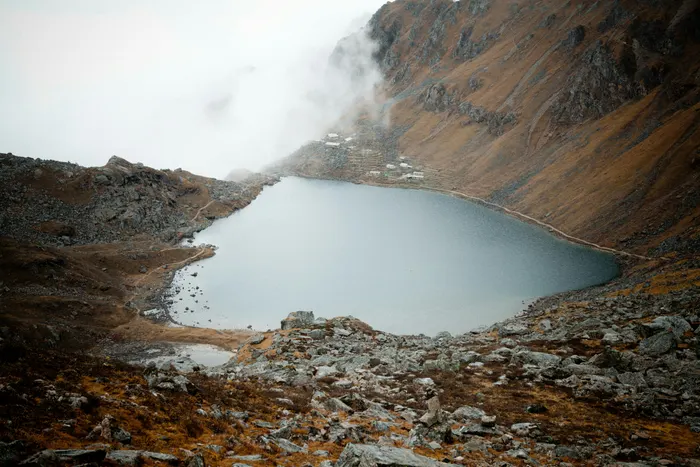
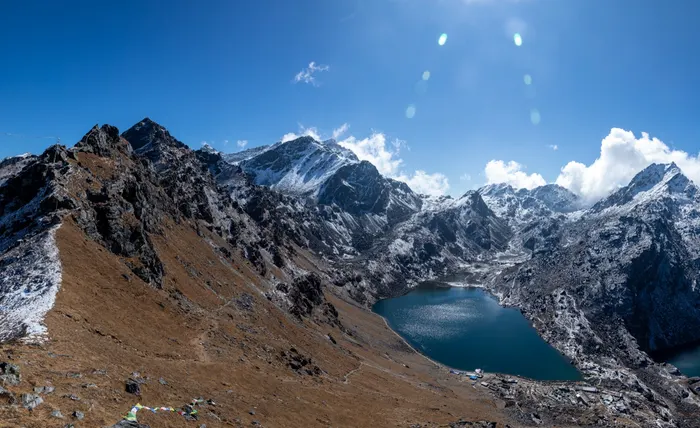
For those seeking a more remote experience, several operators run pop-up retreats in mountain villages, forest camps, and monastery guesthouses across the Himalayas. These retreats are typically seasonal, running from March to May and September to November, and they emphasize silence, nature immersion, and intensive practice. Locations include the Langtang Valley, the foothills of Gosaikunda, and villages near Bandipur. Prices vary widely depending on logistics, but expect to pay USD 500 to USD 1,200 for a 7-day mountain retreat, including transport from Kathmandu or Pokhara.
What a Typical Day Looks Like
While every retreat has its own rhythm, most follow a structure that has been refined over centuries of ashram life. Here is a representative daily schedule for a 7-day Hatha and meditation retreat in Nepal:
- 5:30 AM: Wake-up bell or gong
- 6:00 AM - 7:30 AM: Morning asana practice (Hatha or Ashtanga, 90 minutes)
- 7:30 AM - 8:00 AM: Pranayama and chanting
- 8:00 AM - 9:00 AM: Breakfast (vegetarian, often dal bhat, porridge, or fresh fruit)
- 9:00 AM - 11:00 AM: Free time or karma yoga (voluntary service, such as garden work or kitchen help)
- 11:00 AM - 12:30 PM: Philosophy lecture, anatomy workshop, or guided meditation
- 12:30 PM - 1:30 PM: Lunch
- 1:30 PM - 4:00 PM: Rest, self-study, or nature walk
- 4:00 PM - 5:30 PM: Afternoon asana session (gentler, restorative, or yin-style)
- 5:30 PM - 6:30 PM: Evening meditation or satsang (group discussion)
- 6:30 PM - 7:30 PM: Dinner
- 7:30 PM - 9:00 PM: Evening program (chanting, film, or free time)
- 9:00 PM: Silence begins; lights out by 10:00 PM
Most retreats observe silence from the evening session through breakfast the next morning, and some are fully silent for the entire duration. The schedule is designed to be demanding but sustainable, and participants often report that the structure itself becomes a source of clarity and calm within the first two days.
Price Ranges and What Is Included
Yoga retreat prices in Nepal span a wide range, and understanding what is included helps you compare value across programs. Here is a realistic breakdown for 2026:
| Retreat Type | Duration | Price Range (USD) | Typically Includes |
|---|---|---|---|
| Budget Ashram | 3-7 days | $80 - $300 | Dorm accommodation, vegetarian meals, daily sessions |
| Mid-Range Center | 5-10 days | $300 - $800 | Private room, meals, sessions, one excursion |
| Luxury Retreat | 5-14 days | $800 - $2,500 | Boutique room, gourmet meals, private sessions, spa, excursions |
| Teacher Training | 21-30 days | $1,200 - $2,800 | Full board, tuition, manuals, certification fee |
| Yoga Trekking | 5-12 days | $500 - $1,500 | Guide, teahouse accommodation, meals, permits, daily yoga |
These prices are for the retreat itself and do not include international flights, travel insurance, or visa fees. Most centers require a deposit of 20 to 30 percent at booking, with the balance due on arrival. Always confirm what is included before paying: some budget retreats charge extra for private rooms, laundry, or excursions.
How to Choose the Right Yoga Retreat
With so many options, choosing the right retreat can feel overwhelming. Here are the key factors to weigh:
Your Intention
Be honest about why you are going. Are you seeking physical challenge, mental stillness, spiritual initiation, or simply a break from routine? A physically demanding Ashtanga intensive will serve a different need than a silent meditation retreat with gentle yoga. If you are new to yoga, look for retreats labeled beginner-friendly or all-levels. If you are recovering from injury or burnout, prioritize centers that offer restorative yoga and one-on-one attention.
Location and Season
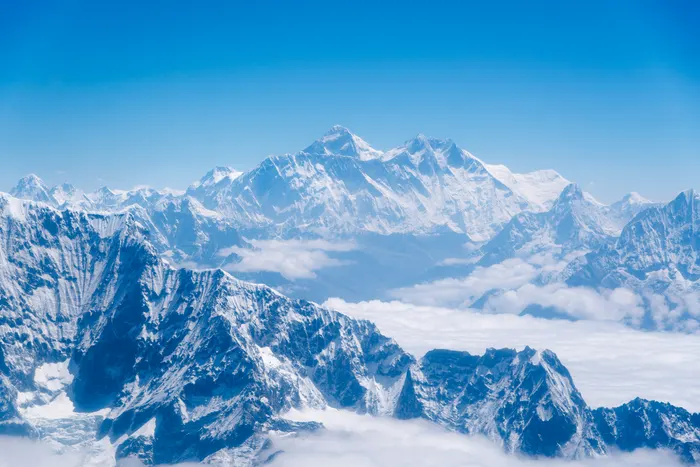
Kathmandu and Pokhara are accessible year-round, but mountain retreats are seasonal. The best windows are March to May (spring, warm days, rhododendron blooms) and September to November (autumn, clear skies, post-monsoon freshness). December to February is cold at altitude but quiet and deeply peaceful. June to August is monsoon: lush and green, but leeches on trails and cloudy mountain views. For a broader look at timing, see our spiritual tour in Nepal 2026 guide which covers seasonal considerations across all pilgrimage and retreat types.
Teacher Credentials and Lineage
Research the lead teacher's training and experience. A Yoga Alliance certification (RYT-200 or RYT-500) is a baseline indicator, but lineage matters more in Nepal. Teachers who trained at established Indian ashrams (Sivananda, Bihar School of Yoga, Iyengar institutes) or under recognized Tibetan Buddhist masters bring depth that a generic certification cannot replicate. Read reviews on multiple platforms, and do not hesitate to email the center with questions about the teacher's background.
Group Size and Format
Retreats range from intimate groups of 5 to 8 participants to larger programs of 20 to 30. Smaller groups mean more individual attention and a quieter atmosphere; larger groups can be more social and often cost less. Some retreats are fully scheduled, while others build in significant free time. If you need solitude, avoid retreats that emphasize group activities and sharing circles. If you thrive on community, look for programs that include satsang, group meals, and collaborative karma yoga.
Dietary and Accessibility Needs
Most retreats in Nepal serve vegetarian meals, and many can accommodate vegan, gluten-free, or Jain diets with advance notice. If you have specific medical needs or mobility limitations, communicate these clearly before booking. Mountain retreats often involve walking on uneven terrain and may not be suitable for those with limited mobility. Centers in Kathmandu and Pokhara are generally more accessible.
What to Pack for a Yoga Retreat in Nepal
Packing light is a virtue, but a few items make a significant difference to your comfort:
- Yoga mat: Most centers provide mats, but bringing your own travel mat ensures hygiene and familiarity.
- Comfortable clothing: Loose, breathable layers for practice; a warm shawl or fleece for early mornings and meditation sits.
- Modest attire: Nepal is conservative; shoulders and knees should be covered outside the yoga shala, especially near monasteries and temples.
- Reusable water bottle: With a filter or purification tablets. Tap water is not safe to drink.
- Headlamp: Essential for mountain retreats where power can be intermittent.
- Journal and pen: Retreats often stir deep reflection; having a dedicated notebook is valuable.
- Minimal toiletries: Biodegradable soap and shampoo if you are at an eco-sensitive mountain center.
- Cash: Many retreat centers and village shops do not accept cards. Carry Nepali rupees in small denominations.
Health, Safety, and Practical Considerations
Nepal is a safe destination for yoga retreats, but a few precautions go a long way. Travel insurance that covers medical evacuation is essential, especially for mountain retreats. Altitude sickness is a risk above 2,500 meters; if your retreat is at elevation, plan to arrive a day or two early to acclimatize. Tap water is not potable anywhere in Nepal: stick to filtered, boiled, or bottled water, and avoid raw salads at roadside stalls. Register with your embassy before travel, and keep a copy of your passport and insurance details separate from the originals.
For a comprehensive overview of planning a trip to Nepal, our complete guide to cultural and spiritual tours in Nepal covers visas, transport, and cultural etiquette in detail. If you are combining your retreat with trekking, also see our guide to choosing the best trekking agency in Nepal for advice on permits, guides, and route planning. For those drawn to high-altitude pilgrimage, our Muktinath spiritual circuit guide covers the sacred confluence of Hindu and Buddhist traditions in Mustang. If you are timing your retreat around Nepal's vibrant festival calendar, our guide to major festivals of Nepal will help you plan around Dashain, Tihar, and other celebrations. And for those who want to pair yoga with aerial pilgrimage, our helicopter pilgrimage and trek combos guide explores how to reach remote sacred sites by air.


Booking Your Yoga Retreat: Step by Step
- Research and shortlist: Identify 3 to 5 retreats that match your intention, budget, and dates. Read reviews on multiple platforms.
- Contact the center: Email with specific questions about the teacher, group size, daily schedule, and what is included. A prompt and detailed reply is a good sign.
- Confirm dates and availability: Popular retreats, especially teacher trainings, fill months in advance. Book early for peak season (October-November and March-April).
- Pay the deposit: Most centers accept bank transfers or online payment platforms. Keep the receipt.
- Arrange travel: Book flights to Kathmandu (KTM). If your retreat is in Pokhara, you can fly (25 minutes) or take a tourist bus (6 to 7 hours).
- Prepare mentally: In the weeks before your retreat, consider reducing caffeine, alcohol, and screen time. Arrive rested and open.
Enticing Himalayas offers several curated yoga and wellness packages that handle all logistics, from airport pickup to retreat placement and cultural excursions. Browse our yoga and sound healing retreat, our stress management program, or our luxury Himalayan wellness escape for ready-to-book options with verified teachers and transparent pricing. For those drawn to Nepal's sacred high-altitude sites, our Muktinath helicopter pilgrimage and Gosaikunda yoga trek combine spiritual practice with Himalayan adventure. If you are exploring the Kathmandu Valley's heritage, the Kathmandu spiritual circuit and Sacred Kathmandu heritage tour pair beautifully with a retreat stay.