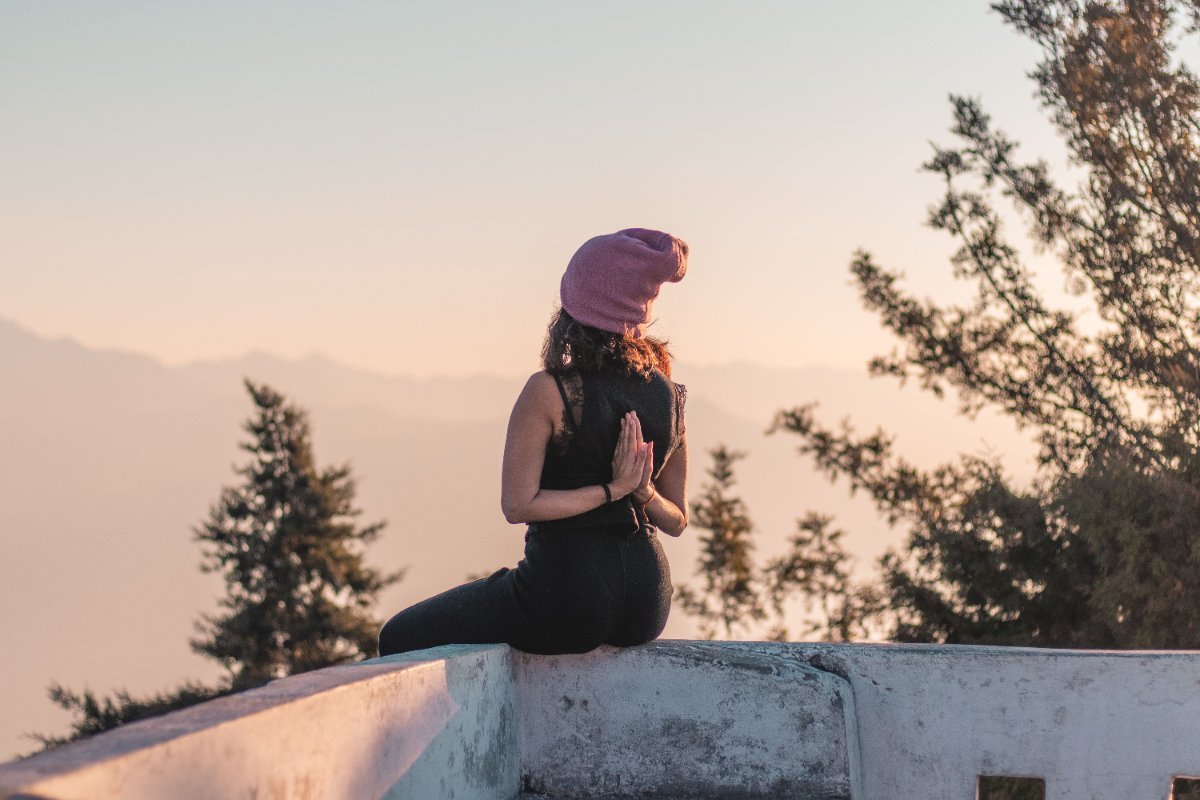
Travelling alone to meditate in Nepal is one of the most powerful ways to experience the Himalayas. Whether you are a seasoned meditator looking for deeper silence or a curious beginner drawn to the land where the Buddha was born, Nepal offers something that few other countries can match: accessible meditation centres, affordable living costs, a culture that genuinely values inner practice, and landscapes that quiet the mind the moment you step outside. This guide is written specifically for the independent seeker - the solo traveller who wants to arrange their own retreat schedule, move at their own pace, and discover meditation on their own terms.
Nepal is not just a trekking destination. It is a living meditation tradition that has been continuously practiced for over 2,500 years. From the monasteries of the Kathmandu Valley to the lakeside retreats of Pokhara, from the sacred gardens of Lumbini to the high-altitude caves of the Himalayan foothills, the infrastructure for solo meditation travel is well established and surprisingly affordable. If you are planning your first independent meditation journey, this guide covers everything you need: where to go, how much it costs, how to stay safe, and how to build a daily practice that actually sticks. For a broader overview of meditation options across the country, start with our meditation in Nepal activity page, which lists bookable meditation experiences across multiple regions.
Why Nepal Is Ideal for Solo Meditation Travel
Nepal is uniquely suited to the solo meditation traveller for several reasons that go beyond scenery and tradition. First, the cost of living is low. A simple guesthouse room in Kathmandu or Pokhara costs between $8 and $25 per night. A plate of dal bhat, the national dish of lentils and rice, costs $2 to $4. This means you can spend weeks or even months exploring different meditation centres without the financial pressure that would make a similar journey in Europe or North America impossible.
Second, Nepal has a culture of spiritual hospitality. Monasteries and meditation centres across the country welcome independent travellers, often offering simple accommodation and daily meditation sessions for a modest donation. You do not need to be a Buddhist, a Hindu, or a member of any organised religion to participate. The tradition of dana (generosity) means that teachings are offered freely, and you give what you can. This openness is documented in our Buddhist meditation guide, which covers monastery stays in detail.

Third, the infrastructure is genuinely good. Buses connect every major valley, domestic flights reach remote regions, and Wi-Fi is available almost everywhere. You can plan your own itinerary, book your own rooms, and move between centres without needing a tour operator. For those who want guided support, our cultural and spiritual tours guide covers organised options, but the independent path is entirely viable and deeply rewarding. You can also explore the full range of bookable meditation experiences in Nepal to find centres and programs that match your travel style.


Is Solo Meditation Travel in Nepal Safe?
This is the first question most solo travellers ask, and the honest answer is yes, with reasonable precautions. Nepal is one of the safest countries in South Asia for independent travel. Violent crime against tourists is extremely rare. The main risks are not personal safety issues but practical ones: altitude sickness if you trek to high-elevation retreats, foodborne illness from untreated water, and road accidents on mountain highways.
For solo meditators specifically, the key safety principle is communication. Before you enter a silent retreat, tell someone where you are going and when you expect to emerge. Carry a charged phone with a local SIM card. Register with your embassy's travel advisory system. Most meditation centres in Nepal are well established and have hosted thousands of international visitors, so the environment itself is safe - but the solo traveller's responsibility is to maintain a communication thread with the outside world.
Women travelling solo often ask whether Nepal is safe for them. The answer is generally yes, with the same precautions that apply anywhere: dress modestly near religious sites, avoid walking alone after dark in unlit areas, and trust your instincts. The meditation community in Nepal is particularly welcoming to solo women travellers, and many retreat centres have separate women's accommodation. For more on safety and logistics, our guide to choosing a meditation retreat includes a section on what to look for in a safe and reputable centre.

Where to Go: Top Meditation Destinations for Solo Travelers
Nepal has several distinct meditation regions, each with its own character and community. Here are the four that are most practical for independent solo travel:
Kathmandu Valley: The Heart of Himalayan Meditation
The Kathmandu Valley is where most solo meditation journeys begin. It is home to dozens of monasteries, meditation centres, and yoga studios, many within a short walk or bus ride of each other. Boudhanath, with its massive white stupa and surrounding Tibetan monasteries, is the spiritual centre of the valley for Buddhist meditation. Swayambhunath, perched on a hilltop west of the city, offers a quieter setting with panoramic views. The valley also hosts the famous Kopan Monastery, which runs regular 10-day Vipassana courses, and numerous smaller centres that welcome drop-in meditators.
For solo travellers, Kathmandu is the easiest place to start. You can arrive, find a guesthouse in Boudhanath or Patan, and visit three or four different meditation centres in your first week before deciding where to settle. Our Kathmandu spiritual circuit guide walks you through the key sites. The valley is also where you will find the monastery etiquette and meditation activity, which teaches you how to behave respectfully in monastic settings - essential knowledge for any solo traveller visiting religious sites.
Pokhara: Lakeside Meditation and Mountain Calm
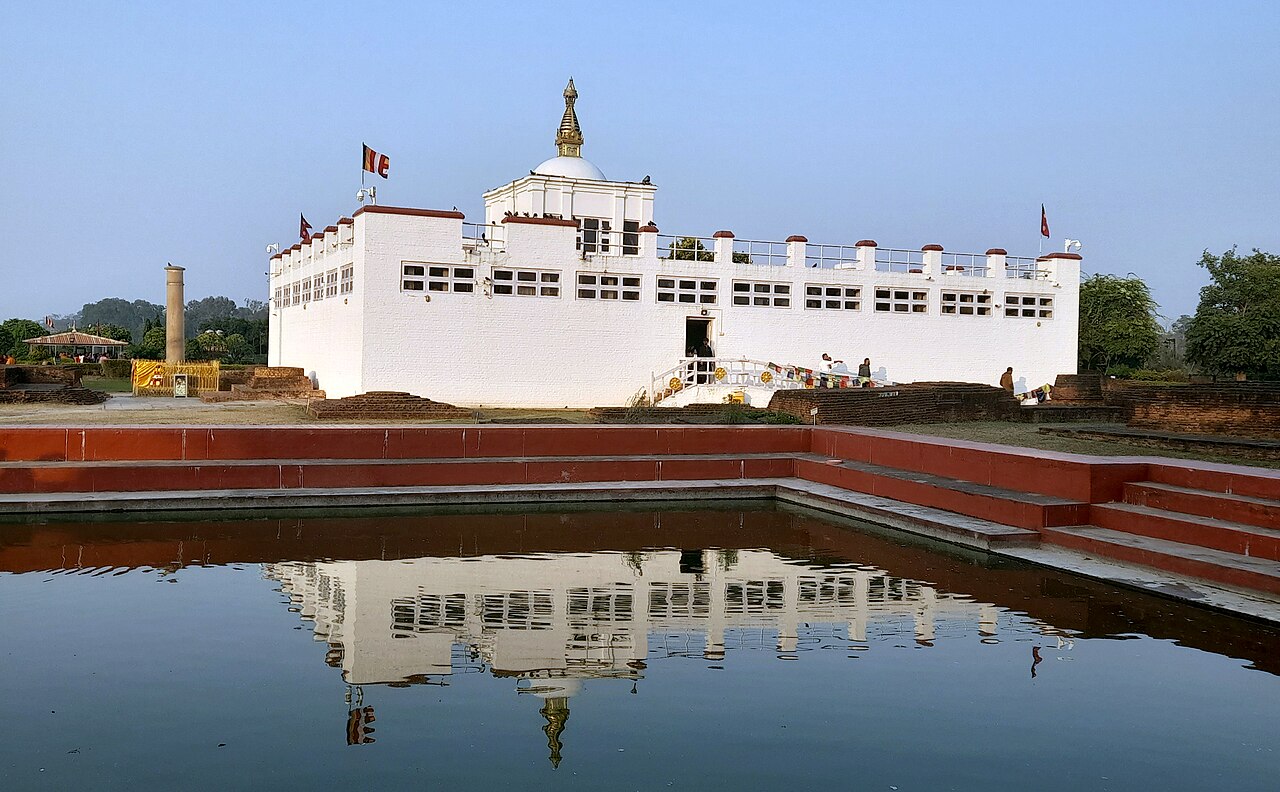
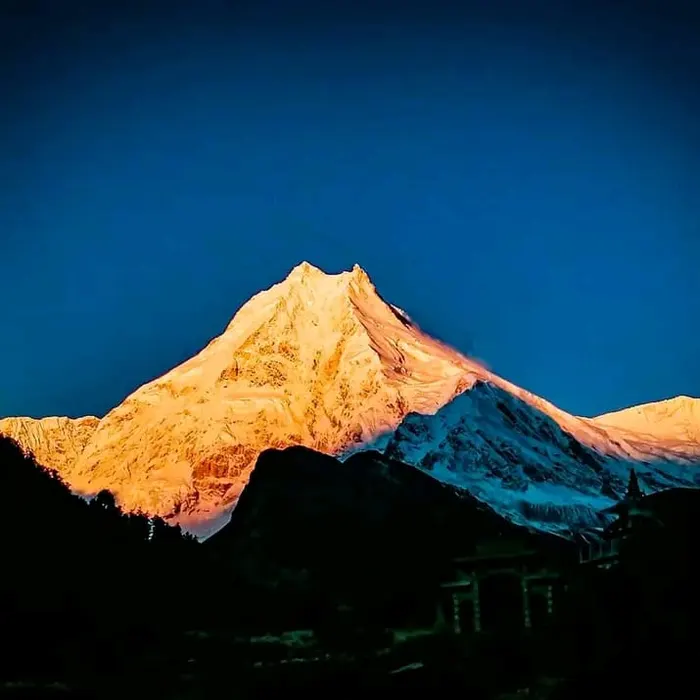
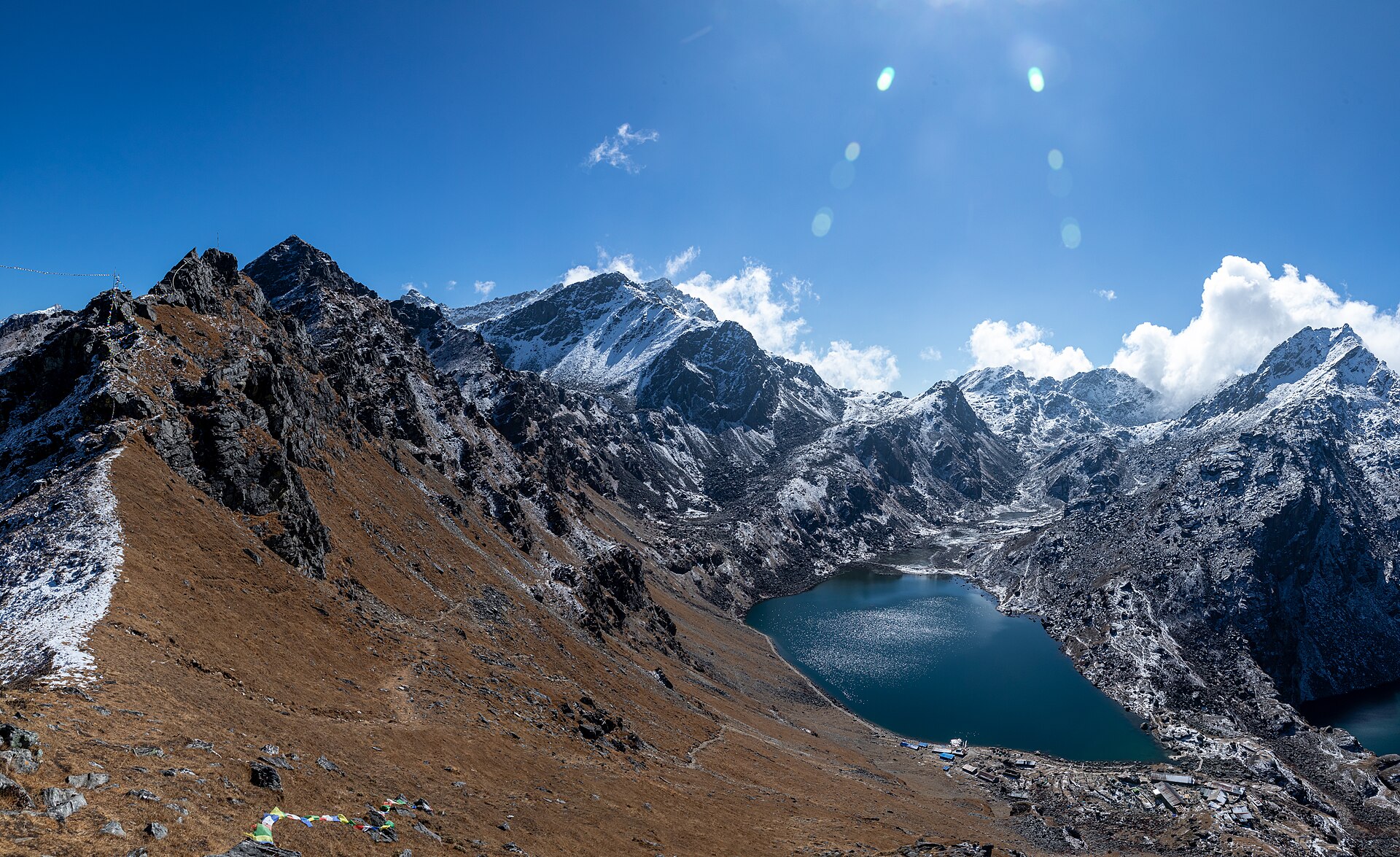
Pokhara, set beside Phewa Lake with the Annapurna range rising behind it, is Nepal's second meditation hub. It is quieter than Kathmandu, less polluted, and has a more relaxed pace. Several yoga and meditation retreats operate along the lakeside, and the nearby hills offer walking meditation routes through forests and villages. Pokhara is also the base for treks into the Annapurna region, which means you can combine a meditation retreat with a few days of mindful walking. If you are planning a trek alongside your meditation practice, our complete guide to trekking in Nepal covers what you need to know about permits, routes, and safety.
Lumbini: The Birthplace of the Buddha
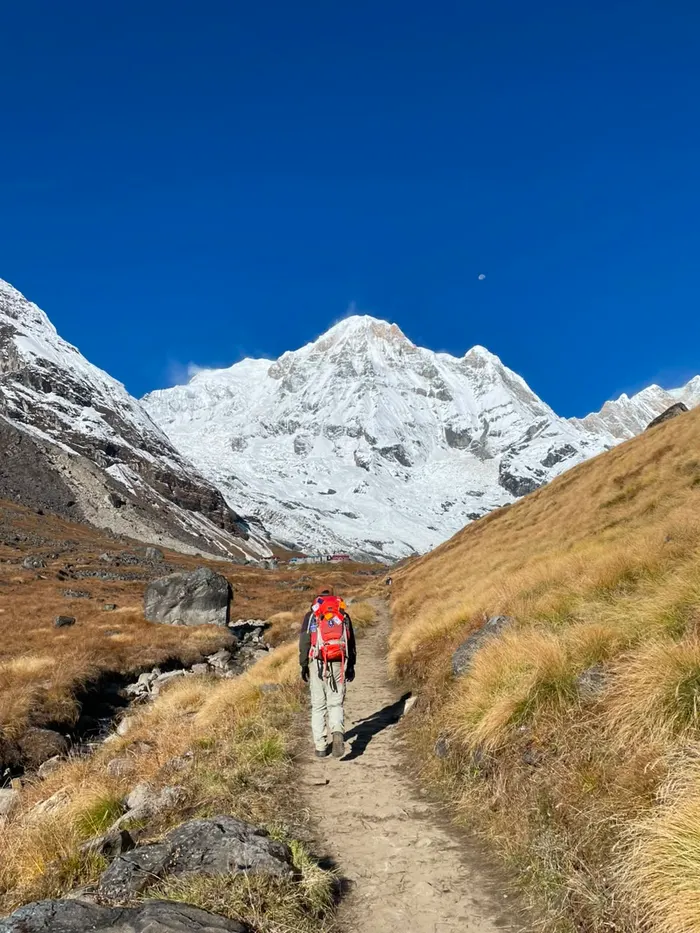
Lumbini, in the southern Terai plains, is where Siddhartha Gautama was born. The Maya Devi Temple marks the exact spot, and the surrounding monastic zone contains temples built by Buddhist communities from around the world - Thai, Burmese, Japanese, Sri Lankan, Korean, and more. Each temple operates independently, and many offer meditation sessions and simple accommodation. Lumbini is quieter and less touristy than Kathmandu or Pokhara, making it ideal for solo meditators who want to escape distractions. The flat terrain makes walking meditation easy, and the sacred garden is large enough for hours of contemplative walking.
Boudhanath and Surrounding Monasteries
Boudhanath deserves a special mention as a destination in its own right. The neighbourhood around the great stupa is home to a large Tibetan community, and the monasteries here offer daily meditation sessions, Dharma talks, and retreats. Ka-Nying Shedrub Ling Monastery, Pullahari Monastery, and Shechen Monastery are all within walking distance of the stupa and welcome visitors. The atmosphere at dawn, when locals and monks do kora (circumambulation) around the stupa, is one of the most powerful meditation experiences available in Nepal.
How Much Does Solo Meditation Travel in Nepal Cost?
One of the great advantages of meditating in Nepal is that the cost is a fraction of what a comparable retreat in the West would charge. Here is a realistic breakdown for a solo traveller on a moderate budget:
- Accommodation: Simple guesthouse rooms in Kathmandu and Pokhara cost $8-$25 per night. Monastery stays often ask for a donation of $5-$15 per day, which includes a simple room and meals.
- Food: Local restaurants serve dal bhat for $2-$4, momos for $1-$2, and Tibetan bread or porridge for under $1. A daily food budget of $10-$15 is comfortable.
- Meditation sessions: Many monasteries offer daily sessions for free (with donation expected). Structured retreats like the 10-day Vipassana at Kopan charge $150-$300 for the full course including food and lodging.
- Transport: Local buses cost $2-$10 between cities. A taxi within Kathmandu is $3-$8. Domestic flights to remote areas like Lukla or Bhadrapur cost $150-$250 round trip.
- Visa: A 30-day tourist visa costs $50, a 90-day visa costs $125. You can extend on arrival.
A solo traveller can comfortably spend a month meditating in Nepal for $800-$1,200 total, including visa, accommodation, food, transport, and retreat fees. This is less than a single week at most Western retreat centres. For a full cost breakdown covering all types of spiritual travel in Nepal, see our spiritual tour cost guide, which includes budget, mid-range, and luxury tiers.
How to Plan Your Solo Meditation Itinerary
The beauty of solo meditation travel is that you set your own schedule. But having a rough framework helps, especially if it is your first visit. Here is a proven itinerary that balances structure with flexibility:
Days 1-3: Arrive and acclimatise in Kathmandu. Fly into Tribhuvan International Airport, get a local SIM card, and settle into a guesthouse in Boudhanath. Walk around the stupa, visit a monastery or two, and let your body adjust to the altitude (Kathmandu is at 1,400 metres). Do not start a retreat on day one. Give yourself time to rest and orient.
Days 4-10: First retreat or daily practice. Either book a structured 7-day retreat at a monastery like Kopan, or create your own daily schedule: morning meditation at a local monastery, afternoon reading or walking meditation, evening session at a different centre. This is the time to try different traditions and teachers. Our beginner's guide to meditation in Nepal covers the different traditions you will encounter.
Days 11-14: Travel to Pokhara. Take a tourist bus ($15-$25, 6-7 hours) or a domestic flight ($120, 25 minutes). Settle into a lakeside guesthouse and explore the meditation centres around Phewa Lake. This is also a good time to add some walking meditation on the Sarangkot ridge or through the World Peace Pagoda forest.

Days 15-21: Deeper retreat. Commit to a longer retreat - a 7-day Vipassana, a monastery stay, or a yoga and meditation combination. The Vipassana guide lists the main centres offering silent retreats. If you prefer a less intensive experience, our yoga and meditation retreats guide covers gentler options.

Days 22-25: Lumbini pilgrimage. Take a bus or flight to Bhairahawa and visit Lumbini. Spend 2-3 days meditating in the sacred garden and visiting the international monasteries. This is a powerful place for reflection on the historical roots of meditation, covered in detail in our history of meditation in Nepal guide.
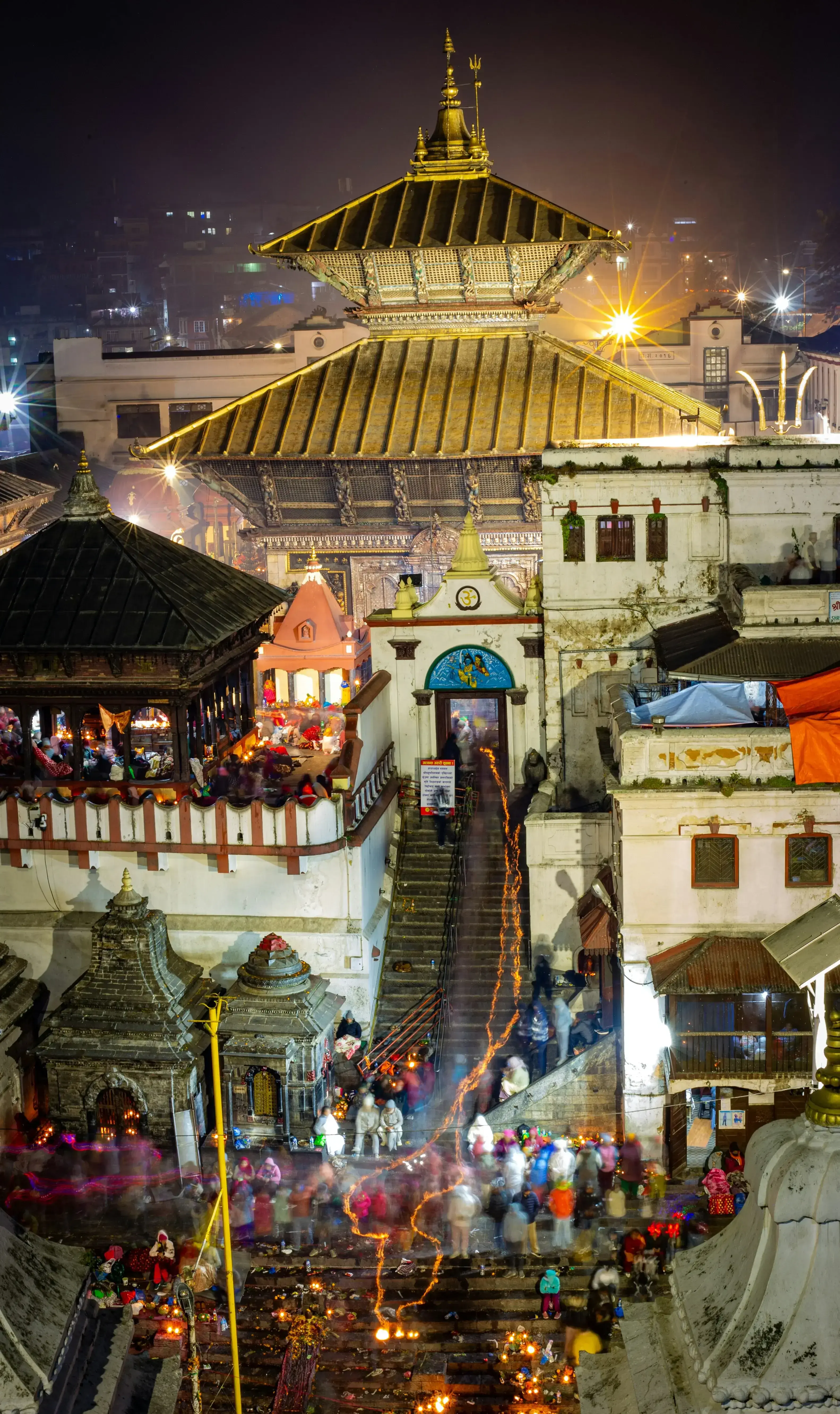
Days 26-30: Return and integrate. Return to Kathmandu for your final days. Use this time for light daily practice, shopping, and integrating what you have learned. Consider an evening aarati ceremony at Pashupatinath as a closing ritual for your journey.
Building a Daily Solo Meditation Practice While Traveling
One of the challenges of solo travel is maintaining a consistent practice without the structure of a guided retreat. The key is to create a simple, repeatable routine that works wherever you are. Here is a framework that solo travellers have used successfully:
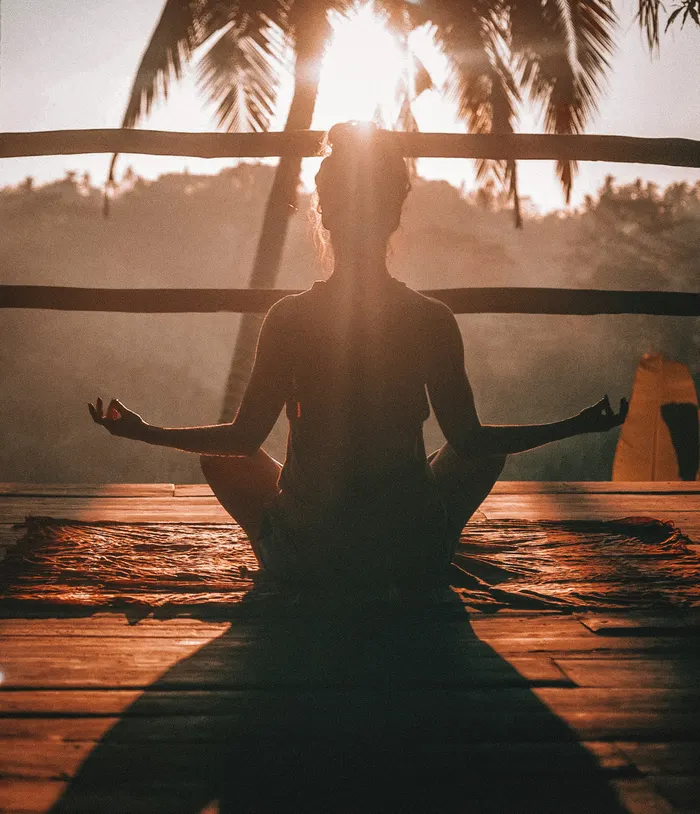
Morning (6:00-7:00 AM): Sit for 30-45 minutes before breakfast. Most guesthouses have a rooftop or quiet corner where you can meditate undisturbed. The early morning in Nepal is naturally quiet - the air is cool, the bells from nearby temples are the only sound, and the light is soft. This is the easiest time to meditate, so take advantage of it.
Midday (12:00-1:00 PM): A shorter sitting of 15-20 minutes after lunch. This is not about depth but about continuity. Even a brief check-in keeps the practice alive through the active part of the day. Our daily meditation practice guide offers specific techniques for maintaining consistency on the road.
Evening (7:00-8:00 PM): A longer session of 45-60 minutes. In Nepal, dusk is a powerful time for practice. Monasteries ring bells and chant, and the collective energy of thousands of people doing evening prayers creates an atmosphere that supports meditation naturally.
Do not try to force long sittings if your body is not accustomed to it. A consistent 30 minutes every day for a month is far more valuable than one heroic 3-hour sit followed by a week of nothing. If you are new to meditation, our beginner's guide walks you through posture, breathing, and the first steps of technique.
Safety Tips Specific to Solo Meditation Travel
General Nepal travel safety applies, but solo meditation travellers face some unique considerations:
- Altitude awareness: If you plan to meditate at a high-altitude retreat (above 2,500 metres), acclimatise for at least 2-3 days before starting. Altitude sickness can mimic the physical discomforts of meditation (headache, nausea, dizziness), so know the difference. Our silent retreat guide covers what to expect physically.
- Health precautions: Drink only filtered or bottled water. Eat at busy restaurants with high turnover. Carry rehydration salts and basic medications. Medical care in Kathmandu is adequate for minor issues but limited for serious conditions - get travel insurance that includes medical evacuation.
- Communication: Buy a local SIM card (Ncell or NTC) on arrival. Data is cheap ($3-$5 for a month) and gives you internet access everywhere except the most remote valleys. Share your itinerary with someone at home and check in every few days.
- Money: Carry enough cash for a week at a time. ATMs in Kathmandu and Pokhara are reliable but charge withdrawal fees. In smaller towns and monasteries, cash is essential. Budget $30-$40 per day for a comfortable solo traveller, less if you stay in monasteries.
- Cultural respect: Remove shoes before entering temples and meditation halls. Do not point your feet at sacred objects or people. Dress modestly - shoulders and knees covered. Accept prasad (blessed food) with your right hand. These basics are covered in the monastery etiquette activity and are essential for respectful solo practice.
What to Pack for Solo Meditation Travel
Packing for a meditation trip is simpler than packing for a trek. The key is to travel light but cover the essentials. Our meditation retreat packing list is the comprehensive reference, but here are the solo-specific essentials:
- Meditation cushion or folded blanket: Most centres provide cushions, but having your own gives consistency. A travel cushion or a simple shawl that can be folded works well.
- Modest, loose-fitting clothing: Loose trousers, long-sleeved shirts, and a warm layer for early mornings. Avoid shorts and tank tops in religious settings.
- Journal and pen: Solo meditation travel generates a lot of inner material. A journal is not a luxury; it is a tool for processing what arises.
- Earplugs and eye mask: Nepal is noisy. Dogs bark, roosters crow at 4 AM, and temple bells ring at dawn. Earplugs are essential for sleep and for meditation in shared spaces.
- Water filter or purification tablets: A refillable bottle with a built-in filter (like a LifeStraw) saves money and reduces plastic waste.
- Power bank: Load shedding is rare now but power outages still happen. A 10,000 mAh power bank keeps your phone charged for maps, translation apps, and communication.
Combining Meditation with Other Spiritual Practices
Solo travel gives you the freedom to explore practices beyond sitting meditation. Nepal offers several complementary traditions that deepen the meditative journey:
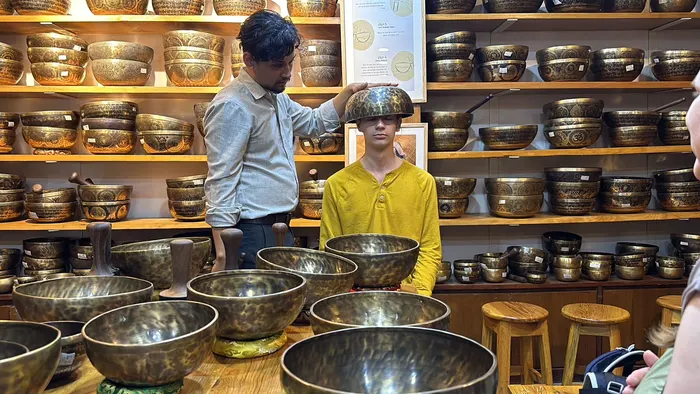
Sound healing: The Tibetan singing bowl tradition is alive in Kathmandu, with regular sessions and courses available. Sound healing meditation uses vibration to induce deep states of relaxation, and it pairs naturally with a sitting practice. Learn more in our sound healing meditation guide.
Mantra chanting: Chanting sacred syllables is a form of meditation that uses voice rather than silence. The Om Mani Padme Hum mantra is chanted daily across Nepal, and participating in group chanting at a monastery is a powerful solo experience. Our mantra meditation guide explains the practice.
Pranayama (breathwork): Breath control is the foundation of both yoga and meditation. At altitude, pranayama takes on a new dimension as the thin air makes every breath conscious. The pranayama guide covers techniques adapted for high elevations.
Chakra meditation: For those drawn to the energy-body tradition, Nepal is one of the few places where you can study chakra meditation in its original cultural context. Our chakra meditation guide maps the practice to specific sacred sites in the Kathmandu Valley.
Mindfulness in daily life: The secular mindfulness tradition translates well to travel. Every moment - waiting for a bus, eating a meal, walking through a market - becomes an opportunity for practice. Our mindfulness meditation guide offers practical techniques for integrating awareness into the chaos of travel.
How to Find Reputable Meditation Centres as a Solo Traveler
The independent traveller's biggest challenge is finding centres that are genuine, safe, and suitable for solo visitors. Here are the most reliable ways to find a good centre:
Word of mouth: The meditation community in Nepal is tight-knit. Ask other travellers in Boudhanath or Pokhara where they have practiced. Recommendations from fellow meditators are more reliable than online reviews, which can be manipulated.
Established centres: Stick to centres that have been operating for years. Kopan Monastery, Gandan Monastery, and the International Buddhist Meditation Centre in Lumbini are all well established and have clear schedules published online. These are safe starting points for solo travellers.
Check the teacher lineage: Reputable centres will tell you who their teacher is and what tradition they follow. If a centre is vague about its lineage or asks for large upfront payments, walk away. Real meditation teaching in Nepal operates on the dana principle - you give what you can, when you can.
Trust your intuition: As a solo traveller, your intuition is your best guide. If a centre feels off, leave. If a teacher makes you uncomfortable, find another one. There are dozens of centres in Kathmandu alone, so you are never stuck. The retreat selection guide includes a checklist of what to look for and what to avoid.
What to Do When You Return Home
The biggest challenge of solo meditation travel is not the travel itself but the return. After weeks of daily practice in the Himalayas, coming home to a busy, noisy, distraction-filled life can feel jarring. Here are some strategies that solo travellers have found useful:
Maintain a daily sit: Even 15 minutes a day keeps the thread alive. The routine you built in Nepal - morning sit, evening sit - can continue at home with minor adjustments. The daily practice guide includes post-travel integration tips.
Find a local sangha: A meditation community at home provides the support that solo practice lacks. Most cities have Buddhist, mindfulness, or yoga groups that welcome new members. The connections you make in Nepal can also continue - many centres have online teaching options.
Plan a return trip: Nepal draws people back. Many solo meditators return annually for a refresher retreat. If you want to deepen your practice further, consider meditation teacher training in Nepal, which offers certification for those who want to share what they have learned.