If you are flying into the Everest region, the Lukla flight is the single most consequential logistical decision of your entire trek. It is also the most unpredictable. A single cloud over the Lukla valley can ground every plane for days, and the airport you depart from may not even be in Kathmandu. This guide breaks down everything you need to know about flying to Lukla in 2026 and 2027: flight schedules, the airlines that operate the route, why weather delays happen and how to plan around them, the Ramechhap-Manthali diversion, helicopter backup options, and practical strategies for arriving at your trailhead on time.
Whether you are booked on the 14-day Everest Base Camp trek itinerary or planning a shorter Everest region trekking route, understanding the Lukla flight system is essential. A delayed or cancelled flight can compress your itinerary by a full day or more, and trekkers who are unprepared often end up spending unplanned nights in Kathmandu or Ramechhap instead of on the trail. The information below will help you anticipate these scenarios and make contingency plans before you land in Nepal.
Tenzing-Hillary Airport: The Gateway to Everest
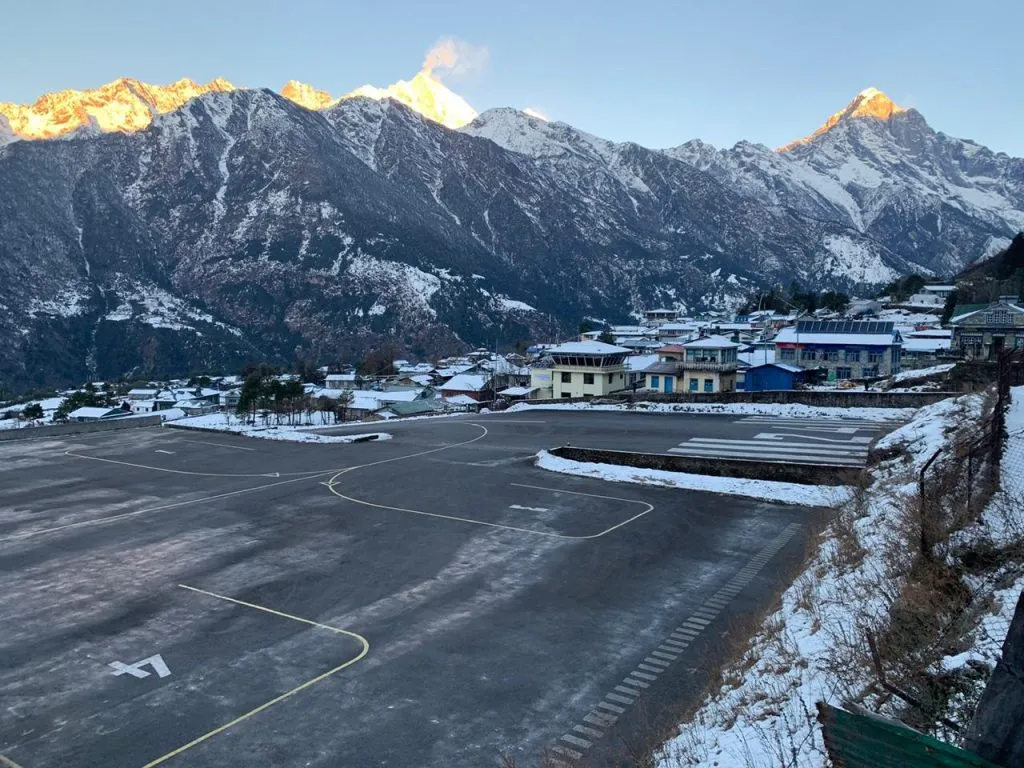
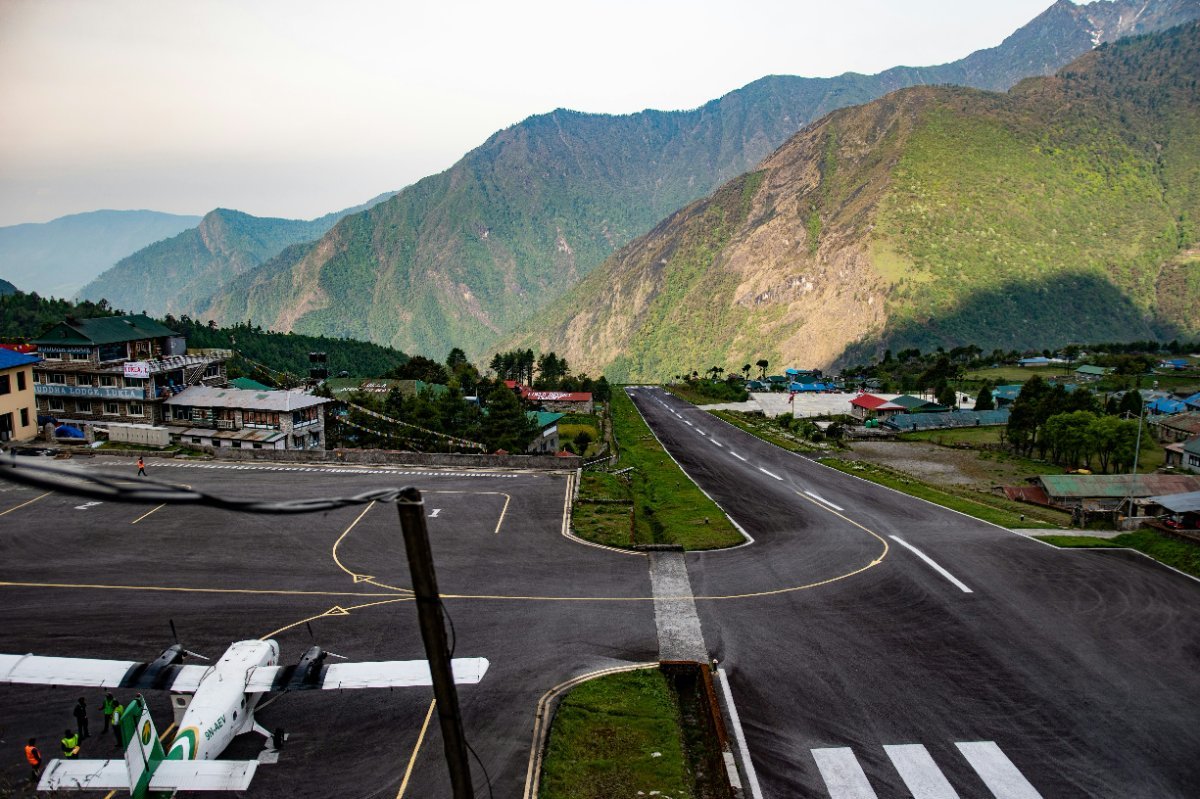
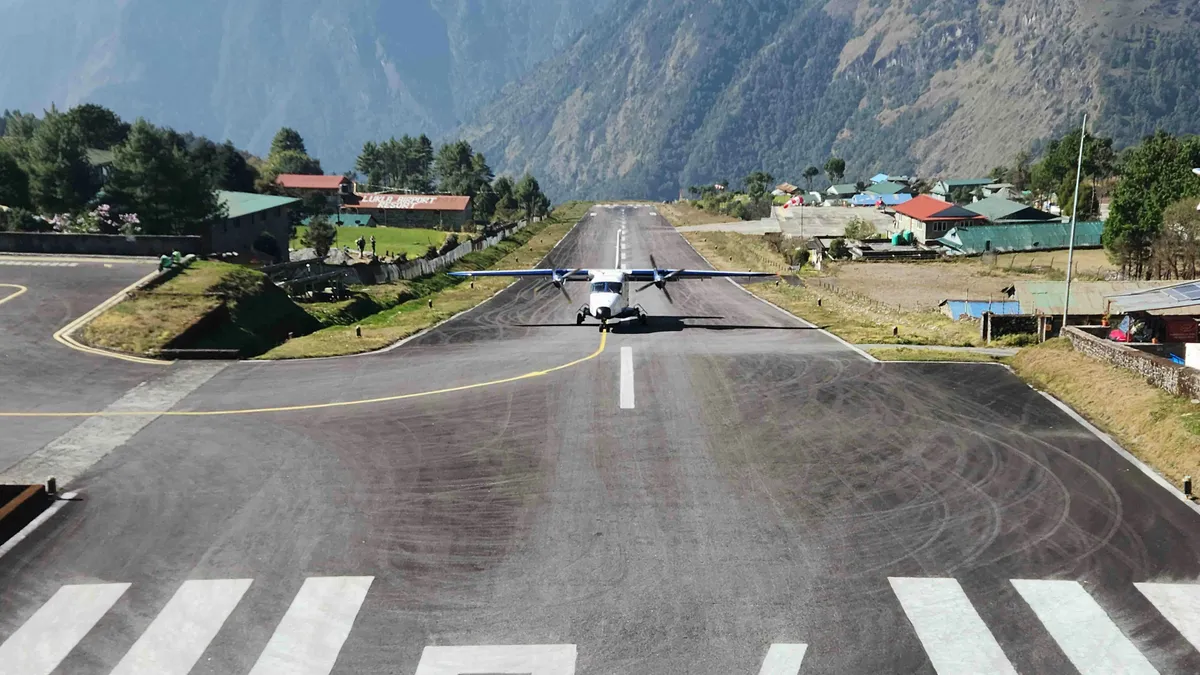
Lukla's airport, officially named Tenzing-Hillary Airport (code LUA), sits at 2,860 metres (9,383 feet) on a narrow shelf carved into the side of a mountain in the Khumbu region. With a runway just 527 metres long and a 12-degree uphill slope, it is consistently ranked among the most challenging airports in the world. The short, inclined runway means planes can only land in one direction (uphill) and take off in the opposite direction (downhill), and both operations require specific wind and visibility conditions that are often not met.
The airport has a single asphalt runway, a small terminal building, and no instrument landing system. All approaches are visual, which means the pilot must be able to see the runway clearly from a distance. There are no radar-guided approaches, no ILS (Instrument Landing System), and no runway lighting for night operations. If the clouds roll in and visibility drops below approximately 5 kilometres, flights are grounded until conditions improve. This is the root cause of the notorious Lukla flight delays.
Despite its reputation, Tenzing-Hillary Airport handles dozens of flights per day during peak trekking season. The airport is the starting point for nearly every Everest Base Camp trek, the Gokyo Lakes trek, the Three Passes trek, and various shorter Everest viewpoint treks. If you are heading into the Khumbu, you are almost certainly passing through Lukla.
Which Airlines Fly to Lukla?
Several Nepali domestic airlines operate scheduled flights to Lukla during the trekking seasons. The main carriers are:
- SITA Air - One of the longest-operating carriers on the Lukla route. SITA operates Dornier 228 aircraft, a twin-engine turboprop well suited to short mountain runways. SITA has a solid safety record on the Lukla route and is a common choice for trekking agencies.
- Tara Air - A subsidiary of Yeti Airlines, Tara Air operates Twin Otter and Pilatus Porter aircraft on the Lukla route. Tara Air has one of the largest fleets of STOL (Short Take-Off and Landing) aircraft in Nepal and is a major carrier for remote mountain airstrips.
- Summit Air - Summit Air operates Dornier 228 aircraft and serves multiple mountain destinations including Lukla. They are a relatively newer entrant but have established a reliable presence on the route.
- Simrik Airlines - Simrik operates flights to Lukla in partnership with other carriers, sometimes using chartered aircraft. Availability varies by season.
All airlines flying the Lukla route use STOL aircraft designed for short, high-altitude runways. The most common types are the Dornier 228, de Havilland Twin Otter, and Pilatus PC-6 Porter. These aircraft carry 15 to 18 passengers per flight, which means capacity is limited and demand during peak season far exceeds supply. This is why booking through a trekking agency, which secures your seat in advance, is strongly recommended. For more on why agency-arranged logistics matter, see our guide to choosing the best trekking agency in Nepal in 2026.
Lukla Flight Schedule: What Times Do Flights Operate?
Lukla flights operate exclusively during daylight hours, with the first departures typically scheduled between 6:00 AM and 7:30 AM. The flying window closes by mid-morning to early afternoon, typically around 11:00 AM to 1:00 PM, because cloud cover over the Lukla valley tends to develop as the day warms up. Morning flights have a much higher on-time rate than later flights. Here is a typical daily schedule pattern:
- First wave (6:00 AM - 7:30 AM): These are the most reliable flights. Cloud cover is typically at its minimum in the early morning, and visibility is at its best. If you are departing from Kathmandu, the first wave is your best chance of departing on schedule.
- Second wave (7:30 AM - 9:00 AM): Still relatively reliable, but delays begin to creep in as clouds start building around the Lukla valley. By 8:30 AM, the first weather holds are common.
- Third wave (9:00 AM - 10:30 AM): These flights have a significantly higher delay and cancellation rate. By this time, cloud cover over Lukla is often below minimums, and many flights in this wave are either delayed for hours or cancelled outright.
- Late morning (10:30 AM onwards): Very few scheduled flights remain. Most airlines stop scheduling new departures after 11:00 AM because the probability of getting into Lukla drops sharply.
The key takeaway: book the earliest flight you can. If your trekking agency gives you a choice, always opt for the first wave. The difference between a 6:15 AM departure and a 9:30 AM departure can be the difference between landing in Lukla on schedule and spending an unplanned night in Kathmandu.
When the flights operate from Ramechhap-Manthali instead of Kathmandu (see the section below), the schedule shifts slightly earlier because of the additional drive time required to reach the airport. First departures from Ramechhap may be scheduled as early as 5:30 AM.
Why Lukla Flights Get Delayed or Cancelled
The primary cause of Lukla flight delays is weather, specifically the rapid formation of clouds around the Lukla valley. Understanding the weather patterns that affect the Lukla route will help you anticipate delays and plan accordingly. For a broader look at seasonal weather across the Everest region, see our Everest Base Camp weather by month guide.
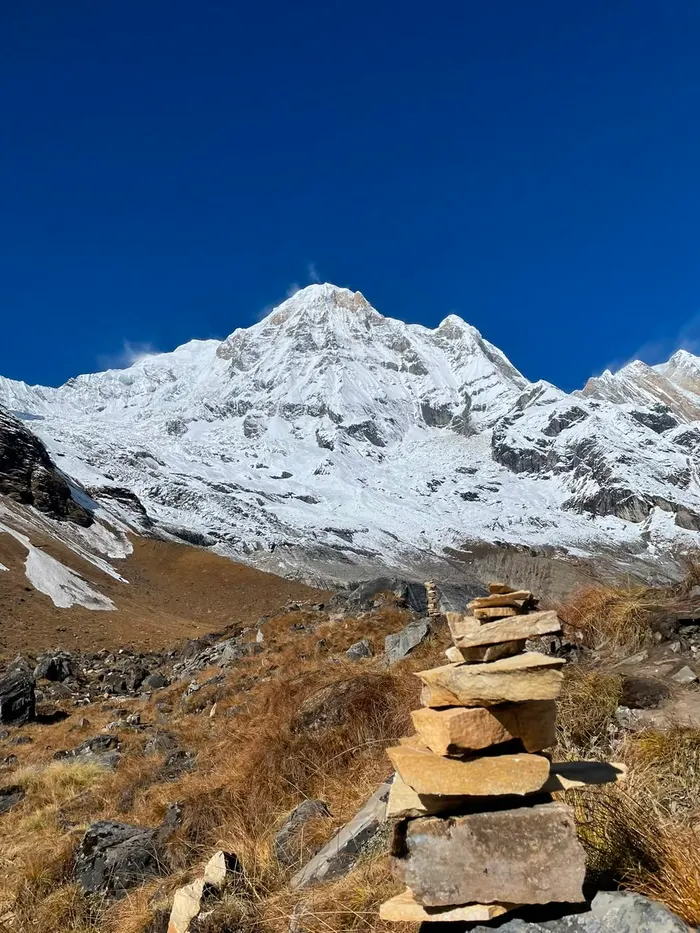
Cloud Cover and Visibility
The Lukla valley sits in a geographic bowl surrounded by high ridgelines on three sides. As the morning sun warms the valley, moisture from the surrounding forests and rivers rises and condenses into cloud. This process begins shortly after sunrise and accelerates rapidly. By 9:00 AM to 10:00 AM, a thick layer of cloud often sits directly over the Lukla airport, reducing visibility below the 5-kilometre minimum required for visual approaches.
This is a daily phenomenon during the trekking seasons, not an occasional event. On many mornings, the sky at Lukla is clear at dawn, becomes partly cloudy by 8:00 AM, and is fully overcast by 10:00 AM. Pilots need a clear visual on the runway from at least 5 kilometres out, and if they cannot see it, they cannot land. Flights that are already airborne when conditions deteriorate will either circle until visibility improves or return to their departure airport.
Wind and Turbulence
In addition to visibility, wind conditions affect flight operations. The Lukla runway requires landing with a headwind, and strong crosswinds or tailwinds can make landing unsafe. The mountainous terrain around Lukla creates unpredictable wind patterns, particularly in the afternoon, when thermal updrafts and downdrafts make the approach dangerous. This is another reason flights are confined to the early morning hours.
Seasonal Patterns
The timing of your trek significantly affects the probability of flight delays:
- Spring (March to May): This is peak trekking season with generally stable morning weather. Early morning flights operate reliably, but by mid-morning clouds build up. Overall cancellation rate is moderate. This is the best season for consistent flight operations, though demand is at its highest.
- Autumn (October to November): Another peak season with excellent visibility in the early morning. Cloud cover tends to develop slightly later than in spring, giving a longer flying window. This is statistically the most reliable season for Lukla flights. If schedule certainty is your top priority, autumn is the best time.
- Winter (December to February): Cold, dry conditions mean less cloud cover, but snow and ice on the runway can cause cancellations. Flight volumes are lower because fewer trekkers visit the region. Morning flights are generally reliable when the runway is clear. See our best time for Everest Base Camp trek guide for season-by-season details.
- Monsoon (June to September): The worst season for Lukla flights. Heavy rain, persistent low cloud, and poor visibility cause widespread cancellations that can last for days. Most trekking agencies do not schedule Everest treks during the monsoon for this reason. If you must travel during this period, consider a mountain flight in Nepal as a weather-independent alternative to see the Himalayas.
The Ramechhap-Manthali Diversion: Why Your Flight May Not Depart From Kathmandu
One of the most important developments in Nepal domestic aviation in recent years is the diversion of Lukla flights from Kathmandu to Ramechhap-Manthali Airport during peak trekking seasons. If you are trekking to Everest Base Camp in spring or autumn, there is a high probability your Lukla flight will depart from Manthali, not Kathmandu. Understanding this logistical wrinkle is essential for planning your trek.
Why Flights Divert to Ramechhap
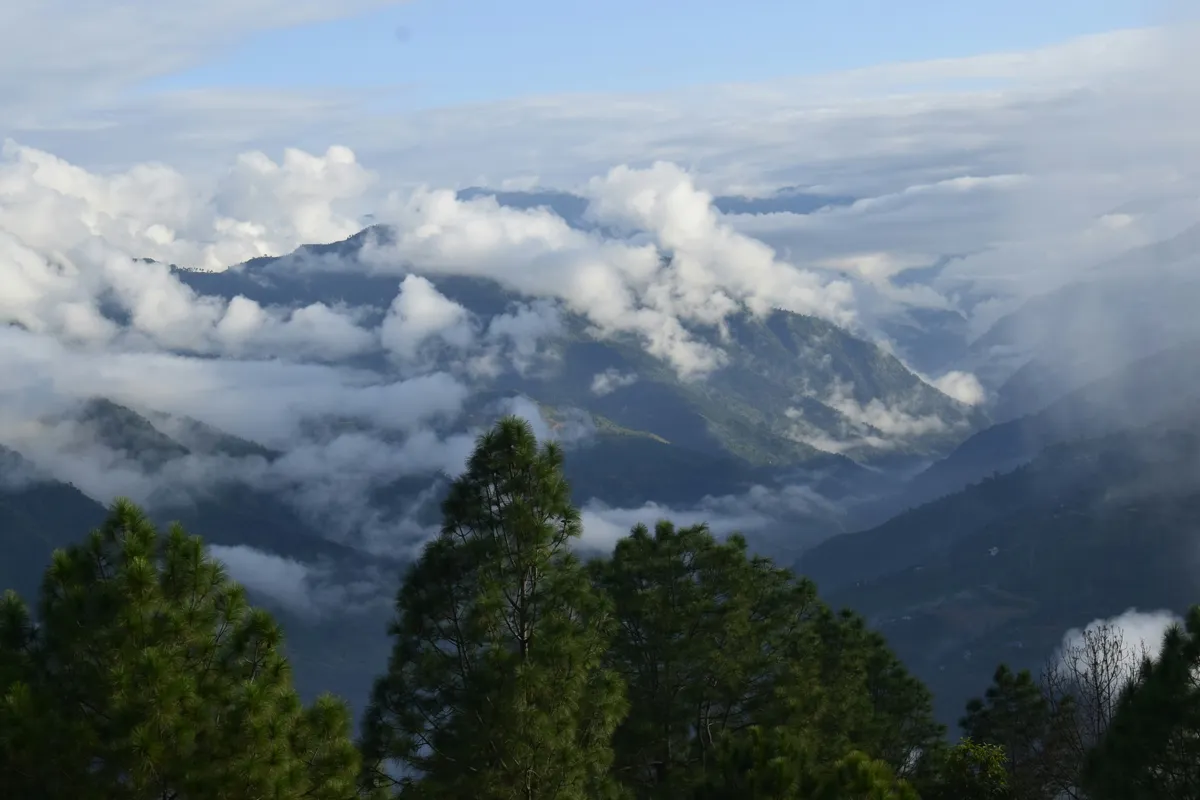 Kathmandu's Tribhuvan International Airport (TIA) is Nepal's only international airport and handles an enormous volume of both international and domestic traffic. During peak trekking seasons, the number of domestic flights to Lukla, Pokhara, and other mountain destinations creates severe airspace congestion at Kathmandu. To reduce this congestion, Nepal's civil aviation authority redirects Lukla flights to Ramechhap-Manthali Airport, a small domestic airstrip approximately 130 kilometres east of Kathmandu.
This diversion typically applies during the busiest trekking months: March, April, May, October, and November. Outside of these peak months, Lukla flights usually operate from Kathmandu as normal. The specific start and end dates of the Ramechhap diversion vary from year to year and are announced by the civil aviation authority, usually with a few weeks of notice.
What Ramechhap-Manthali Airport Is Like
Manthali Airport (code RJA) is a small, basic airstrip in the Tamakoshi River valley. It has a single runway, a modest terminal building, and minimal facilities. There are no restaurants, no shops, and no comfortable waiting areas. If you are flying from Ramechhap, you should bring snacks and water with you, as there are very limited provisions available at the airport or nearby.
The airport handles a high volume of Lukla flights during peak season, with departures starting as early as 5:30 AM and continuing through the morning. Because Manthali is at a lower altitude (474 metres) and in a wider valley than Lukla, weather-related delays are somewhat less common at the departure end. However, the same cloud conditions at Lukla itself still determine whether flights can land, so cancellations due to Lukla weather are still possible even when departing from Ramechhap.
The Drive to Ramechhap: Logistics and Timing
Getting to Ramechhap from Kathmandu requires a road journey of approximately 4 to 5 hours, depending on traffic and road conditions. The road follows the BP Highway through the hills east of Kathmandu, winding through small towns and rural landscapes. The drive is scenic but can be rough in places, with narrow sections and occasional roadworks.
Because the first Lukla flights from Manthali depart at 5:30 AM, you need to leave Kathmandu by 1:00 AM or 2:00 AM to arrive in time for check-in. This means your trekking agency will typically arrange a private vehicle to pick you up from your hotel in the middle of the night. It is an uncomfortable start to the trek, but it is the standard procedure during peak season. Some trekkers choose to drive to Manthali the evening before and stay overnight in a local guesthouse, which avoids the very early morning departure but adds a night of accommodation.
Key logistics to keep in mind:
- The drive is included in most organised trek packages. If you are trekking independently, you will need to arrange a private jeep or shared vehicle to Manthali.
- Bring warm clothing for the drive, as mountain roads can be cold in the pre-dawn hours, especially in spring and autumn.
- The return drive from Manthali to Kathmandu at the end of your trek takes the same 4 to 5 hours. Factor this into your itinerary planning.
- If your Lukla flight is cancelled, you may face a long wait at Manthali or a return drive to Kathmandu. Having buffer days in your itinerary is essential.
For a complete breakdown of how flight logistics affect your total trek cost, see our Everest Base Camp trek cost guide.
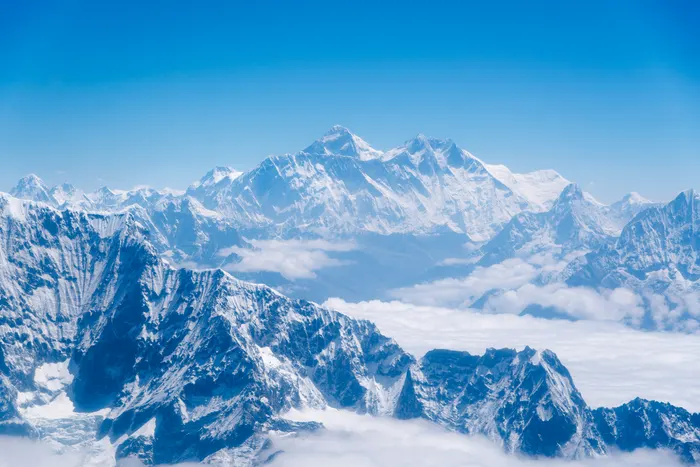
Flight Fares and Ticket Costs
Lukla flight tickets are priced per person, one way. In 2026 and 2027, expect to pay approximately USD 180 to 210 for a one-way ticket from Kathmandu to Lukla, and a similar amount for the return. When flights operate from Ramechhap-Manthali, the fare is slightly lower (approximately USD 160 to 180 one way) because the flying distance is shorter, but the additional cost of the road transfer to Manthali (approximately USD 30 to 50 per person for a shared jeep) offsets most of the savings.
If you are booking through a trekking agency, the flight cost is typically bundled into your total package price. This is the recommended approach, as the agency handles ticket booking, rebooking in case of cancellation, and the road transfer to Ramechhap if required. Independent trekkers can purchase tickets directly from airline offices in Kathmandu or through online booking platforms, but availability during peak season is extremely tight, and last-minute tickets are often unavailable.
Helicopter charters to Lukla are significantly more expensive, typically USD 600 to 900 per person for a shared flight or USD 2,500 to 3,500 for a private charter, but they offer greater weather flexibility and can operate when fixed-wing flights are grounded. More on helicopter options below.
What Happens When Your Lukla Flight Is Cancelled?
Flight cancellations are a normal part of trekking in the Everest region, and every trekker should have a plan for dealing with them. Here is what typically happens when your flight is cancelled:
Same-Day Rescheduling
If your morning flight is cancelled due to weather, the airline will automatically rebook you on the next available flight, which is usually the following morning. You will not lose your ticket value, but you will lose a day of your itinerary. If you are on a fixed itinerary, this can be a significant problem, particularly if you have international flights to catch after your trek.
Multi-Day Cancellations
In rare cases, particularly during shoulder seasons or when a prolonged weather system sits over the Khumbu, flights can be cancelled for two or three consecutive days. This is more common in monsoon season but has been known to happen in spring and autumn as well. If this occurs, your options are:
- Wait it out: Stay in Kathmandu (or Manthali) and hope for a weather window the next morning. This is the standard approach, but it consumes your buffer days.
- Helicopter transfer: If multiple trekkers are stranded, trekking agencies can organise a shared helicopter to Lukla. Helicopters can fly in lower visibility conditions than fixed-wing aircraft. The cost per person is higher (USD 600 to 900 for a shared seat), but it gets you to the trailhead. Many agencies will help coordinate this if enough trekkers are interested.
- Alternative trek: If the Lukla weather is consistently bad, consider redirecting to the Annapurna region, which is accessible by road and does not depend on a mountain flight. The Annapurna Base Camp trek is the most popular alternative and can be started from Pokhara by road. For a comparison, see our guide on Annapurna vs Everest Base Camp.
The Return Flight Problem
Delays are not only an issue on the way to Lukla. Your return flight from Lukla to Kathmandu (or Ramechhap) is equally susceptible to weather cancellations. If your return flight is cancelled, you may need to spend an extra night in Lukla, which extends your trek by a day and may affect your international departure. This is why every Everest trek itinerary should include at least one buffer day in Kathmandu after the scheduled return from Lukla.
If you are on a tight schedule, some trekkers arrange a helicopter return from Lukla as a backup. If the fixed-wing flight is cancelled, the helicopter can pick you up and fly you directly to Kathmandu. This is expensive but provides schedule certainty for trekkers with non-changeable international flights.
Helicopter Backup: When Fixed-Wing Fails
Helicopters are the primary backup when Lukla flights are cancelled. Unlike fixed-wing aircraft, helicopters can operate in lower visibility and can land at Lukla in conditions that would ground a Dornier or Twin Otter. They also have the advantage of being able to fly directly between Kathmandu and Lukla without the Ramechhap diversion, which saves the road transfer time.
There are two main helicopter options for the Lukla route:
- Shared helicopter to Lukla: When multiple trekkers are stranded by flight cancellations, trekking agencies can organise a shared helicopter. A helicopter seats 5 to 6 passengers, and the cost is split among the group. Typical per-person cost: USD 600 to 900 one way. This is the most practical option for individual trekkers or small groups.
- Private helicopter charter: For groups or trekkers with urgent schedule needs, a private charter costs USD 2,500 to 3,500 one way. This gives you the flexibility to depart on your own schedule, weather permitting.
If you are considering a helicopter for your entire Everest experience rather than just as a backup, you can book a helicopter tour in Nepal that flies you directly to Everest Base Camp or Kala Patthar with a landing. This eliminates the Lukla flight entirely and is the most weather-resilient way to see Everest. The luxury EBC helicopter tour with landing is a popular choice for trekkers who want the Everest experience without the multi-day trekking commitment.
Practical Tips for Minimising Lukla Flight Disruptions
Based on years of operating Everest treks, here are the most effective strategies for reducing the risk of flight delays disrupting your itinerary:
- Book the earliest flight available. First-wave departures (6:00 AM to 7:00 AM) have the highest on-time rate. As the morning progresses, the probability of delay increases sharply.
- Include buffer days in your itinerary. Plan for at least one extra day in Kathmandu after your scheduled return from Lukla. If your return flight is cancelled, you have a day of slack before your international departure. For the outbound journey, a buffer day before the trek starts allows for same-day rescheduling without compressing your trekking schedule.
- Trek in autumn (October to November) for the best flight reliability. Autumn has the most stable morning weather of any trekking season. Spring is also good, but autumn mornings tend to be clearer for longer.
- Use a trekking agency that manages flight logistics. Agencies have relationships with airlines, can rebook cancelled flights quickly, and can organise helicopter transfers when needed. Independent trekkers face long queues at airline offices and may struggle to rebook during peak season. For more on the value of agency-arranged logistics, see our guide to the best trekking agency in Nepal.
- Have a backup plan. Know which alternative trek you would switch to if Lukla flights are cancelled for multiple days. The Annapurna region is the most common alternative because it is accessible by road. The Annapurna Circuit with Tilicho Lake trek is an excellent road-accessible alternative.
- Bring entertainment for airport waits. Whether you are waiting in Kathmandu, Ramechhap, or Lukla, delays can stretch for hours. A book, downloaded podcasts, or a power bank for your phone will make the wait more bearable.
- Stay informed about the Ramechhap diversion. Check with your agency a week before your trek whether flights are operating from Kathmandu or Ramechhap. This affects your departure time and logistics significantly.
- Consider a helicopter return for tight schedules. If you have a non-changeable international flight, pre-arranging a helicopter backup for your return from Lukla provides schedule certainty that a fixed-wing ticket cannot.
For trekkers concerned about physical readiness for the Everest trek, understanding the flight logistics is just one part of preparation. You should also review our honest assessment of how hard the Everest Base Camp trek is and our guide on preventing altitude sickness on the EBC trek.
Alternatives to Flying to Lukla
If you want to trek in the Everest region but are concerned about flight reliability, there are several alternatives that do not depend on the Lukla flight:
Drive to Phaplu and Trek In
Phaplu (also spelled Phaplu) is a town in the Solu region, approximately 140 kilometres east of Kathmandu, accessible by road in about 8 to 10 hours. From Phaplu, you can trek to Lukla in about 2 days, then continue on the standard EBC route. This adds 2 to 3 days to your trek but eliminates the flight entirely. Some trekkers prefer this approach because it also provides better acclimatisation, as the trail from Phaplu to Lukla gains altitude gradually.
Trek from Jiri (Classic Hillary Route)
The original route to Everest Base Camp, used by Edmund Hillary and Tenzing Norgay in 1953, starts from Jiri, a roadhead about 188 kilometres east of Kathmandu. The trek from Jiri to Lukla takes about 5 to 7 days, passing through the Solu Khumbu's lower valleys and providing excellent acclimatisation. This adds a week to your trek but offers a rich cultural experience through villages that see far fewer trekkers than the main Khumbu route. For trekkers with the time, this is the most rewarding and weather-independent way to reach the Everest region.
Helicopter Direct to Everest Base Camp
If your goal is to see Everest Base Camp and Kala Patthar but you do not want to trek for two weeks or deal with flight logistics, a helicopter tour to Everest Base Camp is the most reliable option. You fly from Kathmandu directly to Kala Patthar or Everest Base Camp, with a landing and time for photos. The entire experience takes a single day, weather permitting, and offers views that rival any trekking vantage point. This is popular with travellers who have limited time in Nepal or who are not physically prepared for a multi-day trek at high altitude.
Mountain Flight (No Landing)
For travellers who want to see Mount Everest and the Himalayan range without trekking or landing, a mountain flight from Kathmandu is a one-hour scenic flight that loops over the Everest region. Every passenger gets a window seat, and the flight provides stunning aerial views of Everest, Lhotse, Nuptse, and other peaks. This is the most accessible and affordable way to see the Himalayas, and it operates on a much more reliable schedule than Lukla flights because it does not require landing at a mountain airstrip.
Permits and Documentation for the Lukla Flight
Flying to Lukla does not require any special permits beyond those needed for the Everest trek itself. However, you should carry the following documents with you to the airport:
- Your passport (required for check-in on all domestic flights in Nepal)
- Your trekking permit (Sagarmatha National Park entry permit, which you can obtain in Kathmandu or at the park entrance in Monjo)
- Your TIMS card (Trekkers' Information Management System), if required for your route
- A printed copy of your flight ticket (most airlines accept electronic tickets, but a printed copy is a good backup)
For a complete breakdown of all permits required for the Everest trek, including fees and where to obtain them, see our guide to Nepal trekking permits and TIMS in 2026.
Planning Your Itinerary Around Lukla Flight Uncertainty
The most important rule for Everest trek planning is this: always include buffer days. A 14-day Everest Base Camp trek itinerary should be planned as a 16-day trip, with 2 buffer days to absorb flight delays. Here is a recommended schedule structure:
- Day 1: Arrive in Kathmandu, briefing, gear check
- Day 2: Fly to Lukla, trek to Phakding (if the flight operates on schedule)
- Day 2 (buffer): If the flight is cancelled, spend the day in Kathmandu or Ramechhap and try again the next morning
- Days 3 to 12: Trek to Everest Base Camp and back to Lukla
- Day 13: Fly from Lukla to Kathmandu (or Ramechhap + drive)
- Day 13 (buffer): If the return flight is cancelled, spend an extra night in Lukla
- Day 14: Rest day in Kathmandu
- Day 15: International departure (or Day 16 if both buffer days were used)
This structure ensures that even if one or both flights are delayed by a day, you still make your international departure. Trekkers who do not include buffer days are the ones who end up missing international flights or having to pay for expensive helicopter evacuations. For more on planning your trekking budget including buffer day costs, see our EBC trek cost guide.
If you are choosing between different trek options, our guide on how to choose a trek in Nepal covers difficulty, permits, seasons, and budget considerations for all major trekking routes.
For trekkers who want to combine cultural exploration with their Everest adventure, Nepal's spiritual heritage is equally compelling. Our guide to cultural and spiritual tours in Nepal covers monasteries, temples and pilgrimage sites across the country that pair beautifully with a trekking itinerary. And if you are still deciding which trek to do, the best treks in Nepal for beginners, families and solo women offers accessible alternatives that do not require a mountain flight at all.
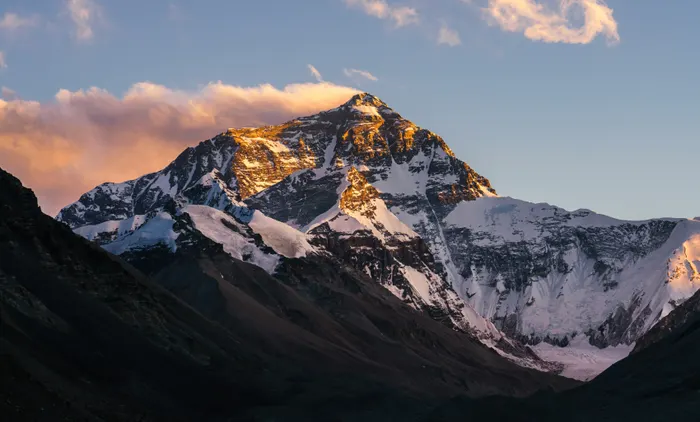
The Lukla flight is the gateway to the world's most iconic trekking destination. Yes, it is unpredictable, and yes, delays happen. But with the right preparation, buffer days, and a reliable trekking agency managing your logistics, the flight becomes just another part of the adventure. The moment you step off the plane at Tenzing-Hillary Airport, breathe in the thin mountain air, and see the peaks of the Khumbu rising above you, every early morning and every airport wait will have been worth it.