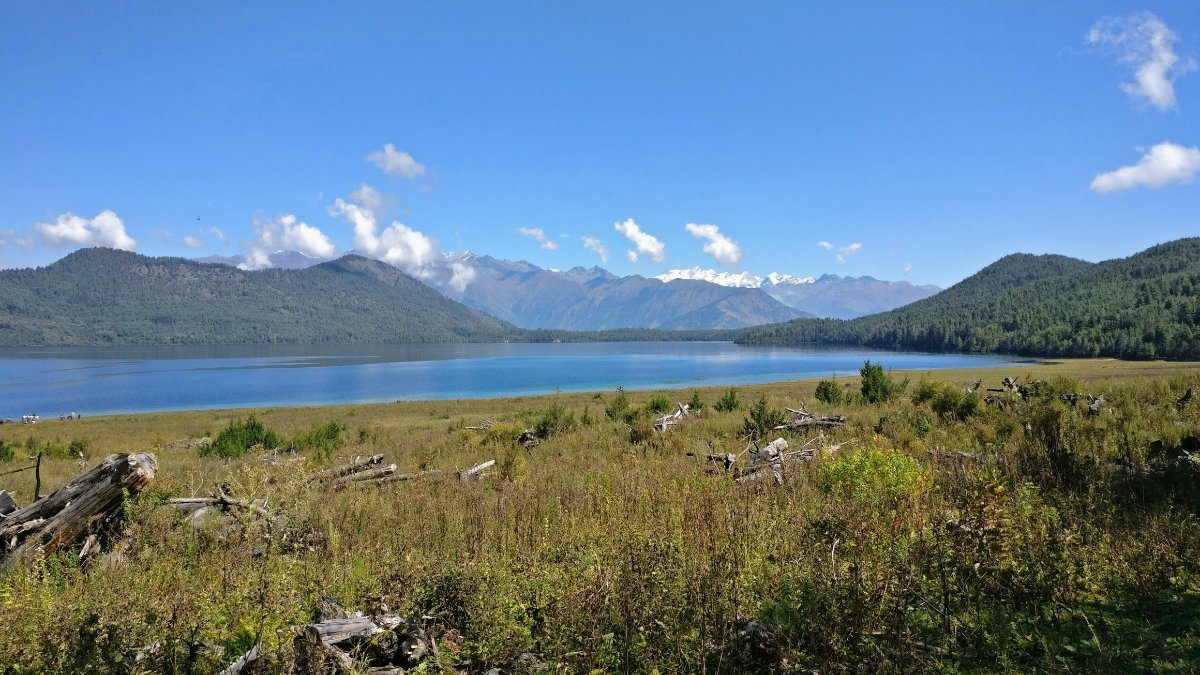
Rara Lake is the largest freshwater lake in Nepal, sitting at 2,990 metres above sea level in the remote Mugu district of far-western Nepal. For most travellers, reaching Rara by road requires multiple days of arduous driving on rough mountain tracks, followed by a hike through dense pine forests. A Rara Lake helicopter tour changes everything: you fly from Kathmandu or Nepalgunj directly to the lake shore in under two hours, skipping weeks of logistics and landing at one of the most pristine alpine landscapes in the Himalaya. This guide covers everything you need to plan your aerial journey to the Queen of Lakes, from the best season and flight routes to costs, what to bring and how to book.
If you are exploring helicopter tours in Nepal more broadly, Rara stands apart from the popular Everest and Annapurna circuits because it offers solitude rather than crowds. You will not find teahouse lines or group photo ops here. Instead, you get a turquoise mirror lake surrounded by snow-capped peaks, alpine meadows full of wildflowers in summer and a silence so deep you can hear your own heartbeat. For context on other aerial options, see our complete helicopter tour guide covering Everest, Annapurna and Gosaikunda routes.
Where Is Rara Lake and Why Is It Special?
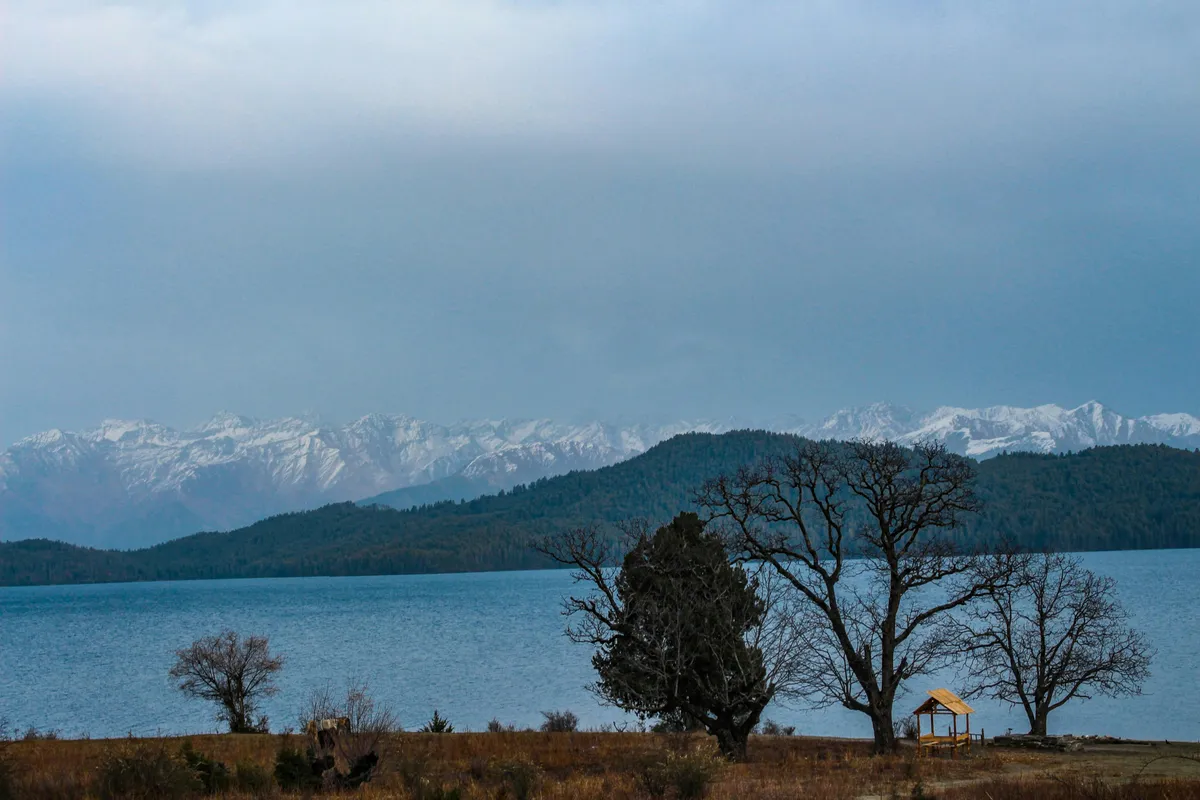
Rara Lake sits inside Rara National Park, the smallest national park in Nepal at 106 square kilometres but one of the most ecologically significant. The lake itself measures roughly 5 kilometres long and 3 kilometres wide, with a maximum depth of 167 metres. Its waters change colour throughout the day from deep sapphire to emerald green depending on the angle of the sun. The surrounding park is home to musk deer, Himalayan black bear, leopards and more than 270 species of birds, including the elusive snowcock and impeyan pheasant, which is the national bird of Nepal.
What makes Rara truly special is its remoteness. Unlike popular helicopter destinations where you might share the view with dozens of other flights per day, Rara receives only a handful of visitors each season. The flight path crosses some of the least-developed terrain in Nepal, passing over terraced hillsides that give way to deep river gorges and eventually to the treeless alpine plateau where the lake sits. For photographers, this means unobstructed landscapes with zero light pollution. For spiritual travellers, it means genuine solitude in a setting that feels sacred without any temple or stupa to mark it.

How Does the Rara Lake Helicopter Tour Work?
A typical Rara Lake helicopter tour begins with an early morning departure from Kathmandu Tribhuvan International Airport. Some operators fly directly to Rara, while others route through Nepalgunj for a fuel stop, which adds about 30 minutes to the total flight time. The direct flight from Kathmandu to Rara covers approximately 350 kilometres and takes about 90 minutes of flying time in each direction.
The standard itinerary includes a landing near the lake shore, where you spend one to two hours exploring, photographing and enjoying a packed breakfast. The helicopter waits on standby during your ground time, which means you can walk freely along the shore without worrying about a return pickup. After the ground stop, you fly back to Kathmandu the same day, arriving by early afternoon. The total experience, including ground transfers and flight time, takes about four to five hours from hotel pickup to hotel drop-off.
For travellers who want more time at the lake, some operators offer a two-day version with an overnight camp near the shore. This extended option costs significantly more because it requires the helicopter to return to Kathmandu or Nepalgunj and come back the next day, effectively doubling the flight hours. Most visitors find the one-day tour more than sufficient because the lake is best experienced in the golden hours of early morning and late afternoon, both of which the standard itinerary captures.
What Does the Rara Lake Helicopter Tour Cost?
The cost of a Rara Lake helicopter tour depends on whether you book a private charter or join a shared flight. A private charter for up to five passengers ranges from USD 4,500 to USD 6,500 depending on the season, operator and whether a Nepalgunj fuel stop is needed. Shared seats, when available, cost between USD 900 and USD 1,500 per person. These prices are notably higher than the standard helicopter tour costs in Nepal because Rara is farther from Kathmandu than Everest or Annapurna, requiring more fuel and flight time.
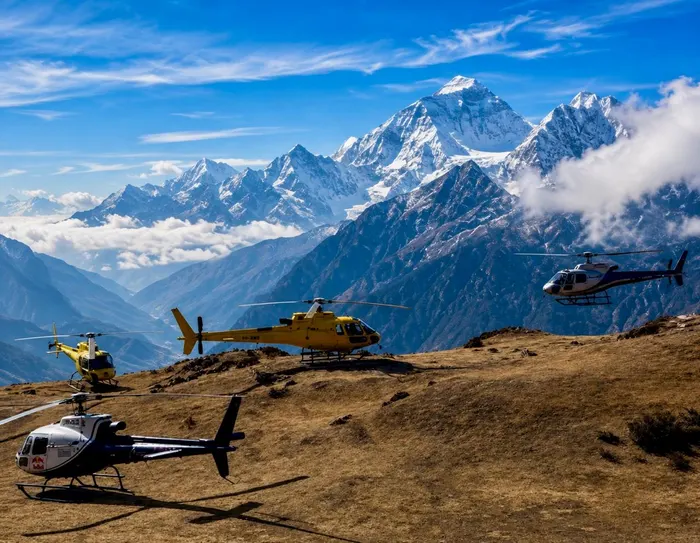
Several factors influence the price. The helicopter type matters: an AS350 B3e Ecureuil, the most common model for Nepal mountain flights, costs less than a larger Bell 407 or an AS365 Dauphin. Fuel prices fluctuate in Nepal because aviation fuel is imported, and the Nepalgunj fuel stop adds landing and handling fees. Season matters too: spring and autumn demand pushes prices up, while monsummer and winter months see discounts of 10 to 15 percent though weather windows are less reliable.
When comparing costs, consider what is included. A reputable operator provides the helicopter, pilot, fuel, ground time at the lake, a packed breakfast or refreshments, hotel transfers in Kathmandu and national park entrance fees. Some operators also include a flight certificate as a souvenir. Always confirm what is covered before booking to avoid surprise charges on the day.
When Is the Best Time for a Rara Lake Helicopter Tour?
The best months for a Rara Lake helicopter tour are March through May in spring and October through November in autumn. During these windows, the skies are generally clear, visibility extends for dozens of kilometres and the lake reflects the surrounding peaks like a mirror. Spring brings wildflowers to the alpine meadows around the lake, with blue poppies, primulas and iris carpeting the ground. Autumn offers the clearest air of the year after the monsoon has washed the atmosphere clean, and the lake takes on its deepest blue colour.
Summer from June to September is monsoon season in Nepal, and Rara receives heavy rainfall that can ground flights for days at a time. However, the lake is at its fullest during this period and the surrounding forests are lush green. If you are willing to gamble on weather windows, summer flights can be rewarding but require flexibility in your schedule. Winter from December to February brings snow to the region, and while the frozen lake is a stunning sight, temperatures at the lake shore can drop well below freezing and the helicopter may need de-icing before departure. For a detailed month-by-month breakdown of helicopter flight conditions, see our best time guide.
What Will You See on the Flight to Rara?
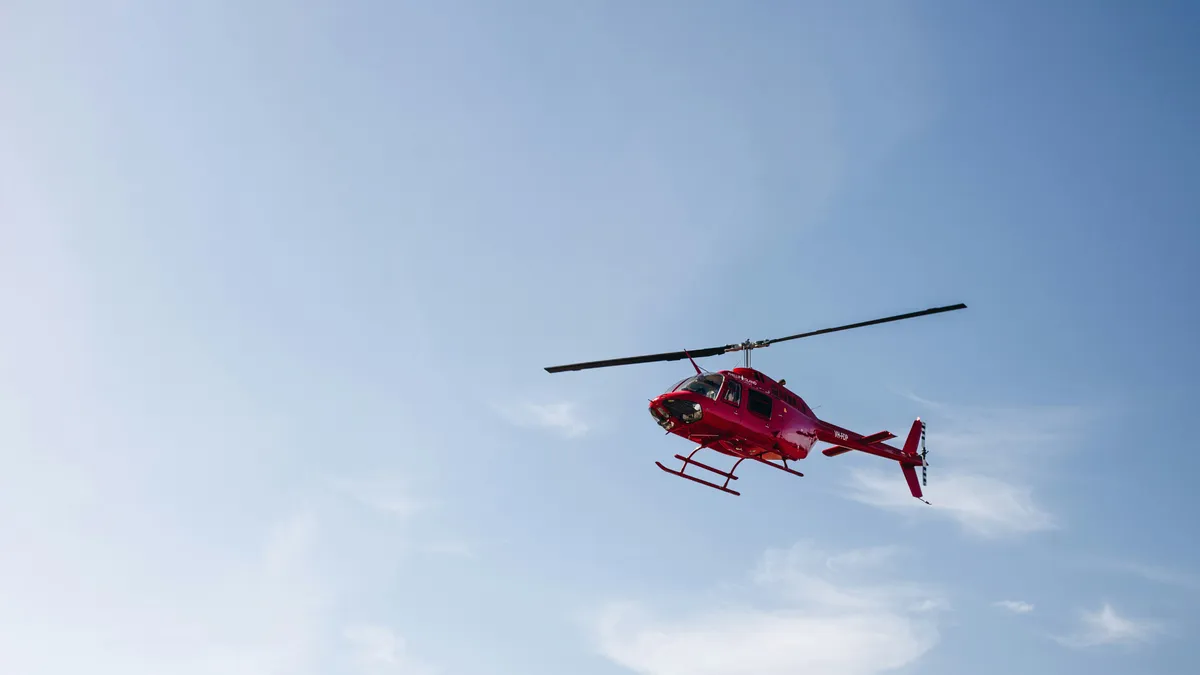
The flight path from Kathmandu to Rara Lake crosses some of the most dramatic and least-seen landscapes in Nepal. After departing the Kathmandu Valley, you climb over the Middle Hills, a patchwork of terraced farms and forested ridges that characterise the mid-elevation zone. As you head west, the terrain becomes increasingly rugged. You pass over the Karnali River, one of the longest rivers in Nepal, which carves a deep gorge through the mountains. The river appears as a silver ribbon winding through brown and grey canyon walls.
Nearing Rara, the landscape opens up into alpine meadows and dwarf rhododendron forest. The helicopter descends toward the lake, and you get your first full view of the water: a vast expanse of blue surrounded by green slopes and, in the distance, the white summit of Chuchemara Peak rising to 4,039 metres on the southern shore. The pilot circles the lake once before landing, giving every passenger a view from all angles. On a clear day, you can see the reflections of Kanjirowa Himal and other peaks of the Far West in the lake surface.
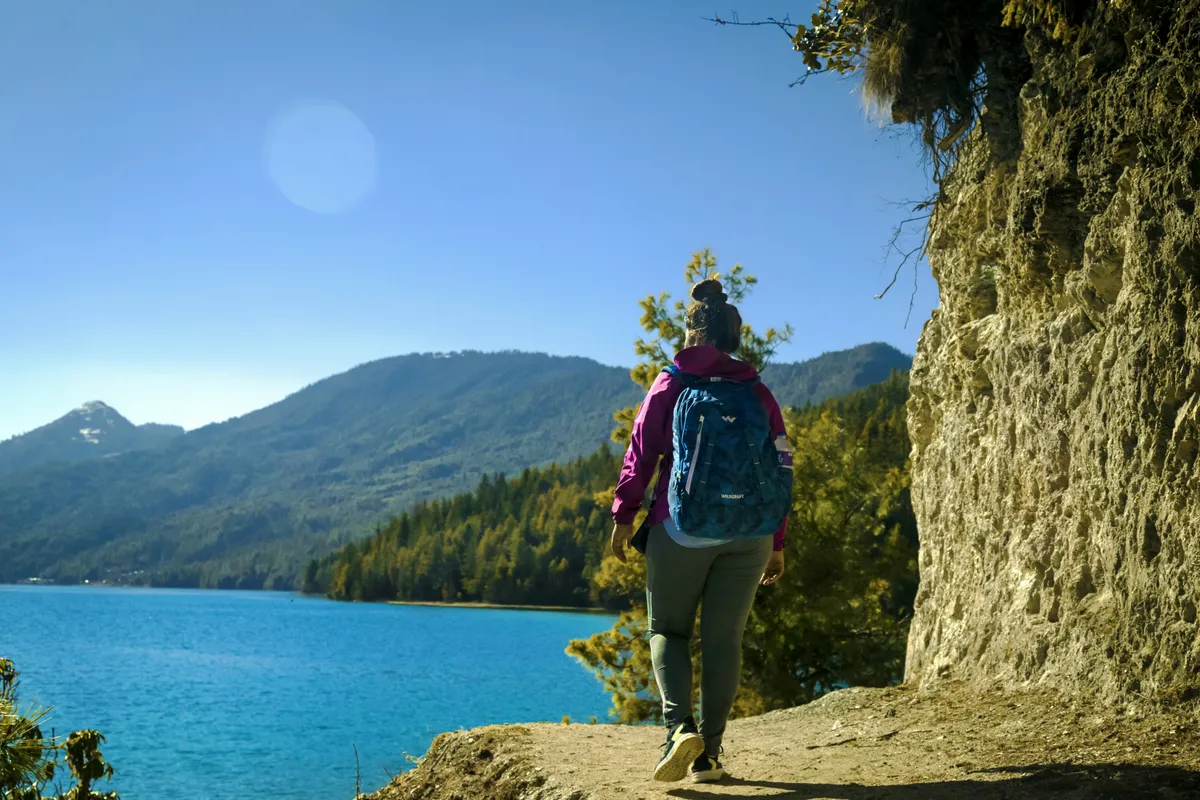
During the ground stop, you can walk along the shore, dip your hands in the cold water and photograph the lake from different vantage points. The national park headquarters area has a basic visitor shelter where you can enjoy your packed meal. If you are lucky, you may spot Himalayan monal pheasants foraging near the shore or hear the whistle of a snowcock echoing across the water. The silence at Rara is remarkable, broken only by wind and the occasional bird call. It is a profound contrast to the noise of Kathmandu and a big part of what makes this tour worth the investment.
How Does Rara Compare to Other Helicopter Tours in Nepal?
Nepal offers several helicopter tour destinations, and Rara occupies a unique niche. The Everest Base Camp helicopter tour is the most popular, offering close-up views of the world's highest peak and a landing at Kala Patthar or Syangboche. An Annapurna Base Camp helicopter tour provides a different palette of peaks, with the Annapurna massif and Machapuchare dominating the view. The Gosaikunda helicopter tour combines a sacred lake with a pilgrimage circuit. For a direct comparison of options, read our Everest vs Annapurna helicopter tour guide.
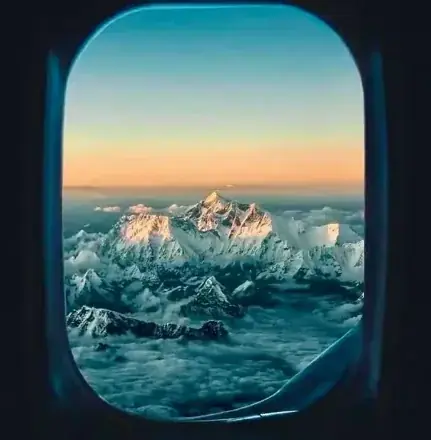
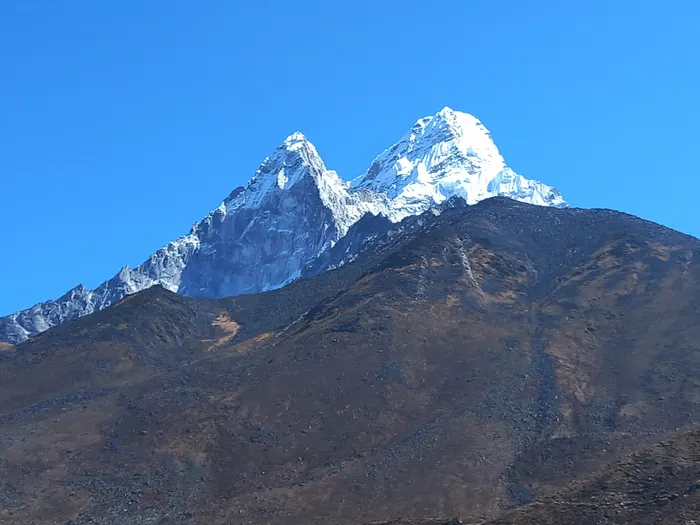
What sets Rara apart is the combination of remoteness, lake size and ecological diversity. Everest tours fly over heavily trafficked trekking routes where you can see teahouses and trails below. Annapurna tours share airspace with paragliders from Pokhara. Gosaikunda, while sacred, is reachable by road in a long day's drive. Rara, by contrast, is days from any roadhead. When you land at Rara, you are in a place that very few people on earth have visited. The lake is five times larger than Gosaikunda and sits in a national park with virtually no tourism infrastructure. For travellers who have already done the popular helicopter routes and want something genuinely different, Rara is the answer.
Is the Rara Lake Helicopter Tour Safe?
Helicopter safety in Nepal is a legitimate concern, and Rara adds specific considerations. The flight path crosses remote terrain with limited emergency landing options, and the lake sits at nearly 3,000 metres, which means the helicopter operates at a relatively high density altitude. Reputable operators address these risks by using experienced mountain pilots, maintaining strict weather minimums and carrying satellite communications. For a thorough breakdown of helicopter safety in Nepal, including pilot qualifications and aircraft standards, read our dedicated safety guide.
The key safety question for Rara is weather. Because the lake is in a remote valley, weather can change rapidly and a flight that starts clear in Kathmandu may encounter fog or cloud as you approach Rara. Experienced pilots will turn back rather than push through marginal conditions. This means your flight may be delayed or rescheduled, sometimes by a day or more. Book with an operator that has a clear weather-cancellation policy and does not charge you for weather-related delays. Most reputable companies will reschedule at no extra cost or offer a full refund if weather prevents the flight within a reasonable window.
What Should You Wear and Pack for the Rara Tour?
Even though you are in a helicopter for much of the tour, the ground stop at Rara Lake exposes you to alpine conditions. At 2,990 metres, the lake shore can be cool even in spring and autumn, with temperatures ranging from 5 to 15 degrees Celsius during the day. Wind coming off the lake can make it feel colder. You should dress in layers: a base layer, a warm mid-layer like fleece or down, and a windproof outer shell. Sturdy walking shoes are essential for the uneven ground around the shore.
Sun protection is critical at altitude. Bring sunglasses with UV protection, sunscreen of at least SPF 30 and a wide-brimmed hat. The air is thin and the sun is intense, even on cloudy days. A small daypack with water, snacks and a camera is all you need for the ground stop. Leave heavy gear at your hotel in Kathmandu because the helicopter has strict weight limits. For a complete packing checklist that applies to all Nepal helicopter tours, see our what to wear and pack guide.
Can You Combine Rara with Other Helicopter Tours?
Yes, and doing so makes logistical sense because you are already paying for helicopter time. A popular combination is the Rara Lake tour with a stop at Everest Base Camp on a separate day. Because the flights are in opposite directions from Kathmandu, they cannot be combined in a single outing, but you can book them on consecutive days. Another option is combining Rara with the Muktinath helicopter pilgrimage: our Muktinath helicopter package covers the sacred site in Mustang, and adding Rara gives you both a cultural and a nature experience in one trip.
For couples planning a honeymoon, combining Rara with a romantic Everest flight creates an unforgettable itinerary. See our honeymoon helicopter tour guide for itinerary ideas. Photography enthusiasts can combine Rara with our photography-focused helicopter guide to capture both the world's highest peaks and the Queen of Lakes on a single trip.
How to Book a Rara Lake Helicopter Tour
Booking a Rara Lake helicopter tour follows the same process as other Nepal helicopter tours but requires more advance planning because fewer operators fly this route. Start by contacting a licensed helicopter operator or a registered travel agency at least two weeks before your desired date. Confirm availability, ask about the specific helicopter model and pilot experience on the Rara route and clarify the weather-cancellation policy. Our step-by-step booking guide covers the full process from initial inquiry to takeoff.
When requesting a quote, provide your preferred dates, the number of passengers and whether you want a private charter or are open to sharing. Ask whether the quote includes the national park entrance fee (currently NPR 3,000 per foreign visitor) and whether hotel transfers in Kathmandu are included. If you have specific requests such as a champagne toast at the lake or an extended ground stop, mention these upfront so the operator can plan accordingly.
For travellers who prefer a guided experience with cultural context, consider combining the helicopter tour with a broader Nepal itinerary. The Rara Lake flight pairs well with a cultural and spiritual tour of Nepal, giving you both the remote wilderness experience and the rich heritage of the Kathmandu Valley. If you are planning a longer Nepal trip that includes trekking, our trekking agency guide can help you choose the right operator for the ground portion of your journey.


What Makes Rara Lake Worth the Journey?
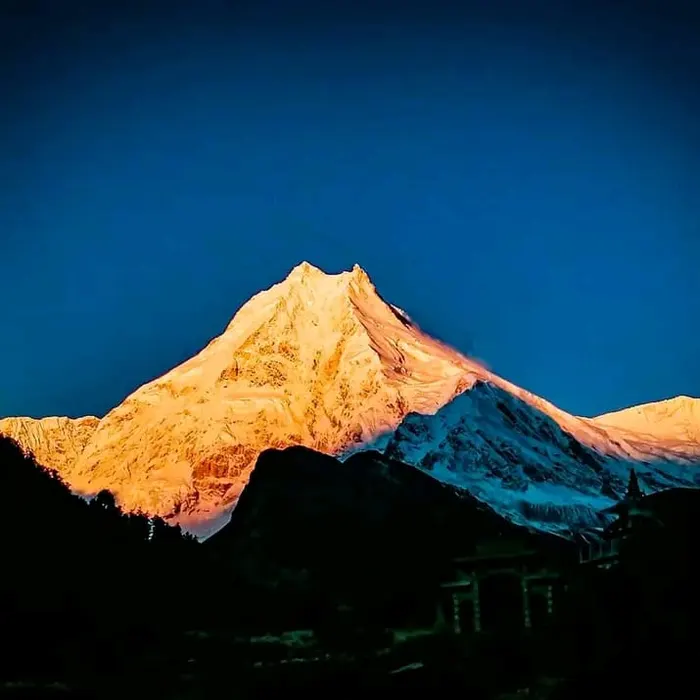
Rara Lake rewards the traveller who has already seen the highlights of Nepal and wants something deeper. It is not a checkbox destination like Everest Base Camp or a cultural must-see like Boudhanath. It is a place you visit for the experience of being somewhere genuinely remote and beautiful, where the modern world feels far away and the landscape speaks for itself. The helicopter tour makes this accessible without compromising the sense of isolation that defines Rara.
Travellers who have done multiple helicopter tours in Nepal consistently rate Rara as the most memorable, not because the peaks are taller or the temples are older, but because the lake itself is magical. The colour of the water, the silence of the surroundings and the sheer scale of the landscape combine to create an emotional impact that lasts long after the flight is over. If you are debating whether the higher cost is justified compared to other helicopter tours, read our honest assessment in is a helicopter tour in Nepal worth it.
Common Questions About the Rara Lake Experience
For seniors wondering about accessibility, the helicopter tour is actually the most accessible way to experience Rara because it avoids the multi-day trek. Our seniors helicopter tour guide has more details. For groups debating shared versus private options, our shared vs private guide breaks down the value calculus.
Final Thoughts on the Rara Lake Helicopter Tour
The Rara Lake helicopter tour is the ultimate off-the-beaten-path aerial experience in Nepal. It combines the convenience of a same-day flight from Kathmandu with the rewards of visiting one of the most pristine alpine lakes in the Himalaya. Whether you are a photographer chasing reflections, a nature lover seeking solitude or a traveller who has exhausted the standard Nepal circuit, Rara offers something genuinely new. The cost is higher than other helicopter tours, but the experience is proportional: you are paying for exclusivity, remoteness and a landscape that no road can reach.
When you are ready to book, contact us through our booking page and our team will help you plan every detail, from the helicopter type to the ground time at the lake. Rara Lake is waiting, and the Queen of Lakes is best seen from above.