 Planning a spiritual tour in Nepal is an investment in an experience that will stay with you for a lifetime. But like any meaningful journey, it comes with a price tag, and understanding what you are paying for is the first step to planning a trip that fits your budget without compromising on the experiences that matter most. This cost guide breaks down the expenses of a spiritual tour in Nepal across three tiers: budget, mid-range, and luxury. It covers everything from accommodation and transportation to guide fees, entry permits, meals, and the hidden costs that first-time visitors often overlook. Whether you are a solo backpacker seeking a simple pilgrimage or a traveler looking for a fully curated luxury experience with helicopter transfers and five-star hotels, this guide will help you understand exactly where your money goes and how to get the best value for it.
The figures in this guide are based on 2026/27 pricing and reflect the costs of traveling with a licensed operator like Enticing Himalayas. Independent travel can be cheaper in some areas, but a guided spiritual tour includes expertise, logistics, and access that are difficult to replicate on your own. For a broader overview of what a spiritual tour entails, see our complete guide to cultural and spiritual tours in Nepal. And if you are considering combining your pilgrimage with trekking, our guide to the best trekking agency in Nepal will help you plan a journey that includes both sacred sites and mountain trails.


Understanding the Cost Structure of a Spiritual Tour in Nepal
Before diving into specific numbers, it is helpful to understand the components that make up the total cost of a spiritual tour. A typical package includes accommodation, transportation, a licensed guide, entry fees to temples and heritage sites, and some meals. What varies between budget, mid-range, and luxury tiers is the quality of each of these components. A budget tour might use basic guesthouses and public transportation, while a luxury tour includes five-star hotels, a private vehicle with air conditioning, and a guide with specialized knowledge of Hindu and Buddhist philosophy. The duration of your tour is the single biggest factor in the total cost. A 3-day Kathmandu spiritual circuit will cost significantly less than a 14-day pilgrimage covering Muktinath, Lumbini, and Gosaikunda. The number of domestic flights, the inclusion of helicopter transfers, and the season in which you travel also have a major impact on the final price.
It is also important to understand the difference between what is included in a package price and what you will need to budget for separately. Most tour packages include accommodation, guided sightseeing, entry fees, airport transfers, and breakfast. They typically do not include international flights, Nepal visa fees, travel insurance, lunches and dinners beyond breakfast, personal shopping, tips, and optional activities like helicopter tours or extended meditation retreats. Understanding this distinction upfront will help you avoid surprises when you receive your final invoice. For a detailed look at the spiritual tour options available, visit our spiritual tour in Nepal hub.

Budget Spiritual Tour: USD 40 to USD 70 Per Person Per Day
A budget spiritual tour in Nepal is entirely feasible and can be a deeply rewarding experience. At this tier, you are looking at roughly USD 40 to USD 70 per person per day, based on double occupancy. For a 7-day tour, that translates to a total of approximately USD 280 to USD 490 per person. Accommodation at this level means simple guesthouses or tourist-standard hotels with clean rooms, hot water, and basic amenities. In Kathmandu, budget hotels in the Thamel or Boudha areas typically cost USD 15 to USD 30 per night for a double room. In Pokhara, lakeside guesthouses are similarly priced. In Lumbini, basic lodges near the Sacred Garden run USD 10 to USD 20 per night.
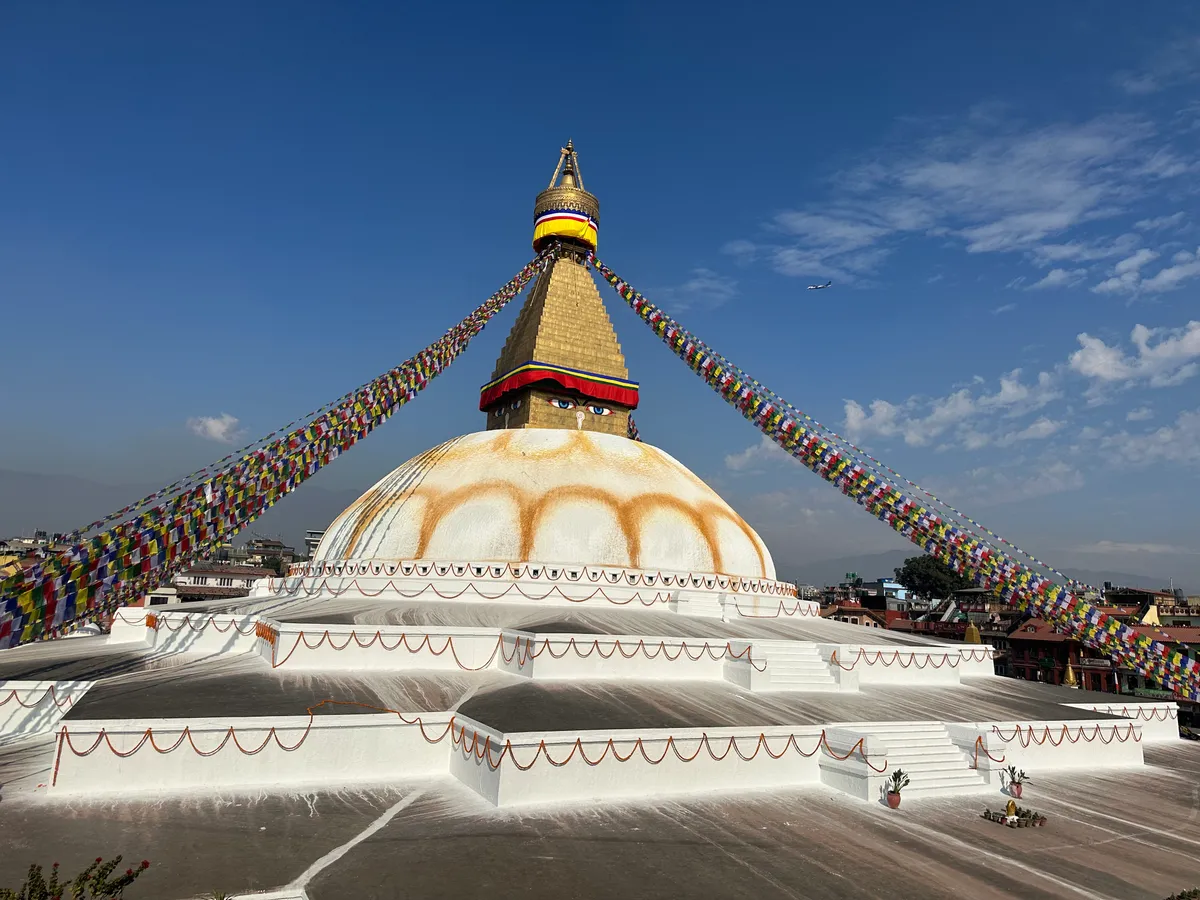
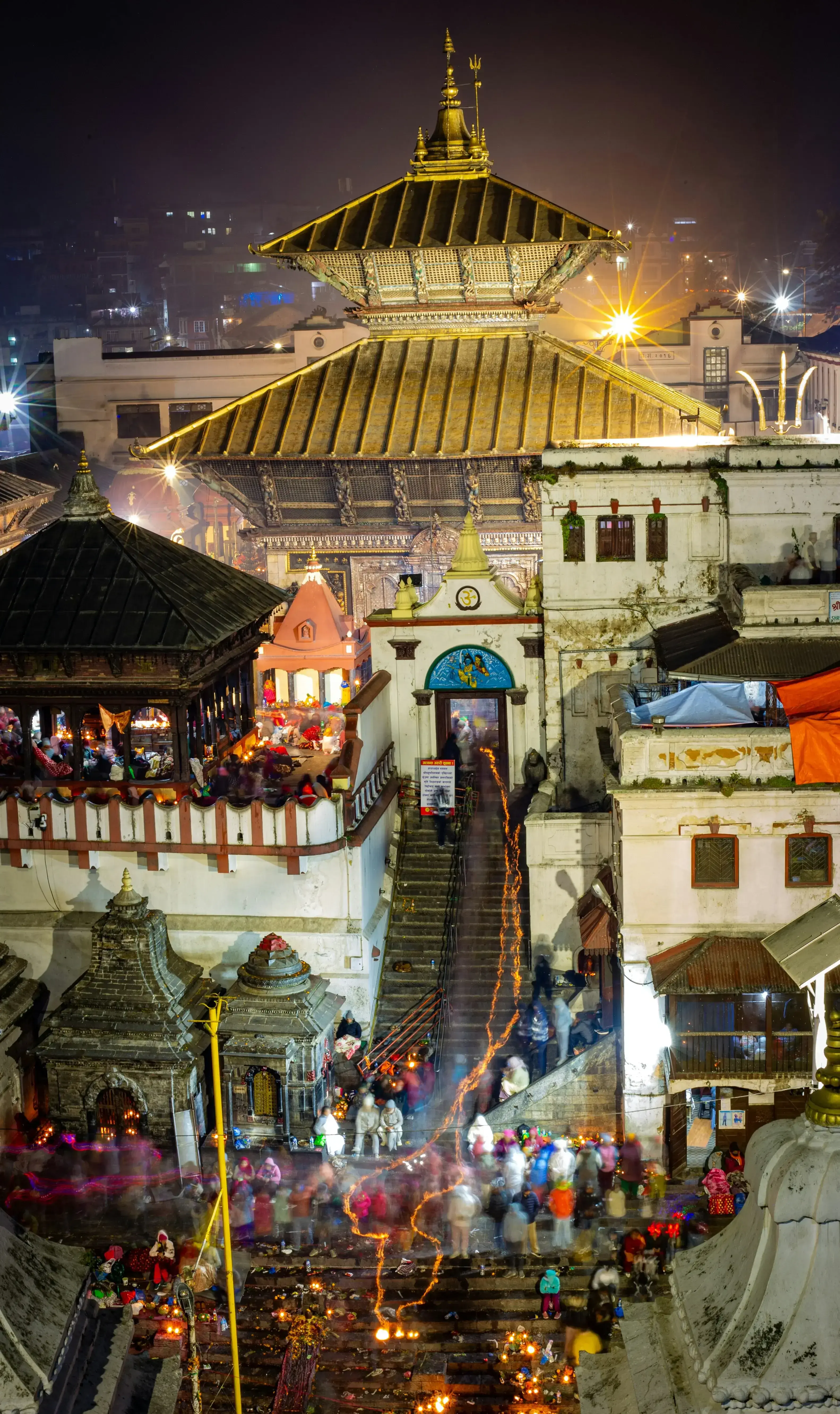
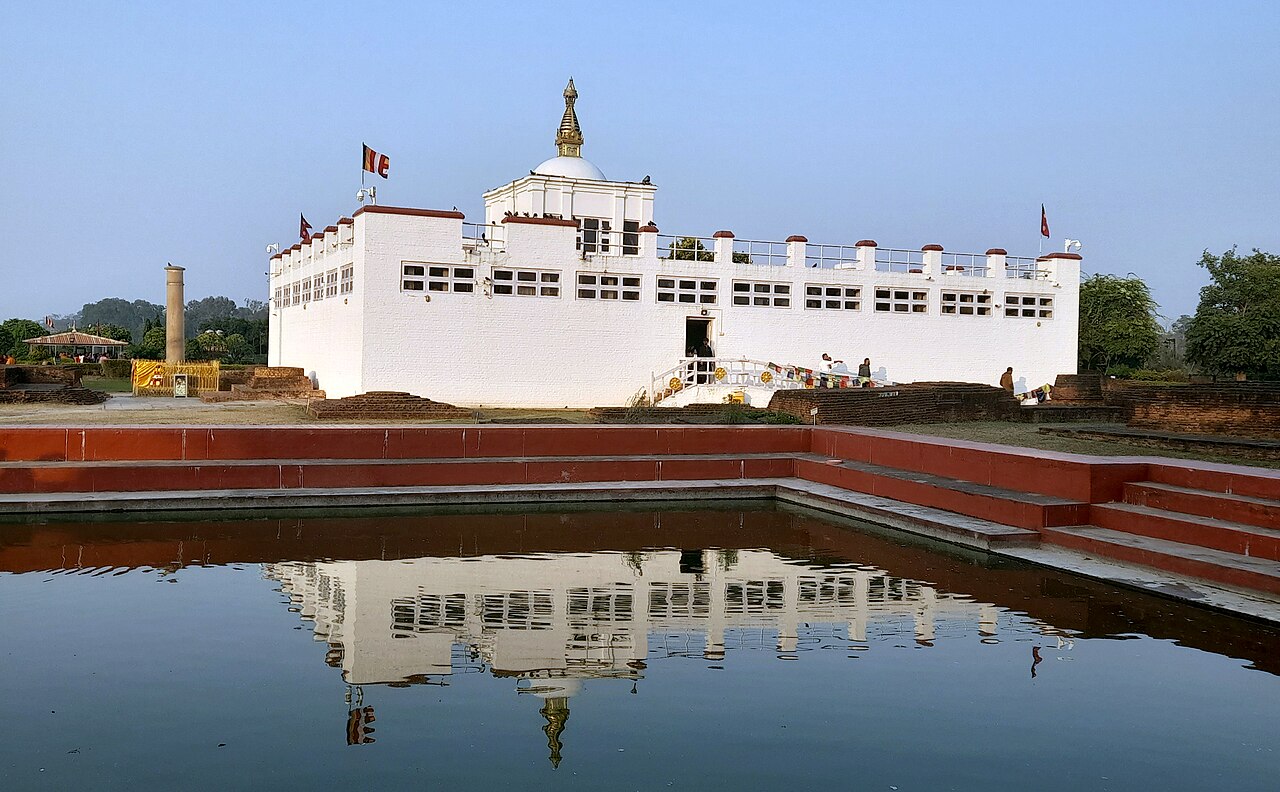
Transportation on a budget tour usually means a mix of local buses, shared jeeps, and the occasional private taxi for shorter distances. A tourist bus from Kathmandu to Pokhara costs roughly USD 8 to USD 12 per person and takes about 7 hours. A local bus is cheaper at USD 4 to USD 6 but is significantly less comfortable. For longer journeys, such as Kathmandu to Lumbini, a tourist bus costs around USD 15 to USD 20. Domestic flights, which are common on mid-range and luxury tours, are generally not included at the budget tier. A guide at this level may be a freelance guide hired for specific days rather than a dedicated full-time guide, and their daily rate ranges from USD 20 to USD 35. Entry fees to major sites are fixed regardless of your tour tier. Pashupatinath costs NPR 1,000 (roughly USD 8) for foreign nationals. Boudhanath is NPR 400 (USD 3). Swayambhunath is NPR 200 (USD 1.50). Bhaktapur Durbar Square is NPR 1,500 (USD 12). Lumbini's Sacred Garden is NPR 500 (USD 4). Meals on a budget tour are simple but satisfying. A dal bhat meal at a local restaurant costs USD 2 to USD 4, and a meal at a tourist restaurant runs USD 5 to USD 8.
Mid-Range Spiritual Tour: USD 100 to USD 180 Per Person Per Day
The mid-range tier is where most travelers find the sweet spot between comfort and value. At USD 100 to USD 180 per person per day, a 7-day mid-range spiritual tour costs approximately USD 700 to USD 1,260 per person. This is the tier at which you get a dedicated, licensed guide for the full duration of your tour, a private vehicle with a driver, comfortable 3-star accommodation, and a well-paced itinerary that includes domestic flights where they make sense. Accommodation at the mid-range level means 3-star hotels with reliable hot water, air conditioning or heating, on-site restaurants, and locations convenient to the sacred sites you will be visiting. In Kathmandu, a good 3-star hotel in Thamel or Boudha costs USD 40 to USD 70 per night. In Pokhara, lakeside 3-star hotels run USD 35 to USD 60. In Lumbini, mid-range hotels near the Sacred Garden cost USD 30 to USD 50 per night.
A private vehicle with a driver is one of the biggest upgrades from the budget tier. It gives you flexibility, comfort, and the ability to visit sites on your own schedule. A private car with driver in Kathmandu costs roughly USD 40 to USD 60 per day, including fuel. For out-of-town trips to Bhaktapur, Namobuddha, or Nagarkot, the daily rate is USD 60 to USD 80. A licensed English-speaking guide with knowledge of Hindu and Buddhist traditions costs USD 35 to USD 50 per day. This is one of the best investments you can make on a spiritual tour. A good guide does not just show you the sites. They explain the symbolism, the history, and the living traditions that make each place sacred. They also handle logistics, negotiate entry fees, and help you navigate cultural norms. Domestic flights, which are often included at this tier for longer itineraries, cost roughly USD 120 to USD 150 for a one-way flight from Kathmandu to Pokhara, and USD 100 to USD 130 for Pokhara to Bhairahawa. Meals at mid-range restaurants cost USD 8 to USD 15 per meal, and your guide will know the best places for both quality and hygiene.
Luxury Spiritual Tour: USD 250 to USD 500+ Per Person Per Day
A luxury spiritual tour in Nepal is a curated experience that combines the country's sacred heritage with the highest standards of comfort and service. At USD 250 to USD 500 or more per person per day, a 7-day luxury tour costs approximately USD 1,750 to USD 3,500 per person. At this tier, every detail is handled for you. Accommodation means 4-star and 5-star hotels. In Kathmandu, properties like the Dwarika's Hotel or the Hyatt Regency offer heritage-inspired luxury with rates of USD 150 to USD 400 per night. In Pokhara, lakeside luxury resorts run USD 120 to USD 250 per night. In Lumbini, the higher-end hotels near the Sacred Garden cost USD 80 to USD 150 per night.
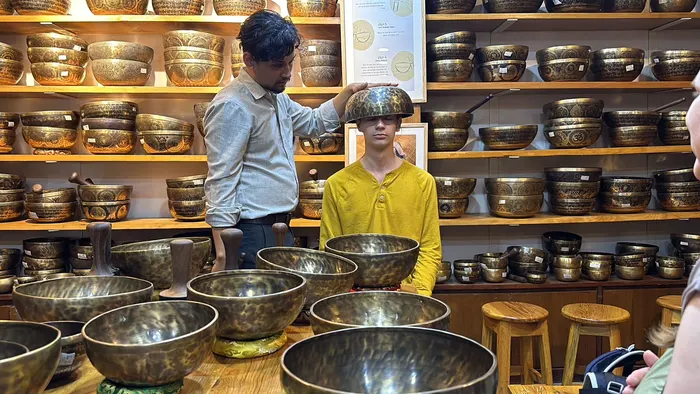
Transportation at the luxury tier means a late-model private SUV or van with air conditioning, a dedicated driver, and unlimited mileage within your itinerary. The daily rate for a luxury vehicle with driver is USD 80 to USD 120. Your guide at this level is a senior cultural specialist, often with academic training in Hindu or Buddhist studies, who can provide deep context for every site you visit. Their daily rate is USD 60 to USD 100. Helicopter transfers are a signature feature of luxury spiritual tours. A helicopter from Kathmandu to Muktinath, with time on the ground for darshan and a return flight, costs roughly USD 3,500 to USD 4,500 for a group of up to five people. A helicopter to Gosaikunda costs USD 2,500 to USD 3,500. These are significant expenses, but they allow you to visit remote sacred sites in a single day that would otherwise require days of trekking. For a ready-made luxury pilgrimage, the Muktinath helicopter pilgrimage is one of our most popular offerings. Meals at the luxury tier include fine dining at the best restaurants in Kathmandu and Pokhara, with per-meal costs of USD 20 to USD 50. Many luxury tours also include private yoga sessions, sound healing treatments, and exclusive access to monastery teachings, all of which add to the total cost but create an experience that is truly unforgettable.
Package Price Comparisons: What You Get at Each Tier
To make these numbers concrete, here is a comparison of what a 7-day spiritual tour covering Kathmandu, Bhaktapur, Namobuddha, and Nagarkot looks like at each tier. At the budget level, approximately USD 350 to USD 490 per person, you get basic guesthouse accommodation, local buses and shared transport, a freelance guide hired for key days, breakfast only, and standard entry fees. You will have a genuine spiritual experience, but you will need to be comfortable with simpler conditions and more logistical effort on your own.
At the mid-range level, approximately USD 800 to USD 1,200 per person, you get 3-star hotel accommodation, a private vehicle with driver for the full week, a dedicated licensed guide, daily breakfast, all entry fees, the Nagarkot sunrise excursion, and one yoga or meditation session. This is the tier that most of our clients choose, and it offers the best balance of comfort, depth, and value. At the luxury level, approximately USD 2,000 to USD 3,500 per person, you get 5-star hotel accommodation, a luxury private vehicle, a senior cultural specialist guide, all meals at fine restaurants, all entry fees, a private helicopter transfer to Namobuddha, daily private yoga and meditation sessions, and a personalized itinerary with exclusive access to monastery teachings. For specific package options, the Nepal cultural pilgrimage experience and the Sacred Kathmandu heritage tour are excellent mid-range choices. The Kathmandu spiritual circuit is a focused two-day option that can be added to any itinerary.
Hidden Costs and How to Avoid Them
Every travel budget has its blind spots, and a spiritual tour in Nepal is no exception. The most common hidden cost is the Nepal tourist visa. A 15-day visa on arrival costs USD 30, a 30-day visa costs USD 50, and a 90-day visa costs USD 125. These fees must be paid in cash in USD or equivalent foreign currency at the airport. Credit cards are not accepted for visa fees, so bring clean, unfolded US dollar bills. Travel insurance is another essential expense that is rarely included in tour packages. A comprehensive policy covering medical evacuation, trip cancellation, and lost luggage costs roughly USD 50 to USD 150 for a two-week trip, depending on your age and coverage level. Do not skip this. Medical evacuation from a remote area in Nepal can cost tens of thousands of dollars.
Finally, be aware of the cost of optional activities. A helicopter tour, a private meditation retreat, a thangka painting workshop, or a sound healing session can each add USD 50 to USD 500 to your total. These are wonderful experiences, but they should be budgeted for in advance rather than treated as impulse purchases.
Seasonal Price Variations
The time of year you travel has a significant impact on the cost of your spiritual tour. Peak season, from October to November and March to April, sees the highest prices for accommodation and domestic flights. Hotels in Kathmandu and Pokhara can charge 20 to 30 percent more during these months, and domestic flights often sell out weeks in advance, pushing last-minute fares higher. If you are traveling during peak season, book your tour at least two to three months in advance to secure the best rates and availability. The shoulder seasons of September, December, and May offer a good compromise between weather and cost. Prices are typically 10 to 15 percent lower than peak season, and the sites are less crowded.
The off-season, from June to August during the monsoon, offers the lowest prices of the year. Hotels may discount their rates by 30 to 50 percent, and tour operators often run promotions to attract visitors during the rainy months. The trade-off is that rain can disrupt outdoor plans, mountain views are often obscured by clouds, and some roads may be impassable due to landslides. However, the monsoon also brings lush green landscapes, fewer tourists, and a different kind of spiritual atmosphere. The temples and monasteries are quieter, and the rain itself can be meditative. For those on a tight budget who do not mind getting wet, the monsoon can be a surprisingly rewarding time for a spiritual tour. Our guide to the major festivals of Nepal can help you time your visit to coincide with cultural celebrations that add immeasurable value to your experience.
Money-Saving Tips for Your Spiritual Tour
There are several ways to reduce the cost of your spiritual tour without sacrificing the quality of your experience. Travel in a group. Most tour operators, including Enticing Himalayas, offer significant per-person discounts for groups of three or more. The fixed costs of a private vehicle and guide are spread across more people, and group rates for accommodation are often lower. A group of four can expect to pay roughly 20 to 30 percent less per person than a solo traveler on the same itinerary. Book well in advance. Early booking discounts of 5 to 10 percent are common, and you will have a wider choice of accommodation and guide availability. Last-minute bookings, especially during peak season, often mean paying a premium for whatever is still available.
Choose a shorter itinerary that focuses on a single region. A 5-day Kathmandu Valley spiritual tour costs significantly less than a 14-day circuit covering Muktinath, Lumbini, and Gosaikunda, and it can be just as spiritually rich. You can always return for a second trip to explore another region. The Kathmandu spiritual circuit is an excellent short option. Travel during the shoulder or off-season. The savings on accommodation and flights can be substantial, and the sites are less crowded. If you are flexible with your dates, you can often find excellent deals. Finally, be clear with your tour operator about your budget from the outset. A good operator will work with you to design an itinerary that fits your financial parameters while still delivering a meaningful spiritual experience. At Enticing Himalayas, we regularly customize tours to match our clients' budgets, and we are transparent about where costs can be reduced and where they should not be.
What Is Included in a Typical Spiritual Tour Package
Understanding exactly what your package includes is essential to avoiding budget surprises. A standard mid-range spiritual tour package with Enticing Himalayas includes airport pickup and drop-off, accommodation in 3-star hotels on a twin-sharing basis, daily breakfast, a private vehicle with driver for all sightseeing and transfers, a licensed English-speaking guide, all entry fees to temples, monasteries, and heritage sites, all government taxes and service charges, and one yoga or meditation session. What is not included: international airfare, Nepal visa fees, travel insurance, lunches and dinners beyond breakfast, personal expenses such as laundry, phone calls, and drinks, tips for your guide and driver, and any optional activities not specified in the itinerary.
For longer itineraries that include domestic flights, such as the 10-day Hindu and Buddhist pilgrimage circuit, the flights are typically included in the package price. For itineraries that include helicopter transfers, such as the Muktinath pilgrimage, the helicopter cost is usually quoted separately because it depends on the number of passengers and the specific routing. Always ask for a detailed inclusion and exclusion list before booking, and do not hesitate to ask questions about anything that is unclear. A reputable operator will be happy to provide a transparent breakdown. For a comprehensive pilgrimage experience, the Lumbini Buddhist pilgrimage and the Gosaikunda sacred lake trek are excellent options that include all logistics.
Sample Budgets for Popular Spiritual Tour Itineraries
Here are sample budgets for three of our most popular spiritual tour itineraries, priced at the mid-range tier for two people traveling together. A 5-day Kathmandu Valley spiritual circuit covering Pashupatinath, Boudhanath, Swayambhunath, Bhaktapur, and Namobuddha costs approximately USD 600 to USD 900 per person. This includes 4 nights of 3-star accommodation, a private vehicle with driver, a licensed guide, all entry fees, daily breakfast, and airport transfers. A 7-day Kathmandu and Pokhara spiritual tour adding the World Peace Pagoda, Barahi Temple, and a lakeside yoga session costs approximately USD 900 to USD 1,300 per person, including the Kathmandu to Pokhara flight.
A 10-day Hindu and Buddhist pilgrimage circuit covering Kathmandu, Pokhara, Muktinath, and Lumbini costs approximately USD 1,500 to USD 2,200 per person. This includes 9 nights of accommodation, all domestic flights, a private vehicle with driver, a licensed guide, all entry fees, daily breakfast, and airport transfers. The Muktinath portion can be done by jeep from Jomsom, which is included in this price, or upgraded to a helicopter transfer for an additional USD 700 to USD 900 per person. For those interested in combining trekking with pilgrimage, our guide to treks with a spiritual side offers multi-day options that include monastery stays. For a deeper dive into the Muktinath experience, see our Muktinath spiritual circuit guide. And for those short on time, our helicopter pilgrimage and trek combos offer efficient access to remote sacred sites.
Is a Spiritual Tour in Nepal Worth the Cost?
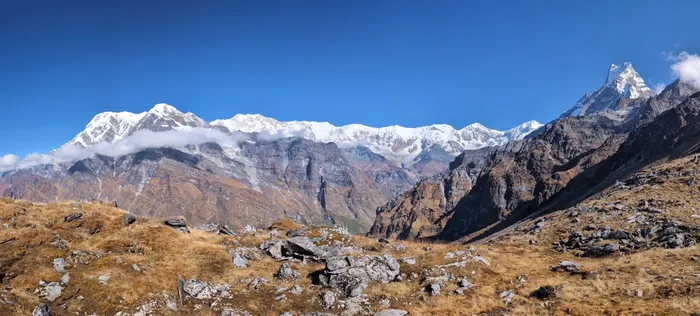
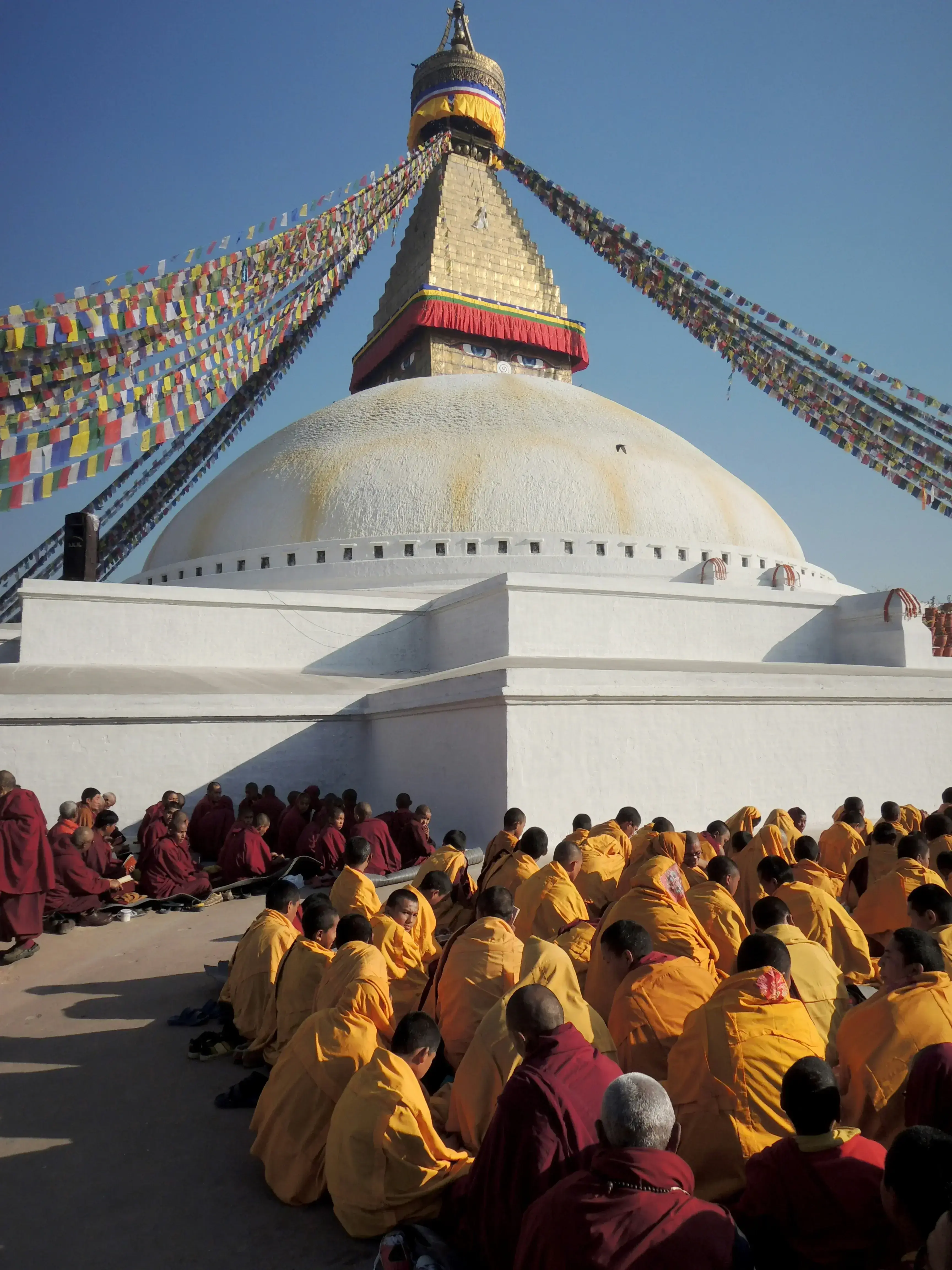
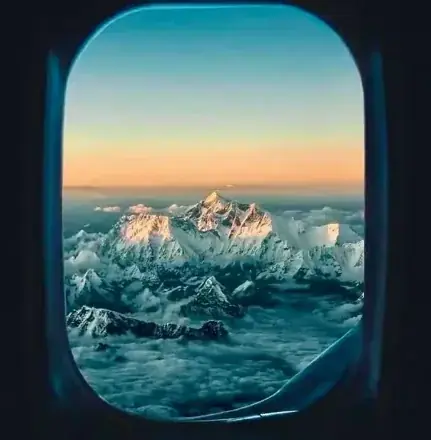
This is the question that underlies every budget conversation, and the answer, from the thousands of travelers we have guided, is an emphatic yes. A spiritual tour in Nepal is not a typical vacation. It is an immersion in living traditions that have shaped one of the world's great civilizations. The value is not just in the sites you see but in the understanding you gain, the perspectives that shift, and the inner quiet that many travelers report carrying home with them. A good guide transforms a visit to Pashupatinath from a photo stop into a window into the heart of Hindu devotion. A well-planned itinerary gives you the space to sit in silence at Boudhanath, to walk the gardens of Lumbini at dawn, and to watch the sunrise paint the Himalayas from a hilltop stupa, without the stress of logistics.
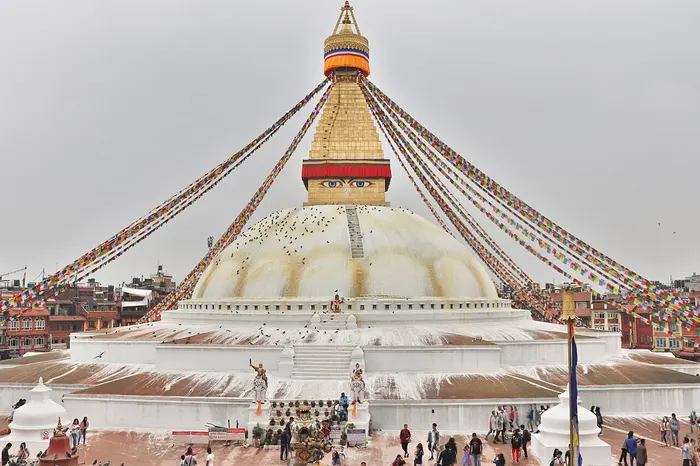
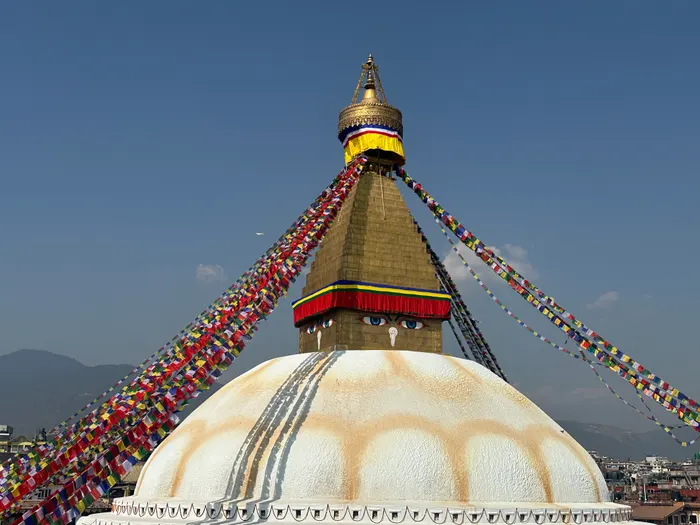
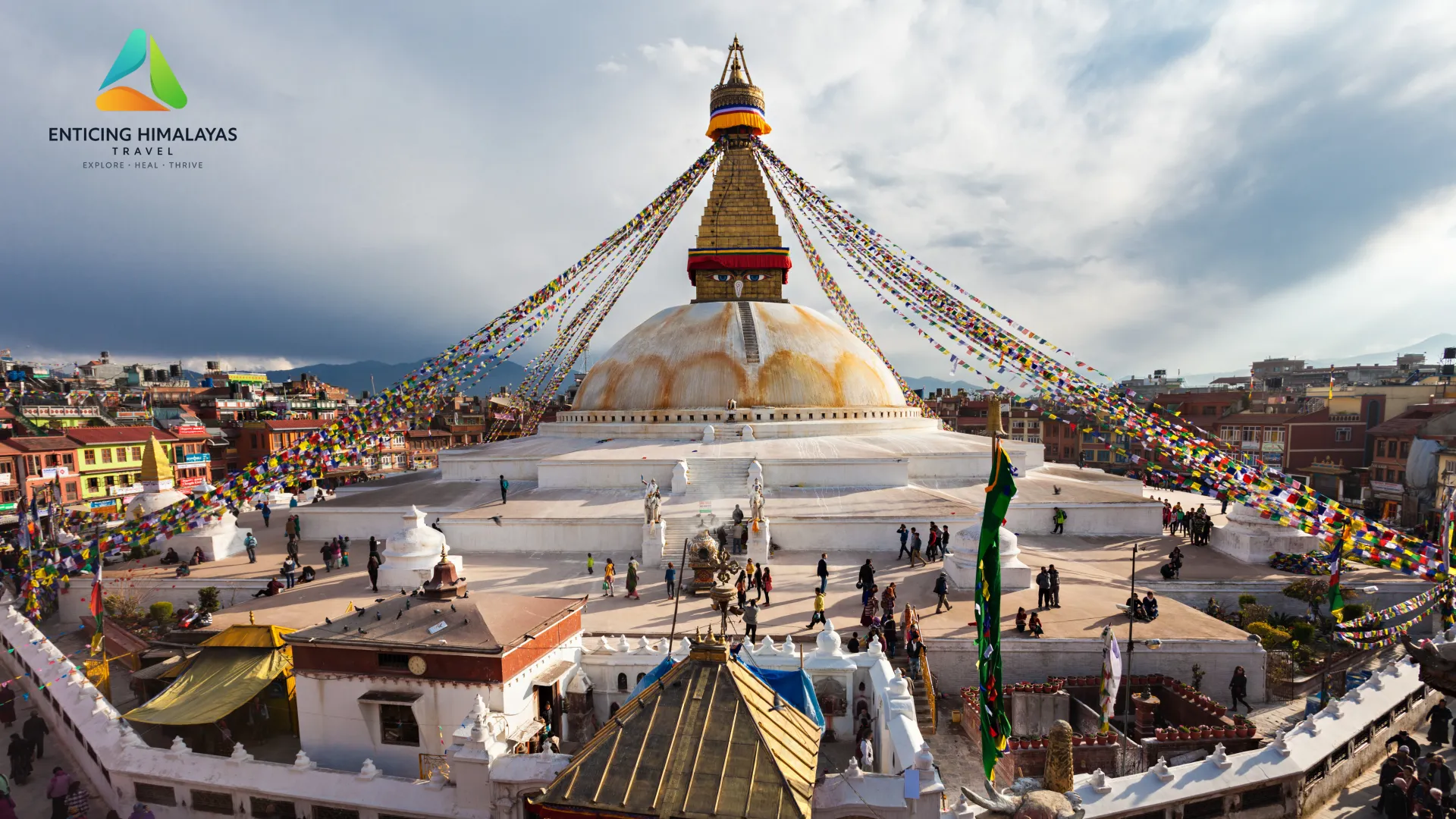
Compared to similar spiritual tours in India, Bhutan, or Tibet, Nepal offers excellent value. The cost of living is lower, the infrastructure for tourism is well-developed, and the concentration of sacred sites in a relatively small geographic area means you can experience a great deal in a short time. A 10-day spiritual tour in Nepal at the mid-range tier costs roughly half of what a comparable tour in Bhutan would cost, primarily because Bhutan's mandatory minimum daily tariff of USD 200 to USD 250 per person sets a high floor. For those seeking wellness alongside pilgrimage, our guide to spiritual wellness travel in Nepal explores healing journeys that blend meditation, yoga, and Himalayan nature. For a focused look at Boudhanath, see our Boudhanath Stupa guide. And for those planning a visit to the Buddha's birthplace, our Lumbini pilgrimage guide covers everything from the Maya Devi Temple to the international monasteries.

Frequently Asked Questions
How much does a spiritual tour in Nepal cost per day?
A spiritual tour in Nepal costs roughly USD 40 to USD 70 per person per day on a budget, USD 100 to USD 180 per day at the mid-range level, and USD 250 to USD 500 or more per day for a luxury experience. These figures include accommodation, transportation, a guide, and entry fees but exclude international flights and visa costs.
What is the cheapest way to do a spiritual tour in Nepal?
The cheapest approach is a self-guided budget tour using local buses, basic guesthouses, and hiring freelance guides for specific days. A 7-day budget spiritual tour can cost as little as USD 280 to USD 490 per person. Joining a group tour and traveling during the off-season months of June through August can reduce costs further.
Are domestic flights included in spiritual tour packages?
Domestic flights are typically included in mid-range and luxury packages for itineraries that require them, such as the Kathmandu to Pokhara or Pokhara to Bhairahawa routes. Budget packages usually use road transportation instead. Always confirm with your operator whether flights are included, as they can add USD 100 to USD 150 per flight segment.
What hidden costs should I budget for on a spiritual tour in Nepal?
Budget for the Nepal tourist visa, USD 30 to USD 125 depending on duration, travel insurance at USD 50 to USD 150, tips for your guide and driver at roughly USD 80 to USD 130 total for a week, meals beyond breakfast at USD 5 to USD 15 per meal, and optional activities like helicopter tours or private meditation sessions that can add USD 50 to USD 500 each.
Is it cheaper to book a spiritual tour in advance or on arrival in Nepal?
Booking in advance is almost always cheaper and more reliable. Early booking discounts of 5 to 10 percent are common, and you secure your preferred guide and accommodation. Booking on arrival limits your options, especially during peak season from October to November and March to April, when the best guides and hotels are booked weeks ahead.
Can I get a refund if I cancel my spiritual tour?
Cancellation policies vary by operator. At Enticing Himalayas, cancellations made more than 30 days before the tour start date typically receive a full refund minus a small administrative fee. Cancellations within 15 to 30 days may incur a 25 to 50 percent charge, and cancellations within 14 days are usually non-refundable. Travel insurance with trip cancellation coverage is strongly recommended.