High in the Himalayas, where thin air carries the resonance of temple bells and prayer flags snap in the wind, Nepal has been a cradle of sound-based healing for over a thousand years. Long before wellness retreats and spa menus made "sound baths" a global trend, Nepali and Tibetan practitioners were using singing bowls, gongs, conch shells, and sacred mantras to restore balance to body and mind. Today, traditional sound healing in Nepal draws seekers from every continent - not just for the novelty, but because the practice here is rooted in living lineages, not commercialized imitation.
This guide covers everything you need to know about experiencing authentic sound healing in Nepal: the history and philosophy behind the practice, the instruments and techniques you will encounter, the best places to book a session or retreat, what a typical session feels like, and how to combine sound therapy with a broader spiritual tour in Nepal. Whether you are a first-time visitor curious about a one-hour bowl session or a seasoned practitioner looking for a multi-day Himalayan sound retreat, this is your complete resource.

The Ancient Roots of Sound Healing in the Himalayas
Sound healing in the Nepal-Tibet region traces its origins to pre-Buddhist Bon traditions and the tantric practices that later merged with Vajrayana Buddhism. Monks in remote gompas discovered that striking metal alloy bowls produced vibrations that deepened meditation, cleared energetic blockages, and induced states of profound calm. These were not decorative objects - they were precision instruments, each bowl tuned to a specific frequency believed to correspond to a chakra or elemental energy.
The philosophy is simple but profound: everything in the universe vibrates, including the human body. Illness and distress arise when those vibrations fall out of harmony. Sound - whether from a singing bowl, a deep-throated Om chant, or the resonant blast of a dungchen (long horn) - can retune the body's frequencies back toward balance. This is not metaphor to traditional practitioners; it is physics, spirituality, and medicine woven into a single practice.
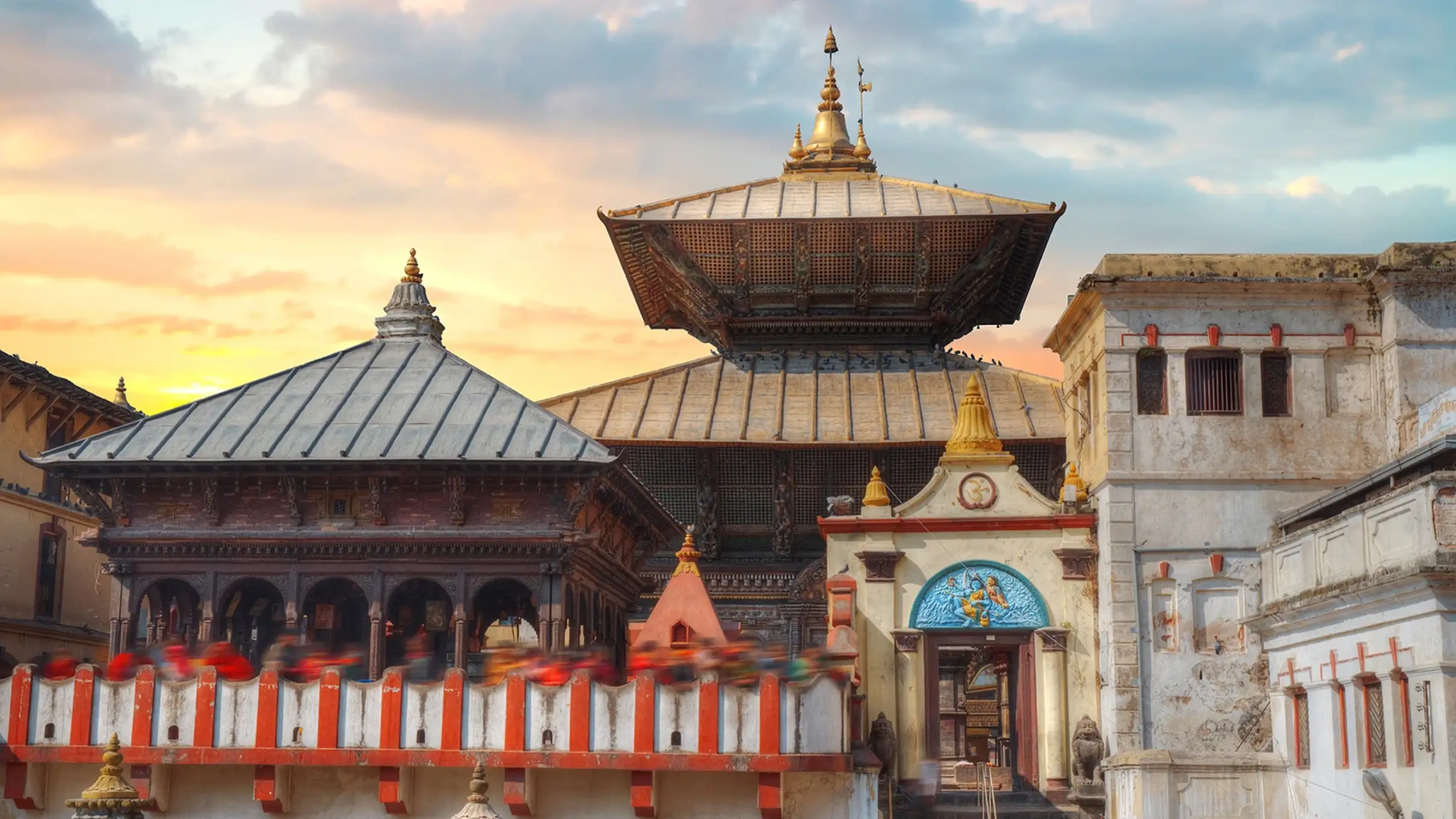
Nepal occupies a unique position in this tradition. As the geographic and cultural bridge between India and Tibet, it absorbed Vedic mantra science from the south and Tantric Buddhist sound ritual from the north. The result is a hybrid sound-healing culture that you will not find anywhere else: Hindu aarti bells at Pashupatinath coexist with Tibetan bowl meditations in Boudhanath, and Newar priests in Kathmandu Valley still chant Sanskrit slokas that predate both traditions.
Instruments of Himalayan Sound Therapy
Walk into any sound healing center in Kathmandu or Pokhara and you will encounter a rich array of instruments. Each has a distinct purpose, and understanding them deepens the experience.
Tibetan Singing Bowls
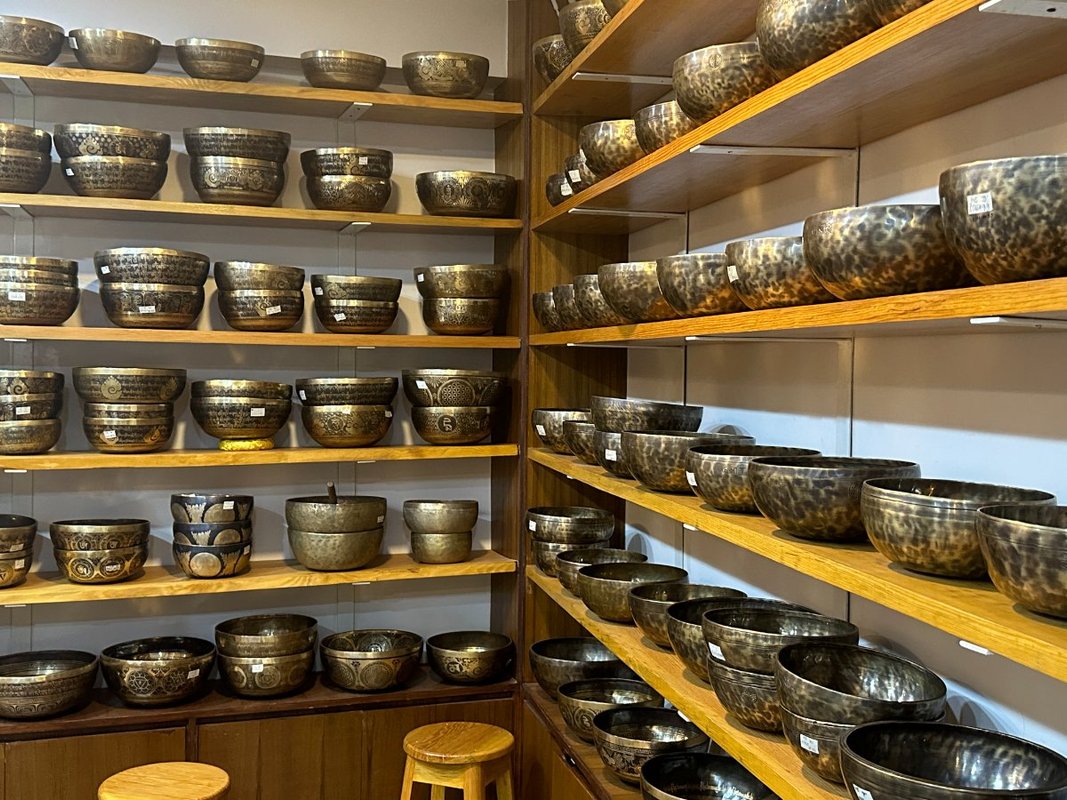
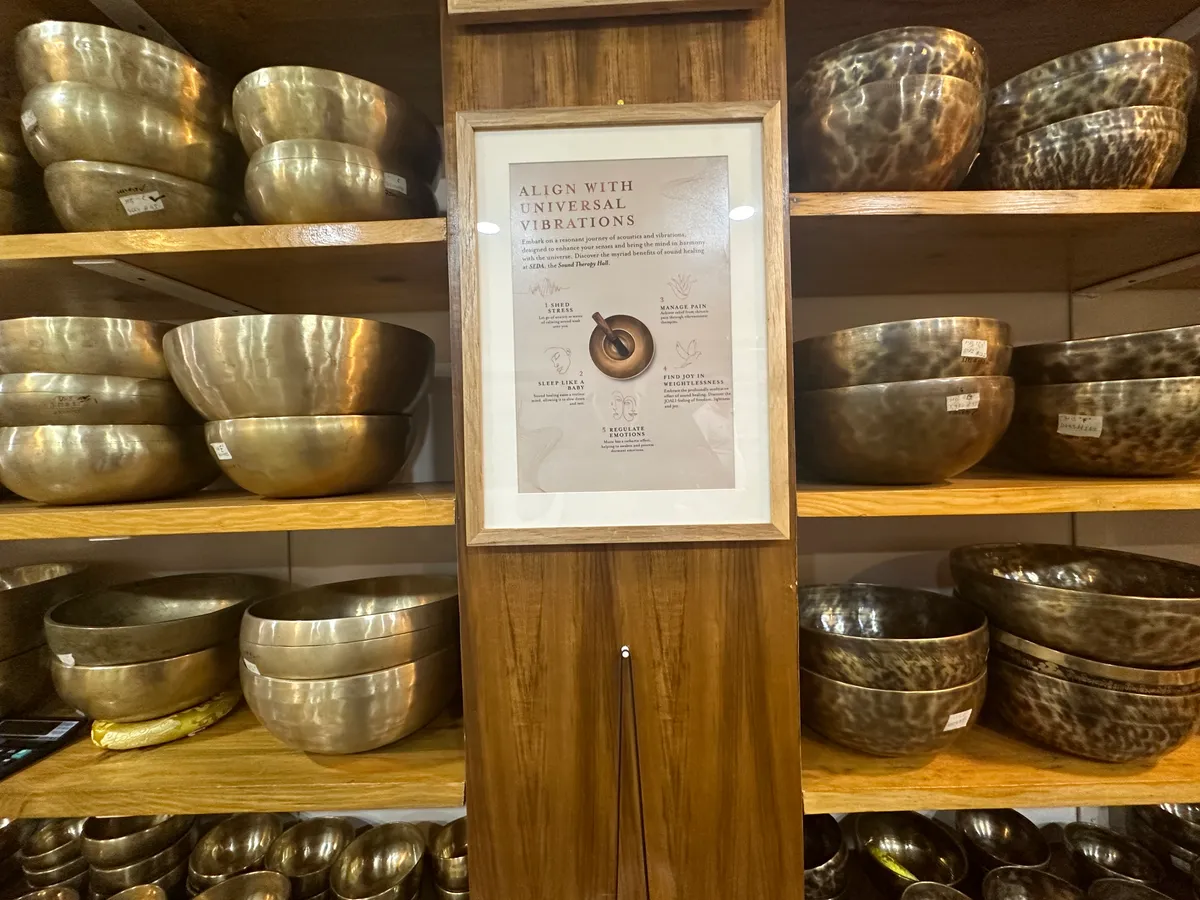
The singing bowl is the icon of Himalayan sound healing. Traditionally cast from a seven-metal alloy (gold, silver, copper, iron, tin, lead, and mercury - each corresponding to a celestial body), authentic bowls are hand-hammered and produce a complex overtone series that modern machine-made bowls cannot replicate. Practitioners place bowls directly on the body (on chakra points) or around the client, then strike or rim them with a wooden mallet to produce sustained, layered tones. The vibrations travel through tissue, bone, and fluid, and many recipients report feeling the sound physically as much as hearing it.
Gongs and Tam-Tams
Large gongs - some over a meter in diameter - are used for full-body immersion. A single gong strike can sustain for 30 seconds or more, with harmonics that shift and evolve as the metal cools. In group sound baths, gongs often serve as the "ocean" that carries the other instruments. Nepali gong-makers in Bhaktapur still use traditional bronze-casting methods passed down through generations.
Mantra and Overtone Chanting
The human voice is the oldest sound-healing instrument, and in Nepal it is taken seriously. Tibetan monks practice gyuke - deep-throated overtone chanting that produces multiple audible pitches from a single voice. The mantra Om Mani Padme Hum is not just a prayer; practitioners believe its six syllables vibrate and purify the six realms of existence. In a sound healing session, a therapist may chant mantras while playing bowls, layering vocal and metallic frequencies.
Tingsha, Conch, and Dungchen
Small cymbals called tingsha produce a high, clear ring used to mark the beginning and end of meditation. Conch shells (shankha) are blown at the start of rituals - their deep, oceanic tone is said to clear negative energy from a space. The dungchen, a telescoping horn up to three meters long, produces a low, rumbling blast that you may hear at monastery festivals; it is less common in therapy settings but powerfully grounding when used.
Where to Experience Sound Healing in Nepal
Sound healing is available across Nepal, from luxury wellness resorts to humble monastery courtyards. Here are the main hubs and what to expect at each.
Kathmandu: The Urban Sound Healing Capital
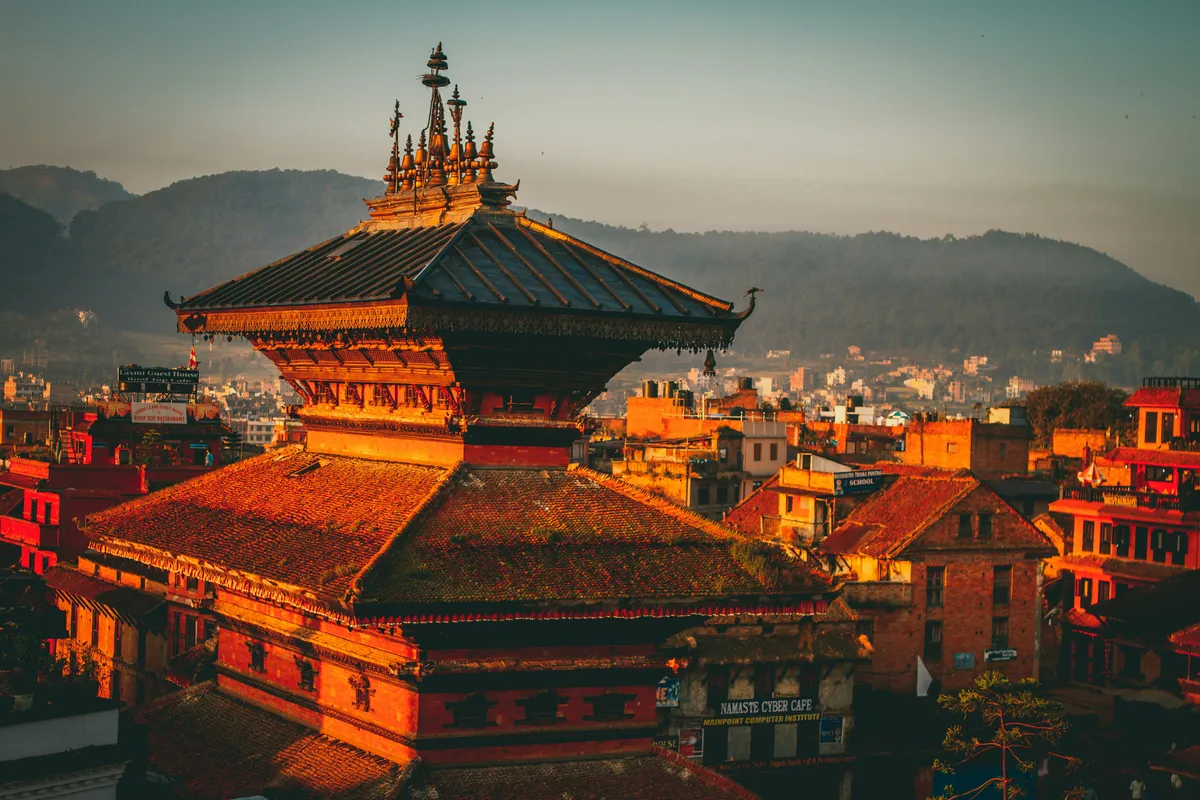
The Kathmandu Valley - particularly the neighborhoods around Boudhanath Stupa and Thamel - has the highest concentration of sound healing centers in Nepal. You can book a one-hour private singing bowl session for $25-50, join a group sound bath for $10-15, or enroll in a multi-day certification course if you want to learn the practice yourself. Many centers are run by Tibetan refugees or their descendants, and the lineage authenticity is palpable.
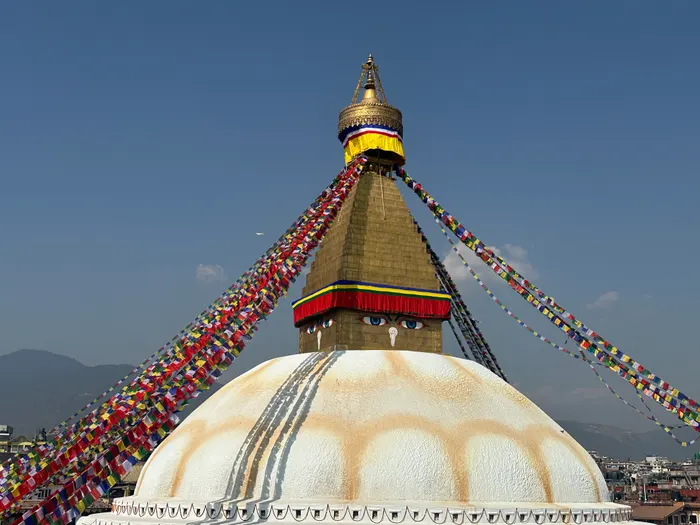
Recommended centers include the Nepal Sound Healing Academy in Boudha, the Himalayan Singing Bowl Center in Thamel, and the Kopan Monastery's occasional public sound meditations. For a deeper dive, the 3-Day Yoga Sound Healing Retreat in Kathmandu combines bowl therapy with asana and pranayama in a structured program.

Pokhara: Lakeside Serenity with Sound
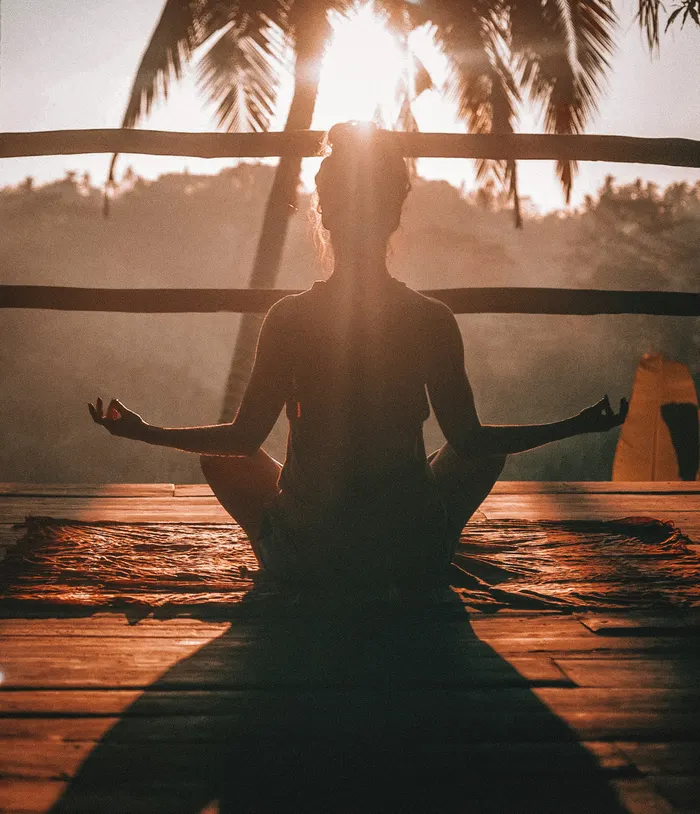
Pokhara's lakeside setting makes it a natural home for sound healing. Many yoga studios and wellness centers along Lakeside Road offer daily sound baths, often at sunset with the Annapurna range as a backdrop. The combination of mountain silence and resonant bowls is uniquely powerful. The Pokhara Yoga Wellness Healing Retreat (4 Days) includes dedicated sound therapy sessions alongside yoga and meditation, and the 9-Day Luxury Yoga Wellness Himalayan Escape weaves sound healing into a broader wellness journey across Kathmandu and Pokhara. For those seeking a shorter introduction, the Kathmandu Spiritual Circuit (2 Days) pairs temple visits with optional sound meditation add-ons.
Monastery Sound Experiences
For the most authentic experience, visit a working monastery during puja (prayer ceremony). The combination of chanting monks, horns, cymbals, and drums is a form of collective sound healing that has been practiced daily for centuries. Kopan Monastery near Boudhanath welcomes visitors for morning prayers, and Tengboche Monastery in the Everest region offers an unforgettable high-altitude sound experience for trekkers on the treks with a spiritual side.
What to Expect in a Sound Healing Session
If you have never done a sound healing session, here is what a typical one-hour private session in Nepal looks like. You will lie down fully clothed on a mat or massage table, often with a blanket and eye pillow. The practitioner begins by grounding the space - perhaps lighting incense, ringing tingsha, or chanting a short invocation. Then the bowls come out.
The practitioner places singing bowls directly on or around your body: often one at the crown, one at the heart, one at the solar plexus, and one at the feet. They strike each bowl gently, then begin rimming - circling the mallet around the bowl's edge to produce a sustained, singing tone. The vibrations travel through your body. You may feel warmth, tingling, or a sense of floating. Some people see colors; others fall into a deep, dreamless sleep. There is no "right" way to experience it.
After the bowls, the practitioner may use a gong for full-body immersion, chant mantras, or guide you through a visualization. The session ends with silence - several minutes of stillness to let the vibrations settle. Most people report feeling deeply relaxed, clear-headed, and emotionally lighter afterward. Some experience emotional release (tears, laughter) during the session; this is normal and welcomed.
The Science Behind Sound Healing
While the spiritual framework is ancient, modern science is catching up. Research on vibroacoustic therapy shows that low-frequency sound vibrations can reduce cortisol, lower heart rate, and increase parasympathetic nervous system activity (the "rest and digest" state). Brainwave entrainment studies demonstrate that rhythmic sound can shift brain activity from beta (alert, thinking) to alpha (relaxed) and theta (meditative) states. A 2016 study published in the Journal of Evidence-Based Integrative Medicine found that participants in a singing bowl meditation reported significantly less tension, anger, and fatigue than a control group.
In Nepal, this science is not news - it is simply a modern articulation of what practitioners have known for generations. The bowls work, and they work whether you approach them through the lens of chakras or cortisol.
Learning Sound Healing: Courses and Certifications
Nepal is one of the best places in the world to learn sound healing. Several centers offer structured courses ranging from weekend workshops to month-long certifications. The Nepal Sound Healing Academy in Boudha offers a Level 1 practitioner course (5 days) covering bowl placement, chakra theory, and basic gong work. The Himalayan Singing Bowl Center runs shorter workshops focused on bowl selection and playing technique. For those seeking deeper immersion, the 6-Day Yoga Stress Management Retreat includes sound healing modules alongside yoga and meditation training.

When choosing a course, look for teachers who can trace their lineage - ideally to Tibetan monastic training or a recognized Nepali master. Avoid programs that promise "mastery in 2 days" or sell machine-made bowls as "authentic antiques." Real training takes time, and real bowls are hand-hammered.
Buying a Singing Bowl: What to Know
Many visitors want to bring a singing bowl home, and Kathmandu's Thamel district has hundreds of shops selling them. Here is how to buy wisely. First, decide between antique and new. Antique bowls (50-200+ years old) have richer overtones and higher value but cost $100-500+. New hand-hammered bowls are $30-150 and still produce beautiful sound. Machine-made bowls ($10-30) are decorative only - they lack the overtone complexity needed for therapy.
Test before buying: place the bowl on your open palm (not a cushion, which dampens vibration), strike it gently with a wooden mallet, then rim the edge. A good bowl will "sing" immediately and sustain for 10+ seconds with a clear, layered tone. If it sounds flat or metallic, move on. Reputable shops include the Singing Bowl House near Boudhanath and several family-run workshops in Patan's backstreets.
Combining Sound Healing with a Broader Spiritual Journey
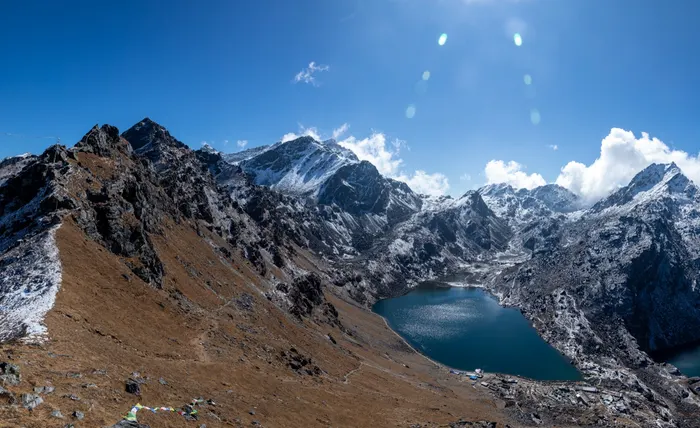
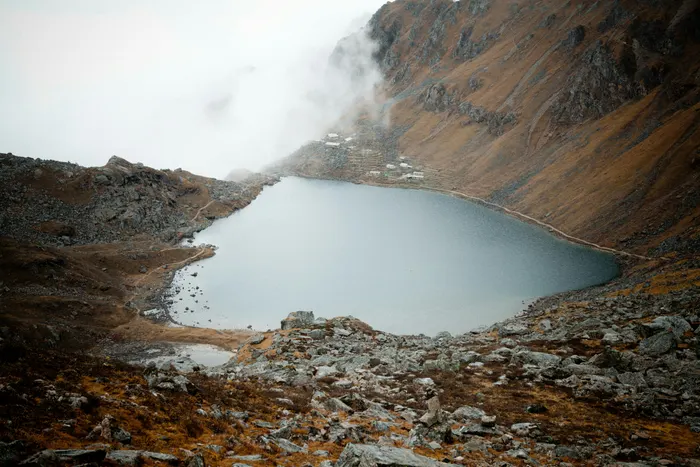
Sound healing pairs beautifully with other spiritual experiences in Nepal. A morning bowl session followed by a visit to the Muktinath spiritual circuit creates a day of deep resonance. A sound bath after a trek to Gosaikunda sacred lake helps integrate the physical and spiritual dimensions of the journey. For those drawn to Buddhist practice, combining sound healing with a visit to the Lumbini pilgrimage site - the birthplace of Buddha - creates a complete spiritual immersion.



Our complete guide to cultural and spiritual tours in Nepal offers a broader framework for planning a multi-dimensional journey, and our guide to the best trekking agency in Nepal helps you find the right operator for any trek-based spiritual experience.


Sound Healing and Nepal's Festivals
Nepal's festival calendar offers unique opportunities to experience collective sound healing. During major festivals like Dashain and Tihar, temple bells ring continuously, priests chant Vedic hymns, and entire communities participate in ritual sound-making. The Indra Jatra festival in Kathmandu features masked dances accompanied by drums and cymbals that have been part of the valley's soundscape for over a millennium. Timing your visit to coincide with a festival adds a communal dimension to your sound healing experience that no private session can replicate.
Practical Tips for Your Sound Healing Journey
- Wear comfortable clothing. You will be lying down for 60-90 minutes. Loose, layered clothing is ideal.
- Avoid heavy meals beforehand. A light snack an hour before is fine; a full dal bhat will make you sleepy.
- Arrive hydrated. Sound vibrations travel better through hydrated tissue.
- Communicate with your practitioner. Tell them about any injuries, metal implants, or areas of tension. Bowls should not be placed directly on metal implants.
- Give yourself time afterward. Do not schedule a sound healing session right before a flight or a demanding activity. Plan for at least an hour of quiet integration.
- Book through a reputable operator. Enticing Himalayas vets every wellness partner for authenticity and safety. Browse our spiritual wellness travel guide for more curated options.
- Consider the season. Sound healing is available year-round, but the monsoon months (June-August) offer a uniquely atmospheric experience: the sound of rain on temple roofs blends with singing bowl tones, and retreat centers are quieter with fewer tourists. Winter (December-February) brings crisp mountain air and crystal-clear acoustics in heated indoor studios. Spring and autumn are the most popular seasons, with pleasant temperatures and clear skies that make the entire journey comfortable.