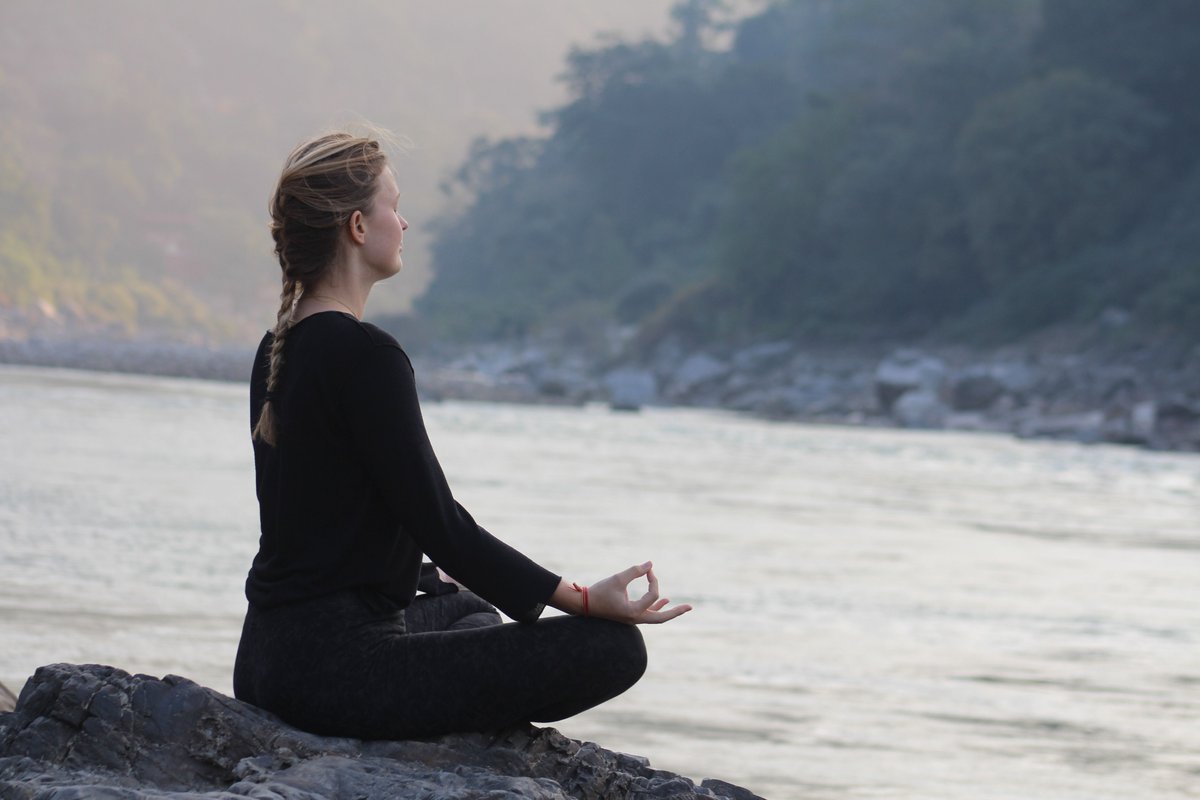
Nepal has long been a sanctuary for seekers of inner peace, drawing travelers from around the world to its monasteries, caves, and Himalayan ridges. But you do not need a luxury budget to experience authentic meditation here. From free monastery programs in Kathmandu to low-cost retreats in Pokhara and self-guided practice on mountain trails, Nepal offers some of the most accessible meditation opportunities in the world. This guide walks you through every affordable option, from completely free programs to retreats under $300, with practical tips on how to plan a budget meditation journey in Nepal.
Whether you are a first-time meditator or an experienced practitioner looking to deepen your practice without spending a fortune, Nepal has a path for you. The country's living traditions of Buddhism, Hinduism, and shamanic healing mean that meditation is woven into daily life, not locked behind resort gates. For a broader introduction to meditation in this country, see our meditation in Nepal activity page, and for a complete cultural and spiritual context, explore our cultural and spiritual tours guide. If you are planning a longer trip that combines trekking with inner practice, our complete trekking guide covers everything you need.


What Does Budget Meditation in Nepal Actually Look Like?
Budget meditation in Nepal means participating in authentic meditation programs, retreats, and self-guided practice without spending more than you would on a standard backpacking trip. The cheapest options are completely free: many Tibetan Buddhist monasteries in the Kathmandu Valley offer daily meditation sessions open to visitors at no cost. You simply show up, follow the rules of conduct, and sit. These programs are funded by donations, so you can contribute whatever you can afford, even if that is nothing.
Above the free tier, affordable retreats typically cost between $50 and $300 for multi-day programs. These include simple accommodation, vegetarian meals, and daily meditation instruction. The price depends on the location, duration, and whether the program is run by a monastery (lower cost) or a private wellness center (higher cost). For context on what a full-range meditation journey looks like, our guide to choosing a meditation retreat in Nepal breaks down the decision factors across all price points.


Where Can You Meditate for Free in Nepal?
Free meditation opportunities are concentrated in three main hubs: the Kathmandu Valley, Lumbini, and Pokhara. Each offers a different flavor of practice, and none require advance registration or payment.
Kopan Monastery: Daily Talks and Weekend Courses
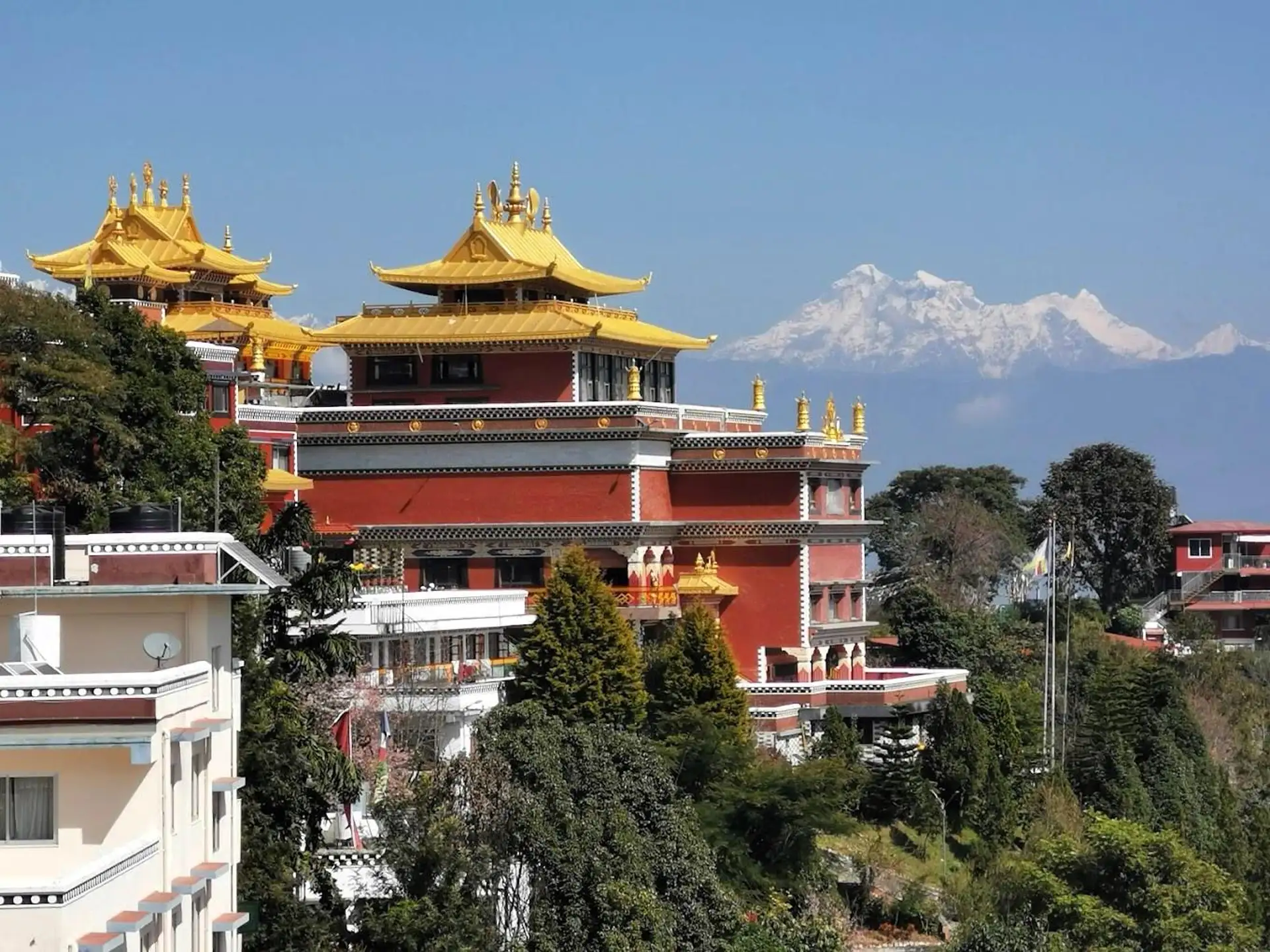
Kopan Monastery, perched on a hilltop north of Boudhanath Stupa in Kathmandu, is one of the most accessible places for free meditation in Nepal. The monastery offers daily Dharma talks at 3 PM during the high season (October through March) that are open to anyone. You can also join the morning meditation sessions in the main gompa. While the famous multi-day courses carry a fee, the daily sessions and talks are donation-based. For those interested in deeper Buddhist meditation study, our Buddhist meditation in Nepal guide covers monastery stays and teachings in detail.
Ka-Nying Shedrub Ling Monastery (Boudhanath)
Situated right next to Boudhanath Stupa, Ka-Nying Shedrub Ling Monastery offers open morning practice sessions. Visitors are welcome to join the 6 AM chanting and sitting meditation in the main hall. The atmosphere is intimate and authentic, with monks and lay practitioners sitting together. There is no fee and no registration. Simply arrive quietly, remove your shoes, and find a cushion. If you are new to monastery etiquette, read our monastery etiquette and meditation activity for guidance on conduct.
Self-Guided Practice at Swayambhunath and Boudhanath
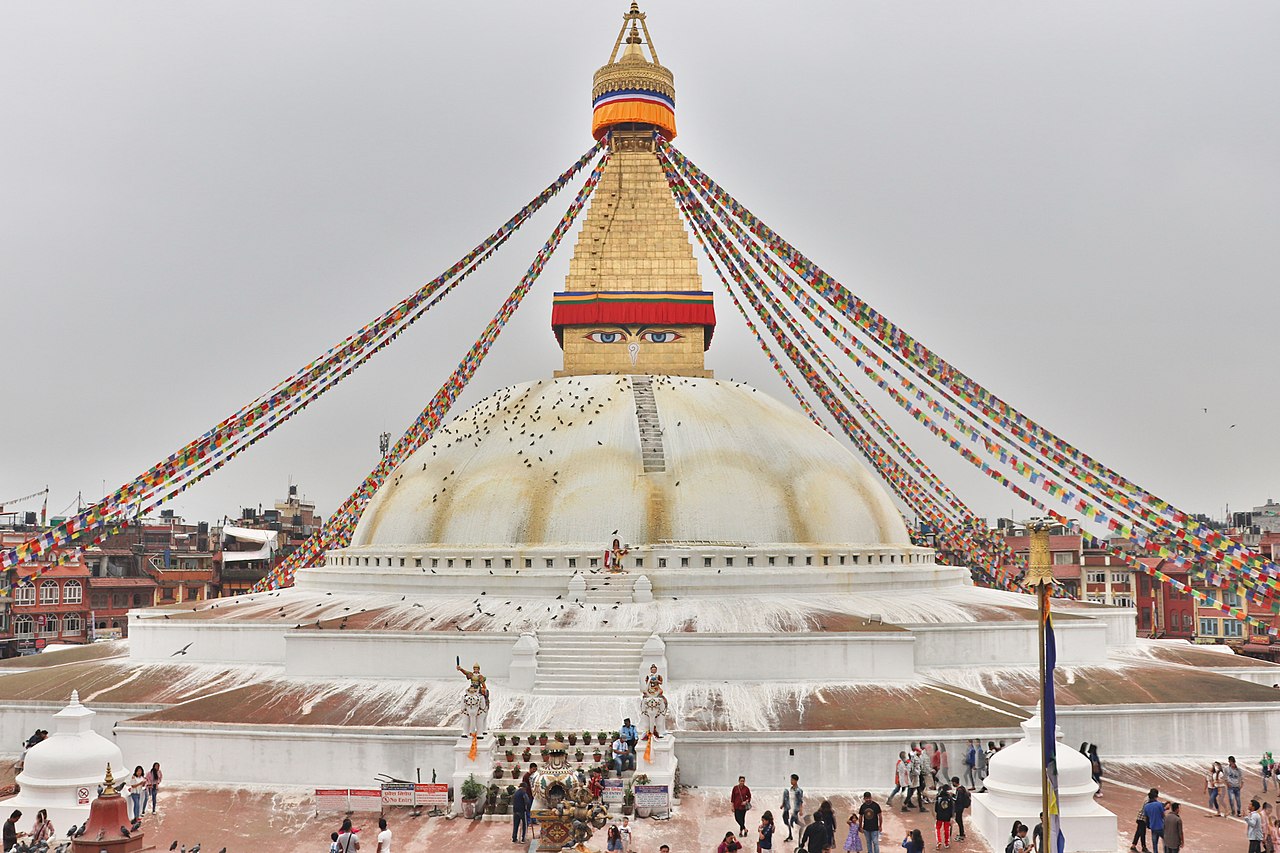
You do not need a formal program to meditate in Nepal. The hilltop stupa of Swayambhunath and the great stupa of Boudhanath are both public spaces where you can sit and meditate at no cost. Find a quiet corner, face the stupa, and practice. The early morning hours (before 7 AM) are the most peaceful, with few tourists and the soft light of dawn. You can combine this with a Kathmandu spiritual circuit visit that includes Pashupatinath, Boudhanath, and Swayambhunath in a single day of spiritual exploration.
Lumbini: Free Open-Air Meditation
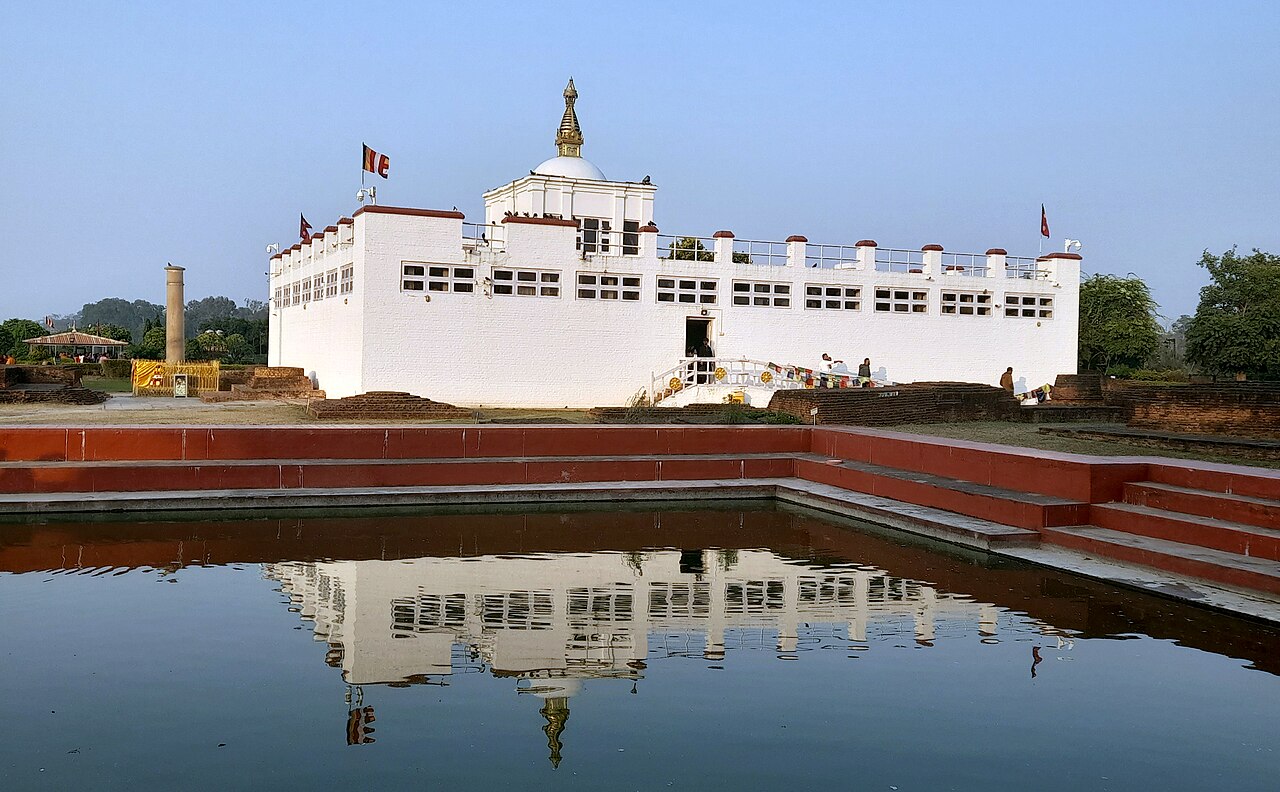
The birthplace of the Buddha offers extensive grounds where you can meditate outdoors for free. The Maya Devi Temple gardens, the monastic zone with its dozens of international monasteries, and the sacred pond area all provide quiet spots. Many of the international monasteries in the zone (Cambodian, Thai, Sri Lankan, Korean) welcome visitors for informal meditation. There is no entrance fee for the monastic zone, only a small park entry fee of about $2. For those on an extremely tight budget, Lumbini is arguably the best meditation value in Nepal.
What Are the Most Affordable Paid Retreats in Nepal?
For travelers who want structured programs with accommodation and meals included, Nepal offers several retreats that remain genuinely affordable. Here is a breakdown of the best budget-friendly options, organized by price range.
Retreats Under $150
The Half-Day Wellness Spa Escape at $138 is an entry-level option that introduces you to Himalayan wellness practices including brief meditation, sound healing, and spa treatments. While not a traditional meditation retreat, it is the most affordable way to experience guided mindfulness in a structured setting. The session lasts about four hours and includes a consultation, so you get personalized attention even at this price point.
For a slightly longer immersion, the Full Day Trekkers Spa Wellness Retreat at $184 combines a full day of yoga, meditation, and spa therapies. This is ideal for backpackers who want a recovery day that also serves as a meditation introduction.

Retreats Under $300
The 3-Day Yoga Sound Healing Retreat in Kathmandu at $288 is the sweet spot for budget meditation. Over three days, you receive daily yoga sessions, singing bowl meditation, and guided mindfulness practice. Accommodation and vegetarian meals are included. This is the retreat we most frequently recommend to budget travelers who want a genuine multi-day immersion without the $500+ price tag of longer programs.
The Kathmandu Healing Himalayan Sound Therapy Retreat, also at $288, focuses specifically on sound as a meditation tool. The three-day program uses Tibetan singing bowls, gongs, and chanting as entry points to meditative states, making it ideal for those who struggle with seated silence. For more on this modality, see our sound healing meditation guide.
Retreats Under $500
If you can stretch your budget slightly, the Pokhara Yoga Wellness Healing Retreat (4 Days) at $405 offers a lakeside setting that is hard to beat. You get four days of daily yoga, meditation, and pranayama with the Annapurna range reflected in Phewa Lake outside your window. This is the most popular mid-range retreat for budget travelers who want nature alongside their practice.
The 4-Day Yoga Reiki Healing Therapy Retreat at $403 combines meditation with energy healing, giving you two complementary modalities for the price of one. And the 5-Day Yoga Retreat with Hiking at $518 is perfect for those who want to blend meditation with light trekking, a uniquely Nepali combination. For more on this approach, see our walking meditation guide.


How to Practice Meditation in Nepal on a Backpacker Budget
For travelers spending $15 to $30 per day total, formal retreats may seem out of reach. But you can still build a meaningful meditation practice in Nepal at backpacker prices. Here is a step-by-step approach.
Stay at Monasteries and Meditation Centers
Several monasteries in the Kathmandu Valley offer basic accommodation for donations. The going rate is $5 to $10 per night including simple vegetarian meals. You join the daily schedule of morning meditation, Dharma talks, and evening chanting. This is not a curated retreat experience, but it is an authentic one. The meditation for beginners guide covers what to expect when you arrive.
Use Free Public Meditation Spaces
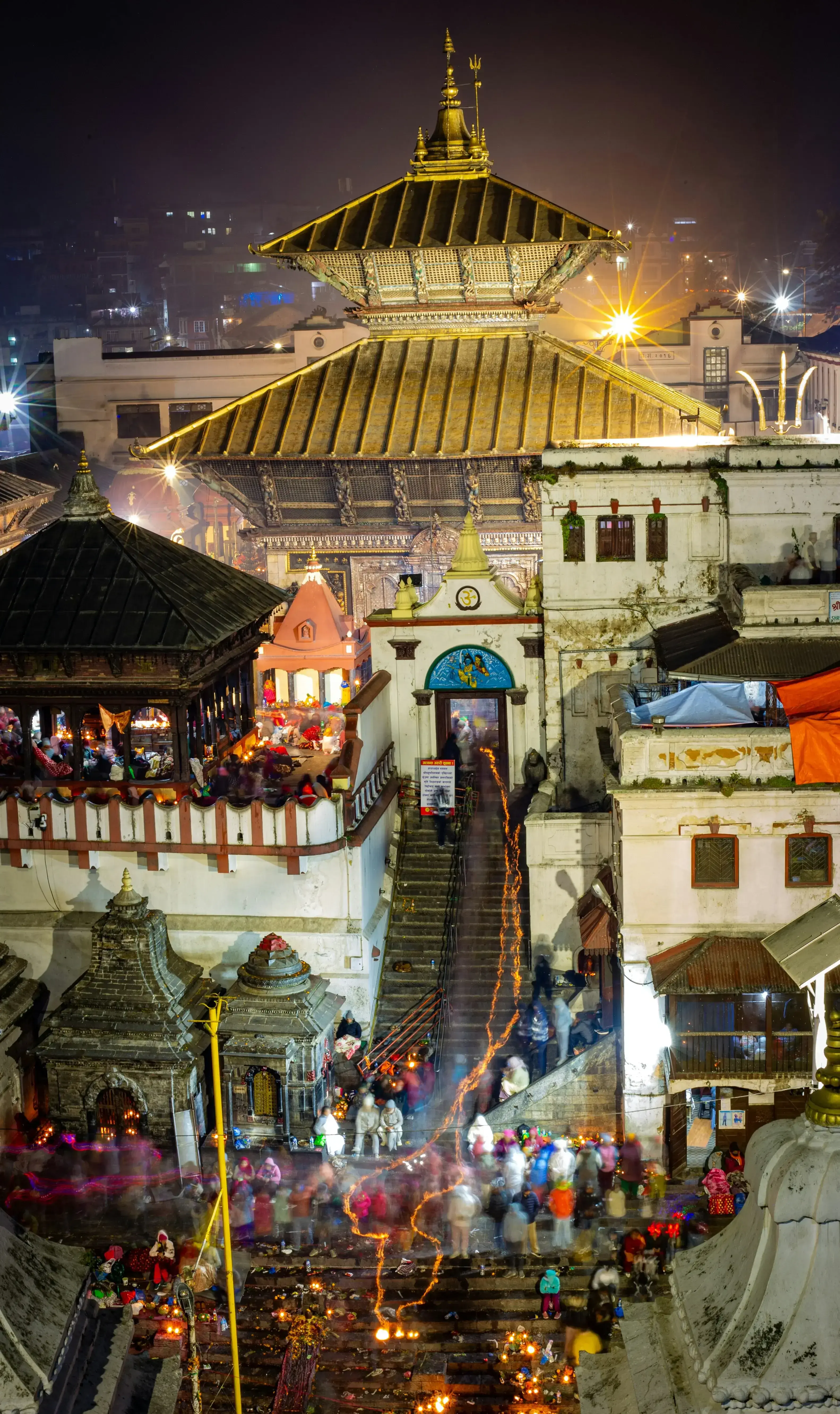
Boudhanath Stupa circumambulation is itself a walking meditation practice. Join the locals walking the kora (clockwise circuit) at dawn or dusk. Swayambhunath offers hilltop quiet. Pashupatinath has riverside meditation spots along the Bagmati. These are all free public spaces. For guidance on making the most of these sites, the evening aarati guide describes the spiritual atmosphere at Pashupatinath, and you can also experience this through our evening aarati activity.
Attend Donation-Based Classes
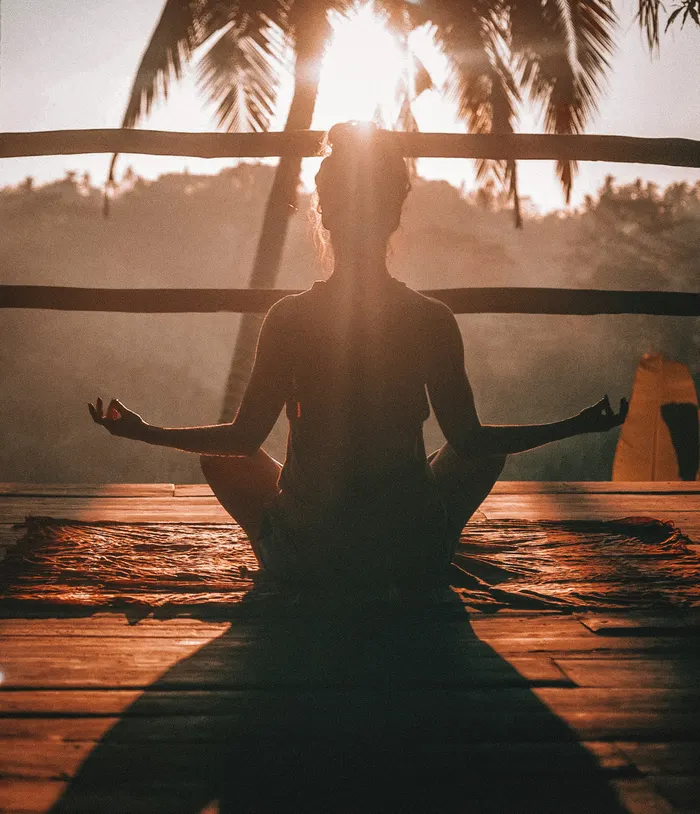
Many yoga and meditation studios in Thamel and Boudhanath offer drop-in classes on a donation basis. Typical donations range from $2 to $5 per session. Look for notices on bulletin boards at cafes and guesthouses. These classes are often taught by experienced practitioners who teach out of devotion rather than profit. For a structured introduction to what meditation entails, our beginner's guide to meditation in Nepal is a comprehensive starting point.
What Are the Hidden Costs of Budget Meditation in Nepal?
While the meditation itself can be free or very cheap, there are costs that budget travelers often overlook. Understanding these helps you plan realistically.
Visa Fees
The Nepal tourist visa costs $50 for 30 days (on arrival at Tribhuvan International Airport or land borders). This is a fixed cost regardless of your meditation plans. If you extend your stay for a longer retreat, the extension fee is $30 for 15 additional days.
Transportation to Retreat Locations
If your retreat is in Kathmandu, you are already there. But if you are heading to Pokhara or Lumbini, budget for tourist bus tickets ($10 to $20 each way) or domestic flights ($80 to $120). Local buses are cheaper ($5 to $8) but take significantly longer. For a low-cost Kathmandu Valley option that does not require travel, the Dhulikhel Namobuddha Spiritual Hike at $100 is a day trip that combines hiking with visits to sacred sites.
Equipment and Clothing
You do not need special meditation gear. Loose, comfortable clothing that covers your shoulders and knees is appropriate for monastery visits. If you plan to combine meditation with trekking, see our meditation retreat packing list for a complete gear guide. The key items: a shawl or scarf for cool mornings, a water bottle, and slip-on shoes for easy monastery entry.
Food and Incidentals
Budget meals in Nepal cost $2 to $5 per day. Dal bhat (rice and lentils) is the standard and is available everywhere. Most retreats include meals, but if you are doing free monastery meditation, you will need to buy your own food. A daily budget of $8 to $12 for food and incidentals is realistic.
Can You Combine Meditation With Trekking on a Budget?
One of Nepal's greatest gifts to budget travelers is the ability to combine meditation with trekking at minimal cost. The trail itself becomes your meditation hall, and the rhythm of walking becomes your breath practice.
For independent trekkers, the cost of a short trek near Kathmandu can be as low as $15 to $25 per day including food and basic lodge accommodation. The trails around Nagarkot, Dhulikhel, and the Kathmandu Valley rim do not require permits beyond a basic TIMS card ($10). You can wake at dawn, meditate on a ridge overlooking the Himalaya, walk through the day with mindful attention, and arrive at a teahouse by evening. Our slow trekking and mindfulness guide explores this approach in depth.

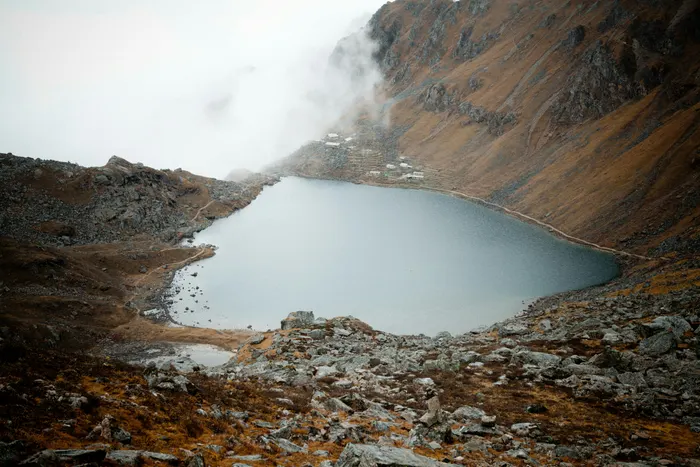
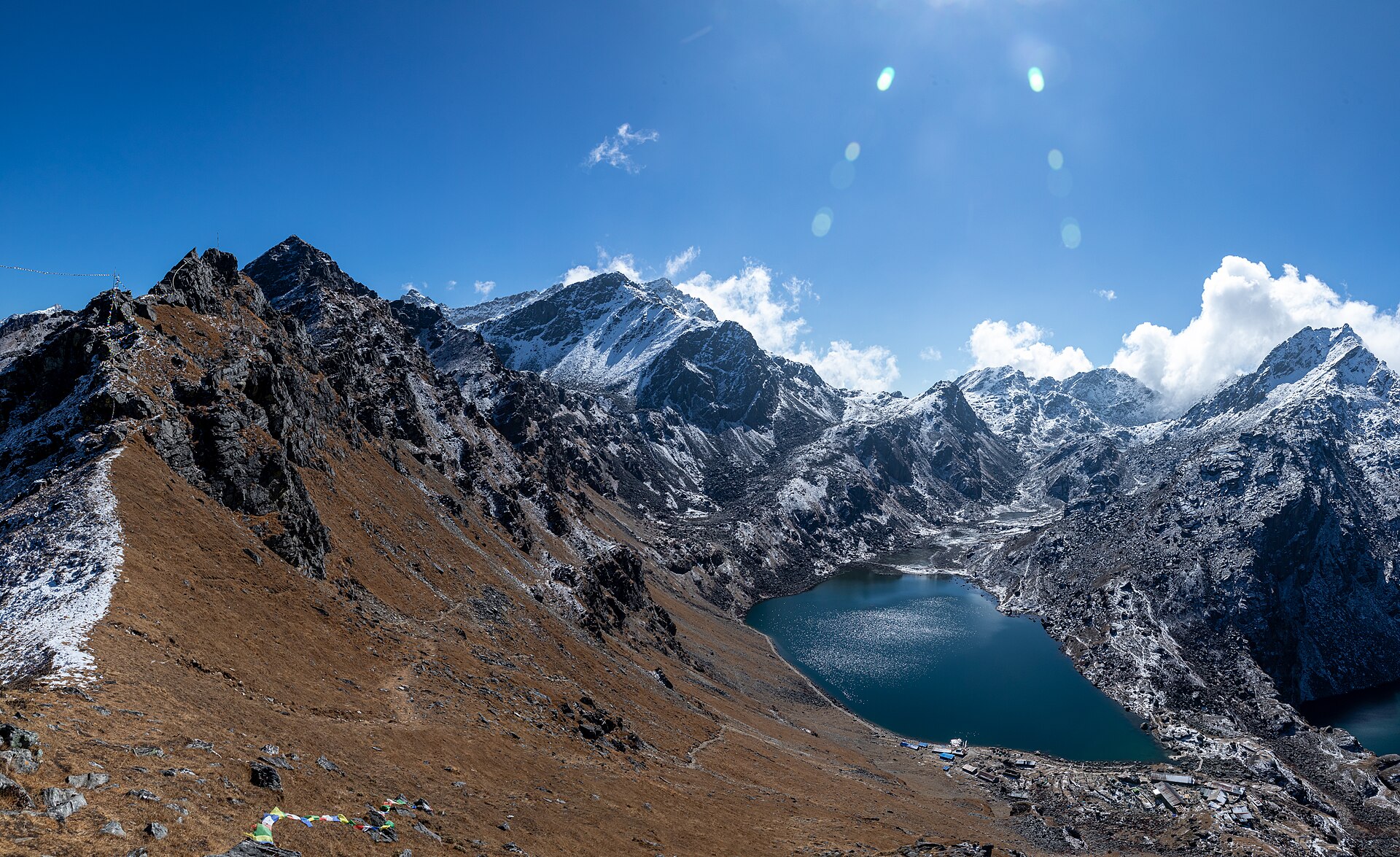
For a guided option that is still affordable, the Gosaikunda Sacred Lakes Yoga Retreat Trek (5 Days) at $658 combines trekking, yoga, and meditation at a sacred Himalayan lake. While this is above the strict budget tier, it is one of the most affordable multi-day guided meditation trek options in Nepal, and the spiritual significance of Gosaikunda adds a depth that standard treks cannot match.
Which Free Meditation Apps and Resources Work Well in Nepal?
If you want to maintain a self-guided practice while traveling in Nepal on a budget, several free resources can support you. Insight Timer (free app) offers thousands of guided meditations, including many specifically designed for travel and nature settings. The Plum Village app (free) features Thich Nhat Hanh's tradition of engaged Buddhism, which resonates strongly in Nepal. YouTube has extensive free content from Nepali teachers and international practitioners who have studied in Nepal.
For a structured self-study approach, our daily meditation practice guide provides a day-by-day framework for building a consistent routine while on the road. And if you are interested in the theoretical foundations, the history of meditation in Nepal traces the practice from its ancient roots to modern applications.
How Much Does a 2-Week Budget Meditation Trip to Nepal Cost?
Here is a realistic cost breakdown for a 14-day budget meditation trip to Nepal, combining free programs, one short paid retreat, and self-guided practice.
This budget gives you two weeks in Nepal with a structured 3-day retreat, free monastery meditation sessions, self-guided practice at sacred sites, and comfortable backpacker-level accommodation. Compare this to the cost of a single 10-day Vipassana retreat at a Western center ($500 to $1,500 plus accommodation), and the value becomes clear. For the upper end of what is possible, see our spiritual tour cost guide for a full budget-to-luxury breakdown.
What Are the Best Budget Meditation Destinations Outside Kathmandu?
Pokhara: Lakeside Practice
Pokhara is the second major meditation hub in Nepal, and it is significantly cheaper than Kathmandu for accommodation and food. Lakeside guesthouses start at $6 per night, and the atmosphere is quieter and more spacious. You can meditate on the shore of Phewa Lake at no cost, and several studios offer donation-based drop-in classes. The Pokhara yoga and healing guide covers the best centers and free practice spots in detail.
Lumbini: Birthplace Budget Meditation
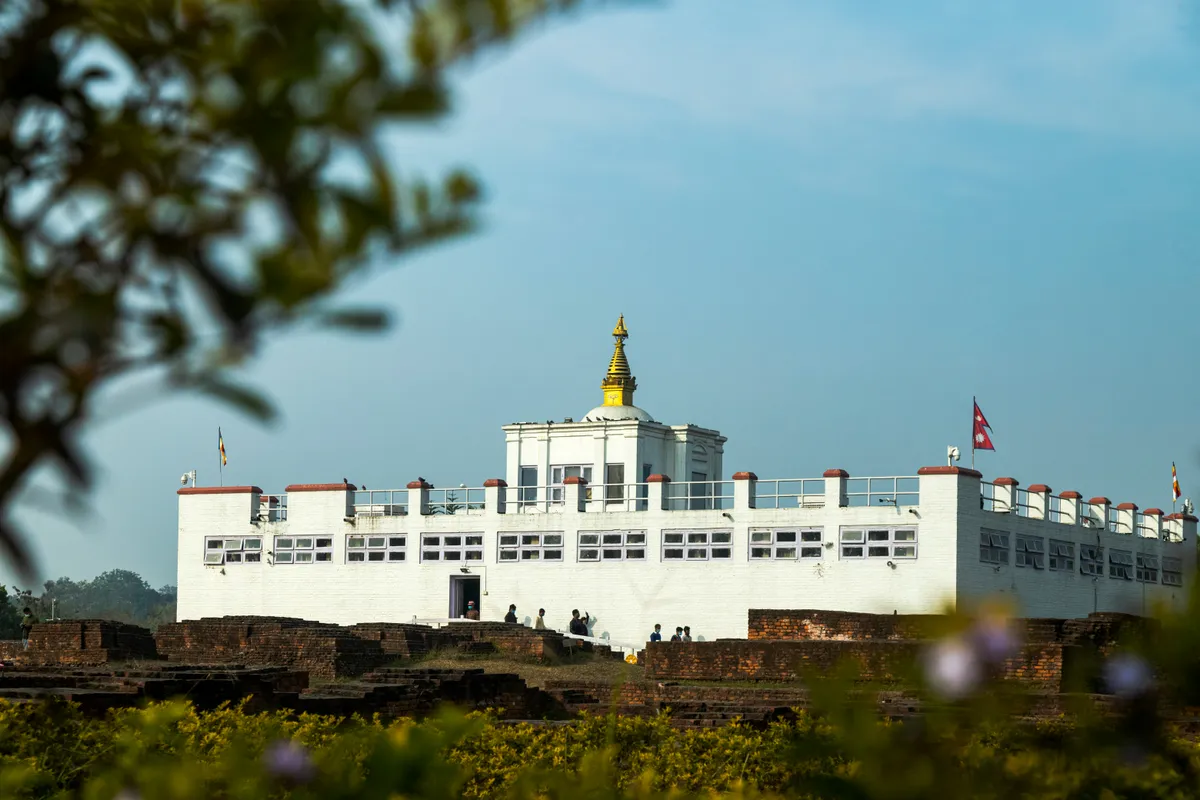
Lumbini is the most budget-friendly meditation destination in Nepal for extended stays. Guesthouses near the monastic zone cost $5 to $8 per night, and the monastic zone itself is essentially a free meditation park. Many of the international monasteries welcome visitors for informal practice. The Sri Lankan monastery, Korean monastery, and Thai monastery are particularly known for their openness to visitors. If you are on the tightest possible budget, Lumbini is your best option.
Bandipur and Hill Stations
For a quieter, less touristed meditation experience, the hill town of Bandipur offers panoramic Himalayan views and a peaceful environment at backpacker prices. The town has no formal meditation centers, but the silence of the ridgeline and the absence of traffic noise make it ideal for self-guided practice. Similarly, Nagarkot and Dhulikhel near Kathmandu offer quiet ridge-top settings for dawn meditation.
How to Avoid Budget Meditation Scams in Nepal
While Nepal is overwhelmingly a safe and genuine destination for meditation, budget travelers should be aware of a few common situations that can inflate costs or lead to disappointing experiences.
Free Intro Sessions That Become Paid Upsells
Some studios in Thamel advertise "free meditation classes" that are actually introductory sessions for paid courses. The free session is genuine, but you may face pressure to enroll in a multi-day program. This is not a scam in the traditional sense, but it can feel uncomfortable. The solution is simple: attend the free session, enjoy it, and politely decline the upsell if it does not fit your budget.
Unqualified "Gurus" Targeting Foreigners
In tourist areas, you may encounter self-styled gurus who offer "authentic" meditation teachings for donations. Some are genuine practitioners; others are not. The safest approach is to stick with established monasteries and recognized centers. For guidance on finding legitimate teachers, our meditation teacher training guide explains what proper credentials look like in the Nepali context.
Inflated "Foreigner Prices" at Minor Temples
Some smaller temples may attempt to charge foreign visitors for entry or "special meditation access." Major sites like Boudhanath, Swayambhunath, and Pashupatinath have official, posted entrance fees (typically $2 to $4). If you are quoted a much higher price or asked for a "meditation donation" at the gate, it is not legitimate. Pay only the official entrance fee and meditate inside for free.
What Is the Best Season for Budget Meditation in Nepal?
The best seasons for meditation in Nepal are the same as for trekking: October through November (autumn) and March through April (spring). During these months, the weather is clear, the air is clean, and the mountain views are at their best. Monasteries are fully active, and outdoor meditation is comfortable.
Winter (December through February) is also a viable budget season. Accommodation prices drop significantly, and the crowds are thinner. The mornings are cold but meditation halls are heated, and the daytime temperatures in Kathmandu are pleasant. Monsoon season (June through September) is the cheapest time to visit, but the rain and humidity make outdoor meditation challenging. For a full seasonal breakdown, see our best time for spiritual travel guide.
How to Choose Between Free and Paid Meditation Options
The choice between free and paid meditation in Nepal depends on your experience level, your goals, and your comfort with uncertainty. Here is a simple framework.
Choose free monastery sessions if: you have some meditation experience, you are comfortable with minimal instruction, and you value authenticity over comfort. Free sessions at monasteries like Kopan and Ka-Nying Shedrub Ling offer genuine practice but little hand-holding. You are expected to follow along and figure out the rhythm.
Choose a paid retreat if: you are a beginner who wants structured instruction, you want accommodation and meals included, or you want a specific meditation style (sound healing, Vipassana, yoga-meditation combination). Paid retreats like the 3-Day Yoga Sound Healing Retreat at $288 provide clear schedules, experienced teachers, and a supportive environment. For a deeper dive into this decision, our retreat selection guide walks through every factor.
Choose self-guided practice if: you have an established practice and just need a quiet, beautiful place to sit. Nepal's stupas, lakeshores, and mountain ridges are all free and open to you. This is the ultimate budget option, costing nothing but your time and attention.
Meditation Traditions You Can Access on a Budget in Nepal
Nepal is unique in offering access to multiple meditation traditions at little or no cost. Here is a brief overview of the main traditions you can explore without a large budget.
Vipassana (Insight Meditation)
The 10-day Vipassana courses run by Dhamma Jhana in Kathmandu are donation-based. You pay nothing upfront. After the course, you contribute whatever you can to support future students. This is the gold standard of budget meditation in Nepal. Our Vipassana guide covers the full experience, including what to expect and how to apply.
Tibetan Buddhist Meditation
The Tibetan Buddhist tradition in Nepal includes visualization practices, deity yoga, and analytical meditation. Monasteries like Kopan and Ka-Nying Shedrub Ling teach these methods in both English and Tibetan. The mantra meditation guide explores the chanting and visualization practices that are central to this tradition and accessible at every monastery.
Mindfulness and Secular Meditation
For those who want meditation without religious context, secular mindfulness programs are available in Kathmandu and Pokhara. These are typically shorter and more accessible than traditional retreats. Our mindfulness meditation guide covers the secular approach in detail.
Himalayan Shamanic Practices
Nepal's indigenous shamanic traditions include trance, drumming, and journey meditation. These are less structured than Buddhist programs but offer a profoundly different entry point to altered states of consciousness. The shamanic healing guide introduces this ancient tradition.
Can You Stay Long-Term for Budget Meditation in Nepal?
For travelers who want to stay in Nepal for an extended period of meditation practice, the budget math improves dramatically. A monthly budget of $300 to $500 can cover accommodation, food, and incidental costs, leaving you free to attend free monastery programs daily. Long-term guesthouse rentals in Boudhanath and Pokhara drop to $100 to $150 per month. Food costs $100 to $150 per month if you eat local. The 30-day tourist visa can be extended up to 150 days total, with extensions costing $30 per 15 days.
For context on how meditation fits into a longer wellness lifestyle in Nepal, our Nepal wellness tourism guide covers the broader wellness ecosystem and long-term stay options.
Practical Tips for Maximizing Your Budget Meditation Experience
Here are the key strategies that experienced budget meditation travelers use to get the most out of their time in Nepal.
1. Start With Free Sessions Before Booking a Retreat
Spend your first few days attending free sessions at monasteries and public spaces. This helps you calibrate to the meditation environment in Nepal and decide whether you want to invest in a longer paid program. You may find that free sessions are all you need.
2. Negotiate Long-Term Accommodation Rates
If you plan to stay more than a week in one place, negotiate a monthly rate with a guesthouse. Most will offer 30 to 50 percent off the nightly rate for a monthly commitment. Boudhanath and Pokhara are the best areas for this.
3. Combine Free and Paid Elements
The best budget approach is often a hybrid: attend free monastery sessions for most of your stay and book one short paid retreat (like the 3-Day Yoga Sound Healing at $288) for structured instruction. This gives you the best of both worlds at a fraction of the cost of an all-inclusive retreat.
4. Travel in Shoulder Season
November and March offer near-perfect weather with lower prices than peak October. Accommodation costs drop 20 to 30 percent, and retreat centers are less booked, sometimes offering discounts to fill spots.
5. Connect With the Local Meditation Community
The meditation community in Nepal is open and welcoming. Talk to other practitioners at monasteries and cafes. You will hear about donation-based classes, informal practice groups, and opportunities that are not advertised online. Word of mouth is the best budget meditation resource in Nepal.
What Should You Know About Meditation and Health on a Budget?
Meditation retreats can be physically and emotionally intense, even when they are free or low-cost. Budget travelers should take health precautions seriously. The most common issue is altitude: Kathmandu sits at 1,400 meters, and if you combine meditation with trekking, you will go higher. Take time to acclimatize before undertaking any intensive practice at altitude. For a comprehensive guide, see our article on meditation and pranayama at altitude.
Food safety is another consideration. Budget guesthouses may not meet the same hygiene standards as retreat centers. Stick to freshly cooked food, avoid raw vegetables in cheaper establishments, and drink only filtered or bottled water. If you have dietary restrictions, communicate them clearly; most budget accommodations will accommodate vegetarian and vegan requests easily.
For travelers combining meditation with Ayurvedic wellness practices, the meditation and Ayurveda guide covers how to safely integrate these modalities, while the Ayurvedic massage and wellness spa activity offers an affordable entry point to Ayurvedic treatments.
Related Guides for Your Budget Meditation Journey
Budget meditation in Nepal is not a compromise. It is an opportunity to experience the country's spiritual traditions the way locals and long-term practitioners do: simply, directly, and without the filter of a luxury package. Whether you spend nothing at a monastery or $288 on a three-day retreat, the Himalayan silence is the same. The mountains do not charge admission. For more information on planning your complete spiritual journey, explore our 7-day spiritual itinerary or 10-day pilgrimage circuit, and visit our meditation in Nepal activity page to start planning your practice today.