Bird Watching in Nepal: Best Sites, Seasons and Species
Most travellers picture Nepal as a land of snow peaks and trekking trails, yet the country shelters one of the richest bird communities in Asia. More than 880 species have been recorded here, a tally that rivals entire continents, packed into a country smaller than England. From oxpecked marshes in the subtropical Terai to lammergeiers sailing above glacier valleys, bird watching in Nepal delivers an astonishing range of habitats within a single holiday. This guide walks you through the best birding sites, the species worth planning around, the ideal seasons, realistic costs, and how to weave birding into a wider cultural or trekking itinerary. If you would rather not self-organise, the guided bird watching experience in Nepal run by local naturalists covers the country's signature habitats in one smooth circuit.
Why Is Nepal a Top Destination for Bird Watching?
Nepal compresses an extraordinary elevational sweep, from barely 60 metres above sea level on the Indian border to the 8,848 metre summit of Everest, into a horizontal distance of under 200 kilometres. That gradient stacks tropical riverine forest, sal woodland, mid-hill rhododendron cloud forest and alpine meadow within a few hours of each other, so a single trip can log species from four completely different biological zones. The country also sits on the Central Asian Flyway, meaning its wetlands refill each winter with ducks, geese and waders that bred in Siberia and Mongolia. Few destinations offer this diversity with such short transfer times, and almost every good birding site sits beside a cultural landmark, from stupa-topped ridgelines to the birthplace of the Buddha. Birding here rarely means choosing between nature and heritage; you get both in the same day.
How Many Bird Species Live in Nepal?
Ornithologists have recorded more than 880 bird species in Nepal, a figure that keeps inching upward as pelagics wander inland and taxonomy splits old species into new ones. The count includes ten vulture species, eight pheasants, more than sixty flycatchers and around thirty raptors that migrate overhead each spring and autumn. Roughly two thirds are resident breeders, while the remainder arrive as summer visitors from the south or winter visitors from the Tibetan plateau and Central Asia. The density matters as much as the raw number: on a good morning on Phulchowki hill near Kathmandu, a disciplined group can record a hundred species before lunch, and riverine reserves in the east can match that in a single wetland. For scale, that is comparable to the bird lists of countries twenty times Nepal's size, achieved within a two-week circuit.
Where Are the Best Bird Watching Sites in Nepal?
The classic Nepal birding circuit runs from the Kathmandu Valley's forested ridges down through the Terai's national parks and wetlands, with optional extensions into the mid-hills around Pokhara and the high country of the Everest and Langtang approaches. Each zone carries its own signature species, so the right site depends on your targets, your energy and your season. The profiles below cover the seven regions that produce the overwhelming majority of Nepali trip lists.
Chitwan National Park and the Terai Lowlands
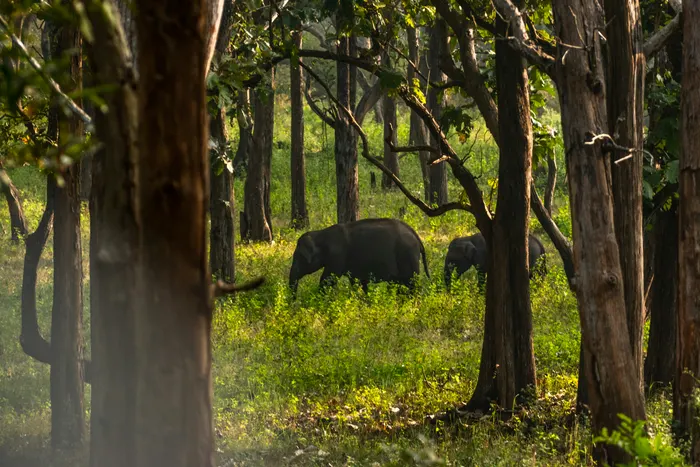
The UNESCO-listed Chitwan lowlands are the single most productive birding destination in the country, with more than 530 species recorded inside the park and its buffer zone community forests. Sal forest canopy hides great hornbills and oriental pied hornbills, while the grasslands of the Chitwan valley hold some of the rarest birds in Asia, including the critically endangered Bengal florican and the scarce grey-crowned prinia. Dawn canoe rides on the Rapti river glide past crested kingfishers, grey-headed fish eagles and crocodiles basking on the same sandbar, and the Beeshazari lake system to the north is a RAMSAR wetland that heaves with winter waterfowl. Because the park's fauna is famously rich beyond birds, most visitors pair their birding days with a fuller safari programme, and our complete Chitwan and Bardia wildlife safari guide covers jeep schedules, canoe timing and lodge logistics in detail. The dedicated Chitwan Bird Watching Expedition package is built specifically for listers who want forest, grassland and river habitats in one Terai stay.


Koshi Tappu Wildlife Reserve
In the far east, where the Sapta Koshi river braids across the Terai before meeting the plains, the 175 square kilometre Koshi Tappu Wildlife Reserve protects the finest wetland birding in Nepal. Established in 1976 and designated a RAMSAR site in 1987, the reserve and its adjoining barrage have recorded close to 500 species, an almost absurd total for a single protected wetland. Winter brings flocks of bar-headed geese, ruddy shelduck, gadwall and countless waders, while the shingle banks of the main channel are among the most reliable places in the Himalaya to find the ibisbill, a grey, upturned-billed wader that birders travel across the world to see. The reserve is also the last Nepali stronghold of the wild arna water buffalo, and its tall grass hides swamp francolins and flocks of chestnut-capped babblers. Because the Koshi channels change course each monsoon, local boatmen-guides are indispensable for reading where the birds are concentrating this week, and the same river corridor doubles as a rafting artery; our Nepal rivers and rafting guide explains the water levels that shape both sports.


Bardia National Park
Nepal's largest and wildest Terai park, Bardia sits in the far west along the Karnali river, and its 400-plus species include grassland specialists that are difficult elsewhere. The Karnali's forested islands hold the endangered white-rumped vulture, and the riverbanks support black-necked storks and lesser adjutants fishing in the shallows. Bengal floricans display in the phanta grasslands on still spring mornings, one of the great wildlife spectacles on the subcontinent. Bardia receives a fraction of Chitwan's visitor numbers, so its community forests feel genuinely remote, and the same qualities that make it a tiger stronghold, quiet trails and vast sal forest, make it a deeply rewarding birding destination for travellers with extra days.
The Kathmandu Valley: Phulchowki, Shivapuri and Taudaha
You do not need to leave the capital to bird seriously. Phulchowki, the 2,760 metre ridge south of the valley, has a list of roughly 300 species and is the classic day trip: its lower slopes start at the National Botanical Garden in Godavari, where spotted forktails work the streams and orange-headed thrushes toss leaf litter, and the climb toward the summit passes through mossy oak-rhododendron forest alive with cutias, rufous-gorgeted flycatchers and laughingthrushes. On the valley's northern rim, Shivapuri Nagarjun National Park offers similar mid-hill birding in quieter forest, and the Nagarjun slope around the Jamacho stupa rewards a calm morning walk with woodpeckers, yuhinas and winter thrushes; our recent Jamacho sacred forest hike piece describes the trail and its reforestation story. The little lake of Taudaha on the valley's southern edge is the easiest waterfowl stop, hosting pochards, gadwall and cormorants each winter, and all of these sites sit within an hour or two of Thamel hotels, which is why the valley makes such a gentle first chapter for a Nepal birding trip. Weekend walkers will find more route ideas in our short treks near Kathmandu guide.



Pokhara and the Annapurna Foothills
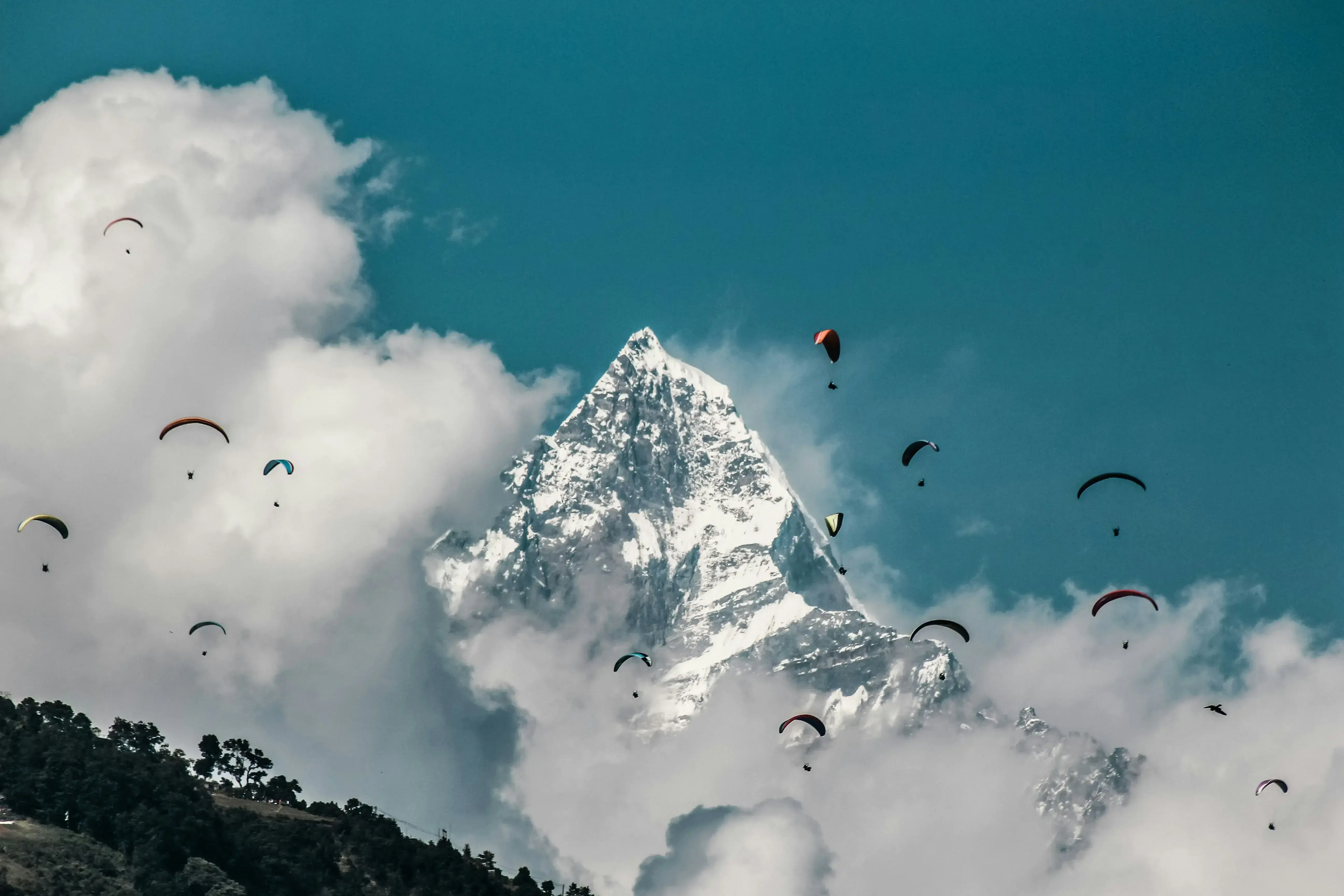
The lake country around Pokhara blends relaxed holiday birding with genuine Himalayan quality. Phewa's still mornings carry the calls of white-breasted kingfishers and crimson sunbirds along the shoreline, and the twin lakes of Begnas and Rupa are quieter still, edged by rice paddies that fill with pipits, snipe and open-billed storks after the monsoon. Above the valley, the ridge running from Sarangkot to Australian Camp is one of South Asia's great raptor corridors: each autumn, watchpoints near the village of Thoolakharka count more than ten thousand migrating birds of prey, steppe eagles among them, funnelling along the Annapurna wall. The gentler foothill trails below hold fire-tailed sunbirds and minivets in the spring rhododendron bloom, and photographers who want both feathers and mountain light often book the guided Annapurna photography trek, whose golden-hour itinerary is timed for the same ridgelines.

Lumbini: Cranes, Wetlands and Sacred Ground
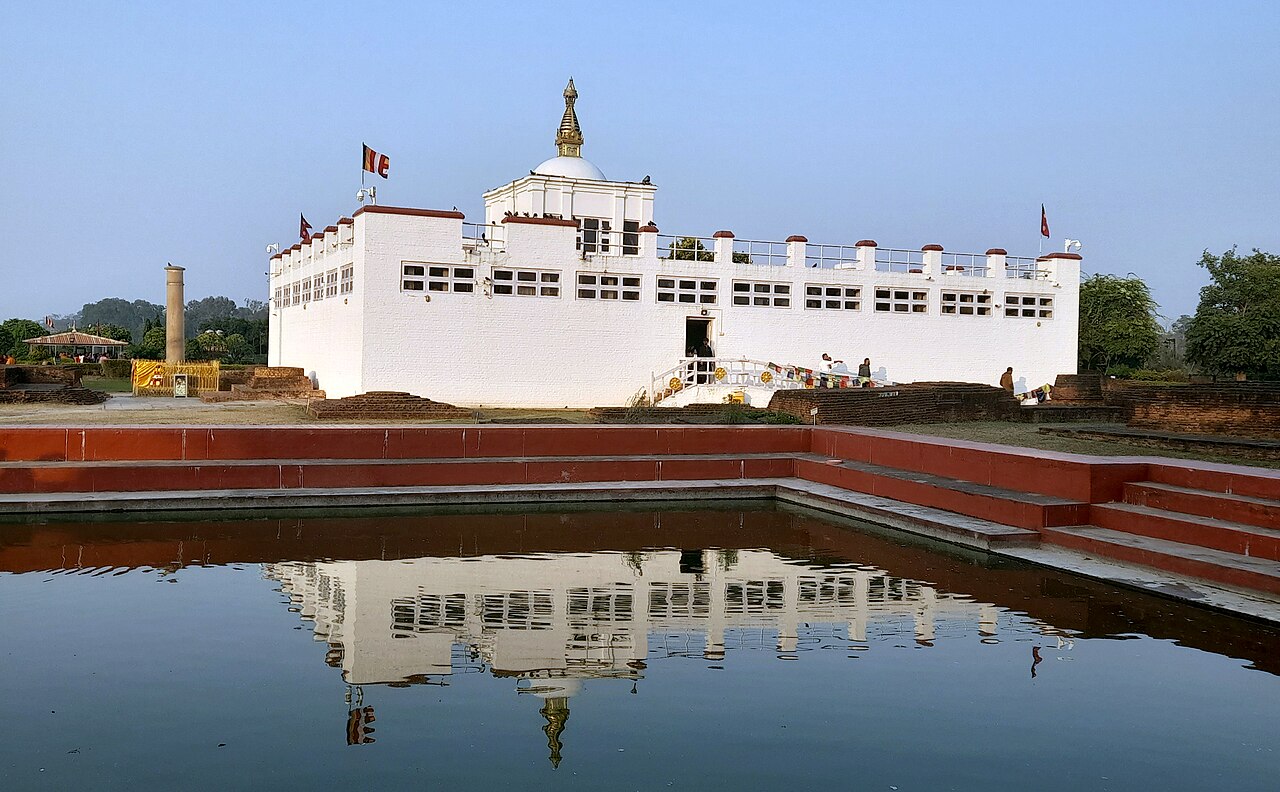
Lumbini is celebrated as the birthplace of the Buddha, but the plains around the sacred garden are also one of Nepal's most touching birding sites. A dedicated crane sanctuary protects the resident sarus cranes, the world's tallest flying bird, which stride through the wet rice paddies in bonded pairs; cranes carry deep meaning in Buddhist tradition here, and locals guard them accordingly. The sacred zone's ponds attract lesser whistling ducks and purple swamphens, while winter adds passing waders to the flooded fields. The neighbouring Kapilvastu district holds the Jagdishpur Reservoir, a RAMSAR-listed wetland that can hold tens of thousands of waterfowl in January, a short drive west. Birding and pilgrimage share the same ground here, and many travellers find the sarus crane pairs at dawn among the most memorable sights of a Nepal trip. To place Lumbini within the wider sacred geography of the country, our guide to cultural and spiritual tours in Nepal maps the great pilgrimage routes and the bird-rich wetlands that sit alongside them.


The High Himalaya: Pheasants and Lammergeiers
Above the treeline the cast changes completely. The danphe, Nepal's spectacular national bird, glitters in blue and copper across alpine meadows between roughly 3,000 and 4,500 metres, and hill villages from Langtang to Dhorpatan know its shrill whistles. Blood pheasants and Himalayan monals share the same slopes, and where meadows give way to scree you may find Himalayan snowcocks and Tibetan snowfinches, while bearded vultures, the lammergeiers, patrol the passes. The pilgrimage trail to the Gosaikunda lakes threads straight through this zone, and the August full moon walk described in our Janai Purnima and Gosaikunda guide is a striking way to combine high-altitude birding with living ritual. In the Everest region, the classic walk-in from Jiri climbs through pheasant country for days before the Khumbu glaciers; our Everest Base Camp via Jiri guide covers that route in full. If trekking days are short, a mountain flight from Kathmandu at least shows you the wall of peaks these birds call home.



Which Species Should Top Your Nepal Birding List?
Every visiting birder builds a personal wishlist, but a handful of Nepali species carry outsized reputation, either for rarity, beauty or the stories attached to them. These are the birds that local guides love to deliver, and targeting them by season and site will shape a satisfying itinerary more than any generic list-chasing.
The Spiny Babbler, Nepal's Only Endemic
One bird exists in the wild in Nepal and essentially nowhere else: the spiny babbler, a brown, unassuming thrush-like babbler of the mid-hills. Described from specimens in the 1830s, it then vanished from scientific view for more than a century before being rediscovered in the Kathmandu Valley in the late 1940s, a resurrection that made it a national icon. It remains local and secretive, skulking in dense scrub around Phulchowki, Godavari and similar valley-edge thickets, often betraying itself by voice before it shows. Seeing Nepal's only endemic is a genuine achievement, and asking your guide to build a morning around it is a rite of passage.
The Danphe, National Bird
The danphe, or Impeyan monal, is the Himalaya in feathered form: the male's iridescent mantle flashes blue, green and copper as he struts the high meadows. As Nepal's national bird he is protected and celebrated, seen reliably in spring on the slopes above Langtang village, around Dhorpatan in the west, and on several Gosaikunda approach trails, descending to lower rhododendron belts when winter snows bury the high pastures. Satyr tragopans, blood pheasants and koklass pheasants share his kingdom, making any pheasant-focused extension a colourful sub-adventure of its own.
Hornbills, Floricans and Terai Specials
Down in the Terai the target list shifts to hornbills, grassland skulkers and wetland giants. Great hornbills wing between fruiting trees in Chitwan's sal forest with a sound like a distant engine, and their pied cousins are commoner around the camp edges. In the grasslands the Bengal florican performs rocketing display flights in spring at Chitwan and Bardia, one of Asia's rarest spectacles, while grey-crowned prinias and swamp francolins keep the phanta interesting between shows. On the rivers, crested kingfishers, ibisbills and black storks patrol the shingle, and a quiet afternoon at a river bend can outproduce a whole forest morning.
Cranes, Geese and Winter Waterfowl
From October the flyway switches Nepal's wetlands on. Bar-headed geese, the species famous for crossing the Himalaya itself on migration, graze the Koshi flats in their thousands, alongside ruddy shelduck, gadwall, pochards and the odd vagrant that electrifies the local birding networks. The sarus cranes of Lumbini stay all year, and the combination of sacred ground and tall grey elegance at sunrise draws photographers and pilgrims to the same fence line. A January visit to Koshi Tappu or the Jagdishpur Reservoir is among the densest birding experiences available anywhere in the subcontinent.
Vultures and the Conservation Story
Nepal holds ten vulture species, and their recent history is among conservation's starkest lessons. Veterinary diclofenac, given to cattle, killed scavenging vultures across South Asia and drove white-rumped, slender-billed and red-headed vultures to the brink; populations of some species fell by more than ninety percent within a decade. Nepal responded by banning veterinary diclofenac in the mid-2000s, running community vulture feeding restaurants where safe cattle carrion sustains breeding colonies, and declaring vast vulture safe zones, and the slow recovery that followed is now studied worldwide. Seeing a kettle of Himalayan griffons rise over a river gorge, or an ibisbill feeding beneath them, is a reminder of what nearly went.
When Is the Best Season for Bird Watching in Nepal?
There is no single best month, because Nepal effectively runs three distinct birding seasons. February to April is the resident specialist's season: the weather is warming, rhododendrons bloom across the mid-hills, and pheasants, floricans and sunbirds are displaying and singing at their most conspicuous. October and November are the migration and trekking season, when the post-monsoon air is crystal clear, raptors pour south along the Annapurna ridges in five-figure counts, and passage warblers and flycatchers refuel in every valley garden. December to February suits waterfowl watchers, as Siberian ducks and geese pack the Terai wetlands at their densest, and the Terai's famous humidity drops to pleasant levels. The June-to-September monsoon is the only genuinely difficult window: leeches, cloud and washed-out trails offset the pleasure of watching resident breeders, and most birders use it for planning rather than travel.
What Does a Bird Watching Trip in Nepal Cost?
Nepal remains one of the most affordable serious birding destinations in Asia. Protected-area entry fees typically run from roughly NPR 500 to NPR 2,000 per person per day depending on the park, with Chitwan at the upper end of that band and community forest buffer zones charging modest local rates on top. A specialist birding guide generally costs between USD 25 and 50 per day, and a private car with driver for valley day trips sits in the USD 50 to 80 range. Terai accommodation spans everything from comfortable family lodges at USD 30 to 50 per night to luxury safari resorts several times that, and internal flights, where you take them, add a fixed and published cost per sector. As reference points from our own catalogue, the six-day Nepal cultural and nature experience is currently listed at $377, while the eight-day heritage and wildlife experience covering Kathmandu, Chitwan and Lumbini runs at $500, both of which naturally incorporate bird-rich days.
Can You Combine Bird Watching With Trekking?
Combining the two is not just possible; in Nepal it is the natural shape of a trip. Every major trekking region doubles as a birding corridor: the Annapurna foothill trails to Poon Hill pass through sunbird and minivet country in the spring rhododendron, the Langtang valley climbs into danphe habitat within two walking days of the roadhead, and the Everest approaches hold snowcocks and lammergeiers alongside the famous peaks. The practical rule is to slow down: walking between teahouses at a lister's pace turns a standard route into a continuous transect, and the dawn hours around each lodge, when hill forests are loudest, cost nothing but an early alarm. Trekkers who want the walking handled professionally, with guides who know both the trails and the calls, should start with our complete guide to choosing a trekking agency in Nepal, which explains what a good operator covers, from permits to porter welfare, before you commit your dates.

What to Pack for a Bird Watching Trip in Nepal
Packing for Nepali birding is mostly packing for its altitudes: the same week can start steamy in Chitwan and end cold on a 3,000 metre ridge. The essentials list is short and forgiving.
- Optics: bring your own binoculars, 8x or 10x; a spotting scope earns its weight at Koshi and the Terai grasslands but is optional elsewhere. Ask your guide or agency about renting optics in Kathmandu before buying new for one trip.
- Layers: quick-dry morning warmwear for dawn vigils, a sun hat, and one windproof layer for ridge days; the Terai is warm by midday even in January.
- Footwear: broken-in walking shoes for hill trails; leech socks or repellent if you travel between June and September.
- Field tools: a Nepal field guide app or book, a notebook, and a power bank, since dusk in lodges arrives early and charging points are shared.
- Courtesy kit: neutral-coloured clothing helps on grassland walks, and a buff keeps Terai dust out on jeep tracks.
Birding With Communities: Homestays and Local Guides
Nepal's best new birding habitat is often guarded by its newest community homestays. Around Chitwan, Tharu-run homestays in the buffer-zone community forests put you inside the dawn chorus and share the proceeds with the households protecting the forest; in the mid-hills, Tamang and Gurung villages along the community trails of Bandipur and the Tamang Heritage country host walkers amid laughingthrush-filled terraces. Community forest user groups, the quiet institutions that regenerated Nepal's hillsides over the past three decades, are increasingly bird-aware, and several now train local youths as birding guides, one of the most direct ways tourism revenue converts into habitat protection. Our guide to community homestays in Nepal explains how these stays work, what they cost, and the etiquette that makes them a two-way pleasure; pairing two homestay nights with a park lodge is the itinerary most returning birders now request.
How Do You Bird Responsibly in Nepal?
Responsible birding in Nepal follows the same common-sense rules as anywhere, with a few local specifics. Keep a respectful distance from displaying pheasants, florican leks and every nest; a disturbed display can cost a whole breeding season. Use playback sparingly and never at a lek or during the heat of the day, and follow your guide's lead, since community forests have their own written rules. Never buy birds, feathers or eggs, and never bait raptors for photographs. Stick to trails, take your litter out, and hire local guides wherever possible: in Nepal a birding wage is a conservation argument in the village economy. The broader principles of travelling lightly in Nepal, from plastic reduction to fair porter treatment, are laid out in our responsible and community tourism guide, which several of our nature itineraries are built around.
A One-Week Nepal Birding Itinerary
Here is the shape of the week we most often recommend for a first birding visit, which can be tightened to five days or stretched with Bardia and the far west.
- Day 1, Kathmandu: Godavari botanical garden and the lower Phulchowki slopes for spiny babbler country, cutias and forktails; sunset at Taudaha for the first waterfowl.
- Day 2, Kathmandu: dawn on the Shivapuri or Nagarjun ridges, a relaxed afternoon re-acclimatising; a stop in Kathmandu heritage courtyards, where rose-ringed parakeets and pigeons swirl, doubles as sightseeing.
- Day 3, to Chitwan: the drive or flight south; riverside afternoon in Sauraha for kingfishers and hornbills, or break the journey with a night in the old trading town of Bandipur, whose ridge forests hide laughingthrushes and nuthatches.
- Day 4, Chitwan: full day: canoe dawn on the Rapti, grassland walk for prinias and florican habitat, afternoon jeep circuit in sal forest.
- Day 5, Chitwan to Lumbini: transfer west; late-afternoon crane watch on the paddy lanes around the sanctuary.
- Day 6, Lumbini: dawn sarus crane vigil, a slow circuit of the sacred garden ponds, and an optional afternoon run to Jagdishpur Reservoir when winter waterfowl are the priority.
- Day 7, return: fly Bhairahawa to Kathmandu, or drive back up the hill road with a birding lunch stop en route.
Extending to ten or twelve days, swap in Koshi Tappu for two wetland nights in the east, or head west to Bardia for the grassland specialists and a wilder Karnali riverine feel.
Where Should First-Time Birders Start?
Beginners should start exactly where the infrastructure is gentlest: the Kathmandu Valley's ridge forests for a first taste of Himalayan species, followed by a Chitwan stay where the birds are conspicuous, the walks are flat, and a canoe puts you at water level with kingfishers and fish eagles. That two-base combination alone can produce 200 species in a comfortable week without any camping, altitude or long drives, and every lodge has naturalists who happily convert a safari jeep into a birder's jeep. Travellers who enjoy pairing the outer journey with an inner one often book an early sitting practice before the dawn chorus; our meditation in Kathmandu guide lists quiet places where a 5 a.m. sit and a 6 a.m. walk in the same courtyard are entirely compatible. Families find the same circuit works well: children take naturally to canoe and grassland mornings, and the wildlife side guarantees stories even on quiet bird days.
What Mistakes Should First-Time Birders Avoid?
The same handful of slip-ups recur on first Nepal trips, and all of them are easy to avoid with a little planning.
- Chasing the midday forest. In the Terai, bird activity between 11 a.m. and 3 p.m. collapses; plan walks and canoe rides for the first and last three hours of daylight.
- Skipping the local guide. Nepal's skulkers are found by ear; two hours with a community guide outperforms two solo days, and the fee funds habitat protection.
- Overloading the itinerary. Nepal rewards revisits to good habitat over frantic site-hopping; two full days at one park beats a rushed morning at each of four.
- Ignoring the vertical. A Terai-only itinerary misses the endemics and pheasants, while a mountains-only plan misses the hornbills and wetlands; build in one zone of each.
- Forgetting seasonality. Waterfowl need winter, florican display needs spring, raptor passage needs autumn; align the wishlist with the calendar before booking flights.
Plan Your Bird Watching Adventure in Nepal
Nepal's birds reward every kind of traveller: the hardened lister chasing an ibisbill, the photographer chasing golden light on a sarus crane, the family wanting one unforgettable canoe morning, and the trekker who simply wants to put a name to the bird that screamed across the trail. Whichever you are, a little planning converts luck into sightings, and our team builds birding-aware versions of every itinerary on request, from weekend valley escapes to full flyway circuits. The guided Himalayan bird watching activity is the easiest starting point, and the full range of nature, culture and trekking journeys is on the Nepal tours overview page. Tell us your season, your targets and your pace, and we will set the alarm clocks for you.
Beyond the birds themselves, Nepal birding is a window into how a country protects what it loves: community forests regrown, vultures pulled back from the brink, cranes guarded on pilgrimage ground. Come for the danphe's colours or the ibisbill's precision, and you will leave with the deeper story too. Every season holds a different Nepal, and the wider wildlife and jungle safari adventures make natural companions to any birding week.