The Essence of the Kathmandu Spiritual Circuit
Kathmandu is not merely a city of brick and mortar, but a living, breathing museum of faith. For those seeking a deeper connection with the divine, the Kathmandu Spiritual Circuit represents the pinnacle of Himalayan devotion. By visiting the triad of Pashupatinath, Boudhanath, and Swayambhunath, a traveler witnesses the full spectrum of the human condition: from the visceral reality of death and rebirth at the Bagmati river, to the serene, meditative silence of a Buddhist stupa, and finally to the elevated, all-seeing perspective of a hilltop sanctuary.
This journey is more than a tourist excursion; it is a pilgrimage. Whether you are looking to book a spiritual tour in Nepal or simply wish to understand the intersection of Hinduism and Buddhism, these three sites offer an unparalleled window into the soul of the valley. To truly appreciate these monuments, one must look beyond the architecture and feel the vibration of the mantras, the scent of incense, and the collective energy of thousands of devotees who have walked these paths for millennia.
For a broader perspective on how these sites fit into the larger landscape of faith in the region, we recommend exploring our complete 2026 guide to heritage and pilgrimage in Nepal. This spiritual circuit serves as the foundational heartbeat of any cultural exploration of the country.


Pashupatinath: The Lord of All Beings and the Cycle of Life
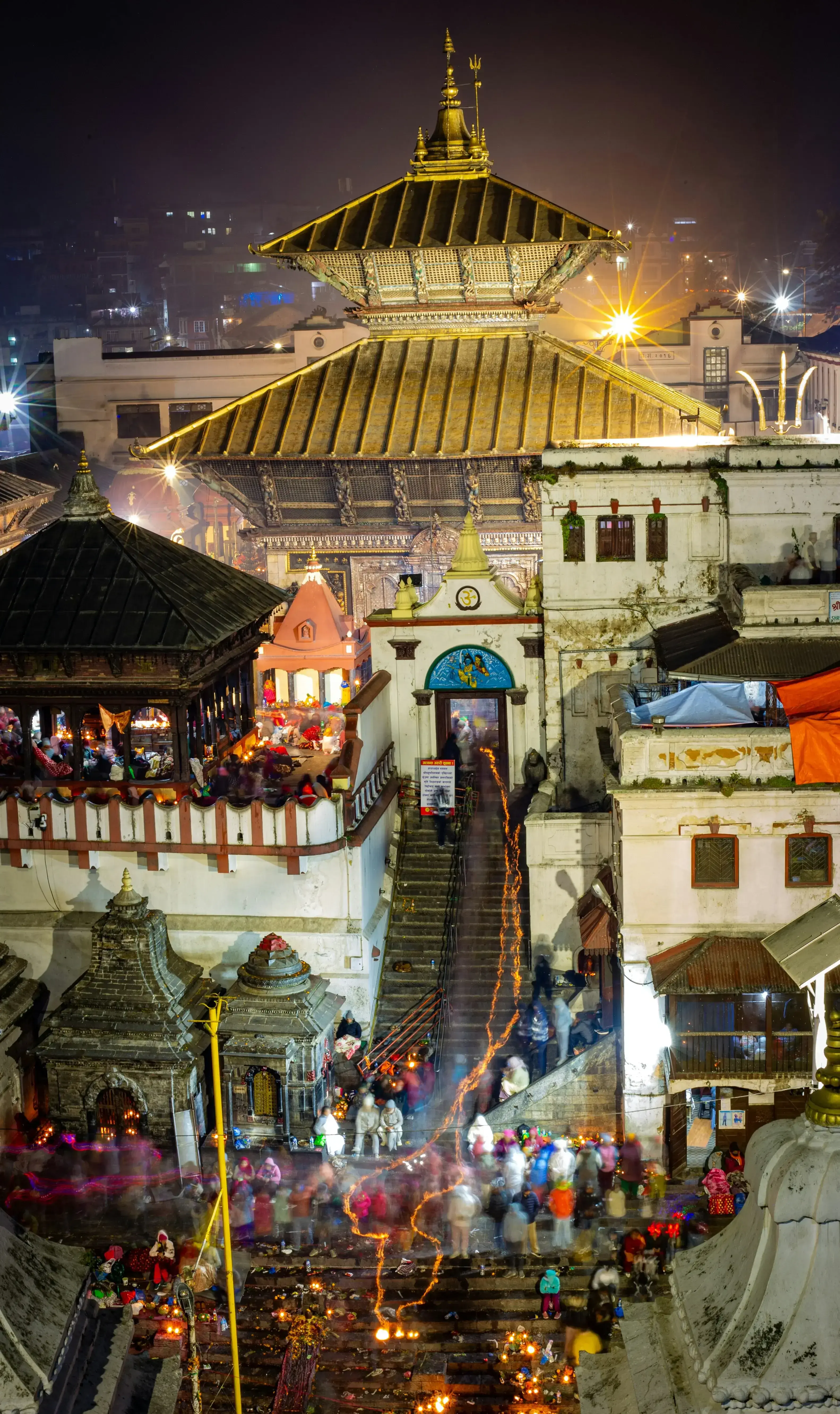
Pashupatinath is perhaps the most potent spiritual site in the entire Hindu world outside of India. Dedicated to Lord Shiva in his aspect as Pashupati (the Lord of all beings), the temple is a place where the veil between the physical world and the spiritual realm is at its thinnest. It is a site of intense devotion, profound sorrow, and ultimate liberation.
Architectural Splendor and the Golden Roof
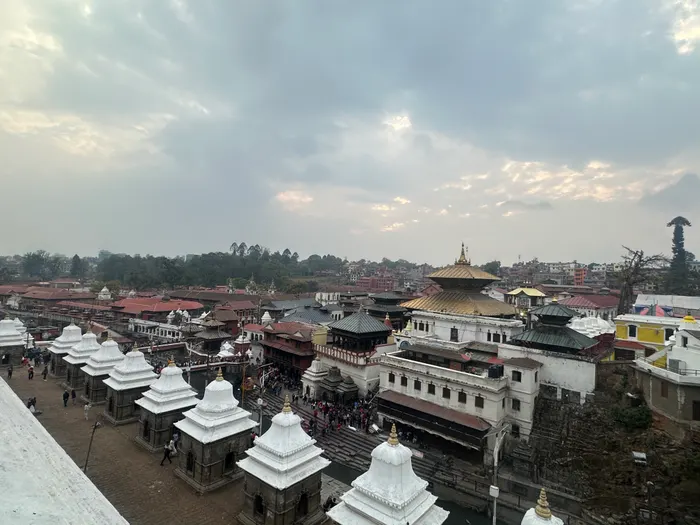
The main temple is a masterpiece of Pagoda architecture, characterized by its tiered roofs and intricate wood carvings. The most striking feature is the gold-plated roof, which gleams under the Himalayan sun, symbolizing the purity and radiance of the divine. The temple is constructed from wood and stone, with the interior housing the primary Shiva Lingam, a symbol of the infinite nature of the universe.
Visiting the inner sanctum is a privilege reserved for Hindus, yet the energy of the temple permeates the entire complex. The surrounding shrines, dedicated to other deities like Ganesha and Parvati, create a complex web of spiritual narratives. Each carving on the pillars and each bell rung by a devotee is an invitation to enter a state of higher consciousness.
The Bagmati River and the Sacred Ghats
While the temple is the focal point, the true spiritual heart of Pashupatinath lies along the banks of the Bagmati River. The river is considered sacred, and its waters are believed to wash away the sins of the departed. The Aryaghat is the most significant cremation site, where the living gather to bid farewell to the dead in the most traditional of ways: through open-air cremation.
For the uninitiated, the sight of burning pyres can be shocking, but in the context of Pashupatinath, it is an essential lesson in impermanence. Here, death is not hidden away in hospitals or morgues, but is an integrated part of the community. The smoke rising from the ghats blends with the incense of the temples, creating an atmosphere of poignant transition. To witness this is to understand the Hindu concept of Samsara, the endless cycle of birth, death, and rebirth.
The Evening Aarti: A Symphony of Faith
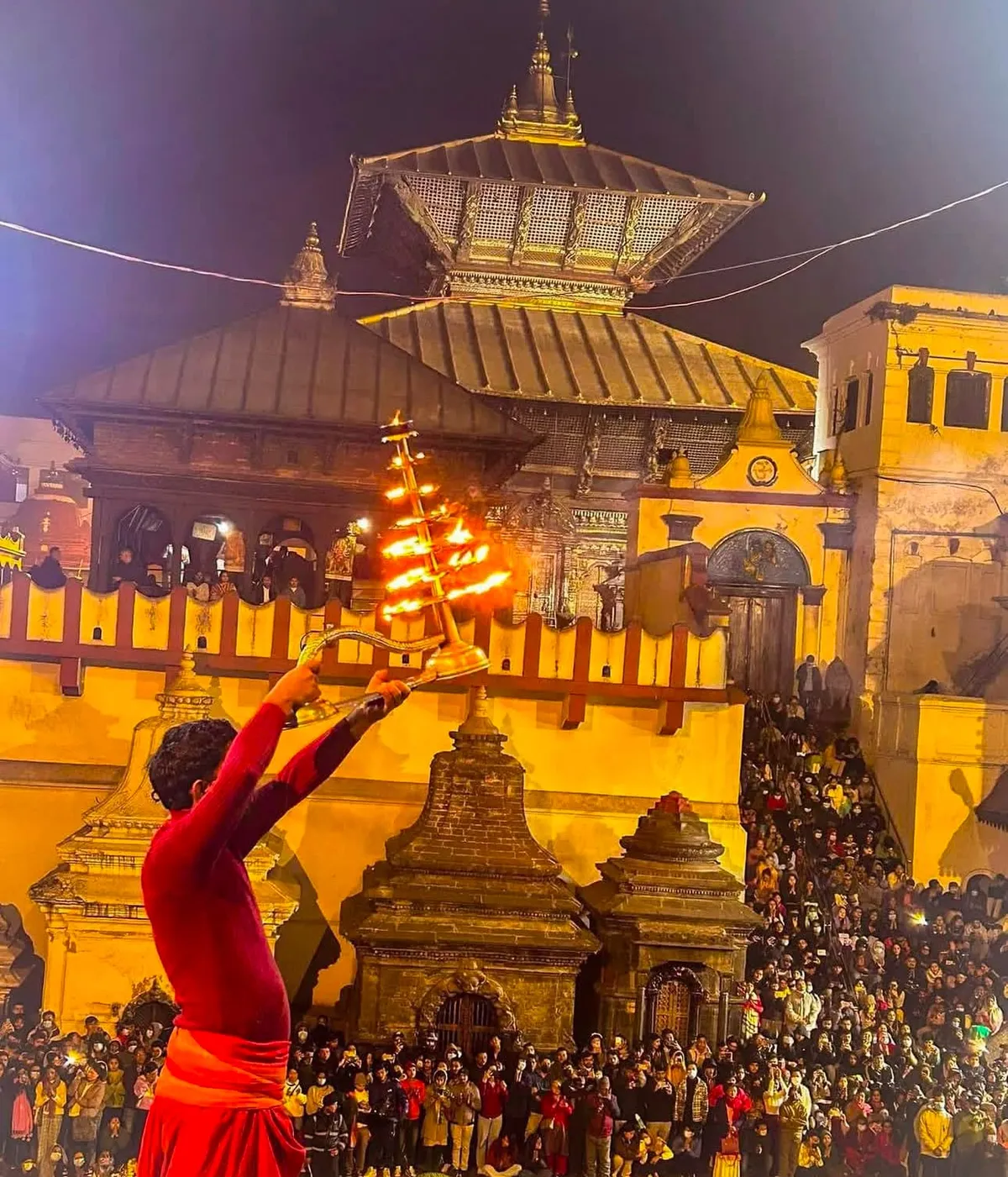
As dusk falls over the valley, the atmosphere at Pashupatinath shifts from solemn to celebratory. The Sandhya Aarti, or evening prayer, is one of the most mesmerizing spectacles in Nepal. Priests, dressed in traditional saffron robes, perform a choreographed ritual of light, sound, and chanting. The rhythmic ringing of bells and the blowing of conch shells echo through the valley, calling the deities and the devotees together.
The sight of dozens of oil lamps being waved in synchronized patterns against the darkening sky creates a hypnotic effect. This ritual is not just for show, it is a direct communication with the divine, a plea for peace and a celebration of the light that conquers darkness. Visitors often find themselves swept up in the collective emotion, regardless of their own faith.
The Sadhus of Pashupatinath
No visit to Pashupatinath is complete without encountering the Sadhus, the holy men of Hinduism. With their ash-covered bodies, dreadlocked hair, and bright orange clothing, they are the living embodiment of renunciation. These men have turned their backs on the material world to seek Moksha, or liberation from the cycle of rebirth.
Engaging with a Sadhu is an opportunity to hear perspectives on life and death that are rarely encountered in the modern world. Some are scholars of the Vedas, others are mystics who practice intense meditation, and some are simply seekers of truth. Their presence reminds every visitor that there is a path beyond the pursuit of wealth and status, leading toward inner silence and spiritual freedom.
Boudhanath: The Great Stupa of Enlightenment
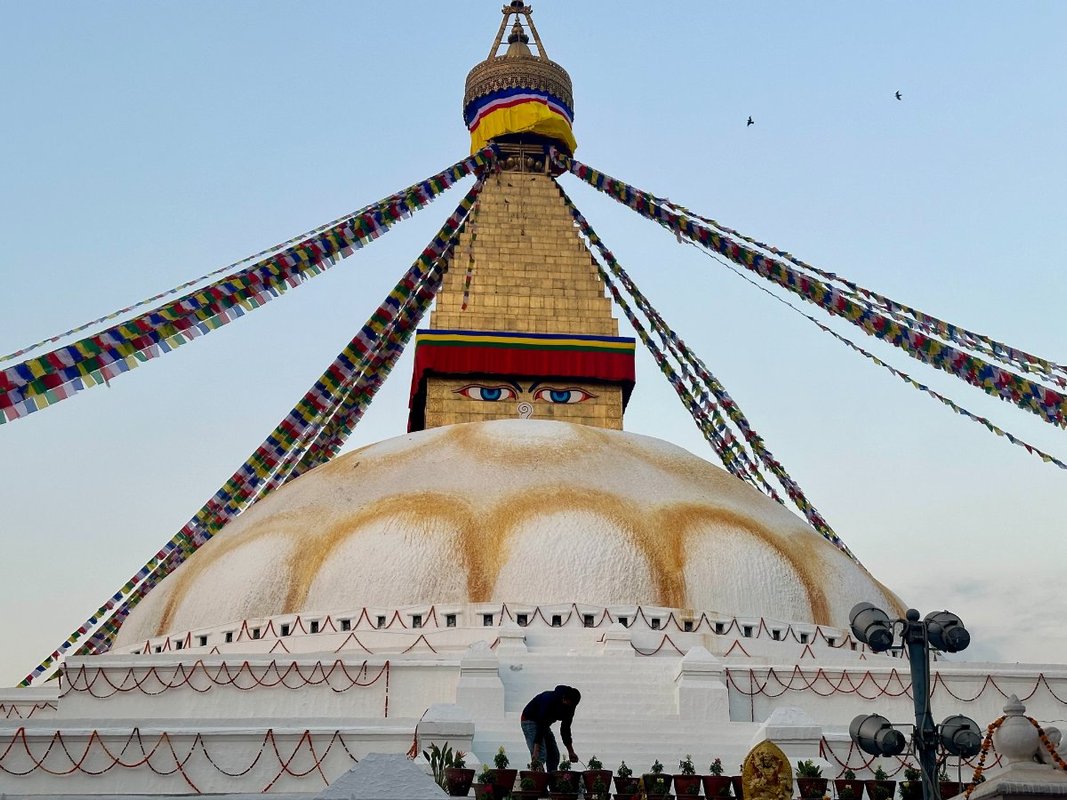
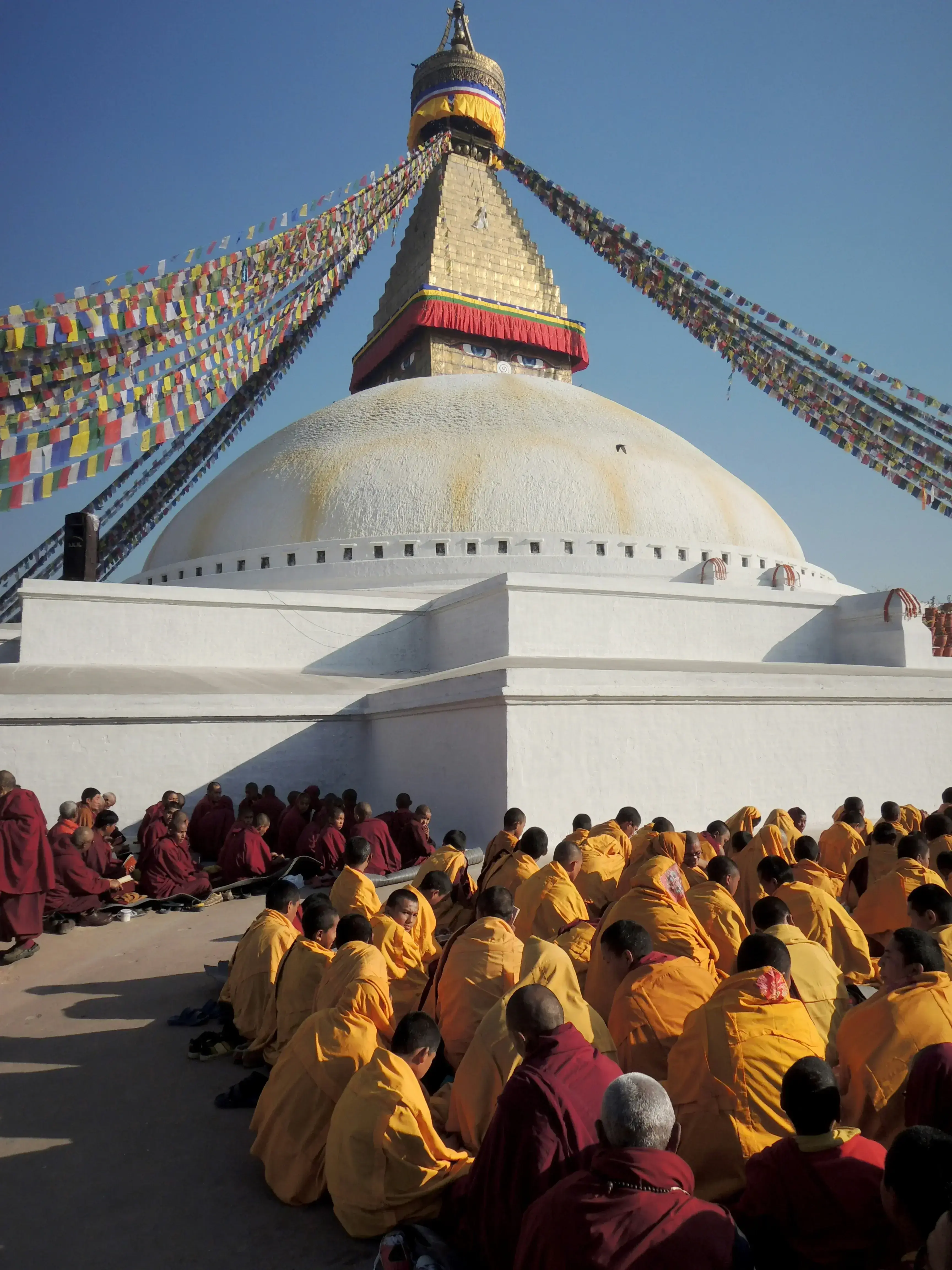
If Pashupatinath is the site of the cycle of life and death, Boudhanath is the site of transcendence and peace. As the largest stupa in Nepal, it serves as the focal point for Tibetan Buddhism in Kathmandu. The massive white dome, topped by a gilded spire and the all-seeing eyes of the Buddha, creates an aura of profound stability and compassion.
The Symbolism of the Mandala and the Buddha's Eyes
Boudhanath is not just a building, it is a three-dimensional mandala, a geometric representation of the cosmos. The base represents the earth, the dome represents water, the spire represents fire, and the pinnacle represents air and ether. This structure is designed to guide the practitioner from the mundane world toward the state of Nirvana.
The eyes of the Buddha, painted on all four sides of the tower, look out over the city with a gaze of infinite compassion. Between the eyes is a symbol that resembles a question mark, which is actually the Nepali character for the number one, symbolizing the unity of all things and the single path to enlightenment. To stand beneath these eyes is to feel seen and understood in a way that transcends language.
The Ritual of Kora: Walking the Path of Peace
The primary activity at Boudhanath is the Kora, the act of circumambulating the stupa in a clockwise direction. As devotees walk, they spin prayer wheels, each containing thousands of copies of the mantra Om Mani Padme Hum. The physical act of walking in a circle reflects the cyclical nature of existence, while the prayer wheels project positive energy into the universe.
The sound of the Kora is a low hum of chanting and the rhythmic clicking of the wheels. It is a meditative process that slows down the heart and clears the mind. For visitors, joining the Kora is the best way to absorb the energy of the site. The slow, deliberate pace allows one to notice the small details: the colorful prayer flags fluttering in the wind, the scent of butter lamps, and the gentle expressions of the monks in their crimson robes.
The Heart of Tibetan Buddhism in Kathmandu
Boudhanath has become a sanctuary for the Tibetan diaspora, transforming the surrounding area into a vibrant hub of Tibetan culture. The narrow alleys radiating from the stupa are filled with monasteries, bookstores, and cafes serving authentic Tibetan tea and momos. This is a place where the ancient traditions of the plateau meet the urban energy of the valley.
The monasteries around the stupa offer a glimpse into the rigorous discipline of Buddhist monastic life. From the intricate thangkas (scroll paintings) to the deep, resonant sounds of the long horns during morning prayers, the influence of the Dalai Lama's tradition is felt everywhere. This cultural synergy makes Boudhanath a center for learning, healing, and spiritual refuge.
Swayambhunath: The Self-Existent Light on the Hill
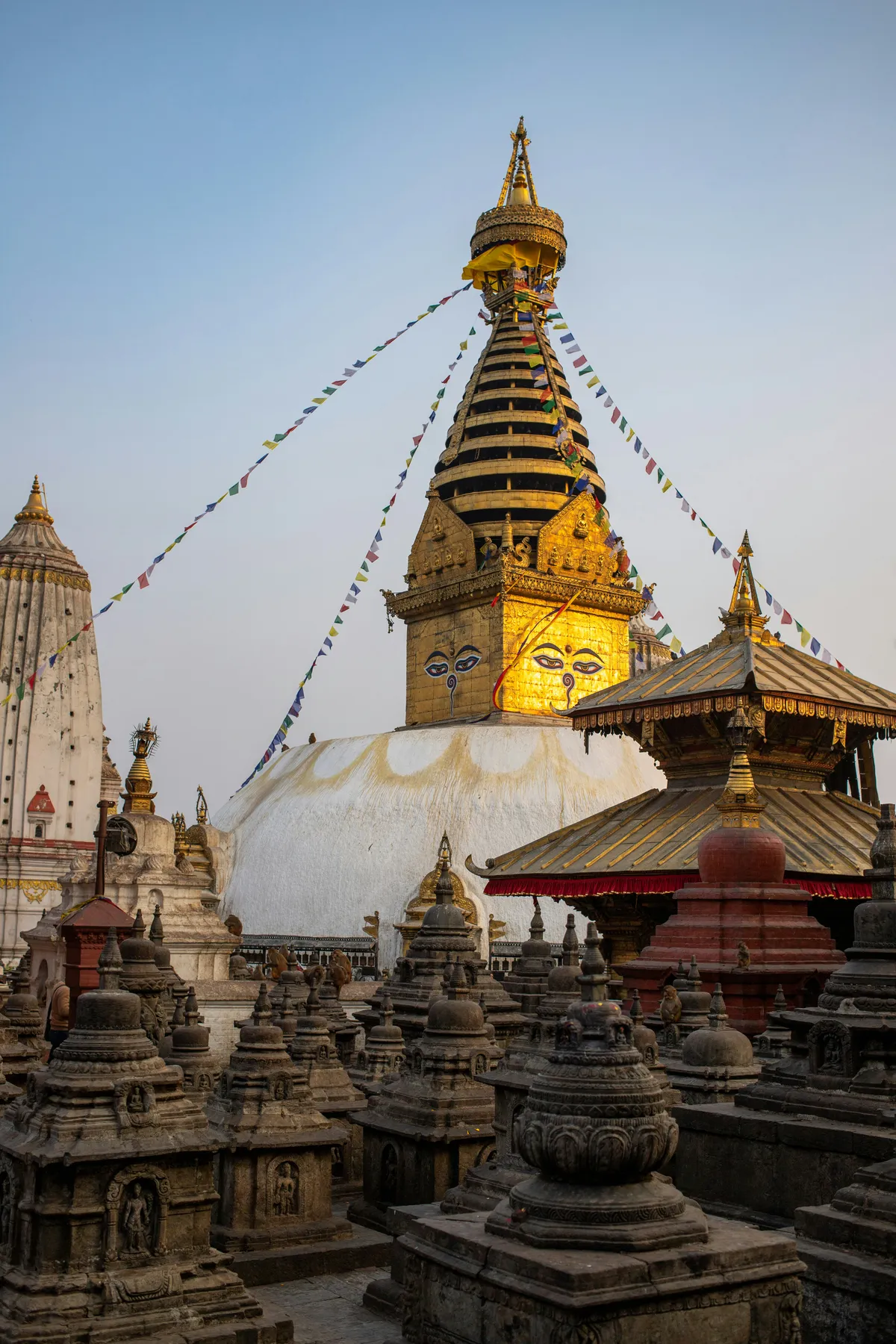
Perched atop a rocky hill overlooking the city, Swayambhunath is often referred to as the Monkey Temple. Its name means the self-existent one, referring to the legend that the stupa was formed from a magical lotus that rose from a lake that once covered the valley. It is a site where the boundaries between Buddhism and Hinduism blur entirely.
The Legend of the Lotus and the Lake
According to mythology, the valley of Kathmandu was once a vast lake. A brilliant lotus flower emerged from the waters, emitting a light that could be seen from miles away. The gods, intrigued by this light, descended to investigate and found a jewel that eventually became the core of the Swayambhunath stupa. This origin story emphasizes the idea that enlightenment is an innate potential within the earth itself, waiting to be uncovered.
The climb to the top is a physical and spiritual journey. A steep flight of 365 stairs leads the visitor upward, a process that symbolizes the ascent toward higher consciousness. Along the way, the playful monkeys of the hill accompany the pilgrims, adding a touch of nature's chaos to the structured path of devotion.
A Convergence of Hindu and Buddhist Faiths
Swayambhunath is a testament to the religious harmony of Nepal. While the main stupa is Buddhist, the complex is dotted with Hindu shrines, including a temple dedicated to Harati, the goddess of smallpox. It is common to see a Buddhist monk and a Hindu priest sharing the same space, both offering prayers to the same divine essence.
This synthesis is unique to the Kathmandu Valley. The shared use of symbols, such as the bell and the incense, highlights a shared understanding of the spiritual goal: the liberation of the soul. In a world often divided by dogma, Swayambhunath stands as a beacon of inclusive spirituality, reminding us that all paths eventually lead to the same peak.
Panoramic Blessings: The View Over the Valley
Once you reach the summit, the reward is not just spiritual, but visual. From the white dome of the stupa, the entire sprawl of Kathmandu unfolds beneath you. You can see the distant peaks of the Himalayas on a clear day, and the dense tapestry of the city's rooftops. This perspective is vital, as it allows the visitor to see the city not as a chaotic urban center, but as a sacred landscape protected by the stupas and temples.
The wind at the summit carries the sound of prayer flags snapping in the breeze, sending blessings to the people living in the valley below. It is a place of clarity and openness, where the noise of the city is replaced by the silence of the heights. It is here that the journey of the circuit reaches its crescendo, offering a moment of peace and a sense of completion.
Comparing the Three Sacred Sites: A Quick Reference
While each site is unique, they together form a complete spiritual narrative. To help you plan your visit, we have compiled a comparison of the key elements of each sanctuary.
| Feature | Pashupatinath | Boudhanath | Swayambhunath |
|---|---|---|---|
| Primary Faith | Hinduism (Shaivism) | Buddhism (Tibetan) | Syncretic (Buddhist/Hindu) |
| Core Theme | Life, Death, and Rebirth | Enlightenment and Peace | Origin and Awakening |
| Visual Landmark | Golden Pagoda Roofs | Massive White Dome & Eyes | Hilltop Stupa & Monkeys |
| Key Ritual | Evening Aarti & Cremation | Kora (Circumambulation) | The Ascent (Stair Climb) |
| Atmosphere | Intense, Solemn, Visceral | Serene, Meditative, Community | Airy, Panoramic, Joyful |
Planning Your Pilgrimage: Tips and Etiquette
Visiting these sites requires more than just a ticket, it requires a mindset of respect and openness. Because these are active places of worship, following local etiquette is essential to ensure a positive experience for both the visitor and the devotee.
Dress Code and Conduct
Modest dress is mandatory. Shoulders and knees should be covered. In many areas, especially at Pashupatinath, removing your shoes before entering temple precincts is required. We recommend wearing slip-on shoes to make this process easier. Avoid loud conversations and refrain from taking photographs where signs explicitly prohibit it, particularly in the inner sanctums and near cremation pyres.
The Best Time to Visit
To avoid the heaviest crowds, we recommend visiting Swayambhunath at sunrise. The morning light hitting the stupa is breathtaking, and the temperature is cooler for the climb. Pashupatinath is best experienced in the late afternoon, leading up to the evening Aarti. Boudhanath, with its surrounding cafes, is a wonderful spot for a midday retreat or a sunset walk.
Mindful Interaction
When interacting with Sadhus or monks, it is polite to ask for permission before taking a photo. A small donation (Dakshina) is often appreciated as a gesture of gratitude for their time and wisdom. Remember that for the people here, these are not monuments to the past, but living centers of their daily faith.
Booking Your Experience: The Best Pilgrimage Packages
Navigating the logistics of these sites can be challenging. From managing crowds to understanding the deep symbolism of the rituals, having an expert guide makes all the difference. Enticing Himalayas specializes in curated journeys that prioritize depth over speed. If you are looking for a seamless way to experience these sites, we recommend our dedicated package.
The Kathmandu Spiritual Circuit package is specifically designed to cover these three landmarks over two days, allowing for a slow, meditative pace. Instead of rushing through the sites, this itinerary provides time for reflection, guided meditation, and authentic cultural interaction.
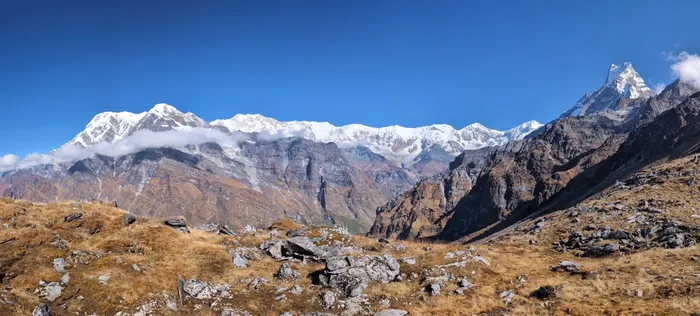
For those who wish to extend their spiritual exploration beyond the city, our complete guide to trekking agencies in Nepal can help you transition from the spiritual hubs of the city to the silent peaks of the Himalayas. Combining a city pilgrimage with a mountain trek is the ultimate way to experience the dual nature of Nepal: the bustling devotion of the valley and the primordial silence of the heights.
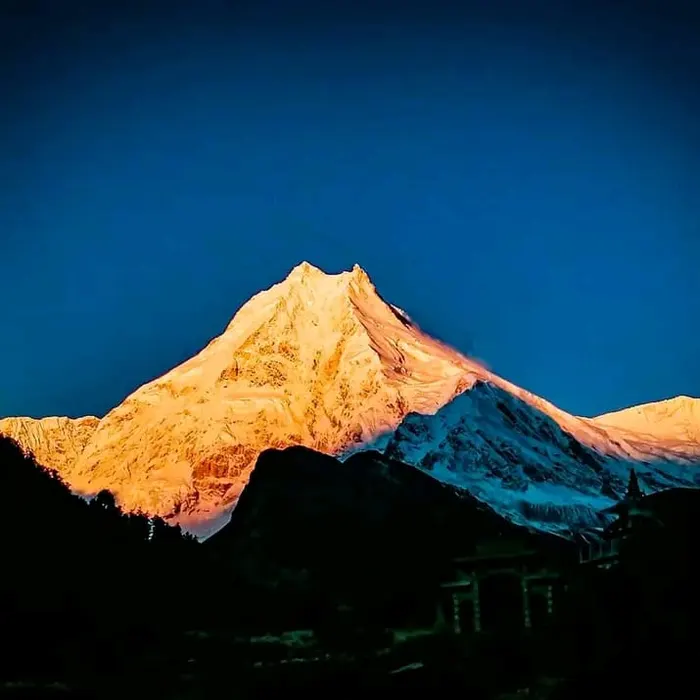
If you are drawn to the birthplace of the Buddha, our Lumbini Buddhist pilgrimage package offers a 3-day journey through the sacred gardens, Maya Devi Temple, and the international monasteries. For those seeking the high-altitude spiritual experience, the Muktinath helicopter pilgrimage takes you to the 108 sacred waterspouts and the eternal flame at 3,800 meters in a single day.
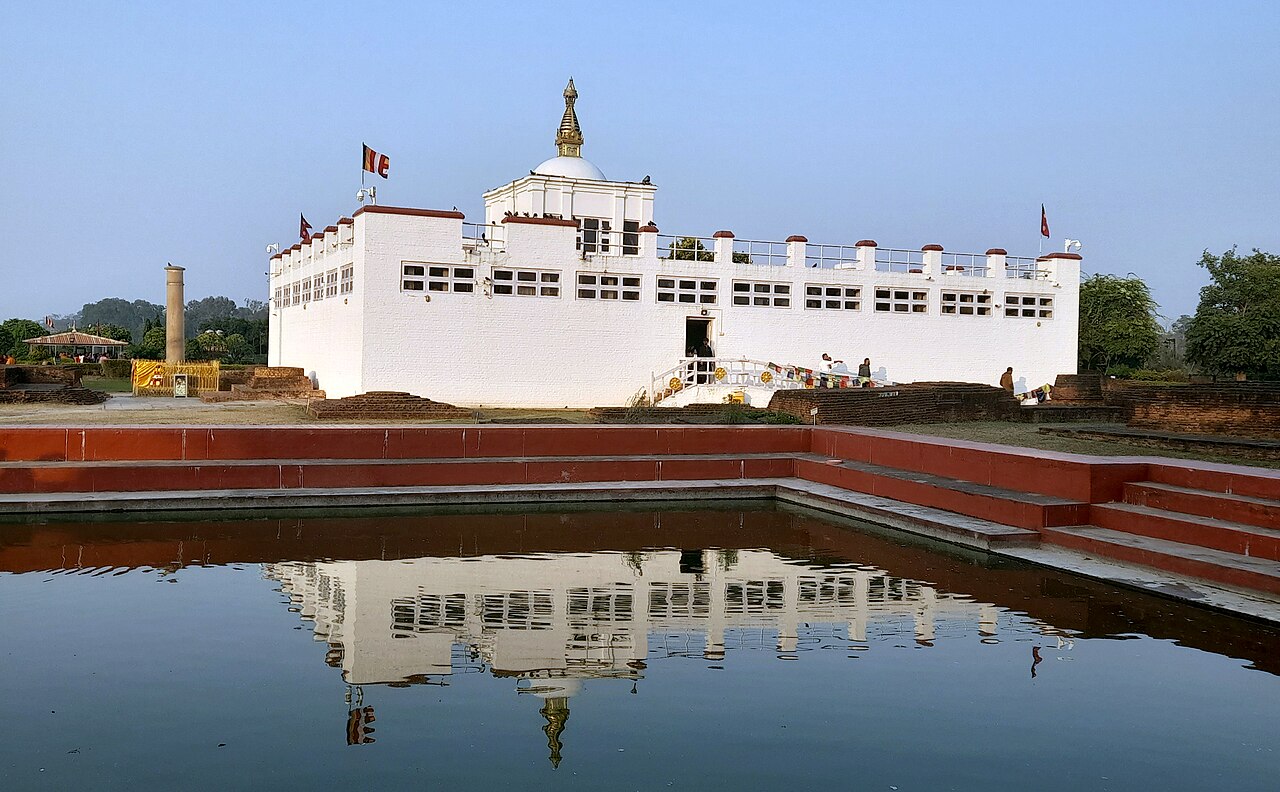
For a deeper dive into Nepal's spiritual landscape, explore our Lumbini pilgrimage guide and our Muktinath and Mustang spiritual circuit guide. If trekking with a spiritual dimension appeals to you, read about treks with a spiritual side and our helicopter pilgrimage and trek combos guide. For a broader cultural context, our festivals of Nepal guide helps you time your visit with the country's most vibrant celebrations.
For wellness-focused travelers, our spiritual wellness travel guide covers yoga retreats, sound healing, and meditation centers across the country. And for a complete overview of the spiritual tour landscape, visit our spiritual tour in Nepal 2026 hub.

Additional packages worth exploring include the Nepal cultural pilgrimage experience, the Sacred Kathmandu heritage tour, and the Sacred valleys and living goddesses journey. For those interested in combining spirituality with wellness, our 3-day yoga sound healing retreat and 6-day yoga stress management retreat offer transformative experiences in the heart of the Himalayas.

Don't leave your spiritual awakening to chance. By choosing the best pilgrimage packages, you ensure that every detail, from transportation to the quality of the guide, is handled with care, allowing you to focus entirely on your inner journey.