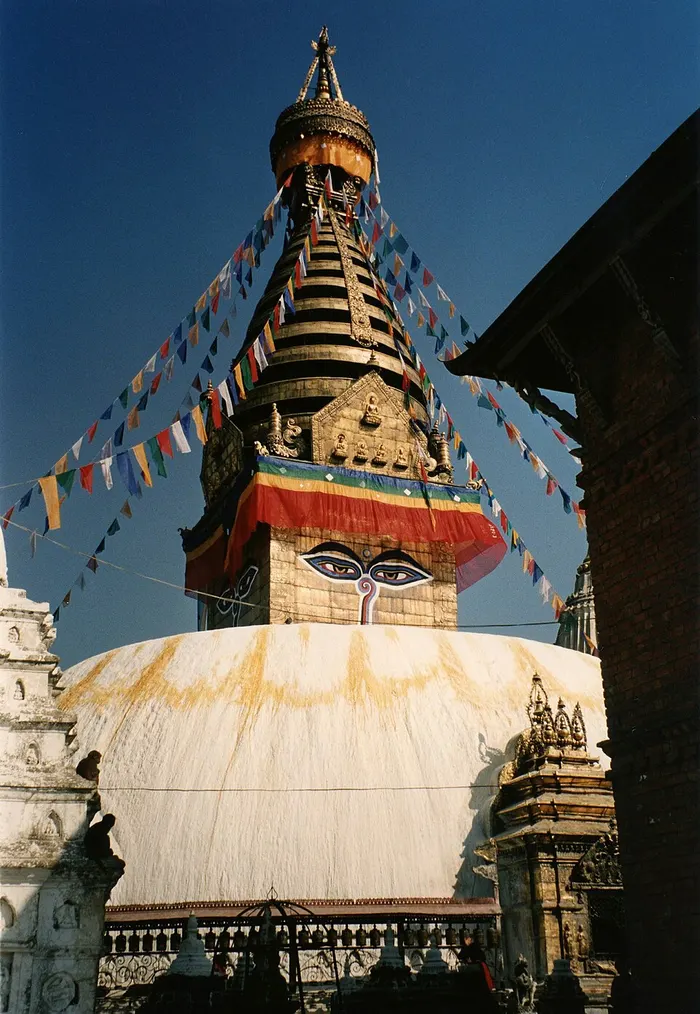
Traveling with children usually means more noise, more logistics and more stimulation, not less. Yet a growing number of families are discovering that Nepal, the birthplace of the Buddha and home to a living contemplative culture, is one of the easiest places on earth to slow down together. Family meditation retreats in Nepal are short, structured programs where parents and children learn simple mindfulness practices side by side, in settings that range from working monasteries in the Kathmandu Valley to lakeside centers in Pokhara. This guide explains what these retreats actually involve, which formats suit different ages, what they cost, and how to prepare so the experience bonds your family rather than fraying it.
The idea sounds exotic until you try it. Nepali culture is already intergenerational by default: grandparents, parents and children share meals, festivals and temple visits as a single unit. Monasteries here have always taught children, from the seven-year-old novice ringing the morning bell to the teenager memorizing his first texts. A family retreat simply opens that existing culture to visitors, with shorter sessions, more movement and a lot more patience. You are not dragging your kids into an adult silence boot camp. You are stepping into a tradition that has been teaching mindfulness to young people for centuries, and it is genuinely good at it.
What Does a Family Meditation Retreat in Nepal Actually Look Like?
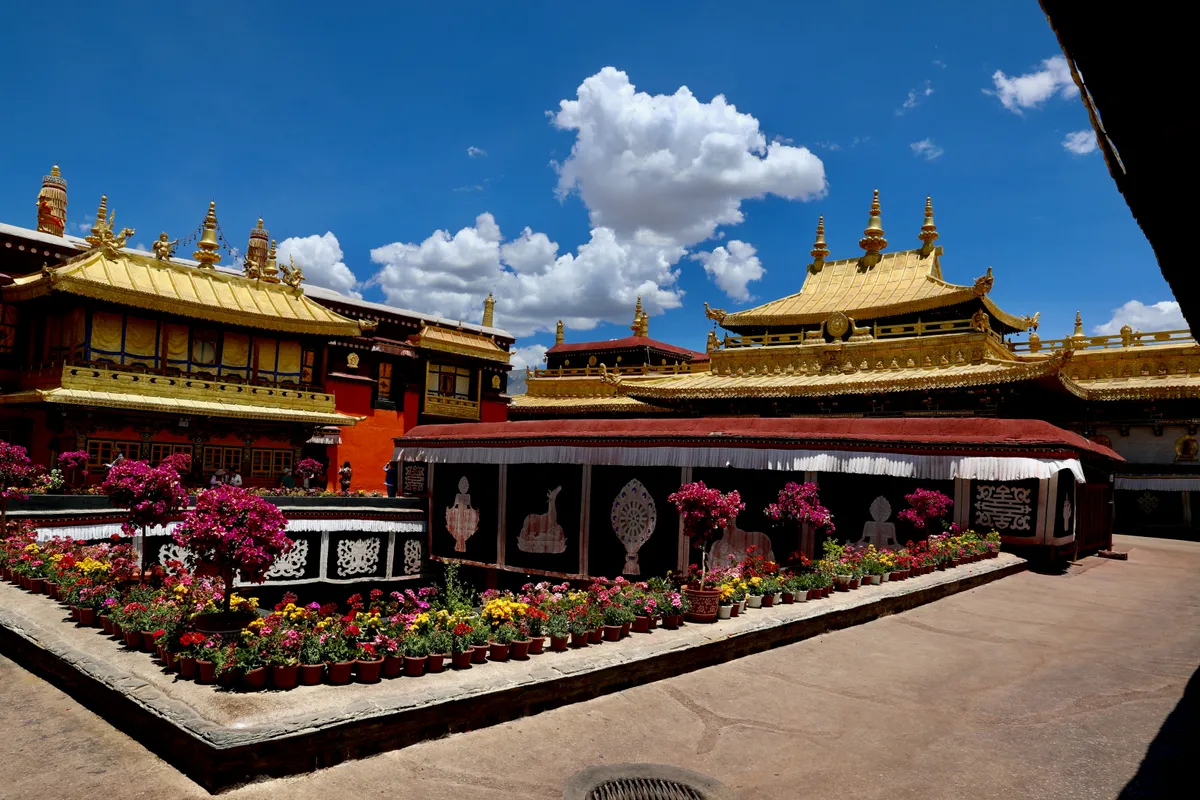
A family retreat is typically a two to five-day residential program with two short practice blocks per day, one in the early morning and one in the late afternoon, with the middle of the day left open for rest, meals and gentle outings. Sessions for children last ten to twenty minutes and use breath counting, listening games, bell practices and short guided visualizations rather than long silent sitting. Parents usually get one adult-focused session per day covering posture, working with distraction and how to guide children at home. The meditation in Nepal programs coordinated by local operators can be adapted for family groups, pairing guided instruction with kid-friendly pacing.
Picture a representative day. You wake before sunrise to a bell, and the whole family walks quietly to a garden or hall. The children practice for fifteen minutes while the adults sit for thirty. Breakfast follows, and by nine the schedule opens up. Afternoons might hold a monastic art session, a short walk to a stupa, or free play in a courtyard while parents take tea with a teacher. Evenings close with a brief gratitude circle and an early bedtime. The rhythm is deliberately gentle, because the point is not hours of stillness. The point is giving every member of the family, whatever their age, a direct and pleasant experience of calm that they will want to repeat.
Can Children Really Meditate, or Is This Just for Parents?
Children can meditate, but not the way adults do, and good family programs are built around that difference. Research on mindfulness in schools consistently shows that short, concrete practices work with young children: following the breath for the length of ten fair breaths, listening to a singing bowl until the sound fades, or a body scan framed as a rocket countdown. What does not work is expecting a seven-year-old to sit in silence for an hour. Nepali teachers, many of whom entered monastic life as children themselves, understand this intuitively and teach accordingly.
Age matters more than talent. Three to six-year-olds do best with movement-based mindfulness: walking slowly between two points, copying simple animal poses, or ringing a bell and raising a hand when the sound disappears. Seven to twelve-year-olds can manage ten to fifteen minutes of seated practice with visual anchors like a candle flame or a colored stone, and they respond strongly to mantra repetition, which is why our guide to mantra meditation with Om Mani Padme Hum translates well to family settings. Teenagers can sit for full-length sessions, and many gravitate toward breathwork; the techniques in our article on pranayama and breathwork at altitude are safe and engaging for adolescents. The honest answer to the question is that children meditate in child-sized doses, and those doses add up.


Where in Nepal Can Families Practice Together?
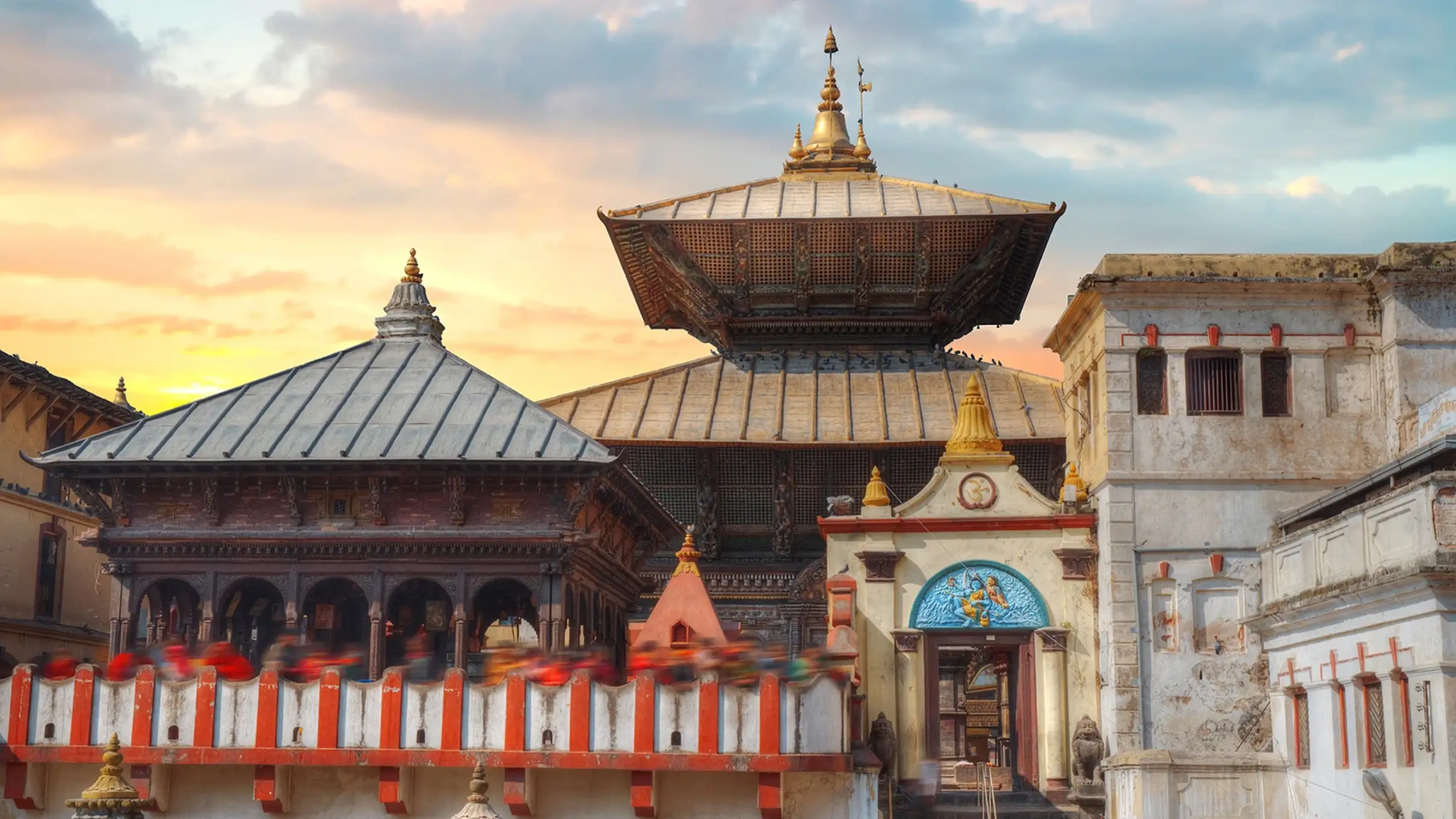
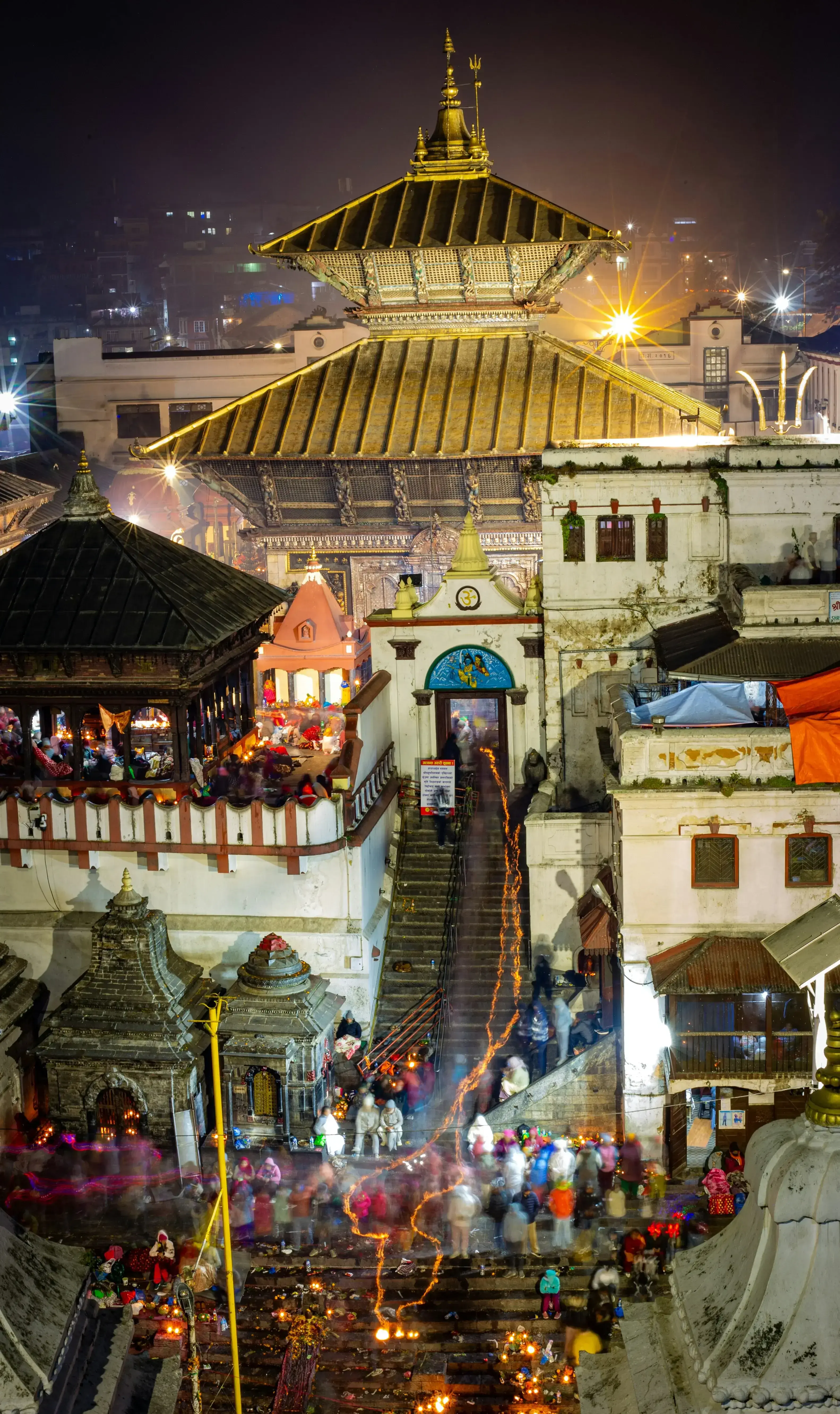
Three hubs dominate family practice. First, the Kathmandu Valley circuit offers monastery guesthouses and wellness centers within an hour of the airport, ideal for short two-day immersions. Children can watch the morning puja at Boudhanath, spin prayer wheels with local kids and join a monastery's visitor session, all without committing to a residential program. Second, Pokhara pairs lakeside calm with family infrastructure: gentle centers, boat rides and easy walking, a combination that works for families blending practice with a holiday. Third, the quieter hill towns such as Bandipur and the monastery belt around Namobuddha offer deeper quiet with simple lodging, best for families whose children are already comfortable travelers.
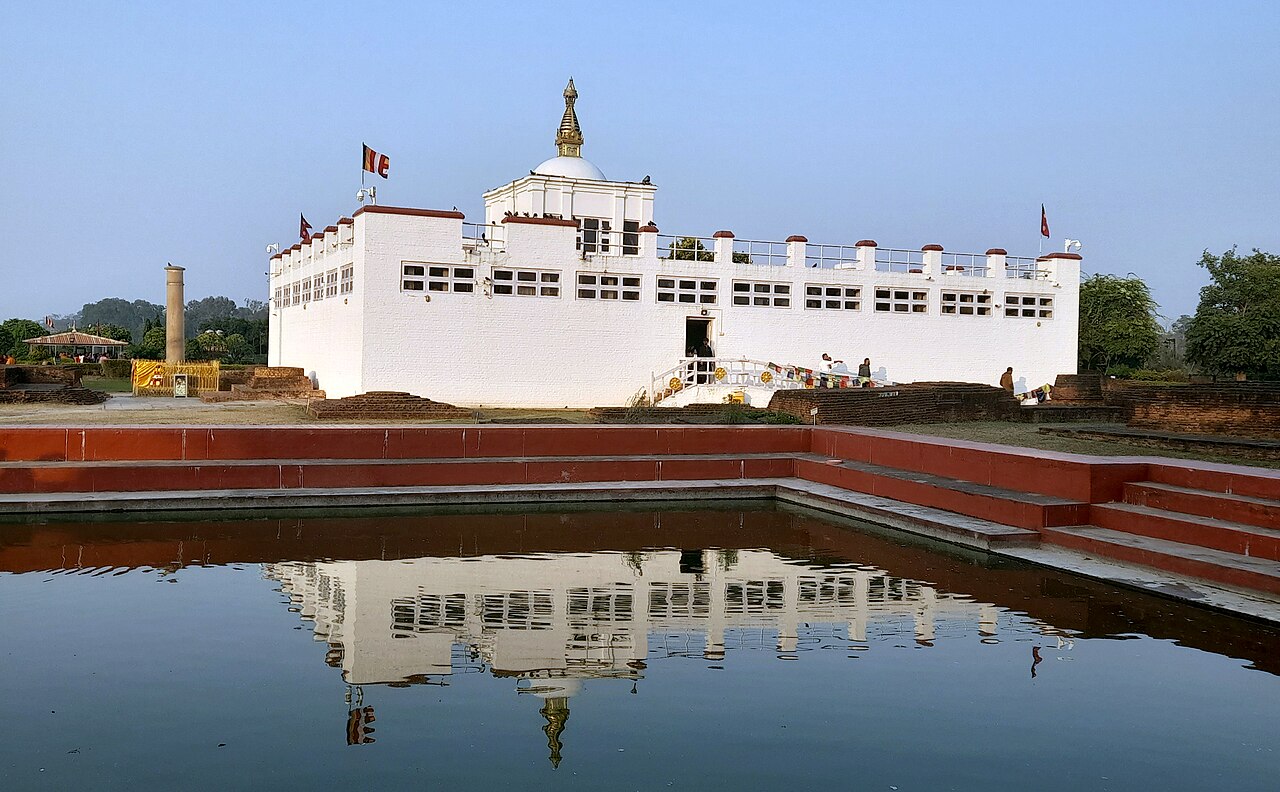
Choosing between them is mostly a question of stamina. If this is your family's first contemplative trip, base in Kathmandu or Pokhara and take day programs. If your children are older and the household already has some quiet routines, a residential stay at a monastery guesthouse is transformative: waking to horns and bells, eating with the community, and seeing monastic children the same age as your own going about their day with remarkable composure. For a fuller picture of how these sites connect, our guide to a first spiritual itinerary in Nepal covers family-feasible pacing, and the overview of cultural and spiritual tours in Nepal frames the whole landscape.

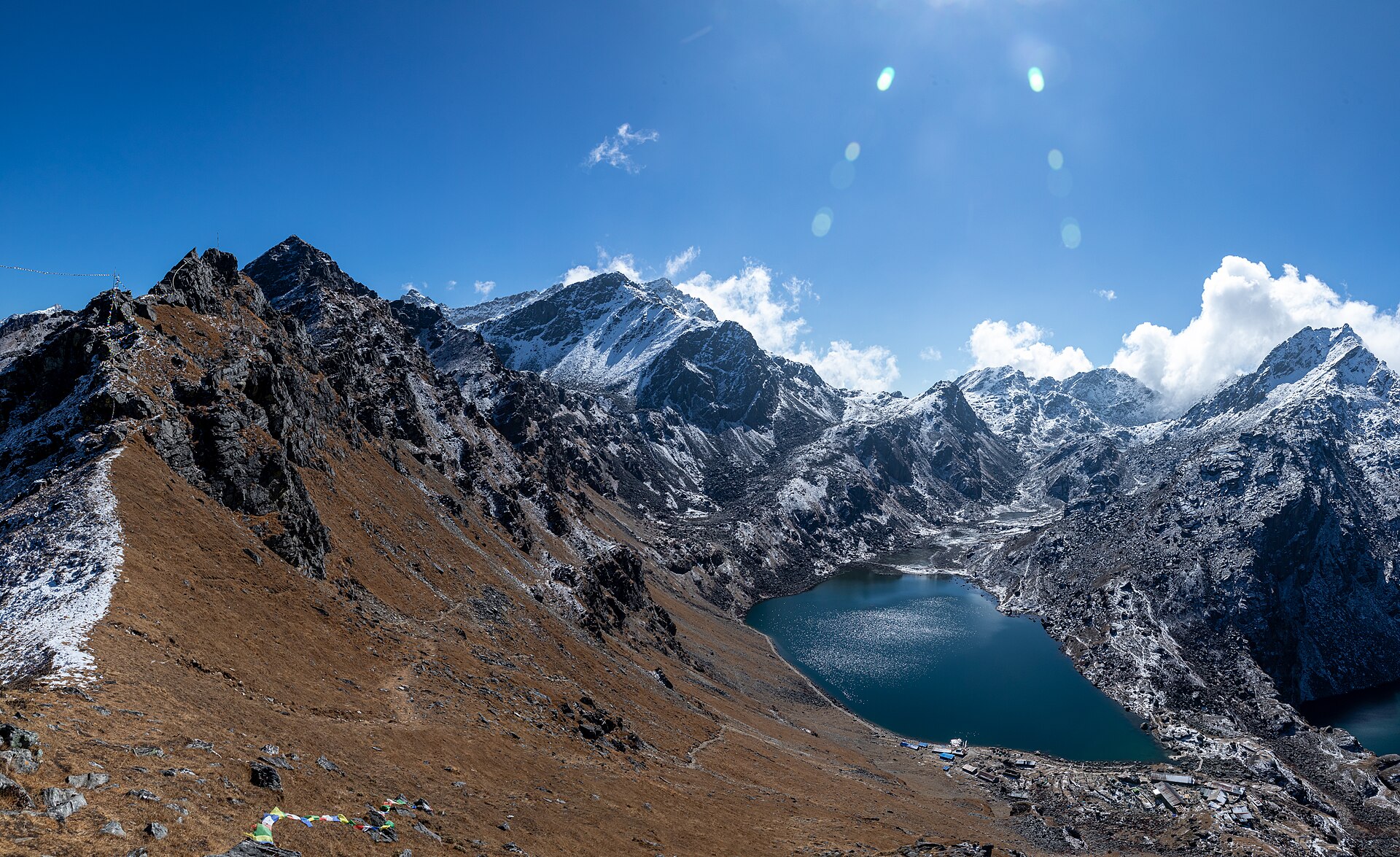

Choosing the Right Retreat Format
Formats fall into three broad shapes, and picking the right one early saves a lot of friction. The day-program model means you stay in your own hotel and join a center or monastery for morning or afternoon sessions. It is the lowest-risk introduction, ideal for children under eight or families on a tighter budget. The residential model means sleeping and eating at the retreat center itself, which deepens the effect considerably because the family's whole environment slows down. The blended model, increasingly common in Pokhara and the Valley, pairs a retreat stay with cultural excursions, and suits families who want practice plus vacation in one package.
Ask five questions before booking any of them. How long is the longest required silent block, and is it optional for children? What is the minimum age? Are meals child-friendly and are snacks available? Is there space to run around, because there must be? And can parents take a session alone while staff watch the children? Centers that answer these questions plainly are the ones that have actually hosted families. For a structured way to evaluate any program, our guide on how to choose a meditation retreat in Nepal includes a checklist that adapts well to family needs.
How Much Does a Family Meditation Retreat in Nepal Cost?
Family retreats are inexpensive by international standards, but the maths works differently from solo retreats because you pay per room and often per head. Expect these ranges for 2026/27. Day programs for a family of four typically run $60 to $120 per day including meals. Residential two-day stays at monastery guesthouses or wellness centers run $180 to $400 for a family room with full board. Longer five-day family programs with teaching, room and board run $500 to $900 for four people. Add guide and transfer costs if you are heading out of the Valley, roughly $30 to $60 per day for a family-sized vehicle with driver.
Three line items surprise families. First, single-supplement logic: many centers price by room, so a family of four in one large room is far cheaper than two couples' rooms, ask directly. Second, donations: monastery guesthouses often operate on suggested donations rather than fixed rates, and the suggested amount for families is usually modest. Third, transport: some beautiful quiet centers sit an hour or more from your hotel, and that transfer cost is real. For a fuller budget frame, see our spiritual tour cost guide from budget to luxury, and if you are weighing a family trek as part of the trip, our complete guide to planning treks in Nepal covers what to expect from family-suitable agencies and routes.
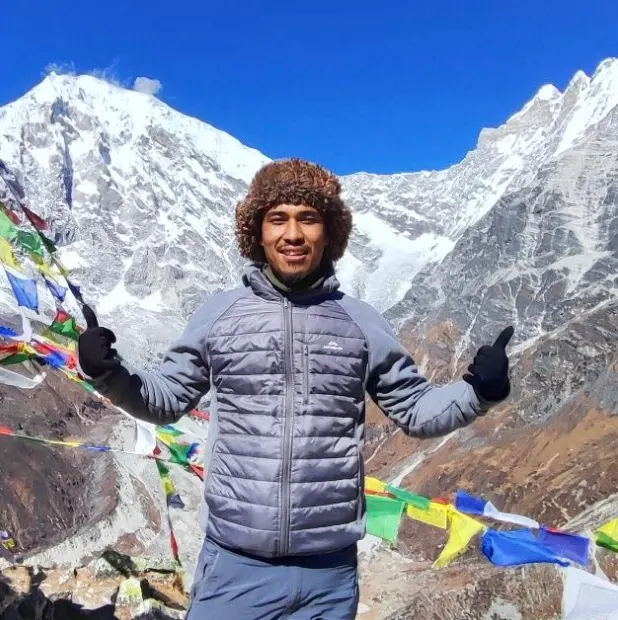
What Does a Typical Family Retreat Day Look Like?
A representative residential schedule, drawn from Valley and Pokhara centers, looks like this. Timings flex with the center and the season.
- 06:30 - Wake bell. Families walk quietly to the practice space; sleepy children can arrive in pajamas and blankets.
- 06:45 - Split practice: children's session with games and bell listening, adults' session on breath and posture, twenty to thirty minutes each.
- 07:30 - Breakfast together: porridge, eggs, flatbread, fruit and warm milk or tea. No screens at the table.
- 09:00 - Family activity block: monastic art, butter-lamp offering, stupa walk with a scavenger-hunt worksheet or garden mindfulness games.
- 12:00 - Lunch, the big warm meal of the day, followed by a full rest hour that younger children genuinely sleep through.
- 14:30 - Optional outing: courtyard games, a short walk to a viewpoint, or free play while parents take a guided sit with a teacher.
- 16:30 - Children's quiet crafts, journaling for teens, tea and a light snack for everyone.
- 18:00 - Light dinner, then a family gratitude circle where each person names one good thing from the day.
- 19:00 - Wind-down: candles, a short story or a lullaby-style guided relaxation, lights out by 20:30.
Notice the rhythm: practice is wrapped in play, rest and food, so children experience stillness as one pleasant part of a very child-respecting day. That structure is the difference between a retreat your family remembers fondly and one you quietly retire from family legend. If you want to preview the adult side of the schedule before committing, our walkthrough of what happens on silent retreats explains the deeper end of the pool that parents may dip into later.
When Is the Best Time of Year for a Family Retreat?
Season shapes everything in Nepal, especially with children in tow. The October to November post-monsoon window is the gold standard: clear skies, stable weather, festival color and the best mountain visibility, with daytime temperatures comfortable in the Valley and Pokhara. March to April spring is the second-best window, warmer and greener with rhododendron bloom at mid elevations, though haze can soften the views by late April. December to February winter is quiet and cheap with crisp mornings, fine for the Valley if your children handle cold, but mountain transfers and hill-town stays get less appealing. June to September monsoon is warm but wet; it works for indoor-centered Valley programs with toddlers, if you accept rain and some flight disruption risk on mountain routes.
One festival-awareness note worth planning around: school holidays in your home country rarely coincide with Nepal's best weather, so most families choose between Christmas week, which falls in the good-but-cold window and books out early, and the summer break, which lands squarely in monsoon. If your only option is June to August, keep the itinerary Valley-based, build rain hours into the plan and treat the monsoon garden as a feature: the smell of rain on warm earth is a mindfulness object in itself. For month-by-month detail, our guide to the best time for a spiritual tour in Nepal translates directly to family planning.
The Family Retreat Packing List
Packing for a family retreat is 80 percent ordinary family travel packing and 20 percent contemplative extras. The ordinary part: layered clothing for cold mornings and warm afternoons, comfortable modest clothing for monastery visits with shoulders and knees covered, sturdy walking shoes, sun protection, refillable water bottles, and the usual pharmacy kit including rehydration salts and pediatric pain relief. The contemplative extras are few and light.
- A small bell or chime for home practice, one your child chooses themselves.
- Comfort objects: a blanket or stuffed animal for early-morning sessions with young children.
- Journals and colored pencils for the craft and reflection blocks, one per child, no sharing required.
- A candle or battery tea-light for evening wind-down rituals you can continue at home.
- Earplugs and an eye mask for parents, because monastery mornings start early.
- Offline entertainment: cards, a small puzzle, paper games for rainy hours and airport waits.
Two things to leave at home: screens, or at least a strict retreat rule around them, and rigid expectations. The full gear rationale lives in our meditation retreat packing list, which families can use as the base checklist. And if you plan to fold a short trek into the trip, the packing sections of our guide to meditation and hiking in Nepal cover what to add for trail days with children.

How Do You Keep Kids Engaged Without Screens?
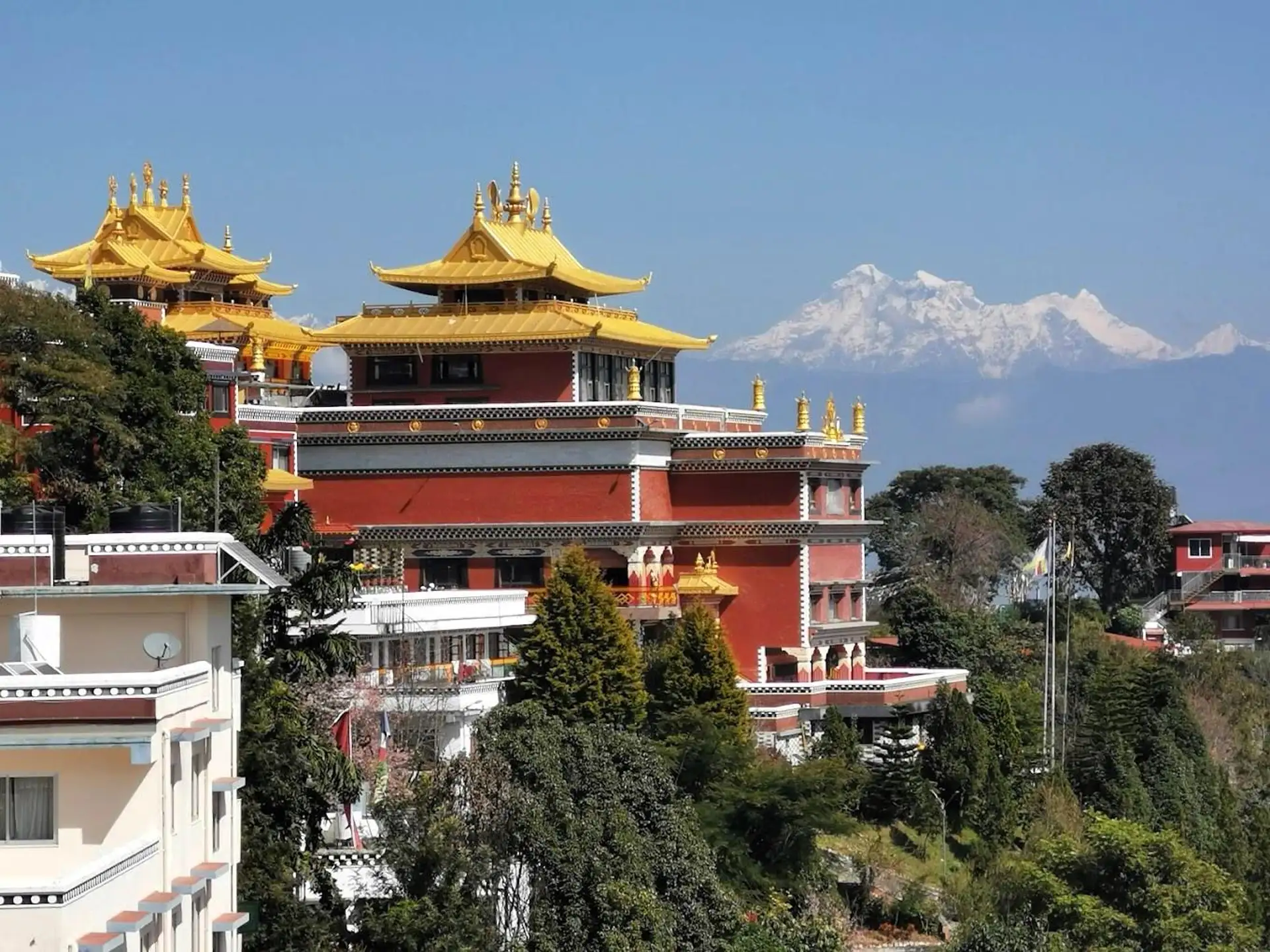
The screen question is the single biggest worry parents raise, and Nepal is unexpectedly strong ground for answering it. Contemplative culture itself supplies the entertainment: singing bowls to listen to, prayer wheels to spin, butter lamps to light, monastery courtyards to explore, and novice monks who are often delighted to show visiting children their world. Add the natural boredom-killers of any Nepali stay, dal bhat arriving with theatrical flair, yaks and street dogs to befriend, mountains that rearrange themselves at sunrise, and you have a genuinely screen-competitive environment.
Tactics that work on the ground: give children jobs, bell-ringer, lineup leader, gratitude-circle opener, because responsibility is more engaging than entertainment. Keep one small surprise in reserve for the hardest hour, usually late afternoon, a paper kite, a bag of roasted soybeans, a new journal. Let teens sleep in and skip a morning session if they need it; forcing adolescents builds resentment that outlasts the retreat. And practice what you preach visibly: children notice whether the adults around them are actually present. If you want to build the groundwork before you fly, our guide to building a daily meditation routine includes habits that work at kitchen tables, not just in monasteries.
Is a Family Retreat Safe? Health, Altitude and Practicalities
Nepal is a safe, forgiving destination for family travel, and the retreat centers used by families sit at modest elevations. Kathmandu Valley sits around 1,300 to 1,500 meters and Pokhara around 900, both comfortably below any altitude-treatment threshold, so altitude illness is not a realistic concern for the retreat itself. If your itinerary climbs higher, say a family trek to Poon Hill at 3,210 meters, follow a gradual profile and know the symptoms; our article on meditation for anxiety relief in the mountains also covers how thin air changes practice for those heading up.
The practical health picture: drink filtered or bottled water, eat hot fresh food, carry pediatric rehydration salts and use hand sanitizer liberally. Tap water is not for drinking anywhere in Nepal. Travel insurance that covers children and medical evacuation is non-negotiable, and it is cheap relative to the peace of mind. Roads are the real risk in Nepal, so choose transfers in daylight, use a reputable operator and avoid night driving. Finally, keep the family's vaccination record current, including routine boosters, and consult a travel clinic for children's specifics. None of this is scary; it is the same common-sense list as any family trip to South Asia, and the retreat environment itself, early nights, simple food, no alcohol, less noise, tends to keep families healthier than a standard vacation.
Bringing the Practice Home After the Retreat
The retreat is the seed; home is where it grows. Families who keep a practice going after Nepal almost always do three things. First, they shrink it: two minutes of family breathing at breakfast beats an ambitious half-hour that collapses by week two. Second, they keep one ritual object from the trip, the bell, the stone, the journal, because objects anchor habits far better than intentions. Third, they tie practice to an existing anchor, the moment after dinner plates are cleared, or the last minute before bed, rather than inventing a new slot that competes with everything else.
Expect an afterglow and then a dip. The first week home, everyone is stilting around being mindful; by the third week the old patterns resurface. That dip is normal and survivable if the practice is small. Parents interested in going further can explore a structured path, from meditation for beginners through to meditation teacher training, while children benefit most from repetition of the simplest forms, which is where the walking meditation techniques families learn in Nepal translate perfectly to school runs and park walks. The goal is not enlightened children. The goal is a household that knows how to find its own quiet.
Planning a family meditation retreat in Nepal is simpler than it looks from a distance: pick a hub, pick a format, pack lightly and keep the practice small. Local teams can shape the guided meditation in Nepal sessions around your children's ages and your family's energy, and the rest of the country, from stupas to teahouses, does much of the teaching on its own. What you come home with is not a perfected household but a shared language of quiet, a bell on the kitchen counter and children who have felt, in their bodies, what it means to be still in the Himalaya. That is a souvenir worth the flight.