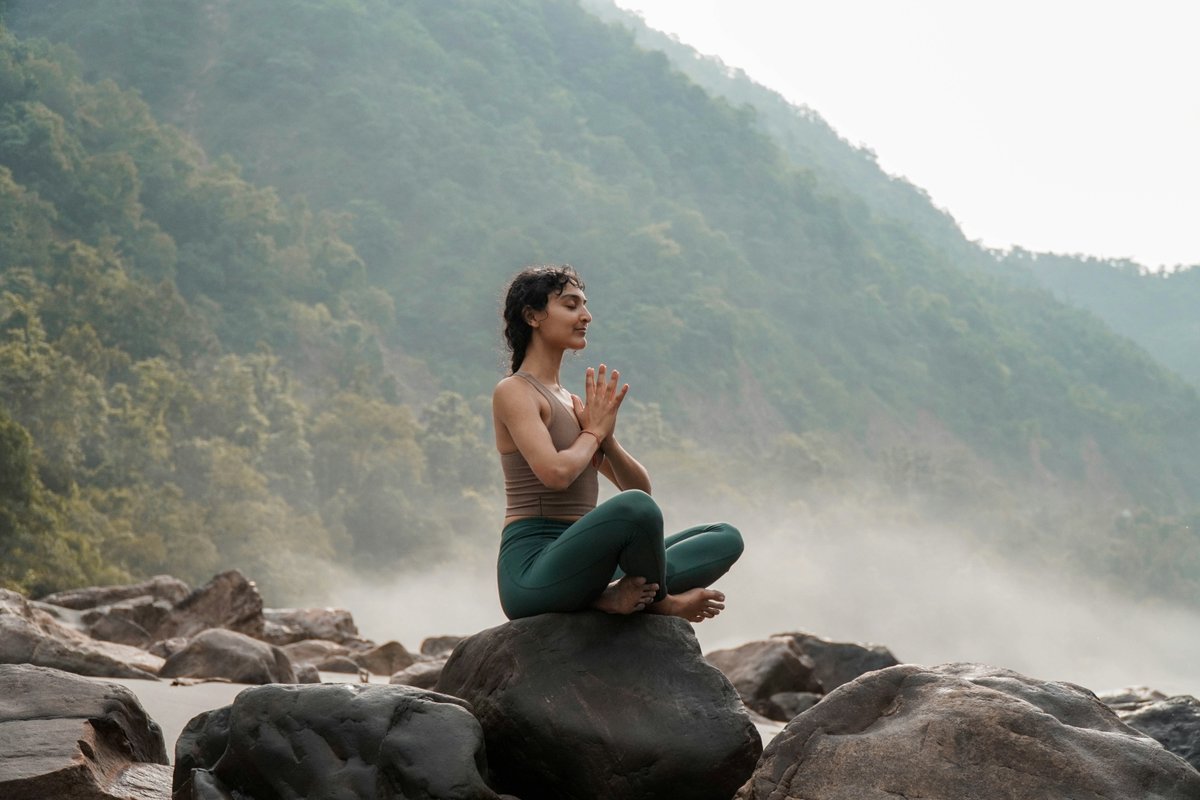
Nepal has long been revered as a spiritual destination, drawing pilgrims and seekers to its monasteries, temples, and mountain hermitages. But you do not need to follow a specific religion or adopt a spiritual belief system to benefit from meditation here. Mindfulness meditation in Nepal offers a secular, evidence-based approach to stress relief, mental clarity, and focused attention that anyone can practice, regardless of background or belief.
Rooted in techniques that have been studied extensively in clinical psychology, mindfulness meditation involves paying deliberate attention to the present moment without judgment. In Nepal, you can learn and deepen this practice in environments uniquely suited to stillness: Himalayan valleys, quiet monastery courtyards, lakeside retreats, and forested hillsides where the noise of modern life simply does not reach. Whether you are a busy professional looking to manage burnout, a student seeking better concentration, or a traveler wanting to return home with a calmer mind, Nepal provides both the setting and the teachers to make mindfulness a lasting habit.
This guide covers what mindfulness meditation is, why Nepal is an ideal place to practice it, the best retreats and centers offering secular programs, how to build a daily routine, and what to expect as a first-time practitioner. We also address common misconceptions, practical logistics, and how mindfulness complements other wellness practices available in Nepal.
What Is Mindfulness Meditation?
Mindfulness meditation is the practice of bringing aware, non-judgmental attention to the present moment. Unlike devotional or religious forms of meditation, mindfulness does not require belief in any doctrine, chanting, or ritual. It is a mental training technique that develops awareness of thoughts, emotions, bodily sensations, and the surrounding environment as they arise and pass.
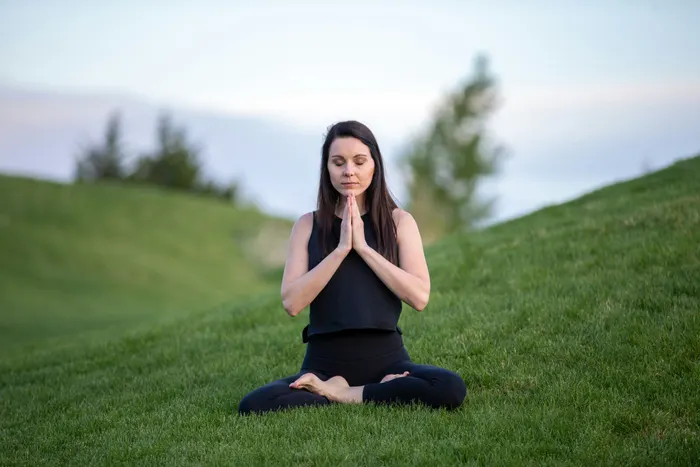
The core instructions are simple: find a comfortable seated position, close your eyes or lower your gaze, and bring attention to your breath. When the mind wanders, as it naturally will, notice where it went and gently return to the breath. This basic cycle of noticing and returning is the heart of the practice. Over time, it trains the mind to remain present rather than being pulled into rumination about the past or anxiety about the future.
Modern clinical research has validated mindfulness meditation as an effective intervention for a range of conditions. Studies published in journals such as JAMA Internal Medicine and The Lancet have shown that mindfulness-based programs reduce symptoms of anxiety, depression, and chronic pain. The practice has been integrated into mainstream healthcare through programs like Mindfulness-Based Stress Reduction (MBSR), developed by Jon Kabat-Zinn at the University of Massachusetts Medical Center in 1979. Today, MBSR and similar secular mindfulness programs are offered in hospitals, schools, and corporate settings worldwide.
In Nepal, mindfulness meditation is taught in both secular and Buddhist-influenced contexts. Many teachers here draw from centuries of Himalayan meditation tradition but present the techniques in a way that is accessible to people of any or no faith. The result is a practice environment where ancient wisdom meets modern psychology, set against some of the most dramatic natural scenery on Earth.
Why Practice Mindfulness in Nepal?
You might wonder why travel halfway around the world to practice something you could do in your living room. The answer lies in three factors: environment, teaching lineage, and community.
Environment: Nepal's landscape is naturally conducive to introspection. The Himalayas provide a sense of scale that puts personal worries into perspective. The clean mountain air, the sound of prayer flags fluttering in the wind, the rhythm of monastery bells, and the sight of dawn breaking over snow-capped peaks all support a mind that is ready to settle. Urban centers like Kathmandu and Pokhara also have quiet corners: gated gardens, lakeside promenades, and retreat centers designed for silence.
Teaching lineage: Nepal sits at the crossroads of Tibetan Buddhism, Hinduism, and indigenous Bon traditions. The meditation teachers here, many of whom have decades of personal practice experience, can transmit techniques that have been refined over generations. Even in secular programs, the depth of this lineage informs the quality of instruction. Teachers are not merely reading from a manual; they are sharing practices they have embodied.
Community: Practicing alone at home can be isolating. In Nepal, you join a community of fellow practitioners from around the world, all committed to the same goal of inner stillness. Group sittings, shared meals, and conversations with teachers create a supportive container that makes it easier to maintain the practice. Many retreatants form lasting friendships and practice networks that continue long after they return home.
For those interested in exploring the broader spiritual landscape, Nepal also offers dedicated meditation activities and programs that range from half-day introductions to multi-week immersive retreats. The country's growing reputation as a wellness destination is reflected in initiatives like the Nepal Wellness Tourism Year 2027, which highlights the intersection of traditional healing and modern well-being practices.

The Science: How Mindfulness Affects the Brain
Neuroscience has made significant strides in understanding what happens in the brain during mindfulness meditation. Functional MRI studies have shown that regular practice changes both the structure and function of key brain regions.
The prefrontal cortex, responsible for executive function, decision-making, and sustained attention, shows increased thickness and activity in experienced meditators. This translates to better focus, improved impulse control, and enhanced ability to plan and prioritize.
The amygdala, the brain's threat-detection center, shows reduced reactivity after mindfulness training. Practitioners become less easily triggered by stressors, recovering more quickly from emotional spikes. This is why mindfulness is increasingly recommended for anxiety, PTSD, and workplace burnout.
The default mode network (DMN), active during mind-wandering and self-referential thinking, becomes less active during meditation. Since excessive DMN activity is associated with rumination and depression, reducing it through mindfulness practice can break the cycle of negative thought loops.
The insula, involved in interoception (awareness of bodily sensations), shows increased activation in meditators. This improves emotional regulation by making practitioners more attuned to the early physical signals of stress, anger, or fear, allowing them to respond rather than react.
These changes are not immediate. Studies suggest that measurable structural changes begin after approximately eight weeks of daily practice, which is why most introductory programs are structured as eight-week courses. However, practitioners often report subjective benefits, including calmer mood and better sleep, within the first two weeks.
Best Retreats and Centers for Secular Mindfulness in Nepal
Nepal offers a growing number of centers where you can learn mindfulness meditation in a secular or non-denominational context. Here are some of the best options, organized by location and program type.
Kathmandu Valley
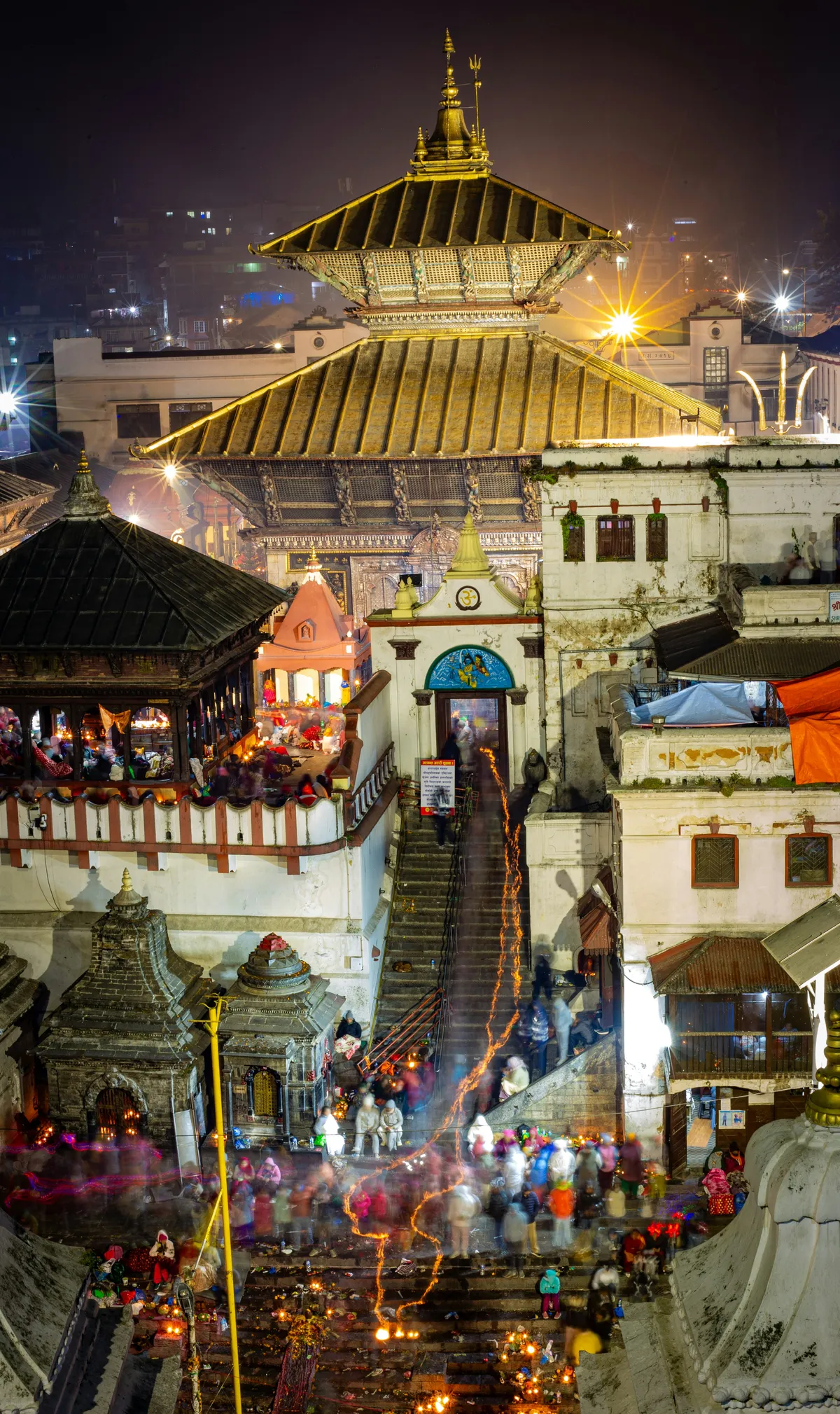
The Kathmandu Valley is home to the country's largest concentration of meditation centers, teachers, and wellness facilities. The valley's three historic cities, Kathmandu, Patan, and Bhaktapur, each offer distinct atmospheres for practice.
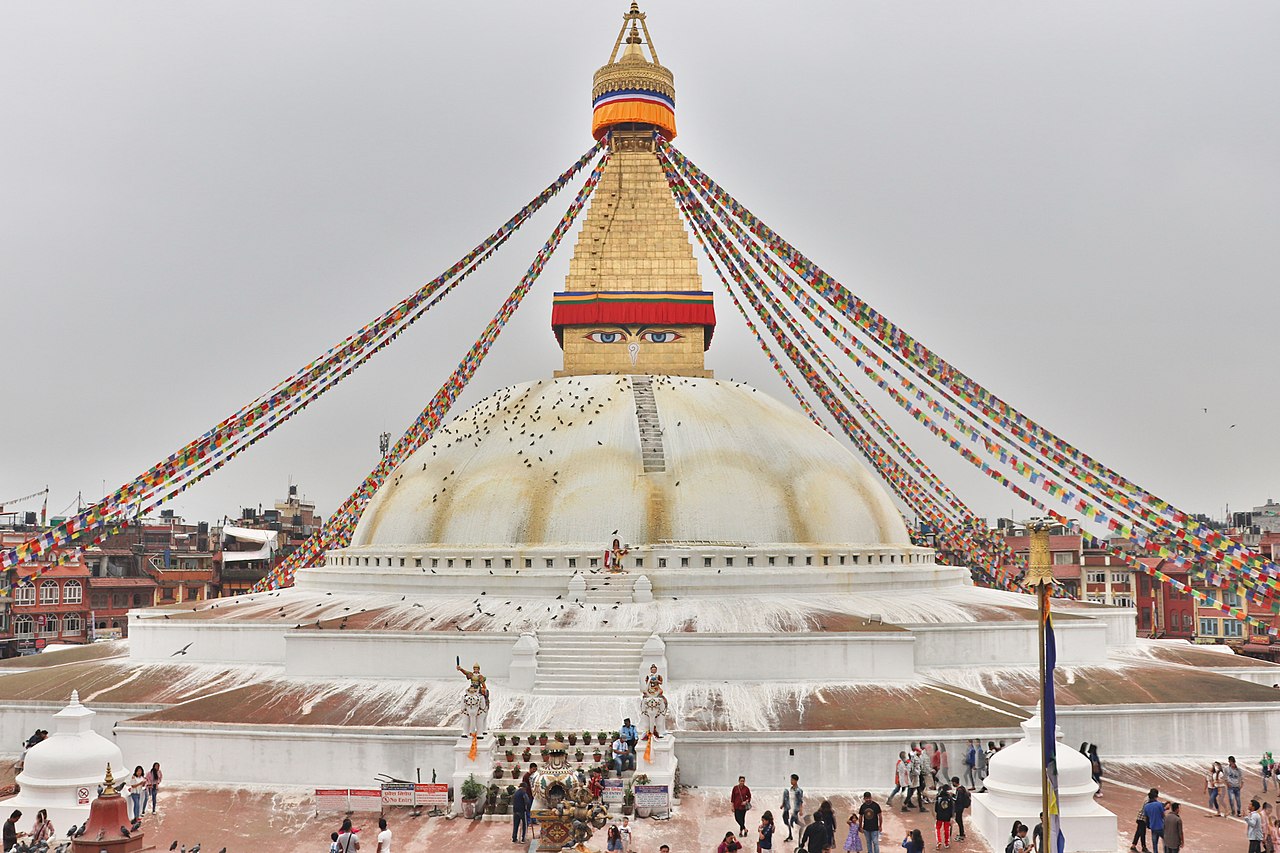
Kathmandu Spiritual Circuit: While primarily a cultural tour, the Kathmandu Spiritual Circuit visits the major sacred sites of the valley, including Pashupatinath, Boudhanath, and Swayambhunath. Many visitors combine this two-day program with a meditation retreat, using the temple visits as an opportunity to practice mindful walking and observation in culturally rich settings.
Sound Healing and Meditation Programs: Several centers in Thamel and Boudhanath offer secular mindfulness courses combined with Himalayan sound healing. The 3-day Yoga and Sound Healing Retreat in Kathmandu is a popular option that introduces basic mindfulness techniques alongside singing bowl therapy, which uses vibration to induce deep relaxation states.

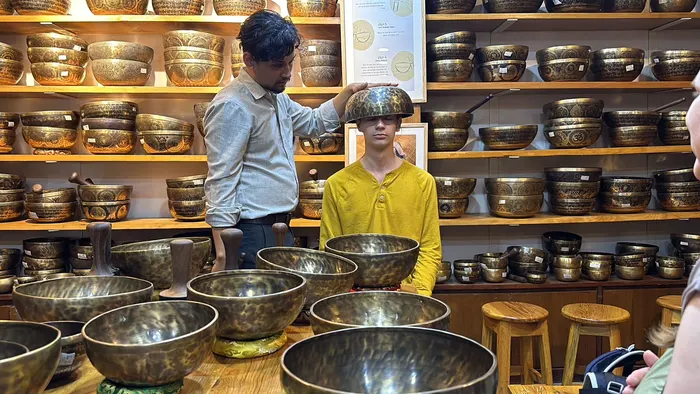
Monastery Etiquette and Meditation Half-Day: For a shorter introduction, the Monastery Etiquette and Meditation half-day program provides a structured introduction to sitting practice in a traditional monastery setting. The focus is on posture, breathing, and basic observation techniques, presented in a way that is accessible to secular practitioners.
Pokhara and the Lakeside
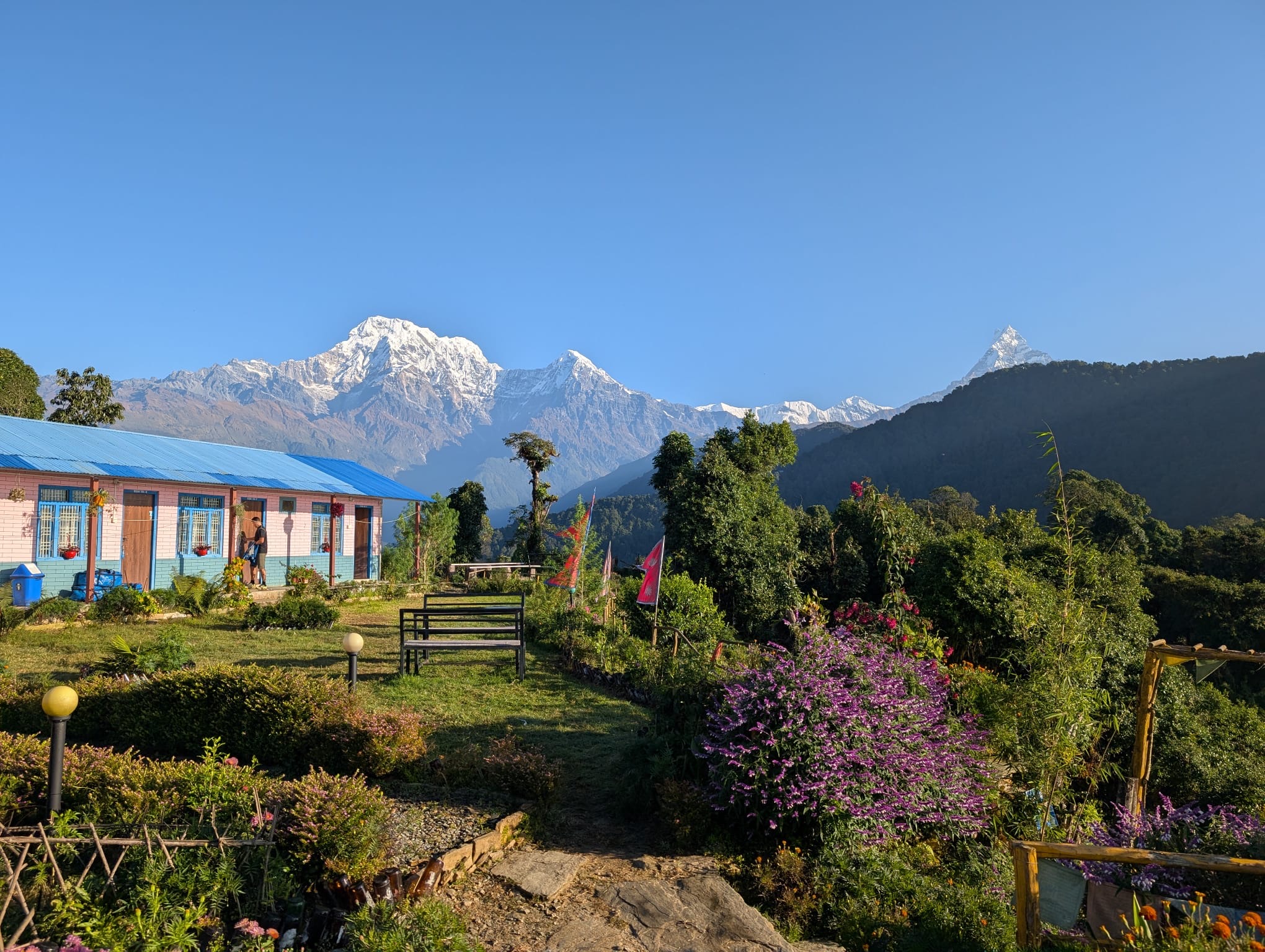
Pokhara, nestled beside Phewa Lake with the Annapurna range rising behind, is arguably Nepal's most serene urban setting for meditation. The lakeside area has a relaxed pace that naturally supports contemplative practice.
The Pokhara Yoga Wellness and Healing Retreat (4 days) combines daily meditation sessions with gentle yoga, breathing exercises, and lakeside walks. The program is designed for beginners and does not require any prior experience. Sessions are conducted in English and focus on practical techniques you can take home.
For a longer immersion, the 6-Day Yoga Stress Management Retreat is built specifically for people dealing with chronic stress, burnout, or anxiety. The curriculum includes daily mindfulness meditation, stress physiology education, journaling prompts, and guided nature walks. It is one of the most explicitly secular programs available in Nepal, with no religious content required.

Lumbini and the Terai
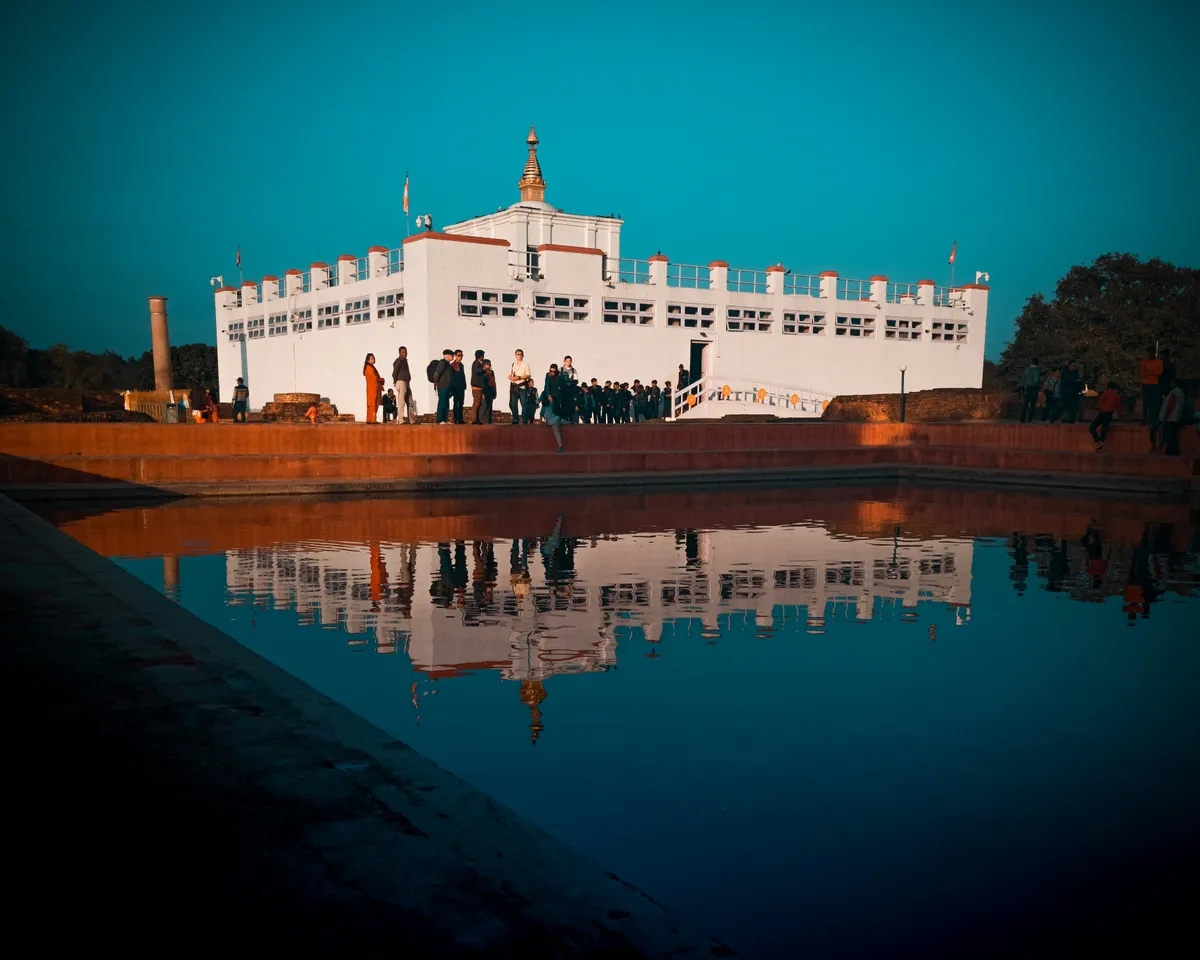
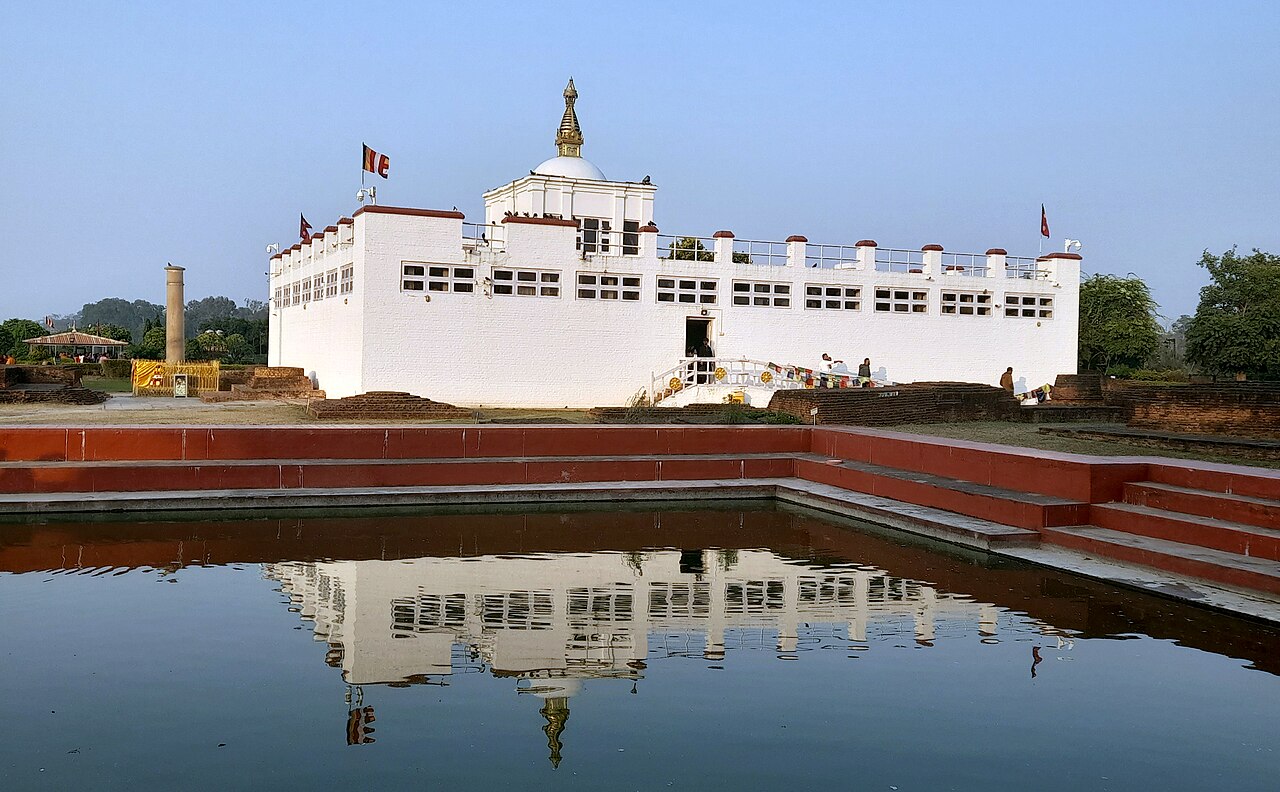
Lumbini, the birthplace of Siddhartha Gautama, is a place of pilgrimage for Buddhists from around the world. But its monasteries and meditation centers also welcome secular practitioners. The peaceful gardens, the Maya Devi Temple, and the monastic zones built by nations from Myanmar to Japan create a uniquely international meditation environment.
While Lumbini is primarily associated with Buddhist pilgrimage, the meditation techniques taught here, especially in the Theravada and Zen traditions, are presented in a way that is compatible with secular practice. Vipassana (insight) meditation, which forms the basis of many modern mindfulness programs, originated in this lineage. For a comprehensive guide to the area, see our 10-day Hindu and Buddhist pilgrimage circuit guide.

Building a Daily Mindfulness Practice
The benefits of mindfulness meditation come from consistent, daily practice rather than occasional long sessions. Even ten minutes a day, maintained over weeks and months, produces measurable changes in attention, emotional regulation, and stress levels. Here is a practical framework for building a daily routine, whether you are at a retreat in Nepal or back at home.
Step 1: Set Up Your Space
Choose a quiet corner where you will not be disturbed. You do not need special equipment. A cushion or folded blanket on the floor is sufficient. If sitting on the floor is uncomfortable, use a chair with your feet flat on the ground. The key is a posture that is upright but relaxed, allowing free breathing without slouching.
Step 2: Start Small
Begin with ten minutes per day. Set a gentle timer. Close your eyes and bring attention to the sensation of breathing at the nostrils or the rise and fall of the abdomen. When you notice the mind has wandered, acknowledge where it went (planning, worrying, remembering), and gently return to the breath. Do not judge yourself for wandering; the act of noticing and returning IS the practice.
Step 3: Gradually Increase Duration
After two weeks of daily ten-minute sessions, increase to fifteen minutes. After a month, try twenty. The goal is not to reach a specific duration but to find a length that challenges you slightly without becoming aversive. Most experienced practitioners settle on twenty to forty minutes per day, but even ten minutes maintained consistently is beneficial.
Step 4: Add Walking Meditation
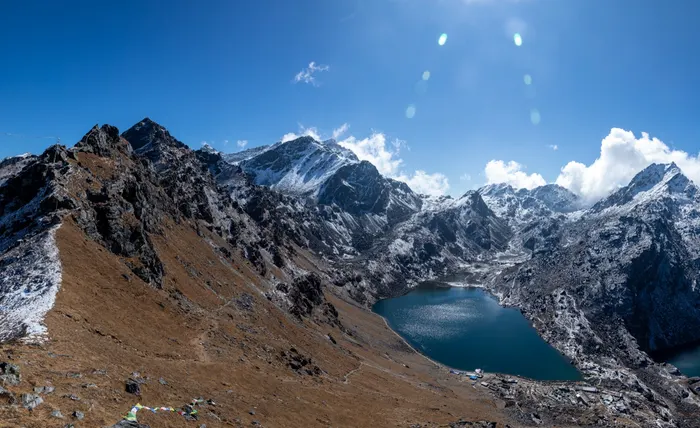
Sitting meditation can be complemented with walking meditation, which is especially relevant in Nepal's beautiful natural settings. Walk slowly, about half your normal pace, and bring attention to the sensation of each foot lifting, moving, and touching the ground. This practice, sometimes called slow trekking and mindfulness, transforms ordinary movement into a meditation practice. It is particularly useful for practitioners who find sitting still difficult or who want to integrate mindfulness into their hiking and travel experiences.
Step 5: Practice Off the Cushion
Mindfulness is not limited to formal meditation sessions. The real practice is bringing present-moment awareness into daily activities: eating, walking, waiting in line, washing dishes. In Nepal, you can practice mindful eating by paying full attention to the flavors and textures of dal bhat. You can practice mindful walking through the alleys of Patan or around the stupa at Boudhanath. These informal practices are where the benefits of meditation translate into real life.
What to Expect as a Beginner
Starting a meditation practice can be both exciting and frustrating. Understanding what to expect can help you persist through the early challenges.
Week 1-2: The mind will wander constantly. You may feel like you are failing because you cannot concentrate for more than a few seconds. This is normal. Every time you notice the wandering and return, you are strengthening the attention muscle. Expect restlessness, physical discomfort from sitting, and occasional drowsiness.
Week 3-4: You will start to notice longer periods of stability. The mind still wanders, but you catch it faster and return more easily. Physical discomfort decreases as your body adapts to the posture. You may notice that you feel slightly calmer during the day or that you respond to small stressors with less reactivity.
Week 5-8: Many practitioners report a qualitative shift during this period. Meditation sessions become more pleasant. The mind feels more spacious. You may notice that you can observe thoughts and emotions without being swept away by them. Sleep often improves, and the background level of anxiety may decrease. These changes motivate continued practice.
Beyond 8 weeks: The practice becomes self-sustaining. You miss it when you skip a day, and you look forward to your sessions. The benefits compound: better focus at work, more patience in relationships, reduced physiological stress markers. The practice has become a habit, not a chore.
Mindfulness for Specific Needs
Stress Relief and Burnout
If you are experiencing chronic stress or burnout, mindfulness meditation offers a research-backed tool for recovery. The practice directly addresses the physiological stress response by activating the parasympathetic nervous system, which counteracts the fight-or-flight response. Regular practice lowers cortisol levels, reduces blood pressure, and improves heart rate variability.
In Nepal, the full-day wellness spa retreat in Kathmandu combines mindfulness sessions with massage and spa therapies, creating a comprehensive stress-recovery program. For a more intensive experience, the half-day wellness spa escape offers a shorter option that fits into a busy travel schedule.
Focus and Productivity
Mindfulness training has been shown to improve working memory, sustained attention, and cognitive flexibility. For professionals, students, and anyone whose work demands concentration, regular practice can be as transformative as physical exercise. The technique of noting, where you mentally label distractions as "thinking," "planning," or "feeling," trains the mind to recognize and release distractions quickly, returning to the task at hand.
Anxiety and Emotional Regulation
Mindfulness-Based Cognitive Therapy (MBCT), which combines mindfulness with cognitive behavioral techniques, has been shown to reduce anxiety symptoms by up to 58% in clinical trials. The practice works by changing your relationship with anxious thoughts: instead of becoming entangled in them, you learn to observe them as mental events that arise and pass. This creates a gap between stimulus and response, giving you the choice to act differently.
Mindfulness and Other Healing Practices in Nepal
One of the advantages of practicing mindfulness in Nepal is the opportunity to combine it with other traditional healing modalities. These complementary practices can deepen the benefits of meditation and address different aspects of well-being.
Yoga: The most natural complement to mindfulness, yoga develops the physical flexibility and breath awareness that support seated meditation. Yoga and meditation retreats in Nepal typically include daily asana practice, pranayama (breathing exercises), and sitting meditation, creating a holistic mind-body program. The 4-Day Yoga and Reiki Healing Retreat is a good example, combining yoga, meditation, and energy healing.

Sound Healing: Himalayan singing bowls produce vibrations that induce deep relaxation states similar to those achieved in meditation. A 3-day sound therapy retreat can be an excellent way to experience the intersection of mindfulness and vibrational healing. Many practitioners find that sound healing sessions help them access meditative states more easily, which supports their seated practice.
Ayurveda: Traditional Ayurvedic medicine offers dietary and lifestyle recommendations that support mental clarity. Ayurveda and Panchakarma treatments in Nepal can cleanse the body and balance the doshas, creating a physical foundation that supports meditation. The principles of Ayurveda also include recommendations for daily routine (dinacharya) that align naturally with a meditation schedule.
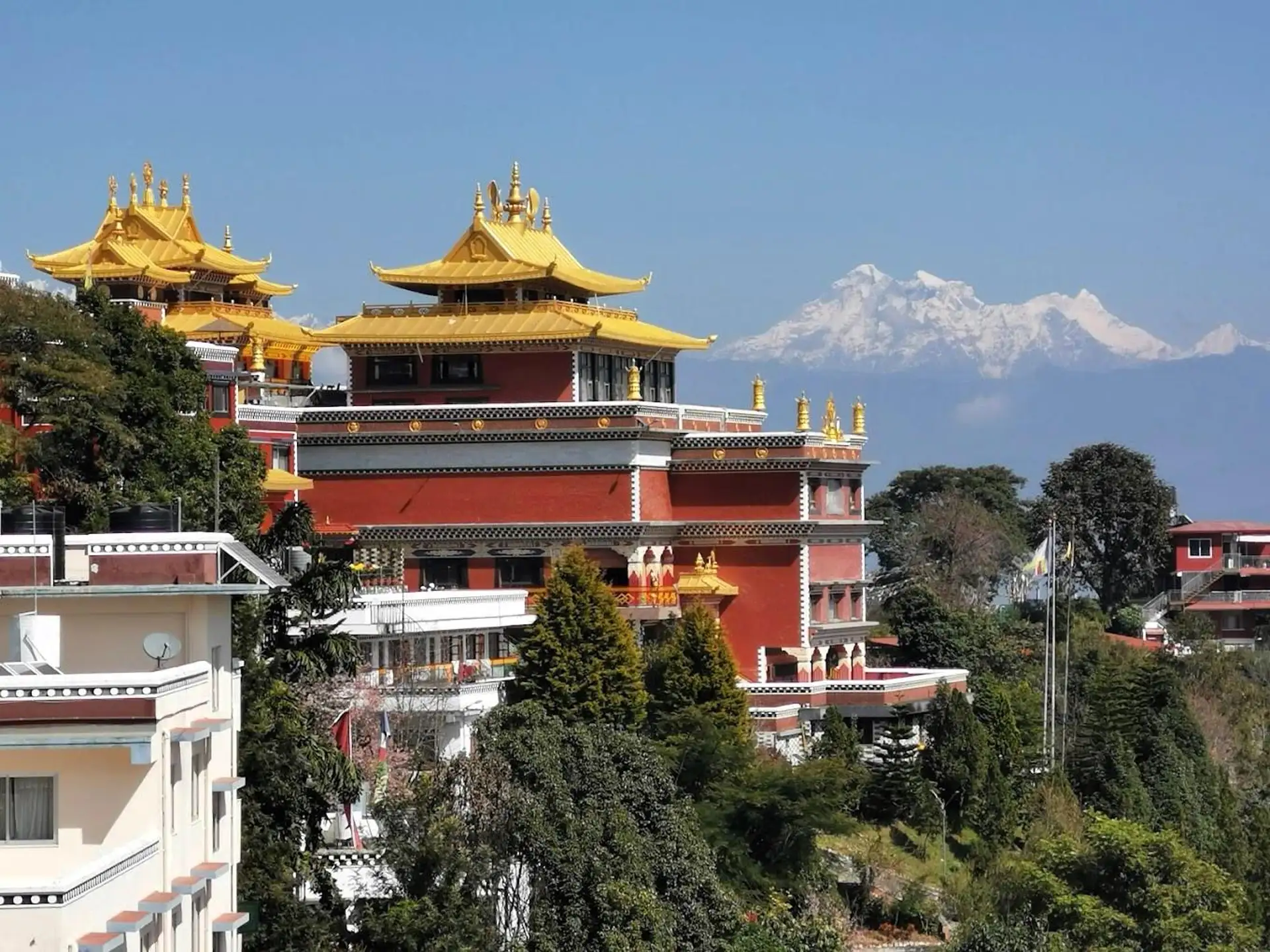
Reiki: Energy healing practices like Reiki complement mindfulness by addressing energetic blockages that may underlie physical or emotional tension. Some retreats in Nepal combine meditation instruction with Reiki sessions, allowing practitioners to experience both cognitive and energetic approaches to well-being.
Practical Logistics: Planning Your Mindfulness Trip
When to Go
The best seasons for a meditation retreat in Nepal are spring (March to May) and autumn (September to November). During these months, the weather is mild, the skies are clear, and mountain views are spectacular. Autumn is particularly popular because the monsoon has washed the air clean and the temperatures are comfortable for both indoor and outdoor practice.
Winter (December to February) is also viable for retreats in the Kathmandu Valley and Pokhara, though mountain regions can be very cold. The advantage of winter is fewer tourists and lower prices. Summer or monsoon season (June to August) brings rain and cloud cover, but valley-based retreats remain operational, and the lush green landscape has its own beauty.
What to Pack
For a meditation retreat, pack comfortable, loose-fitting clothing in layers. Bring a shawl or light blanket for cool mornings. Comfortable walking shoes are essential if you plan to combine sitting practice with walking meditation outdoors. A refillable water bottle, sunscreen, and a hat for outdoor sessions are also recommended. Most retreat centers provide cushions and mats, but if you have a favorite meditation cushion, you may bring it.
How Long to Stay
For a first introduction, a 3 to 4 day retreat is sufficient to learn the basic techniques and experience the benefits. For deeper immersion and to establish a daily routine, 6 to 9 days is ideal. The 7-Day Yoga Retreat with Sightseeing balances practice sessions with cultural exploration, making it a good choice for those who want both meditation and travel experiences. For the most comprehensive experience, the 9-Day Luxury Yoga Wellness Himalayan Escape provides an extended program in premium accommodations.
Common Misconceptions About Mindfulness Meditation
"Meditation is about emptying the mind." This is the most common misconception. Mindfulness is not about stopping thoughts or achieving a blank mind. It is about changing your relationship with thoughts: observing them without identification or judgment. Thoughts will continue to arise; the practice is learning to let them pass like clouds rather than getting entangled in them.
"You need to be religious or spiritual." Mindfulness meditation as practiced in clinical and secular contexts requires no belief system. The techniques are mental training exercises, not devotional practices. While they originated in Buddhist traditions, they have been studied and validated independently of any religious framework. People of all faiths and no faith practice mindfulness effectively.
"It takes years to see benefits." Research shows measurable changes in brain function and subjective well-being after just eight weeks of daily practice. Many practitioners report benefits within the first two weeks. The key is consistency, not duration. Ten minutes daily is more effective than two hours once a week.
"Meditation is relaxing." Sometimes it is, sometimes it is not. Meditation can bring you face to face with uncomfortable emotions, restlessness, or boredom. The goal is not relaxation but awareness. Relaxation is often a byproduct, but expecting it can create resistance when it does not appear. Approach the practice with curiosity rather than a specific goal.
"I cannot meditate because my mind is too busy." This is like saying you cannot exercise because you are too weak. A busy mind is the reason to practice, not a barrier to it. Every practitioner, even those with decades of experience, encounters mind-wandering. The practice is the returning, not the staying.
Mindfulness and Trekking: A Natural Combination
Nepal's trekking routes offer a unique opportunity to combine physical activity with mindfulness practice. Long days of walking through mountain landscapes naturally induce a meditative state, especially when approached with intention. The rhythmic pace of trekking, the focus required for navigating terrain, and the extended periods away from phones and internet create ideal conditions for present-moment awareness.
The 5-Day Yoga Retreat with Hiking explicitly combines meditation, yoga, and trekking. For a more challenging option, the 9-Day Annapurna Yoga Trek integrates daily yoga and meditation sessions with trekking through the Annapurna foothills, culminating in a sunrise view from Poon Hill. These programs demonstrate how mindfulness and mountain walking enhance each other.
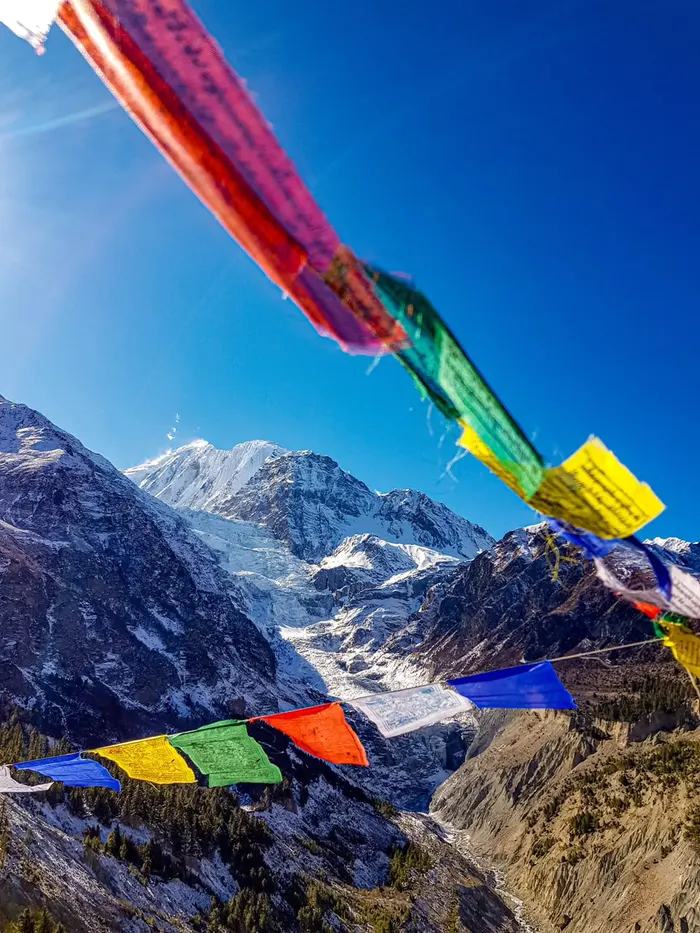
For practitioners who want to explore the deeper spiritual dimensions of trekking, spiritual tours in Nepal offer structured itineraries that combine temple visits, meditation sessions, and gentle trekking. The spiritual tour cost guide provides budget breakdowns for different levels of comfort and duration.
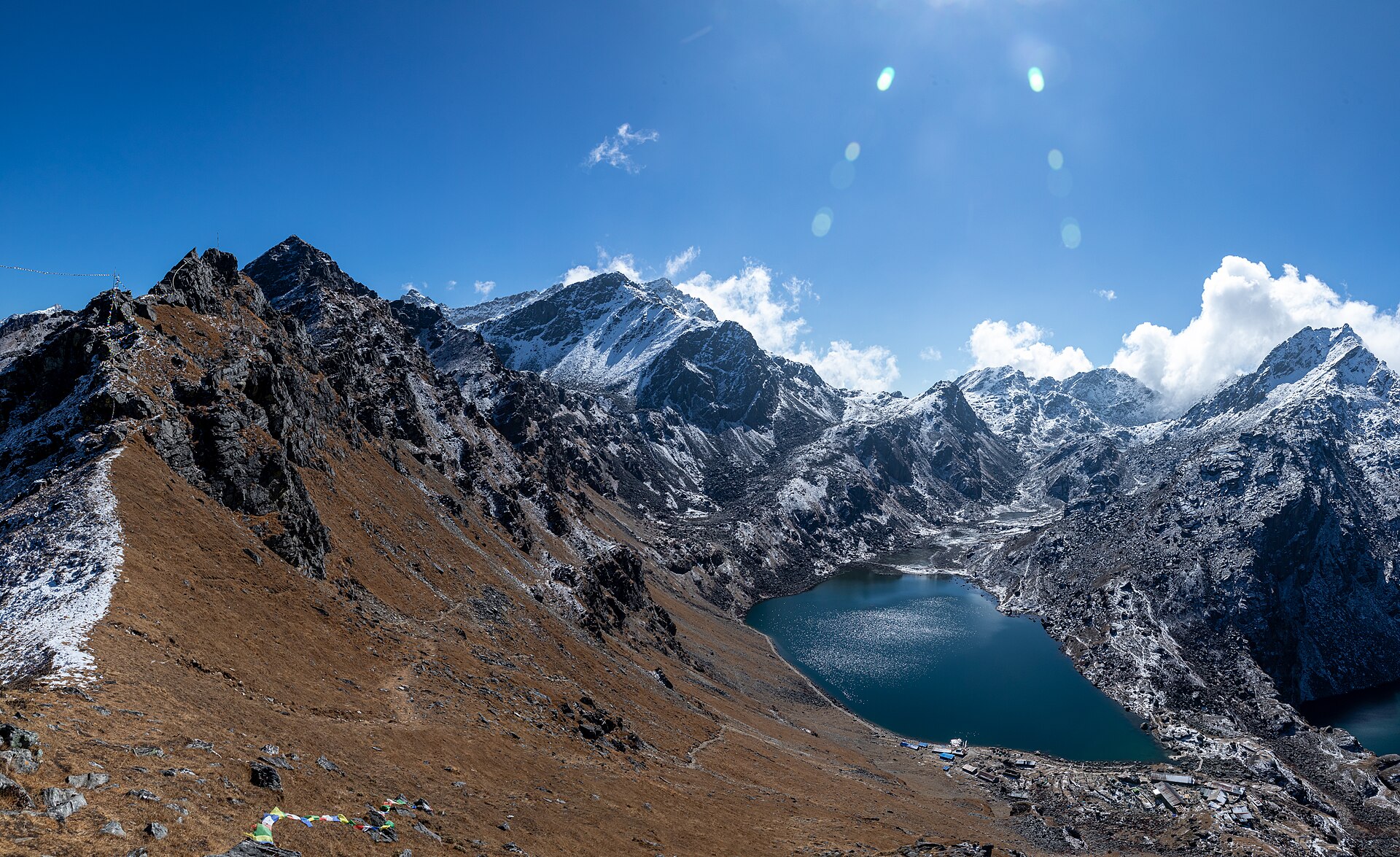
The Role of Mindfulness in Nepal's Wellness Future
Nepal is positioning itself as a global wellness destination, and mindfulness meditation is central to that vision. The government's designation of 2027 as Nepal Wellness Tourism Year signals a commitment to developing the infrastructure, training, and quality standards needed to make the country a leader in contemplative tourism.
This development is not without challenges. Ensuring that meditation programs maintain quality and authenticity as demand grows is critical. Some centers prioritize rapid expansion over depth of training. Travelers should research teachers and programs carefully, looking for instructors with substantial personal practice experience and recognized credentials.
The growth of wellness tourism also raises questions about cultural appropriation and the commodification of spiritual traditions. Responsible operators address this by ensuring that local communities benefit economically, by respecting the religious contexts from which these practices emerge, and by presenting techniques accurately rather than diluting them for mass consumption. For more on ethical travel in Nepal, see our guide to the 2026/27 pillar guide to sacred sites and wellness.
The intersection of traditional healing and modern mindfulness is also explored in practices like Reiki and sound therapy in Kathmandu, which demonstrates how Nepal's capital has become a hub for integrative wellness approaches that bridge ancient and contemporary methods.
Choosing the Right Program for You
With so many options available, how do you choose the right mindfulness program in Nepal? Consider these factors:
Your experience level: If you are completely new to meditation, start with a 3 to 4 day introduction program. These teach basic techniques and give you a chance to see if the practice resonates. If you already have a daily practice, a longer retreat (7+ days) will help you go deeper.
Your goals: If stress relief is your primary goal, look for programs that explicitly address stress management. If you want to improve focus and productivity, seek out programs that teach concentration techniques alongside mindfulness. If you are interested in the cultural context, choose a program that includes visits to monasteries and sacred sites.
Your budget: Nepal offers mindfulness programs at every price point. Budget options start at around $100 for a multi-day program with shared accommodation. Mid-range retreats cost $200 to $500 for 3 to 6 days with private rooms. Luxury programs can exceed $1,000 for extended stays with premium amenities. The cost guide for spiritual tours provides detailed budget breakdowns.
Your preferred location: Kathmandu offers the most options and easiest access. Pokhara provides a more relaxed, scenic environment. Lumbini offers a historically significant setting for Buddhist-influenced practice. Mountain retreats offer the most isolation and natural beauty but require more logistical planning.
Related Guides to Deepen Your Journey
Mindfulness meditation is one gateway to a broader world of contemplative practice in Nepal. These related guides will help you explore further:
- Meditation in Nepal: The Complete Beginner's Guide - the foundational guide to all meditation types available in Nepal
- Vipassana Meditation in Nepal: 10-Day Silent Retreats - the most intensive mindfulness program available in the country
- Buddhist Meditation in Nepal: Monastery Stays - explore the traditional roots of mindfulness in a monastic setting
- Yoga and Meditation Retreats in Nepal - combine physical practice with mental training
- Sound Healing Meditation in Nepal - explore vibrational approaches to meditative states
- Slow Trekking and Mindfulness in Nepal - bring mindfulness onto the trail
- Kathmandu Spiritual Circuit Guide - visit the sacred sites that inspire meditation practice
- Shamanic Healing in the Himalayas - explore Nepal's indigenous healing traditions
For a broader overview of spiritual travel in Nepal, the complete guide to cultural and spiritual tours in Nepal covers heritage sites, pilgrimage routes, and wellness practices across the country. If you are planning a trekking-focused trip alongside your meditation retreat, the guide to choosing the best trekking agency in Nepal for 2026 will help you find a reliable operator for the trail portions of your journey.
Mindfulness meditation in Nepal is more than a retreat or a vacation activity. It is an investment in your mental well-being that pays dividends long after you return home. The techniques you learn here, practiced in the shadow of the world's highest mountains, become tools you carry for life. Whether you come for stress relief, improved focus, or simply a desire to slow down, Nepal offers the environment, the teachers, and the community to make mindfulness a permanent part of how you live.
Whether you are seeking a structured meditation program in Nepal or simply a quieter way to travel, the practice of mindfulness meets you where you are. Begin with a single breath. The mountains will do the rest.