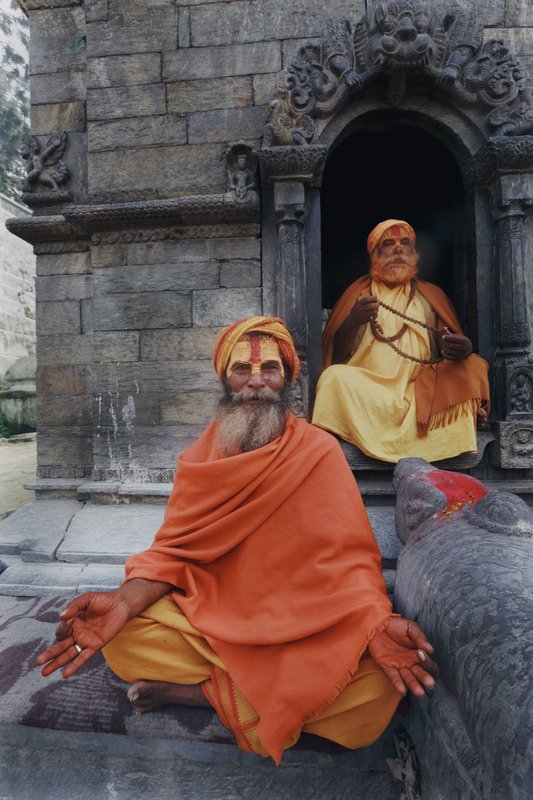
Imagine spending three, seven, or even ten days without speaking a single word. No phone, no conversation, no social media, no noise. Just you, your breath, and the Himalayan silence. A silent meditation retreat in Nepal is not a luxury escape or a wellness trend. It is one of the most profound experiences a traveler can have, and Nepal has been a destination for this practice for over 2,500 years. Whether you are a seasoned meditator or someone who has never sat still for more than five minutes, this guide will walk you through exactly what happens when you stop talking.
Nepal offers a unique combination that few countries can match: ancient meditation lineages still taught by living masters, monasteries nestled in Himalayan valleys, affordable retreat fees (many are donation-based), and a culture that deeply respects silence as a spiritual practice. If you are considering a meditation retreat in Nepal, this article covers everything from daily schedules and costs to the psychological and physical changes you can expect.
What Is a Silent Meditation Retreat?
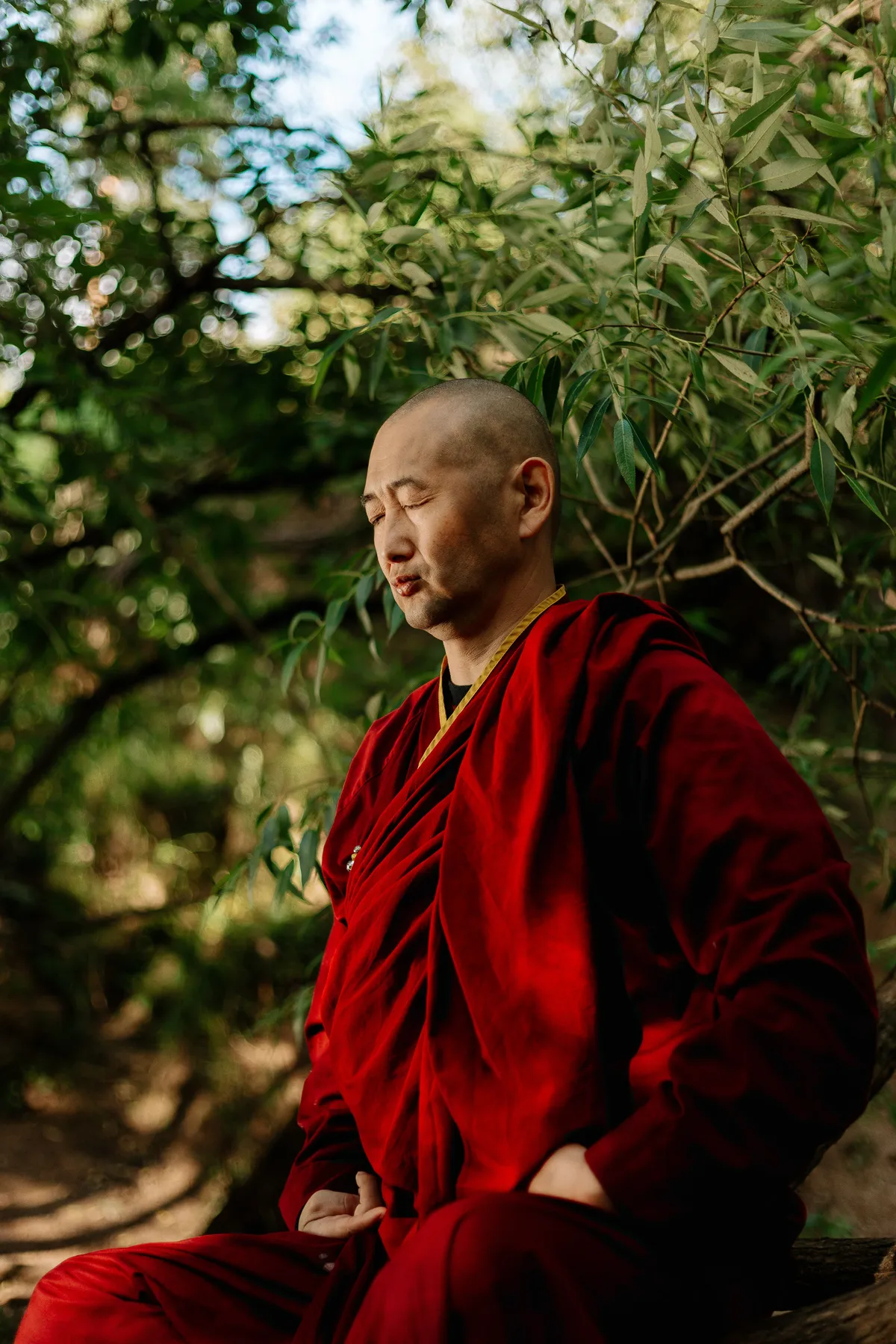
A silent meditation retreat is a structured period, usually ranging from two to ten days, where participants refrain from speaking, reading, writing, using phones, or engaging in any form of communication. The silence is not just about keeping your mouth shut. It extends to eye contact, gestures, and even the internal monologue that fills most of our waking hours. The goal is to turn awareness inward and observe the mind without distraction.
In Nepal, silent retreats are rooted in two major traditions. The Buddhist Vipassana tradition, brought to Nepal through the Theravada lineage, emphasizes observing bodily sensations and mental phenomena. The Tibetan Buddhist tradition, practiced widely in monasteries across the Himalayan region, incorporates visualization, mantra, and analytical meditation. Both paths use silence as the container that makes deep meditation possible.
Why Choose Nepal for a Silent Retreat?
You could do a silent retreat anywhere. A quiet room in your own city would technically work. So why travel to Nepal? The answer lies in three things: lineage, environment, and cost.
First, Nepal has unbroken meditation lineages that stretch back to the Buddha himself. The teachers at monasteries and retreat centers in the Kathmandu Valley, Lumbini, and Pokhara are often monks and nuns who have spent decades in practice. They are not wellness coaches or certified mindfulness facilitators. They are practitioners who have lived the path. When you sit in silence under their guidance, you are tapping into a transmission that no app or online course can replicate.
Second, the environment matters. The Himalayan foothills, the lakeside stillness of Pokhara, the sacred groves of Lumbini, and the tucked-away monasteries of the Kathmandu Valley offer a natural silence that amplifies internal stillness. Birds, wind in the trees, distant temple bells: these are the only sounds you hear during a retreat in Nepal. The land itself seems designed for introspection.
Third, cost. Many Vipassana centers in Nepal operate on a donation basis. You pay what you can, or nothing at all. Monastery stays often cost less than $10 per day including food. Compare this to silent retreats in Europe or North America, which can run $500 to $2,000 for a weekend, and the value becomes obvious. For more on how Nepal positions itself as a wellness destination, read about Nepal Wellness Tourism Year 2027 and what travelers need to know.

What Actually Happens During a Silent Retreat?
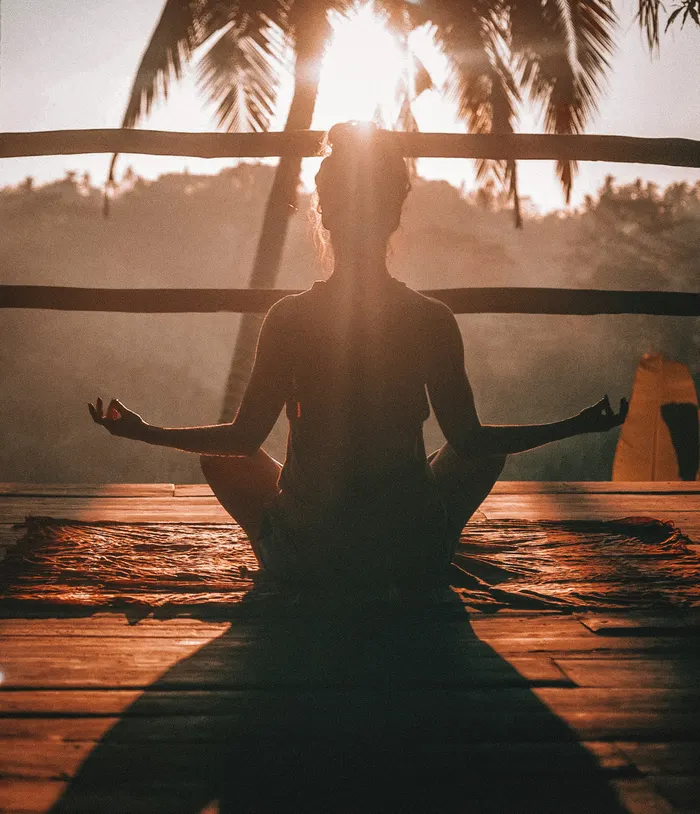
This is the question everyone asks. The short answer: not much, externally. The long answer: everything, internally. Let me walk you through a typical day.
The Daily Schedule
A standard silent retreat day starts early, often at 4:00 or 4:30 AM. Here is a typical schedule based on Vipassana centers and monastery retreats in Nepal:
- 4:30 AM - Wake-up bell. You get up, wash, and make your way to the meditation hall.
- 5:00 AM - Morning meditation session (sitting and walking meditation, usually 90 minutes).
- 6:30 AM - Breakfast. Eaten in silence. Simple food: rice porridge, flatbread, lentils, vegetables, tea.
- 7:30 AM - Rest or walk in the gardens. Many retreatants use this time for slow walking meditation outdoors.
- 8:00 AM - Group sitting meditation (60-90 minutes).
- 9:30 AM - Walking meditation or individual practice.
- 11:00 AM - Lunch (the main meal of the day, eaten in silence).
- 12:00 PM - Rest period. Some centers encourage lying down or light stretching.
- 1:00 PM - Afternoon meditation sessions (alternating sitting and walking, 2-3 hours).
- 4:00 PM - Tea break (light snack, no solid food after noon in many traditions).
- 5:00 PM - Evening group sitting (60-90 minutes).
- 6:30 PM - Dharma talk or recorded teaching (the one time you "receive" information, still without speaking).
- 8:00 PM - Final sitting of the night (30-60 minutes).
- 9:00 PM - Lights out.
That is roughly 8 to 10 hours of meditation per day. It sounds grueling, and on day two or three, it often feels that way. But by day five or six, the mind begins to settle, and the schedule becomes a rhythm rather than a burden.
The Noble Silence
The silence is called "noble silence" in the Vipassana tradition. It means no speaking, no reading, no writing, no music, no phones, no eye contact with other participants, and no gestures beyond what is necessary for basic logistics like pointing at food. You are not even supposed to look at others meditating. The silence is not antisocial. It is a tool. By cutting off all external input, the mind is forced to confront itself.
The Three Phases of a Silent Retreat
Most silent retreatants experience three distinct phases during a multi-day retreat. Understanding these beforehand helps you push through the difficult middle phase.
Phase 1: The Noise (Days 1-3)
The first few days are loud. Not externally, but internally. Without the distraction of conversation and screens, your mind floods with thoughts. You replay conversations, worry about work, plan meals, fantasize about leaving, and feel physical discomfort from sitting still for hours. Many first-timers consider quitting on day two or three. This is normal. The mind is detoxing from stimulation, and it fights back hard.
Phase 2: The Stillness (Days 4-6)
Somewhere around day four, the internal chatter starts to thin out. You notice gaps between thoughts. Your body adjusts to the posture. Walking meditation becomes genuinely pleasant. You start noticing things you never noticed before: the texture of your breath, the way tension builds in your shoulders, the sound of a single bird outside the hall. This is where the real work begins.
Phase 3: The Clarity (Days 7-10)
In the final days, many retreatants report a sense of clarity that is hard to describe. Not euphoria, not a vision, not a mystical experience. Just clarity. Things feel simple. The mind is quiet. Decisions that felt overwhelming before the retreat suddenly seem obvious. You see your patterns, your habits, your reactions with a detachment that was impossible when you were in the middle of them. This is the fruit of the practice.
Types of Silent Retreats Available in Nepal
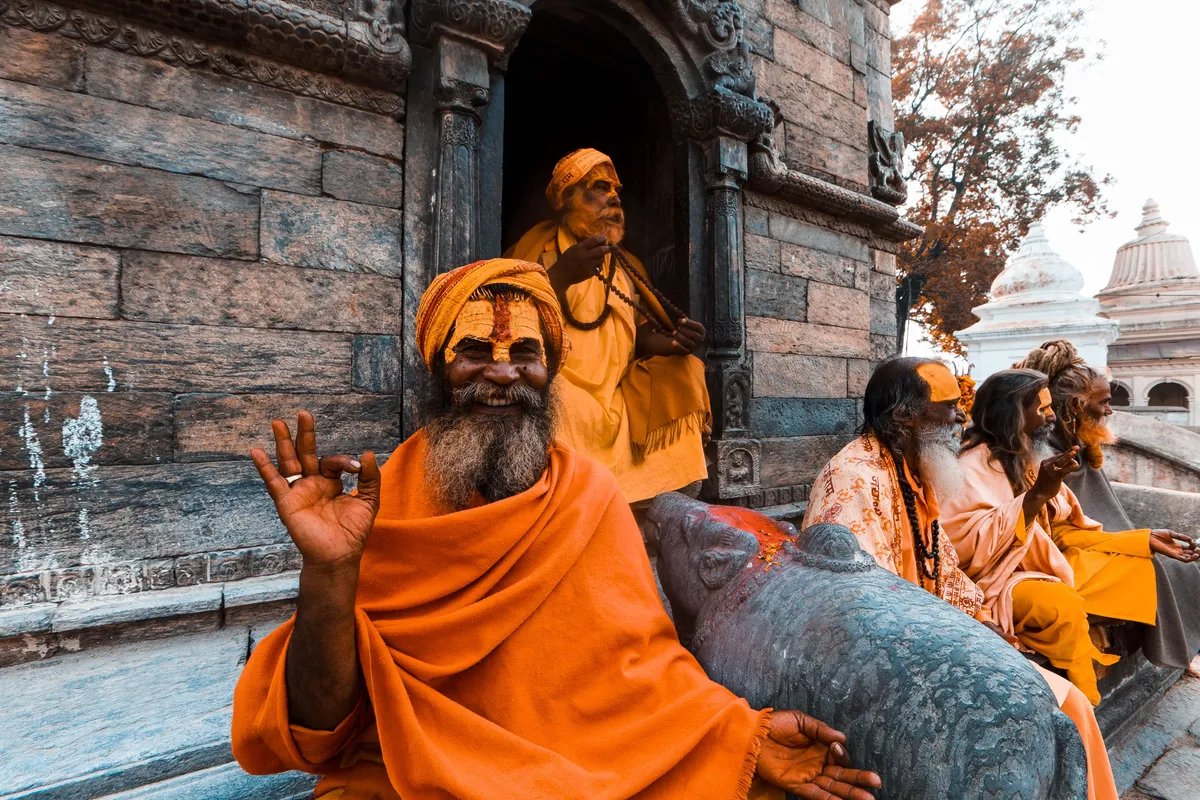
Nepal offers several types of silent retreats, each with its own tradition, structure, and intensity level. Here are the main categories.
Vipassana (10-Day Silent Retreats)
Vipassana, meaning "to see things as they really are," is the most well-known silent retreat format. The technique was rediscovered by S.N. Goenka and is taught at centers worldwide, including in Nepal. The standard course is 10 days of noble silence with about 10 hours of meditation per day. Courses are free, funded by donations from past students. The technique focuses on scanning the body for sensations and observing them without reaction.
In Nepal, Vipassana courses are held at centers in Kathmandu, Lumbini, and other locations. The Vipassana meditation guide for Nepal covers registration, what to bring, and what to expect in detail. These courses are rigorous and not recommended for complete beginners who have never meditated before, though many first-timers do complete them successfully.
Monastery Stays (3-7 Days)
Many Buddhist monasteries in the Kathmandu Valley and beyond offer short silent retreats for visitors. These are less structured than Vipassana courses. You may participate in the monastery's daily routine: morning chanting, meditation sessions, and work periods, all in silence. The teachers are usually resident monks or nuns who provide guidance in English. Monastery stays are ideal for those who want a gentler introduction to silent practice.
For those interested in monastery-based practice, the Buddhist meditation and monastery stays guide covers specific monasteries that accept retreatants, their daily schedules, and what to expect. You can also explore the monastery etiquette meditation activity in Kathmandu for a structured introduction.

Yoga and Silent Meditation Combos
Several retreat centers in Pokhara and Kathmandu combine yoga with silent meditation. These typically run 4 to 7 days and include daily yoga sessions alongside meditation periods. The silence usually begins on day two or three, after orientation. These are popular with travelers who want physical practice alongside mental training. The yoga and meditation retreats guide covers specific centers and what they offer.

Short Silent Retreats (2-3 Days)
If ten days sounds impossible, many centers offer weekend or 2-3 day silent retreats. These are perfect for first-timers who want to test the waters. You get a taste of noble silence, basic meditation instruction, and the experience of extended stillness without committing to a full Vipassana course.
How Much Does a Silent Retreat Cost in Nepal?
One of the best things about silent retreats in Nepal is the cost. Here is a breakdown by type:
- Vipassana 10-day courses: Free (donation-based). You can give what you can at the end. Suggested donations range from $50 to $200, but there is zero obligation.
- Monastery stays: $5 to $15 per day, including food and simple lodging. Some monasteries operate on donation only.
- Yoga and meditation combo retreats: $40 to $120 per day, depending on the center. A 4-day retreat might cost $200 to $450 total.
- Private guided silent retreats: $100 to $200 per day, including private instruction, meals, and accommodation.
Compared to silent retreats in Western countries, which often cost $100 to $300 per day, Nepal is remarkably affordable. For a broader look at costs, the spiritual tour cost guide breaks down expenses across different types of spiritual experiences in Nepal.

What Should You Bring to a Silent Retreat?
Packing for a silent retreat is simple. You need very little. Here is a practical list:
- Clothing: Loose, comfortable, modest clothing. Think loose pants, long-sleeved shirts, and layers. No shorts or tank tops at monasteries. Bring enough for the full retreat since laundry may not be available.
- Meditation cushion: Most centers provide cushions, but if you have a preferred cushion or bench, bring it.
- Warm layers: Mornings and evenings can be cold, especially in Kathmandu Valley and hillside monasteries. A warm shawl or jacket is essential.
- Water bottle: A reusable bottle. Drinking water is usually provided.
- Toiletries: Basic personal items. No scented products (they can be distracting in close quarters).
- Alarm clock: A simple battery-operated clock, since phones are not allowed.
- Journal: Only for after the retreat. During the retreat, writing is not permitted.
What you should NOT bring: phone, laptop, tablet, books, music player, camera, or anything that creates noise or requires interaction. Most centers collect electronics at check-in and return them at the end.
What Are the Benefits of Silent Meditation?
The benefits of silent meditation are not just anecdotal. Research has documented measurable changes in the brain and body from extended meditation practice. Here is what you can expect:
Mental Benefits
Studies using MRI scans show that extended meditation increases gray matter density in the hippocampus (associated with learning and memory) and decreases it in the amygdala (associated with stress and fear). Regular meditators report reduced anxiety, improved focus, and greater emotional regulation. A silent retreat compresses what might take months of daily practice into a concentrated period, often producing shifts that would take years to achieve otherwise.
For those dealing with anxiety or stress, the mindfulness meditation guide covers how secular mindfulness practice, including silent retreats, can be a powerful tool for stress relief.

Physical Benefits
Silent meditation has been shown to lower blood pressure, reduce cortisol levels, improve sleep quality, and boost immune function. The deep rest achieved during extended meditation is different from sleep. It is a state of alert relaxation where the body repairs itself while the mind remains aware. Many retreatants report sleeping better and feeling physically lighter after a retreat, even though they have been sitting still for most of the day.
Spiritual Benefits
For those on a spiritual path, silent retreats offer something that daily practice cannot: sustained contact with your own mind without distraction. You see your patterns clearly. You notice how you react to discomfort, boredom, longing, and joy. This self-knowledge is the foundation of all spiritual growth, regardless of your tradition. Nepal's meditation heritage, from the Buddha's enlightenment in Lumbini to the living practices in today's monasteries, makes it an ideal place for this inner work. Learn more in the history of meditation in Nepal.
How to Prepare for Your First Silent Retreat
Preparation can make the difference between a transformative experience and a miserable one. Here are practical steps to take before you go.
Start Meditating Daily
If you have never meditated, start with 10-15 minutes a day for at least two weeks before your retreat. Sit still, focus on your breath, and observe your thoughts without following them. This builds the basic mental muscle you will need. The meditation for beginners guide covers foundational techniques and what to expect.
Reduce Stimulation Beforehand
In the days before your retreat, start cutting back on phone use, social media, music, and even conversation. Go to bed earlier. Eat simpler food. This helps your nervous system begin the transition before you arrive, making the first days of silence less jarring.
Set an Intention
Why are you doing this? Write down your intention before you go. It might be to reduce stress, to understand yourself better, to heal from something, or simply to try something new. Keep the intention simple. You will not look at it during the retreat, but the act of setting it helps your subconscious orient toward the experience.
Inform Family and Friends
Let people know you will be unreachable for the duration of the retreat. Set up an auto-reply on your email. This removes the background worry that you should be responding to messages, which is one of the biggest mental distractions during the first few days.
Where to Do a Silent Retreat in Nepal
Nepal has silent retreat options across several regions. Here are the main hubs:
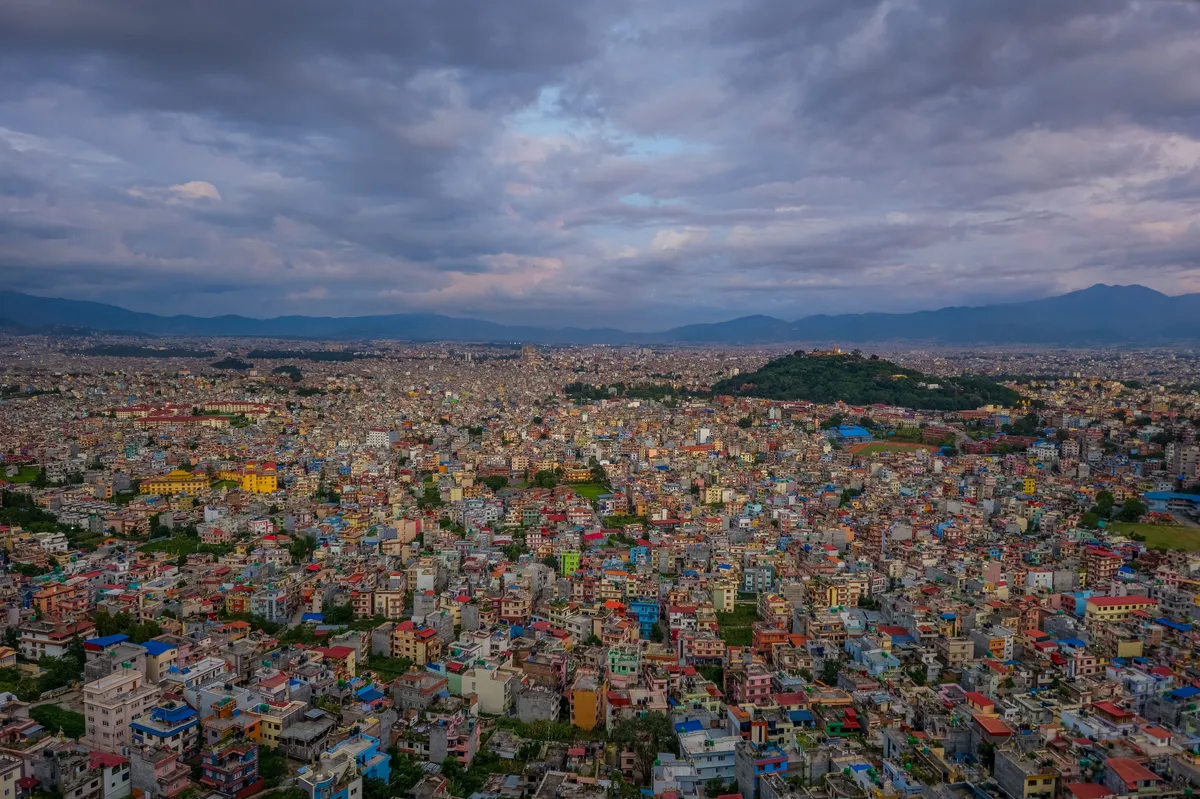
The Kathmandu Valley is home to several Vipassana centers, Buddhist monasteries, and private retreat facilities. The advantage of Kathmandu is accessibility: you can arrive at Tribhuvan International Airport and be at a retreat center within an hour. The valley's monasteries, set on hillsides away from the city noise, offer surprising quiet. The Kathmandu spiritual circuit guide covers key spiritual sites in the valley, many of which have associated meditation programs. For a deeper look at Kathmandu as a healing hub, see Kathmandu as Nepal's center of healing.

Lumbini
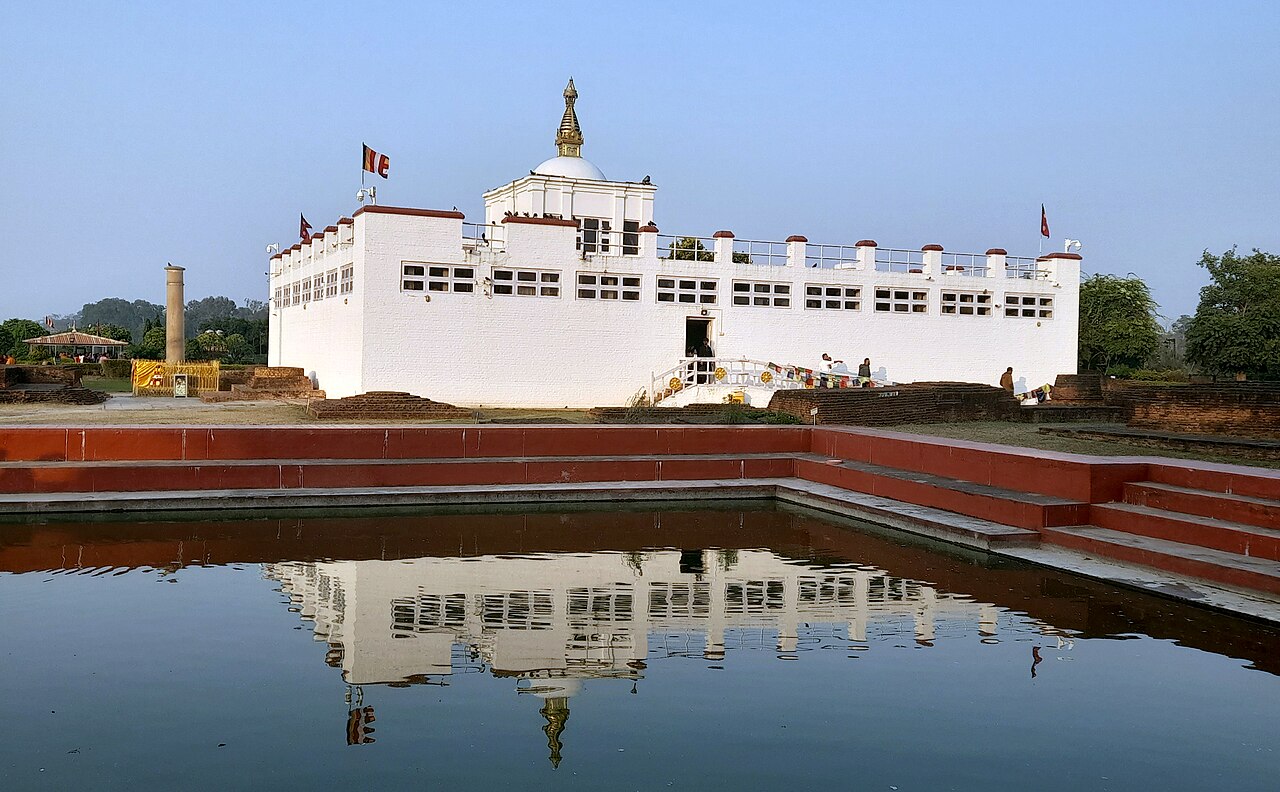
The birthplace of the Buddha is a natural place for a meditation retreat. Lumbini has monasteries from many Buddhist traditions, and several offer silent retreat programs. The atmosphere is deeply peaceful, especially in the early morning around the Maya Devi Temple. Lumbini is a six to eight hour drive from Kathmandu or a 30-minute flight to Bhairahawa. For those interested in a structured spiritual journey, the 10-day spiritual pilgrimage circuit includes Lumbini as a key stop.

Pokhara
Pokhara, with its lakeside setting and mountain views, is home to several yoga and meditation retreat centers that offer silent periods. The natural beauty of Phewa Lake and the surrounding hills creates a serene backdrop for practice. Pokhara is a 25-minute flight or 6-7 hour drive from Kathmandu.
Hillside Monasteries and Remote Centers
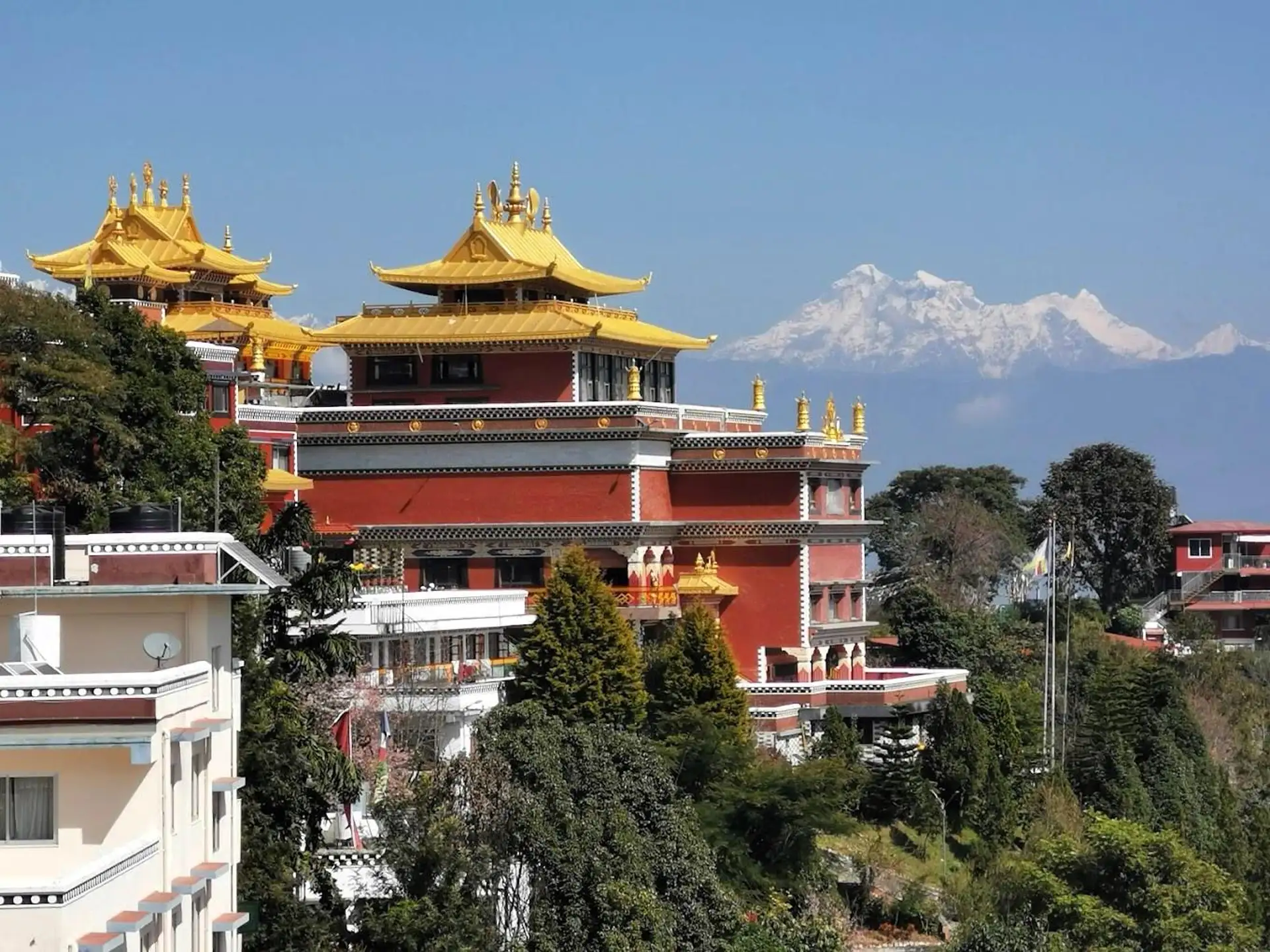
For those who want true isolation, monasteries in the hills around Kathmandu (such as Nagi Gompa, Kopan, and Namobuddha) offer retreats in spectacular natural settings. These are often more austere but more immersive. The silence of a Himalayan mountainside, broken only by wind and birdsong, is an experience that stays with you for life.
Common Challenges and How to Handle Them
A silent retreat is not a vacation. It is work, and it can be hard. Here are the most common challenges and how to navigate them.
Physical Discomfort
Sitting still for hours is physically painful, especially in the first few days. Your knees ache, your back hurts, your legs go numb. The key instruction from every tradition is the same: do not move during a sitting. Observe the pain. Notice it change. It always does. By day four or five, your body adjusts and the discomfort diminishes significantly. If you have knee or back issues, inform the teacher at registration. You may be given a chair or alternative posture.
Mental Resistance
Your mind will fight the silence. It will generate reasons to leave, stories about how this is pointless, fantasies about what you will eat when you get out. This is the mind's defense mechanism against being observed. Every retreatant goes through this. The instruction is simple: note the thought, return to the breath, and do not engage. It gets easier.
Boredom
After the initial mental storm subsides, boredom can set in. Hours of sitting, walking, sitting, walking, with nothing to entertain you. This boredom is actually a gift. It is the space where real observation happens. When the mind is not being stimulated, it starts to reveal its own nature. Stay with the boredom. It transforms into something far more interesting than any entertainment.
Emotional Release
Silent retreats can trigger unexpected emotions. You may find yourself crying during meditation, feeling grief, anger, or joy that seems to come from nowhere. This is normal. Repressed emotions surface when the mind is quiet enough to feel them. Most retreat centers are experienced in supporting this. If you feel overwhelmed, you can usually request a brief private meeting with the teacher (speaking is allowed in one-on-one teacher meetings).
Can Anyone Do a Silent Retreat?
Most healthy adults can do a silent retreat, but there are some considerations. If you have a history of severe mental illness, particularly psychosis or severe depression, consult a mental health professional before undertaking an extended silent retreat. The intensity of extended meditation can sometimes exacerbate underlying conditions. For most people, though, the experience is safe and beneficial.
You do not need to be a Buddhist, a spiritual seeker, or even particularly "spiritual" to benefit from a silent retreat. Many participants are simply people who want to reset, reduce stress, or try something new. The technique is secular in practice, even when taught in a monastic setting. The guide to choosing a meditation retreat helps you match the right type of retreat to your experience level and goals.
What Happens After the Retreat?
The end of a silent retreat is a unique moment. When the teacher announces that noble silence has ended, there is often a moment of hesitation. After days of not speaking, the first words feel strange. Many retreatants describe a wave of emotion: gratitude, relief, and a bittersweet sense that something precious is ending.
The real challenge begins when you leave. How do you maintain the sense of clarity and stillness in a world of notifications, conversations, and responsibilities? Most teachers recommend establishing a daily meditation practice, even if it is just 20 minutes a day. The daily meditation practice guide offers a practical framework for building a routine, whether you are at home or traveling.
Many retreatants find that the changes are subtle but lasting. You may find yourself less reactive, more patient, more aware of your thoughts throughout the day. The experience of sustained silence changes your relationship to noise, to conversation, and to your own mind. Some people return for a meditation retreat in Nepal every year. Others do one and never do another. Either way, the experience stays with you.
Combining Silent Retreats With Travel in Nepal
Many travelers combine a silent retreat with a broader trip to Nepal. This is an excellent way to experience both the inner and outer landscapes of the country. A common pattern is to spend the first few days of your trip trekking or sightseeing, then do a 3-7 day silent retreat in the middle, and finish with more exploration. The retreat serves as a reset point, deepening your experience of everything that follows.
For those who want a fully guided spiritual journey, the 7-day spiritual tour itinerary can be adapted to include a silent retreat component. If you are interested in the broader cultural and spiritual context, the complete guide to cultural and spiritual tours in Nepal is the definitive resource. And for practical trekking information that may complement your journey, see the best trekking agency in Nepal guide.
Silent meditation retreats in Nepal are not about escaping the world. They are about meeting yourself without the noise. When you stop talking, you start hearing. What you hear may surprise you. The mountains, the monasteries, and the ancient traditions of Nepal are waiting. All you have to do is be quiet.