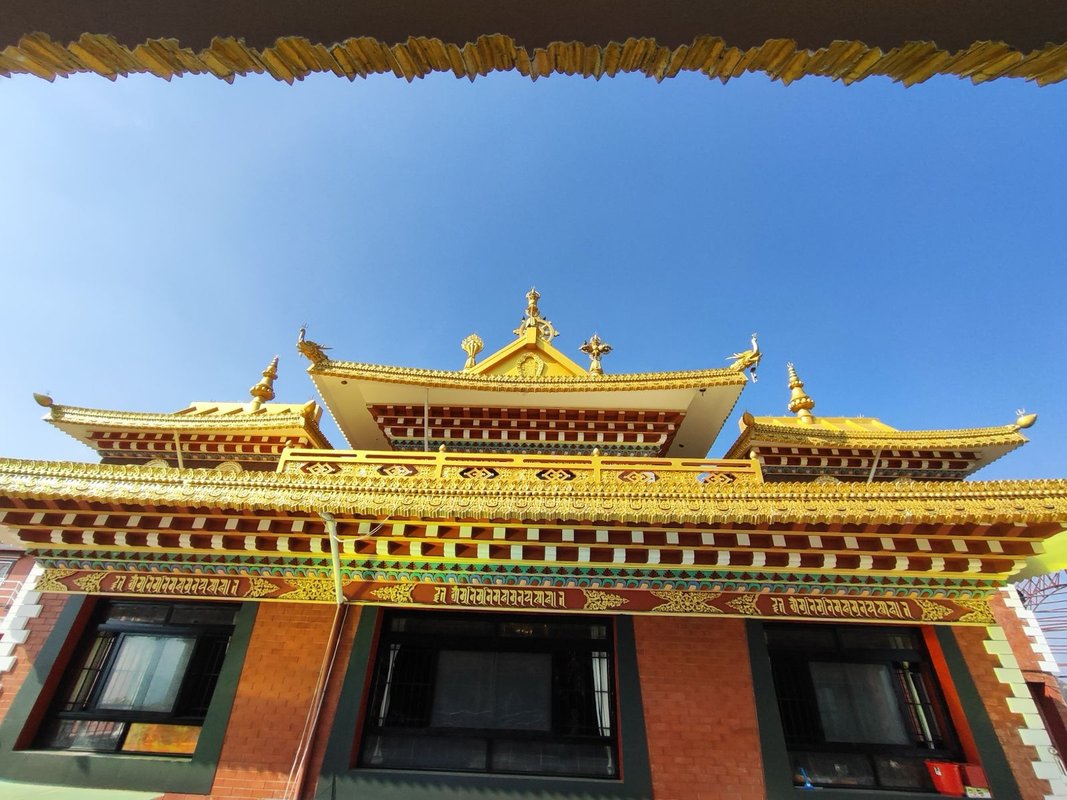
Buddhist Meditation in Nepal: Monastery Stays, Teachings, and Daily Practice
Nepal is the birthplace of the Buddha and one of the world's most powerful destinations for Buddhist meditation. From the white-domed stupa of Boudhanath to the forest monasteries of Lumbini, the country holds an unbroken lineage of Vajrayana and Theravada practice that draws thousands of seekers every year. Whether you want to sit in silence at Kopan Monastery, study the dharma with Tibetan lamas, or simply learn how to meditate inside a working gompa, Buddhist meditation in Nepal offers an experience that no app or urban studio can replicate.
This guide covers everything you need to know: the best monasteries that accept residential students, the types of Buddhist meditation taught in Nepal, what daily life inside a monastery actually looks like, and how to choose a program that matches your level of commitment. It is built for first-time meditators and experienced practitioners alike, and every recommendation is grounded in real programs you can book today.
Why Nepal for Buddhist Meditation?
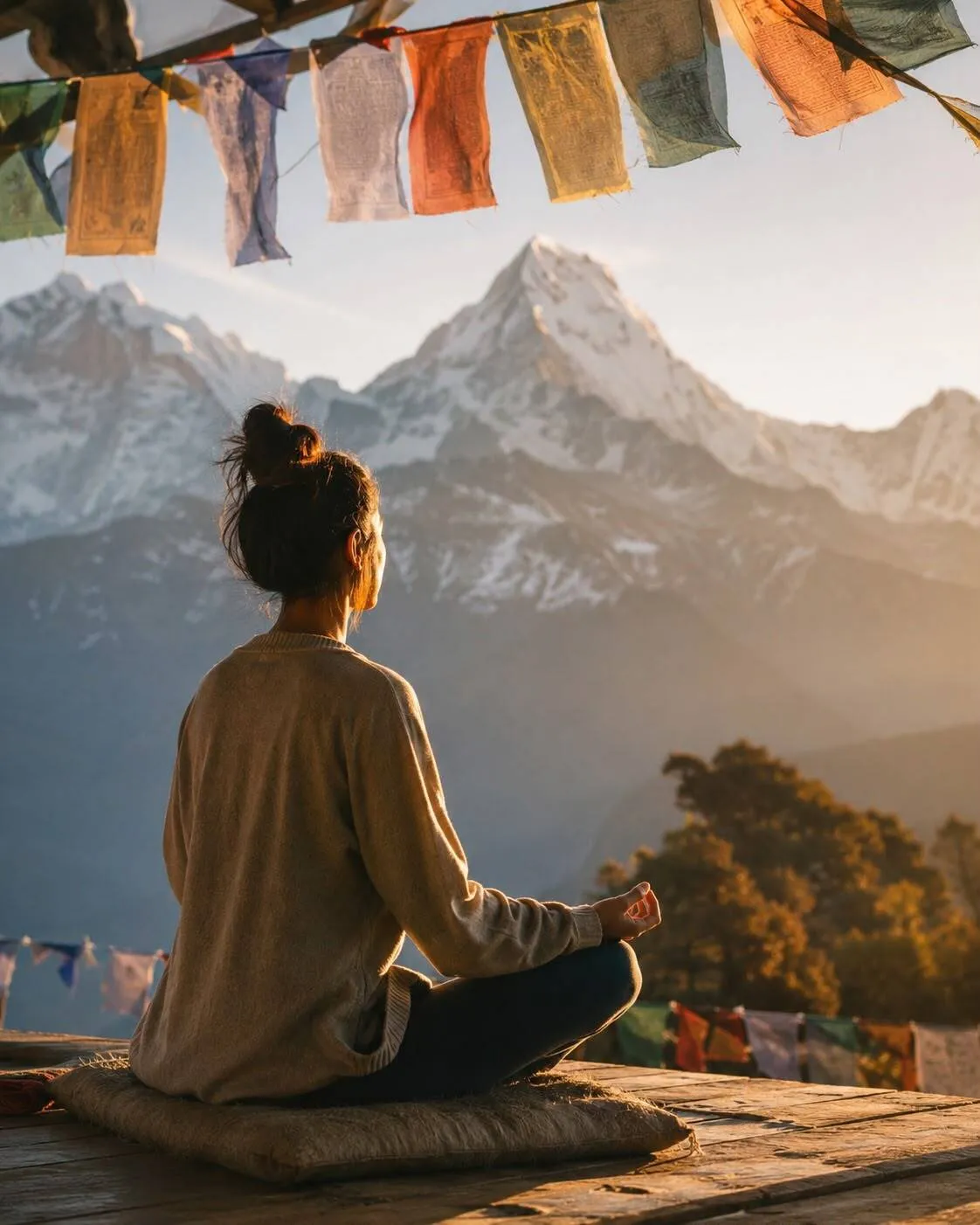
Nepal sits at the crossroads of Himalayan Buddhism. Tibetan Buddhism flourished here after the Chinese invasion of Tibet in the 1950s, and today the Kathmandu Valley alone holds over 50 Tibetan monasteries, many of which run structured meditation courses for international visitors. Theravada Buddhism is equally present, especially in Lumbini, where monasteries from Thailand, Myanmar, Sri Lanka, and Cambodia offer vipassana and metta retreats on the very ground where Siddhartha Gautama was born.
What makes Nepal different from meditation centers in the West is the living tradition. When you sit in a Nepali monastery, you are not in a converted conference room with a facilitator who did a 200-hour certificate. You are inside a lineage that has been transmitting these techniques for 2,500 years. The morning chants you hear are the same pujas that monks have recited for centuries. The teacher who guides your session may have spent 20 years in retreat. This depth is what transforms a meditation course into a genuine spiritual encounter.
For a broader look at the country's spiritual landscape, our complete guide to cultural and spiritual tours in Nepal maps every major pilgrimage site and sacred circuit. And if you are also considering trekking, our guide to the best trekking agency in Nepal helps you plan the adventure side of your journey. For a complete overview of meditation experiences across the country, browse our meditation in Nepal activity guide.
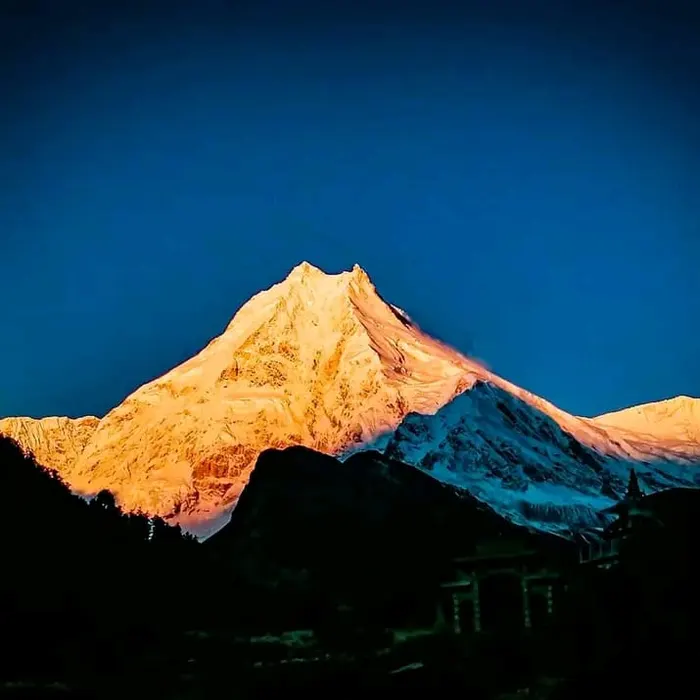
Types of Buddhist Meditation Taught in Nepal
Buddhist meditation is not one technique. The monasteries and centers of Nepal teach a spectrum of practices, and understanding the differences will help you choose the right program.
Shamatha (Calm Abiding)
Shamatha is the foundation of nearly every Buddhist meditation tradition. The practice involves focusing the mind on a single object - most commonly the breath - and gently returning attention whenever it wanders. At Kopan Monastery, shamatha is the first technique taught in the November course, and students typically spend the first three days building stability before moving to analytical practices. The goal is not to empty the mind but to develop enough concentration that you can hold an object of meditation without distraction.
Vipassana (Insight Meditation)
Vipassana is the practice of seeing things as they really are. In Nepal, two streams of vipassana are widely available: the Goenka-style 10-day silent retreats taught at centers like Dharmashringa in Kathmandu, and the Mahasi-style noting practice taught at Panditarama Lumbini. Both are rigorous. Goenka courses require complete silence, no reading or writing, and 10 hours of sitting per day. Mahasi retreats alternate sitting and walking meditation with individual interviews. For a deep dive into the Goenka tradition, read our complete guide to Vipassana meditation in Nepal.
Metta (Loving-Kindness)
Metta meditation cultivates unconditional goodwill toward all beings. It is often taught as a complement to vipassana, especially at the Panditarama centers in Lumbini, where practitioners spend the final days of a retreat radiating loving-kindness. The practice involves repeating phrases like "May you be happy, may you be safe, may you be free from suffering" while visualizing specific people, then expanding the circle outward to all sentient beings.
Analytical Meditation (Lamrim)
Unique to the Tibetan Gelug tradition, analytical meditation uses reasoned contemplation to transform thej mind. Instead of simply watching thoughts, you actively investigate a topic - impermanence, the nature of suffering, the preciousness of human life - using logic and scriptural references. Kopan Monastery's month-long course is built around the lamrim (stages of the path), and each session combines analytical meditation with stabilizing shamatha. This is the technique that most distinguishes Tibetan Buddhist meditation from secular mindfulness.
Deity Yoga and Visualization
Advanced Vajrayana practices involve visualizing oneself as a fully enlightened being, complete with the deity's mandala palace, retinue, and qualities. These are not beginner techniques; they require initiation (wang), oral transmission (lung), and instruction (tri) from a qualified lama. Monasteries like Shechen and Benchen in Boudhanath offer occasional public teachings on Chenrezig and Green Tara practice, but serious deity yoga study typically requires a personal relationship with a teacher.
Best Monasteries for Meditation in Nepal
Kopan Monastery (Kathmandu)
Kopan is the most famous Buddhist meditation center in Nepal and the flagship institution of the Foundation for the Preservation of the Mahayana Tradition (FPMT). Perched on a hill overlooking the Kathmandu Valley, Kopan runs a renowned month-long lamrim meditation course every November, plus shorter 10-day courses throughout the year. The daily schedule begins at 5:30 AM with prostrations and continues through morning teachings, discussion groups, afternoon meditation sessions, and evening pujas. Accommodation is simple but comfortable: single rooms with shared bathrooms, vegetarian meals served in the communal dining hall, and access to the monastery's extensive library.
The November course is Kopan's signature program. Lama Zopa Rinpoche founded it in 1971, and while he passed in 2023, the course continues under senior FPMT teachers. Expect 200 to 300 participants from 40-plus countries, daily teachings on the lamrim, guided meditations, and optional tantric initiations. The cost is around $400 to $600 for the full month, including accommodation and meals - extraordinary value for the depth of instruction.
Panditarama Lumbini (Lumbini)
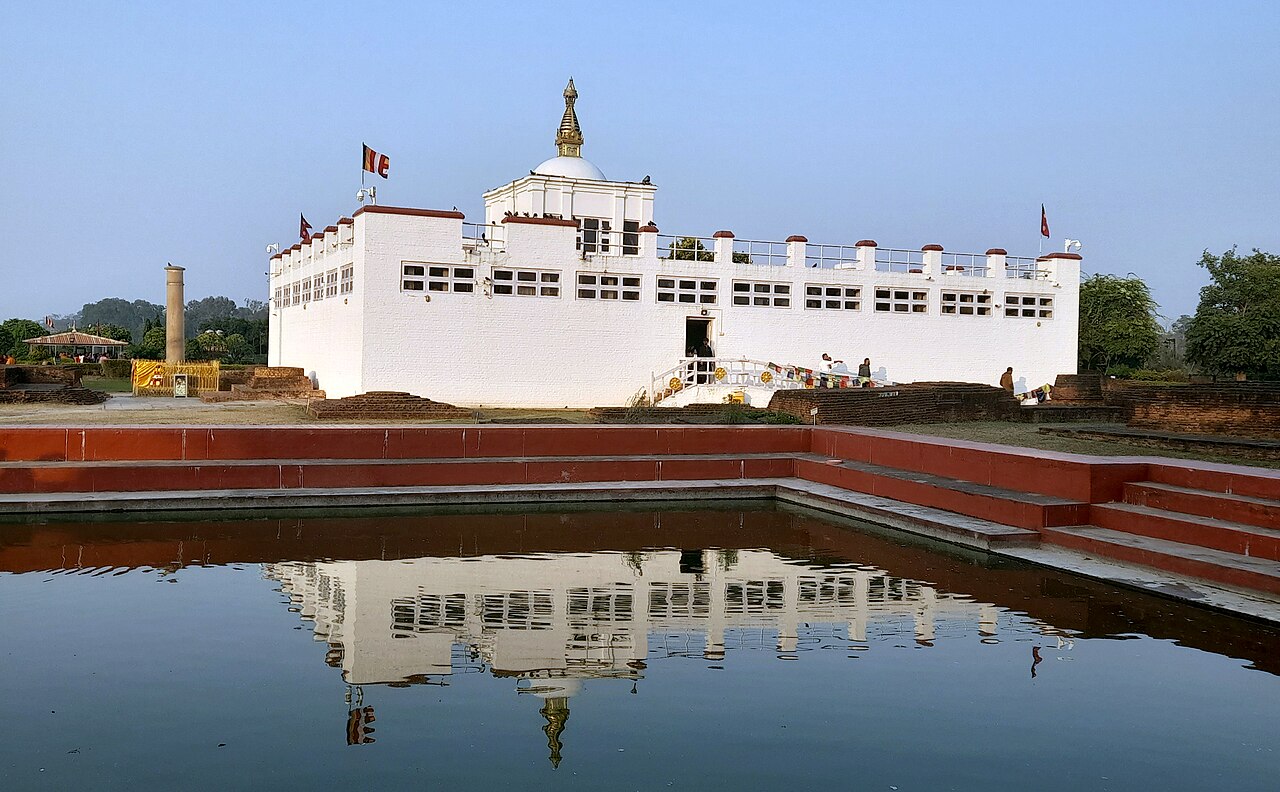
Panditarama Lumbini is a Theravada meditation center in the Sacred Garden zone of Lumbini, just a 10-minute walk from the Maya Devi Temple. It follows the Mahasi Sayadaw tradition of Burma and is led by Sayadaw U Vivekananda, a monk with over 40 years of teaching experience. The center accepts residential students year-round for self-directed retreats of any length, with daily interviews with the teacher. The practice alternates sitting meditation (noting the rise and fall of the abdomen) with walking meditation (noting each step), and the schedule runs from 4:00 AM to 9:00 PM.
Panditarama is more austere than Kopan. Accommodation is in simple kutis (small huts), meals are basic, and the emphasis is entirely on practice. There is no course fee; the center runs on donations. This is the place to go if you want serious, undistracted vipassana in the birthplace of Buddhism. For a broader look at the sacred sites of Lumbini, see our Lumbini pilgrimage guide.
Shechen Monastery (Boudhanath, Kathmandu)
Shechen is one of the most important Nyingma monasteries in Nepal, located a short walk from the Boudhanath Stupa. While it does not run structured residential courses like Kopan, Shechen offers daily public meditation sessions in its main temple, and serious students can arrange private instruction with resident lamas. The monastery's Tsering Art School and its annual summer teachings by Shechen Rabjam Rinpoche draw practitioners from around the world. The atmosphere is less institutional than Kopan and more integrated into the daily rhythm of monastic life.
Thrangu Tashi Yangtse (Namobuddha)
About 40 kilometers from Kathmandu, on a hilltop overlooking the valley, Thrangu Tashi Yangtse Monastery in Namobuddha is one of the most beautiful places to practice Buddhist meditation in Nepal. The monastery marks the site where, according to legend, a previous incarnation of the Buddha offered his body to a starving tigress. Today it houses a thriving community of monks and a retreat center that accepts short-term residential students. The setting - surrounded by terraced fields and Himalayan panoramas - is profoundly conducive to practice. The monastery offers basic meditation instruction and allows visitors to join the daily pujas.
International Buddhist Academy (Tinchuli, Kathmandu)
IBA sits on a quiet hill in Tinchuli, near Boudhanath, and offers a structured approach to Buddhist study and meditation. Founded by Khenchen Appey Rinpoche, IBA runs a two-year shedra (monastic college) program, but it also offers short courses for lay practitioners: Buddhist philosophy, Tibetan language, and guided meditation retreats. The campus is modern and well-equipped, with a library, meditation hall, and comfortable guest rooms. IBA is ideal if you want academic rigor alongside your practice.
Daily Life Inside a Buddhist Monastery
If you have never stayed in a monastery, the daily rhythm can be surprising. It is structured, communal, and far more physically demanding than most people expect. Here is what a typical day looks like at a residential meditation program in Nepal.
4:30-5:00 AM: Wake-up. Most monasteries begin the day before dawn. At Kopan, a gong sounds at 5:00 AM. At Panditarama Lumbini, the bell rings at 4:00 AM. There is no snooze button, and missing the morning session is generally not an option if you are on a structured course.
5:30-6:30 AM: Morning meditation or prostrations. The first session of the day is often the most powerful. The mind is fresh, the monastery is quiet, and the pre-dawn darkness creates a natural container for inward focus. At Kopan, the morning session begins with prostrations to the Three Jewels, followed by shamatha meditation.
7:00 AM: Breakfast. Meals in Buddhist monasteries are simple, vegetarian, and often eaten in silence. At Kopan, breakfast is typically Tibetan bread, porridge, and tea. At Panditarama, it is rice and dhal. The food is not gourmet, but it is nourishing and prepared with mindfulness.
8:30-11:30 AM: Teachings. Morning is when the main teaching session happens. At Kopan, the geshe or senior teacher delivers a two-hour discourse on the lamrim, often with translation into multiple languages. At Panditarama, this period is for self-directed sitting and walking meditation, with individual interviews with the teacher.
12:00 PM: Lunch. The main meal of the day. In the Tibetan tradition, monks eat in the assembly hall, and the meal is preceded by chanting and offerings. After lunch, there is usually a rest period.
2:00-5:00 PM: Afternoon sessions. This block typically includes discussion groups, additional meditation, or study. At Kopan, small groups of 8 to 12 students meet with a facilitator to discuss the morning's teaching and share their meditation experiences.
6:00 PM: Evening puja. The evening chanting session is one of the most beautiful parts of monastery life. At Shechen Monastery, the deep harmonic chanting of the monks, accompanied by horns, cymbals, and drums, fills the temple. Visitors are welcome to sit in the back and absorb the atmosphere.
7:30 PM: Dinner (or no dinner). Many monasteries observe the traditional rule of no solid food after noon. Kopan serves a light evening tea and sometimes soup. Panditarama offers juice or tea. If you are used to a full dinner, this takes adjustment, but most practitioners find that a lighter evening meal improves the quality of early-morning meditation.
8:30-9:30 PM: Final meditation and lights out. The day ends with a short session, often dedicated to dedication of merit - the practice of offering the day's positive energy for the benefit of all beings.
How to Choose the Right Monastery Program
Not every monastery program suits every practitioner. Here is a practical framework for choosing.
Duration. If you have never meditated before, start with a 3-day or 7-day program. Kopan's 10-day courses are a good entry point. The month-long November course is transformative but intense; do not attempt it as your first retreat unless you have a strong existing practice. Panditarama Lumbini accepts students for any length of stay, from a weekend to several months.
Tradition. Tibetan Buddhism (Kopan, Shechen, IBA) emphasizes ritual, visualization, and the lamrim. Theravada (Panditarama) emphasizes bare attention, noting, and the satipatthana suttas. If you are drawn to chanting, mandalas, and deity practice, choose Tibetan. If you prefer a stripped-down, technique-focused approach, choose Theravada.
Comfort level. Kopan offers single rooms, hot showers, and a well-stocked library. Panditarama offers a mattress on the floor and cold bucket showers. Be honest about what you can handle. A retreat is challenging enough without being physically miserable. For a comprehensive comparison of retreat options, see our guide to meditation retreats in Nepal.


Teacher access. At Kopan, you receive daily group teachings but limited one-on-one time. At Panditarama, you get a daily individual interview with the teacher. If personal guidance matters to you, prioritize centers that offer regular interviews.
Cost. Kopan's month-long course costs around $400 to $600. Panditarama runs on donations. IBA's short courses range from $200 to $500. Most monasteries offer reduced rates or work-study options for long-term students. For a detailed breakdown of costs across all types of spiritual travel in Nepal, read our spiritual tour cost guide.
What to Expect from Monastery Teachings
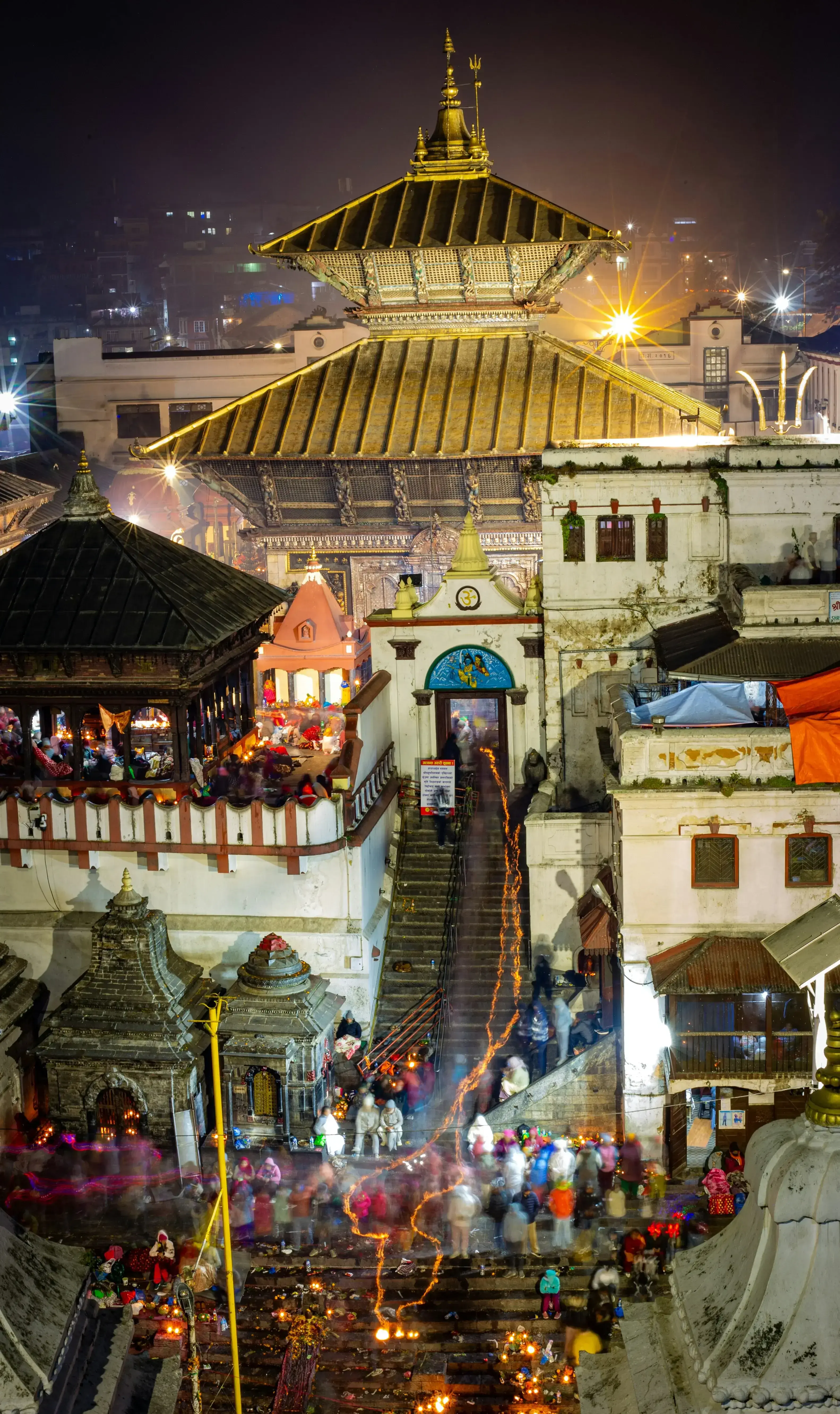
Buddhist teachings in Nepal are not TED Talks. They are systematic, repetitive, and designed to penetrate the mind over time, not to entertain. A typical teaching session at Kopan runs 90 to 120 minutes. The teacher sits on a throne, students sit on cushions on the floor, and the discourse follows a structured outline. You will hear the same concepts - impermanence, karma, bodhicitta - presented from multiple angles over many days. This is intentional. The repetition is how the teachings move from intellectual understanding to lived experience.
Most monasteries provide English translation. At Kopan, the geshe teaches in Tibetan and a translator renders it into English in real time. At Panditarama, the teacher speaks English directly. At Shechen, public teachings are often in Tibetan with English translation via headsets. If you do not speak English, check in advance; some centers offer translation into French, German, Spanish, or Chinese.
For a broader perspective on how meditation fits into the Himalayan spiritual landscape, our guide to meditation in the Himalayas covers retreats and practices across the entire mountain range.
Practical Tips for Monastery Stays
Dress modestly. Shoulders and knees should be covered at all times. Loose, comfortable clothing in muted colors is appropriate. Avoid shorts, tank tops, and tight-fitting clothes. At Kopan, you will be asked to wear a shawl or scarf during teachings.
Observe monastery etiquette. Remove your shoes before entering temples and meditation halls. Do not point your feet at the teacher, the altar, or images of the Buddha. Walk clockwise around stupas and temples. Do not touch monks or nuns of the opposite gender. For a complete guide to monastery behavior, see our monastery etiquette and meditation guide.
Bring the right gear. A meditation cushion or bench if you have one (monasteries provide cushions, but they may be thin). A shawl or blanket for early-morning sessions, which can be cold even in spring. Earplugs if you are a light sleeper - monastery walls are thin and the gong is loud. A headlamp for navigating dark paths at night. A refillable water bottle with a filter; tap water is not safe to drink.
Manage your expectations. You will not achieve enlightenment in 10 days. You may not even feel peaceful. The first few days of a retreat often bring restlessness, physical discomfort, and a flood of thoughts you did not know you had. This is normal. The practice is not about feeling good; it is about seeing the mind clearly. Trust the process and follow the schedule.
Respect the silence. Many monasteries observe noble silence after the evening session. Even when silence is not mandatory, keep your voice low and avoid unnecessary conversation. The container of silence is one of the most valuable aspects of a monastery retreat.
Combining Monastery Meditation with Pilgrimage
One of the unique advantages of practicing Buddhist meditation in Nepal is the ability to combine retreat with pilgrimage. The country's most sacred Buddhist sites are within reach of the major monasteries, and visiting them deepens the meditation experience.
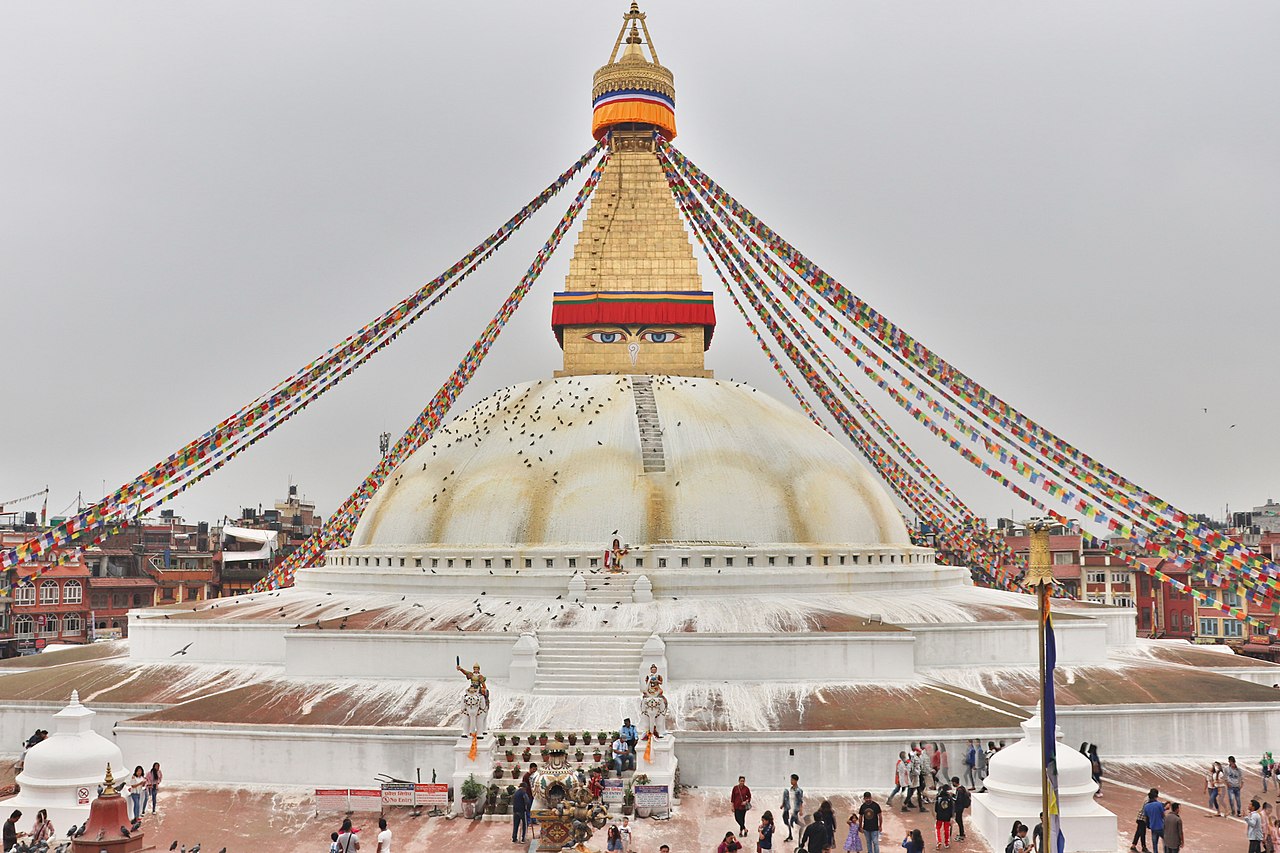
Boudhanath Stupa. A 10-minute walk from Shechen Monastery, Boudhanath is one of the largest spherical stupas in the world and the heart of Tibetan Buddhism in Nepal. Circumambulating the stupa while reciting mantras is a meditation in itself. The early morning and evening hours, when the crowds are thin and the butter lamps are lit, are especially powerful. For a detailed guide to the Kathmandu spiritual circuit, read our Kathmandu spiritual circuit guide.
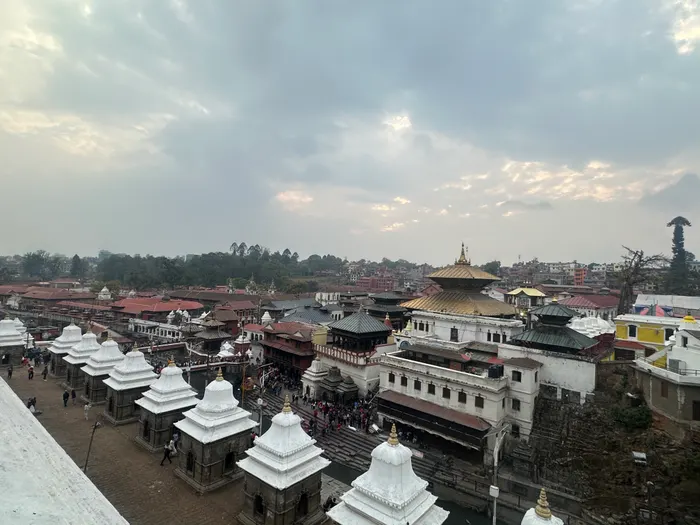
Swayambhunath (Monkey Temple). Perched on a hill west of Kathmandu, Swayambhunath is one of the oldest Buddhist sites in Nepal, with a history stretching back to the 5th century. The stupa is surrounded by smaller shrines, prayer wheels, and troops of monkeys. The panoramic view of the Kathmandu Valley from the top is a reminder of the vastness beyond the meditation cushion.
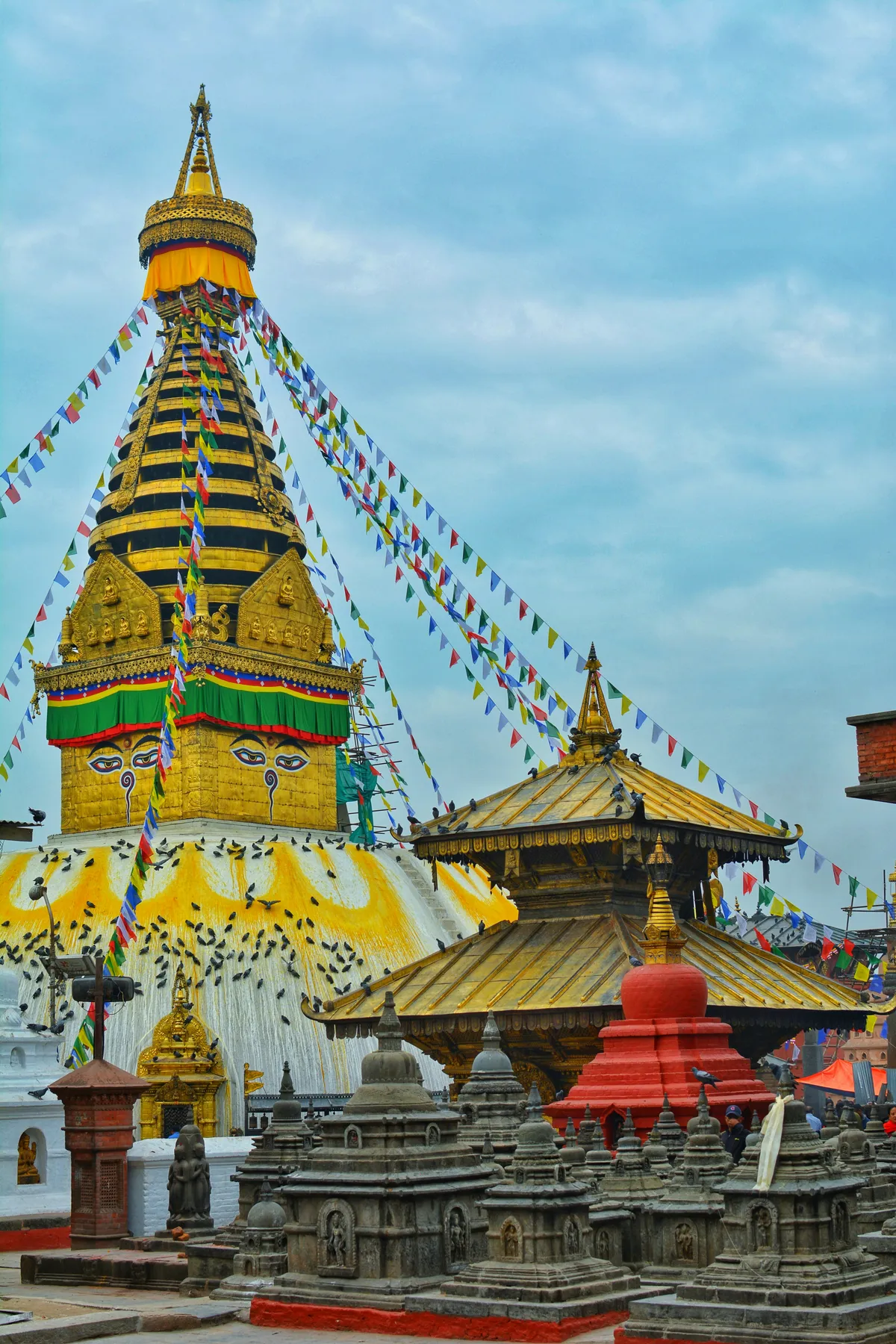
Lumbini. The birthplace of the Buddha is a three-hour drive or 25-minute flight from Kathmandu. The Sacred Garden, with the Maya Devi Temple marking the exact spot of the Buddha's birth, the Ashoka Pillar, and the monastic zone with temples from over 20 countries, is a UNESCO World Heritage Site and the most important Buddhist pilgrimage destination in Nepal. For a complete pilgrimage itinerary, see our Buddhist pilgrimage tour guide.
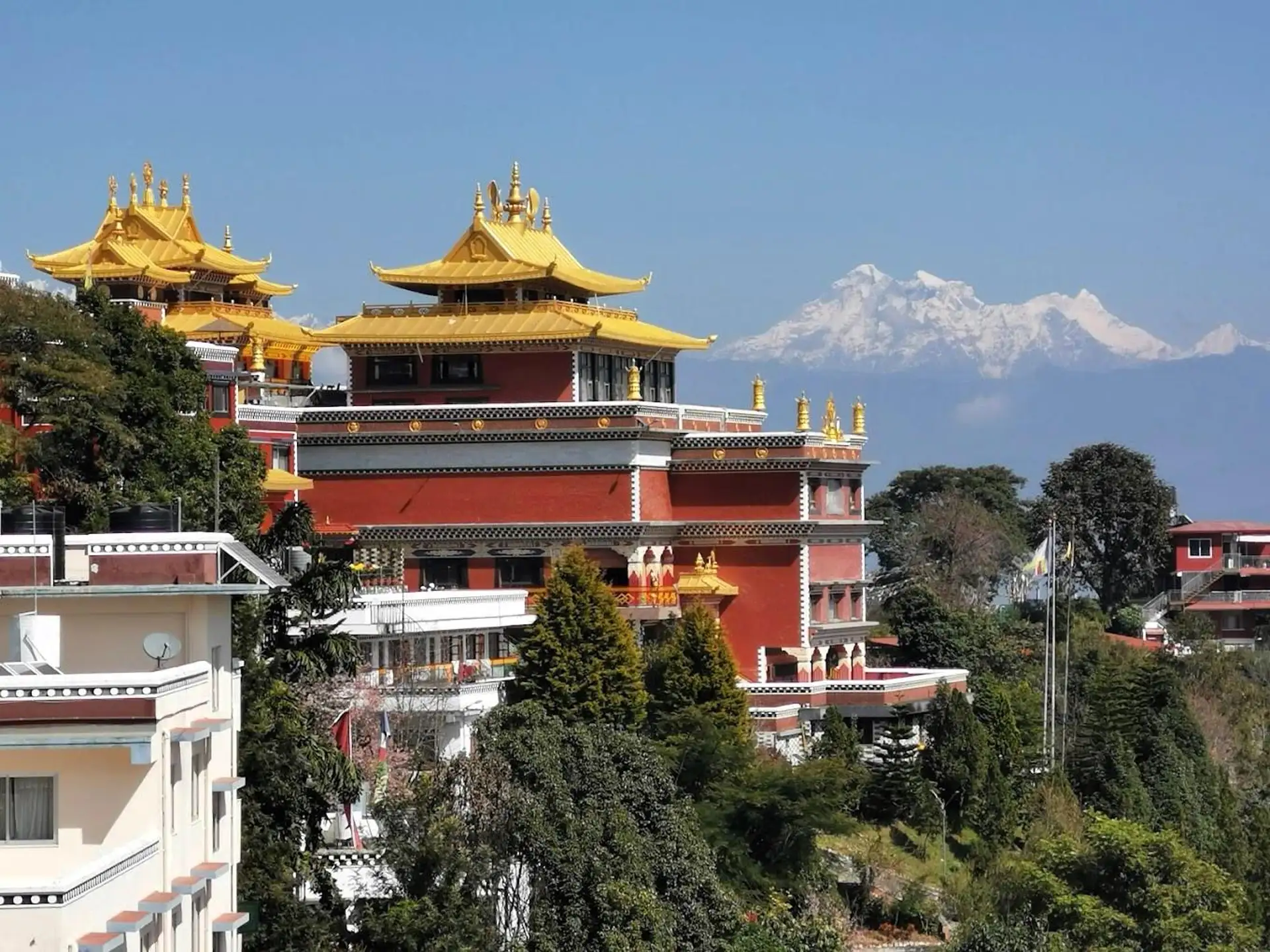
Namobuddha. The site of Thrangu Tashi Yangtse Monastery, Namobuddha is also one of the three most important Buddhist pilgrimage sites in the Kathmandu Valley, alongside Boudhanath and Swayambhunath. The story of the Buddha's previous life offering his body to a tigress gives the place a particular resonance for practitioners of compassion meditation.
Integrating Monastery Practice into Daily Life
The real test of Buddhist meditation is not how you feel on the cushion but how you live when you leave the monastery. Here are practical ways to maintain your practice after returning home.
Establish a daily sitting practice. Even 15 minutes every morning, at the same time and in the same place, creates a container that sustains the retreat experience. Use the technique you learned at the monastery - shamatha, vipassana, or metta - and do not switch methods every week. Consistency of method is more important than duration.
Find a local sangha. Most cities have Buddhist meditation groups affiliated with the traditions represented in Nepal. The FPMT has centers in over 40 countries. The Goenka network runs 10-day courses worldwide. Connecting with a community of practitioners provides support, accountability, and access to teachers.
Maintain contact with your teacher. Many monastery teachers offer online teachings and email guidance for former students. Kopan's teachers occasionally travel internationally. If you formed a connection with a particular lama or sayadaw, ask if they offer distance guidance.
Return regularly. Many practitioners return to the same monastery year after year, deepening their practice with each visit. The November course at Kopan has students who have attended for 10, 15, or 20 consecutive years. The familiarity of the place, the teacher, and the routine allows the mind to settle more quickly each time.
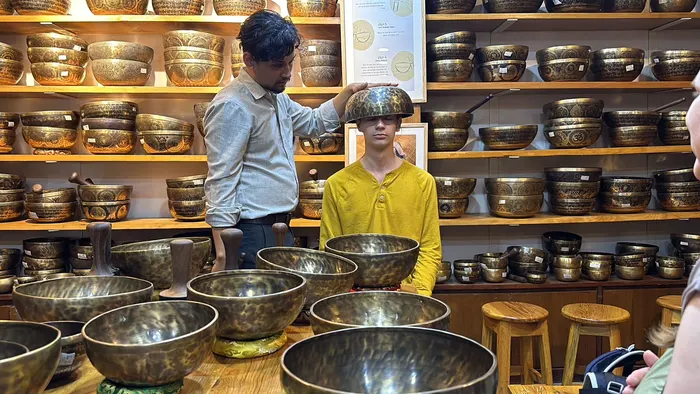
For a complete introduction to meditation practice in Nepal, start with our beginner's guide to meditation in Nepal. And if you are interested in the healing traditions that complement Buddhist practice, explore our guide to Kathmandu's healing center and our sound healing in Kathmandu guide.

Final Thoughts
Buddhist meditation in Nepal is not a consumer experience. It is a transmission of wisdom that has survived 2,500 years of history, and the monasteries that offer it are not wellness resorts - they are living communities of practitioners who have dedicated their lives to the dharma. Approach them with respect, humility, and a genuine desire to learn, and you will receive far more than a certificate or an Instagram post. You will receive a method for working with your own mind that can transform every aspect of your life.
The monasteries are ready. The teachers are present. The only question is whether you are ready to sit down and begin.

Your Trusted Partner for Himalayan Journeys


Trekking & Expeditions
Cultural & Spiritual Tours
Helicopter Tours
Wellness & Yoga Retreats
Meditation Programs
Government Registered
NTB Licensed
Local Expert Guides
24/7 Support
100% Tailor-Made
Enticing Himalayas Travel and Tours Pvt. Ltd. | Kathmandu, Nepal